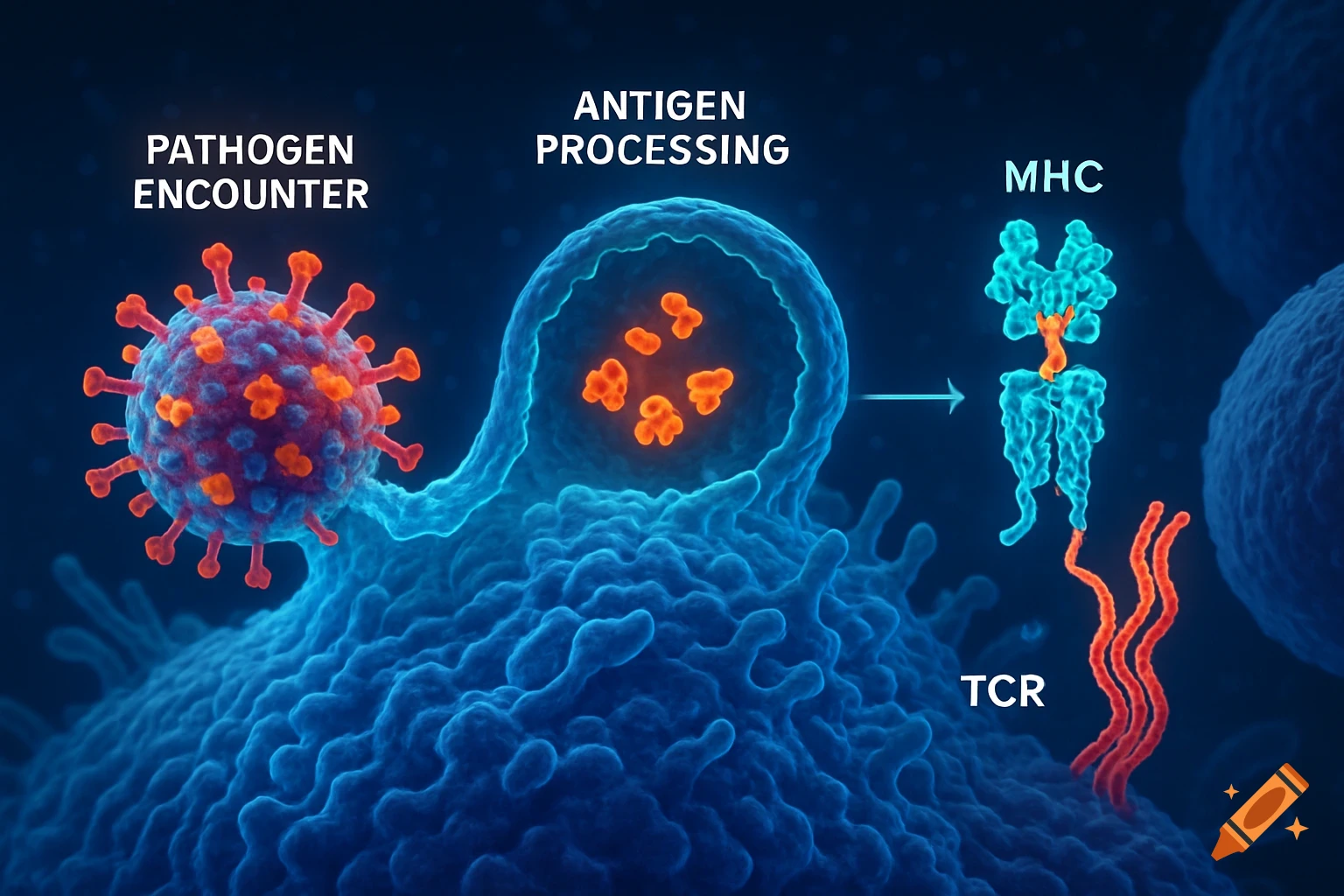
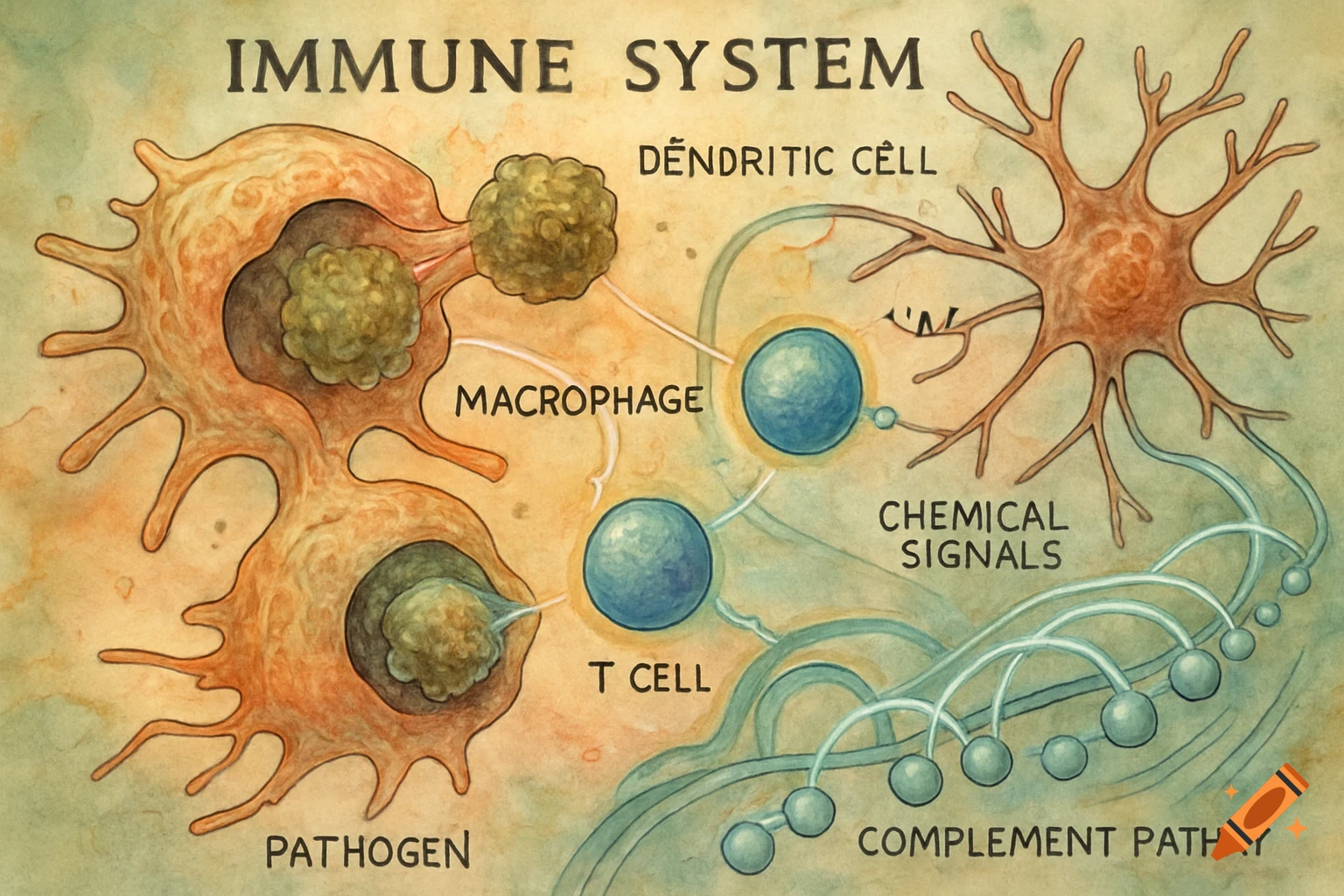
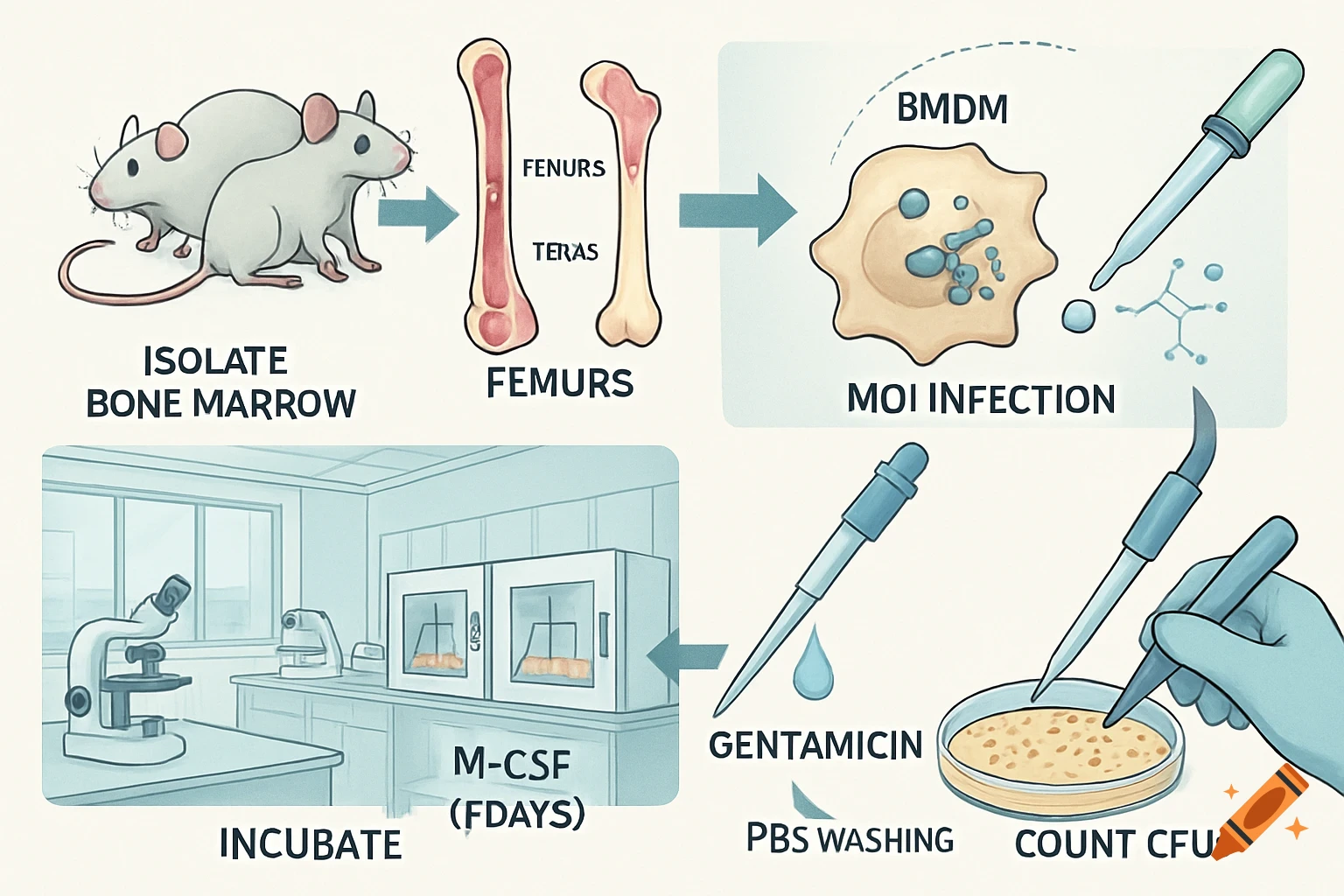
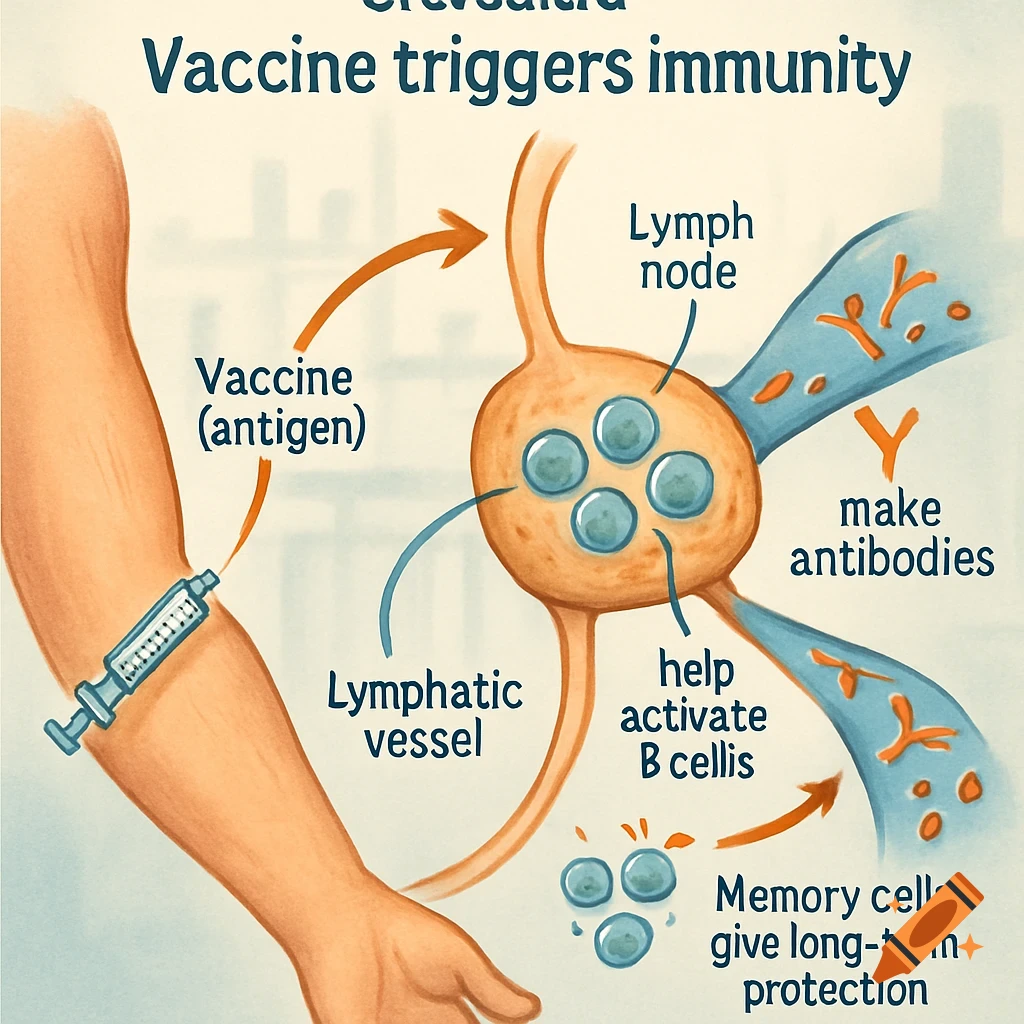
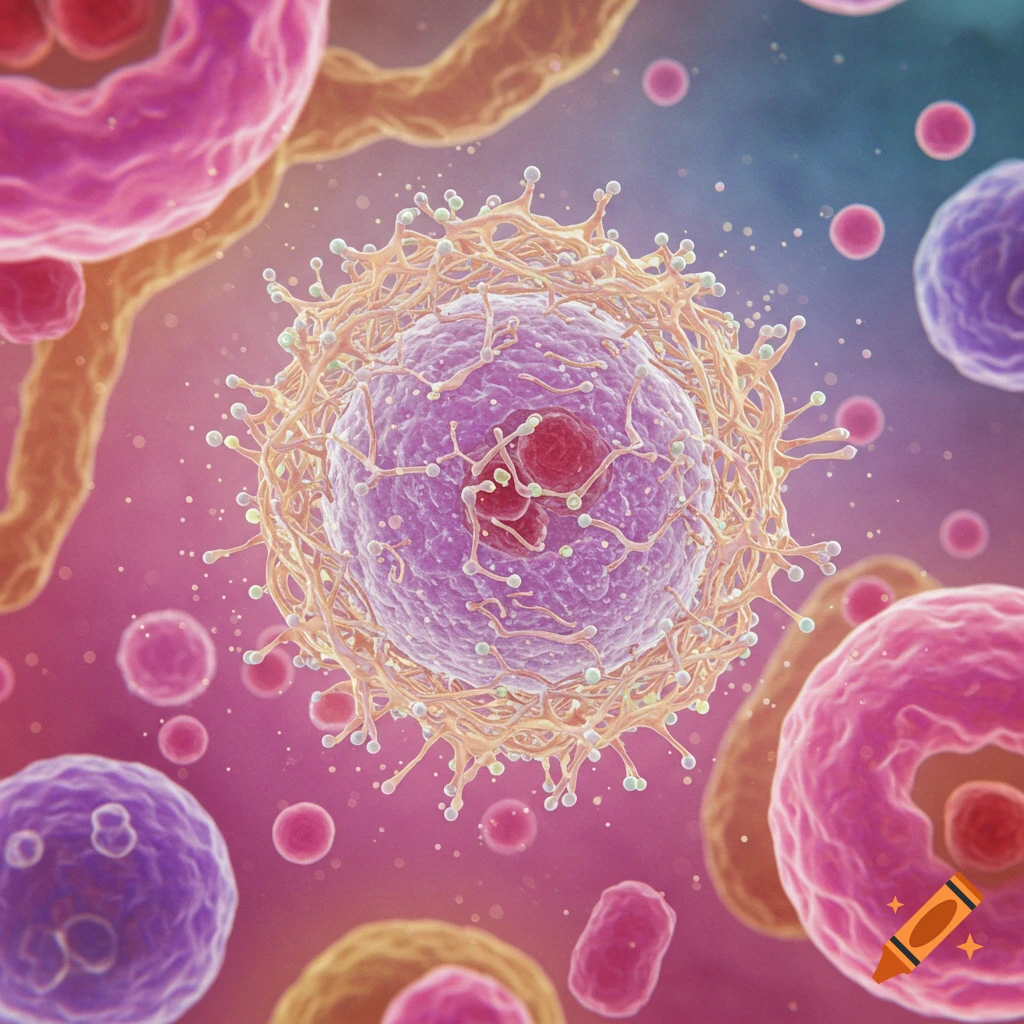
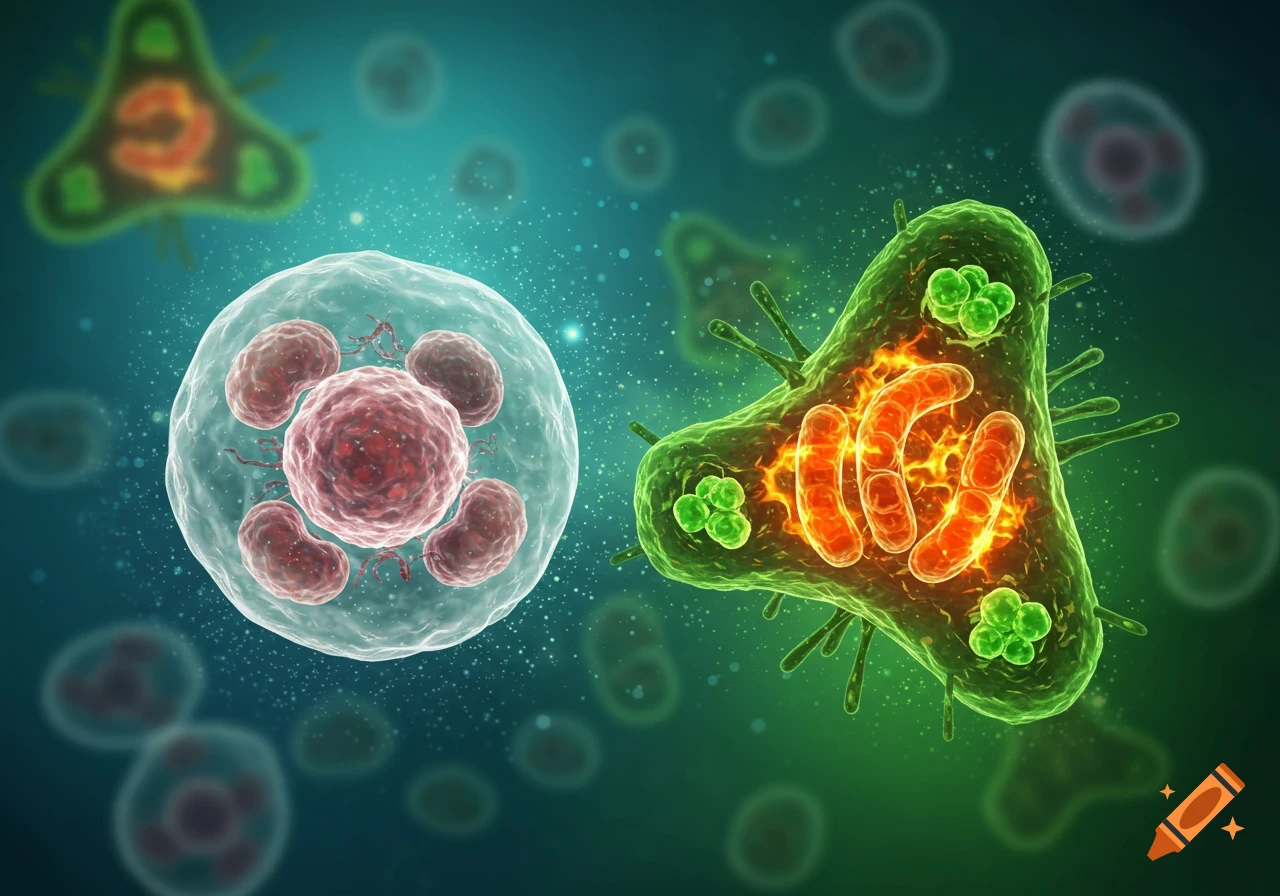
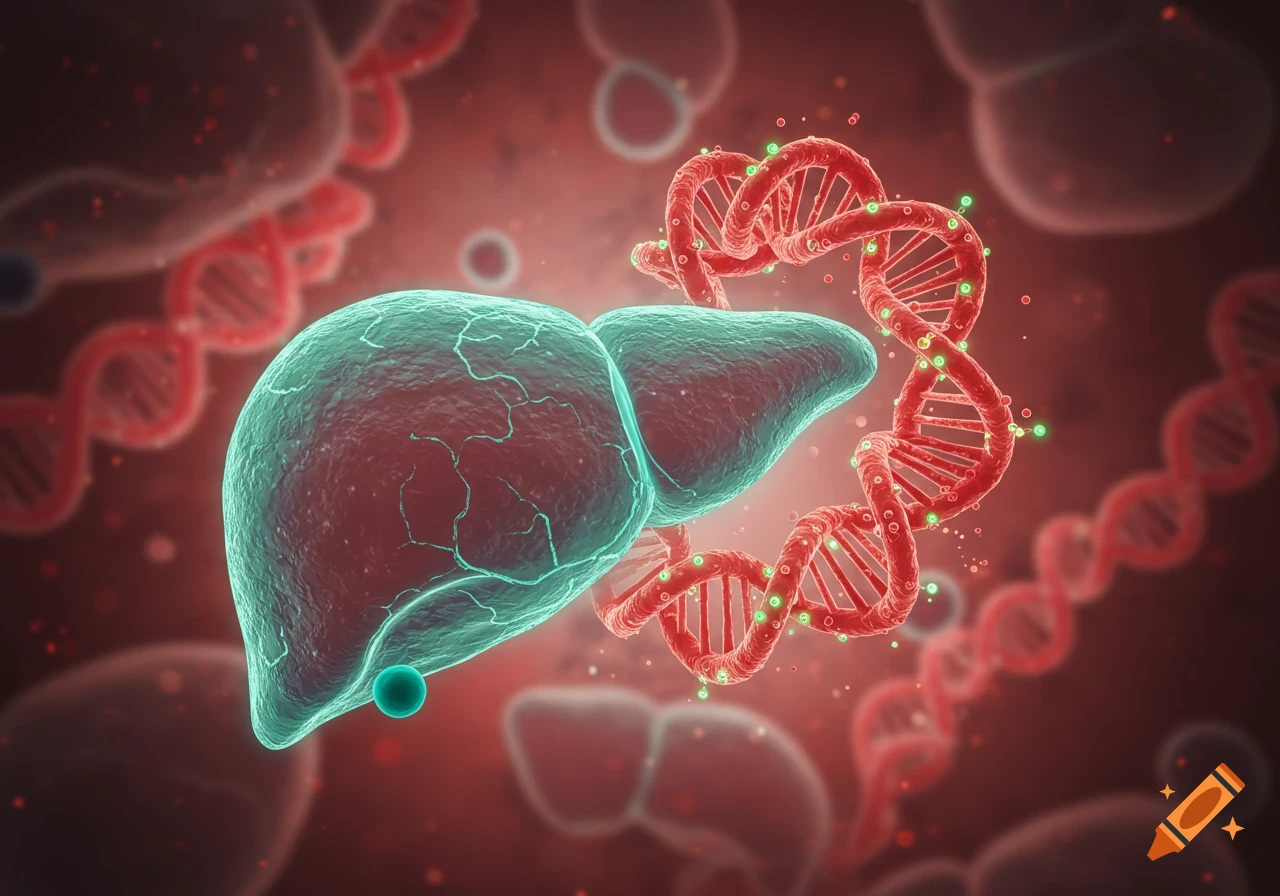
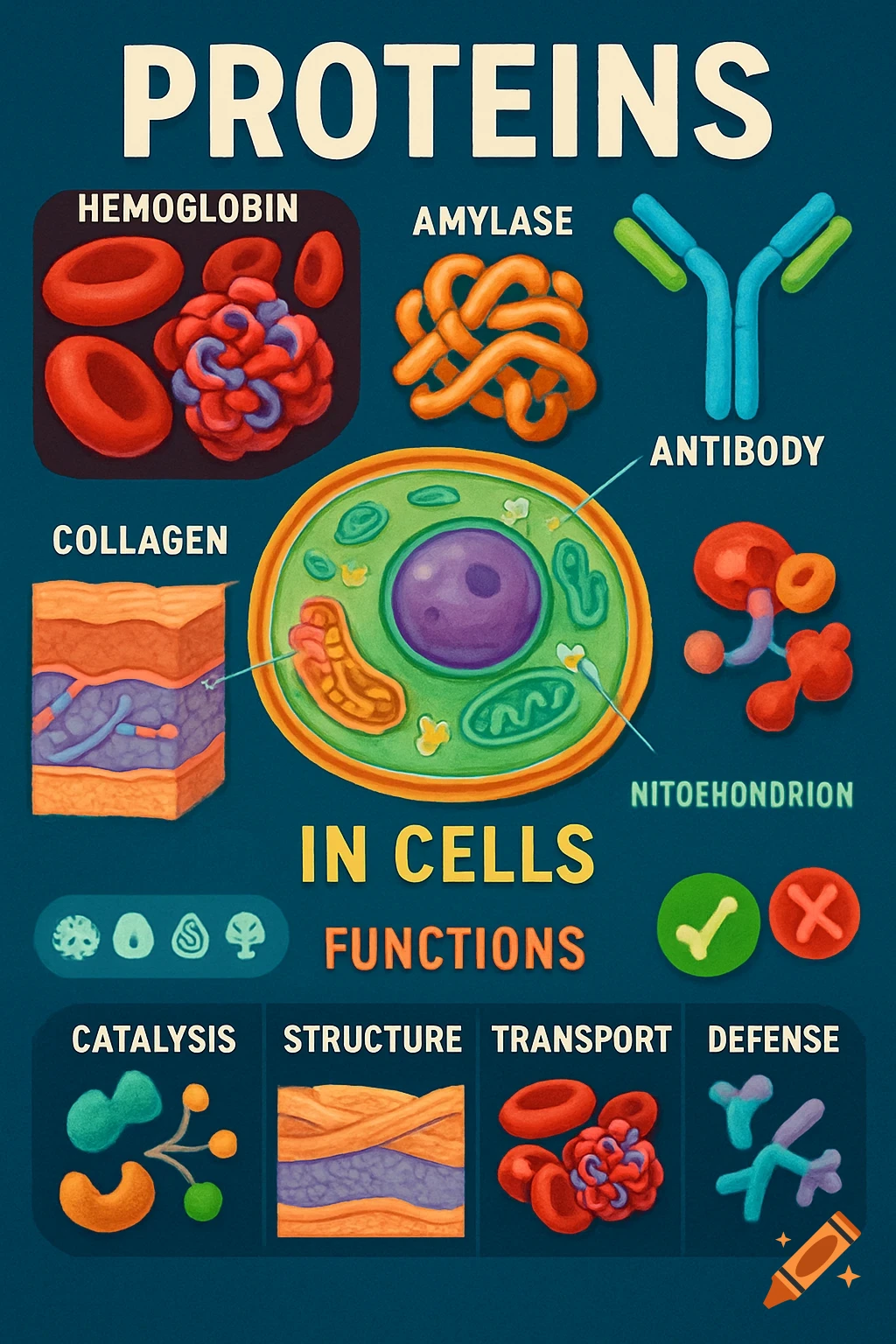
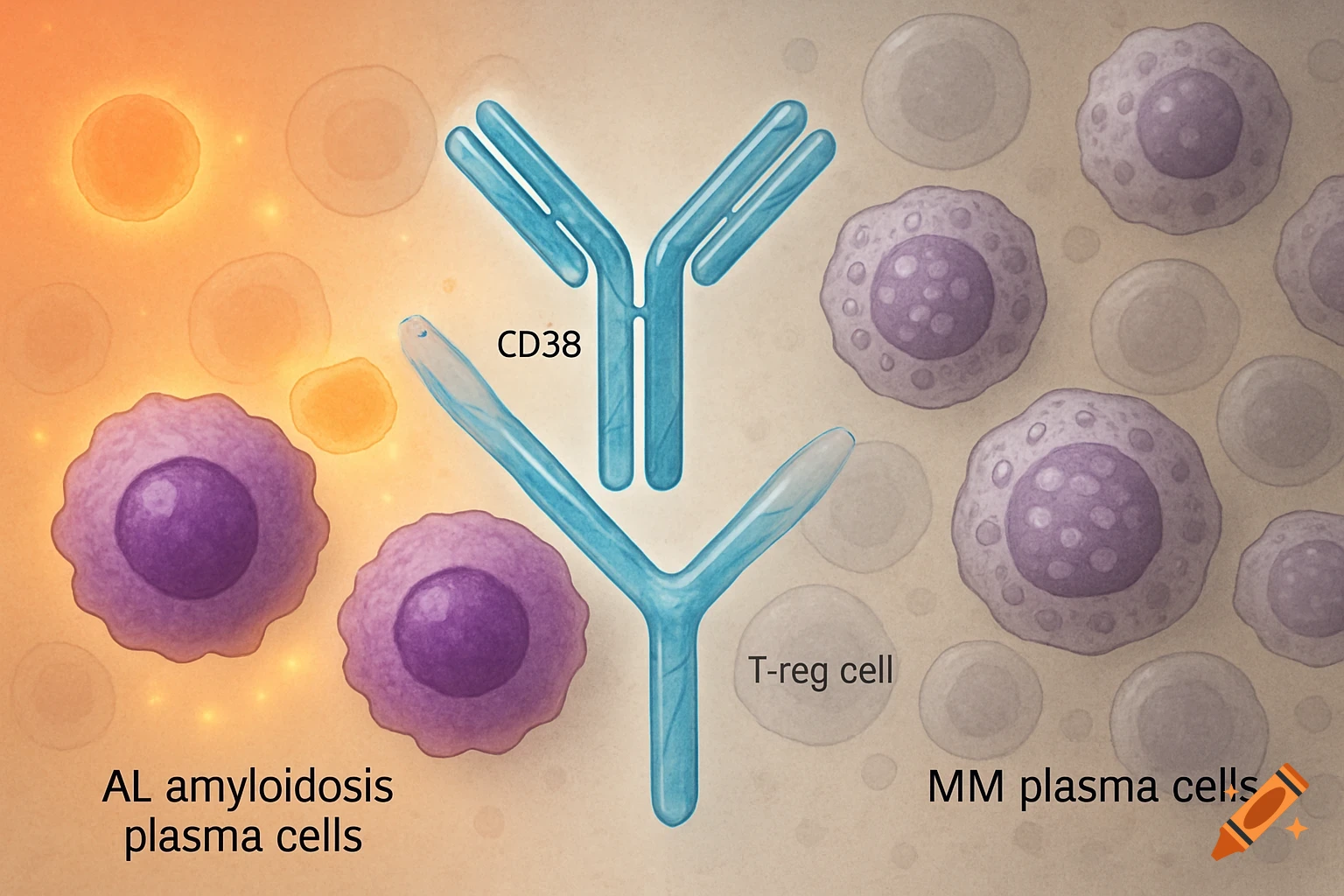
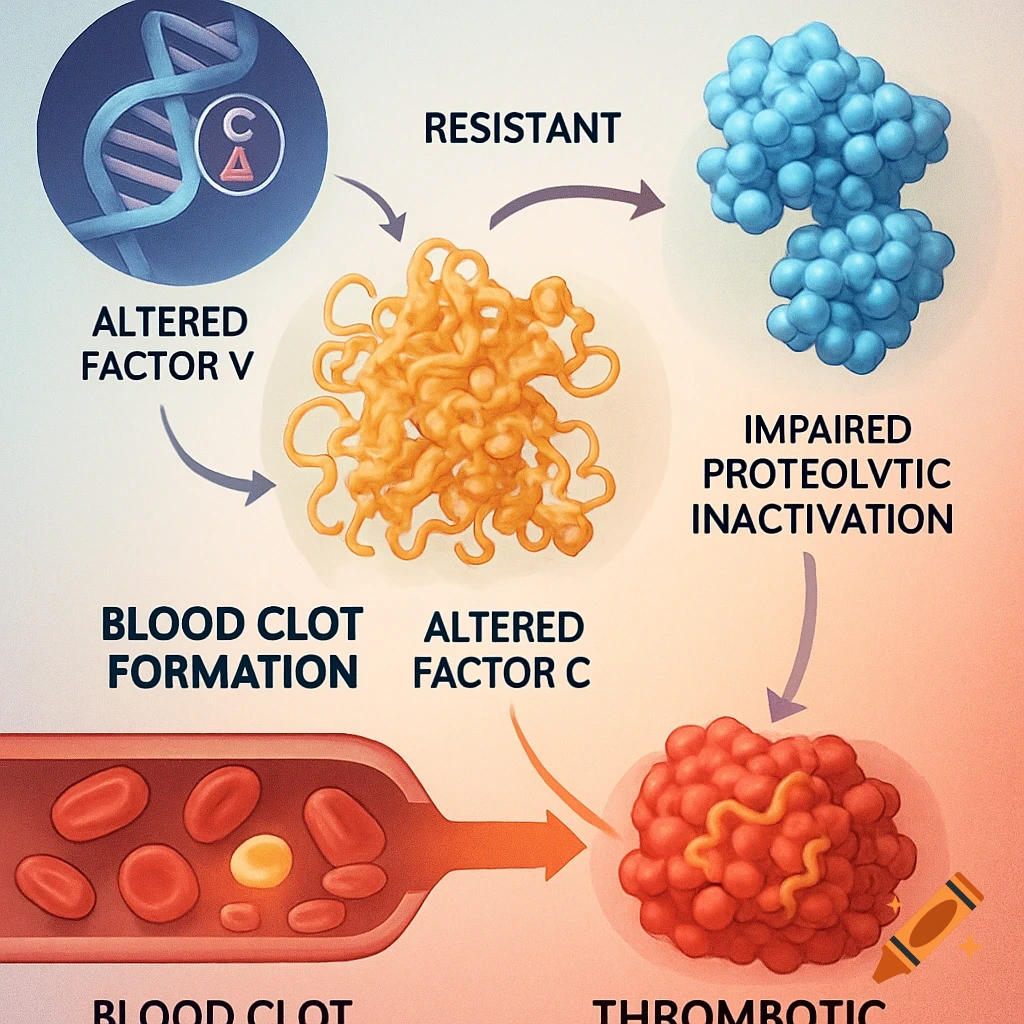
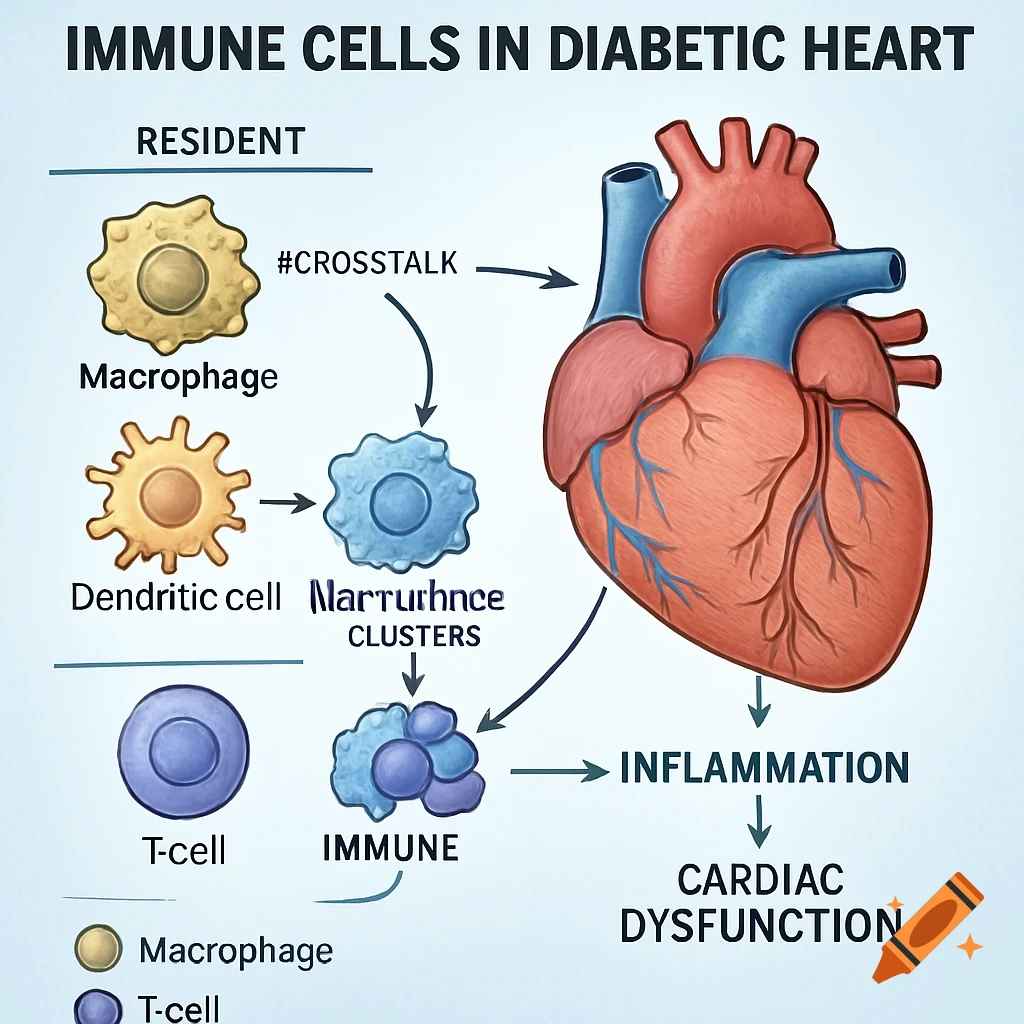
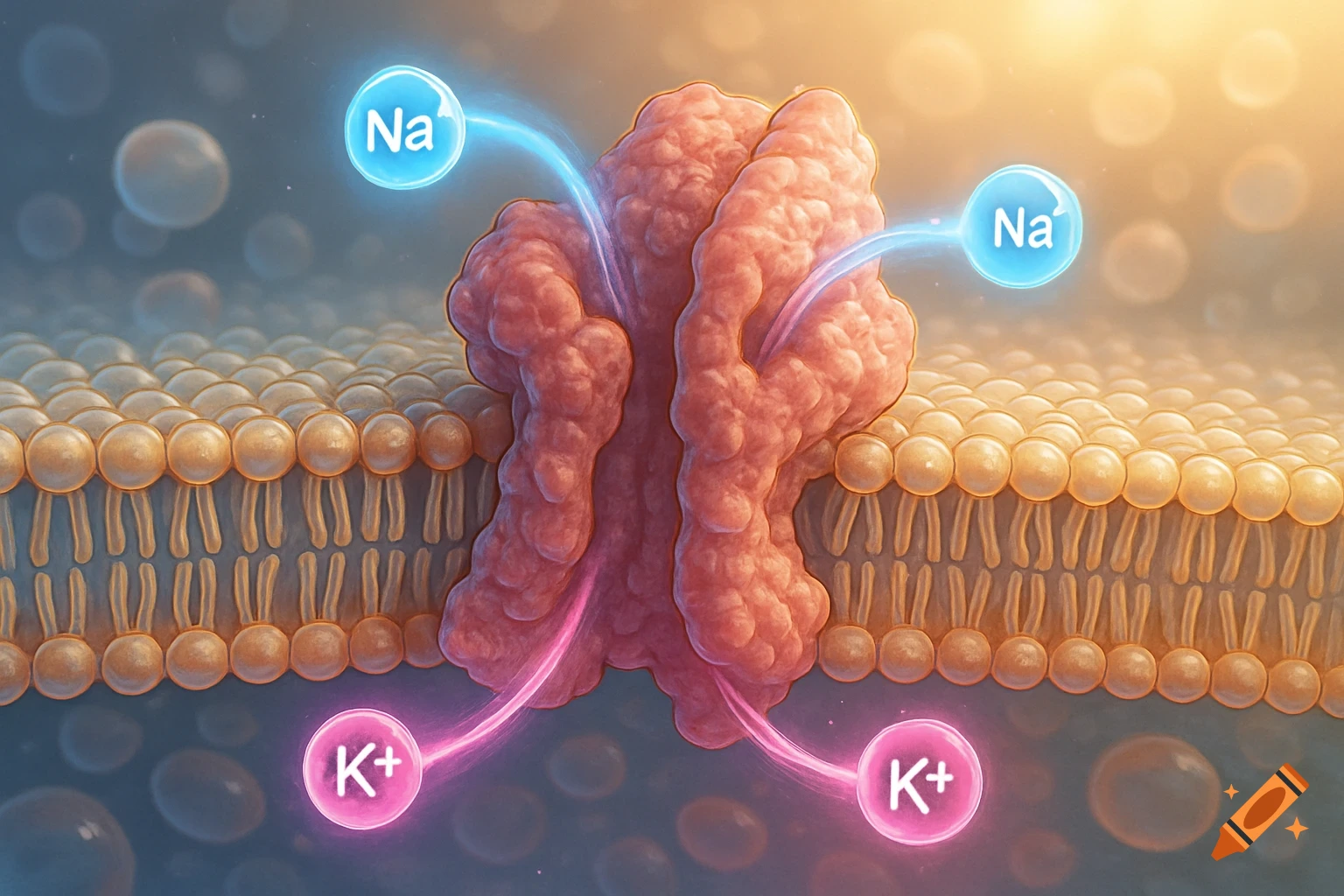
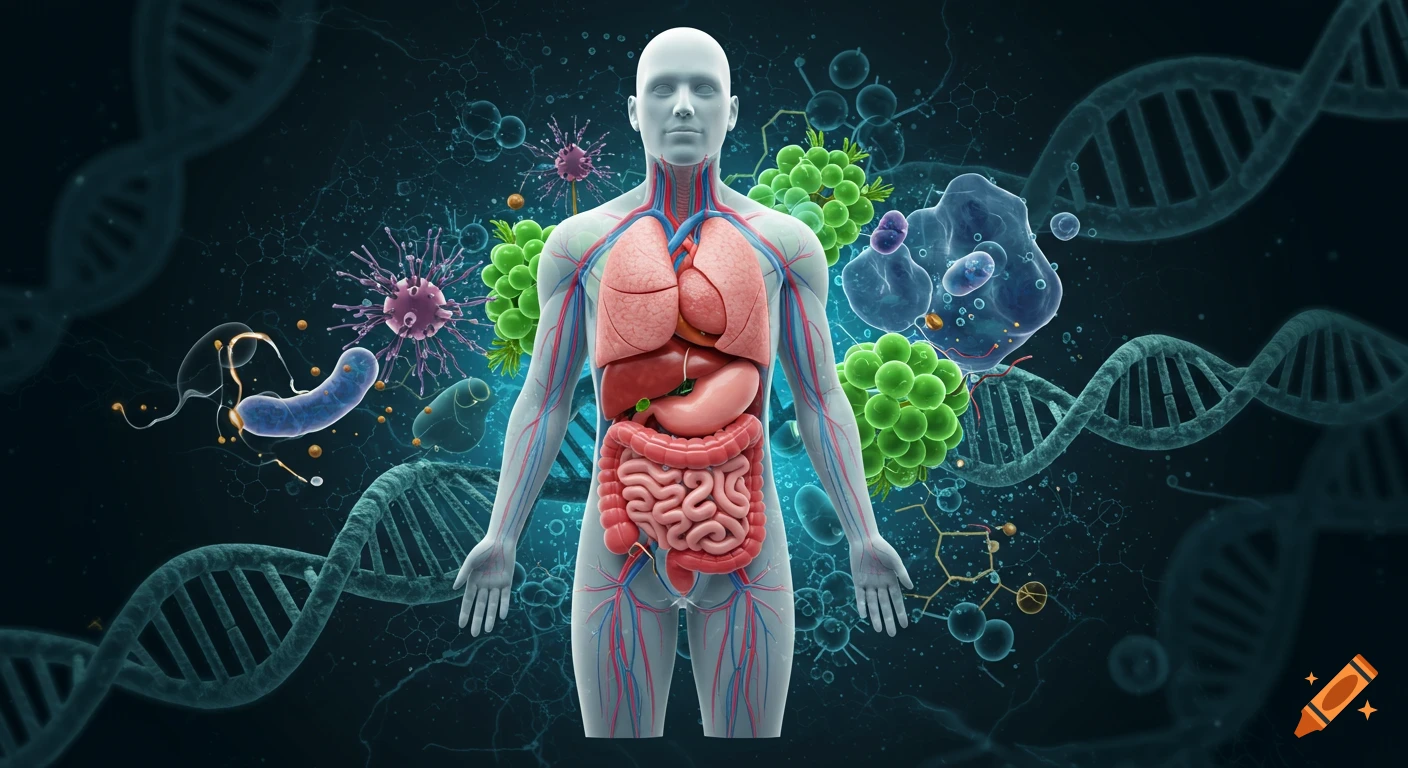
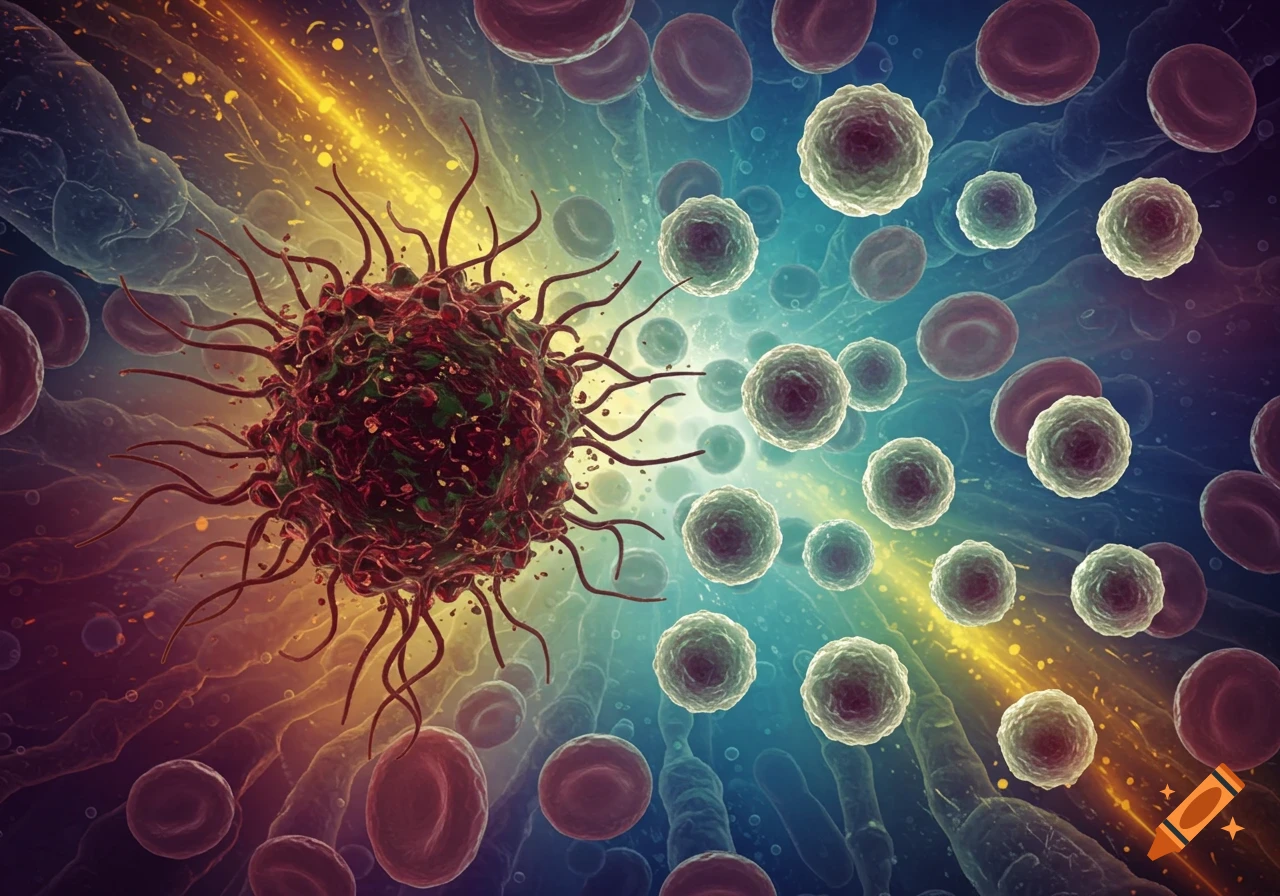
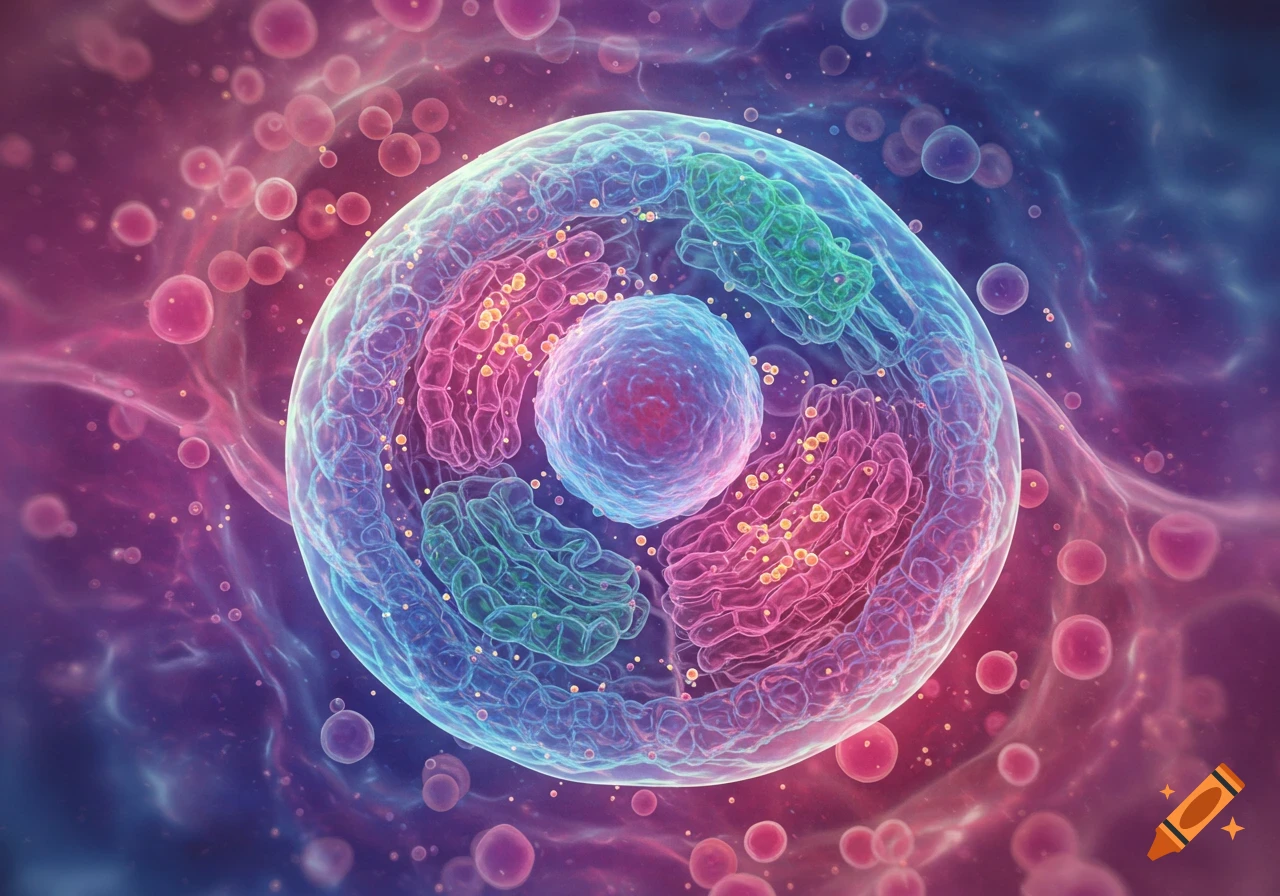
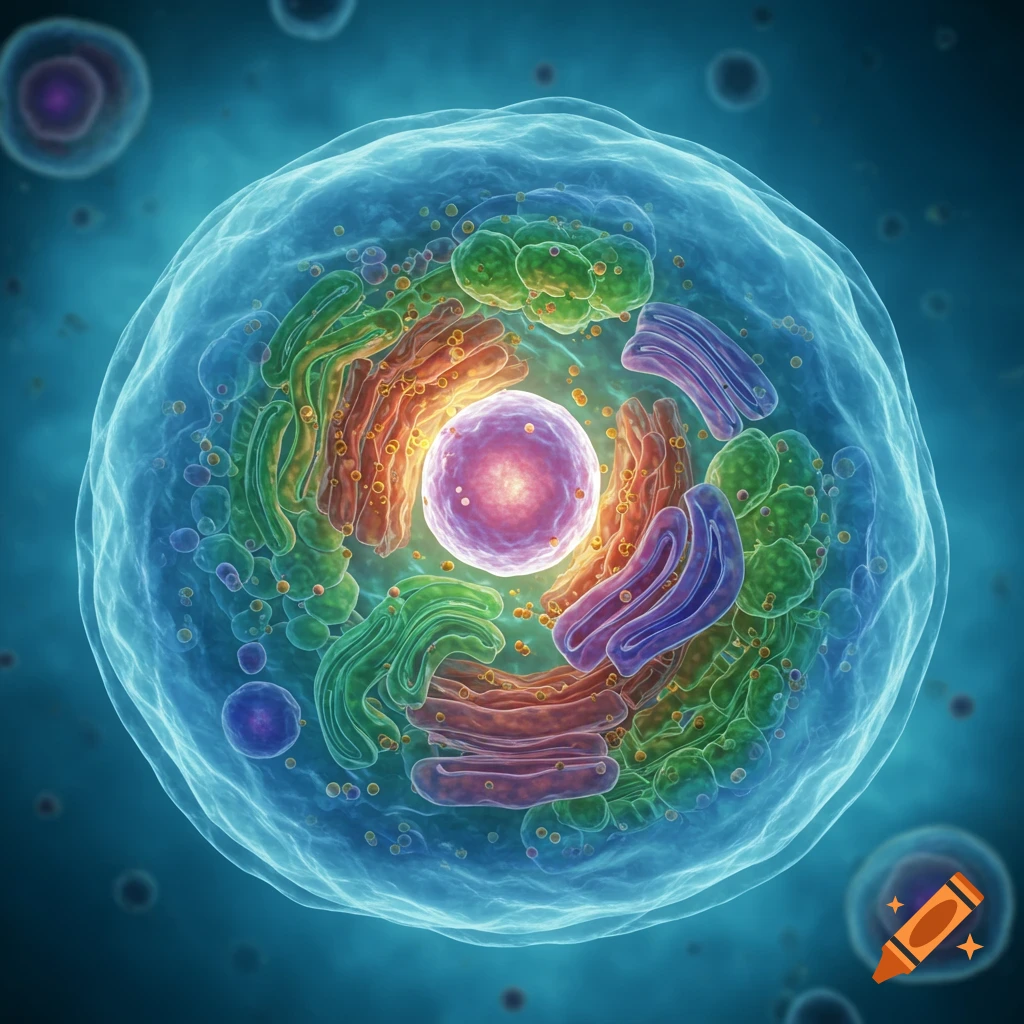
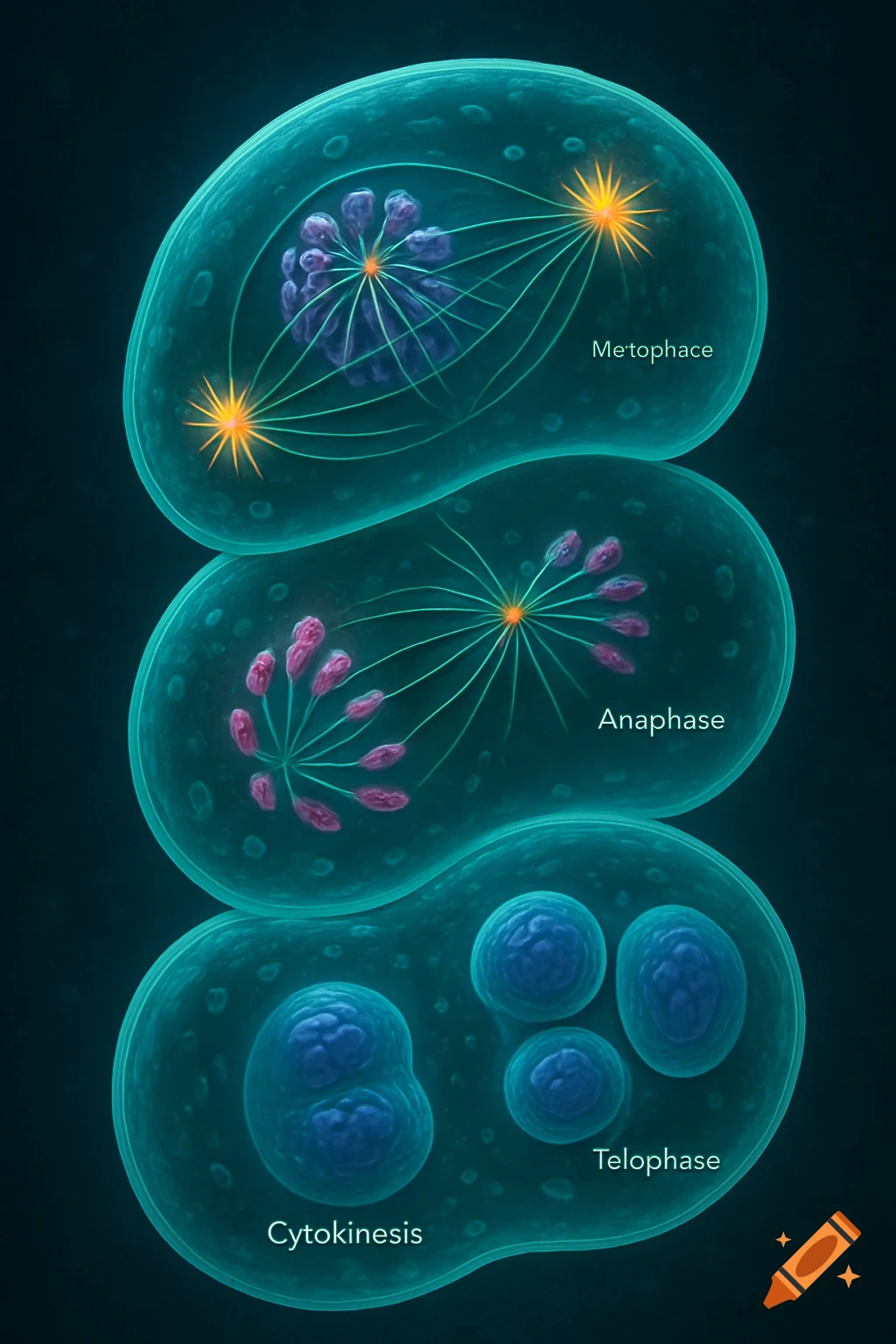
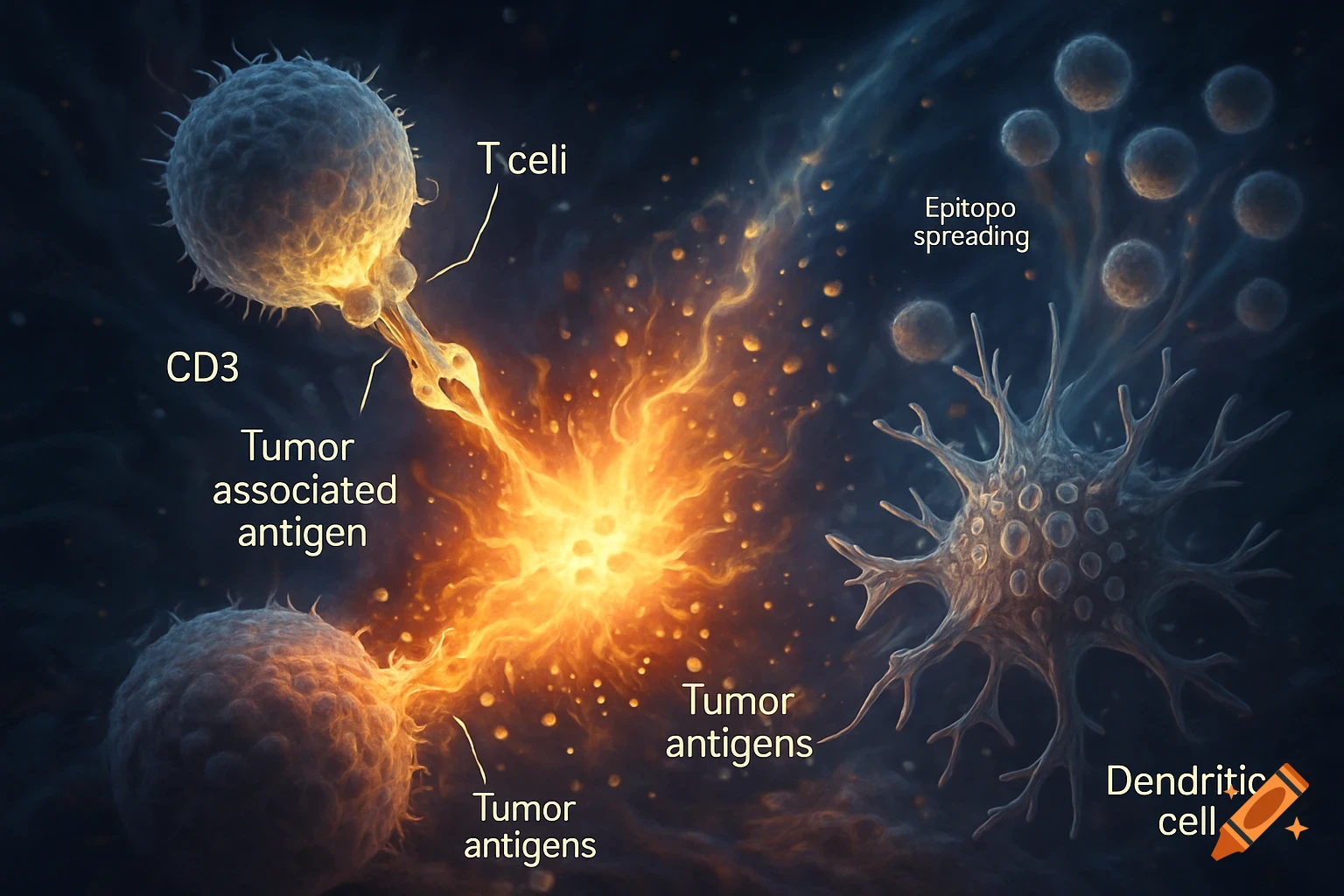
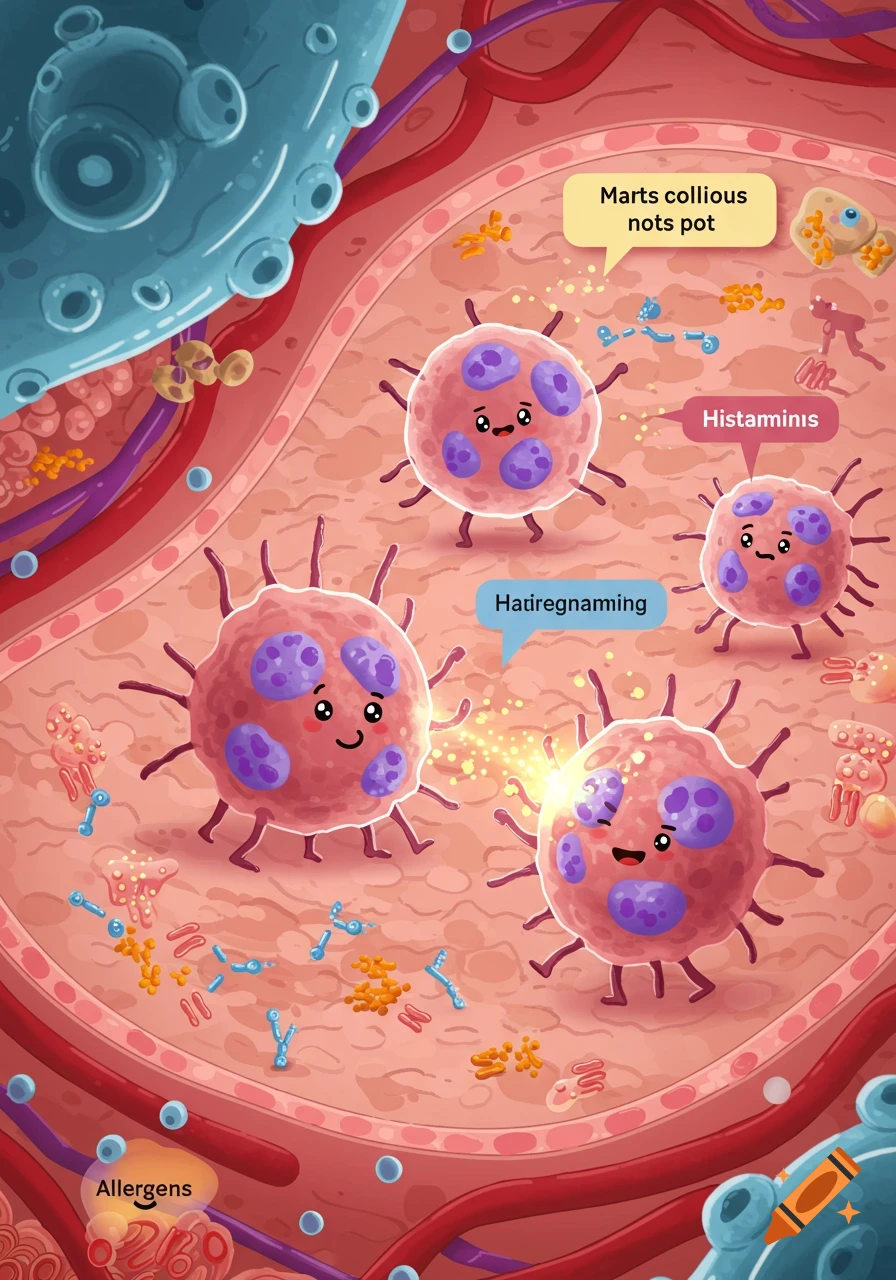
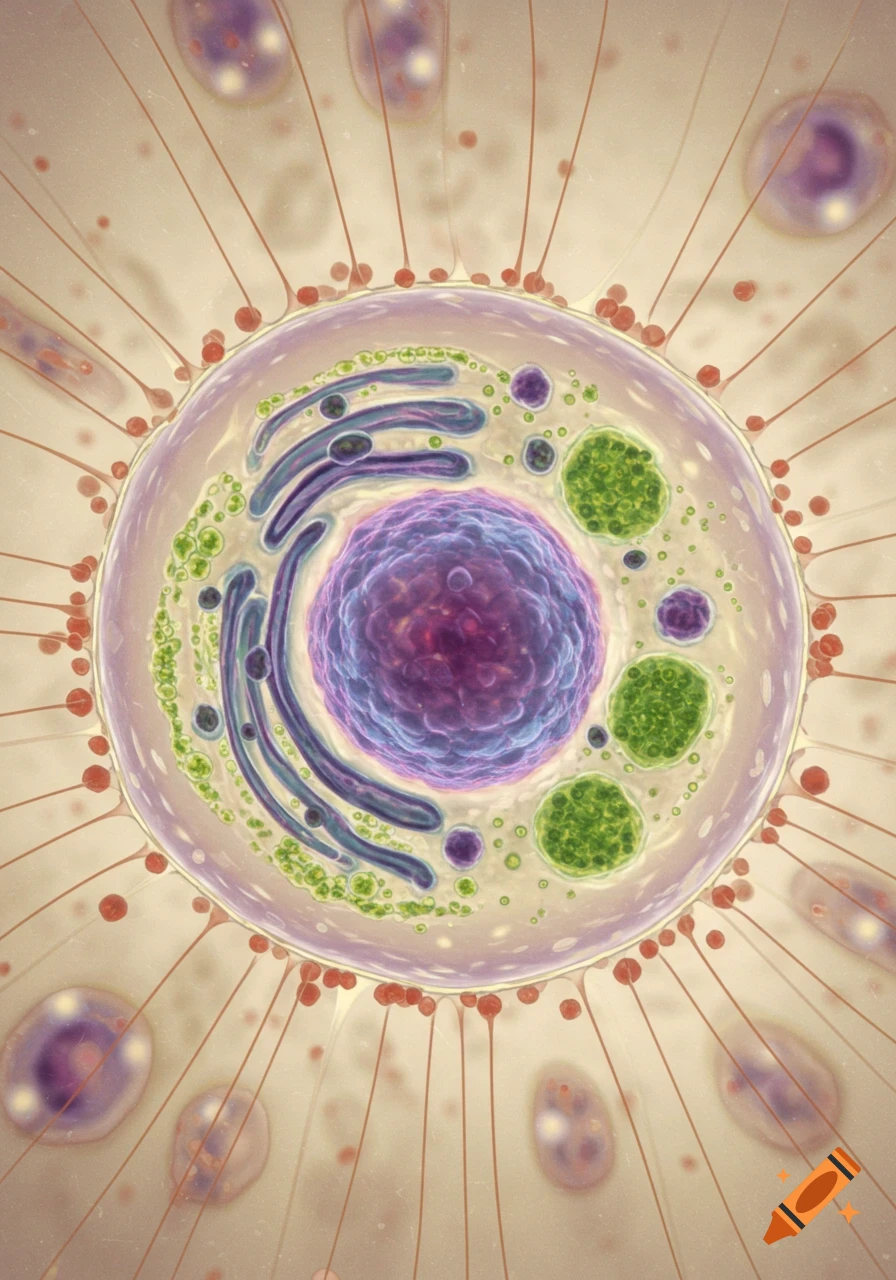
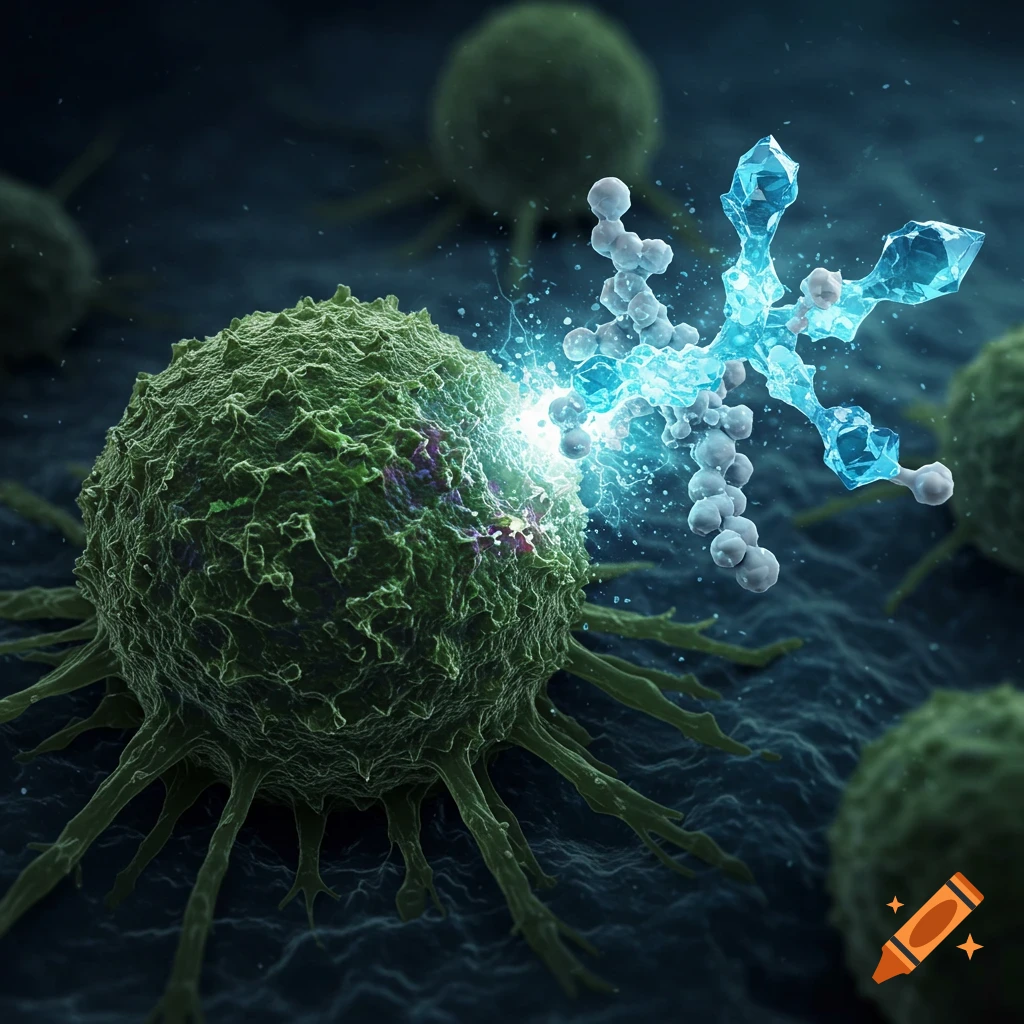
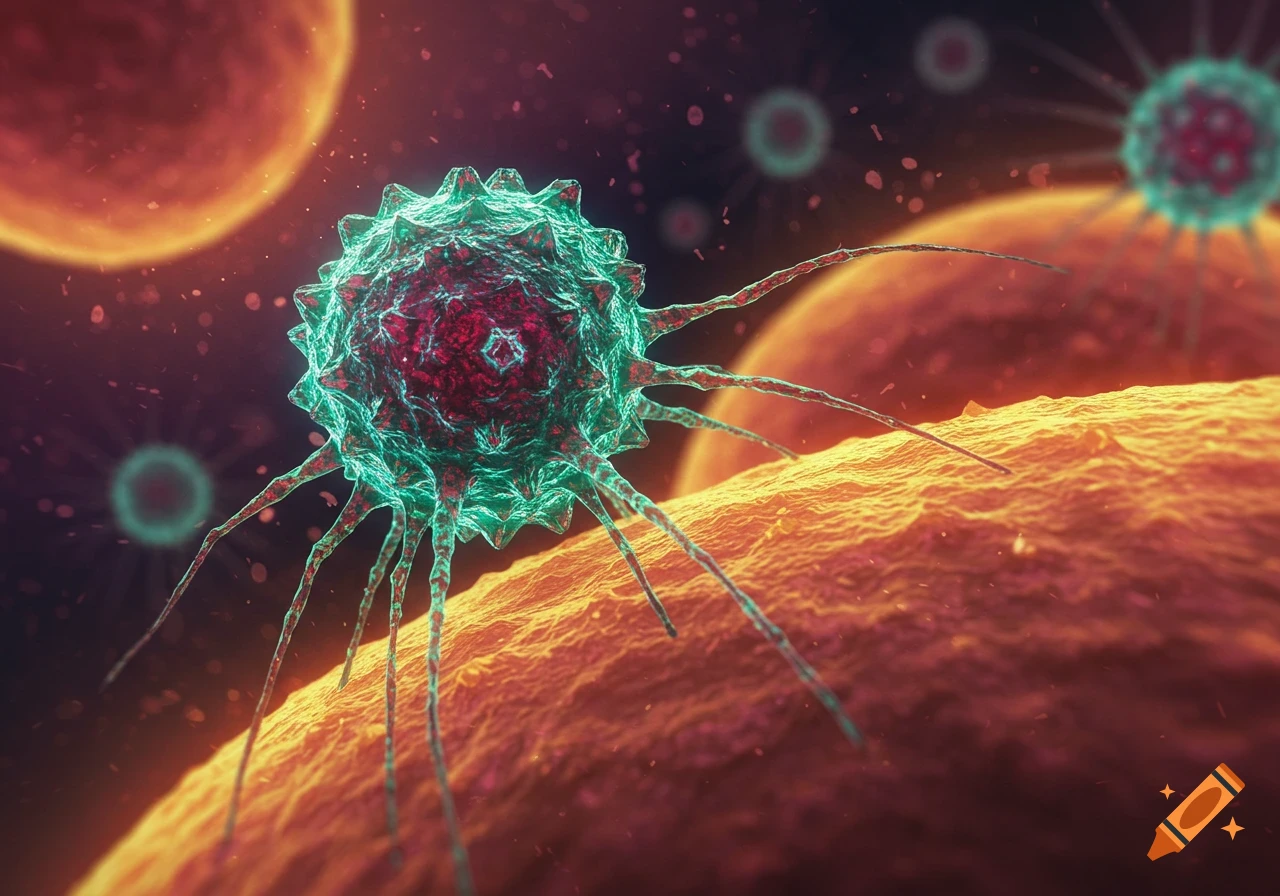
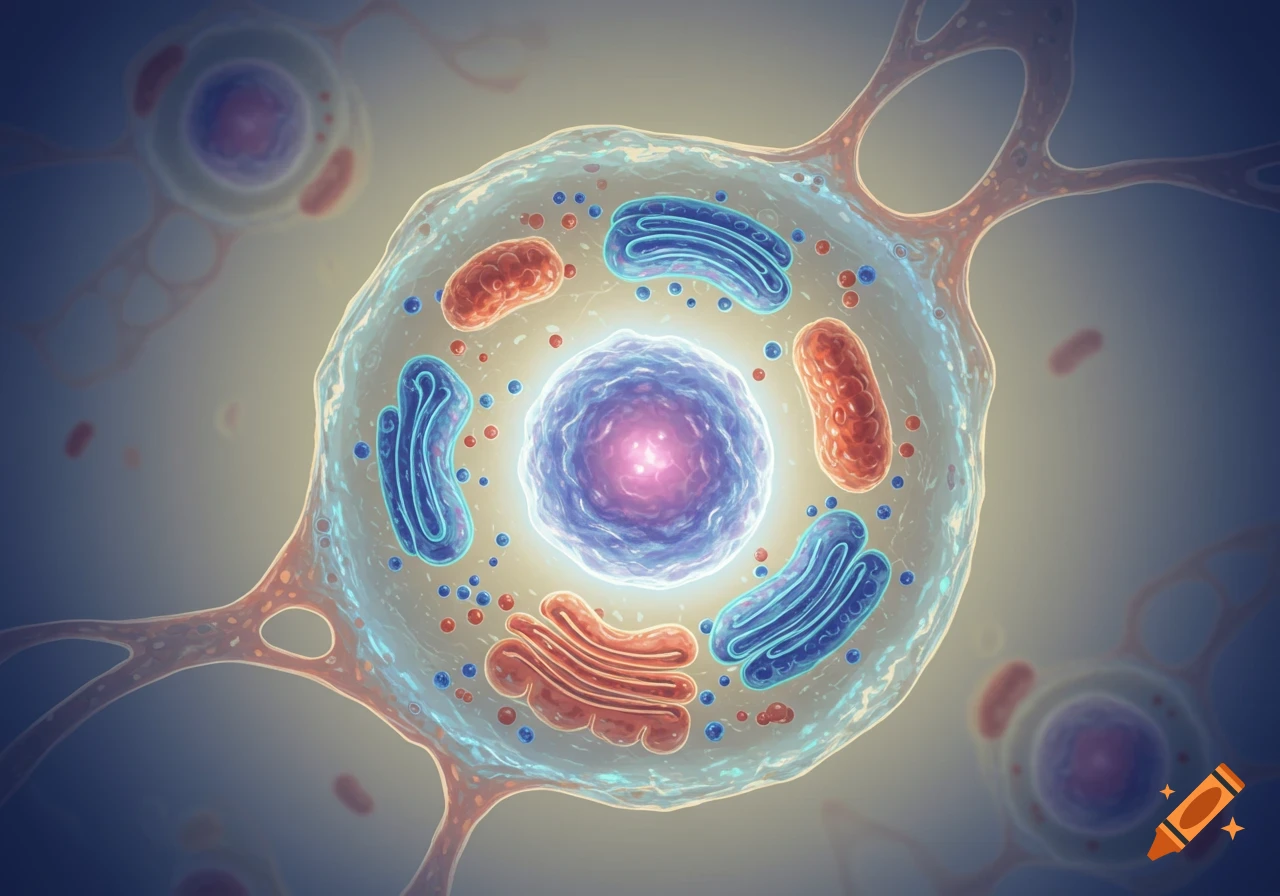
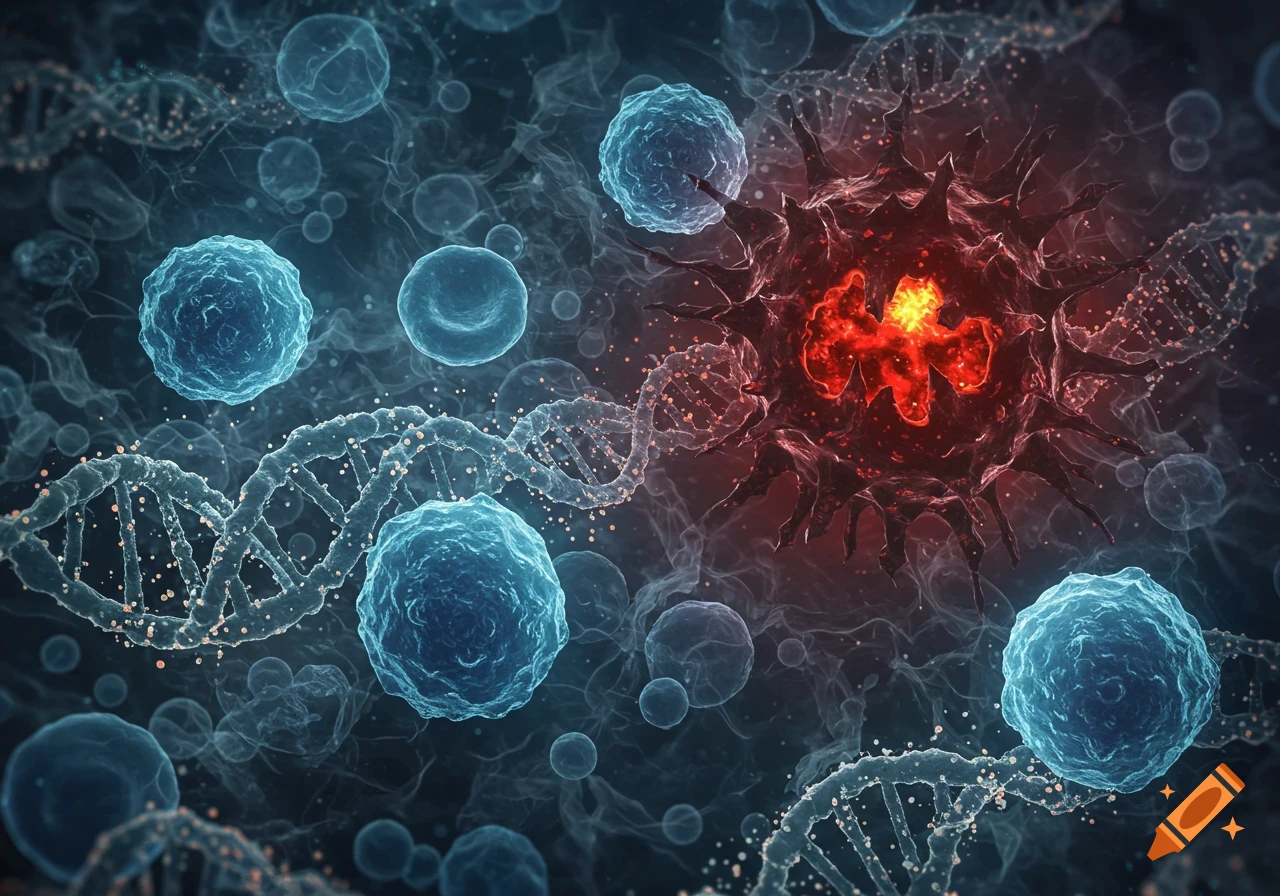
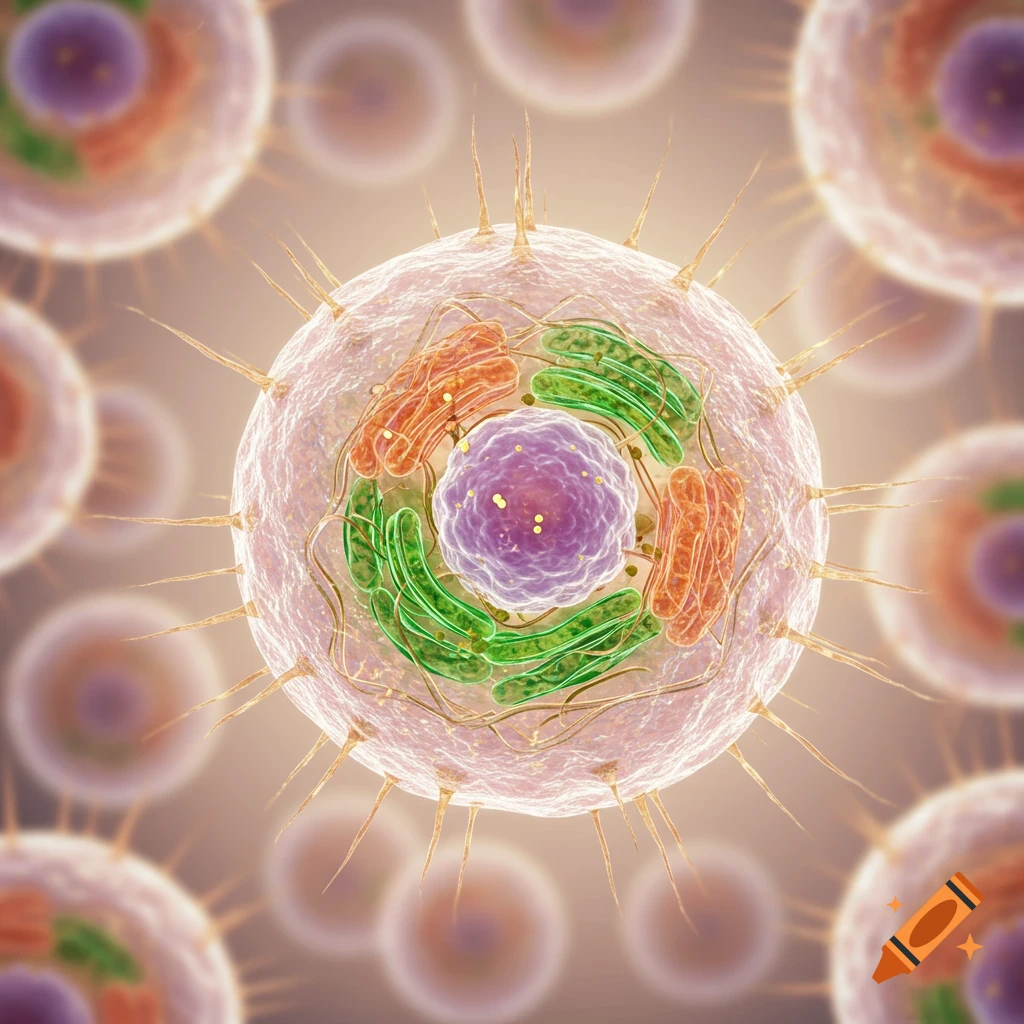
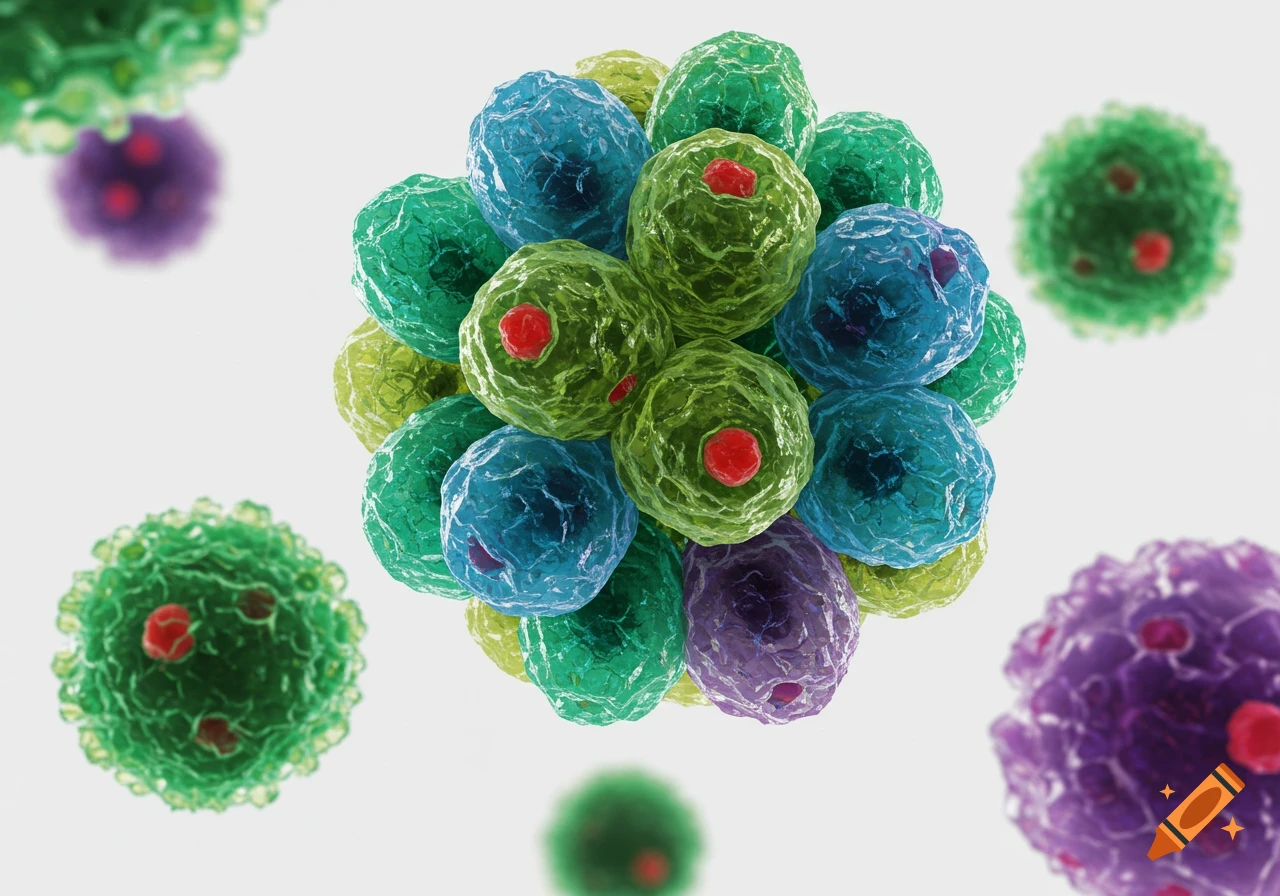
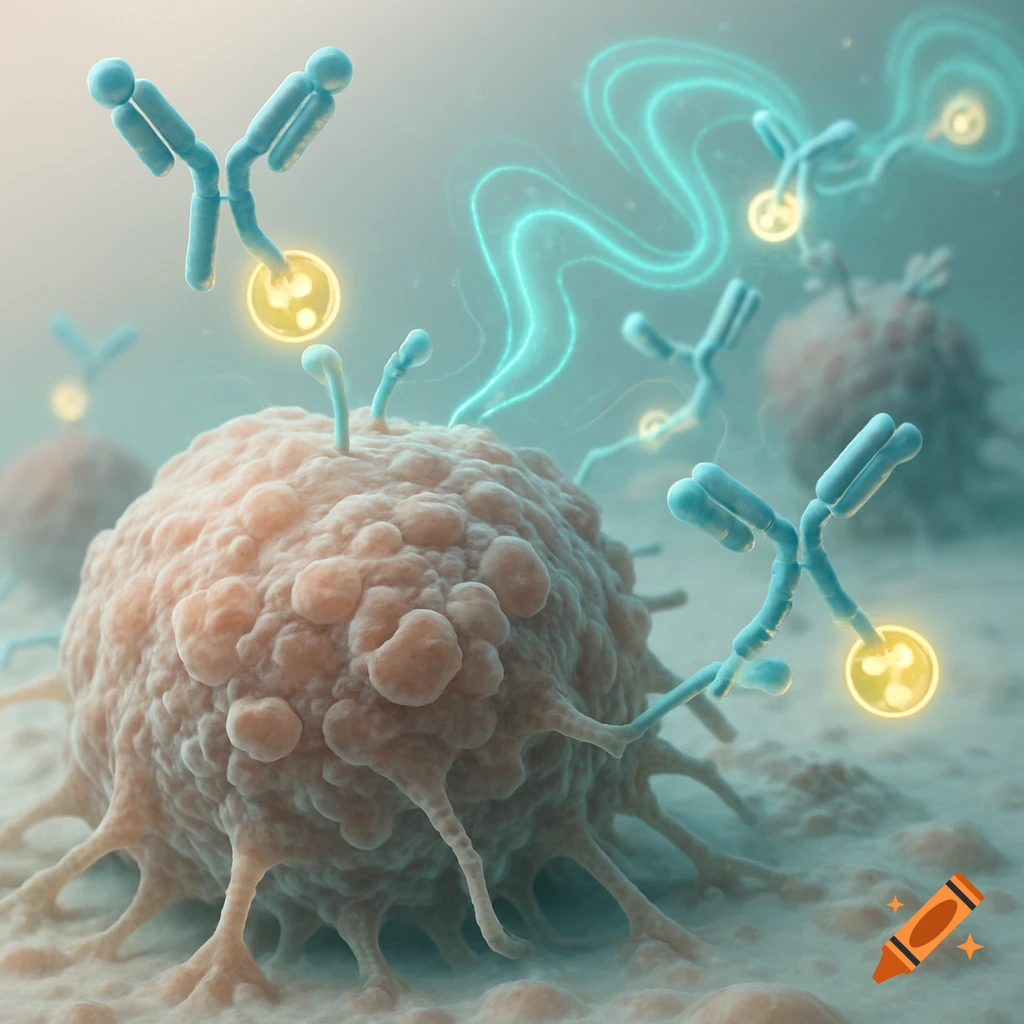
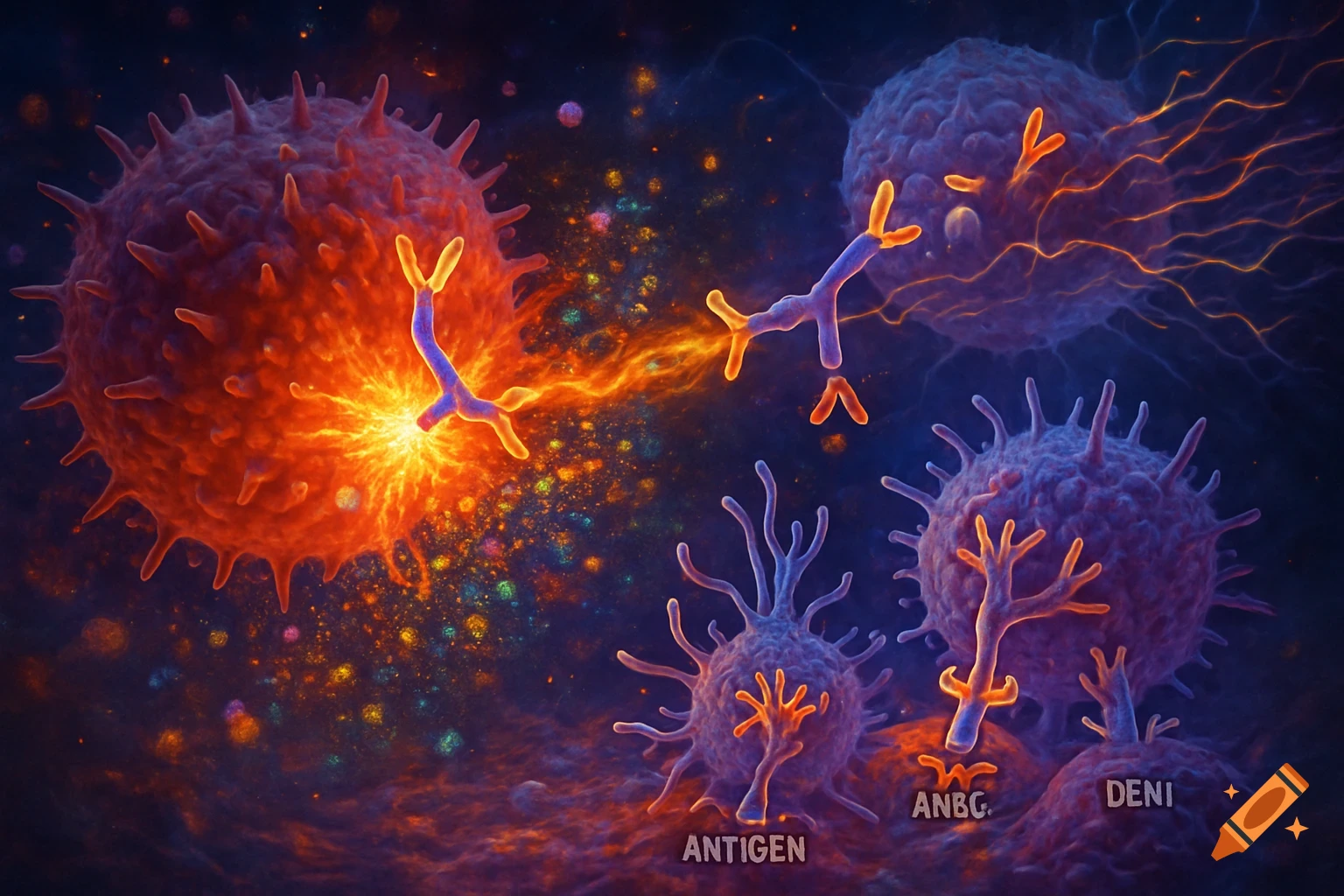
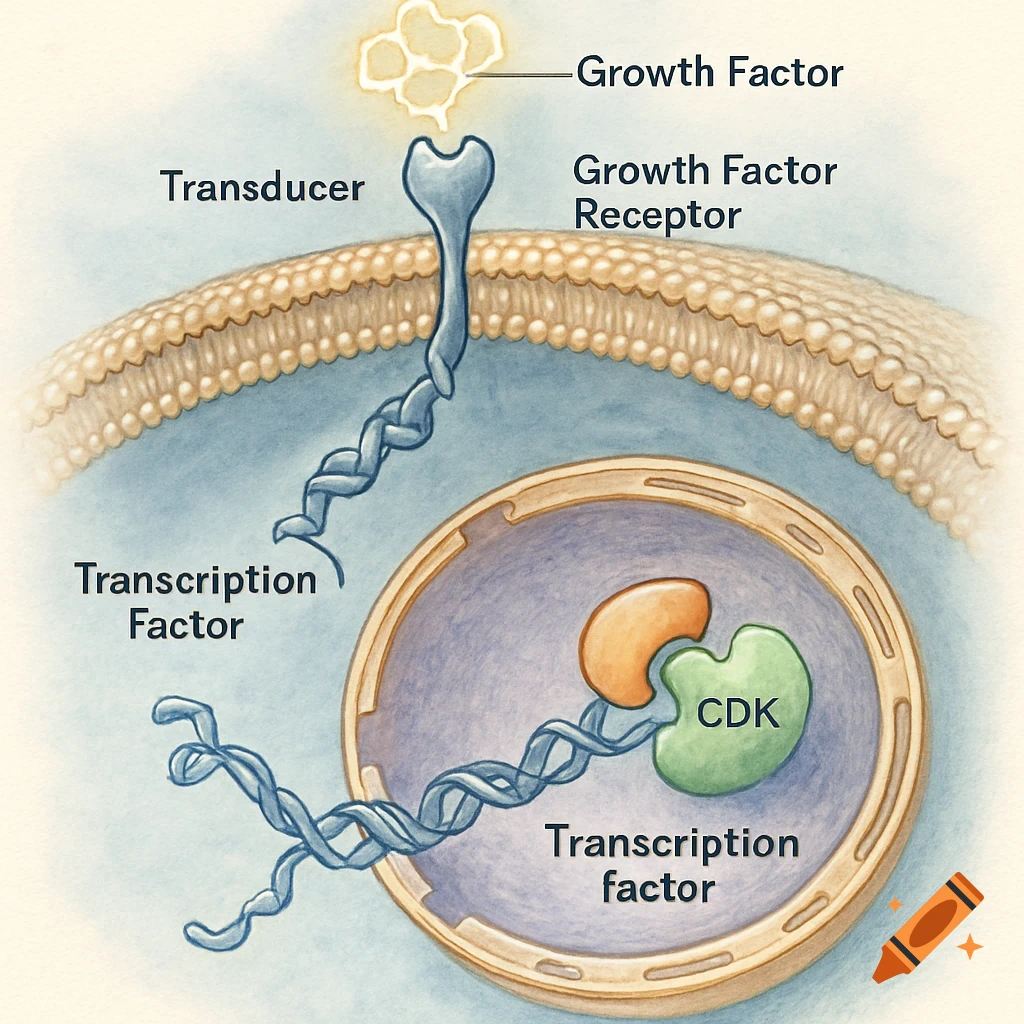
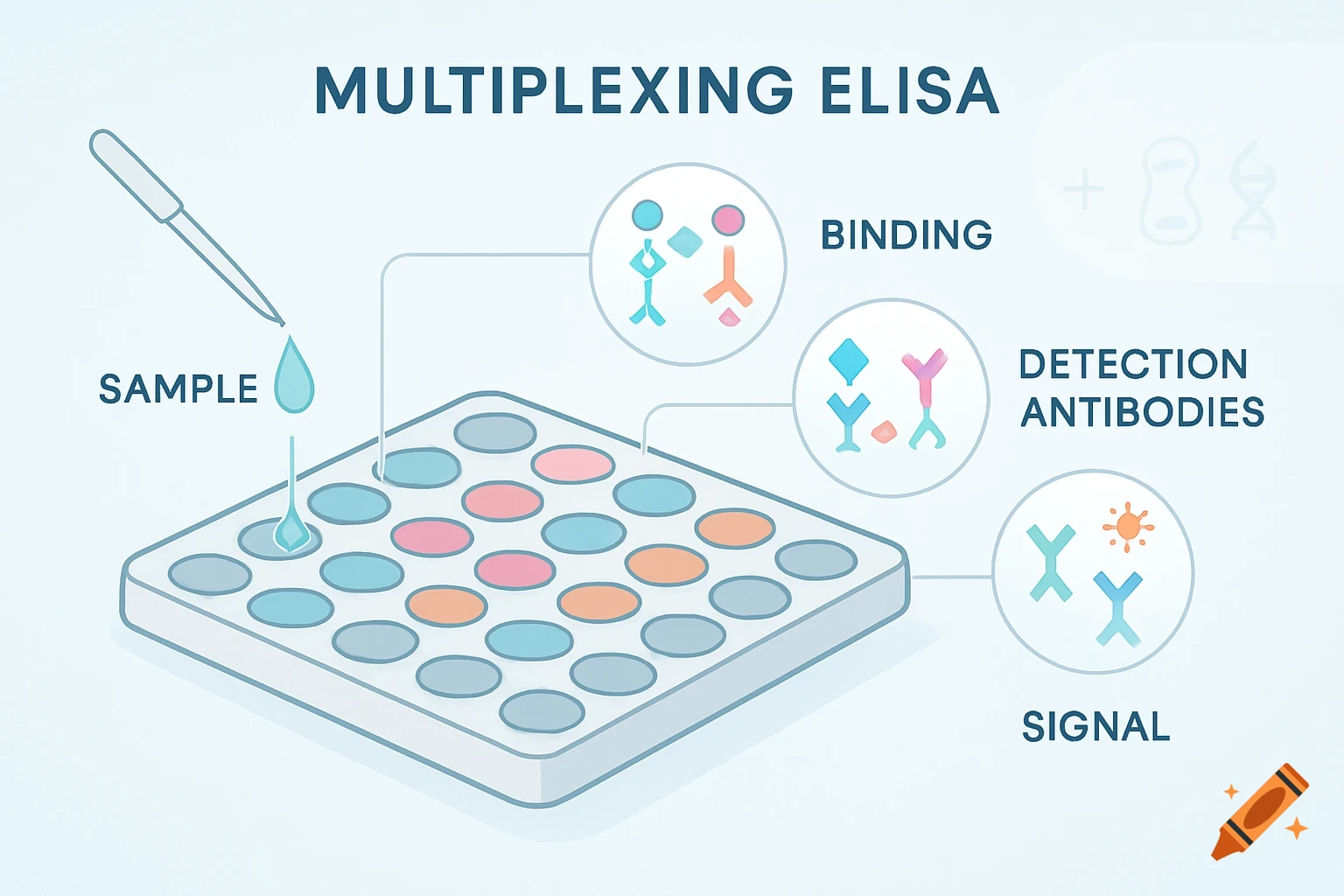
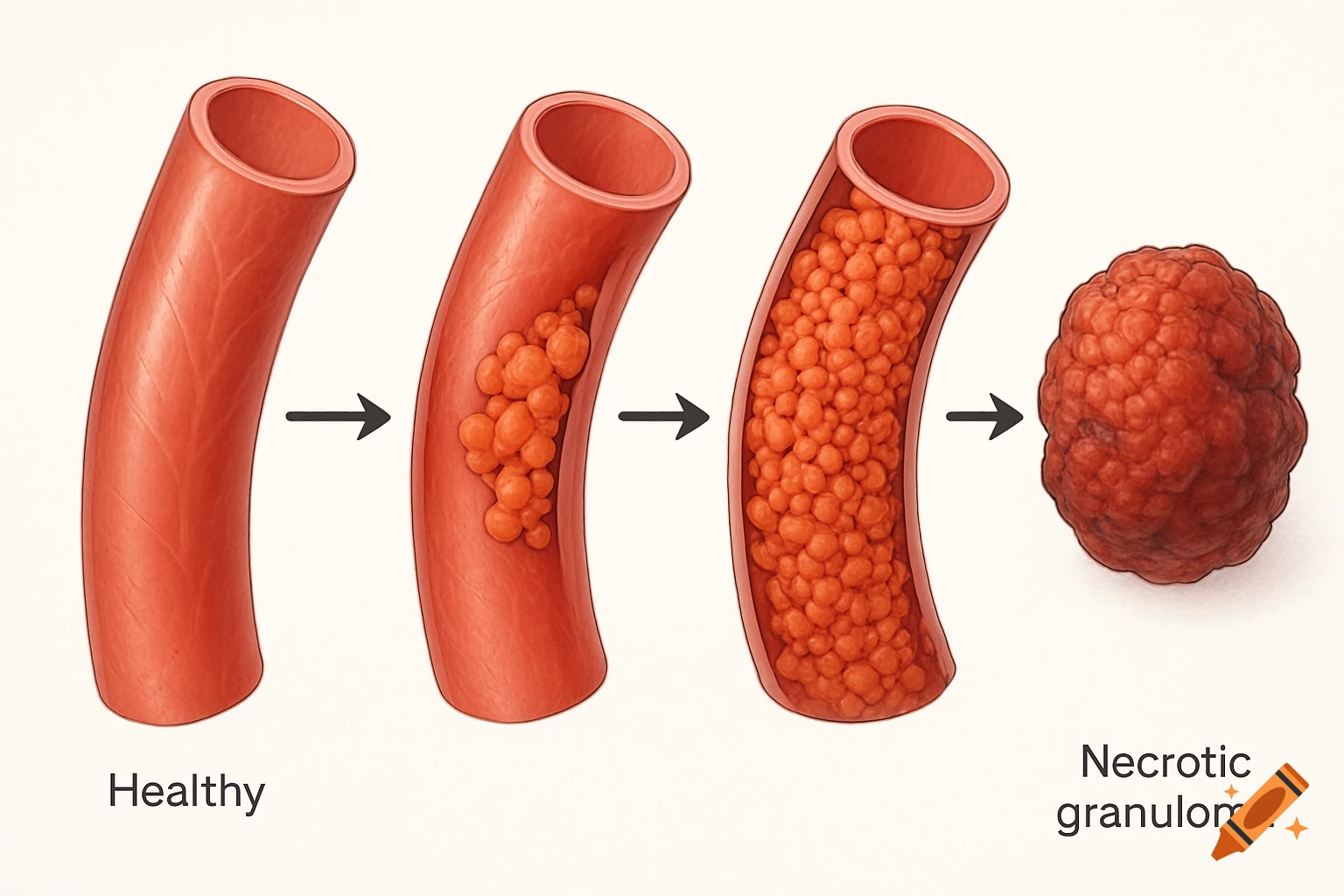
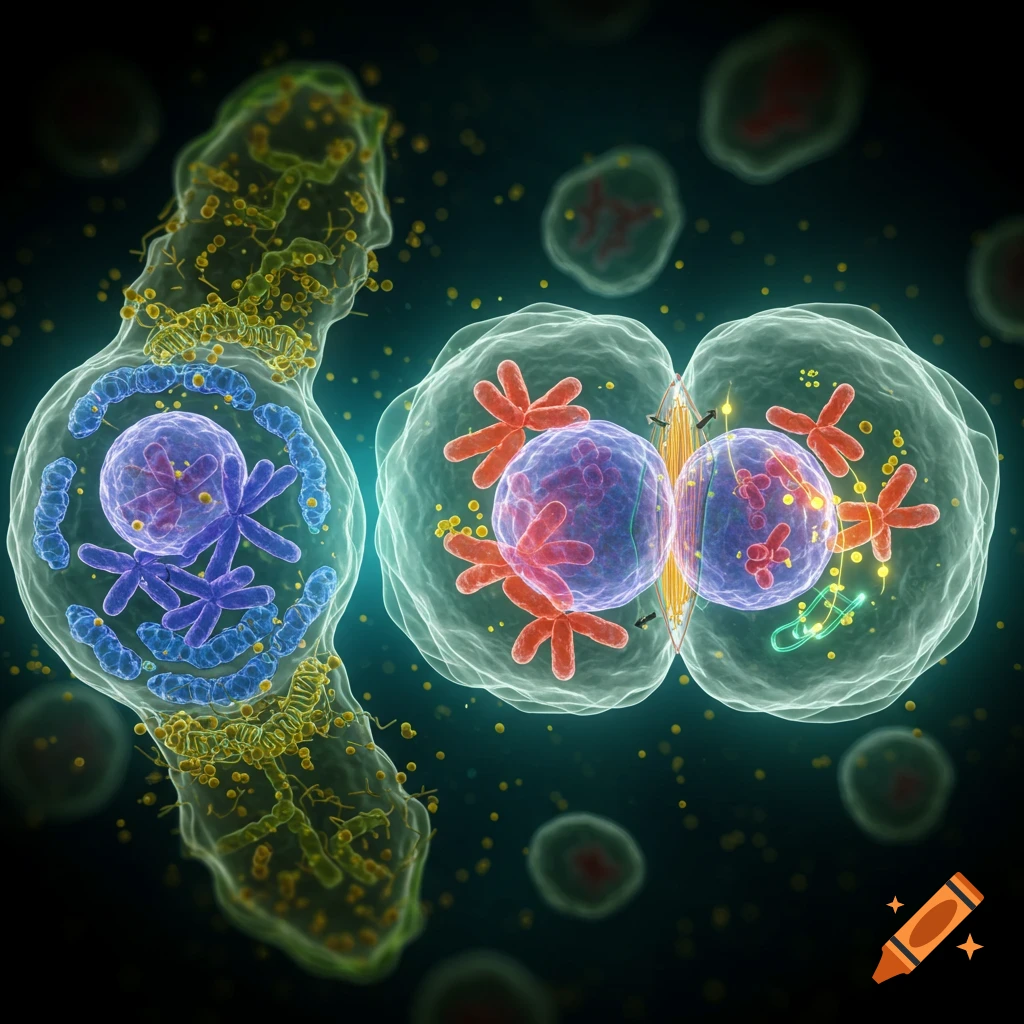
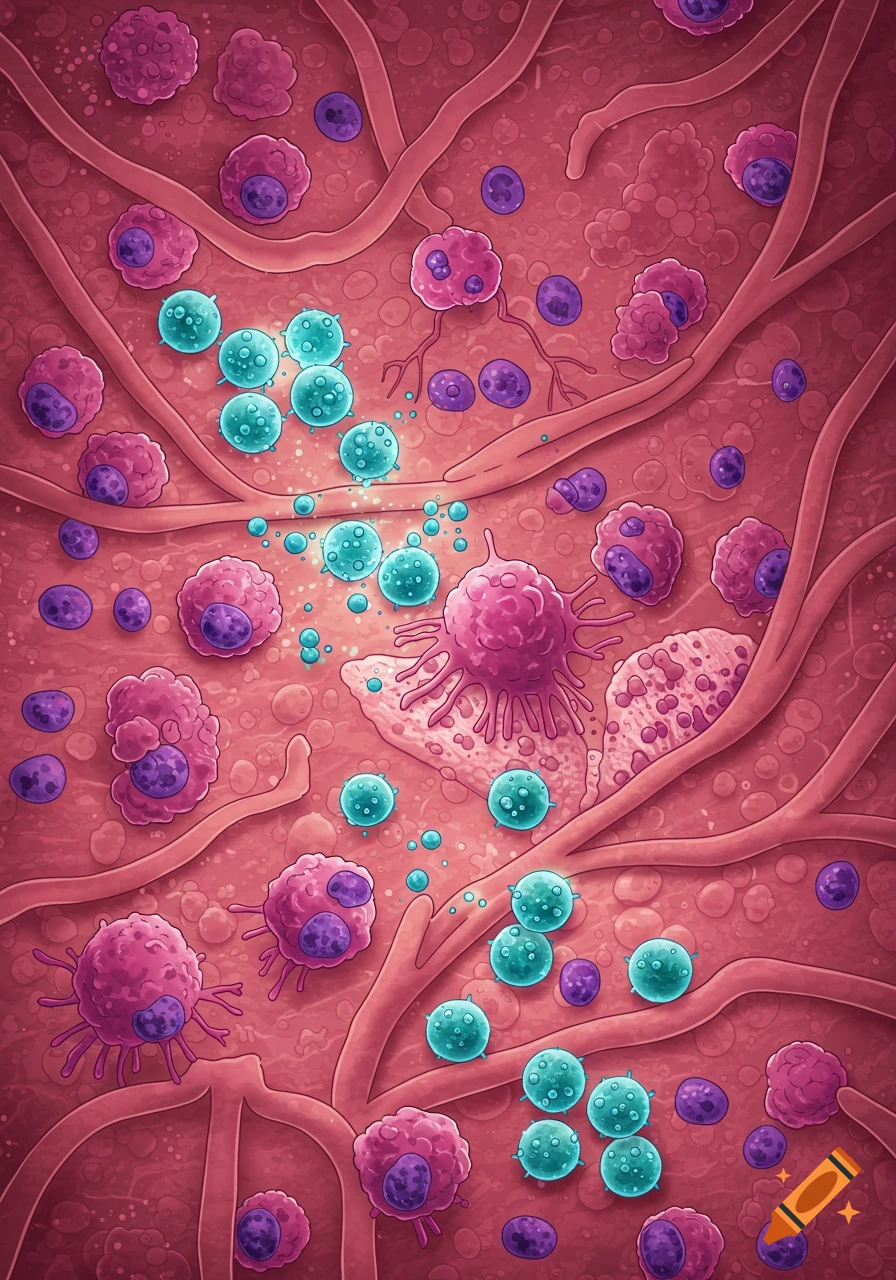
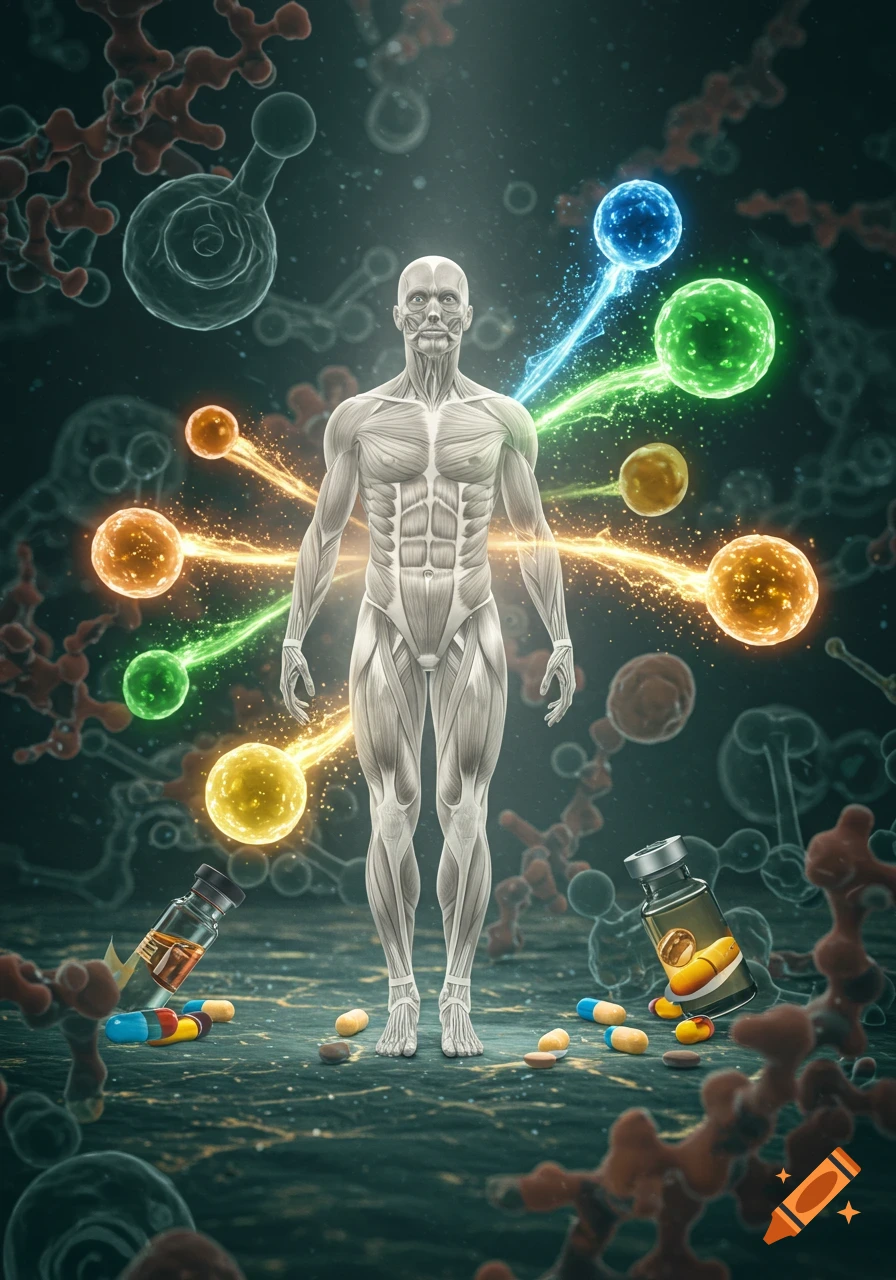
A colorful scientific diagram detailing the roles of Non-Classical HLA Antigens (HLA-G, HLA-E, HLA-F) in immunology and disease, including cancer and autoimmune conditions.
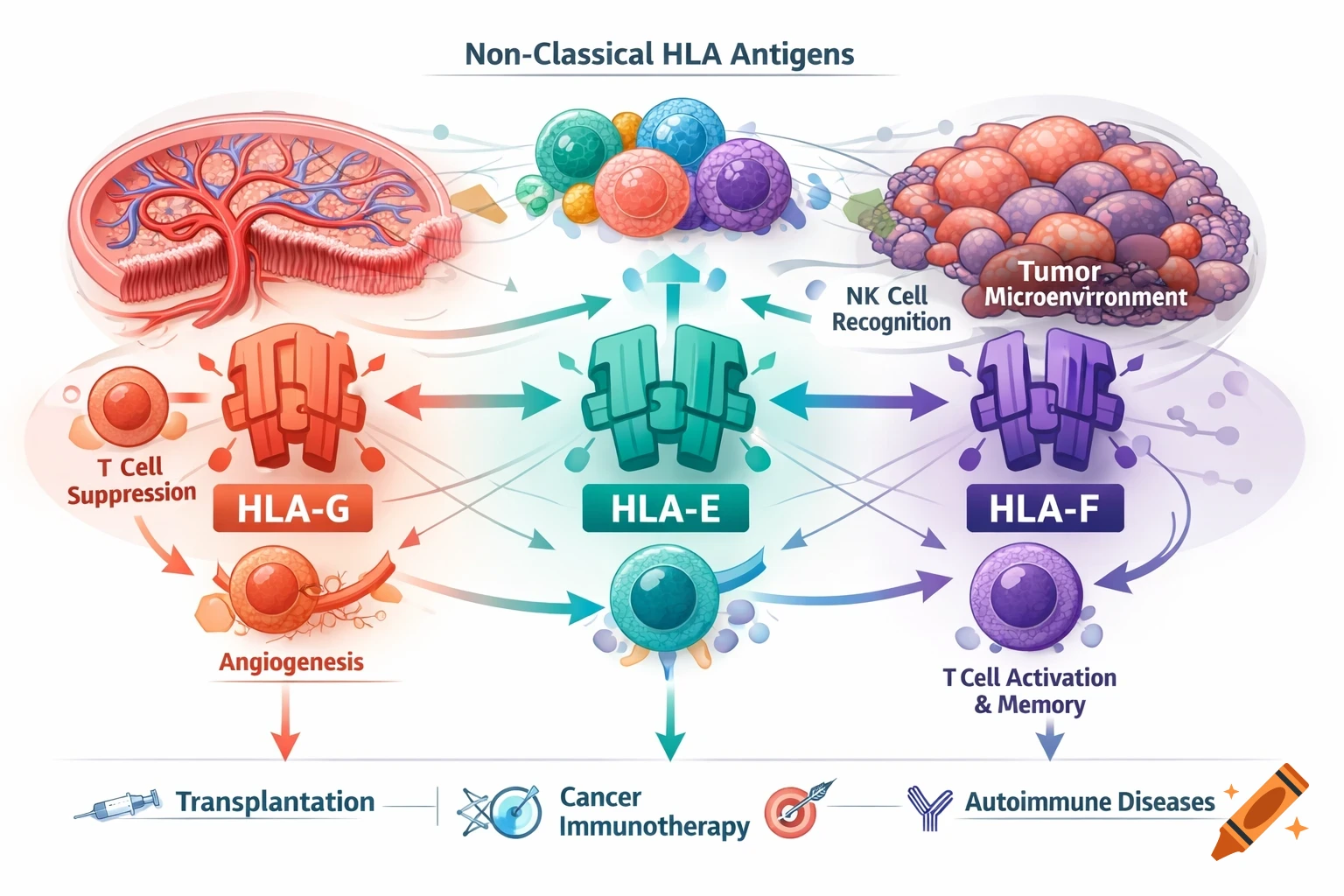
Graphical Abstract for Non-Classical HLA Antigens Below is a textual representation of what a graphical abstract might include, as I cannot create actual images. This can serve as a guideline for a graphic designer to create a visual representation. Graphical Abstract Components Title: Non-Classical HLA Antigens: Expression, Function, and Clinical Relevance Sections: Expression: Illustrate the expression of non-classical HLA antigens (HLA-G, HLA-E, HLA-F) in various tissues (e.g., placenta, tumors, immune cells). Use icons to represent different cell types (e.g., T cells, NK cells, macrophages). Functions: HLA-G: Show its roles in T cell modulation, angiogenesis, and myeloid cell interaction. HLA-E: Highlight its role in presenting leader peptides to NK cells and modulating immune responses. HLA-F: Depict its involvement in T cell activation and memory formation. Clinical Relevance: Indicate potential therapeutic applications, such as in cancer immunotherapy, transplantation, and autoimmune diseases. Use arrows or pathways to show the impact of these antigens on immune evasion and tolerance. Color Scheme: Use distinct colors for each non-classical HLA antigen to differentiate them visually. Callouts: Include brief descriptions or bullet points to summarize key functions and clinical implications for each antigen. Summary HLA-G has diverse and novel roles beyond immune inhibition, including modulation of T cell responses, angiogenesis, interaction with myeloid cells, See more