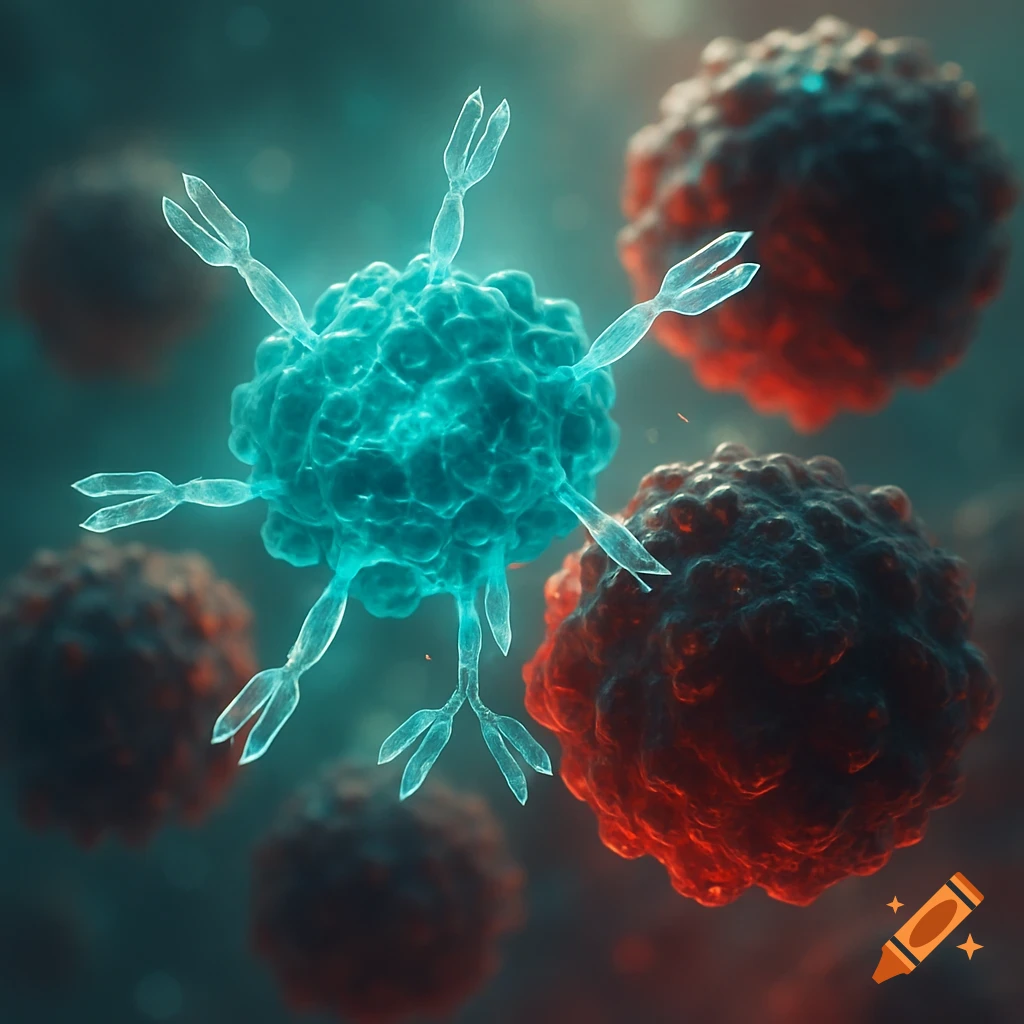
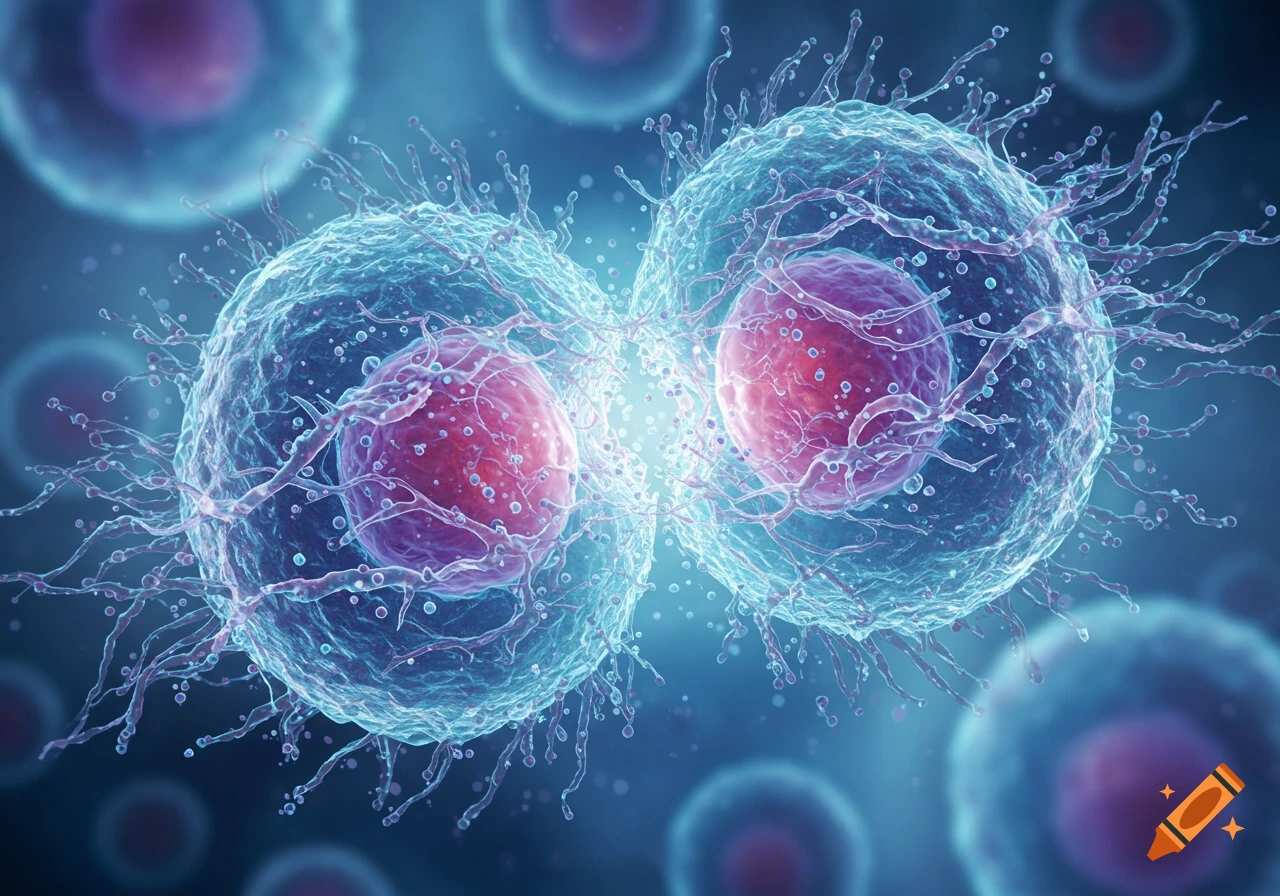
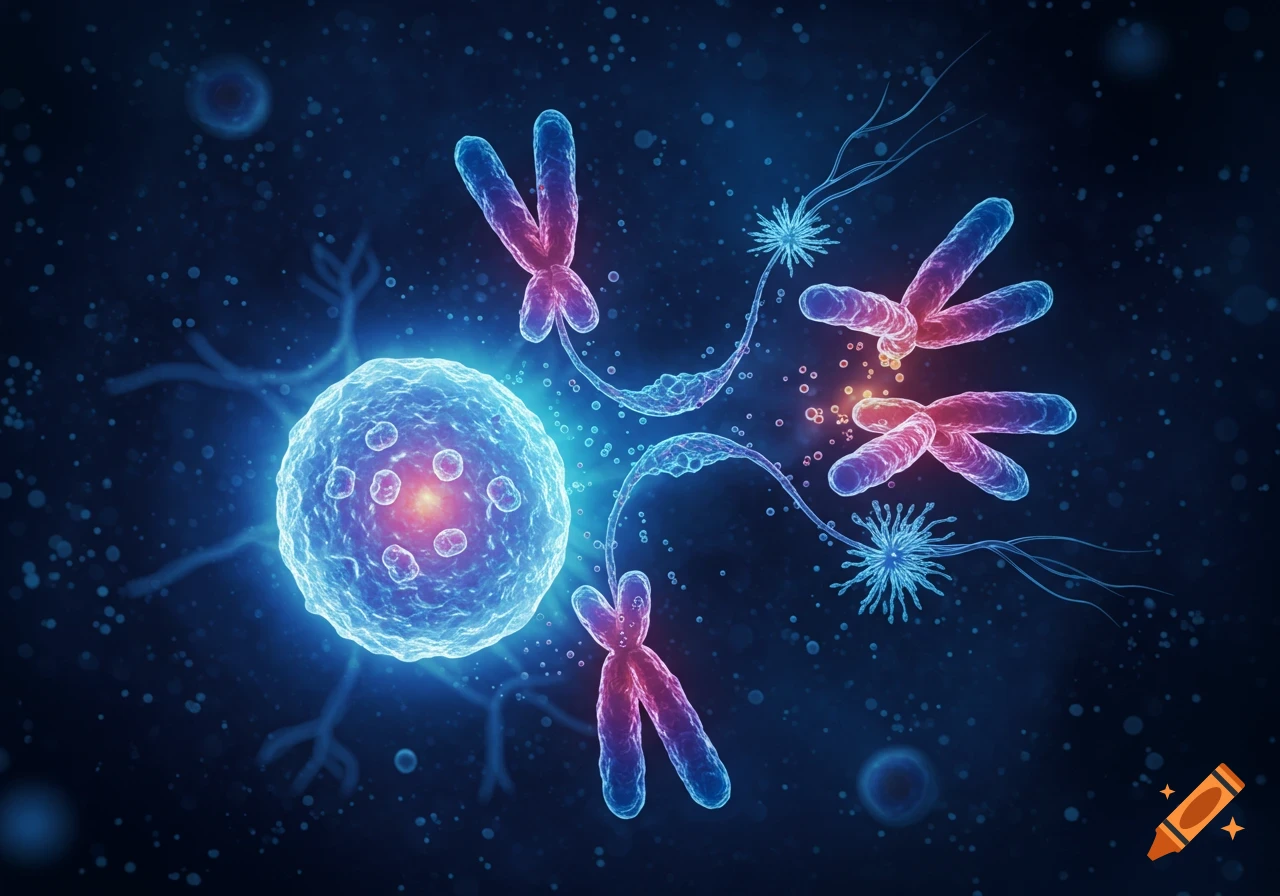
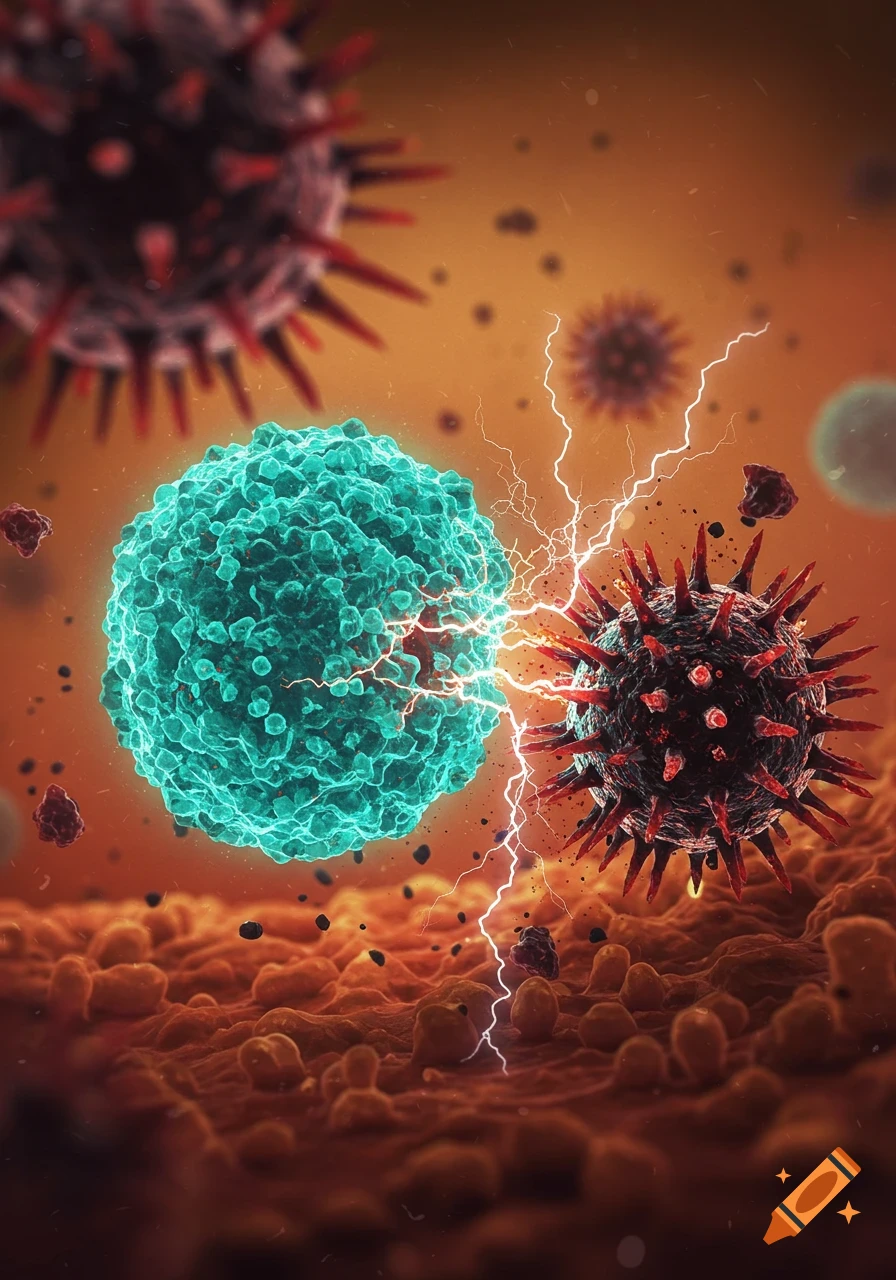
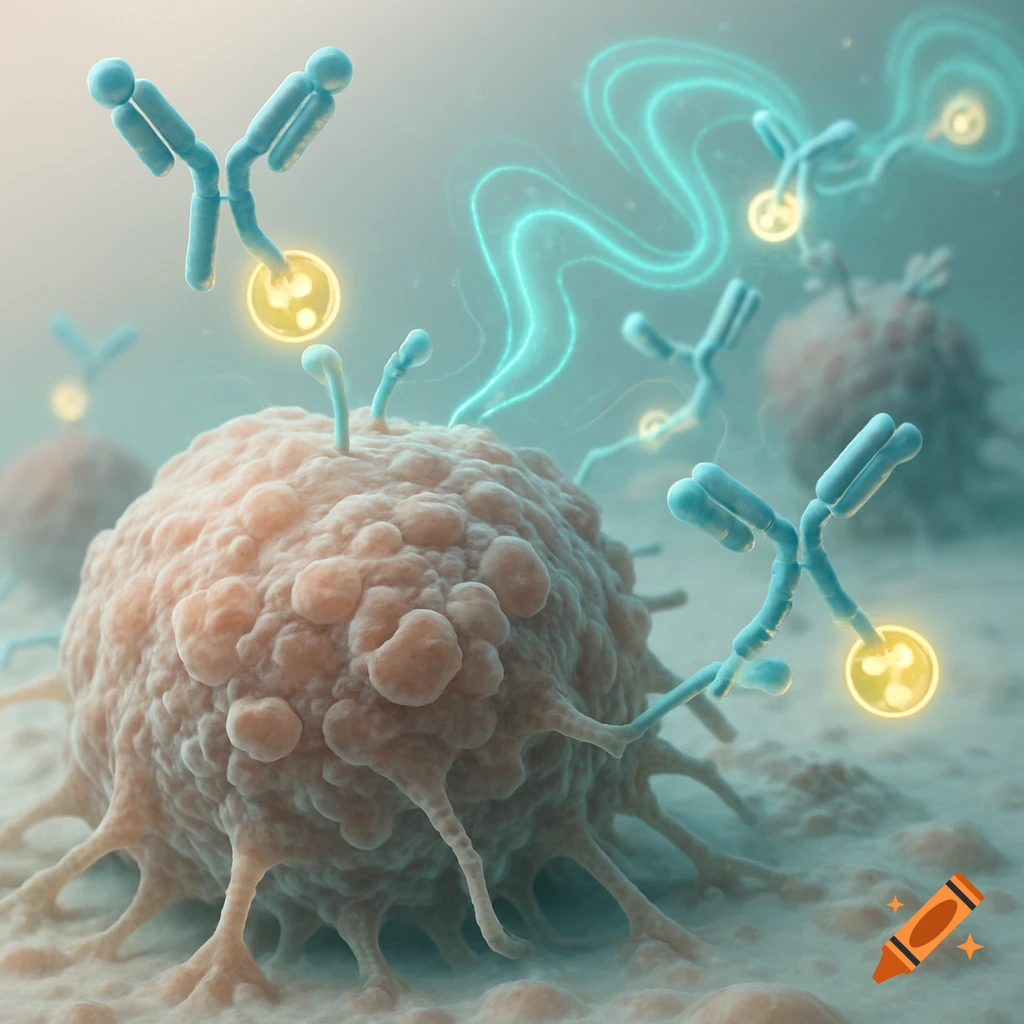
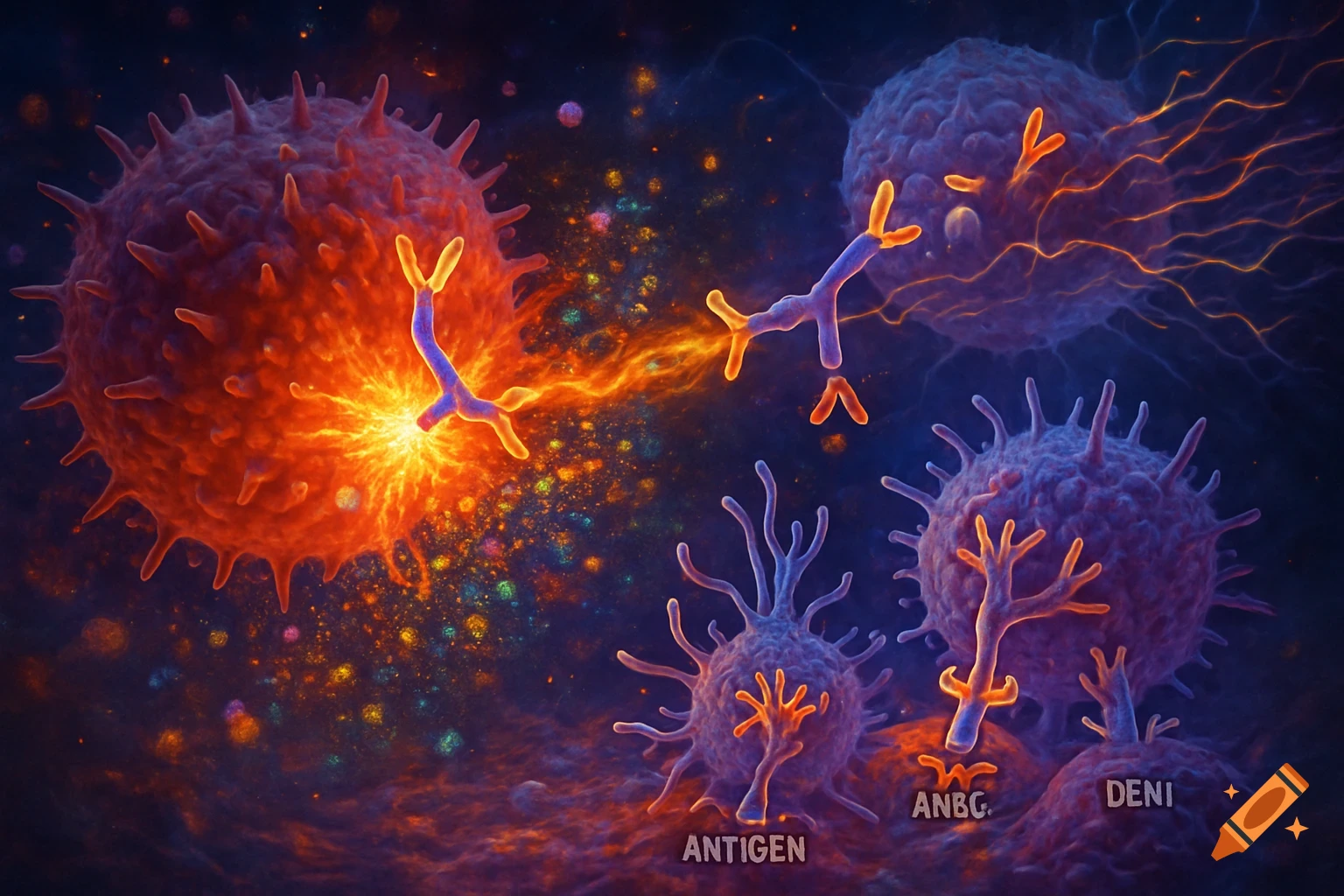
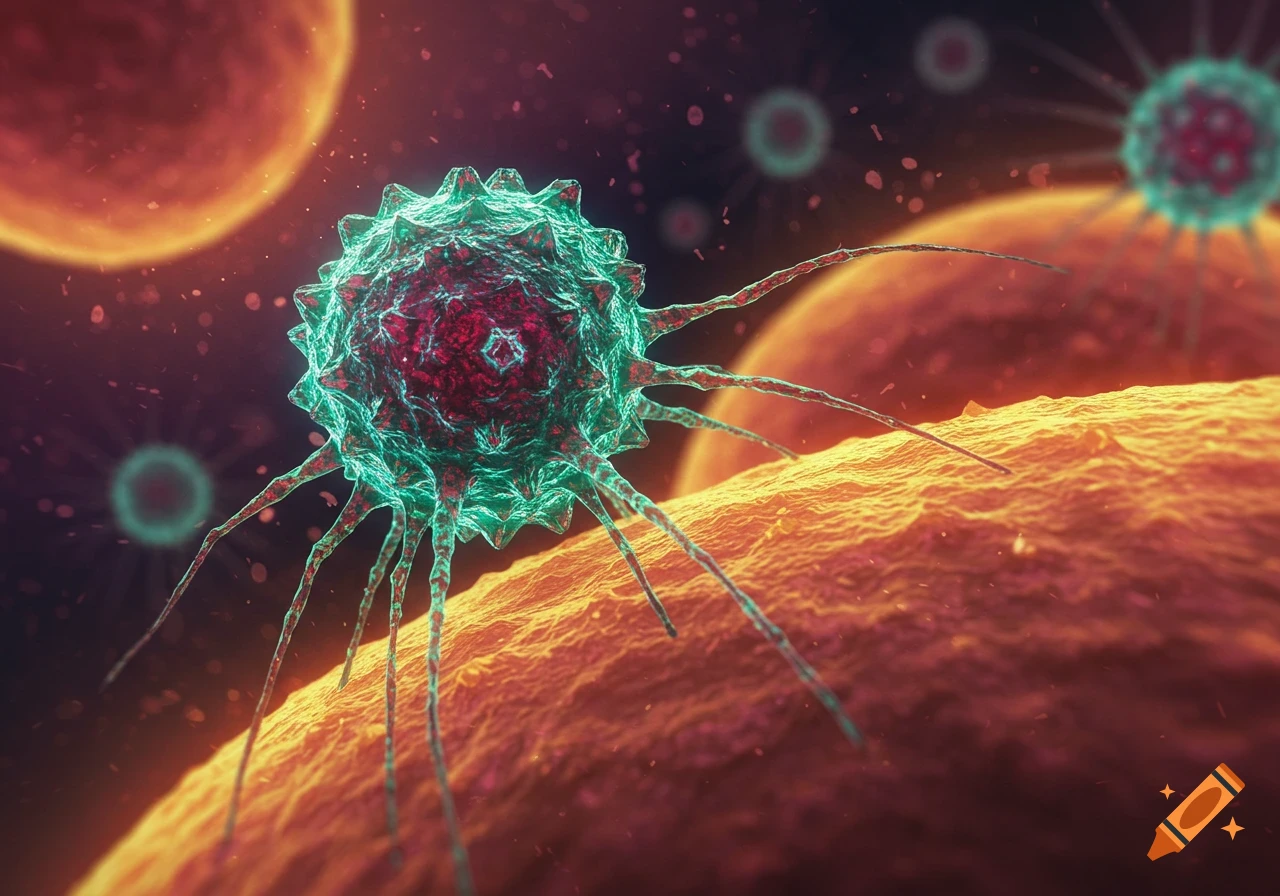
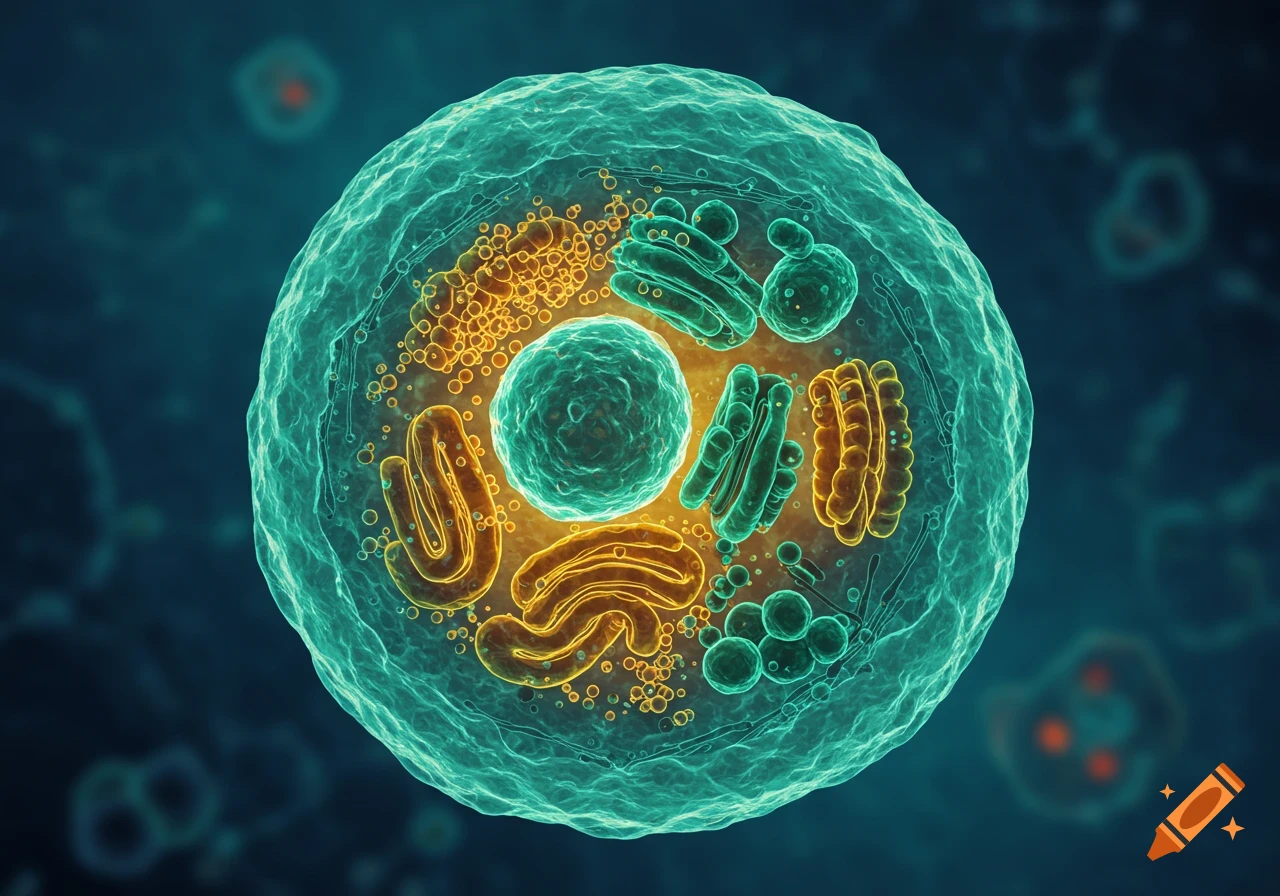
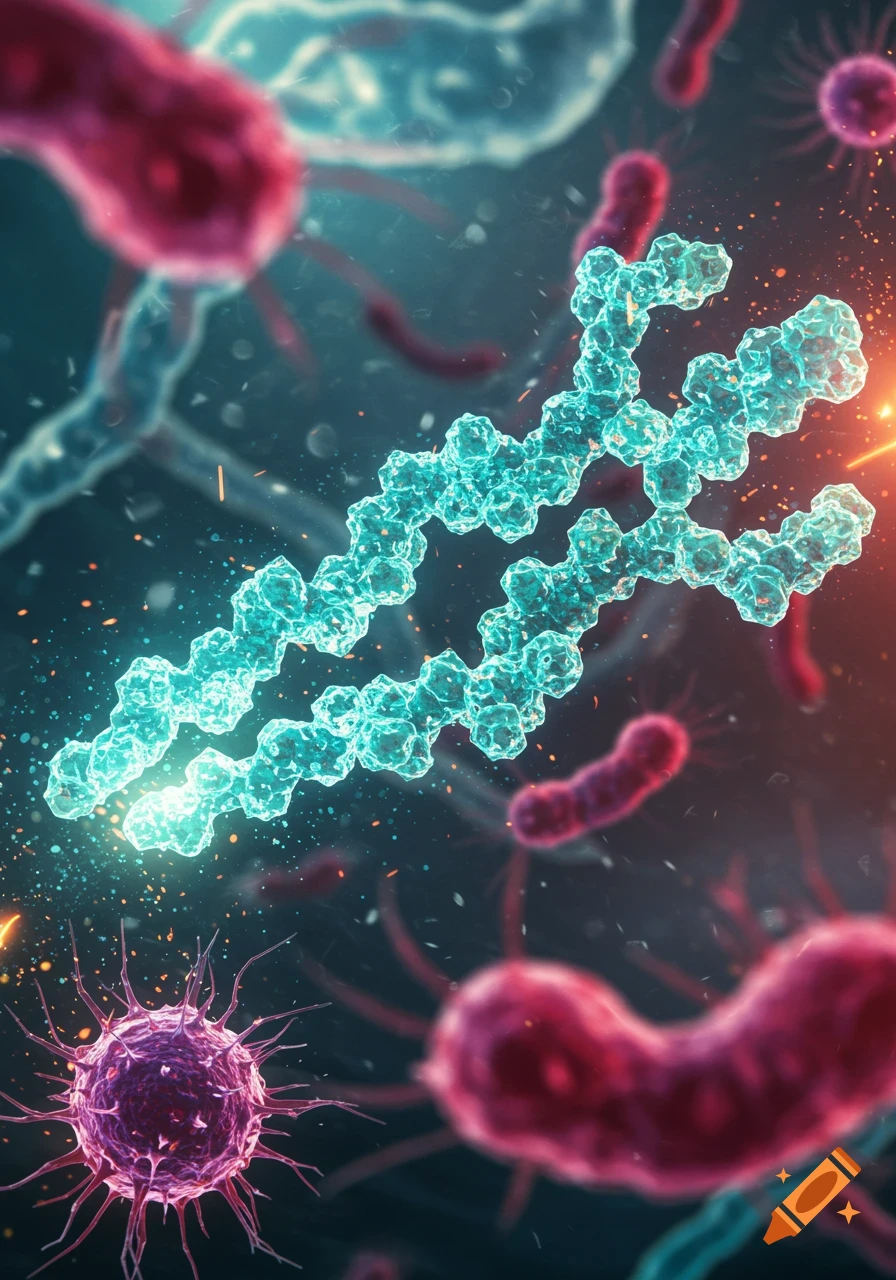
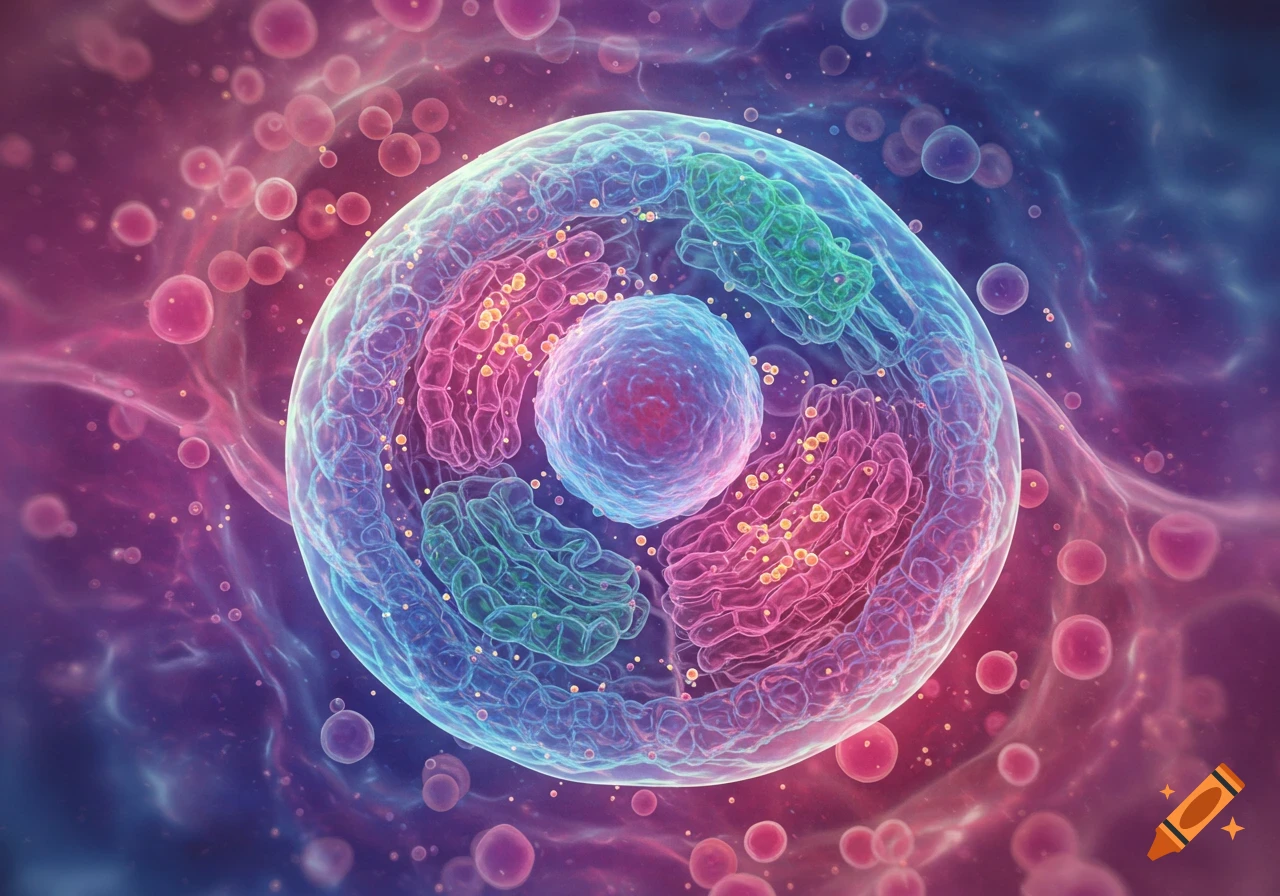
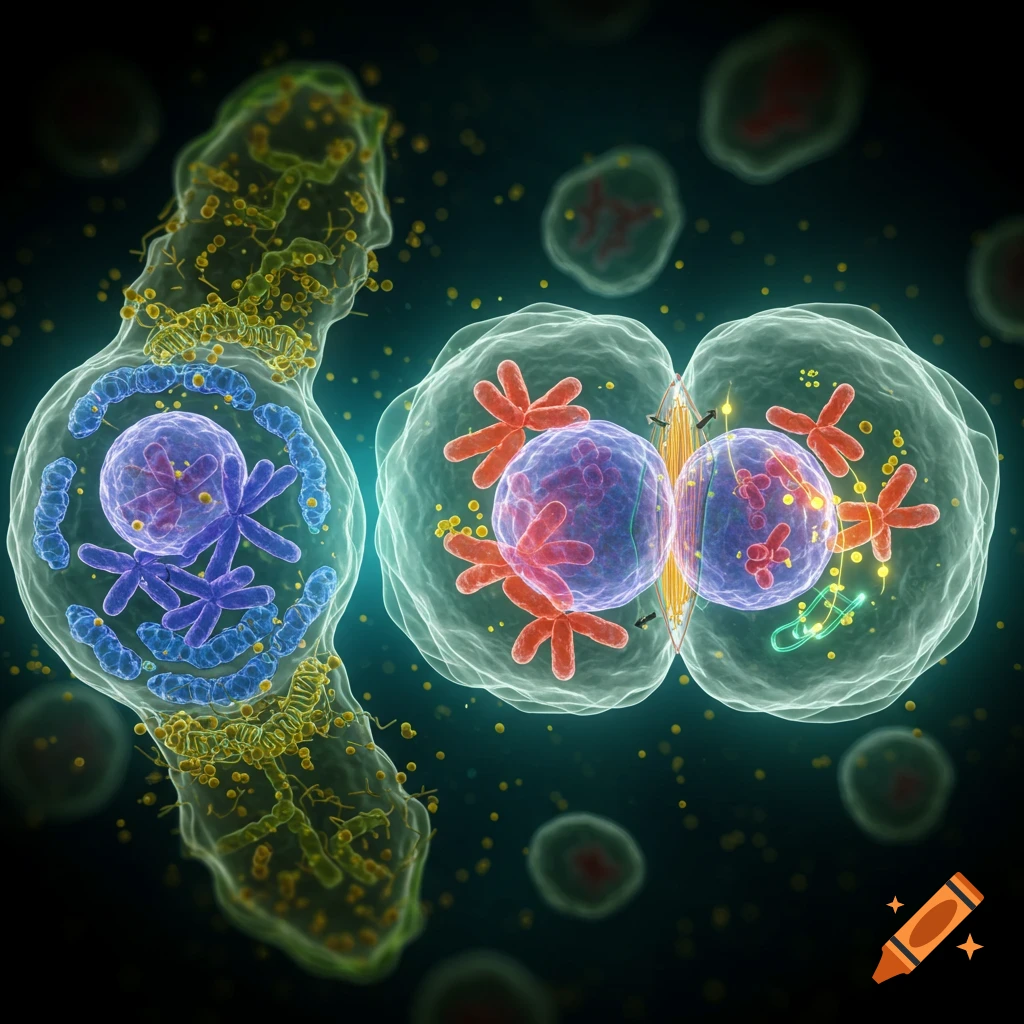
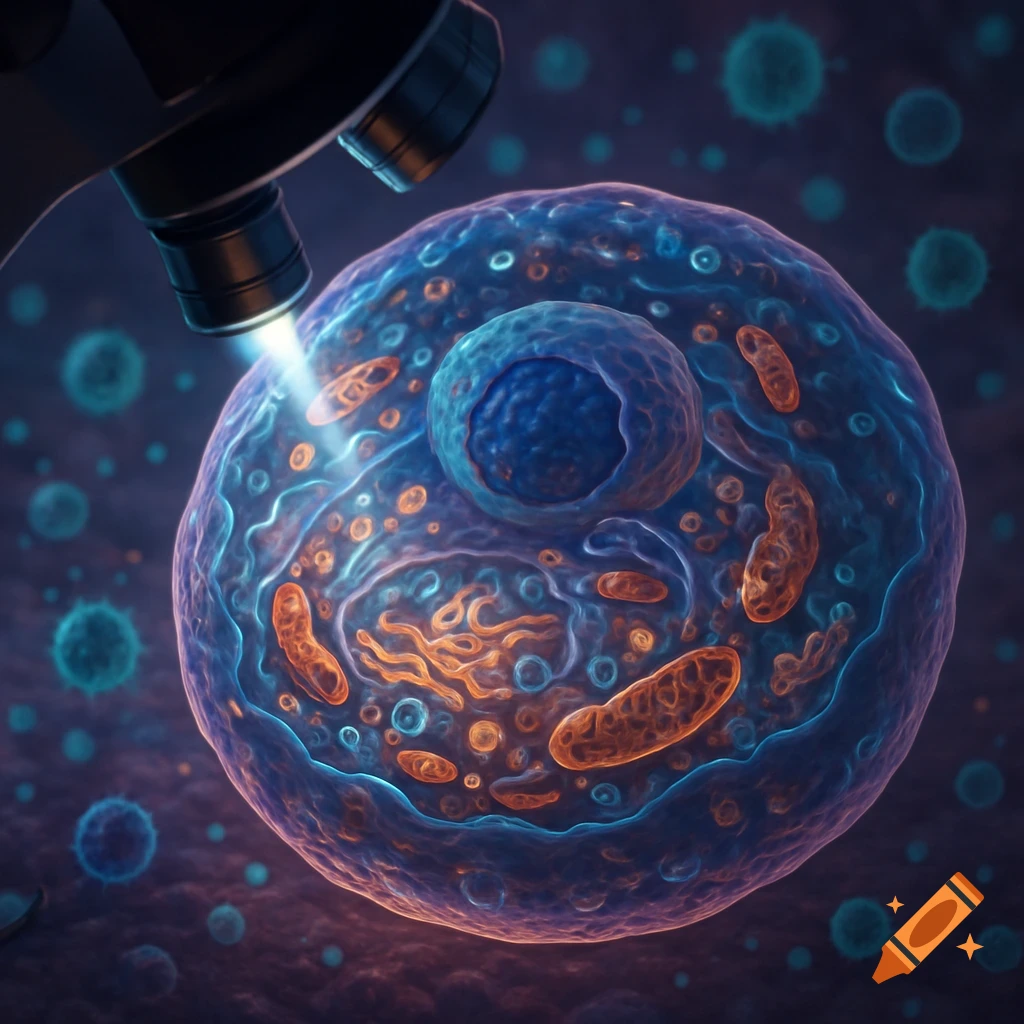
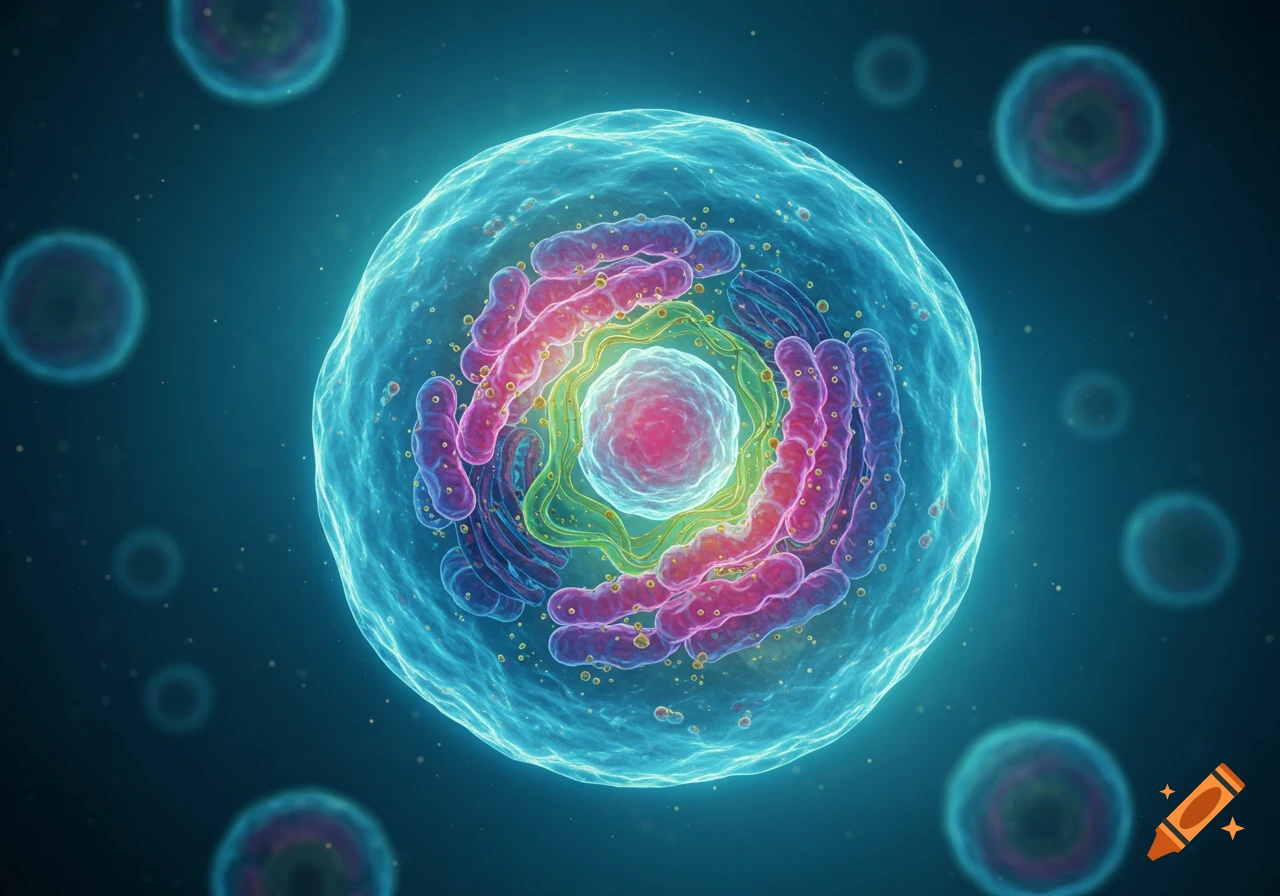
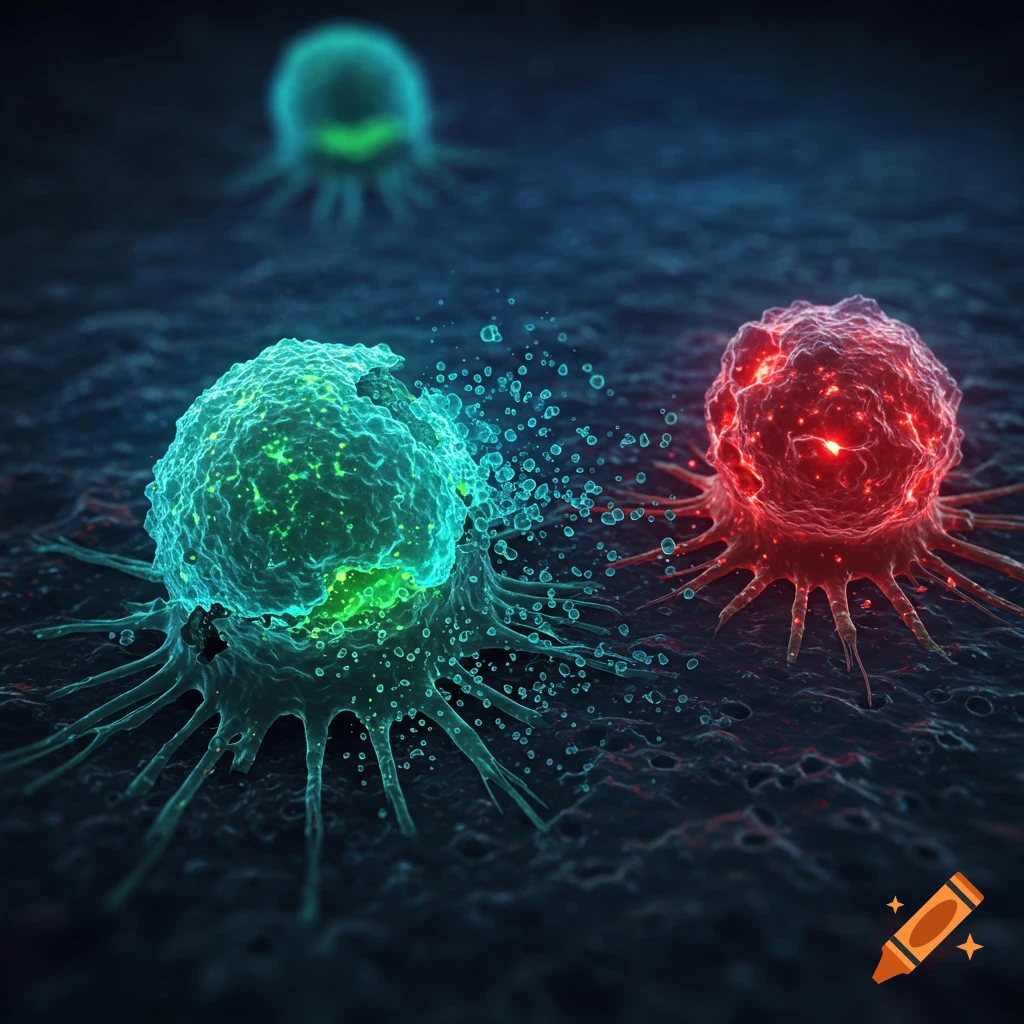
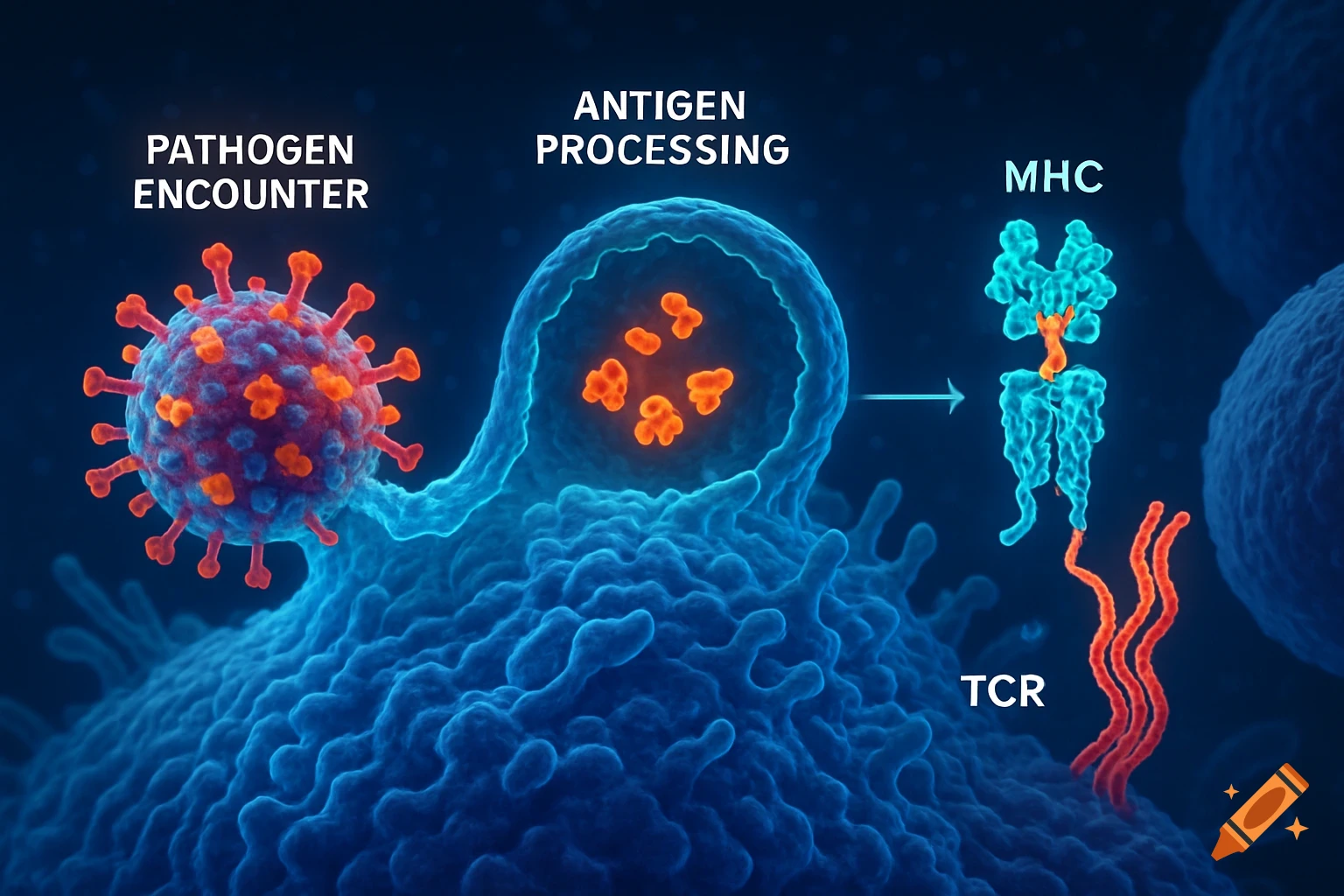
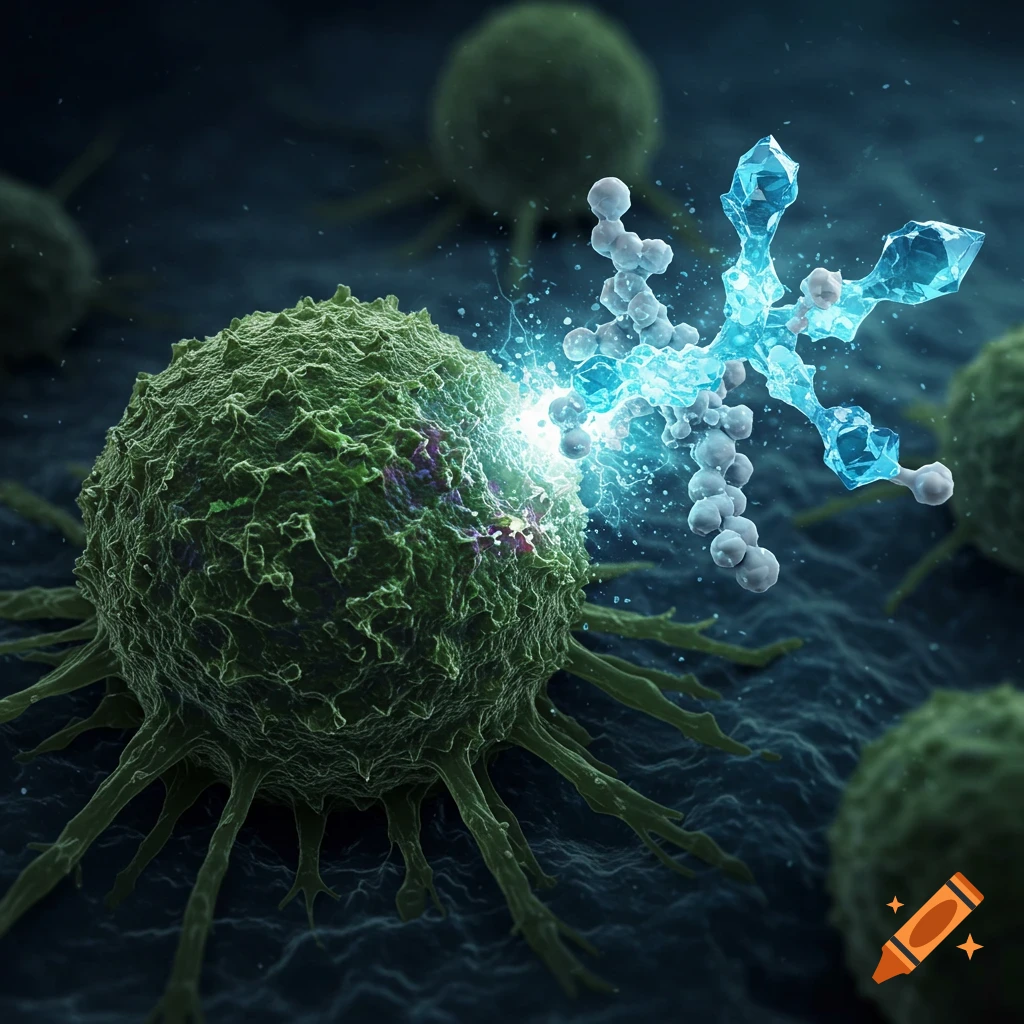
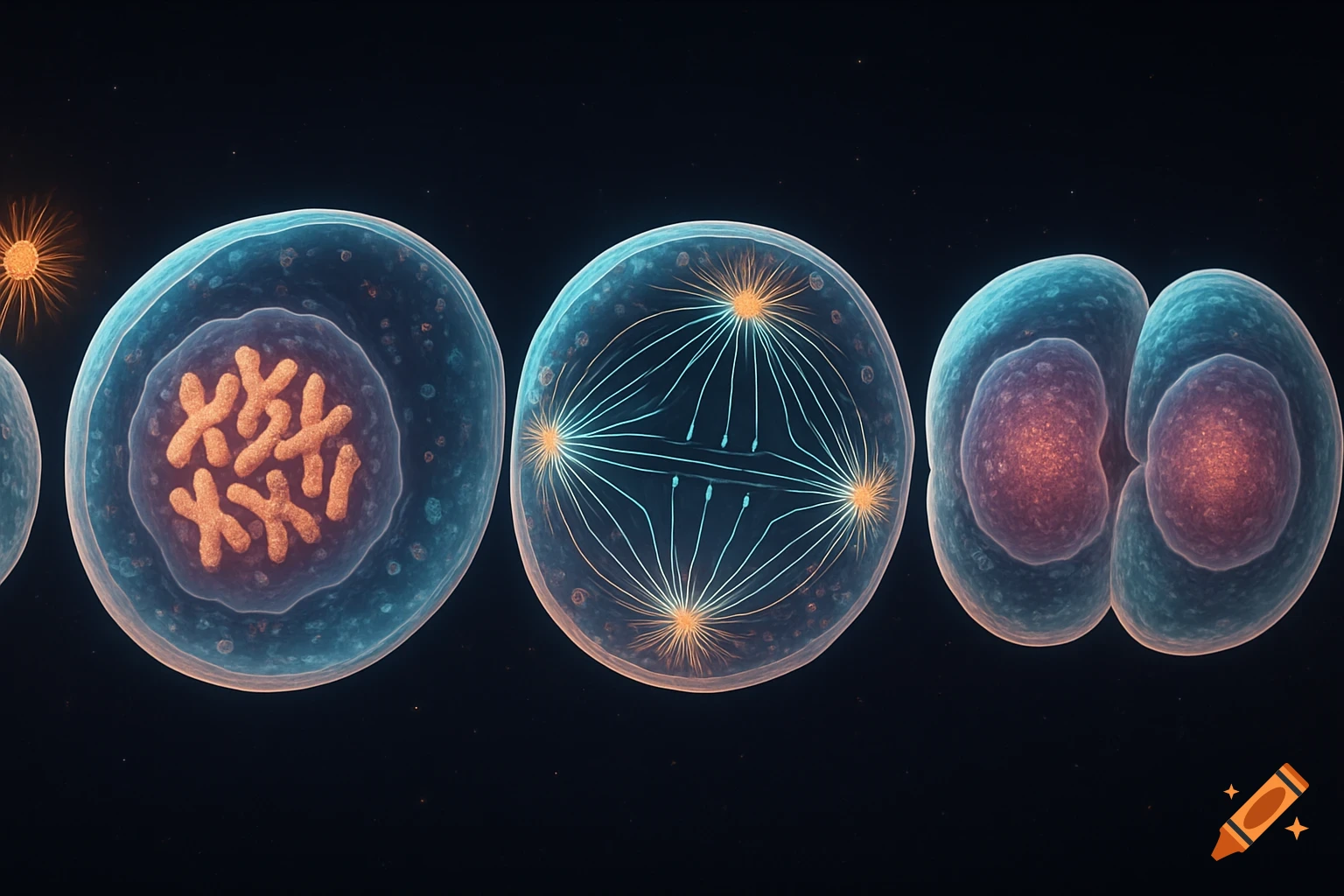
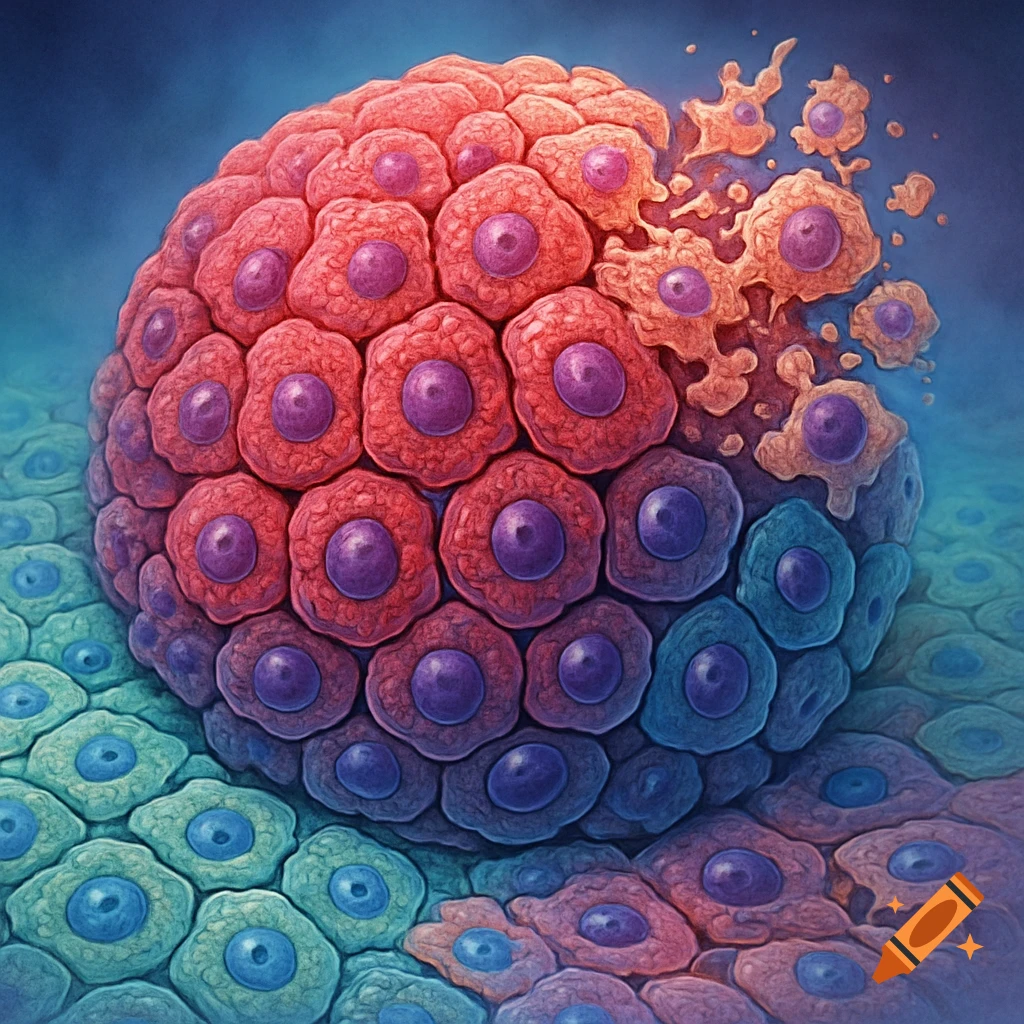
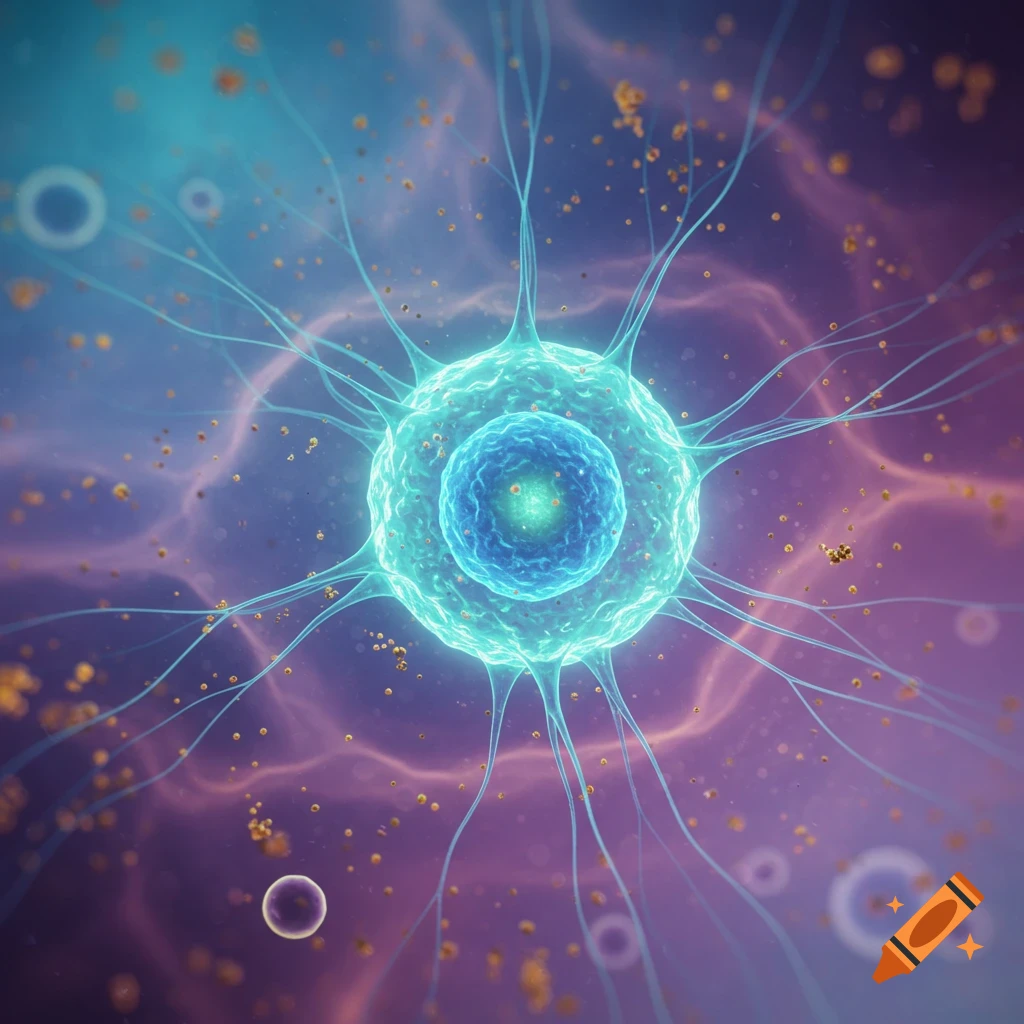
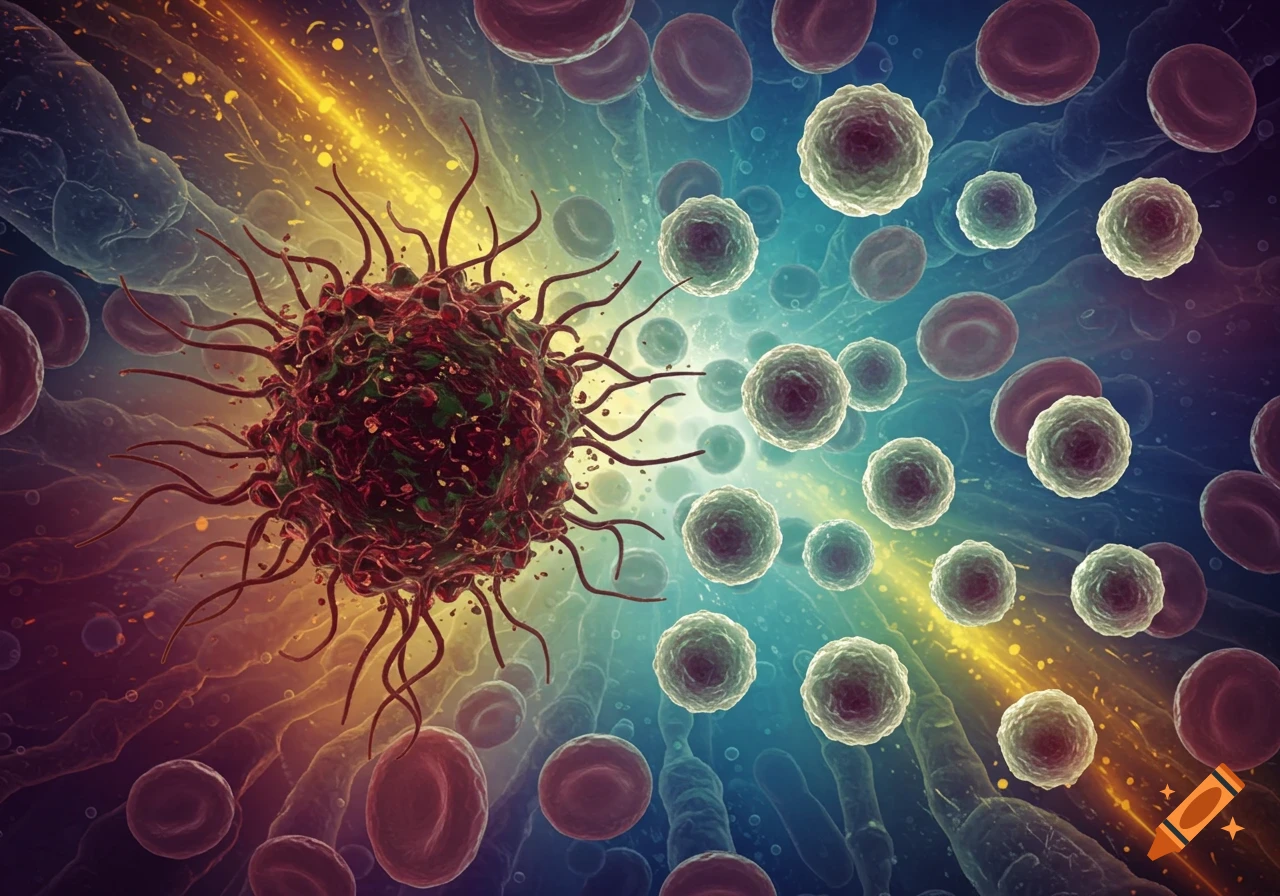
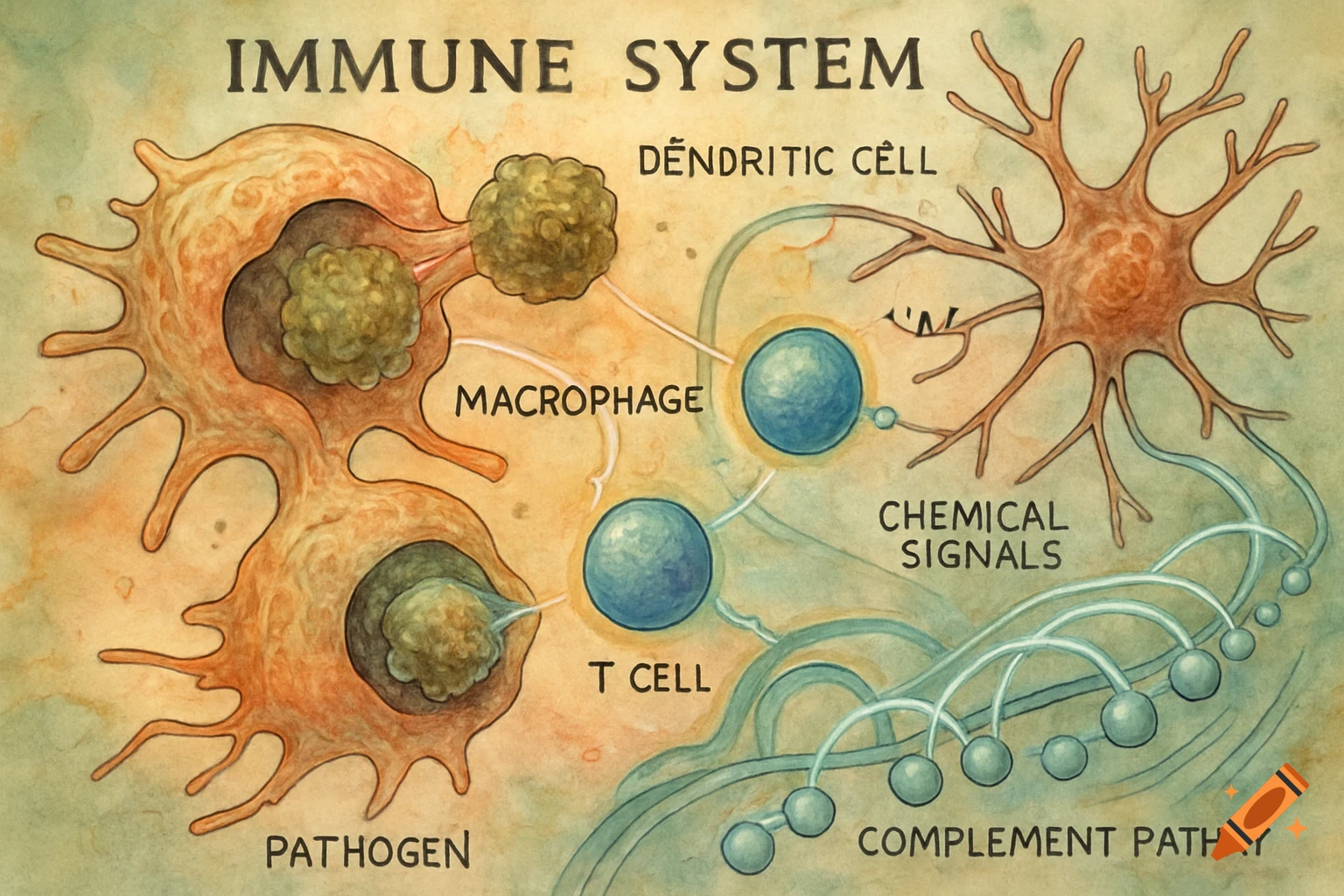
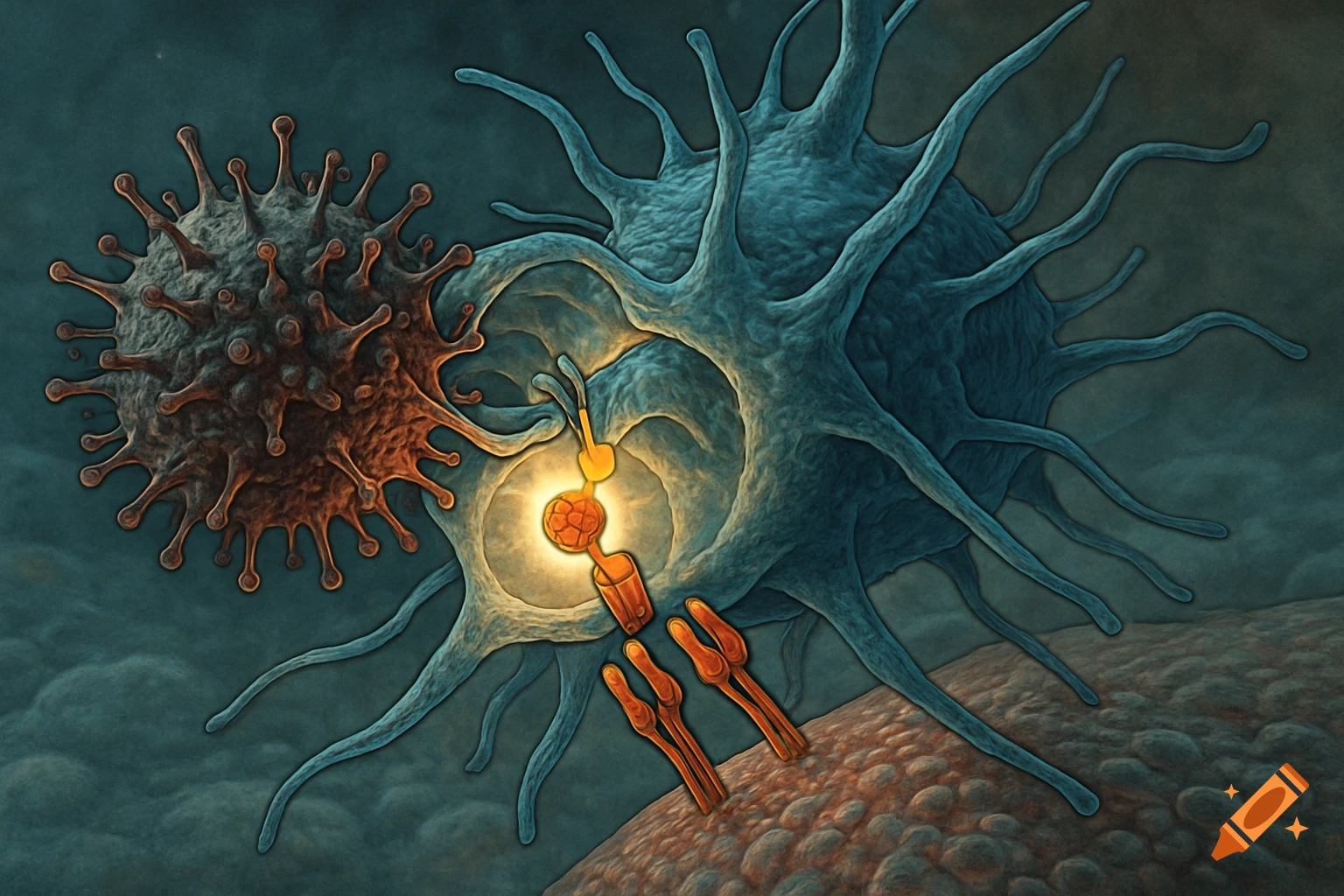
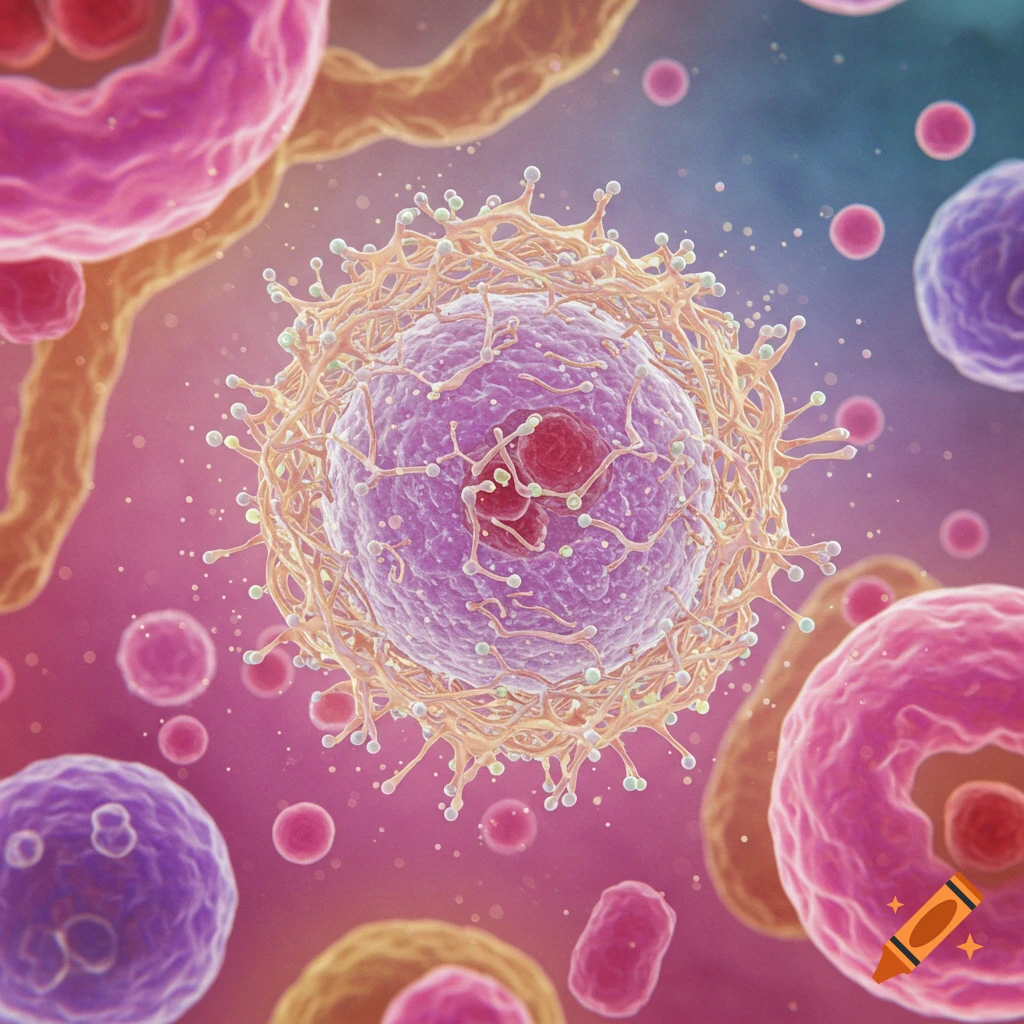
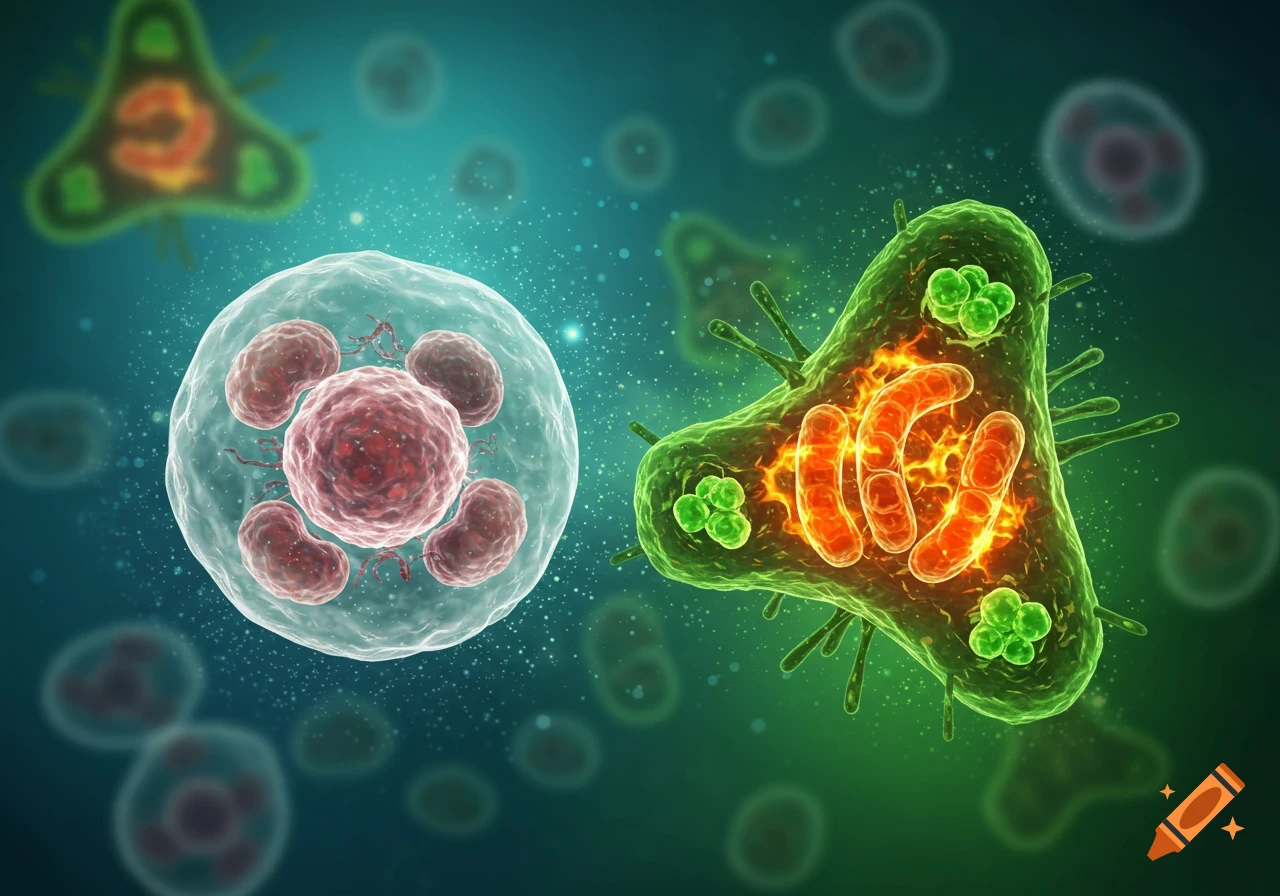
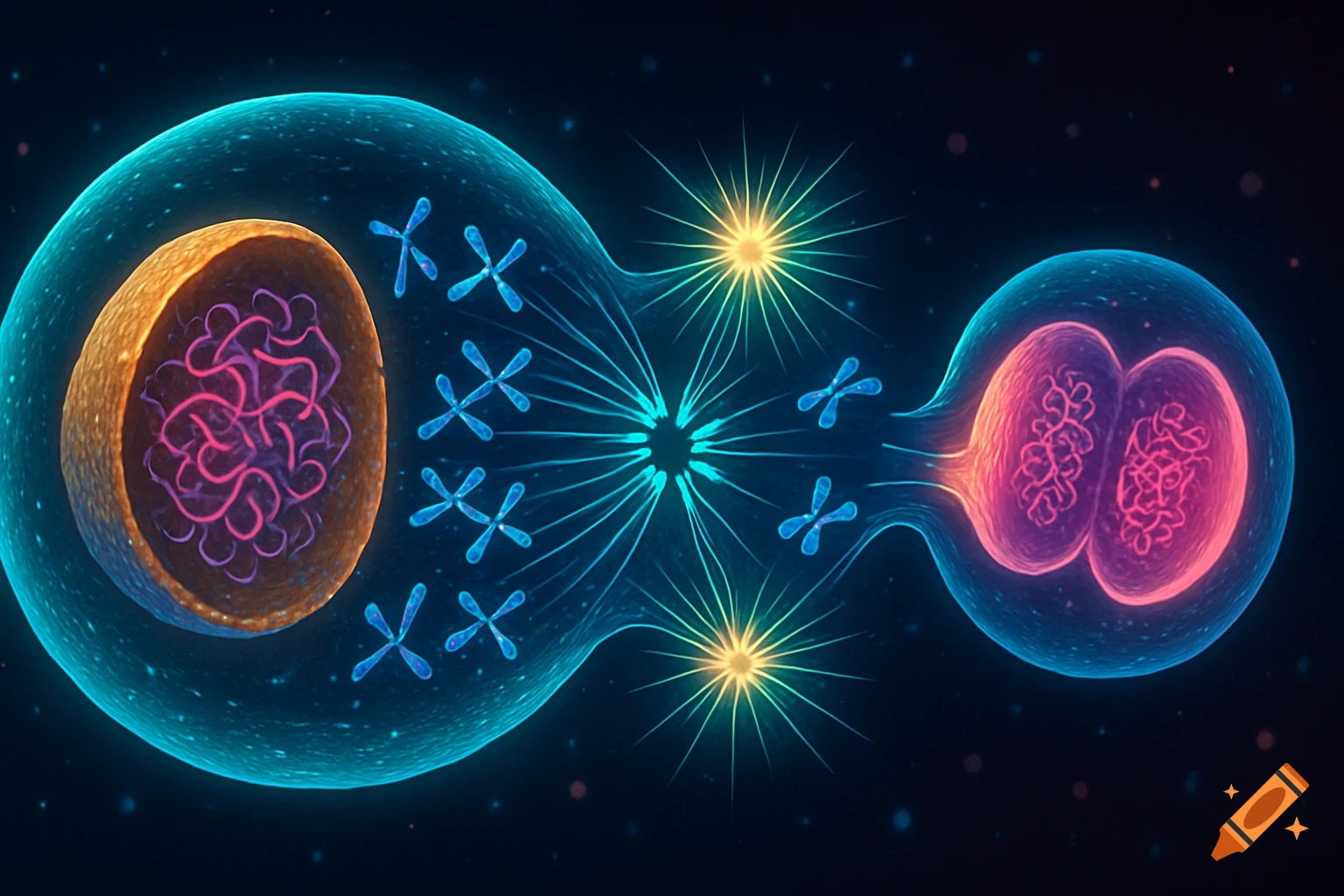
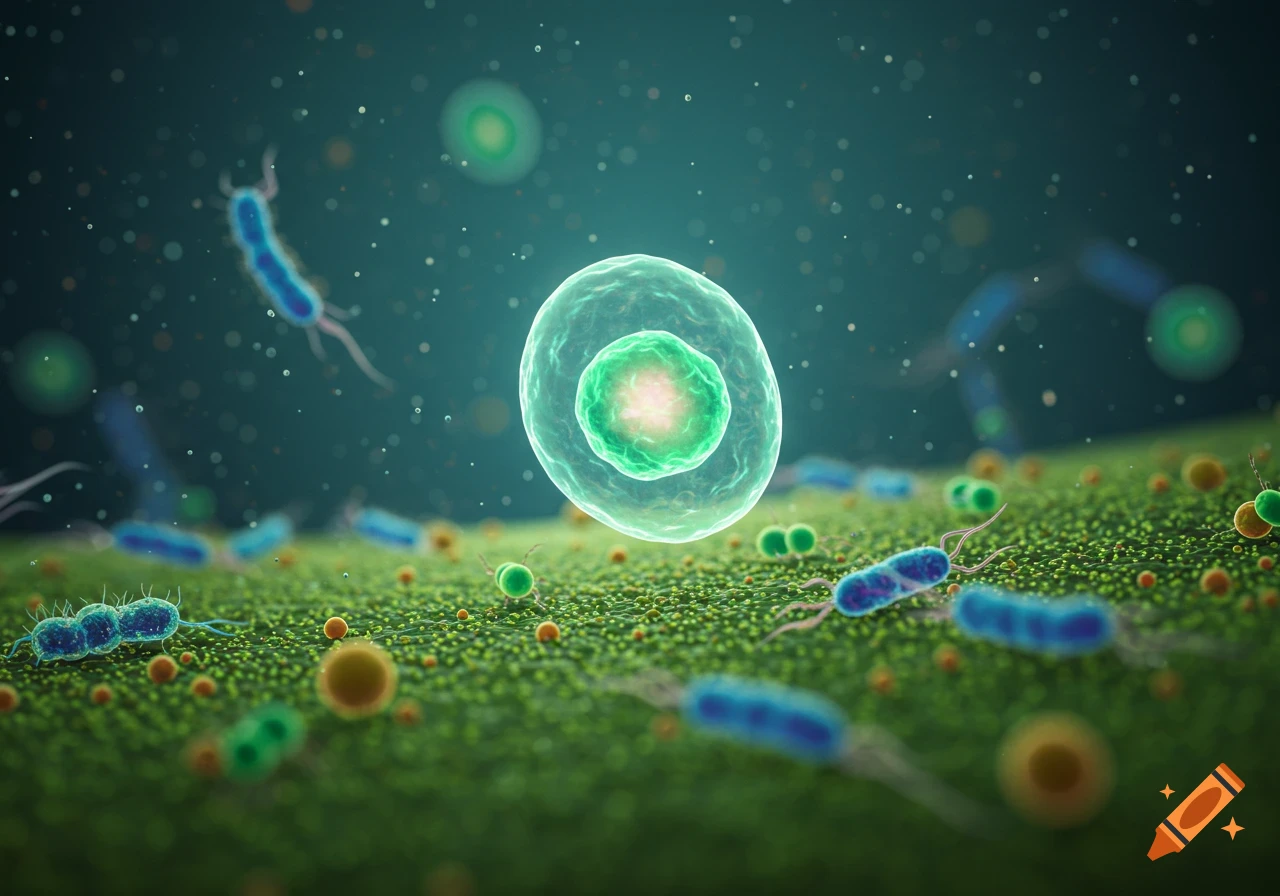
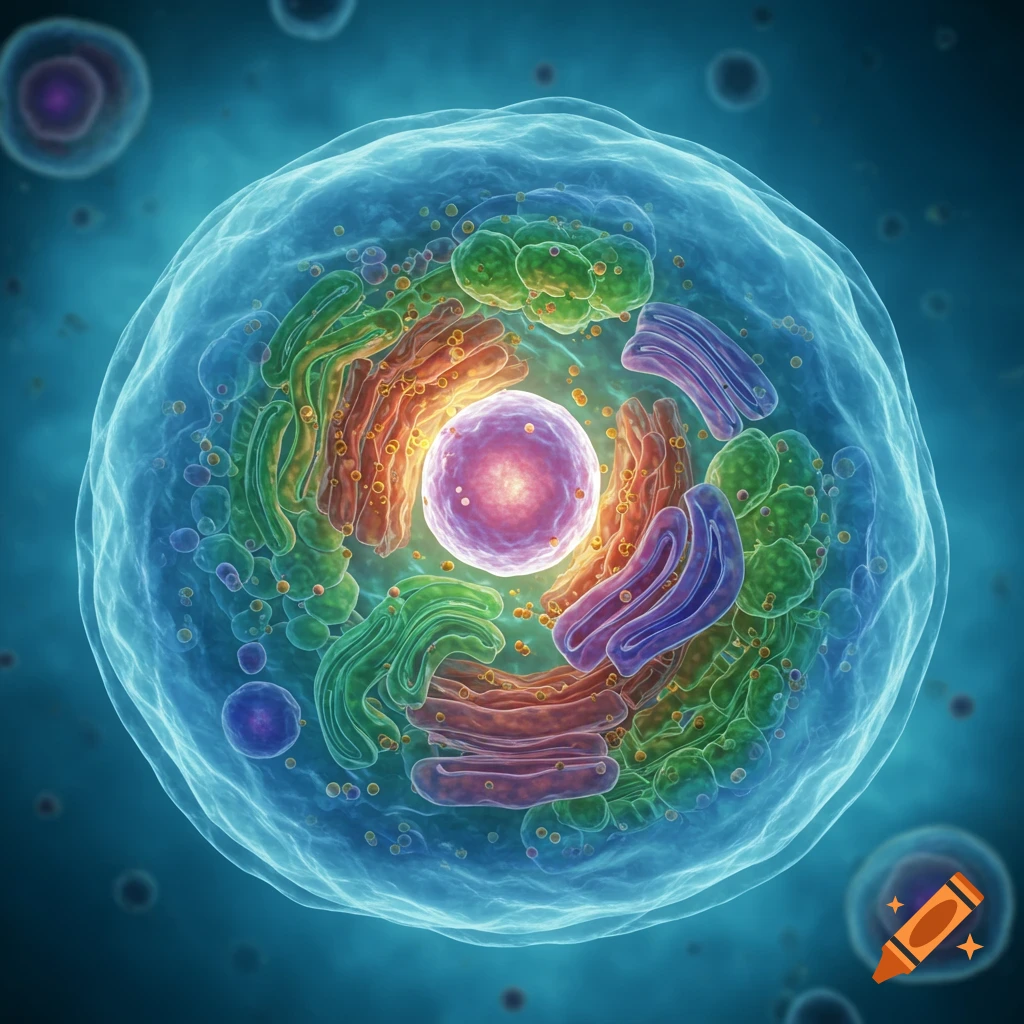
A scientific illustration of cellular immunity, showing a T cell interacting with a tumor cell, and a dendritic cell with released antigens.
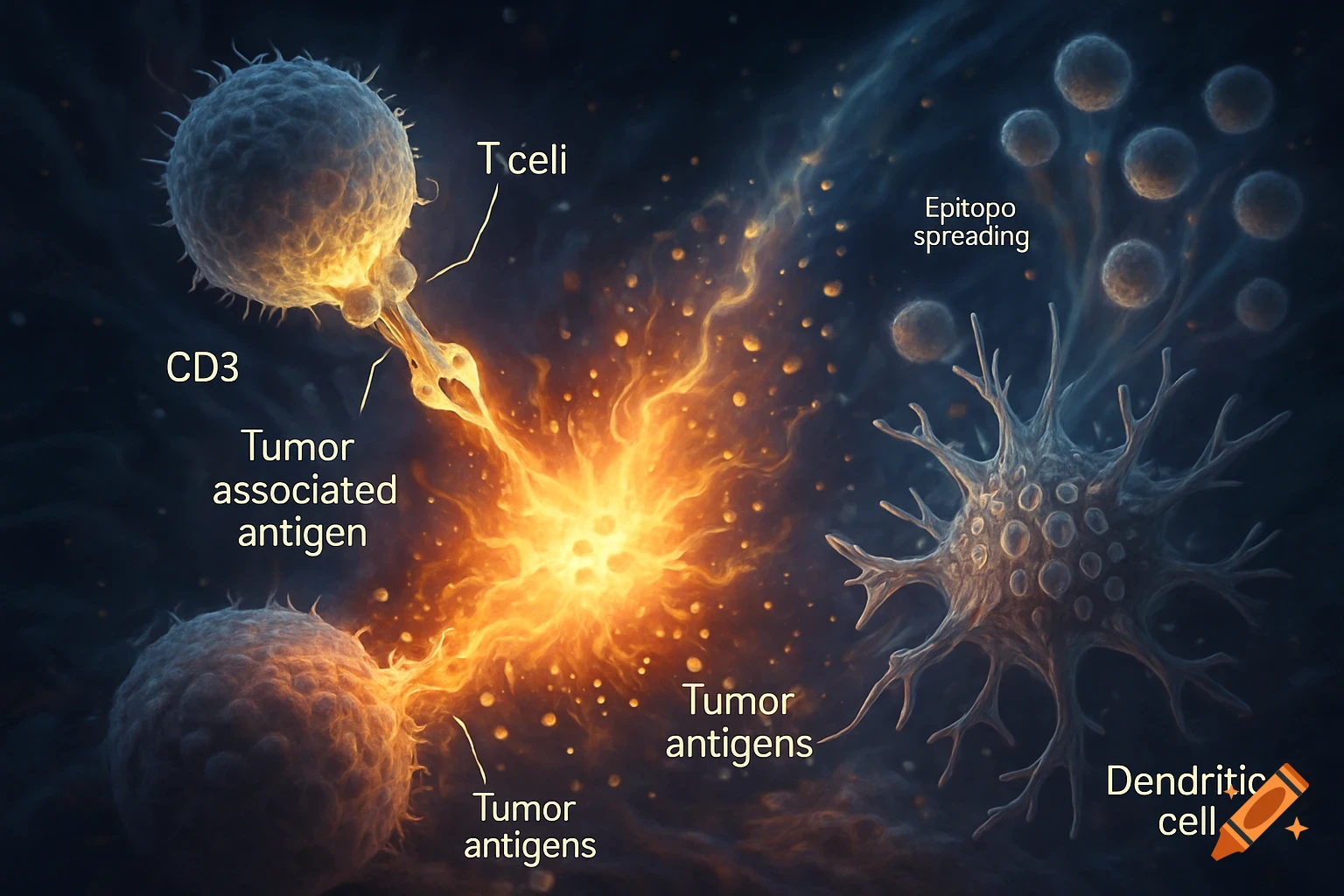
1. BiTE Engagement and Tumor Cell Lysis: BiTEs (bispecific T-cell engagers) bind simultaneously to a tumor-associated antigen on cancer cells and CD3 on T cells, redirecting T-cell cytotoxicity to tumor cells. This results in targeted tumor cell lysis. 2. Release of Tumor Antigens: The destruction of tumor cells leads to the release of a broad array of tumor antigens, including those not initially targeted by the BiTE. 3. Antigen Uptake and Presentation: Dendritic cells and other antigen-presenting cells (APCs) take up these released antigens, process them, and present new epitopes on MHC molecules. 4. Priming of New T-cell Clones: Naïve and memory T cells recognizing these novel epitopes are activated, expanding the immune response beyond the original target (epitope spreading). 5. Broadened and Sustained Antitumor Immunity: The immune system now targets multiple tumor antigens, reducing the risk of immune escape and potentially leading to durable remission. See more