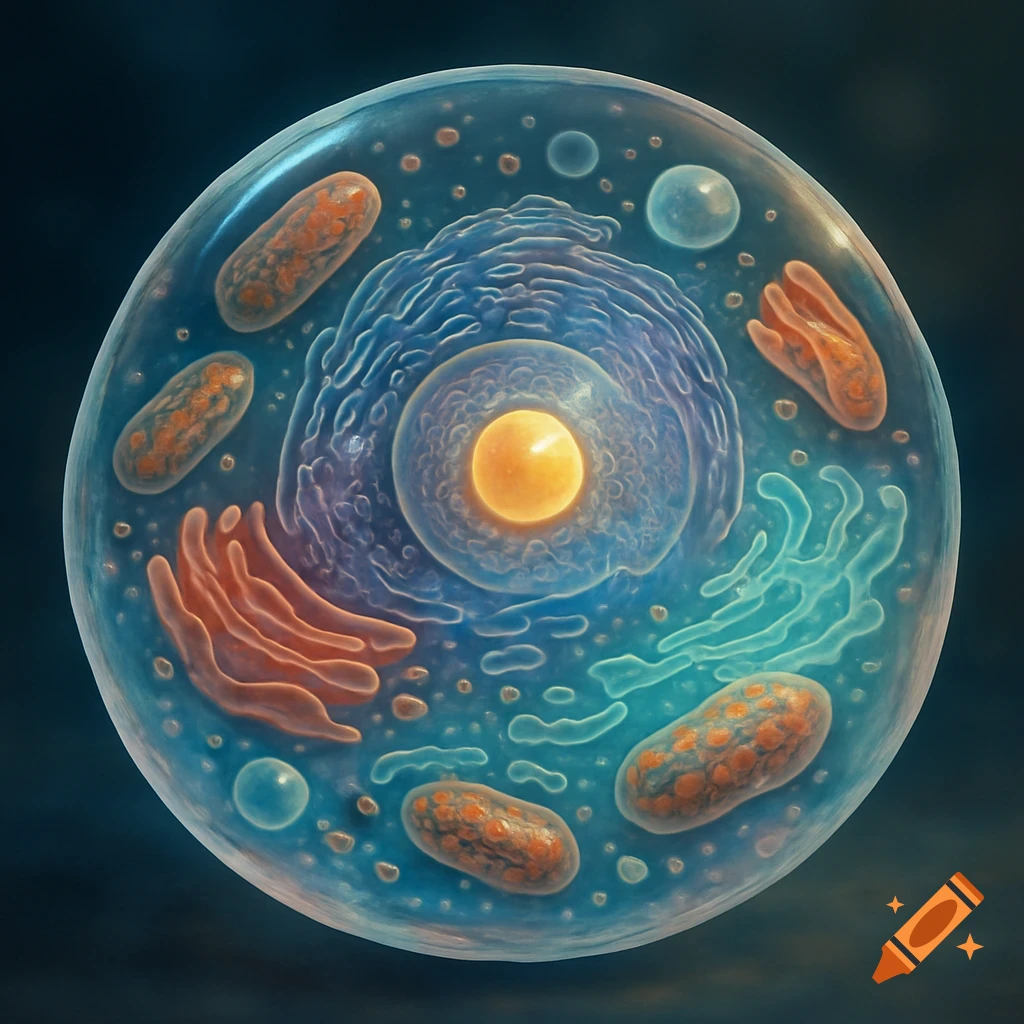
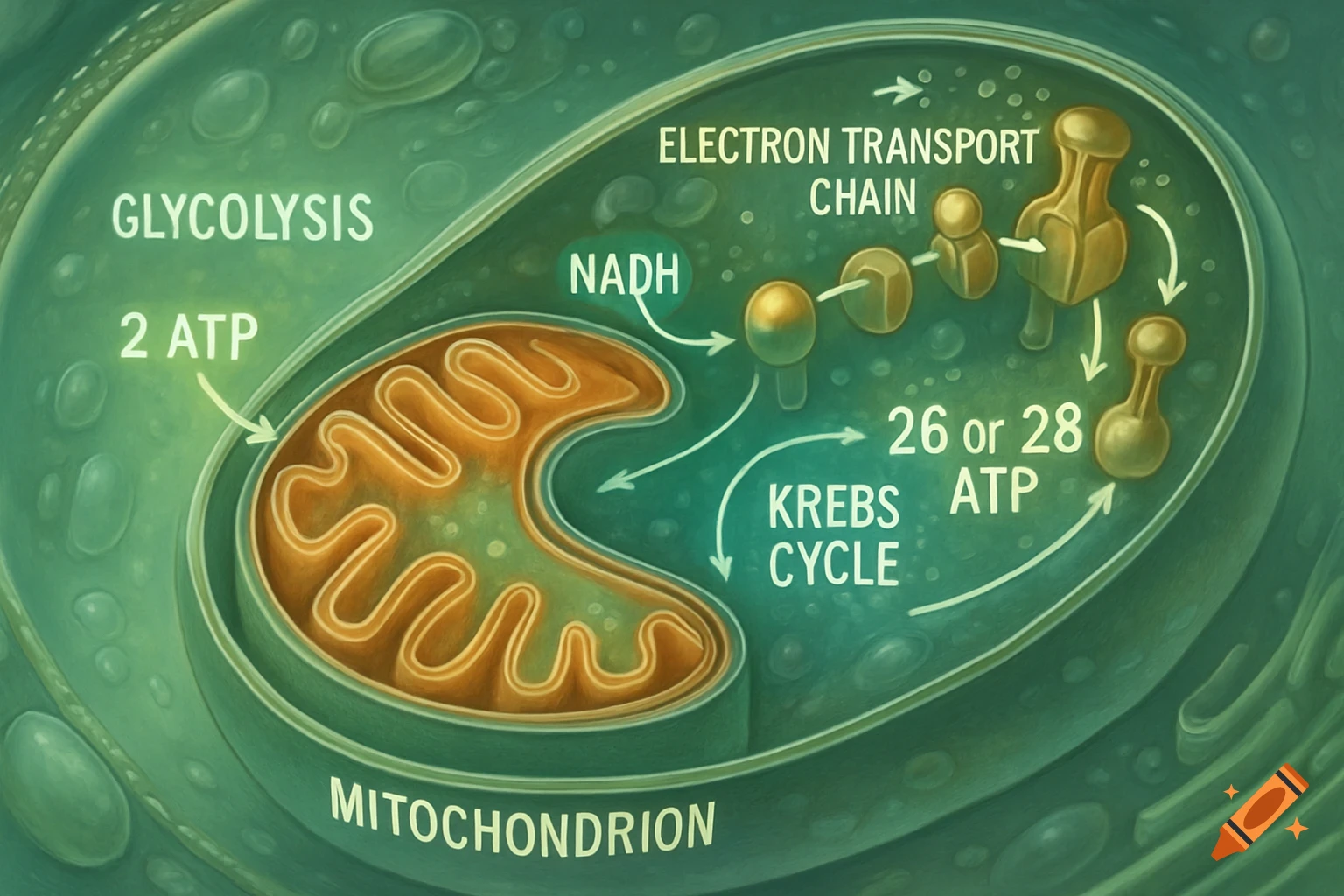
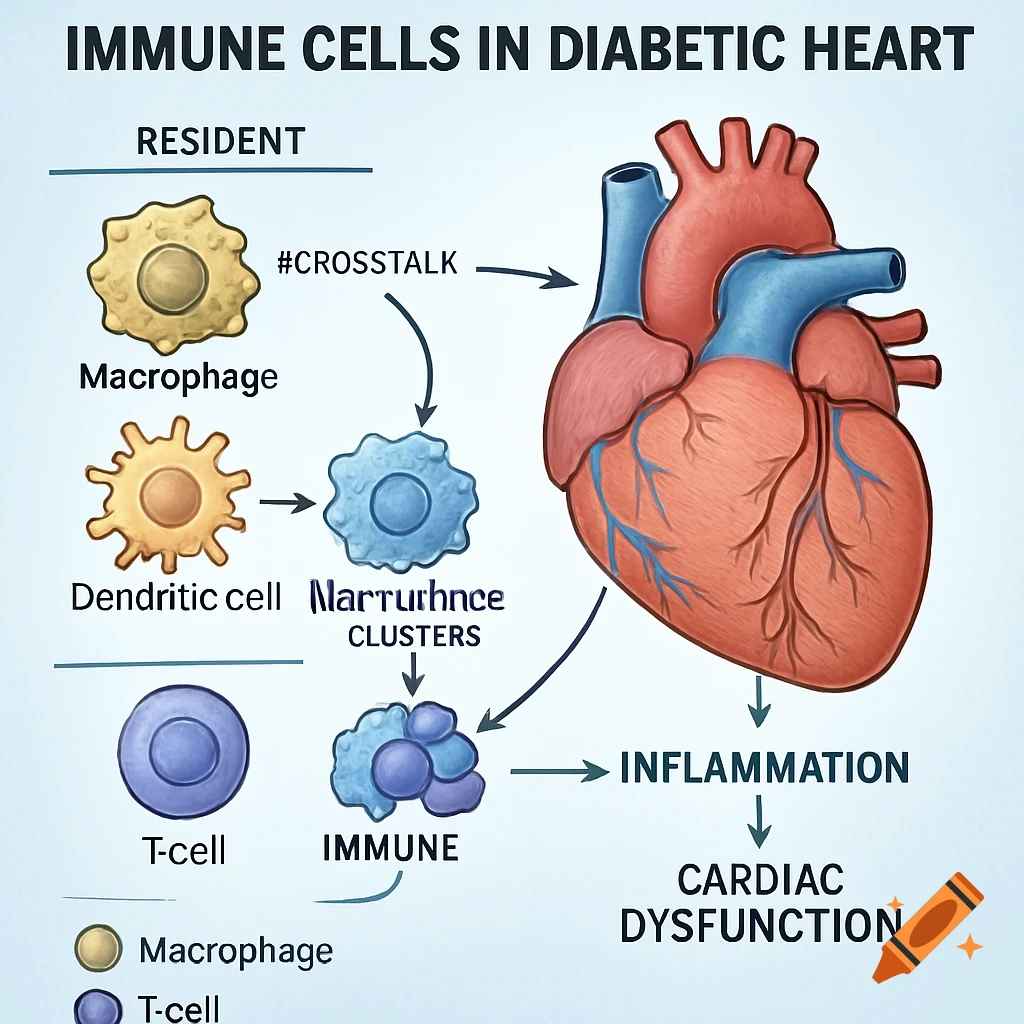
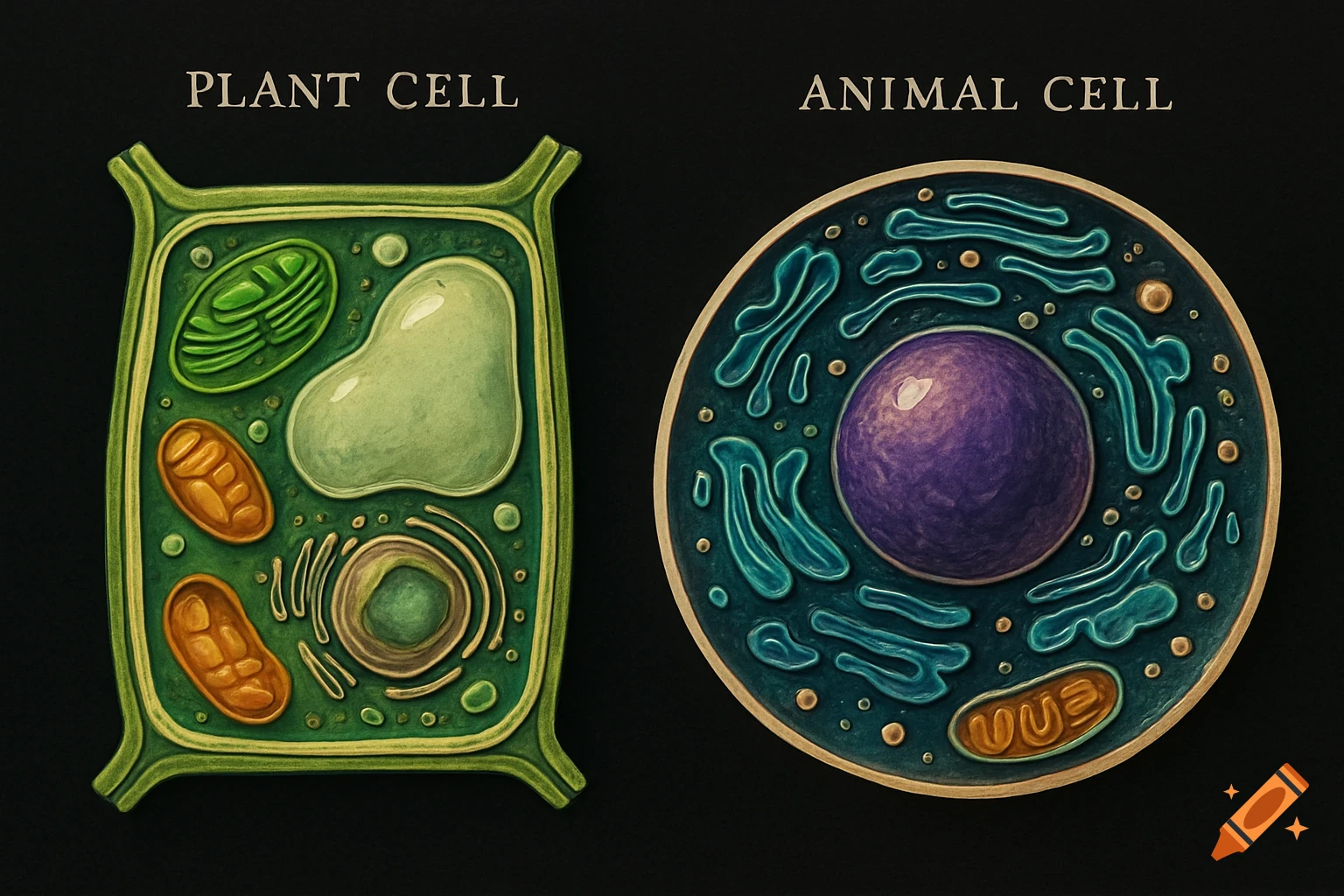
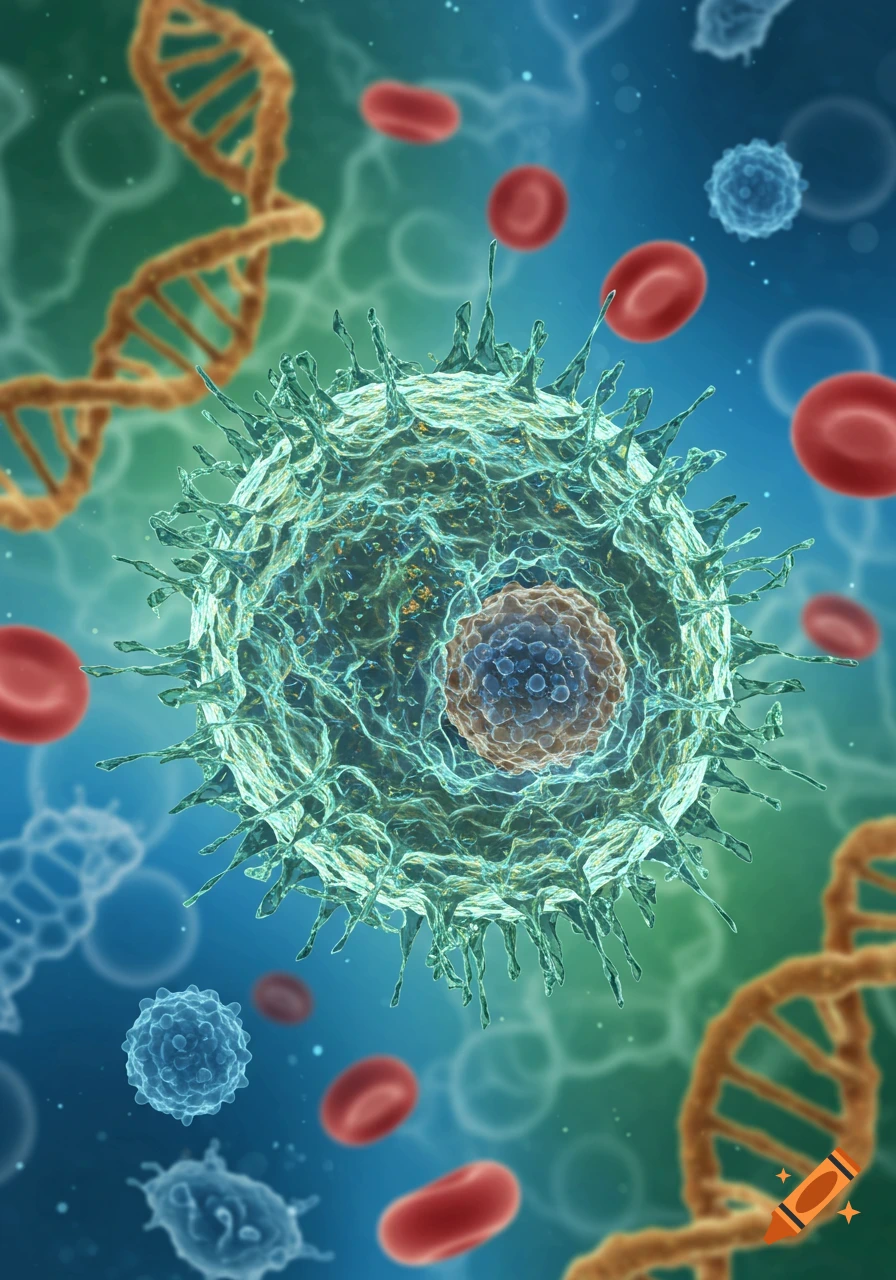
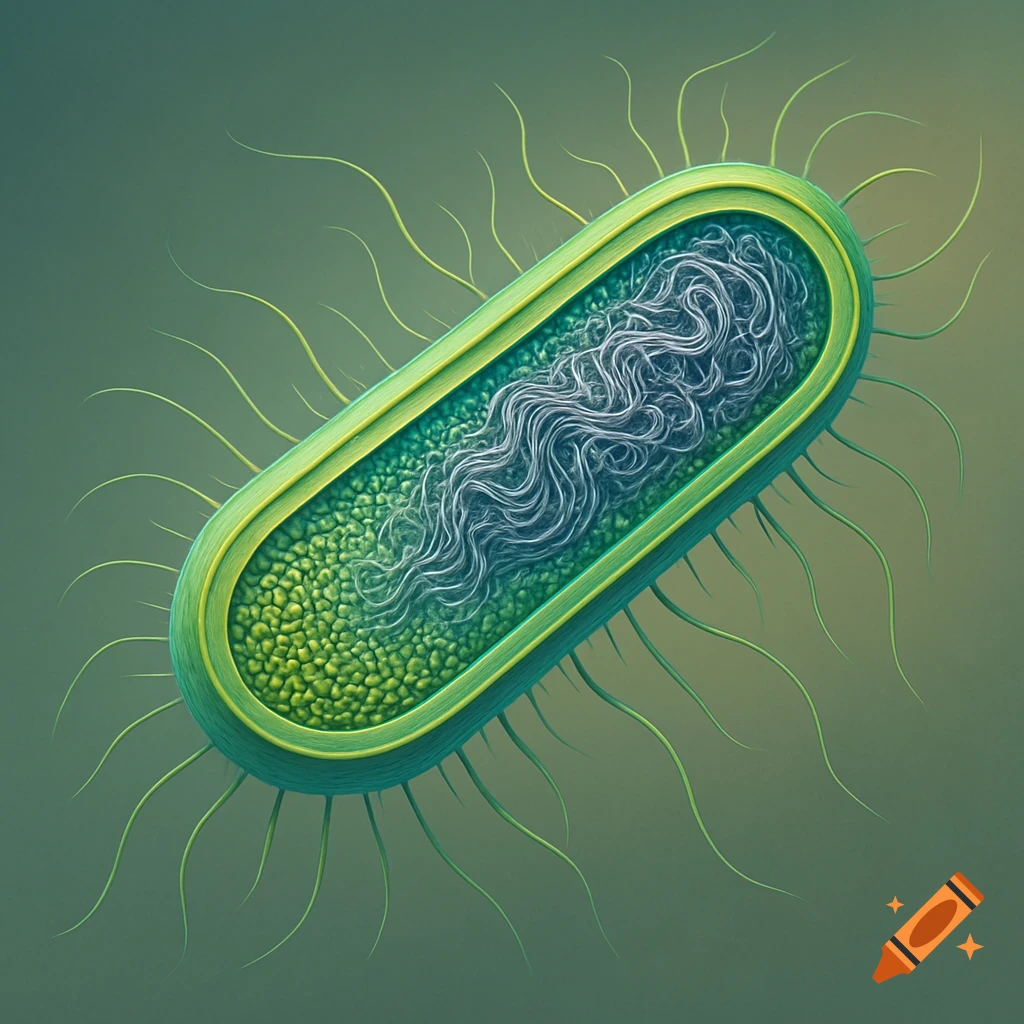
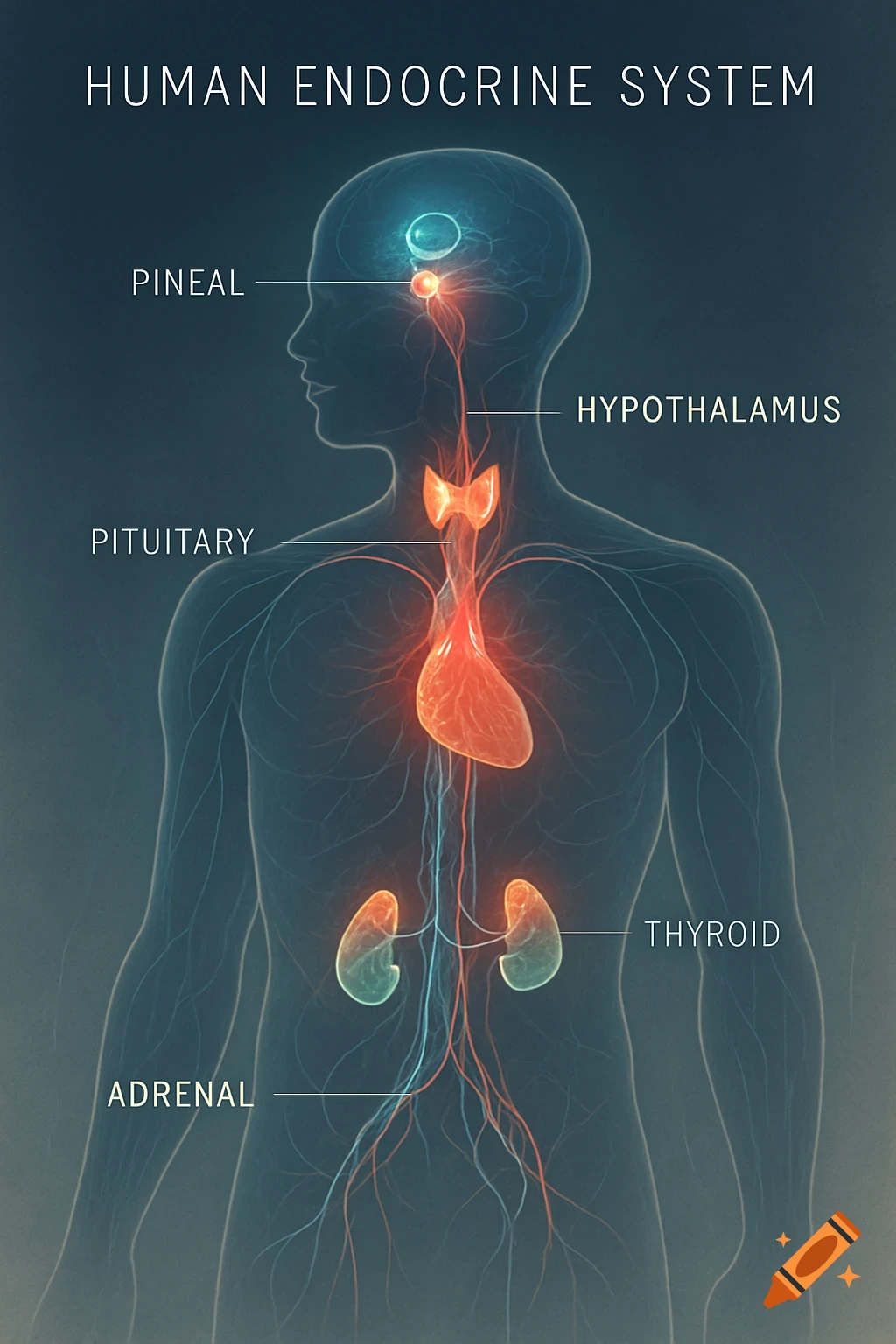
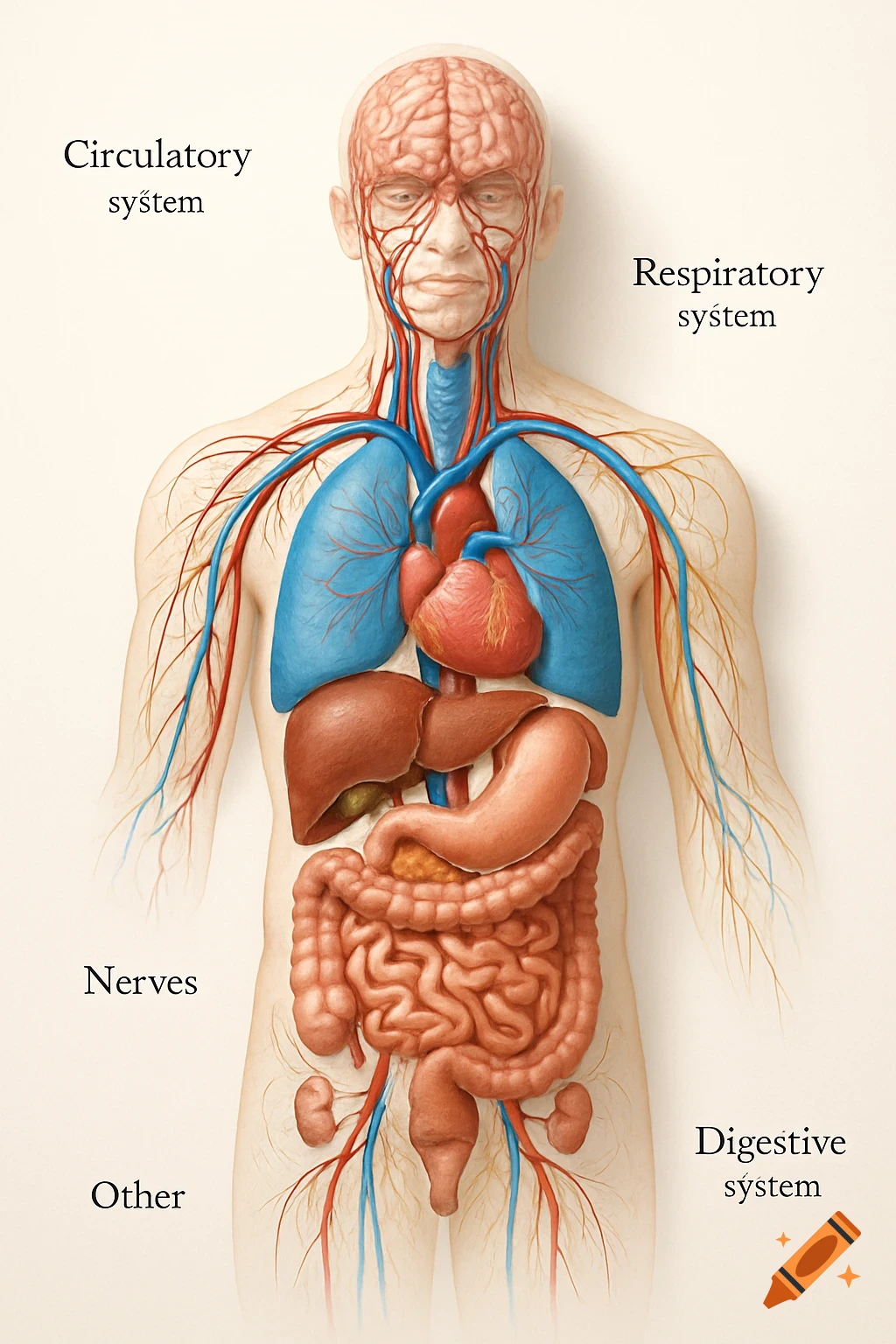
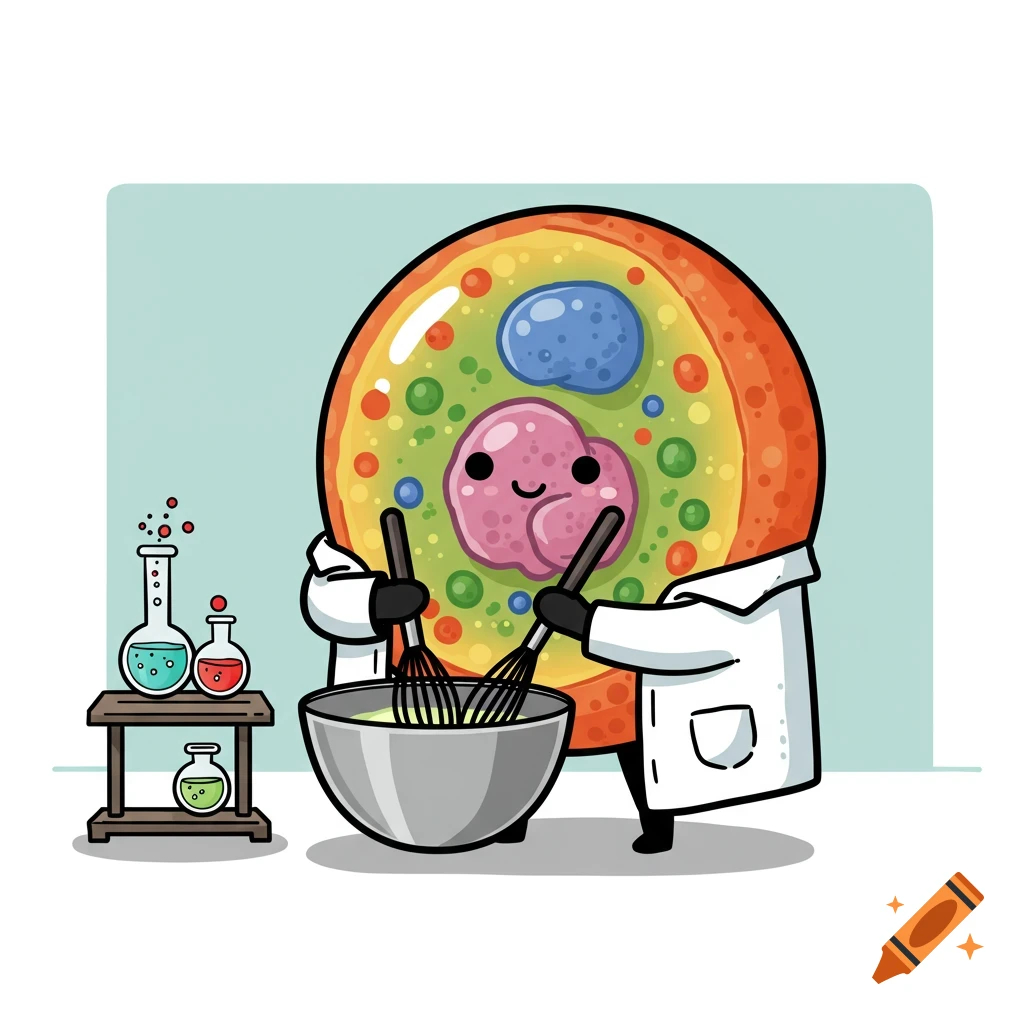
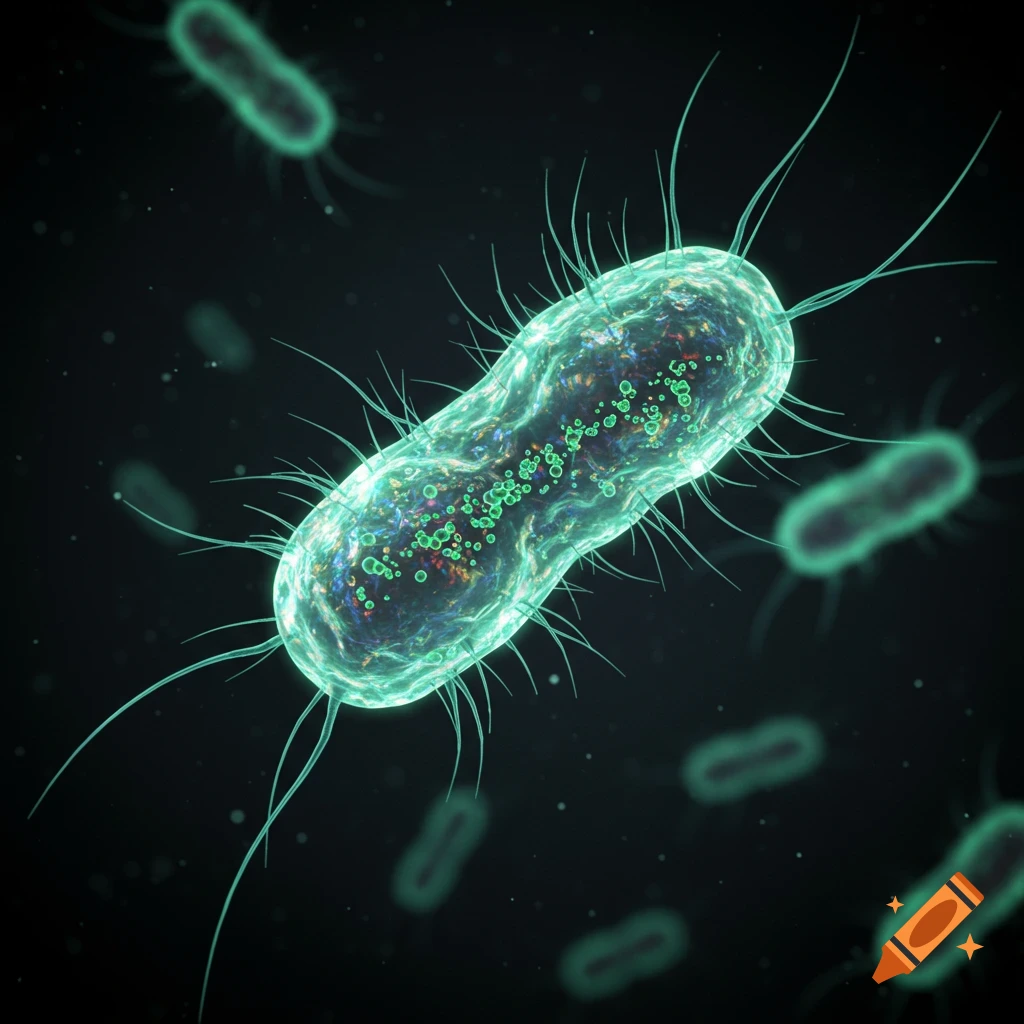
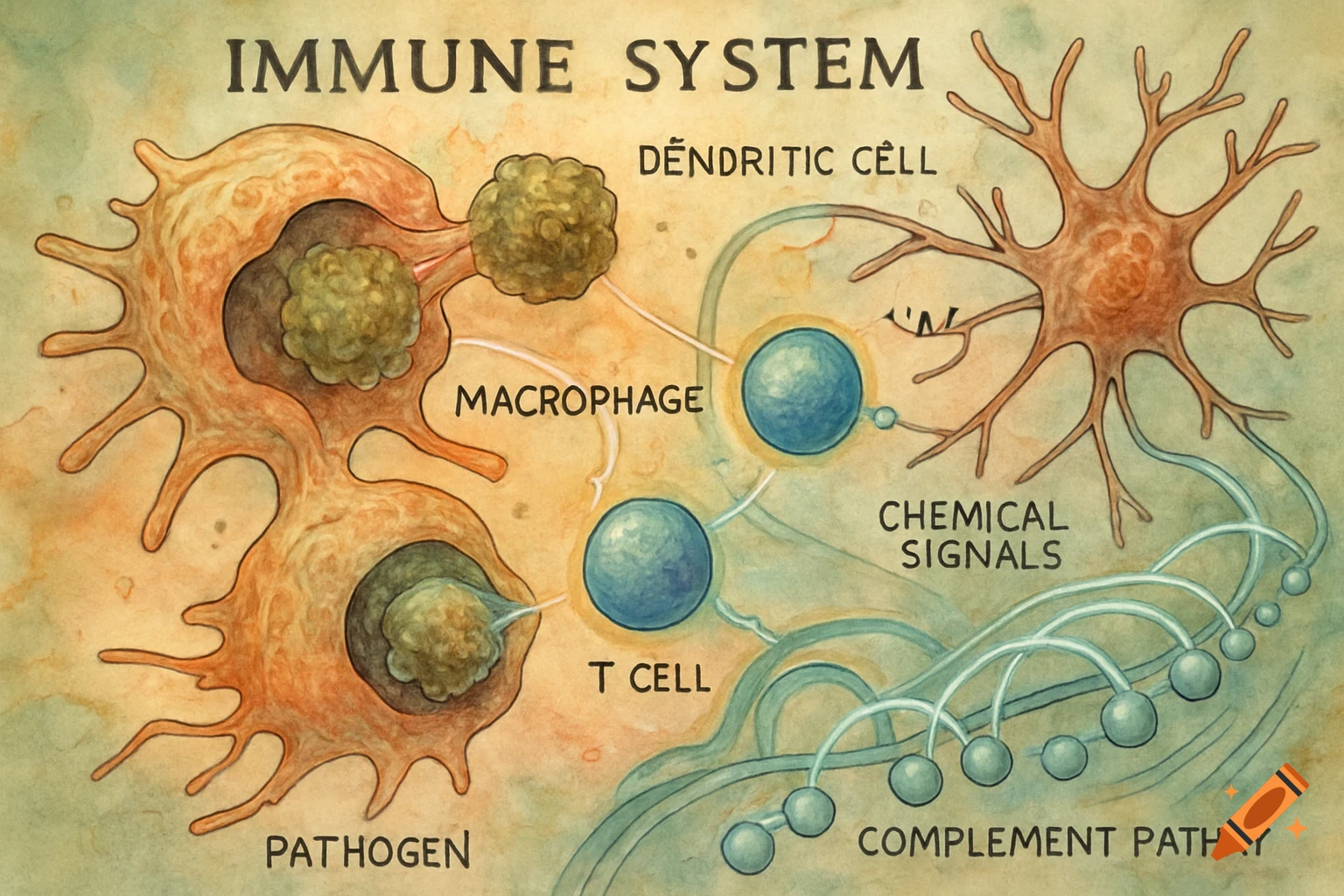
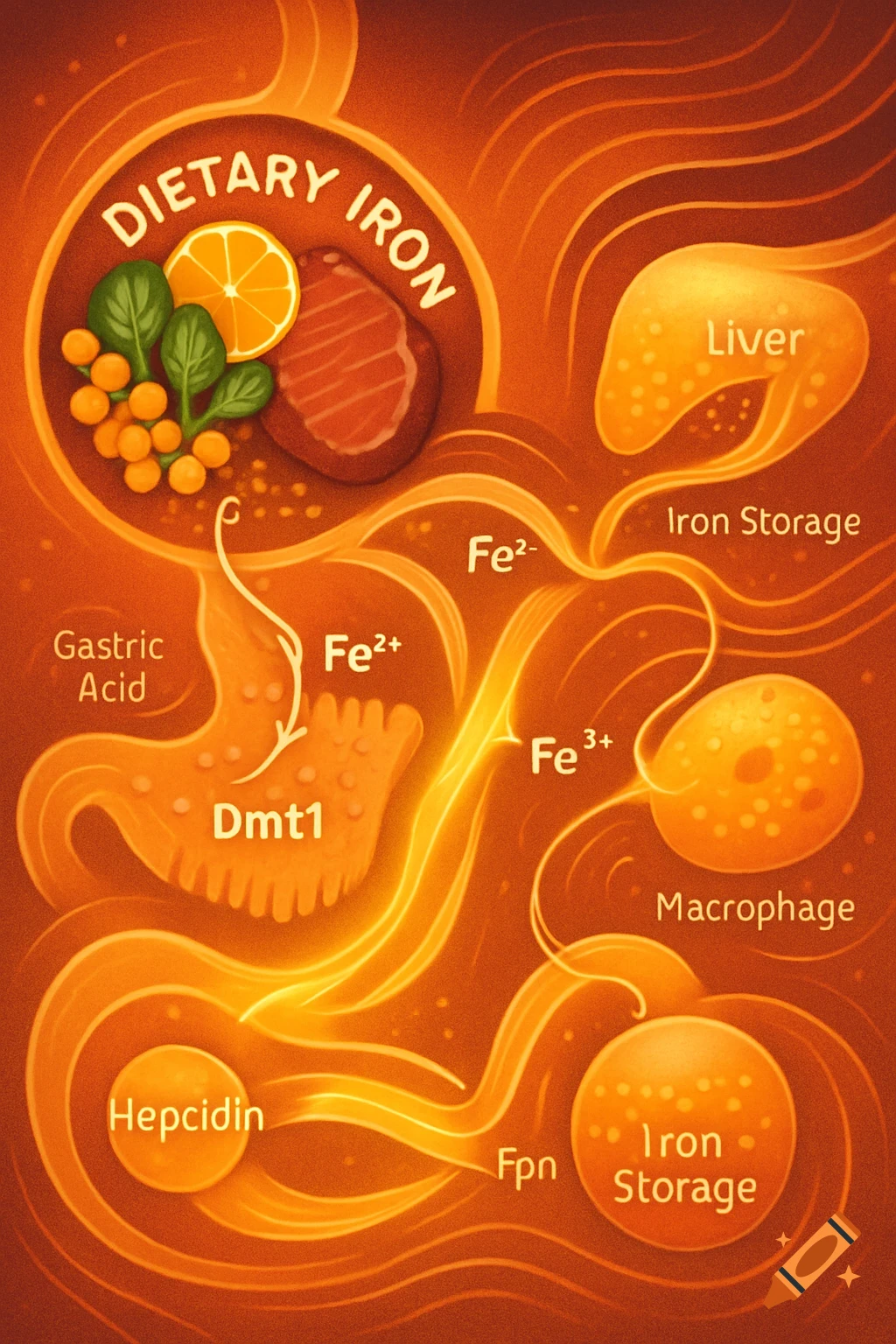
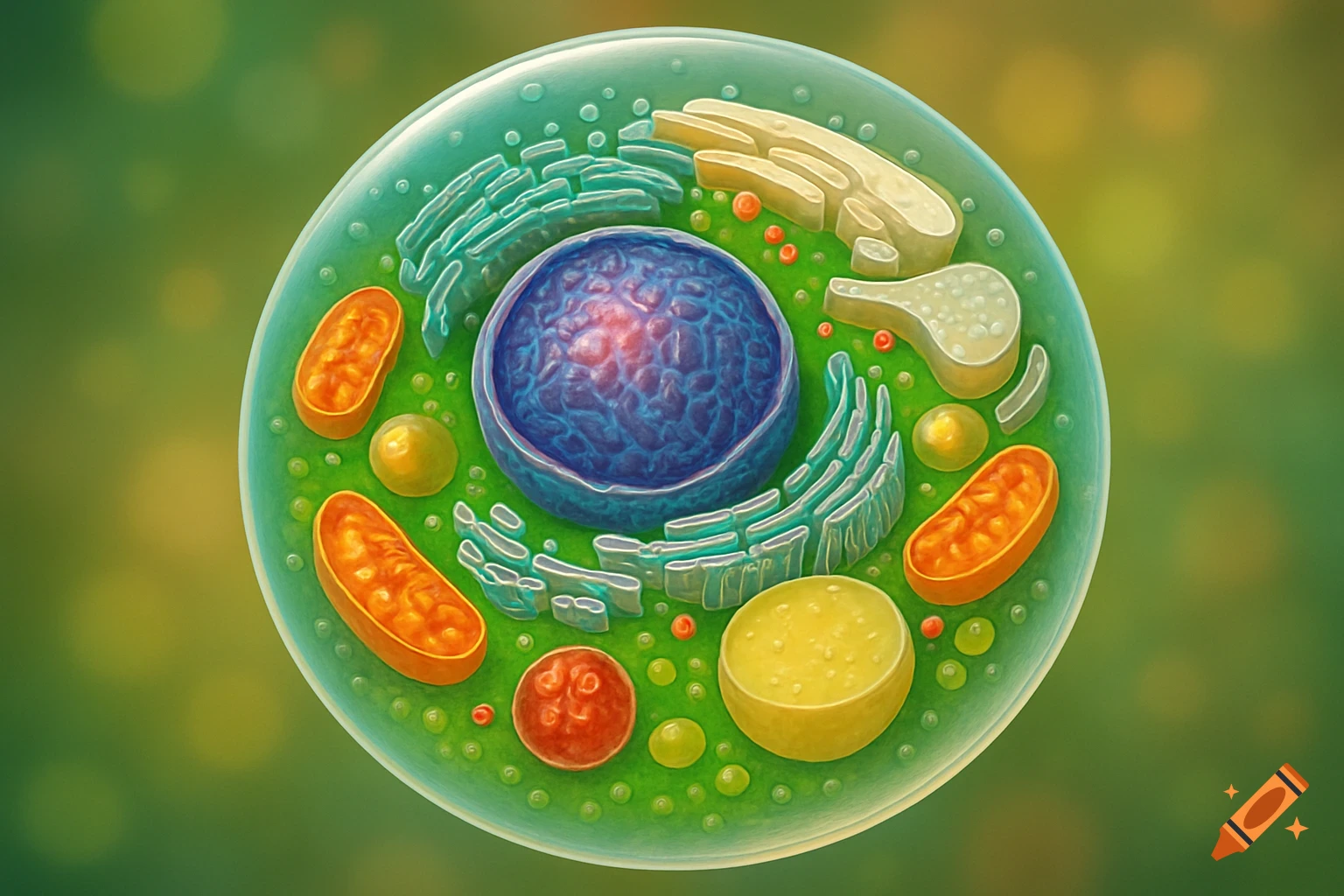
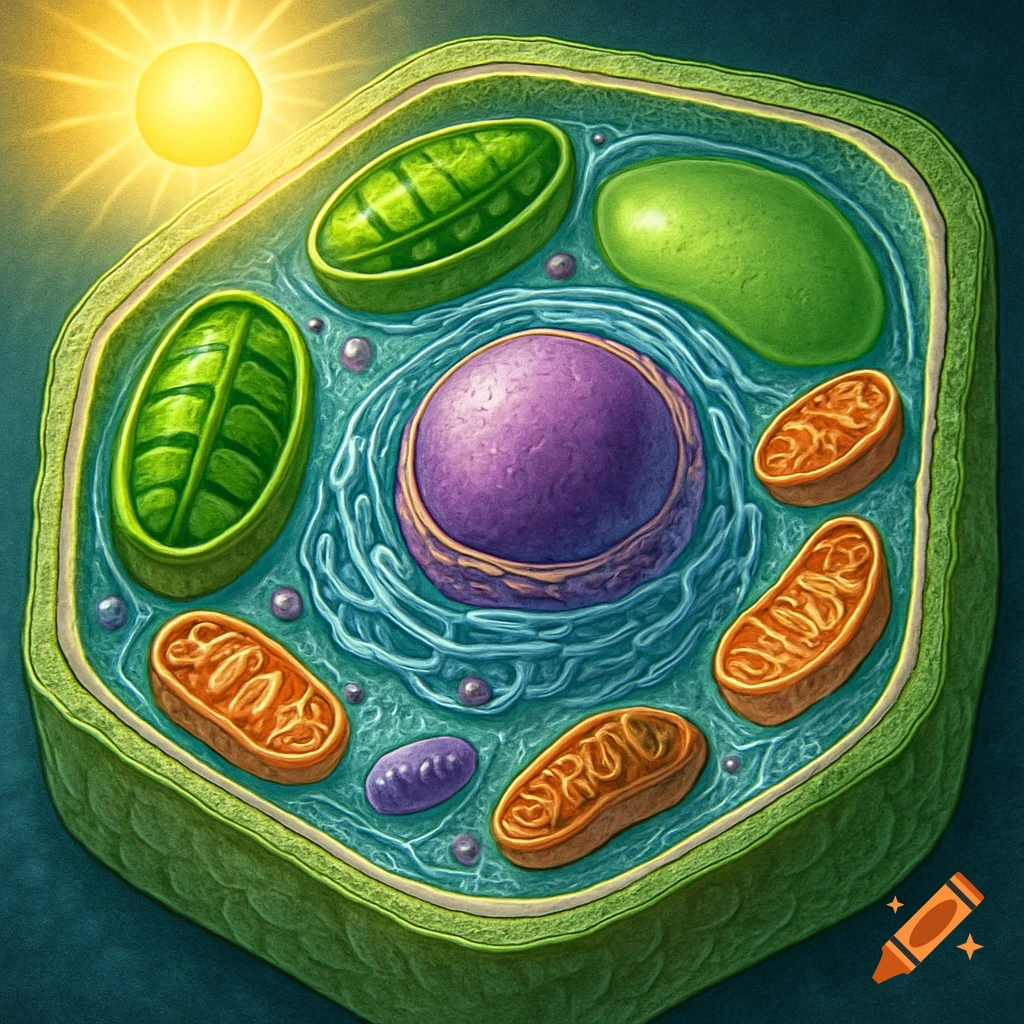
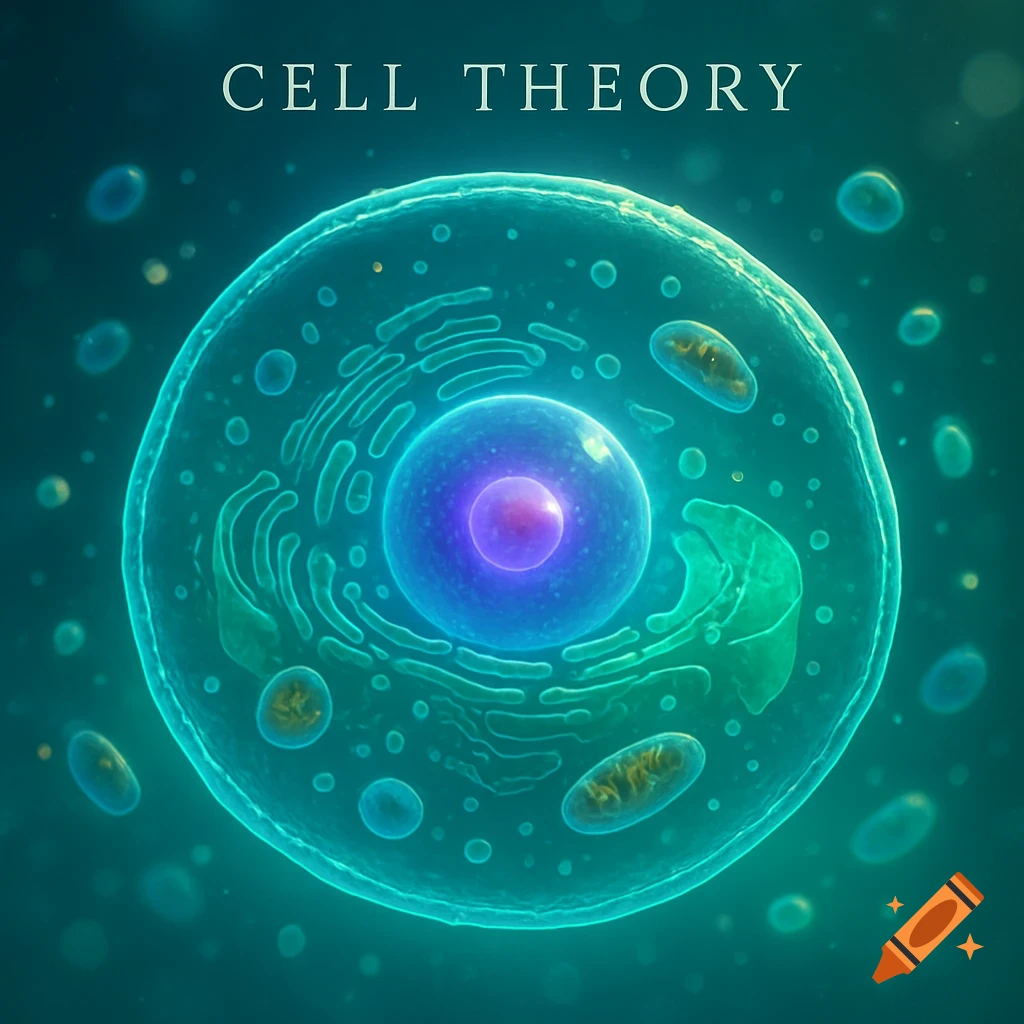
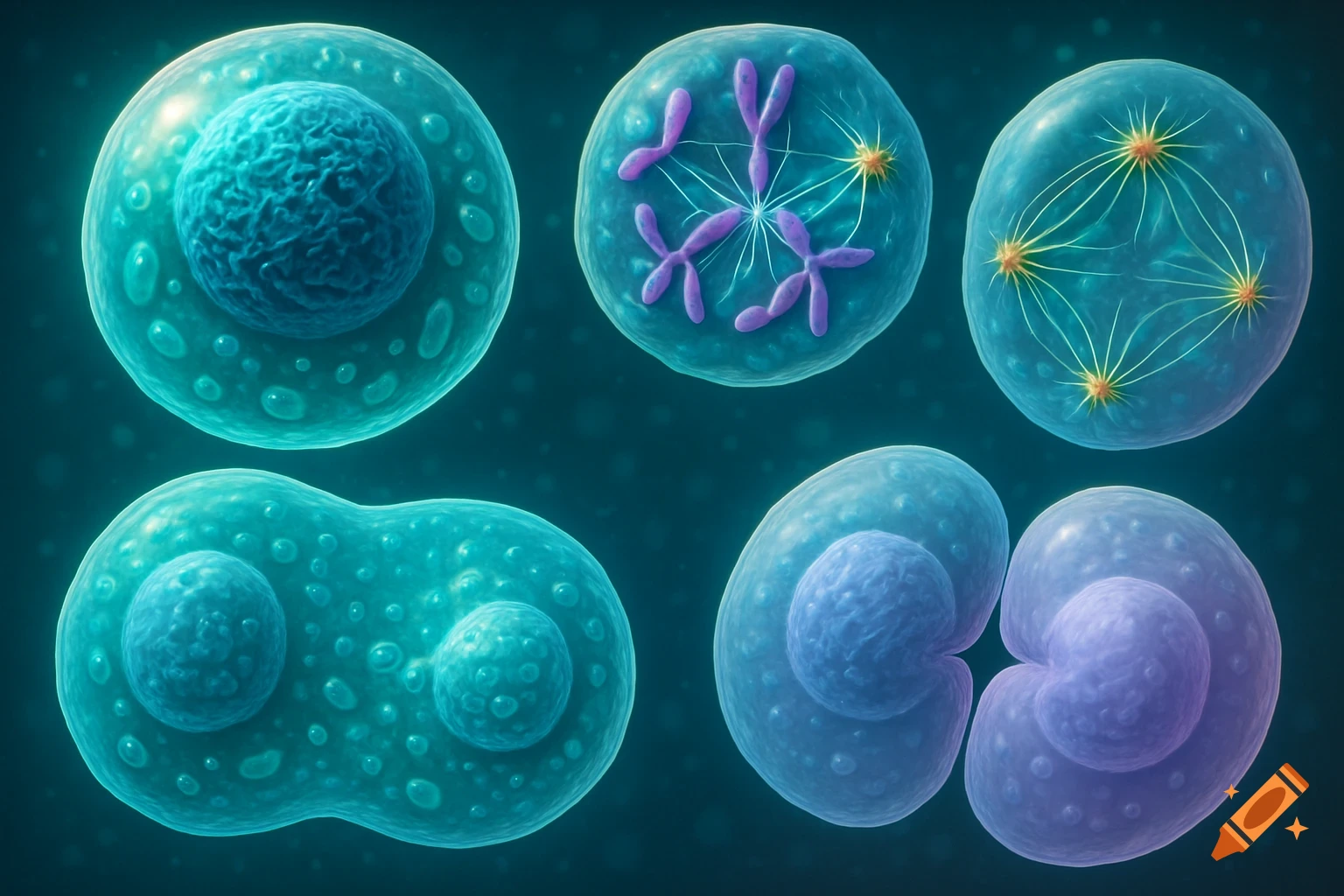
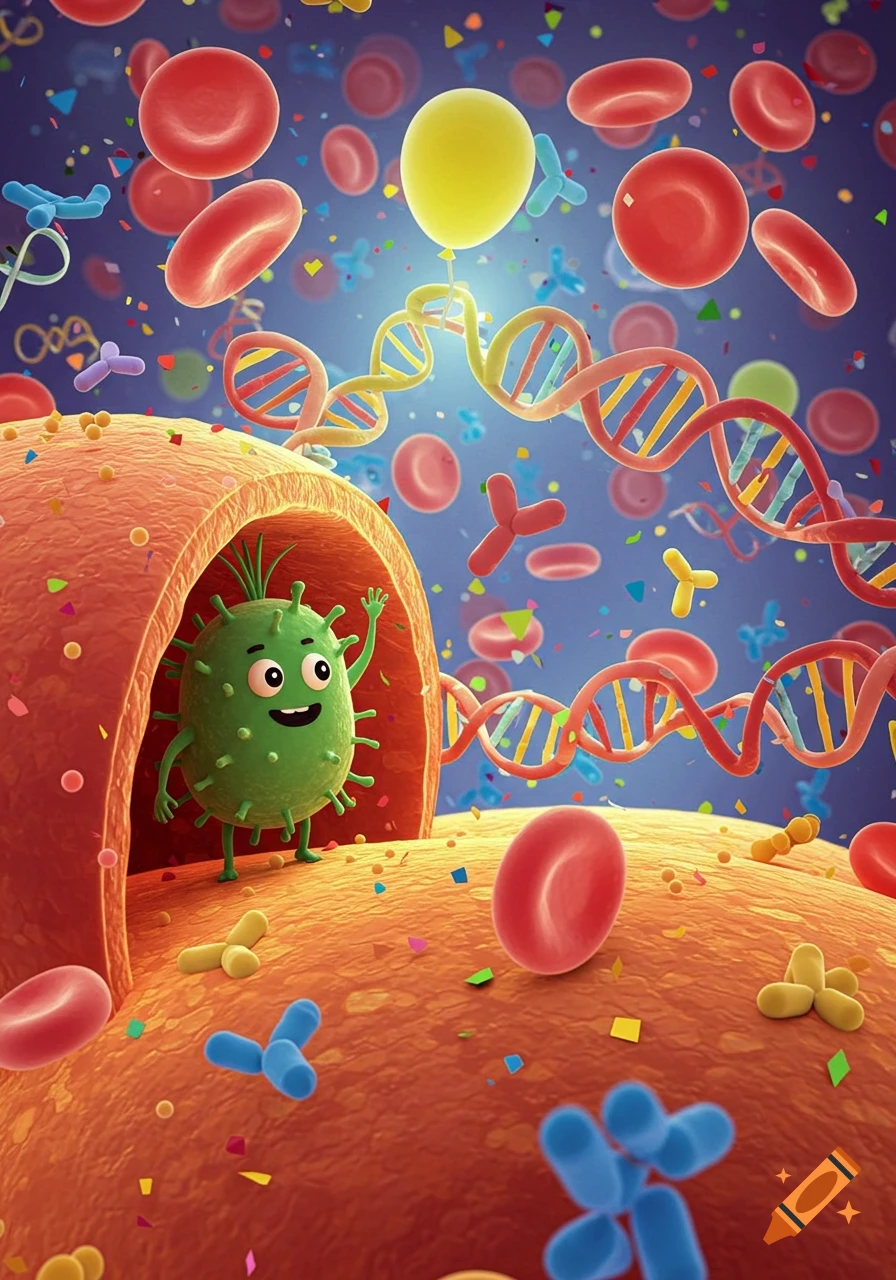
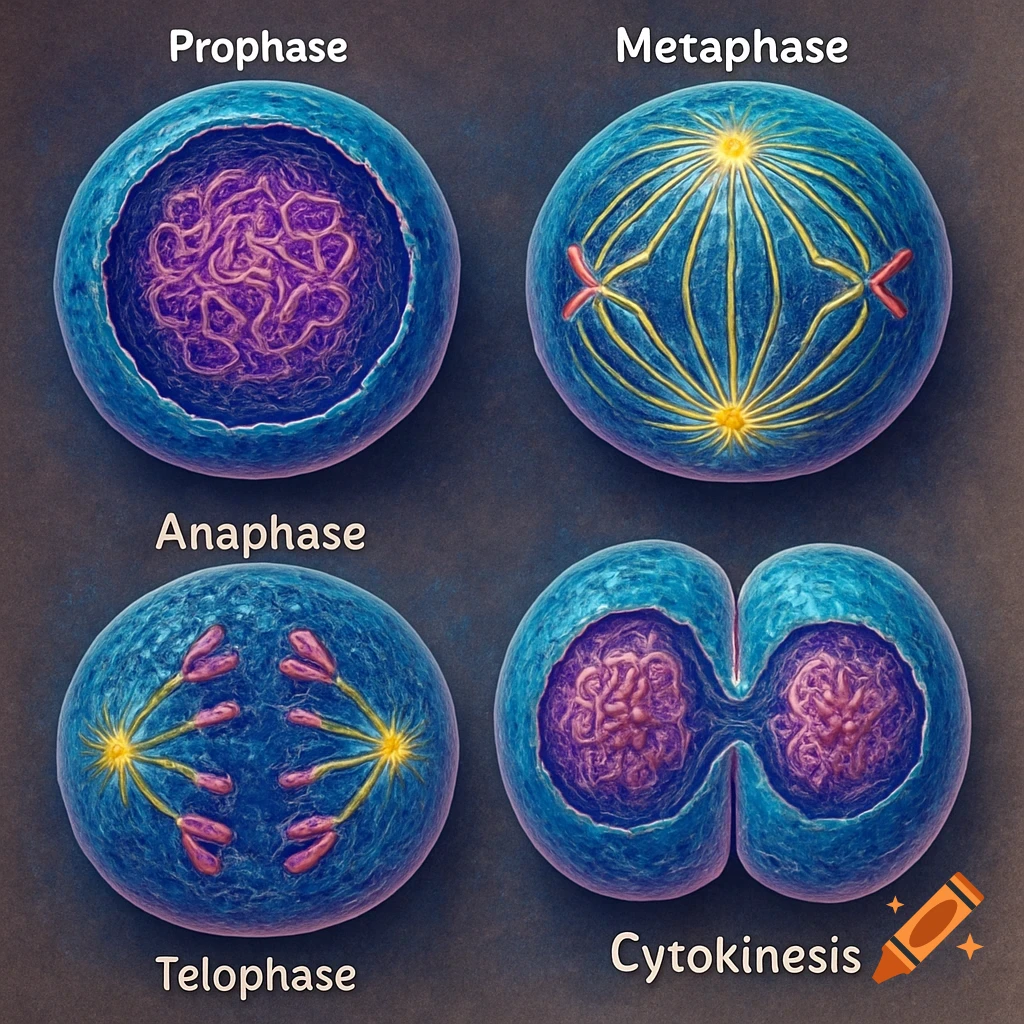
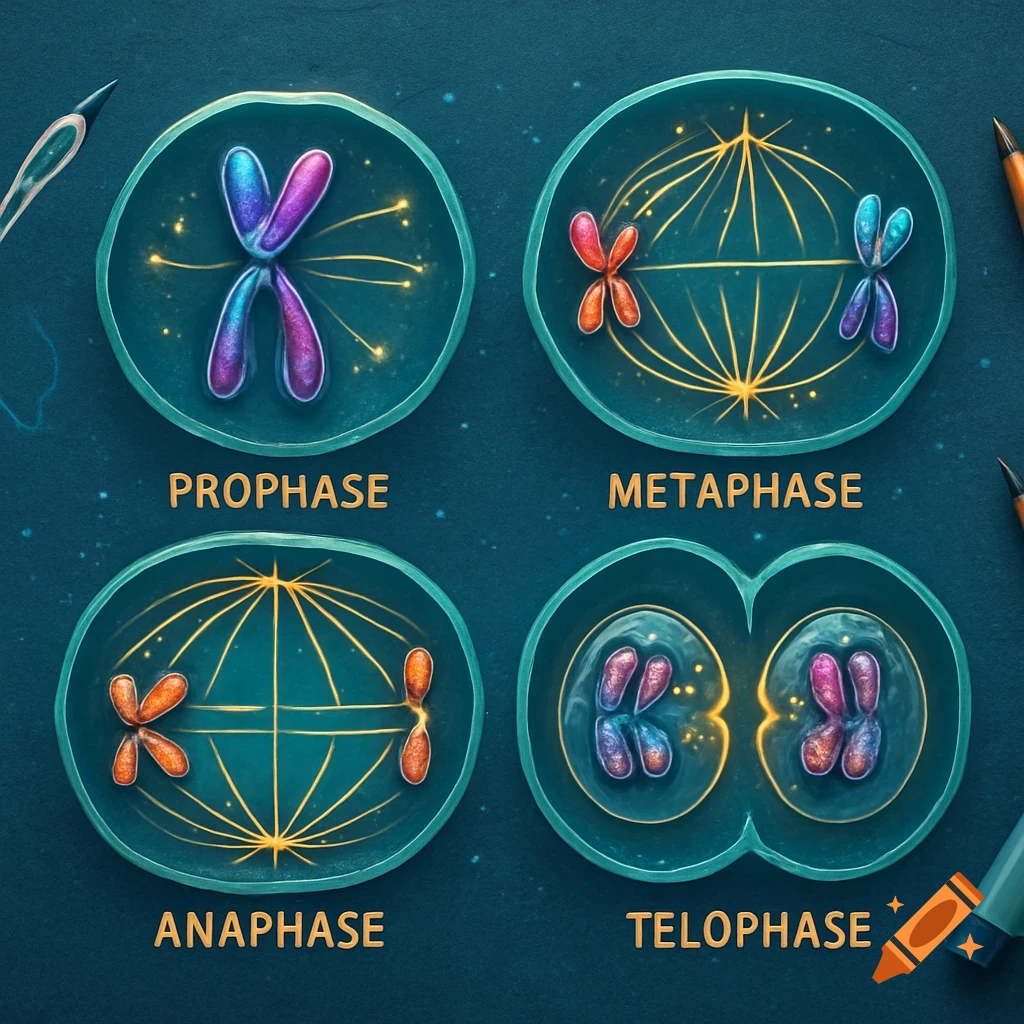
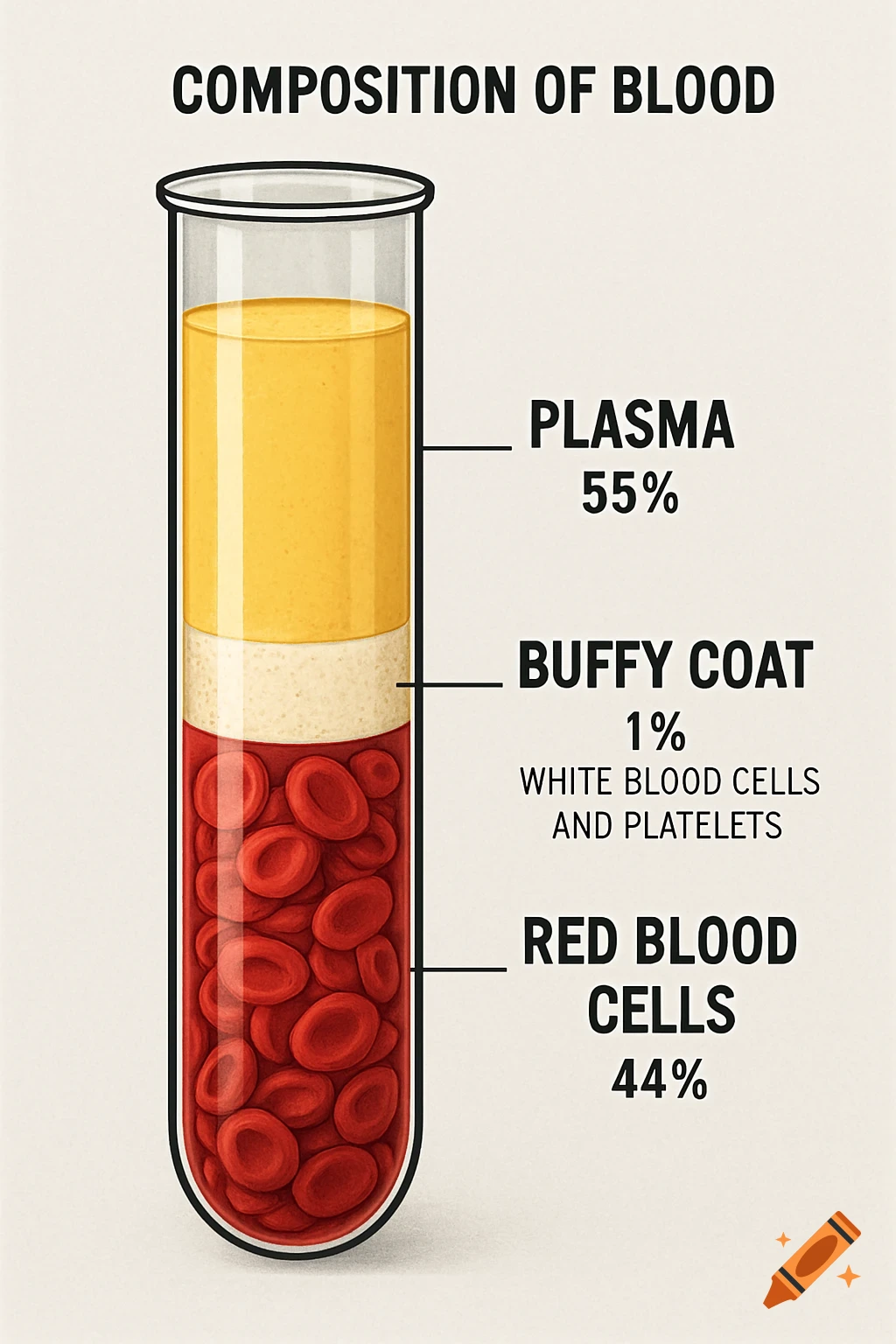
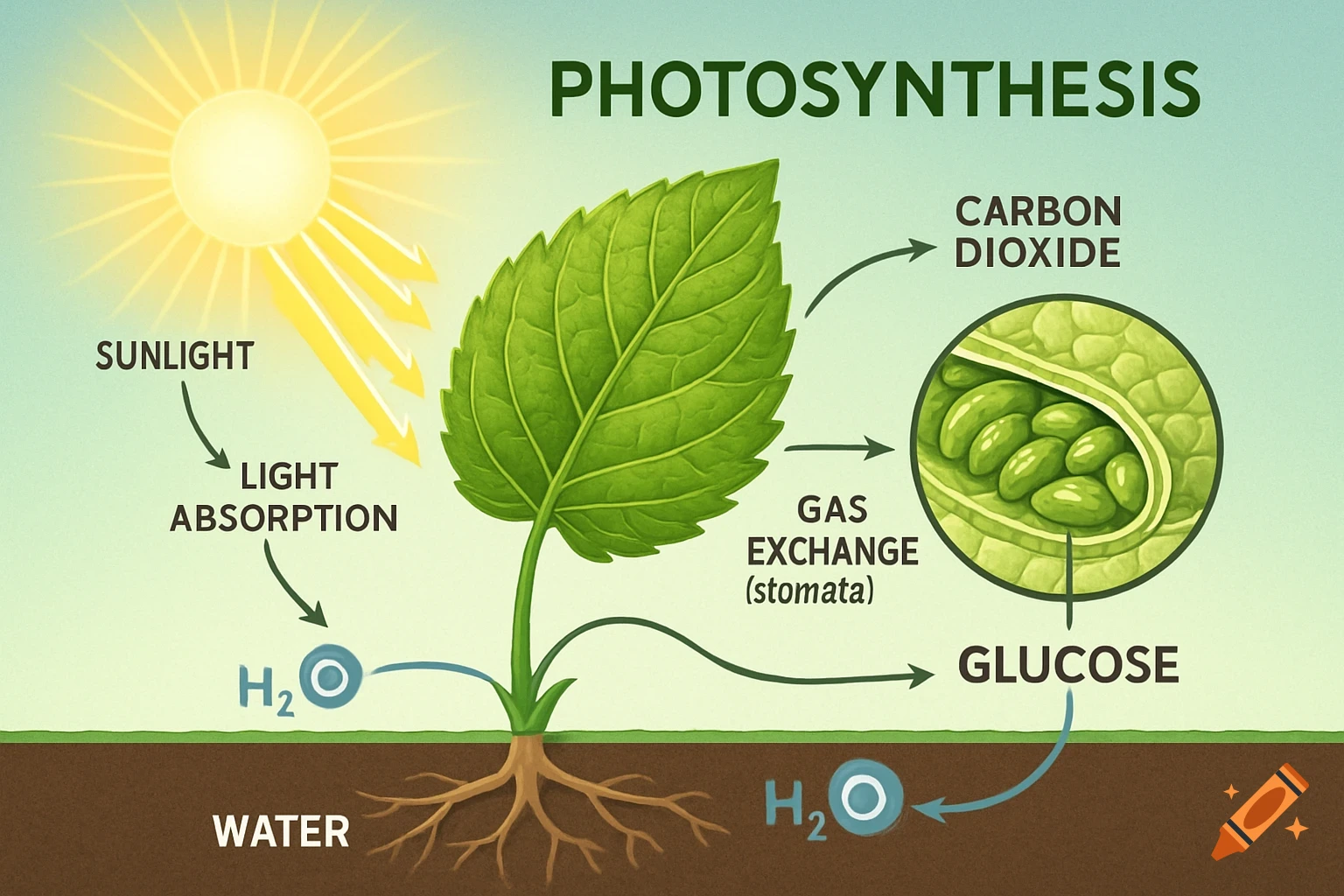
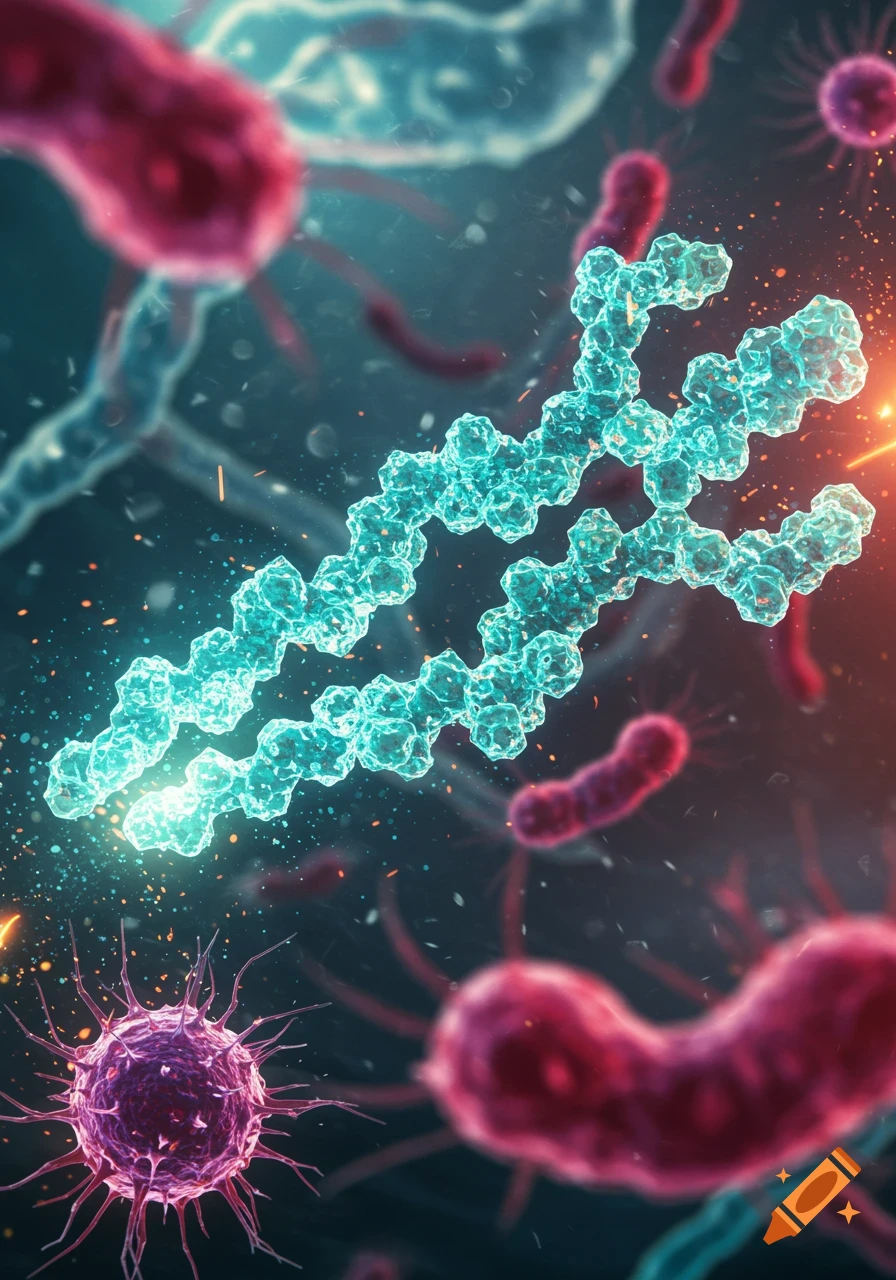
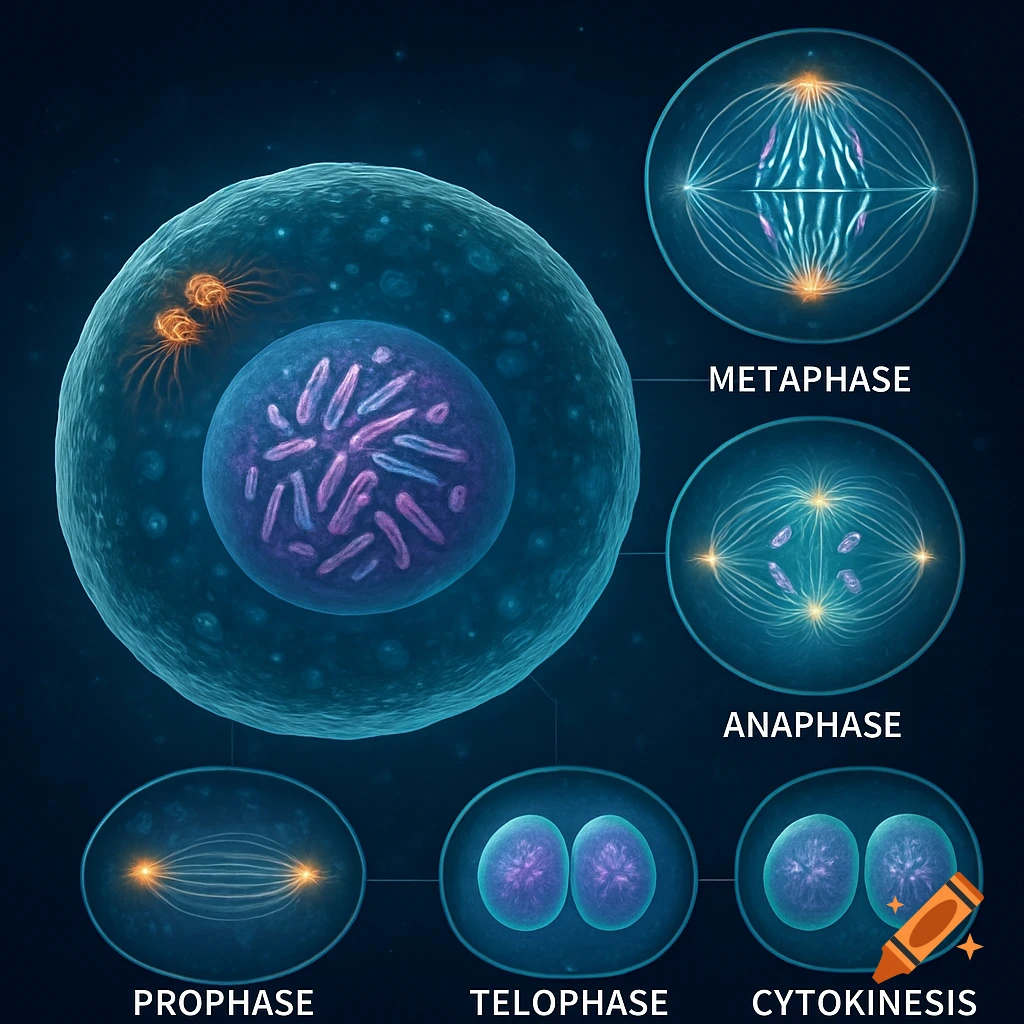
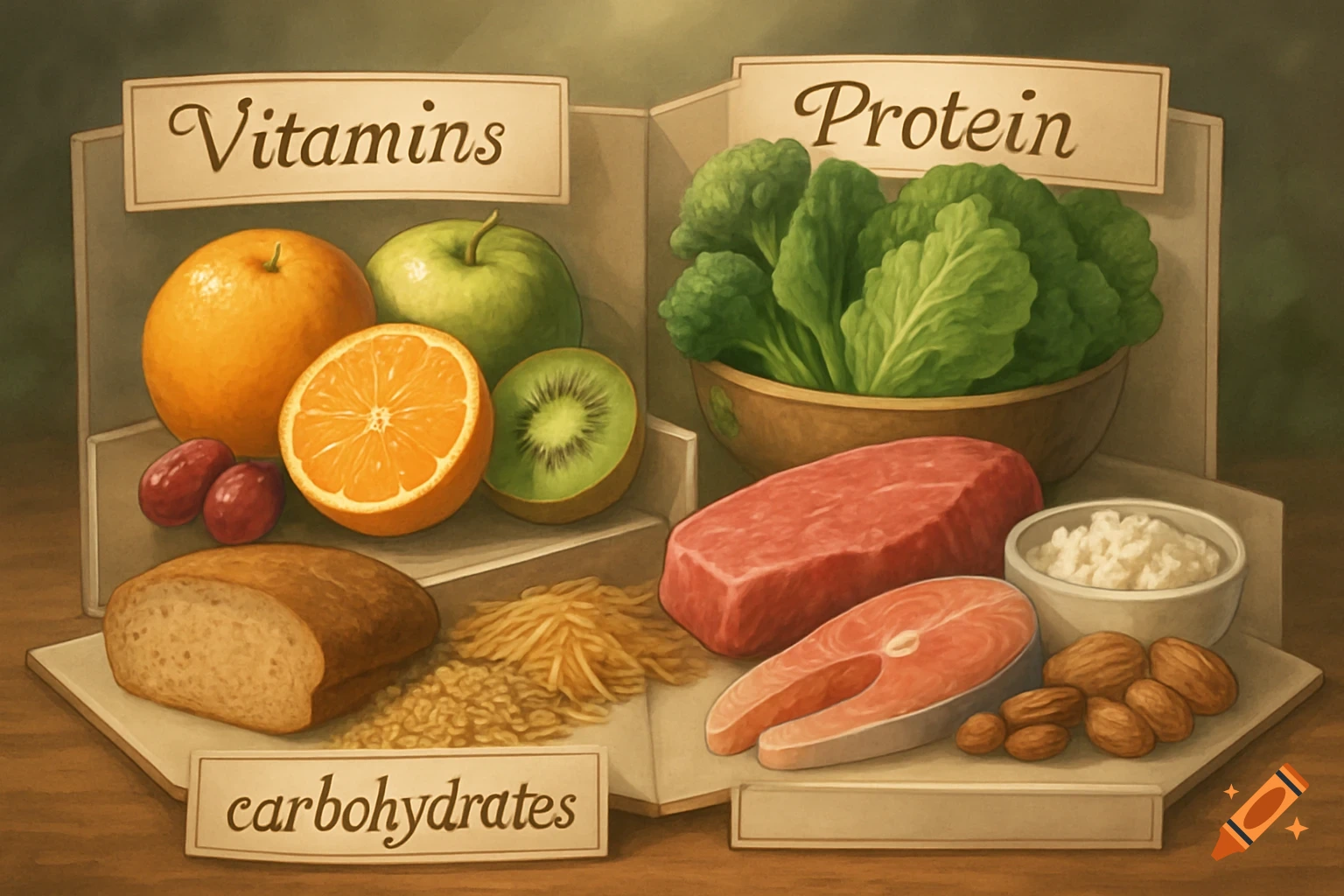
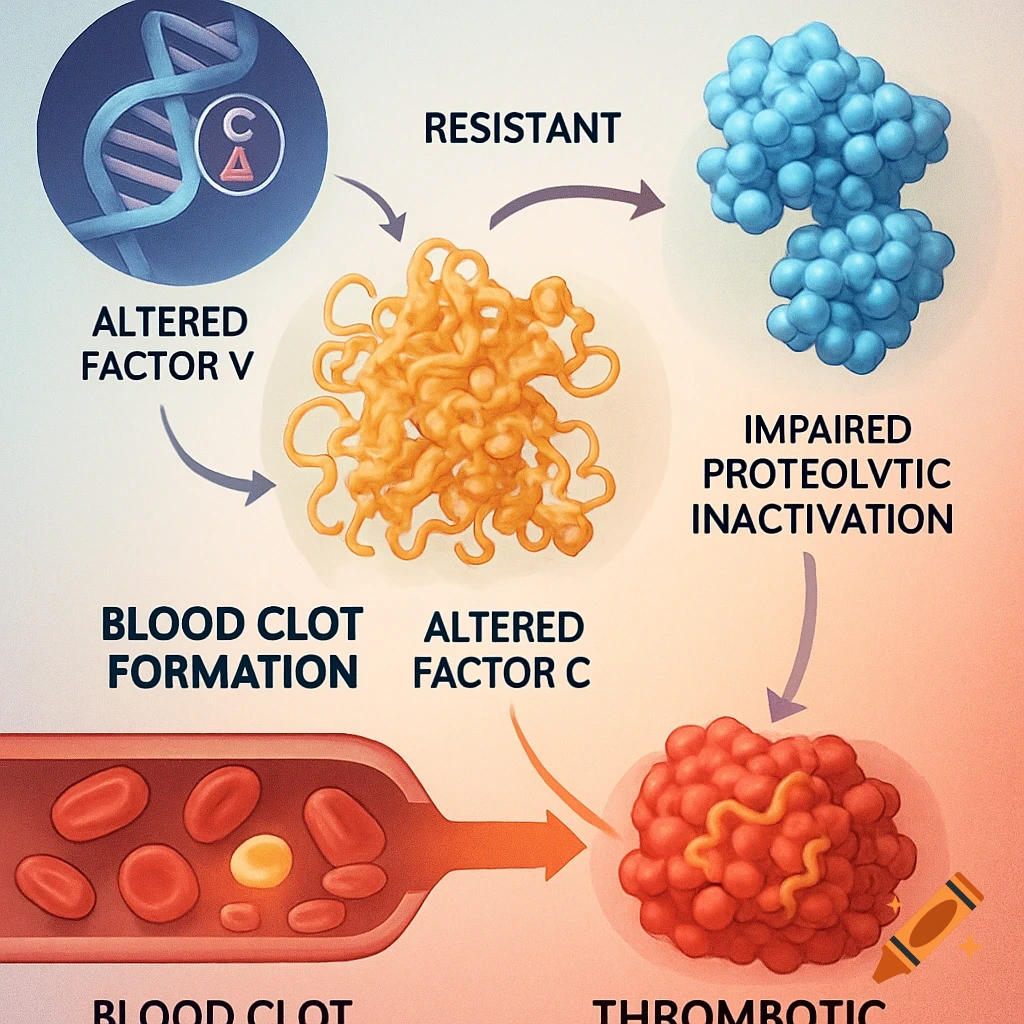
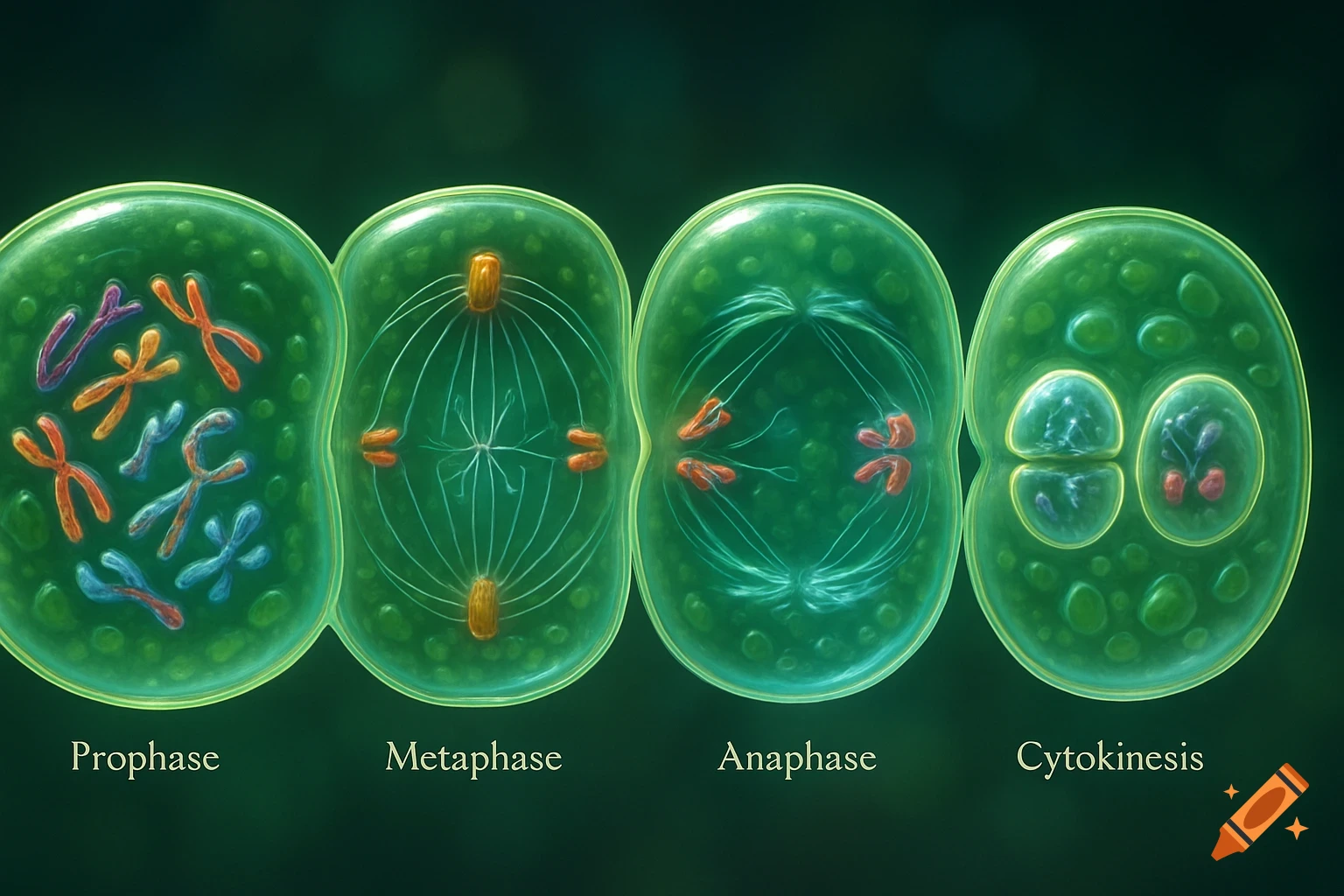
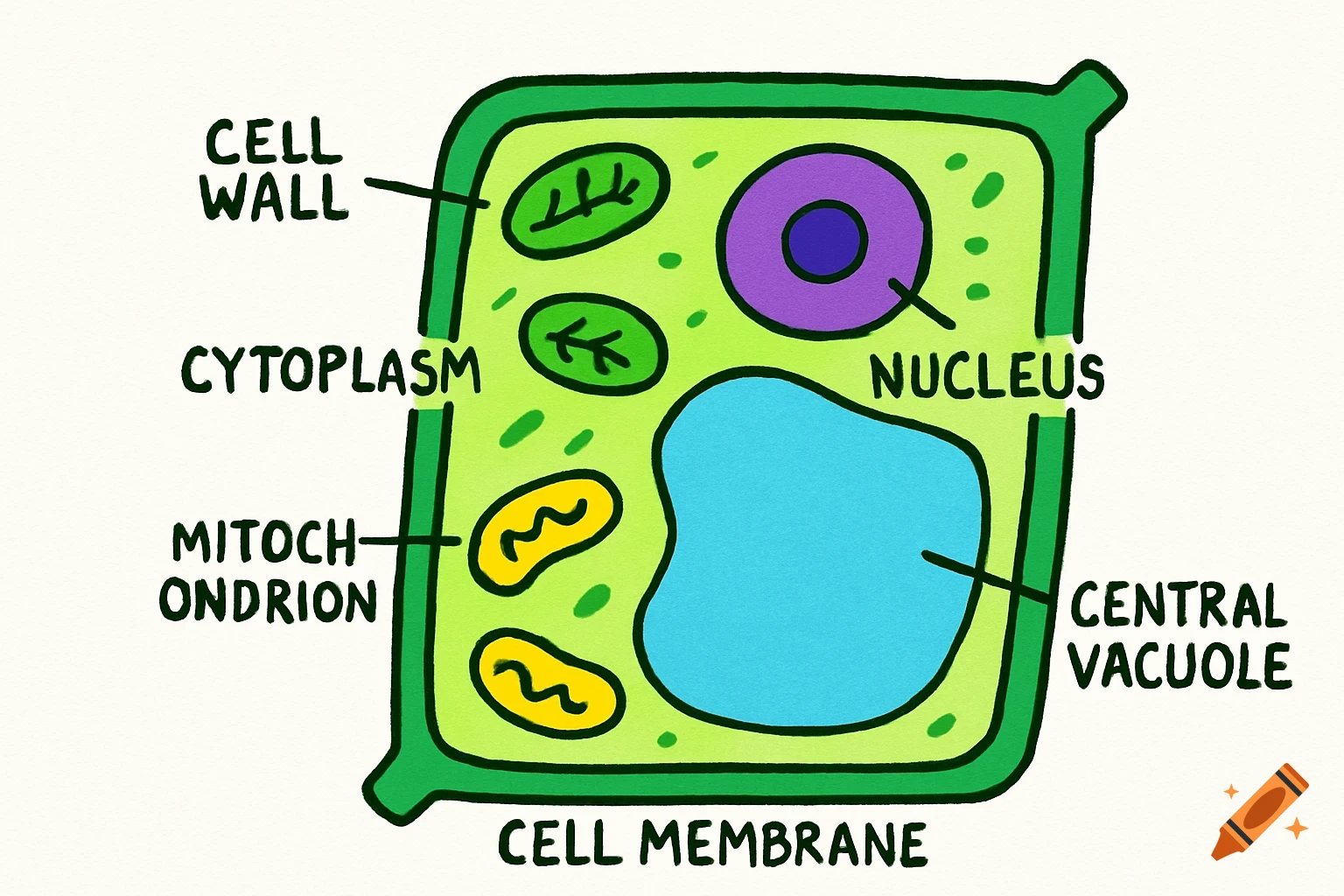
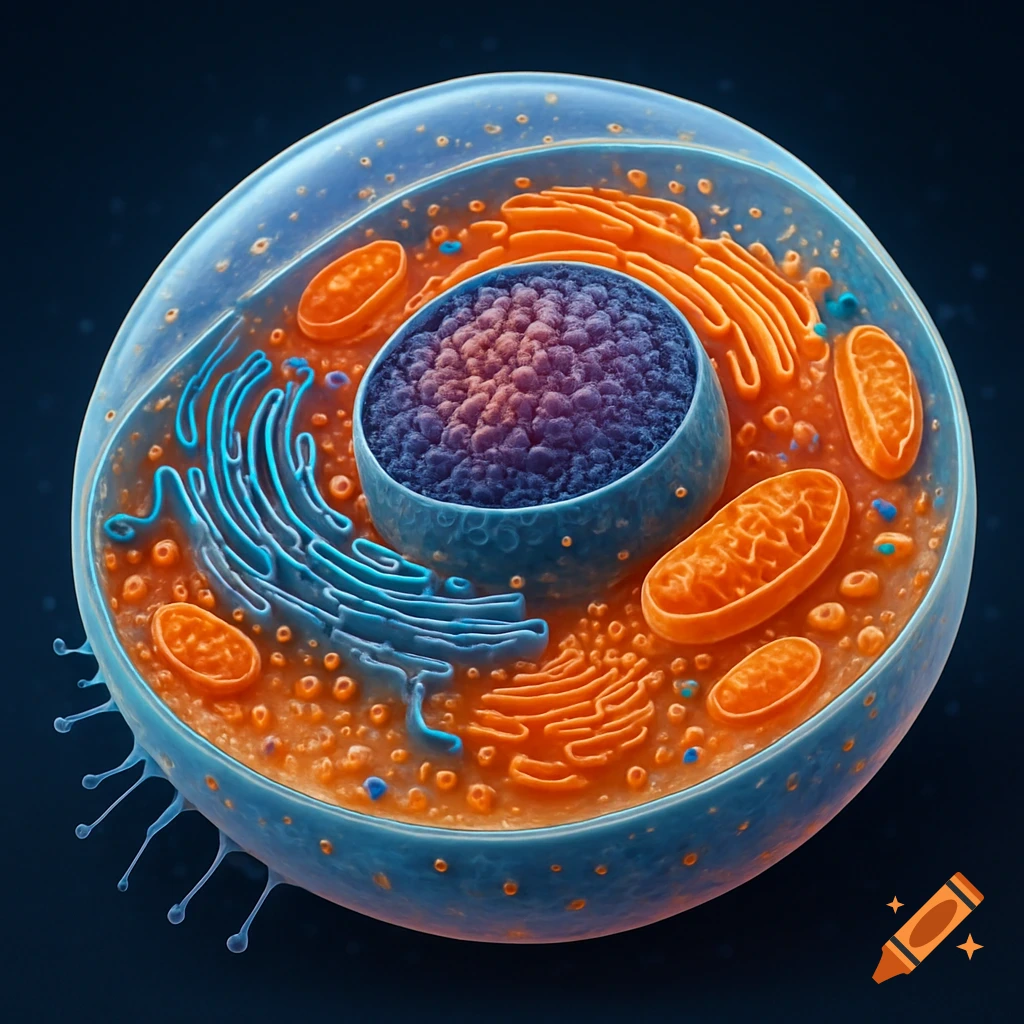
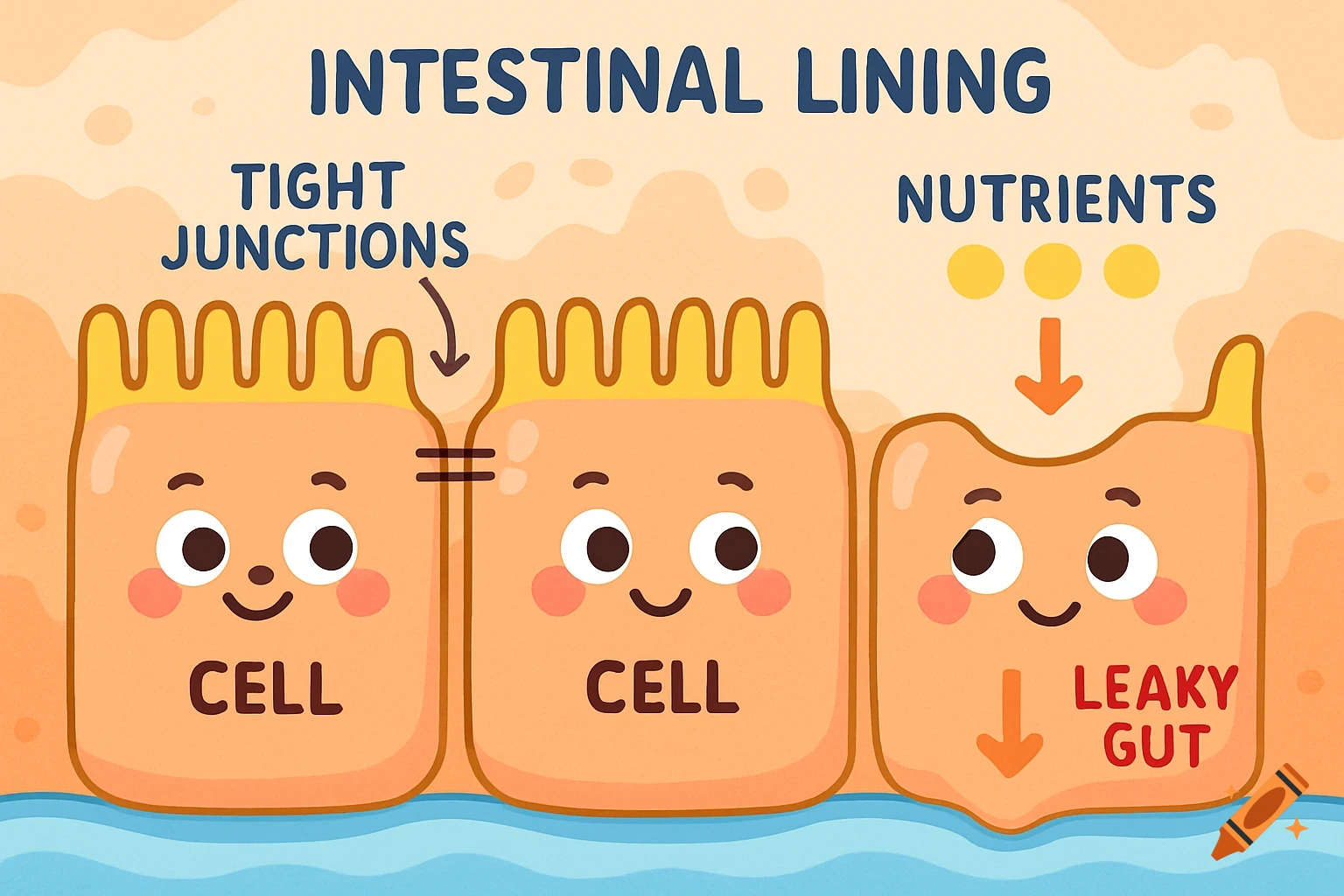
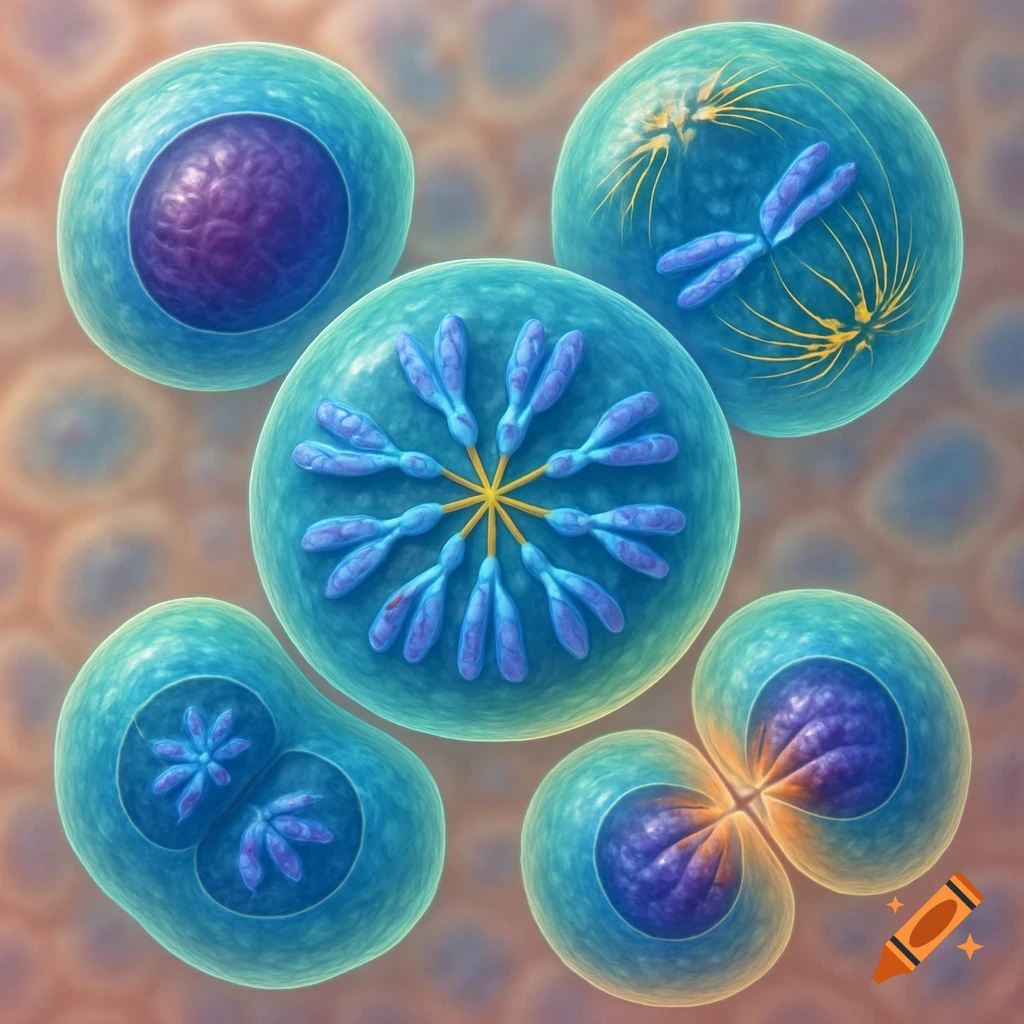
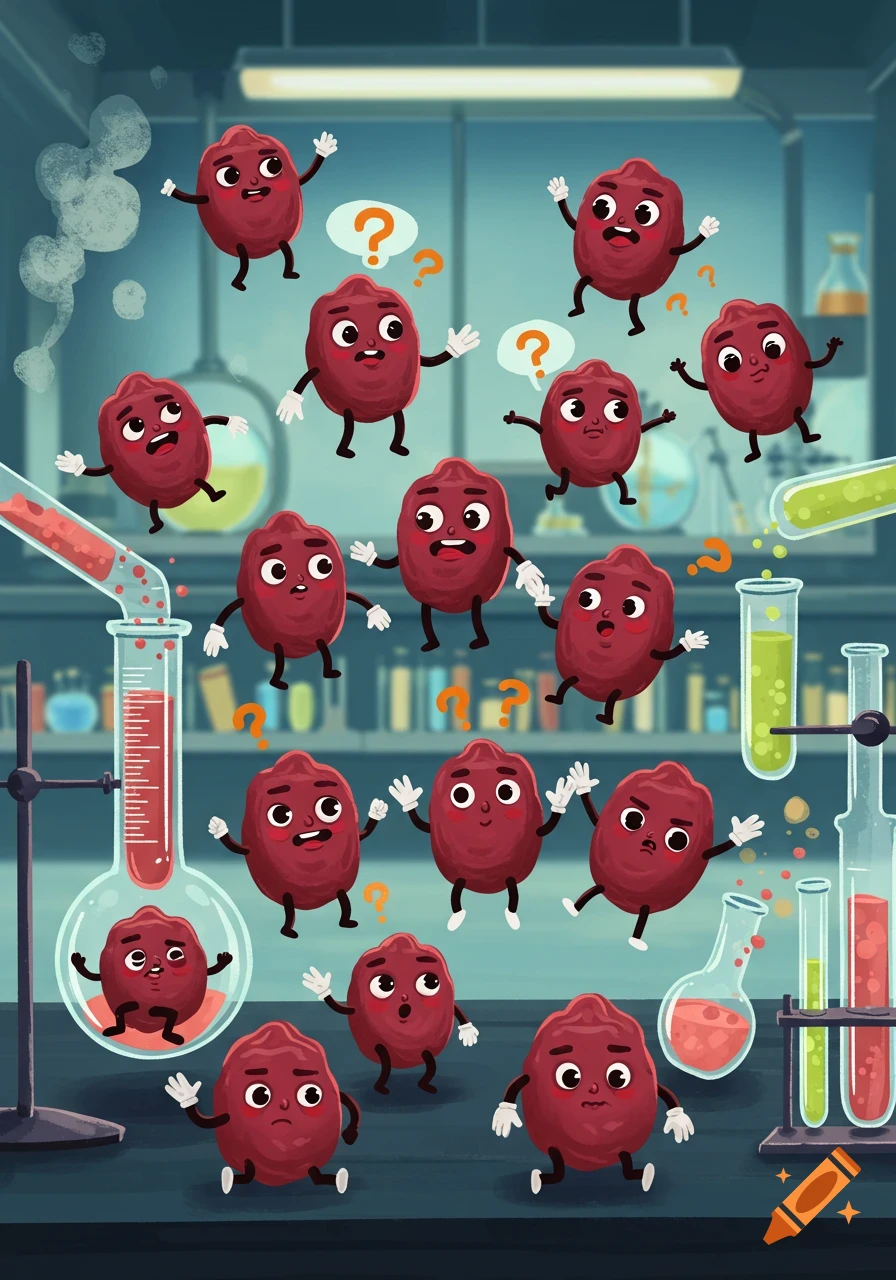
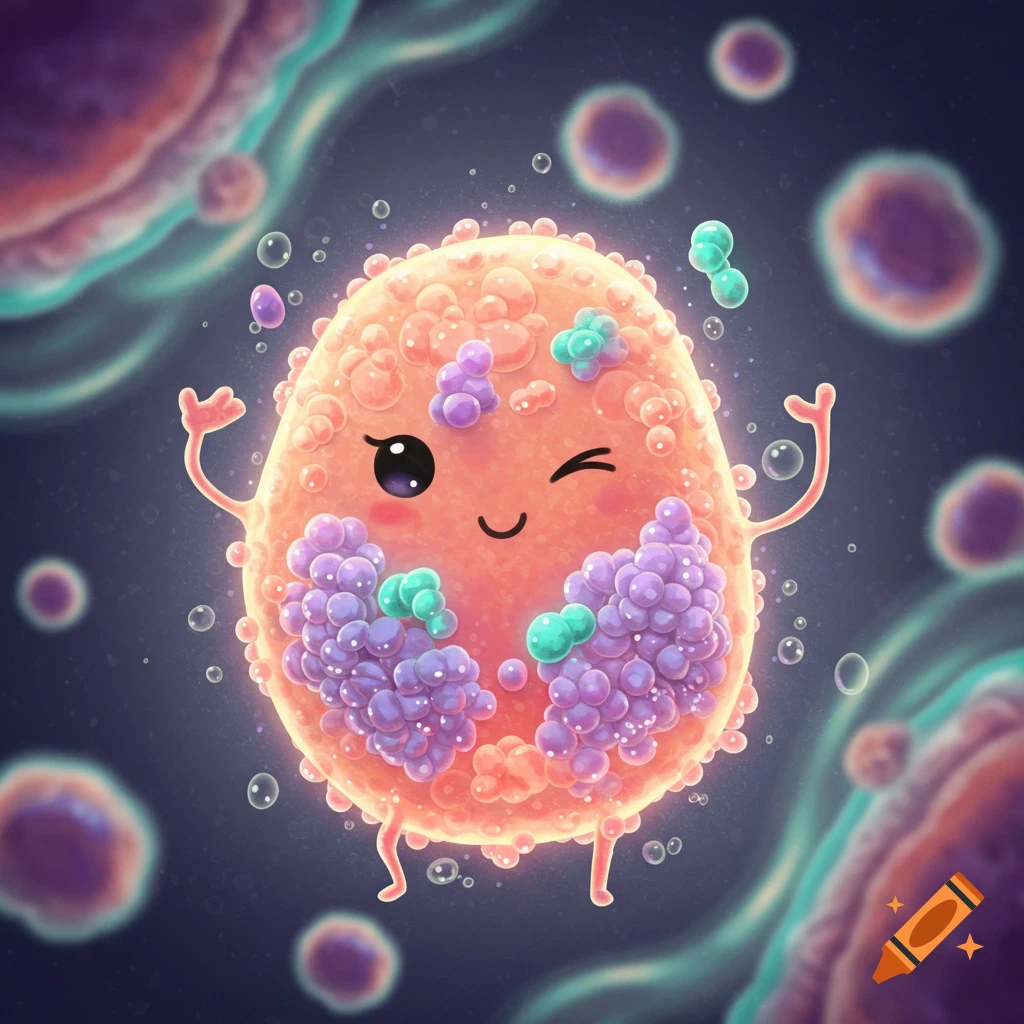
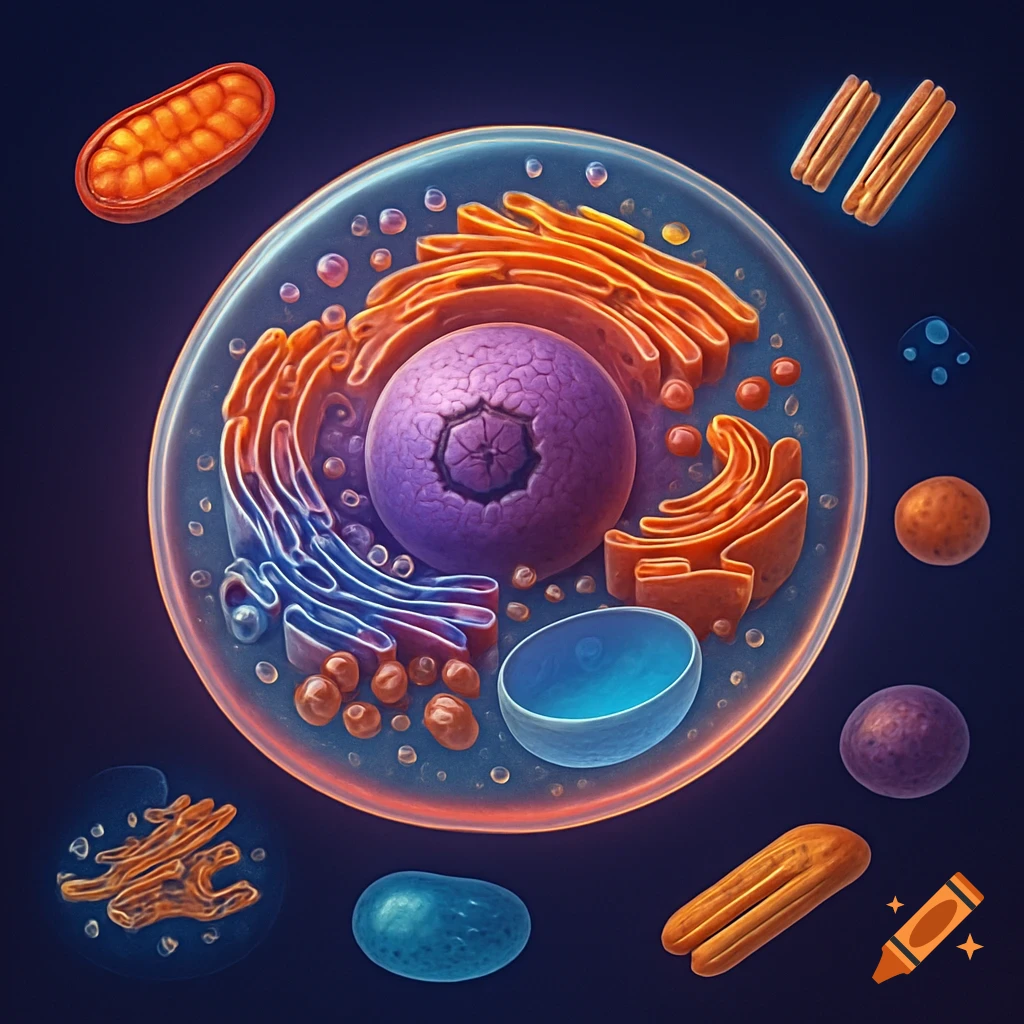
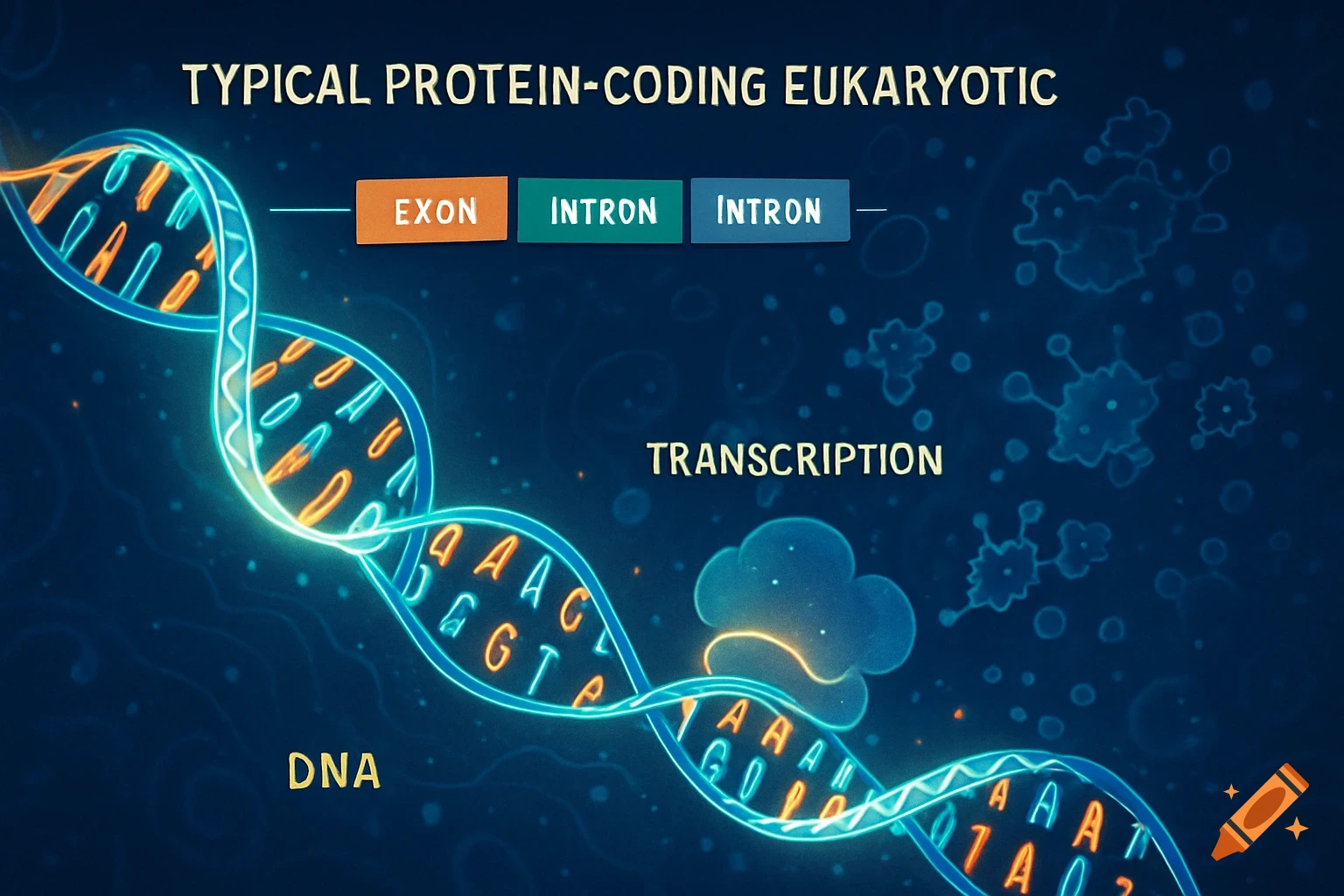
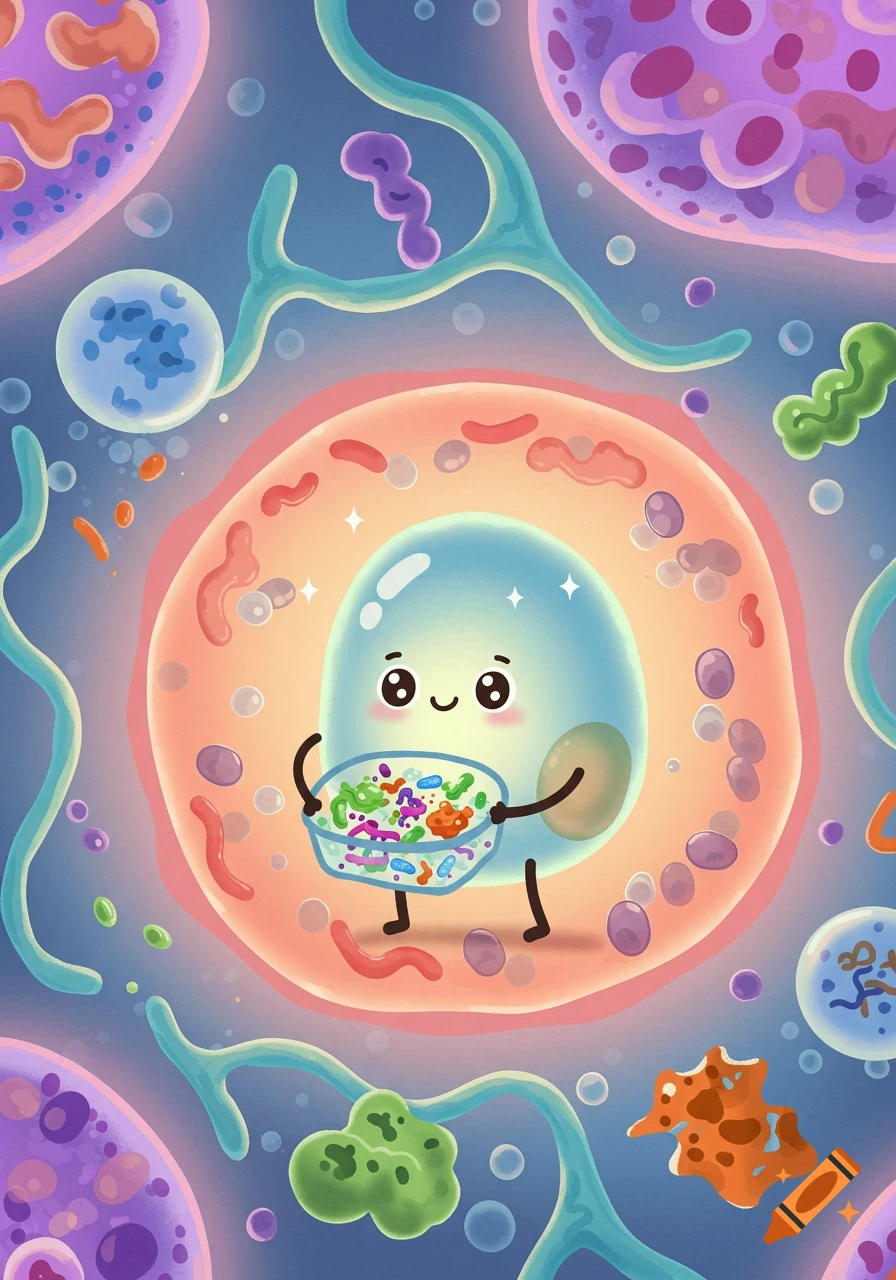
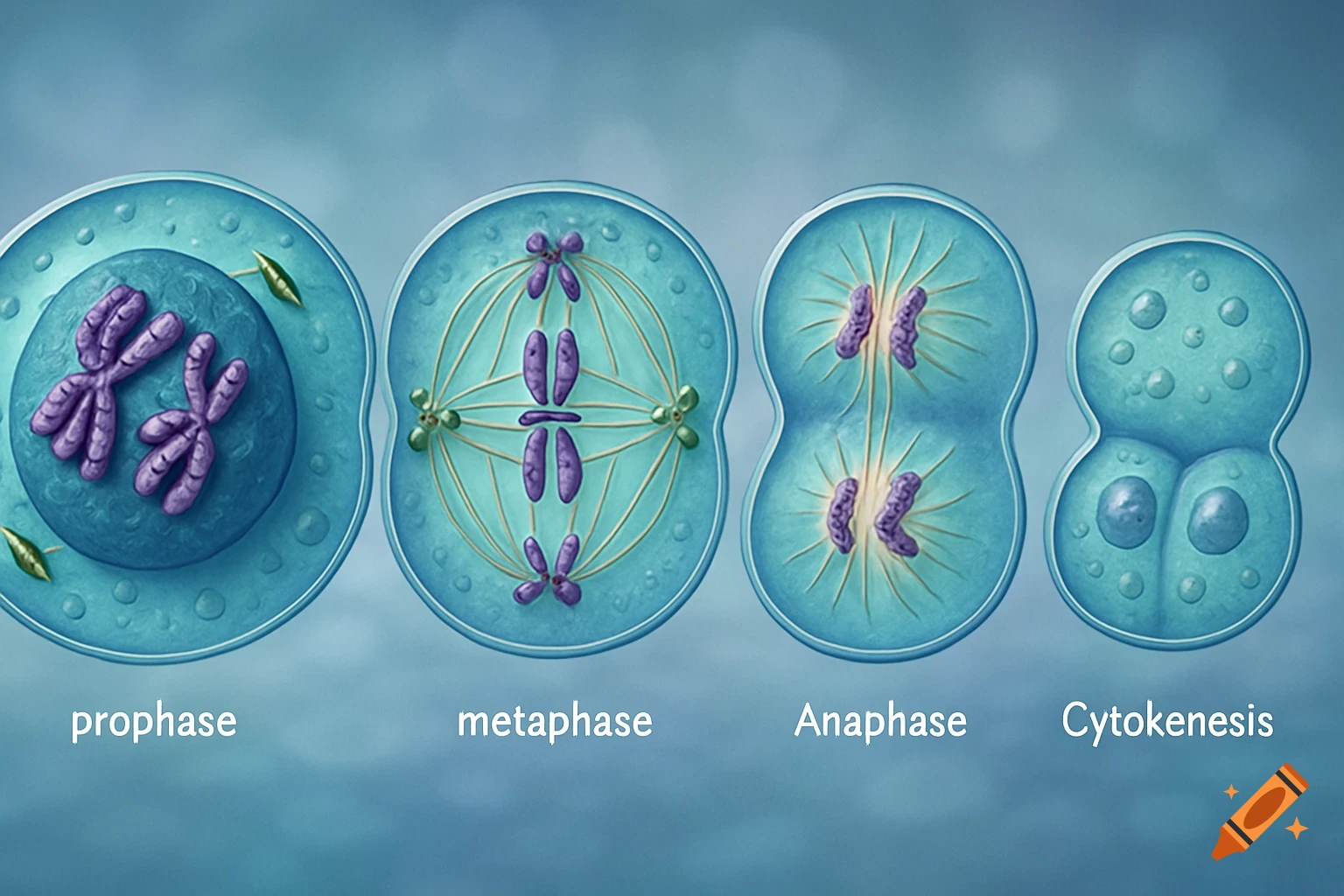
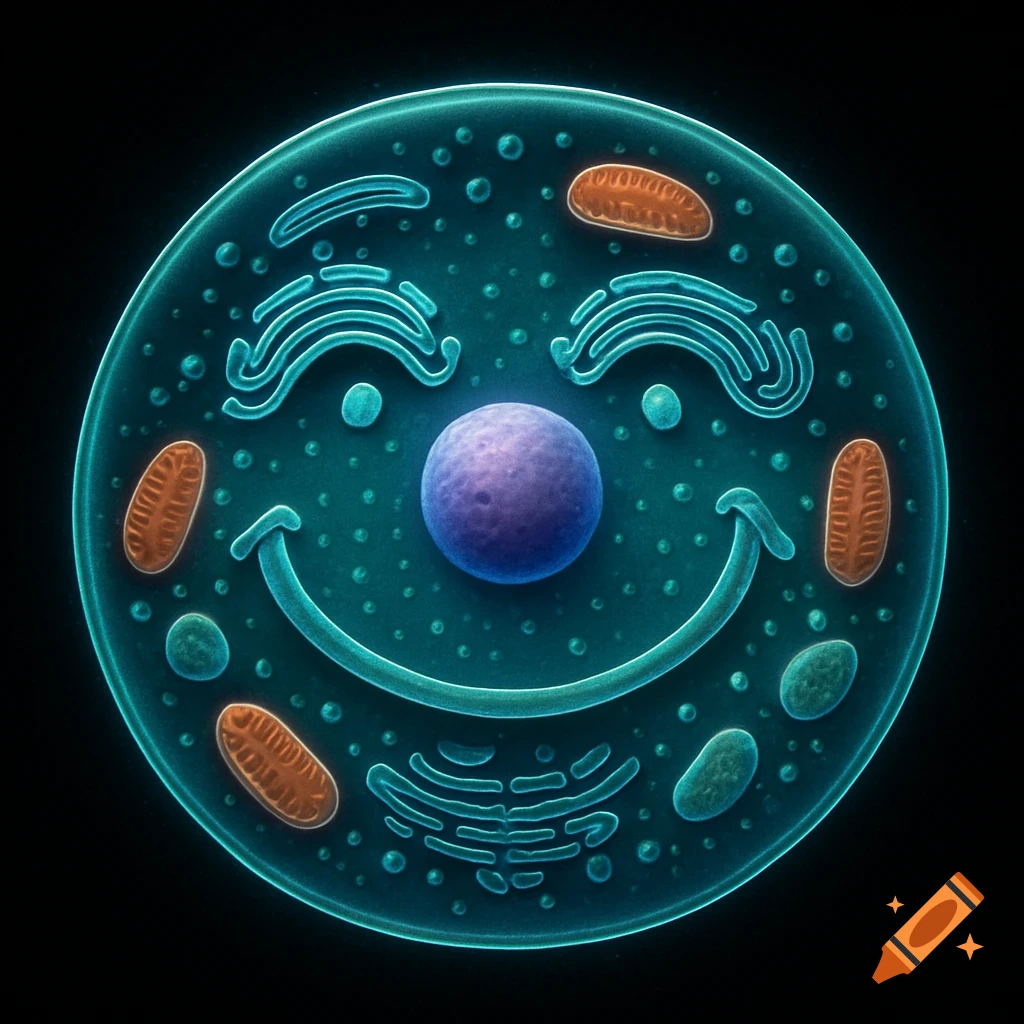
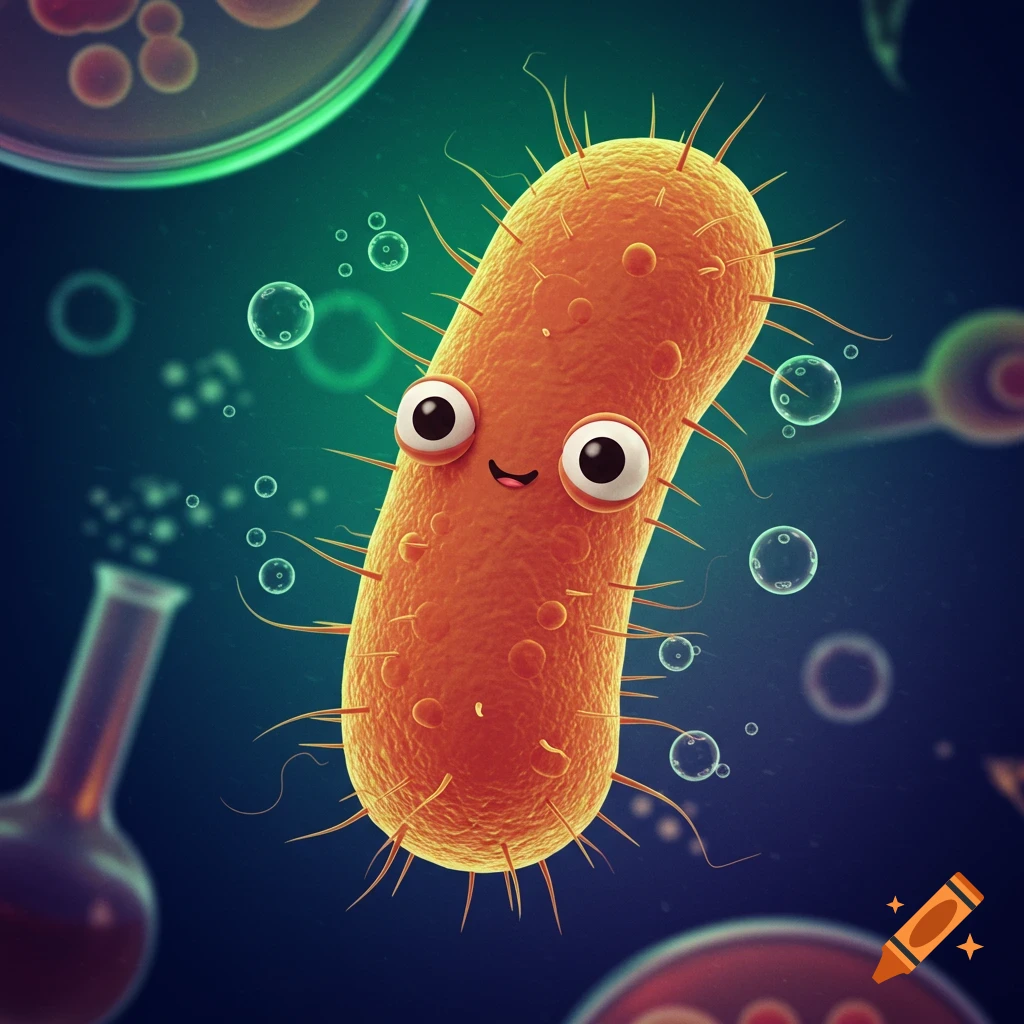
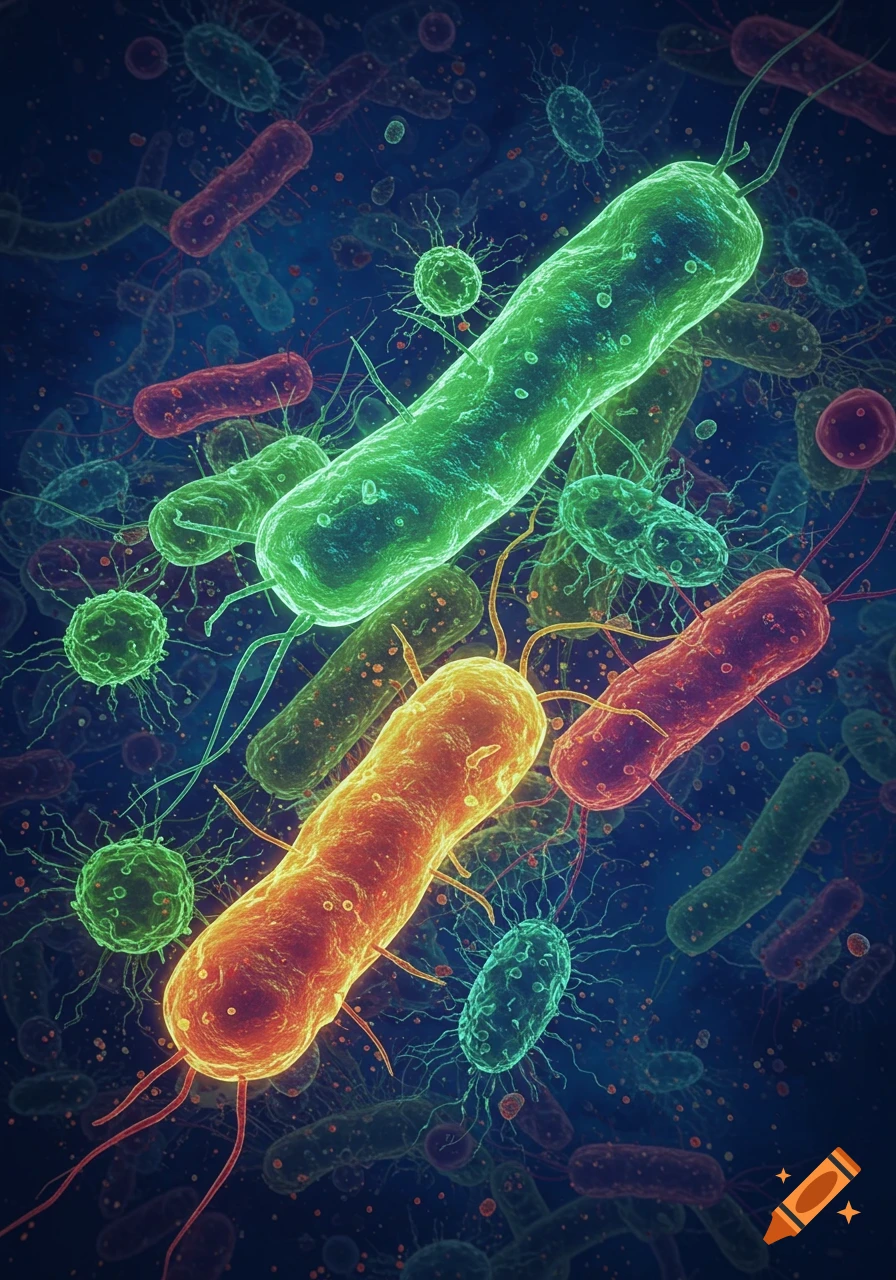
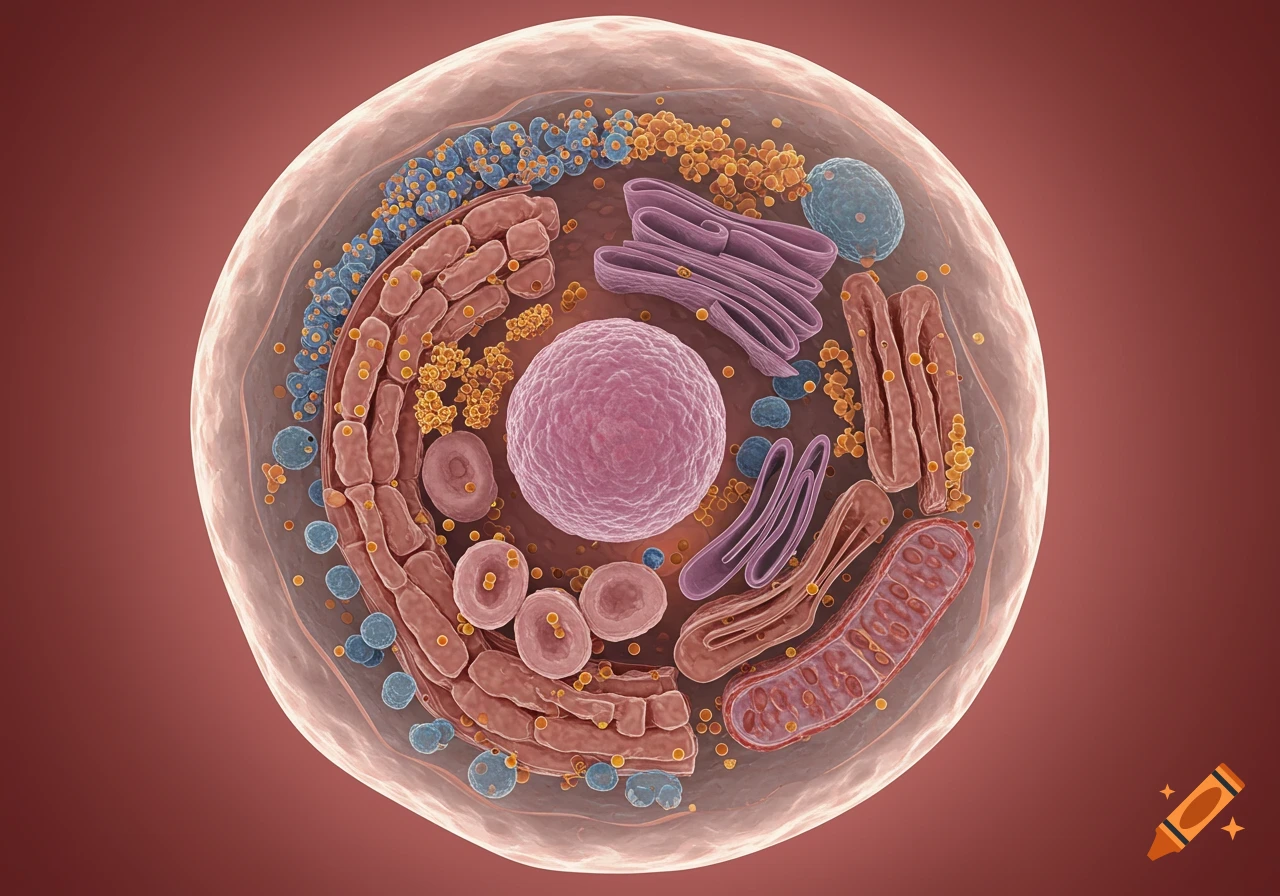
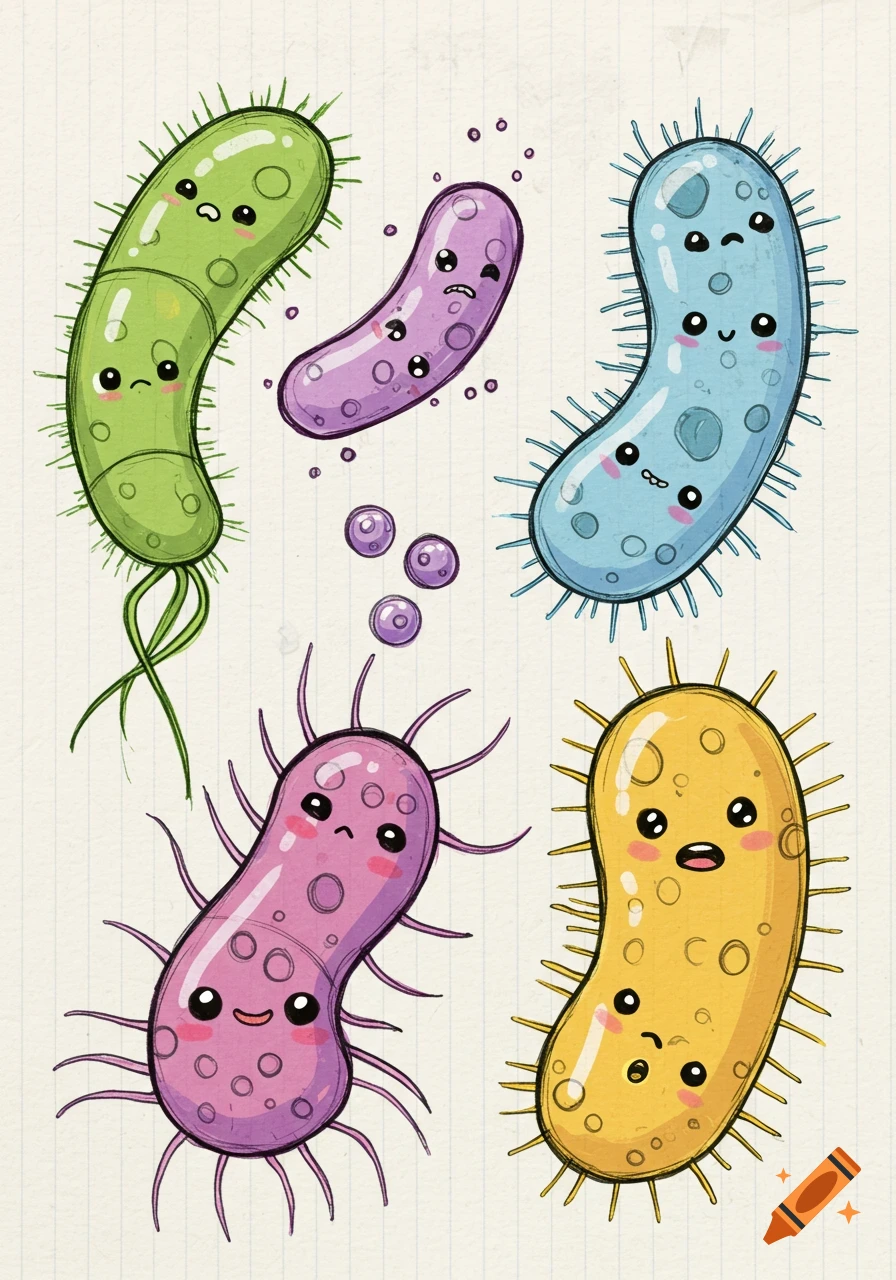
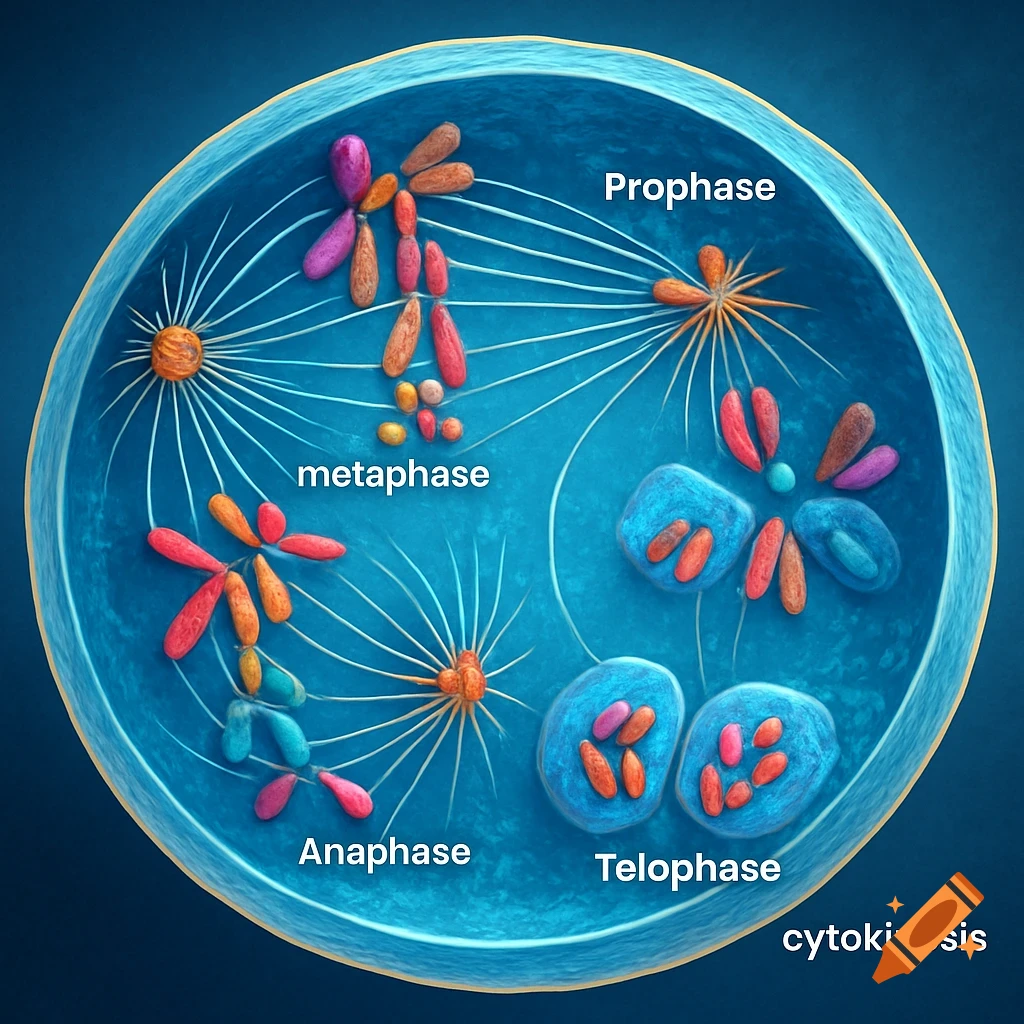
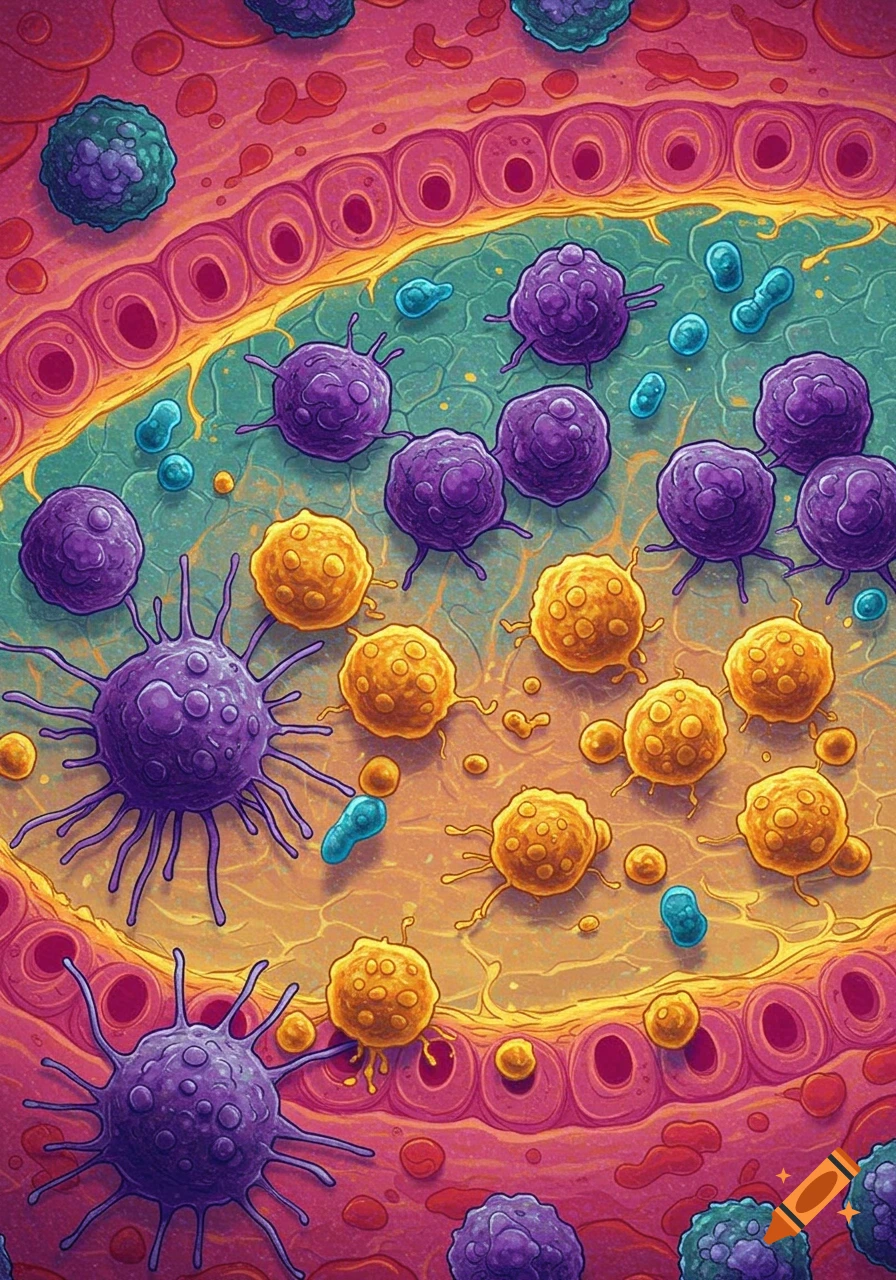
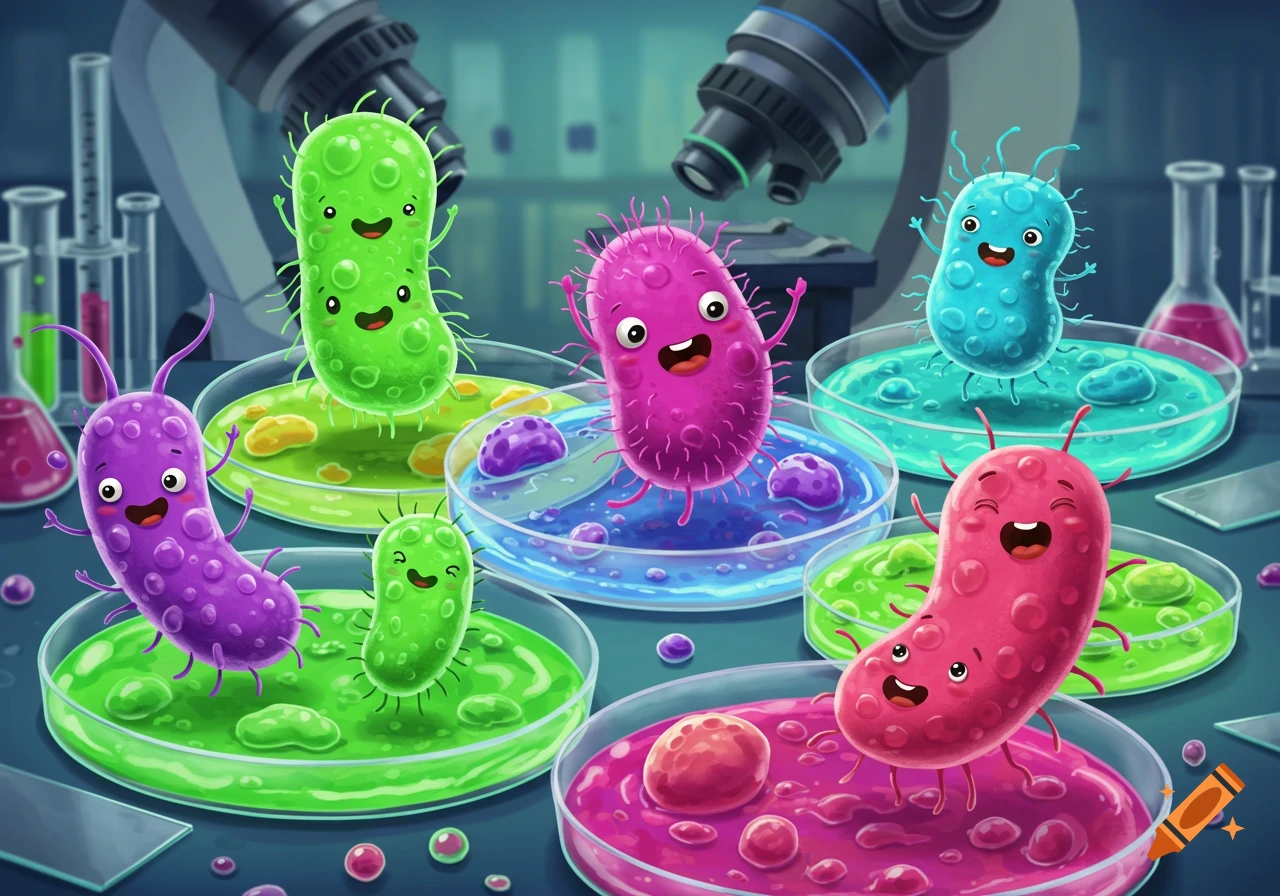
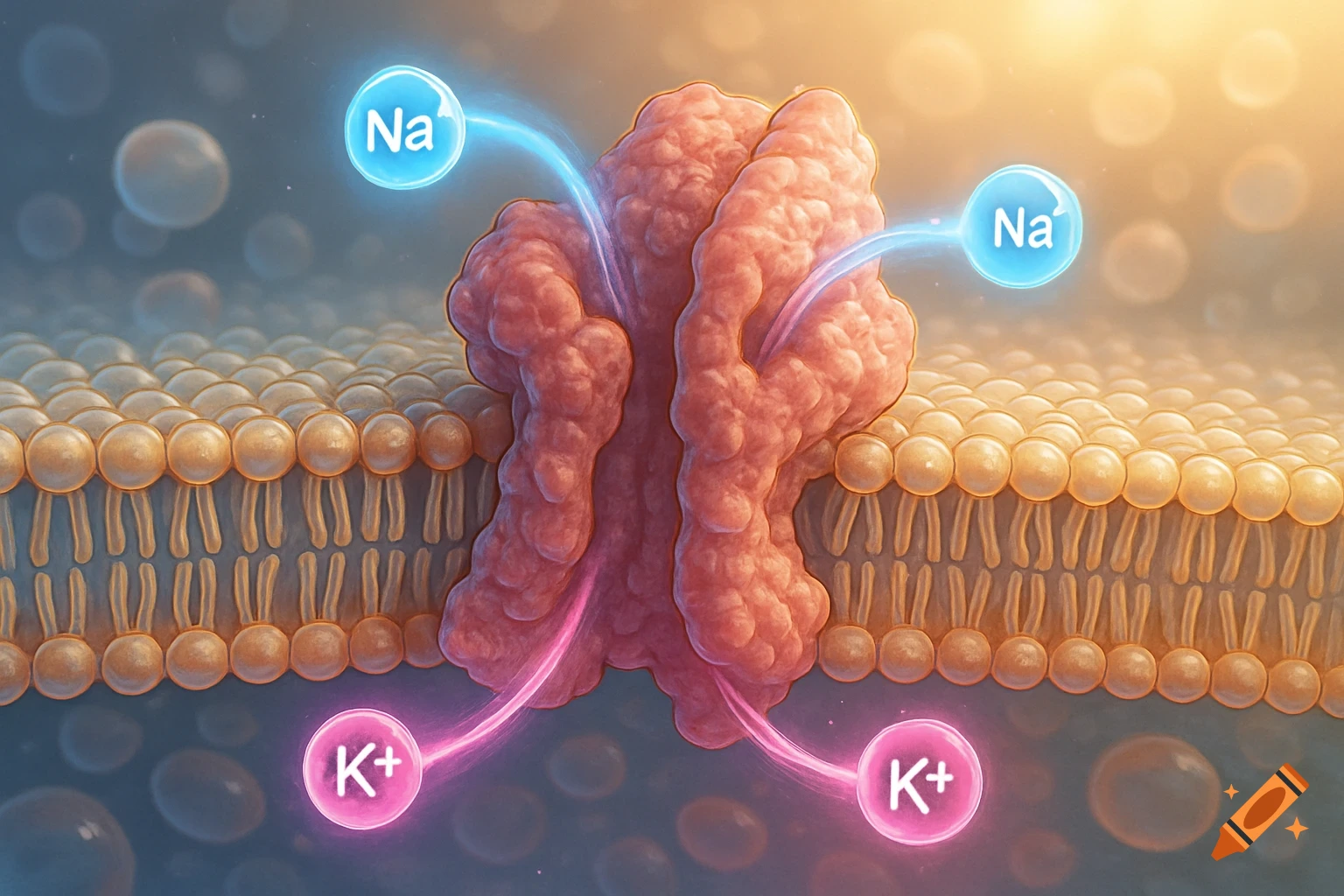
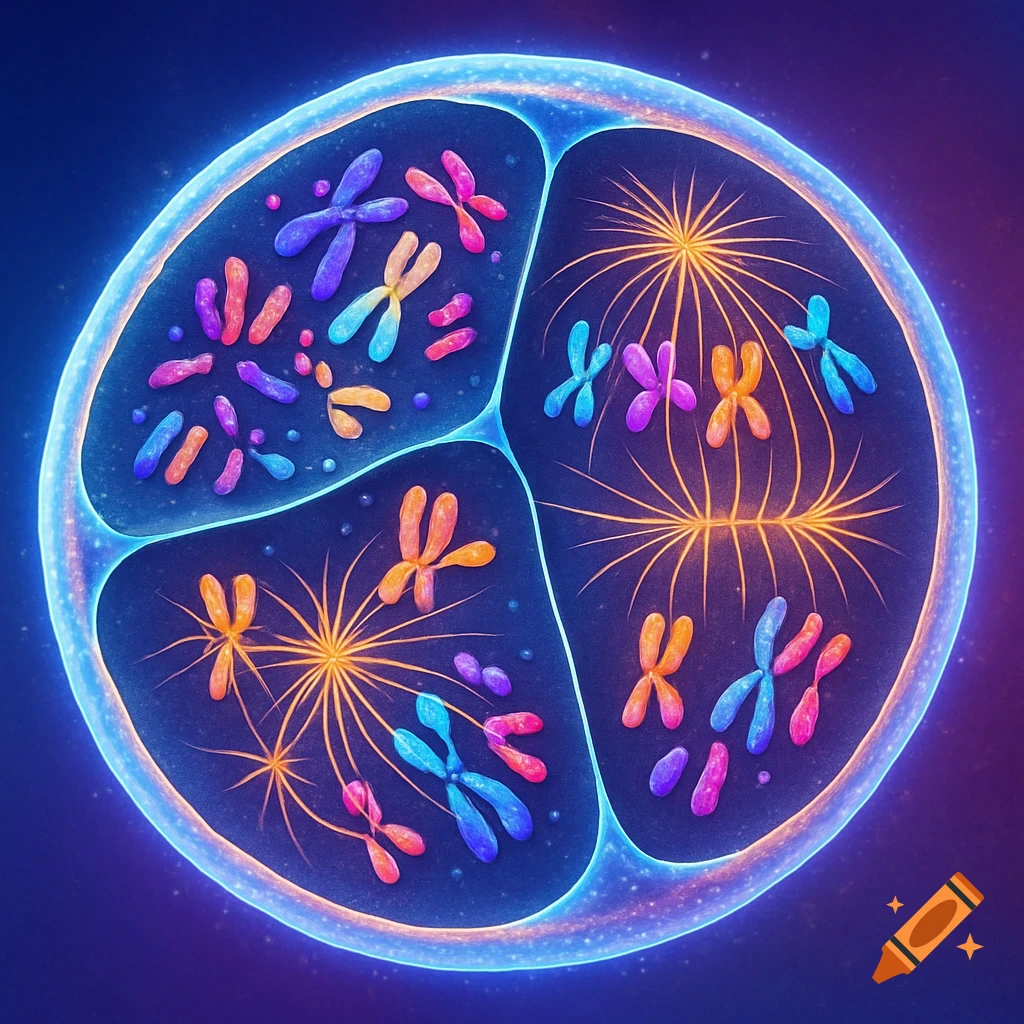
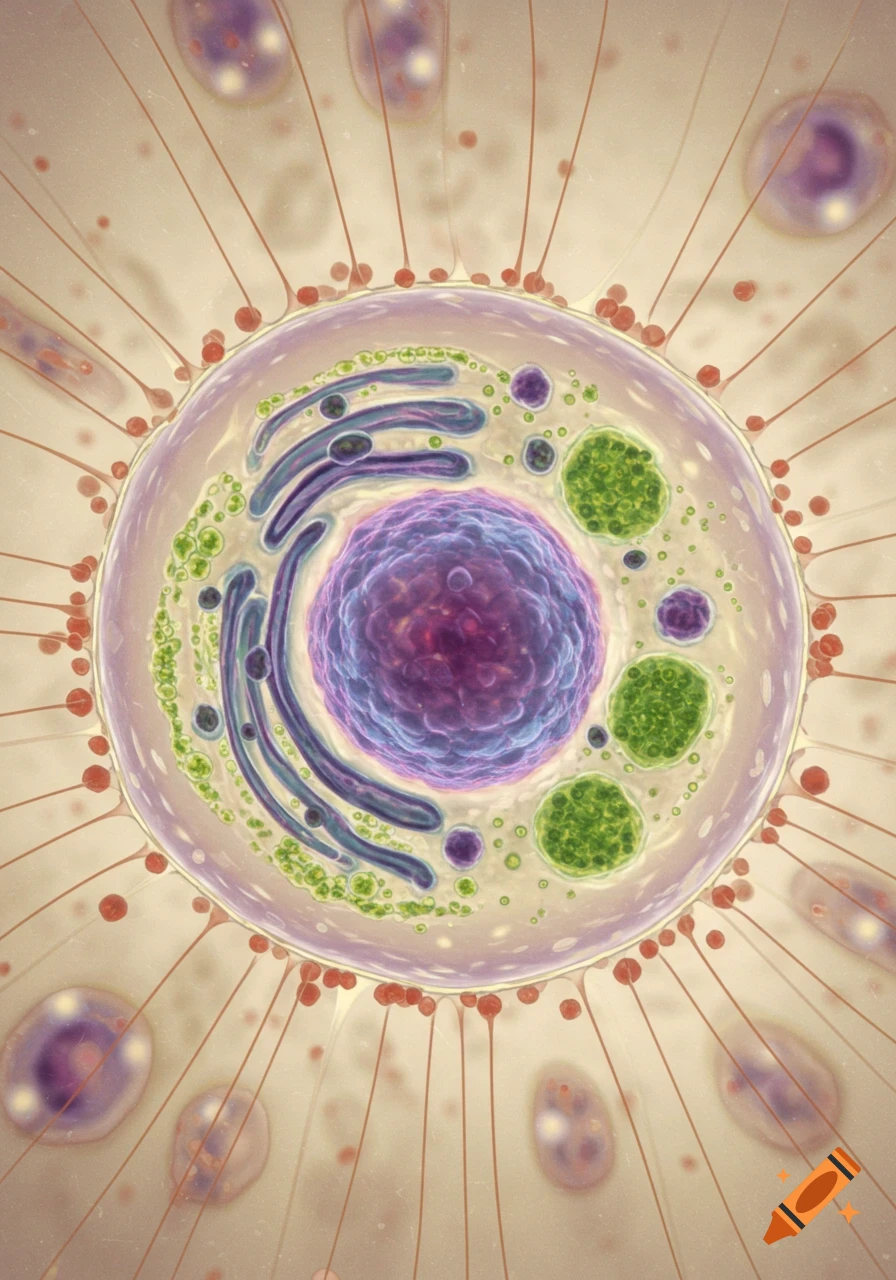
An educational infographic poster illustrating different types of proteins, their functions, and their locations in cells. It features diagrams of hemoglobin, amylase, collagen, antibodies, and a cell.
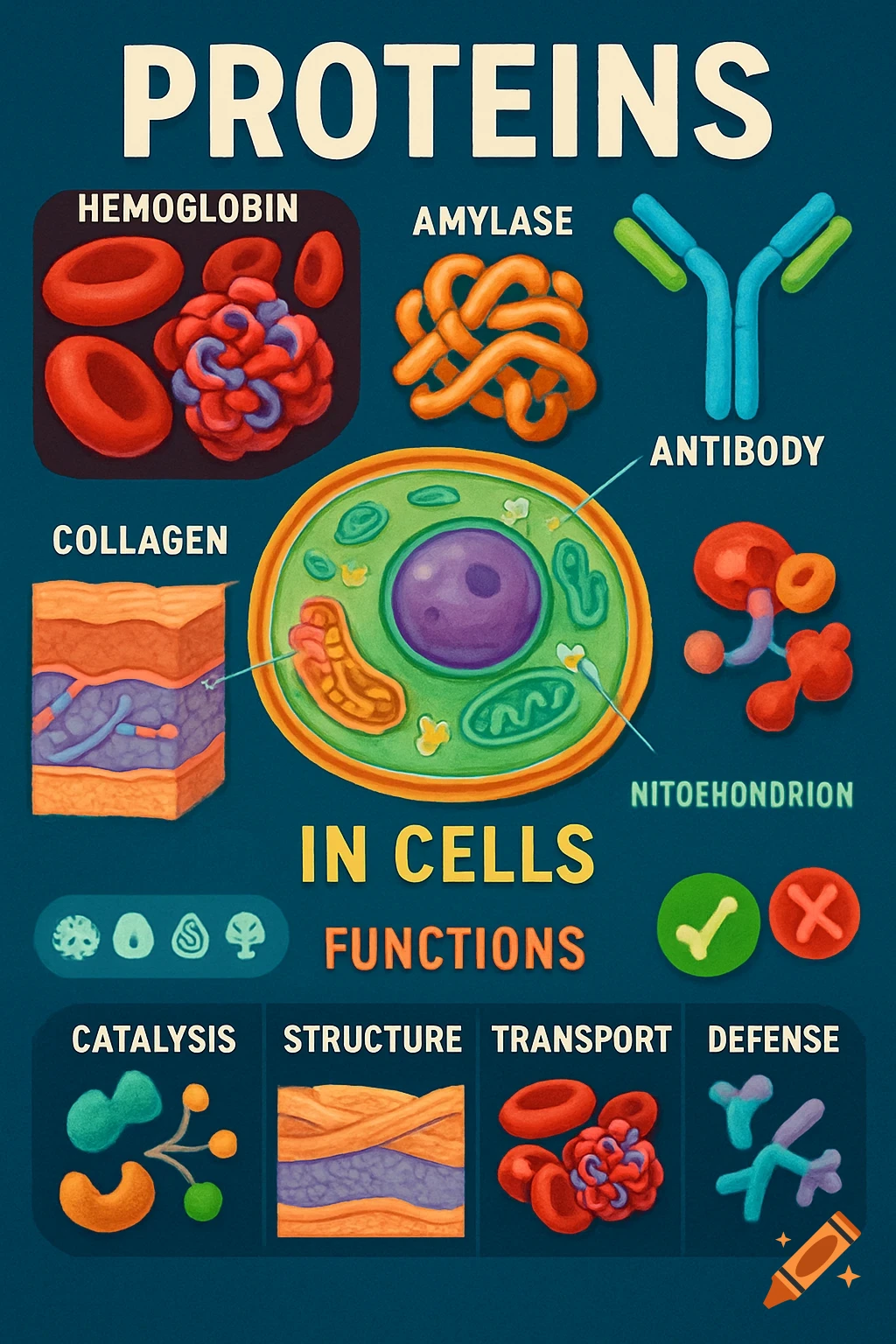
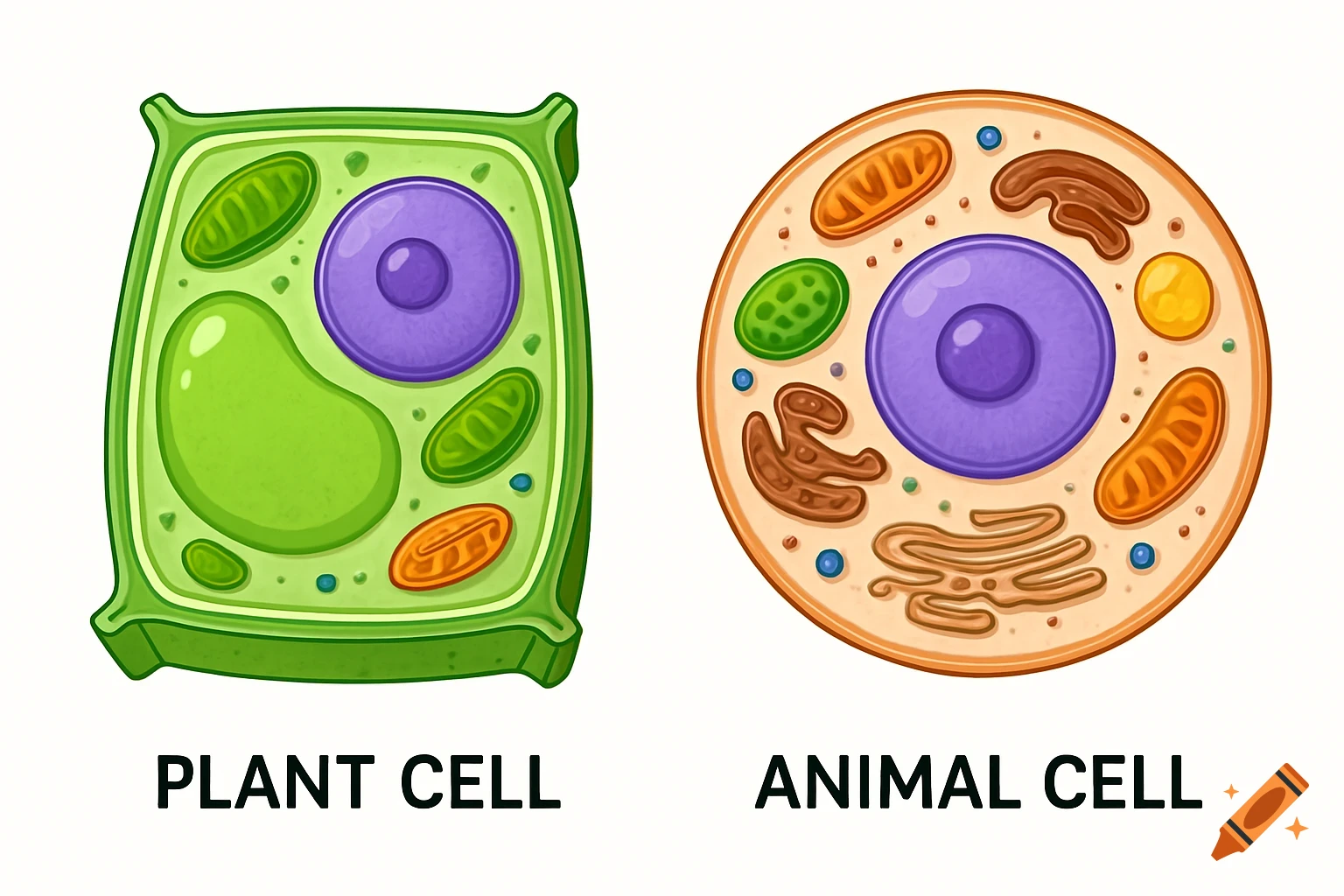
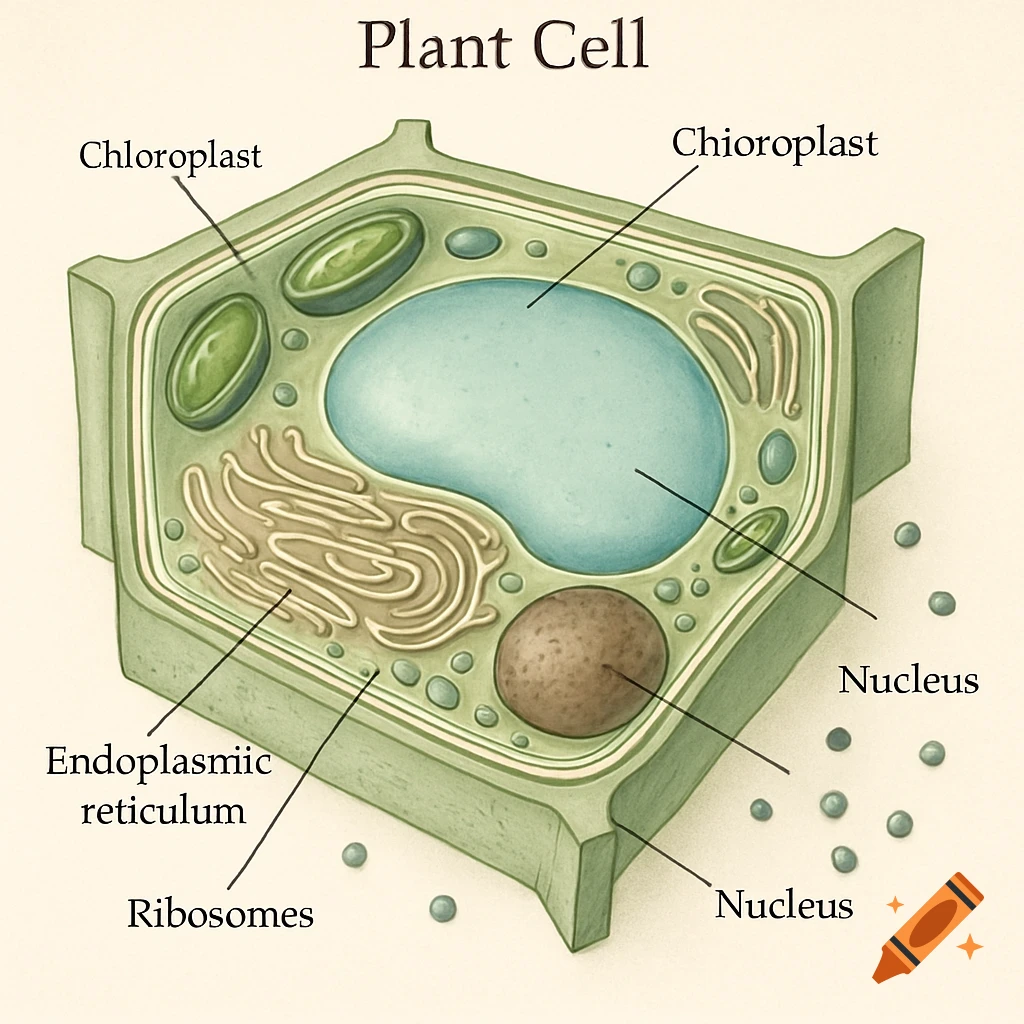
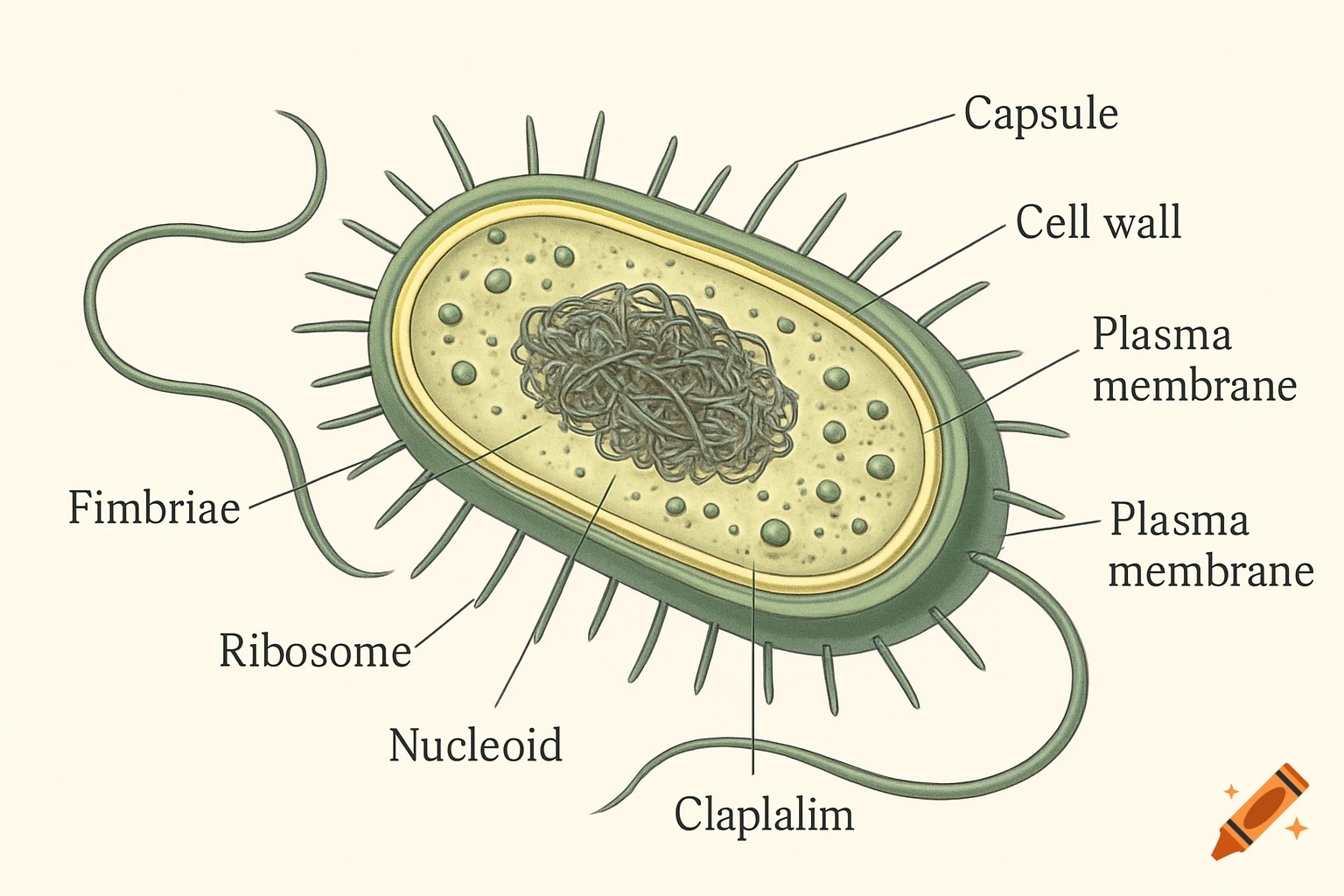
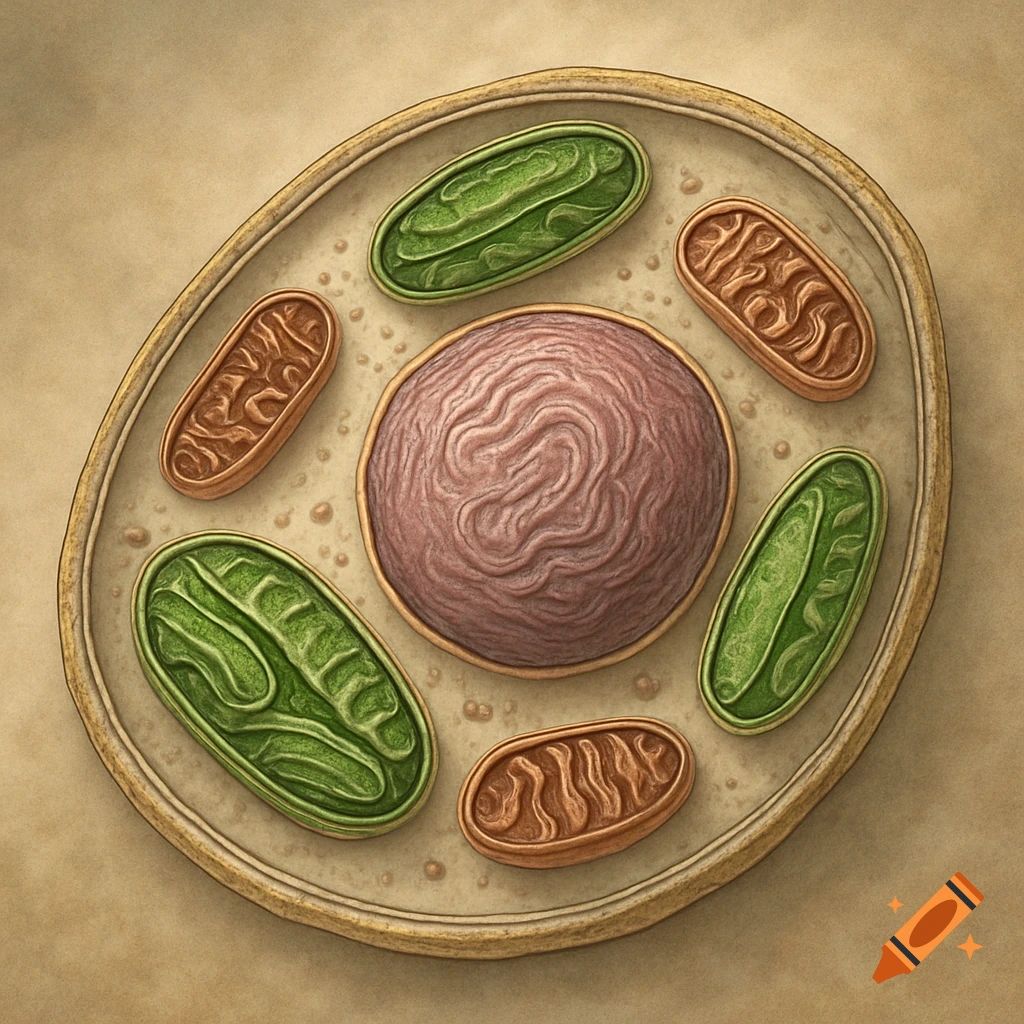
Here's a step-by-step detailed guide on what to include on your protein-themed poster, organized by sections: 1. Title (Large and Bold) "Proteins" 2. Examples of Proteins (with pictures) Hemoglobin (found in red blood cells, transports oxygen) Enzymes (like Amylase) (catalyze biochemical reactions) Collagen (provides structural support in skin, bones) Antibodies (immune system defense) (Include relevant images for each example, e.g., red blood cell with hemoglobin, enzyme structure, collagen fibers, antibody structure) 3. Location in the Cell (with a diagram or picture) Where are proteins found? "Proteins are located throughout the cell, mainly in the cytoplasm, cell membrane, nucleus, and mitochondria." (Add a labeled diagram of a cell highlighting these locations) 4. Types of Cells All cell types contain proteins: Animal cells Plant cells Bacterial cells Fungal cells (List with small icons or pictures representing each) 5. Functions of Proteins (with icons or images) Catalyze reactions (enzymes) Provide structural support (collagen in skin and connective tissues) Transport molecules (hemoglobin transports oxygen) Support immune defense (antibodies fight pathogens) (Use small images or icons next to each function) 6. What Happens with Too Much Protein? Excess protein can strain kidneys, cause dehydration, and increase heart disease risk. (Optional: include an icon of kidneys or a heart) 7. What Happens with Too Little Protein? Deficiency can lead to muscle wasting, weakened See more