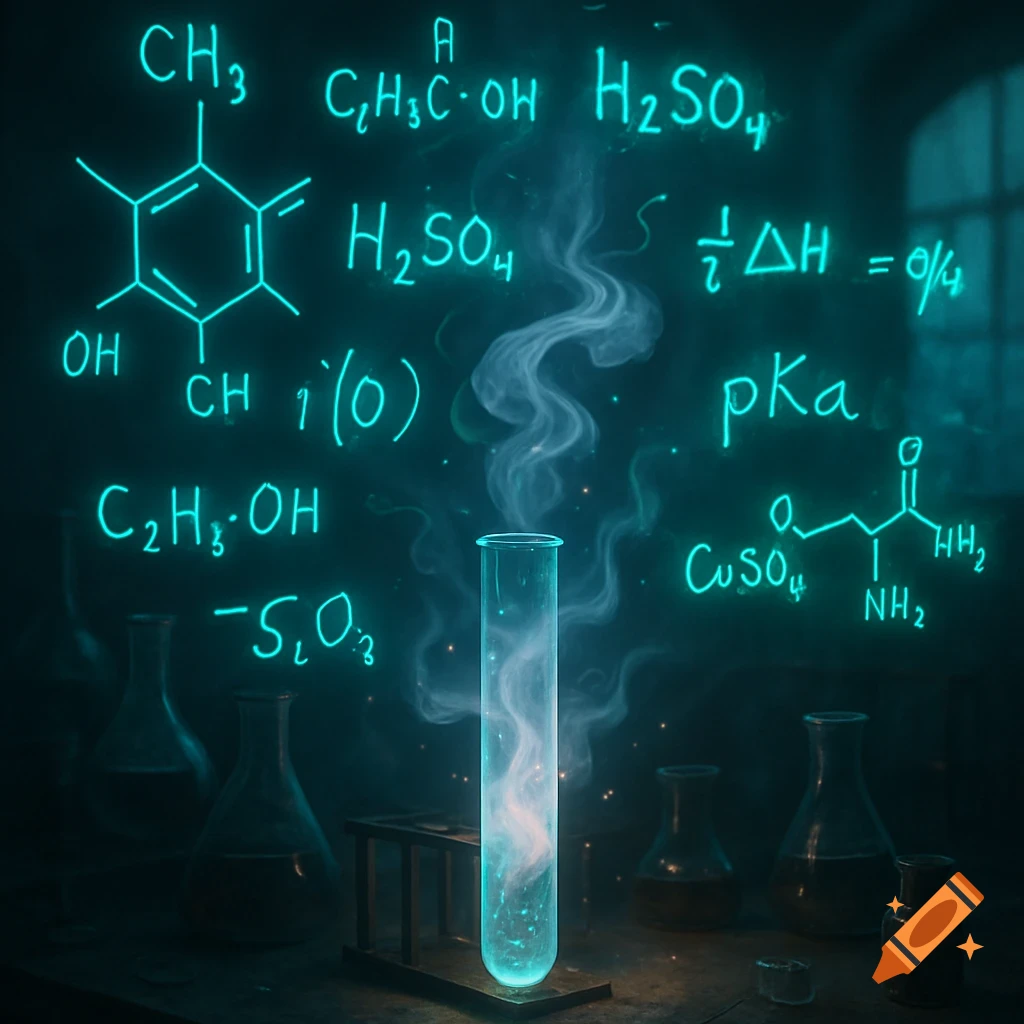
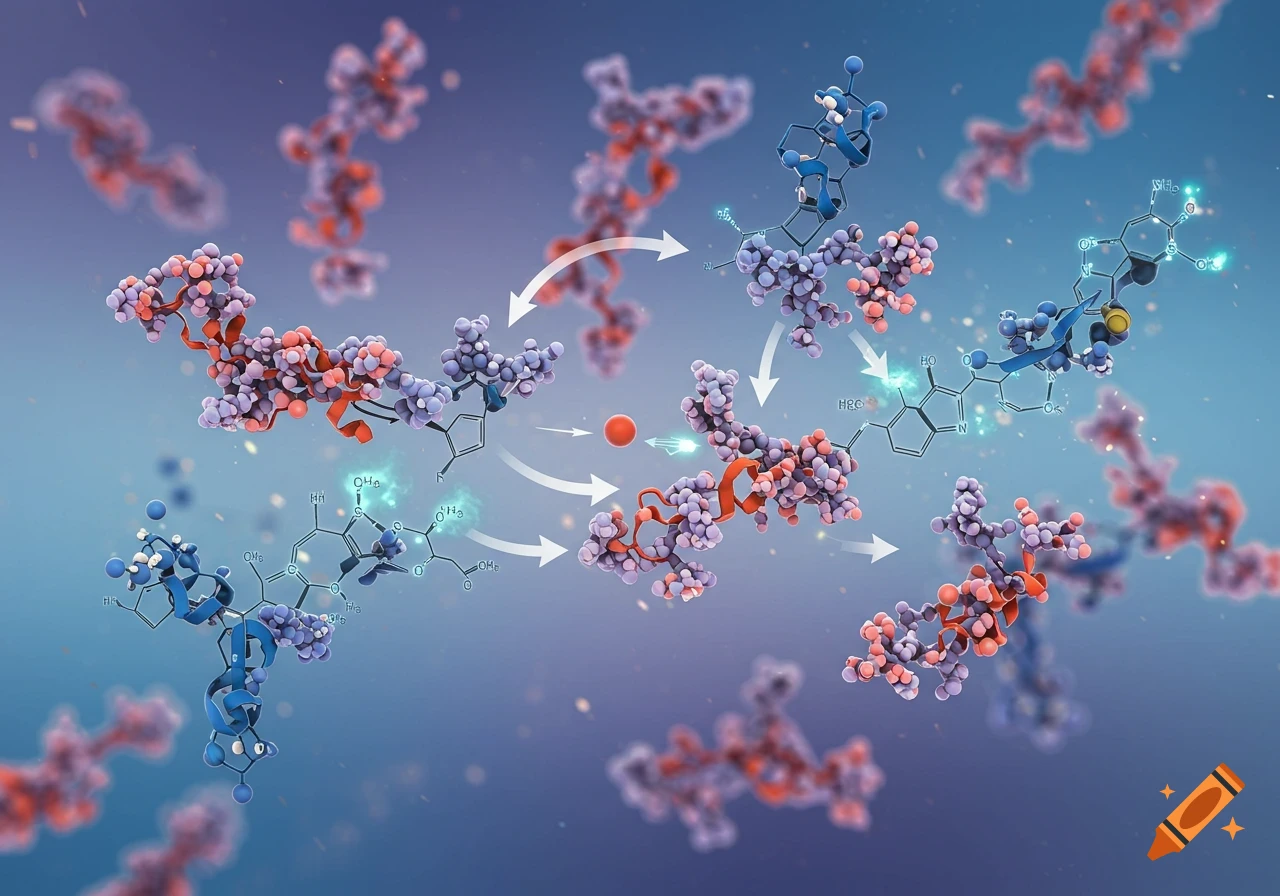
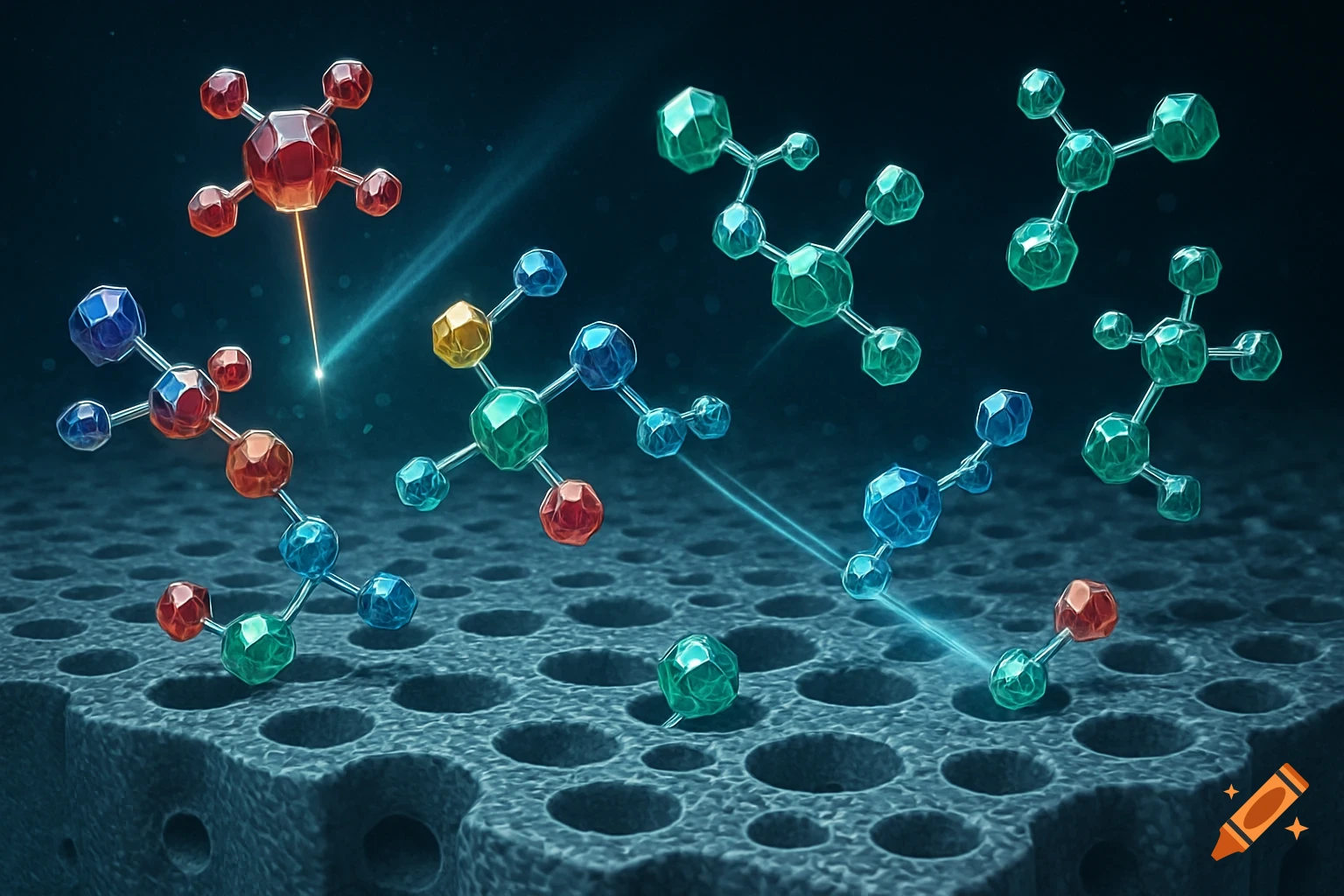
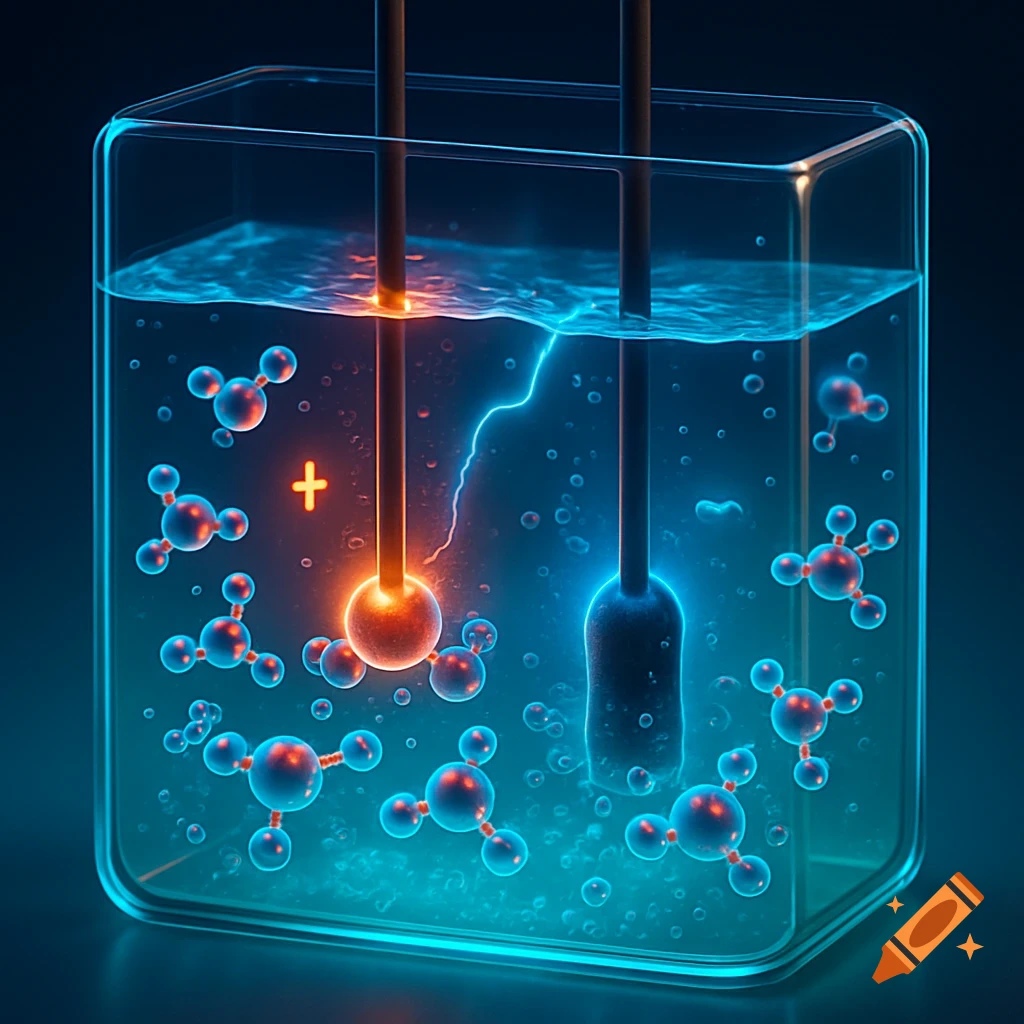
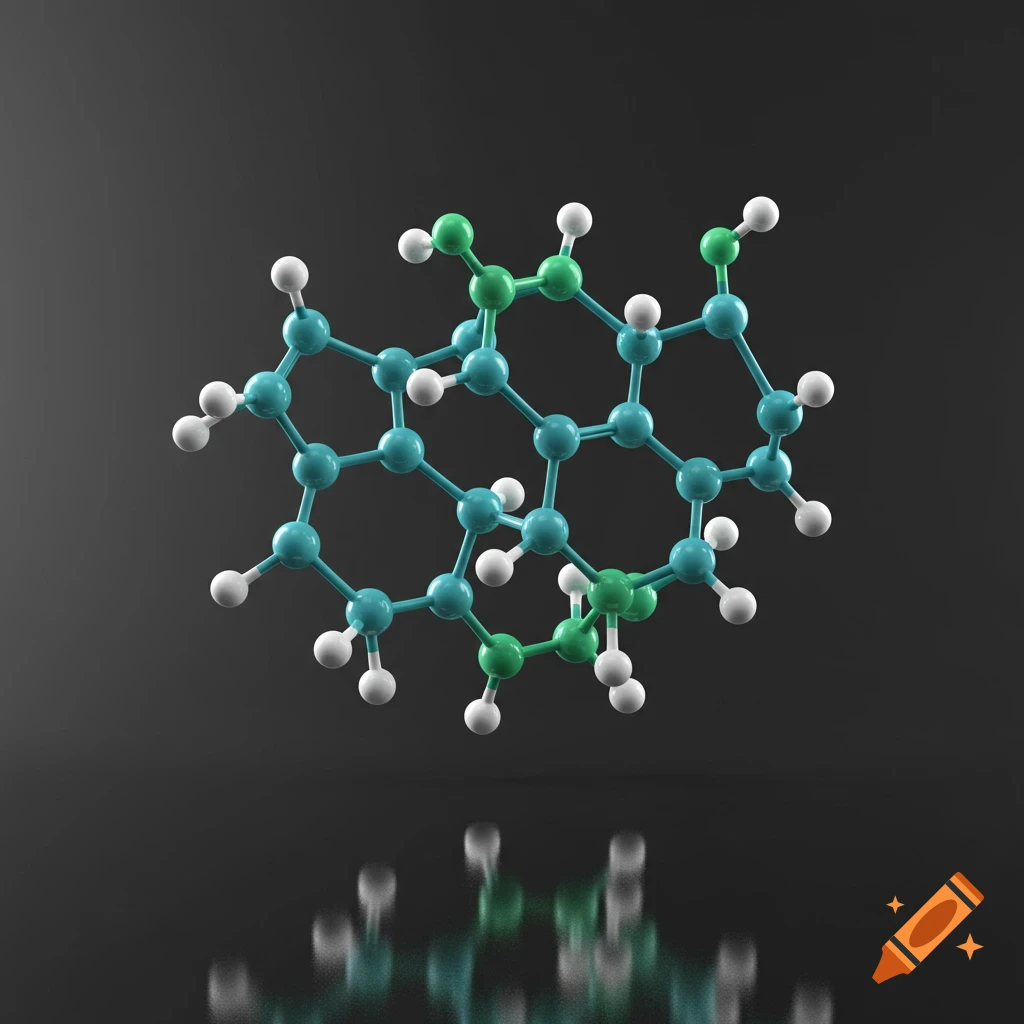
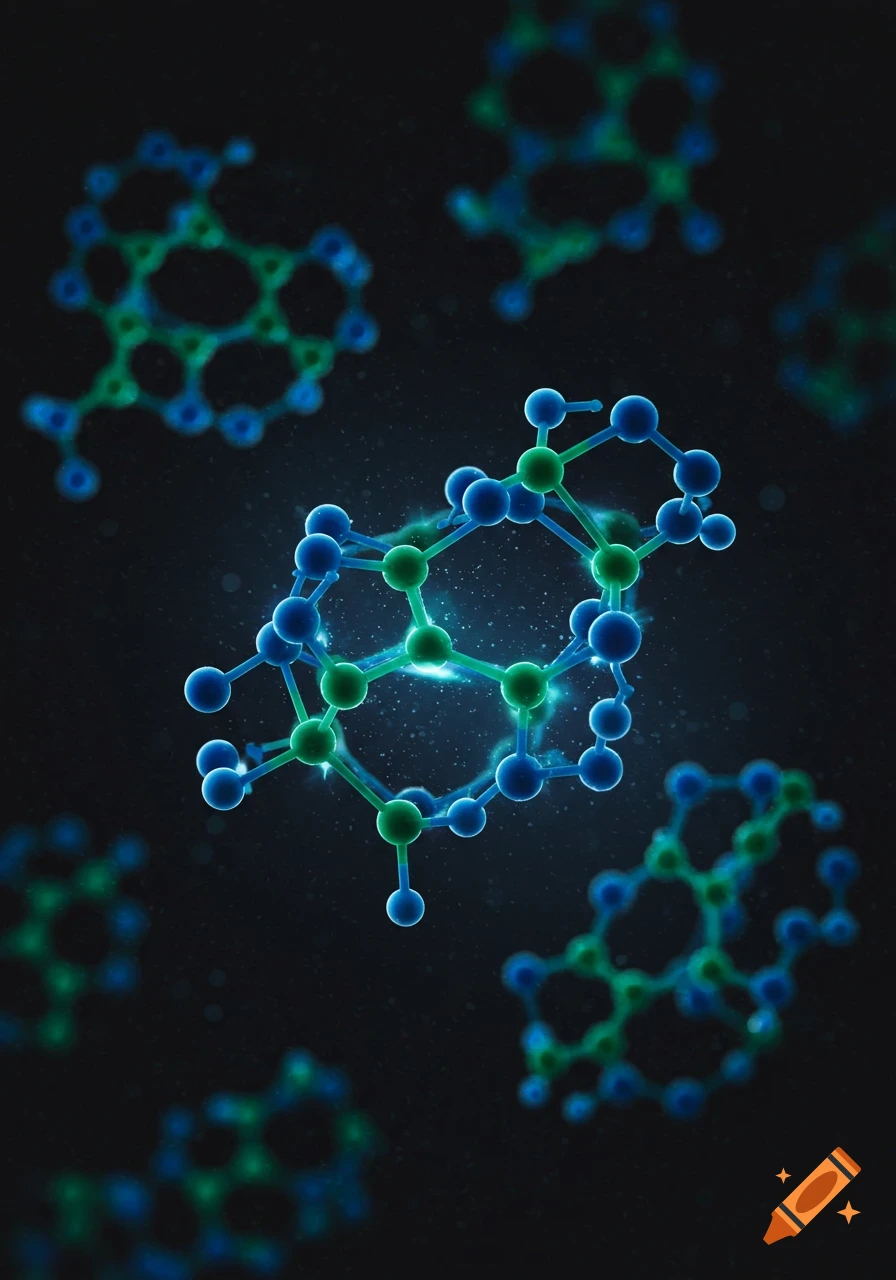
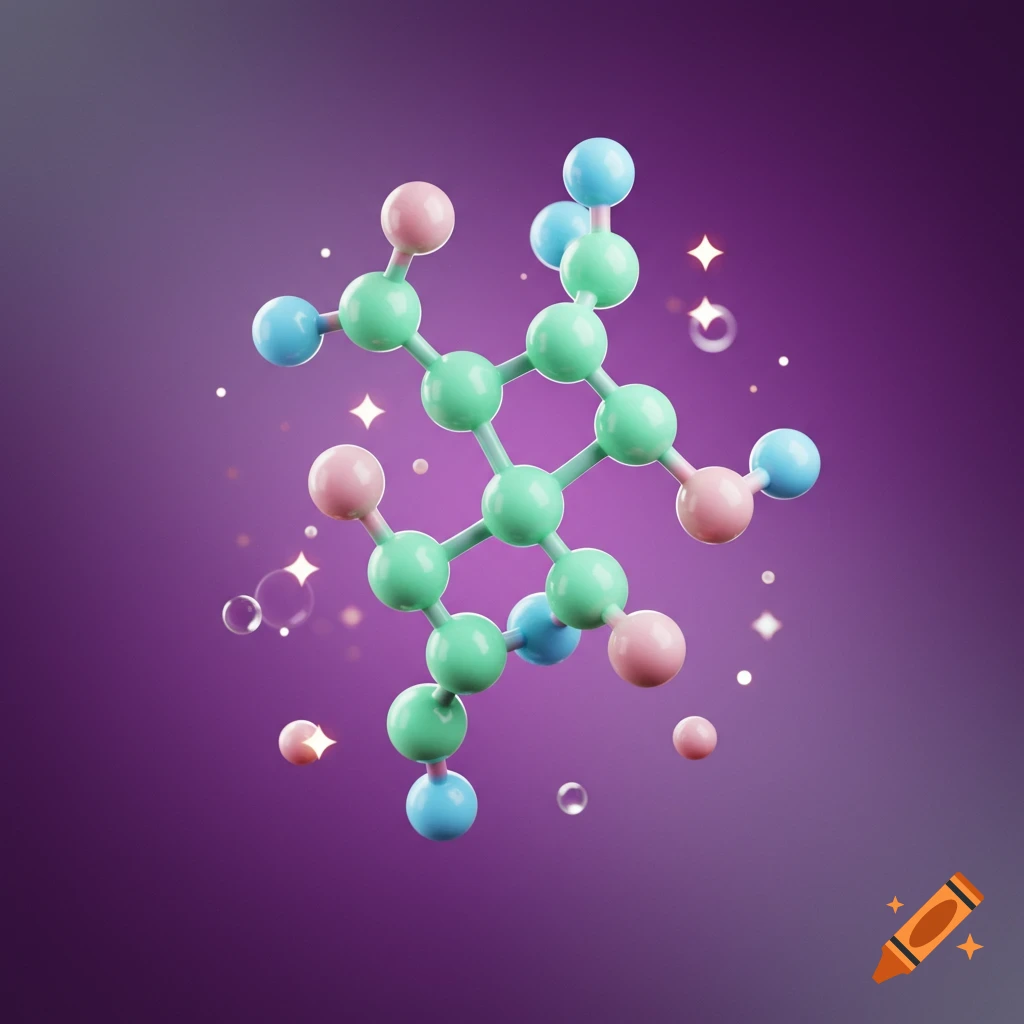
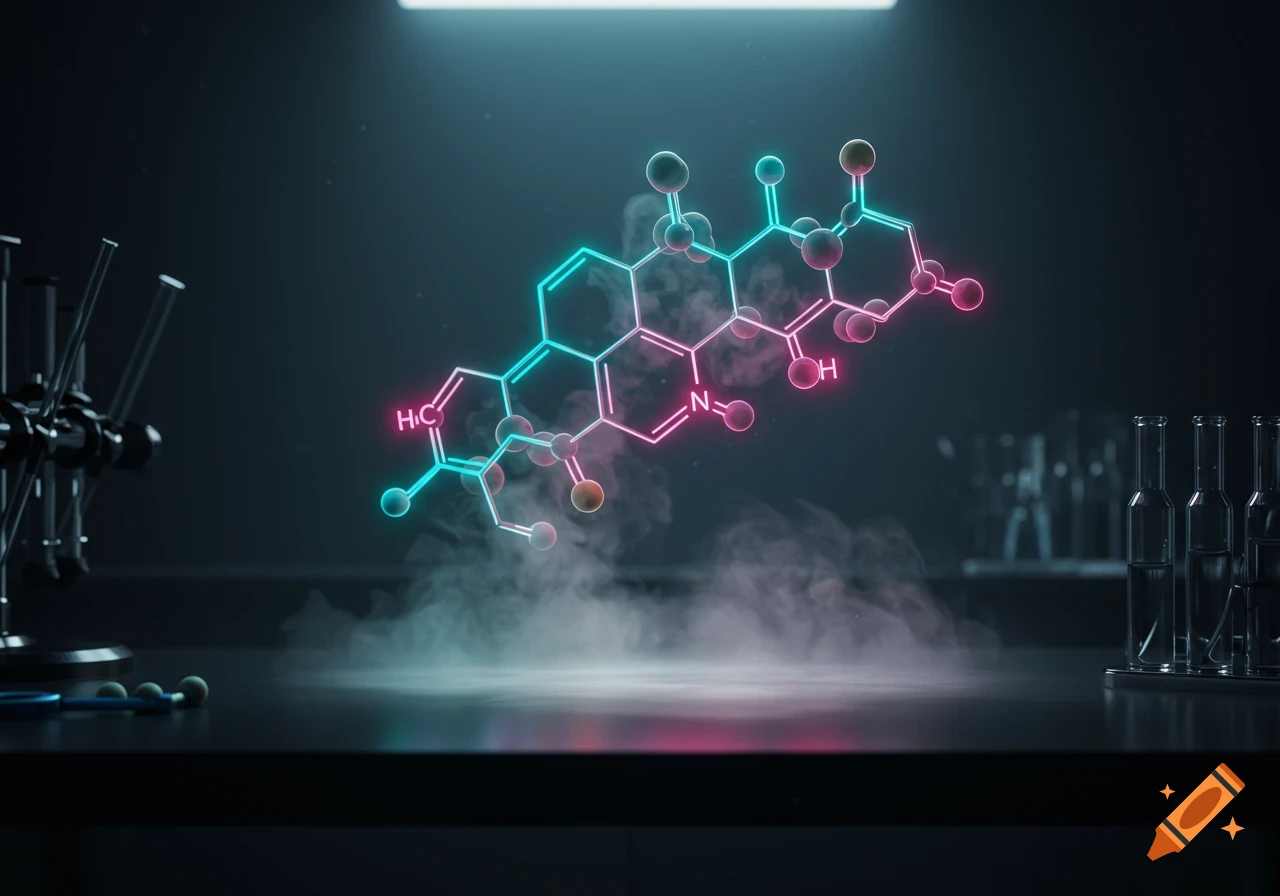
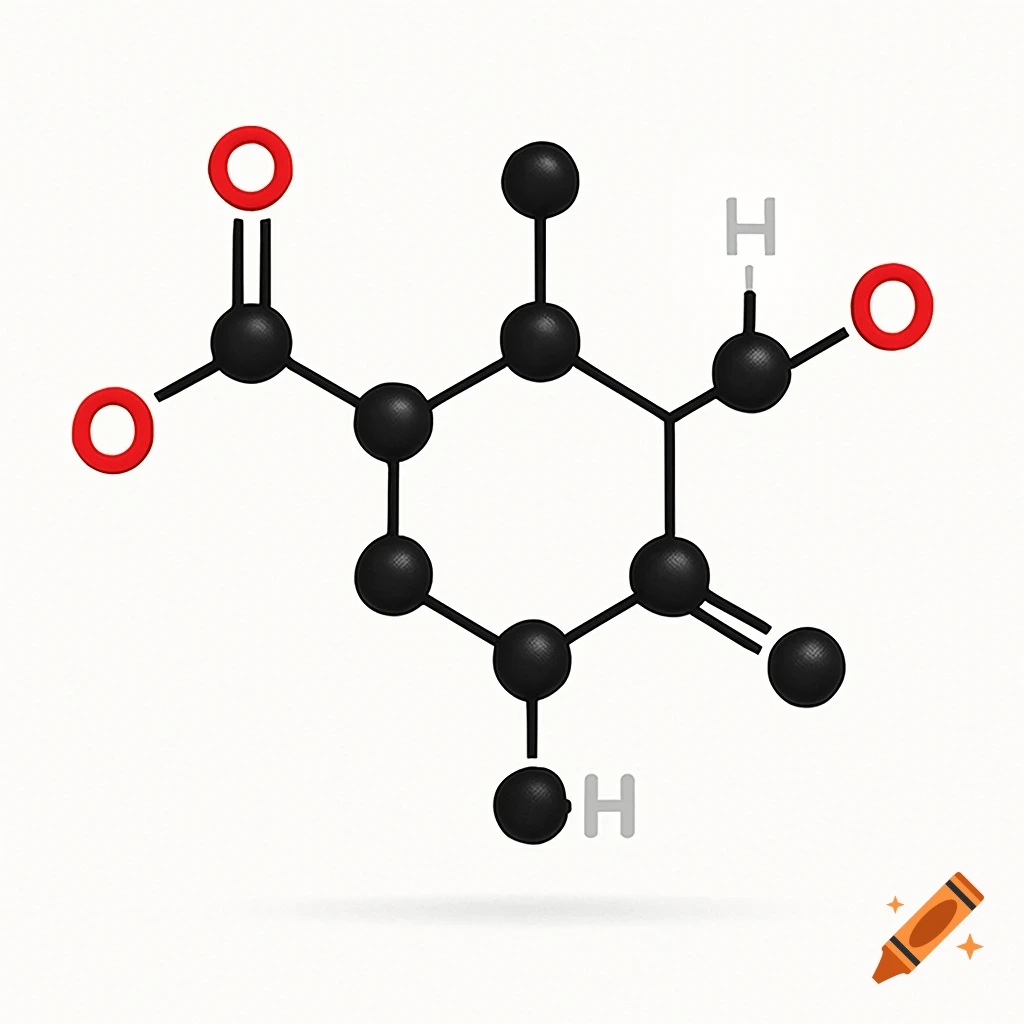
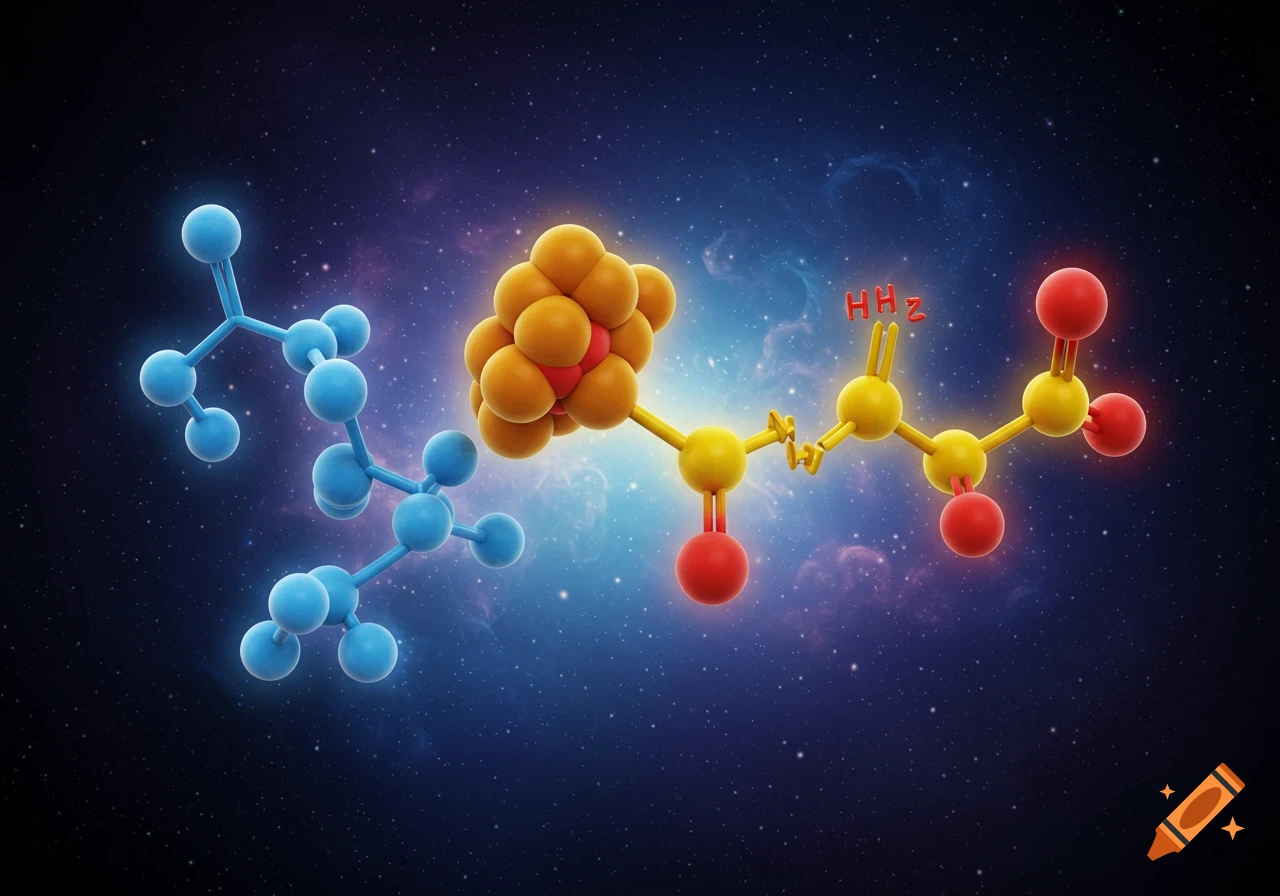
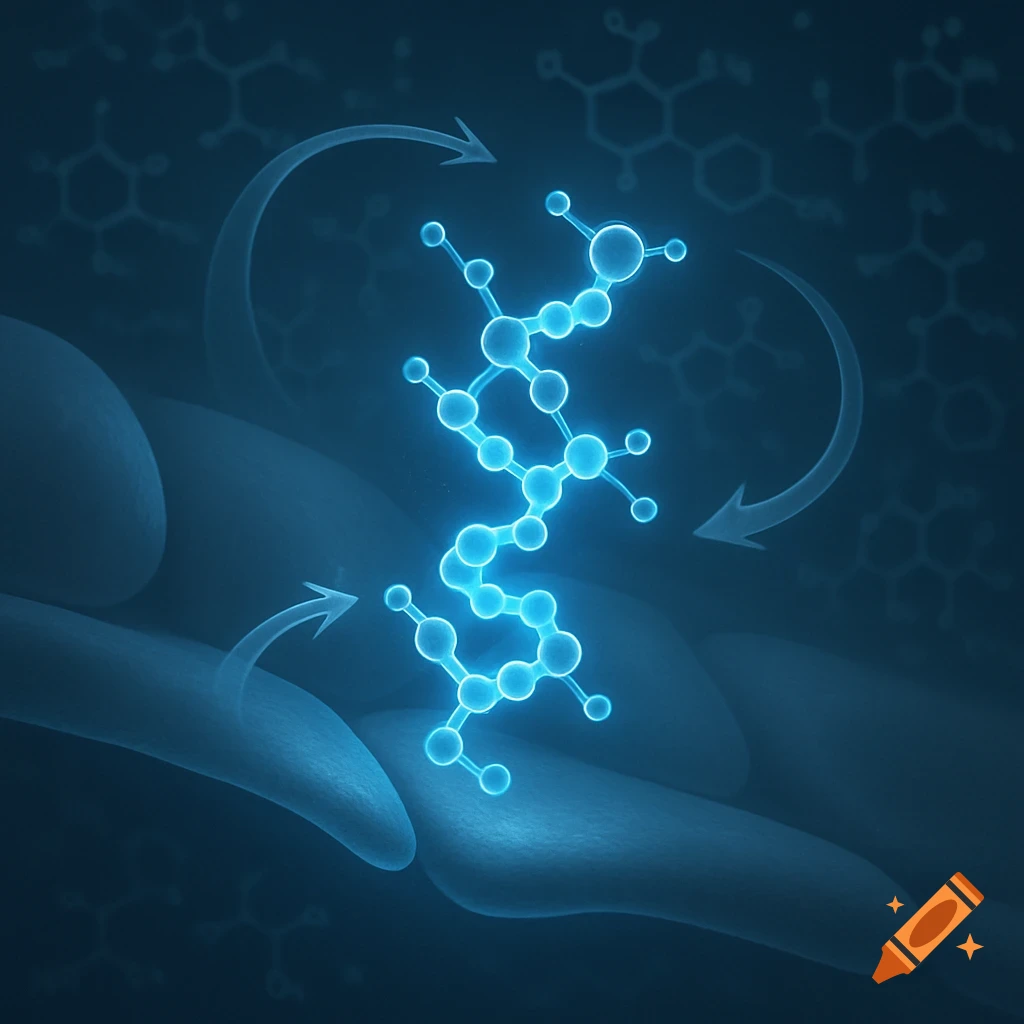
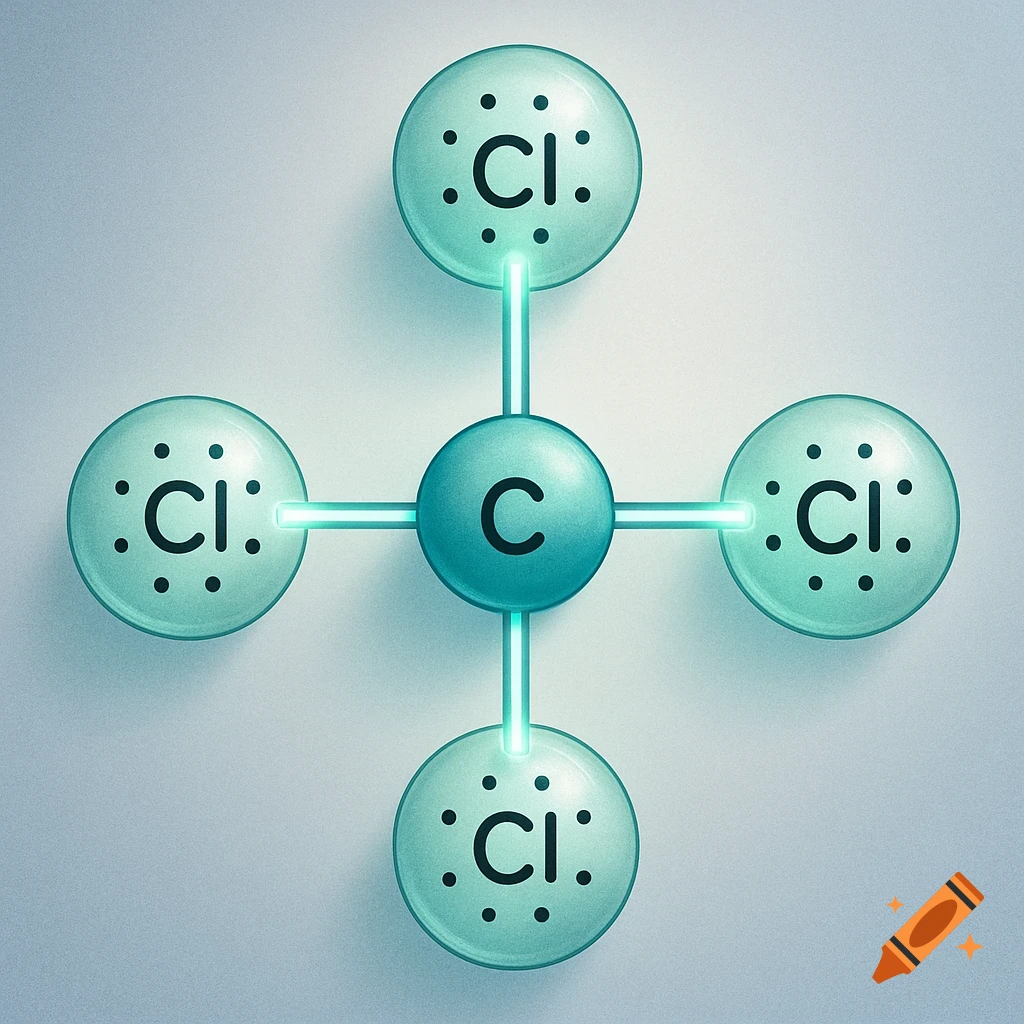
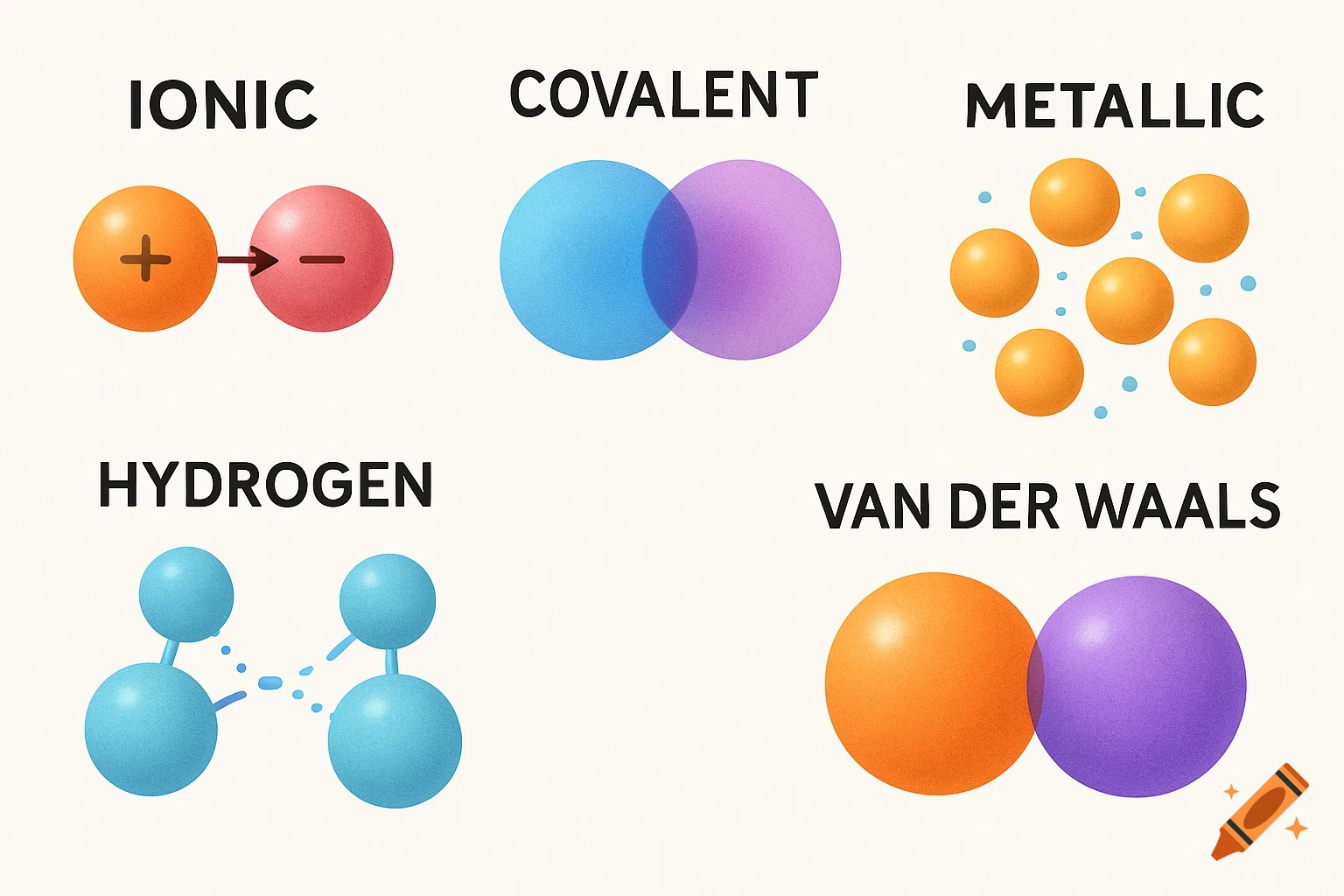
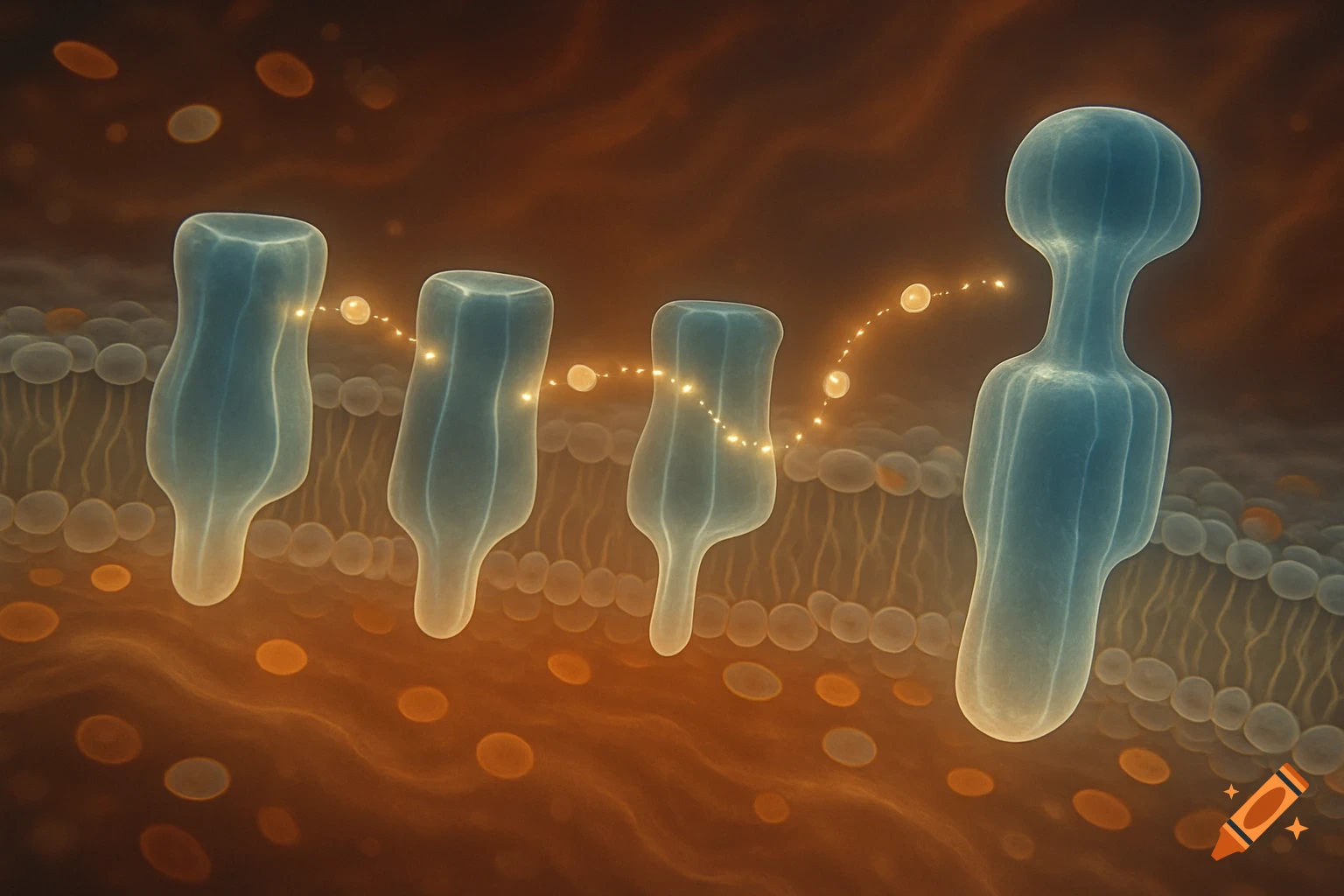
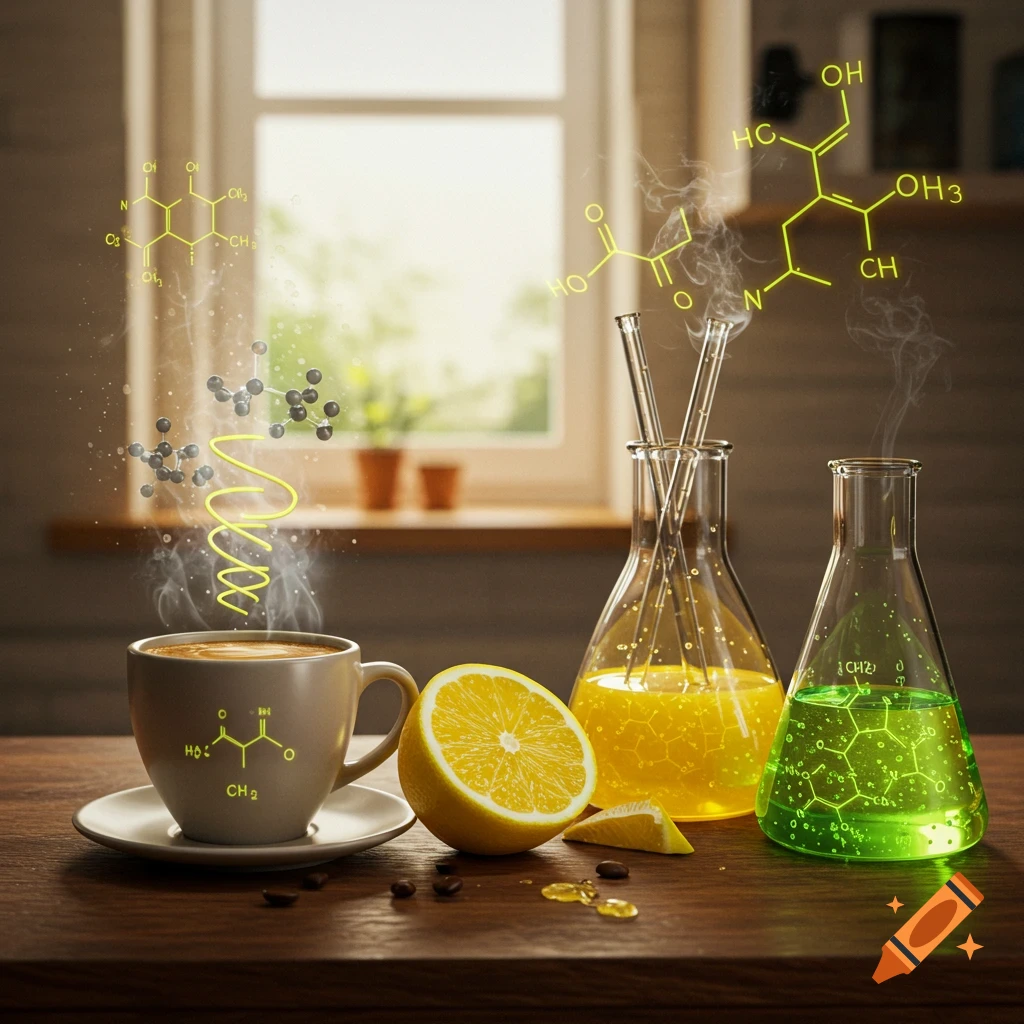
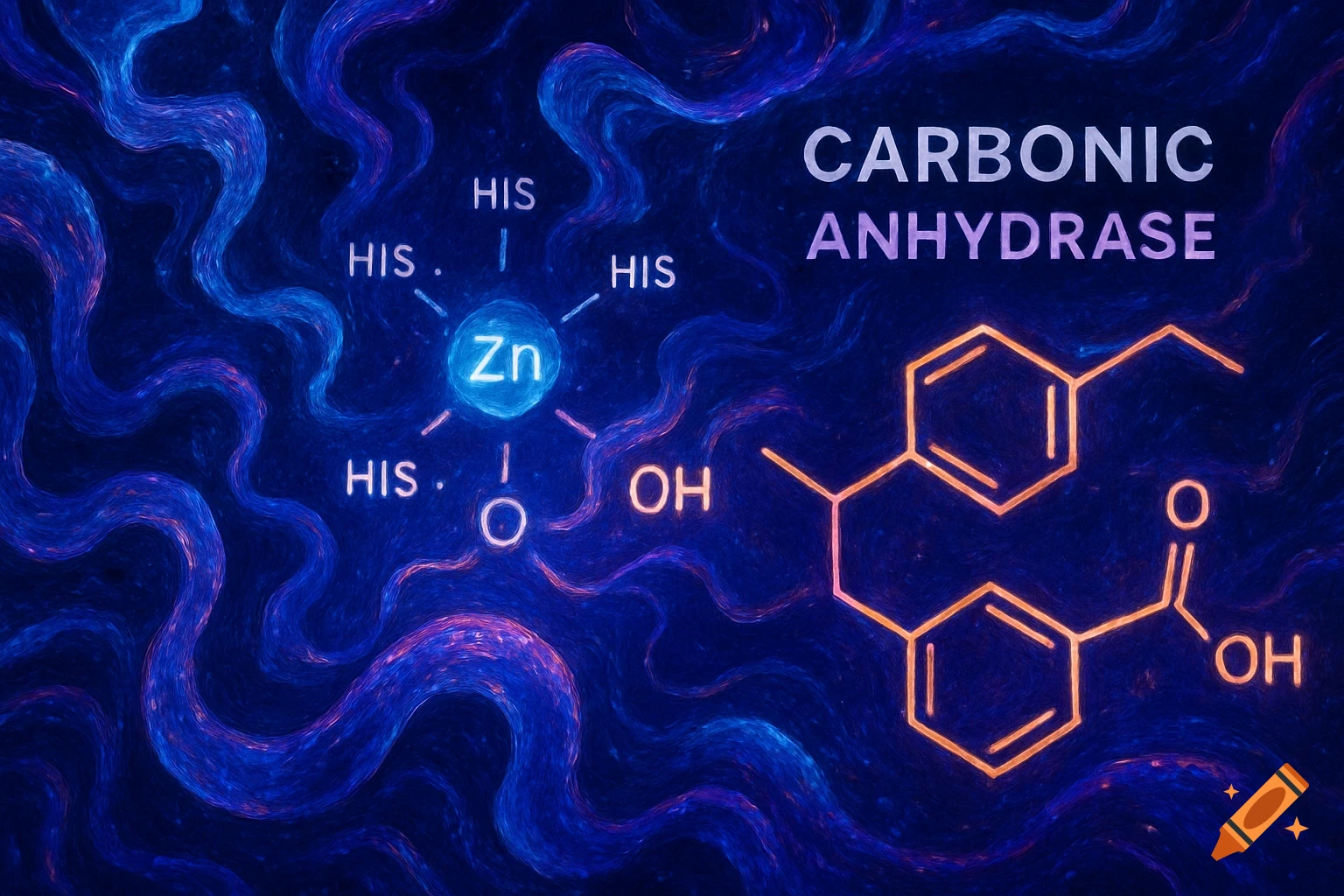
Abstract vibrant blue chemical illustration of Carbonic Anhydrase with glowing structures, including a Zn atom and an organic molecule.
یه عکس جذاب برام اماده کنمن میخوام برای مقالم یه گرافیکال ابستکرت رسم کنم نیاز به ایده دارم Abstract Carbonic anhydrases (CAs) are zinc-dependent metalloenzymes that play a pivotal role in the reversible hydration of carbon dioxide and the maintenance of acid–base homeostasis. In light of the adverse effects associated with conventional sulfonamide-based inhibitors, boronic acid derivatives have emerged as promising alternatives. In this study, we employed density functional theory (DFT) calculations at the B3LYP/6-311+G** level to elucidate the inhibition mechanism of selected boronic acid derivatives toward human α-carbonic anhydrase II (hCA II). The active site model, comprising Zn²⁺ coordinated by three histidine residues and a hydroxide ion, was optimized in both gas phase and lipophilic solvent environments. Potential energy surface (PES) scans revealed a square-planar transition state and a stable intermediate along the reaction pathway. Transition state structures were validated using QST2, intrinsic reaction coordinate (IRC), and vibrational frequency analyses. Among the studied inhibitors, [1,1'-biphenyl]-4-yl boronic acid exhibited the lowest activation energy (54.68 kcal/mol), indicating superior binding affinity, while (E)-(4-methylstyryl) boronic acid demonstrated the highest barrier (62.14 kcal/mol), consistent with experimental observations. Frontier molecular orbital analysis and deprotonation enthalpy calculations further corroborated the inhibitory potency See more