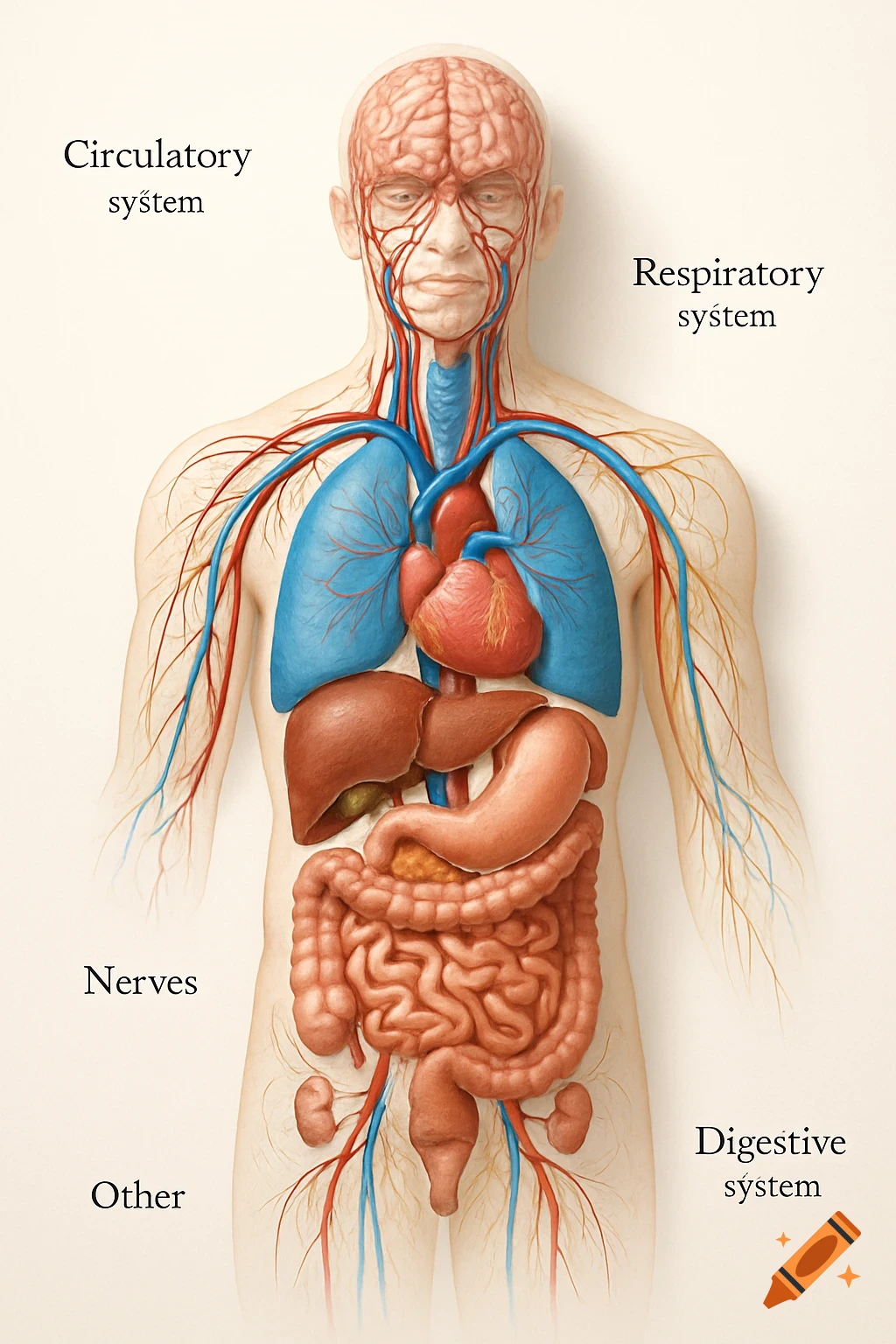
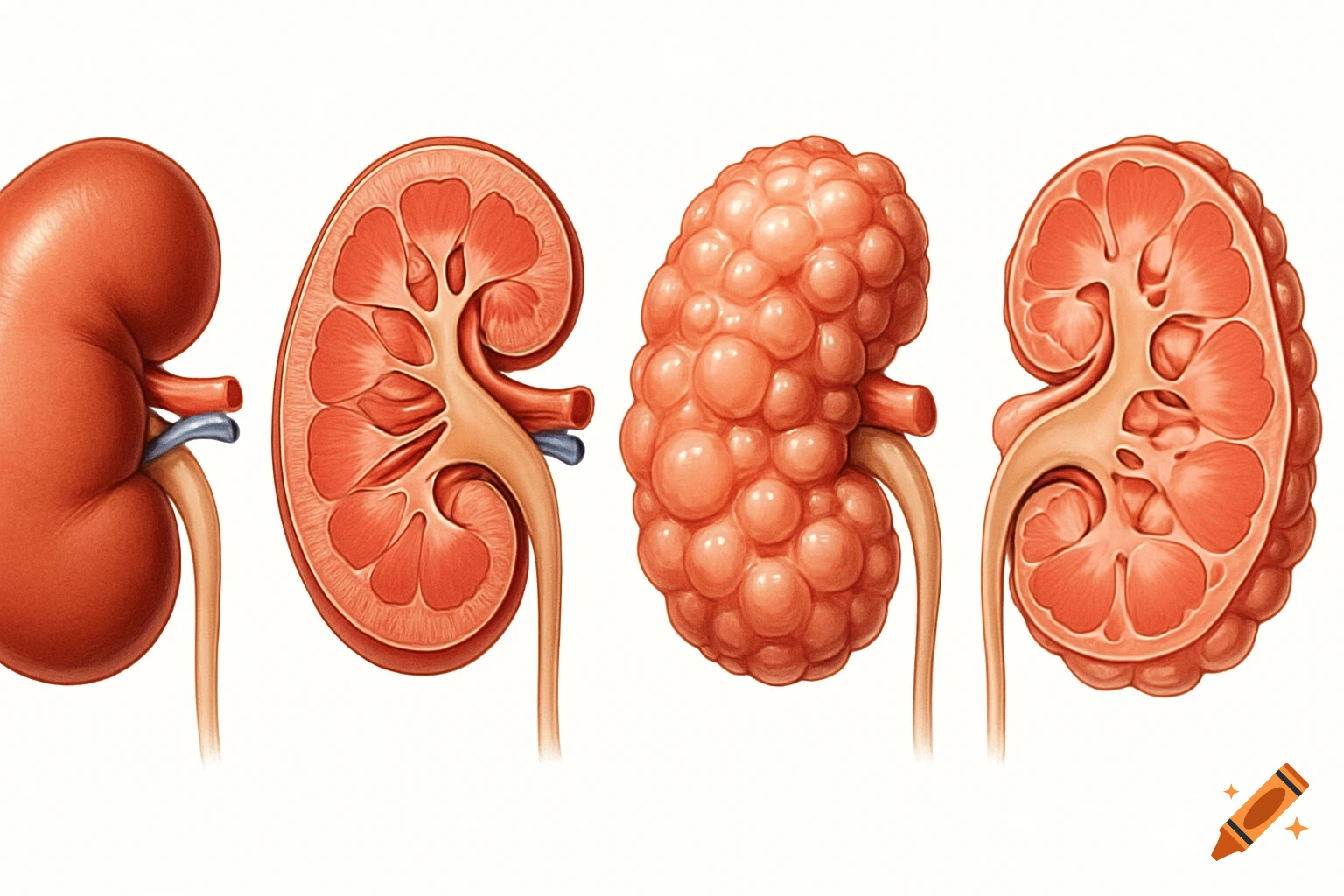
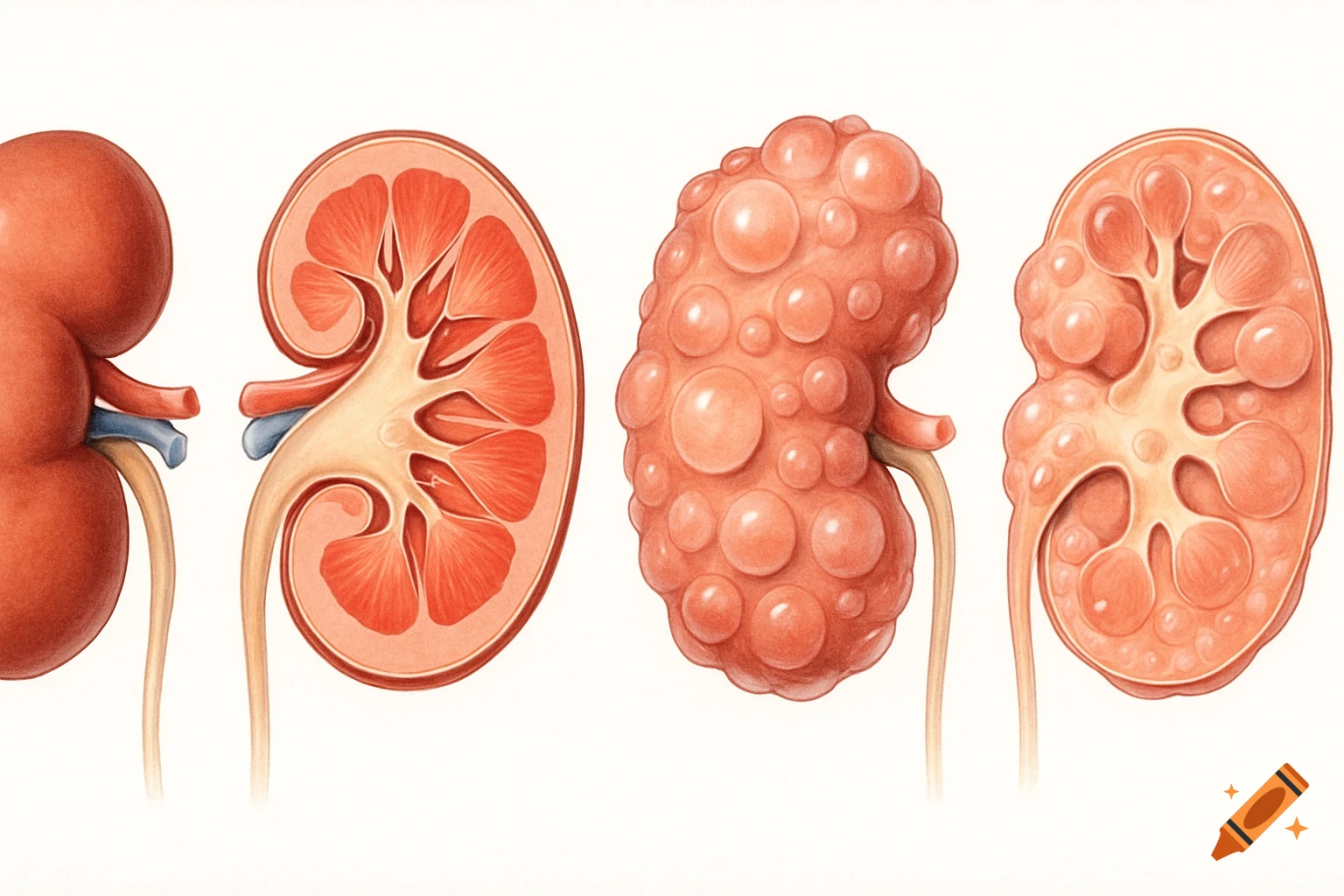
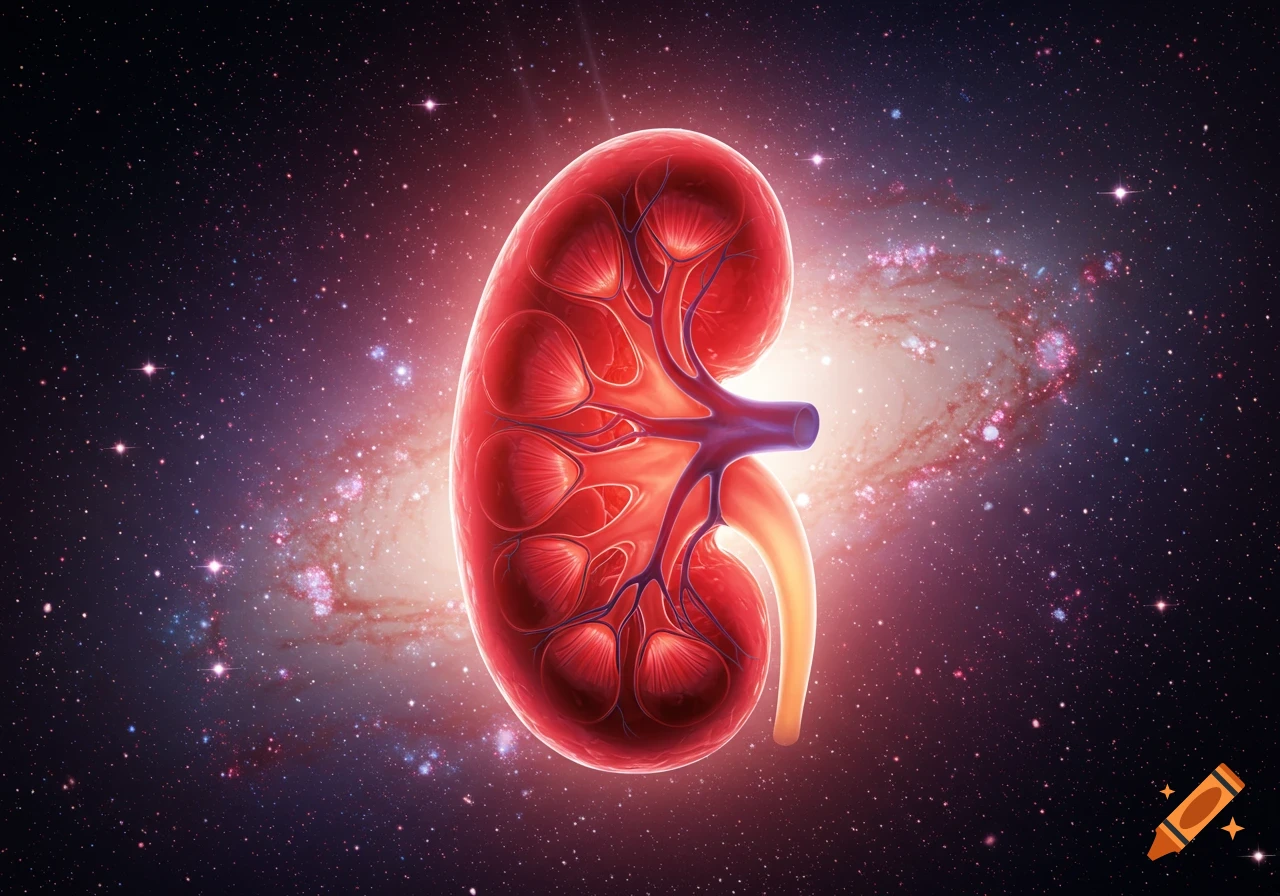
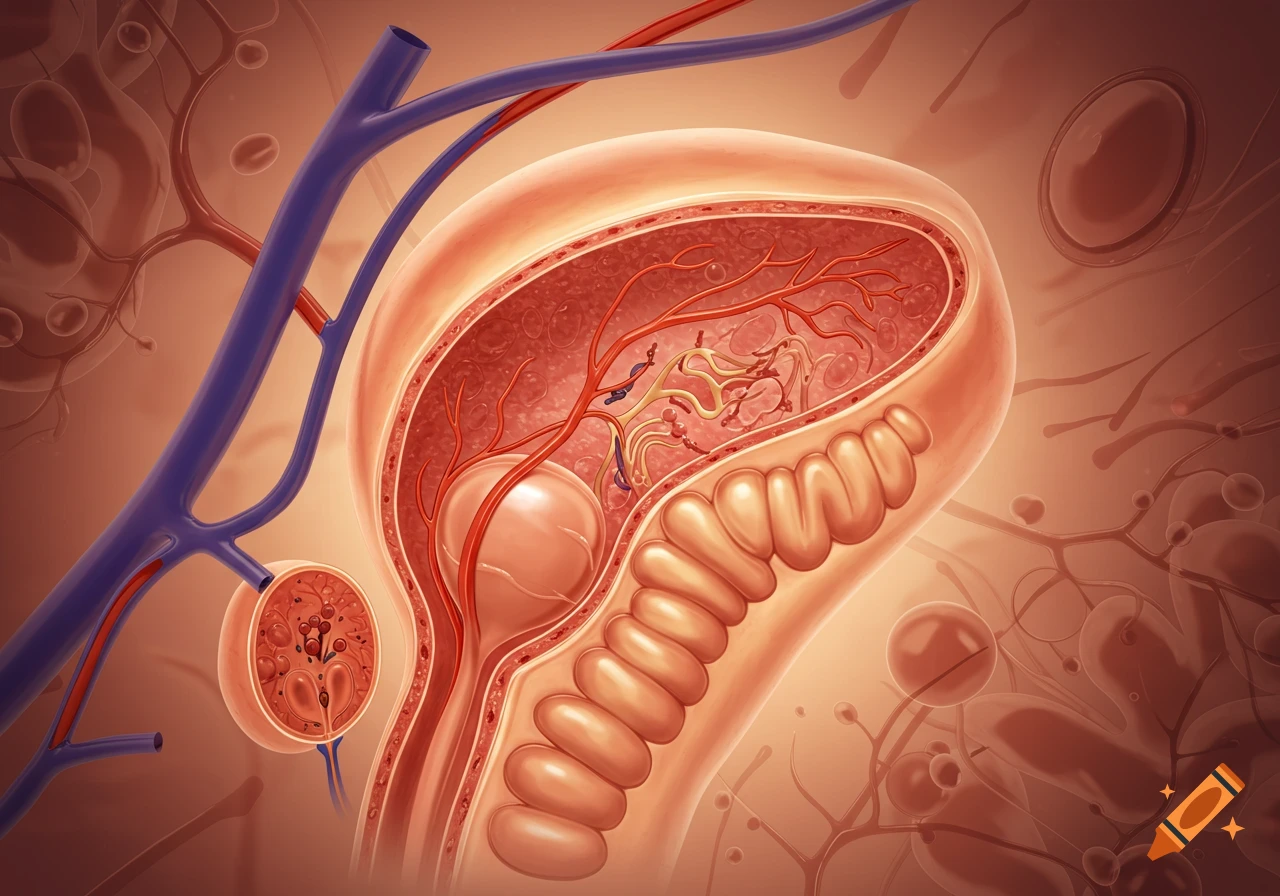
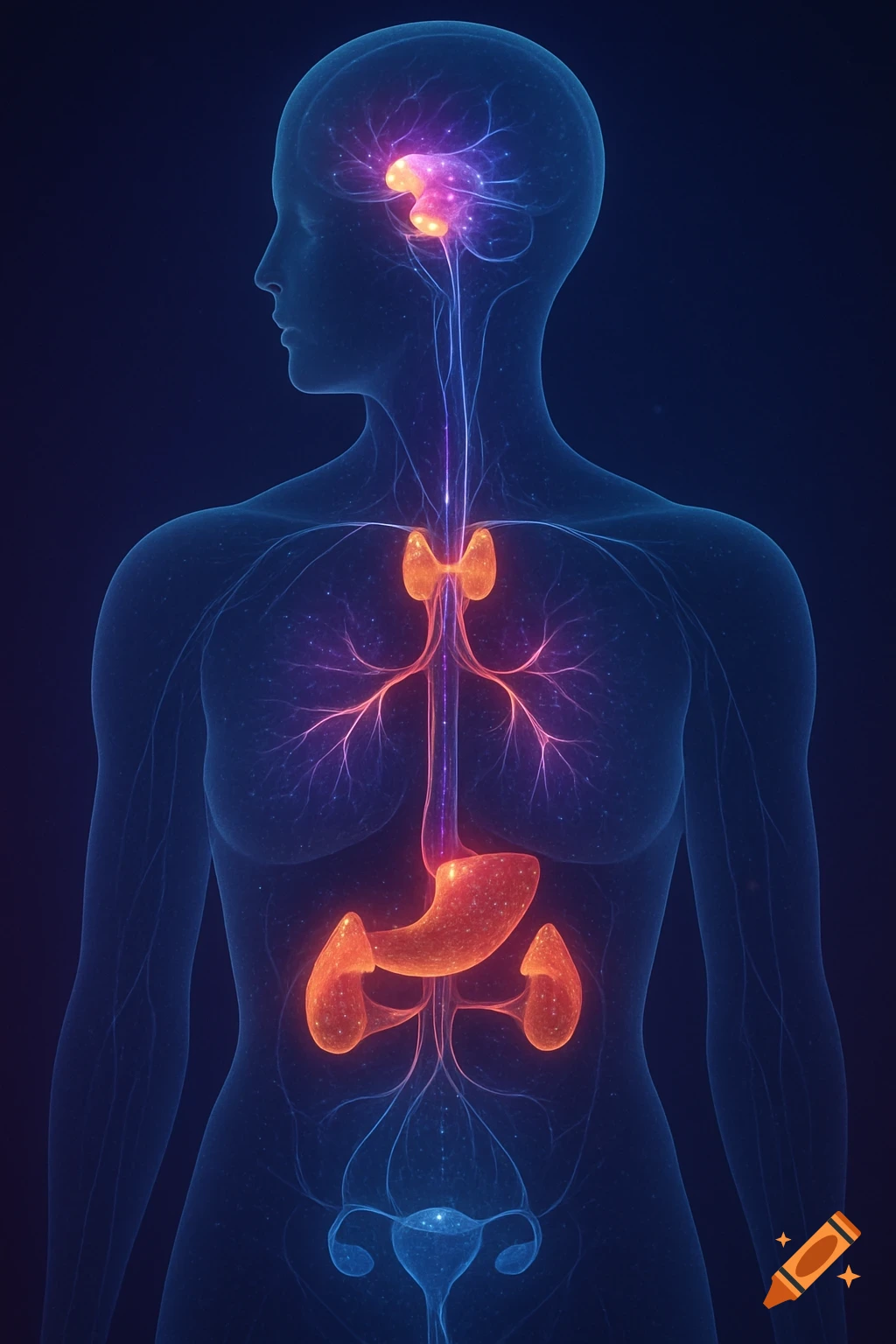
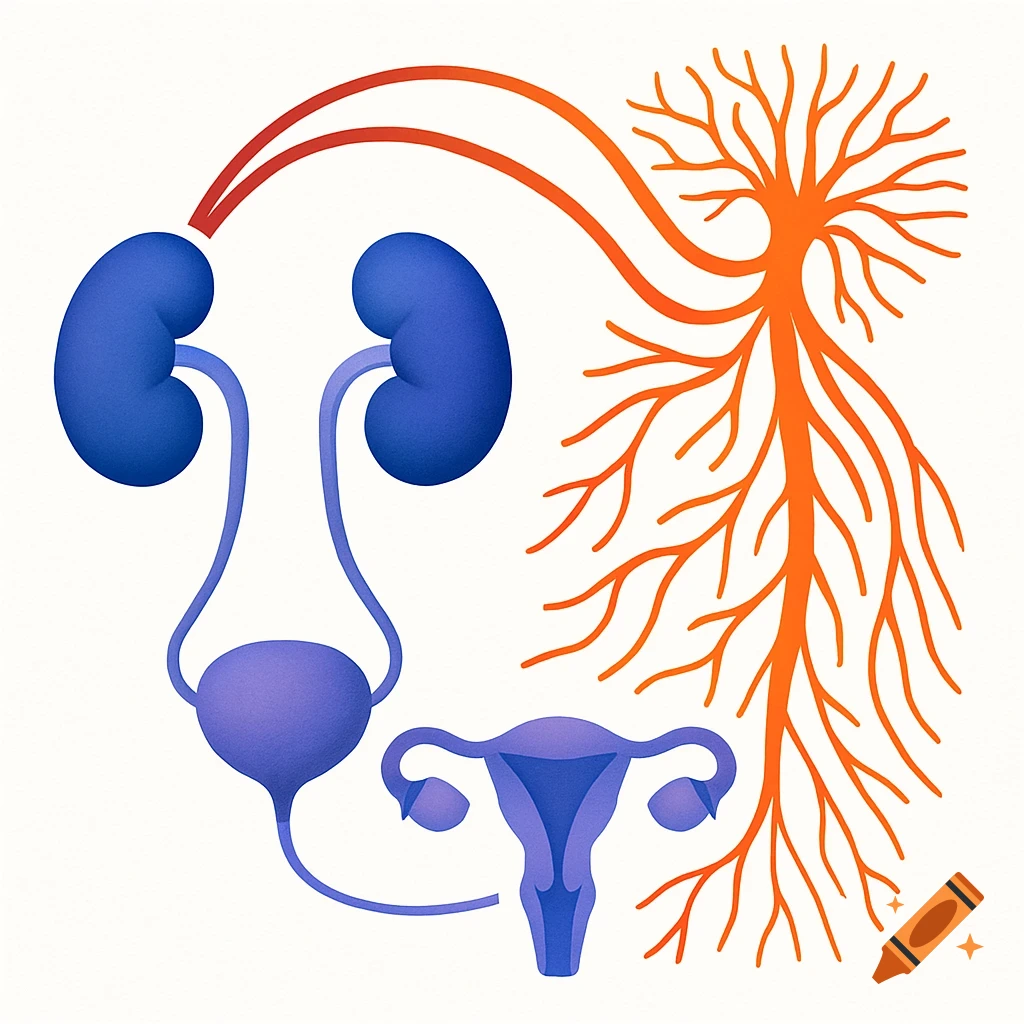
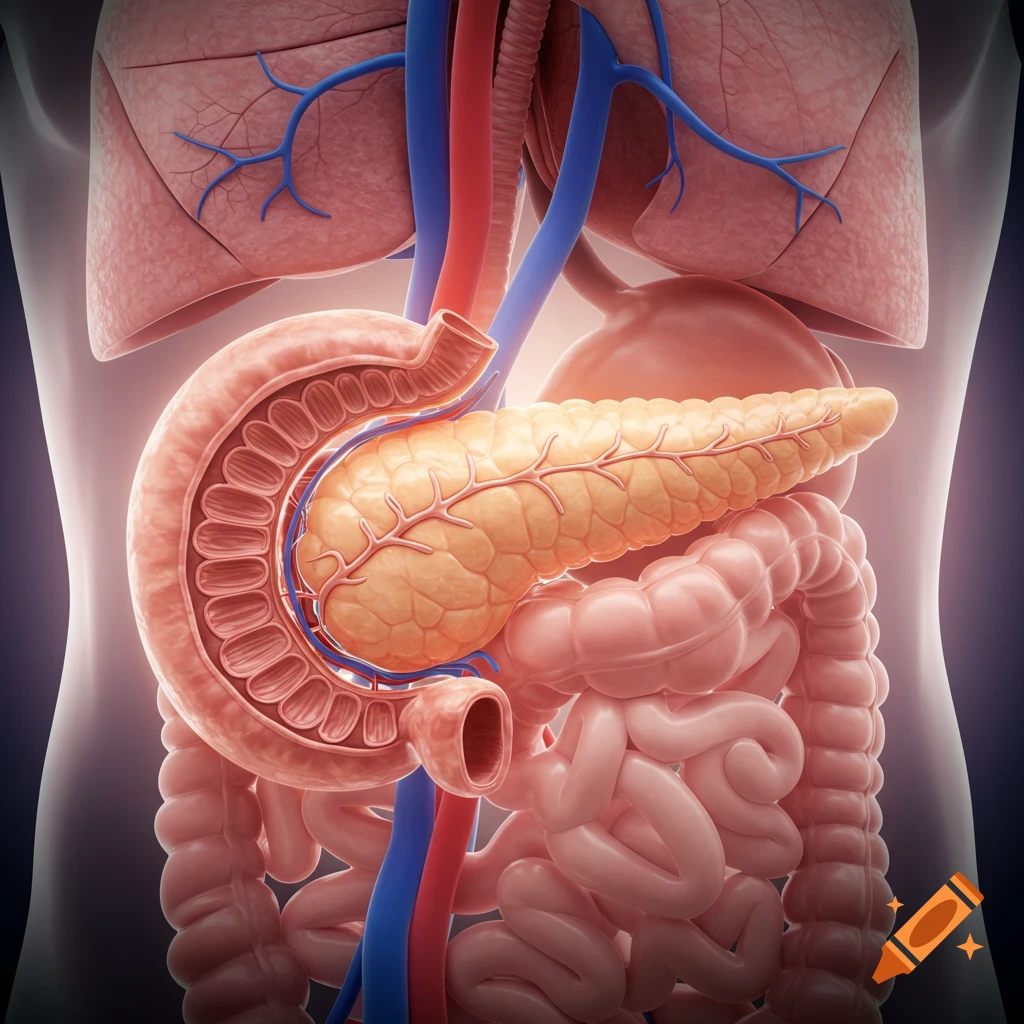
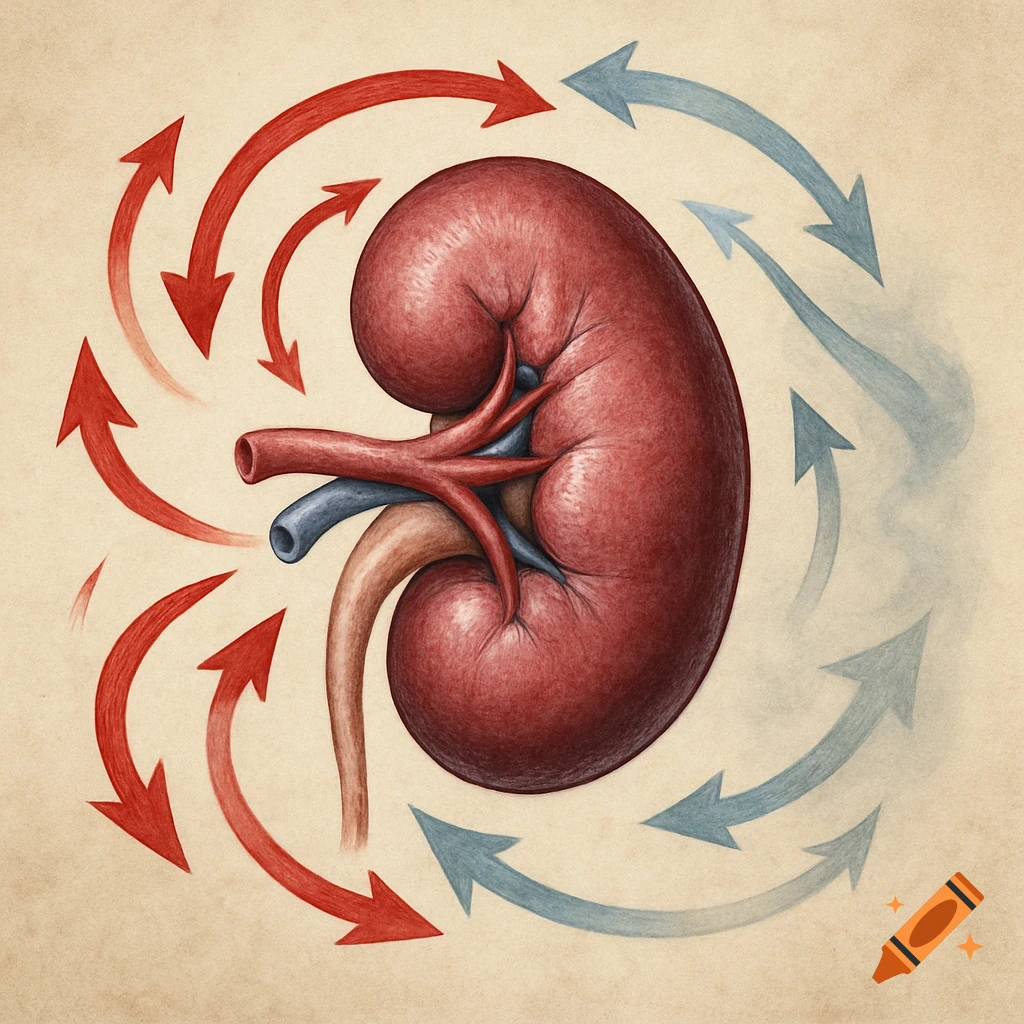
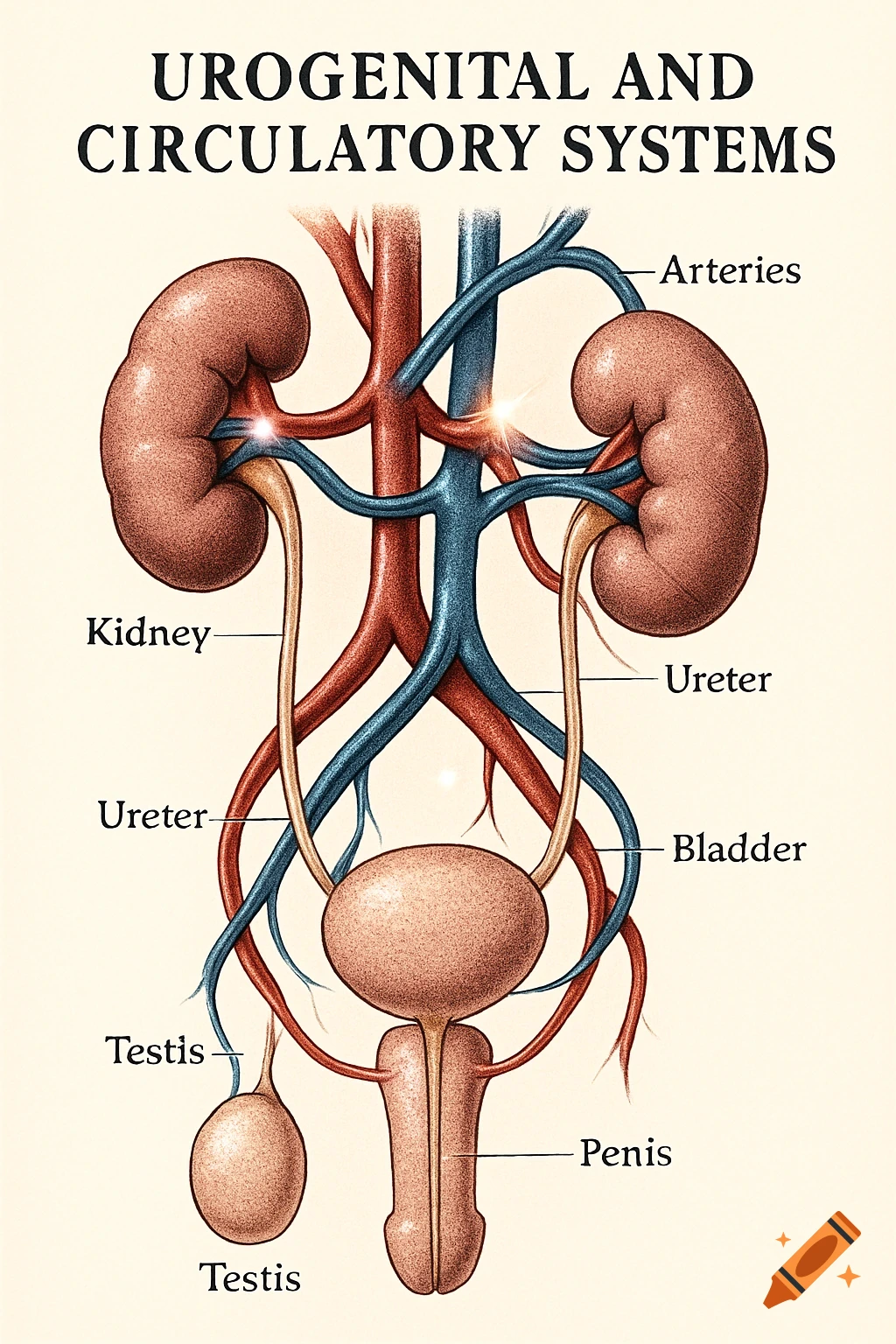
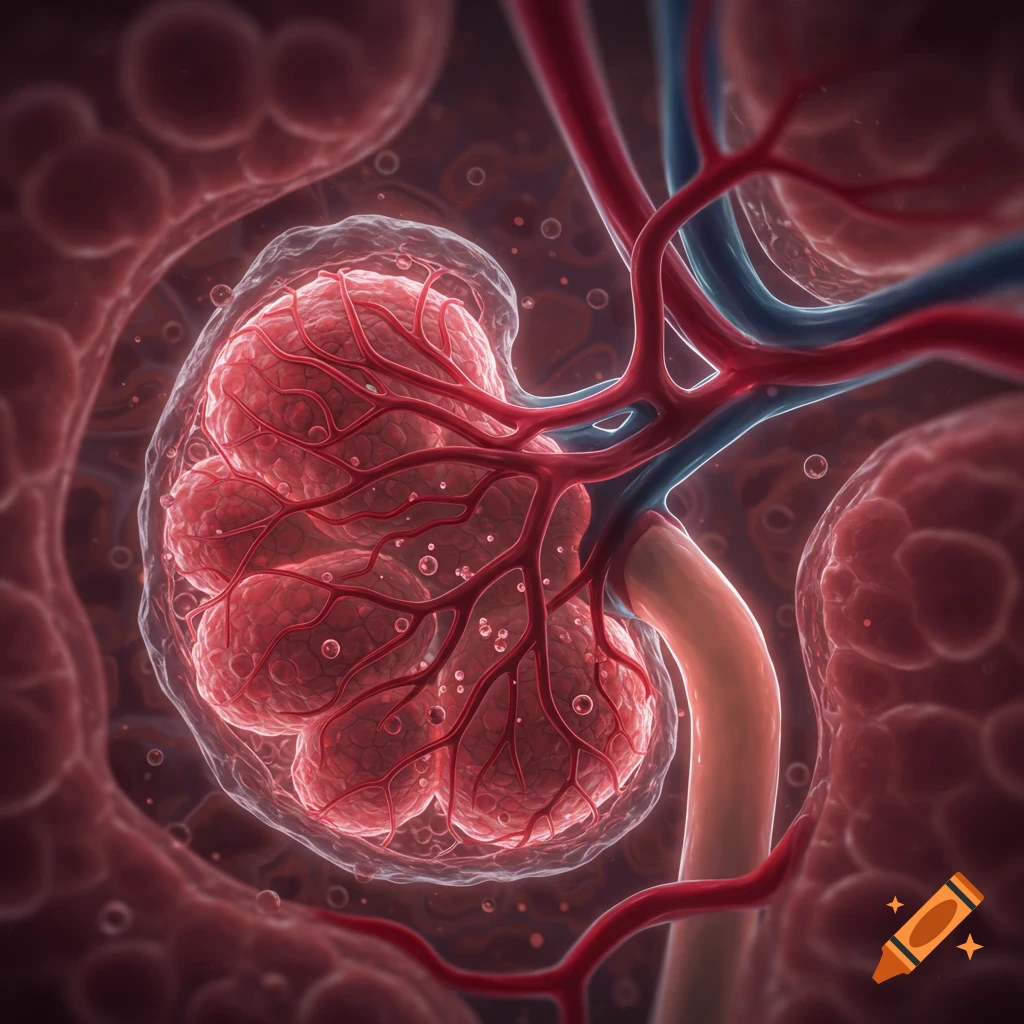
A diagram showing how the kidney regulates blood salts and urea concentrations based on high or low water intake, with ADH signal.
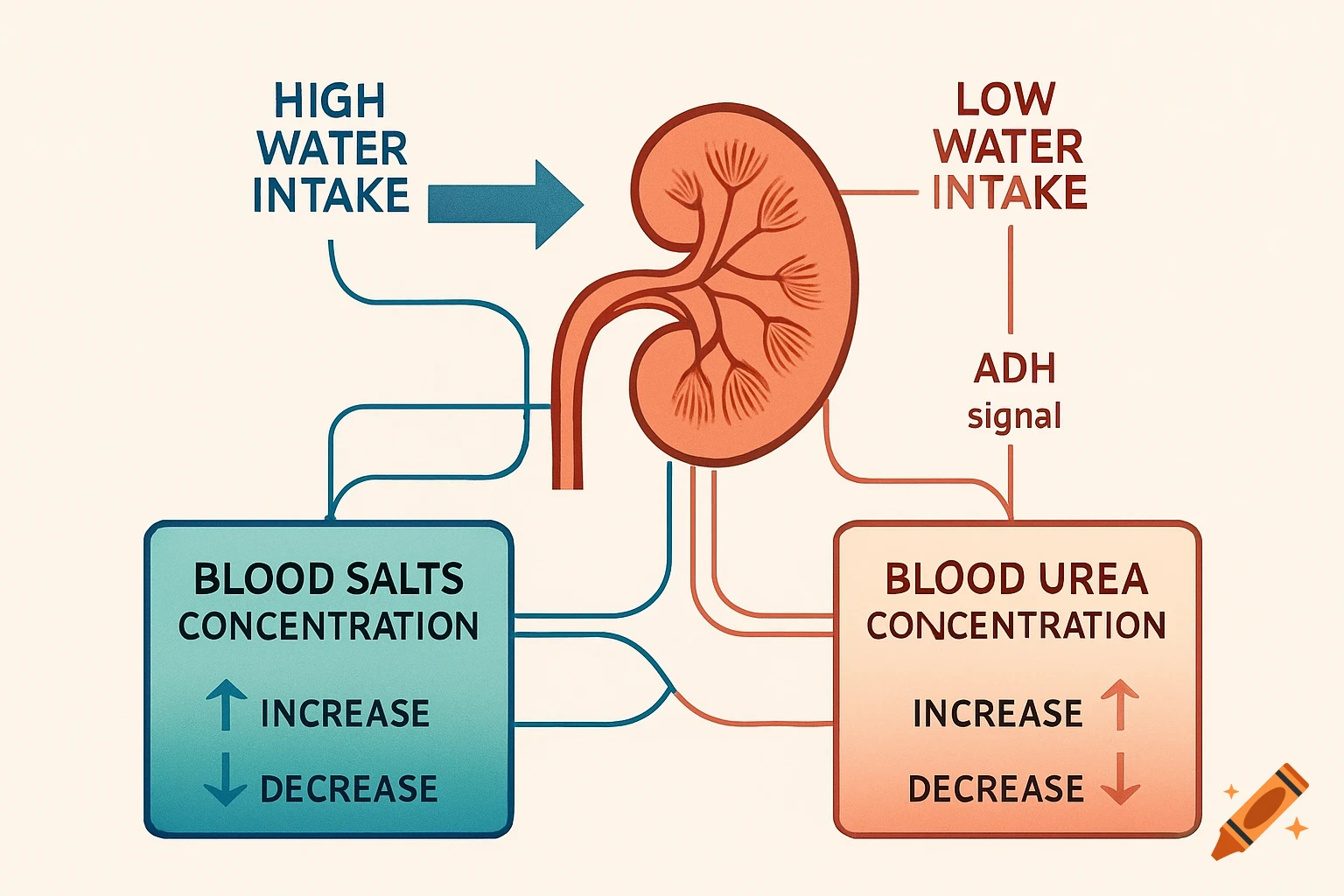
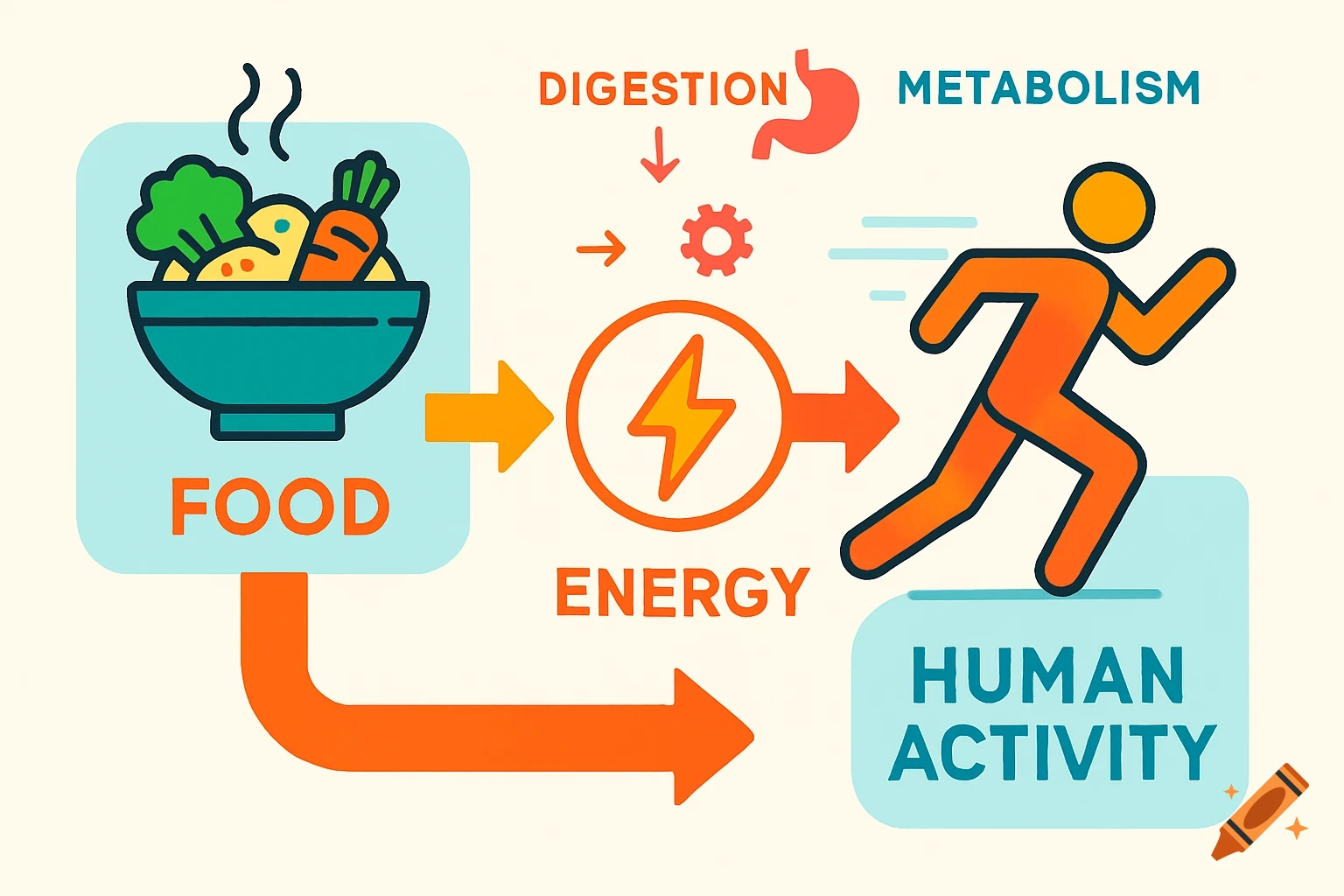
Input-Output Model for Question 2 (Solutes changing in blood):Input:Water Intake: You can represent this with an arrow pointing towards the "Kidney" or "Body" box, labeled "Decreased Water Intake" or "Increased Water Intake."Processing (Kidney/Body):Kidney: A box labeled "Kidney."Hormonal Regulation: You might add a small box or arrow indicating "Hormonal Signals" (like ADH) that influence kidney function.Output:Blood Solute Concentration: Arrows pointing away from the "Kidney/Body" to boxes labeled "Blood Salts Concentration" and "Blood Urea Concentration." You can use arrows indicating "Increased Concentration" or "Decreased Concentration" depending on the water intake. Glucose is not explicitly mentioned as changing in this context, so it wouldn't be a primary output for this specific question.Visual Representation Idea for Question 2:TextCopy[Water Intake (High/Low)] --> [Body/Kidney] --> [Blood Salts (High/Low)] | --> [Blood Urea (High/Low)] Input-Output Model for Question 3 (Changes in urine during exercise with more water):Input:Water Intake: An arrow pointing towards the "Kidney" or "Body" box, labeled "Increased Water Intake during Exercise."Exercise: You could add a box or icon representing "Exercise" as an additional input that might influence overall hydration and kidney function.Processing (Kidney/Body):Kidney: A box labeled "Kidney."Hormonal Regulation: Again, "Hormonal Signals" (like ADH) are relevant.Output:Urine Characteristics: Arrows pointing away from the See more