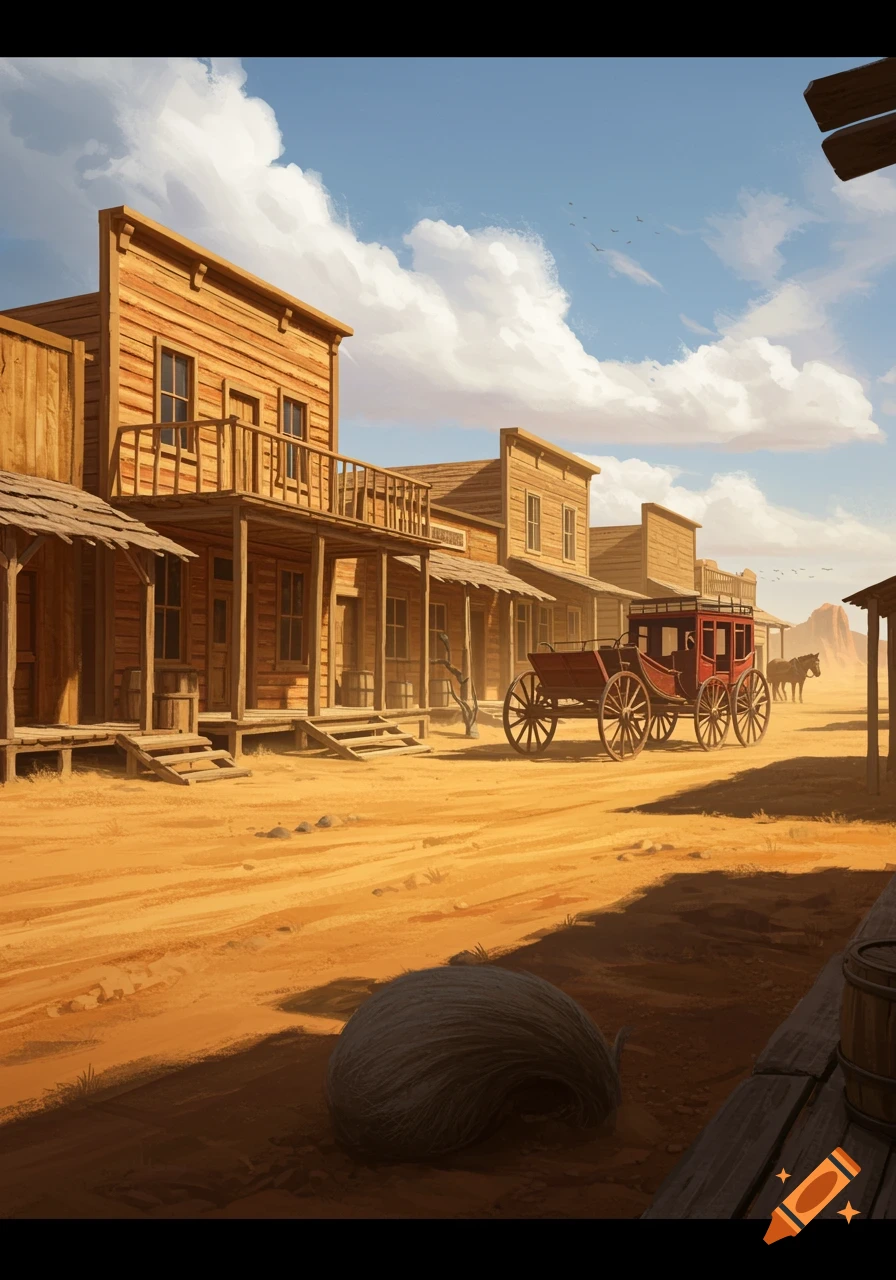
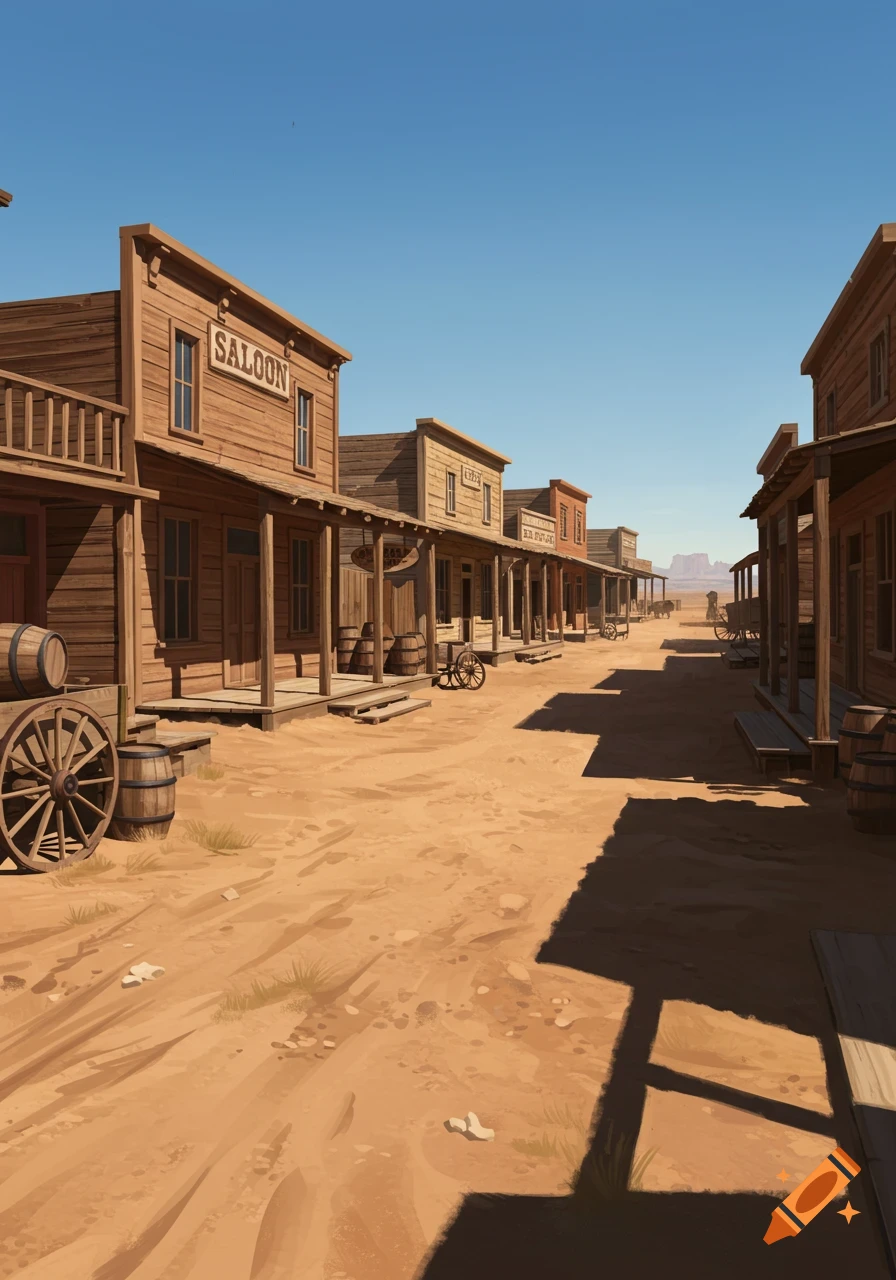
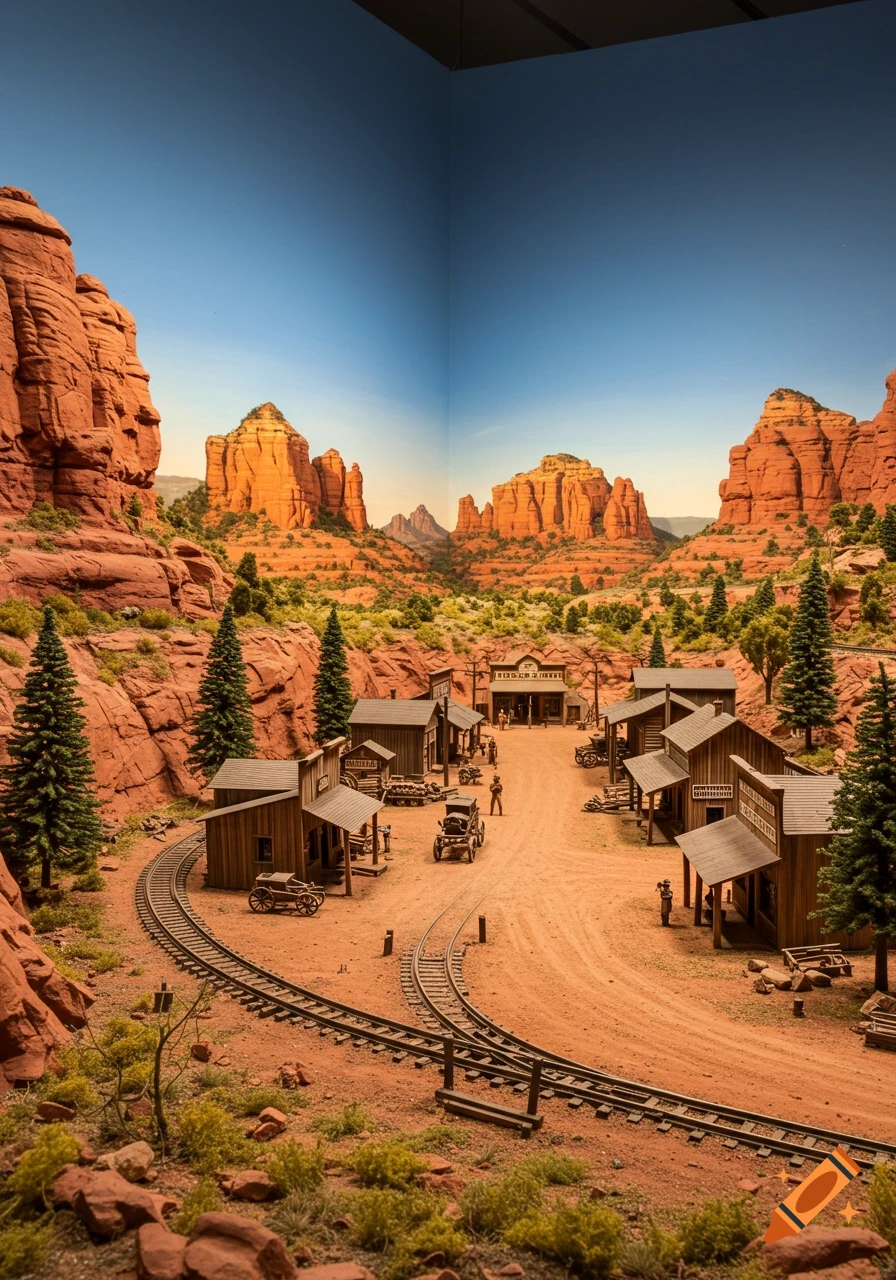
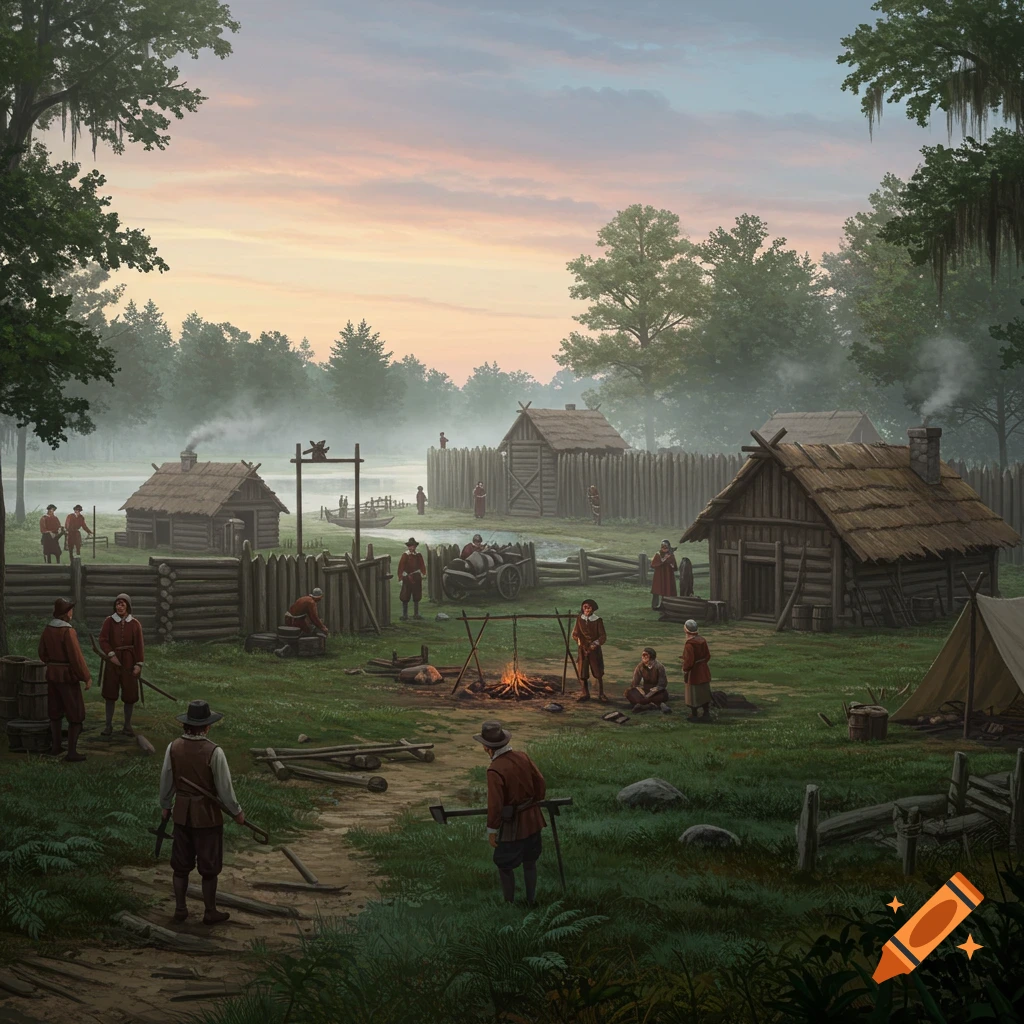
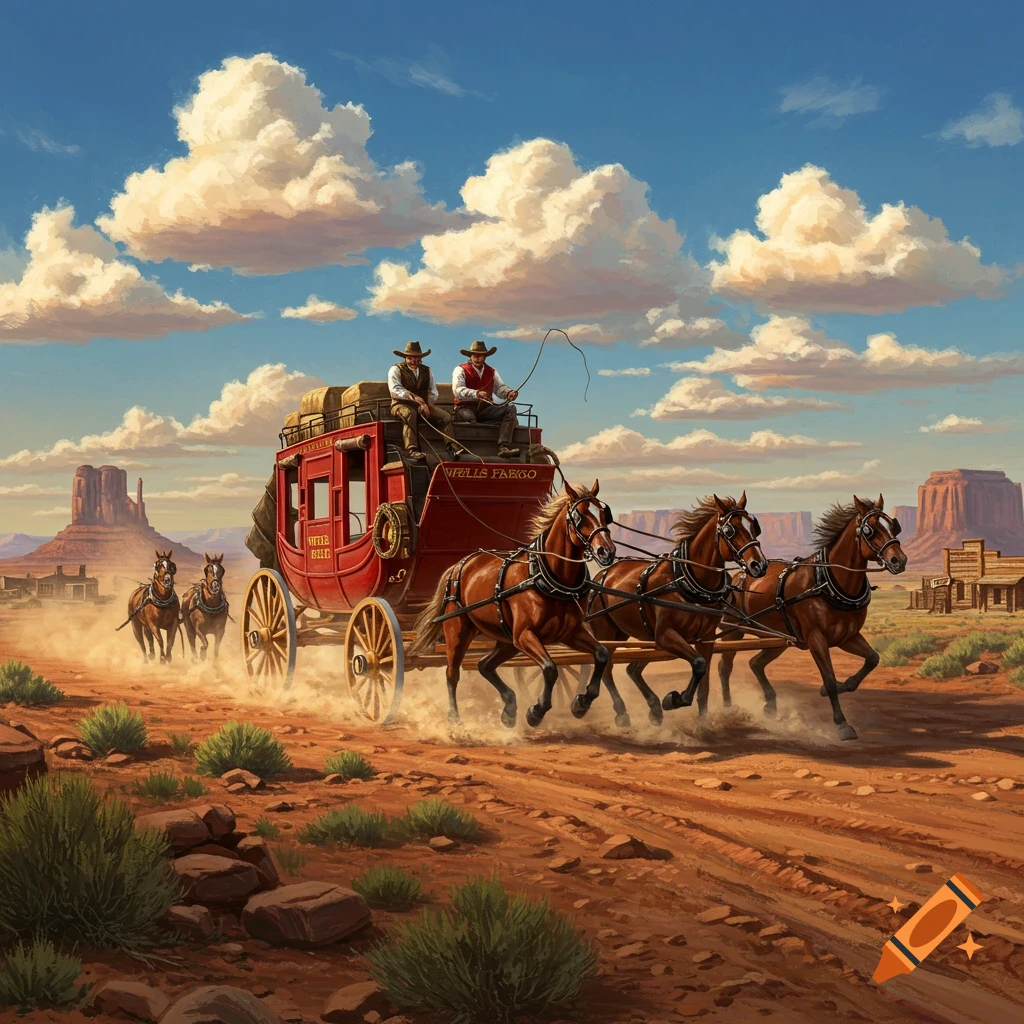
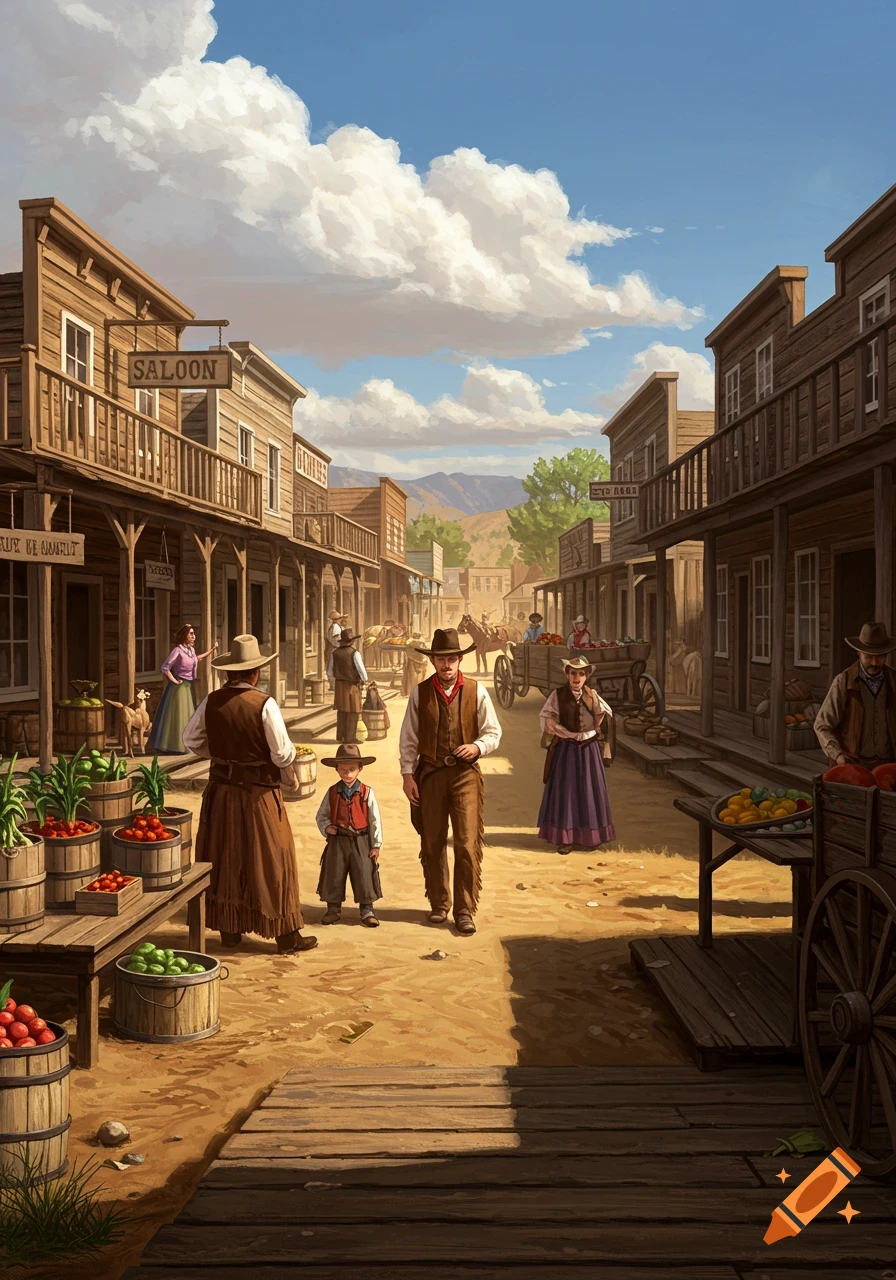
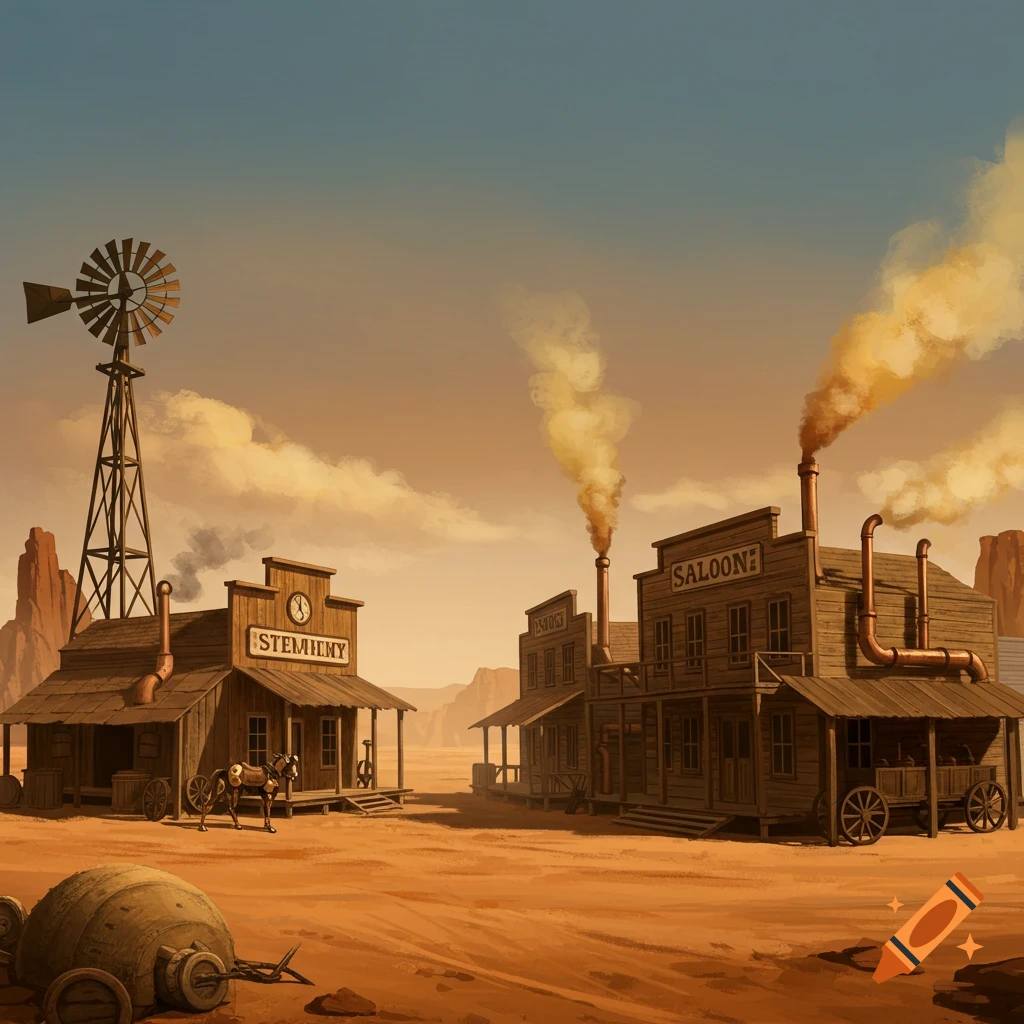
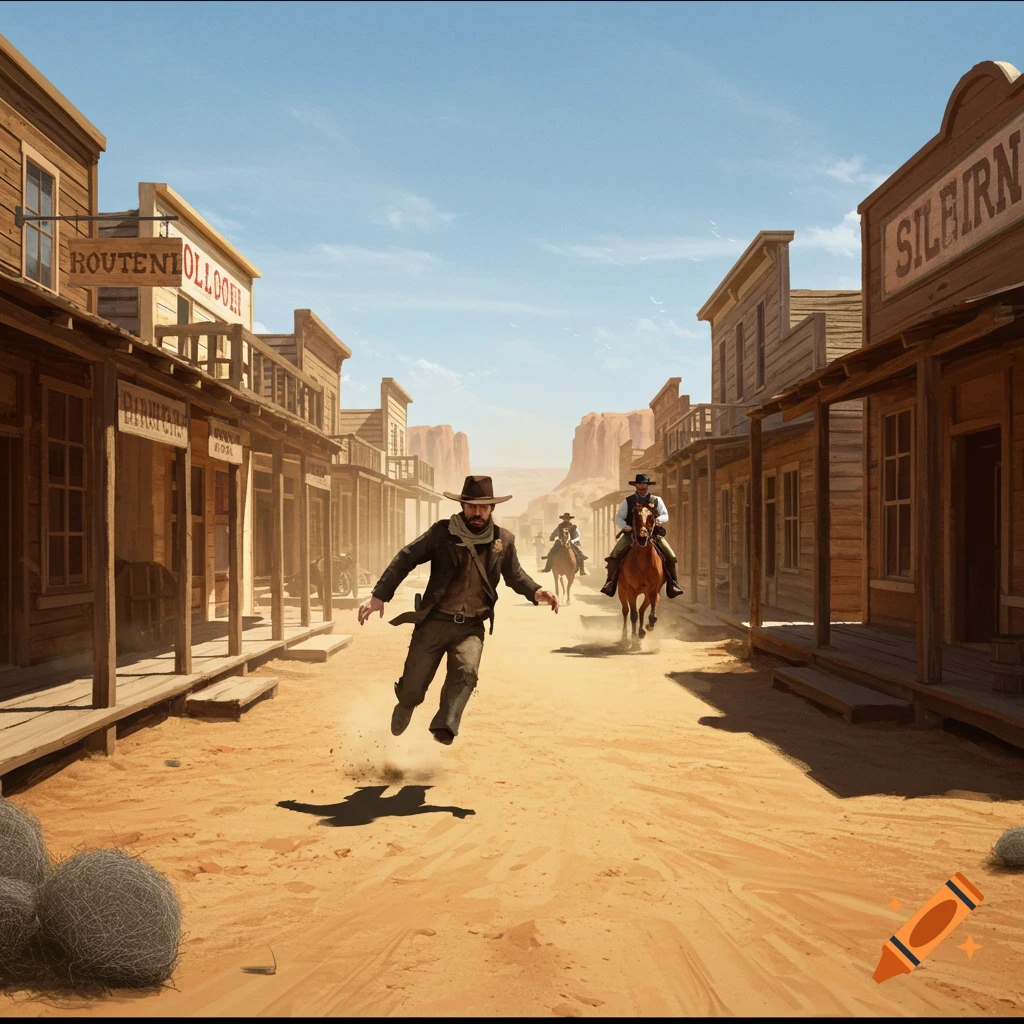
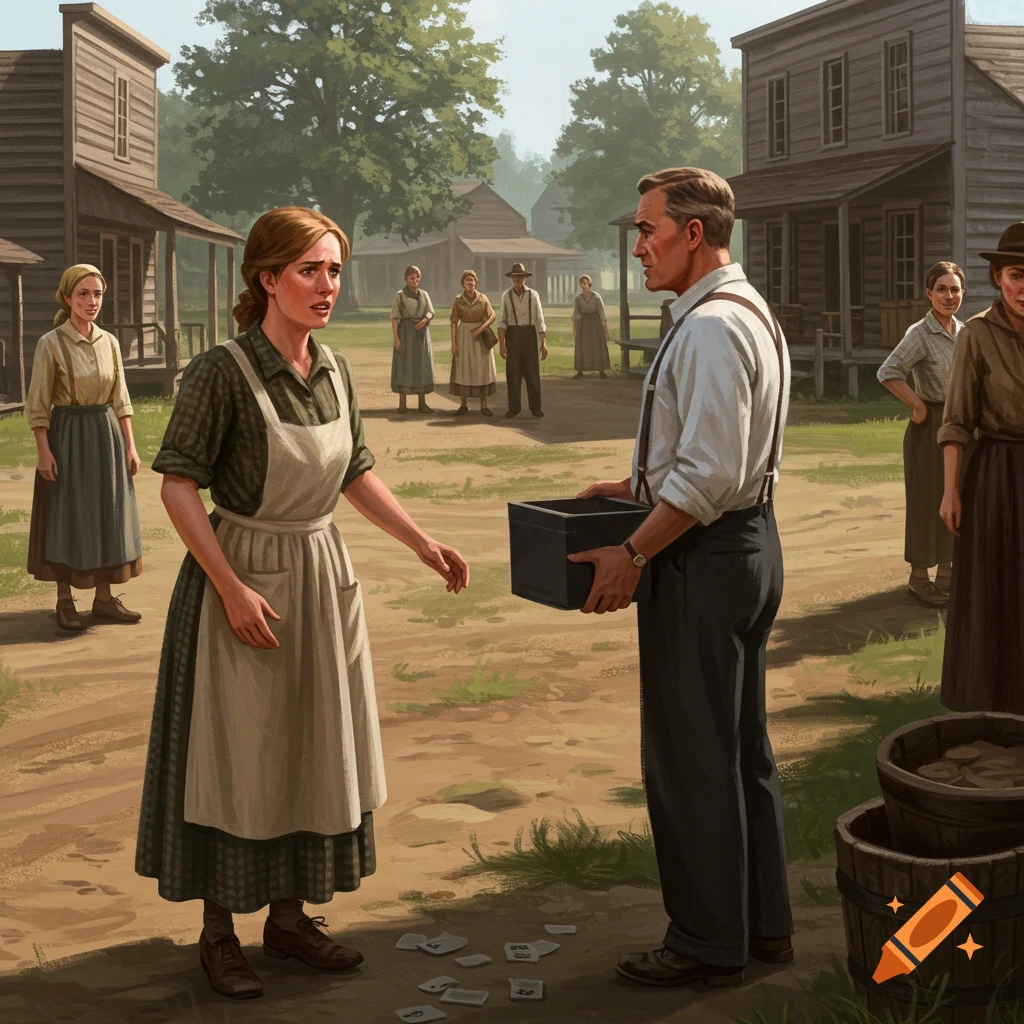
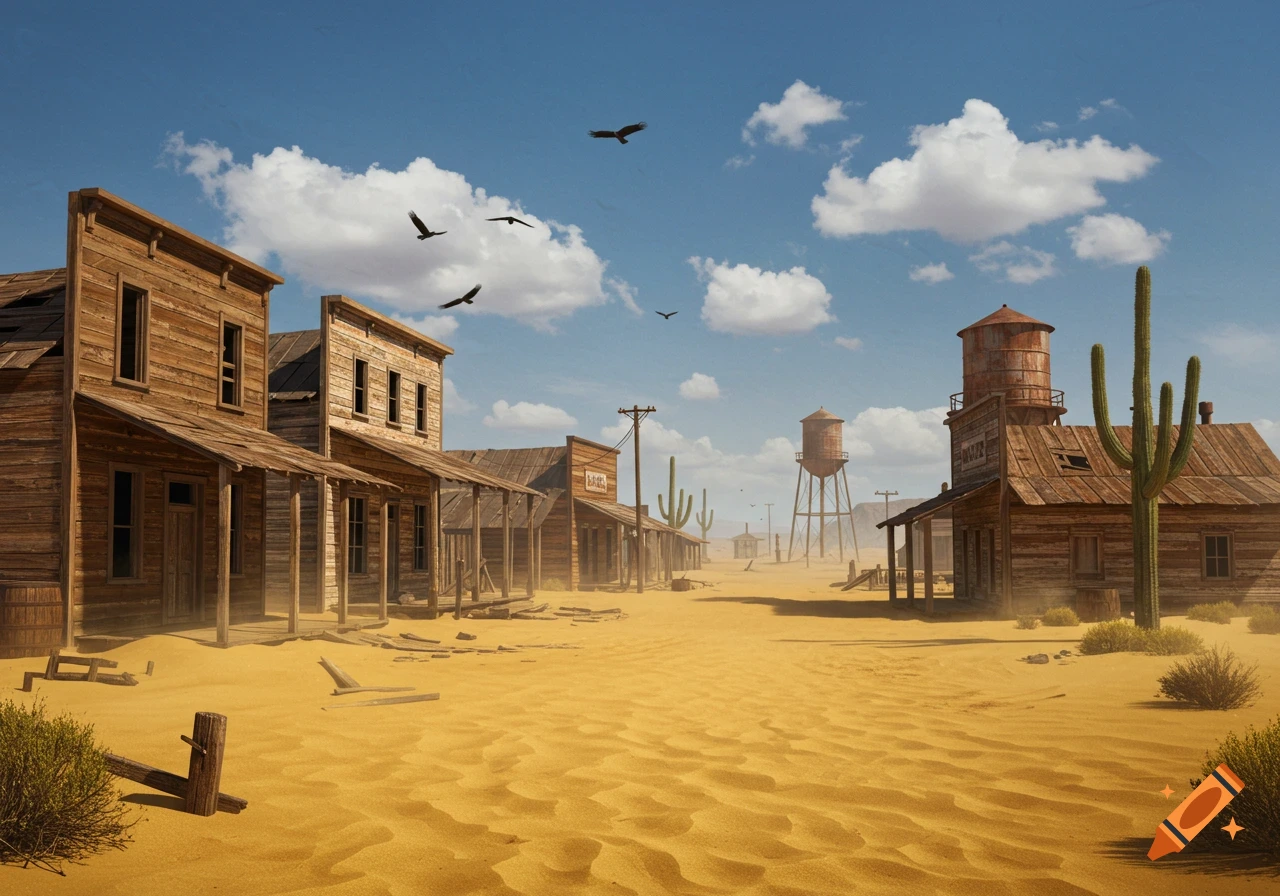
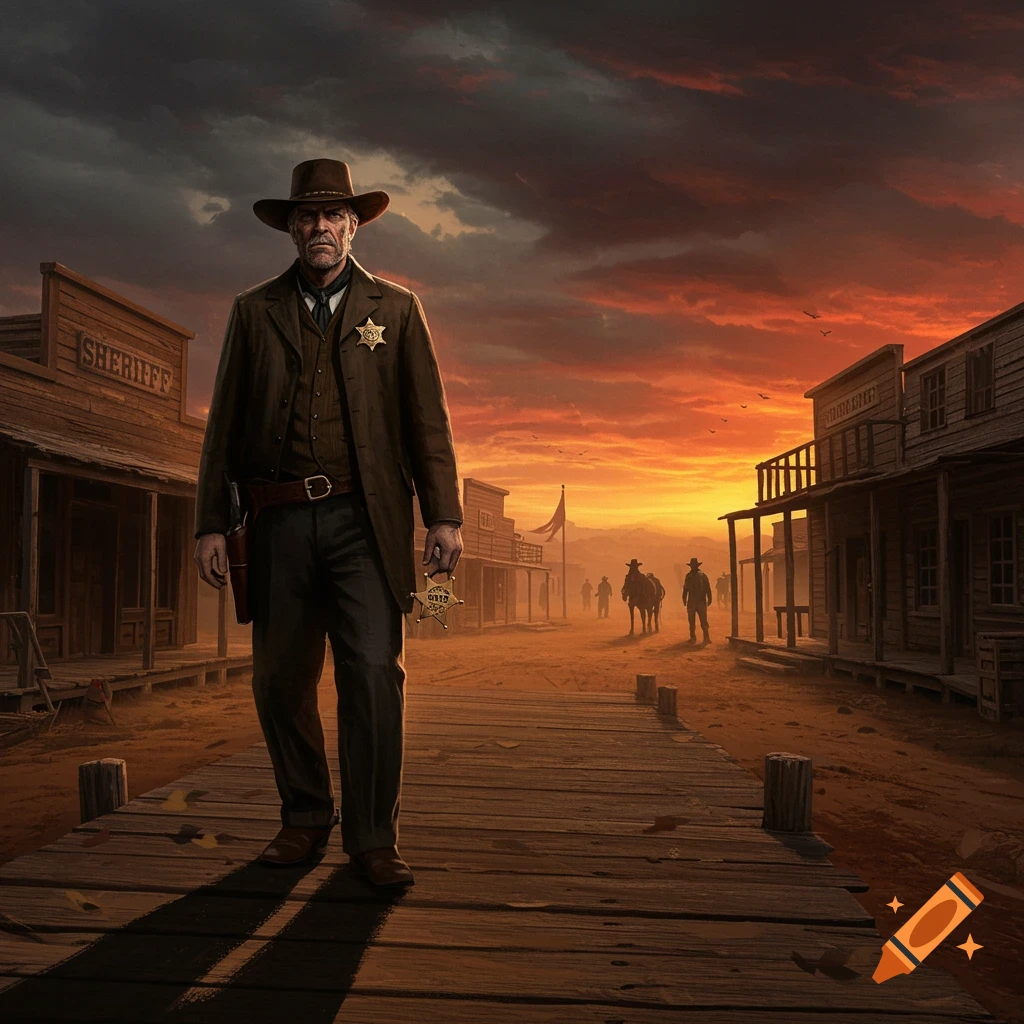
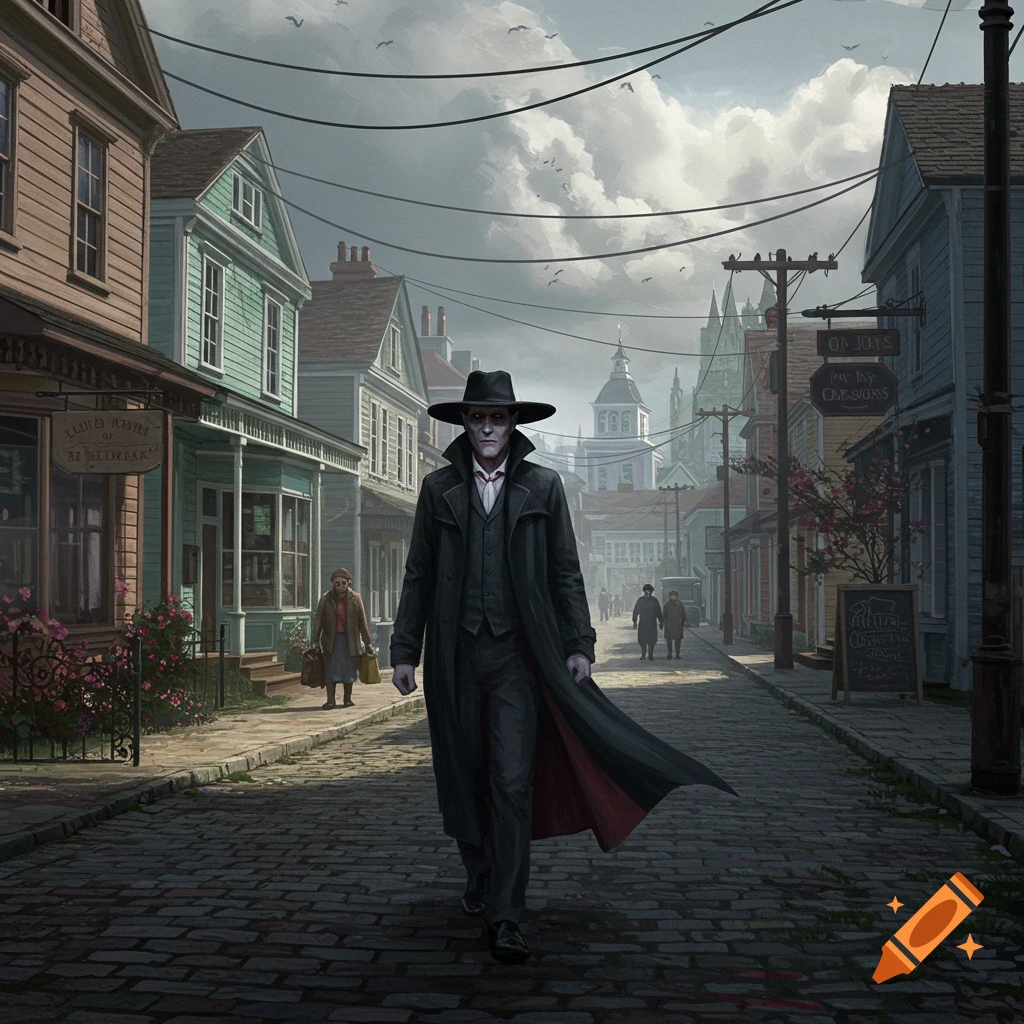
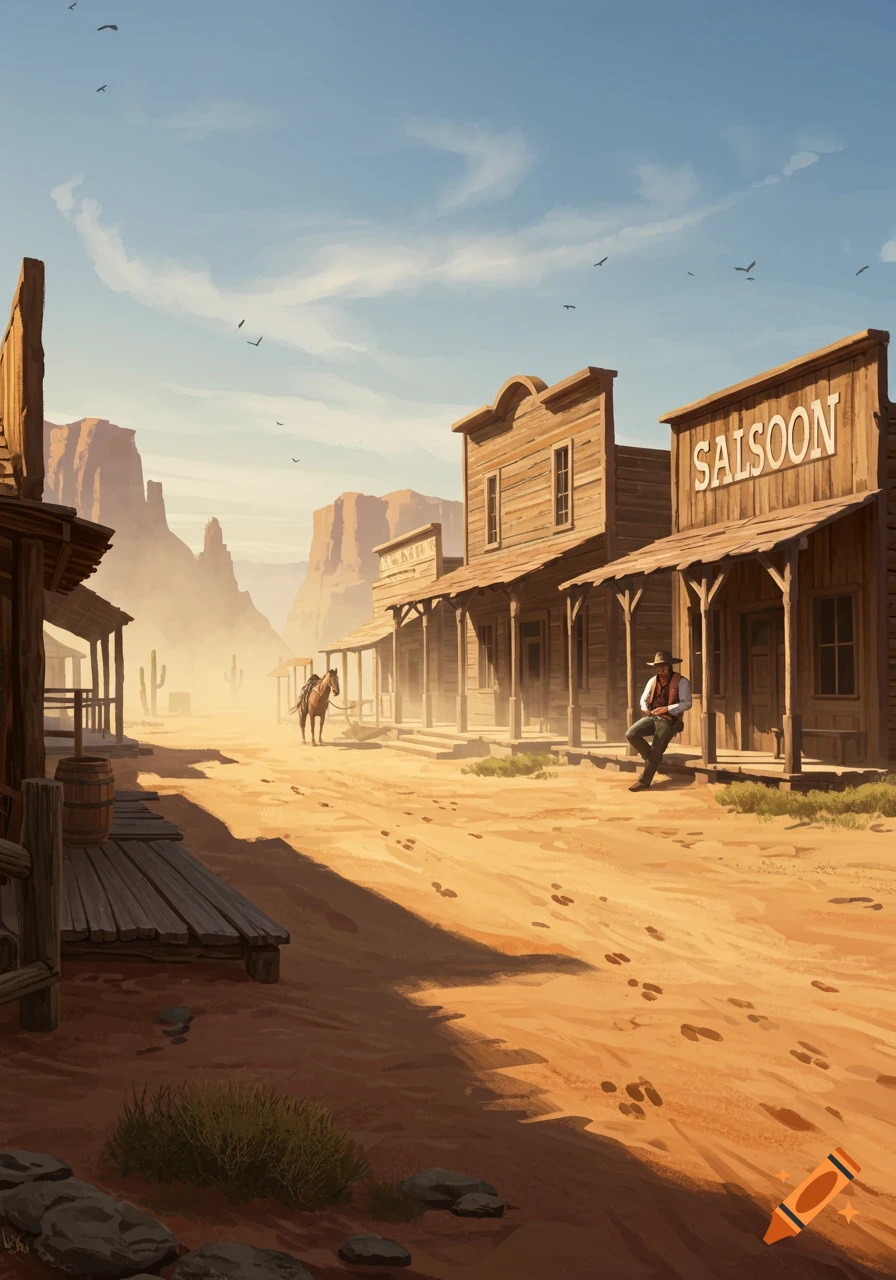
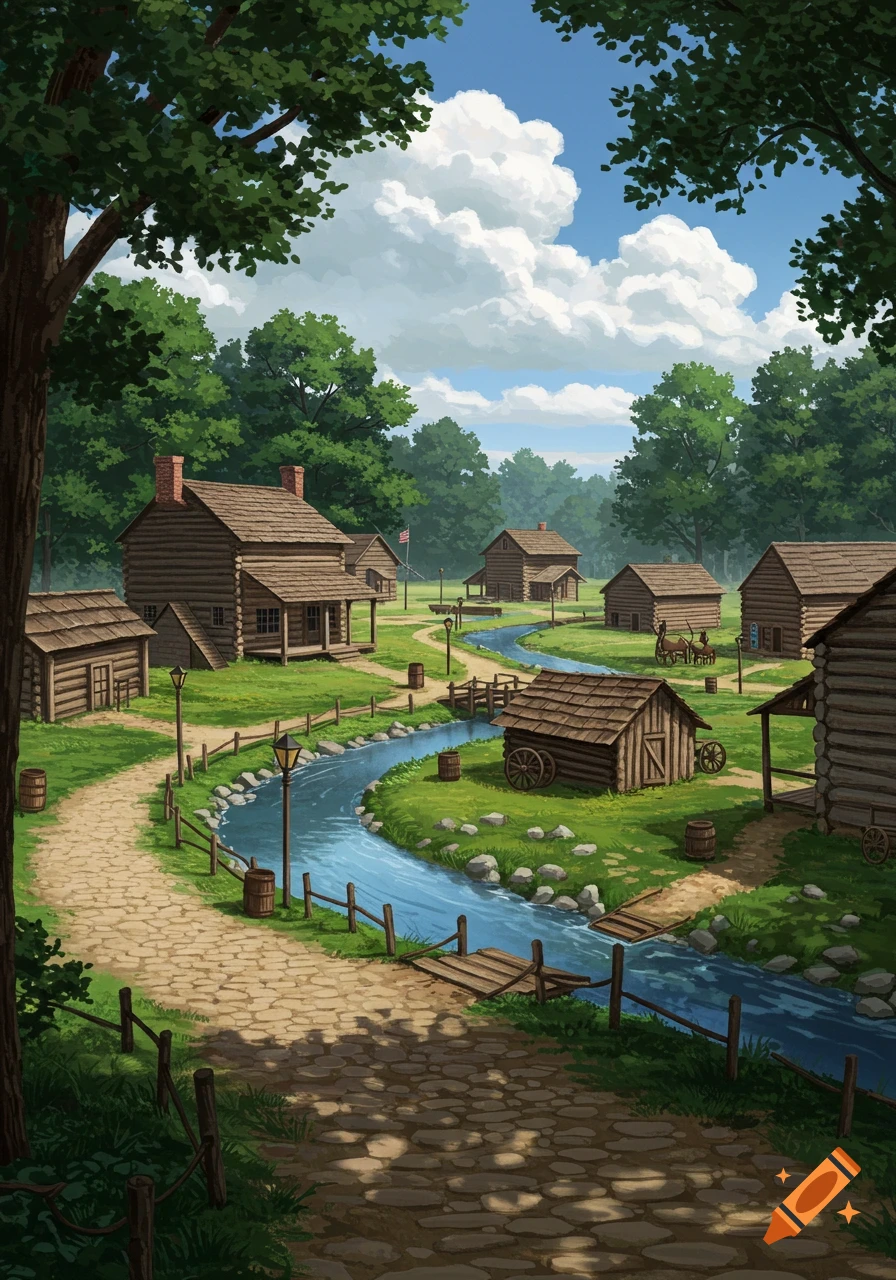
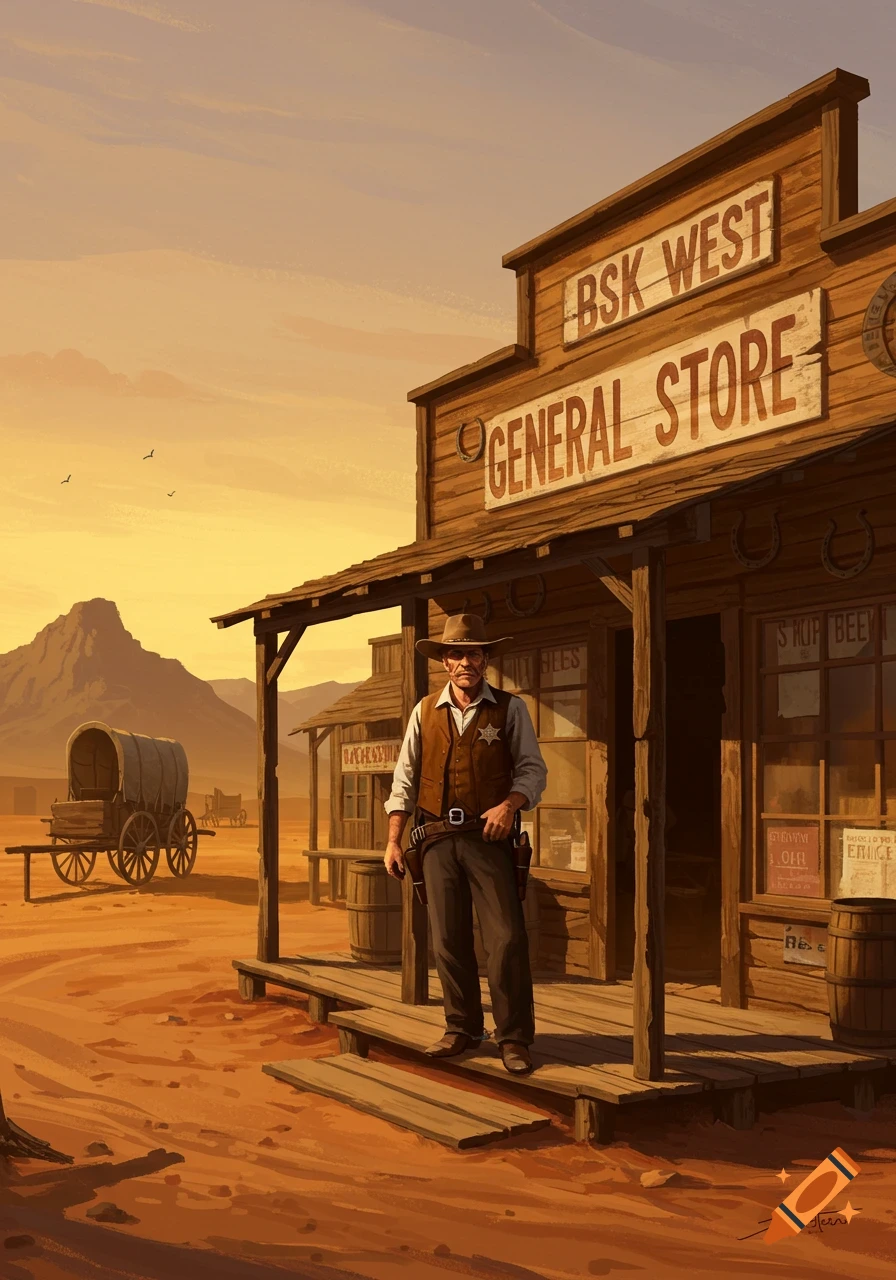
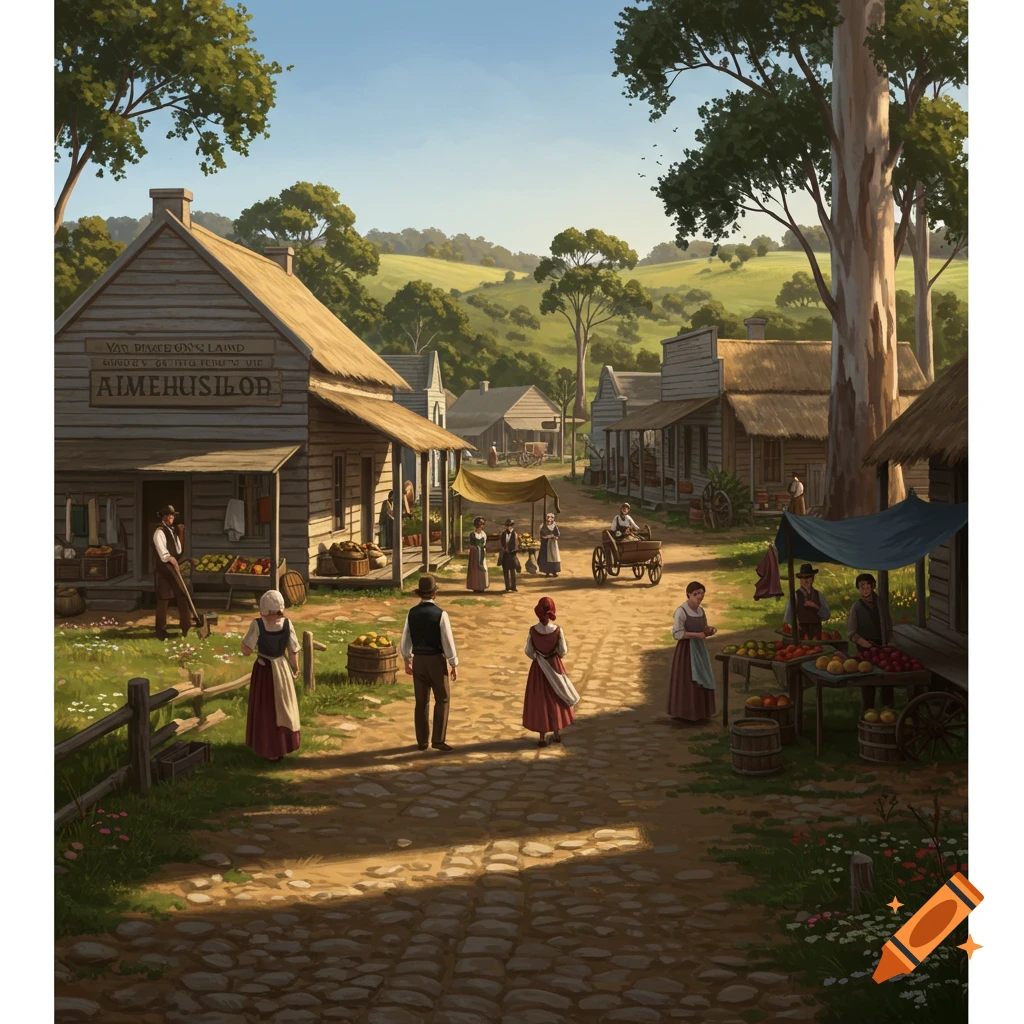
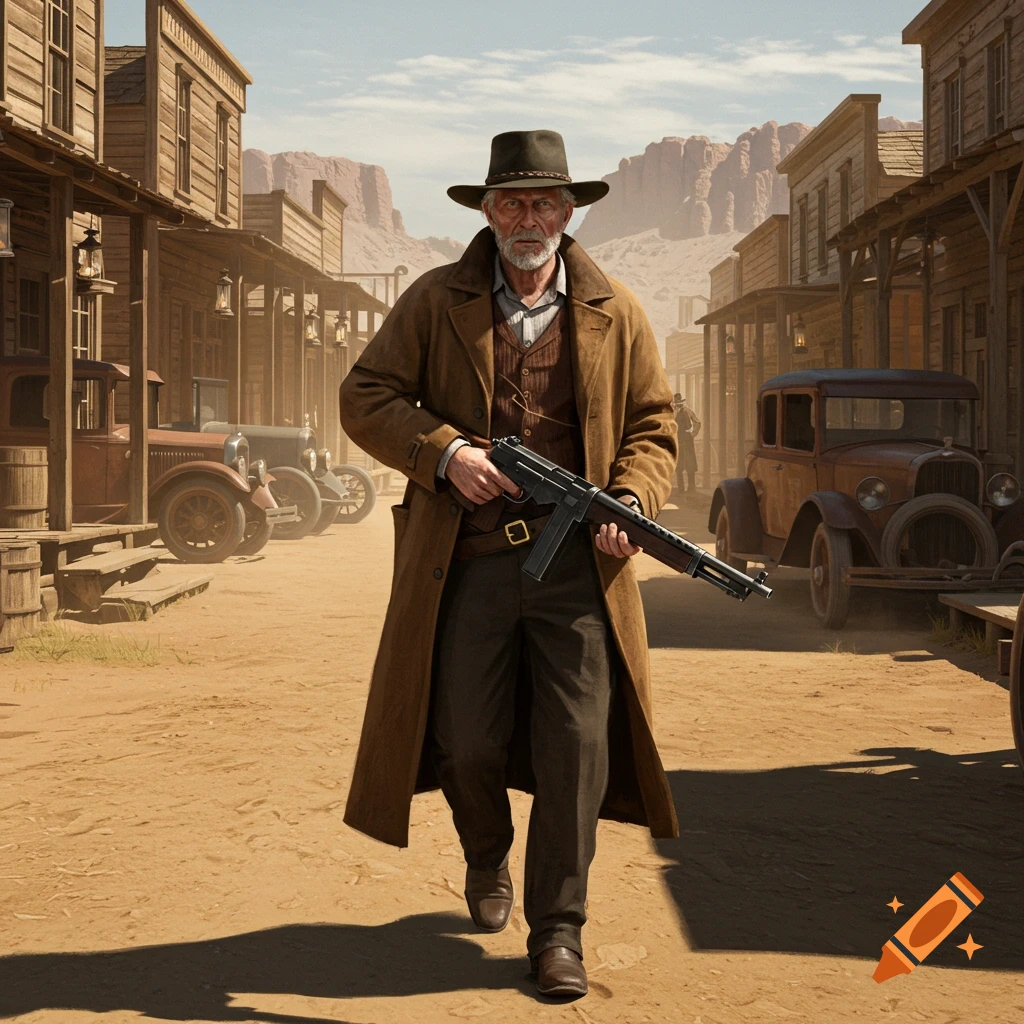
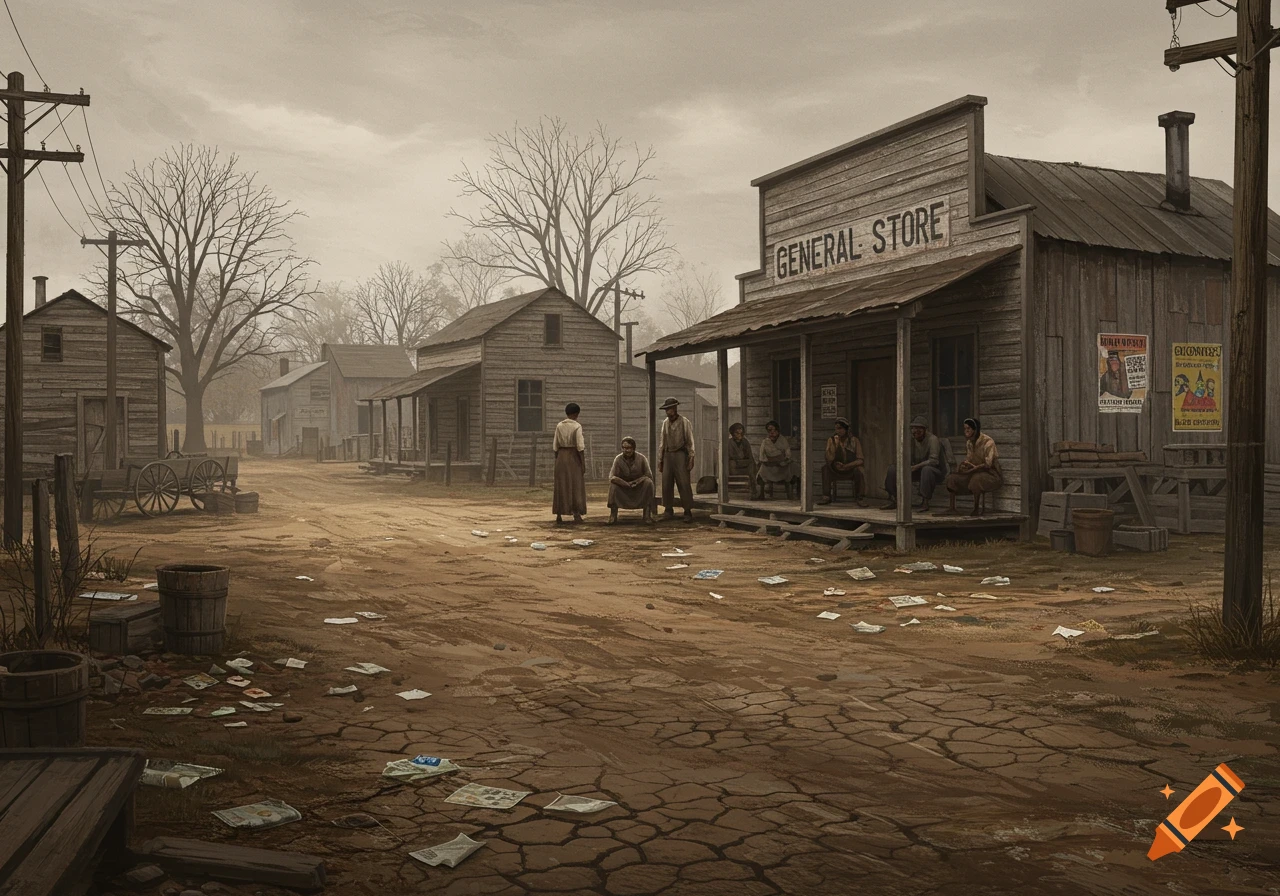
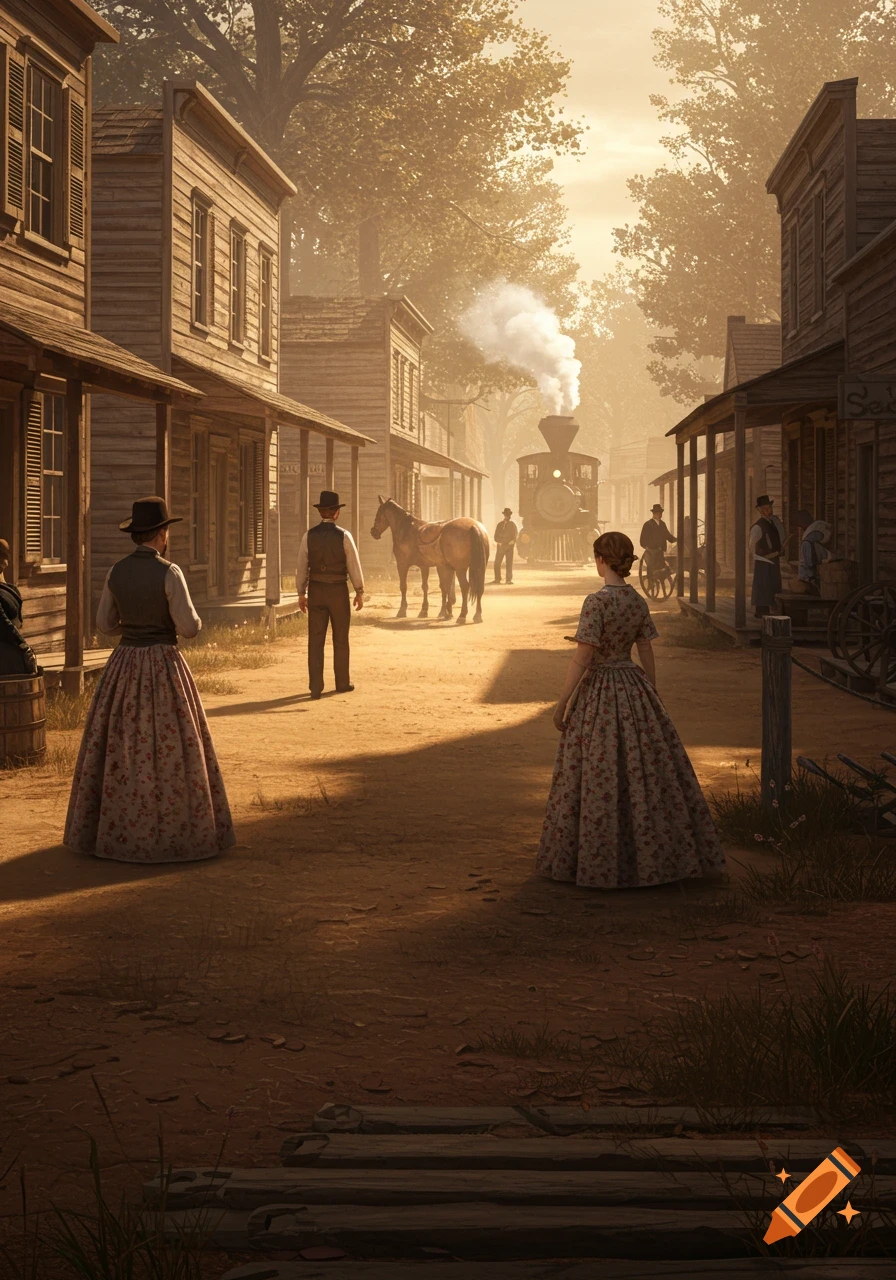
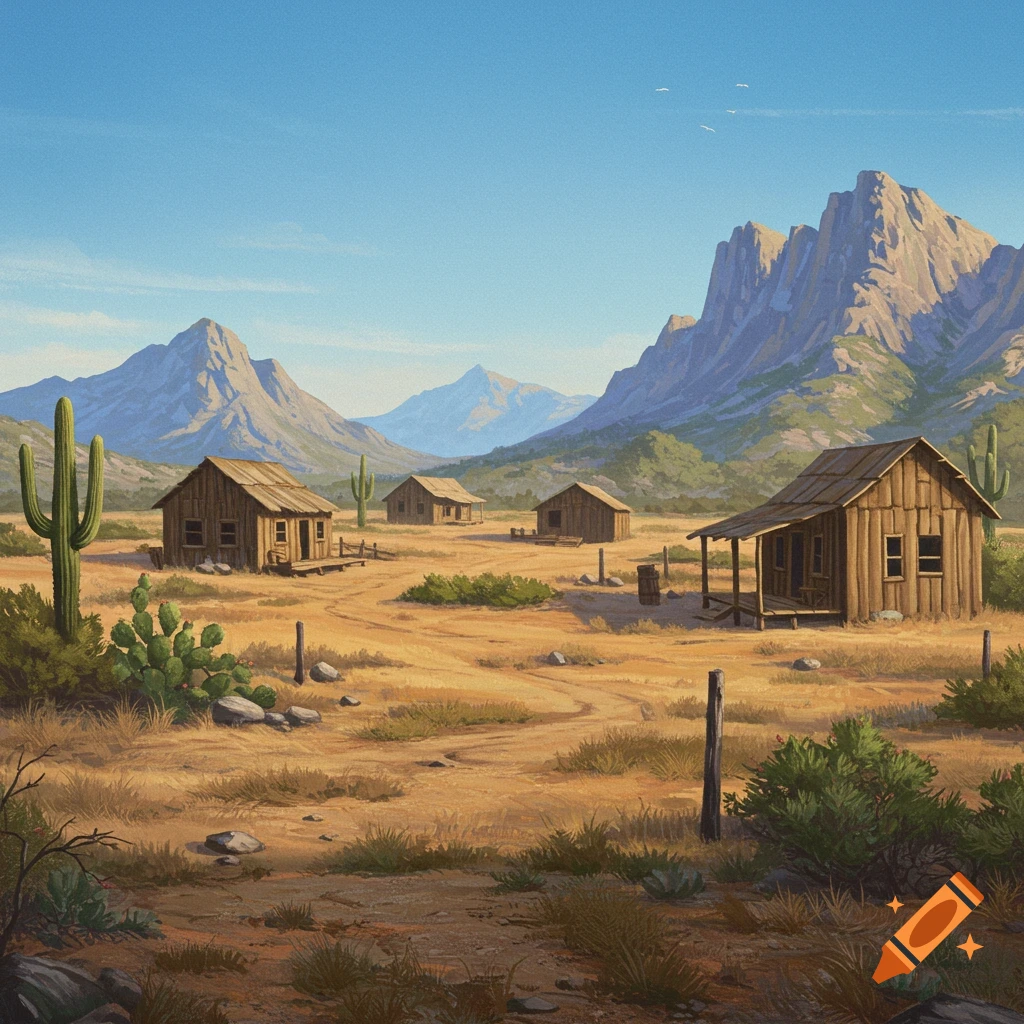
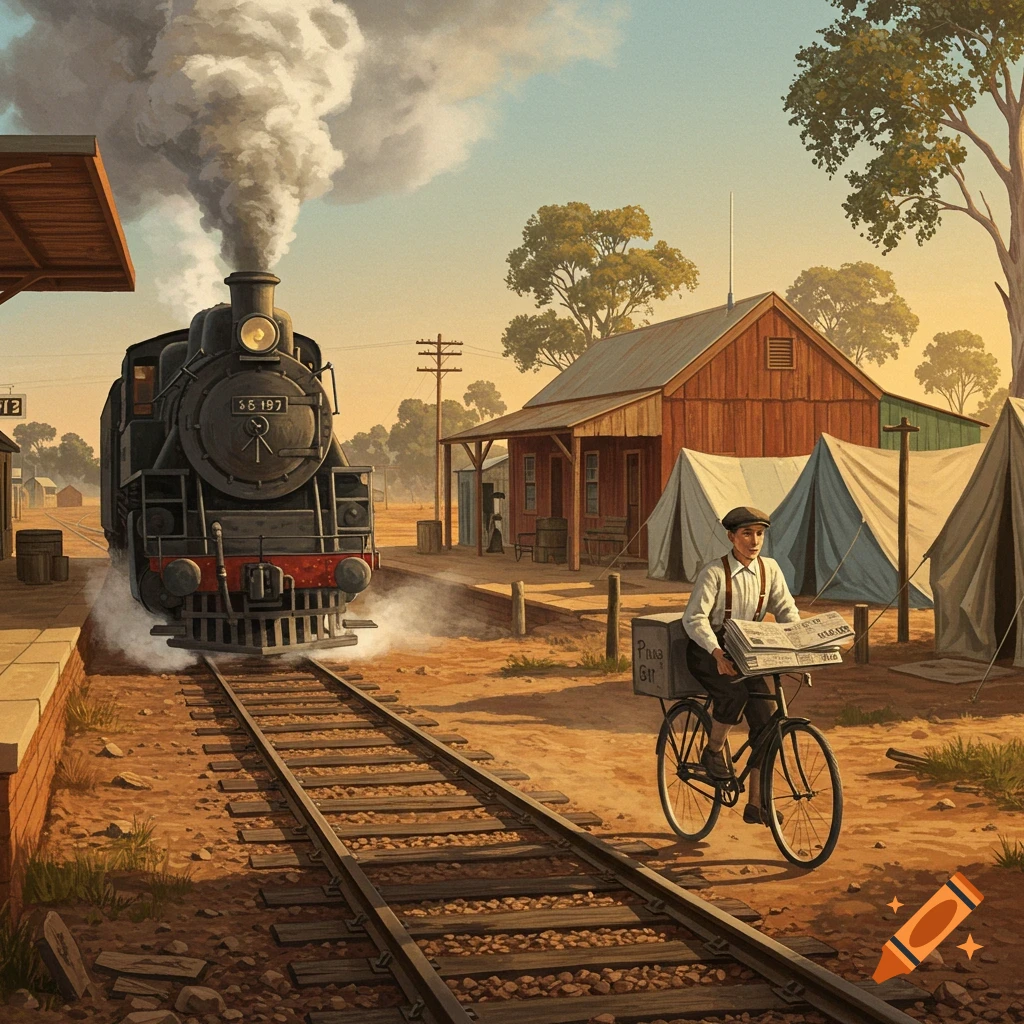
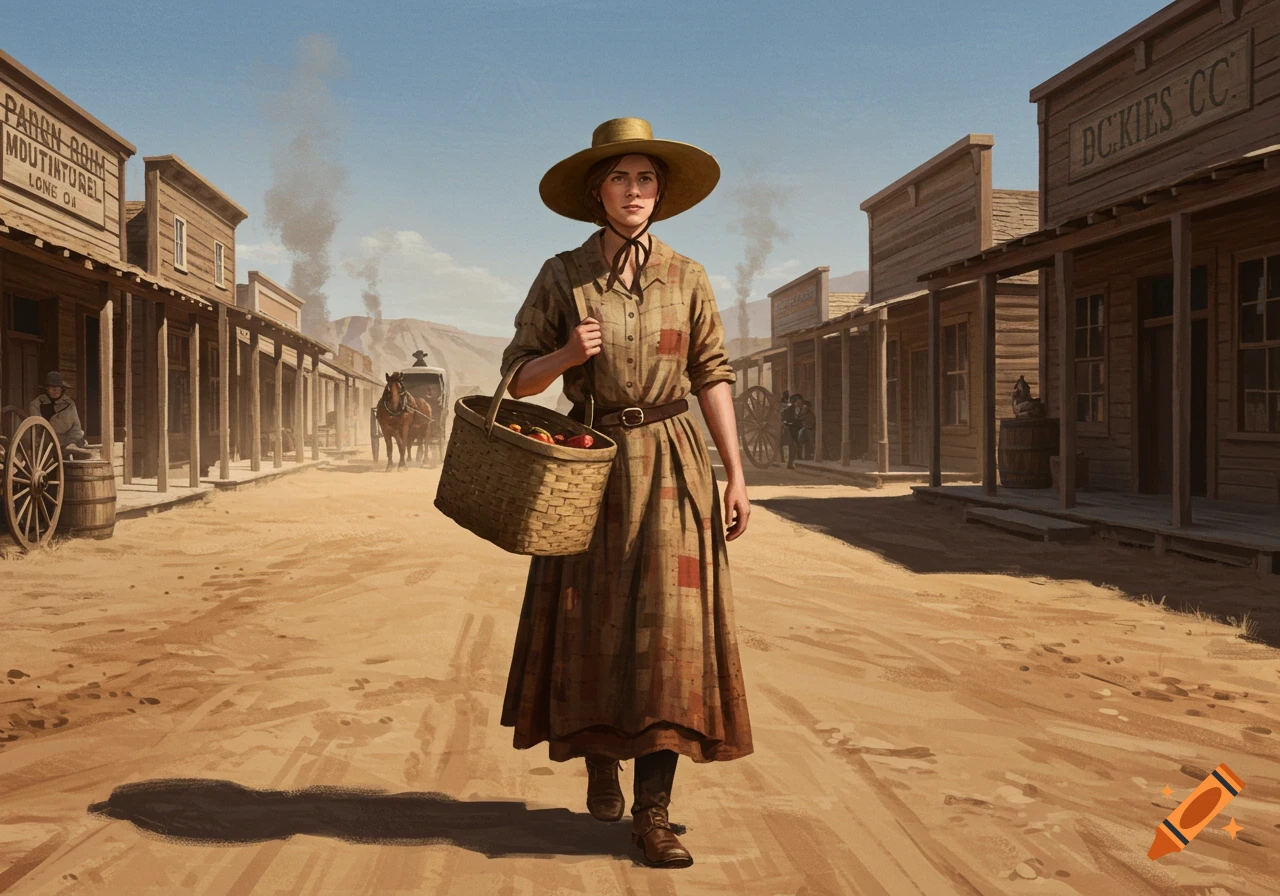
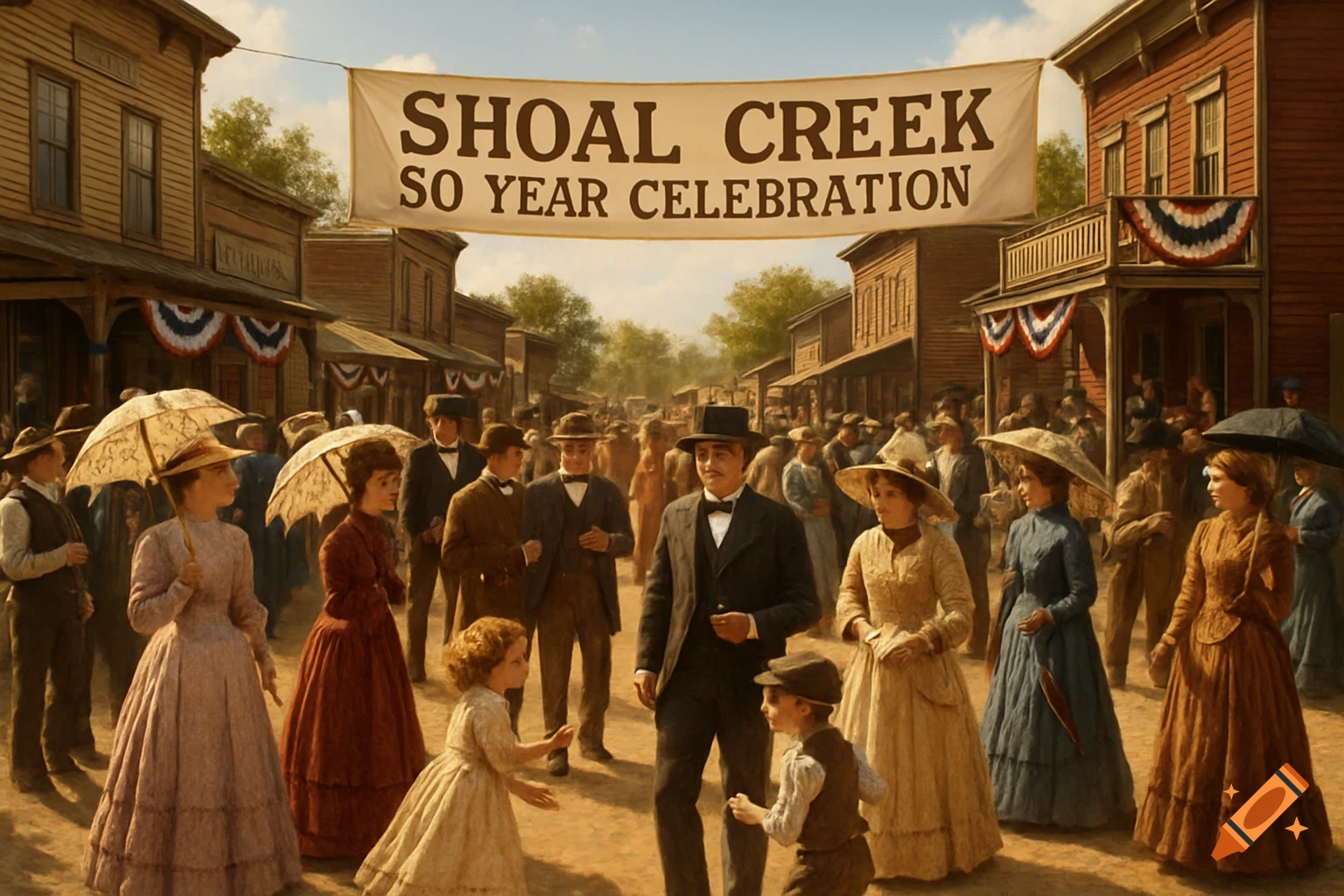
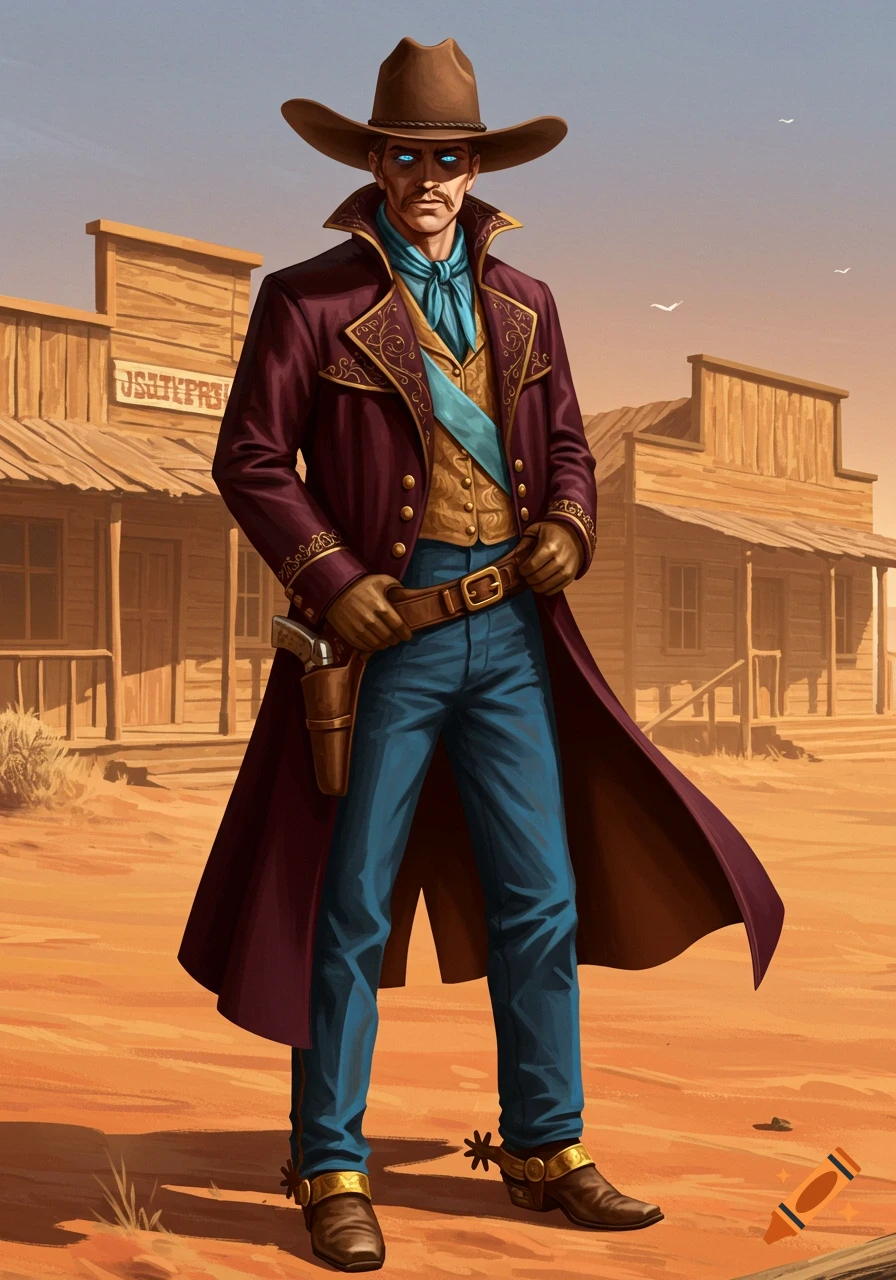
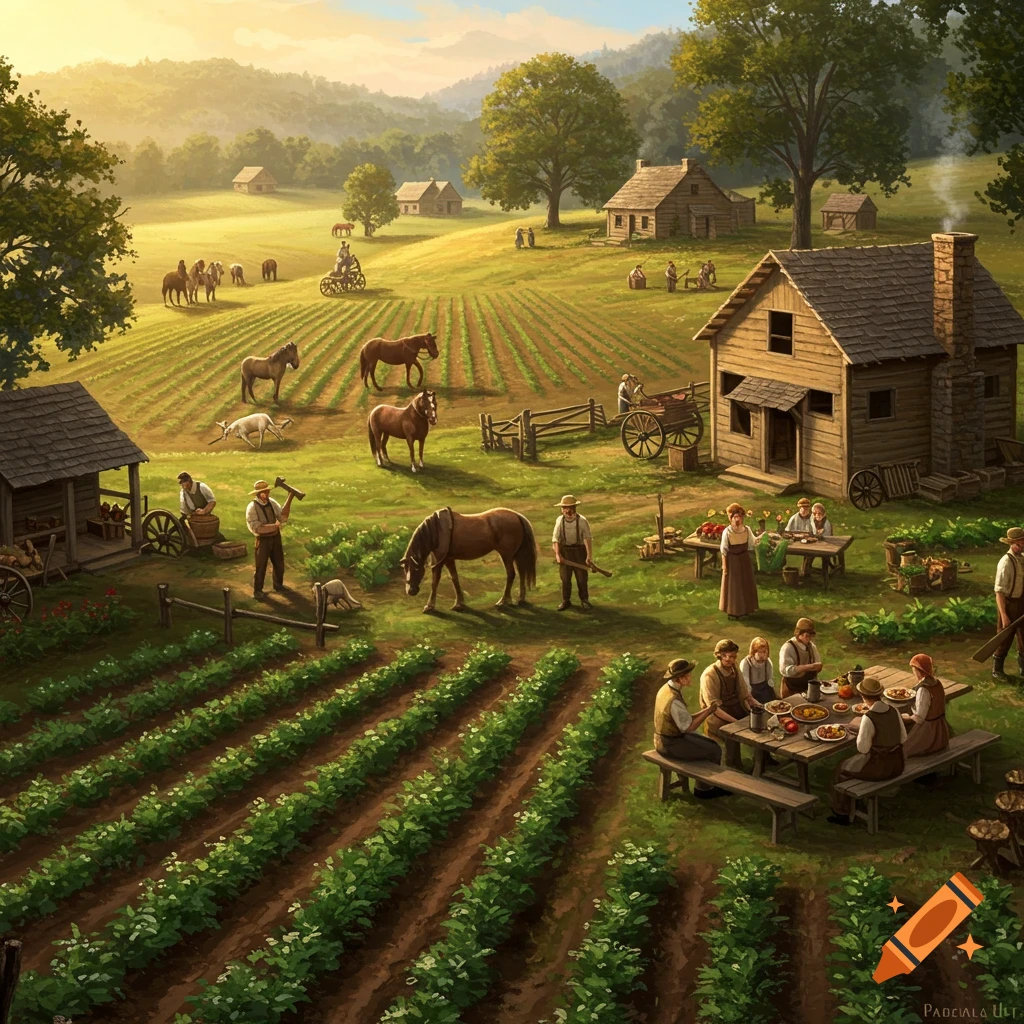
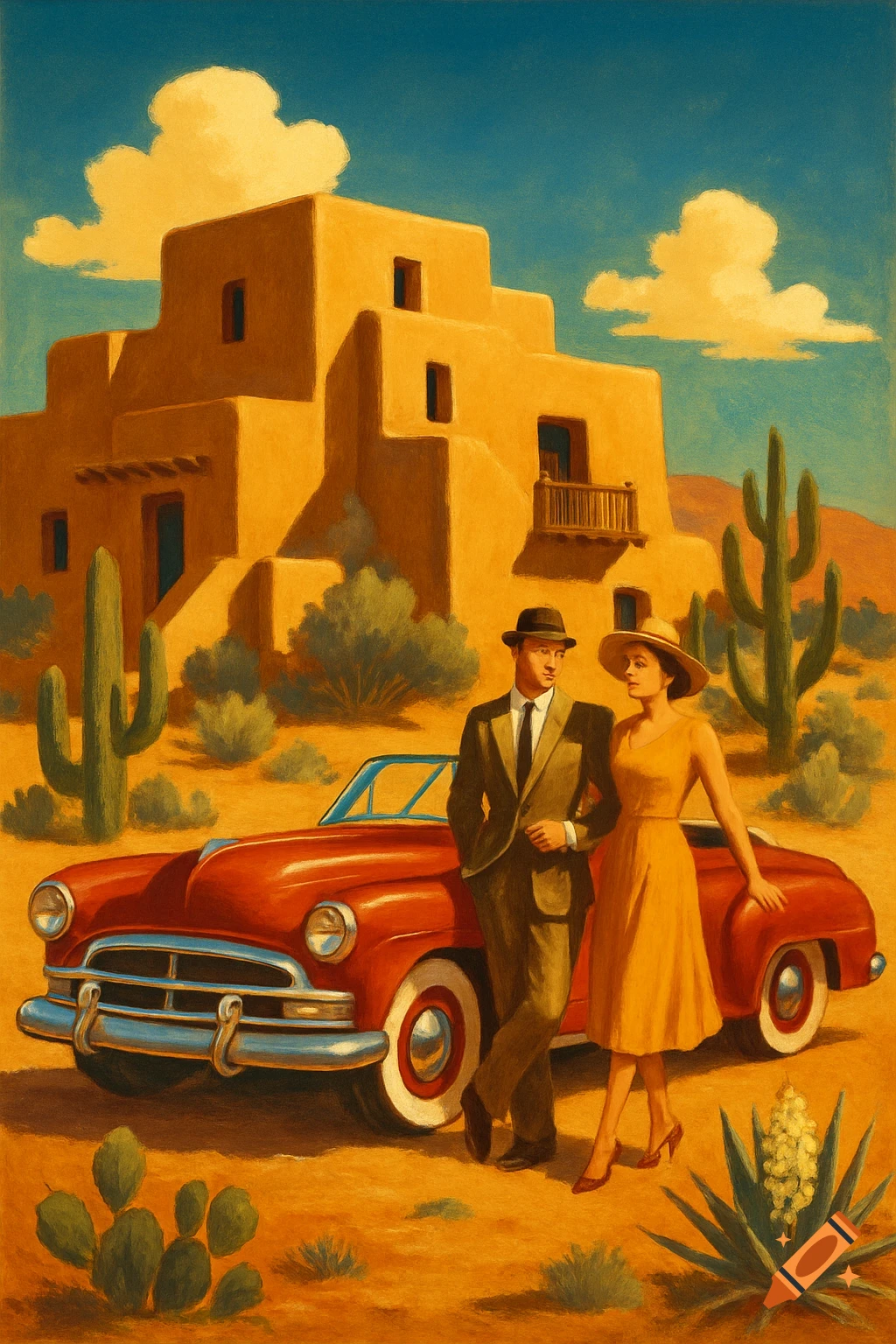
Stylized illustration of a 19th-century frontier town with adobe and wooden buildings, people, horses, and wagons on a dirt street.
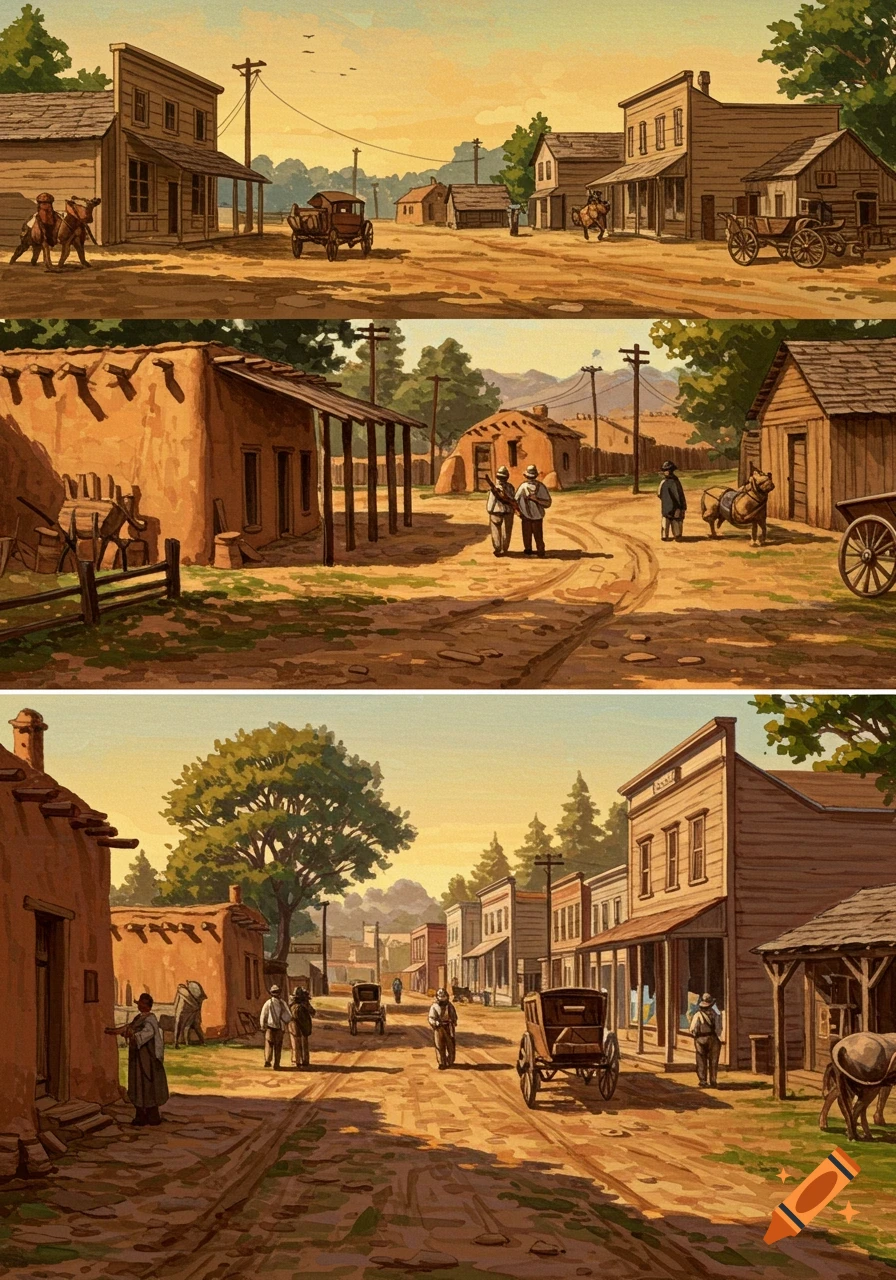
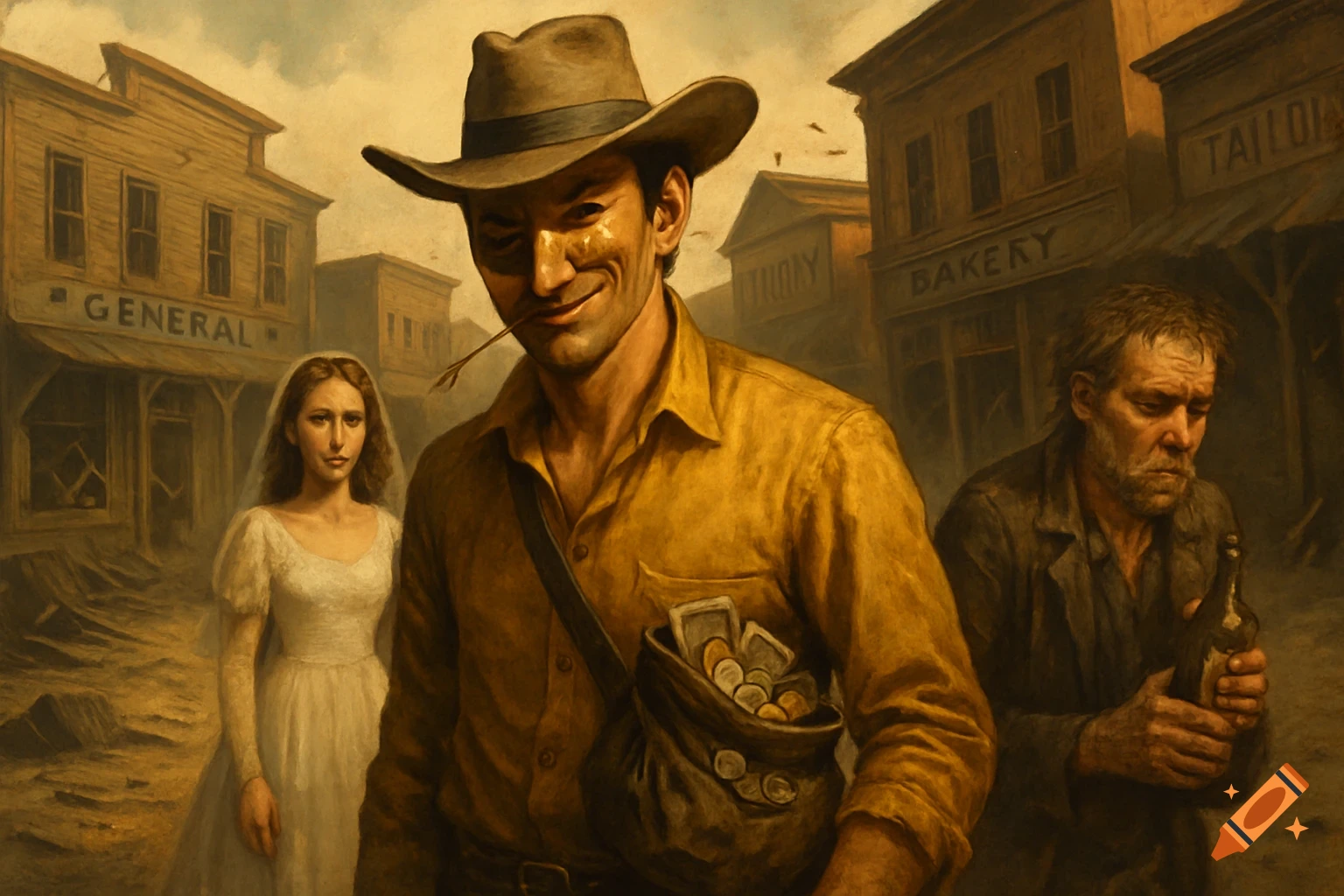
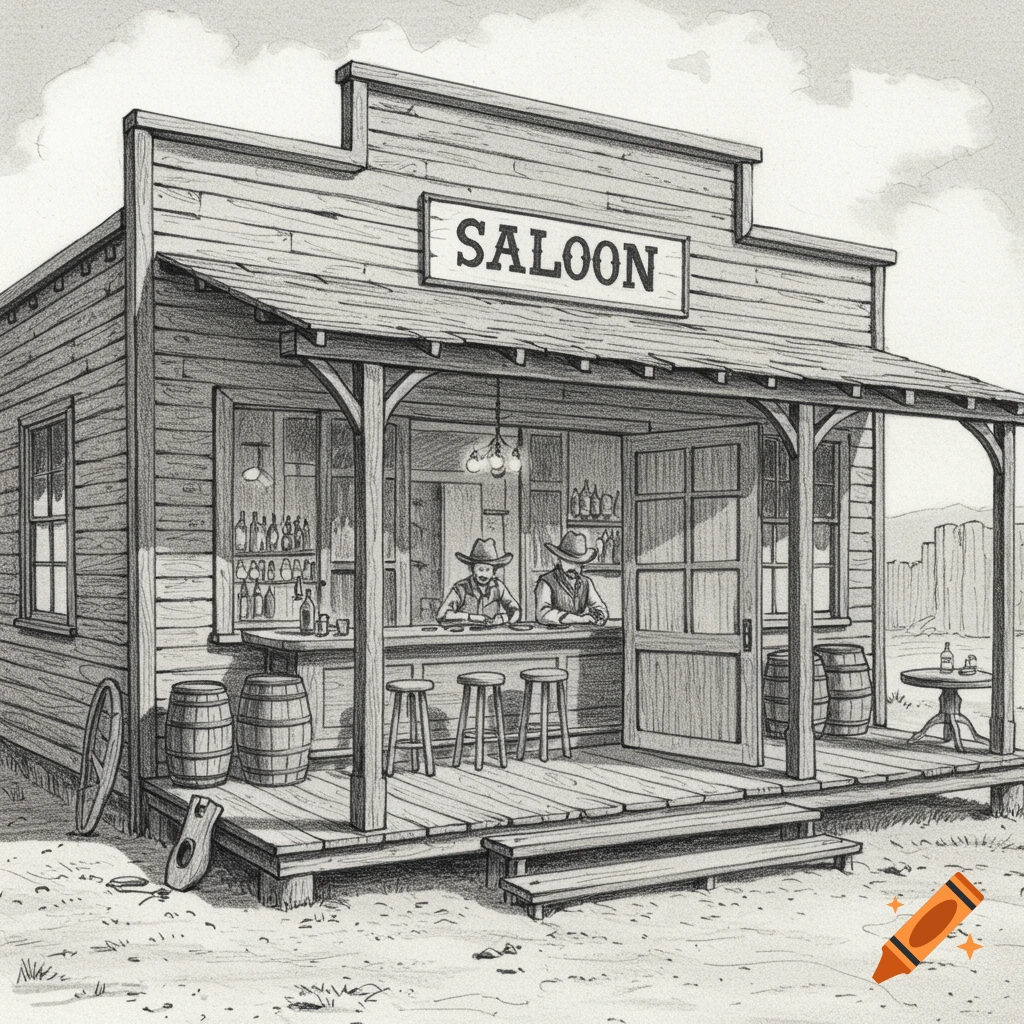
In the 19th century, the Castro–Villa intersection evolved from Mexican and Californio adobe dwellings into American vernacular styles. Early 1840s structures were single-story adobe houses with thick clay walls, shallow roofs, and a utilitarian look, exemplified by the Estrada/Castro adobe near today’s Central Expressway. By the 1850s–60s, stage routes and the Southern Pacific Railroad spurred a shift to wood-framed houses and frontier-style commercial buildings, often two-story with false-front facades along Castro Street. Surviving examples like the 1874 Farmers Store show this transition. Later, Victorian, Craftsman, and Spanish-Revival styles spread through surrounding neighborhoods, but the area’s earliest built identity was defined by the shift from adobe to simple wood construction, laying the foundation for Mountain View’s built environment. See more