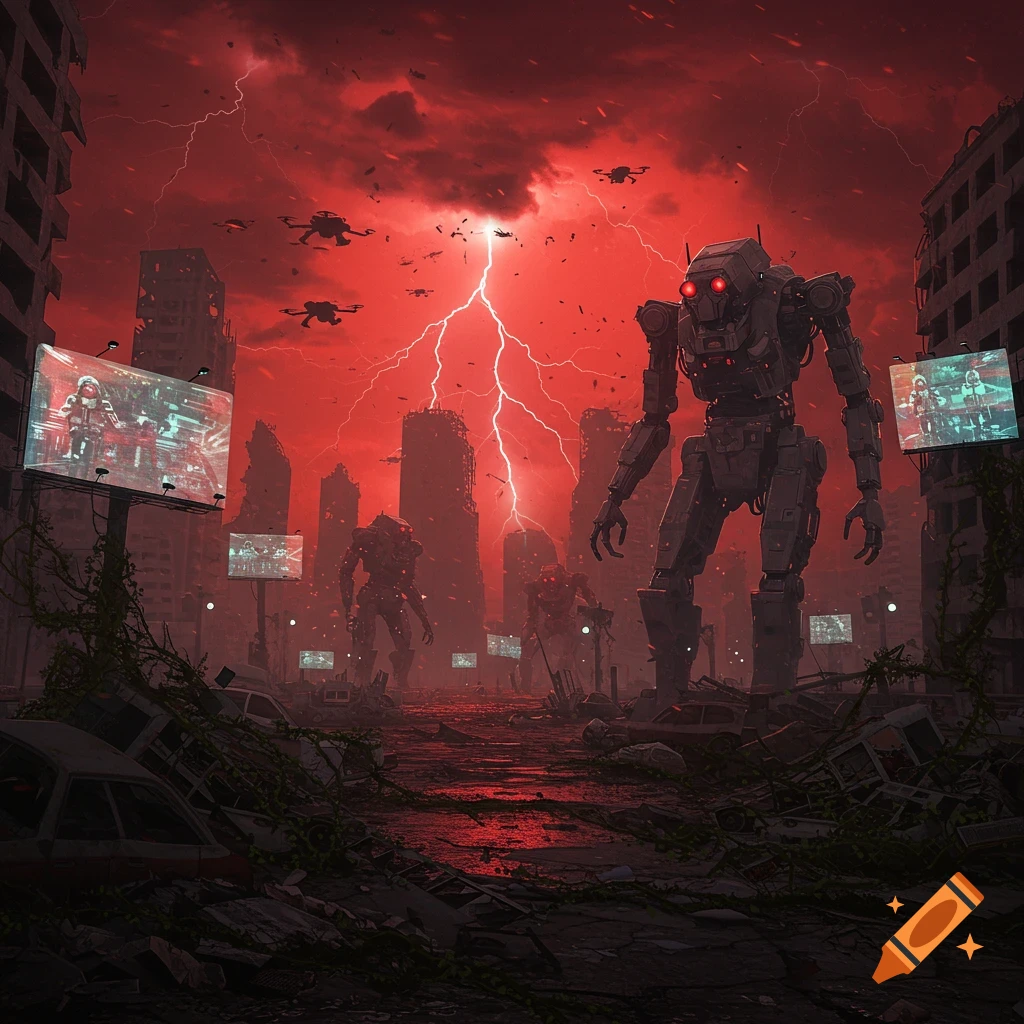
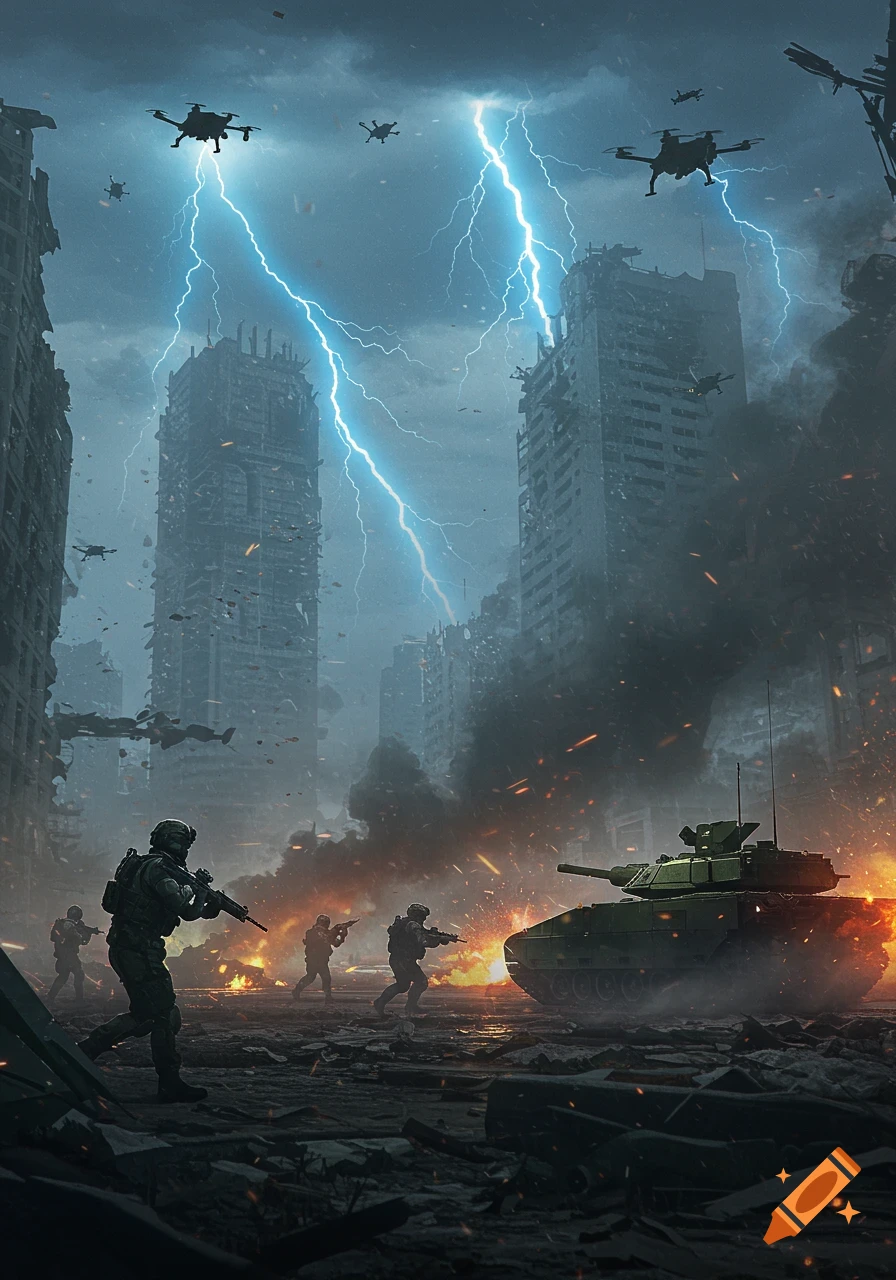
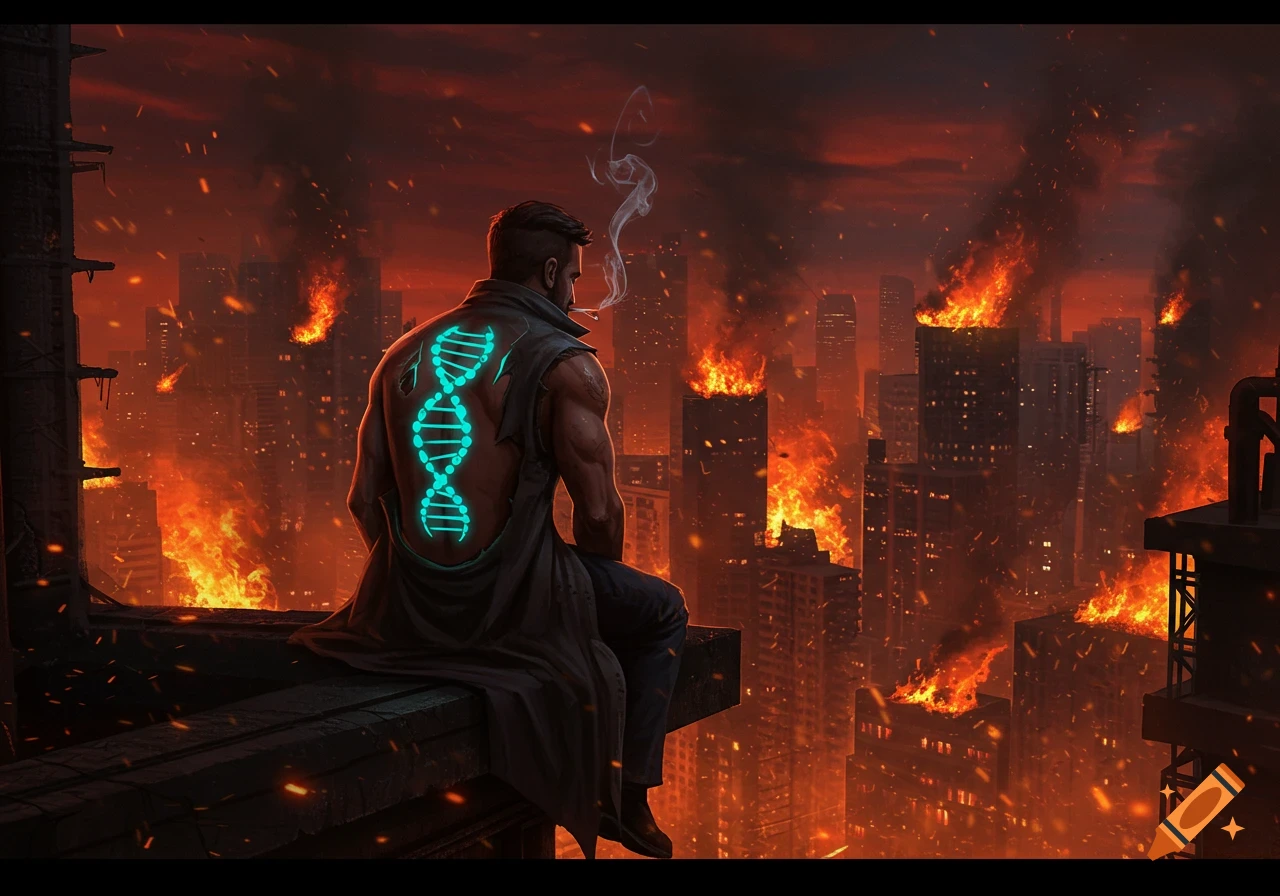
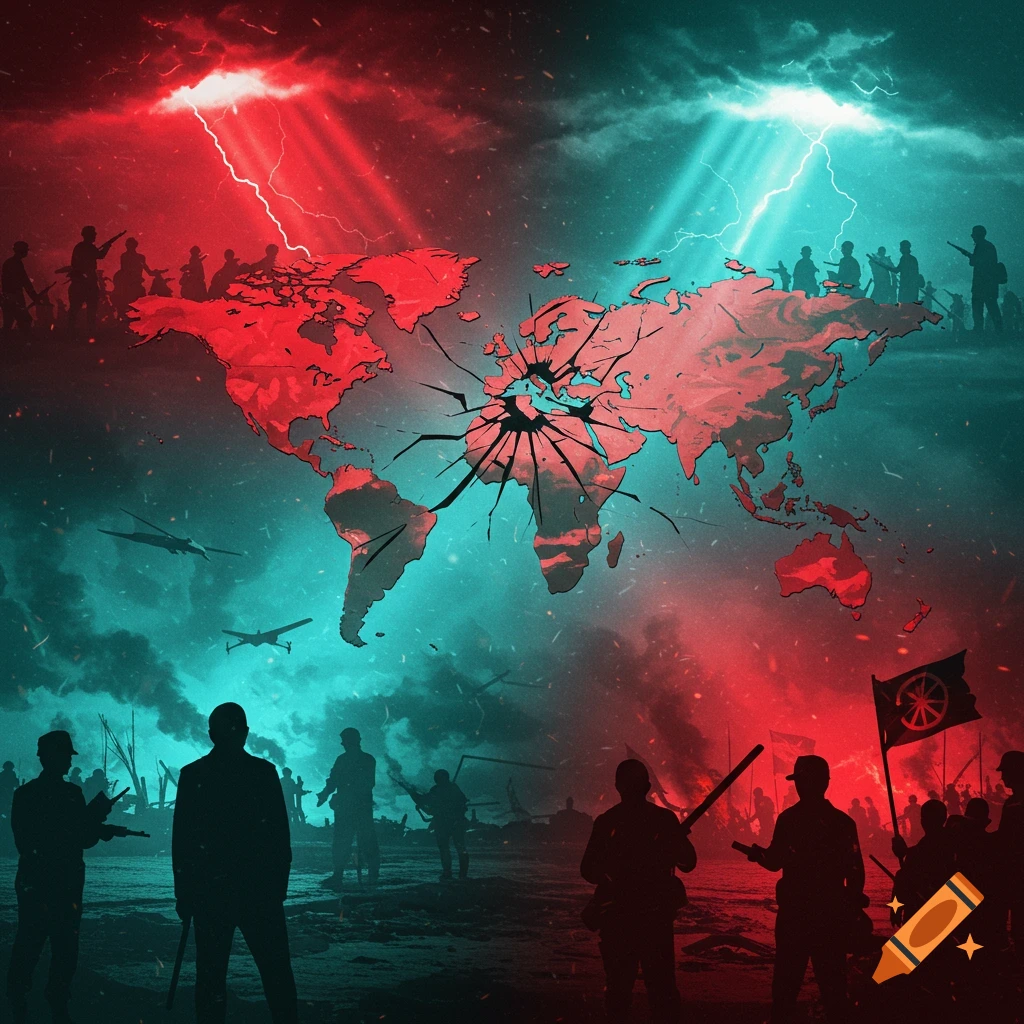
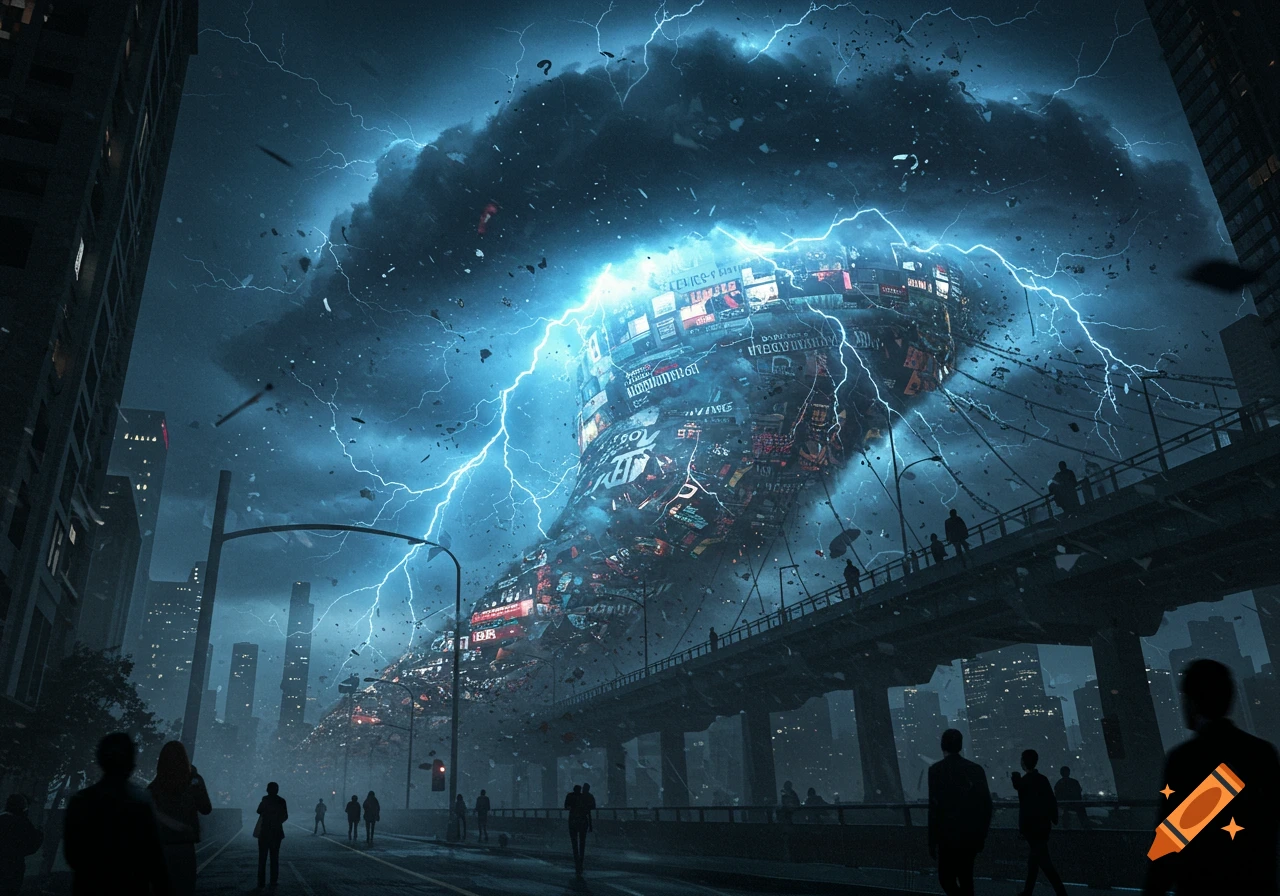
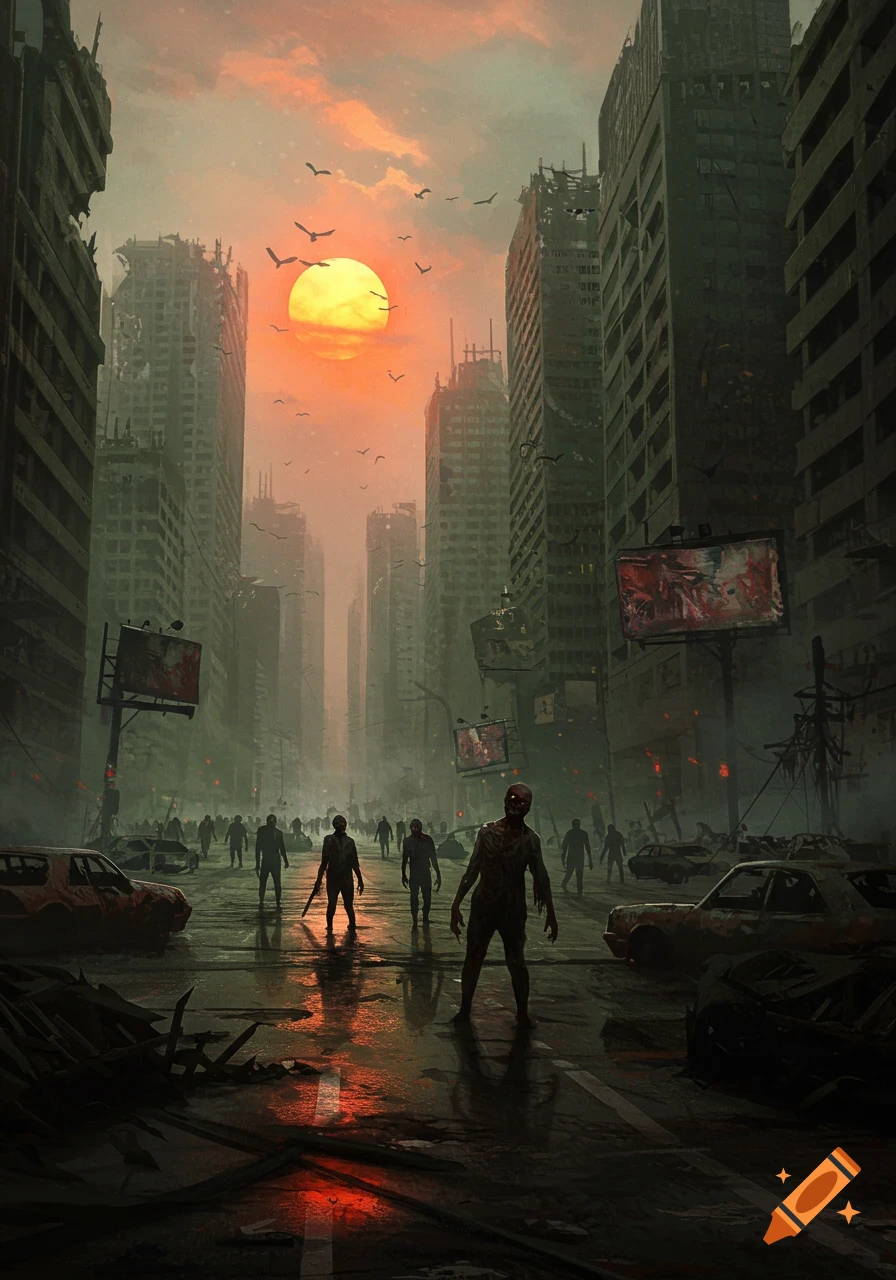
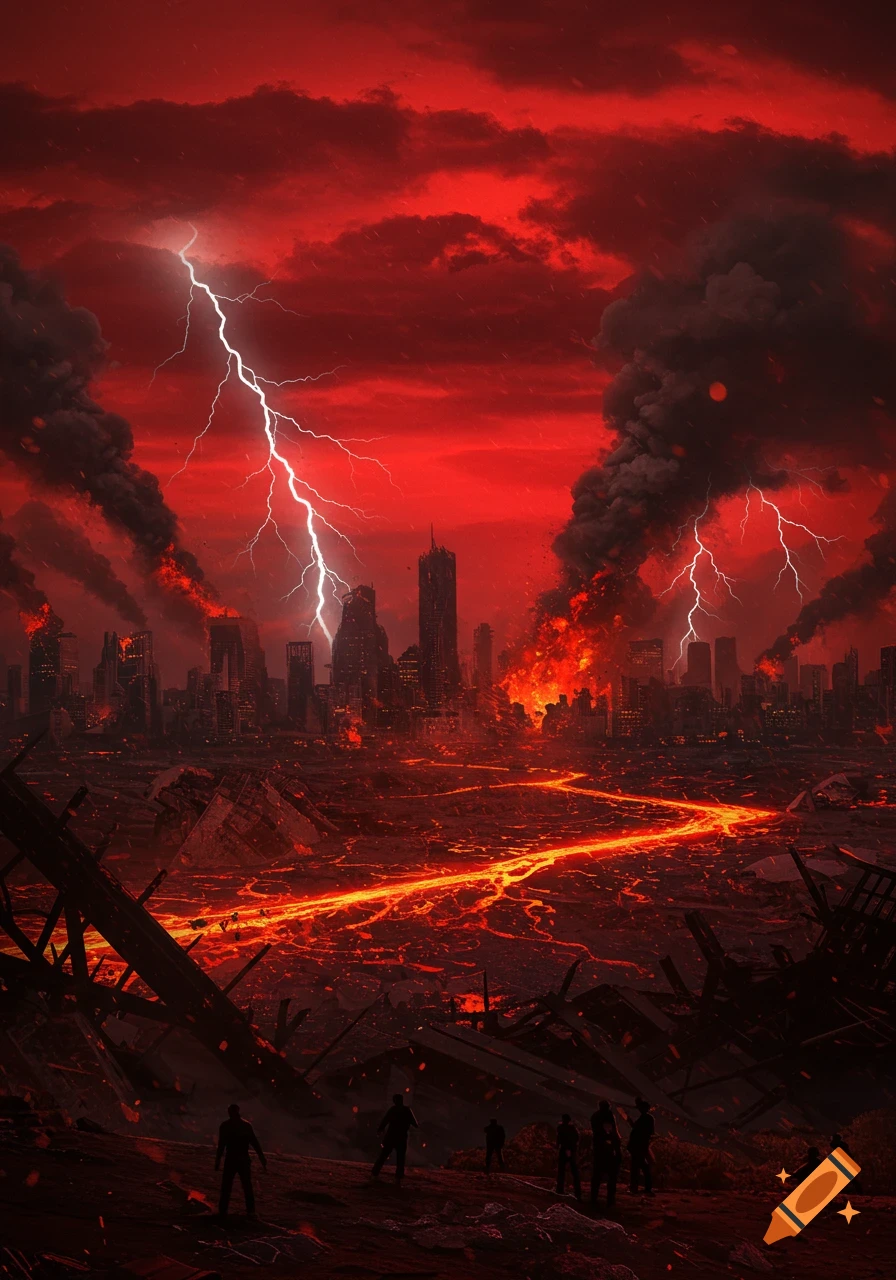
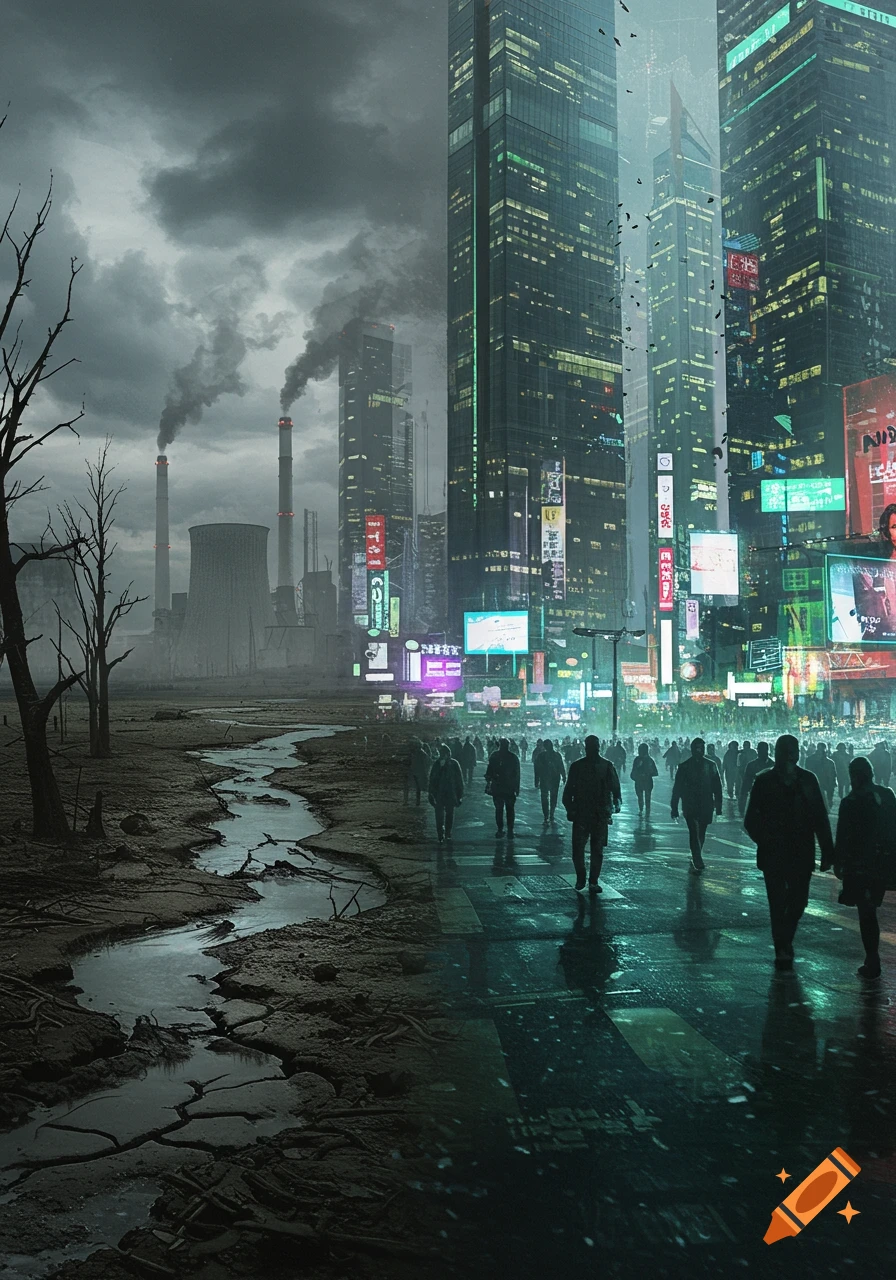
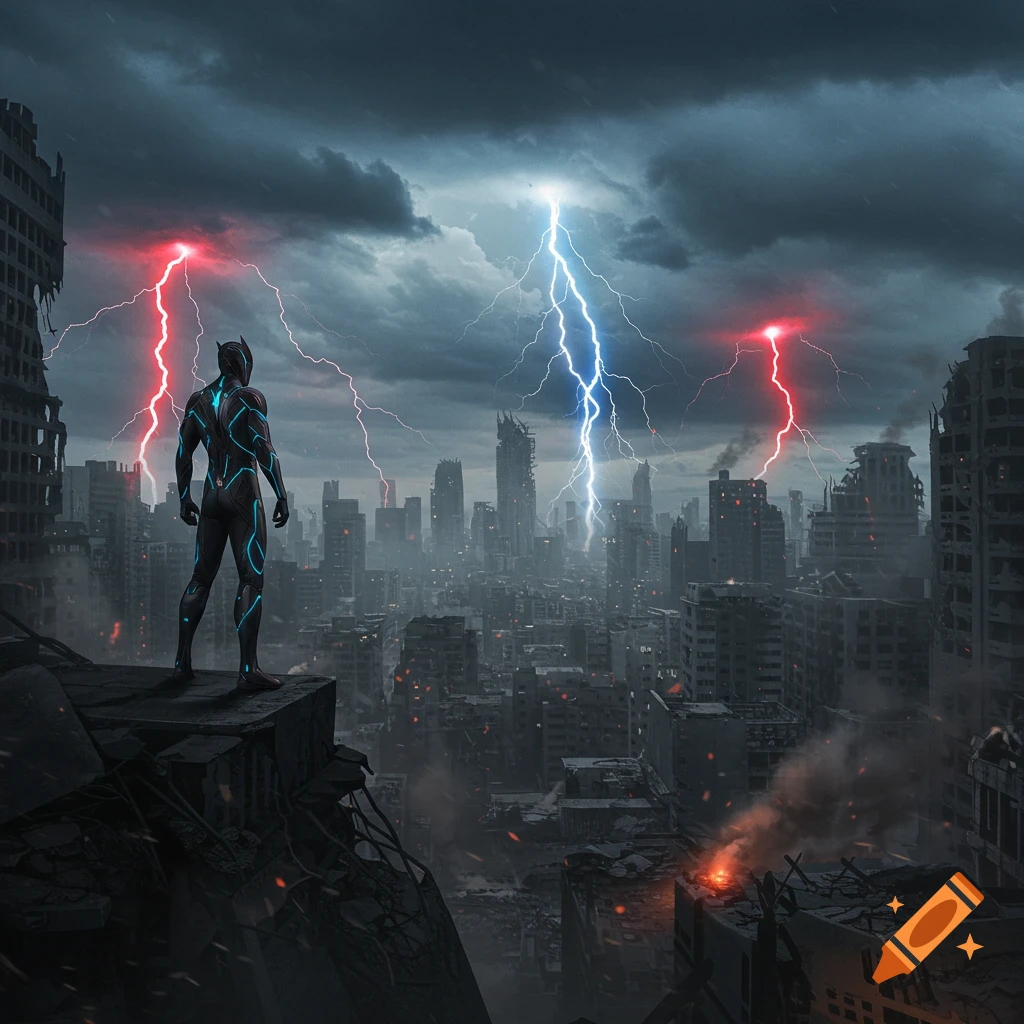
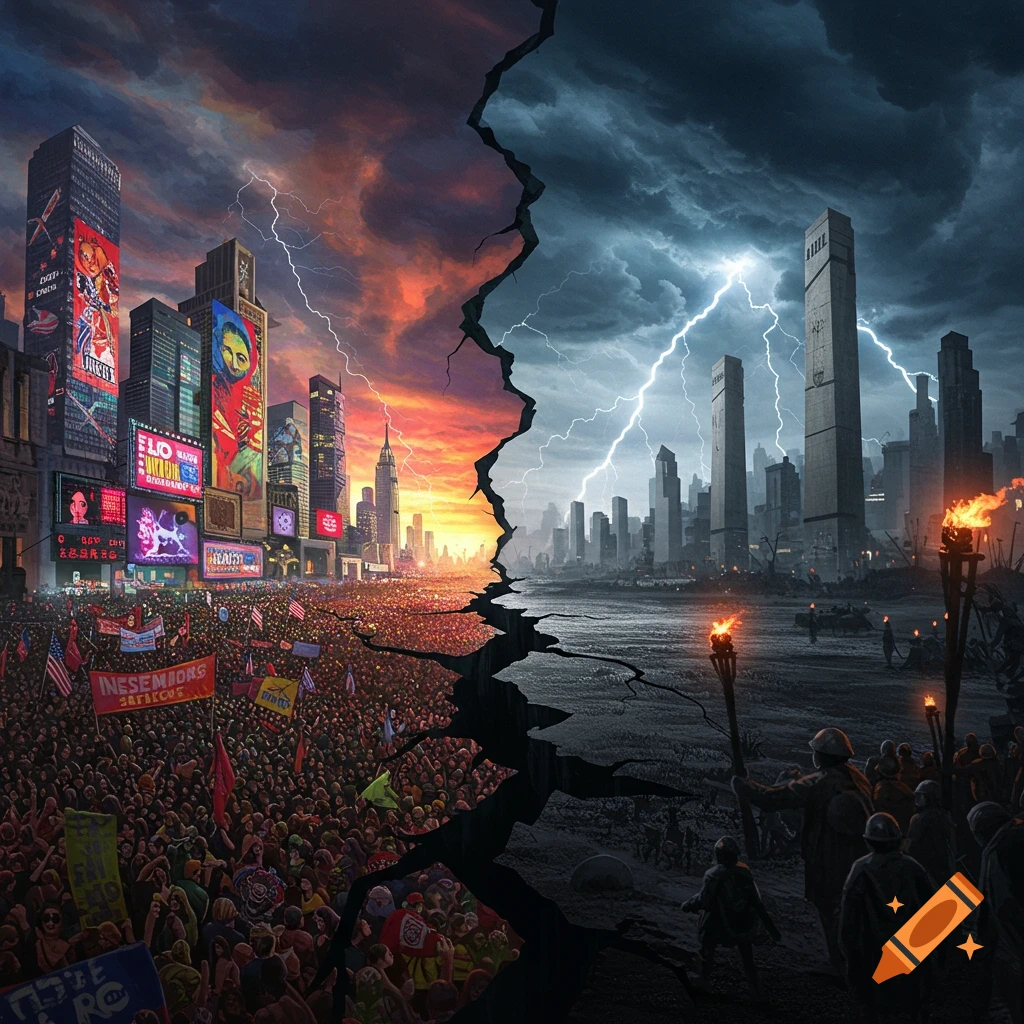
A conceptual illustration of a person in a cracked wasteland, split between a fiery red war zone with virus particles and a stormy blue side with protests, money, and lightning, under a '20:23' clock and a DNA helix.
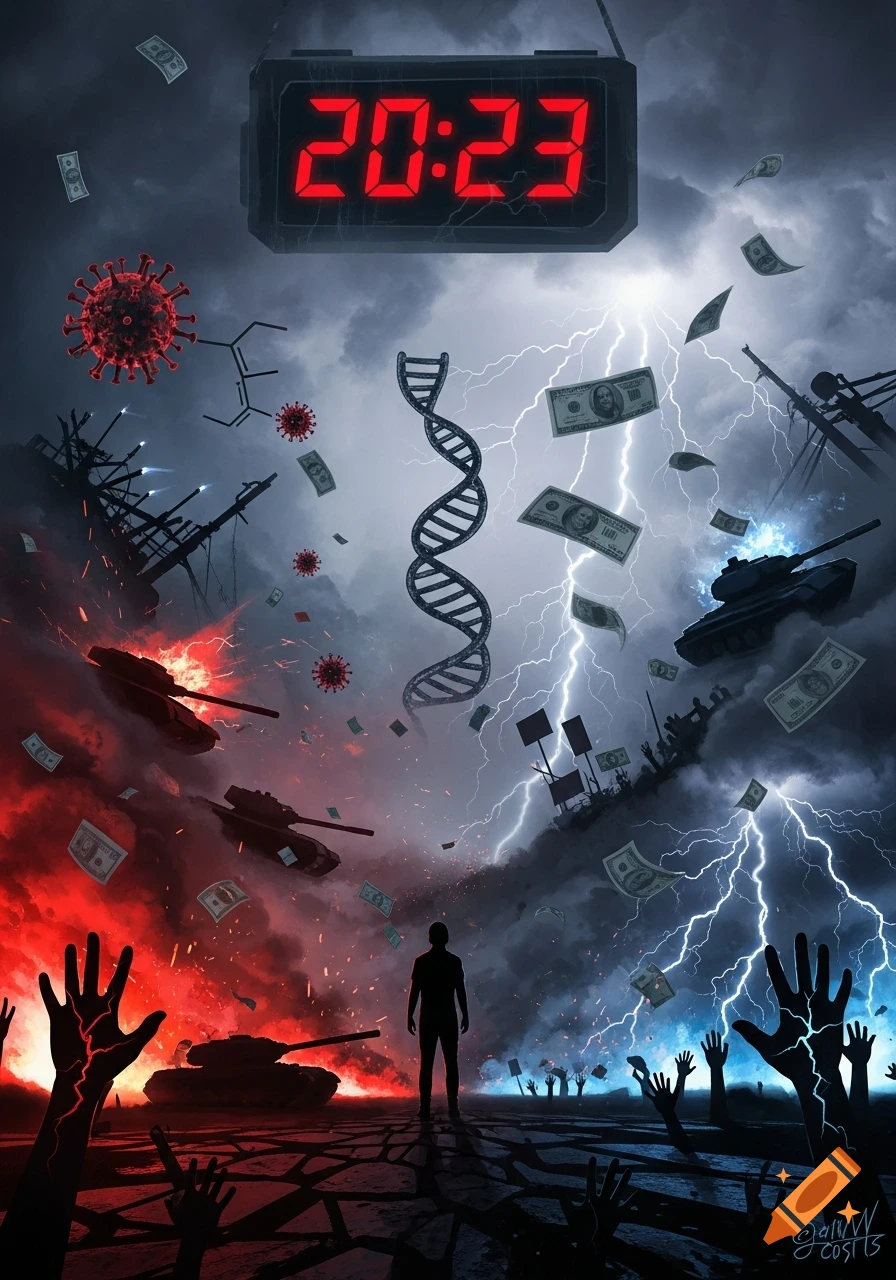
The 2020s are widely described as traumatic due to a convergence of major global crises and events that have caused widespread disruption, uncertainty, and collective psychological distress. Experts, including those from the American Psychological Association (APA), note that people are experiencing "sustained survival mode" and carrying "collective trauma" from these compounding stressors. Key factors contributing to the perception of a traumatic decade include: The COVID-19 Pandemic: This has been the most significant shared traumatic event, leading to millions of deaths, global lockdowns, economic instability, widespread social isolation, and significant mental health impacts. The uncertainty and fear surrounding the virus, as well as the loss of normal life, created pervasive stress. Geopolitical Conflicts: The decade has been marked by major conflicts with global implications, most notably the Russian invasion of Ukraine and the ongoing Israel-Gaza war, which have heightened international tensions and fears of a wider war. Economic Instability: Skyrocketing inflation, rising cost of living, and economic uncertainty have led to significant financial stress for many individuals and families globally. Social and Political Unrest: Events such as the widespread protests against racial injustice (e.g., following the murder of George Floyd), political polarization, and the January 6th attack on the U.S. Capitol have exposed deep societal divisions and caused civil unrest. See more