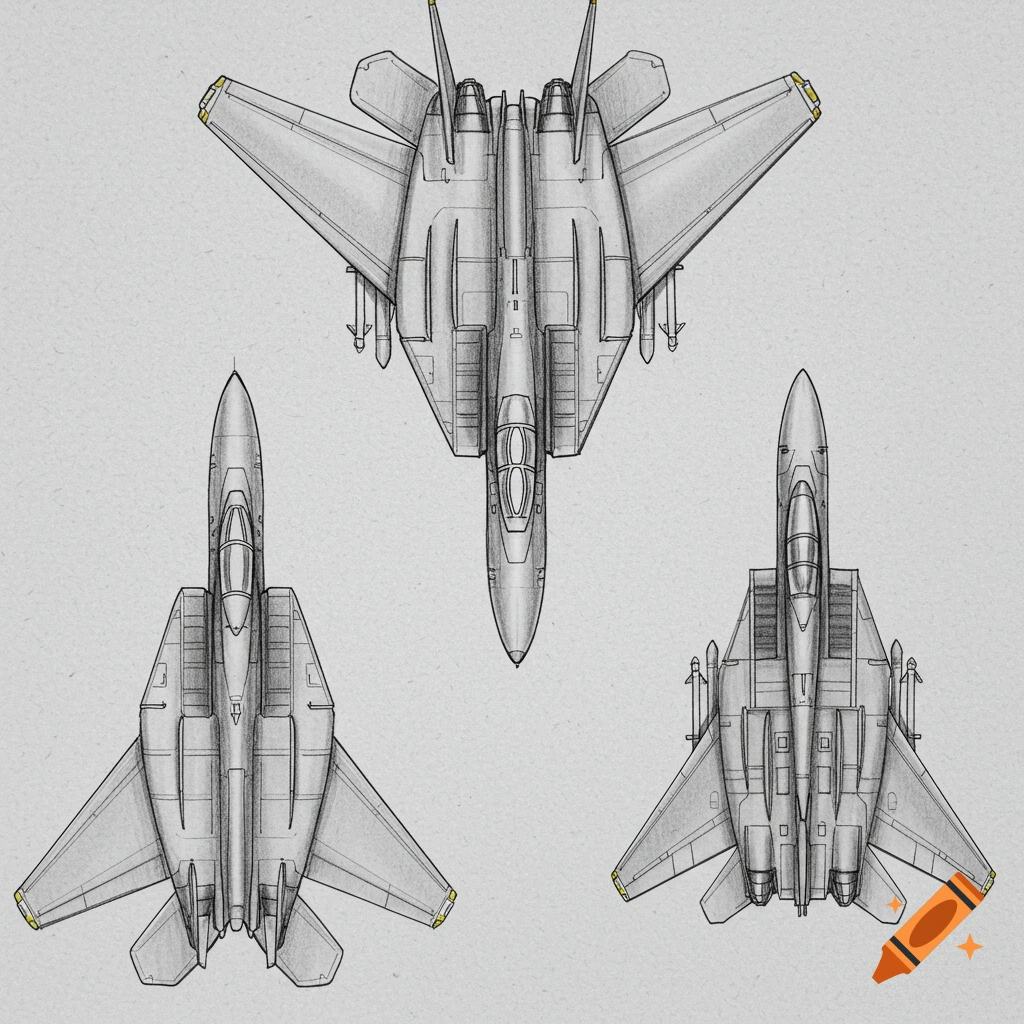
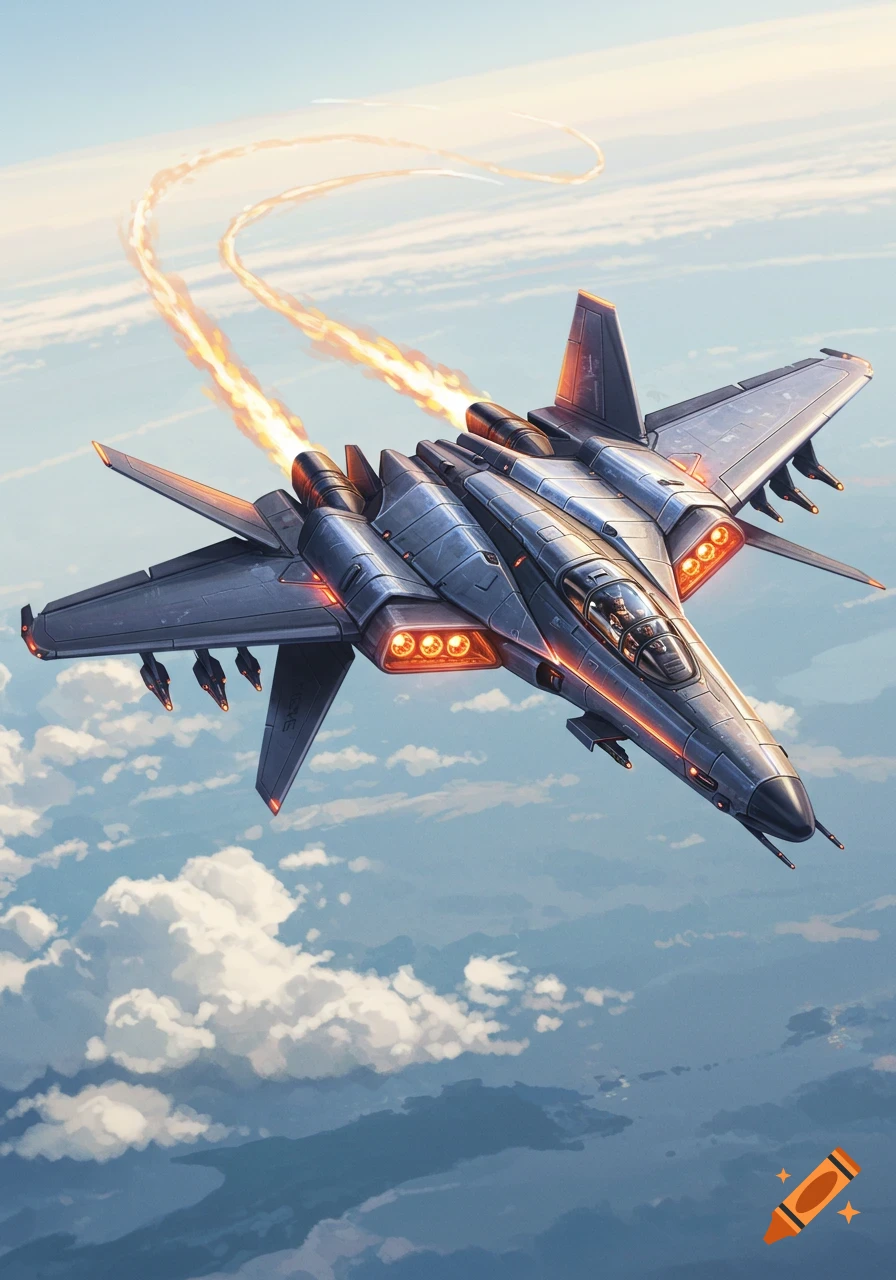
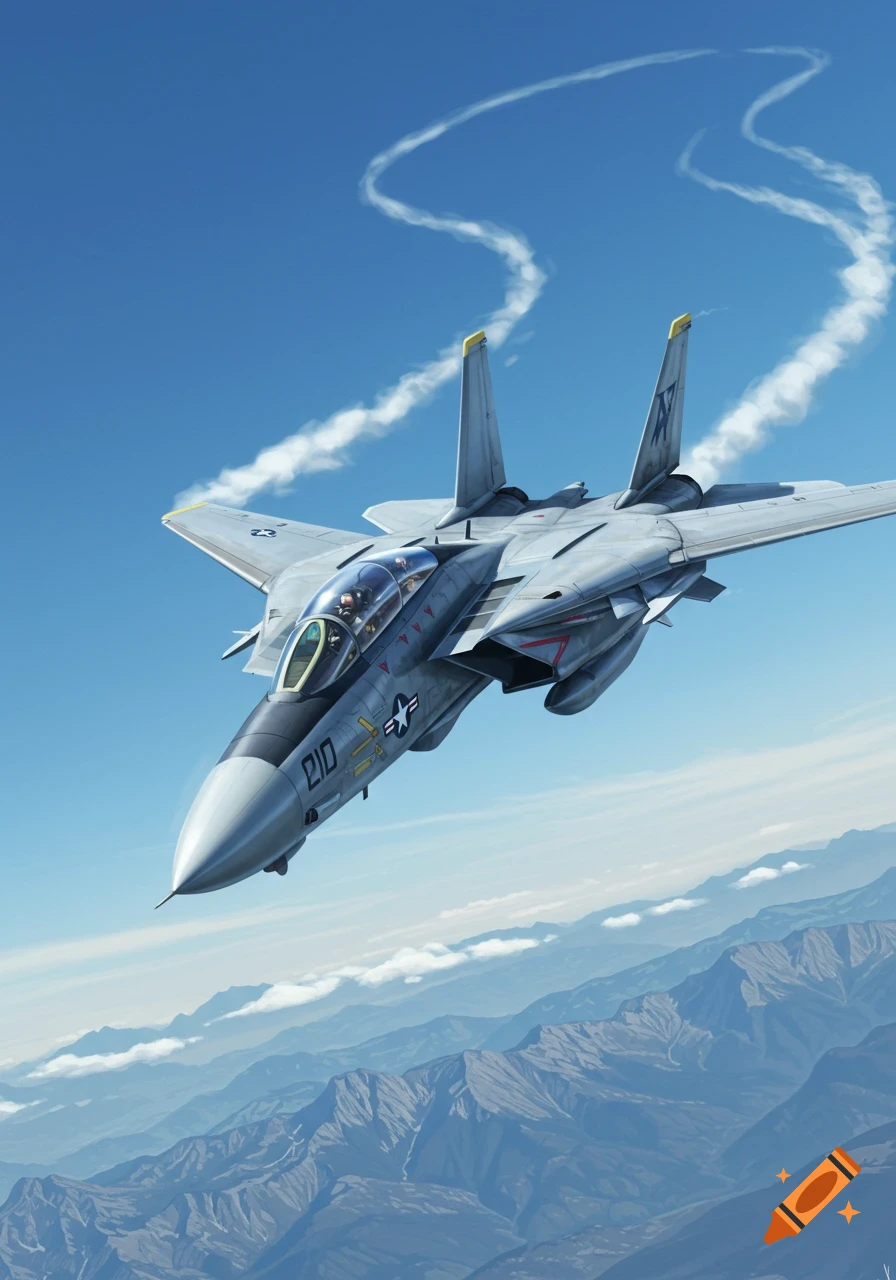
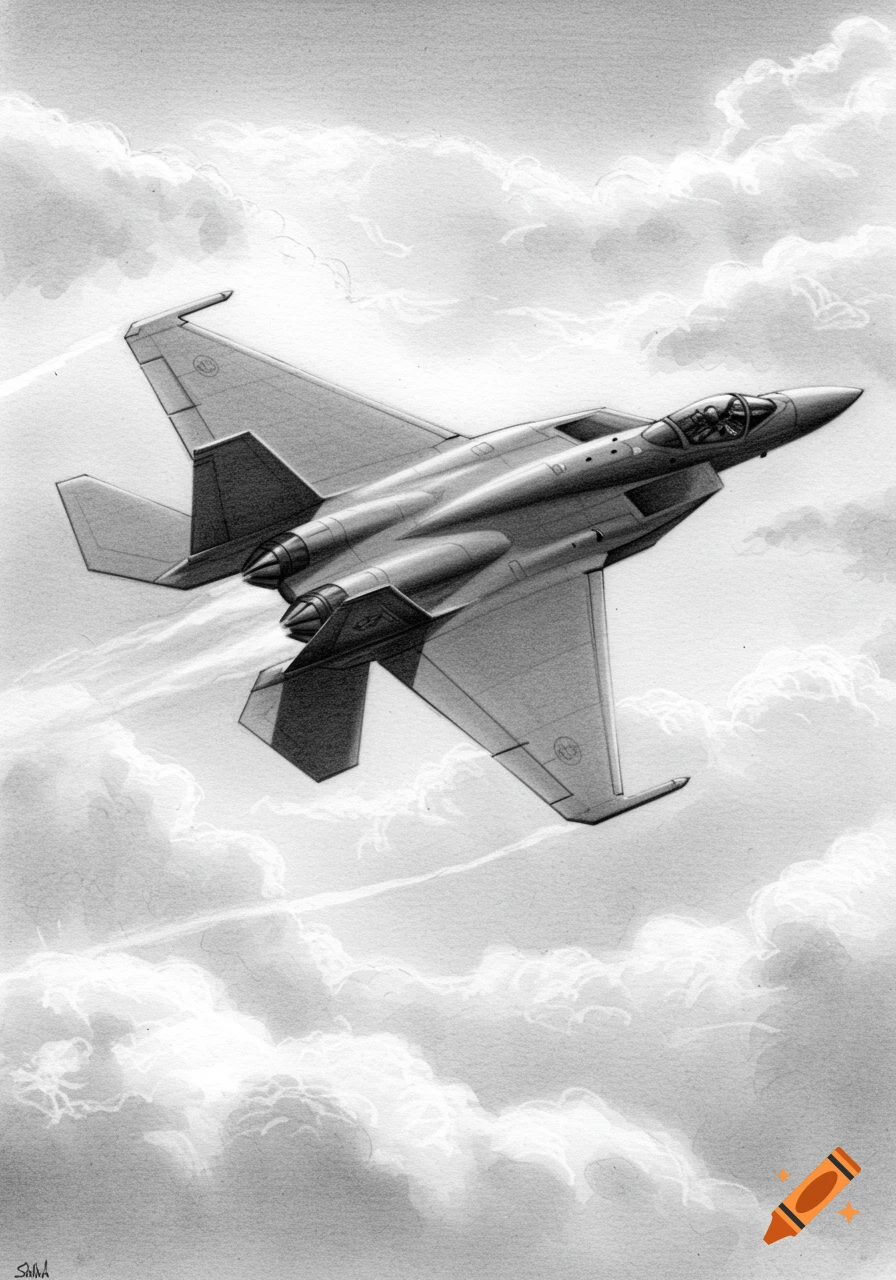
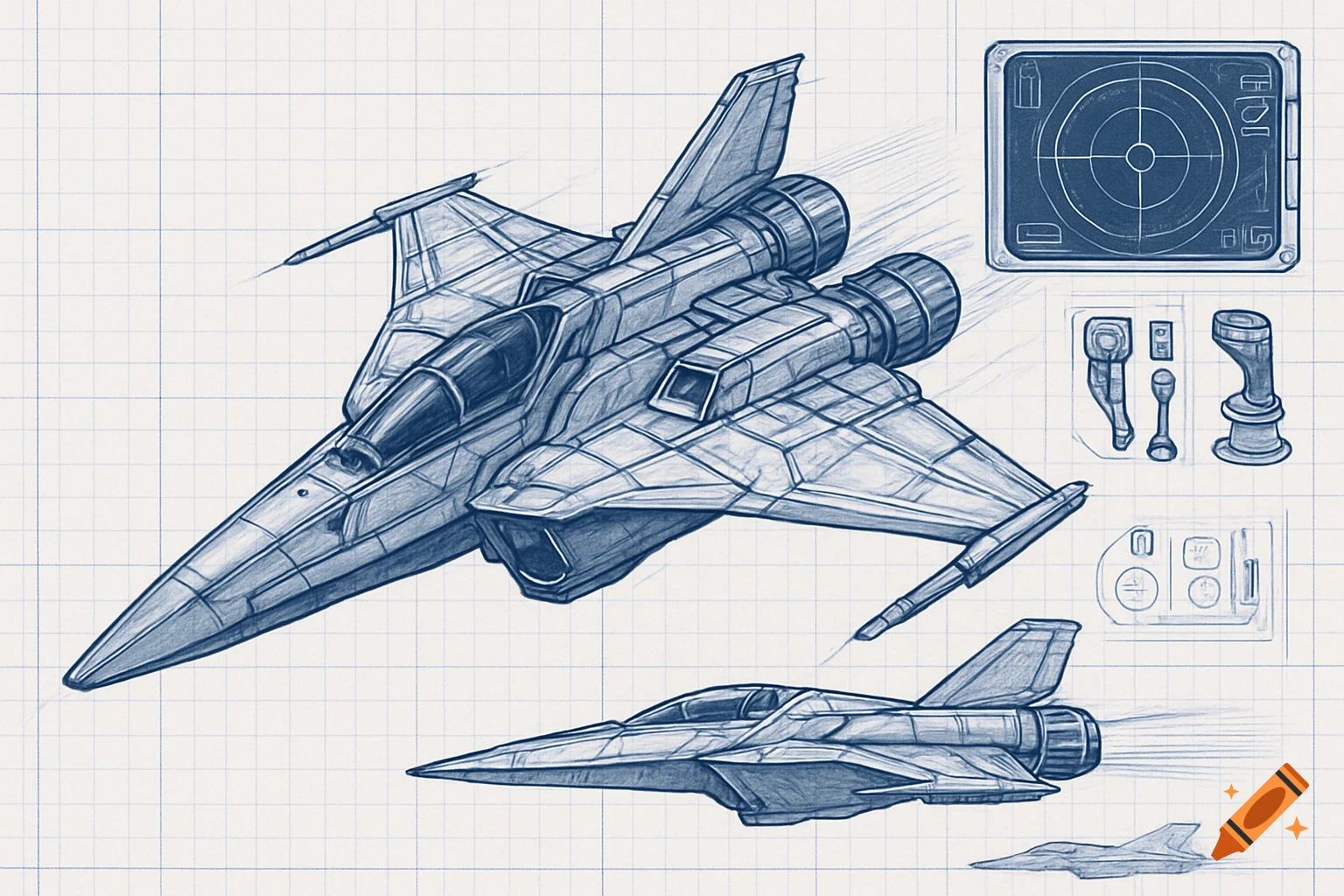
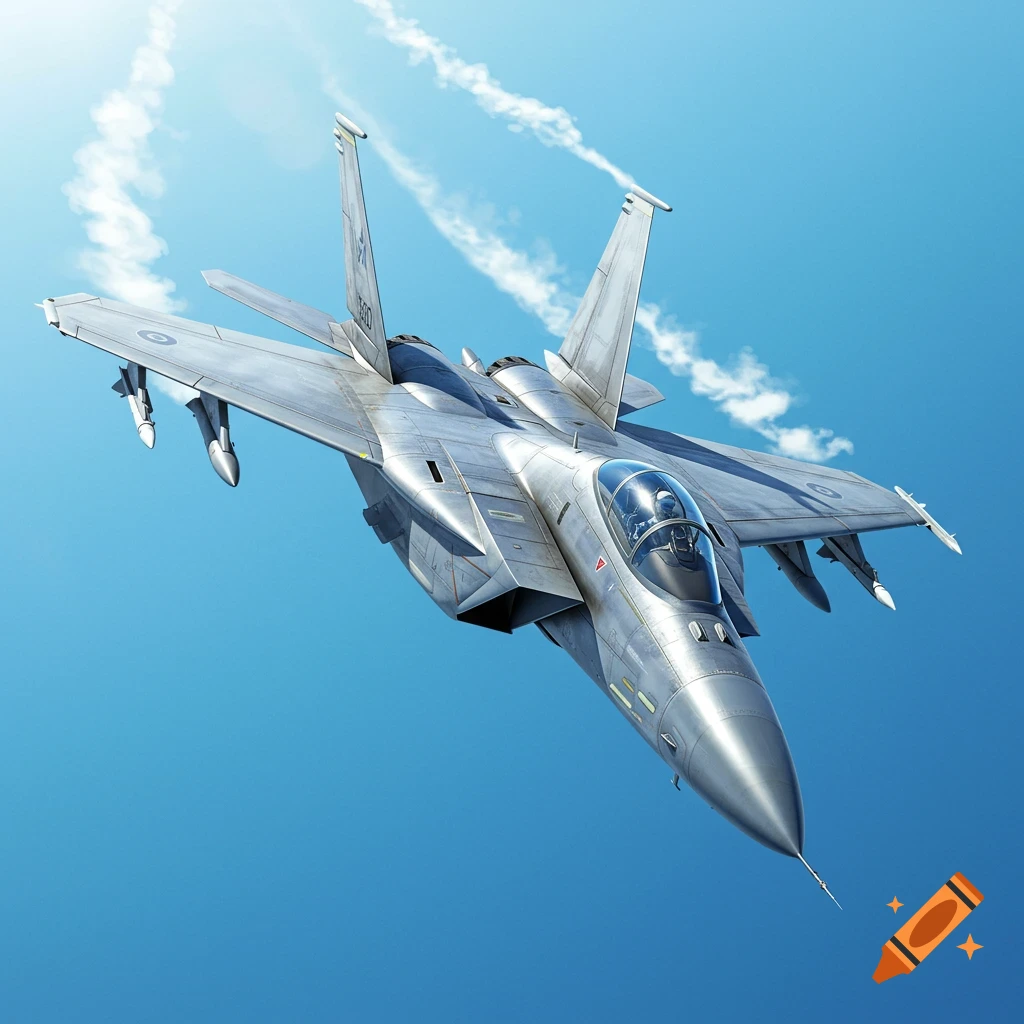
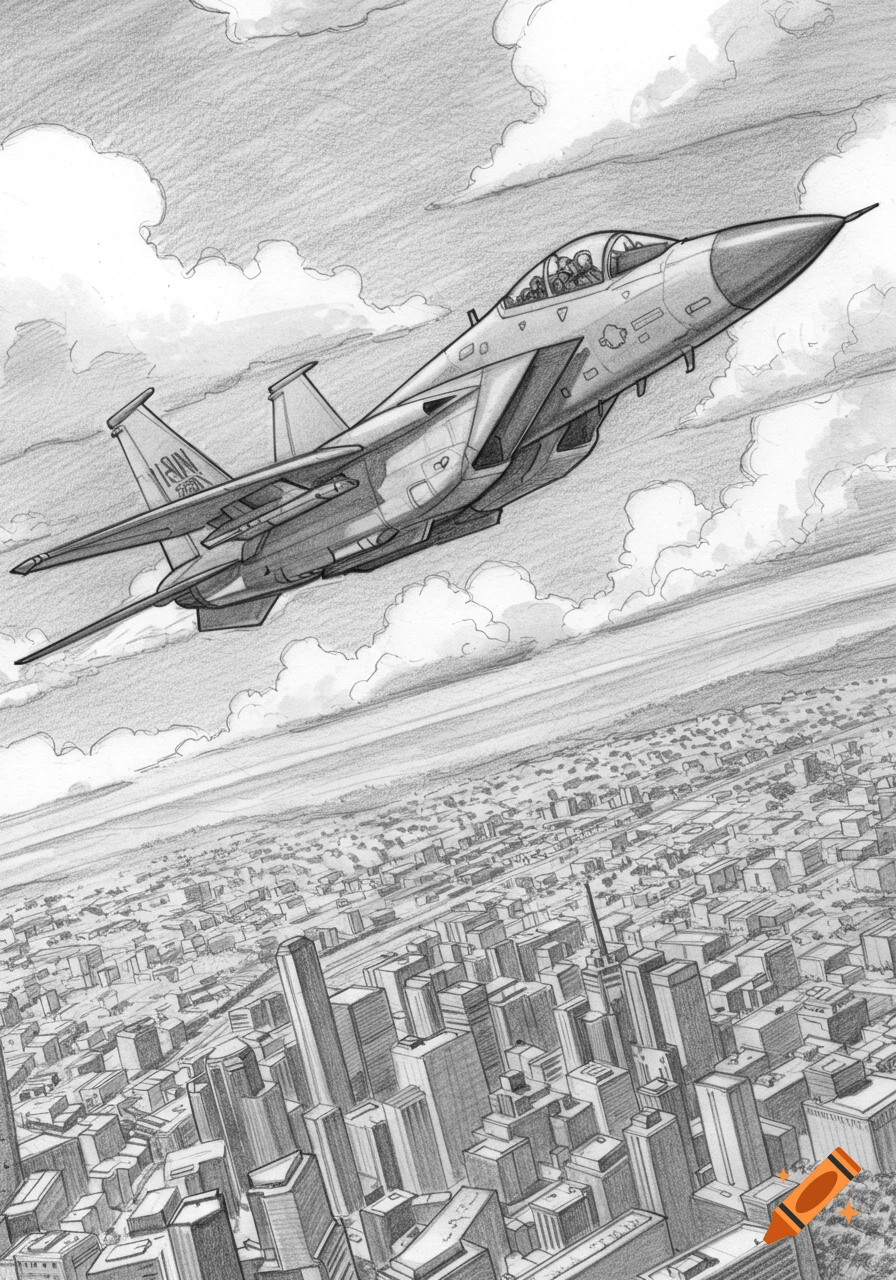
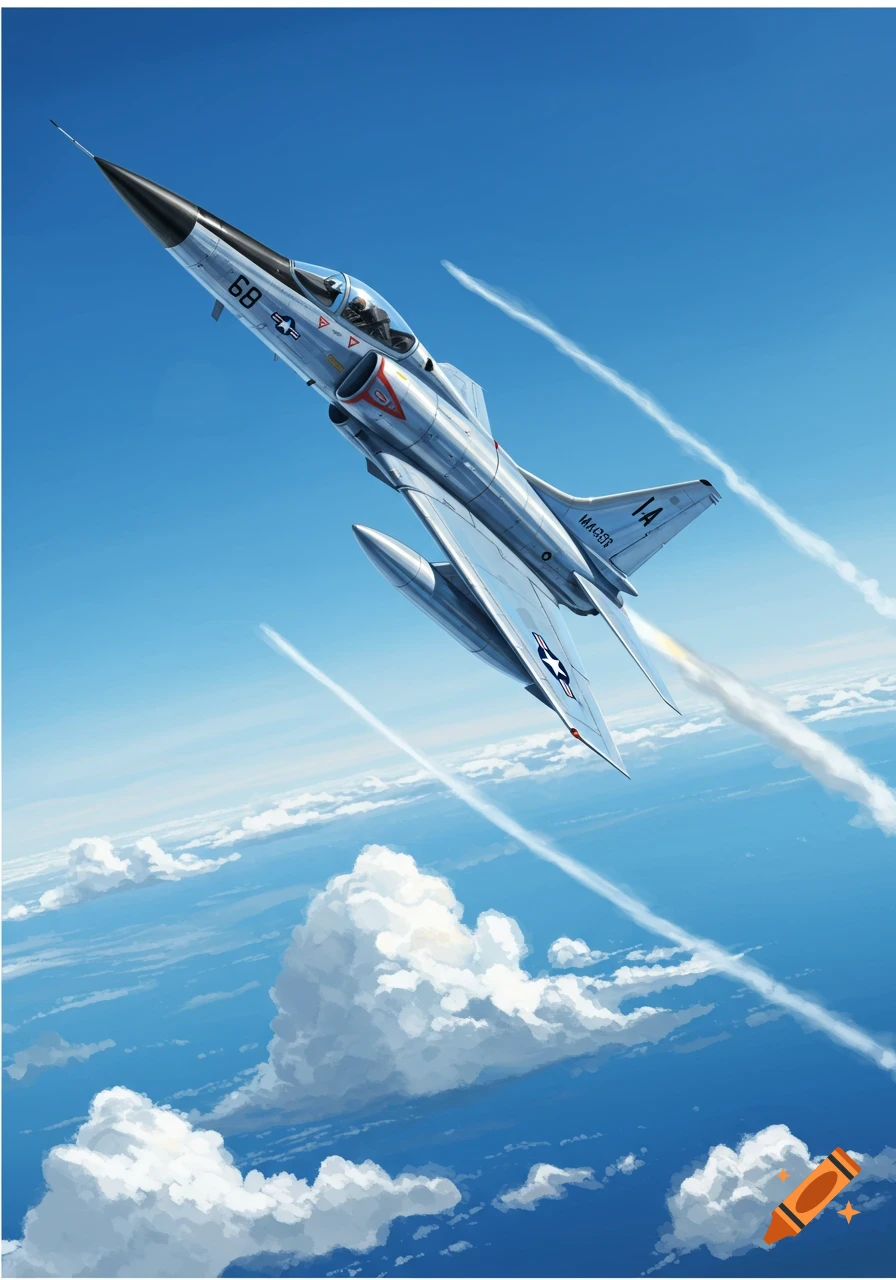
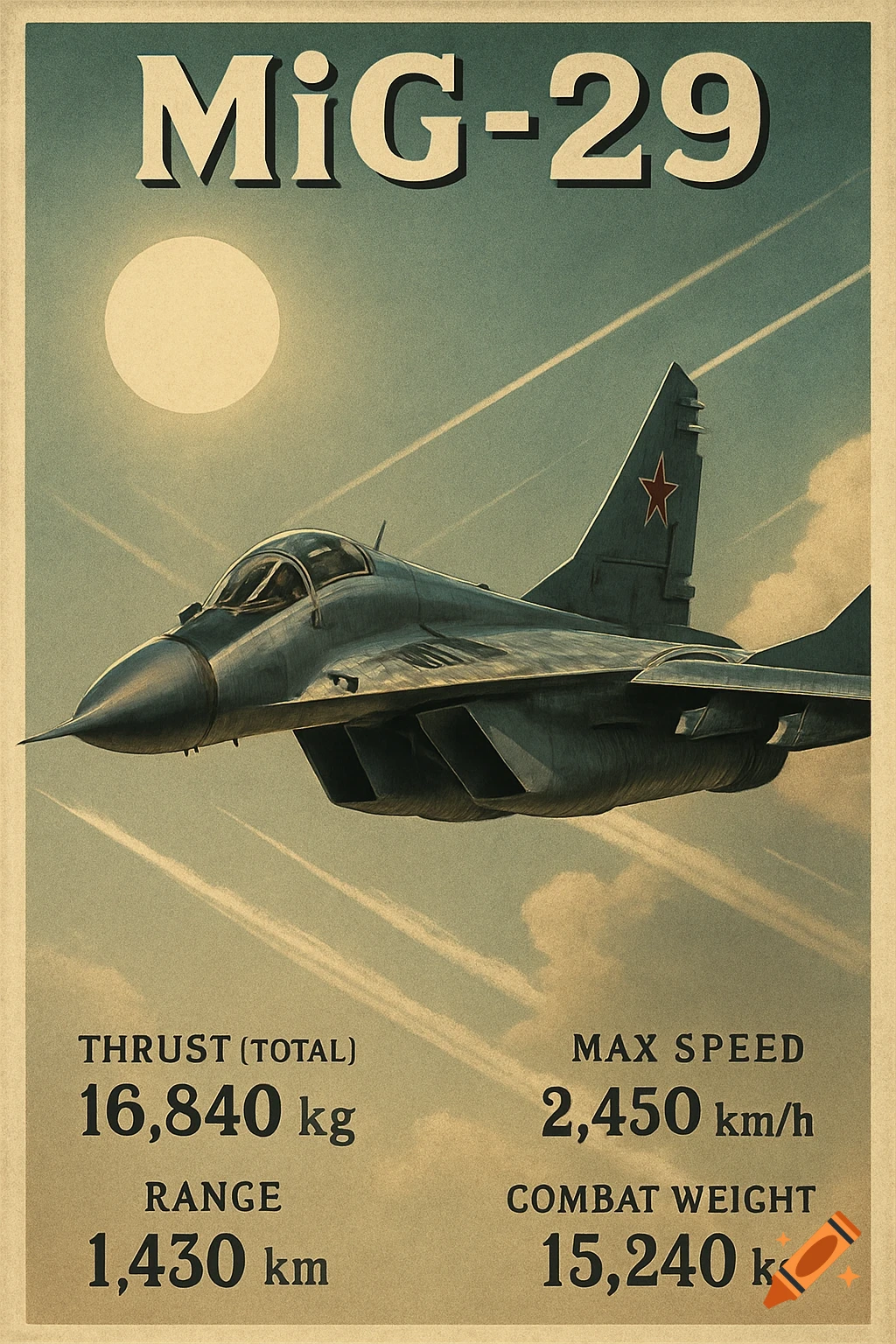
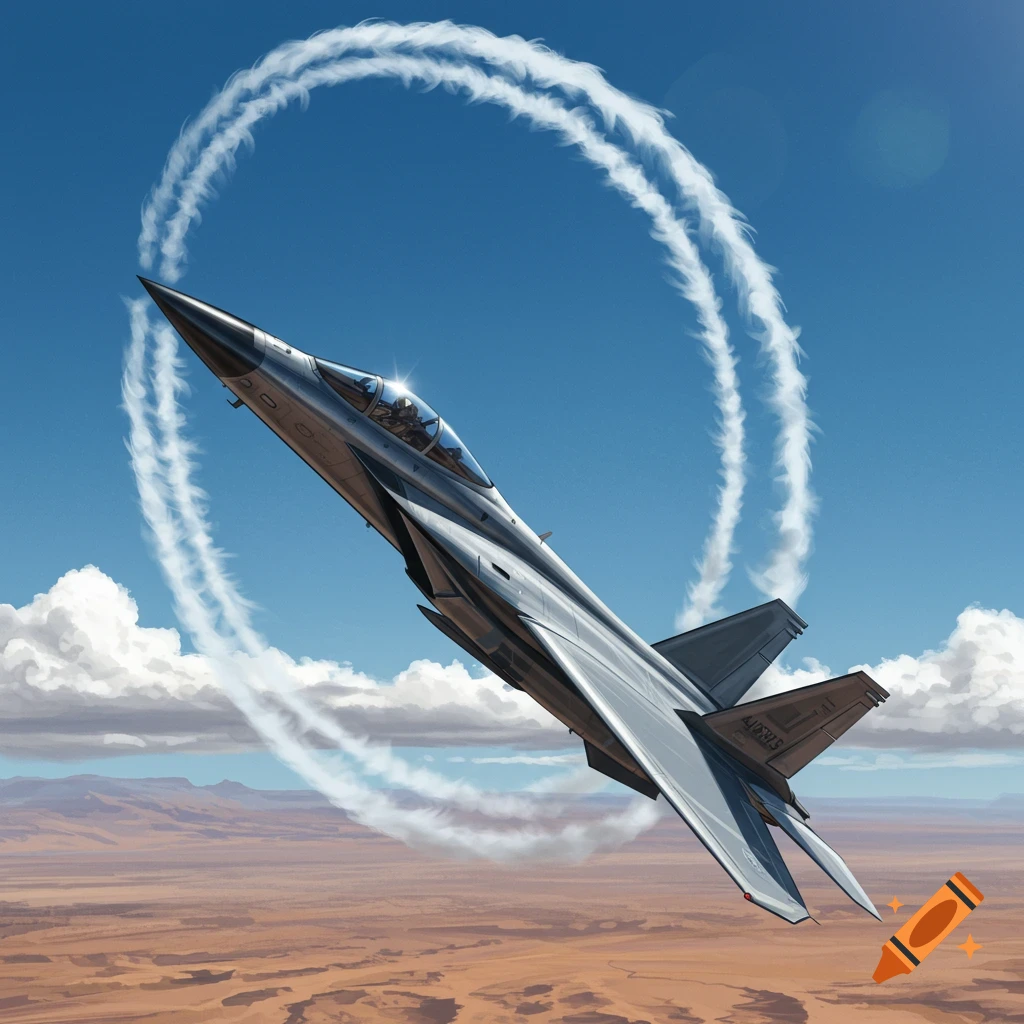
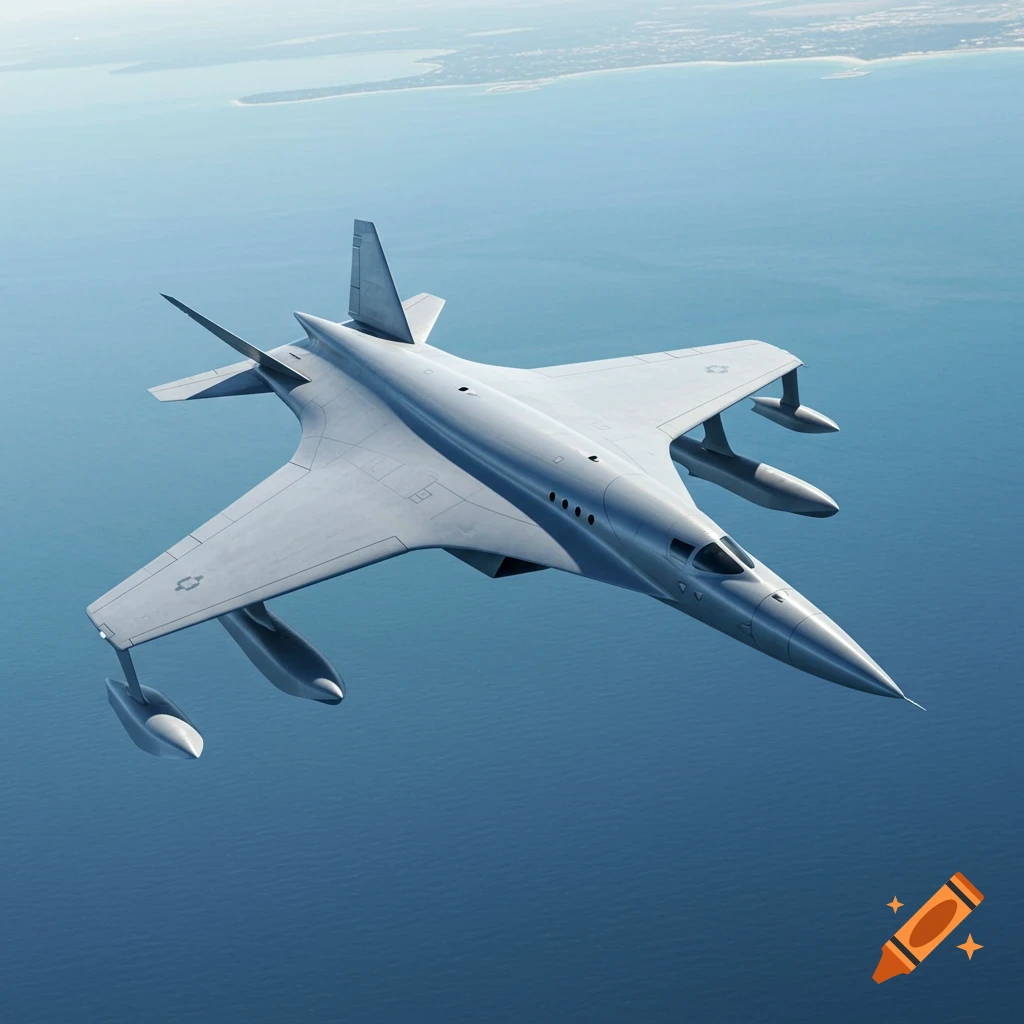
A technical diagram comparing a fighter jet's subsonic and supersonic configurations, showing wing pivot and different airflows.
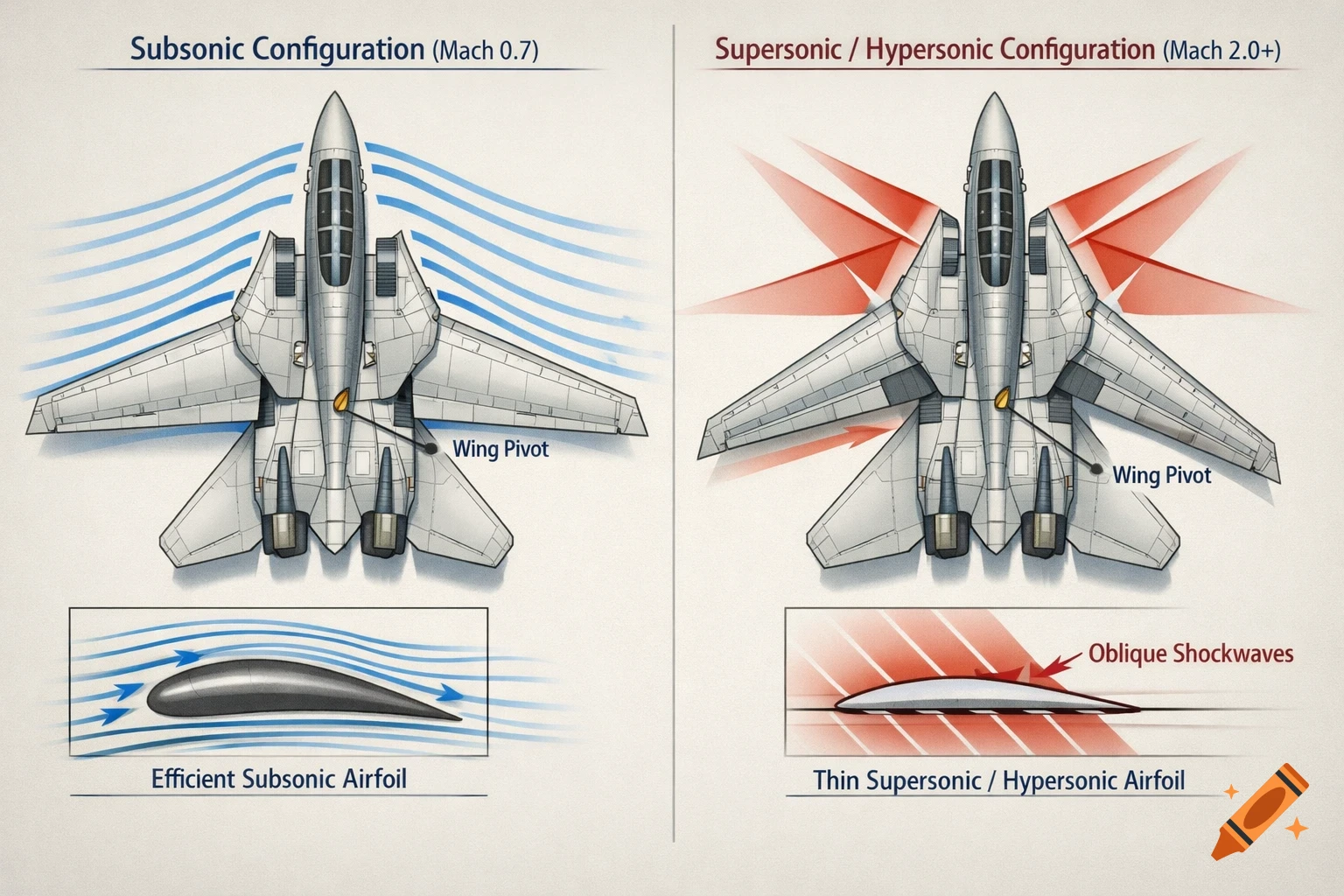
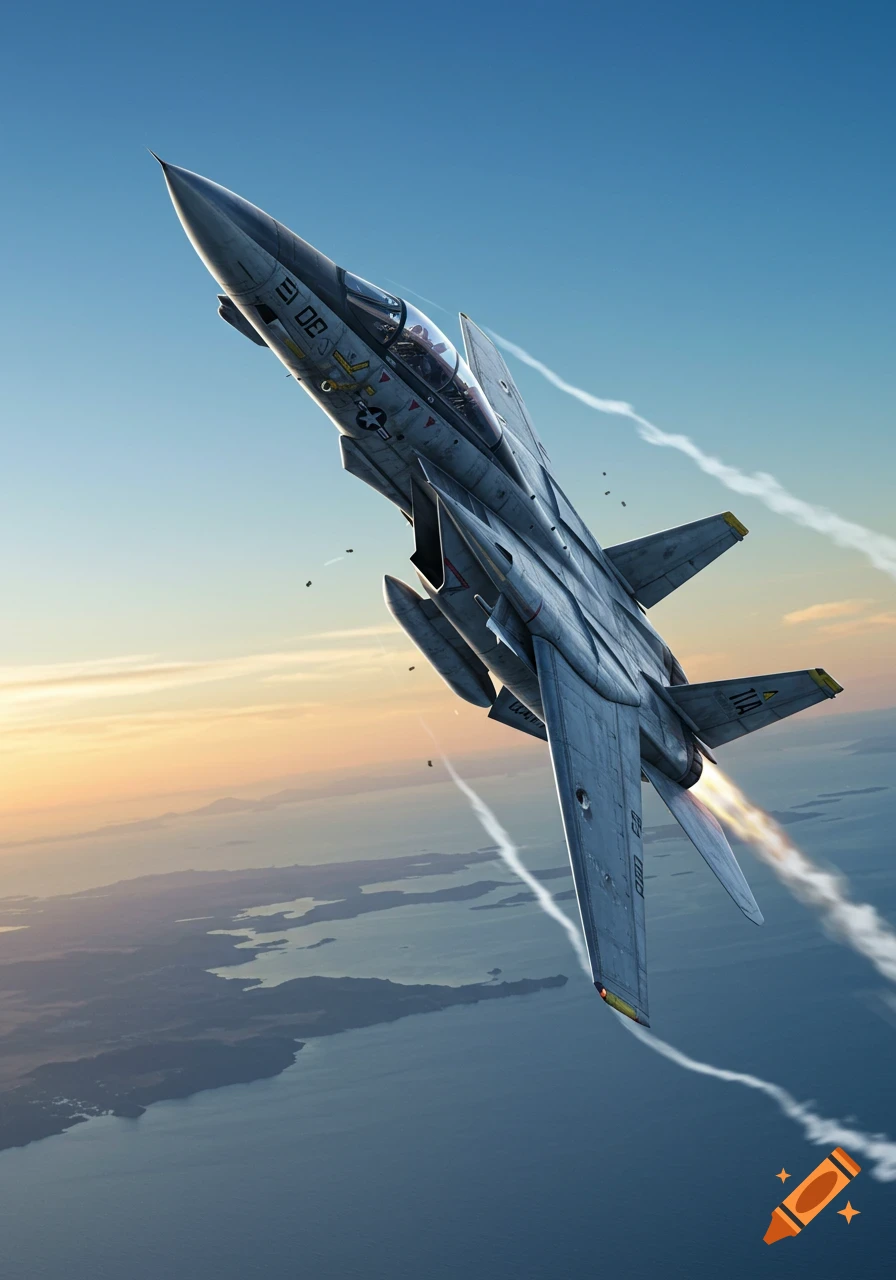
"Create a detailed technical diagram illustrating an aircraft equipped with variable-geometry wings. The diagram should have two main views: a top-down view and a side profile view." "View 1: Top-down view, "Subsonic Configuration" (Mach 0.7). The wings are extended fully outward in a straight or slightly swept position, perpendicular to the fuselage, to maximize lift and efficiency. Label this configuration clearly. Show smooth airflow lines over the thick, cambered airfoil shape. Include a small inset showing the cross-section of a relatively thick, curved airfoil, labeled 'Efficient Subsonic Airfoil'." "View 2: Top-down view, "Supersonic/Hypersonic Configuration" (Mach 2.0+). The wings are fully swept back close to the tail, forming a highly acute angle with the fuselage, minimizing frontal area to reduce wave drag. Label this configuration clearly. Show oblique shockwaves forming at the sharp leading edges. Include an inset showing a thin, bi-convex or double-wedge airfoil cross-section, labeled 'Thin Supersonic/Hypersonic Airfoil'." "Overall Diagram Requirements:" The aircraft design should resemble a typical swing-wing fighter jet (e.g., F-14 Tomcat, Panavia Tornado). Use labels and arrows to indicate the direction of airflow, the variable pivot point of the wings, and the formation of shock waves in the high-speed configuration. The diagrams should visually emphasize the difference in wing area and shape presented to the airflow in the two speed regimes. The art style See more