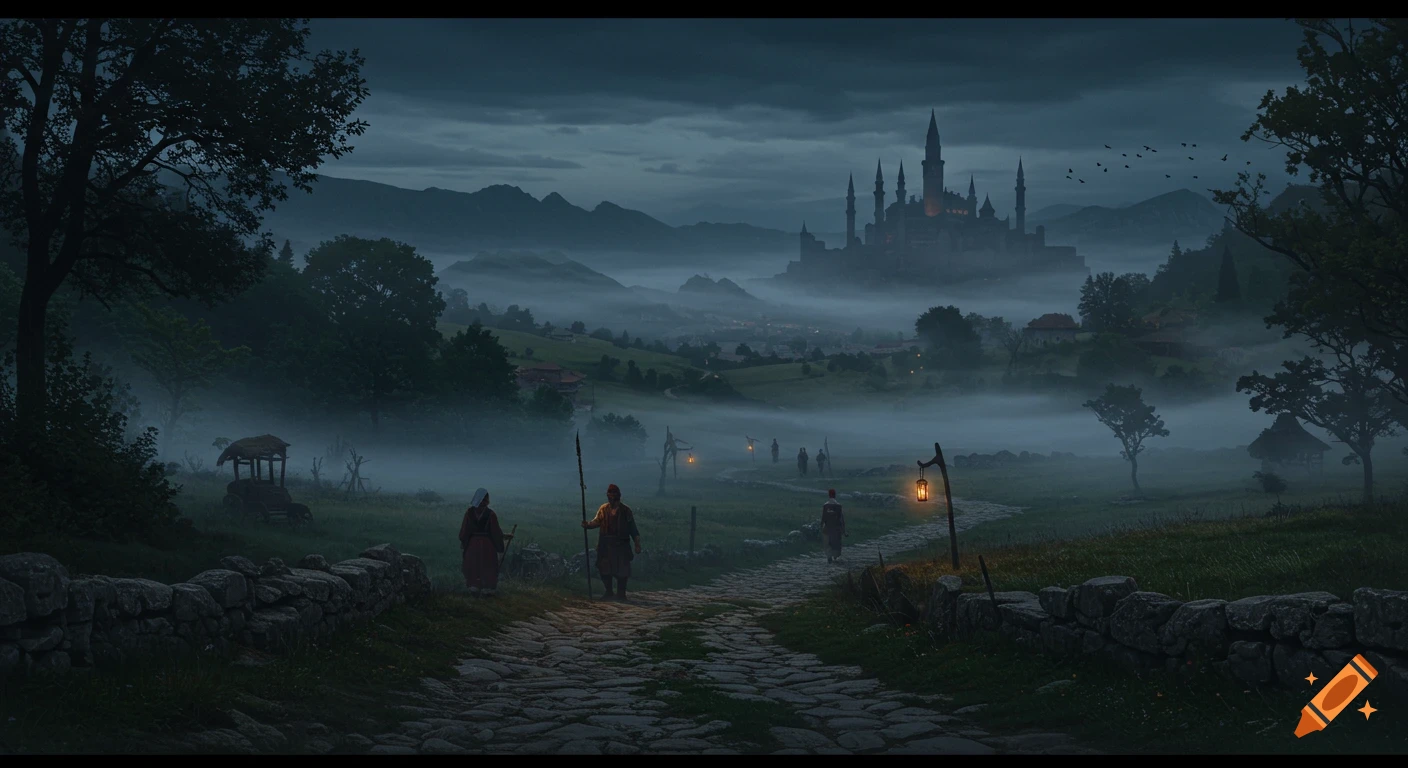
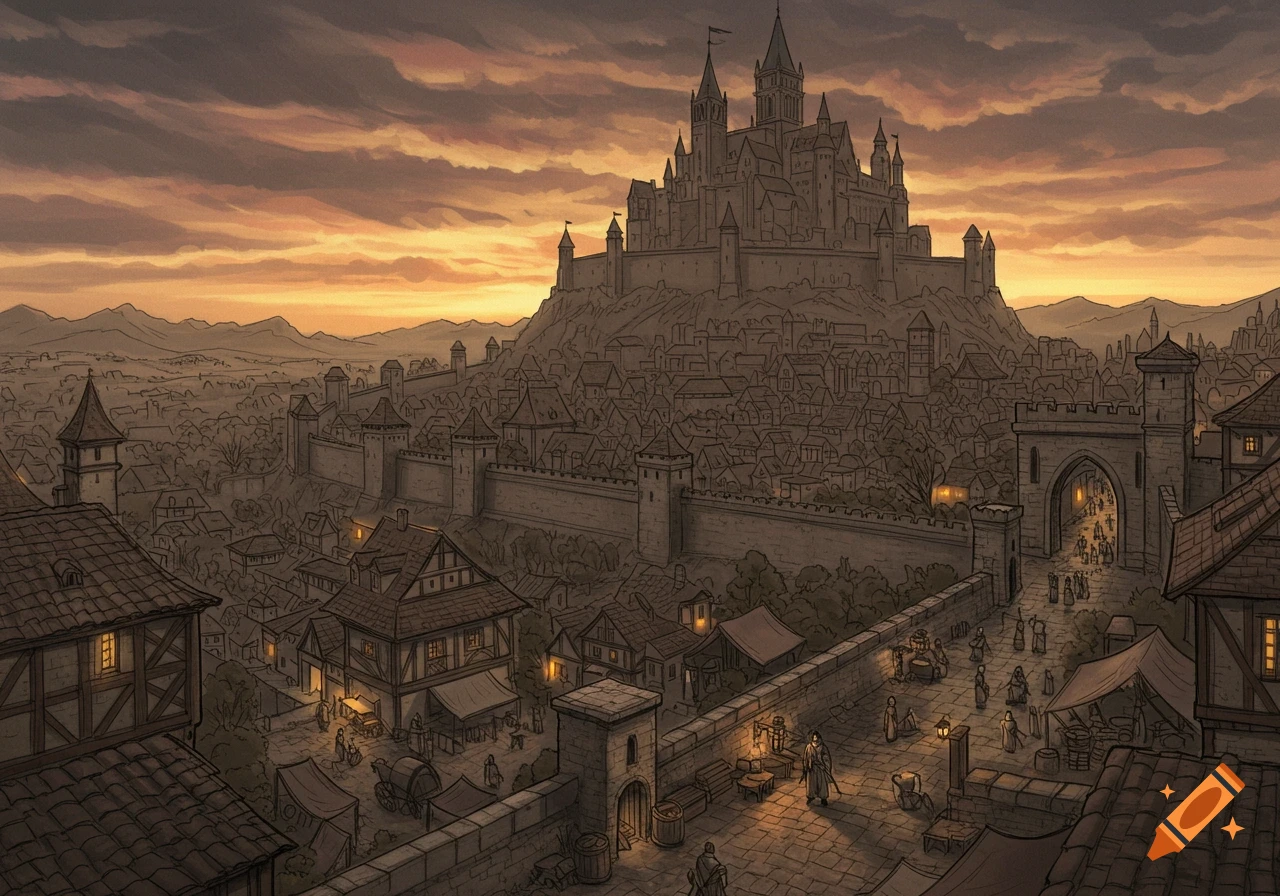
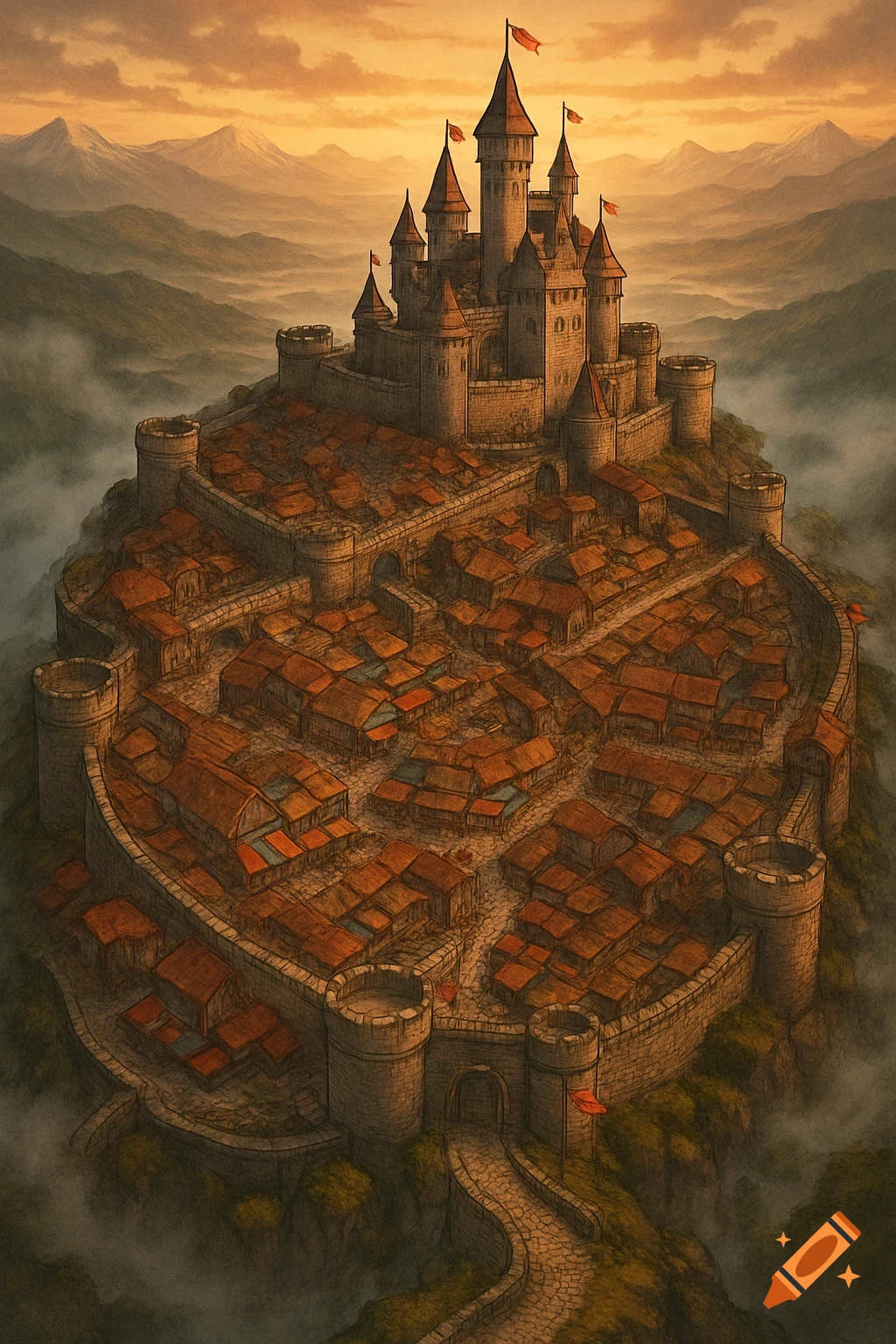
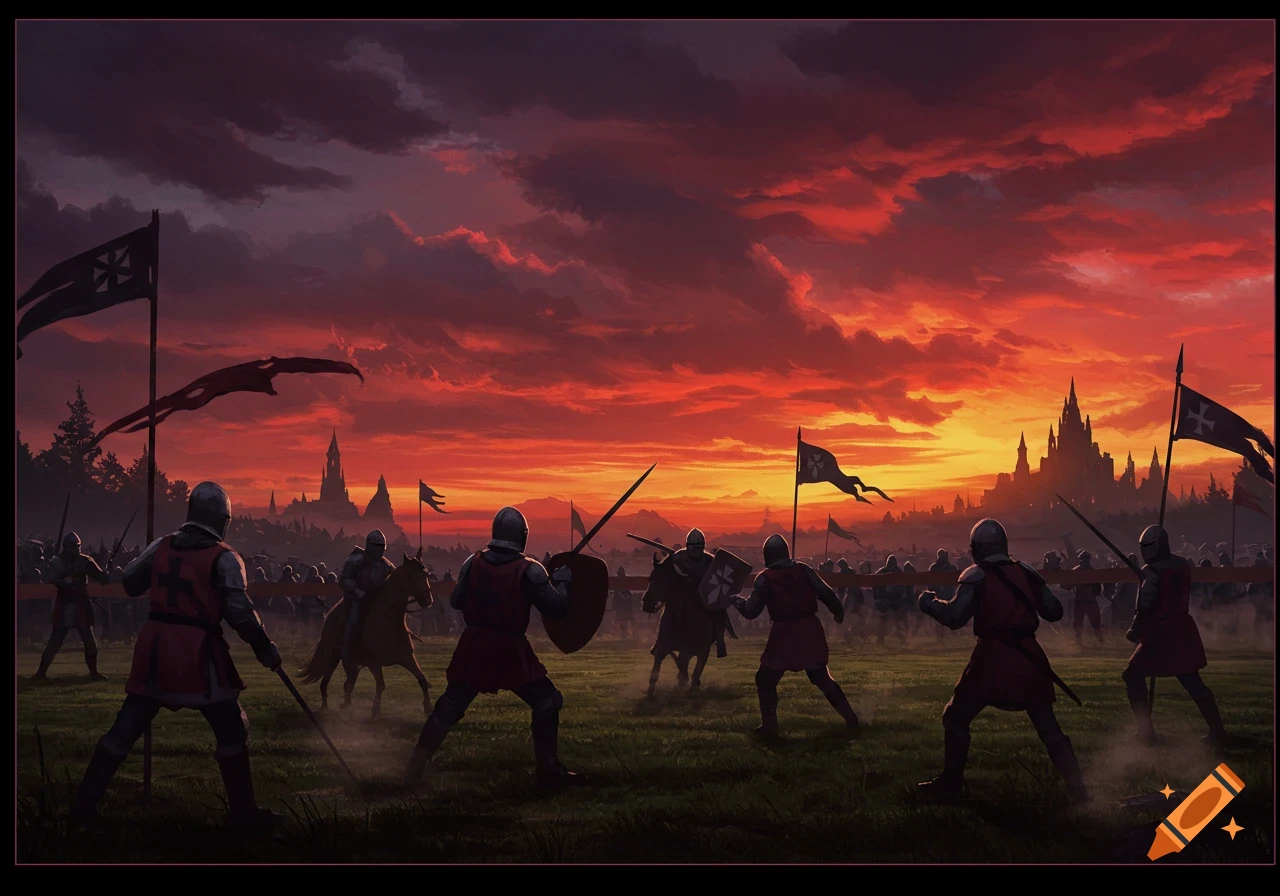
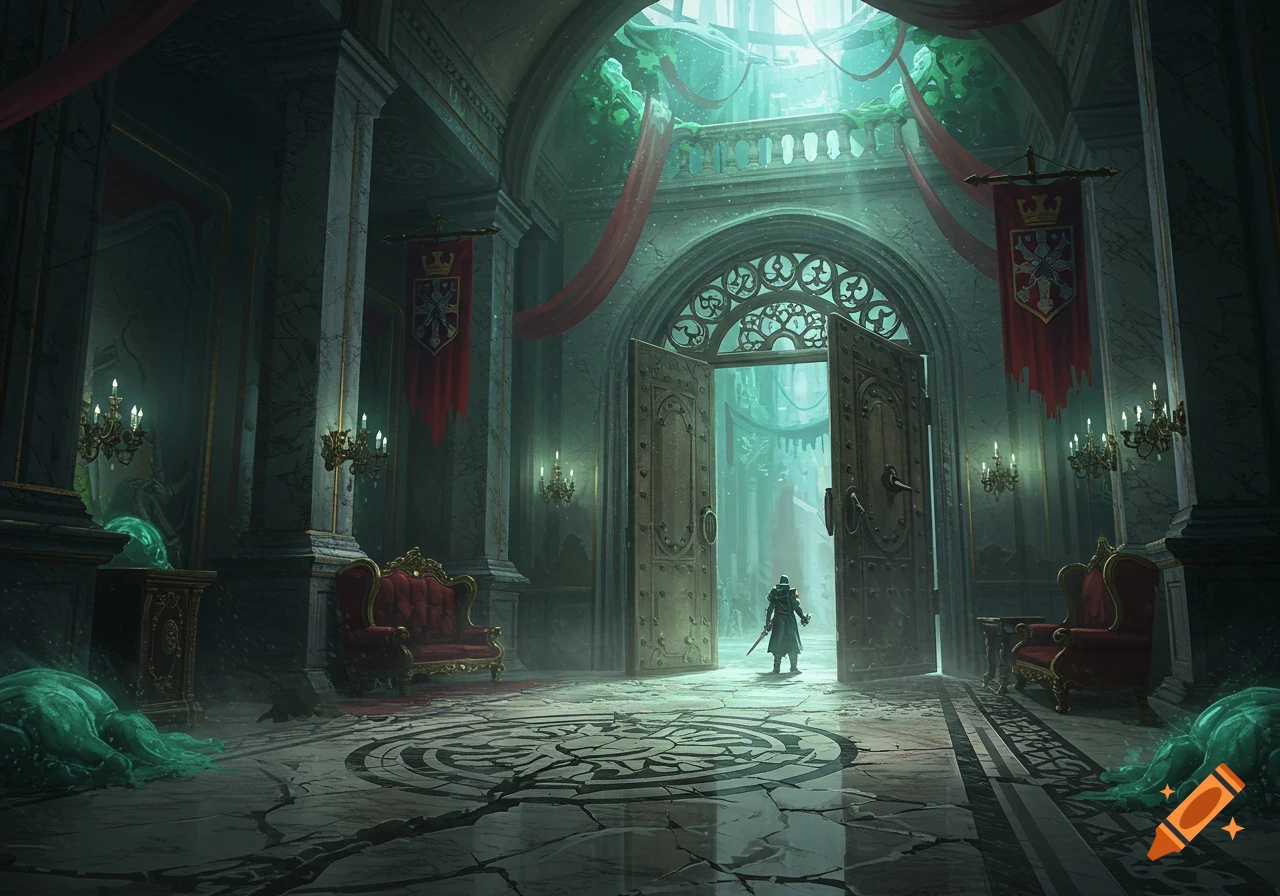
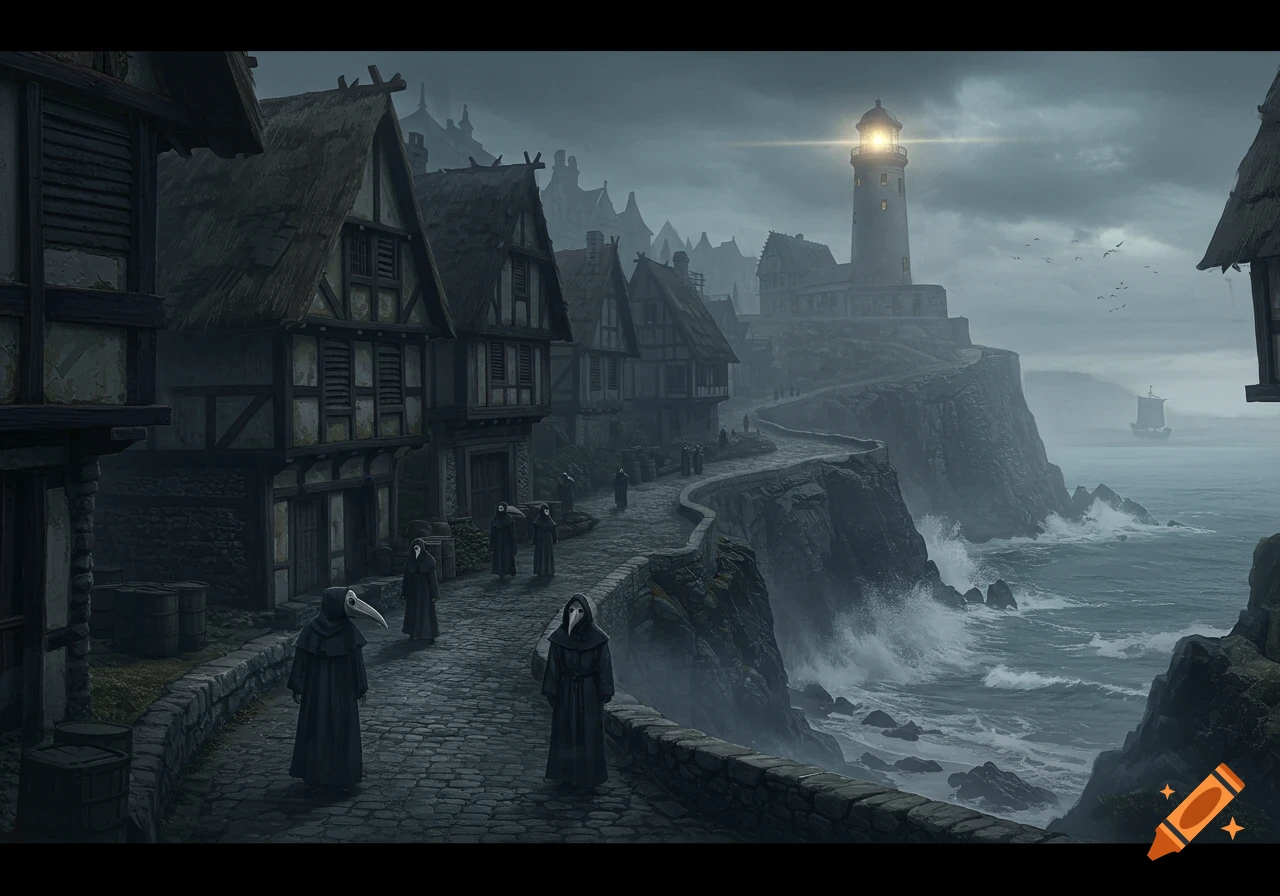
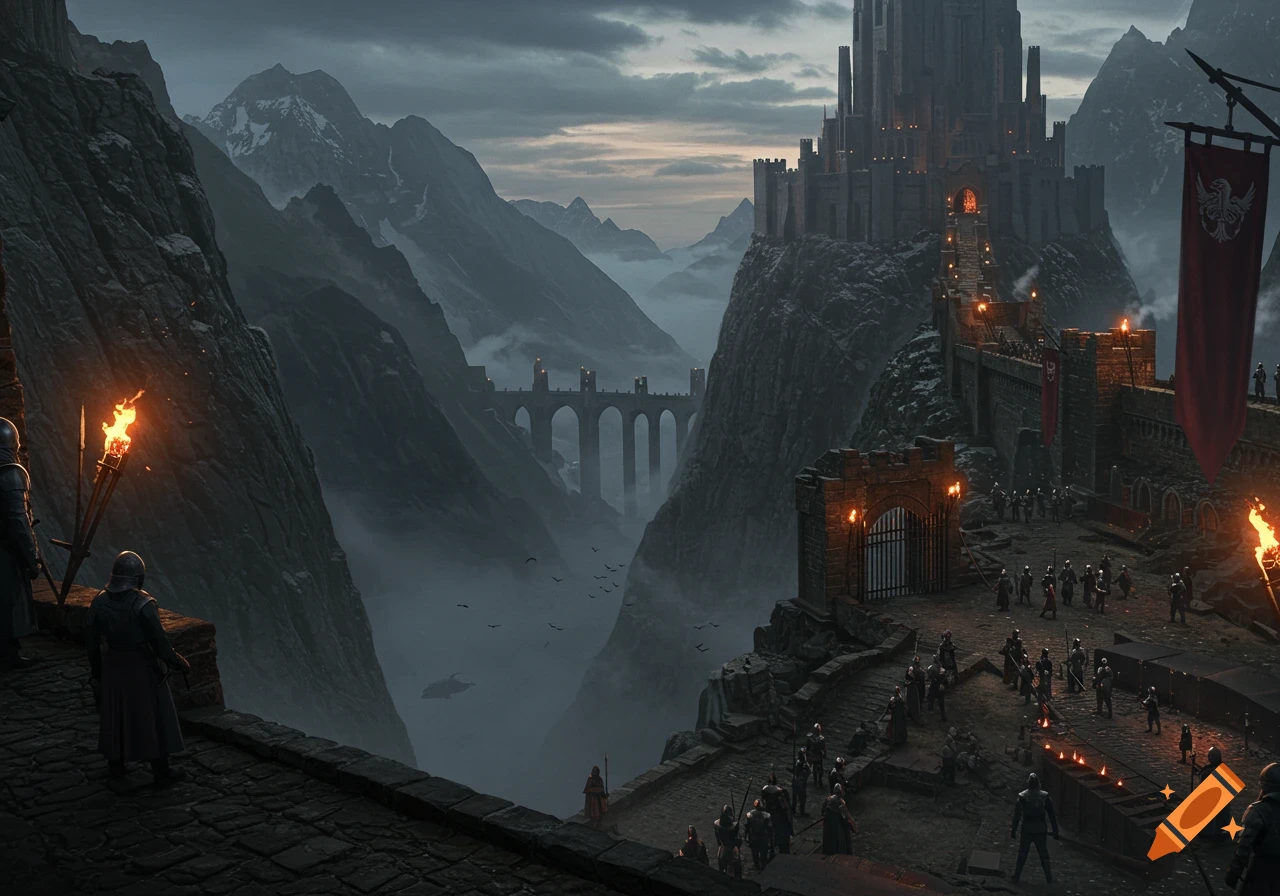
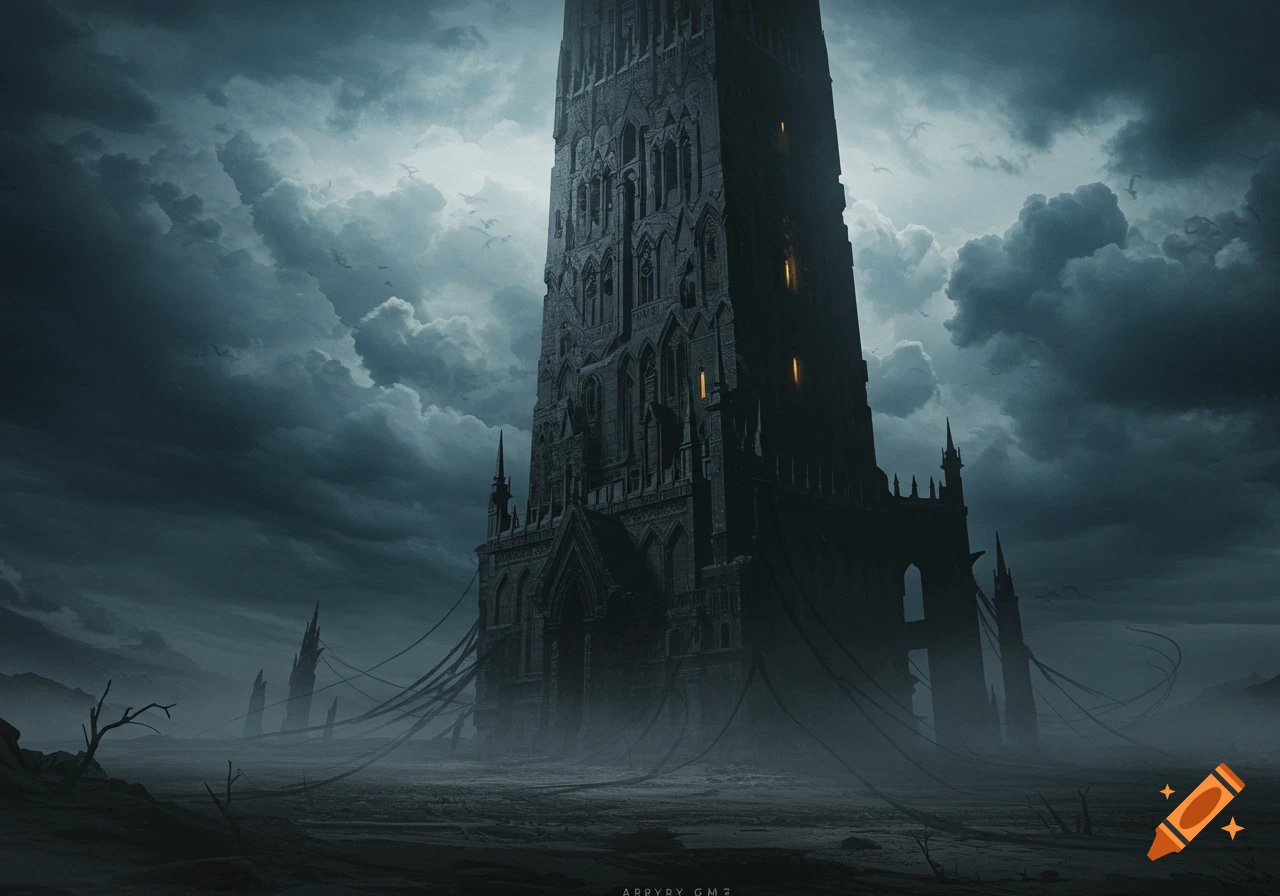
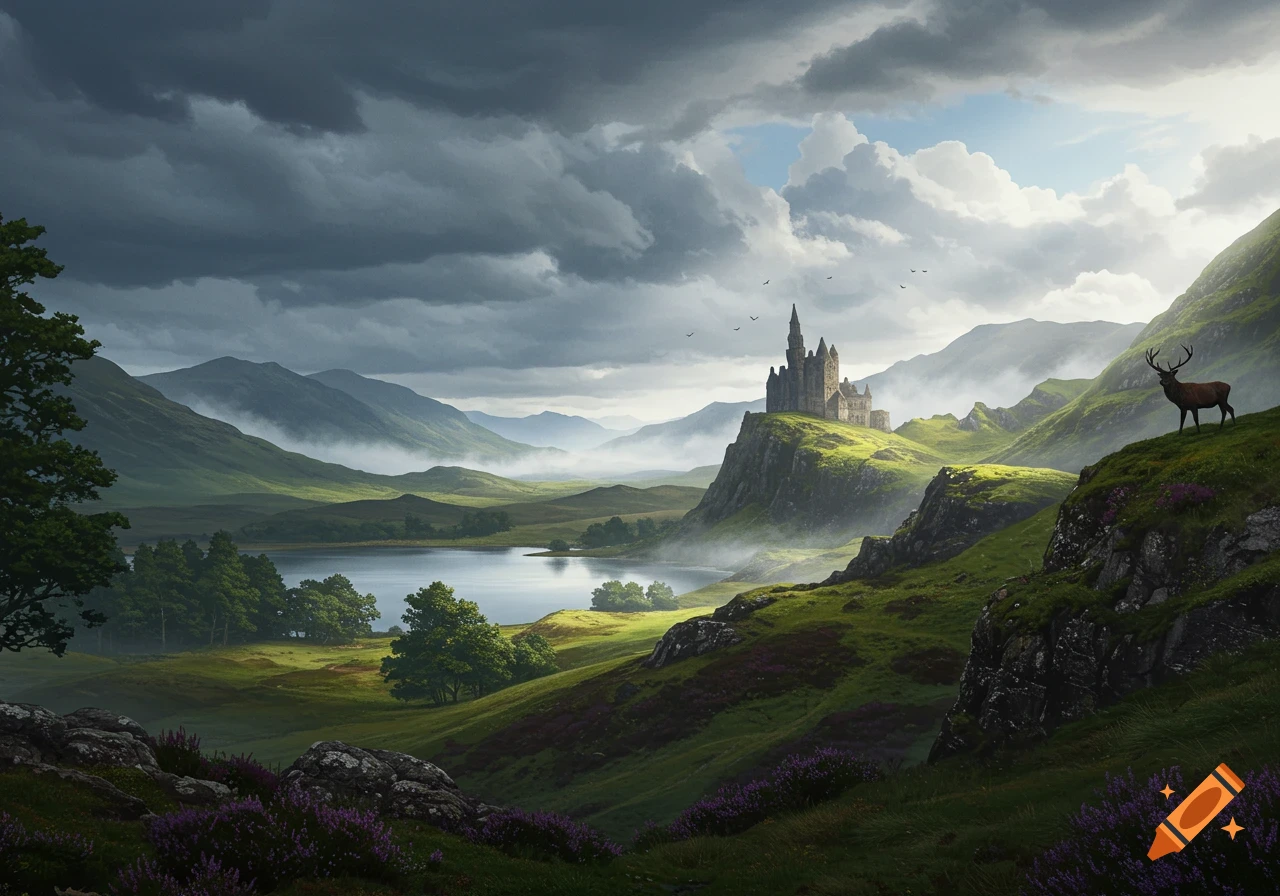
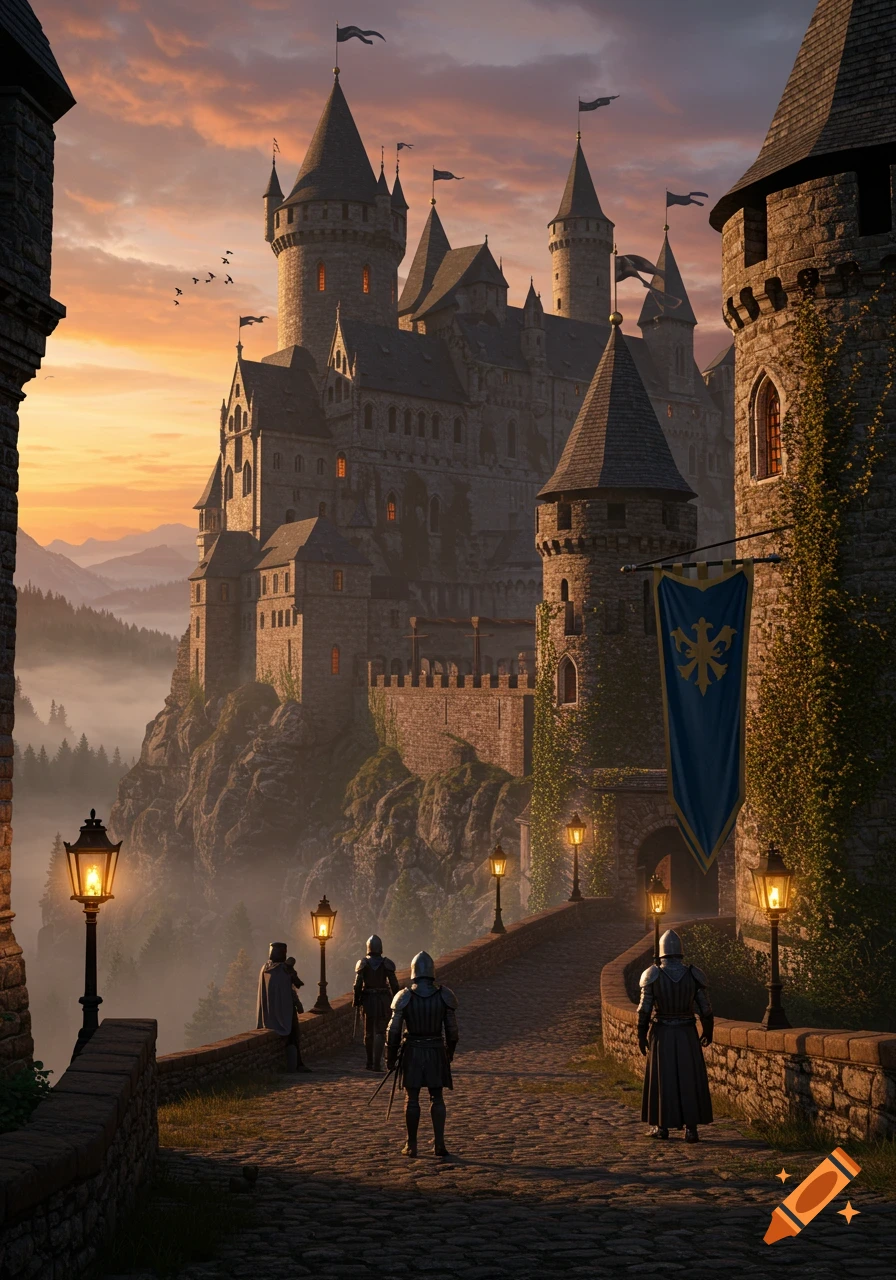
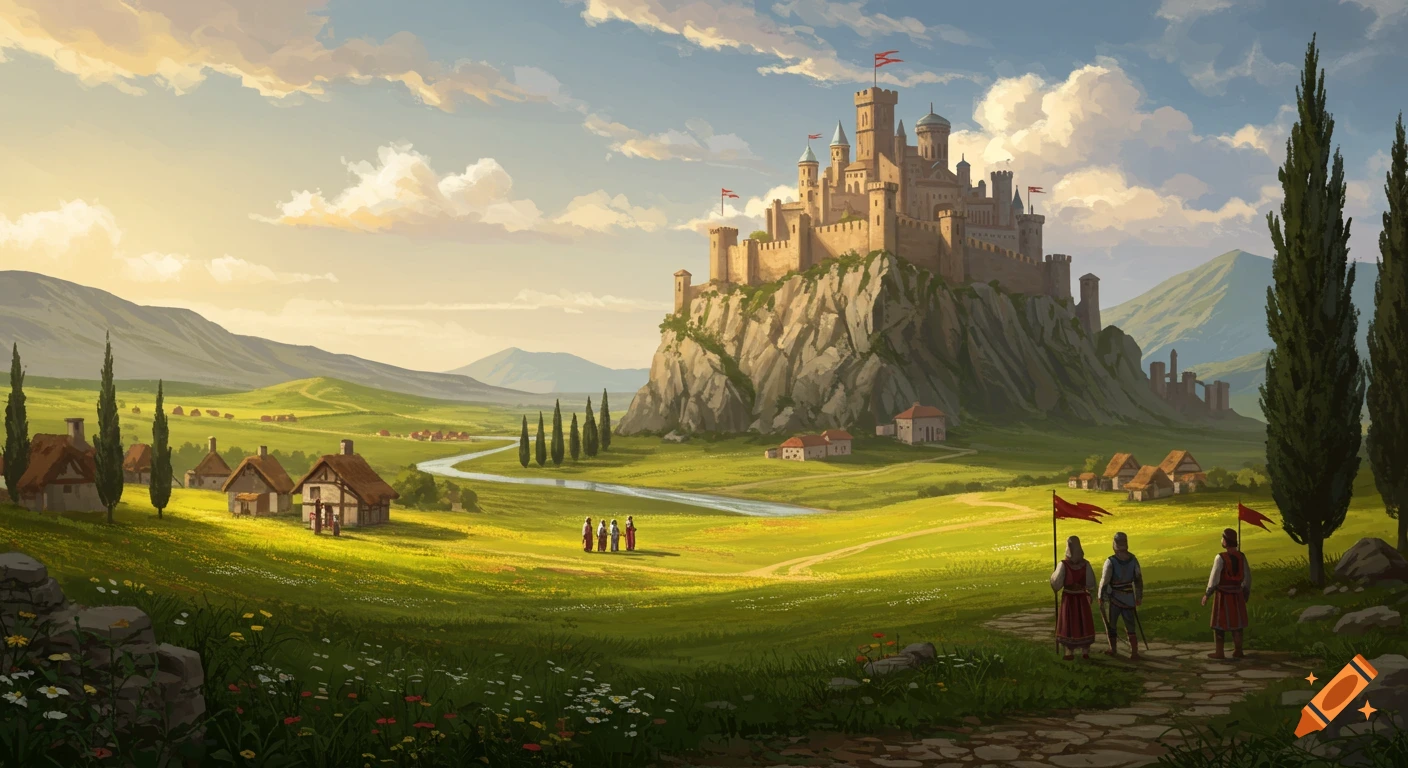
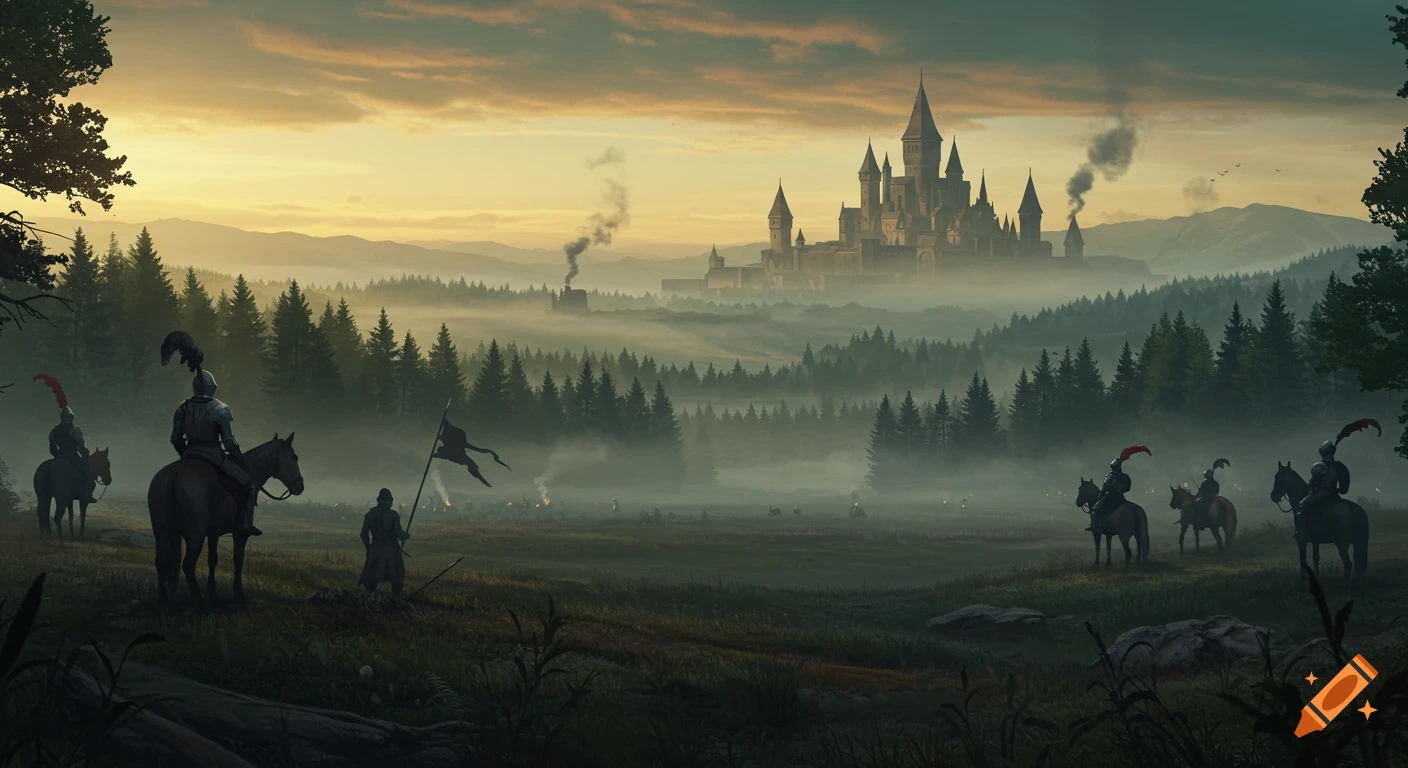
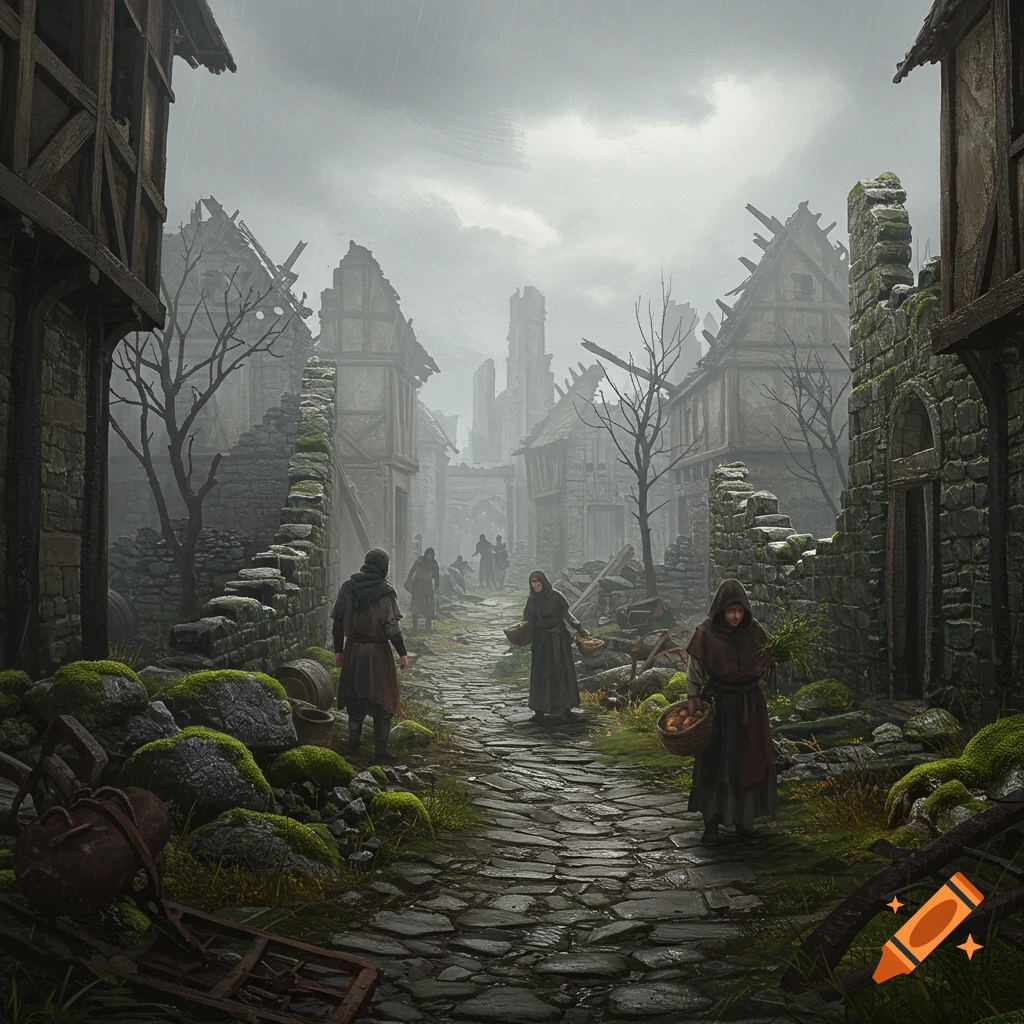
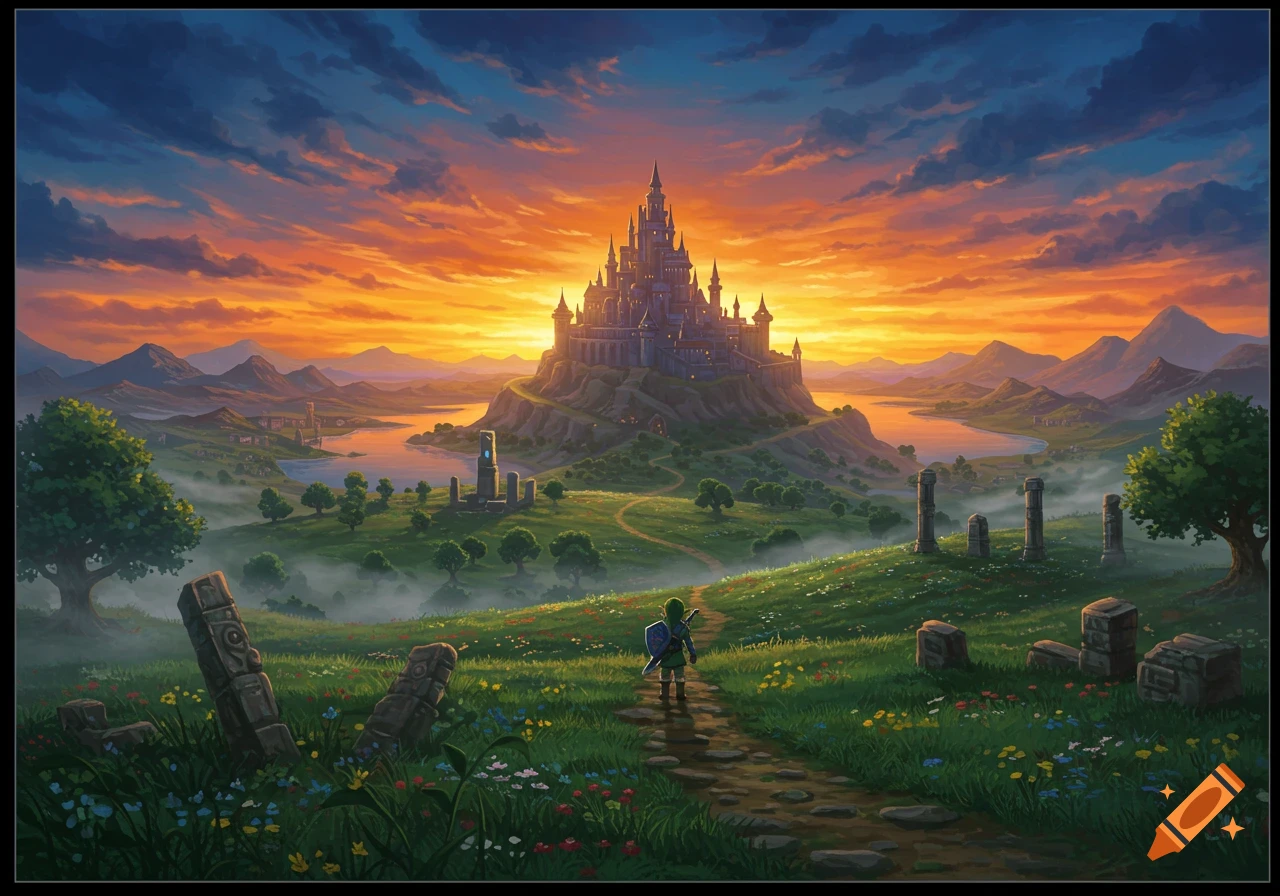
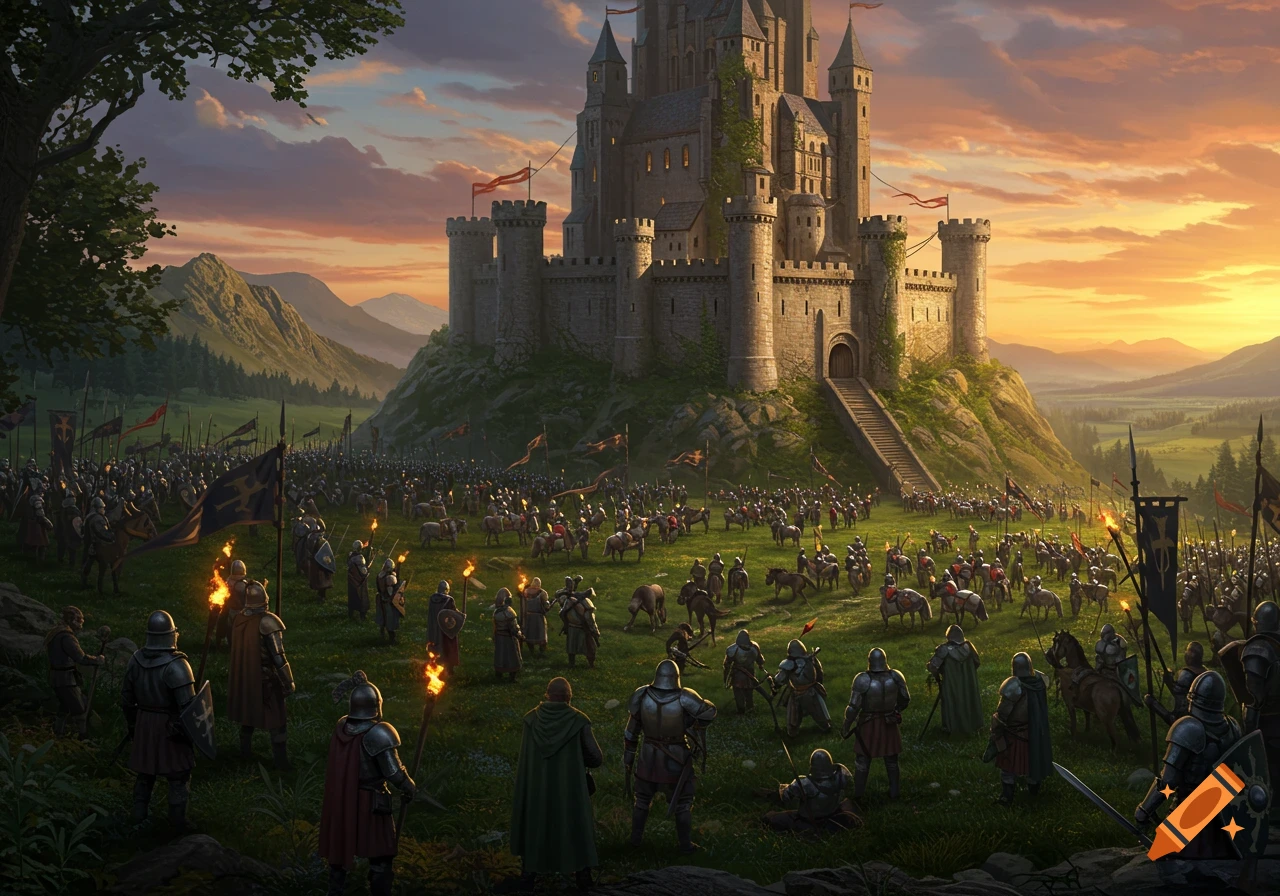
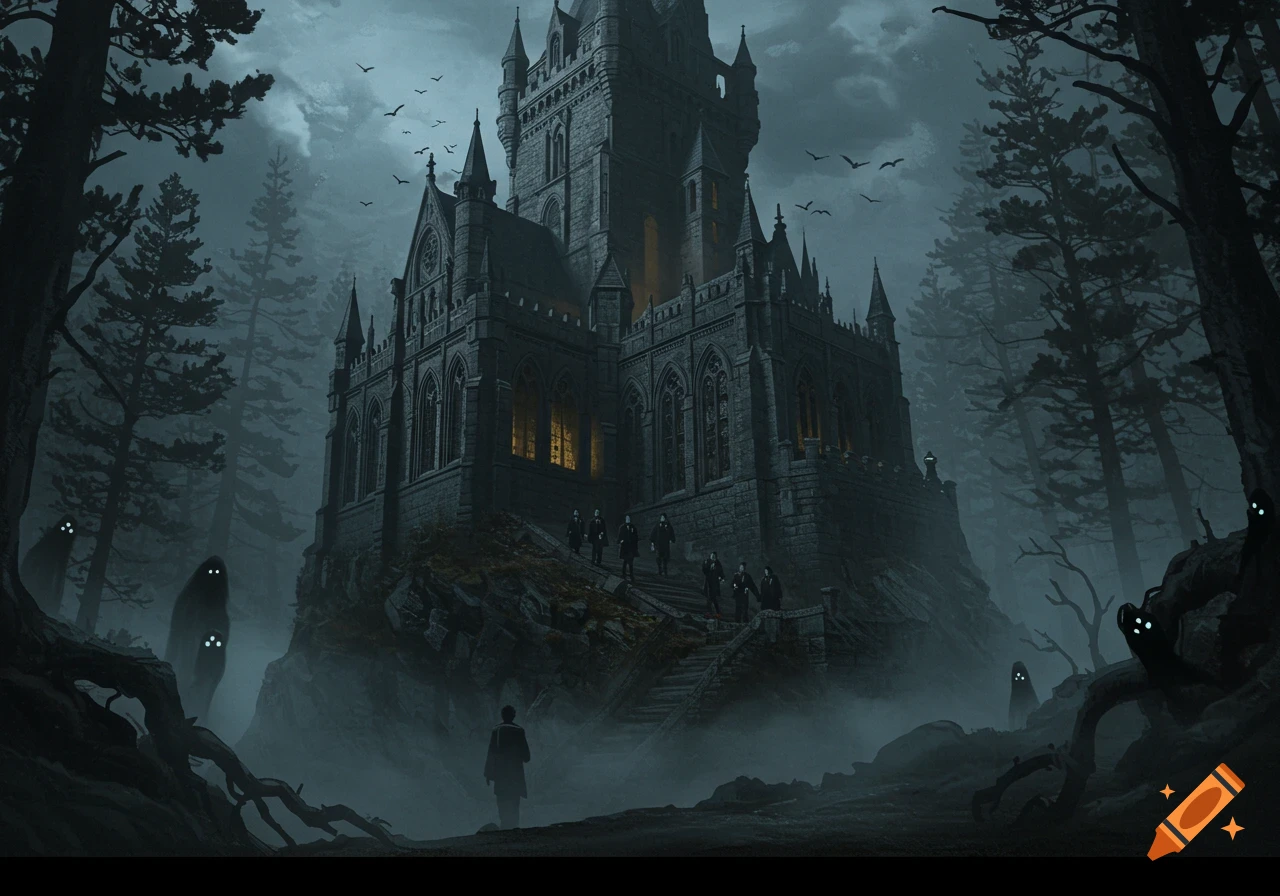
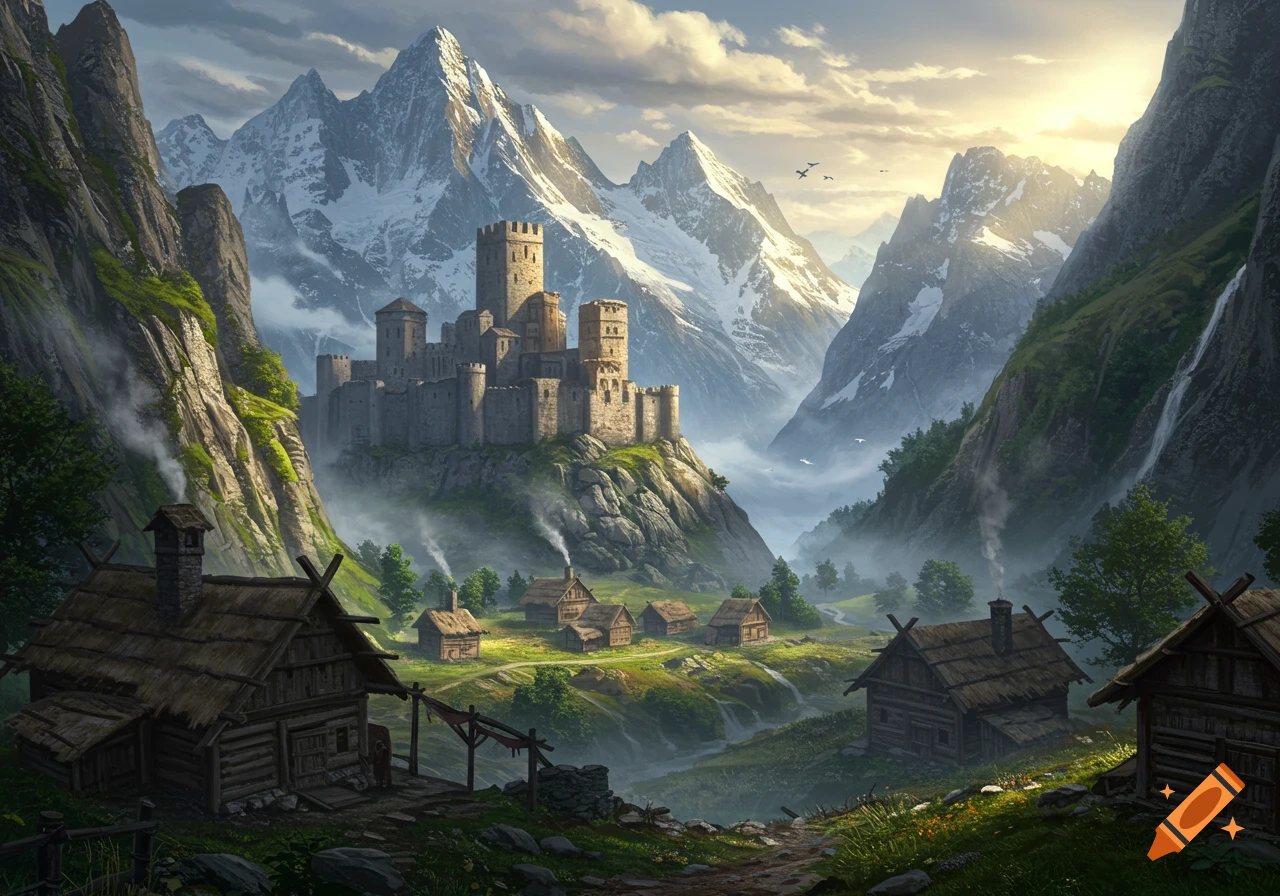
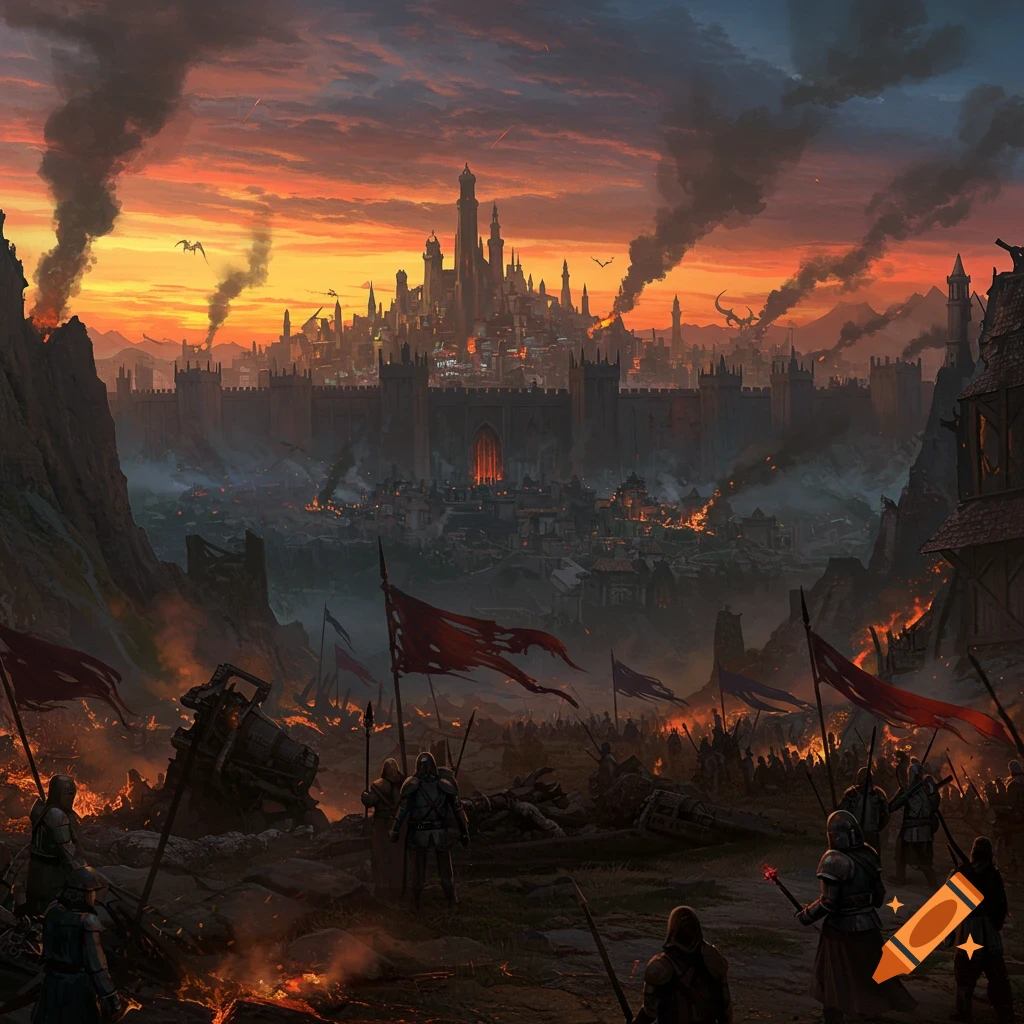
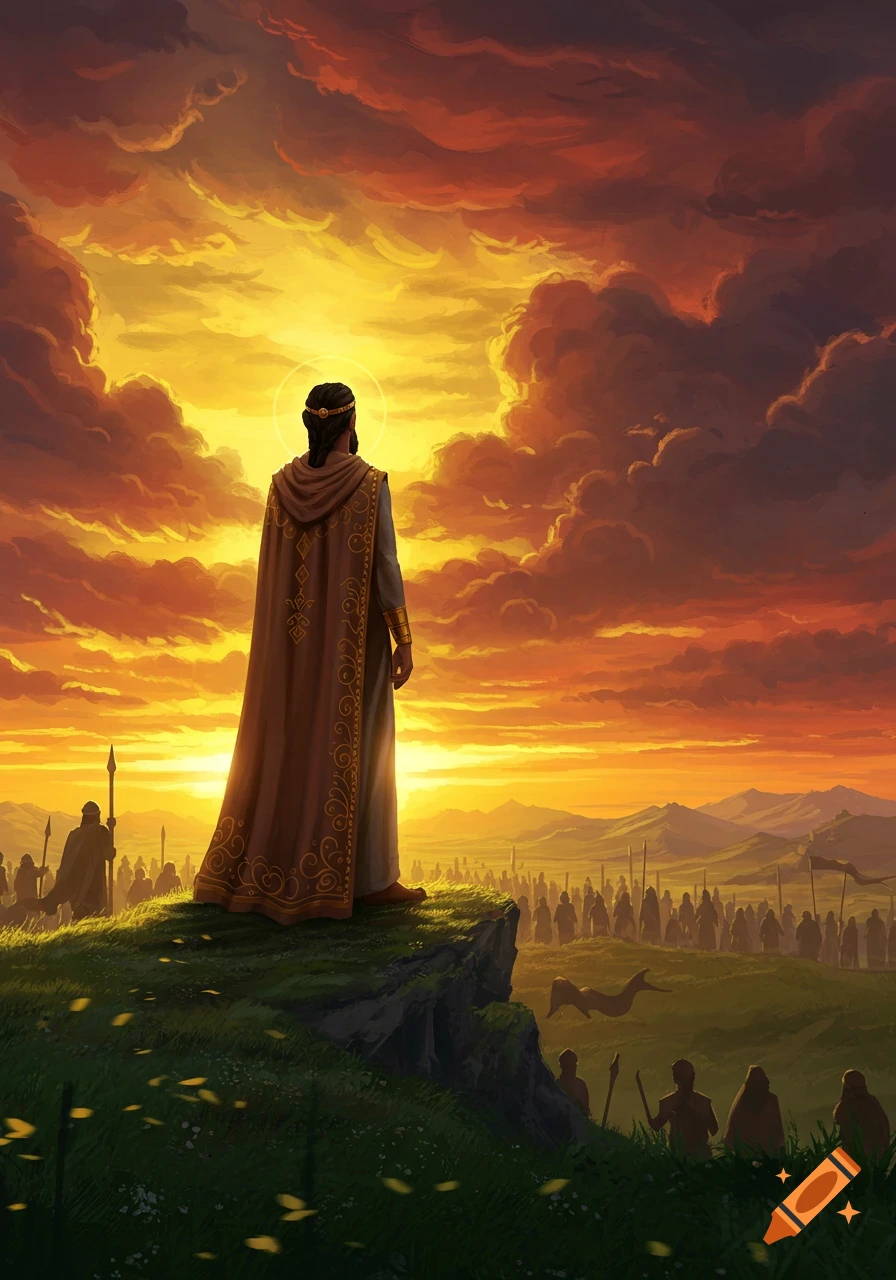
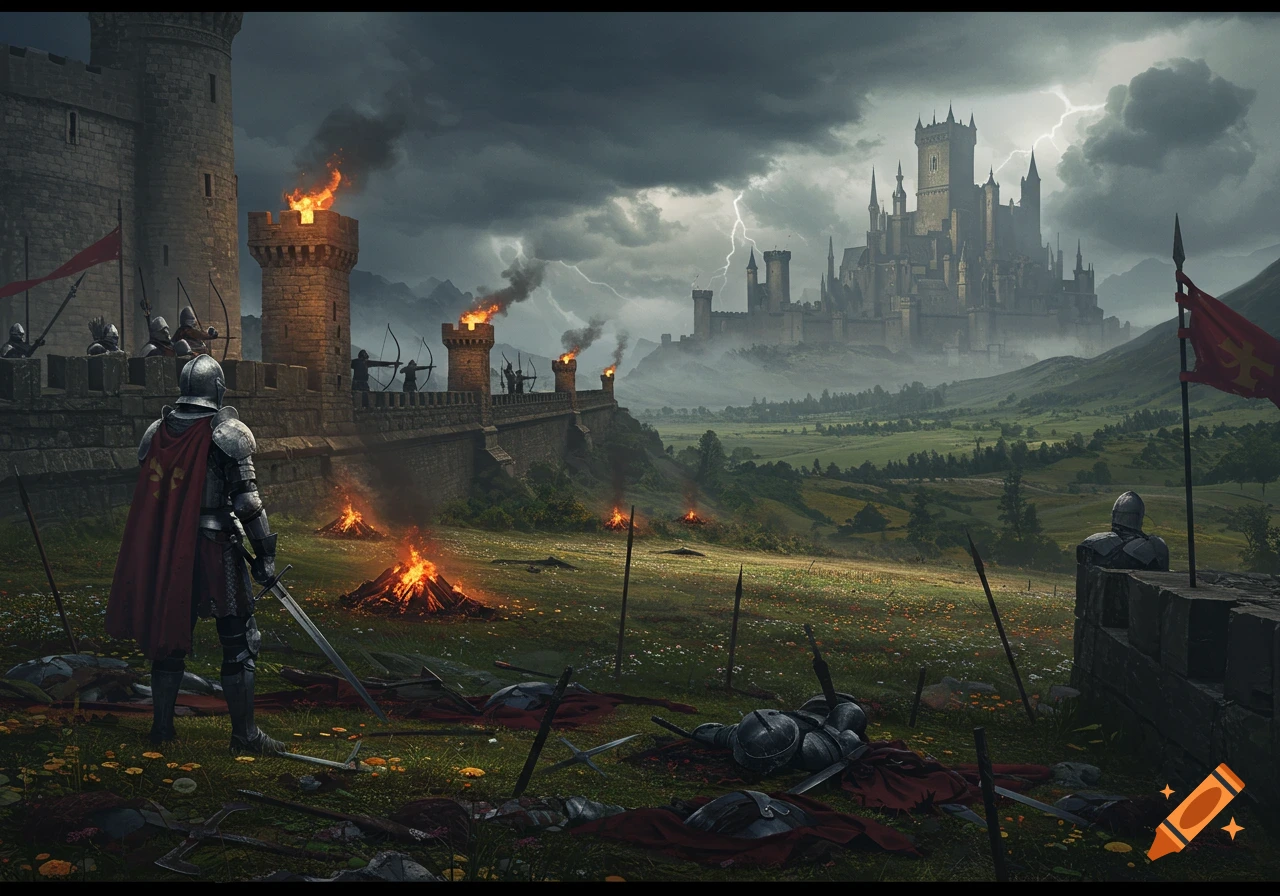
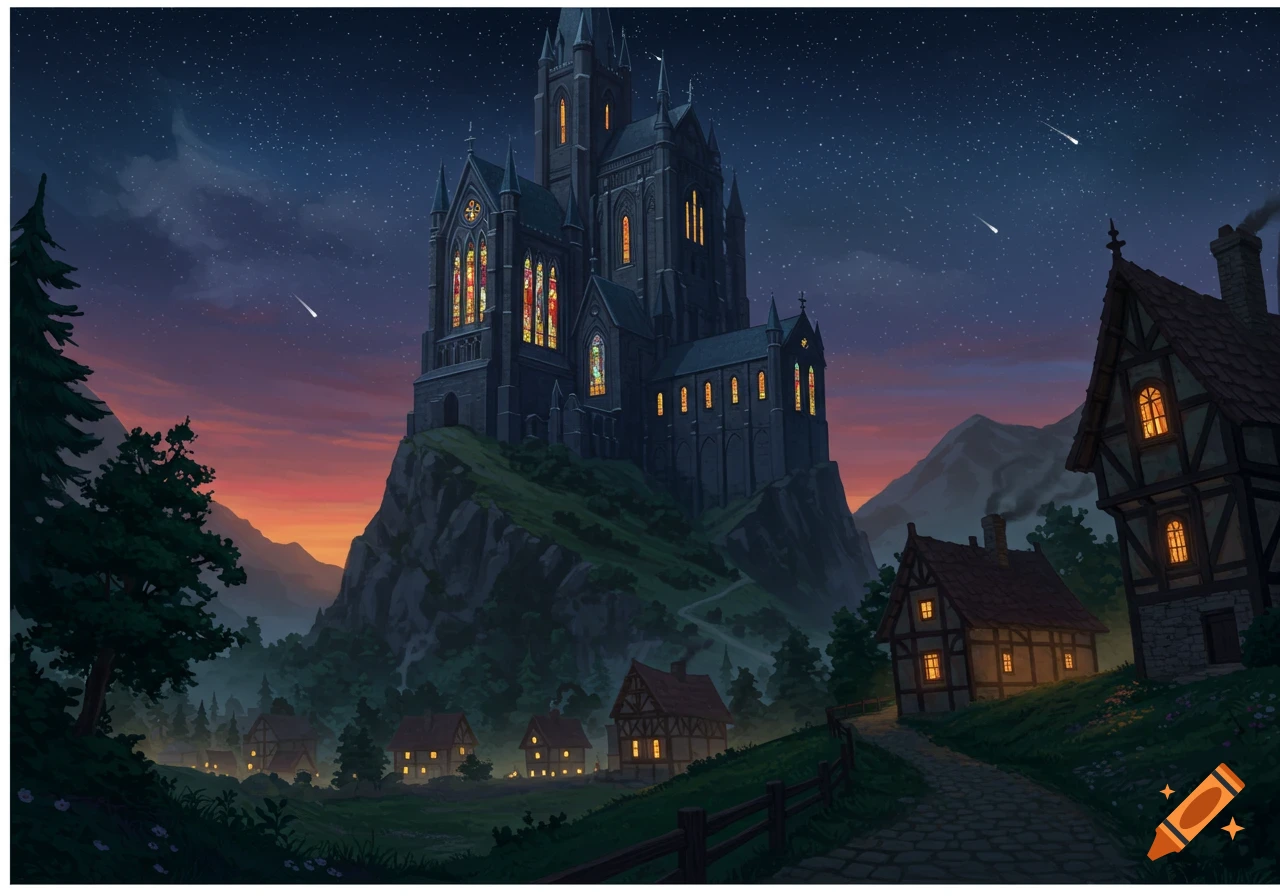
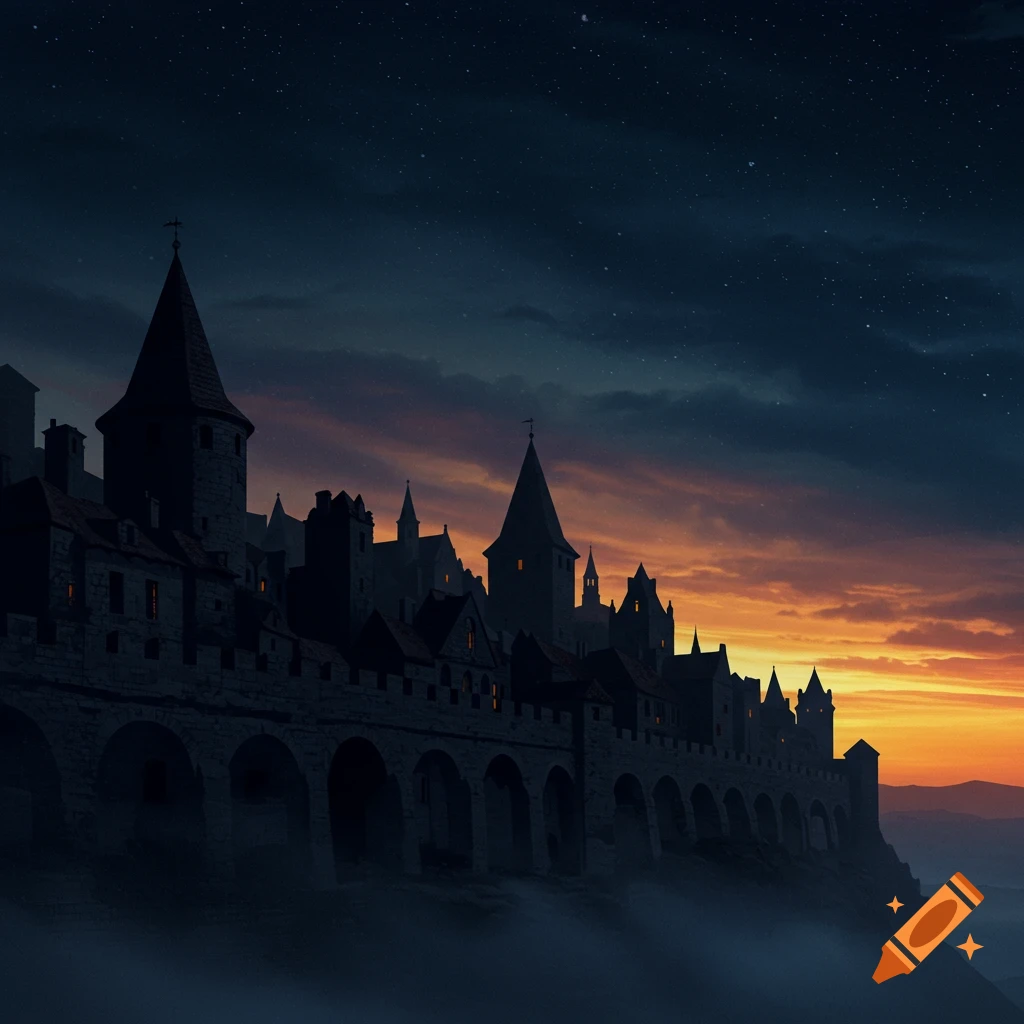
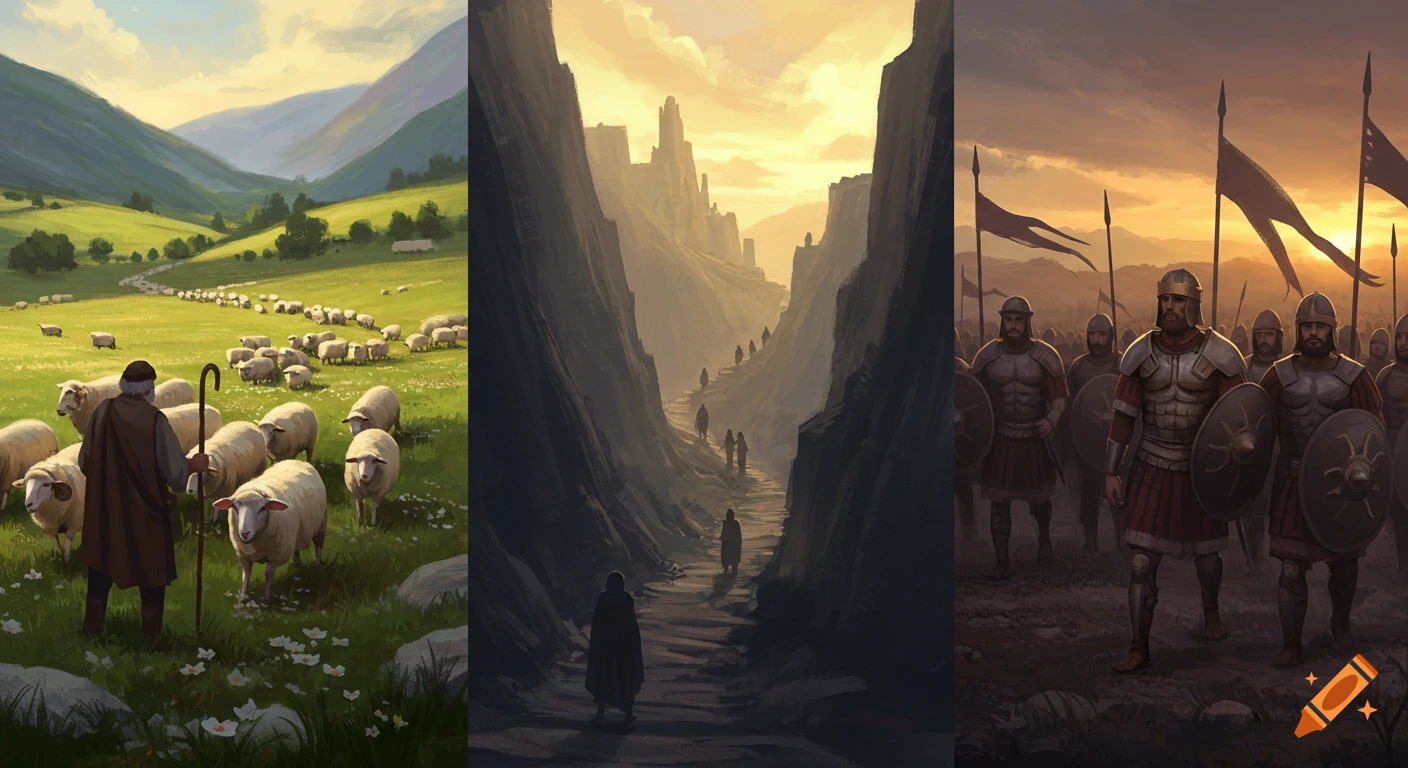
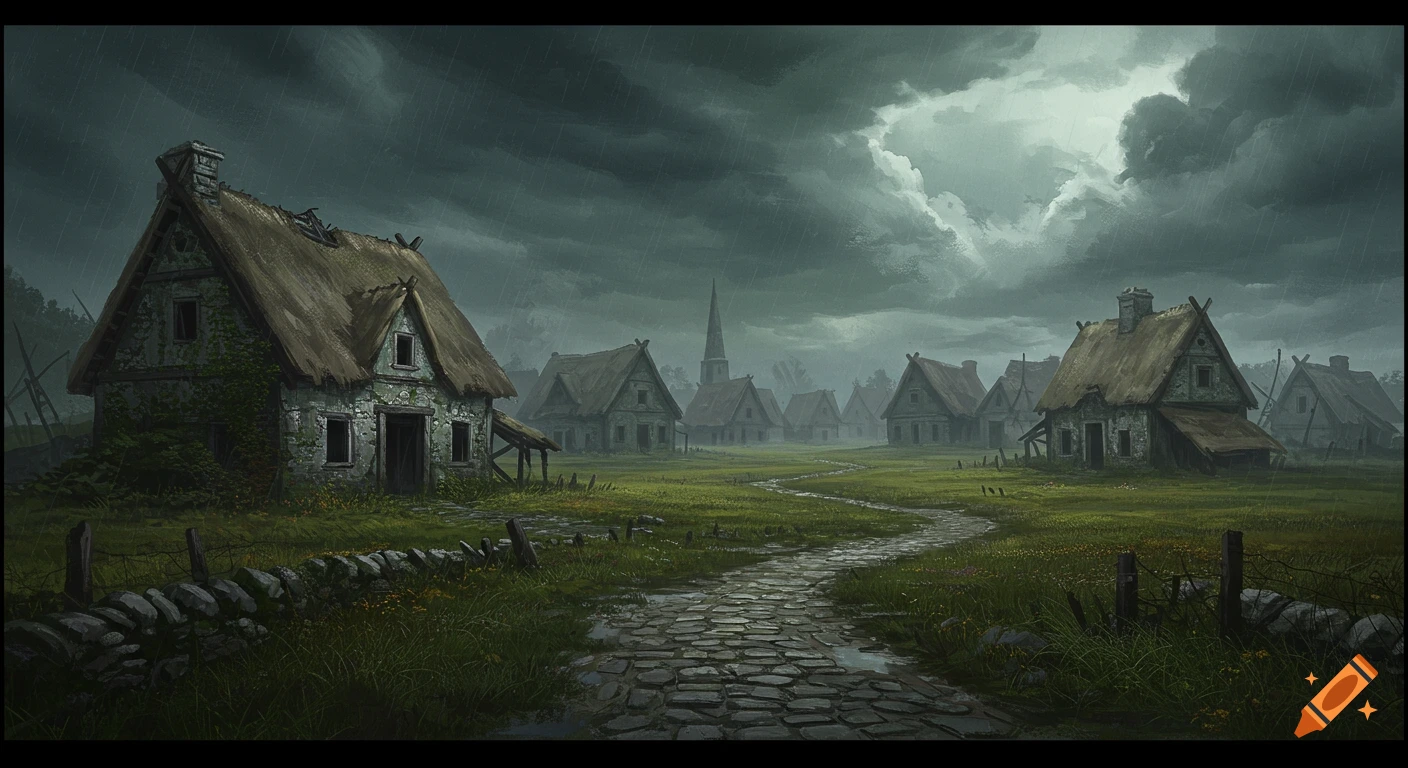
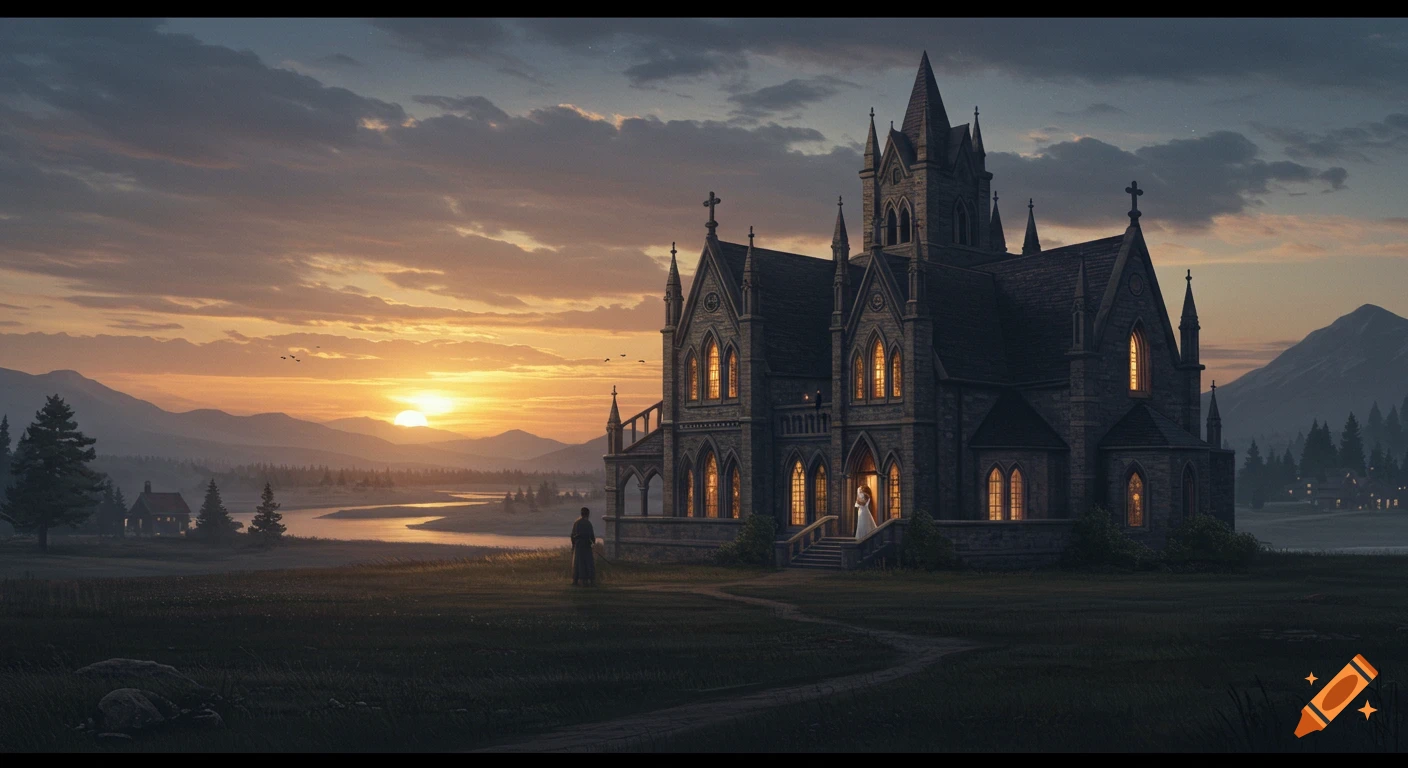
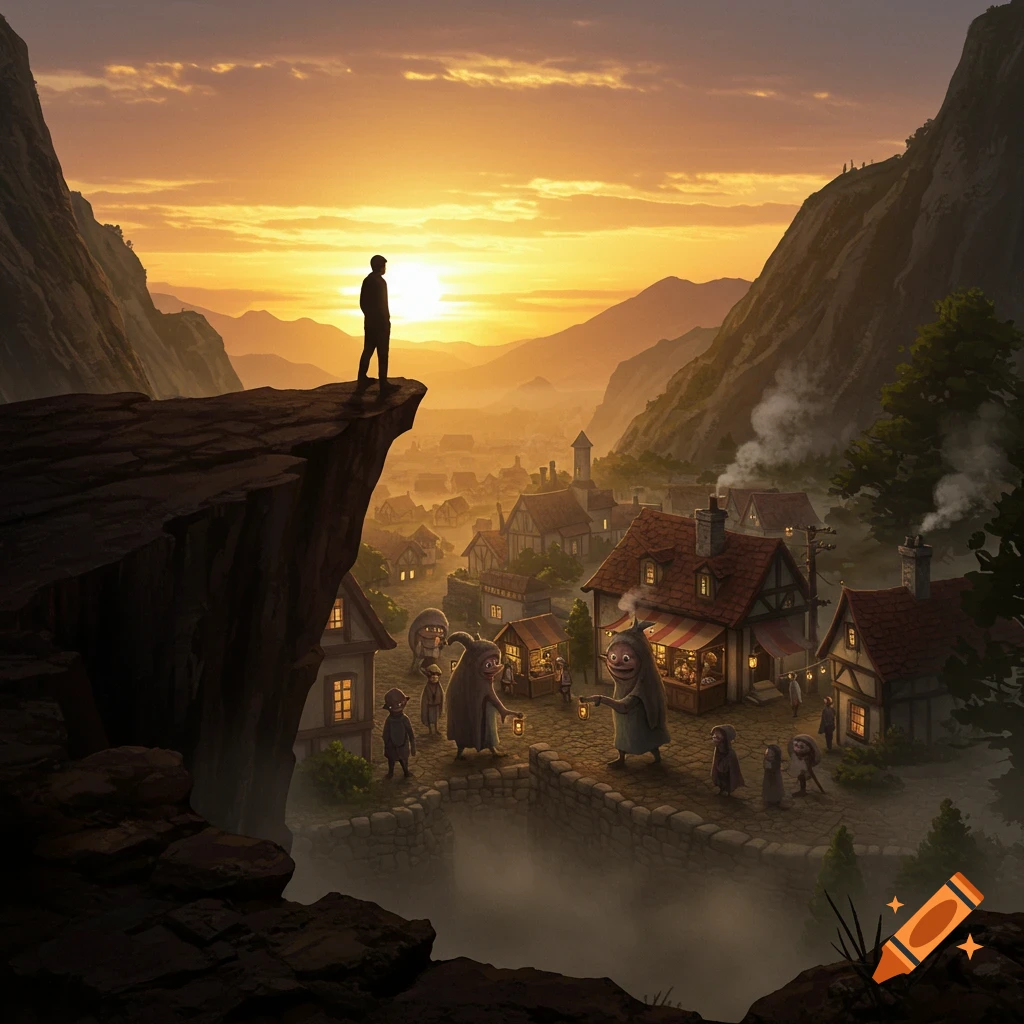
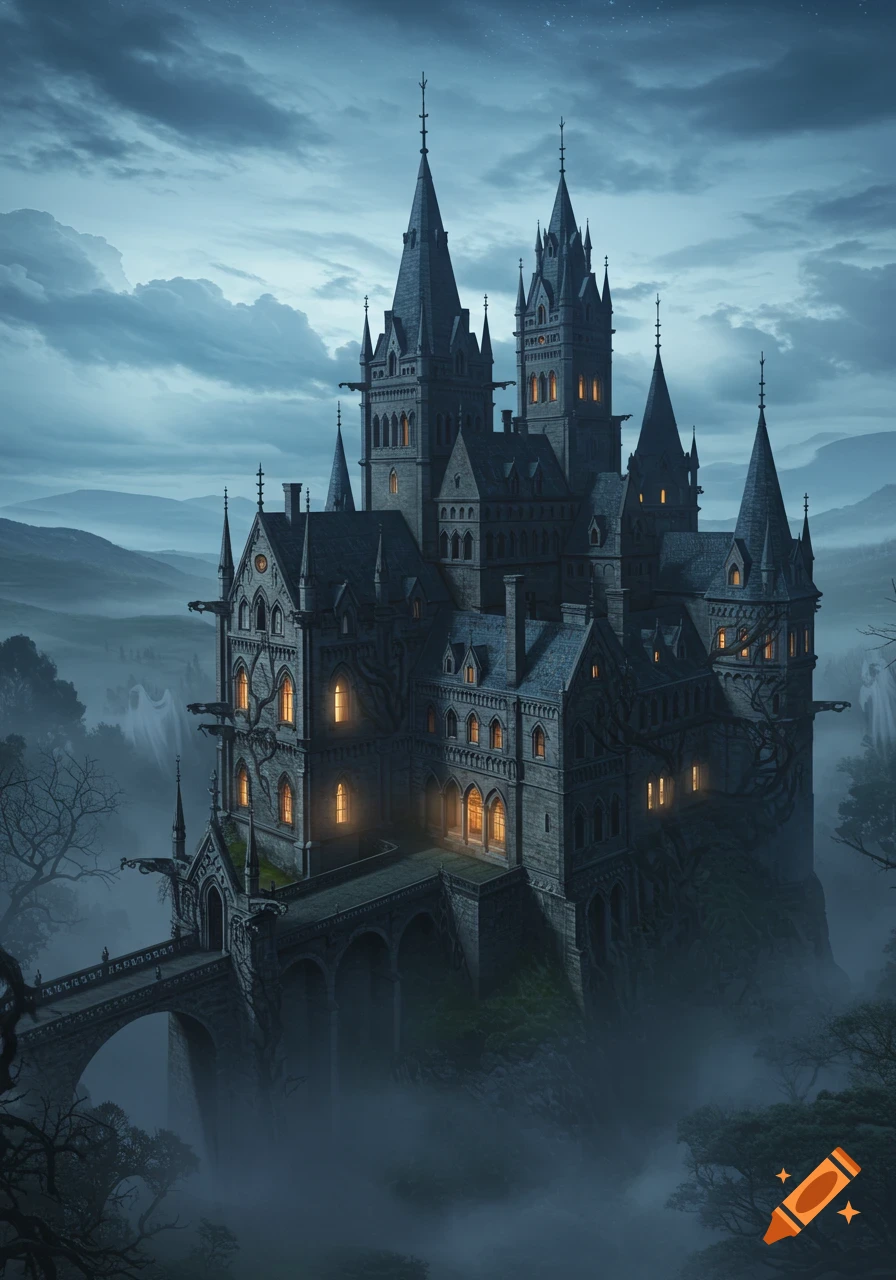
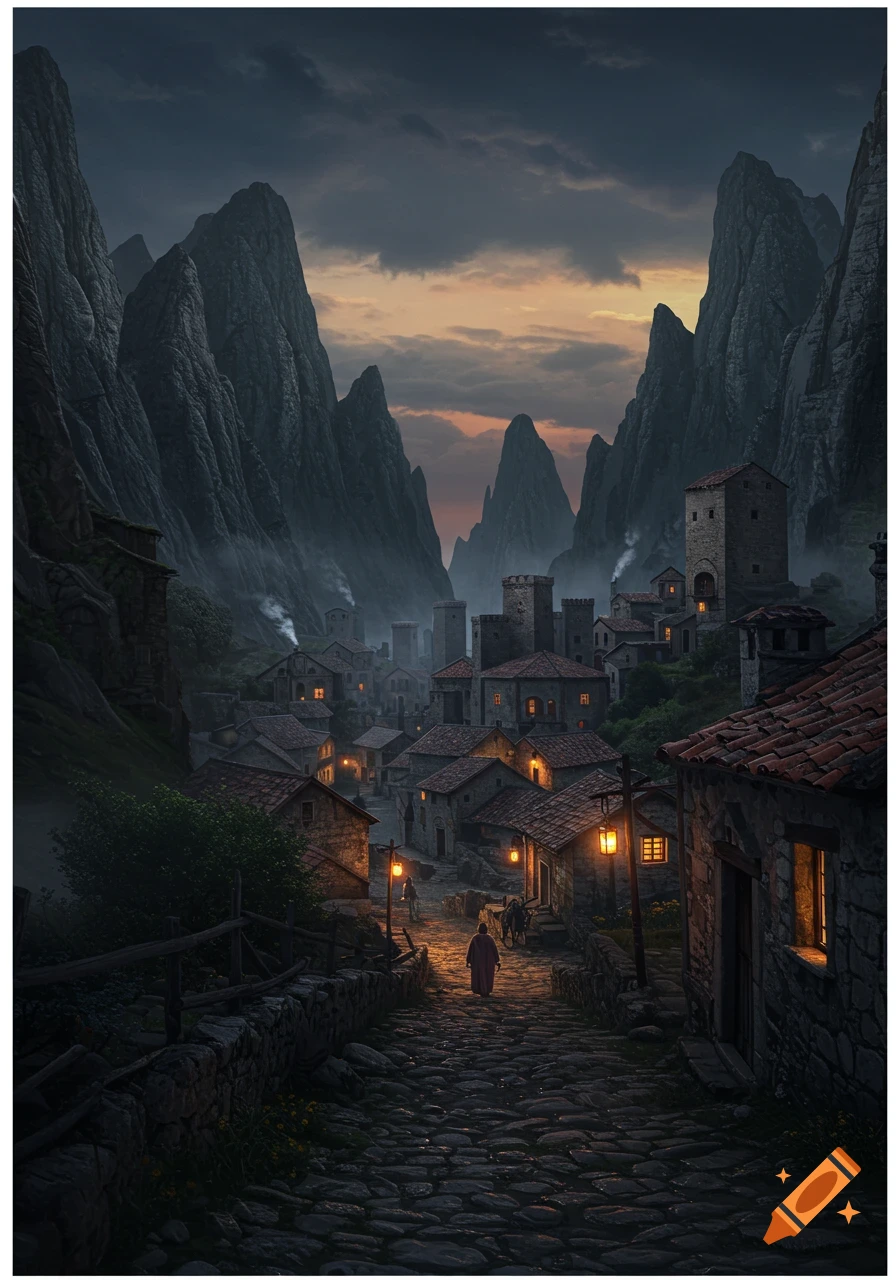
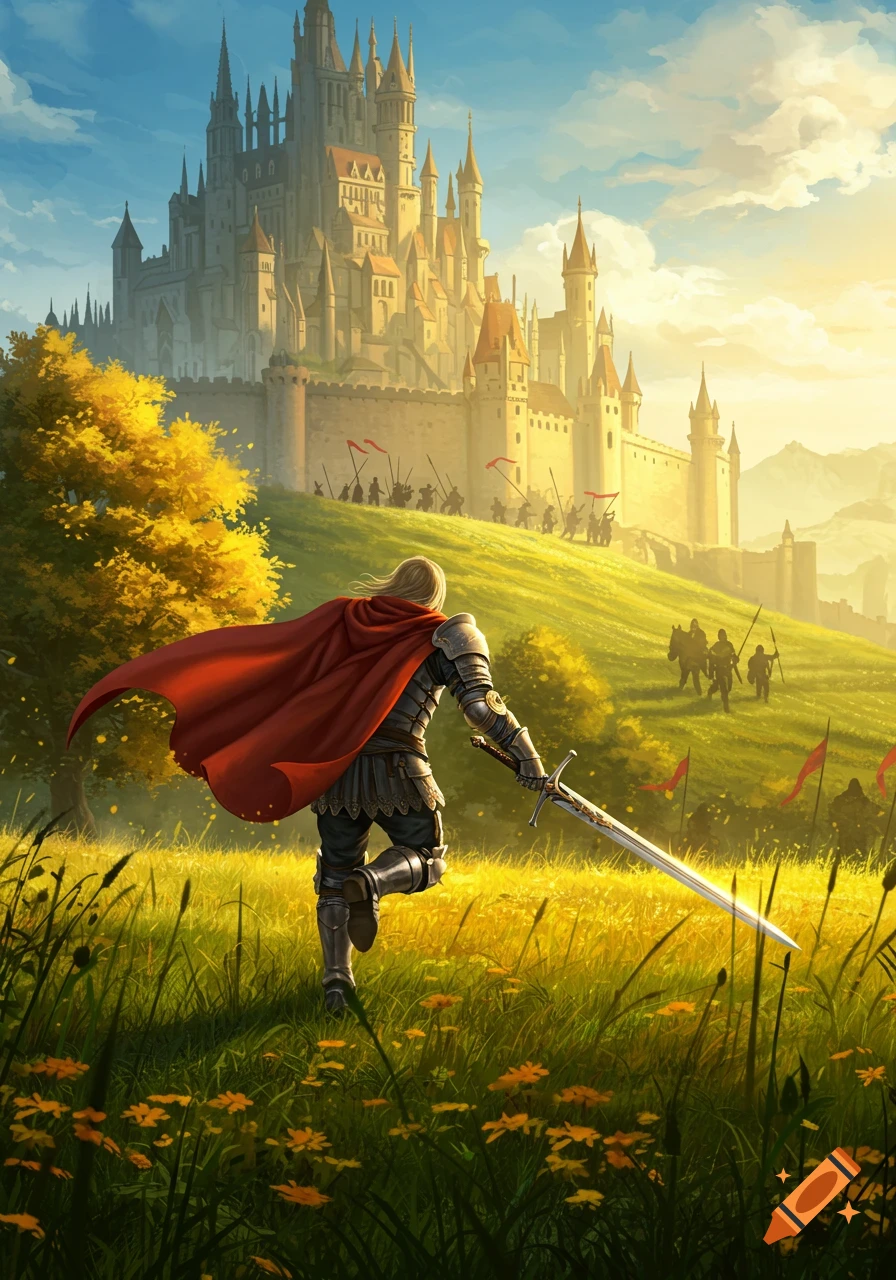
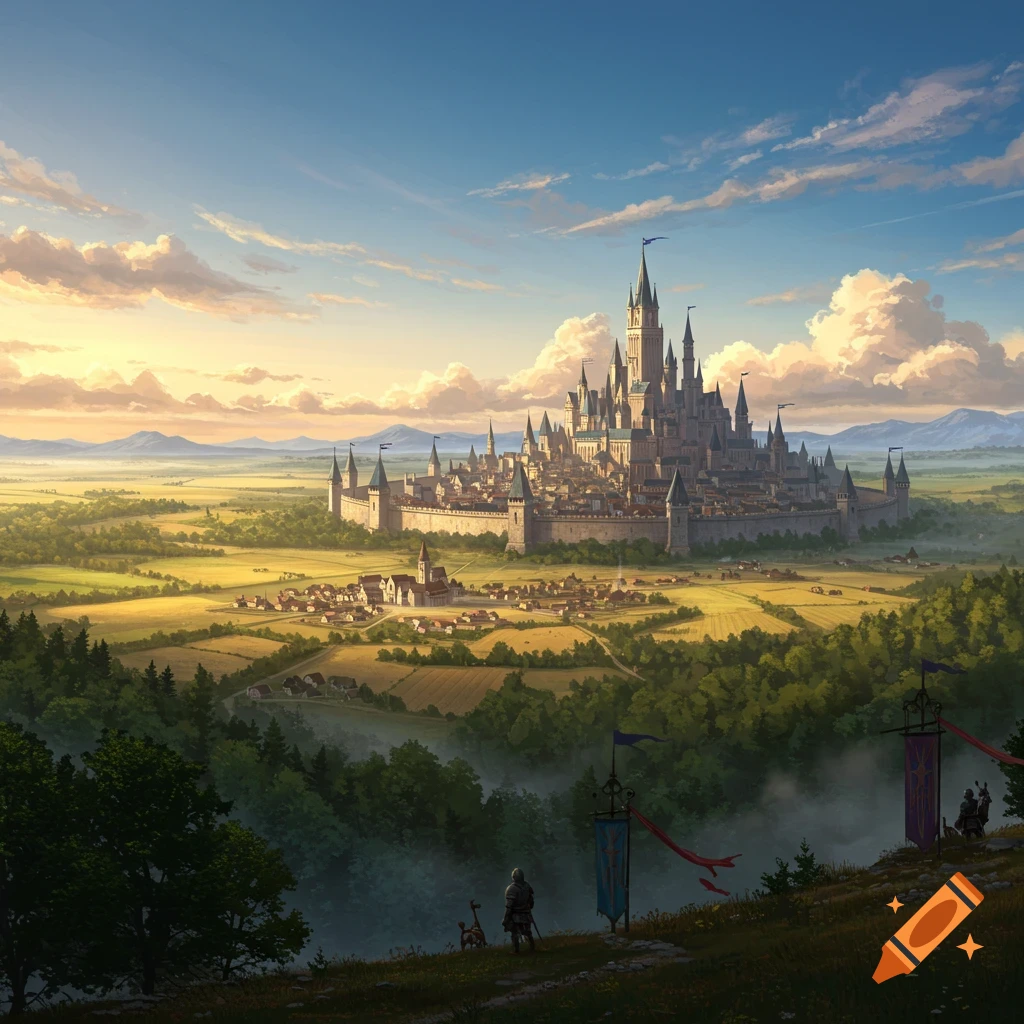
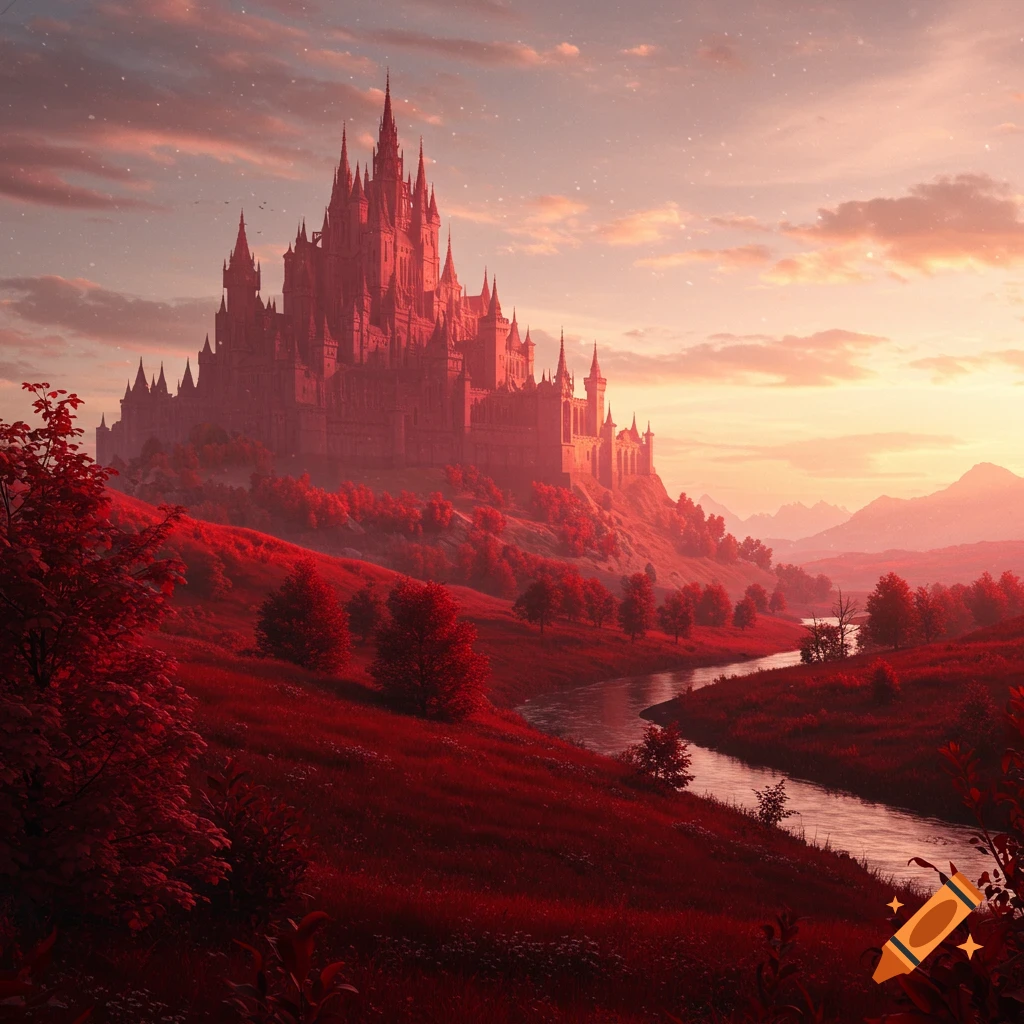
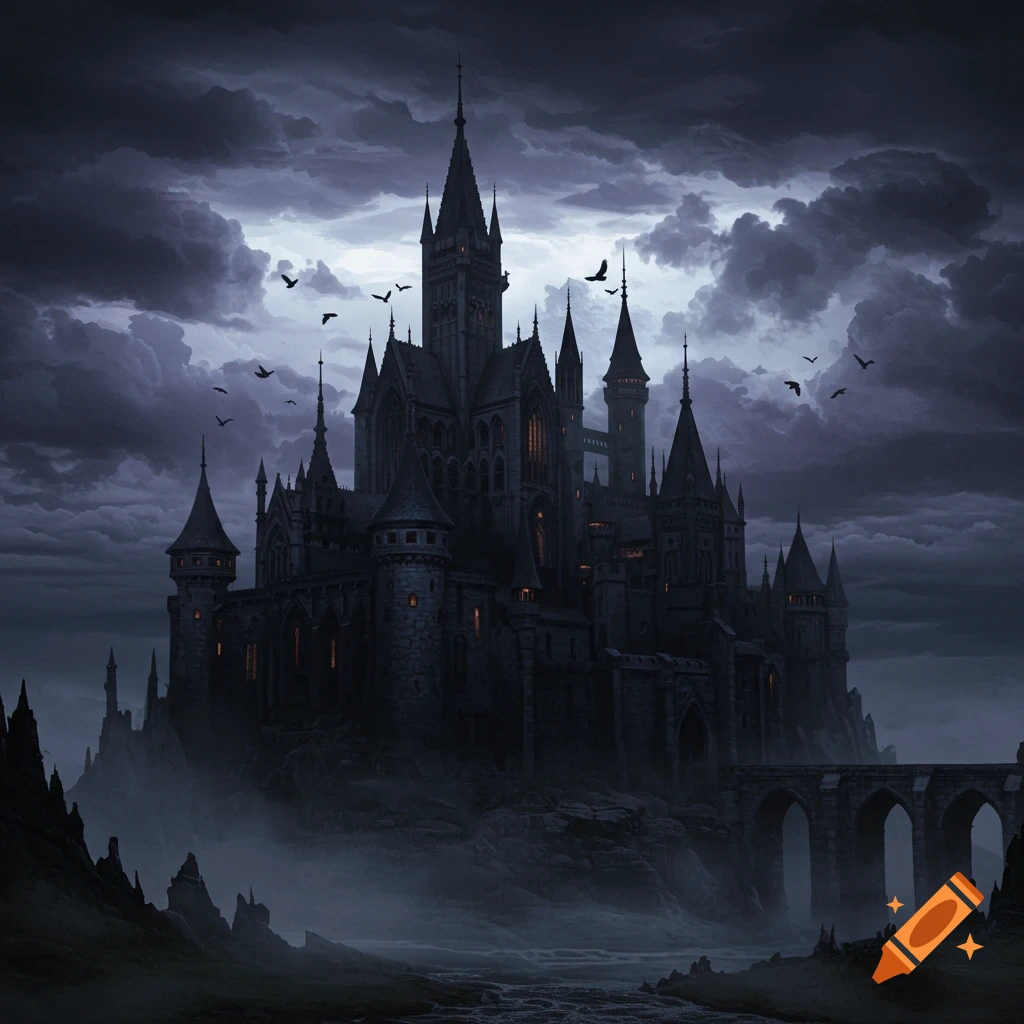
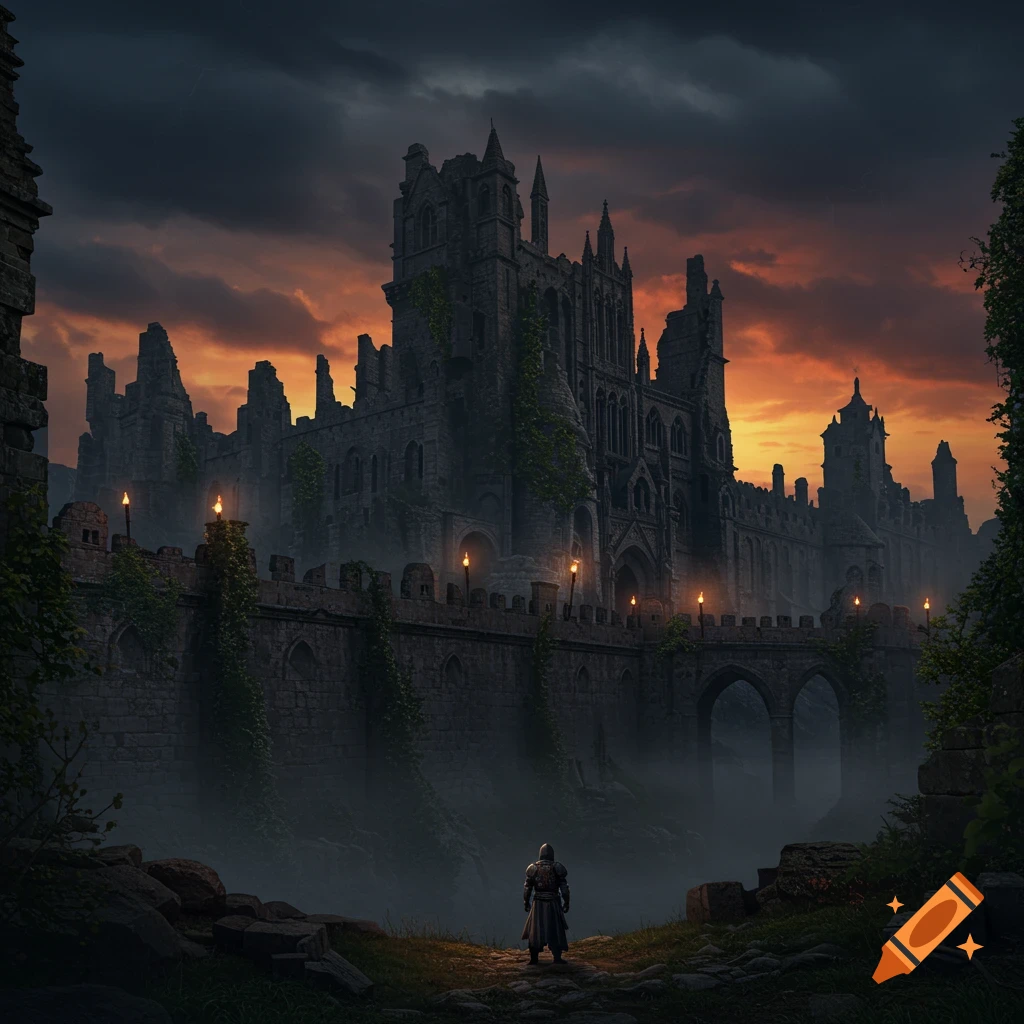
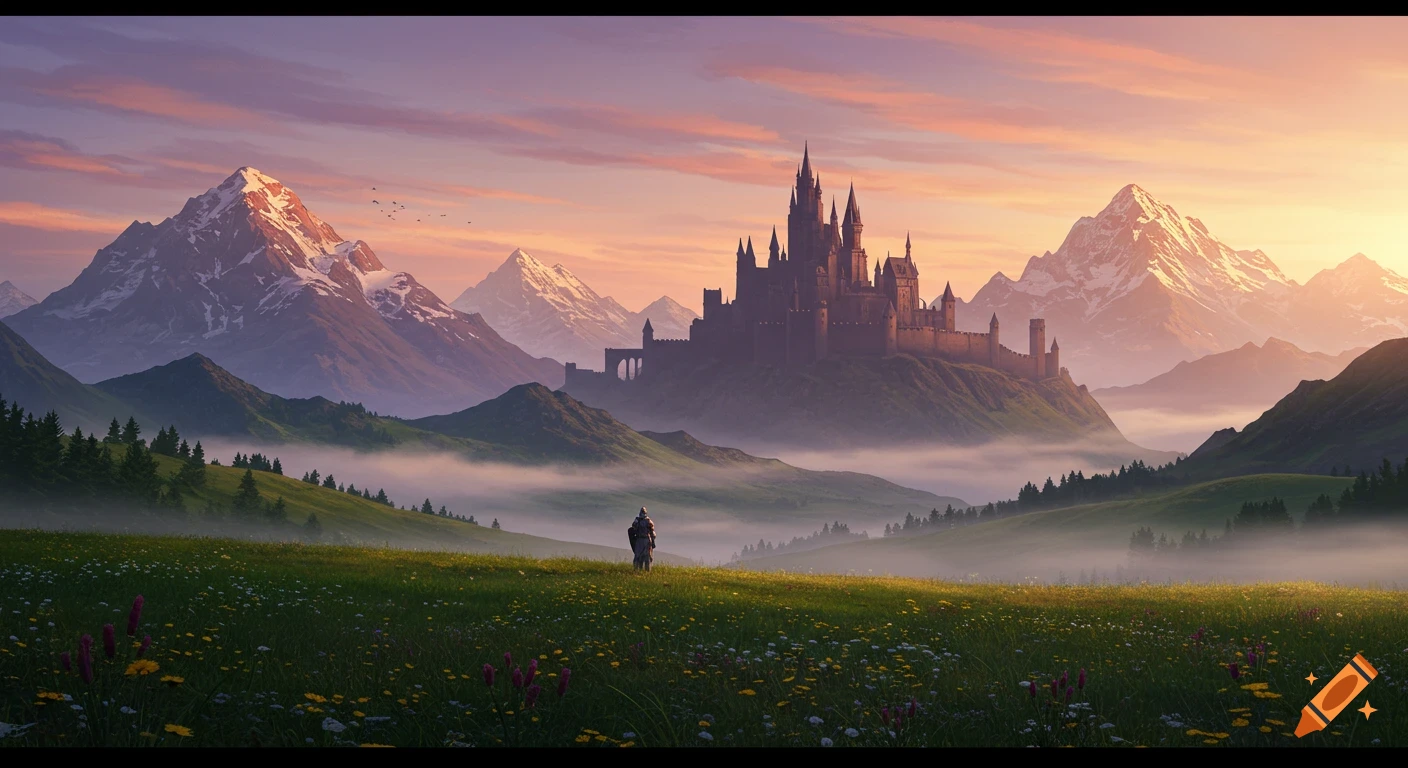
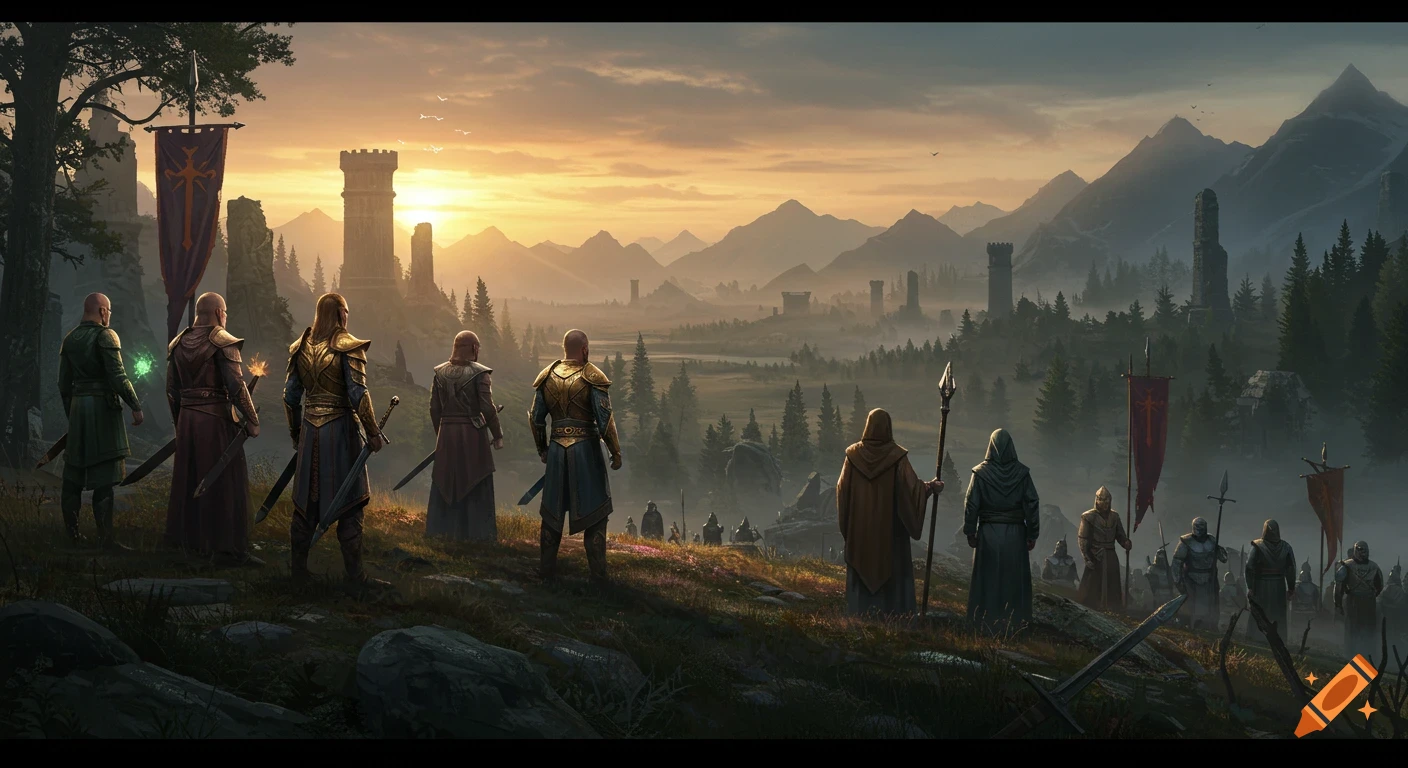
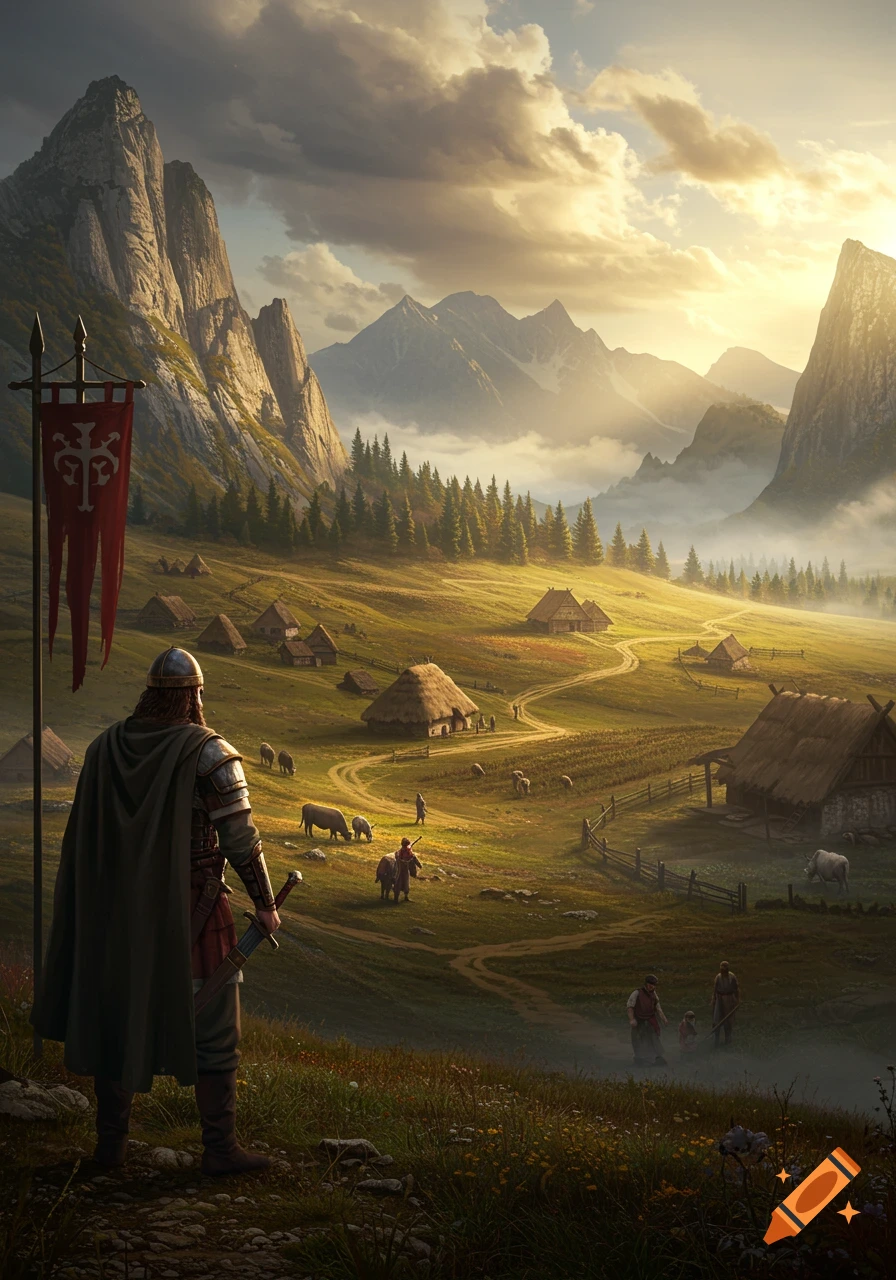
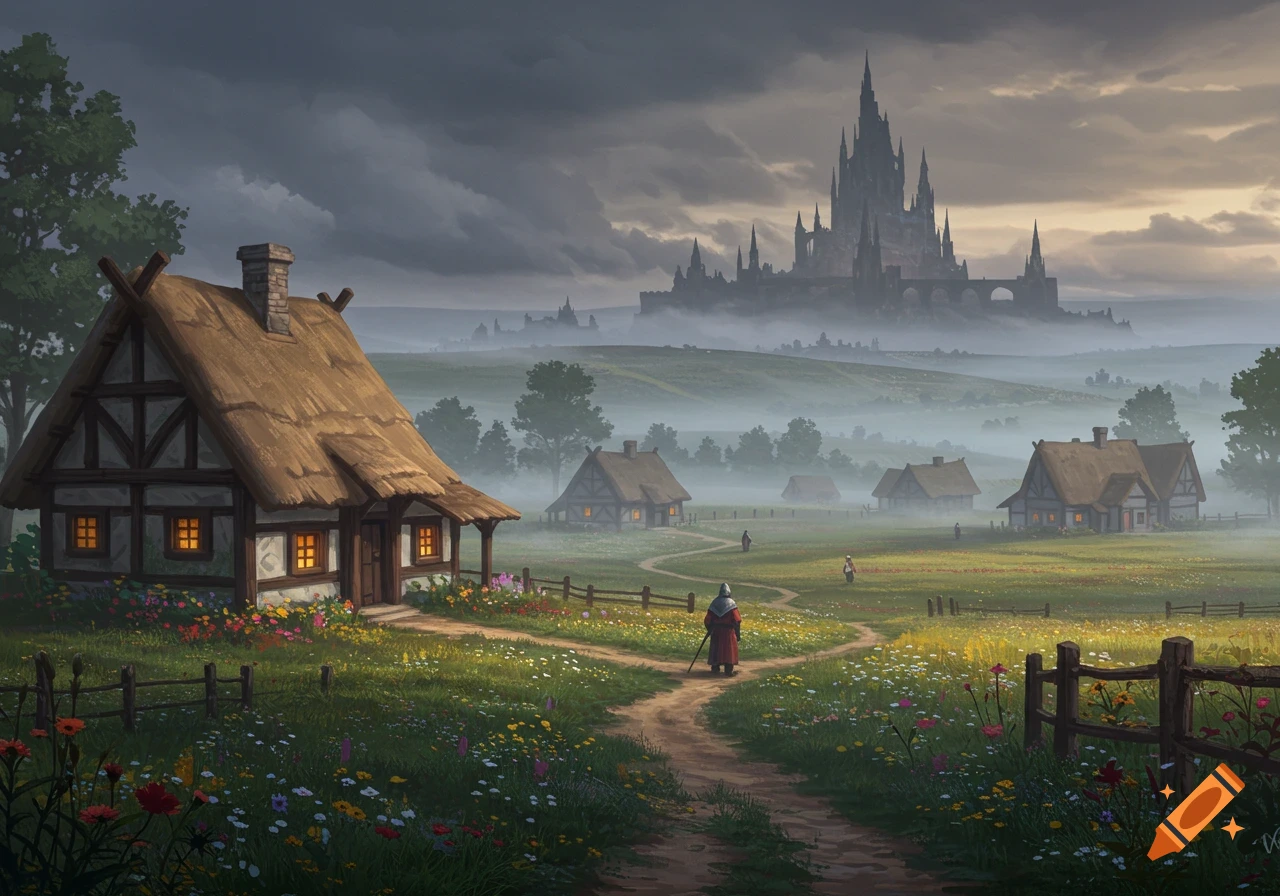
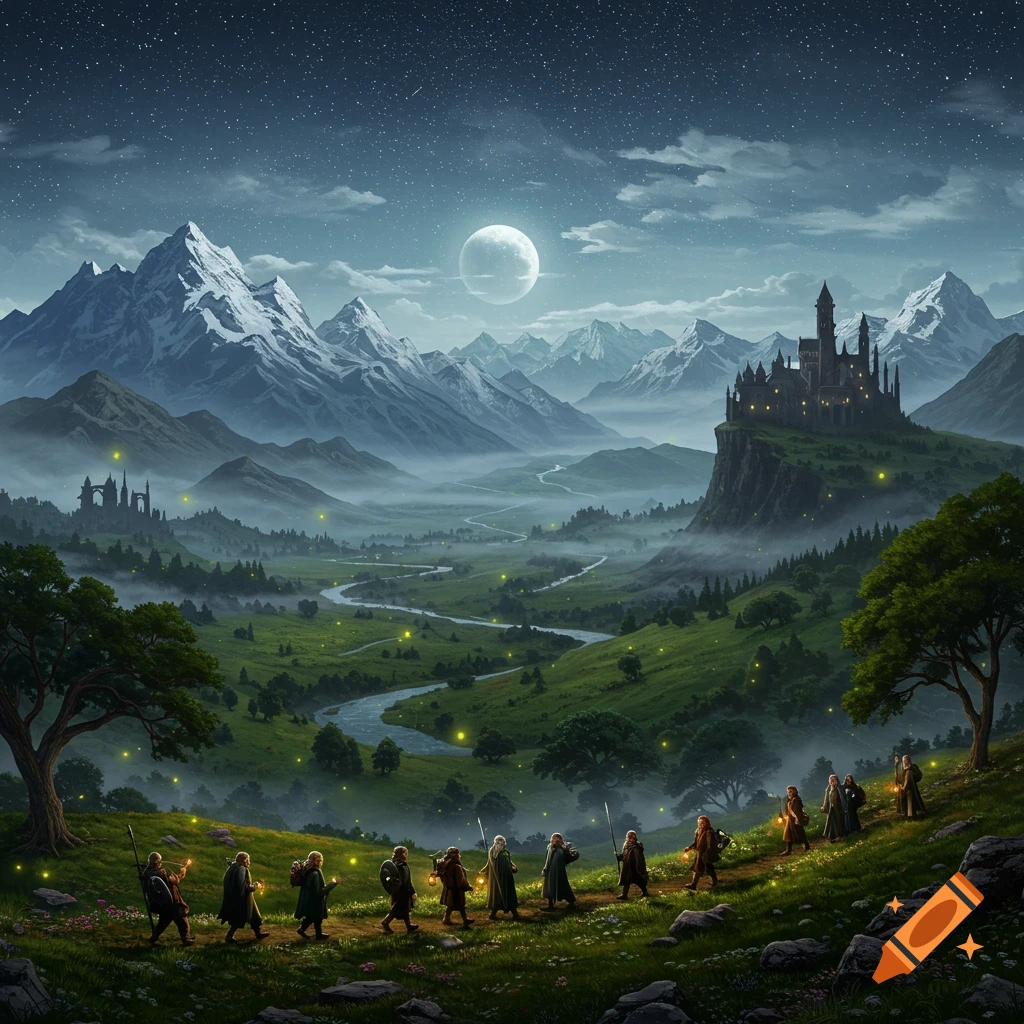
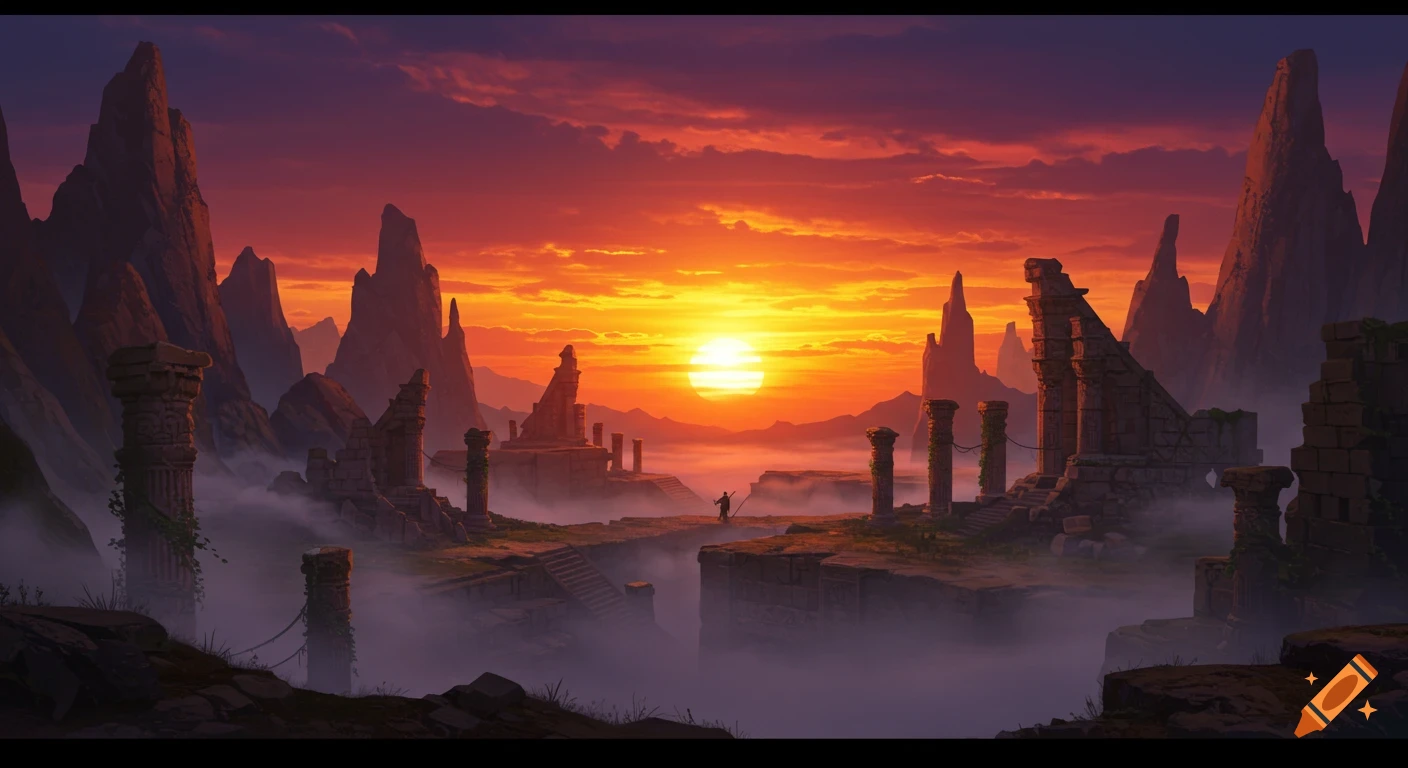
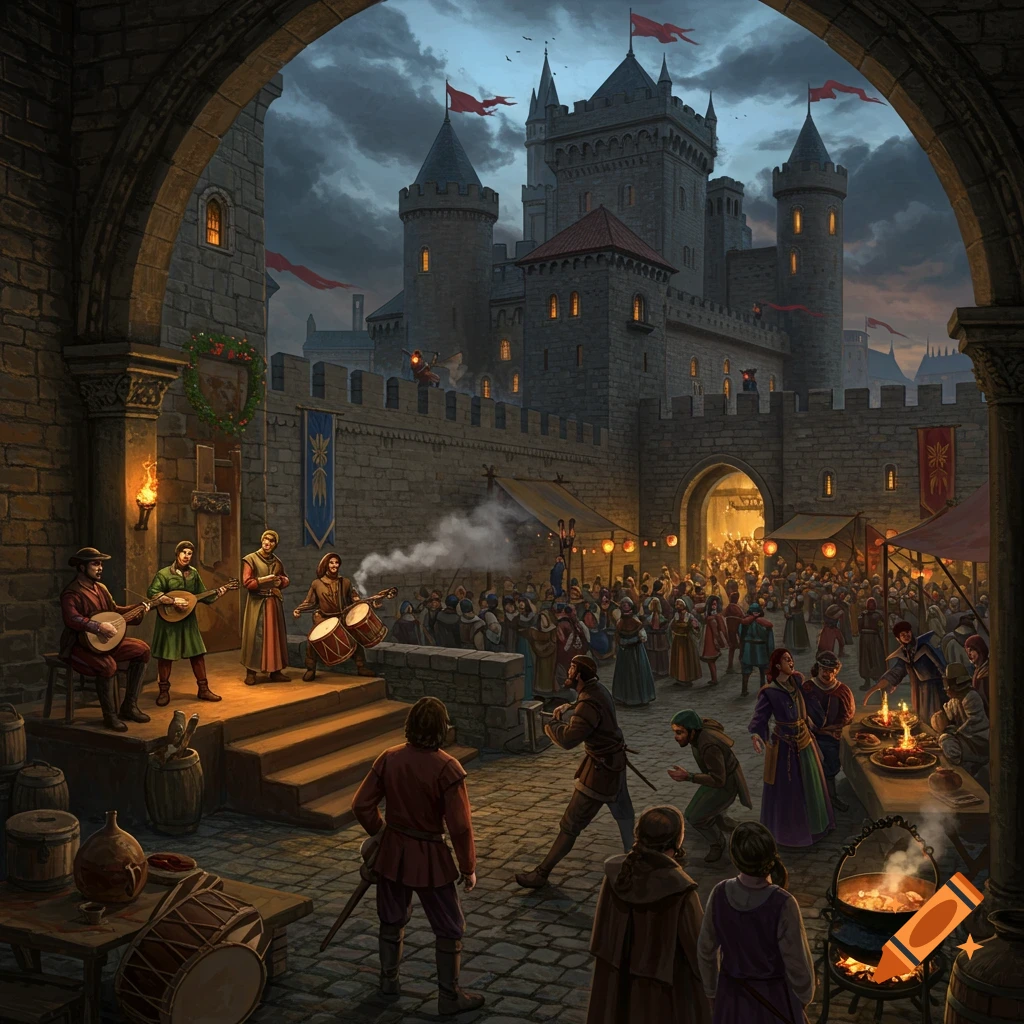
An illustrated medieval castle and village silhouetted against a fiery sunset. A man and priest walk a path through a field.
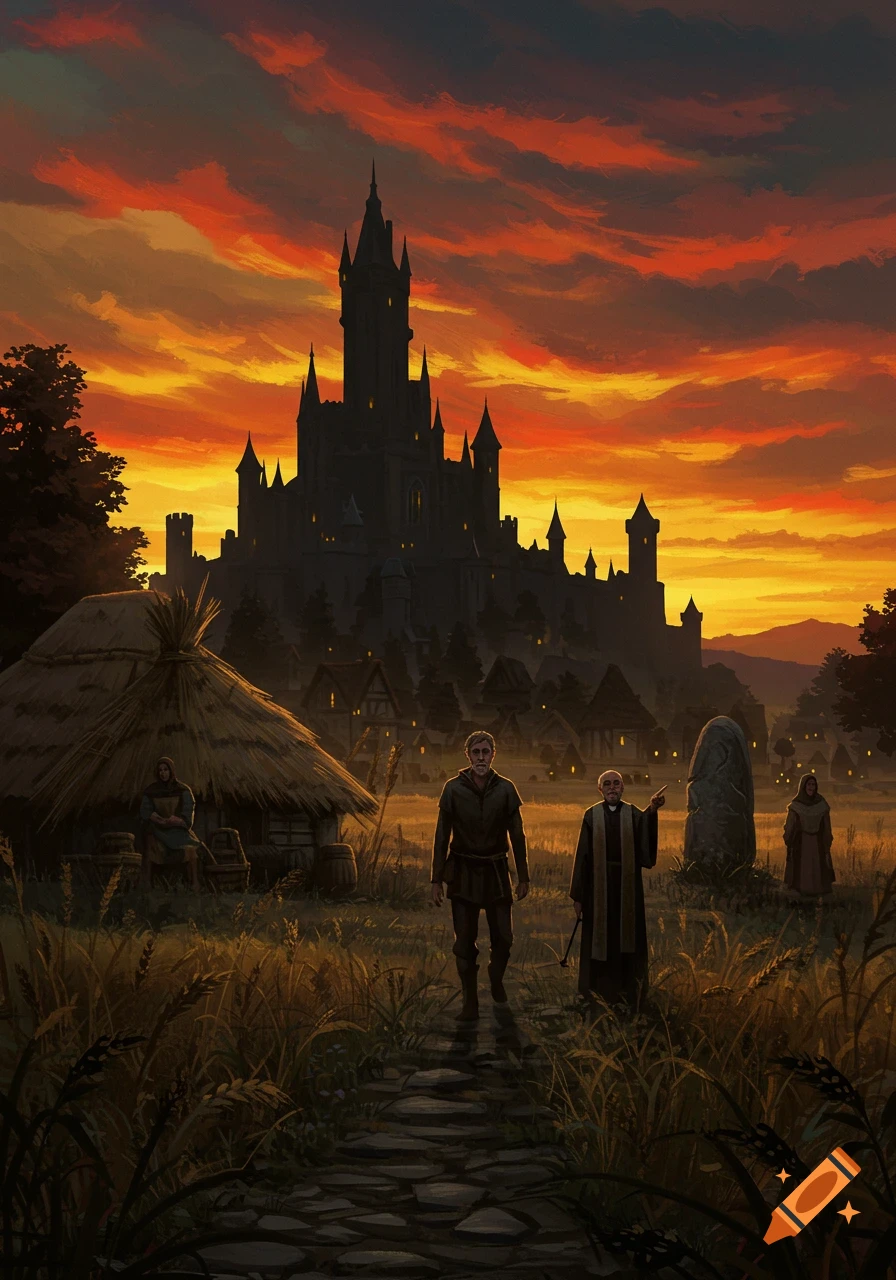
Long ago, in a quiet medieval village nestled beneath the shadow of Caerwyn Castle, lived a poor serf named Roderick. He had little: a thatched hut, a bent back from toil, and a single loaf of bread to share with his younger sister each night. Roderick often cursed the sun as it sank behind the hills, for with its setting ended his day’s labor, and he feared the coming of hunger and darkness. “Why must the sun leave us?” he would mutter. “Why grant us light only to steal it away?” One evening, weary from the fields, he sat upon a stone and watched the sky blaze red and gold. Beside him, the old village priest paused and asked, “Why so bitter, lad?” “Because the sun abandons us,” Roderick replied. “If it cared for us, it would never leave.” The priest smiled and pointed to the horizon. “Look closer. The sun does not flee—it gives. Its last light blesses both king’s tower and peasant’s hut alike. It spends itself so that night may come, and we may rest. Without its setting, the dawn could never return.” That night, Roderick pondered the words. From then on, he no longer cursed the sunset. Instead, when the sky turned crimson, he shared his bread gladly, knowing that just as the sun gave its light to end the day, he too could give what little he had. Years passed, and though Roderick never grew wealthy, he was remembered by his village as a man who gave warmth like the setting sun—departing each day with kindness, so that joy might rise again tomorrow. See more