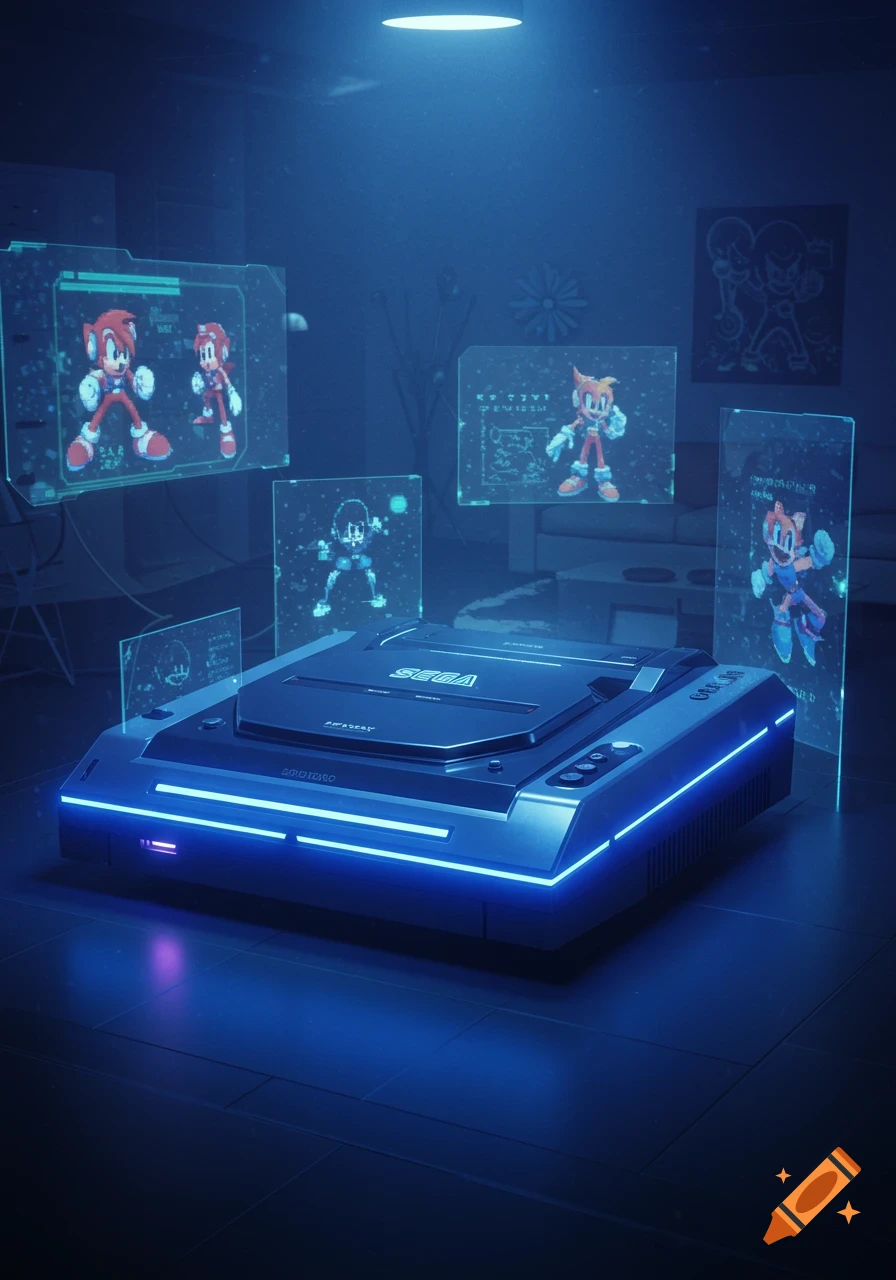
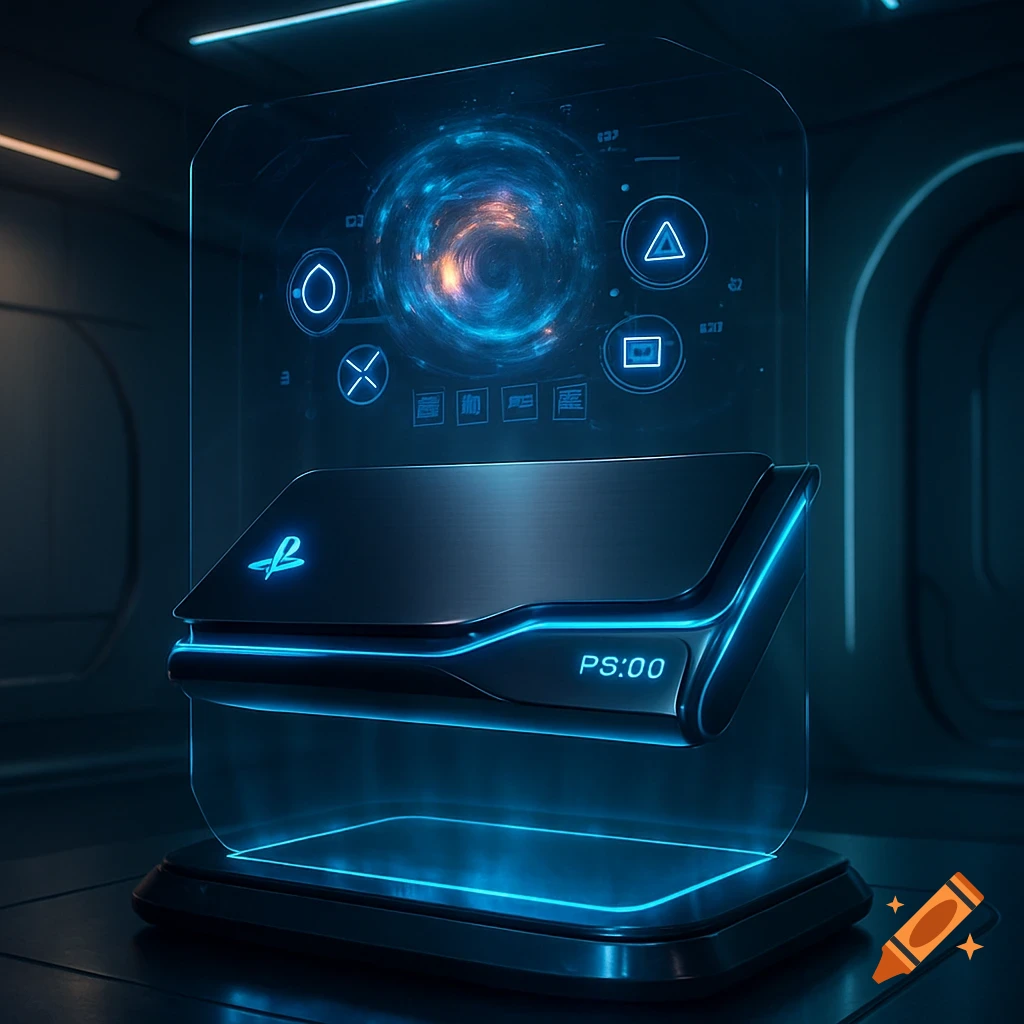
A glowing futuristic electronic device or console with neon blue and purple lights, displaying intricate circuitry and text on its screens, with "FPGA" prominently featured at the bottom.
Designing and building a video game console that can play Sega Dreamcast games and Sega Toys Advanced Pico Beena games using Field-Programmable Gate Arrays (FPGAs) is an extremely ambitious and complex project. It's theoretically possible, but it requires a very deep understanding of hardware design, computer architecture, digital logic, and reverse engineering. Here's a step-by-step breakdown and the tools you would need, keeping in mind the massive scope of such a project: **I. Understanding the Challenge: FPGA-Based Console Emulation** FPGA-based console emulation differs from software emulation. Instead of simulating the console's behavior using software on a general-purpose CPU, you are re-implementing the console's hardware directly on the FPGA. This means designing custom digital circuits that behave exactly like the original console's components (CPU, GPU, sound chip, memory controllers, peripherals, etc.). **A. Sega Dreamcast Difficulty (Extremely High)** * **Complex Architecture:** The Dreamcast has a custom Hitachi SH-4 CPU, a NEC PowerVR2 GPU, a Yamaha AICA sound processor, and a custom GD-ROM optical drive. * **High Performance Requirements:** Reaching the clock speeds and processing power of these components on an FPGA is a significant challenge. The SH-4 is a 200 MHz RISC processor, and the PowerVR2 is a powerful 3D accelerator. * **Memory Interfaces:** Complex DDR SDRAM interfaces, texture memory, and other specialized memory access patterns. * **Intellectual See more