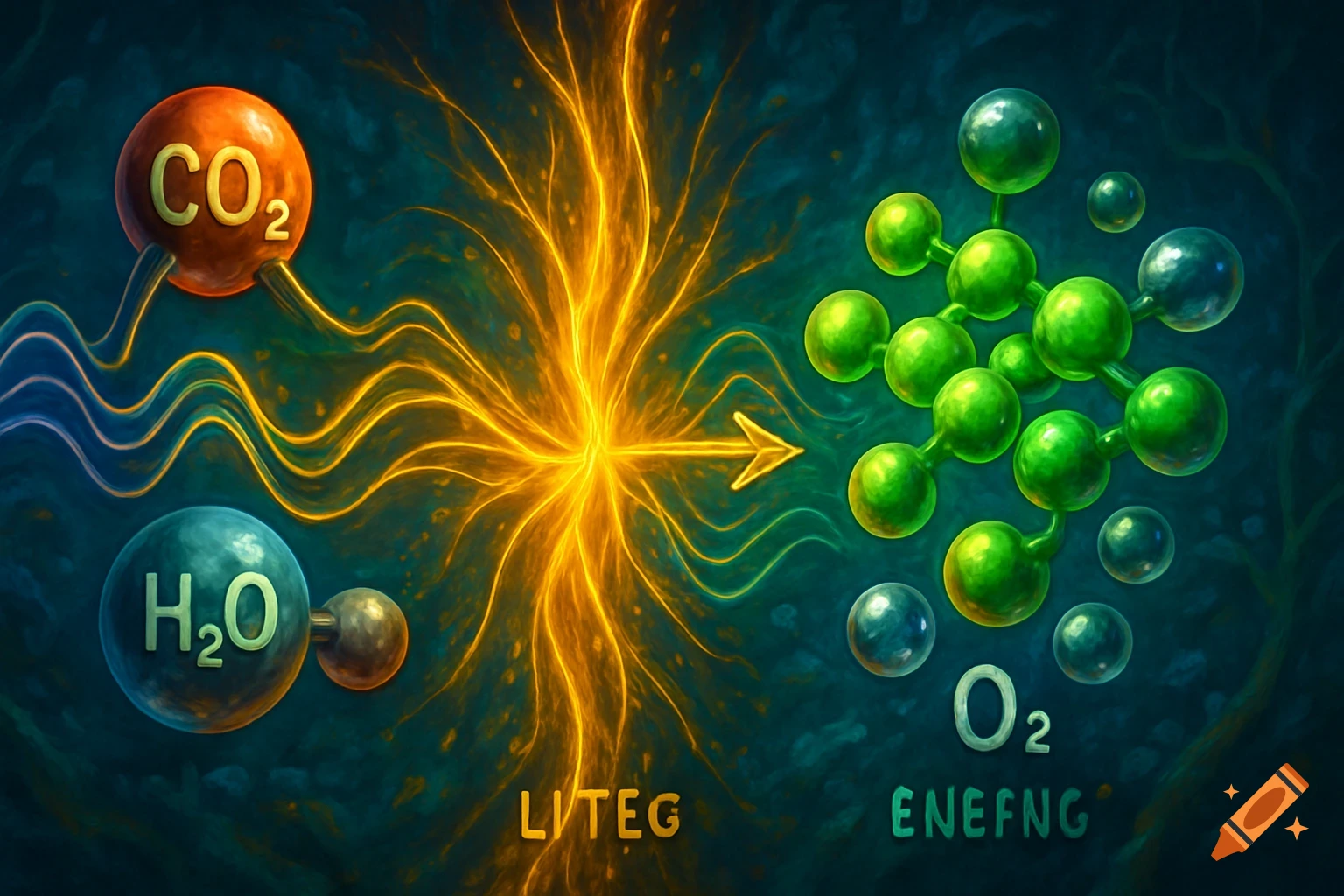
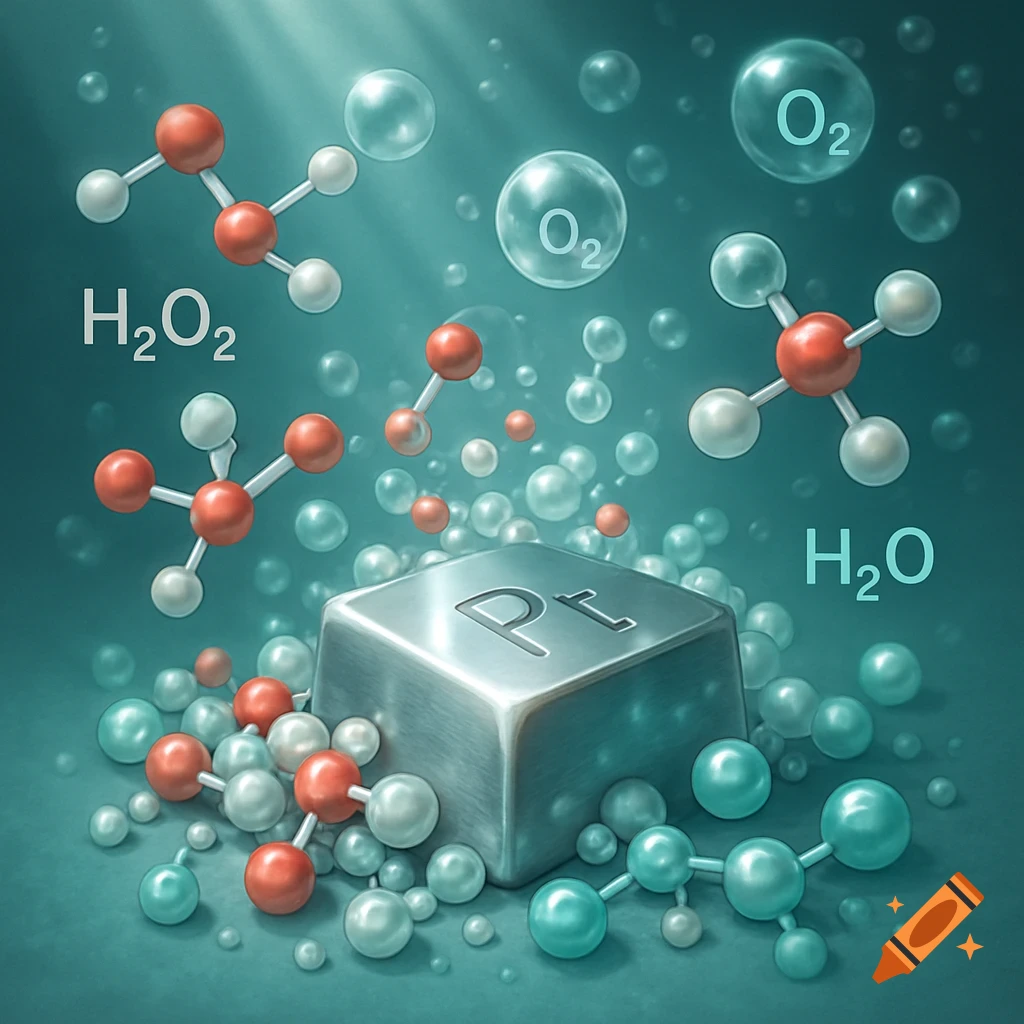
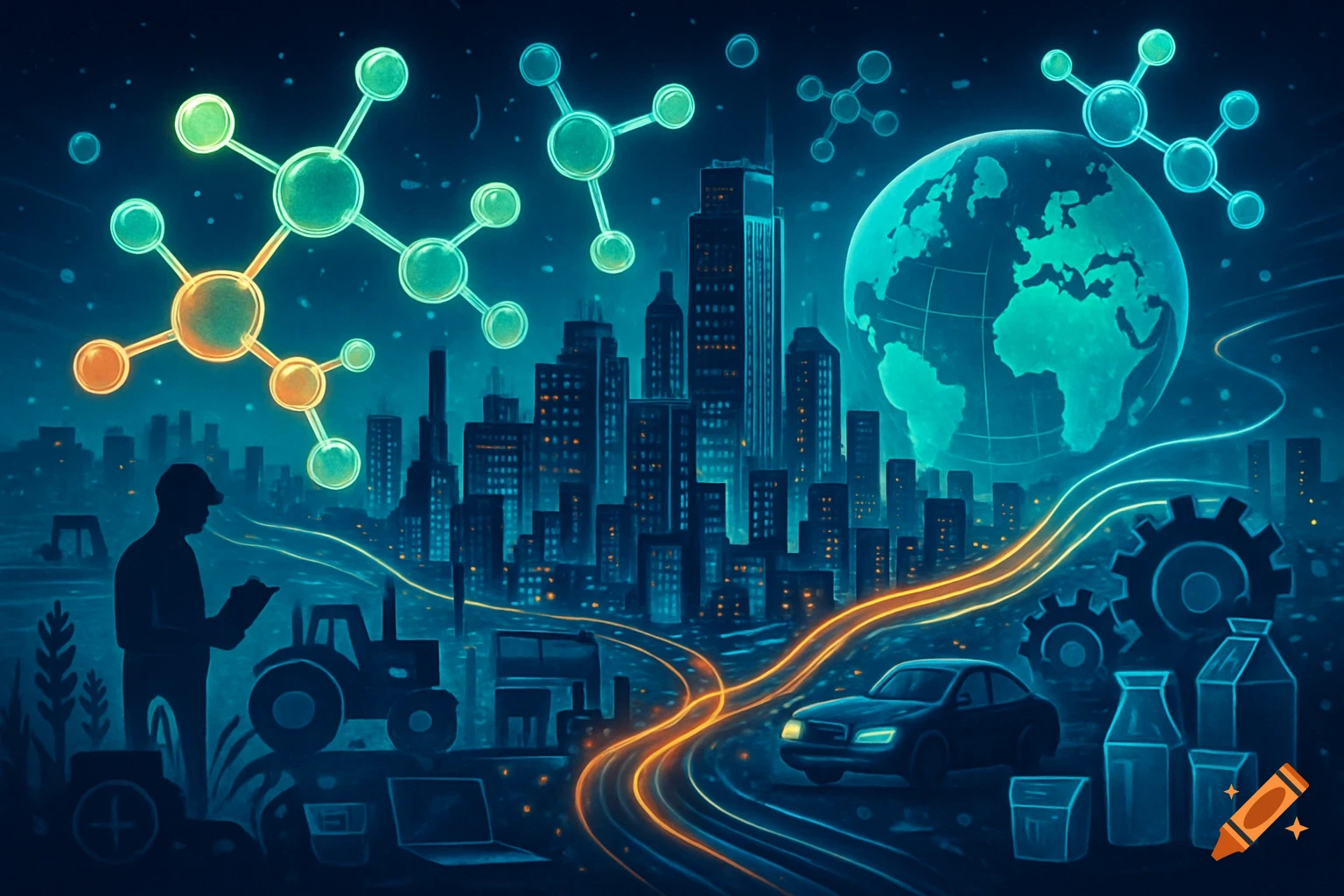
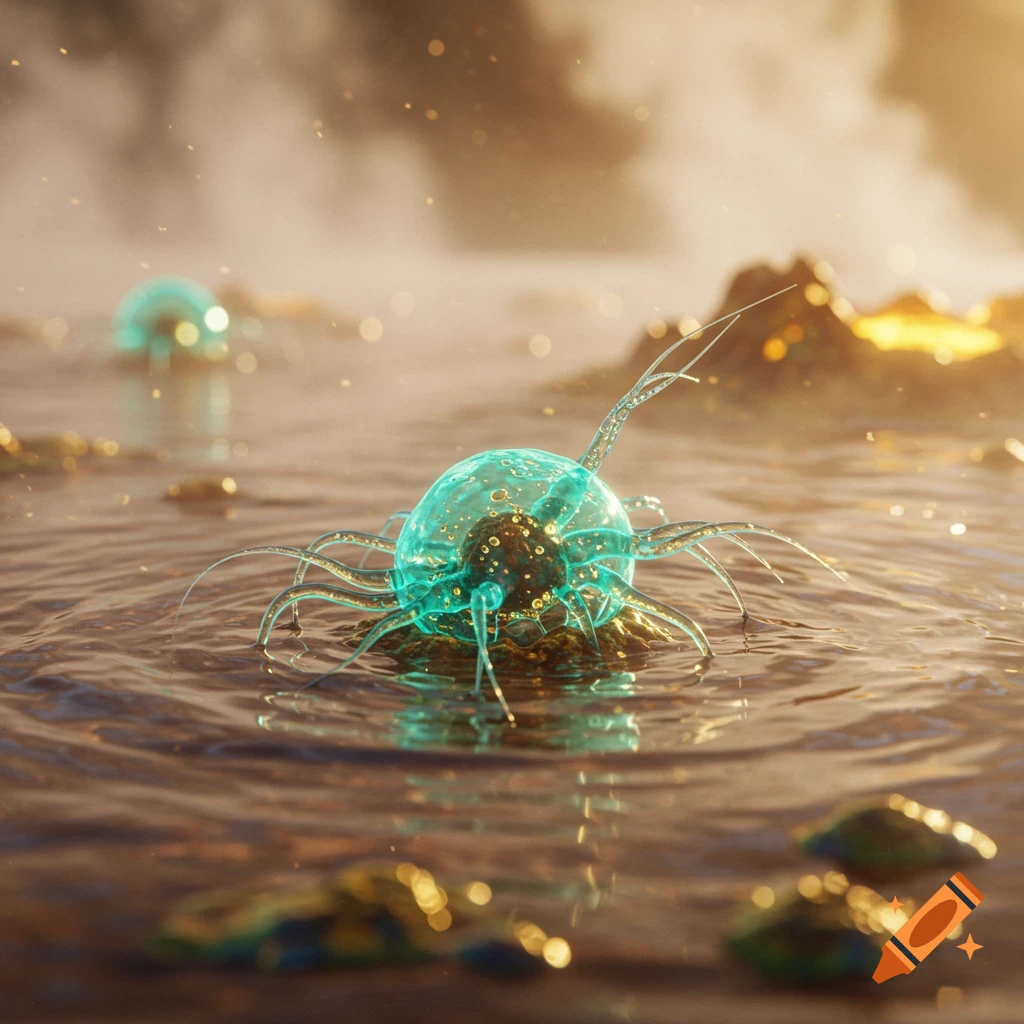
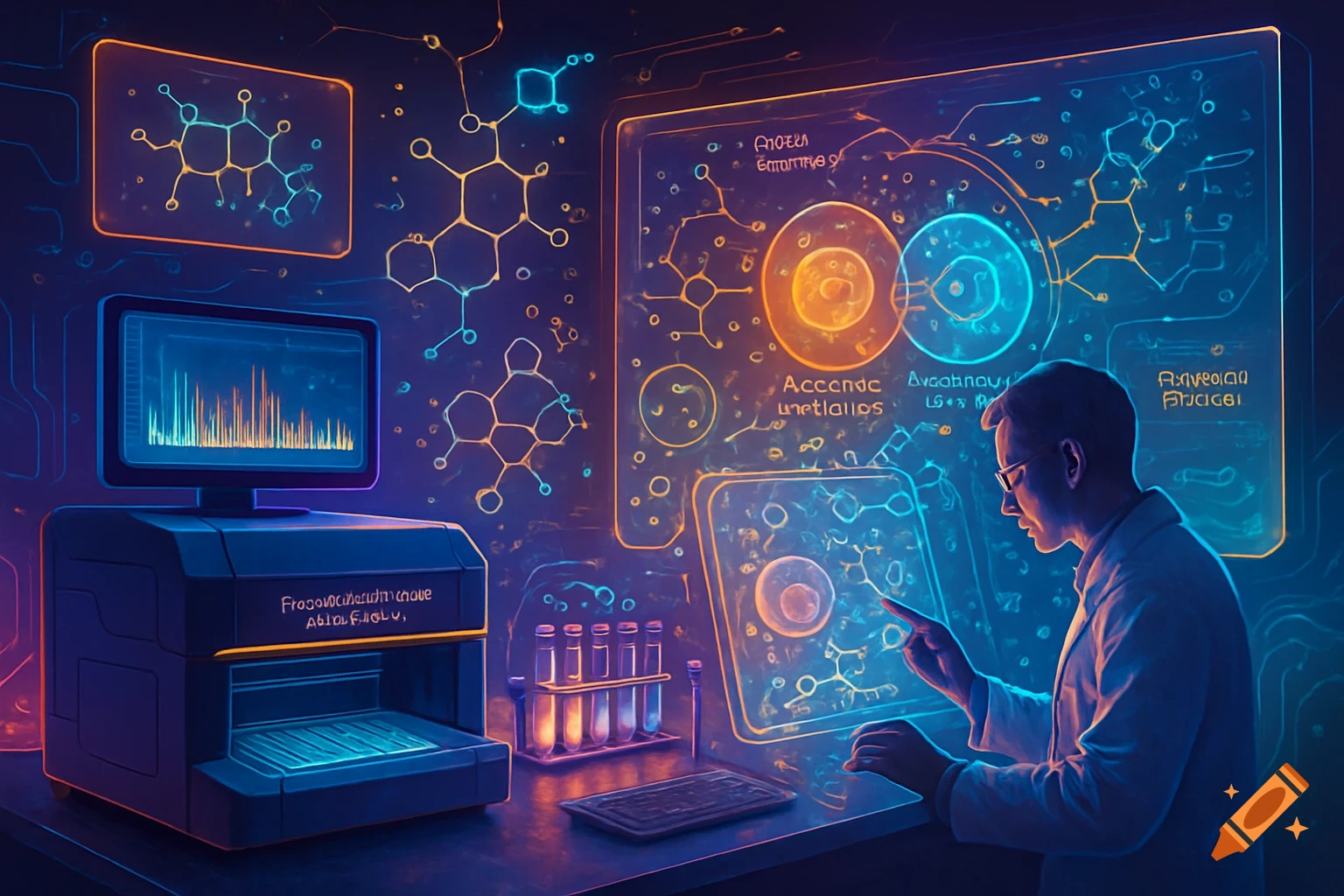
Detailed scientific illustration of biogeochemical cycles in water and land, showing microorganisms, chemical formulas (Fe, C, N), and data visualizations.
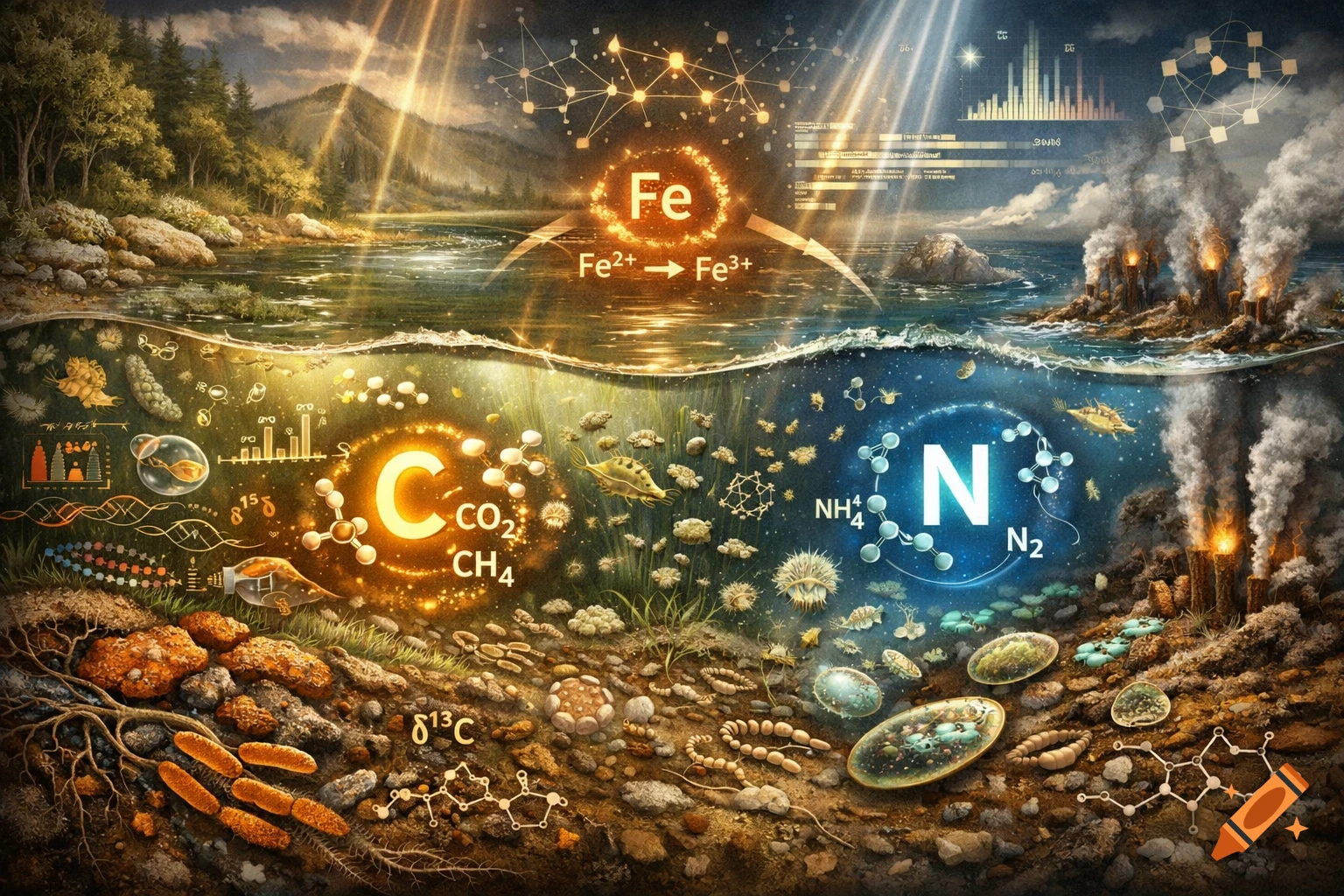
Microorganisms are key drivers of biogeochemical cycles. Recent advances in chemistry and molecular biology generate multi-faceted datasets, but challenges remain in interpreting them to predict biogeochemical transformations scaling up from microbial to ecosystem and larger scales. In this session, we aim to attract interdisciplinary studies that combine geochemistry (e.g., aquatic geochemistry, stable isotopes, lipidomics, spectroscopy) and microbial ecology (e.g., culturing, metagenomics, metatranscriptomics) to facilitate our understanding of the functioning and prevalence of biogeochemical processes. We welcome contributions that push the boundaries of our understanding of how microbes and their metabolisms drive environmental geochemistry, including, for example, C, N and Fe cycling. We encourage studies that provide insights on novel organisms, environmental interactions, ecological theory, and model concepts that allow for integration with lab- or field-data across spatial and temporal scales across terrestrial, freshwater and marine systems. The session celebrates the scientific achievements and legacy of David Emerson, whose work exemplifies the integrative approach we seek. Dave is a pioneer in geomicrobiology who has made extensive contributions to understanding environmental biogeochemistry. Dave’s work - in particular his isolations of novel microbes - has accelerated the discovery of iron oxidation pathways and applies to diverse fields, including steel See more