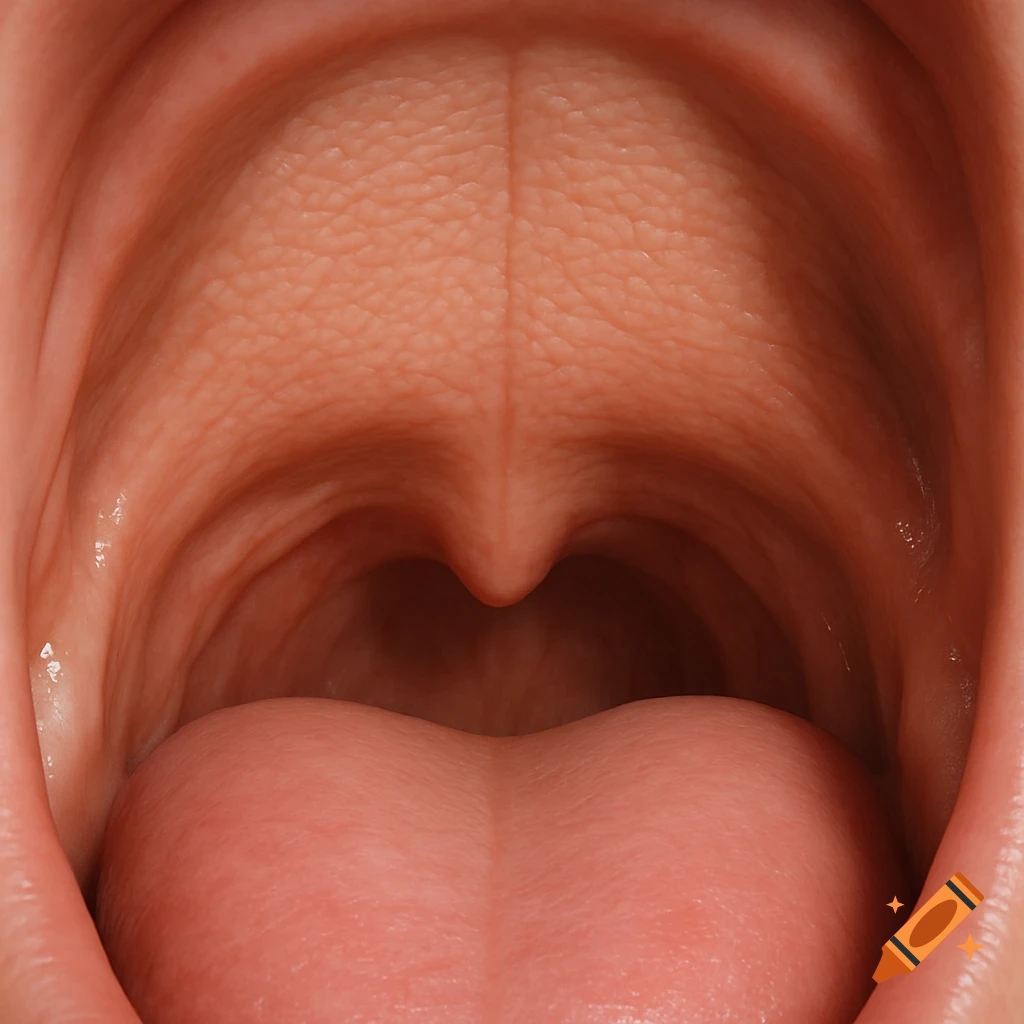
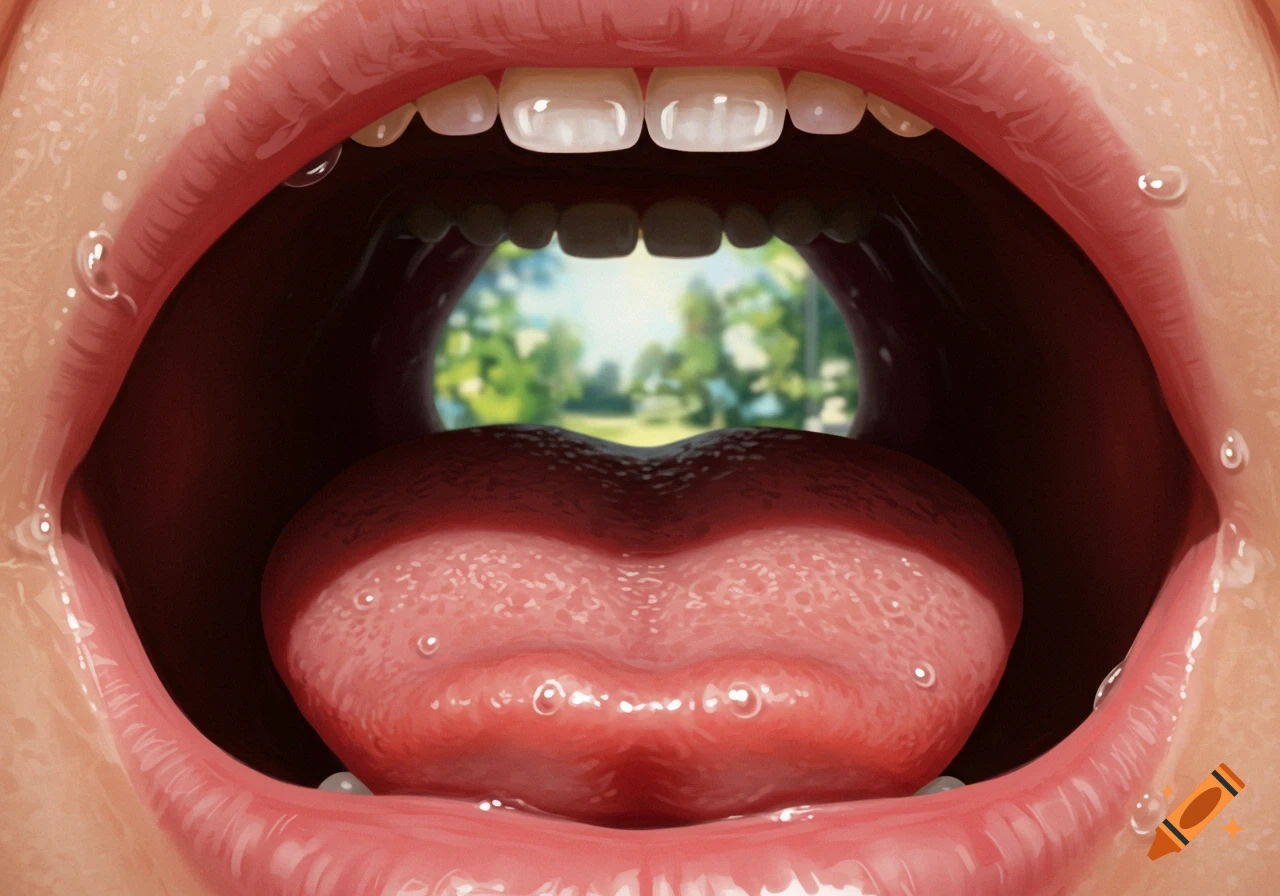
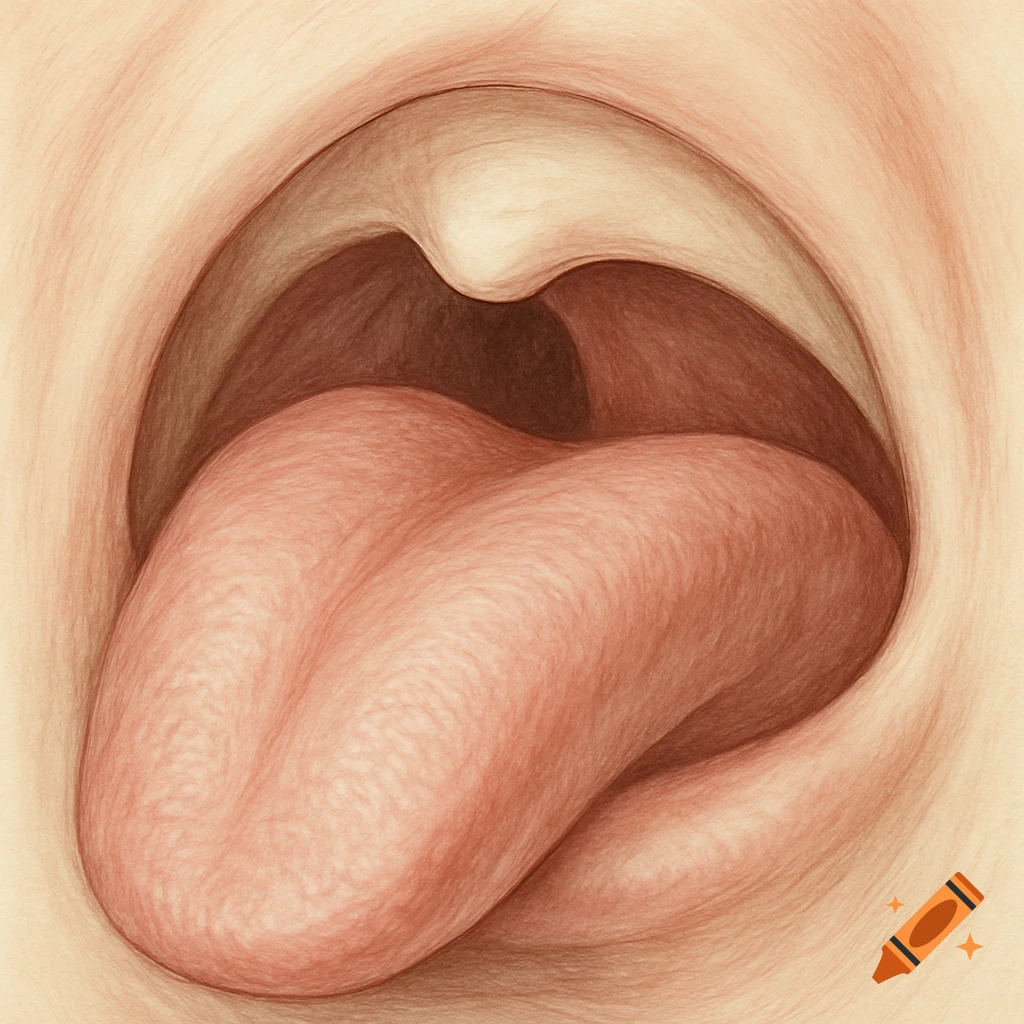
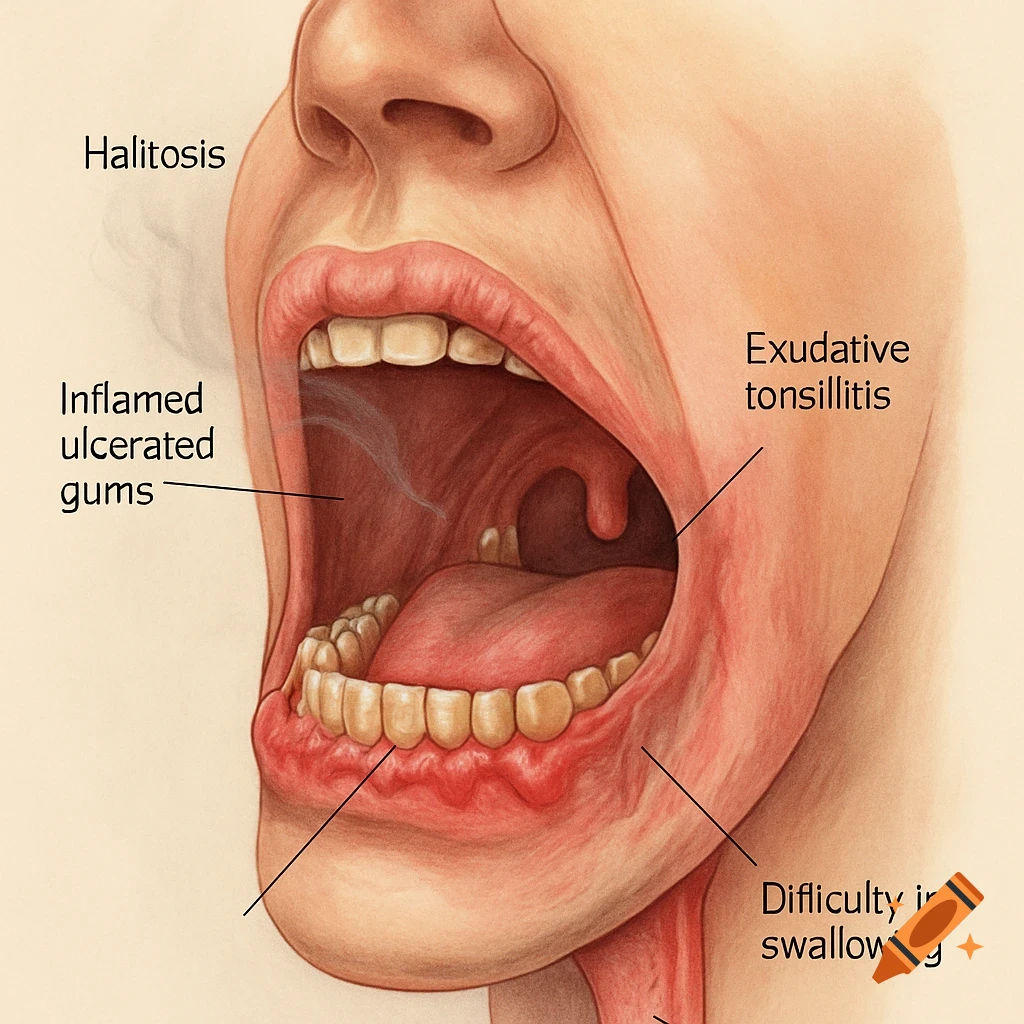
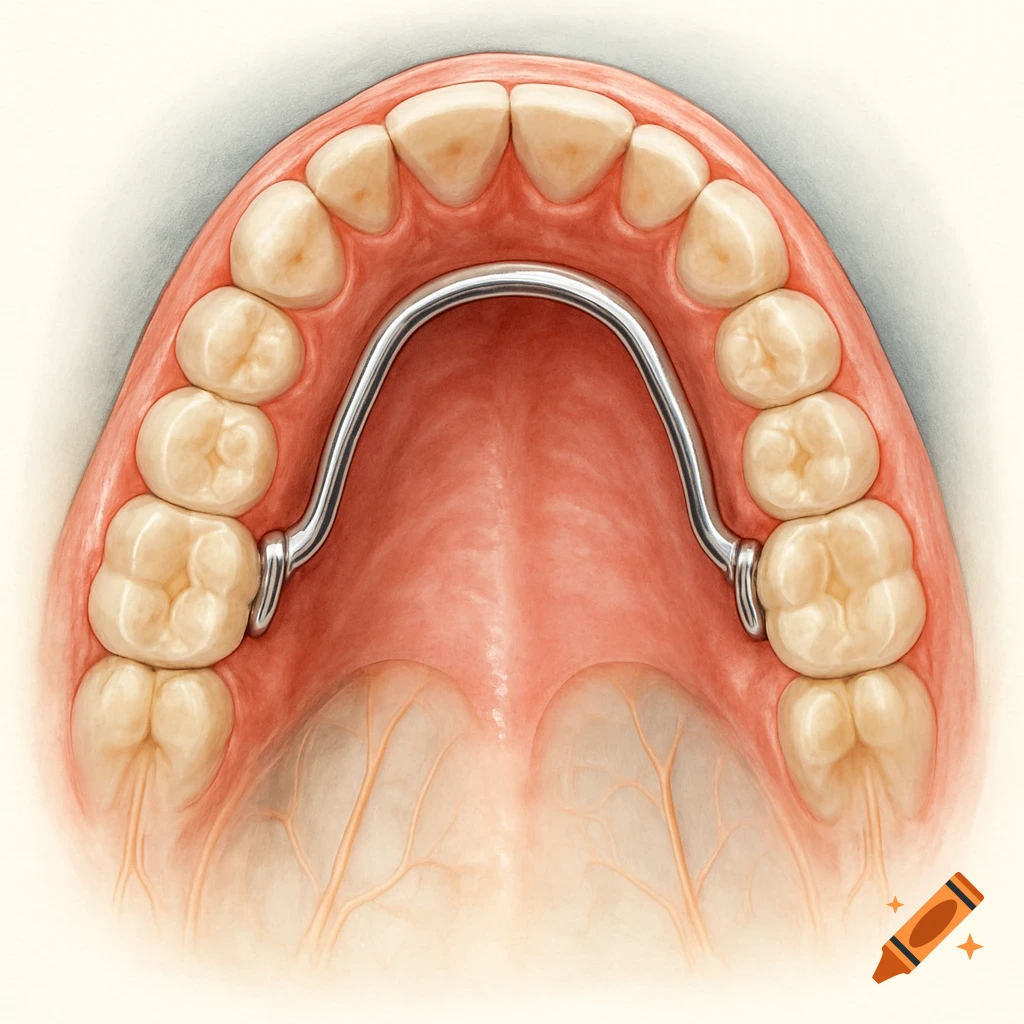
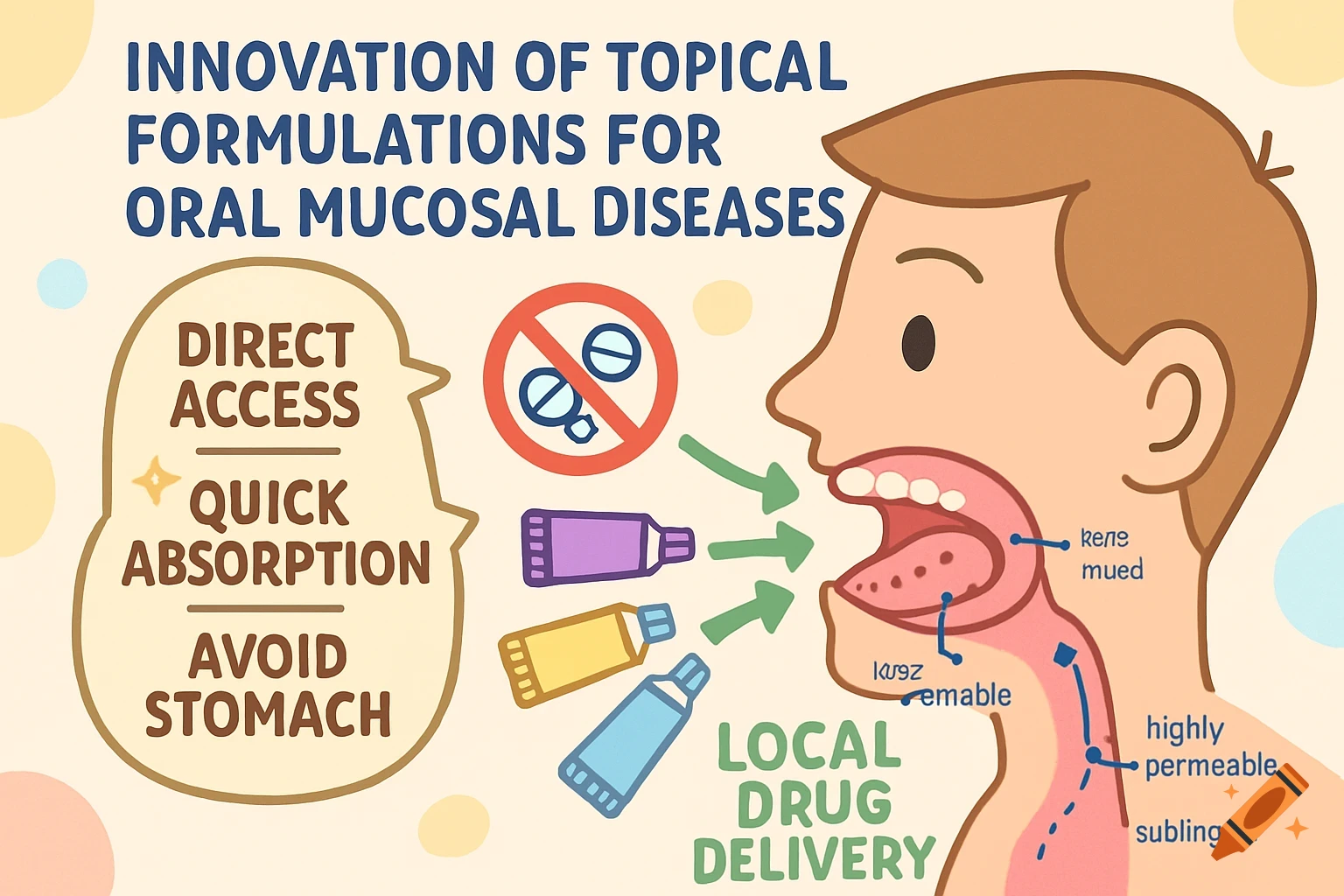
Scientific illustration of an open mouth and tongue with labels for 'Pear-Shaped Pad', 'Vibrating Line', 'Behavioral Factors', and 'Neuromuscular Control'.
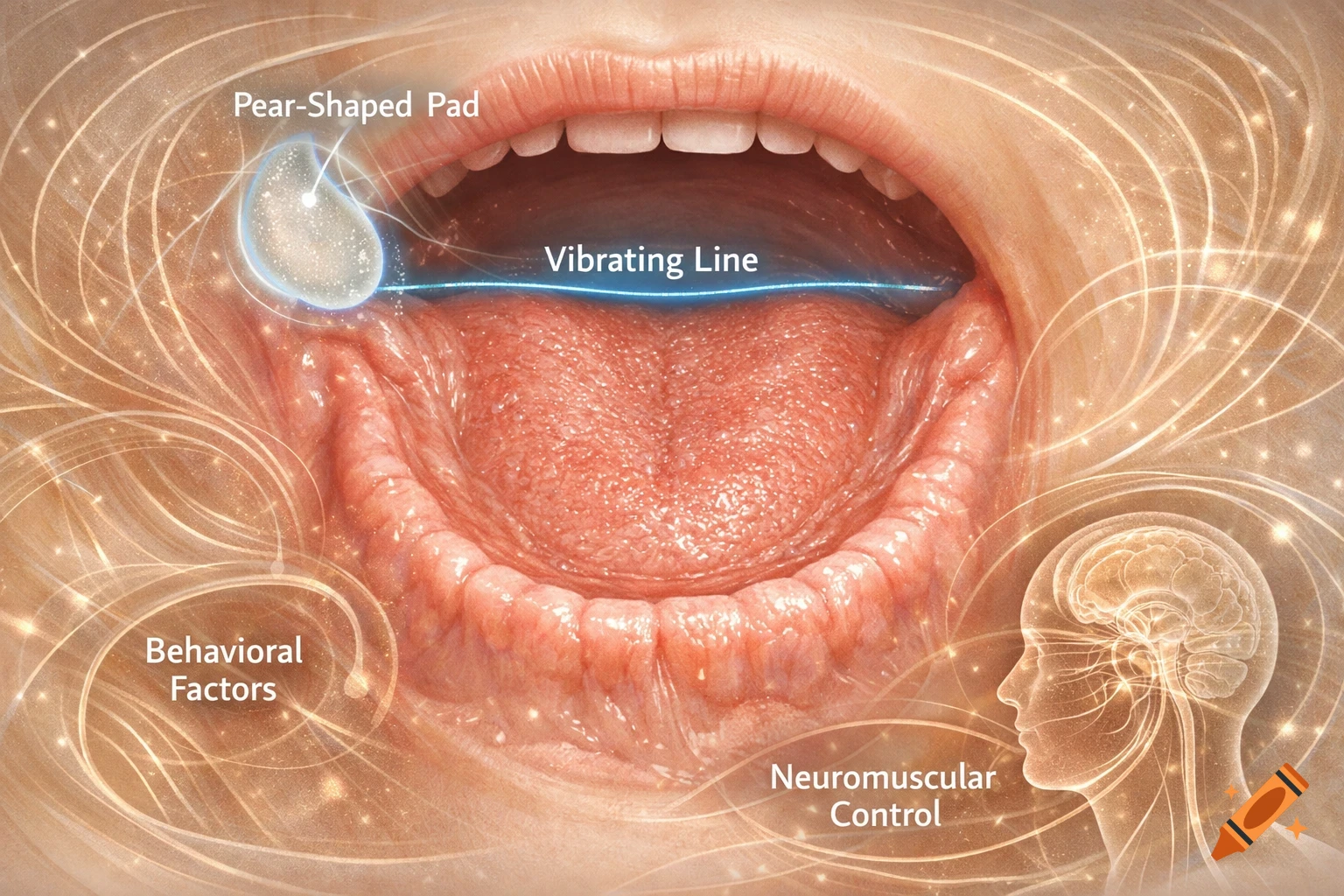
Patient assessment forms the foundation of effective therapy, requiring detailed evaluation of anatomical, functional, and behavioral factors. Residual ridge shape, soft tissue quality, salivary characteristics, tongue posture, and neuromuscular control all influence the retention and stability of prosthetics. Landmarks like the pear-shaped pad and the vibrating line serve not only as technical guides but as predictable references that integrate anatomy with prosthodontic function. Simultaneously, consideration of systemic health, emotional state, and prior experiences allows treatment to be tailored to the individual, acknowledging that psychological readiness and expectation management are just as important as structural support. See more