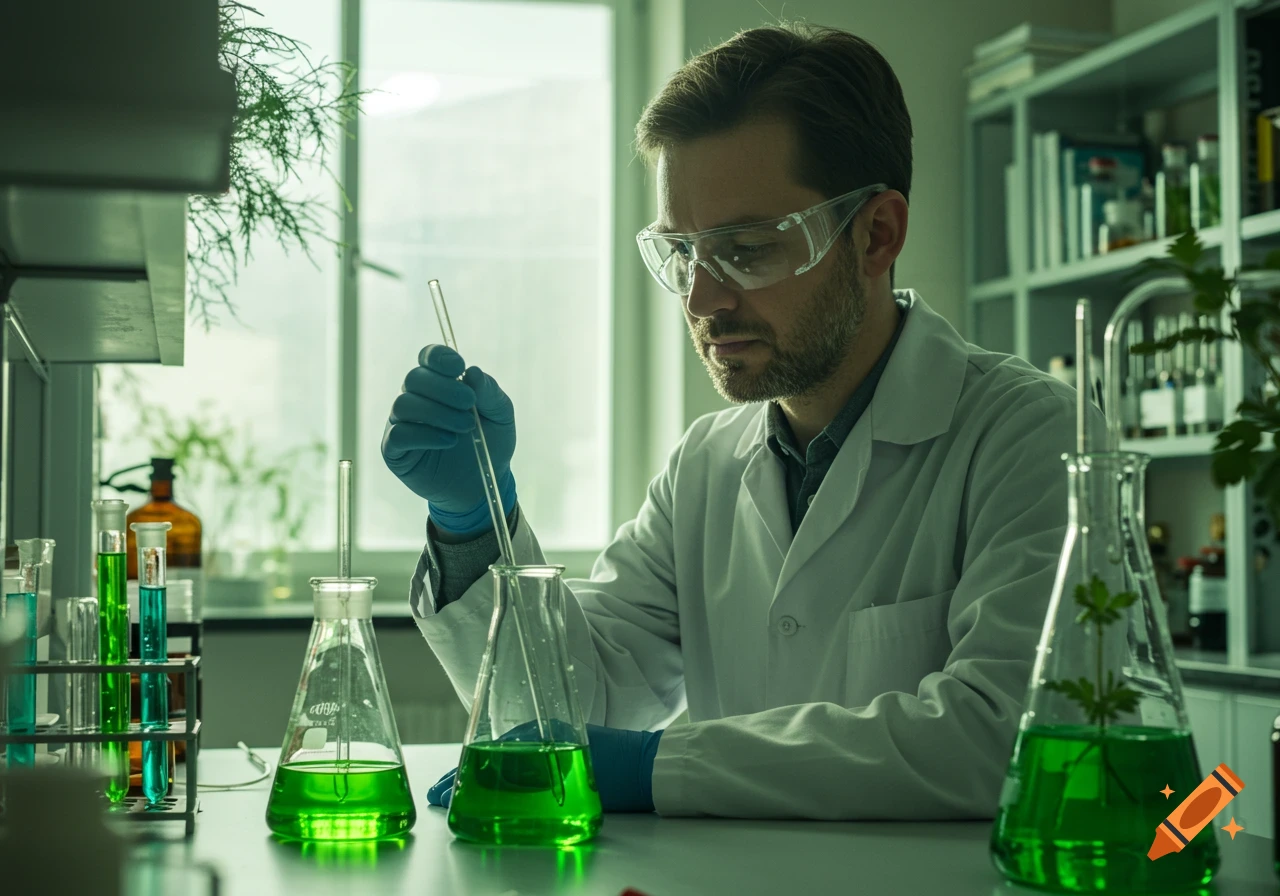
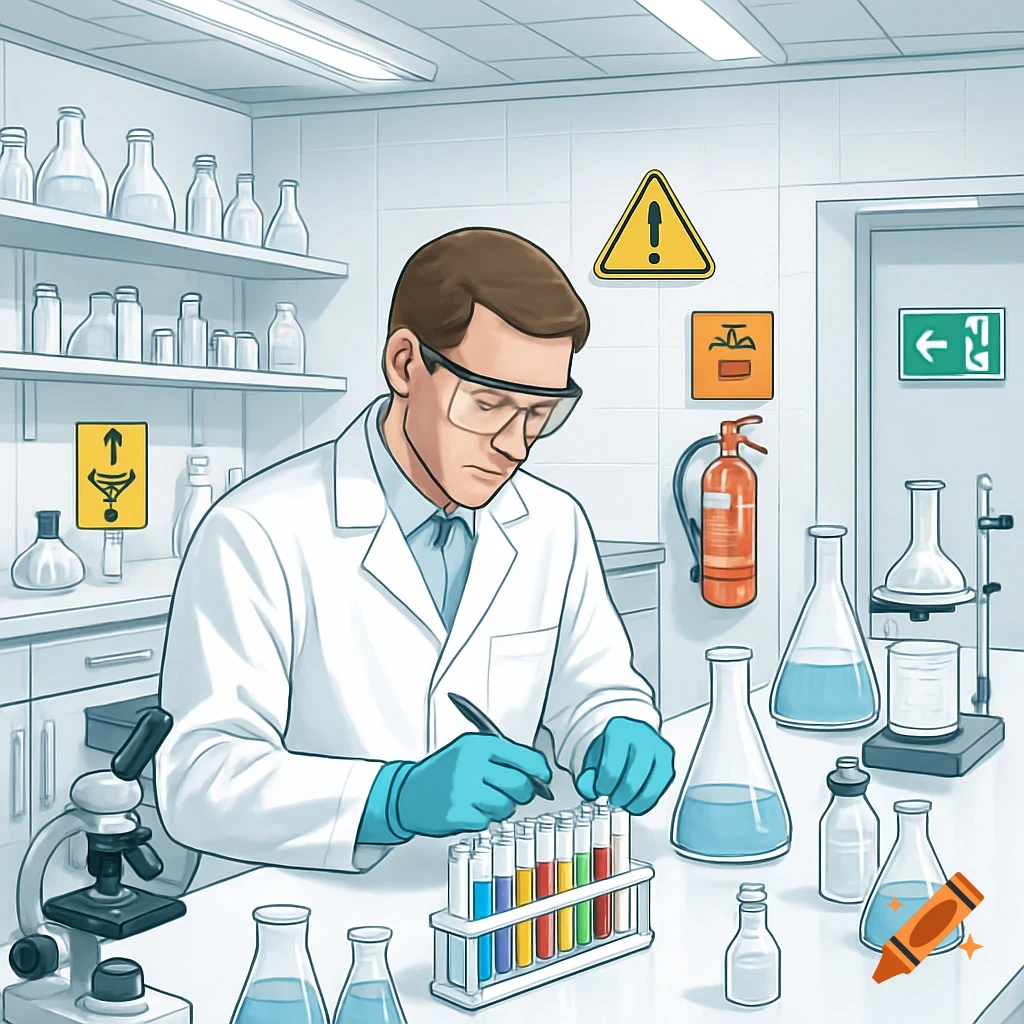
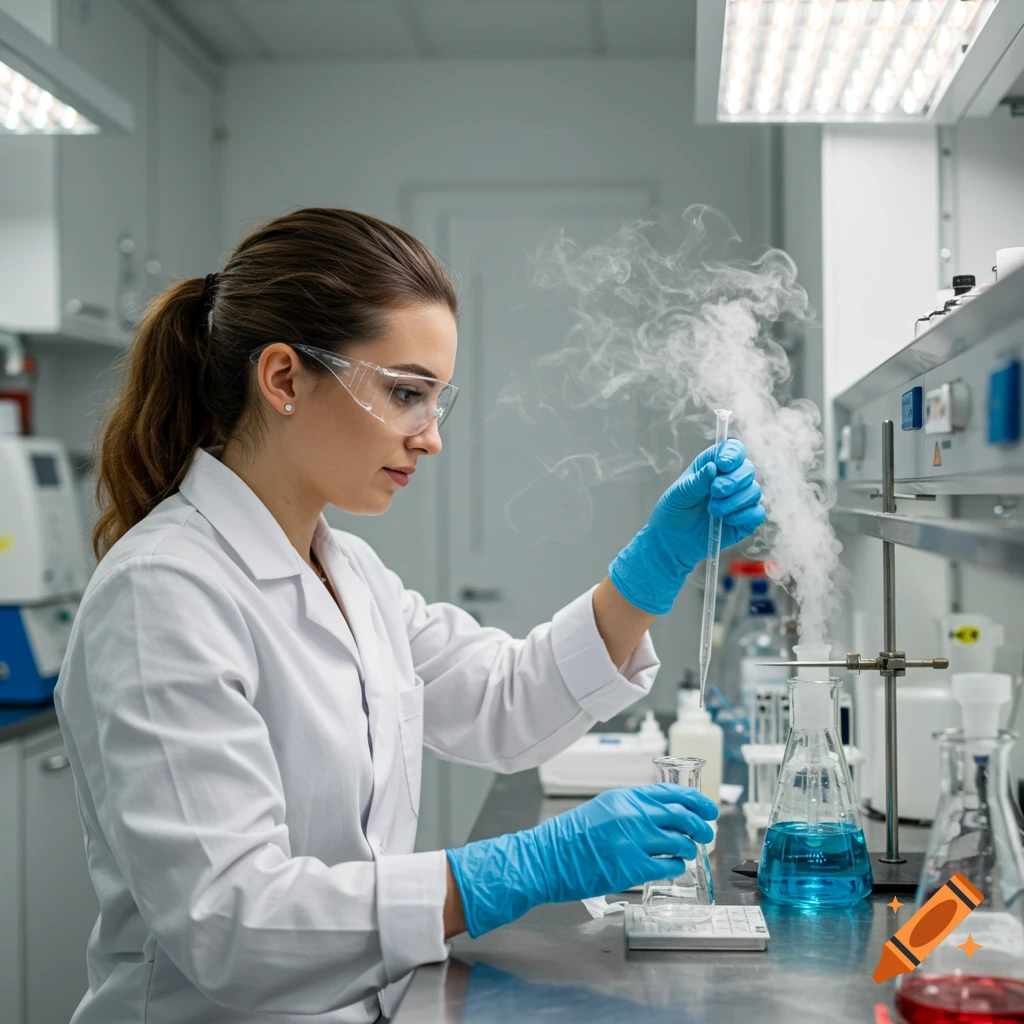
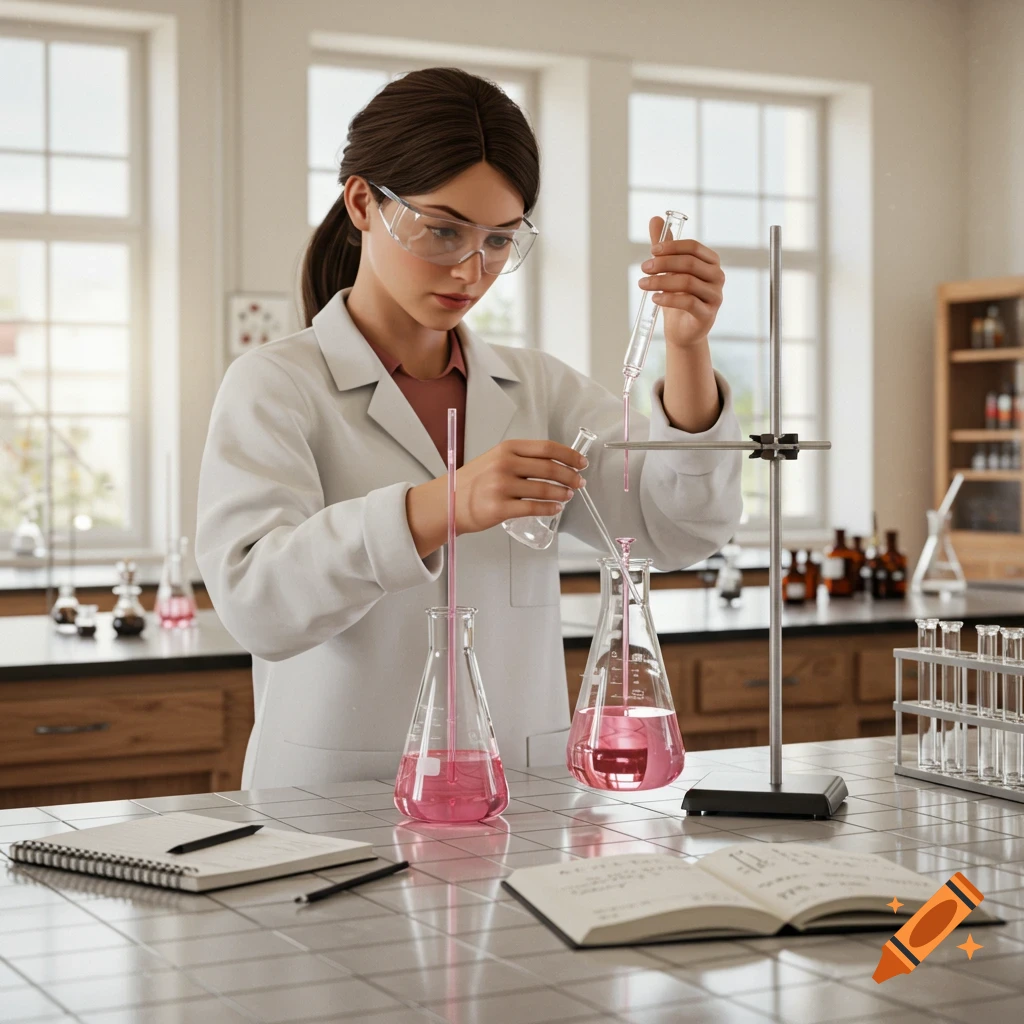
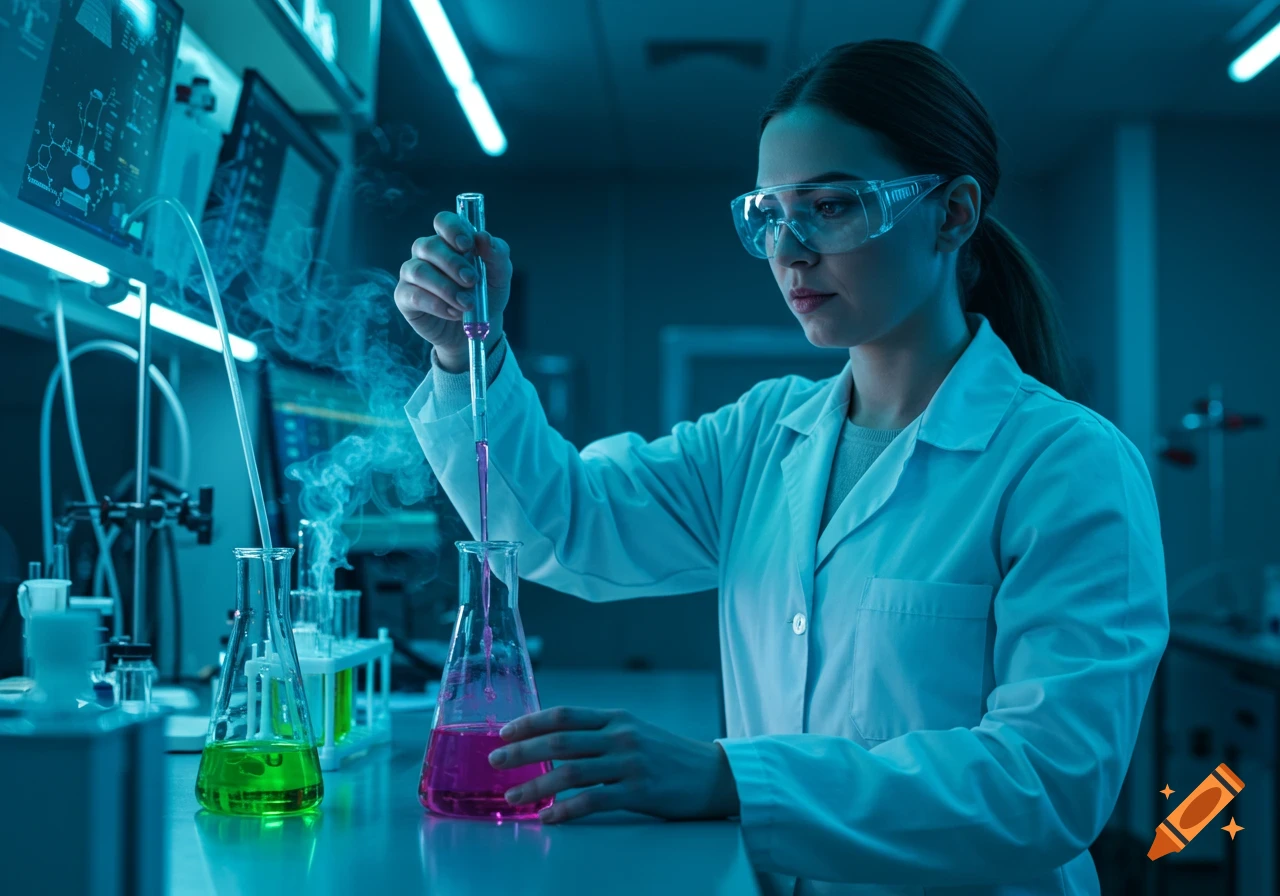
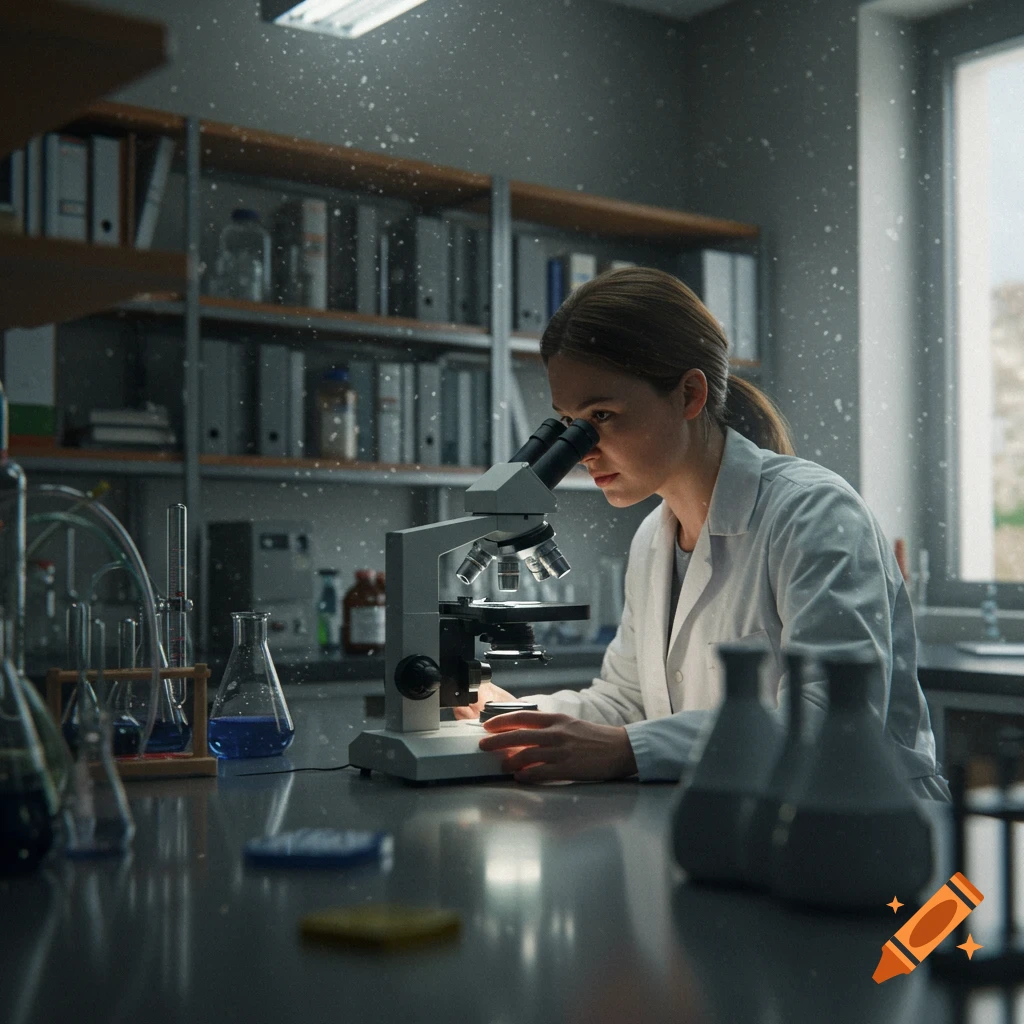
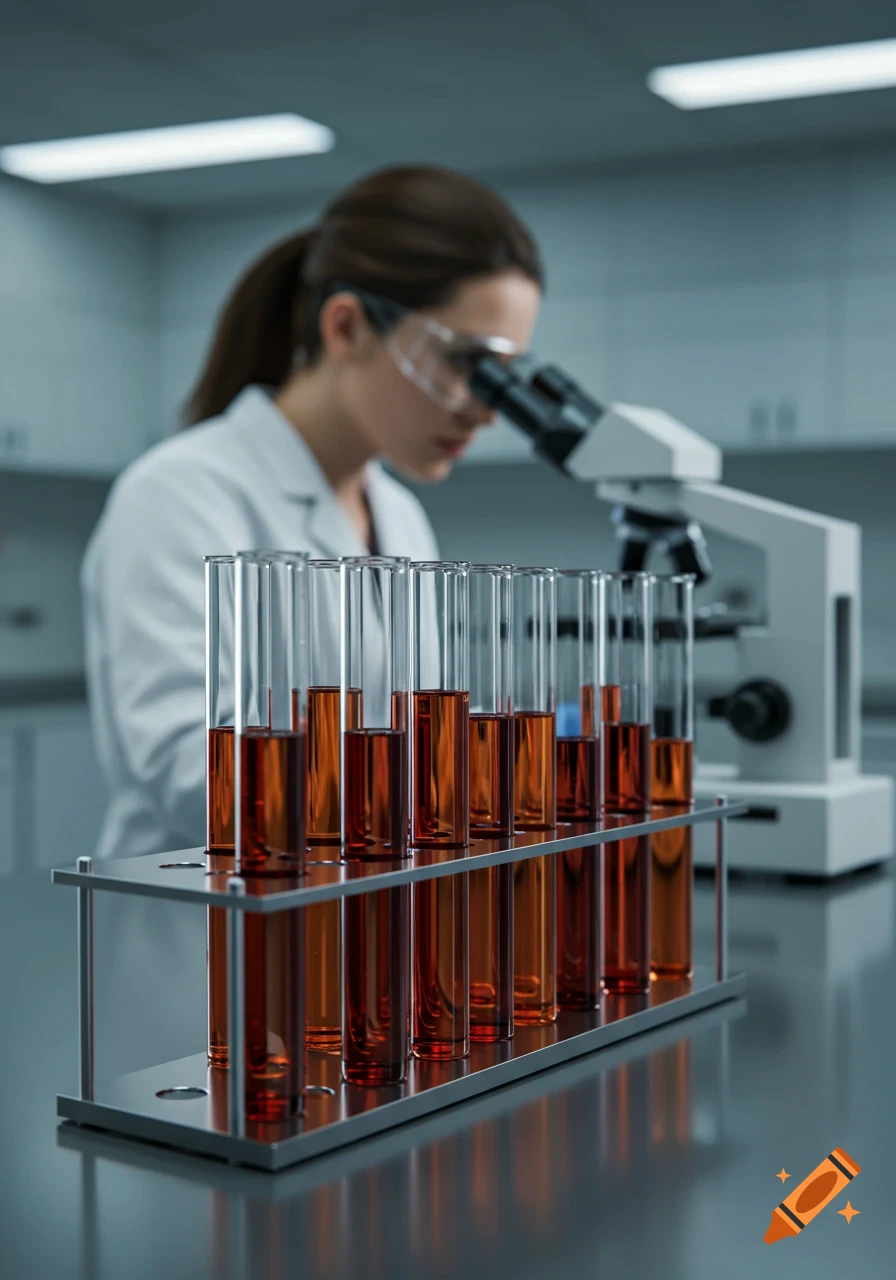
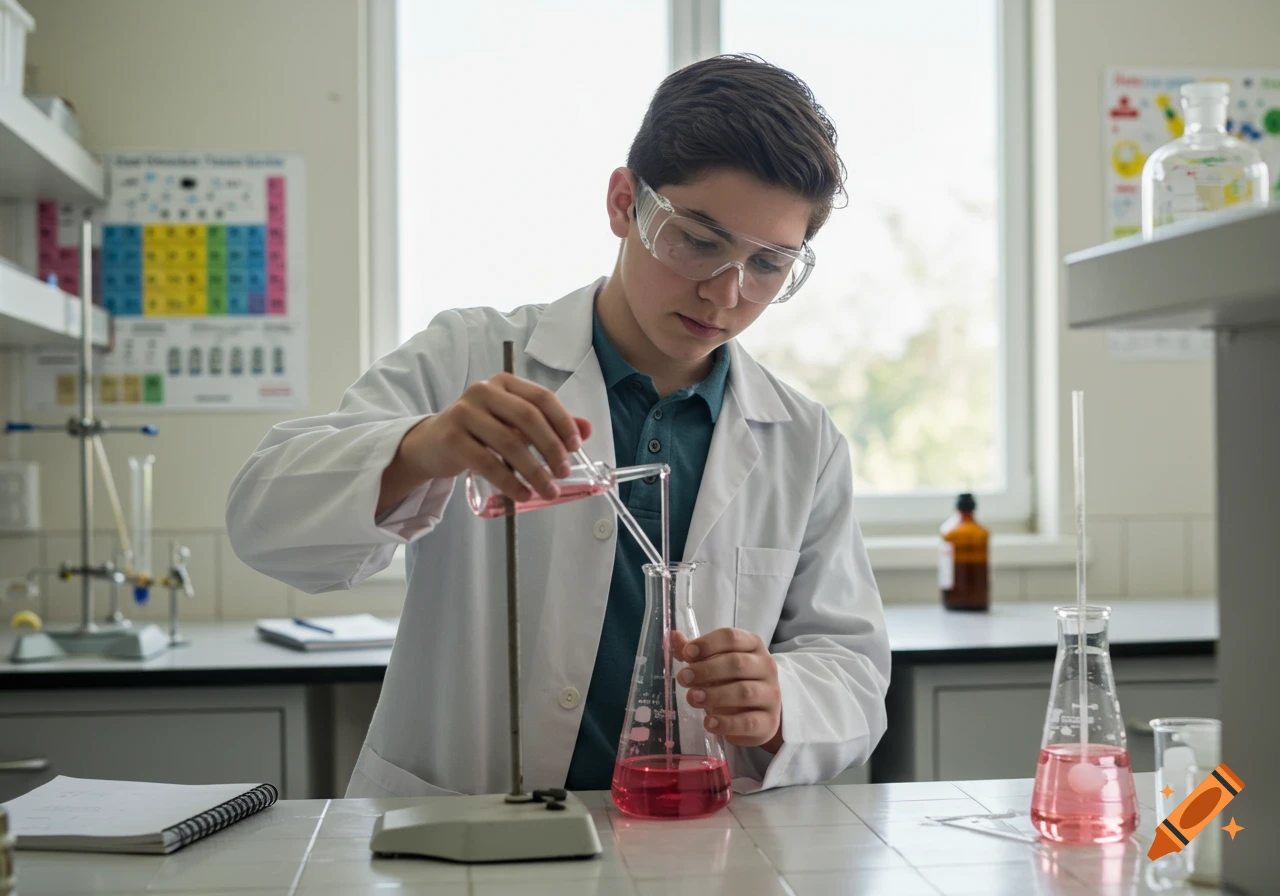
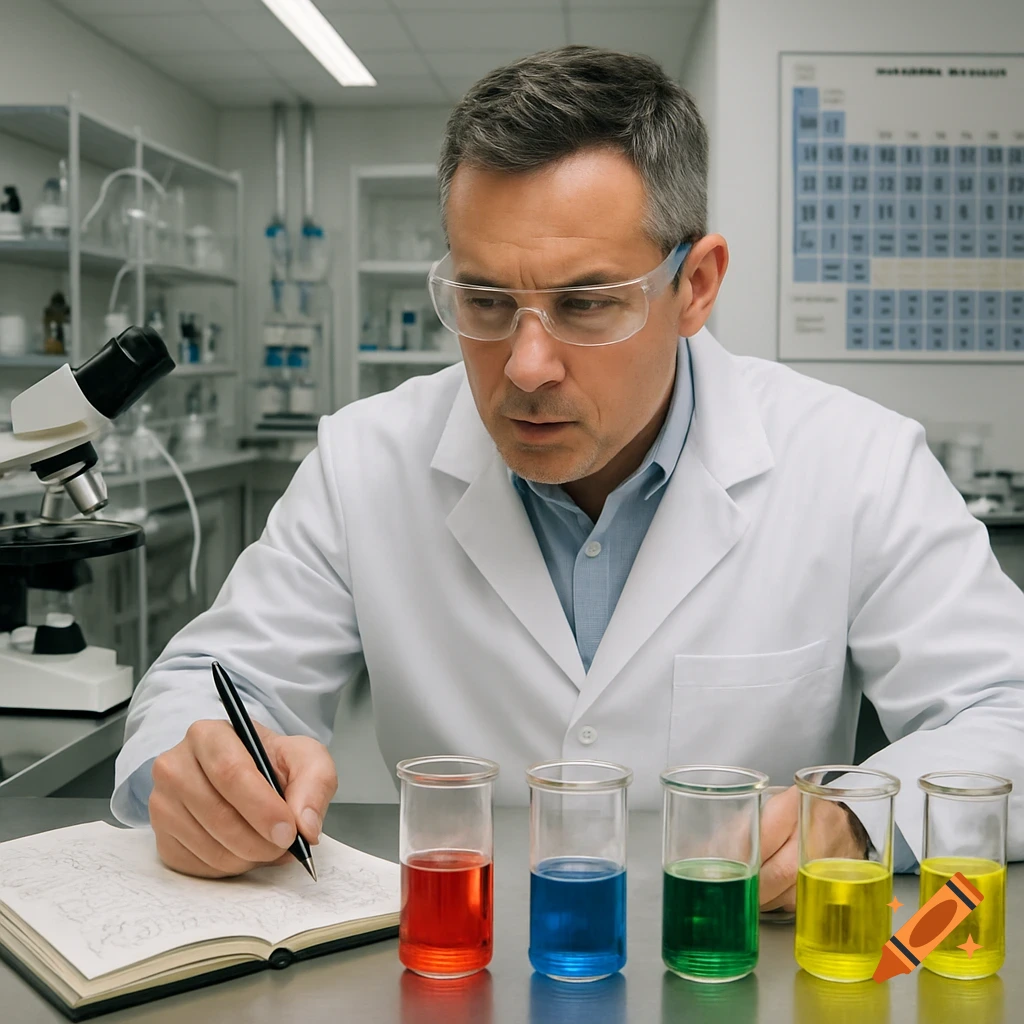
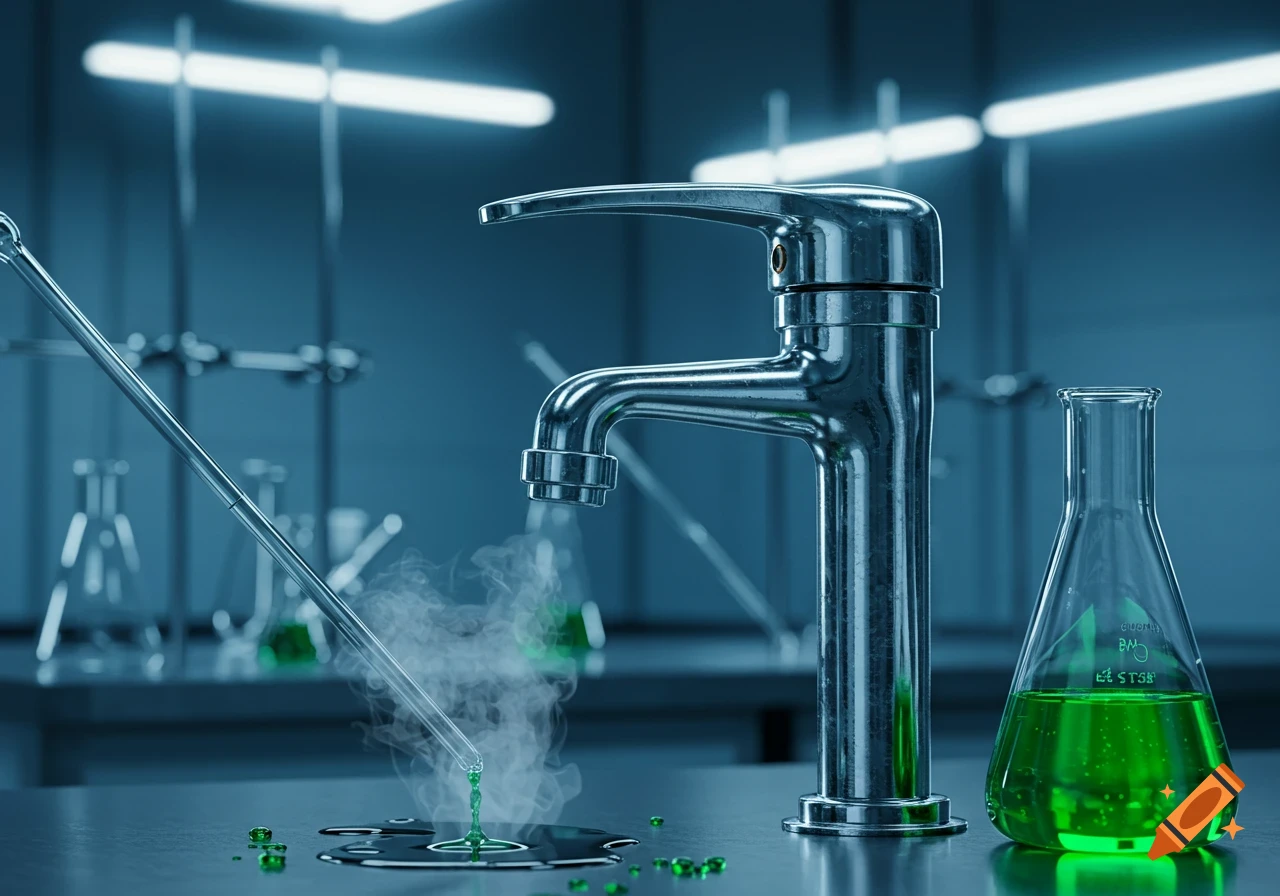
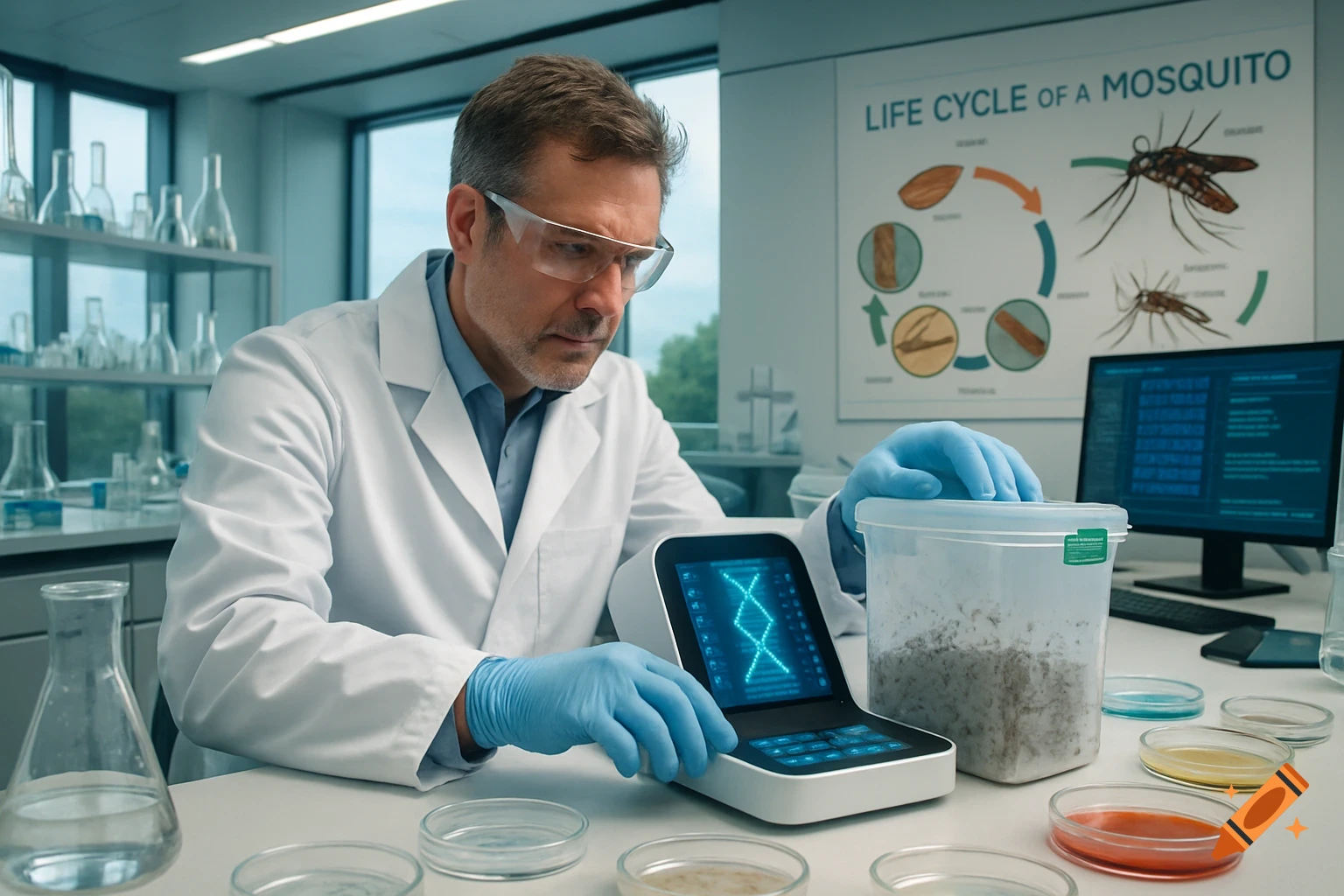
Scientists in a lab, one using tweezers on a petri dish with bacteria, the other writing. Beakers of alcohol are on the table.
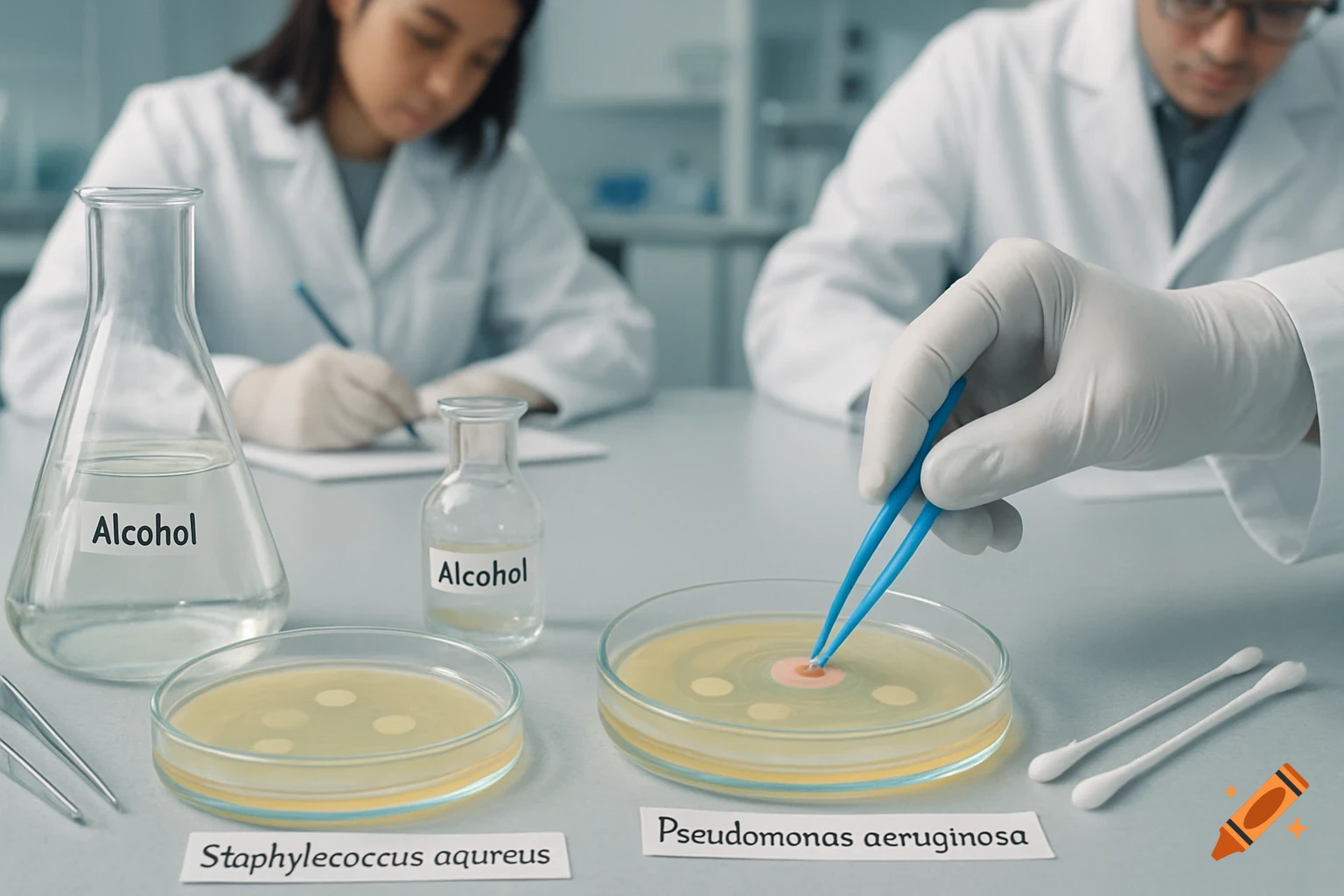
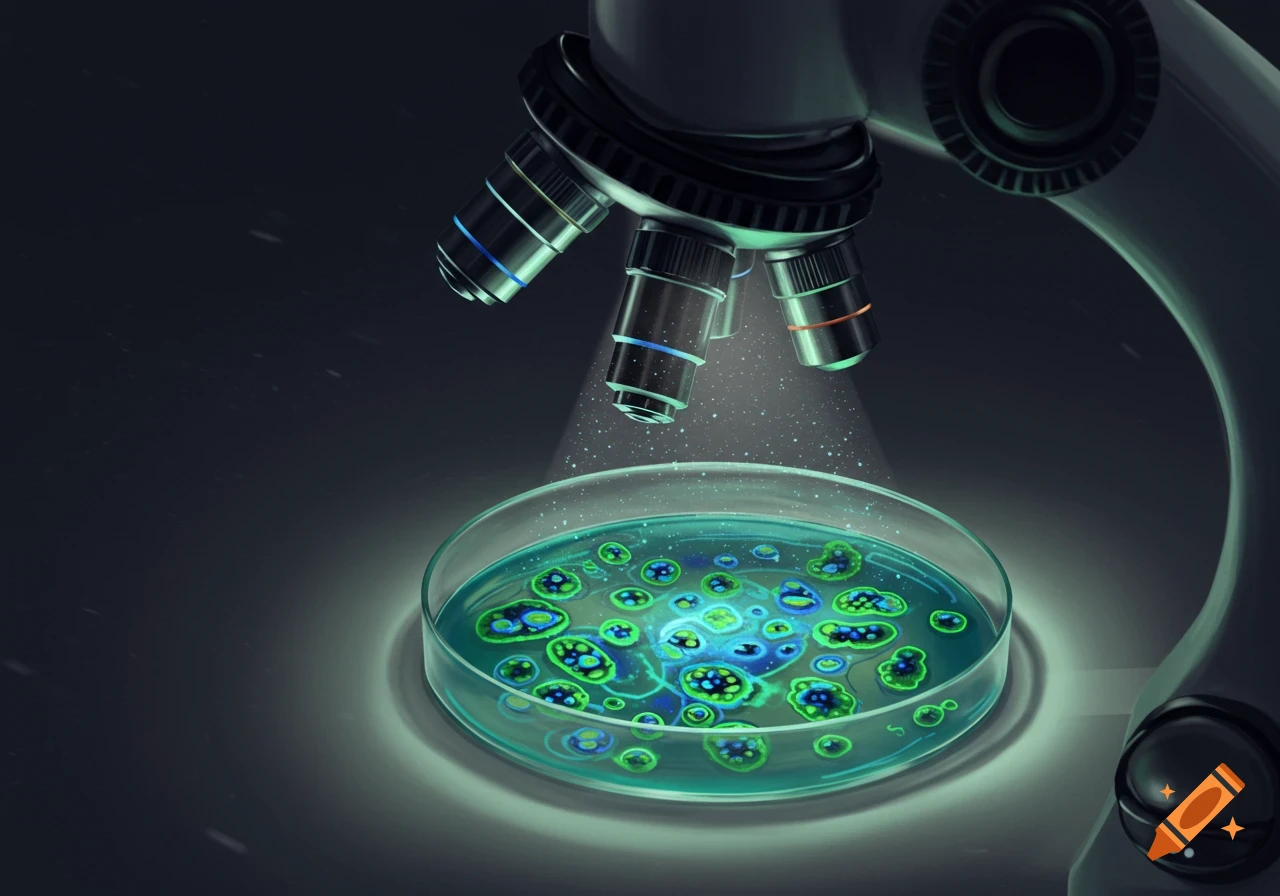
Exercise 7.3 – Antiseptics & Disinfectants: Protocol OBJECTIVE Evaluate the effect of selected chemical agents on bacteria using a disk-diffusion procedure. MATERIALS • EQUIPMENT: Sterile swabs, forceps, assigned chemical agent, 15-cm ruler, marker • MEDIA: Small Mueller-Hinton agar plates • SOLUTIONS: Small volume of alcohol in a beaker • CULTURES: Staphylococcus aureus, Pseudomonas aeruginosa PROCEDURE – STUDENTS WORK IN PAIRS Note: One pair of students will be assigned to set up the control disks, which contain no agent. 1. Complete the pre-lab report prior to beginning the procedure. 2. Label two small Mueller-Hinton agar plates with your initials, date, and organism numbers. 3. Tighten and vortex a bacterial culture tube. 4. Aseptically obtain bacteria by dipping a sterile swab into the broth, pressing it against the side of the tube to remove excess liquid. 5. Swab the agar surface in three confluent layers (horizontally, vertically, and diagonally) and around the rim. Dispose of the swab in the disinfectant beaker, not the wrapper. 6. Dip the tip of the forceps in alcohol and obtain a sterile paper disk. 7. Dip the disk into the chemical agent and place it in the center of the agar. Gently tap with forceps, being careful not to push the disk into the agar. 8. Repeat the procedure for the second bacterial culture. 9. Invert plates for incubation for 37oC for 18-24 hours. Measure the diameter of the zone of inhibition in millimeters following growth. FOLLOW UP 1. See more