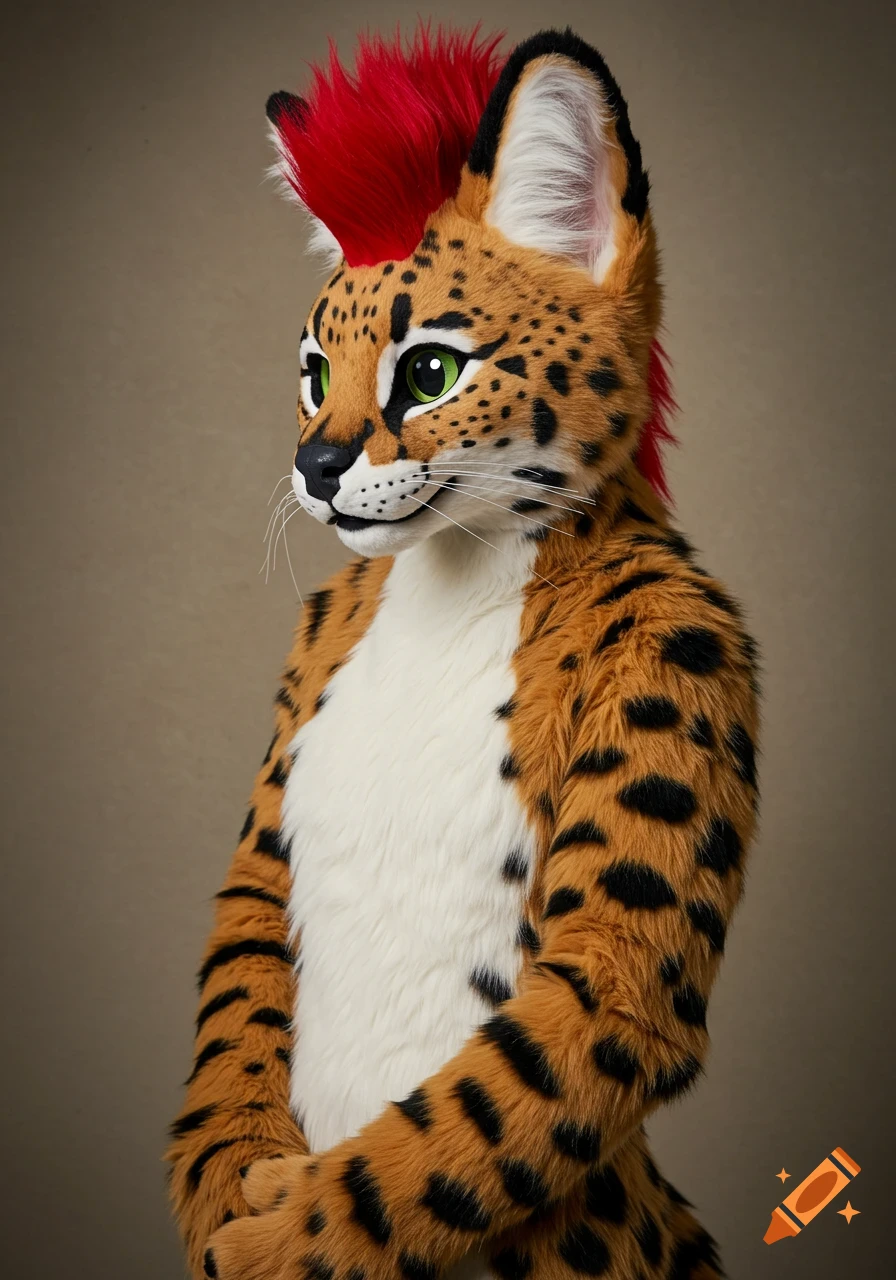
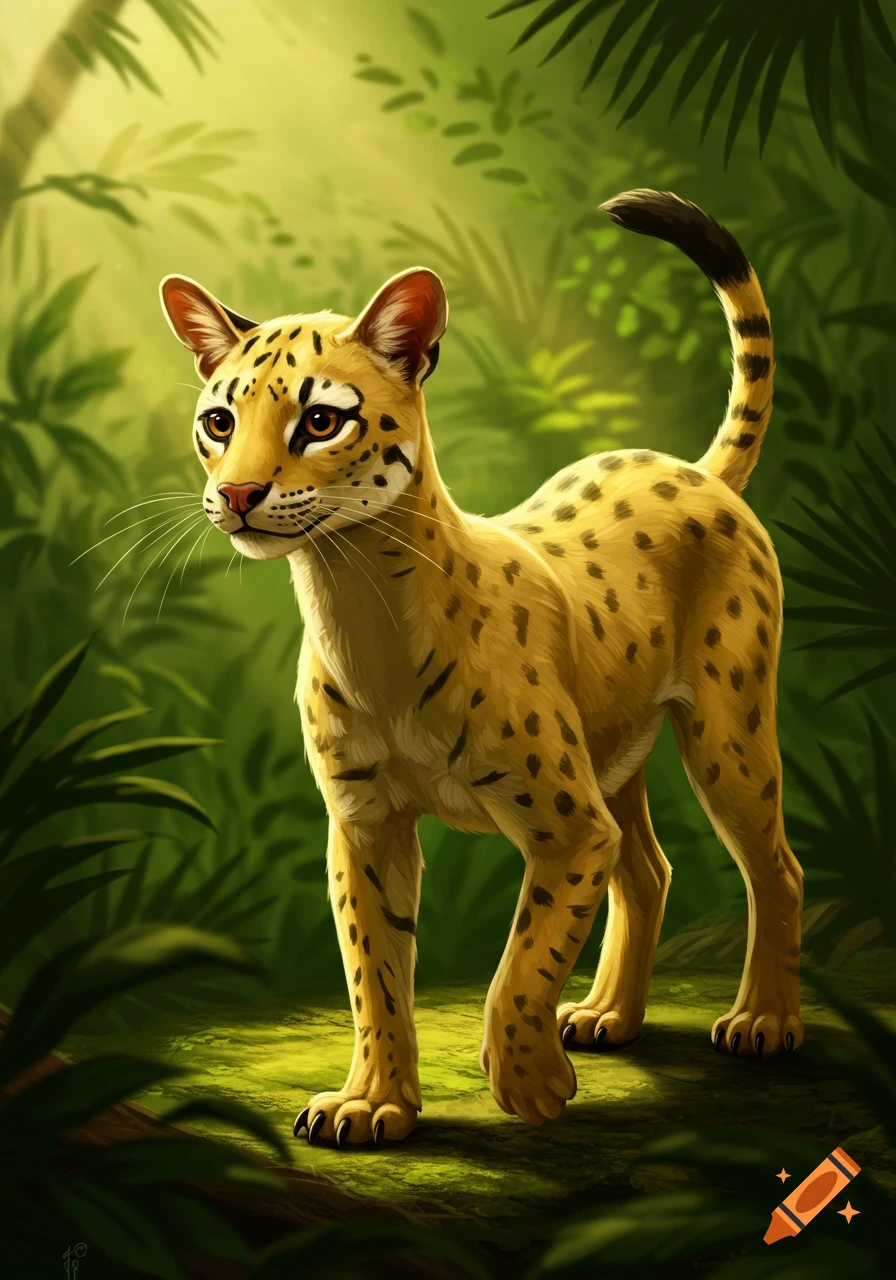
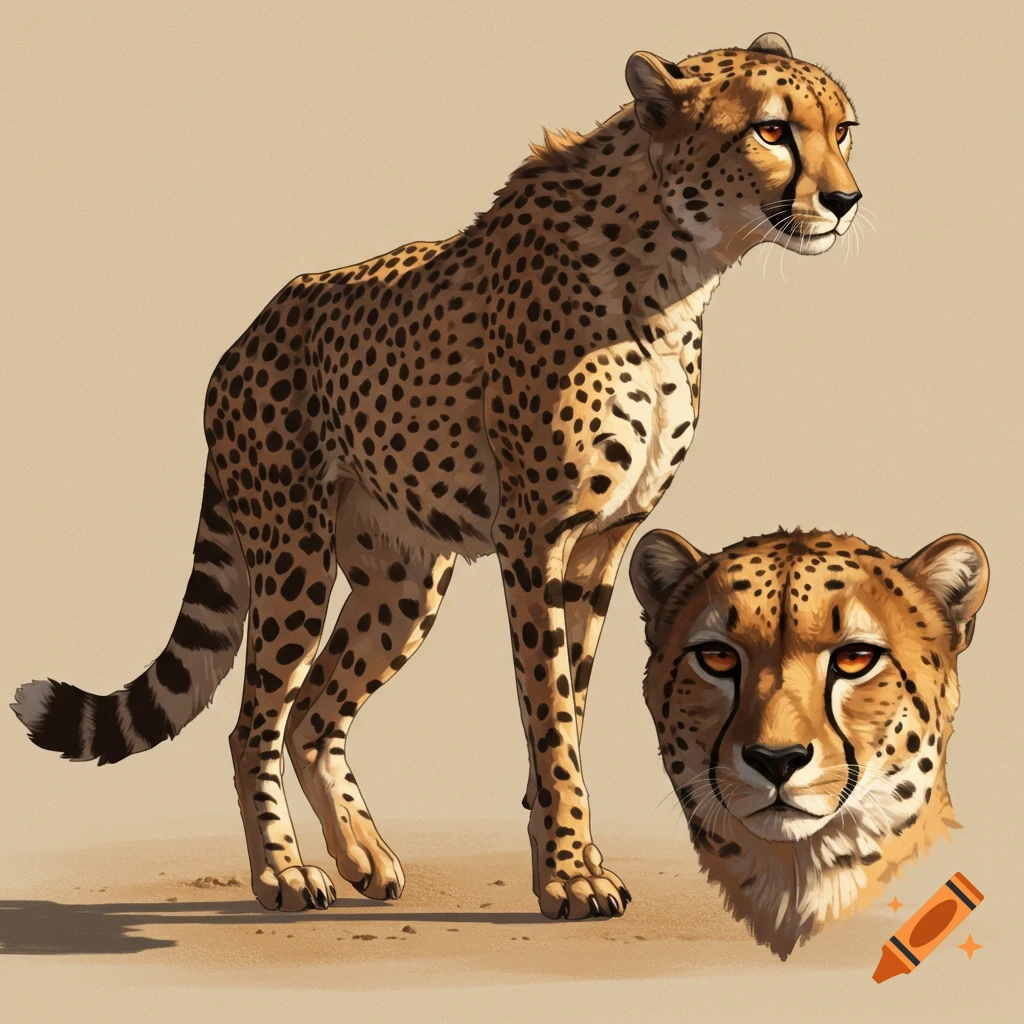
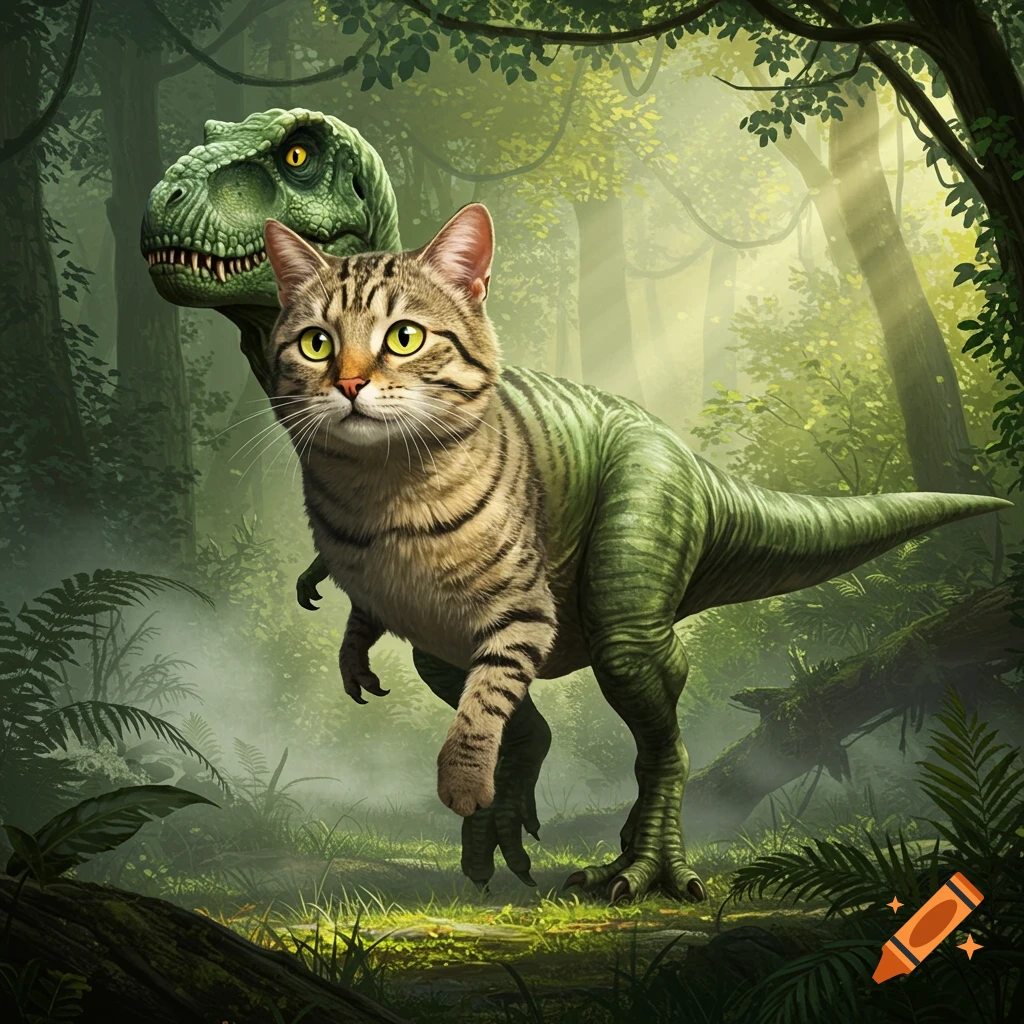
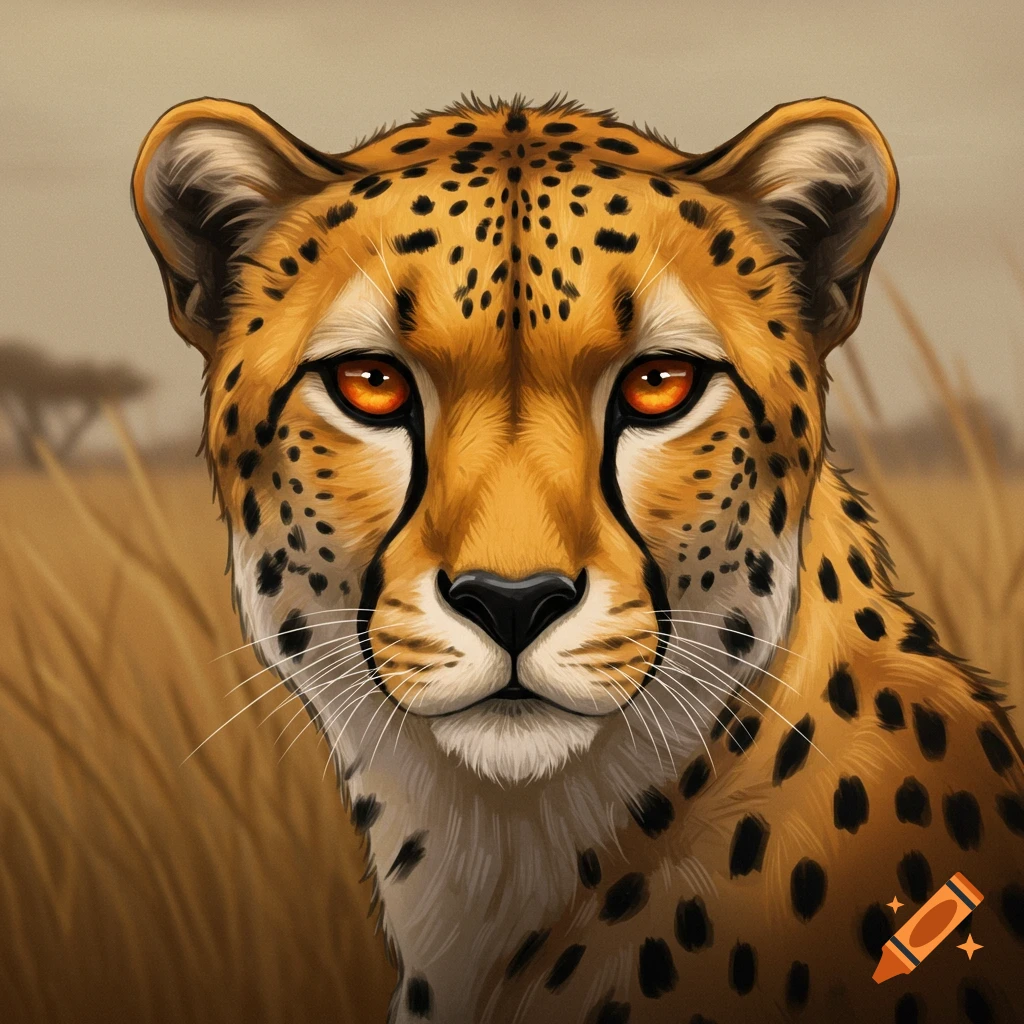
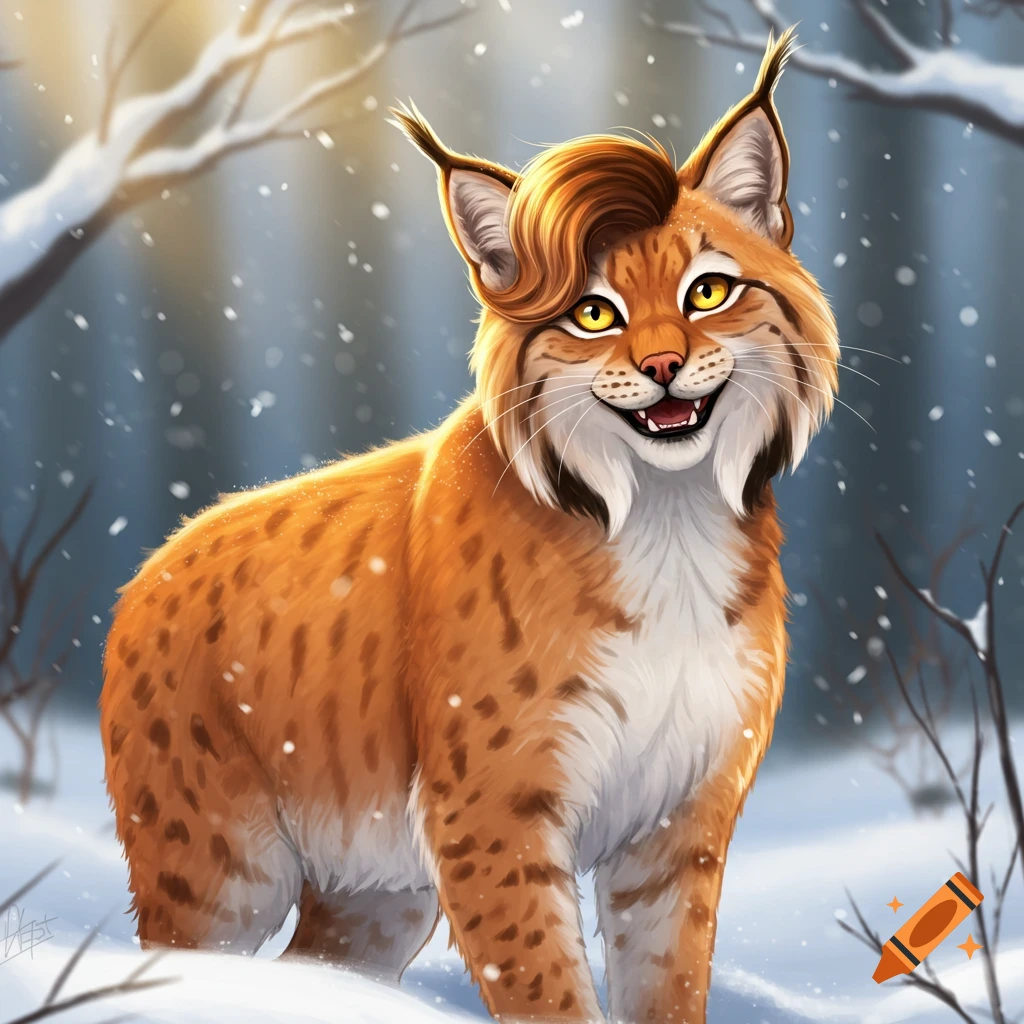
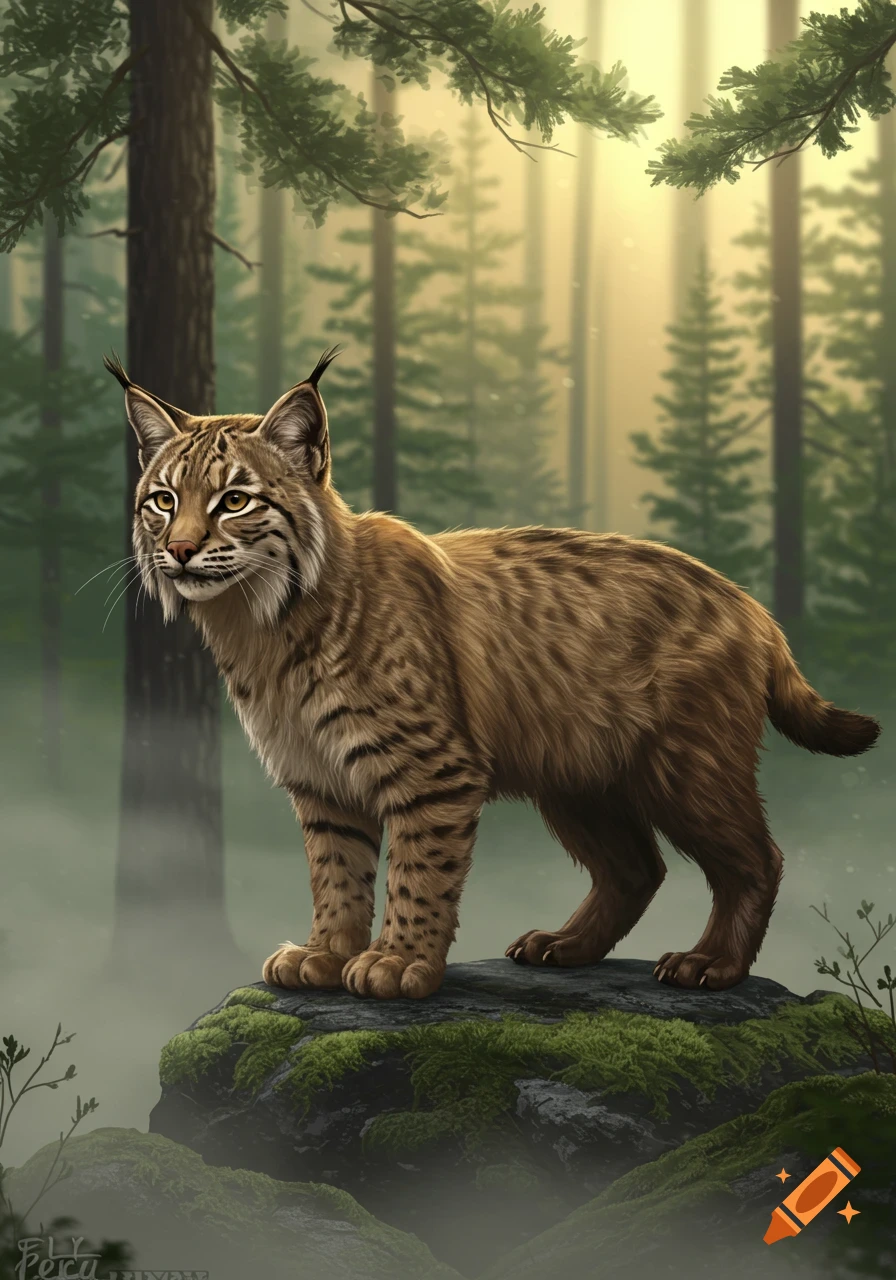
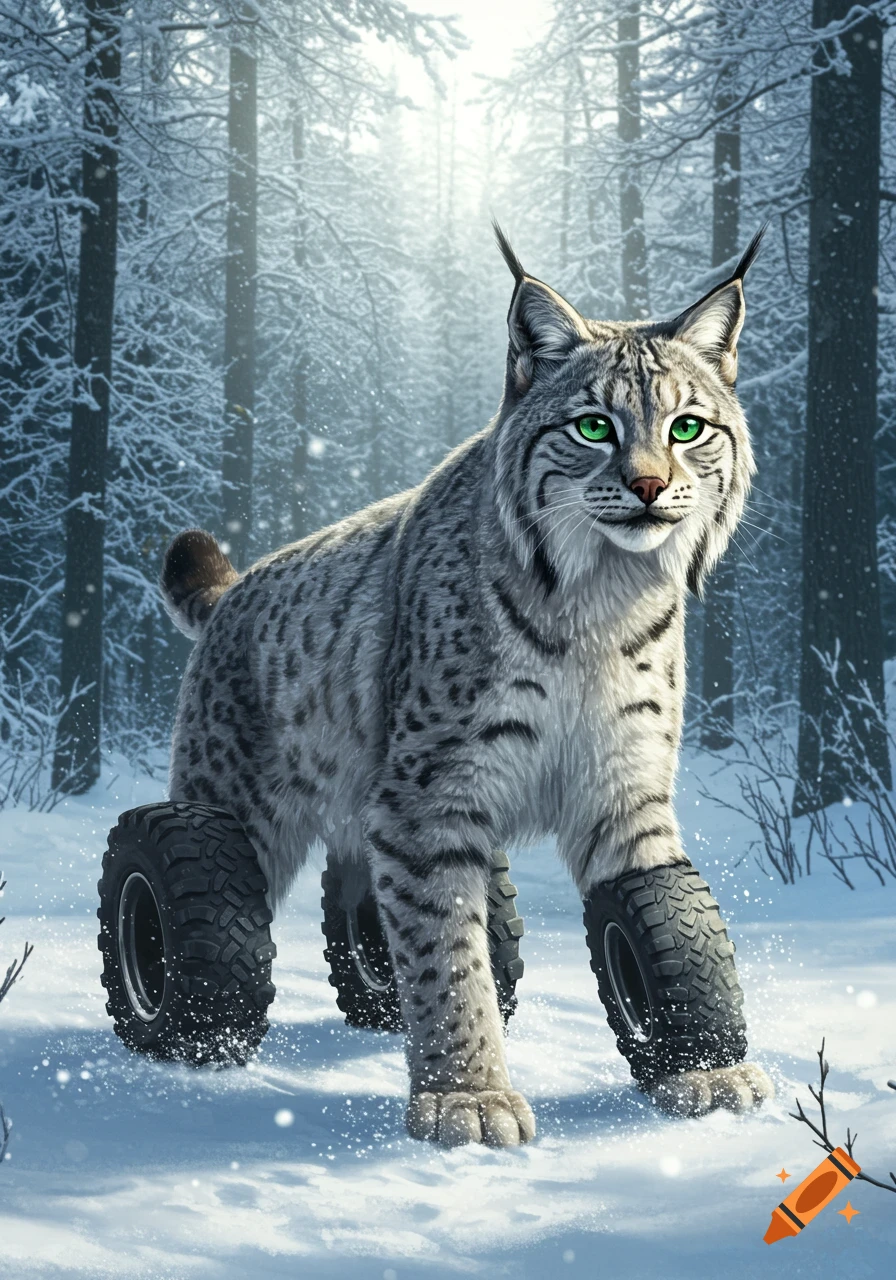
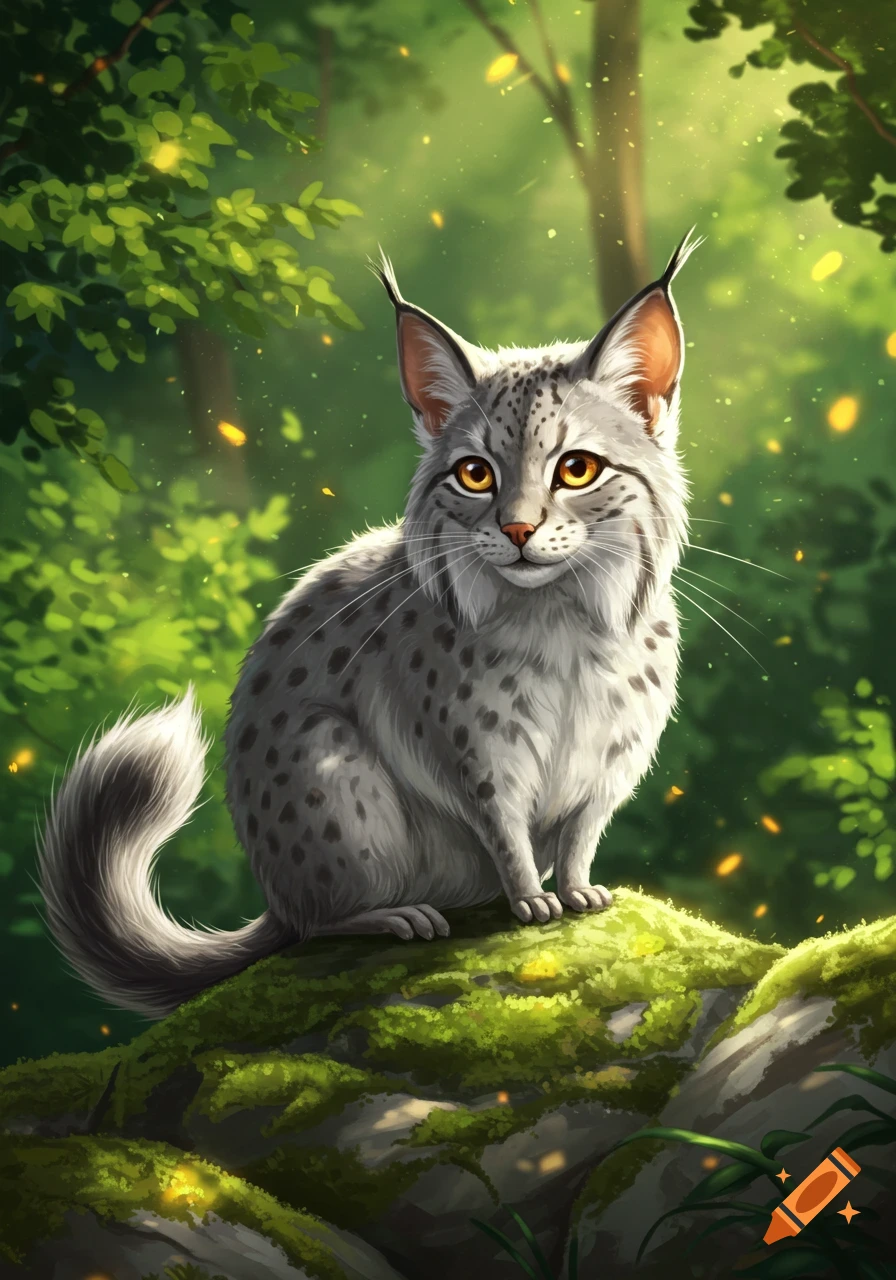
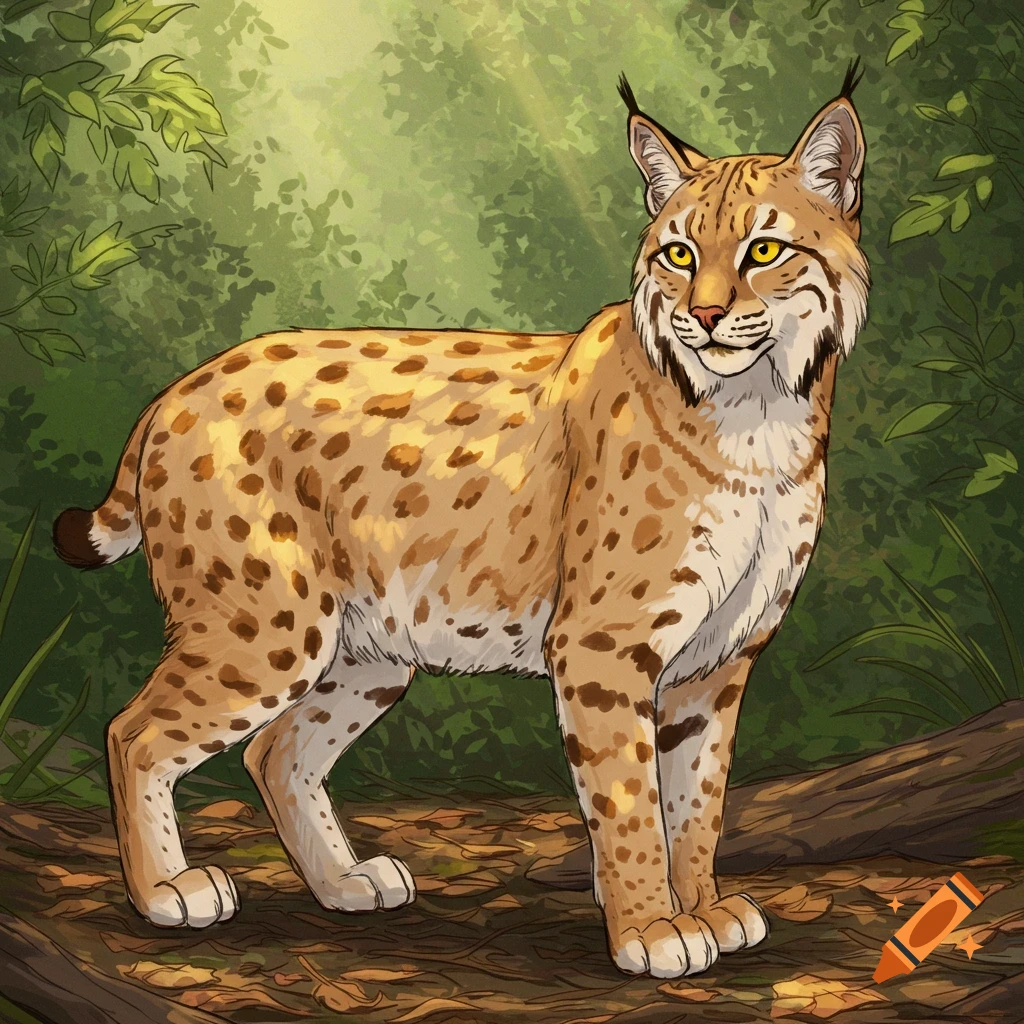
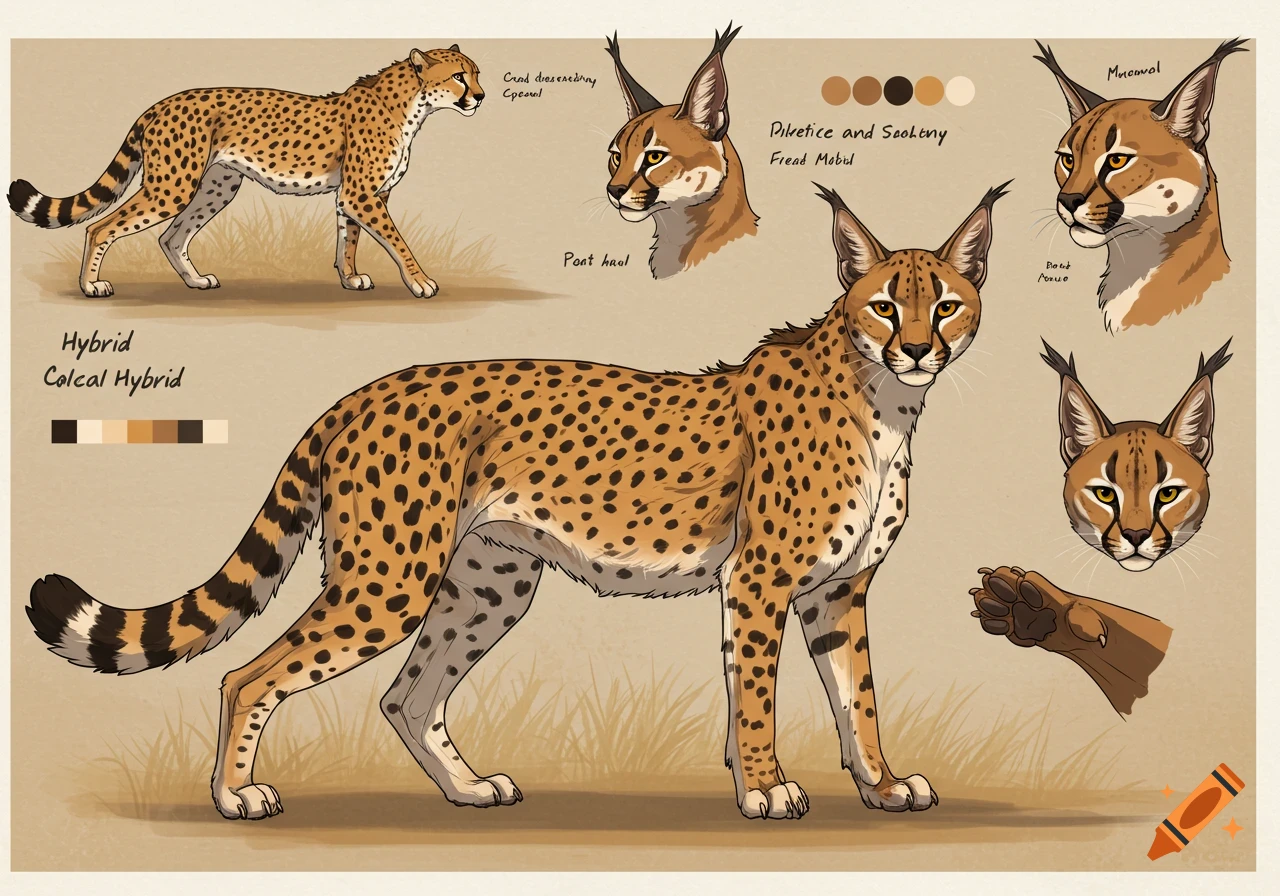
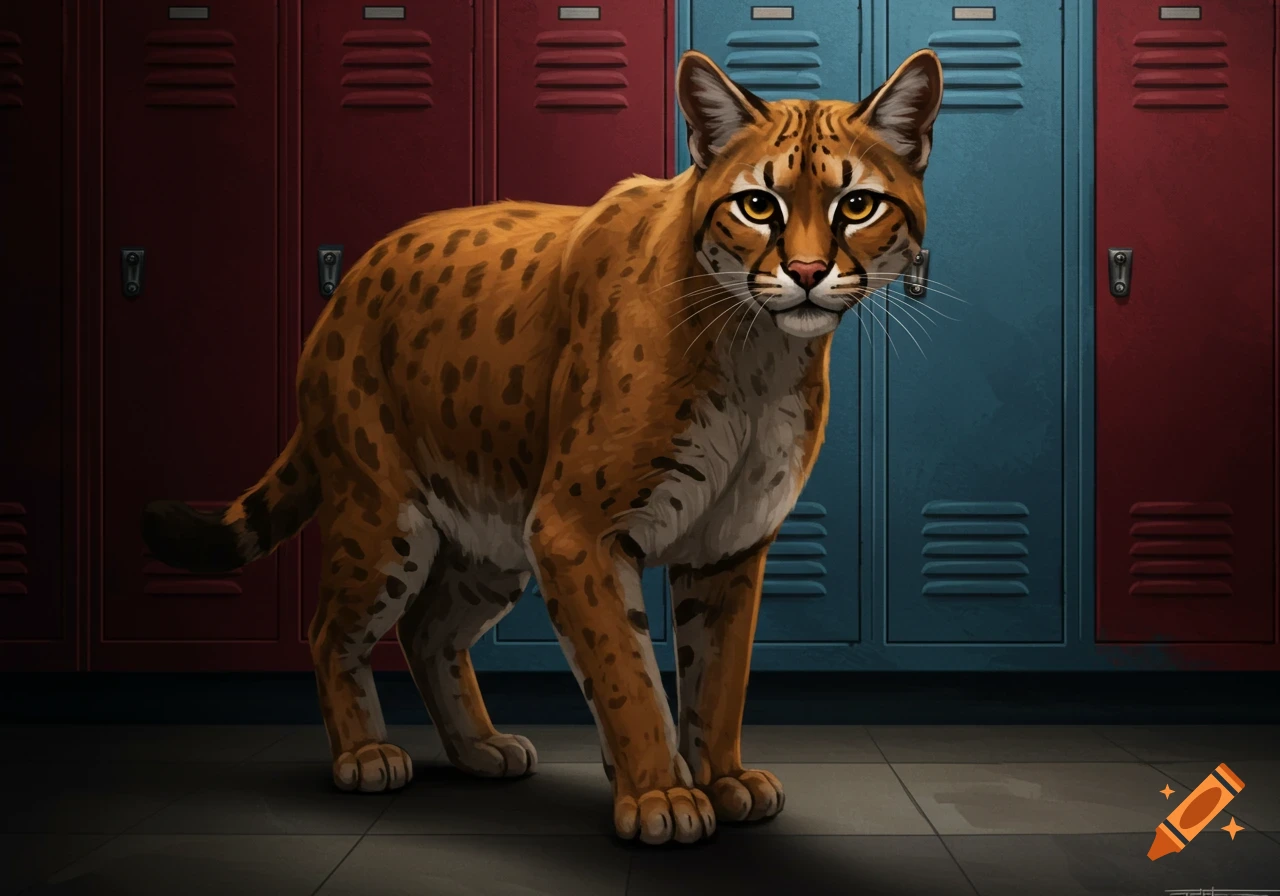
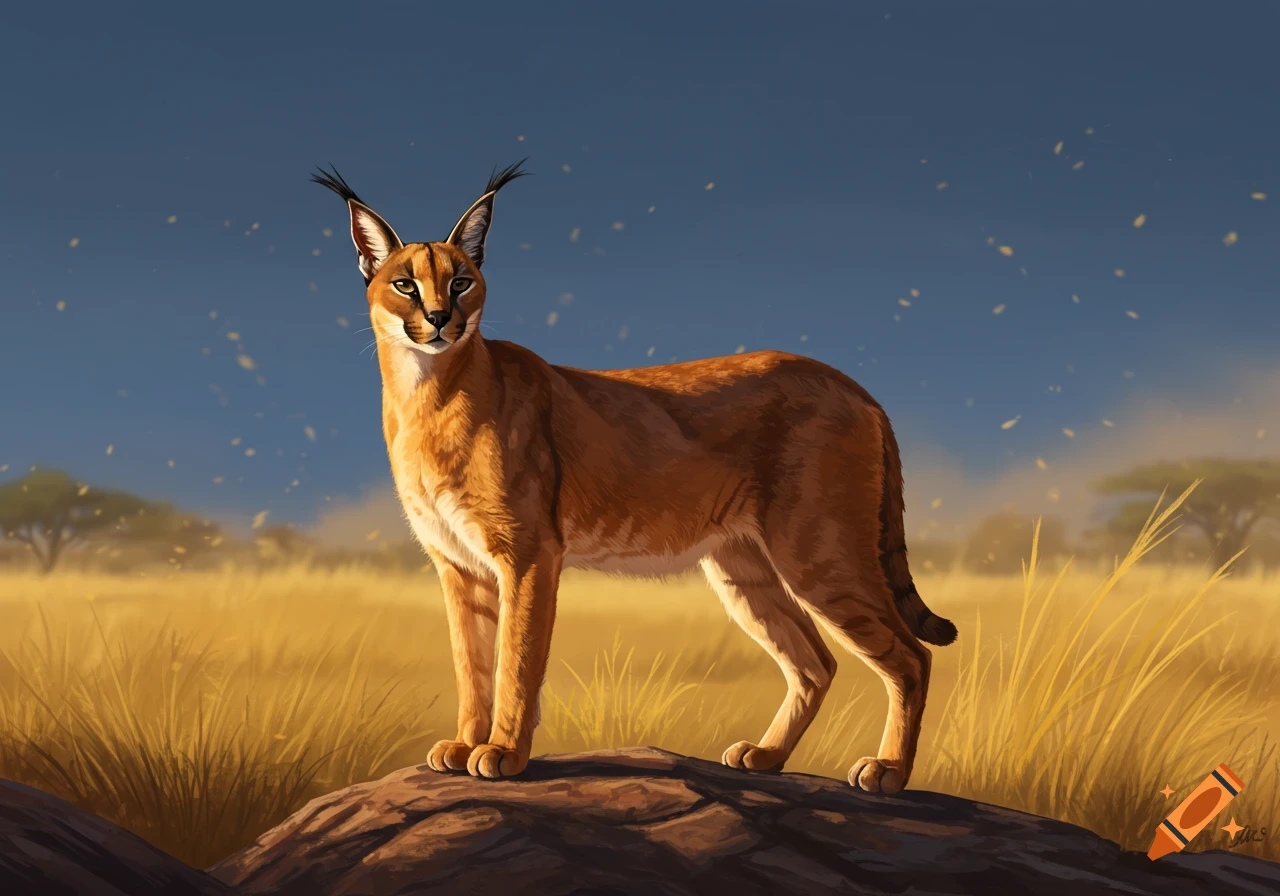
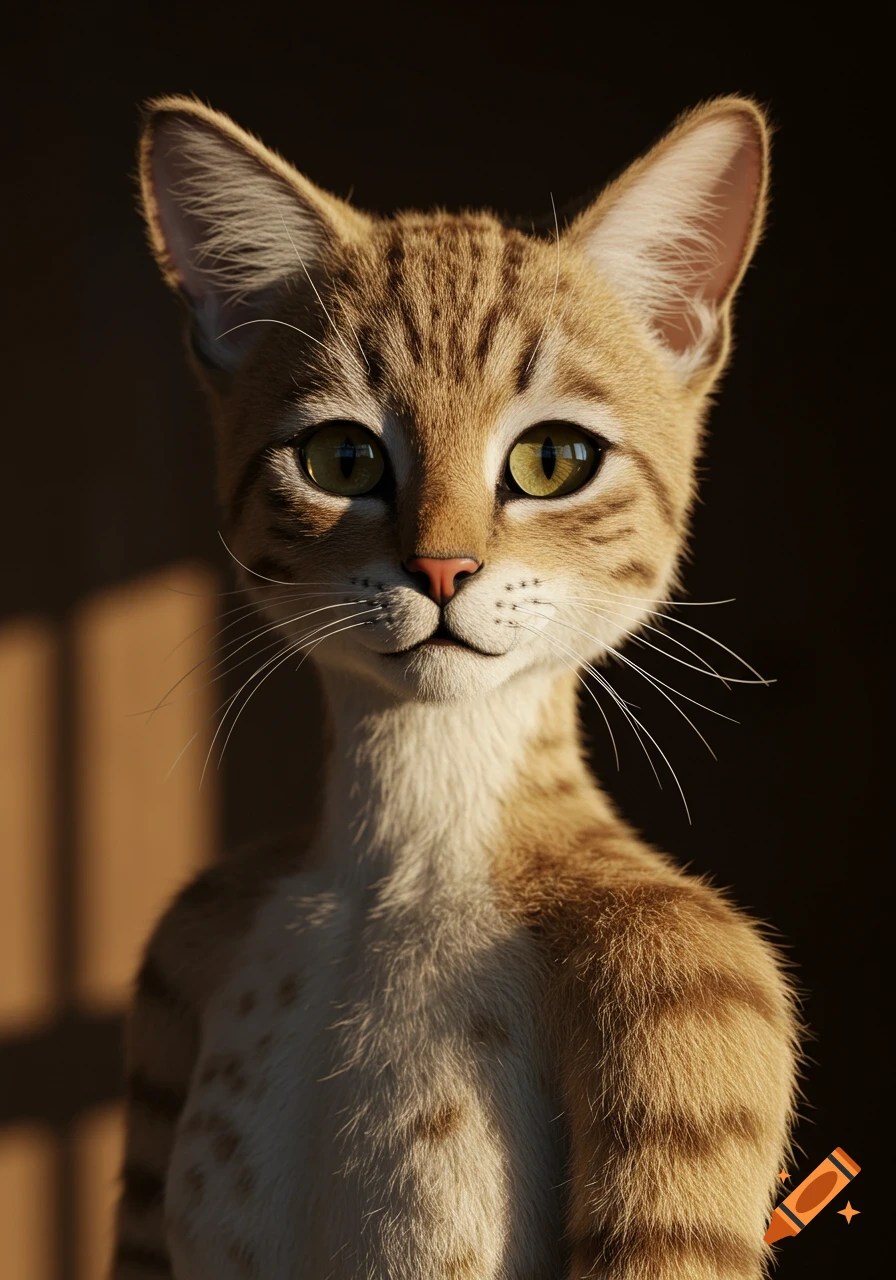
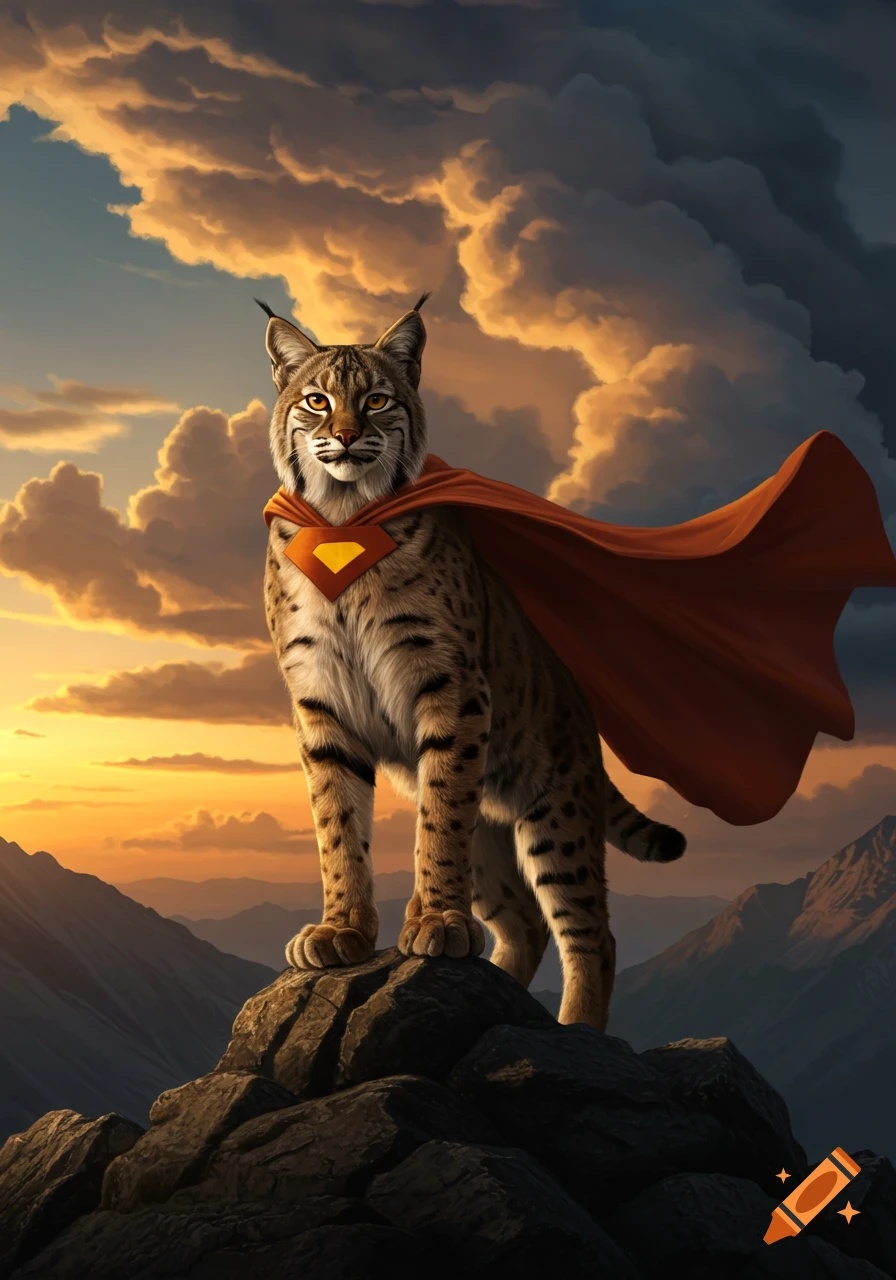
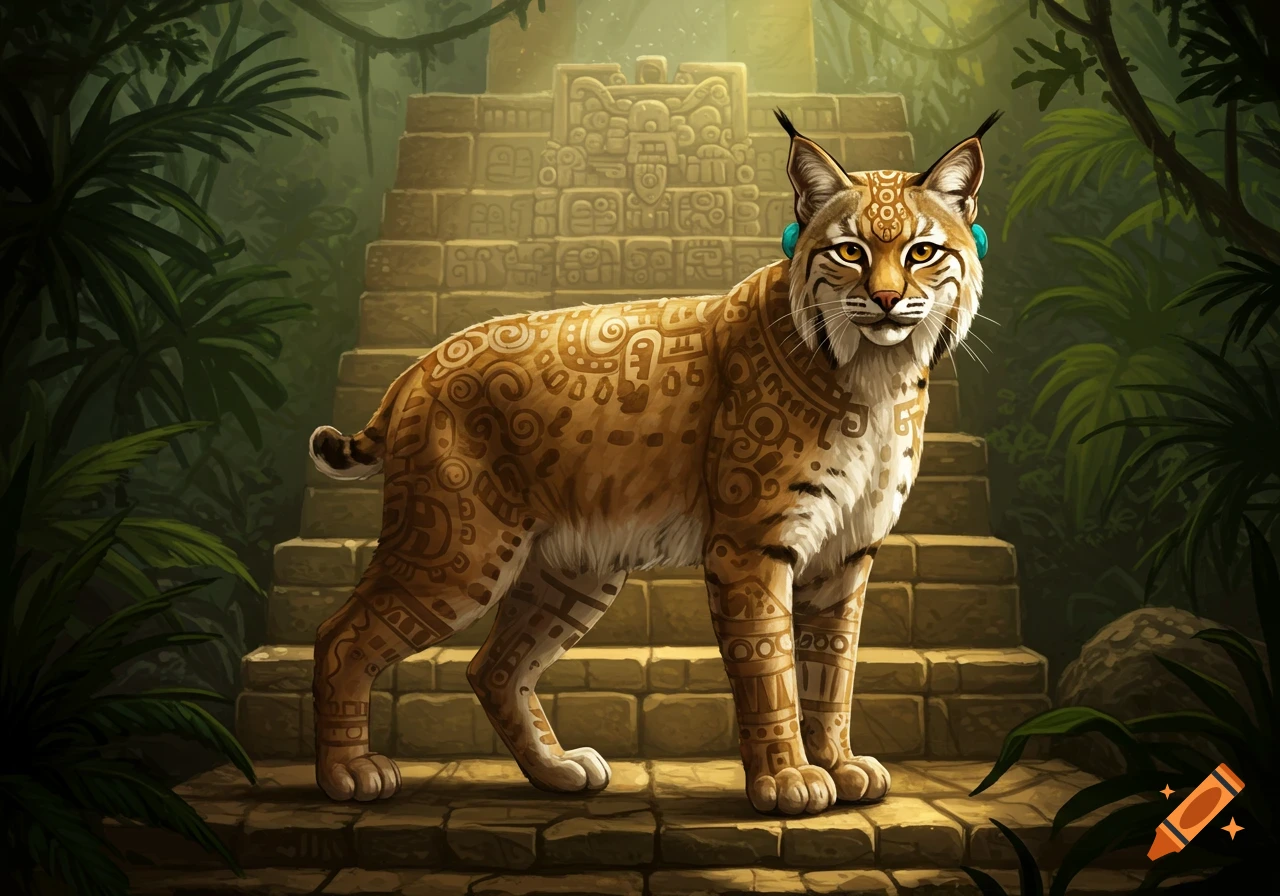
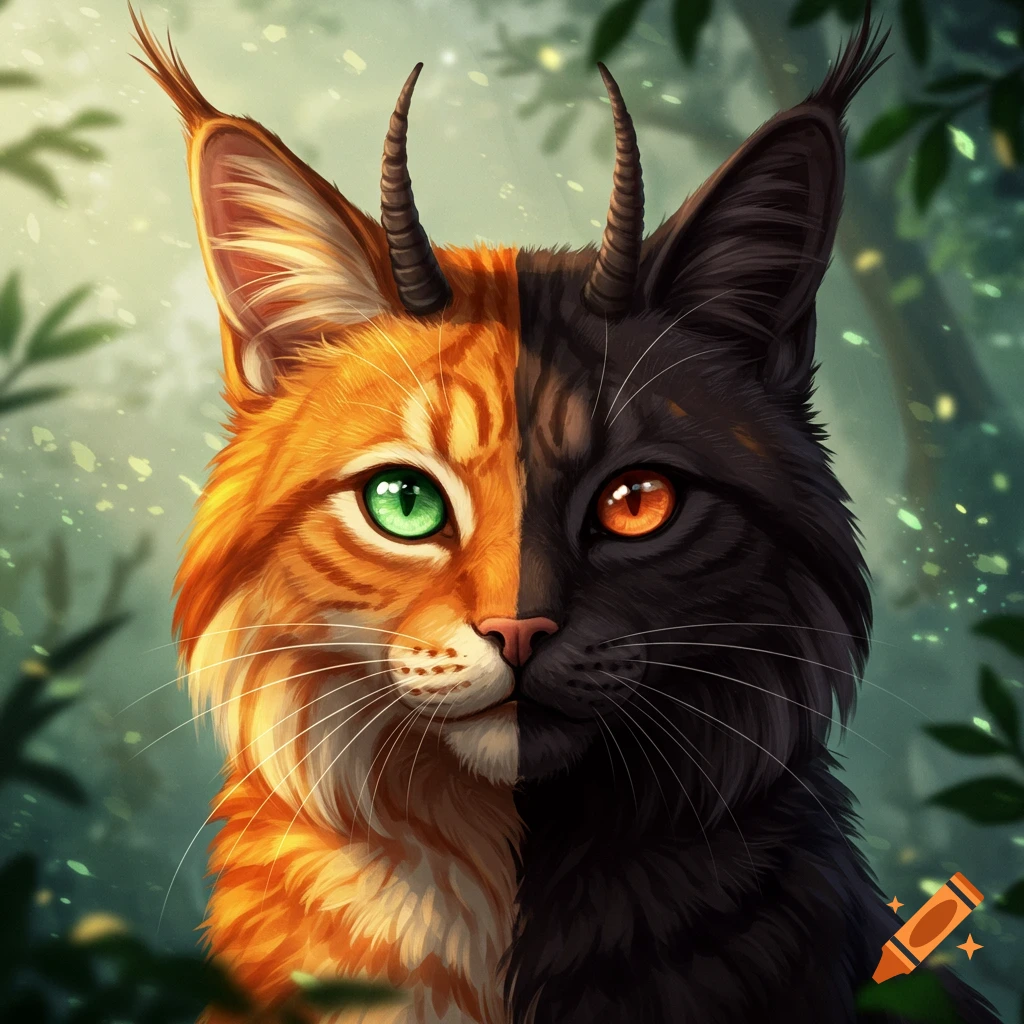
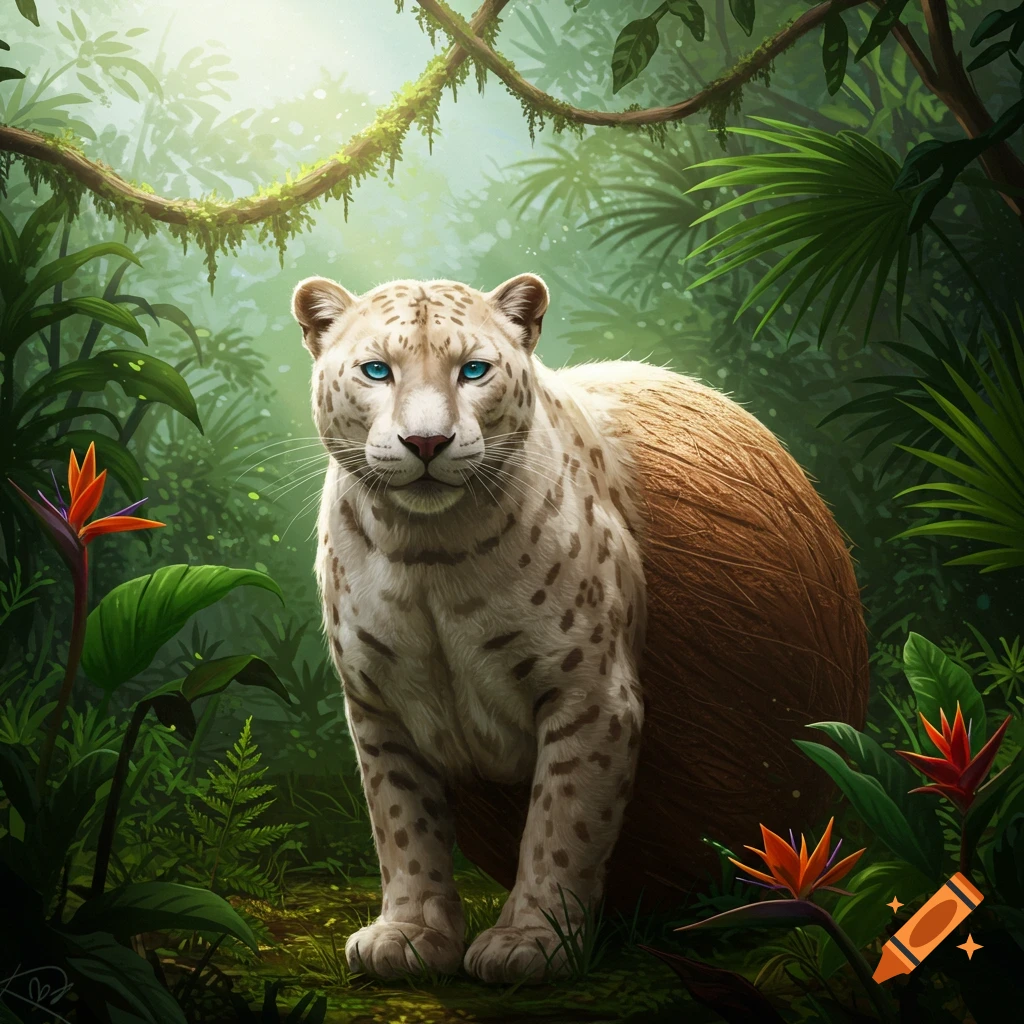
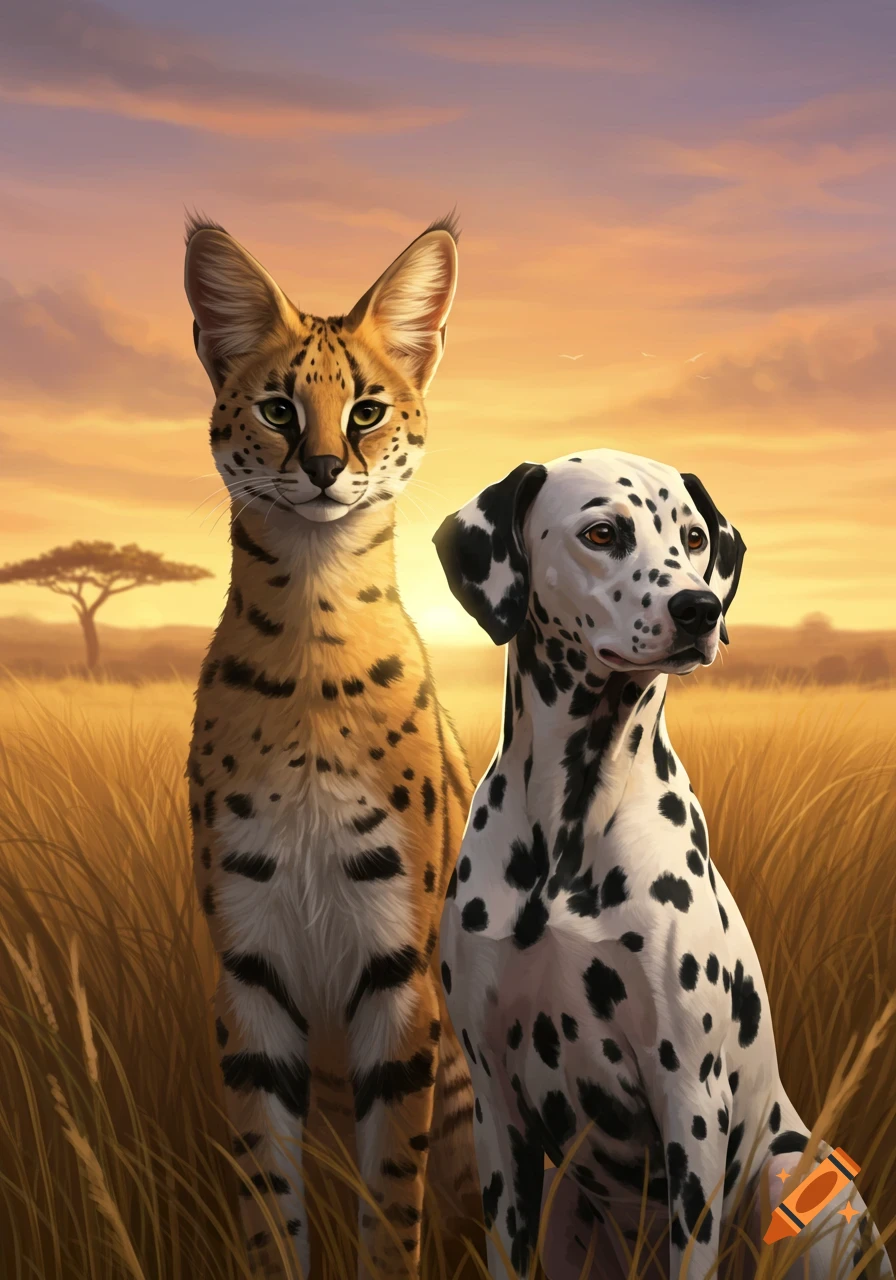
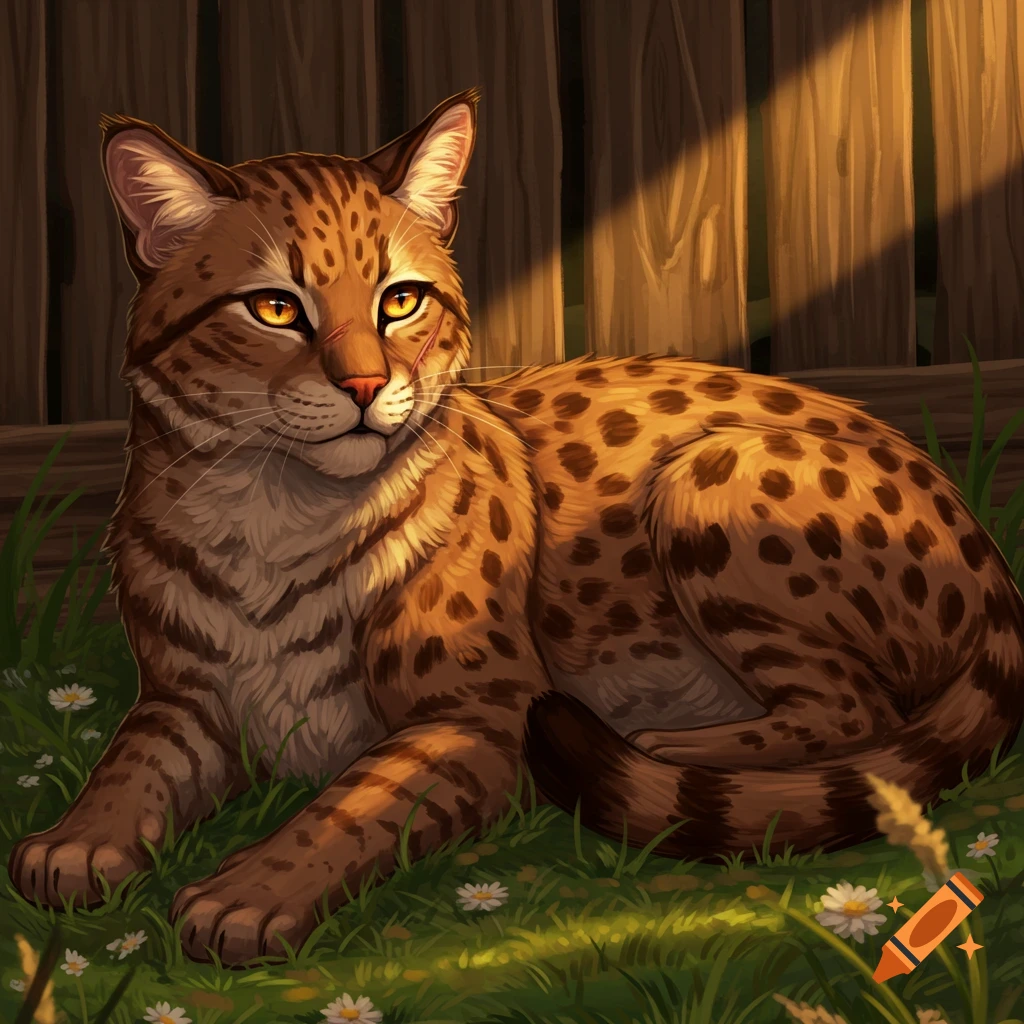
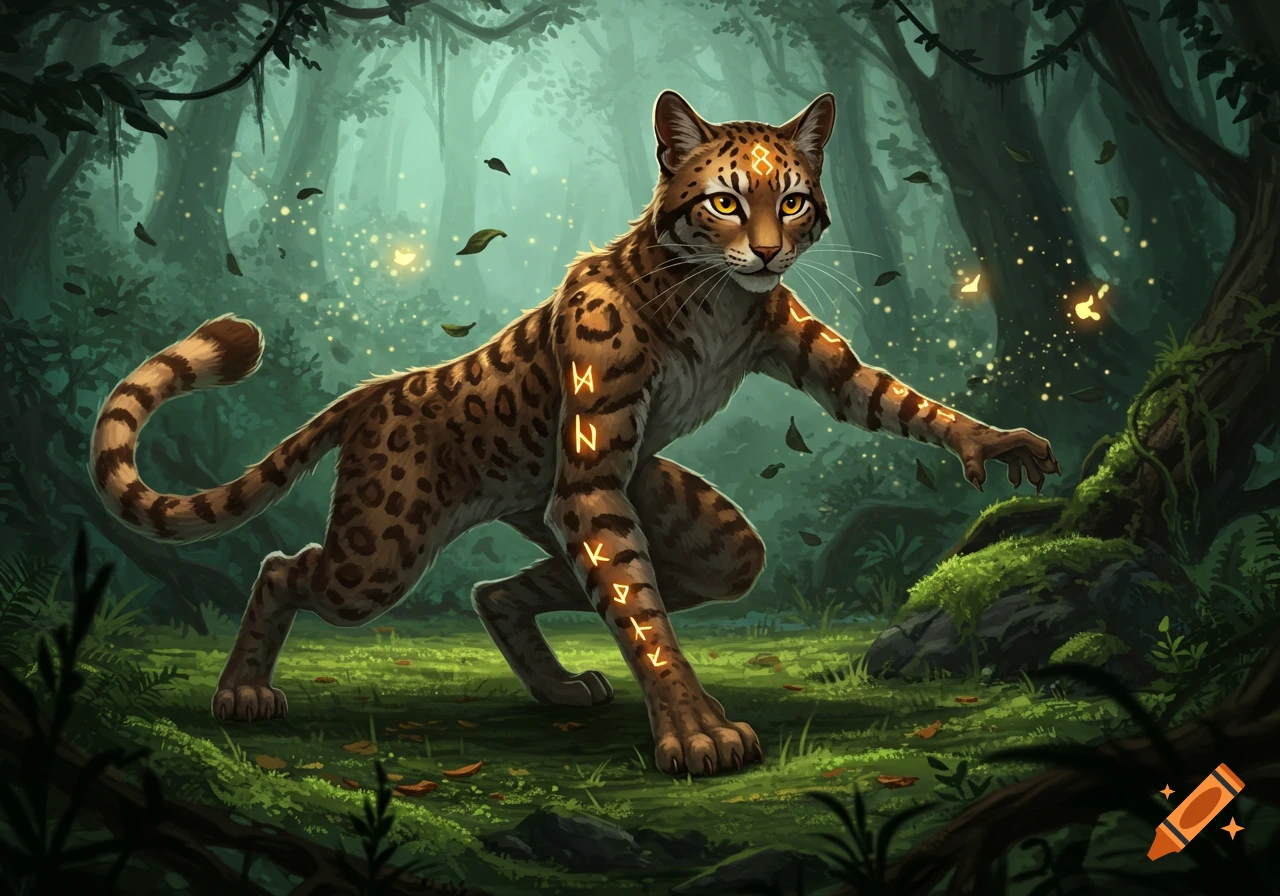
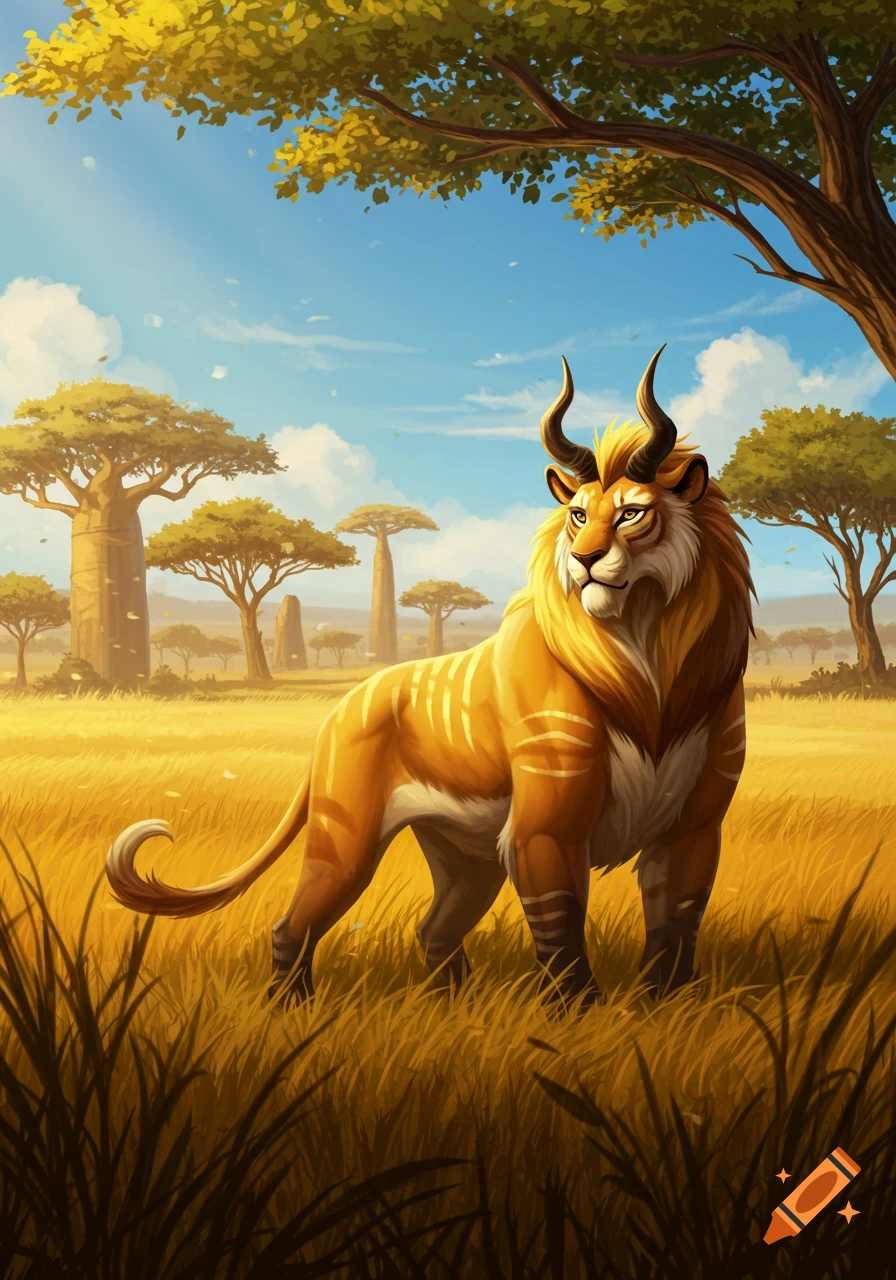
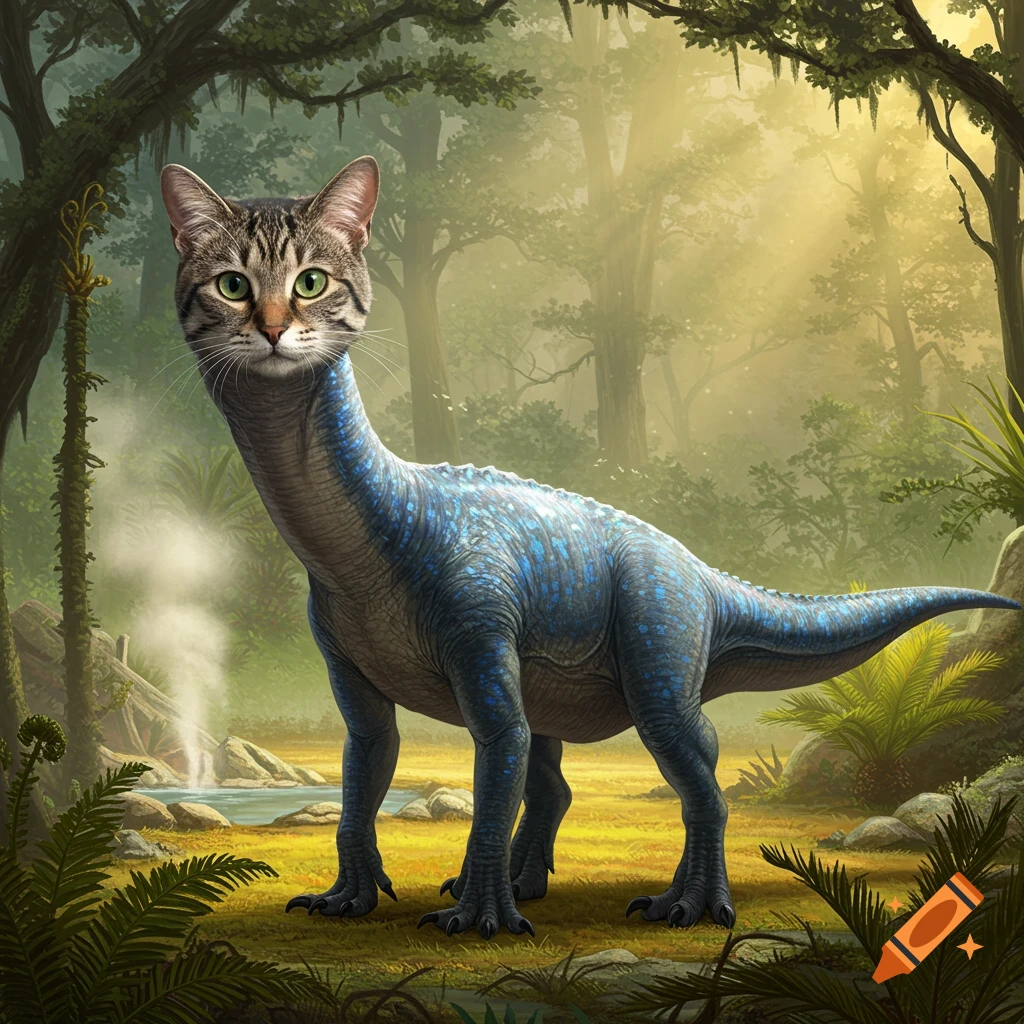
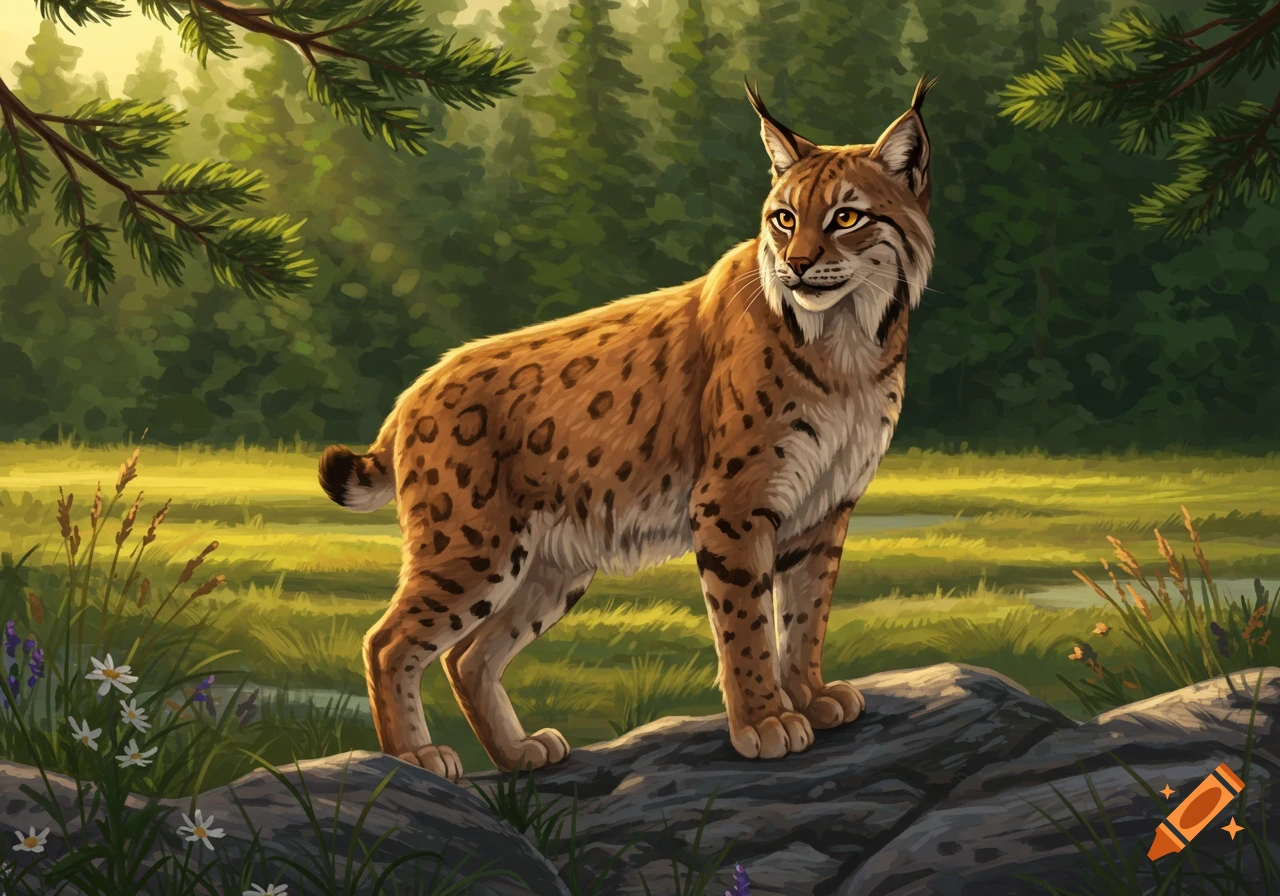
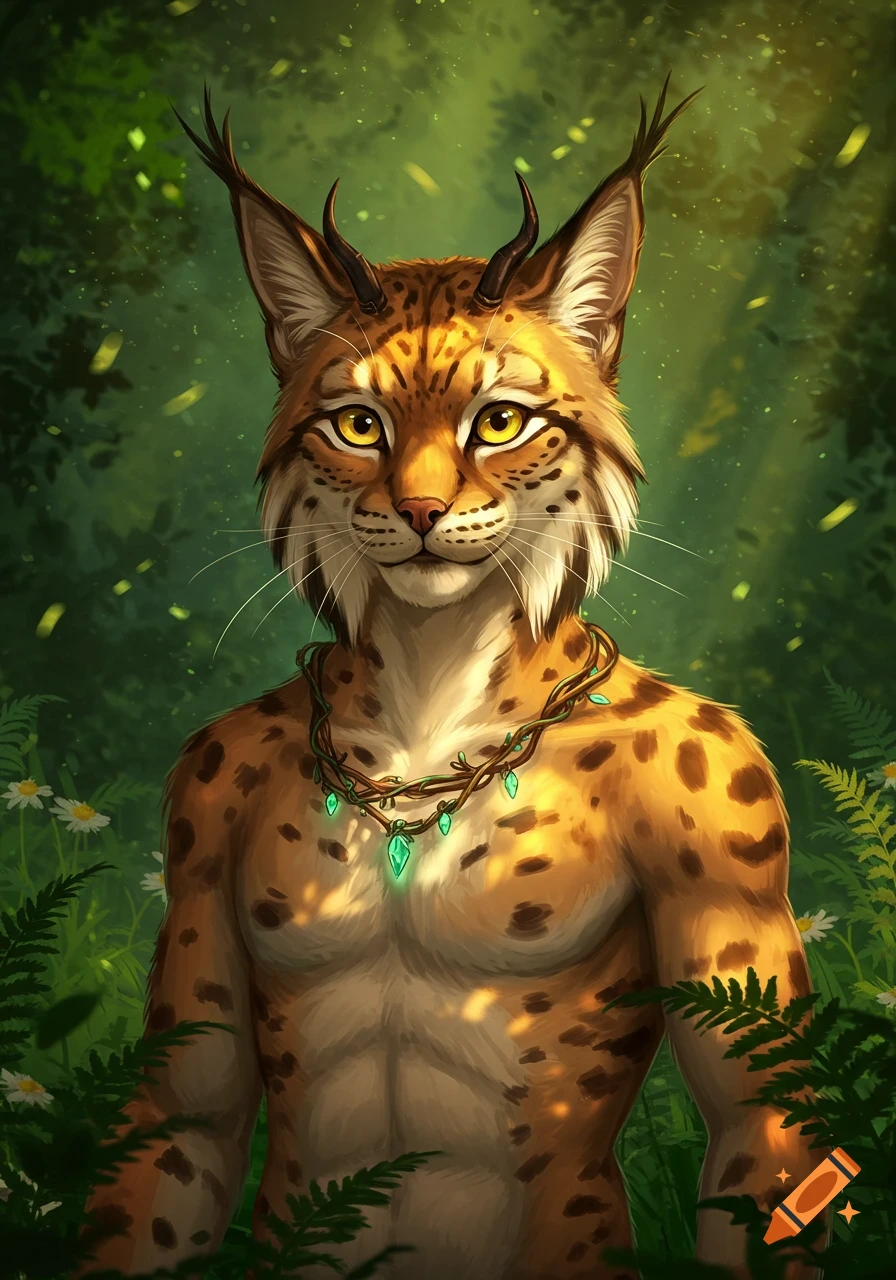
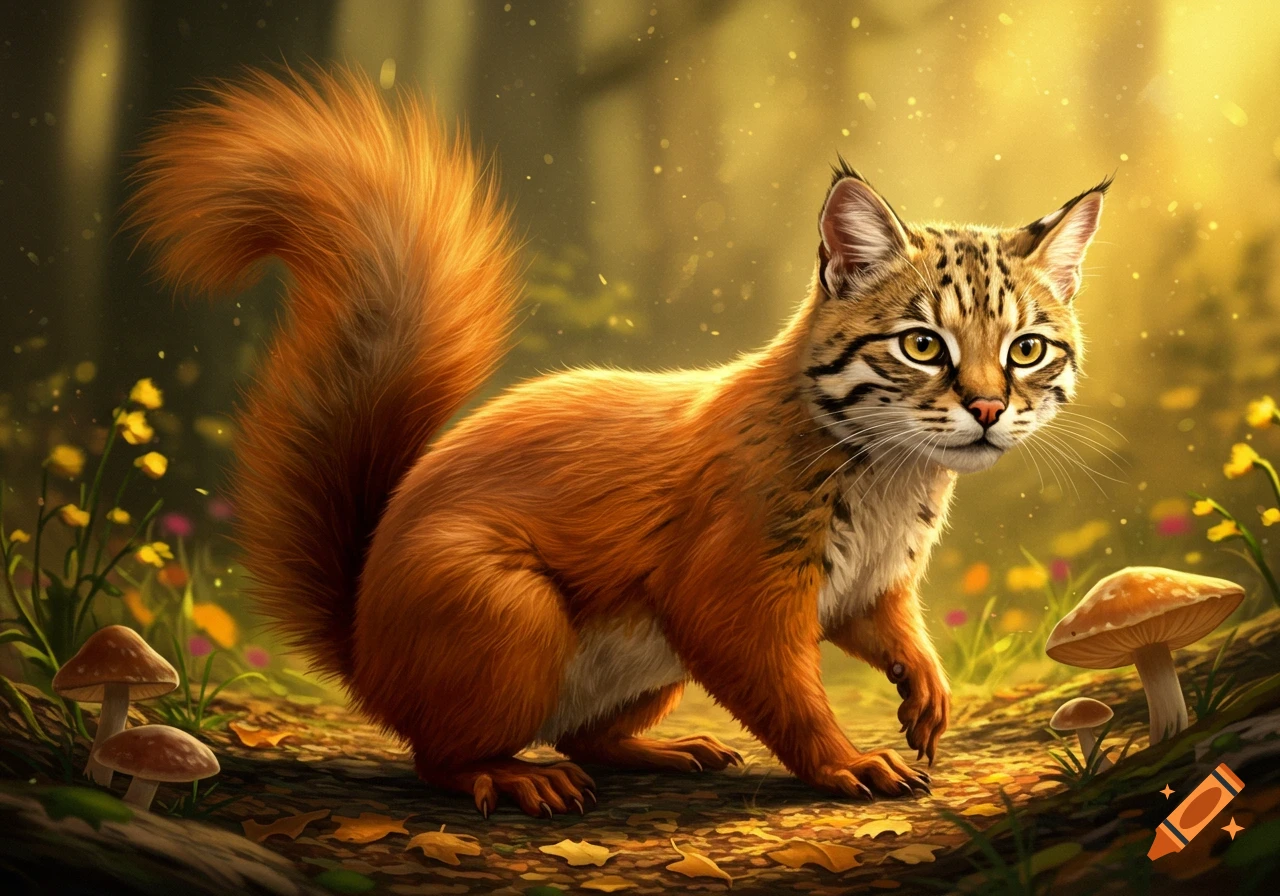
A stylized, spotted, serval-like cat creature with green eyes and small black horns stands facing right on a light background.
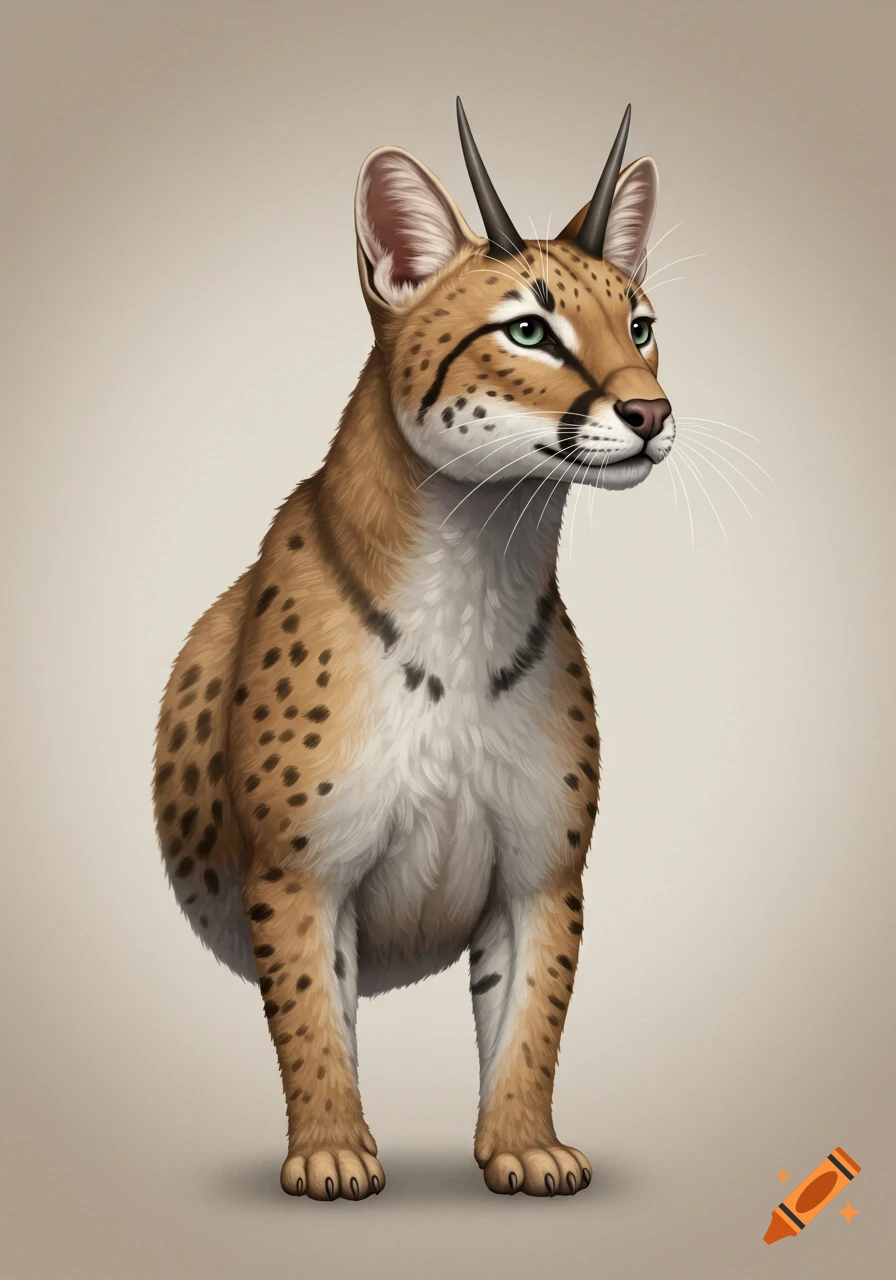
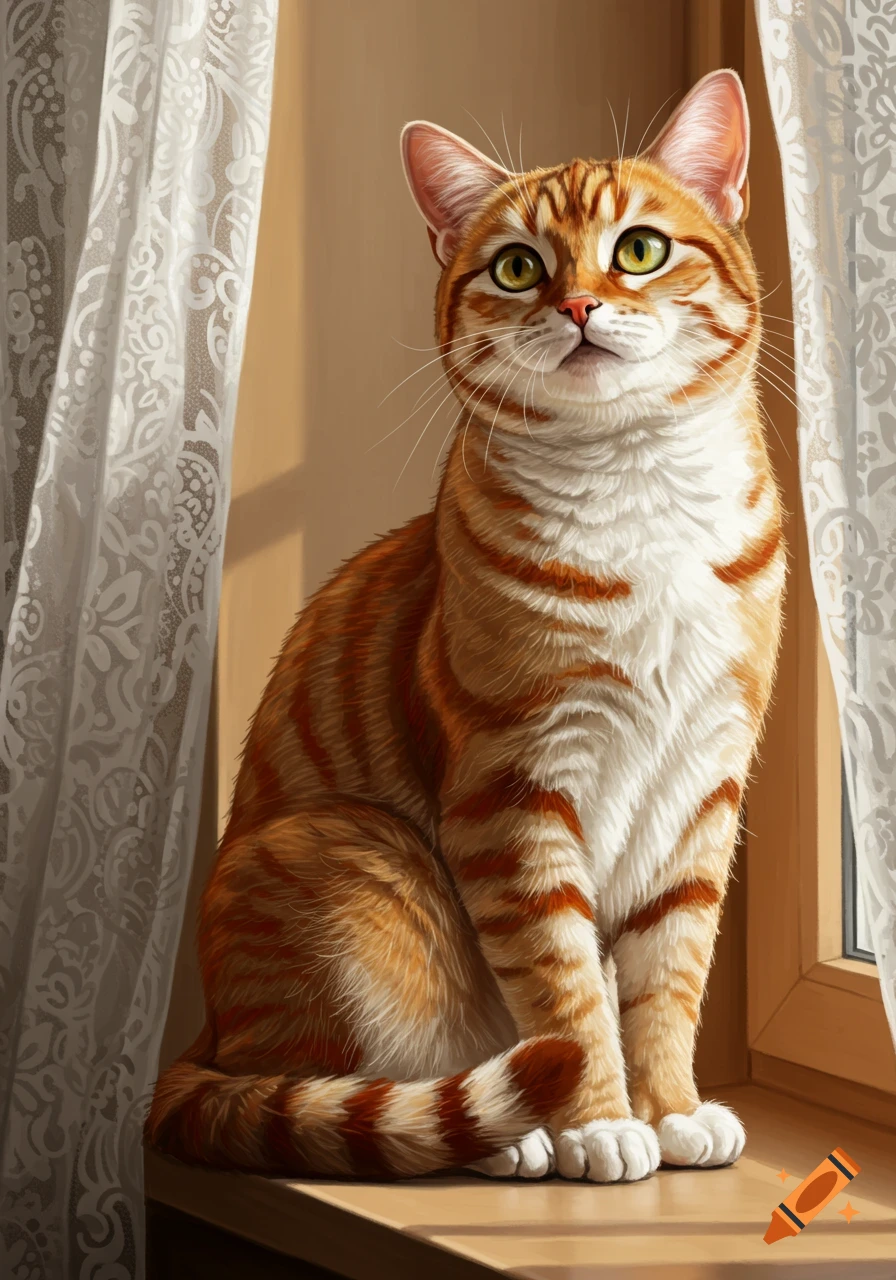
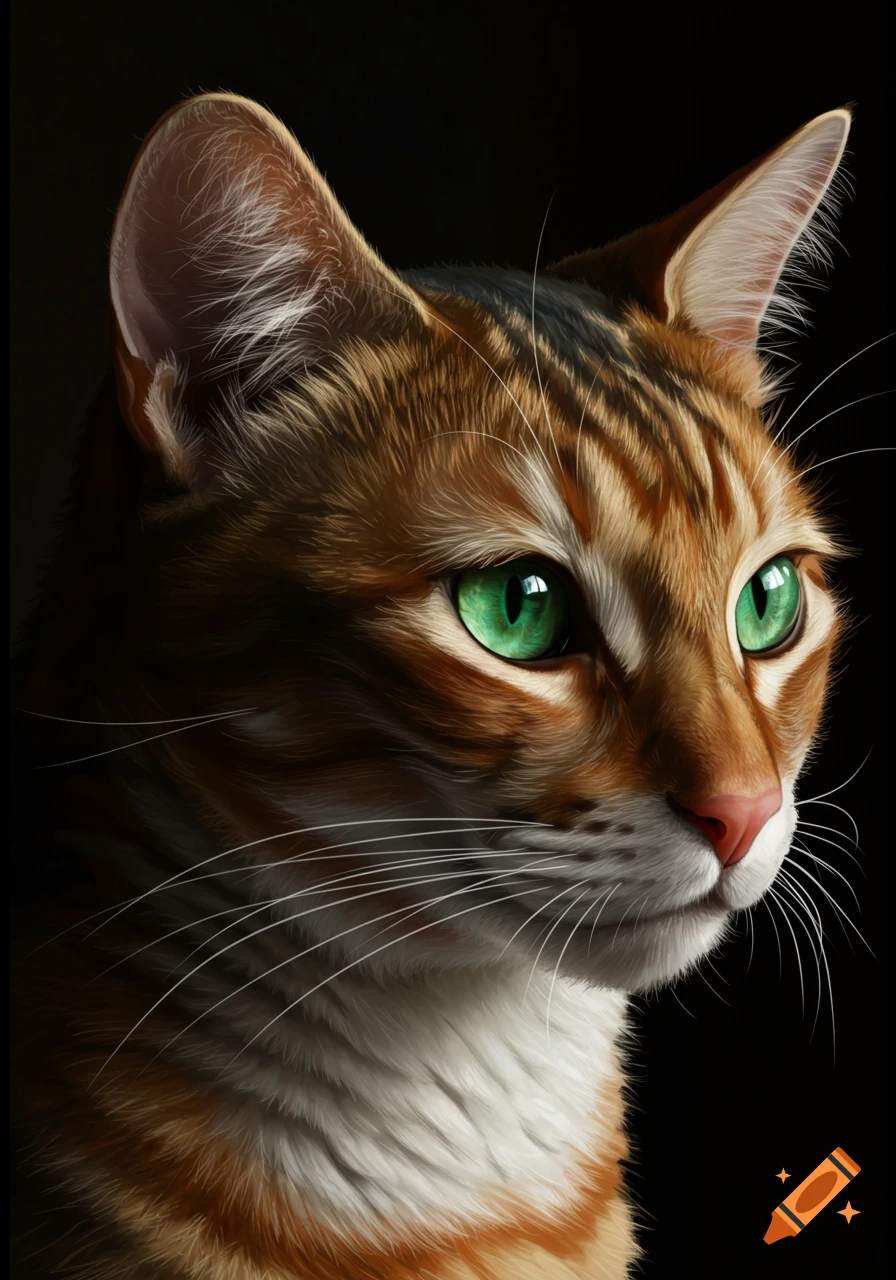
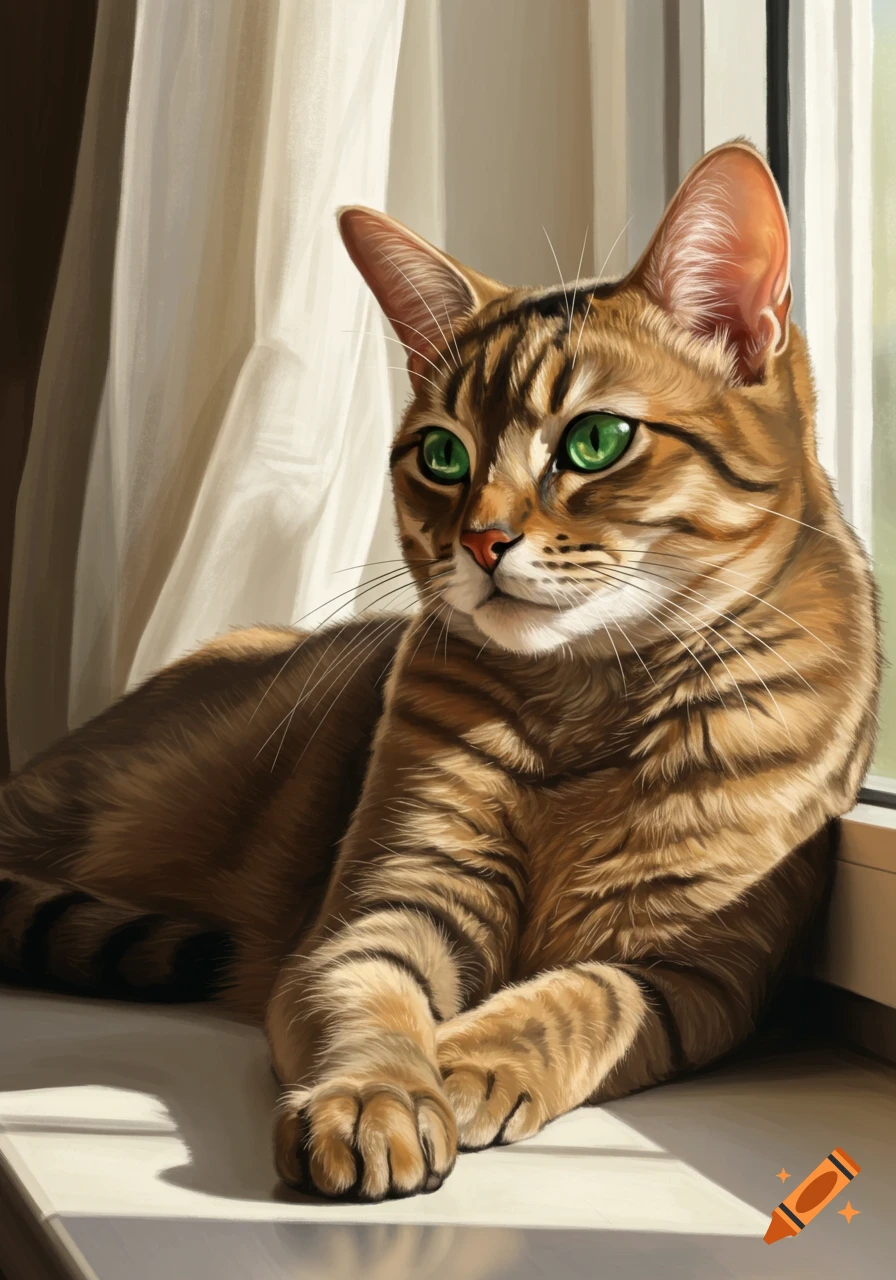
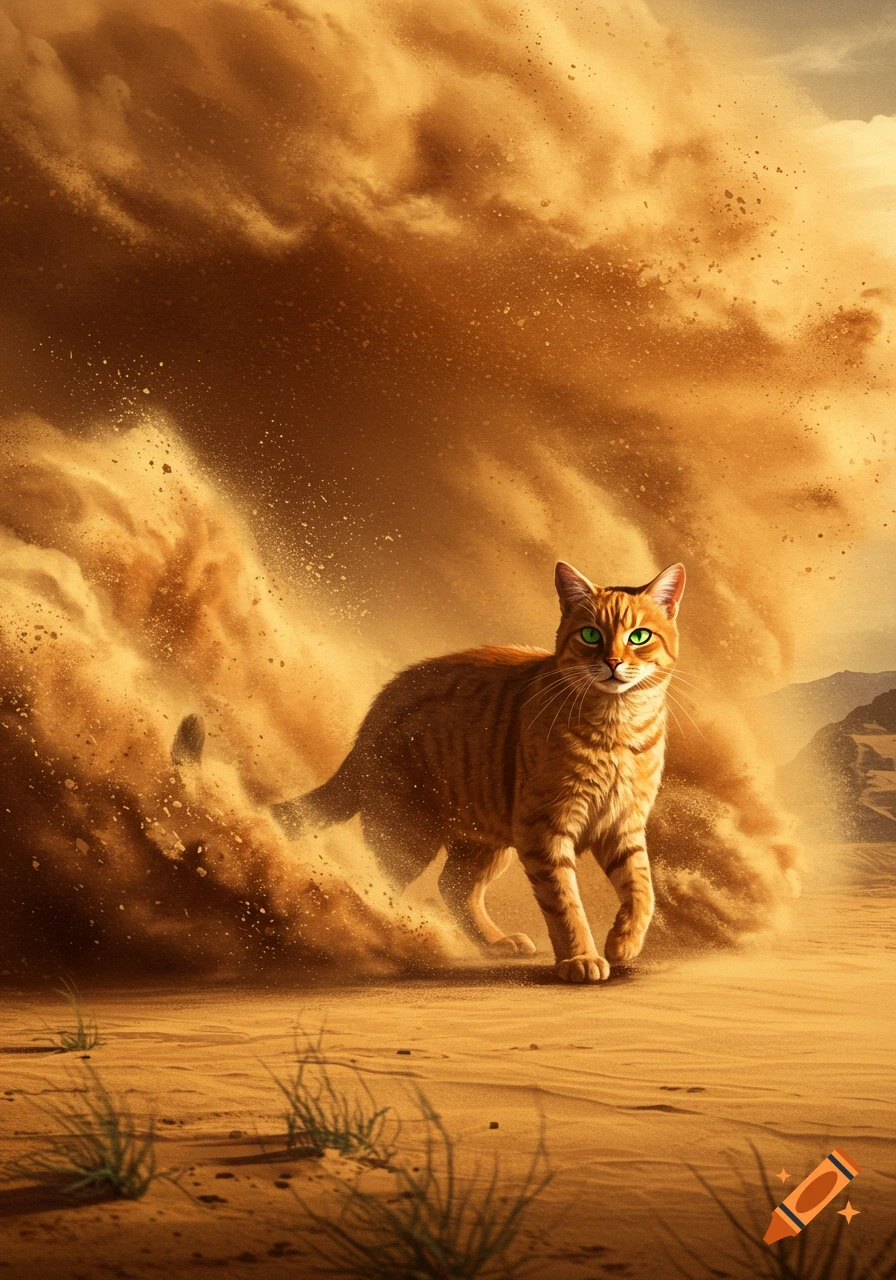
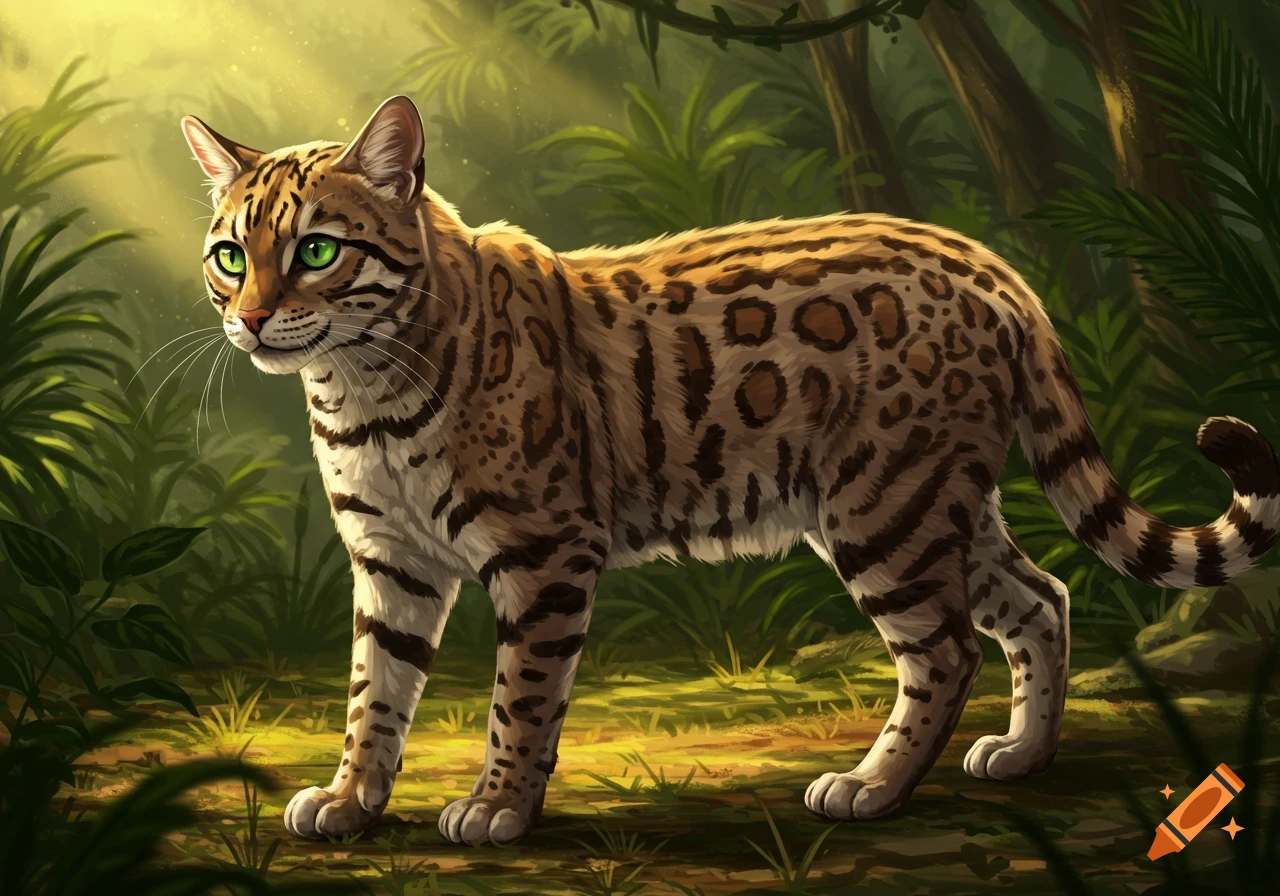
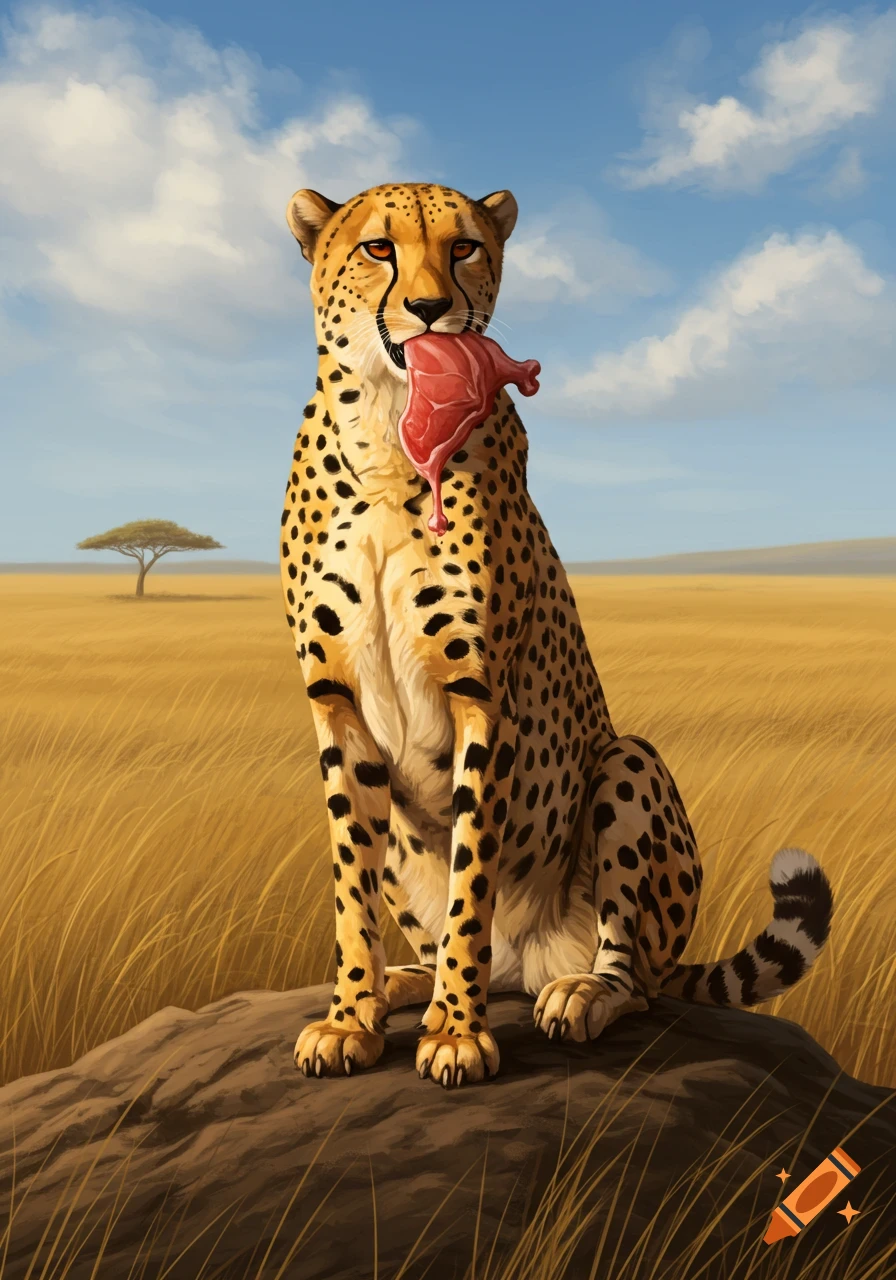
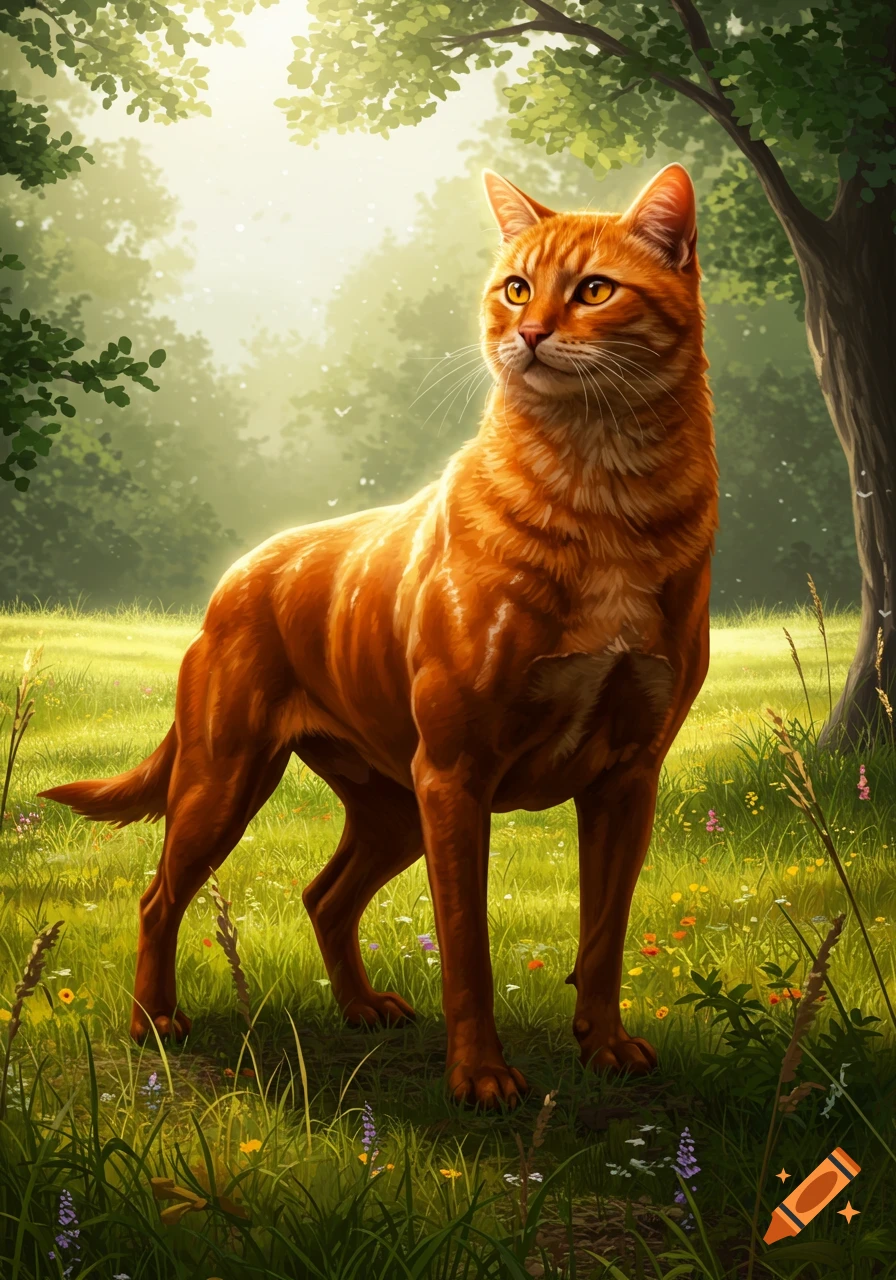
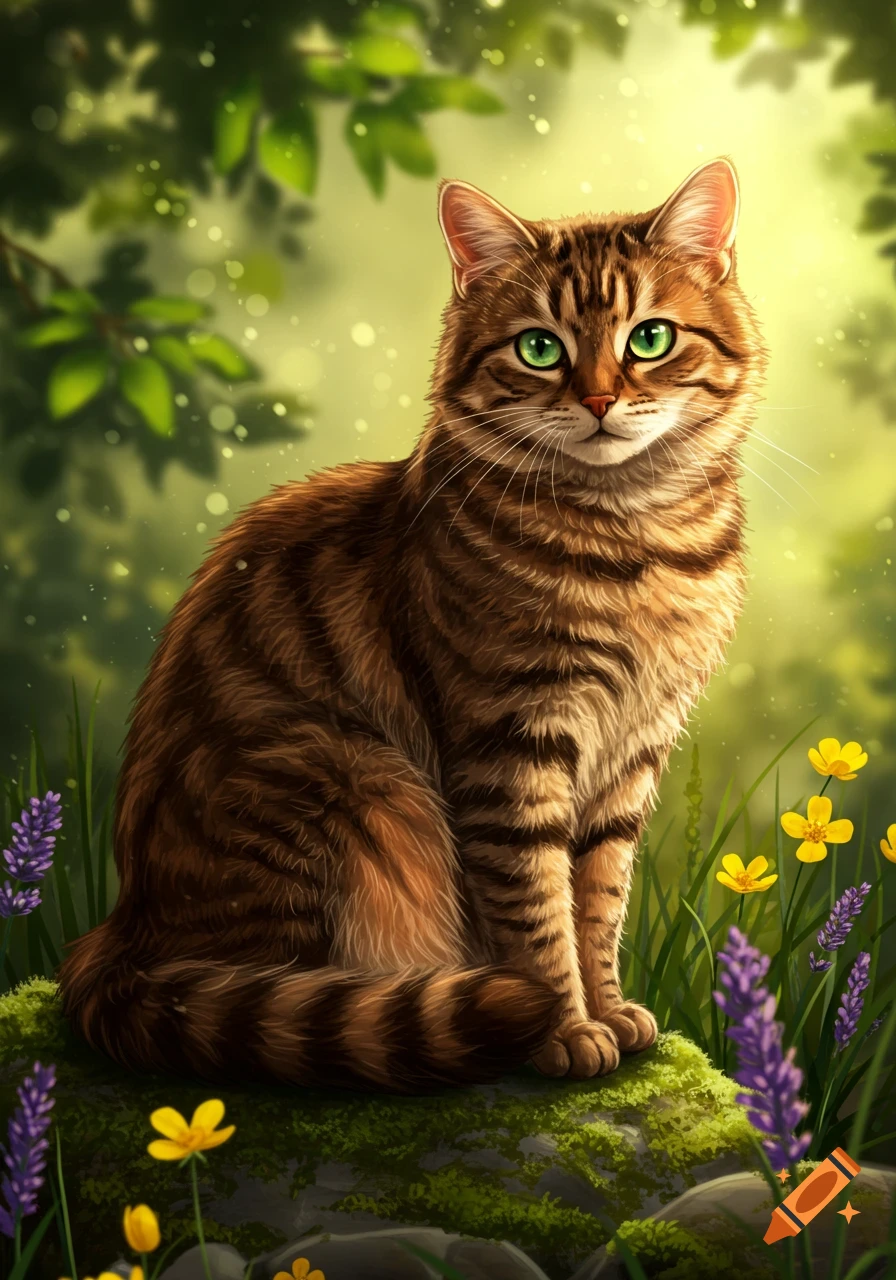
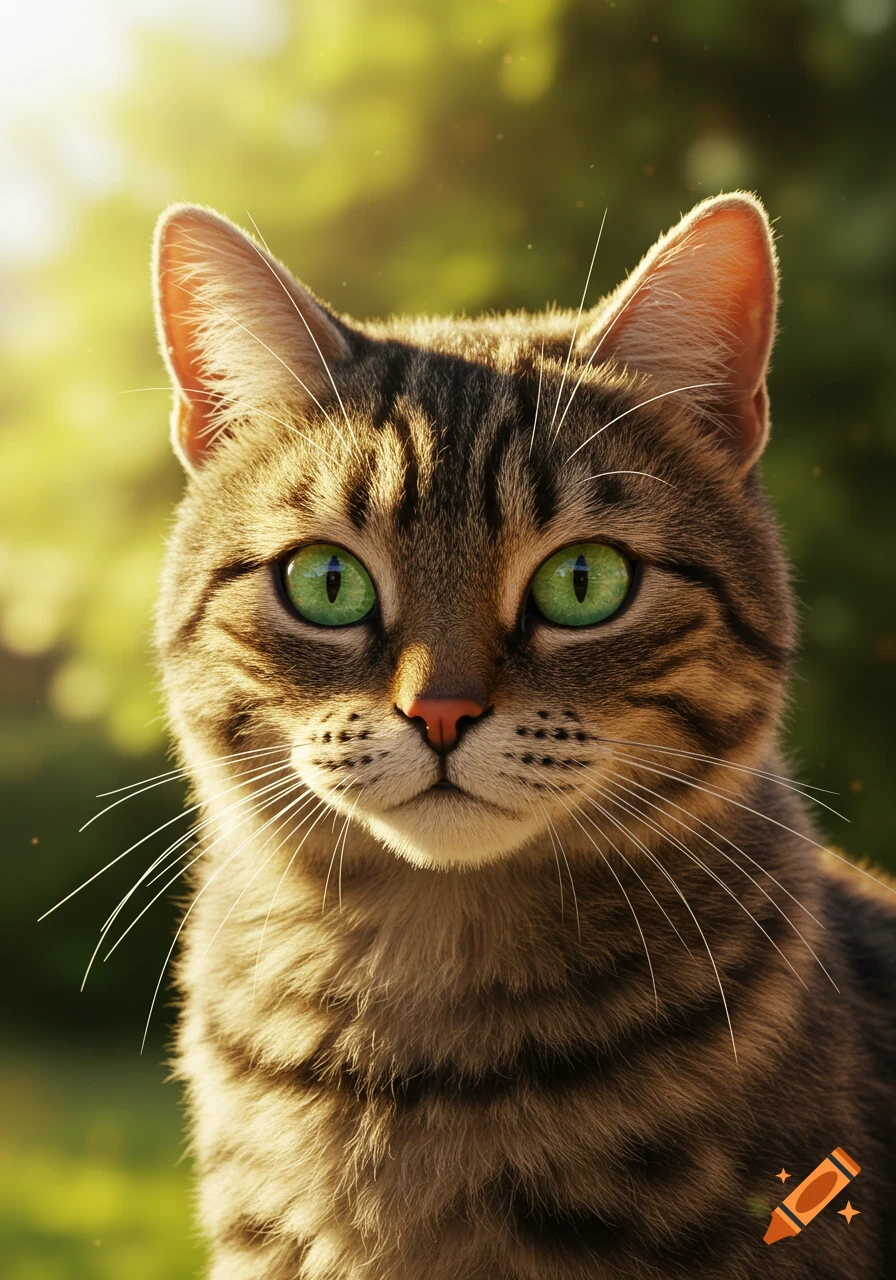
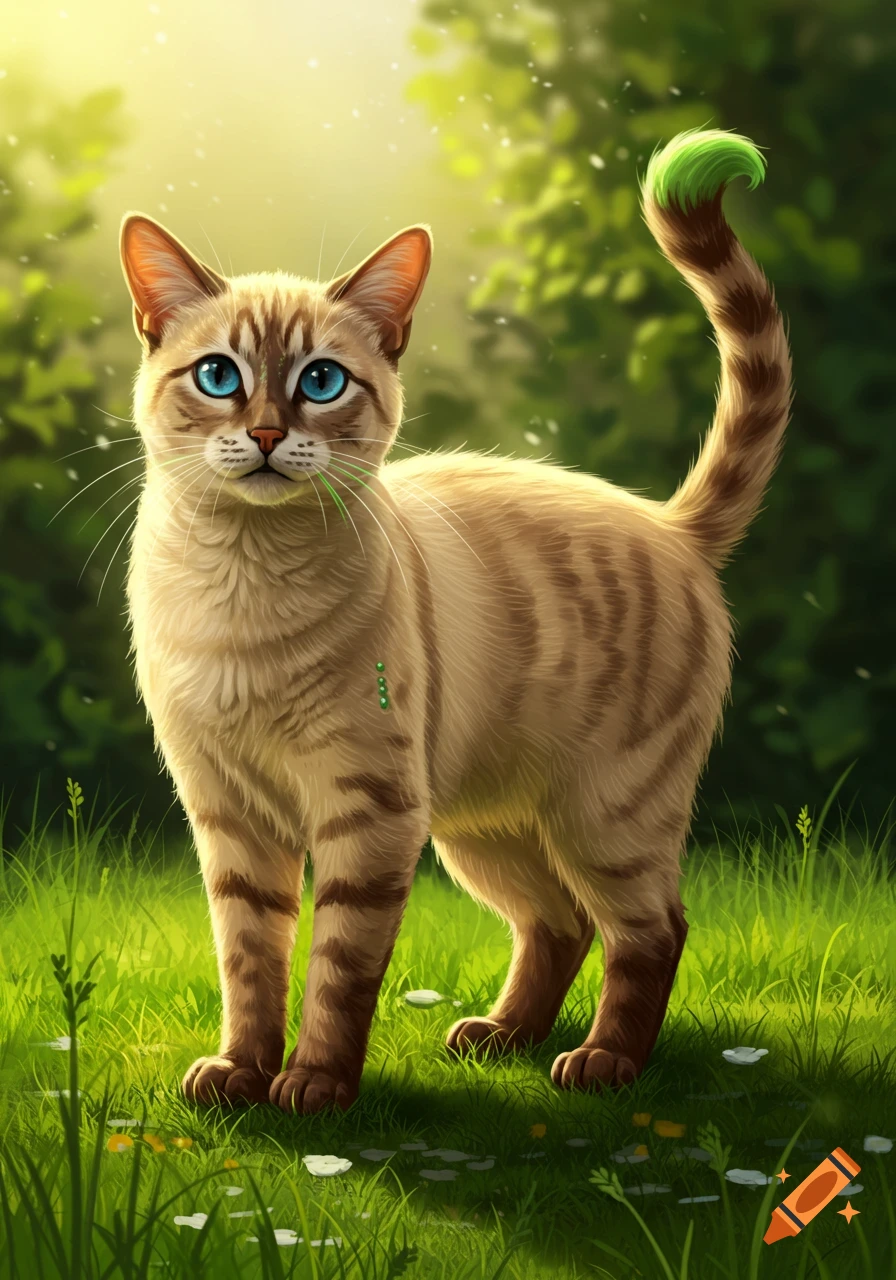
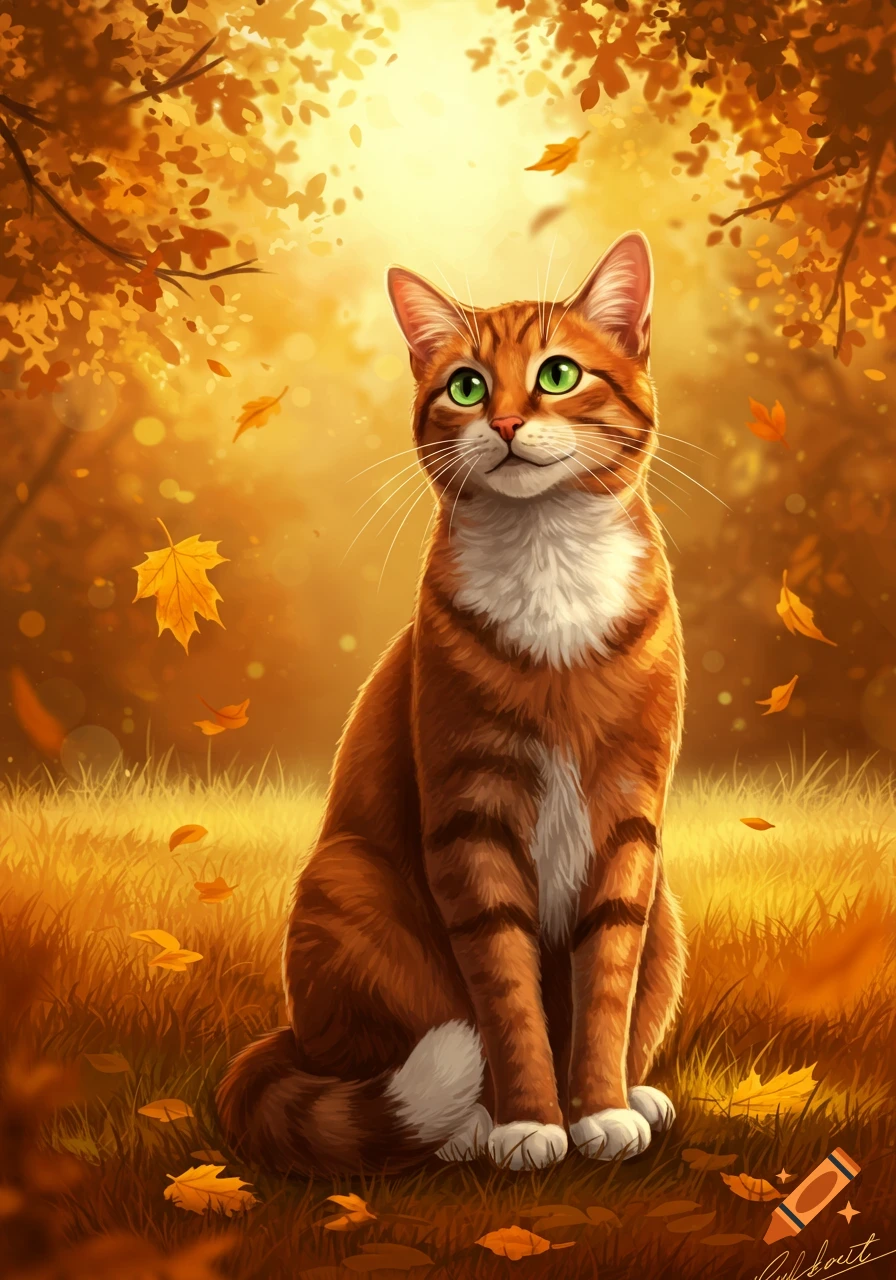
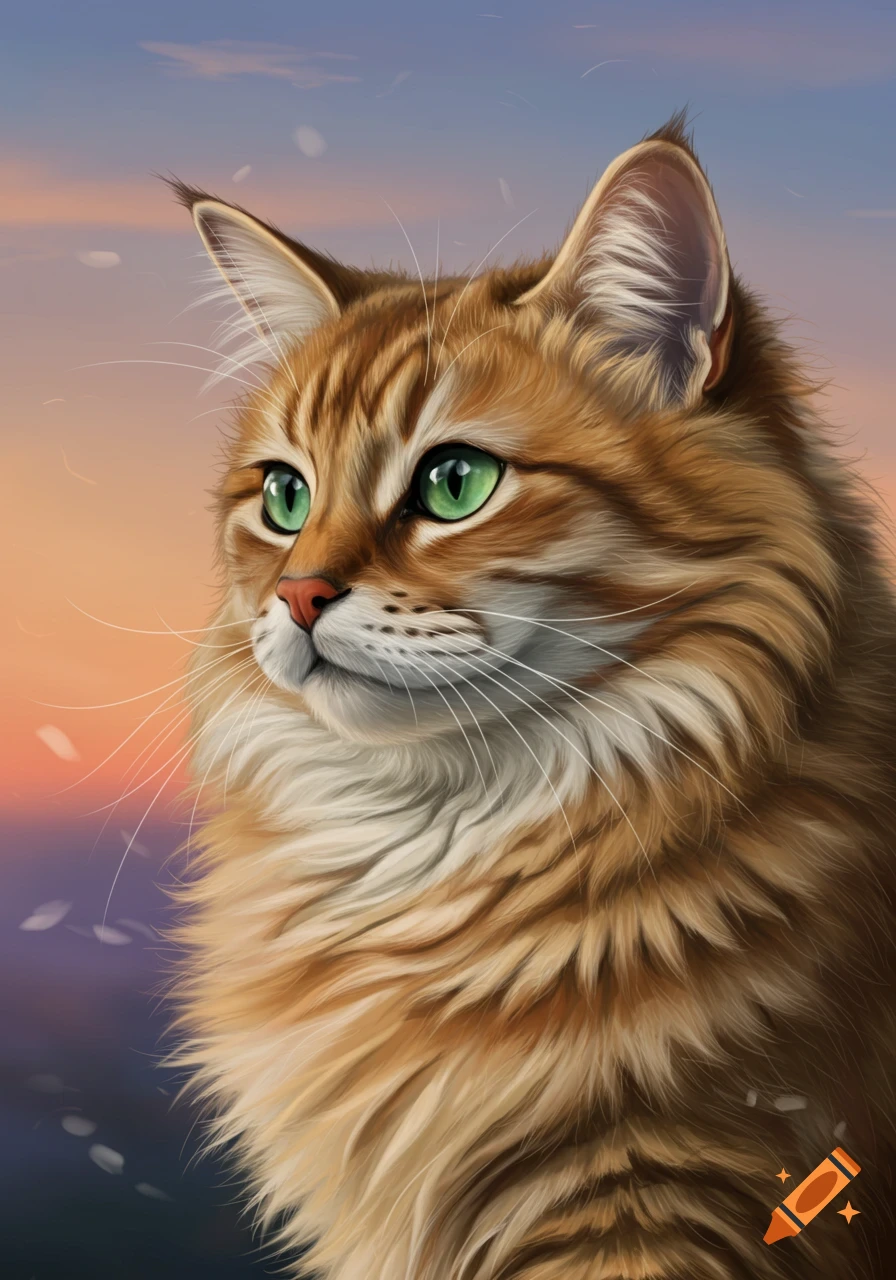
A external anatomy presents a coherent system of surface structures shaped by adaptation, locomotion, and sensory function. The body is bilaterally symmetrical and supported on four limbs, covered by a continuous integument composed of skin and hair. The skin varies in thickness—thinner along the ventral abdomen and inner limbs, thicker at the neck and back—and contains sebaceous and sweat glands (the latter limited mainly to paw pads). The fur, composed of keratinised filaments, grows from follicles distributed across the dermis in patterns that vary by breed and climate, forming distinct topcoats and insulating undercoats. The head exhibits a pronounced rostrum terminating in a moist rhinarium (nose pad) with open nares that lead to the nasal cavity. The muzzle’s length and shape vary with breed but generally house prominent whiskers (vibrissae) embedded in deep follicles rich in mechanoreceptors. The eyes are positioned anterolaterally, protected by upper and lower eyelids with cilia, a nictitating membrane, and periorbital fur. The pinnae (external ears) arise from cartilaginous bases; their size, shape, and mobility range from upright to pendulous depending on genetic selection. The neck connects the head to the trunk through a flexible cervical region, covered by loose skin that allows turning and movement. The trunk consists of the thoracic and abdominal sections, with the thoracic region forming a deep, muscular chest tapering toward the abdomen. Along the dorsal See more