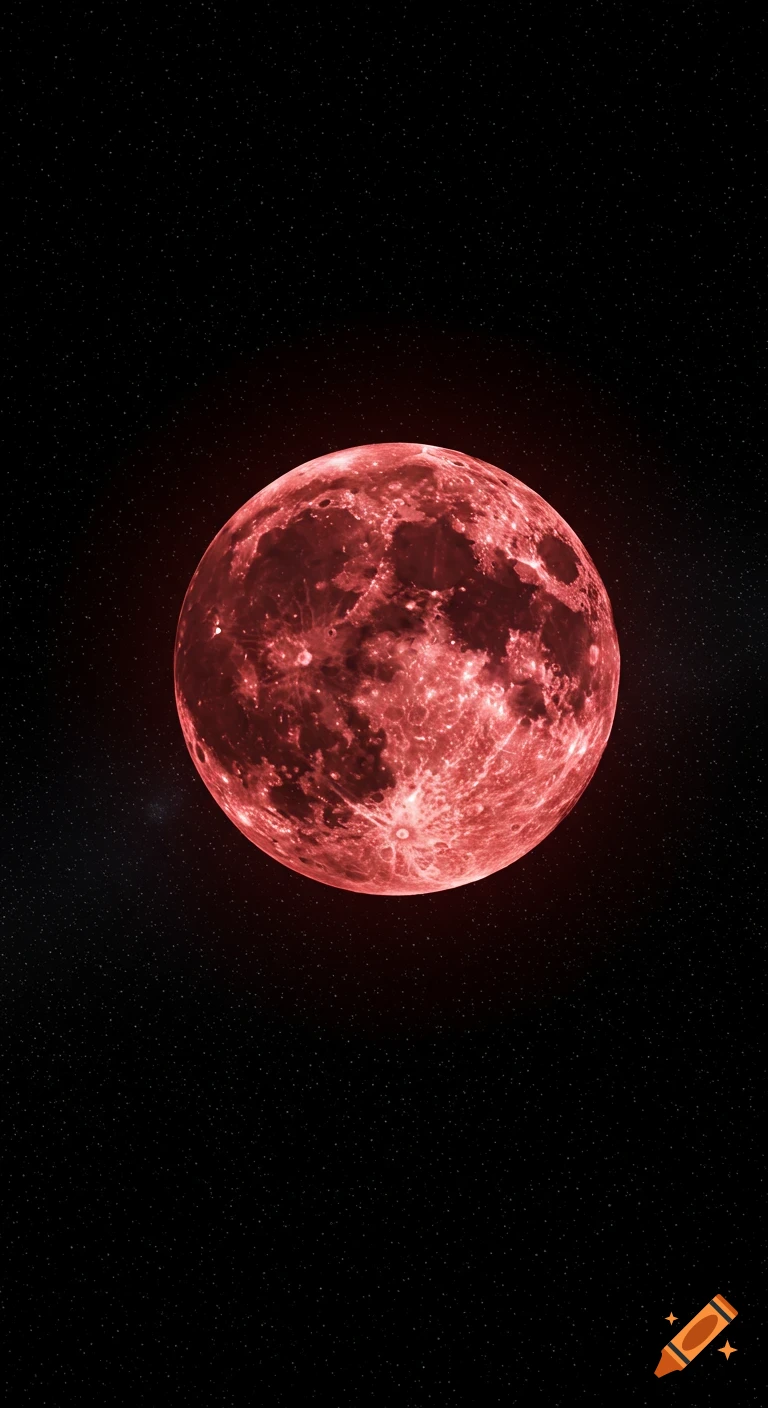
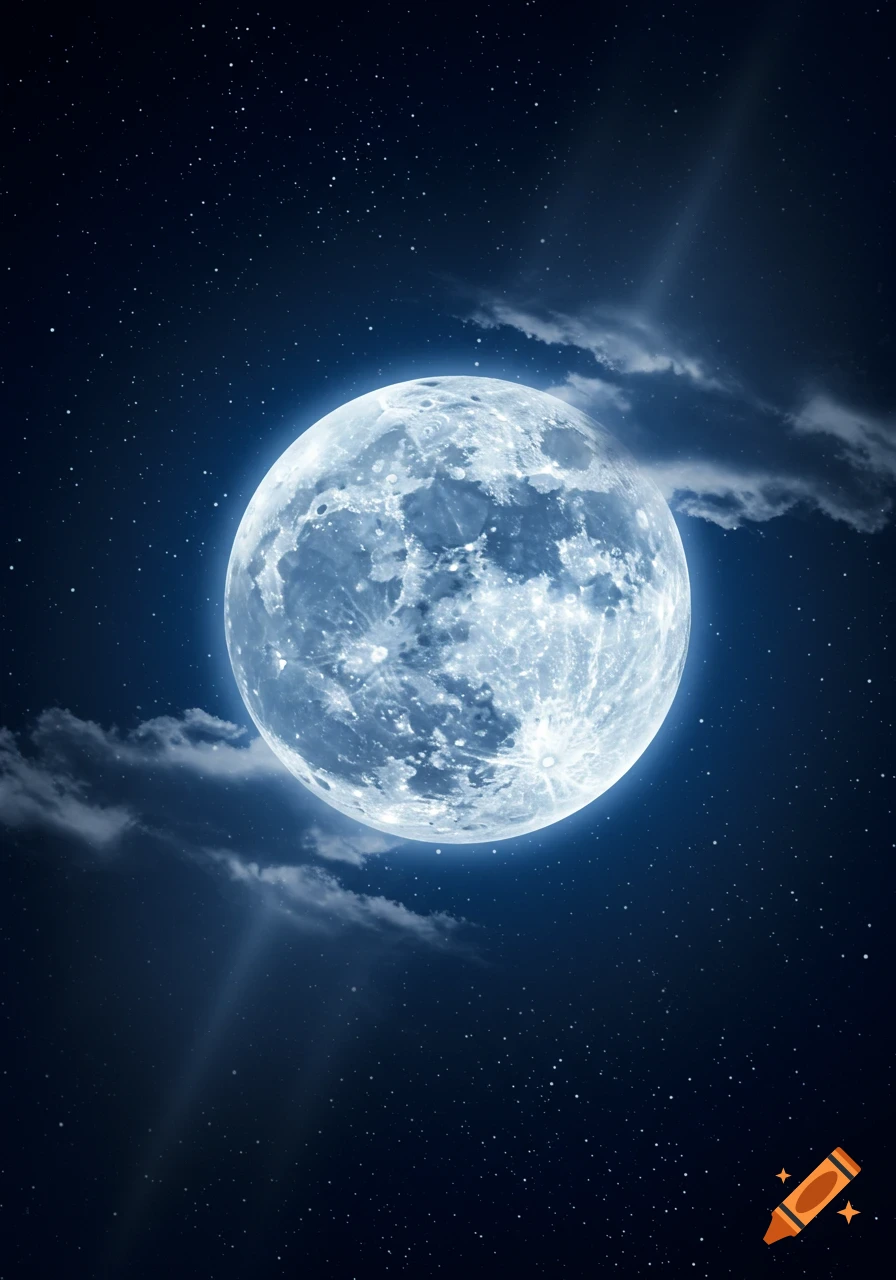
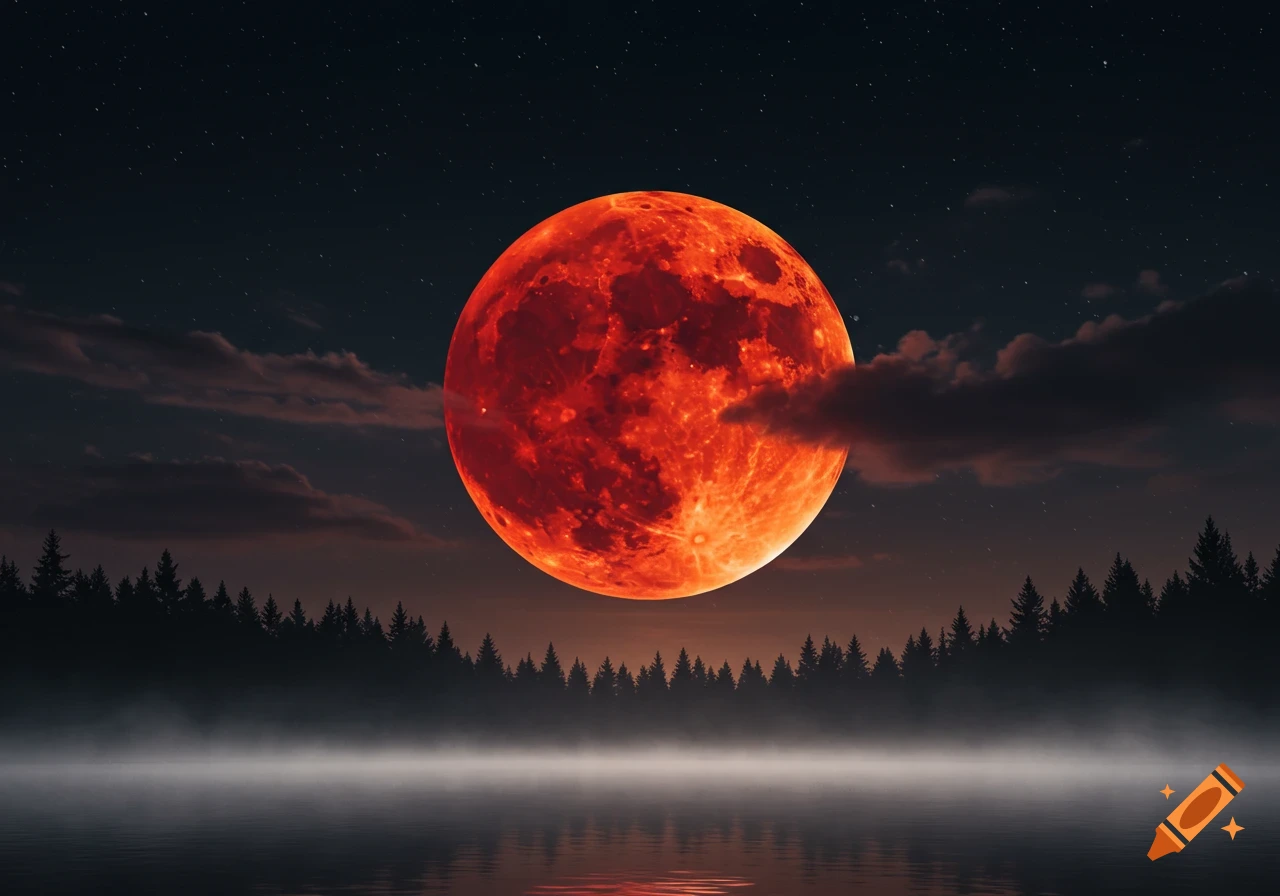
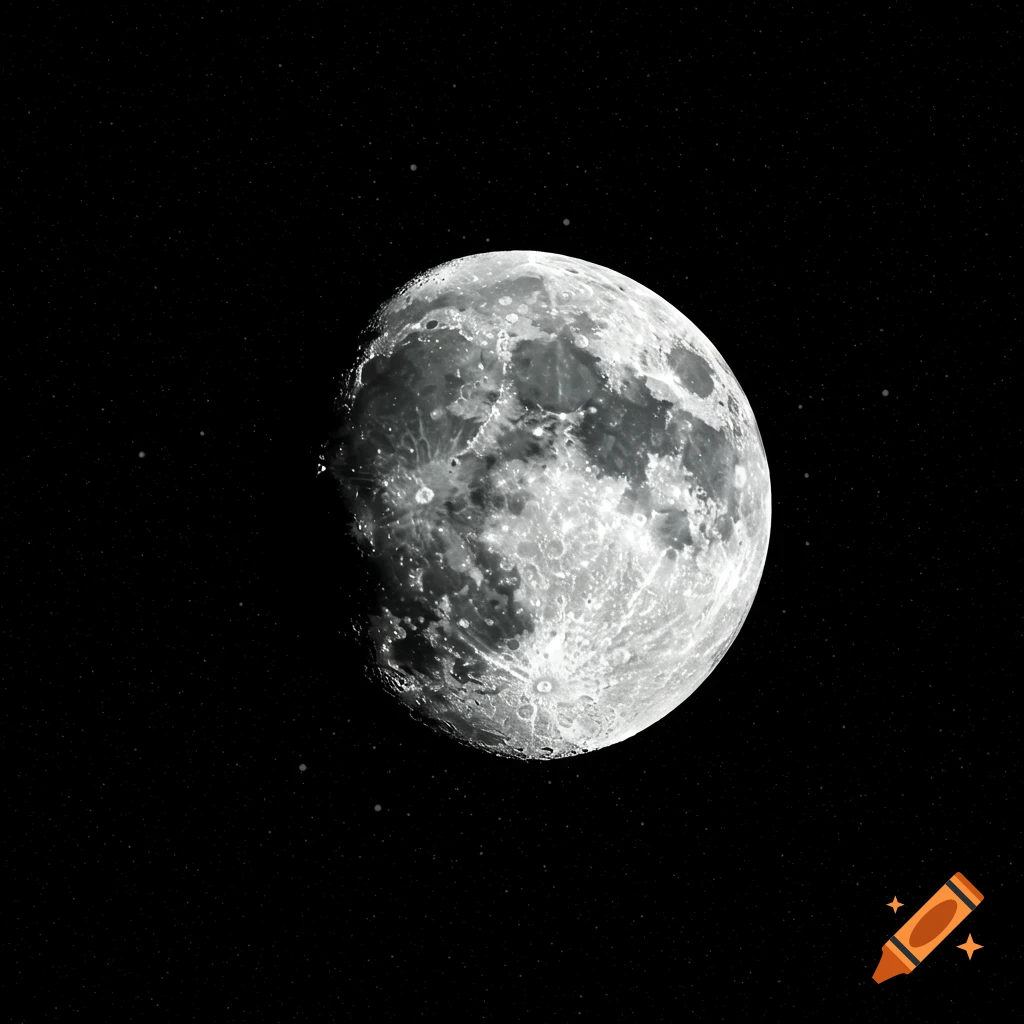
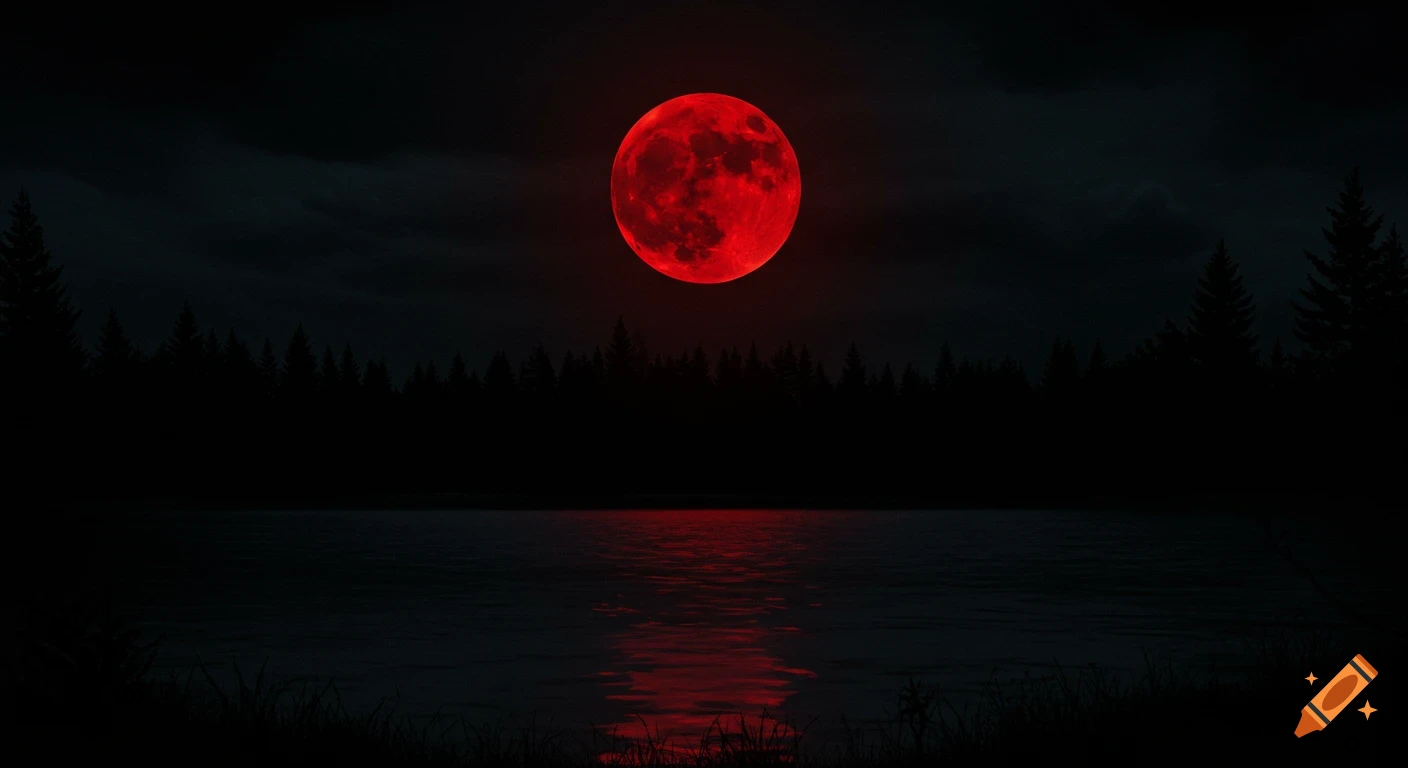
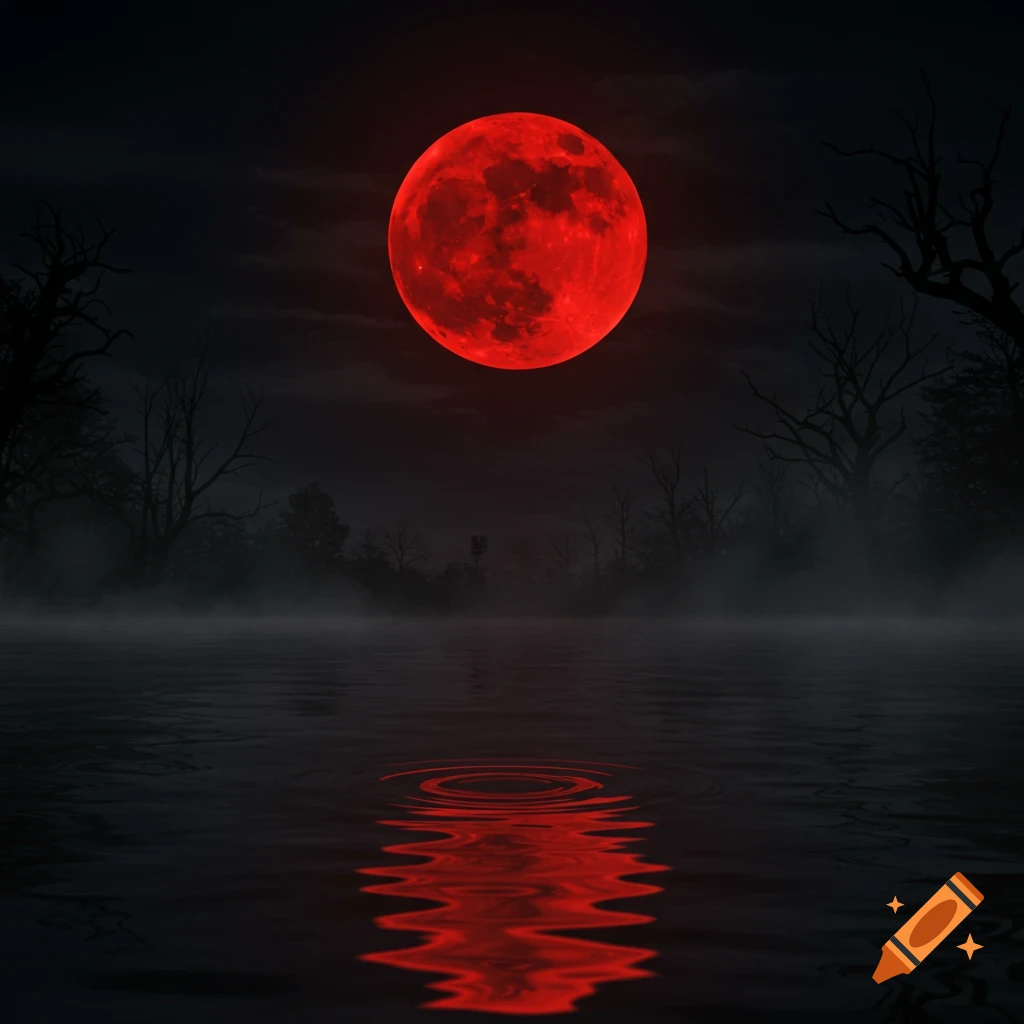
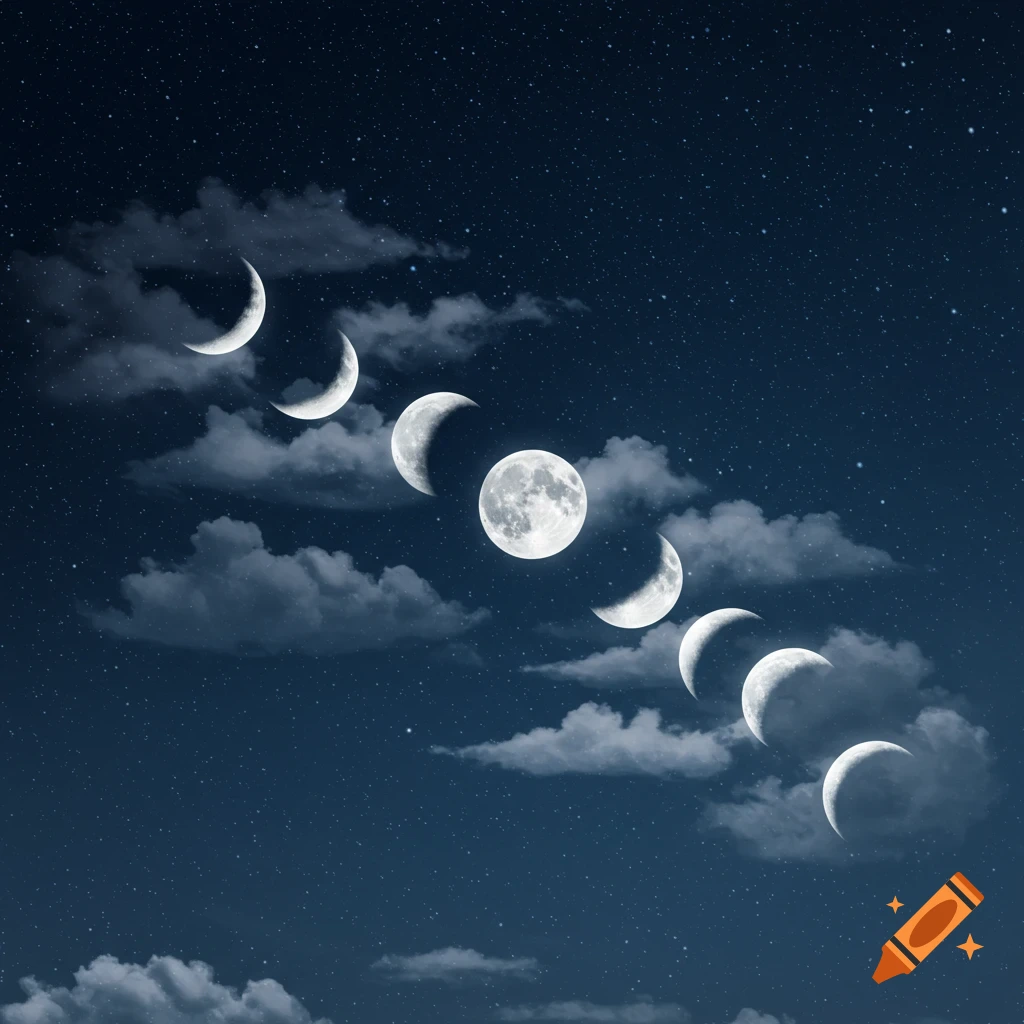
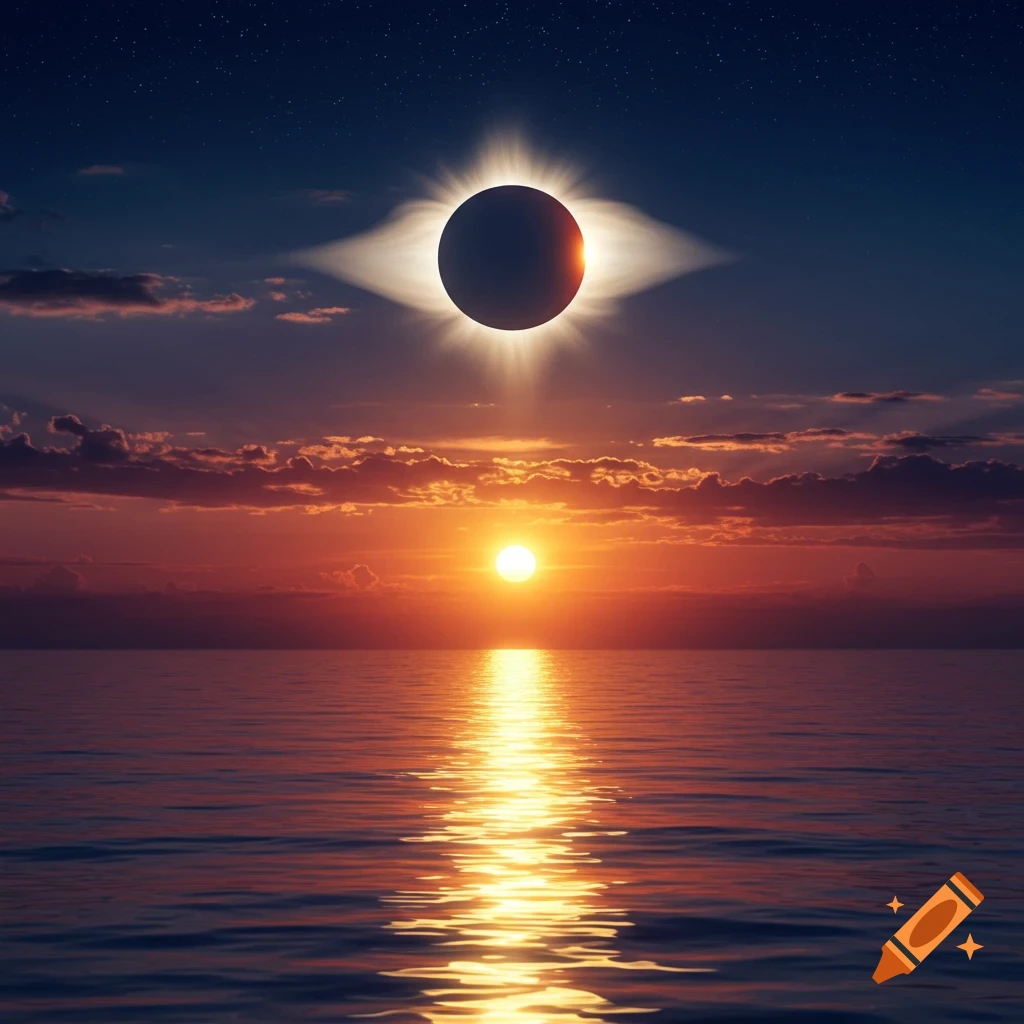
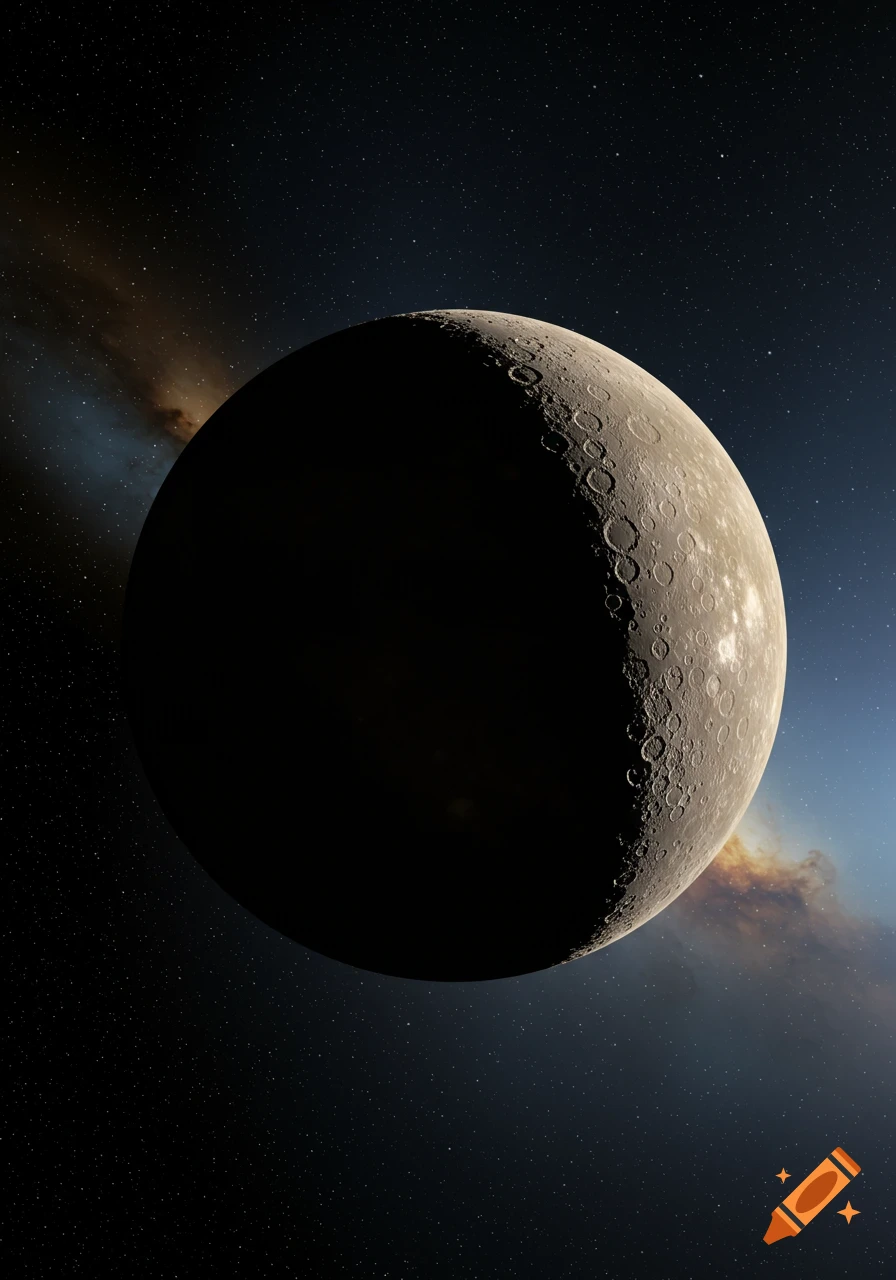
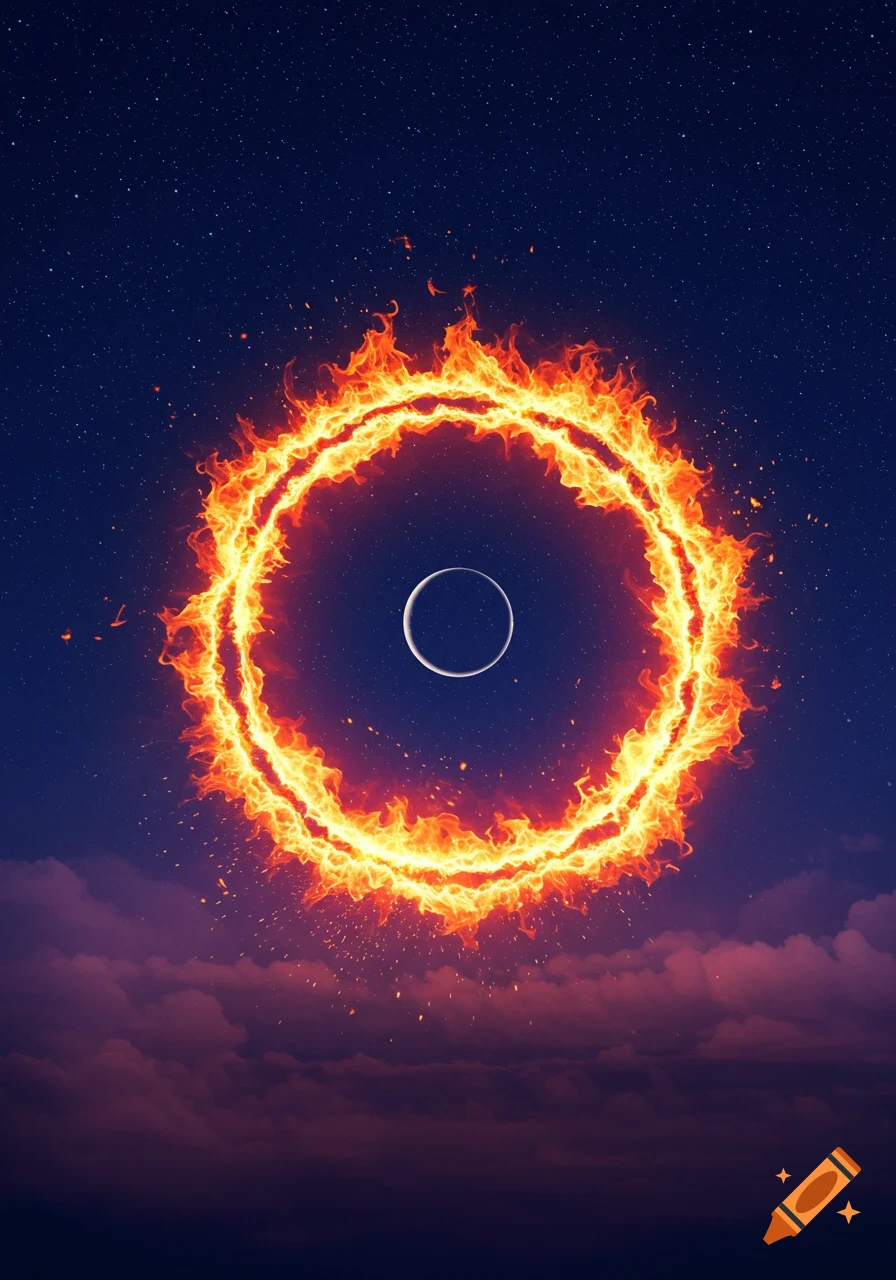
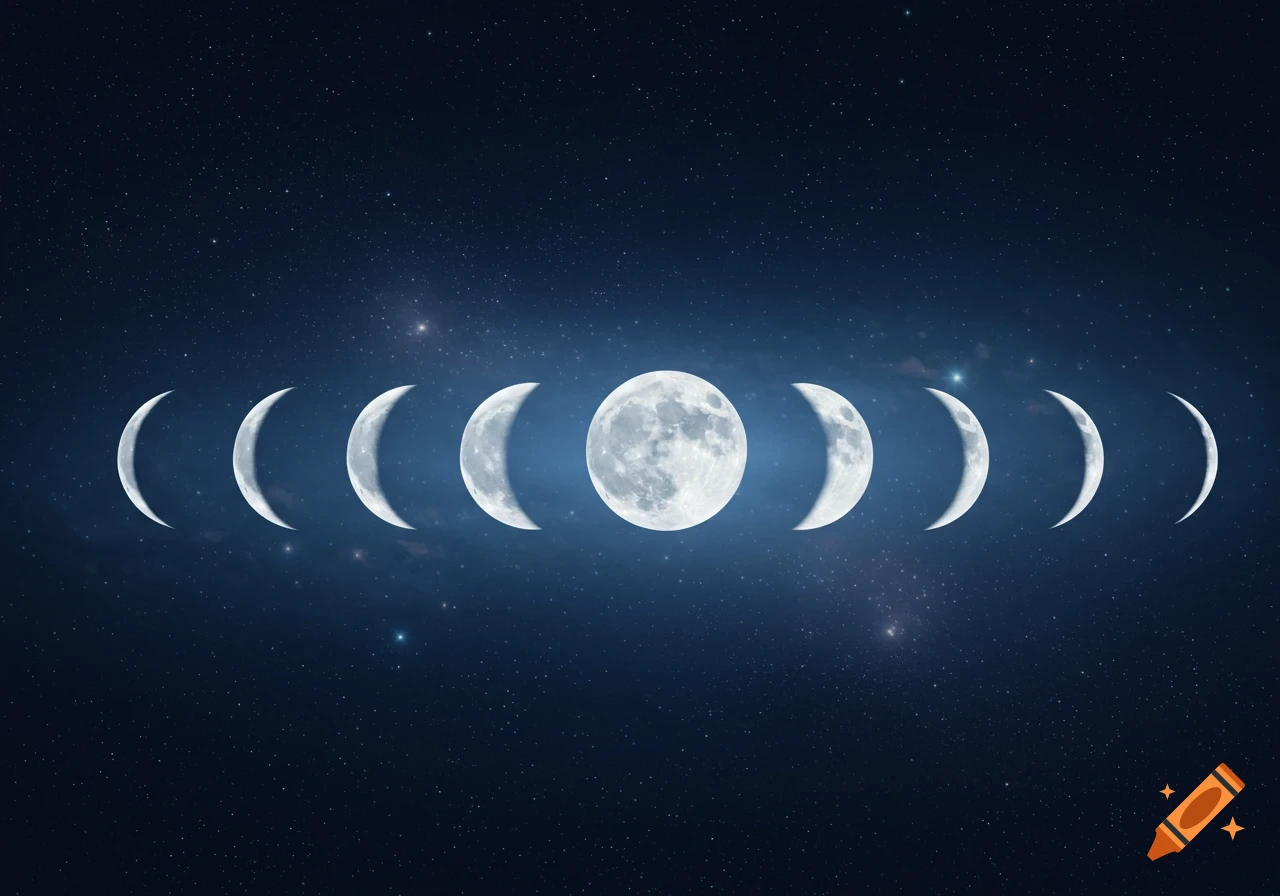
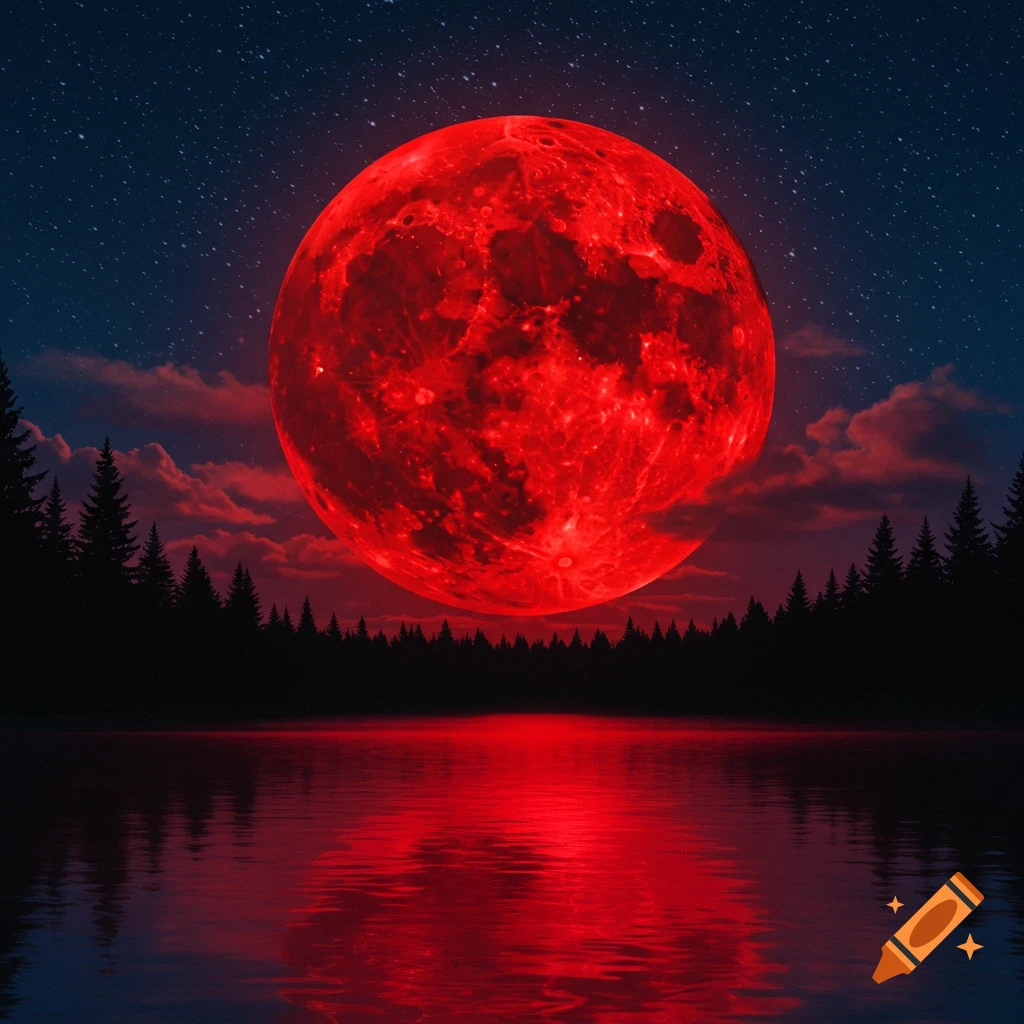
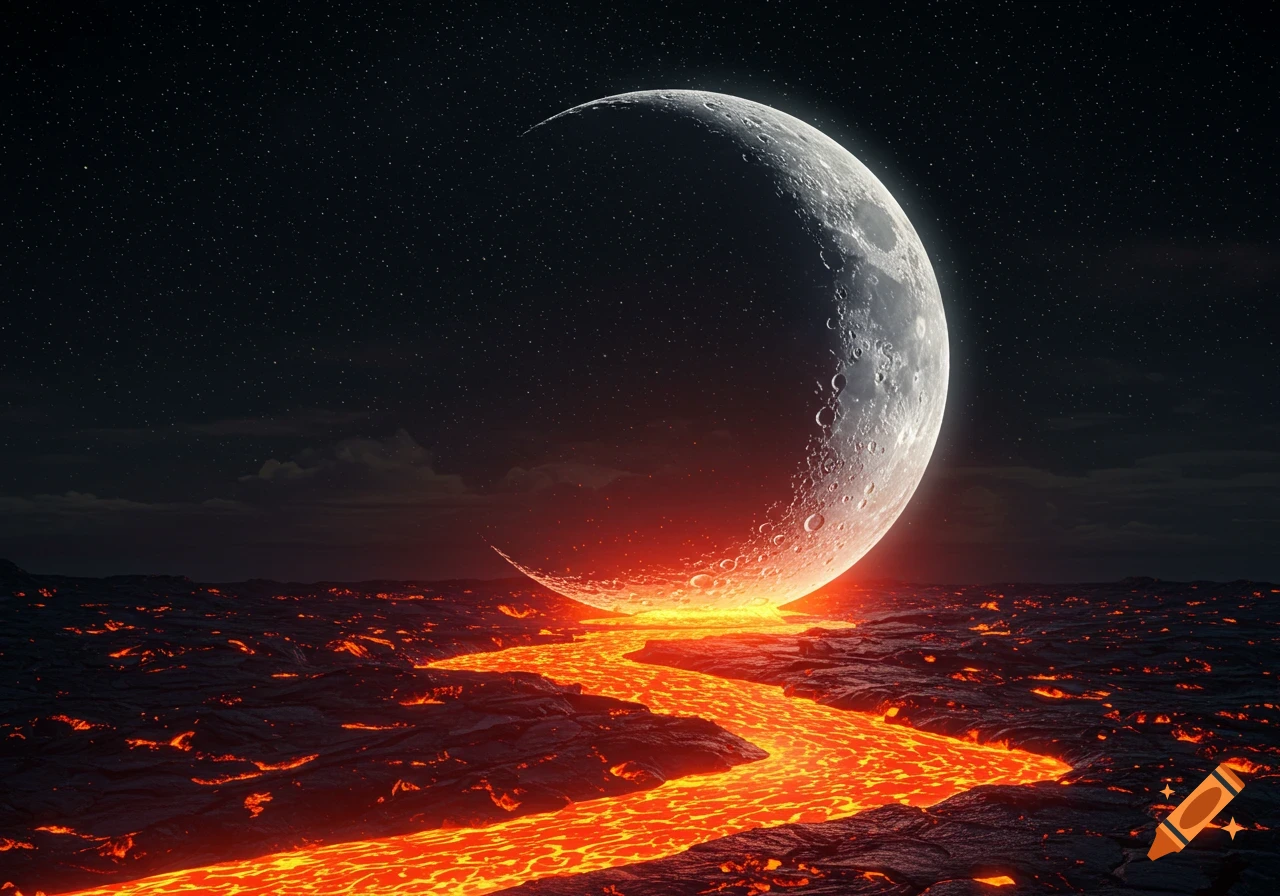
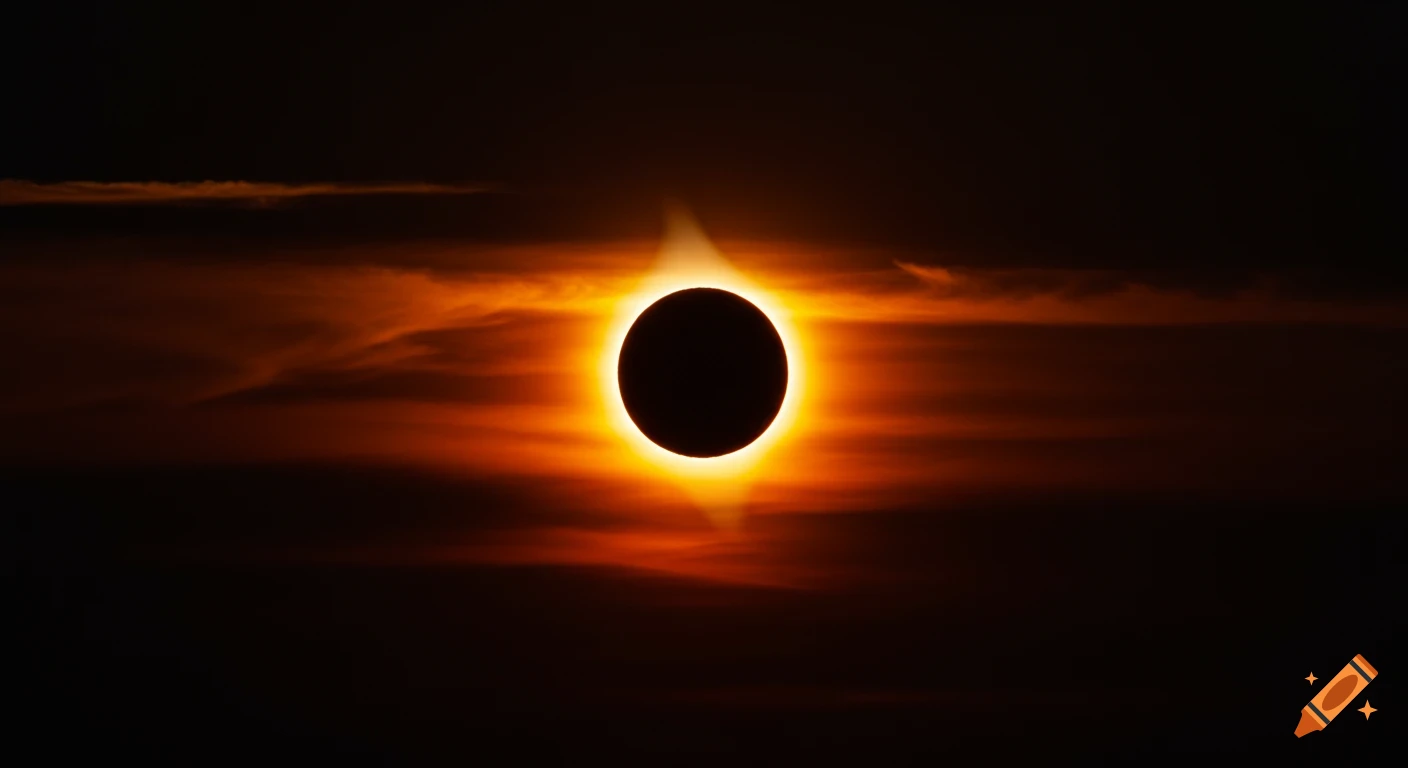
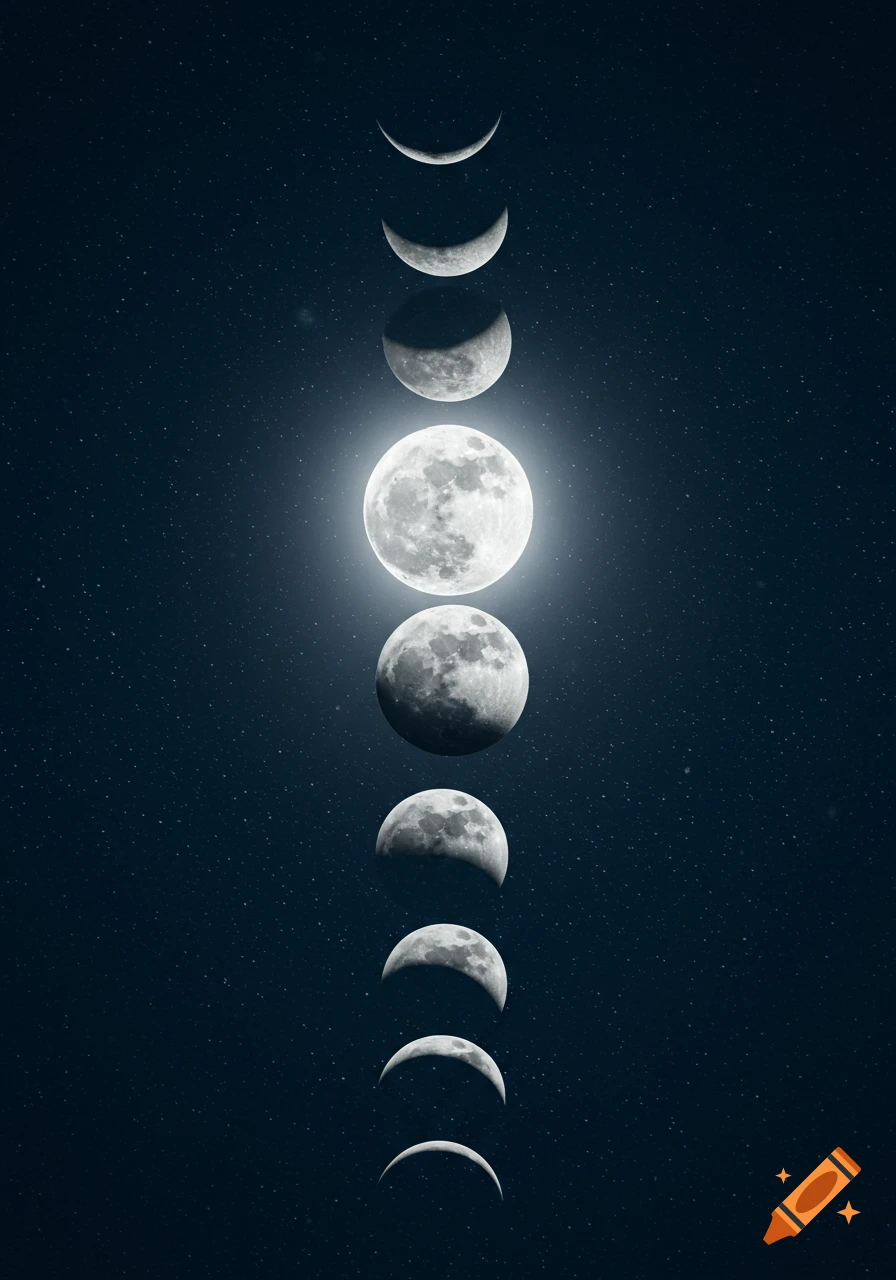
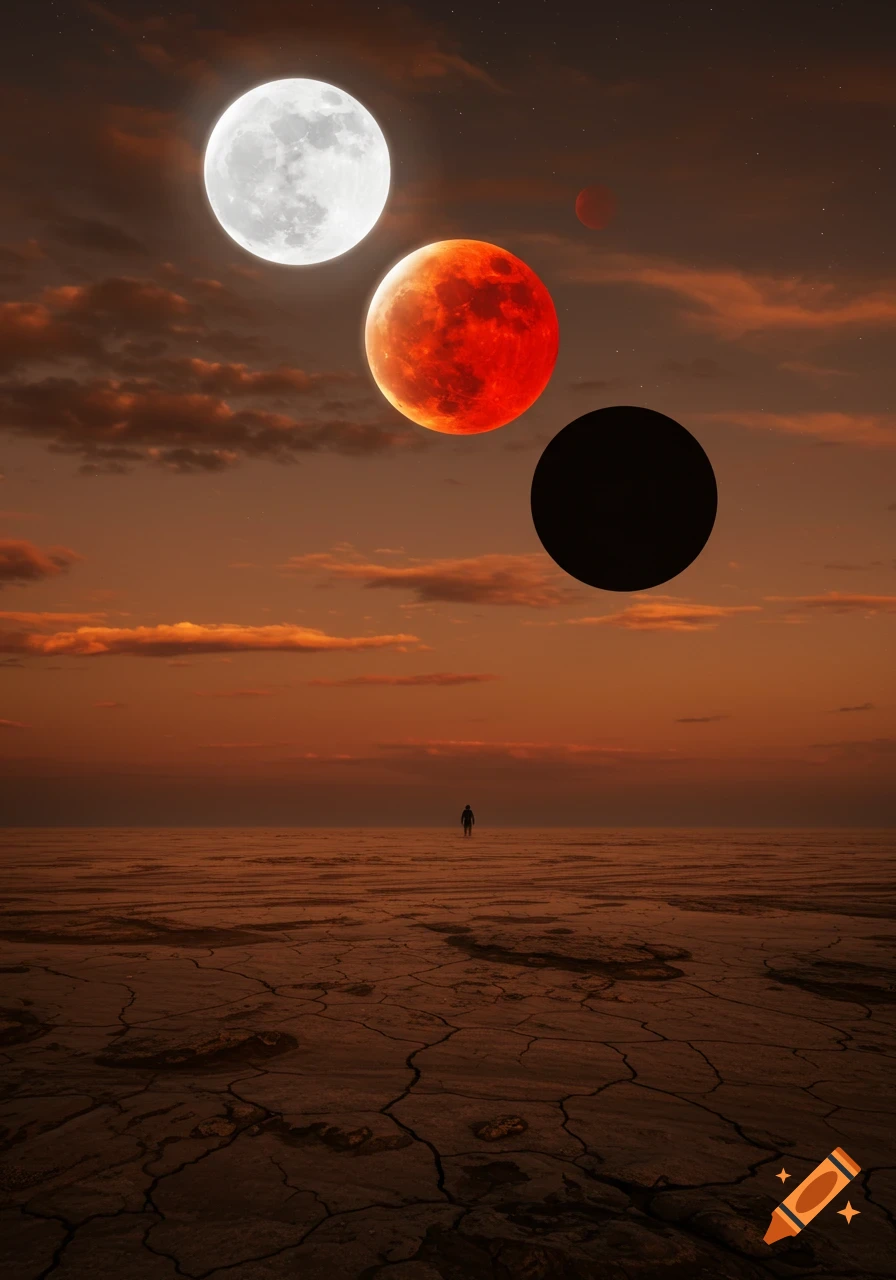
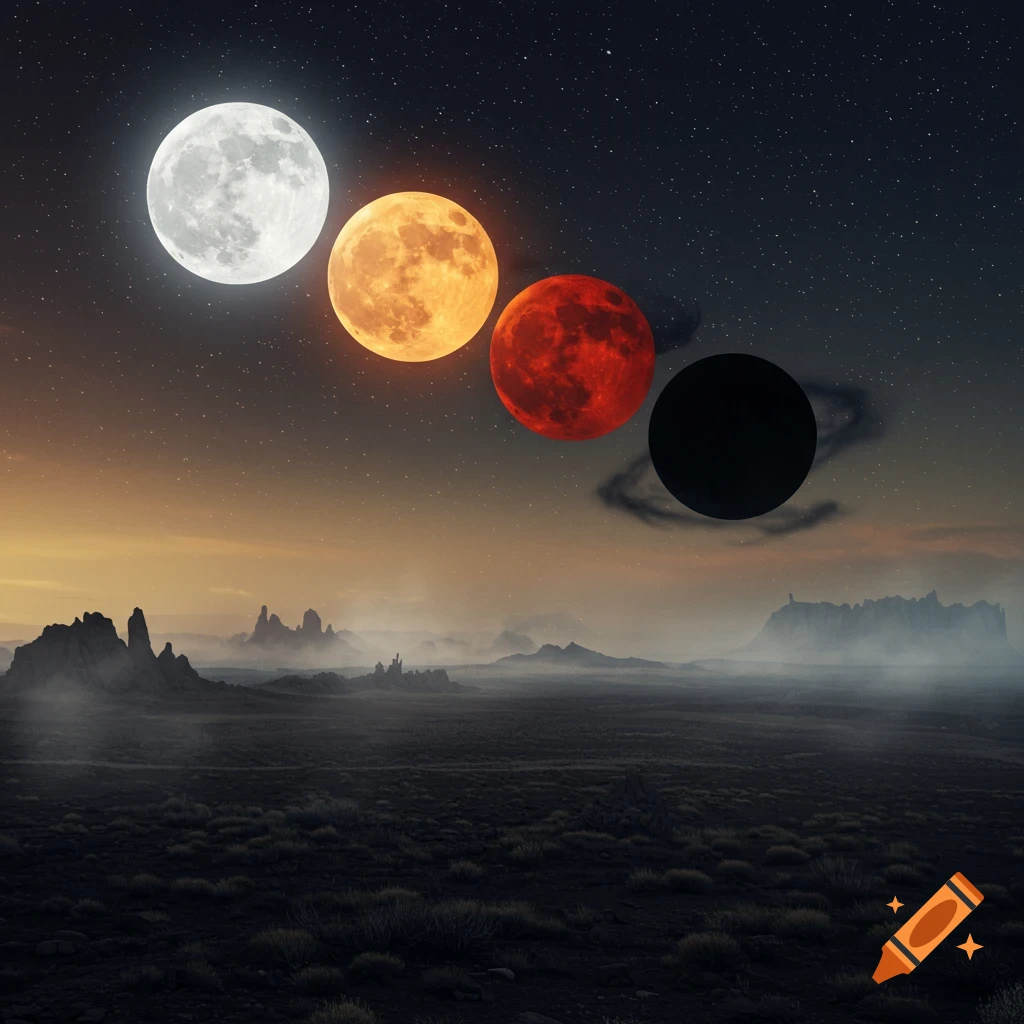
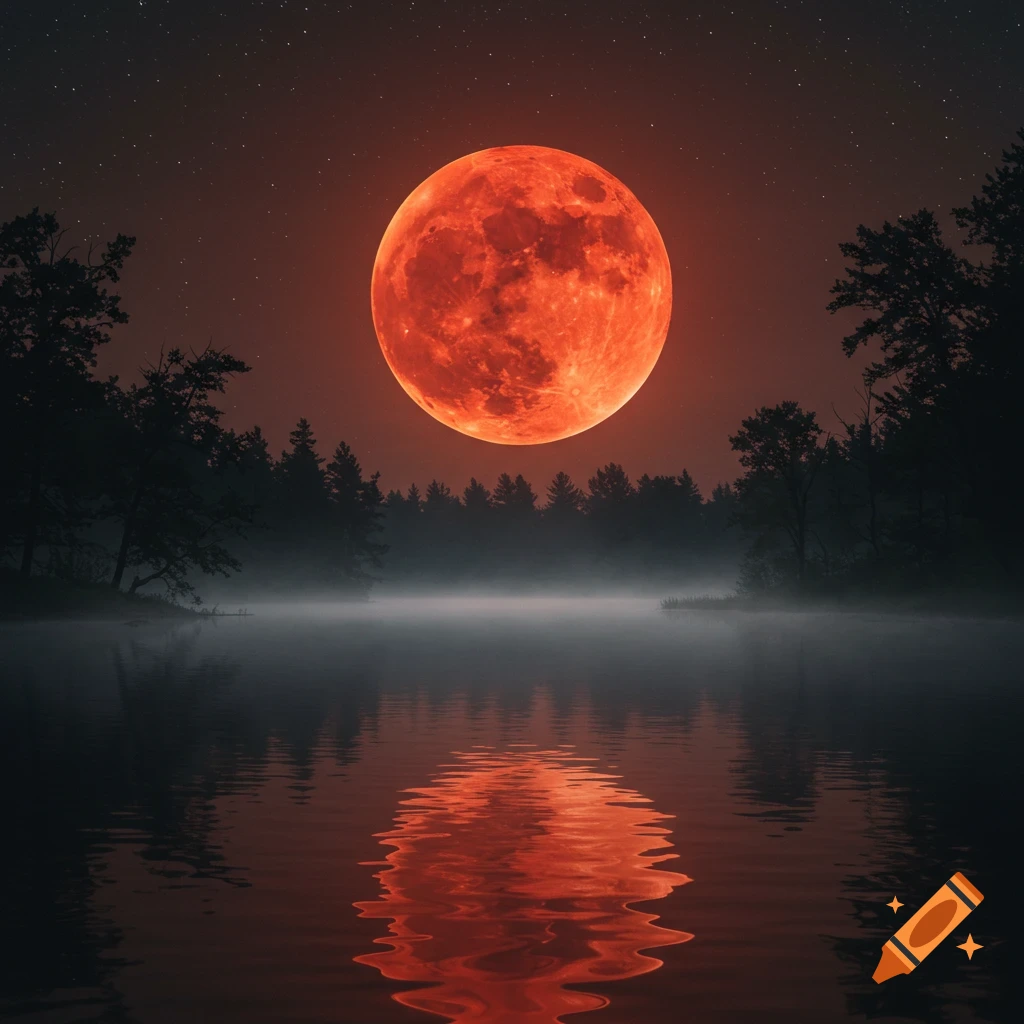
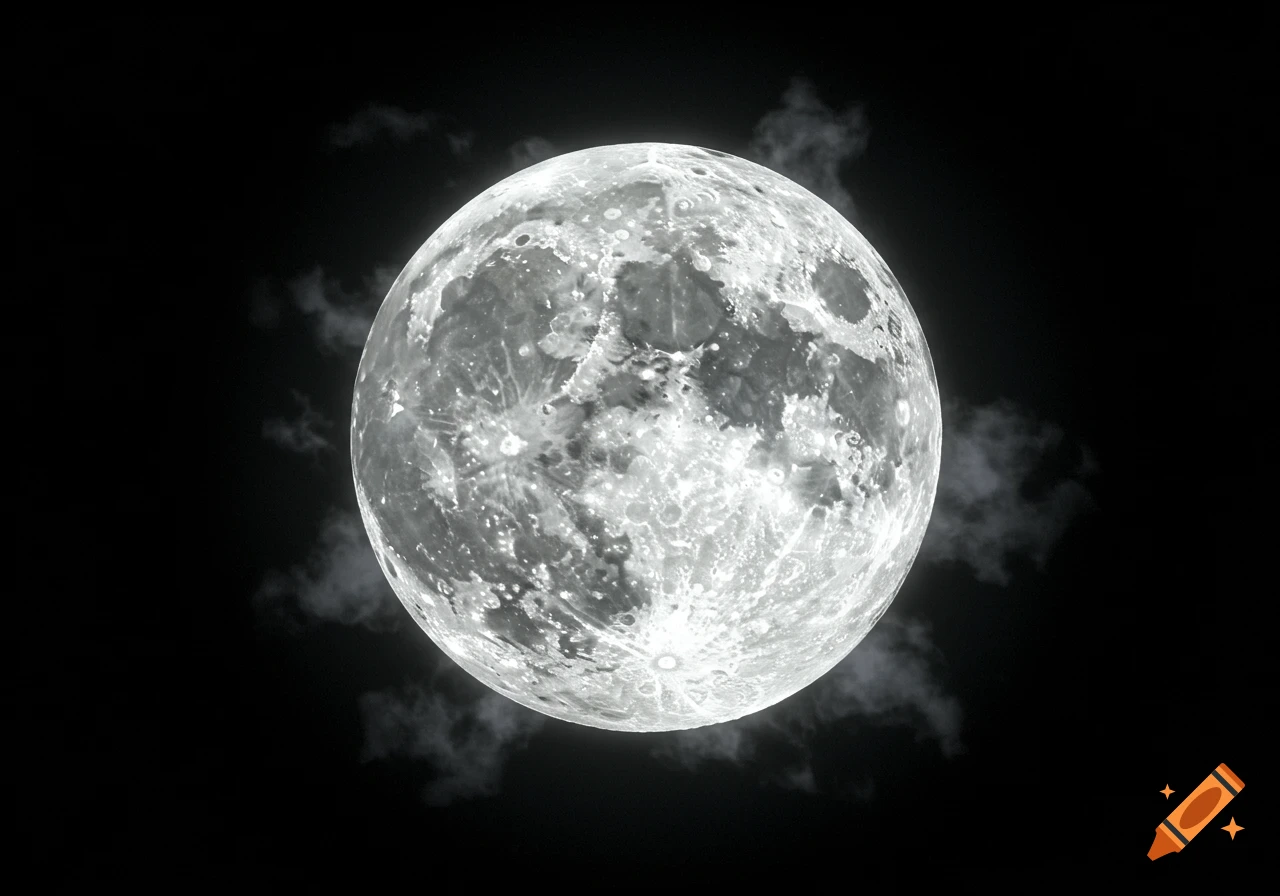
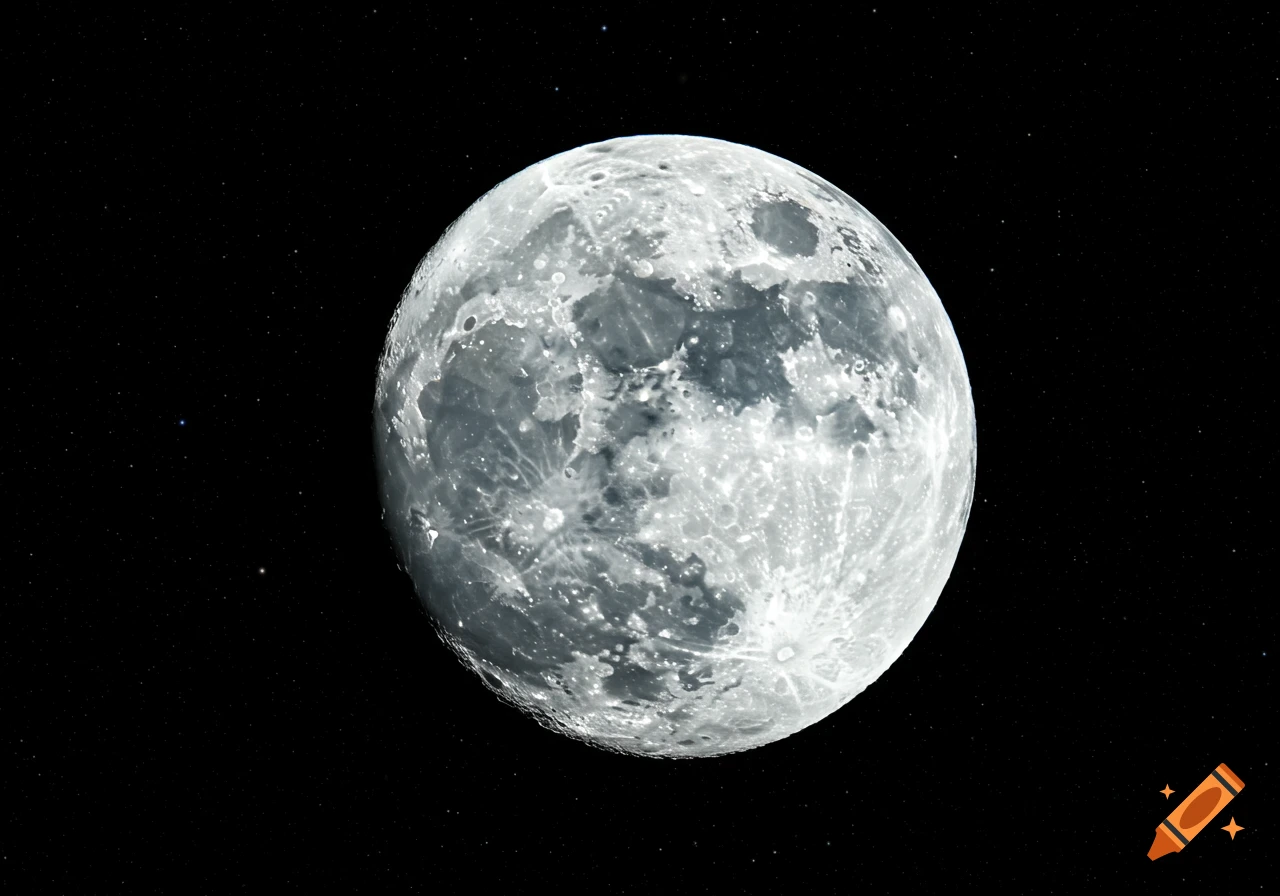
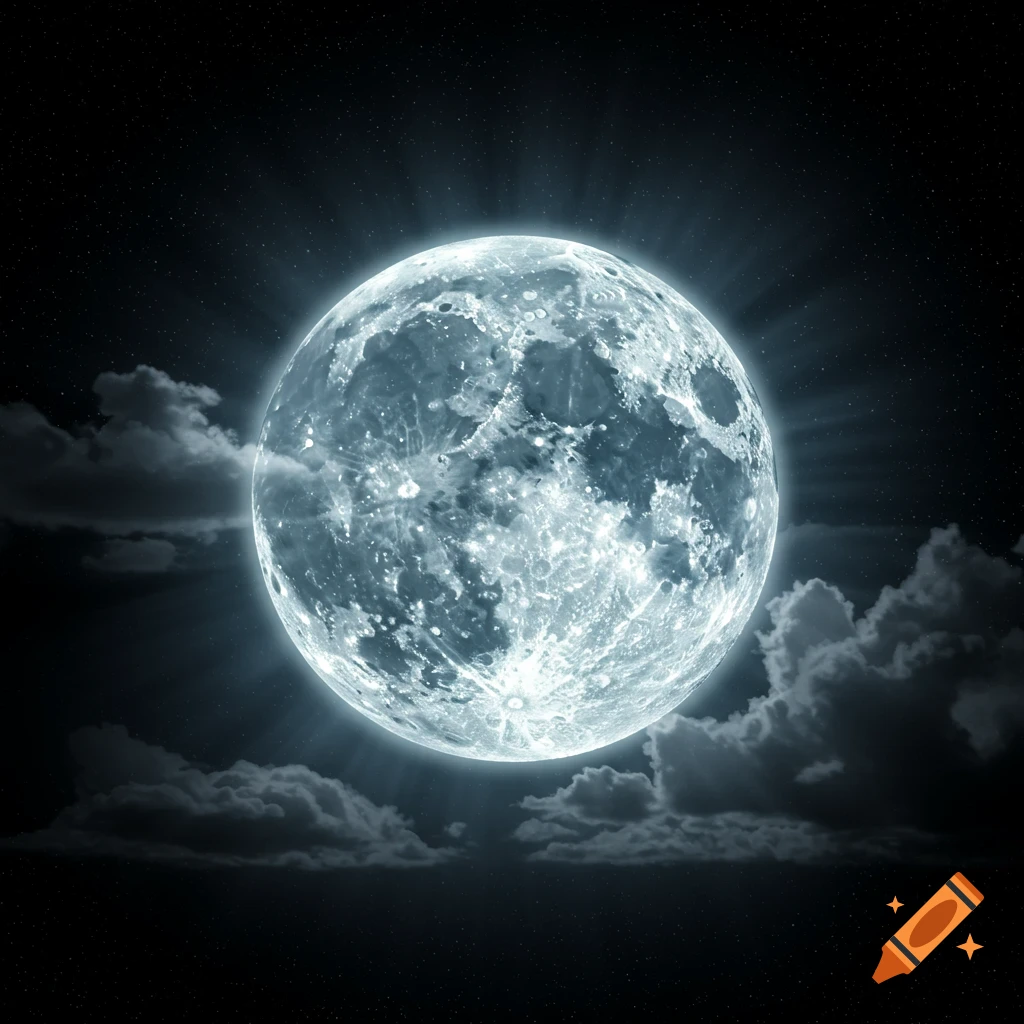
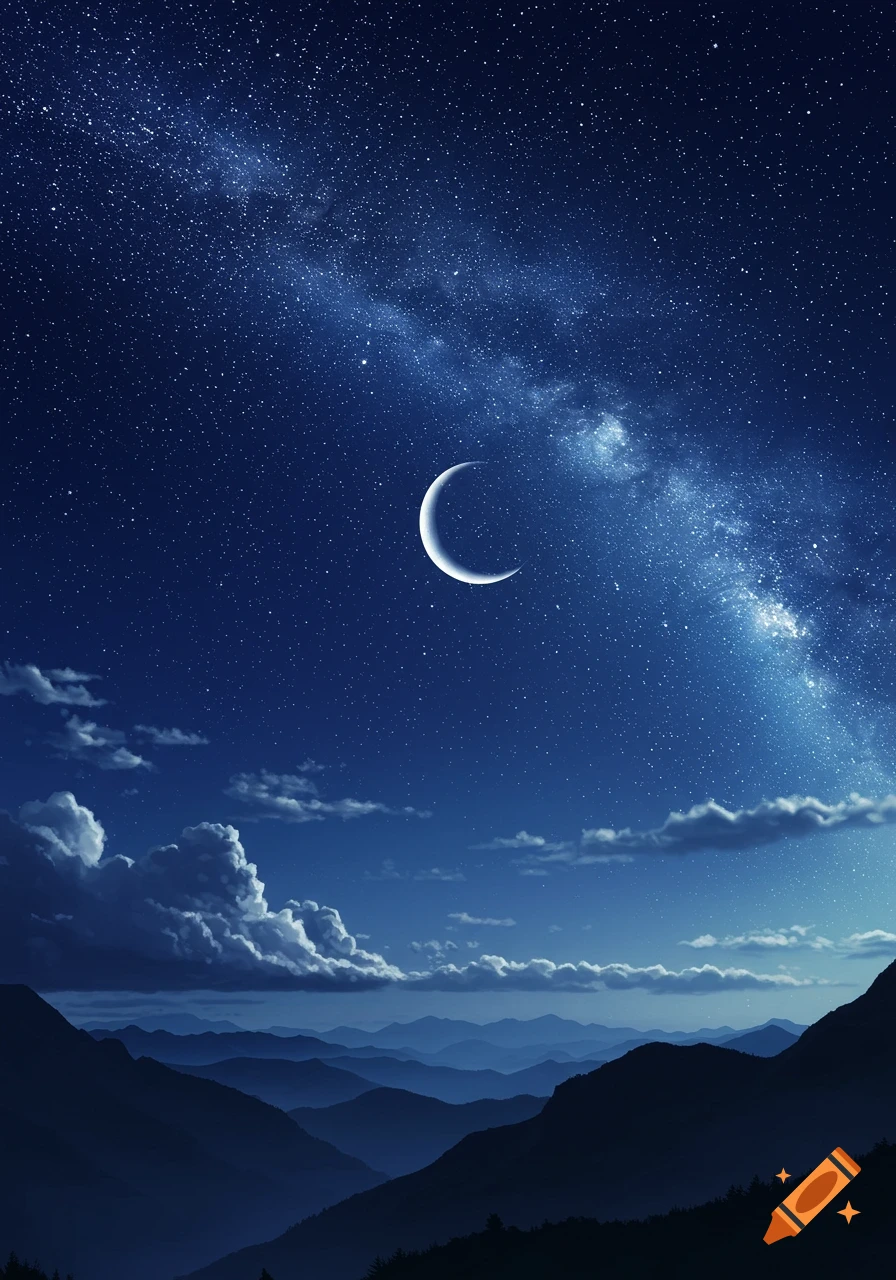
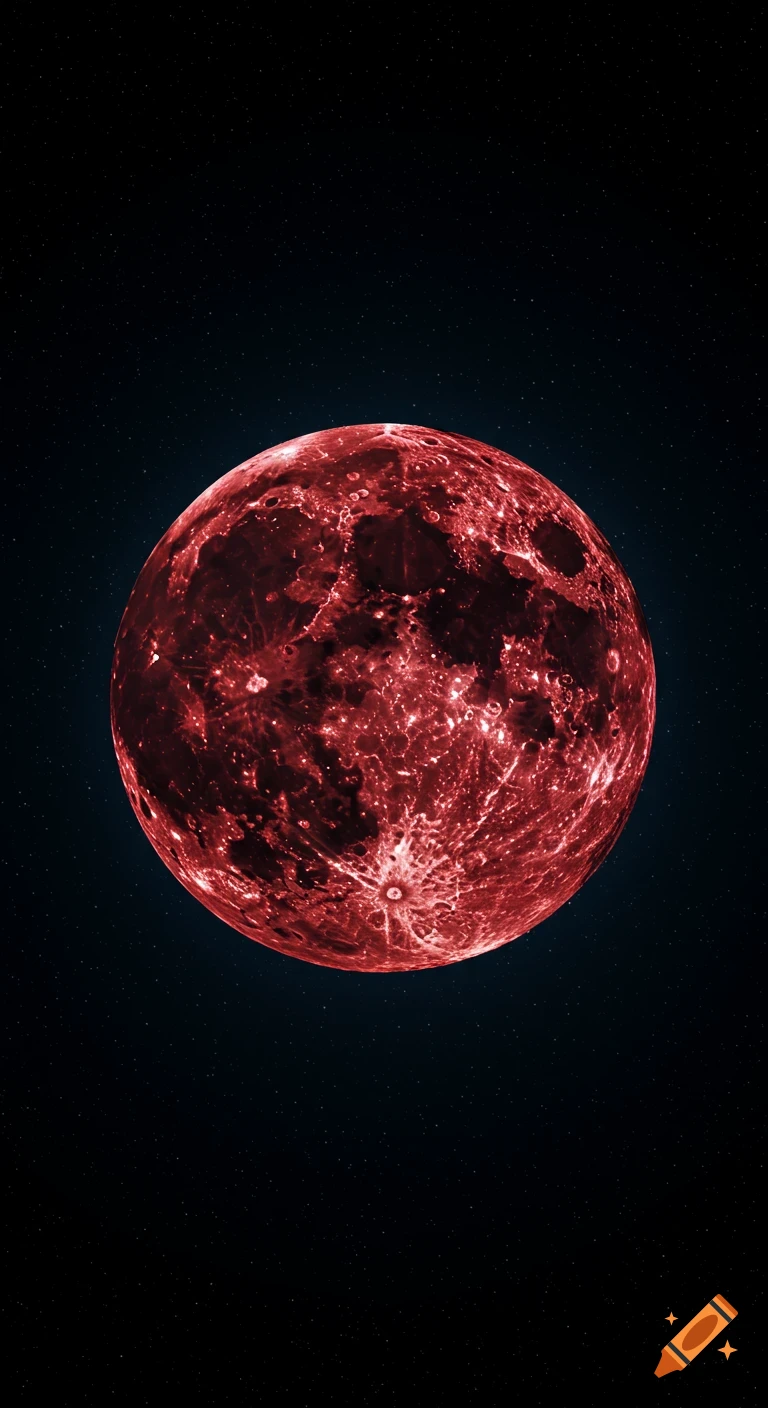
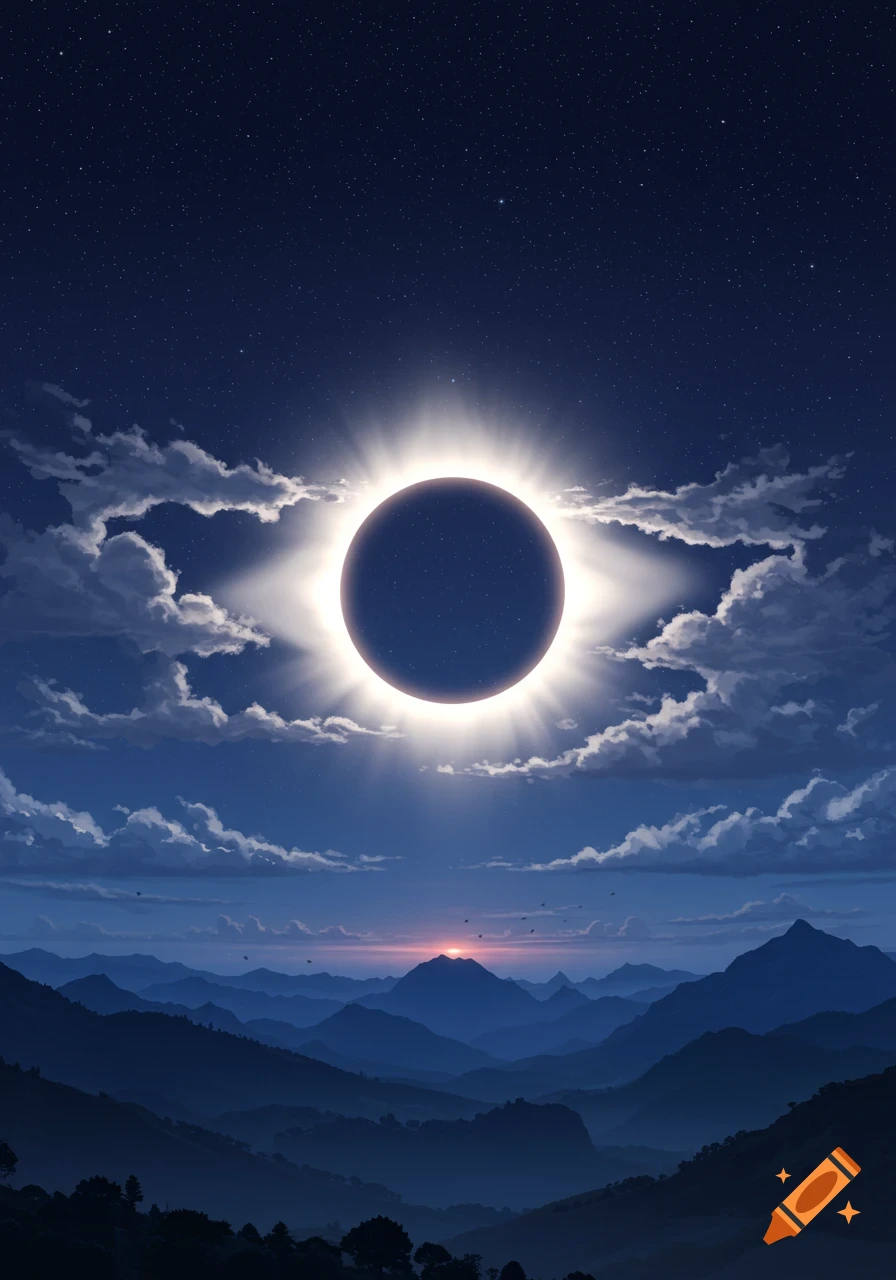
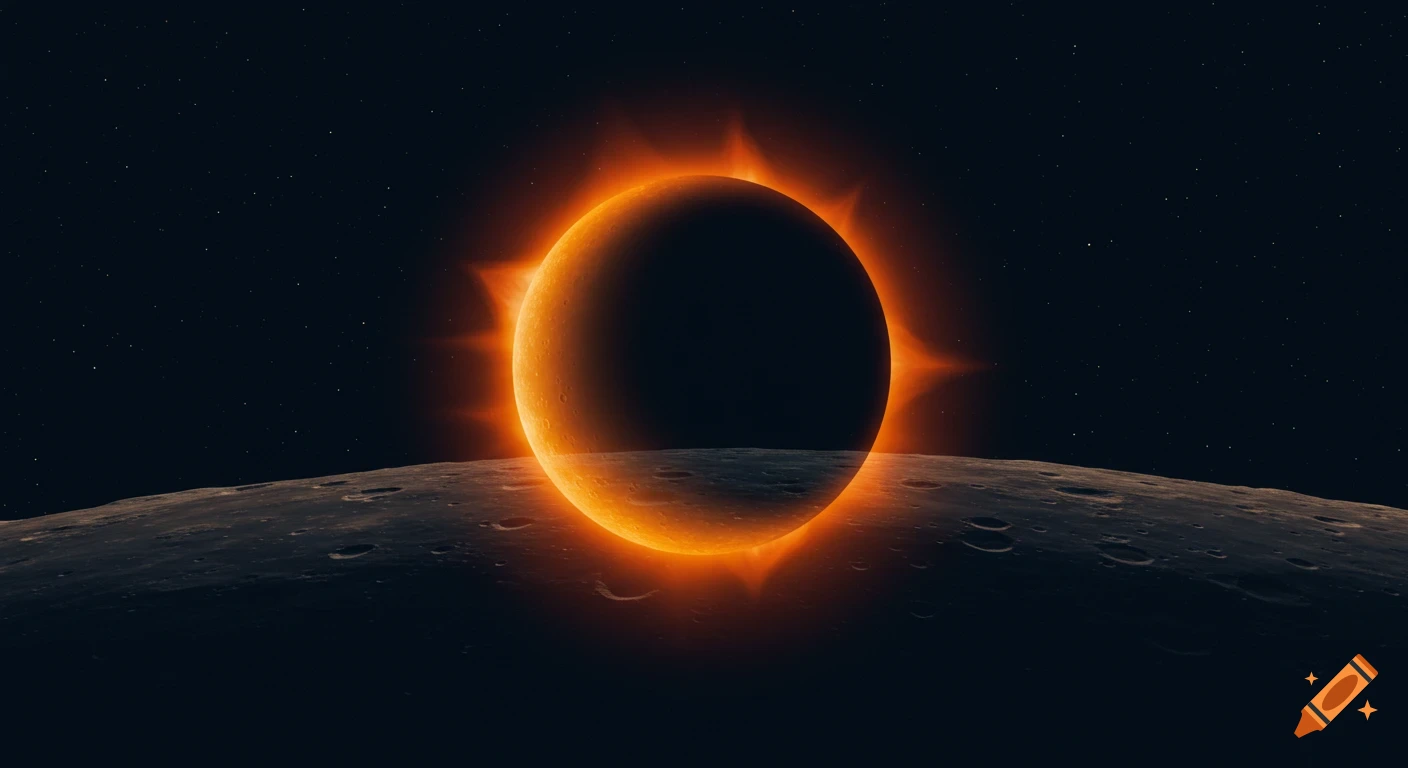
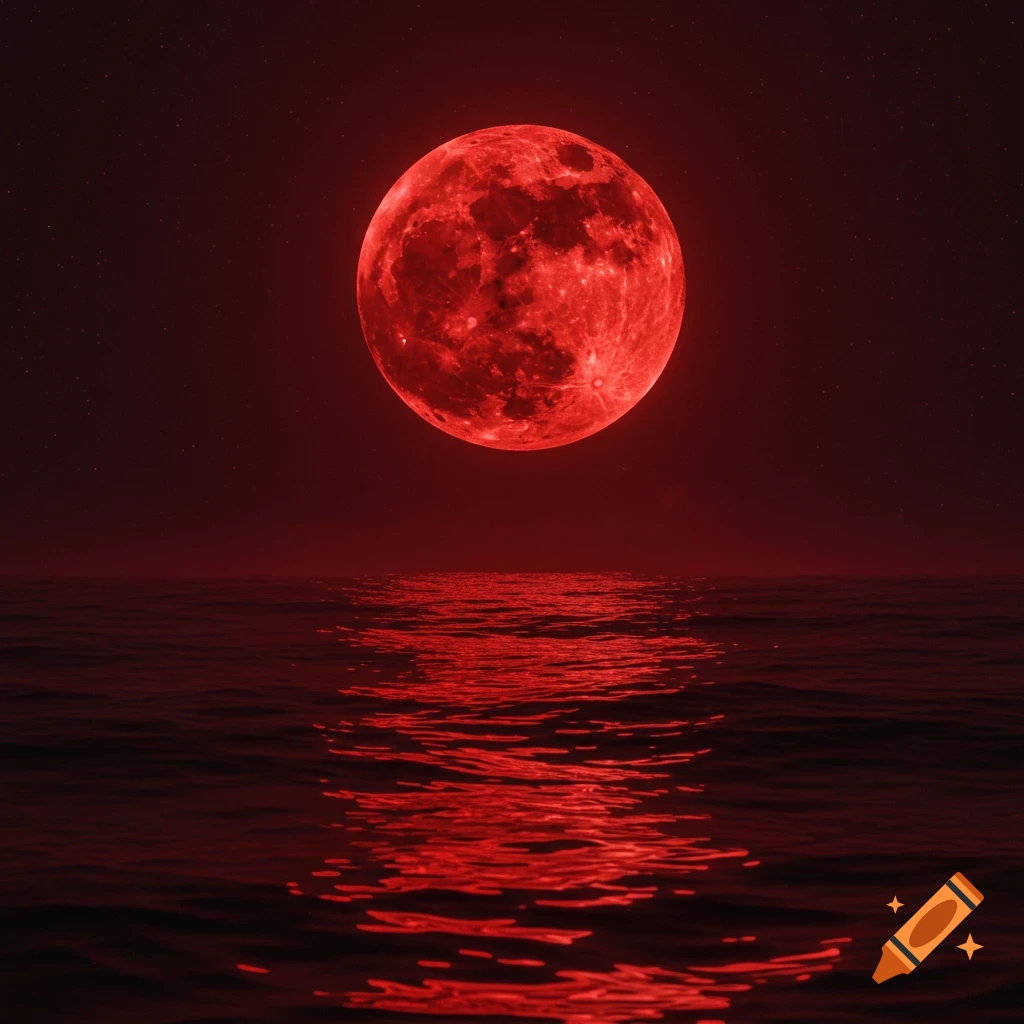
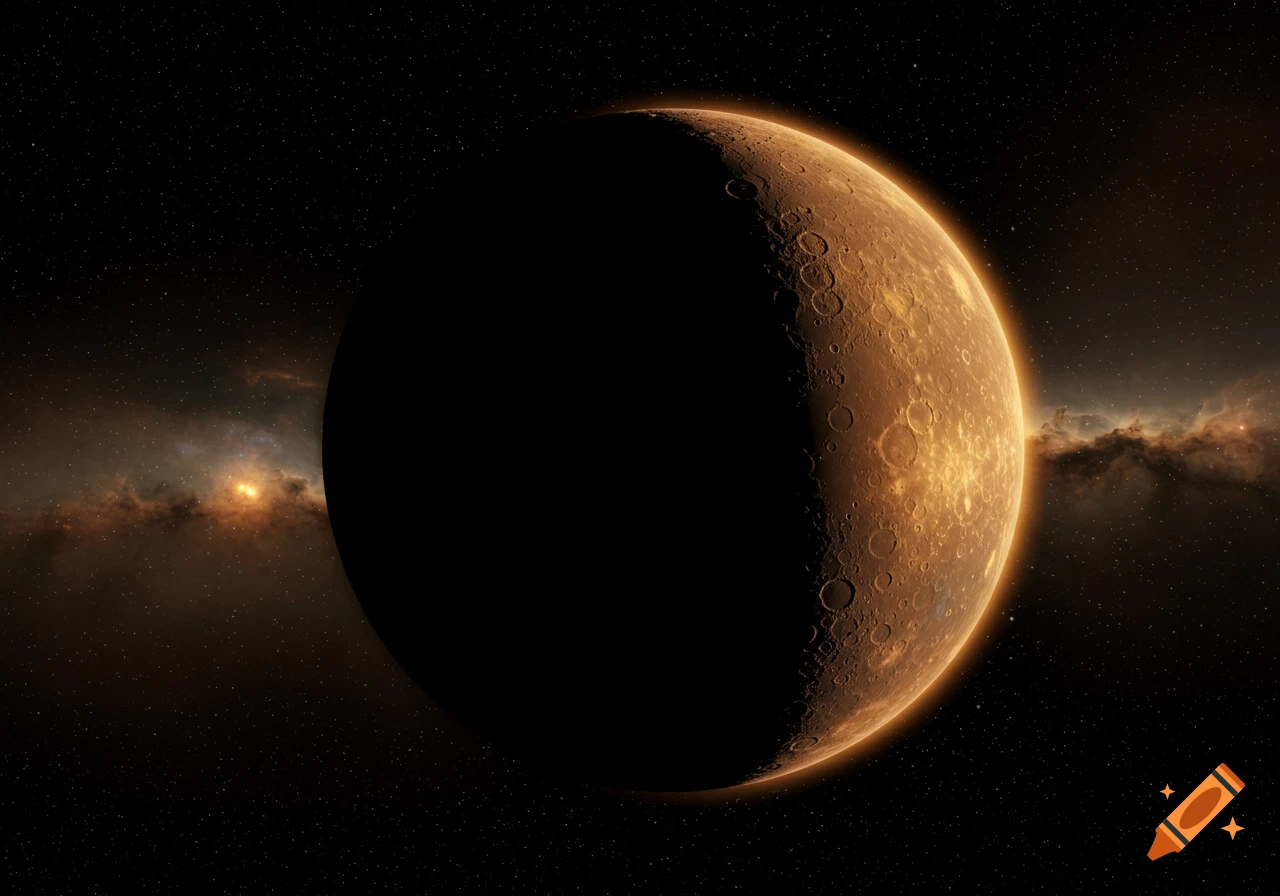
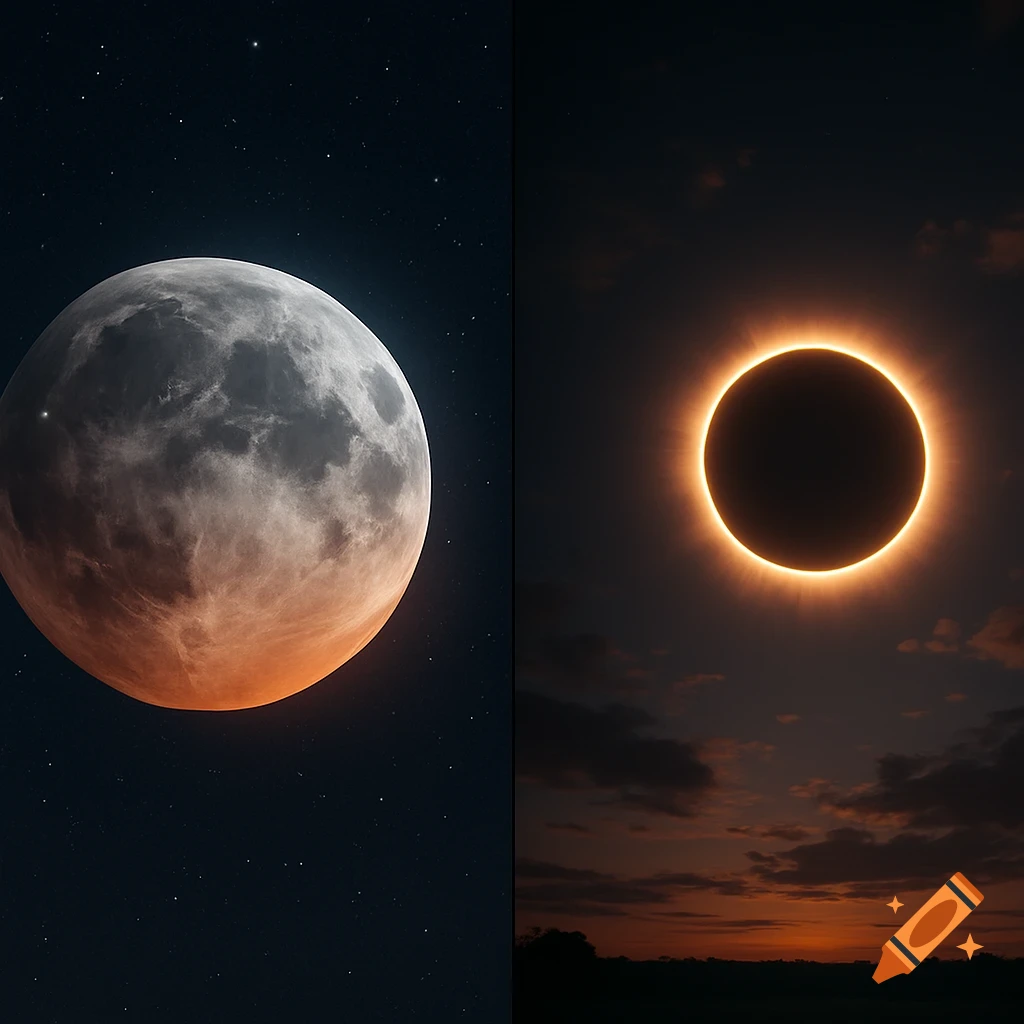
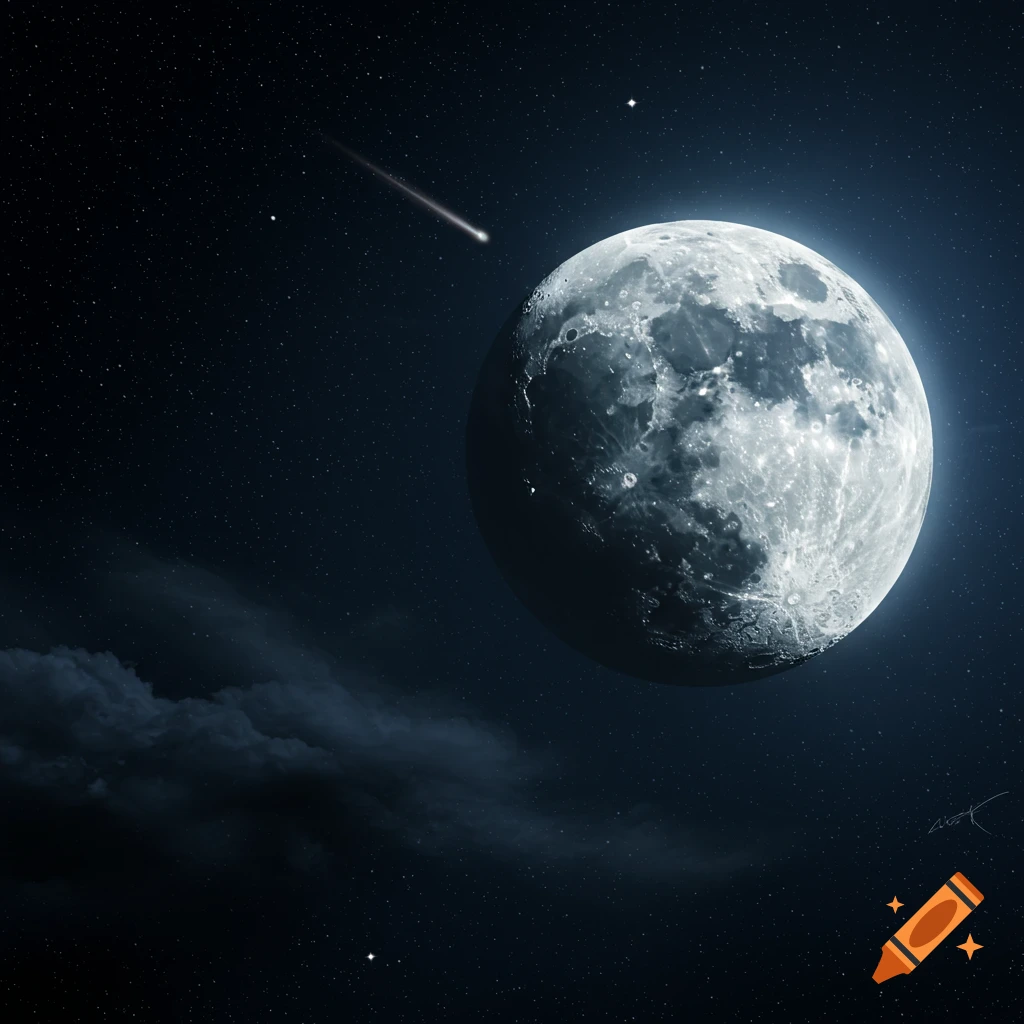
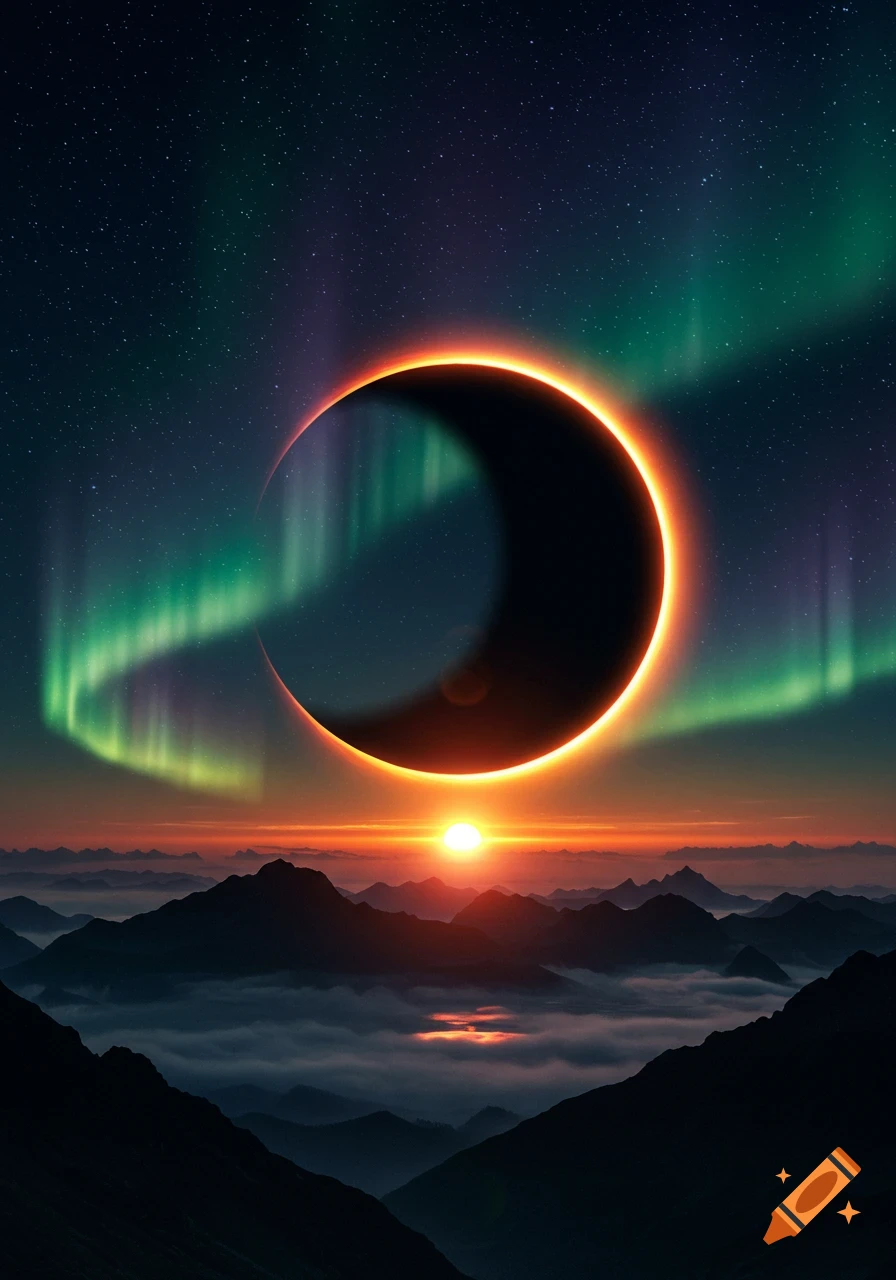
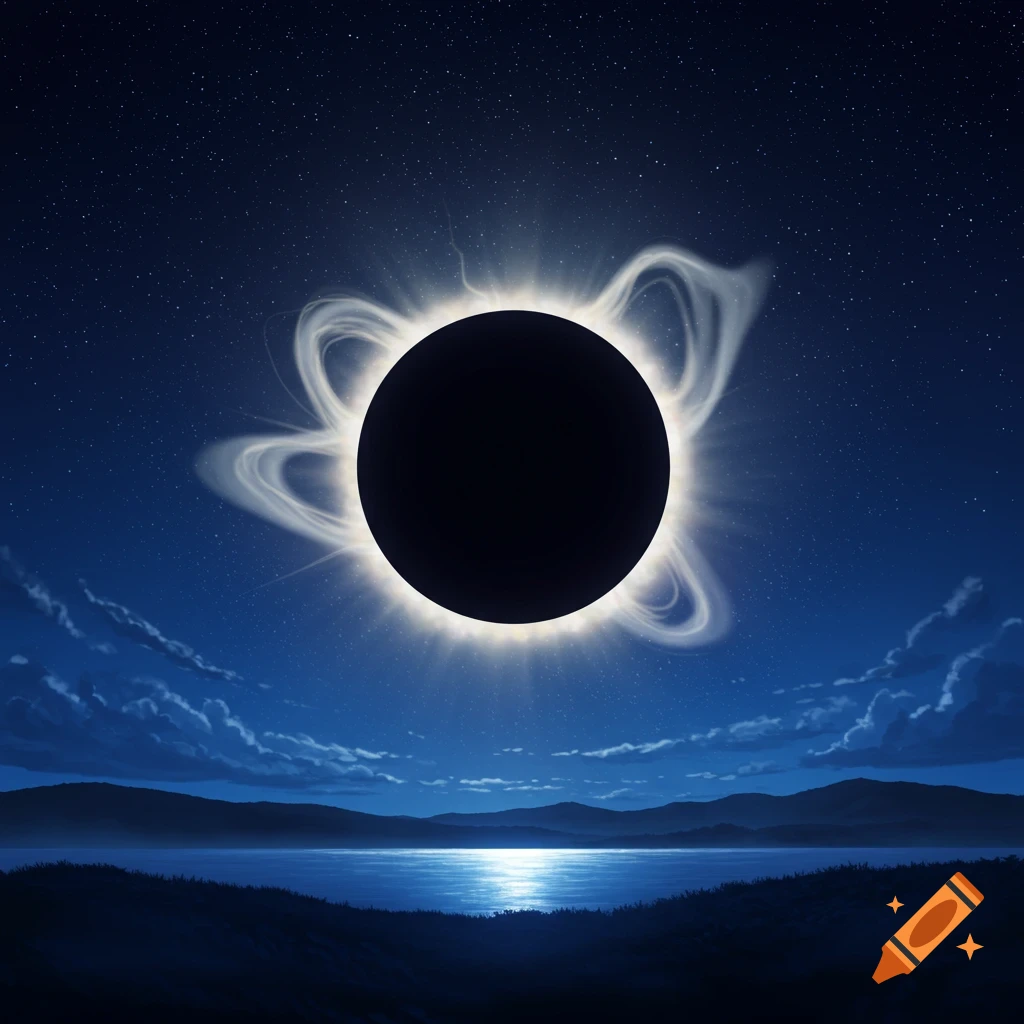
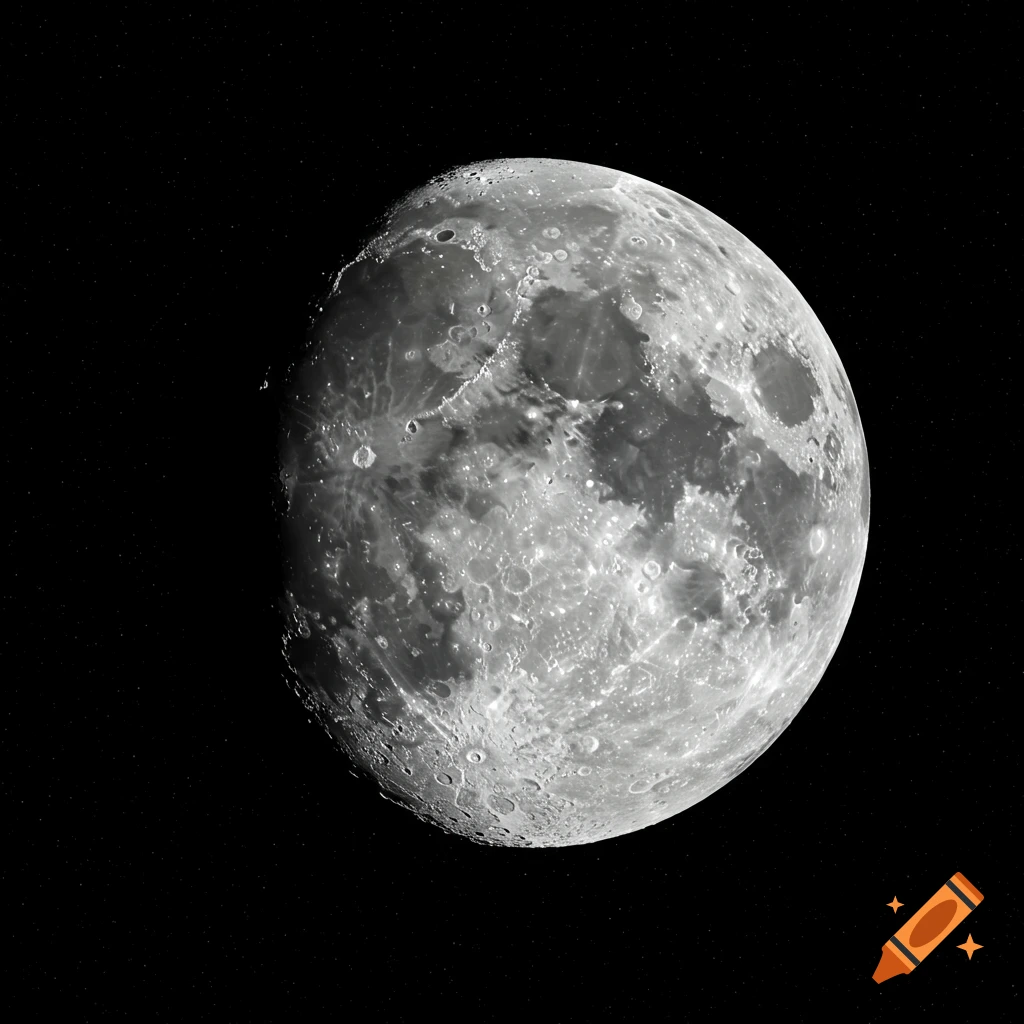
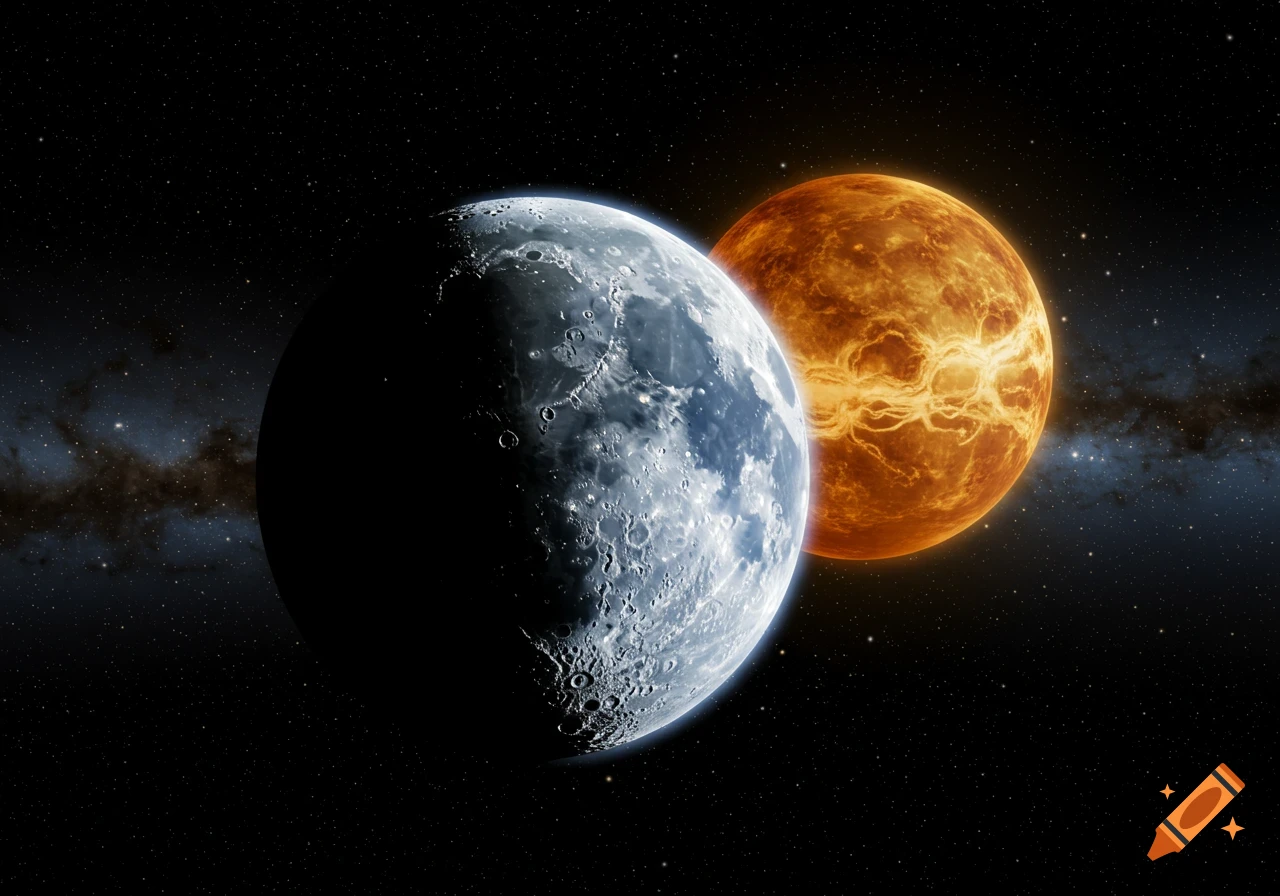
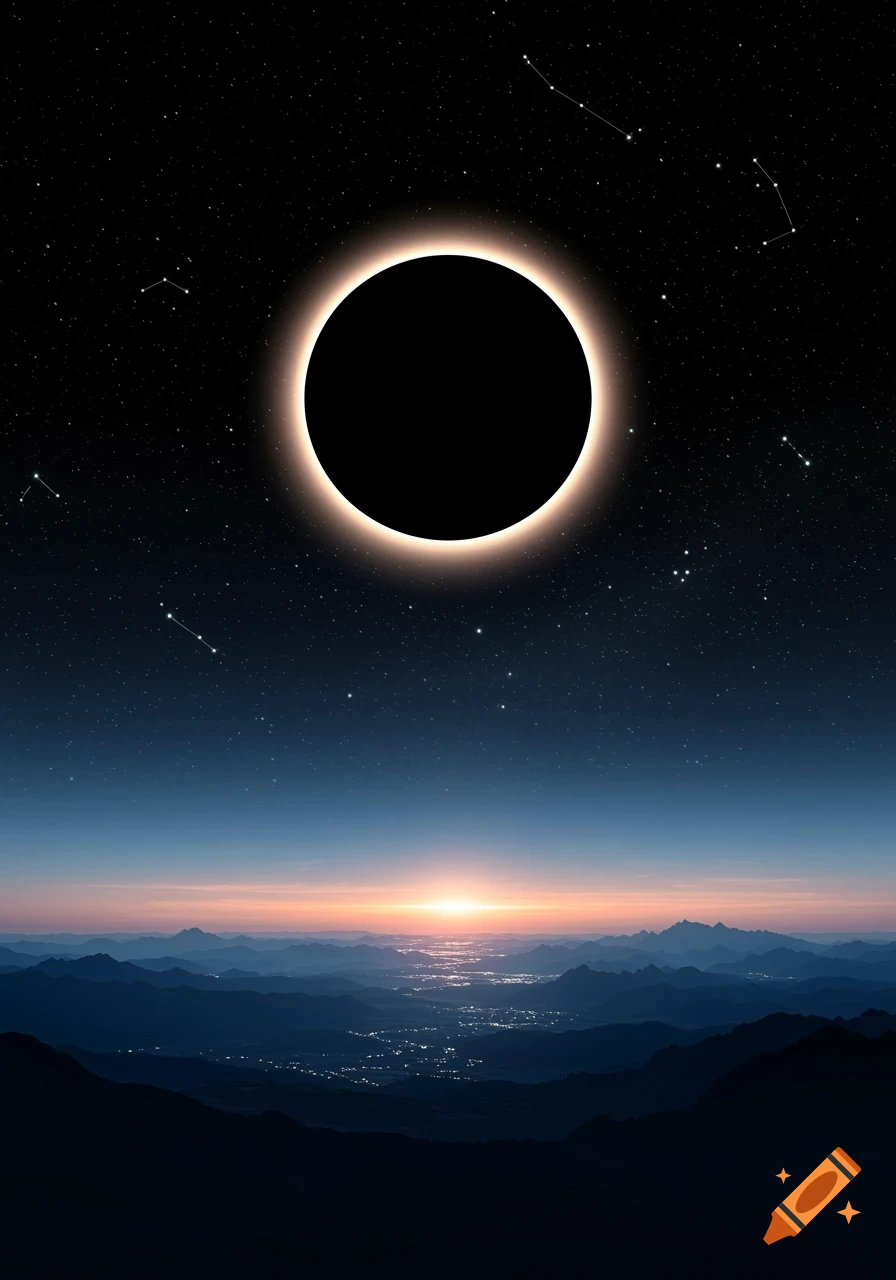
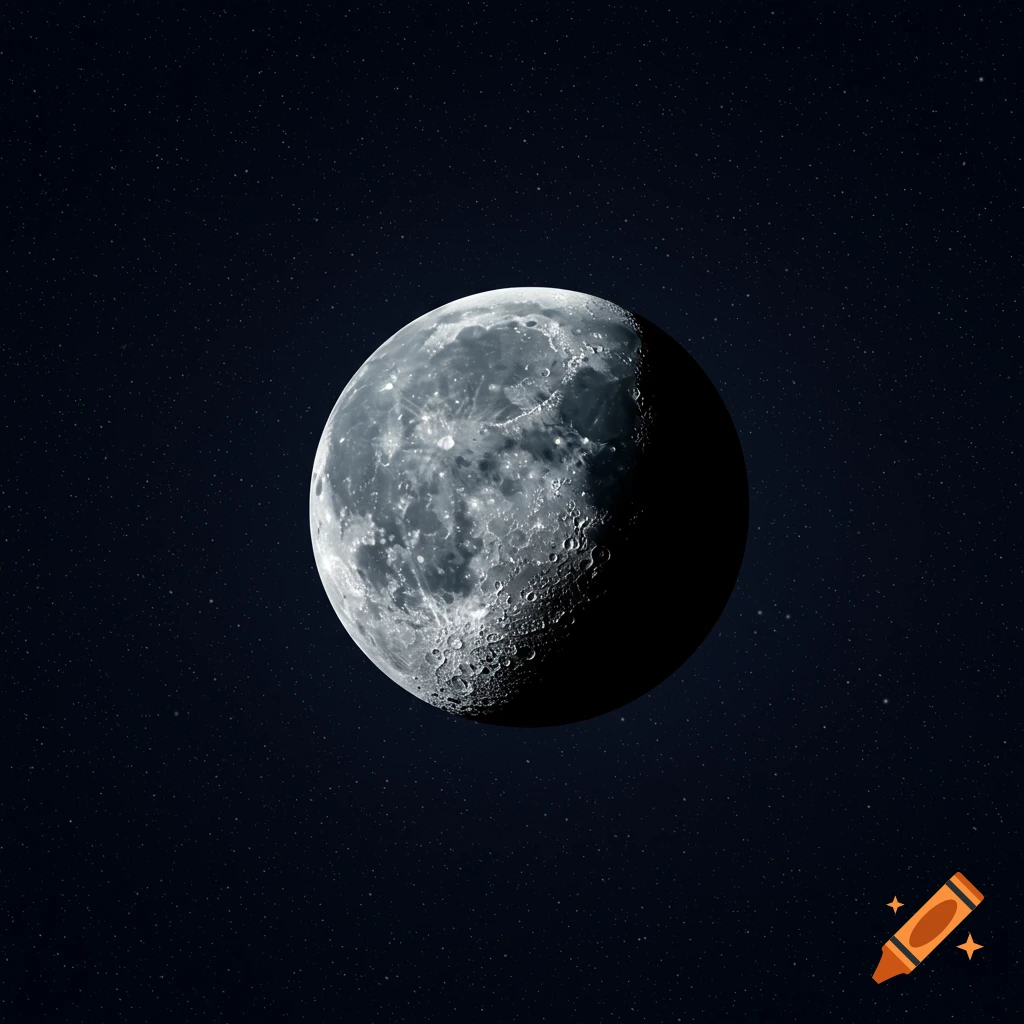
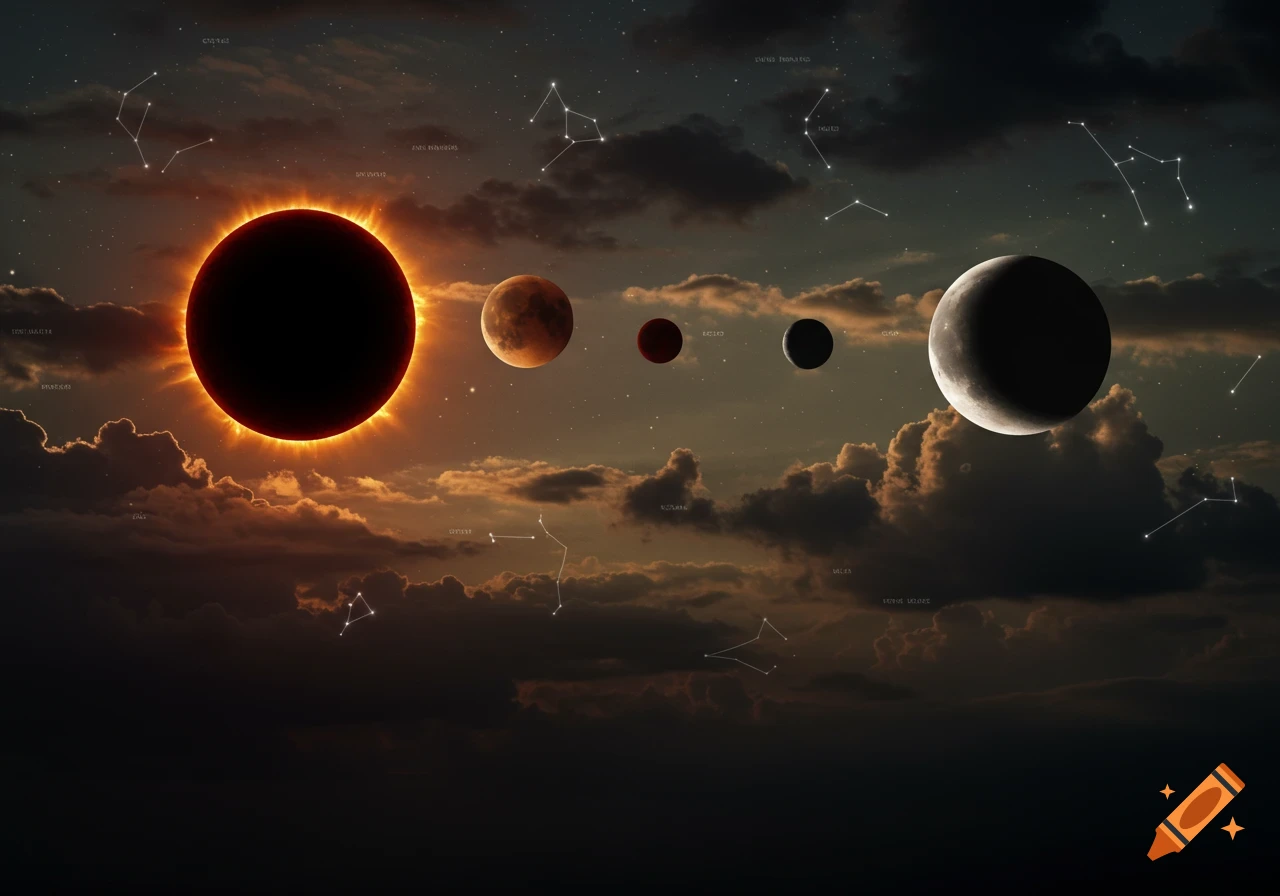
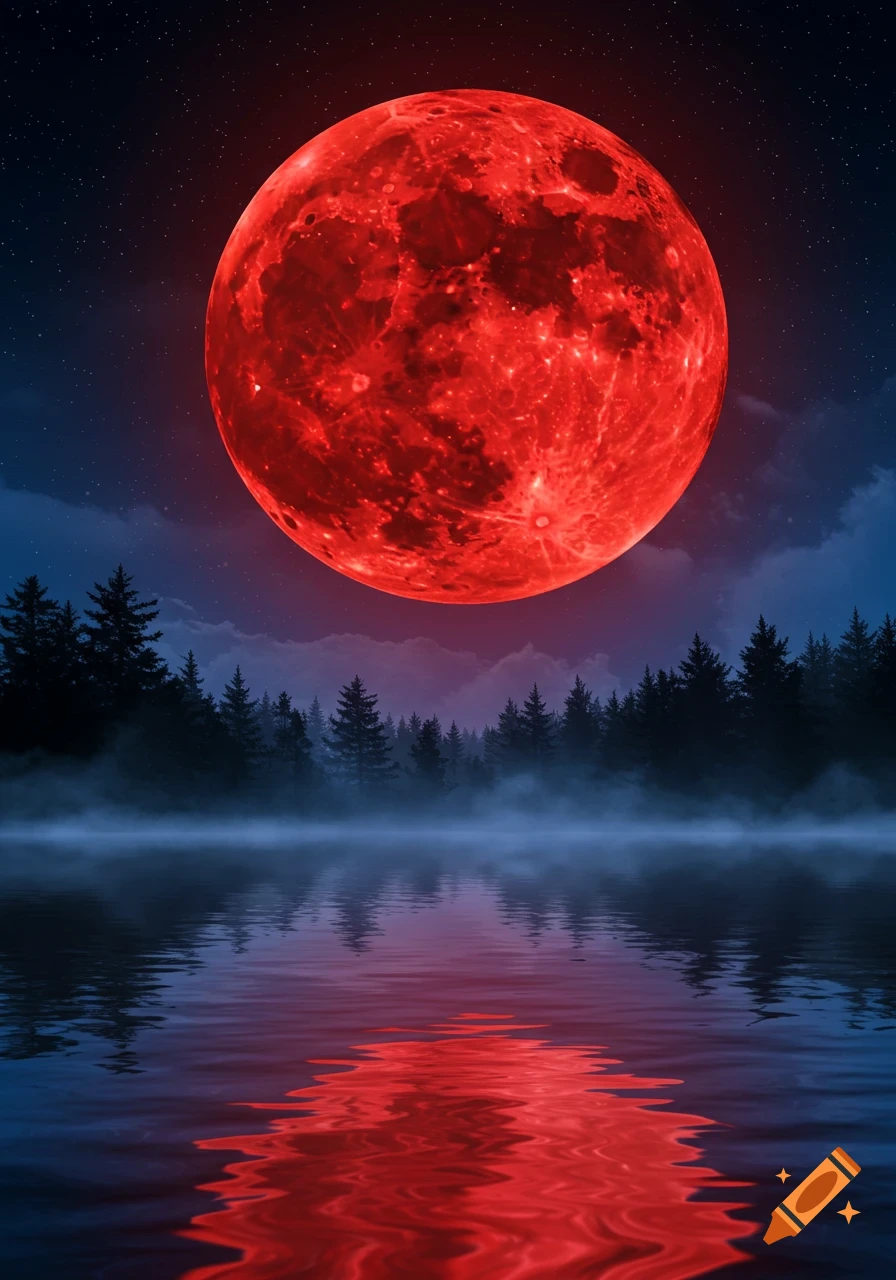
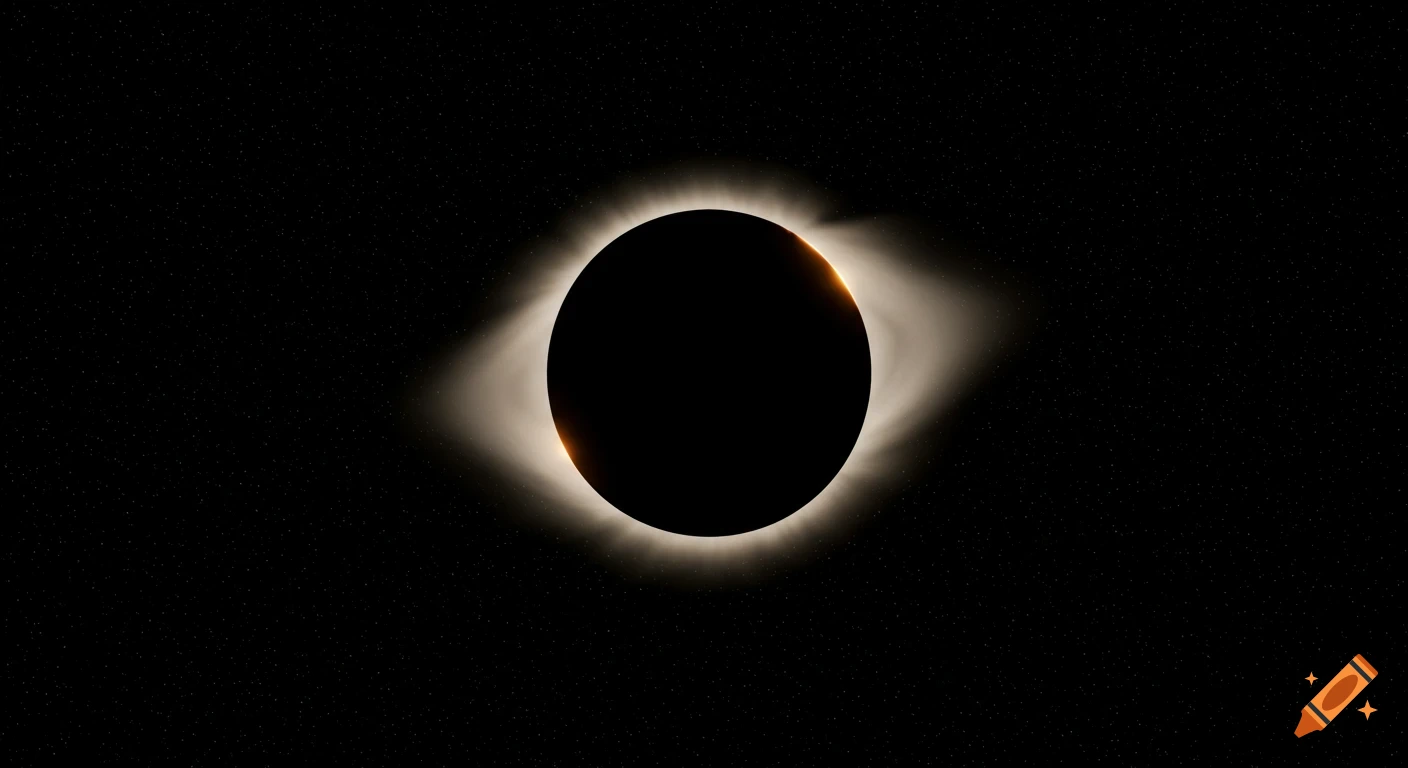
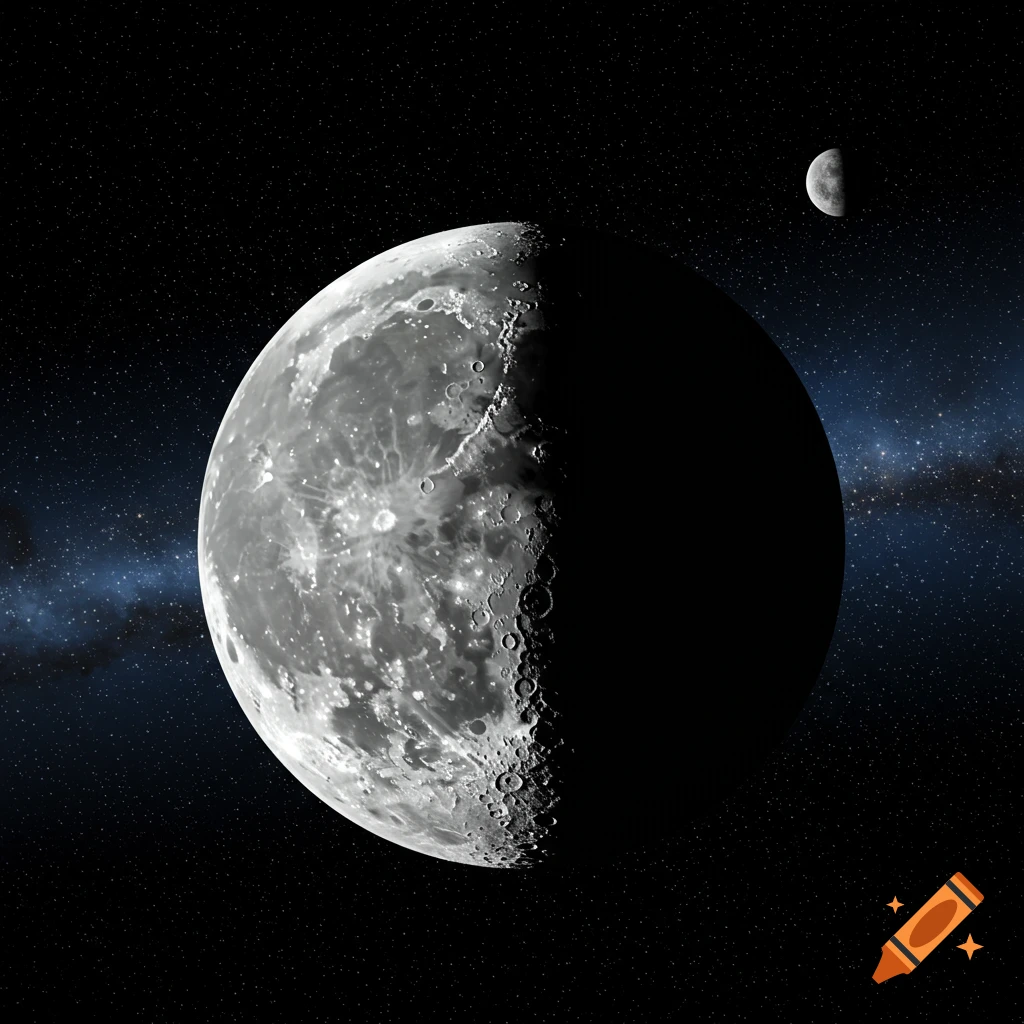
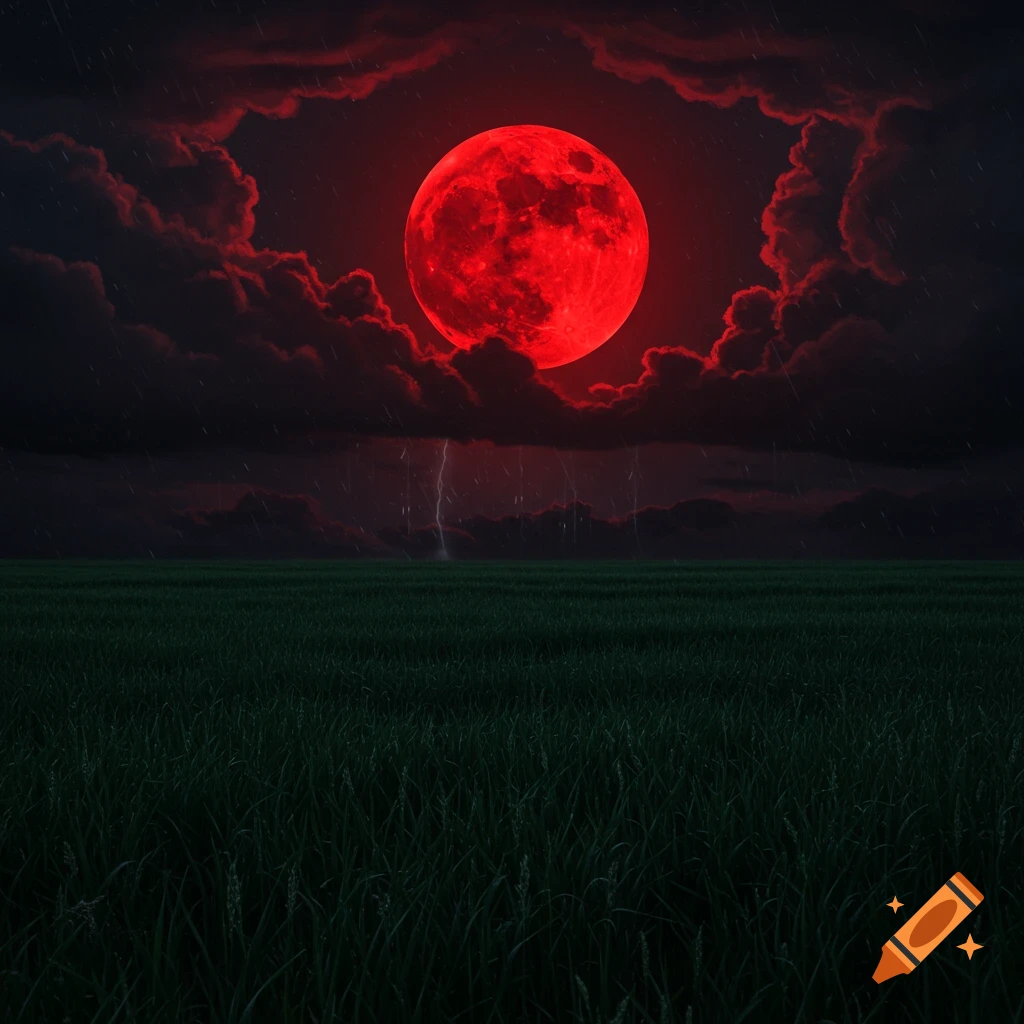
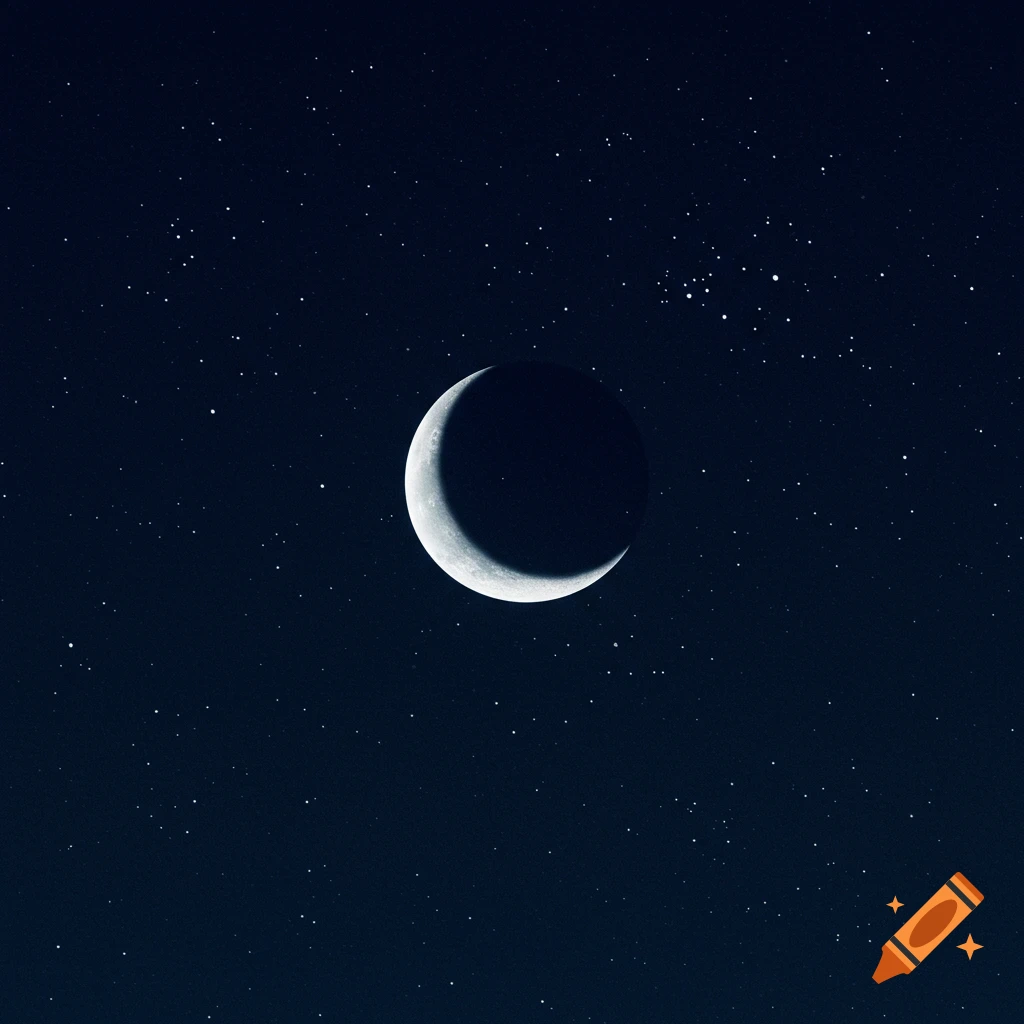
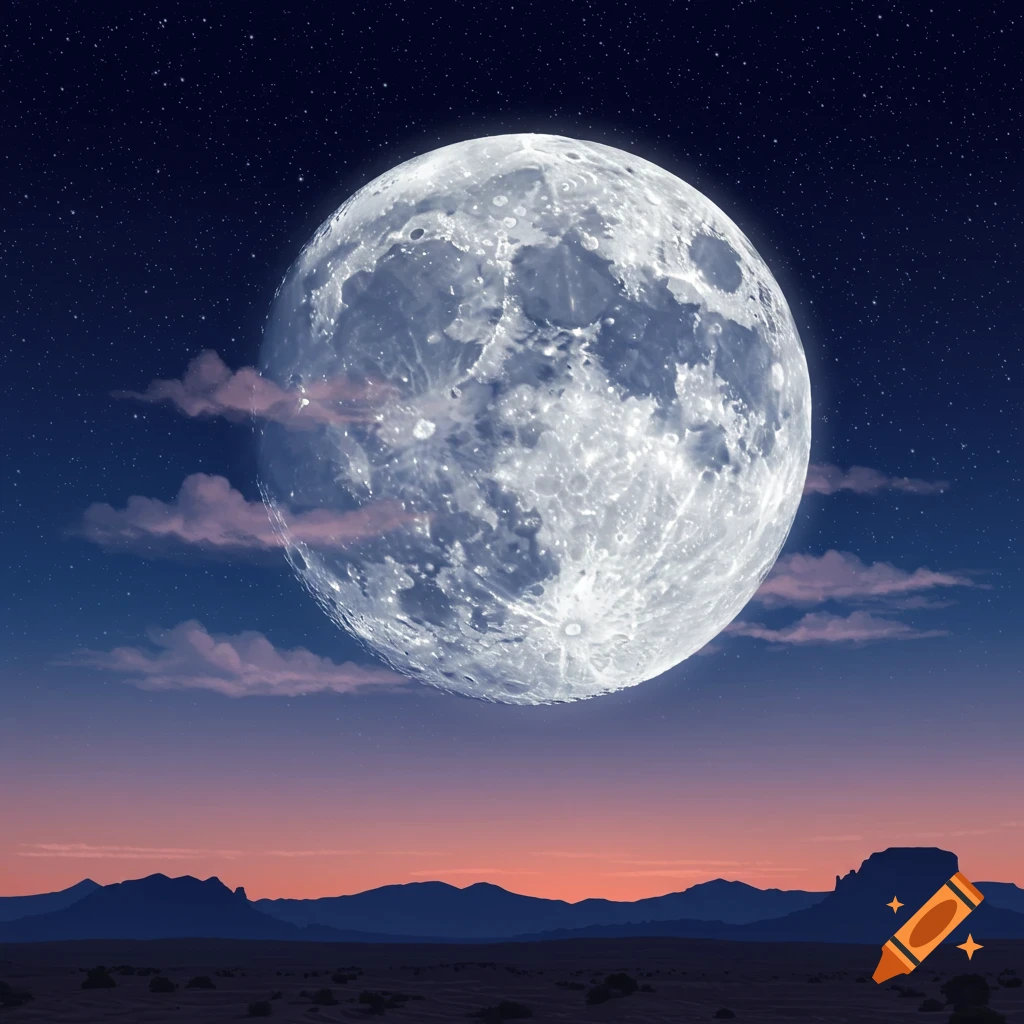
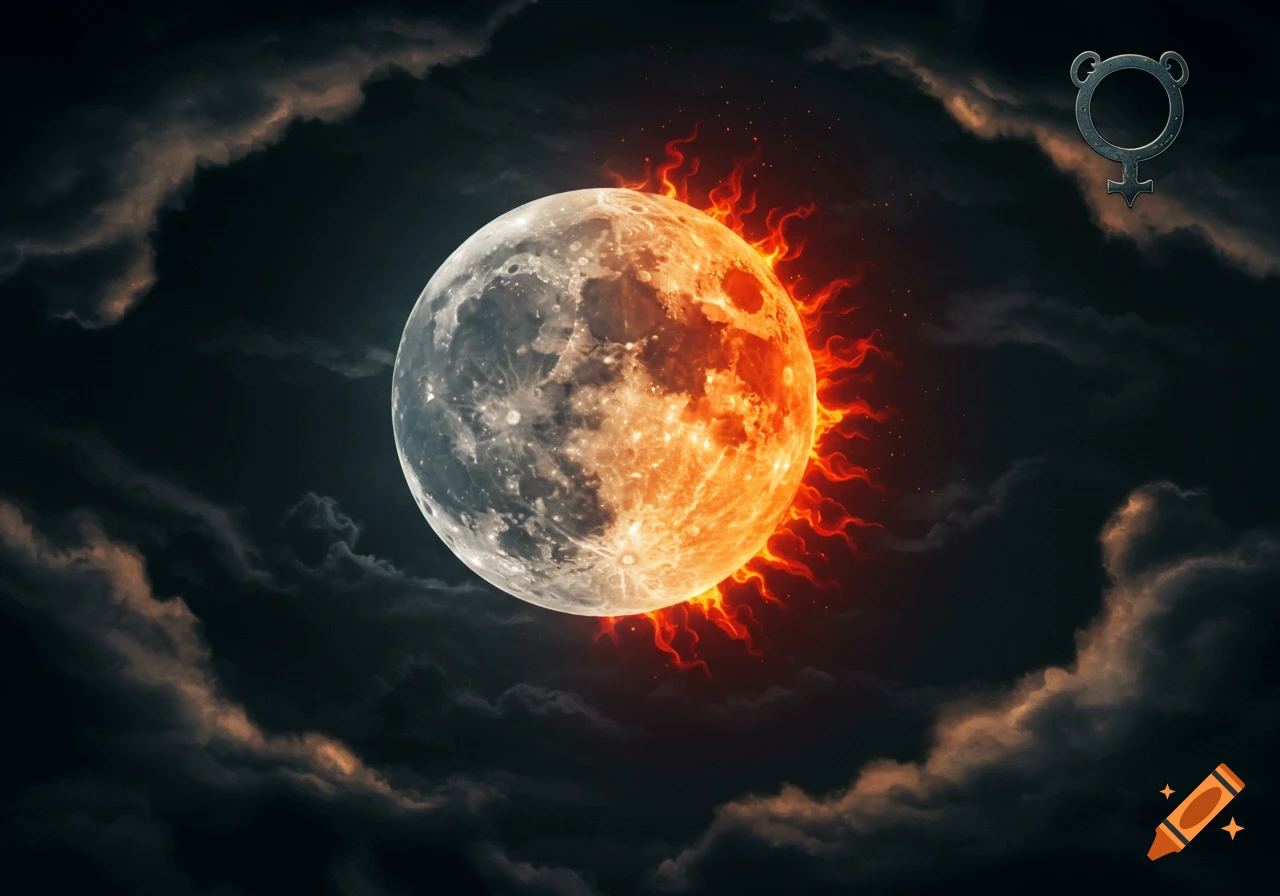
A progression of lunar eclipse phases, showing the moon from crescent to full red 'blood moon' against a dark sky.
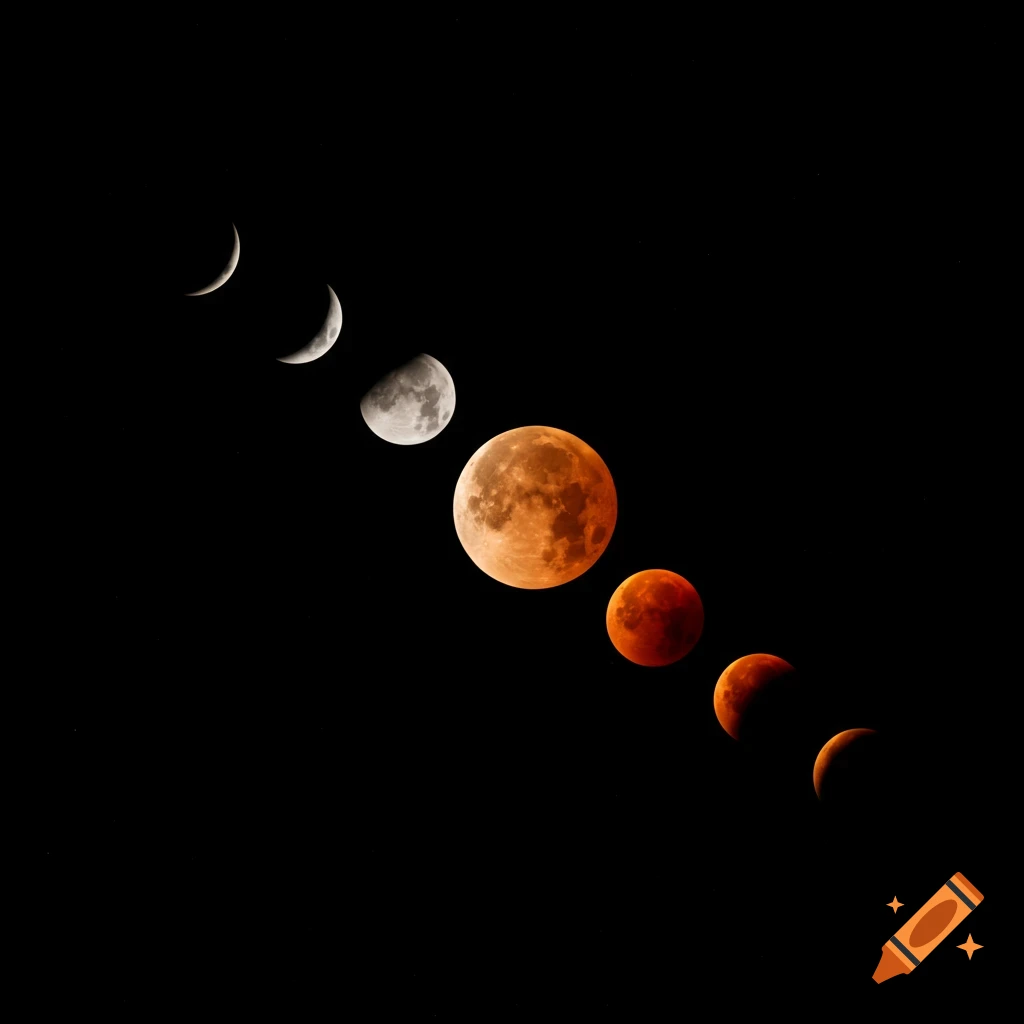
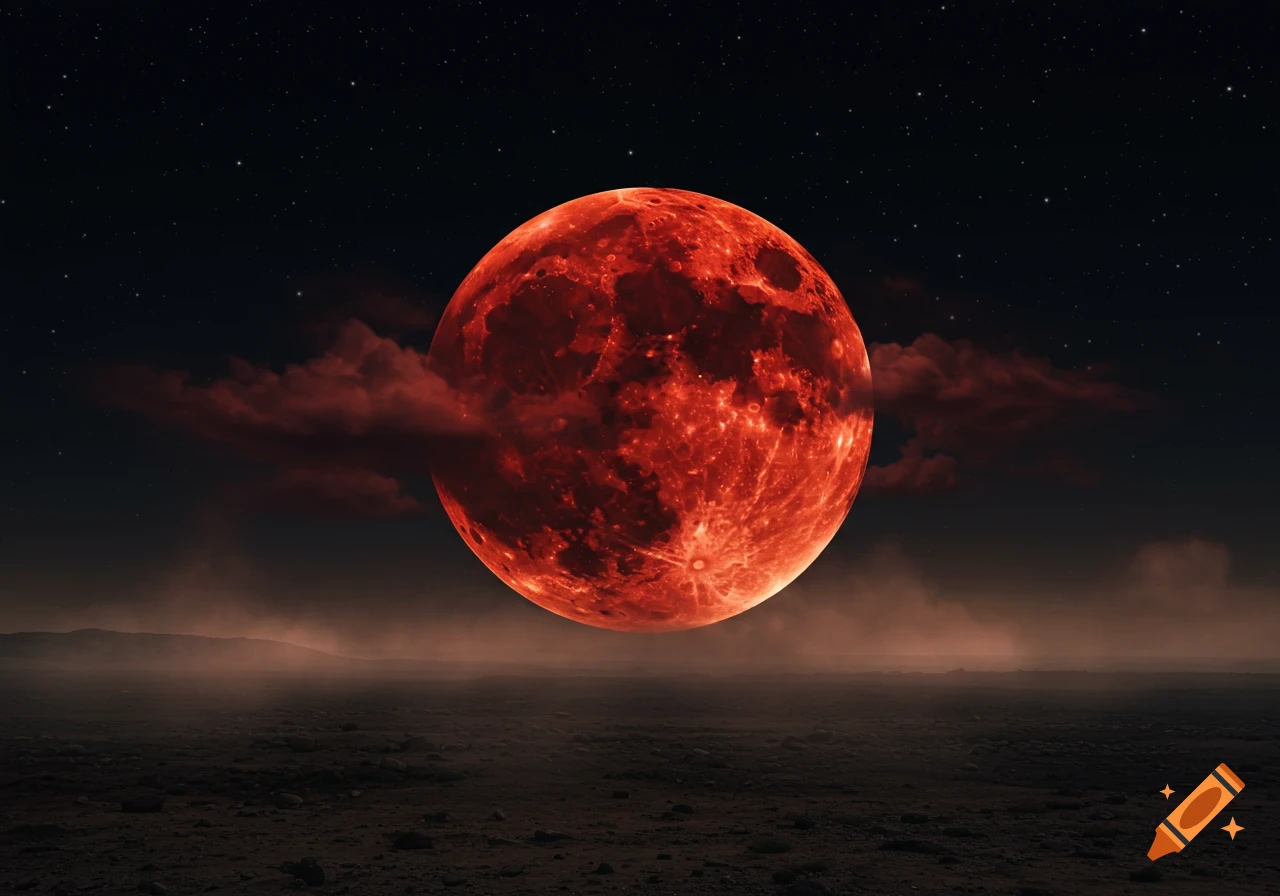
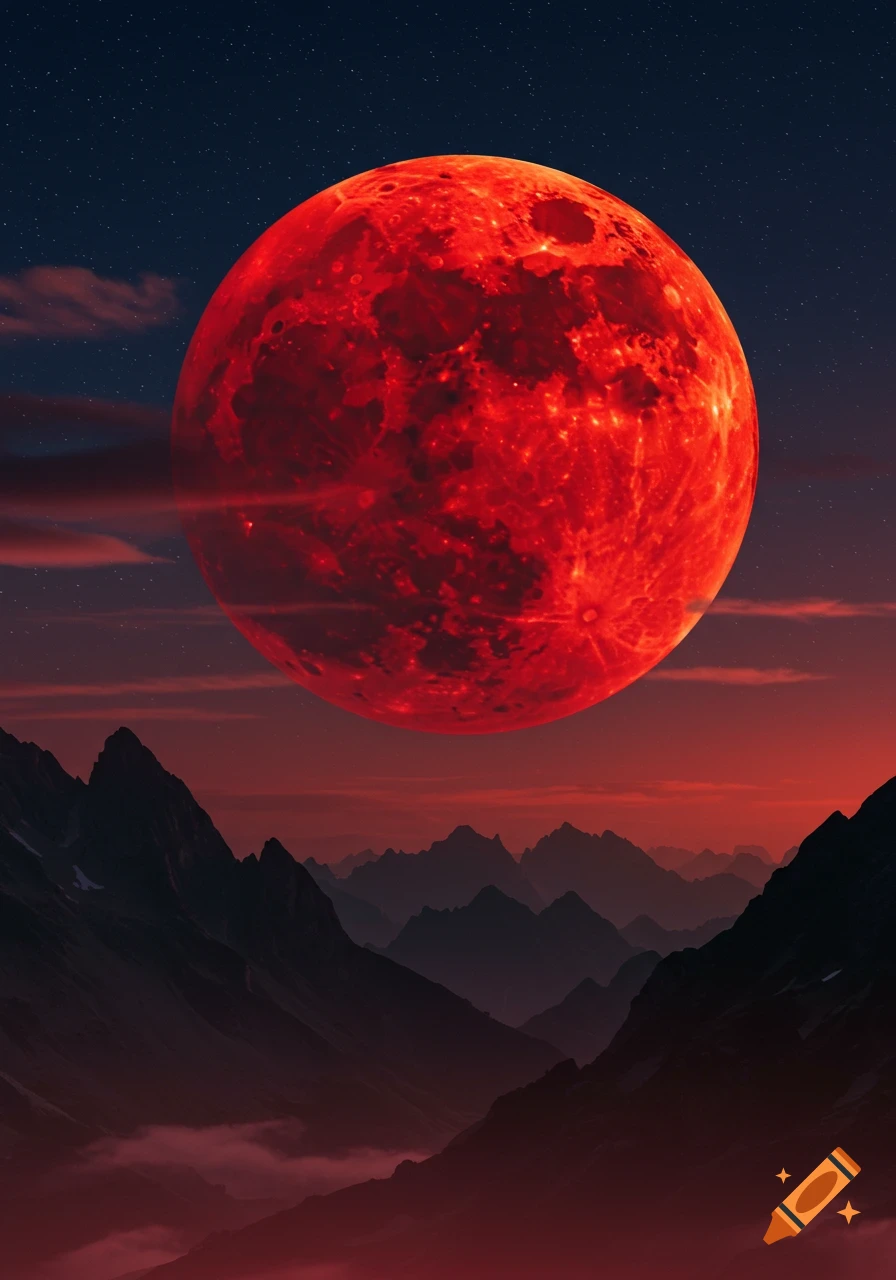
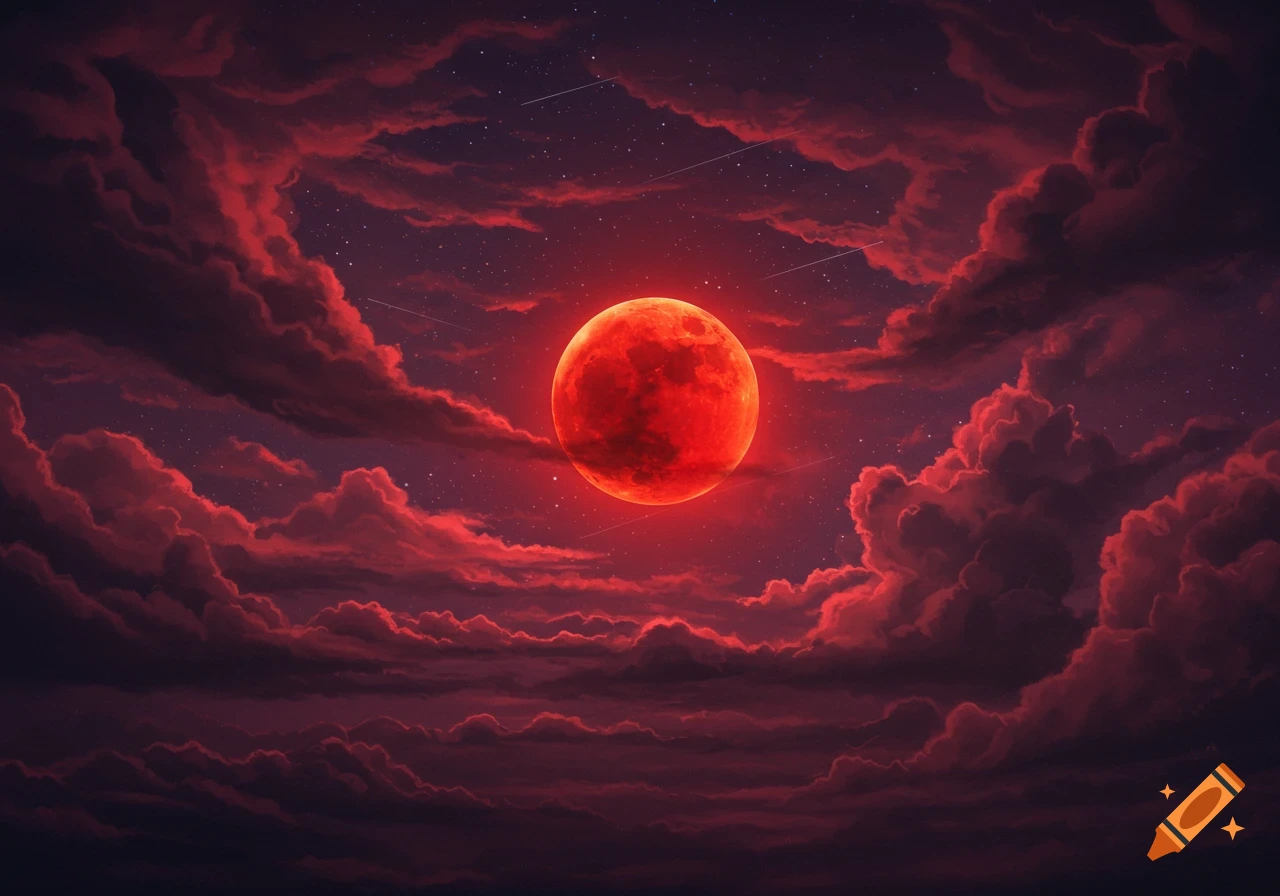
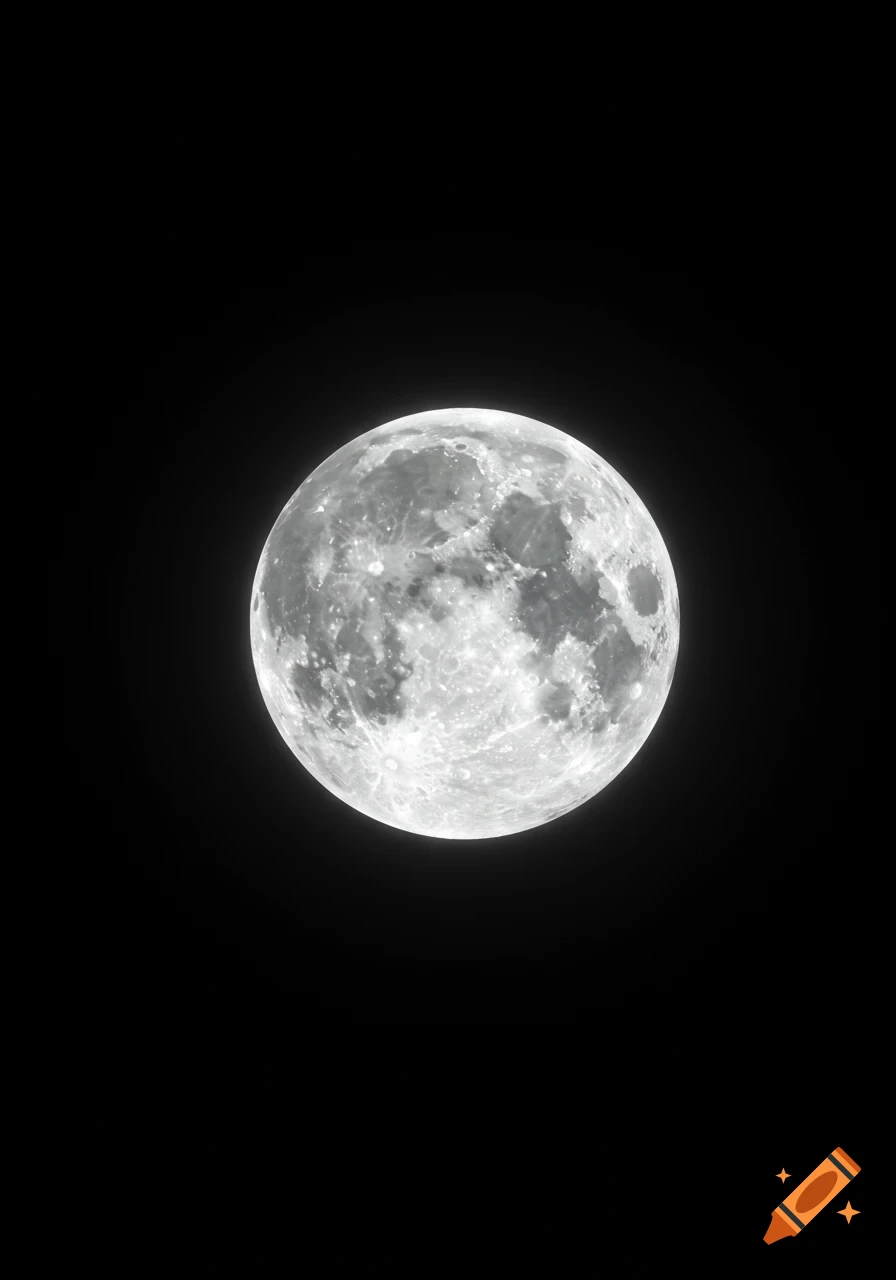
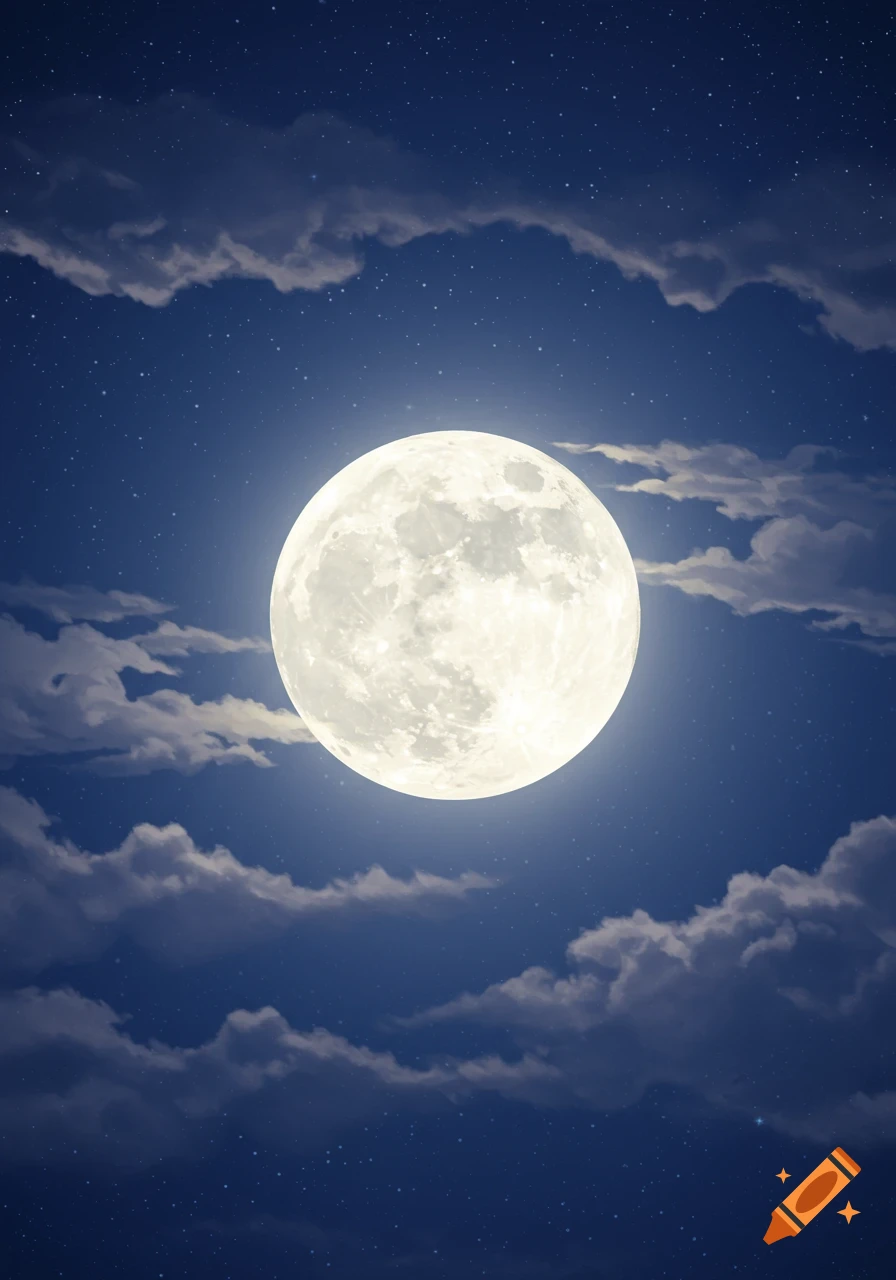
Penumbral eclipse: This is the first and most subtle stage. The moon passes into Earth's faint, outer shadow, called the penumbra. To the casual observer, the moon will just look slightly darker than a normal full moon, with a soft, shadowy shading appearing on one side. Partial eclipse: As the moon moves deeper into Earth's shadow, a distinct, curved dark segment appears on the moon's face. This portion is in the Earth's darkest, central shadow, or umbra. It looks as if a bite has been taken out of the moon. Totality (the "blood moon"): When the moon is fully covered by the umbra, it glows with a reddish, coppery, or sometimes brownish-orange hue. It won't be as bright as a full moon, and it may appear eerie and dim. The color: The exact shade of red depends on the amount of dust, water vapor, and clouds in Earth's atmosphere. A cleaner atmosphere will result in a brighter orange color, while more dust or ash can lead to a darker, deeper red. The end of the eclipse: The entire process reverses as the moon moves out of the umbra and back through the partial and penumbral phases, eventually returning to a bright, full moon. See more