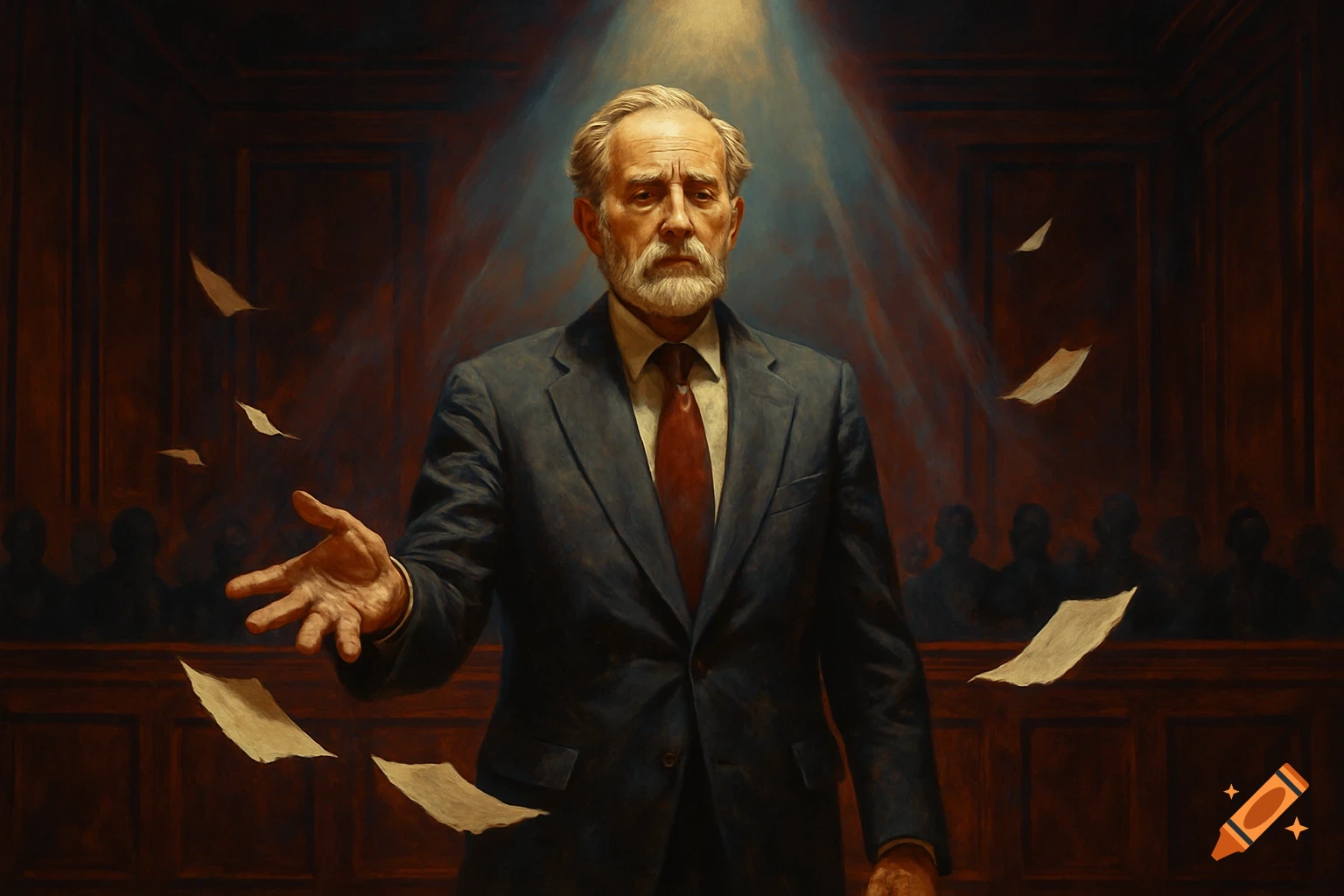
A man speaks at a podium in a grand hall, addressing several people seated at a table with laptops, in a realistic painting style.
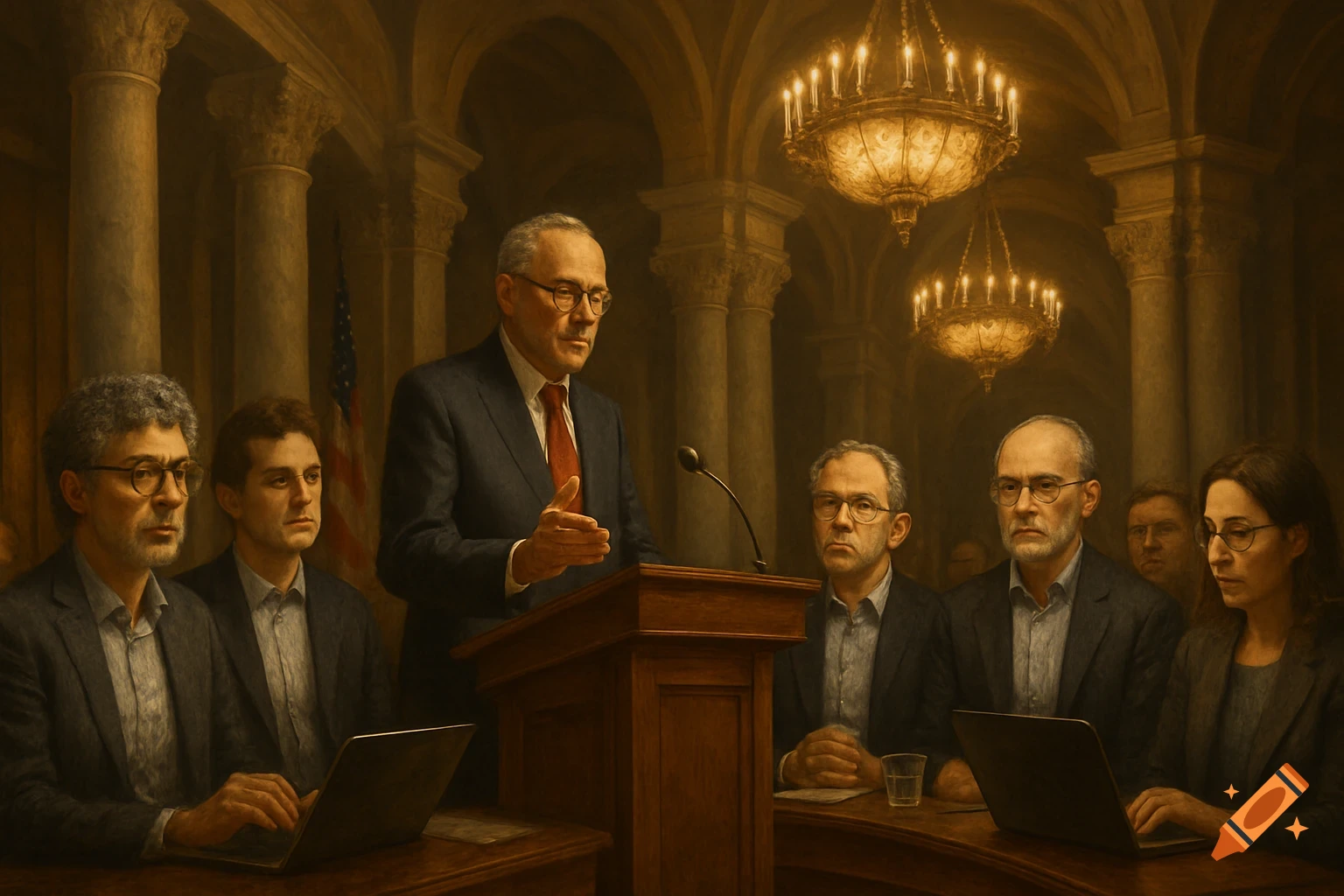
Chapter 1 An Introduction to AI Hype In late 2023, inside the grand halls of the United States capital of Washington, DC, Senator Charles “Chuck” Schumer, Senate majority leader, led the eighth of a set of forums he had been convening around artificial intelligence, or AI. These “insight forums” were intended to provide the august body of the U.S. Senate with information on how to handle this “brand-new” technology of AI. At this particular meeting, a number of notables were in attendance: researcher Yoshua Bengio, who received one of computer science’s highest honors for his work on AI; Jared Kaplan, cofounder of the influential AI startup Anthropic; Aleksander Mądry, OpenAI’s “Head of Preparedness”; and Stuart Russell, an influential professor of computer science. Also in the room were people from civil society (including civil rights and nonprofit research groups), policy institutes, and venture capital firms. Schumer began the conversation1 with an unusual prompt: What was everyone’s p(doom) and p(hope)? Pronounced pee-doom (and pee-hope), this phrase references notation from statistics and is short for “probability of doom/hope”, referring to a popular trope that machines with minds of their own will, perhaps, kill us all, intentionally or unintentionally. Estimates from those in the room ranged from 0 up to 90 percent, according to reporting on the event. Schumer tweeted afterward2: “If managed properly, AI promises unimaginable potential. If left unchecked, AI poses See more