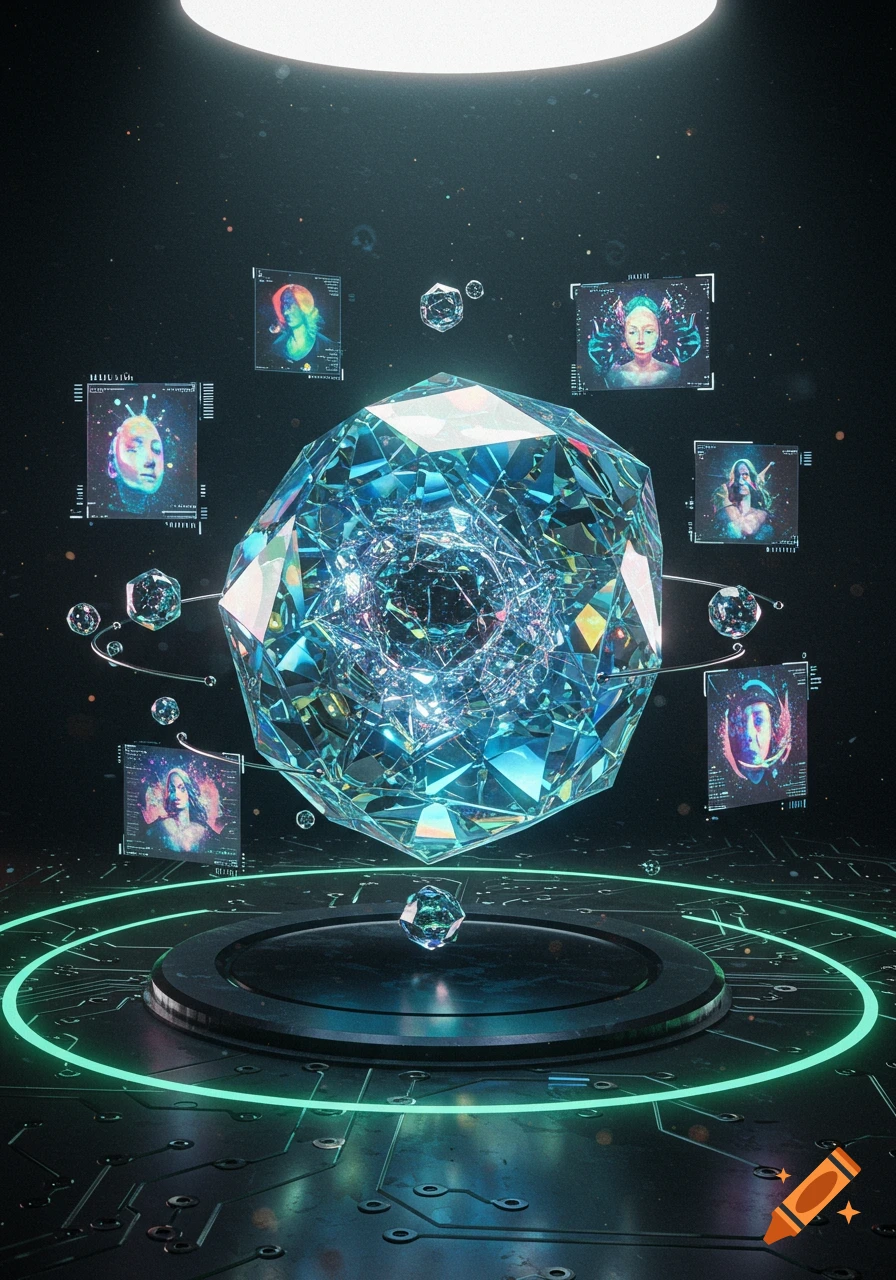
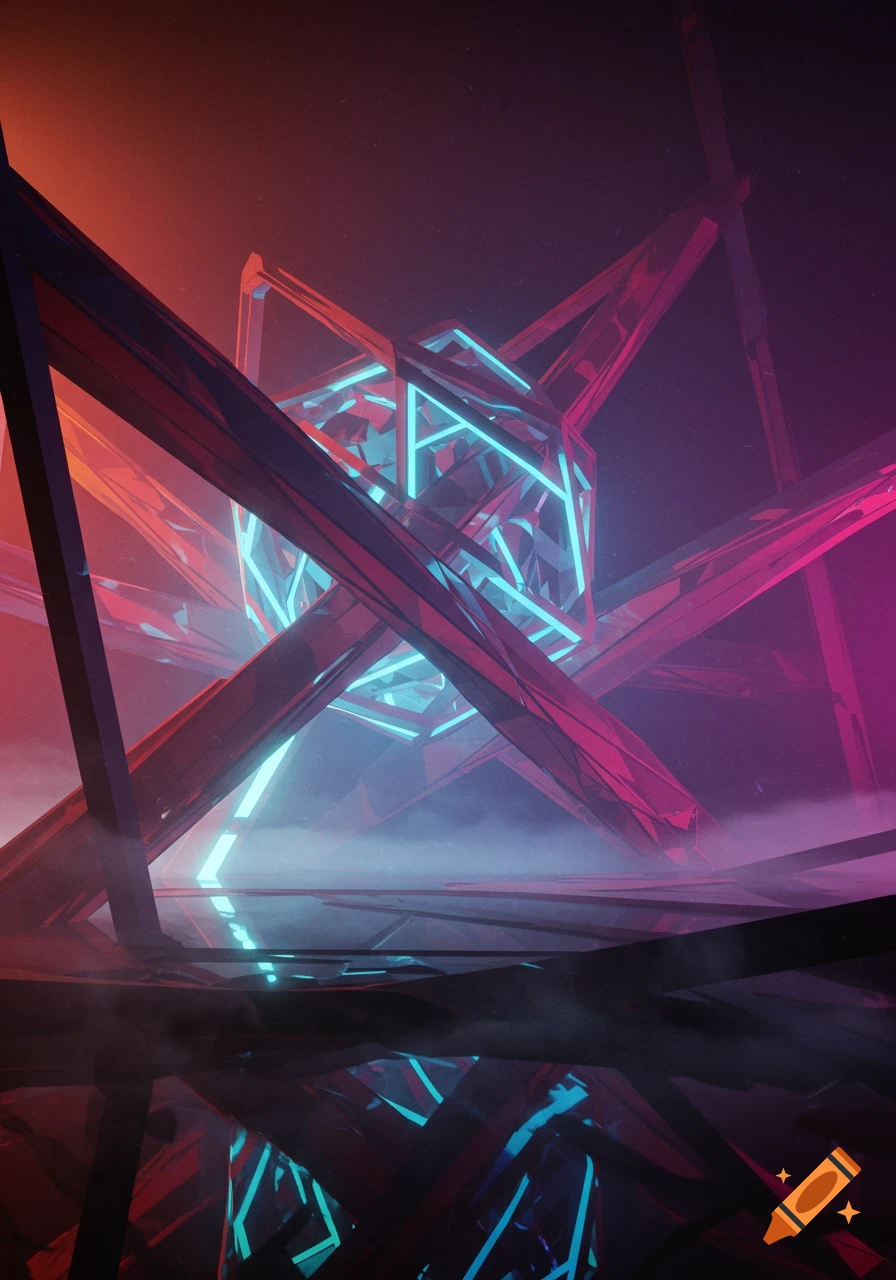
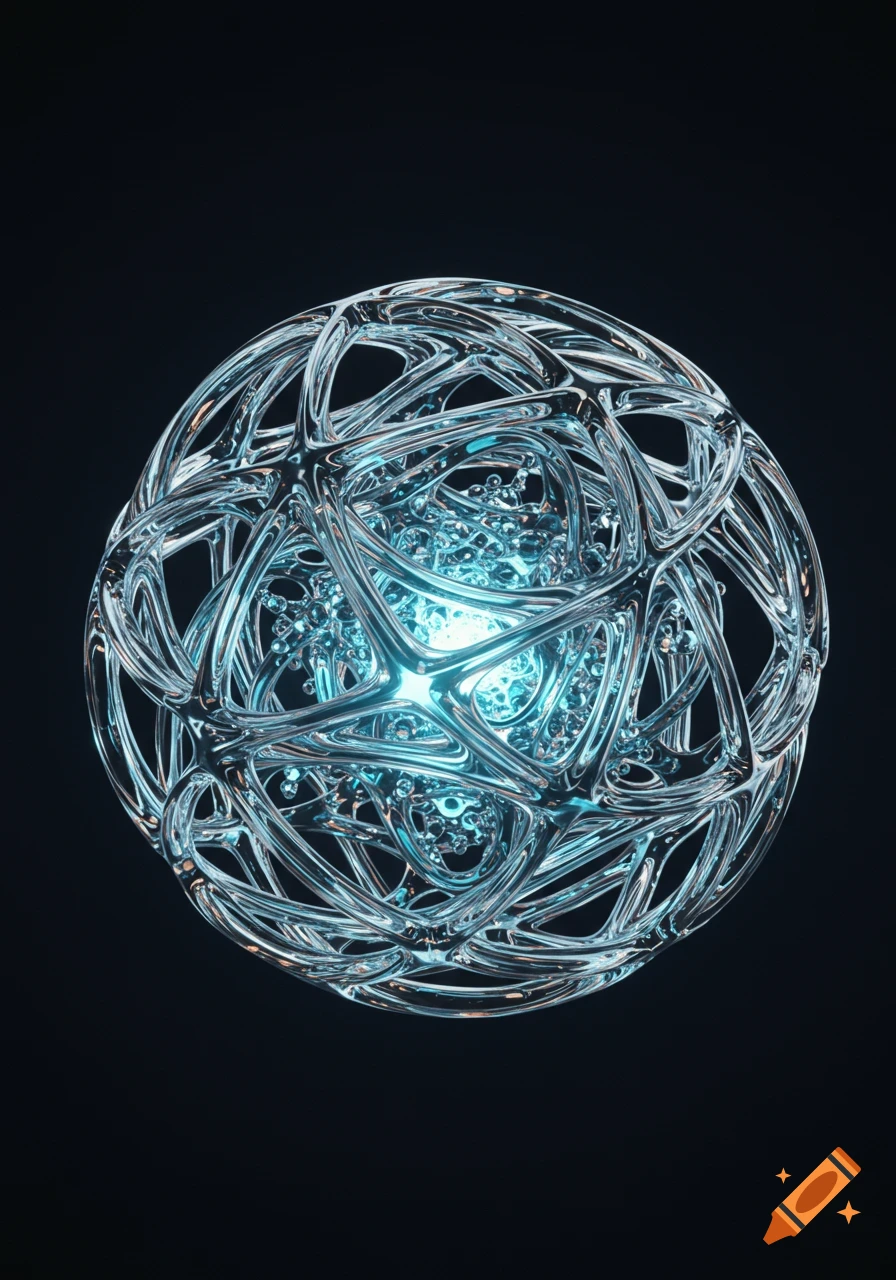
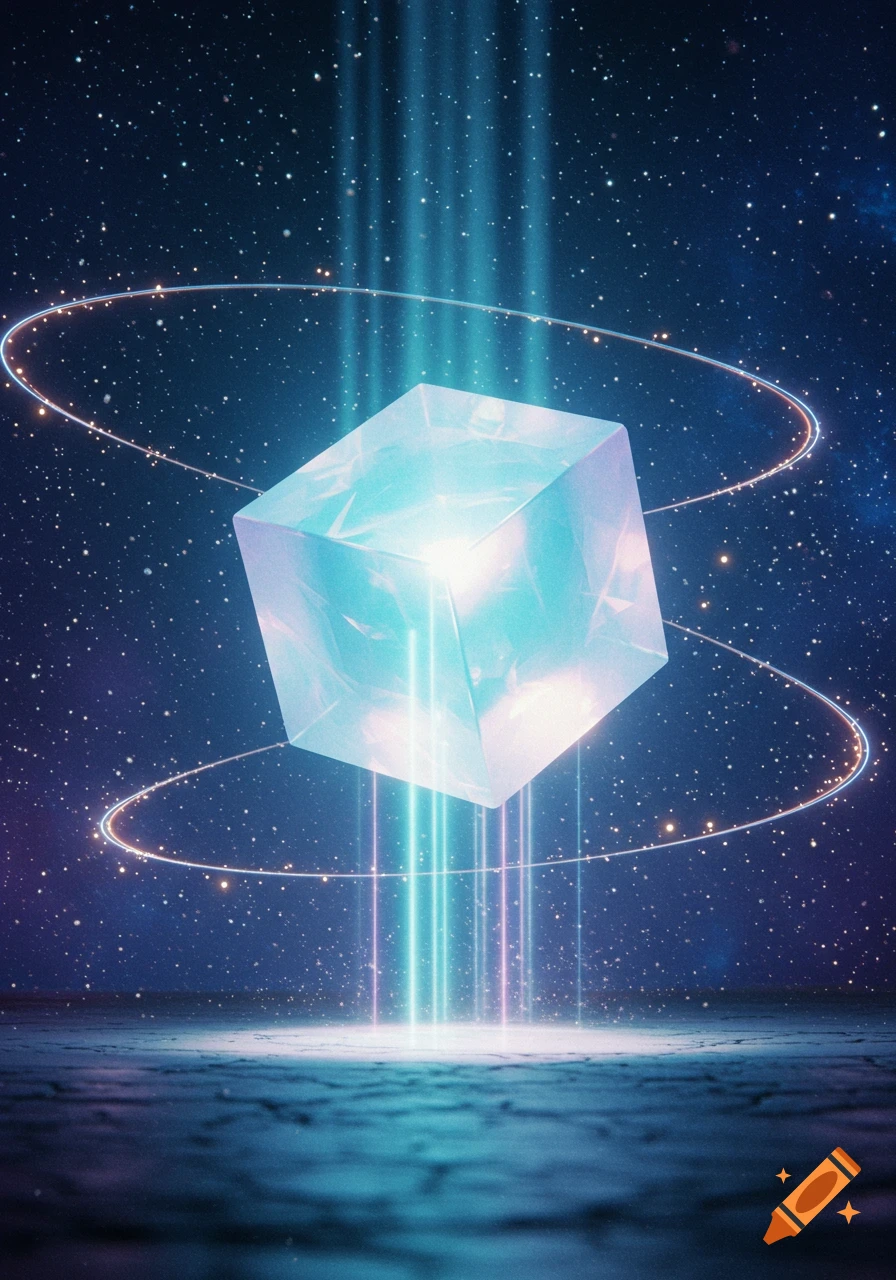
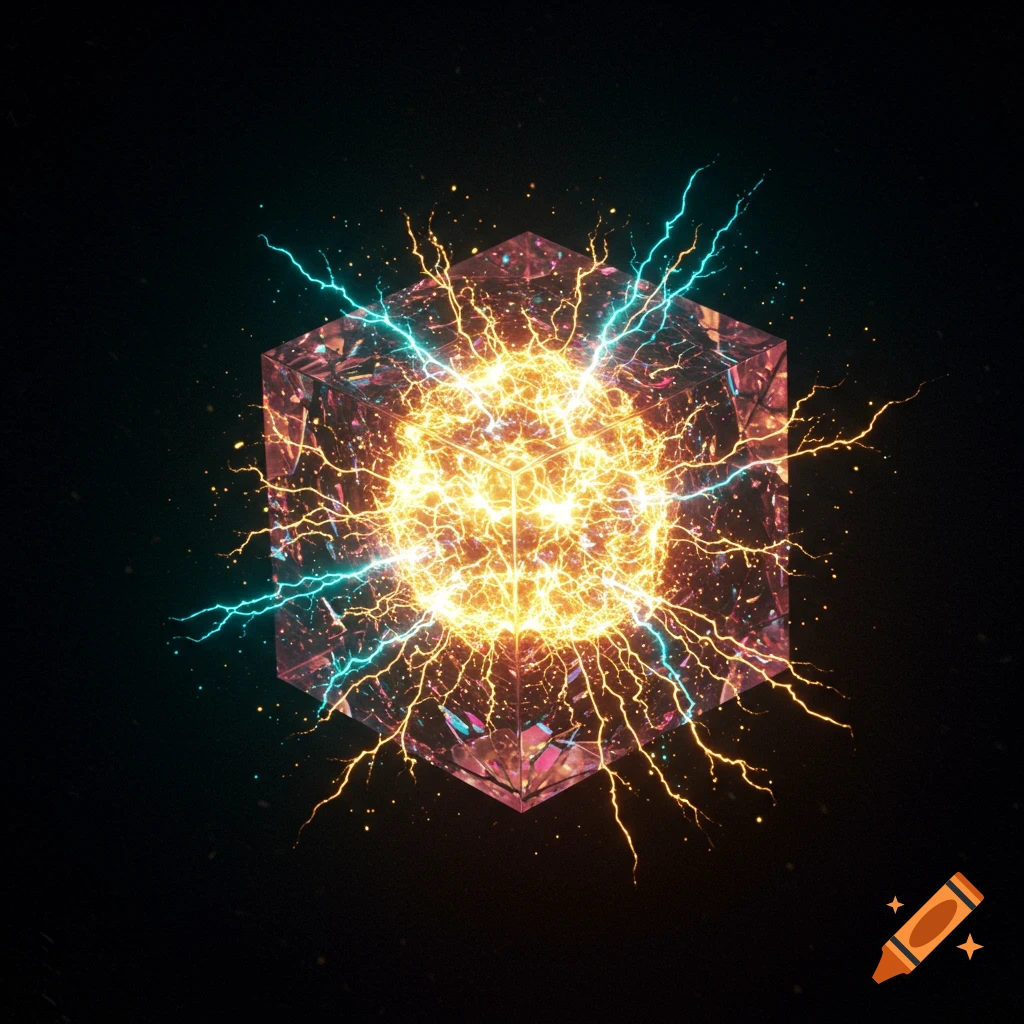
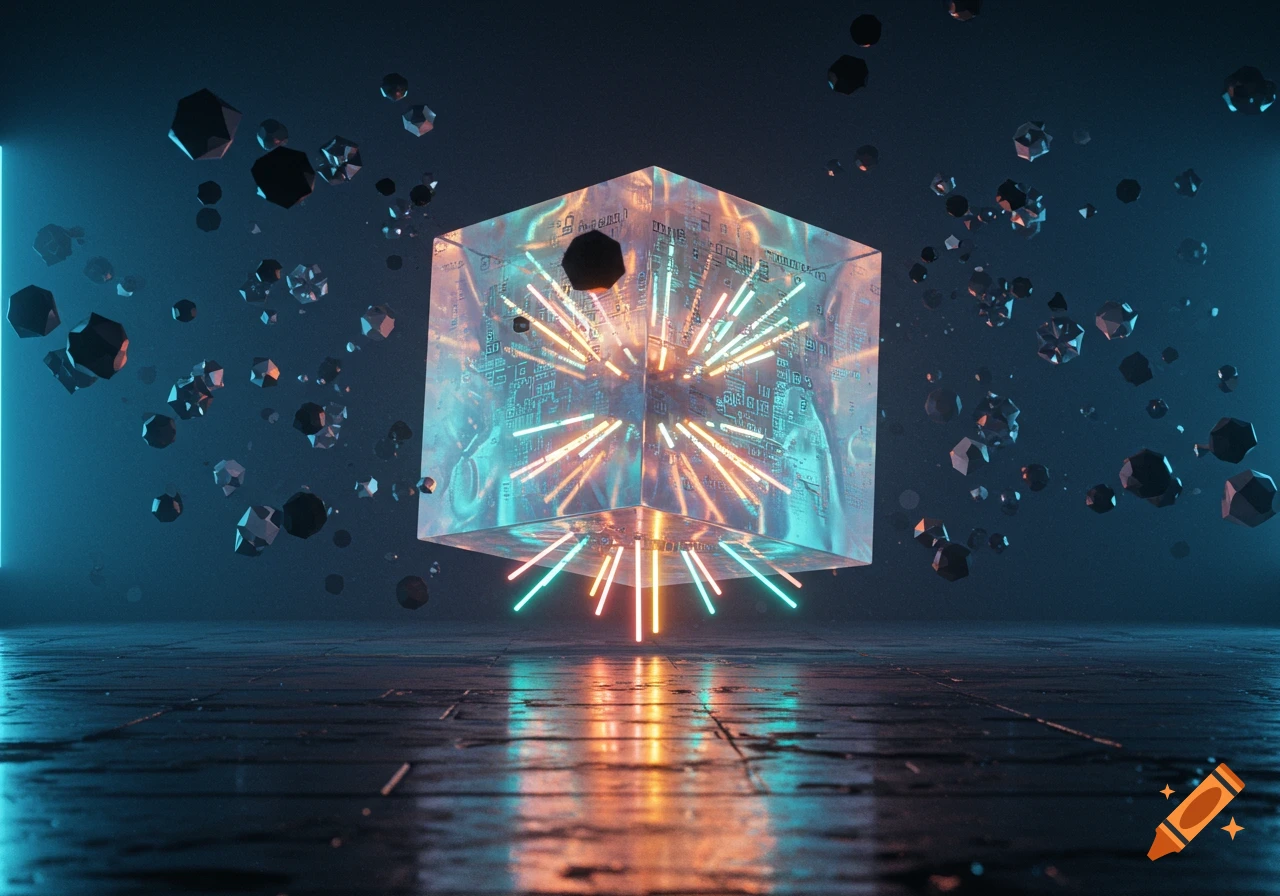
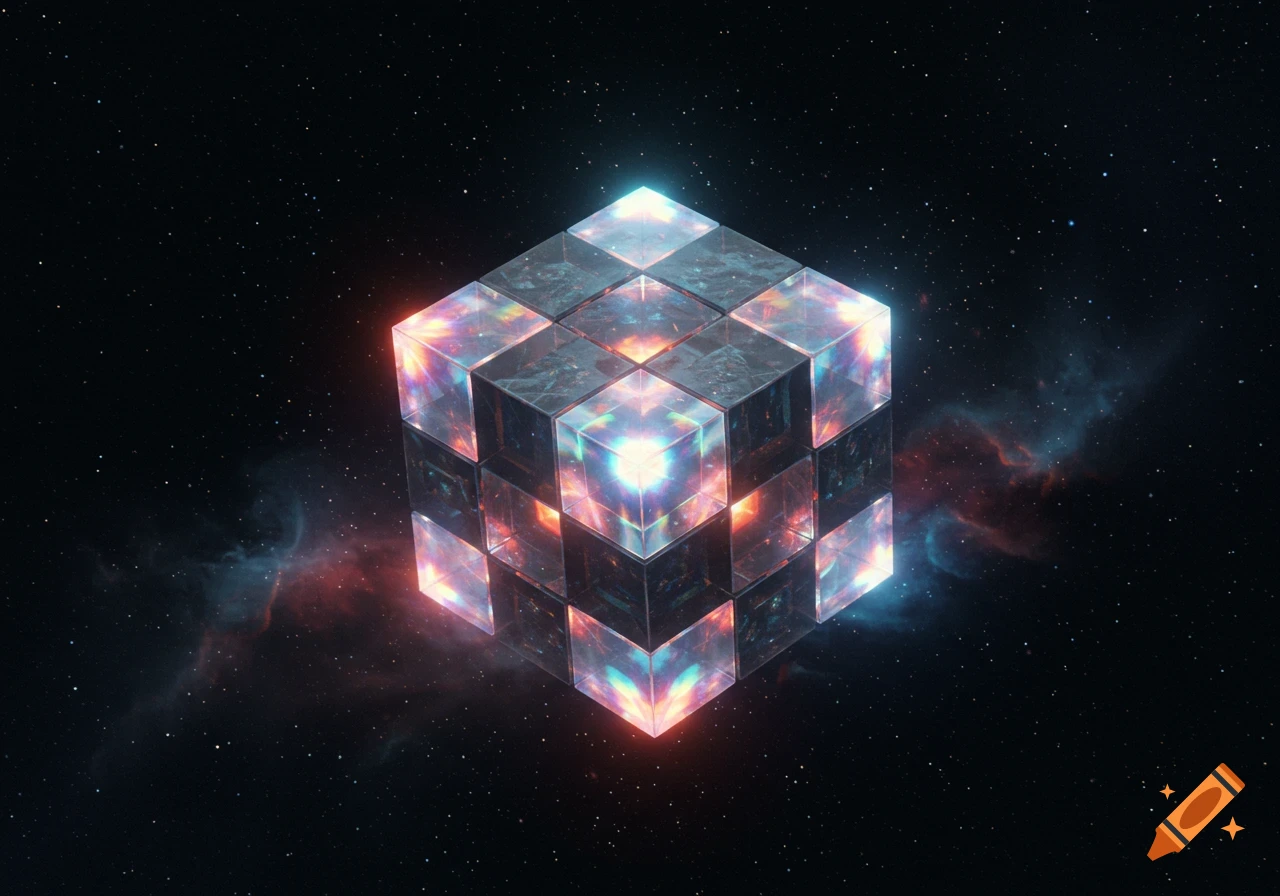
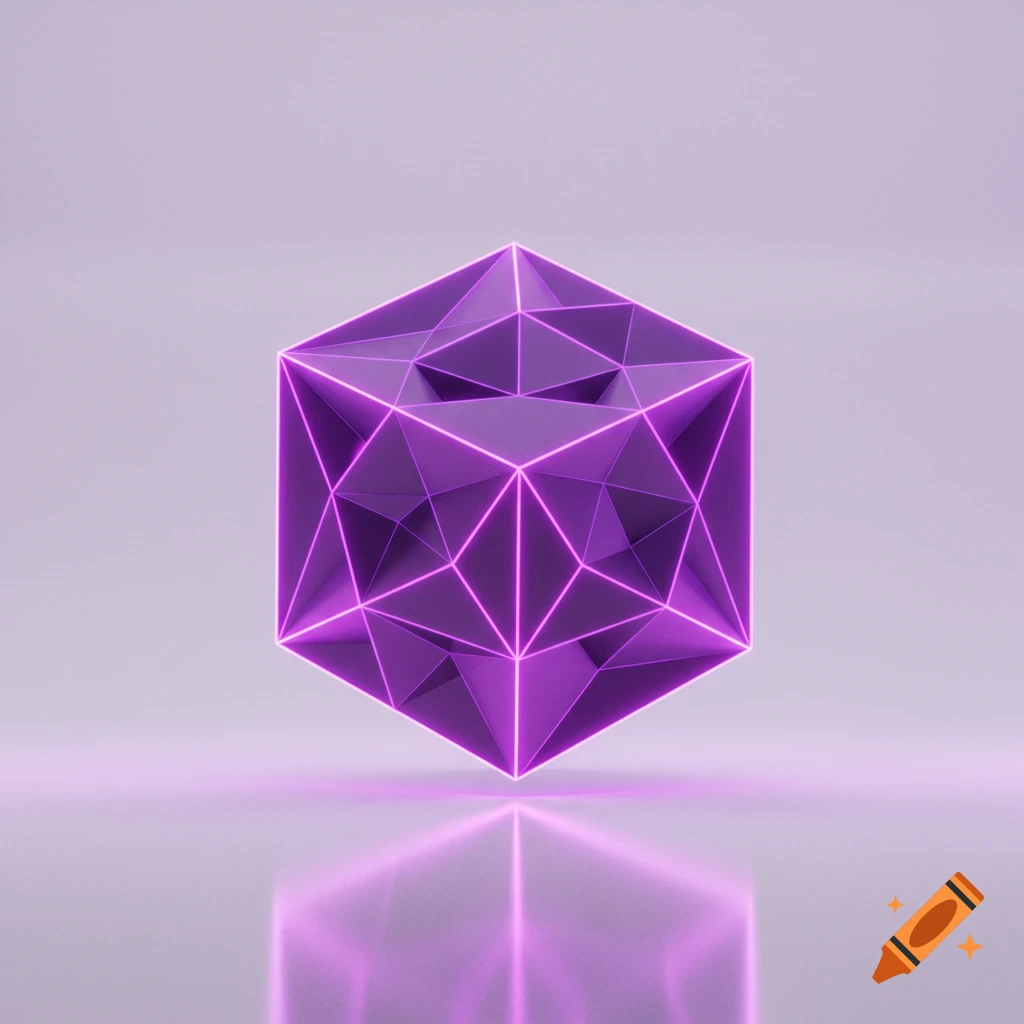
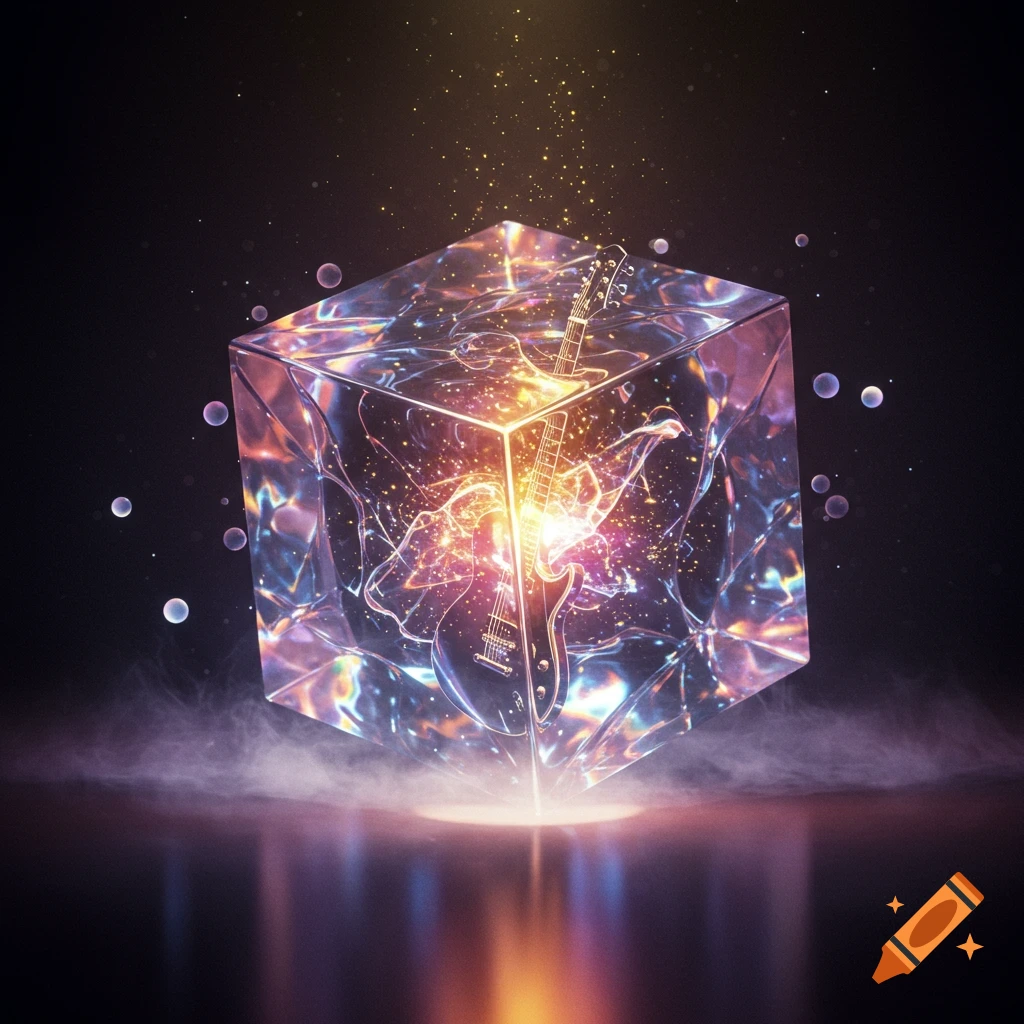
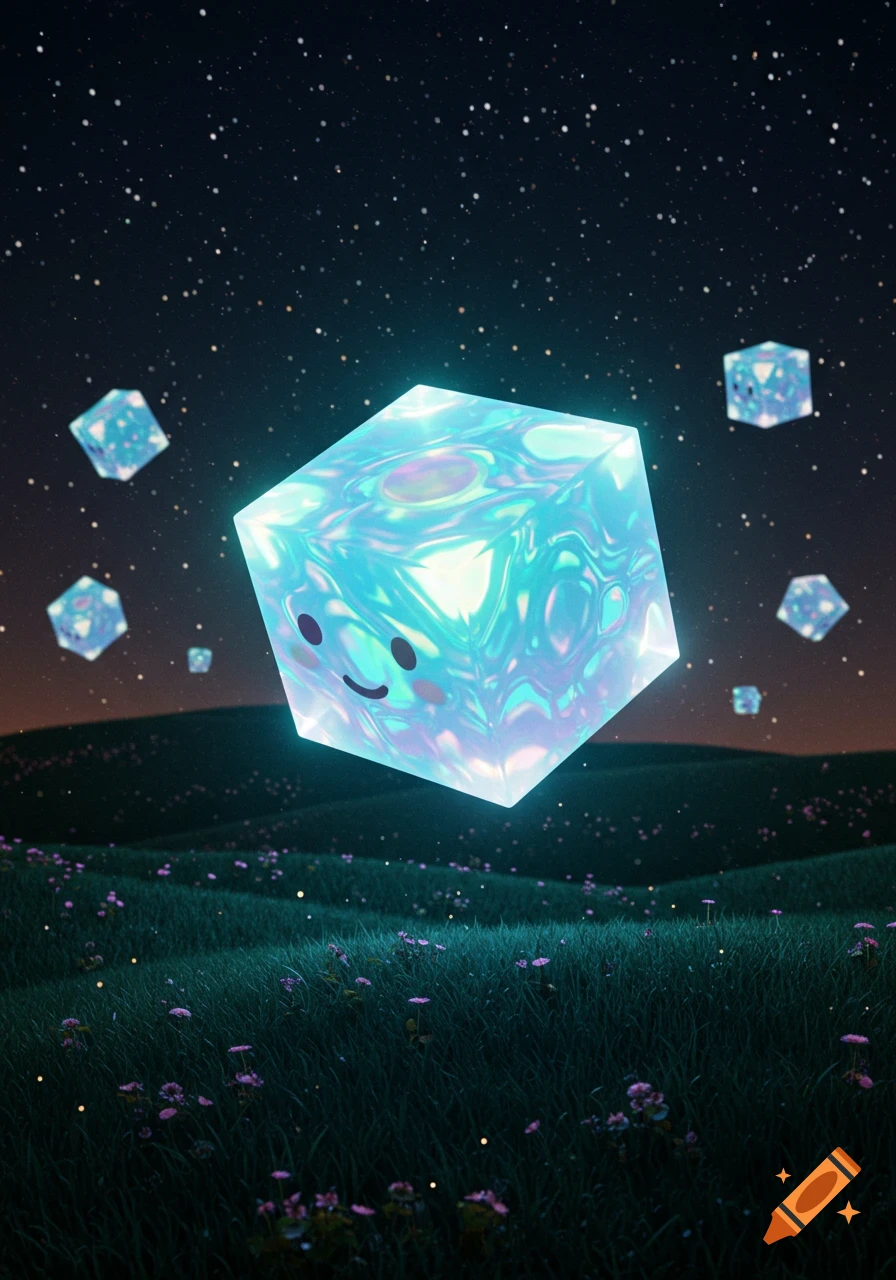
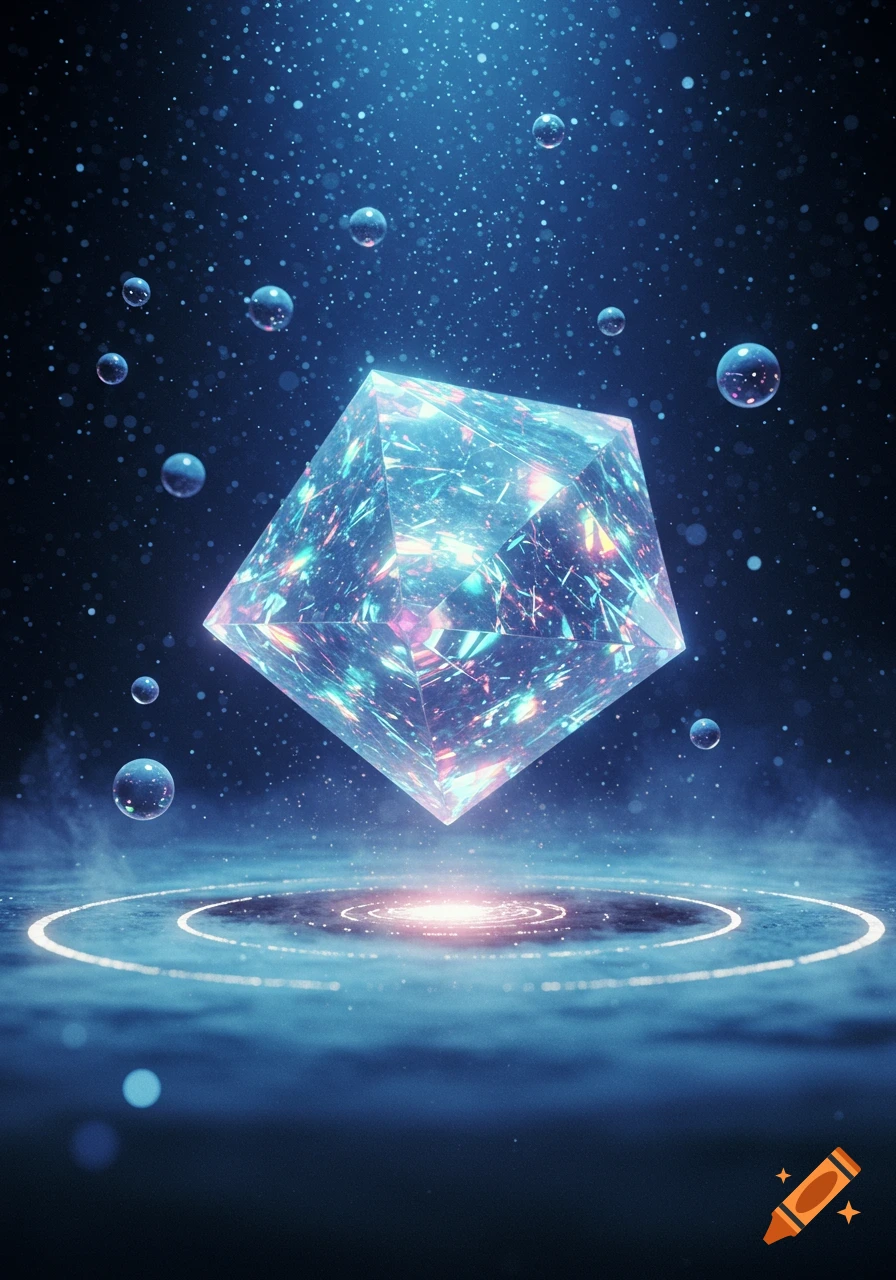
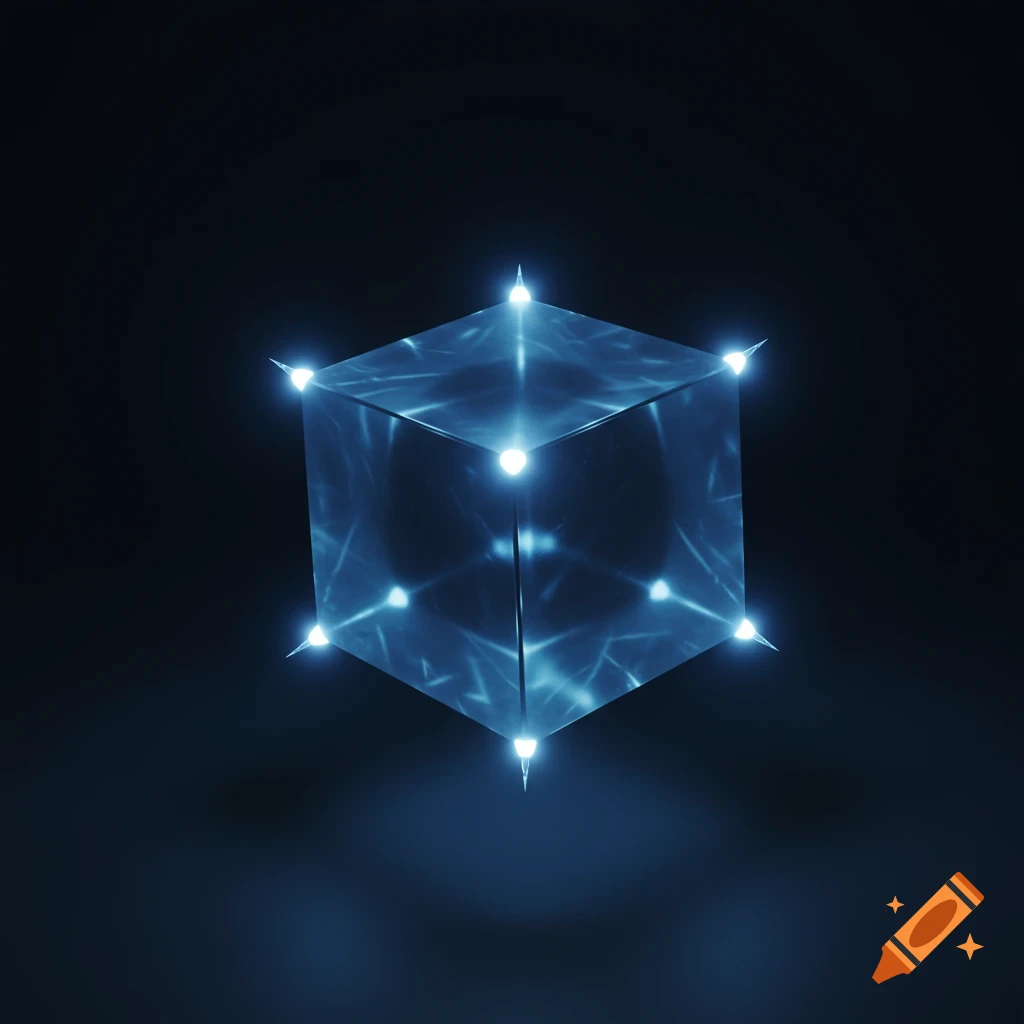
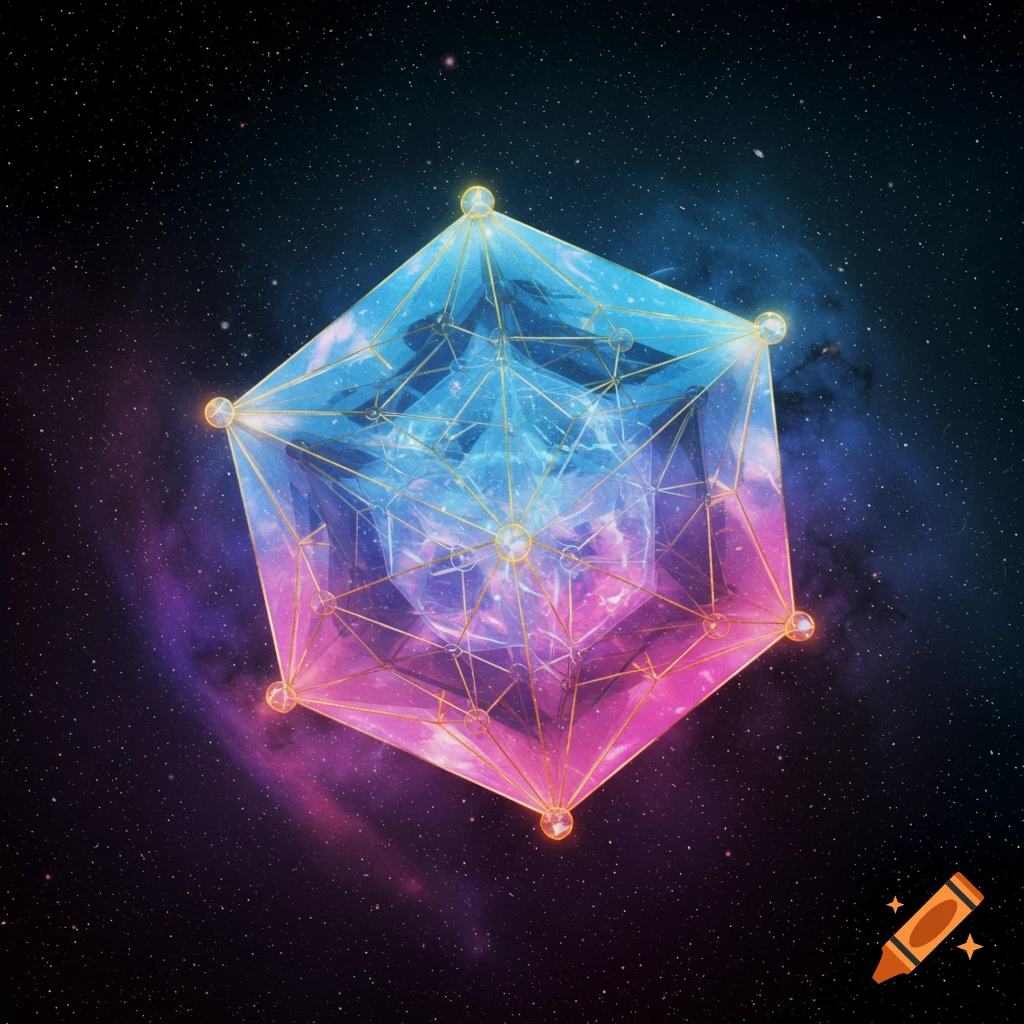
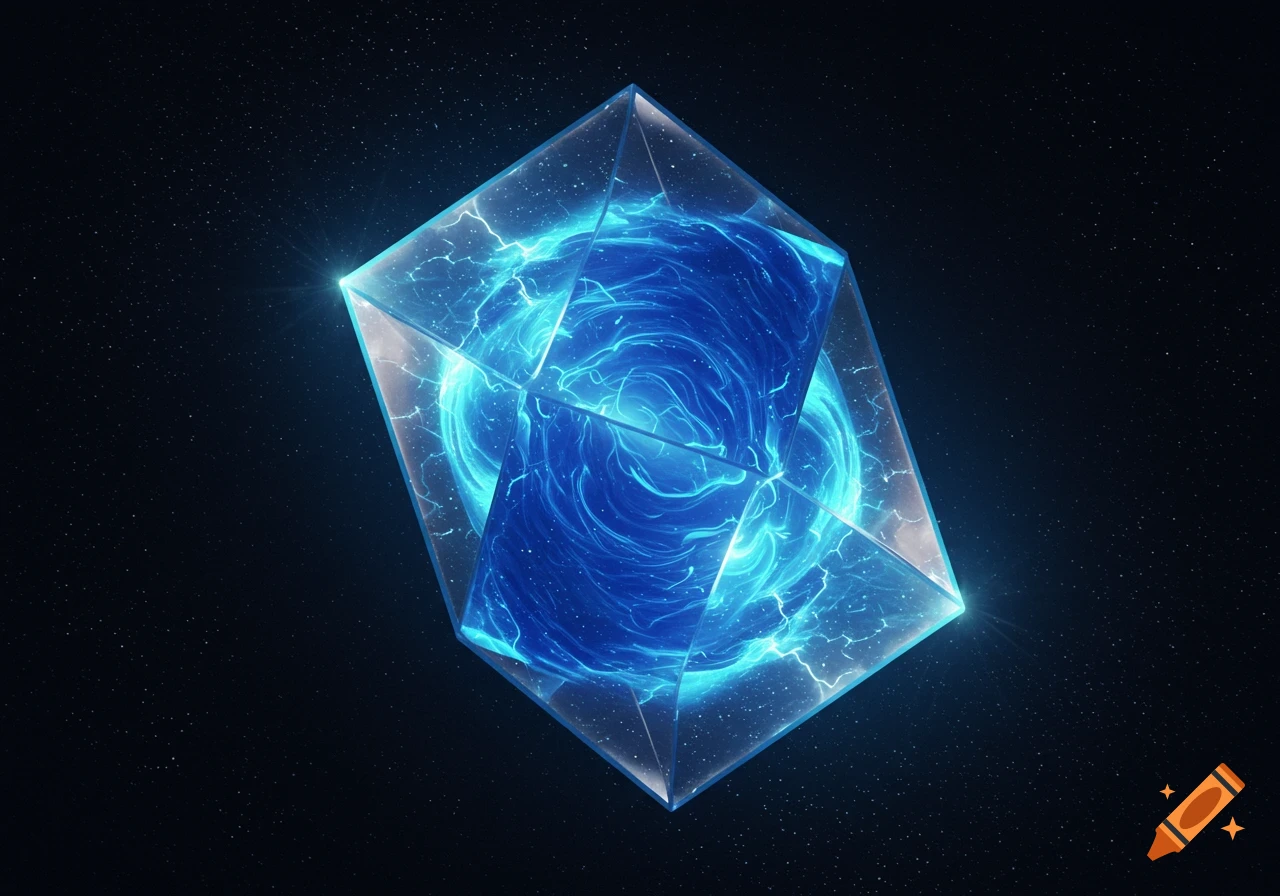
A glowing transparent cube with intertwining neon lines inside, sitting on a clear ring, casting colorful light on a dark surface.

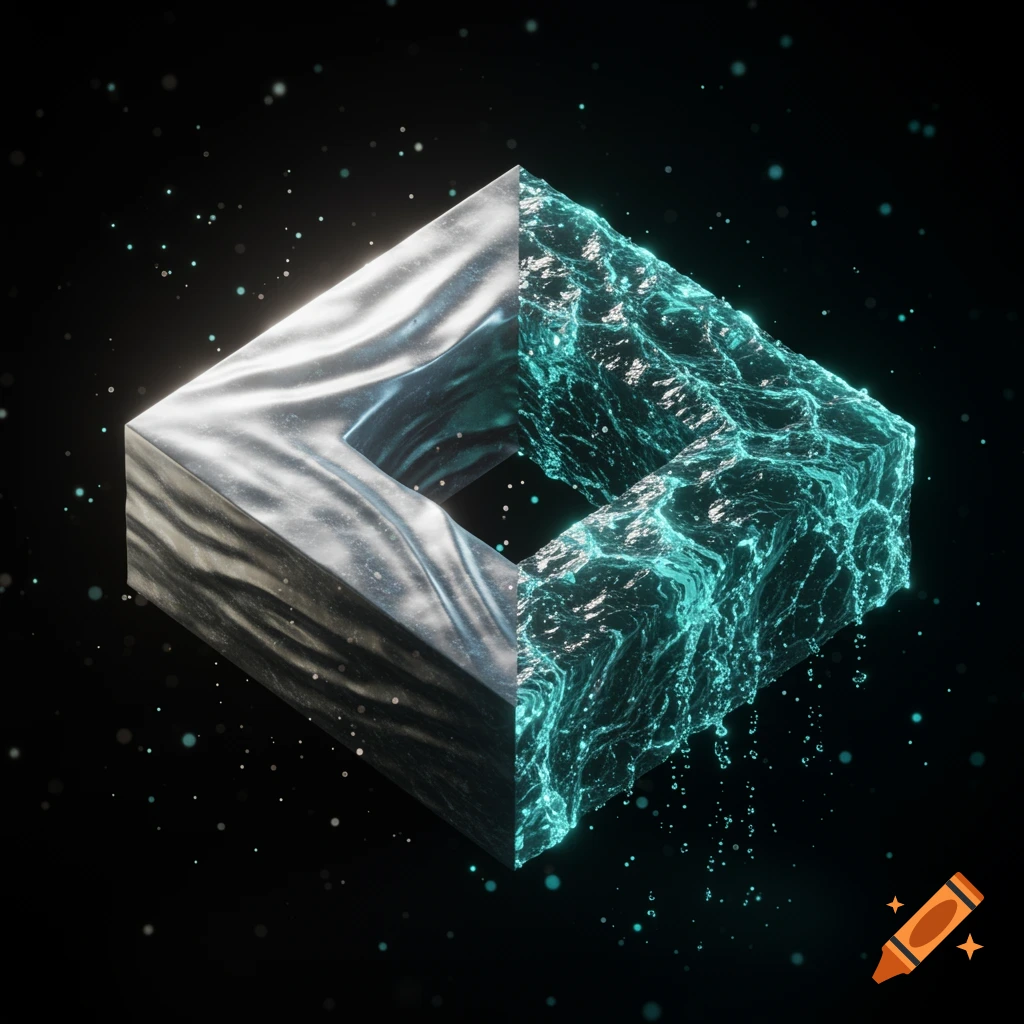
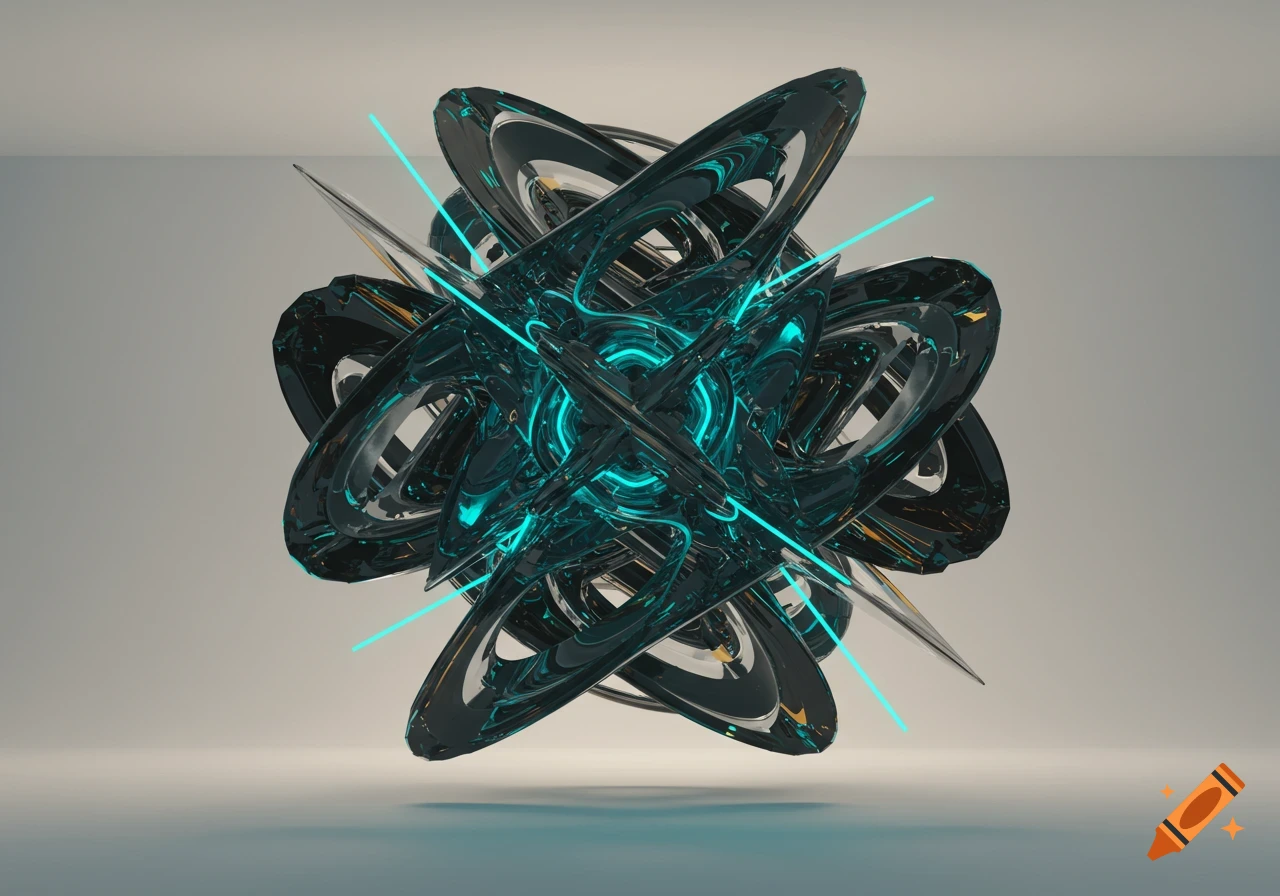
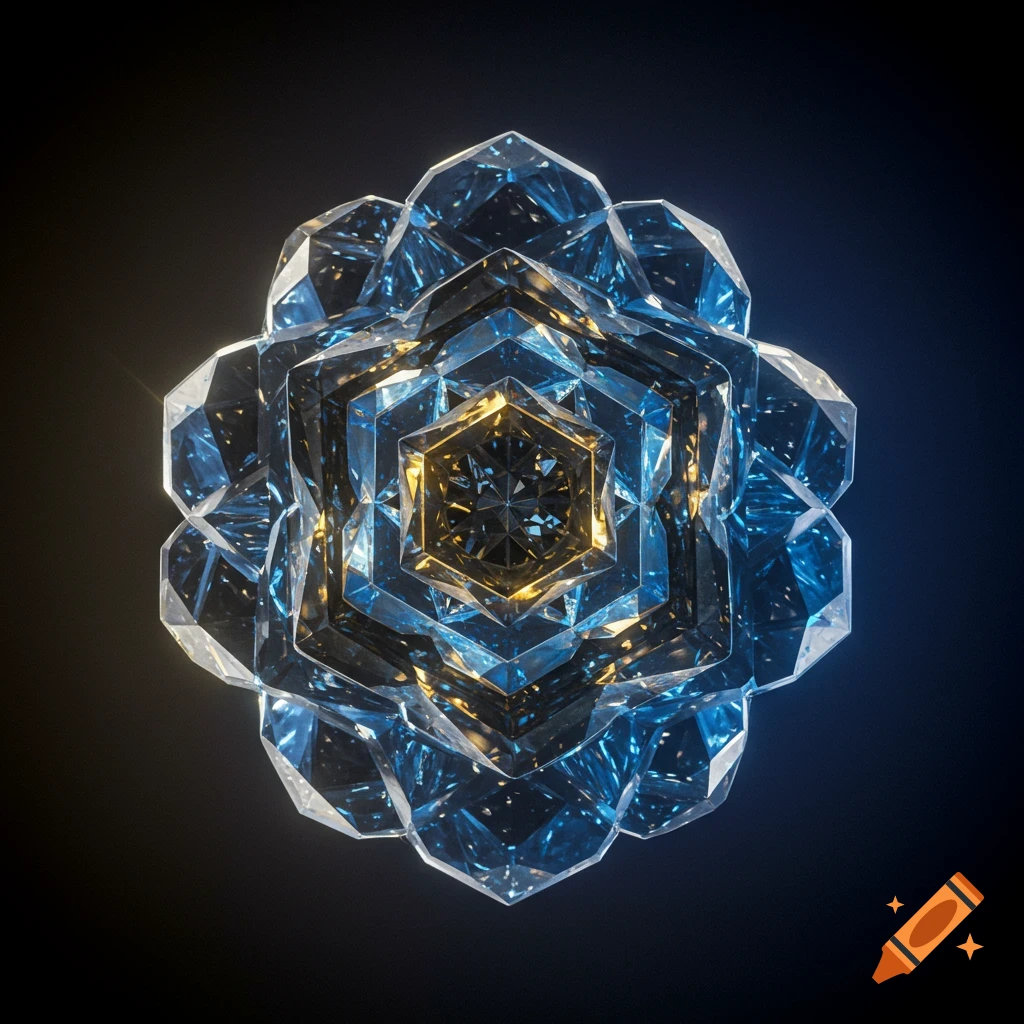
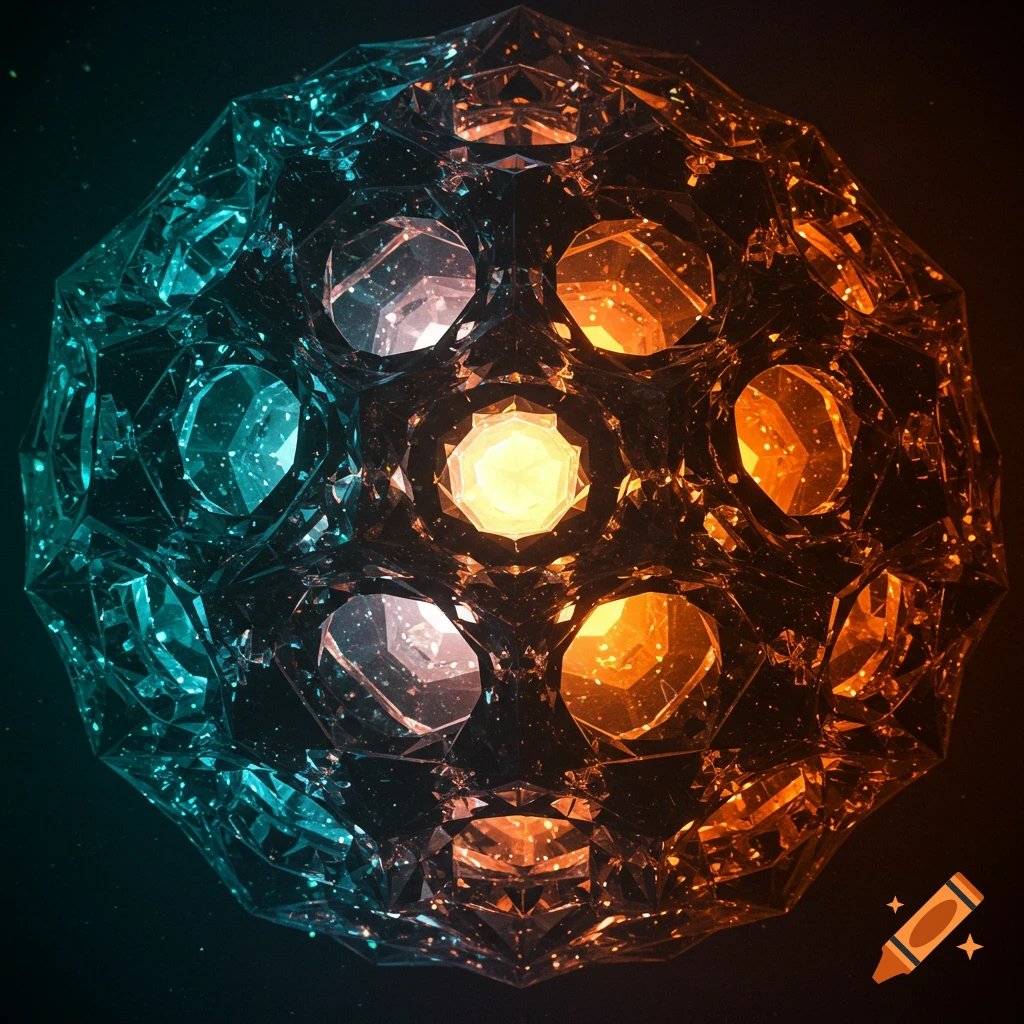
Hypercube geometry A hypercube is an n-dimensional analogue of a square (2D) and a cube (3D). The term "three-dimensional Hypercube" is contradictory. A three-dimensional hypercube is simply a cube. The term is most commonly used to refer to four-dimensional (tesseract) or higher-dimensional shapes. Higher-dimensional hypercubes are often represented through projections, which can result in a smaller cube appearing within a larger one. Toroidal geometry A toroid is a surface of revolution with one or more holes. The simplest example is the torus, or doughnut shape. It is a type of geometry where the shape "bends back upon itself," creating a continuous, self-sustaining flow of energy in some metaphorical or theoretical applications. Intermingled and interlinked Intermingled suggests that the two forms—the hypercube and the torus—are intertwined or mixed together. Interlinked implies that the components are connected or chained together, such as the tori studied by researcher Paul Bourke. In computer science, an "interlinked" geometry might refer to a network where hypercubes and tori are used to connect nodes, as explored in papers on parallel computing. Multi-layer multifaceted Multi-layer suggests a stacking of geometric structures, with each layer potentially having a different function. In computing, it can refer to how different network layers interact, while in architecture, it can apply to building complex, freeform structures. Multifaceted means having many sides or See more