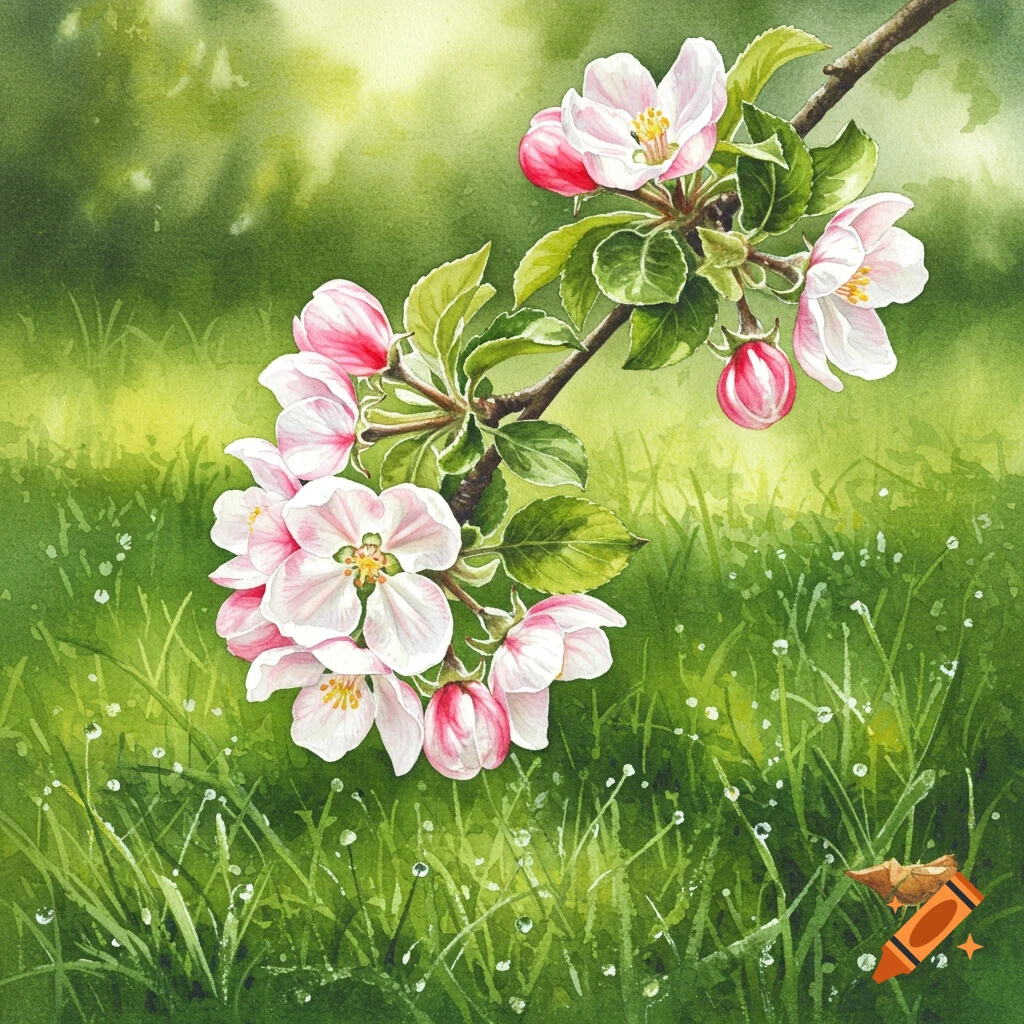
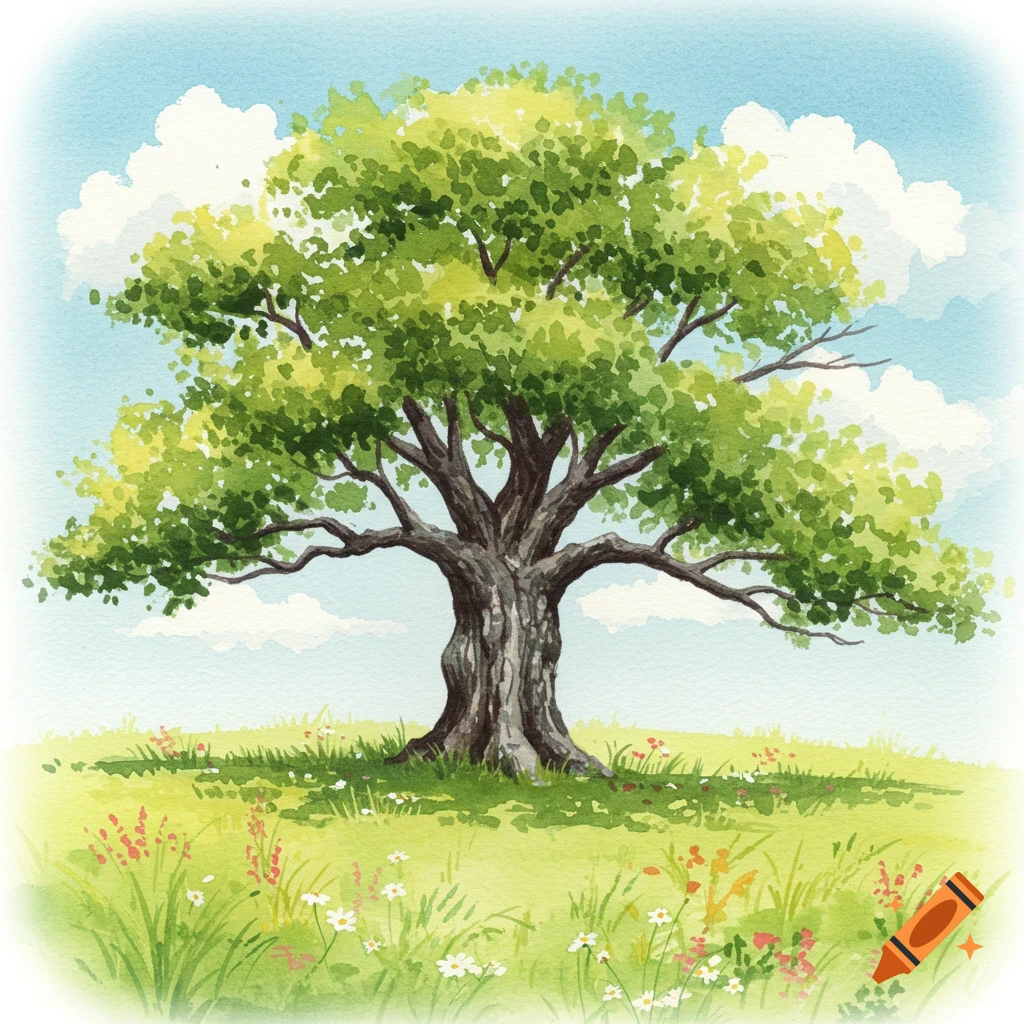
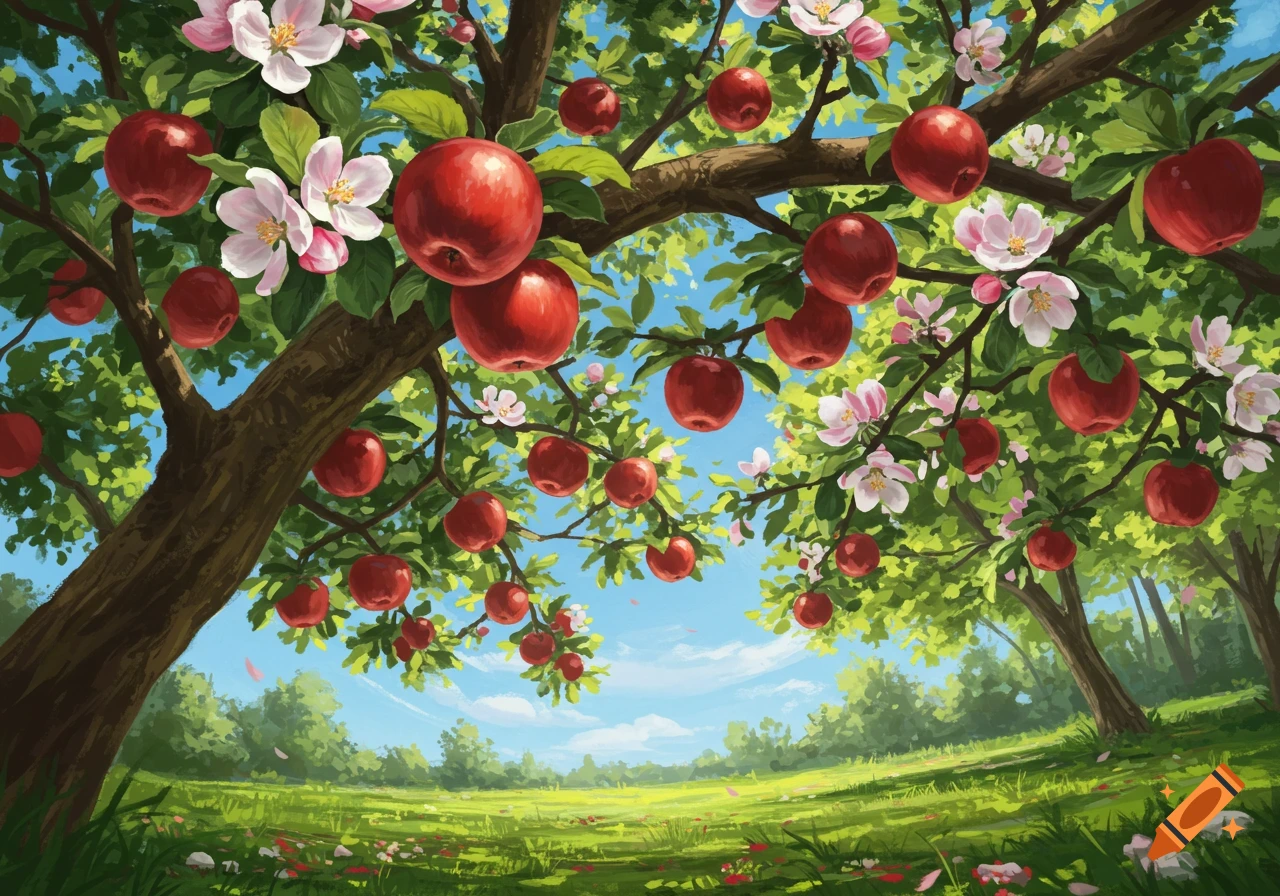
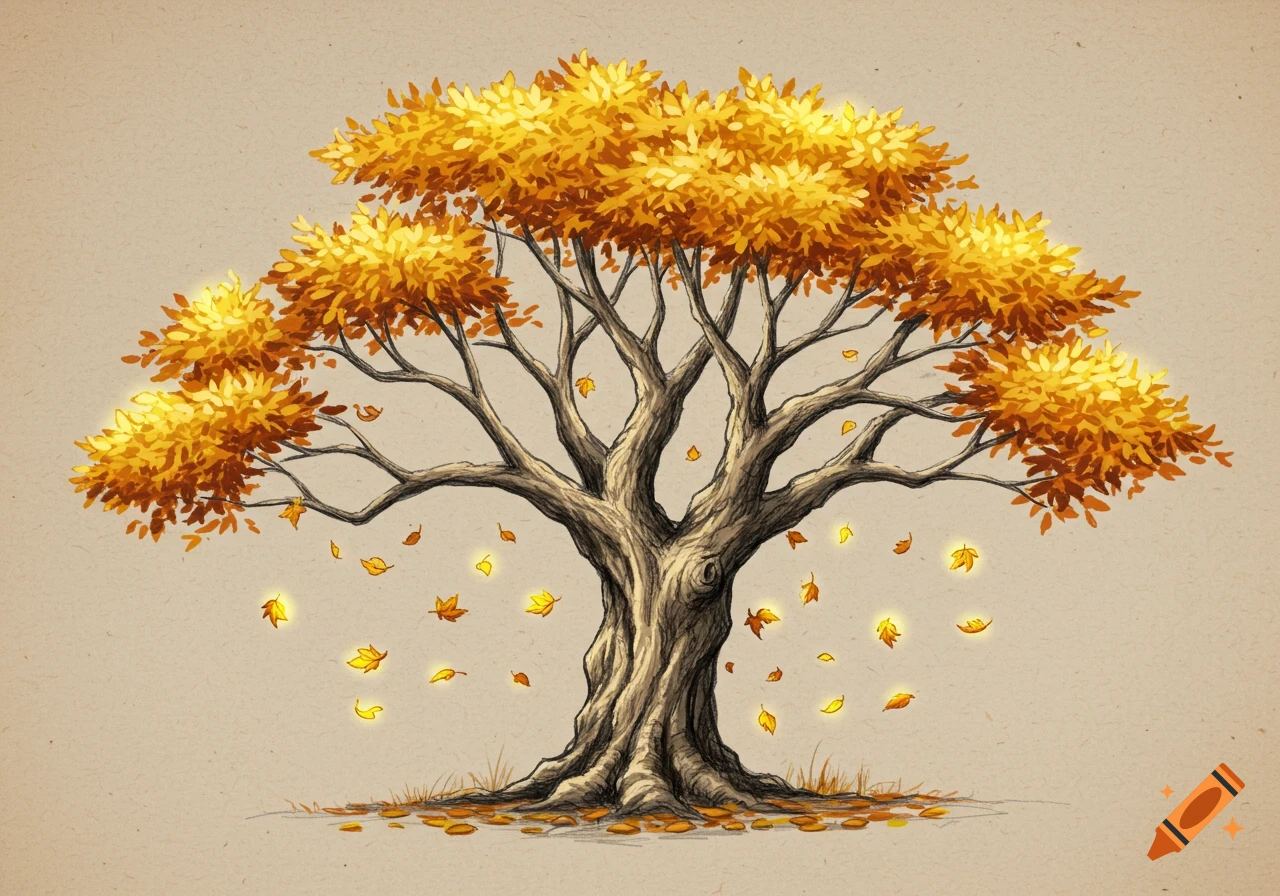
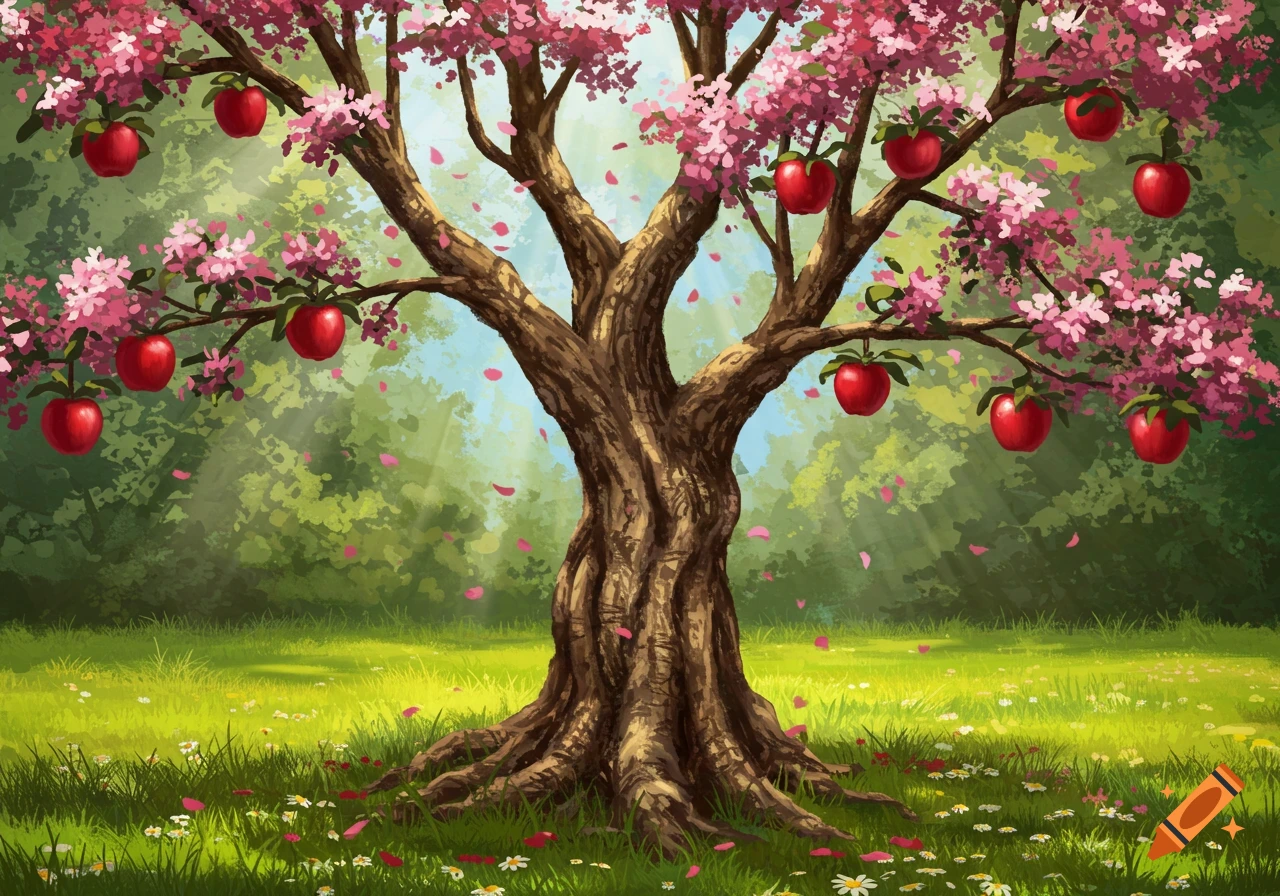
Watercolor painting of a blooming tree with white flowers, red leaves, and small brown fruit.
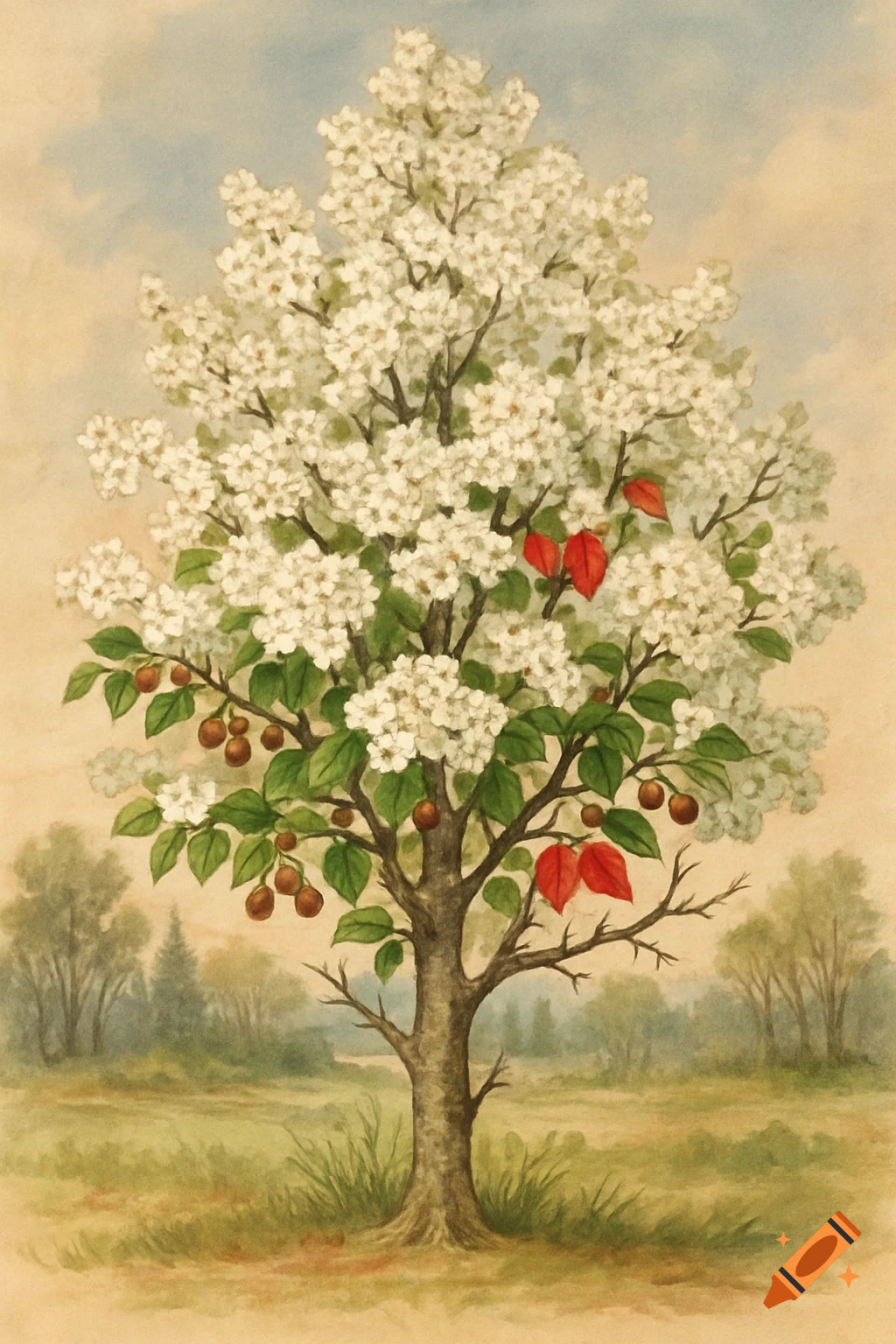
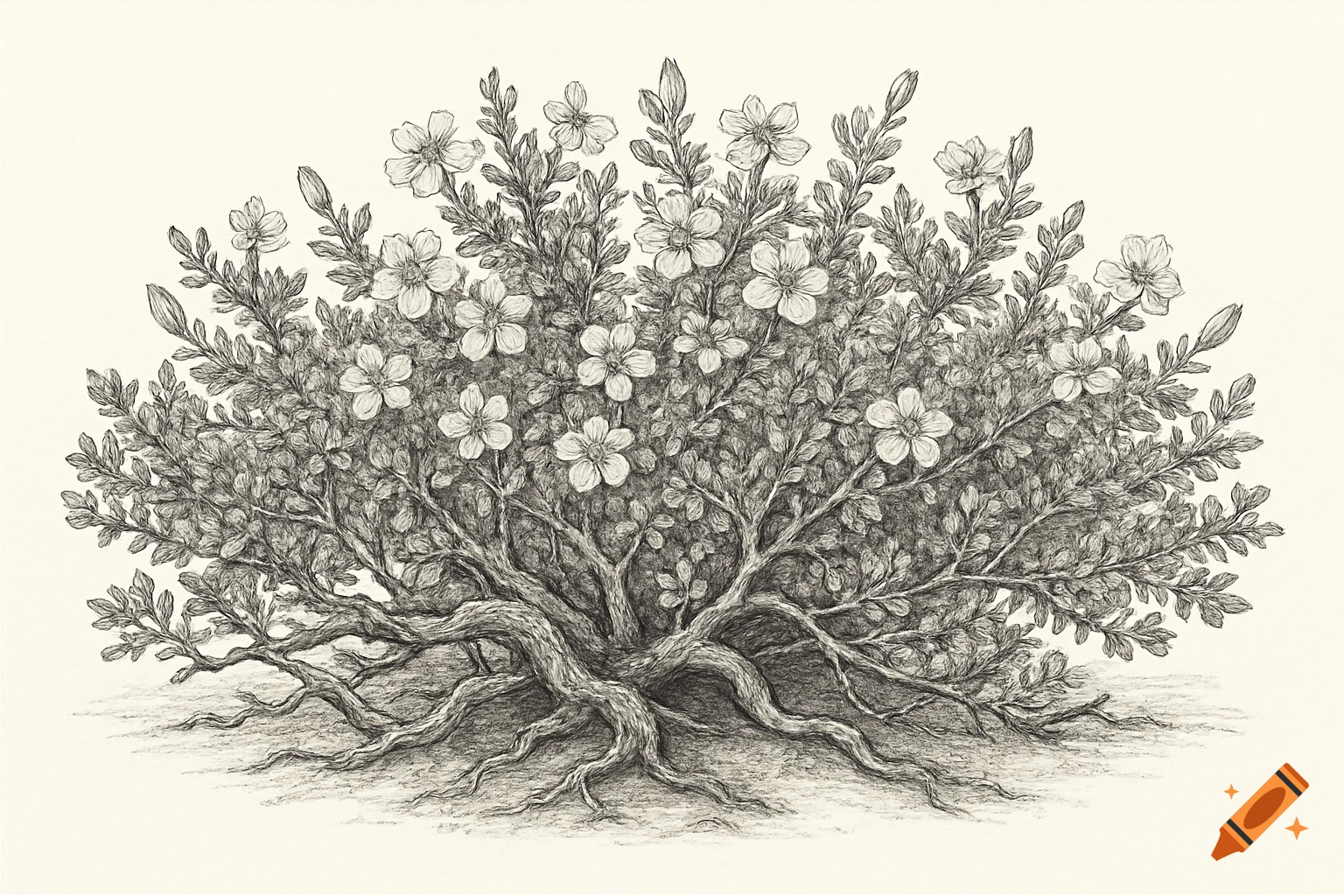
1. Species Common Name: Callery pear, Bradford pear 2. Species Scientific Name: Pyrus calleryana 3. Native Geographical Location/Habitat: China, Vietnam, Taiwan, and Japan. 4. Invaded Geographical Location/Habitat: Primarily the Eastern and Midwestern United States, but it has spread to the Pacific Northwest and some parts of Canada. It can thrive in a variety of habitats, including forests, fields, roadsides, and urban areas. 5. Date the species introduced to its new habitat: the callery pear was introduced to the US in the early 1900s, with widespread planting starting in the 1960s as an ornamental tree. 6. How was this species introduced? Was the introduction intentional or accidental? Explain. Callery pear was intentionally introduced to the U.S from Asia as a solution to fire blight in pear orchards and later popularized as a decorative landscaping tree due to its attractive flowers and fast growth. However, crossbreeding between cultivars caused it to become invasive. 7. Identification: Briefly describe key features of your organism. The description should have enough detail so that any person can easily identify this species if seen. Flowers: Dense clusters of white, five-petaled flowers bloom in early spring. They have a strong, unpleasant odor. Leaves: Glossy,dark green leaves that turn bright red, purple, or orange in fall. Fruit: Small, round, brownish fruits (about ½ inch wide), often eaten by birds. Bark: light gray and becomes rough with age Thorns: wild hybrid See more