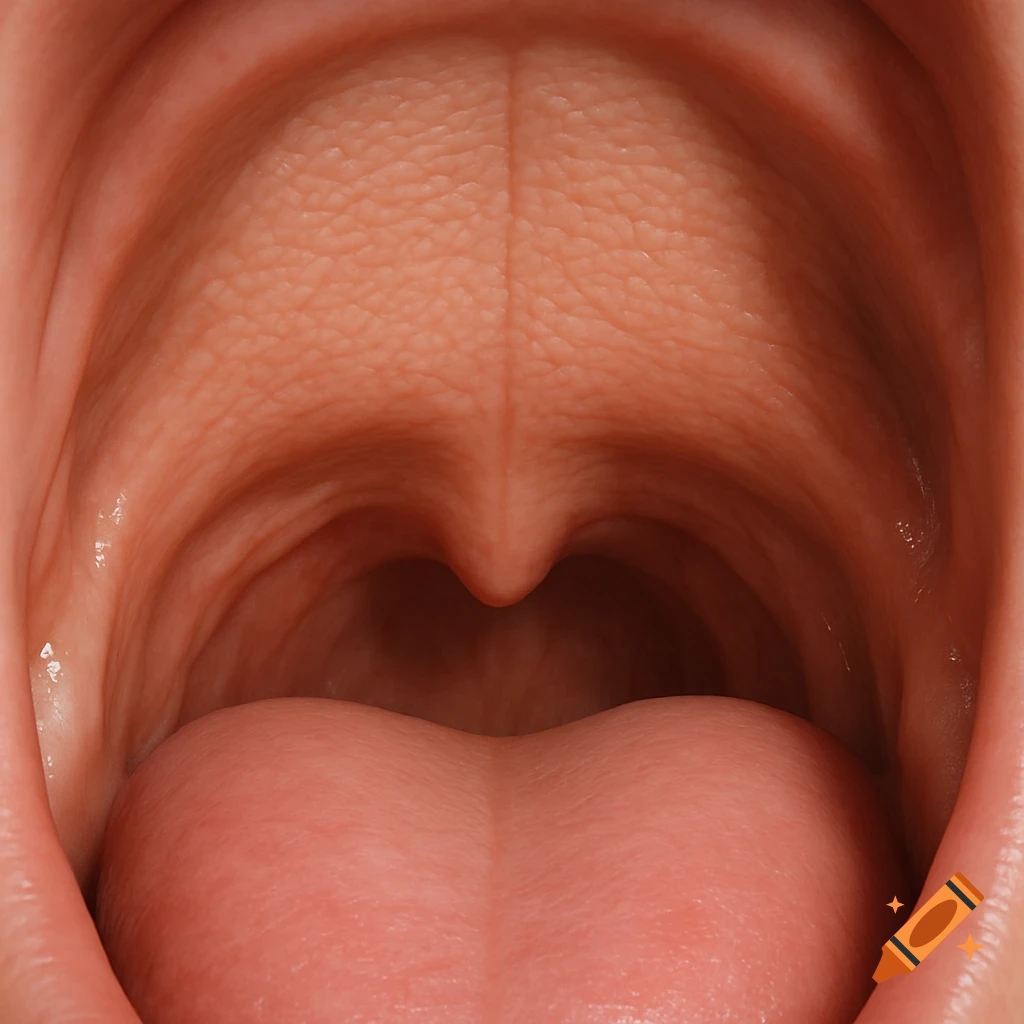
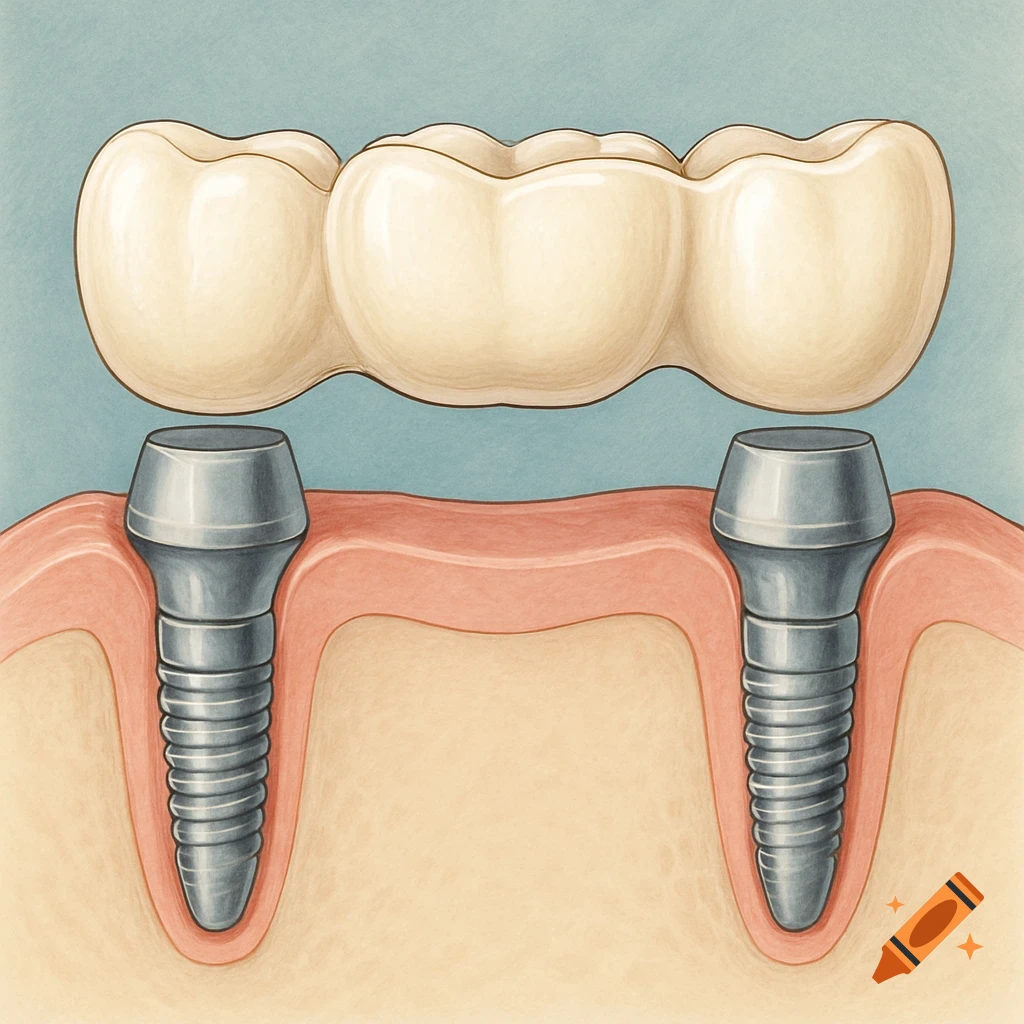
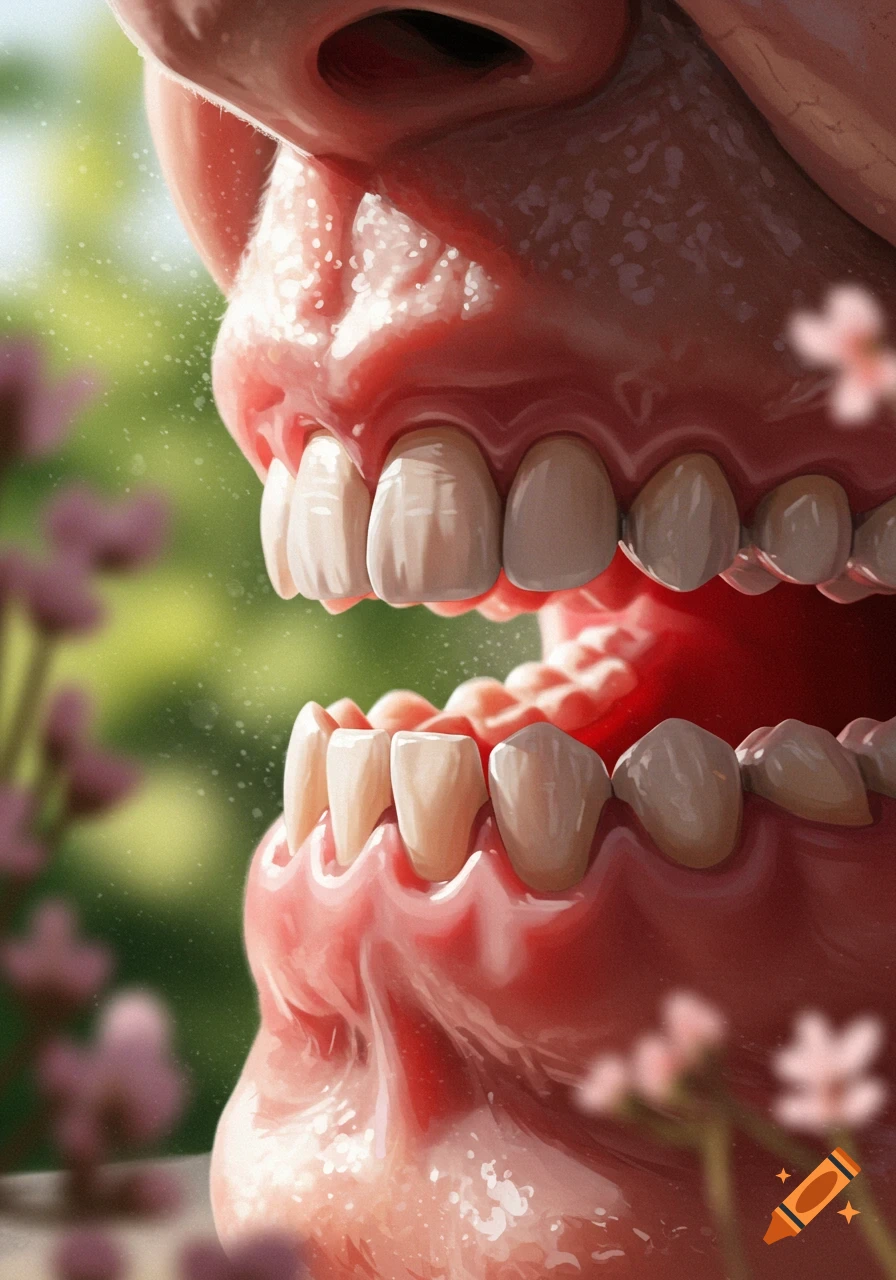
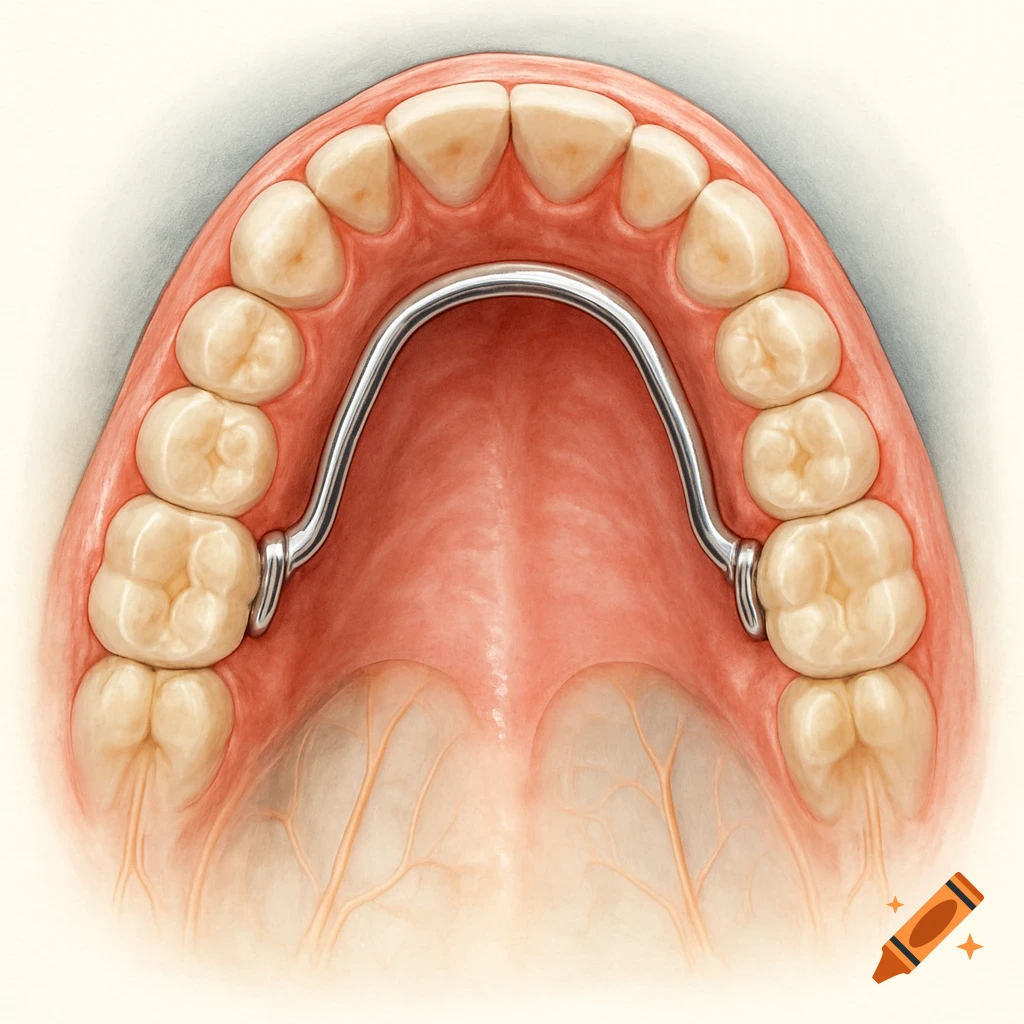
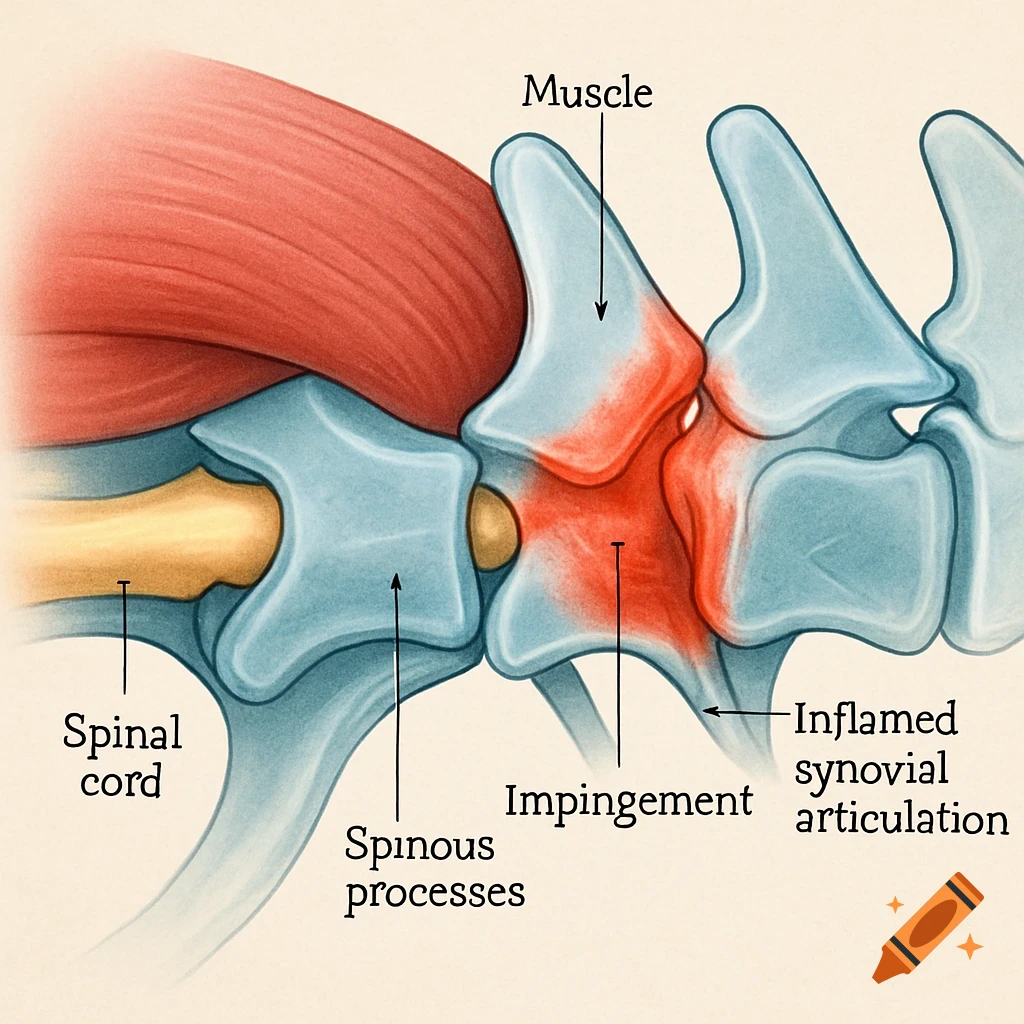
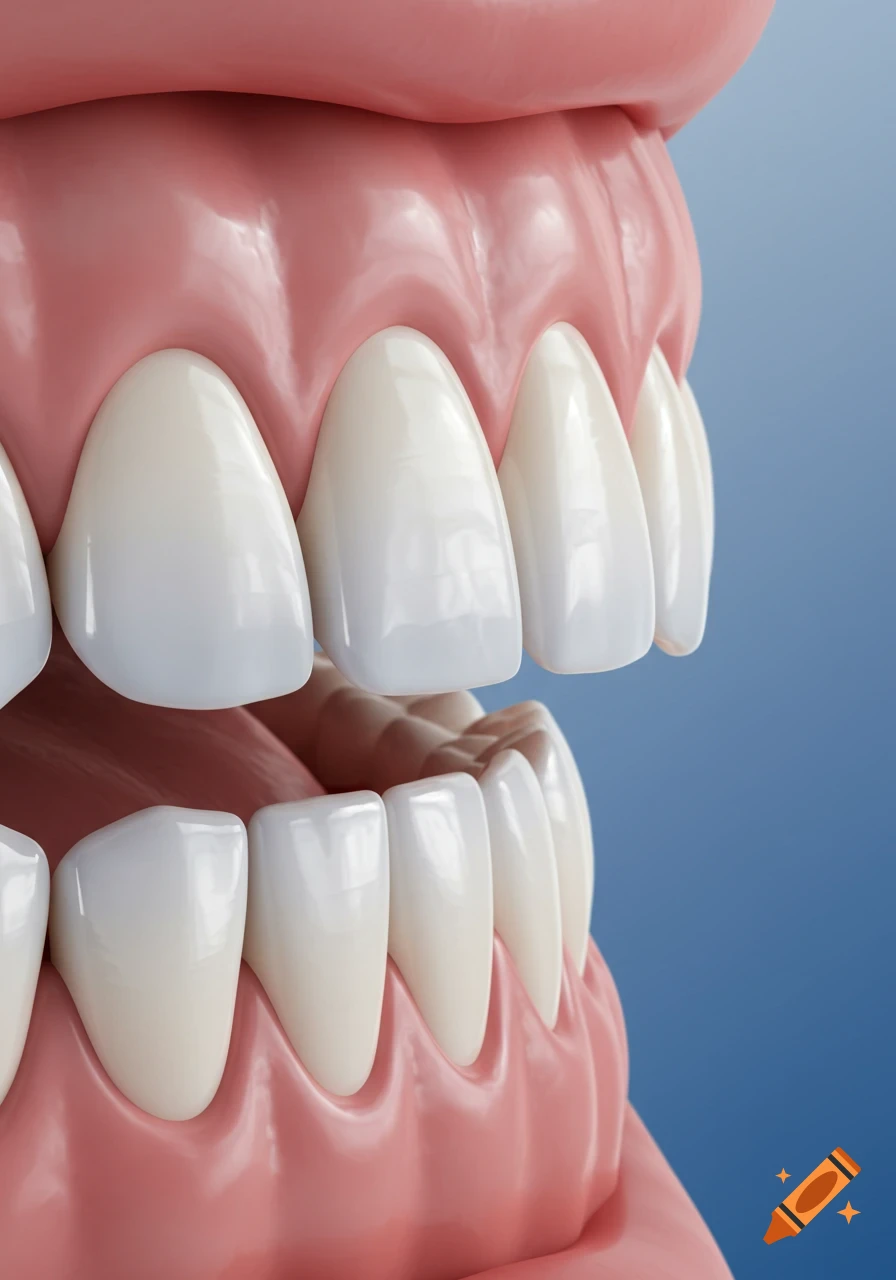
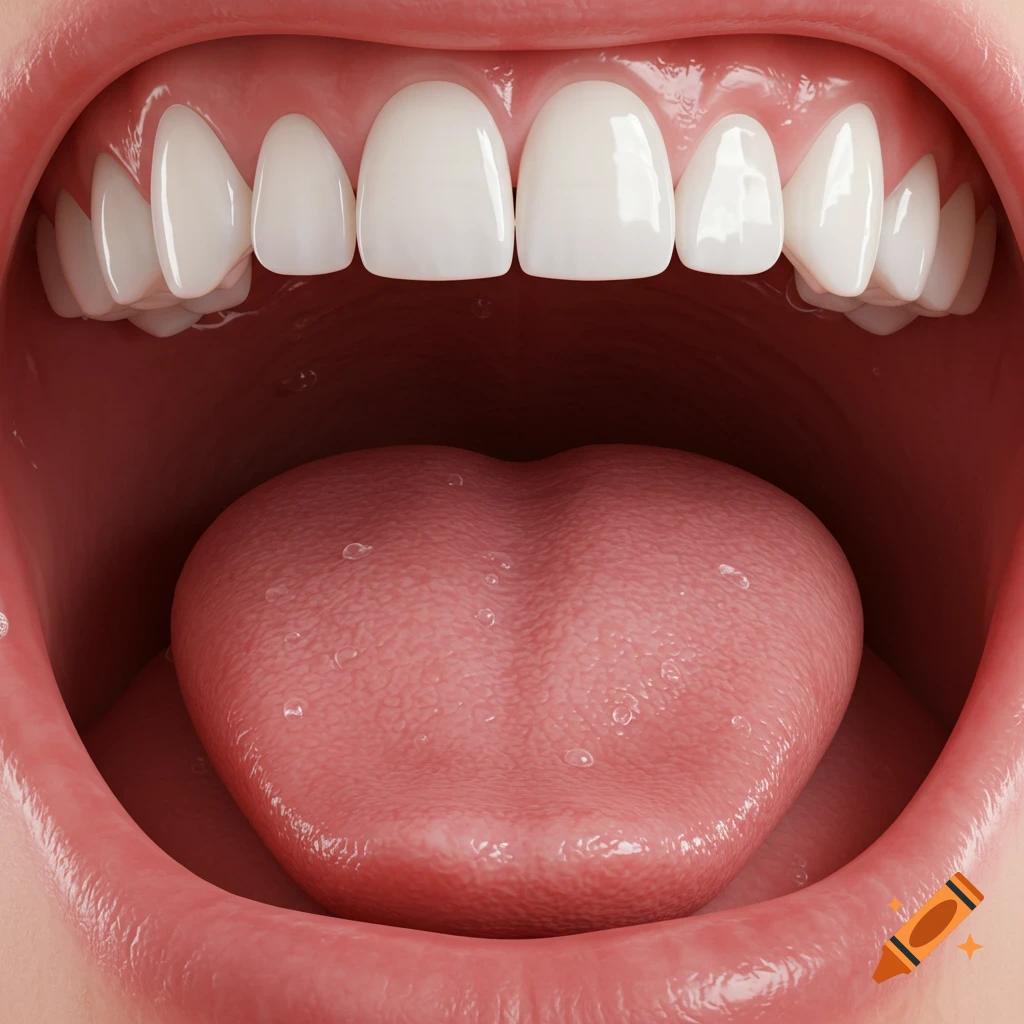
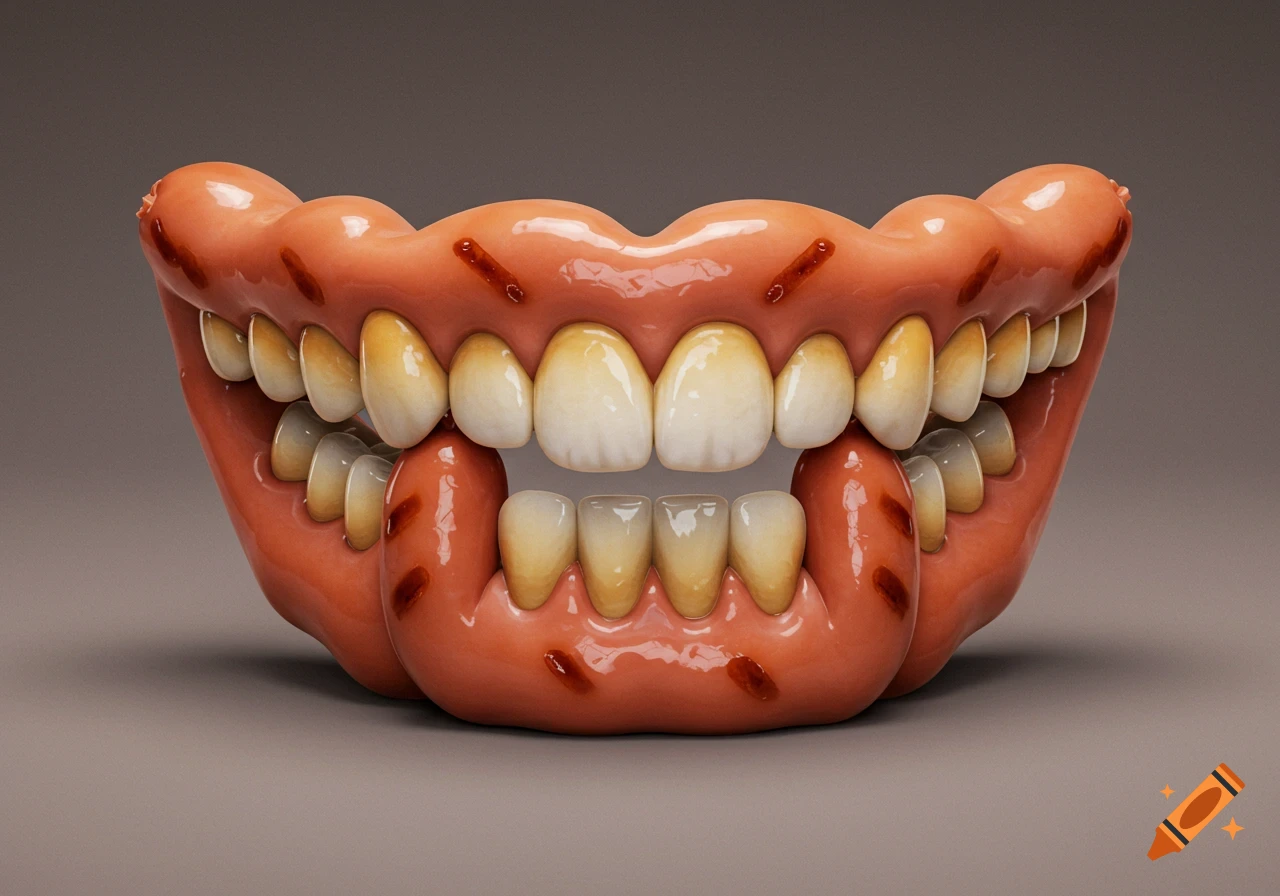
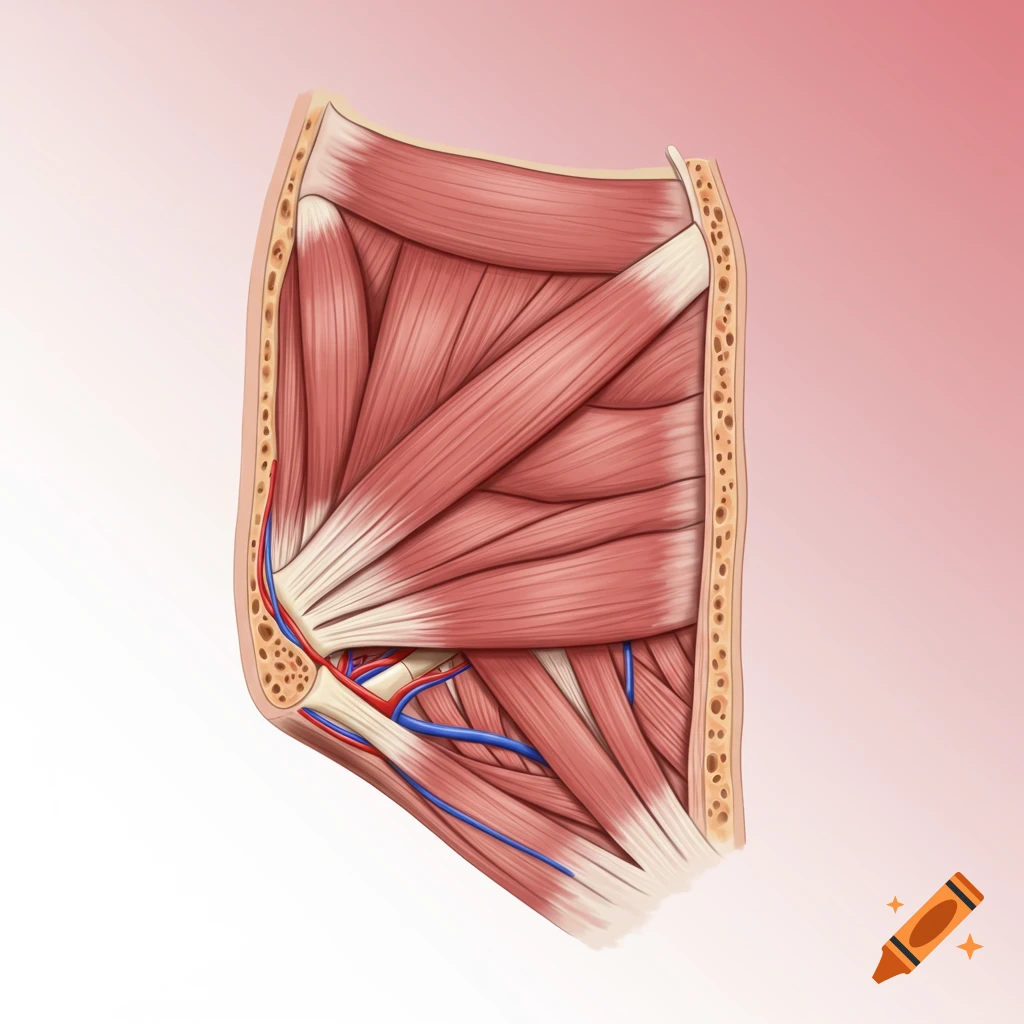
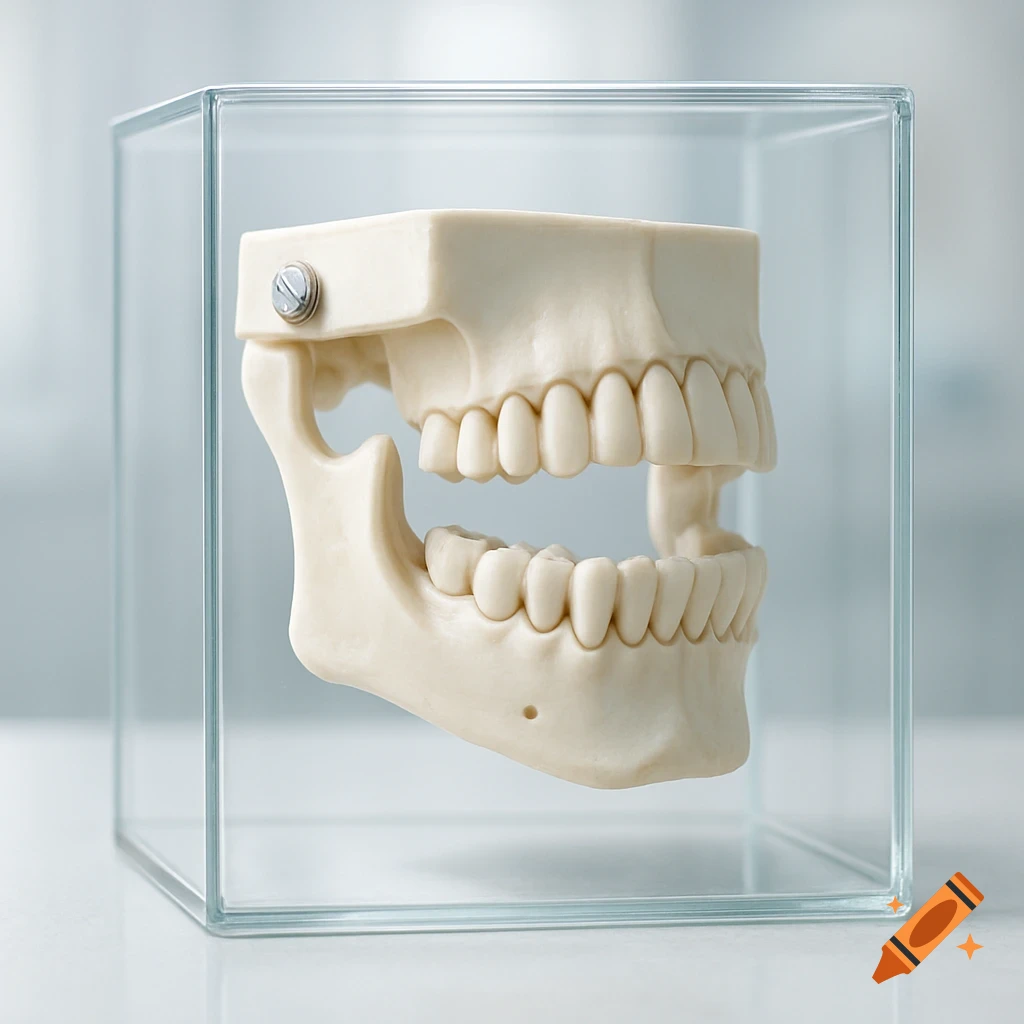
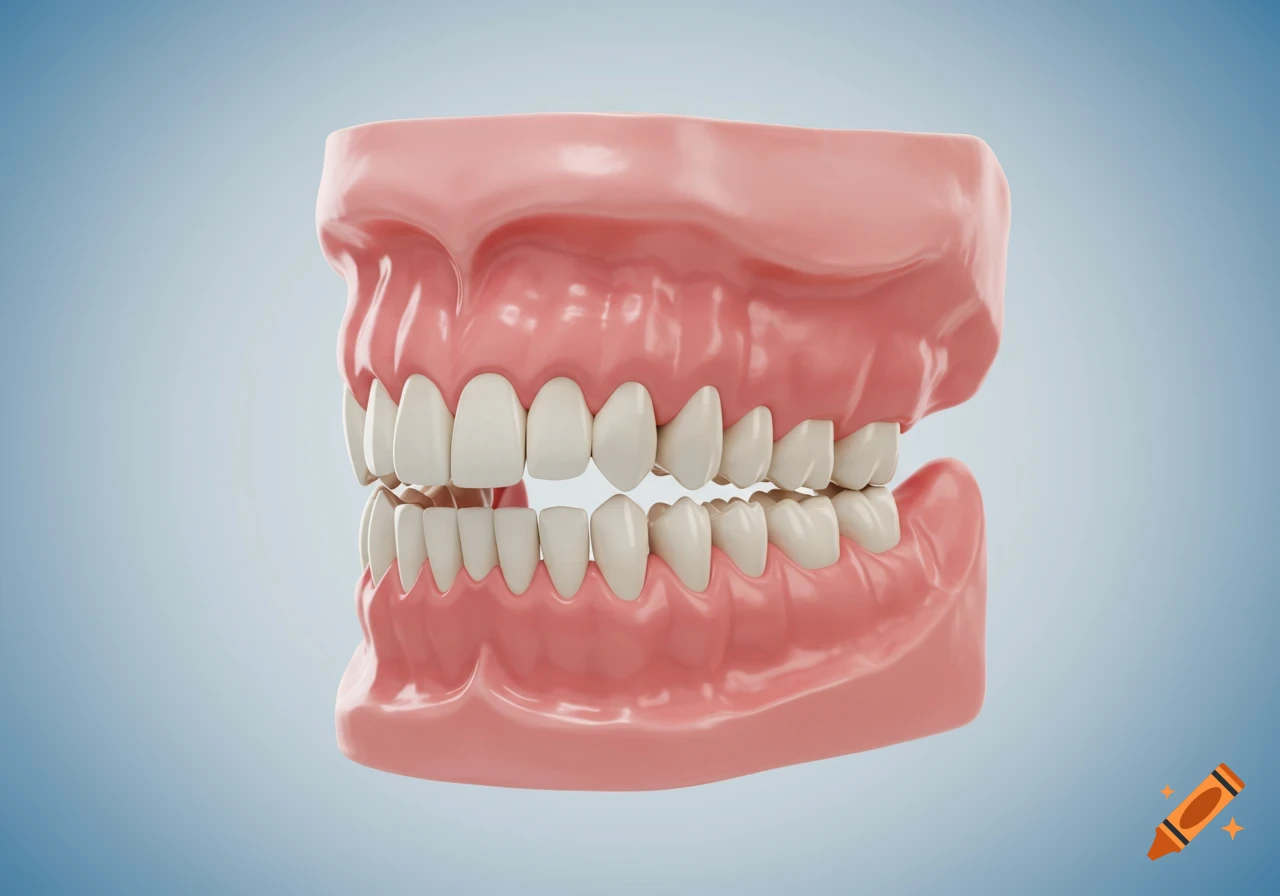
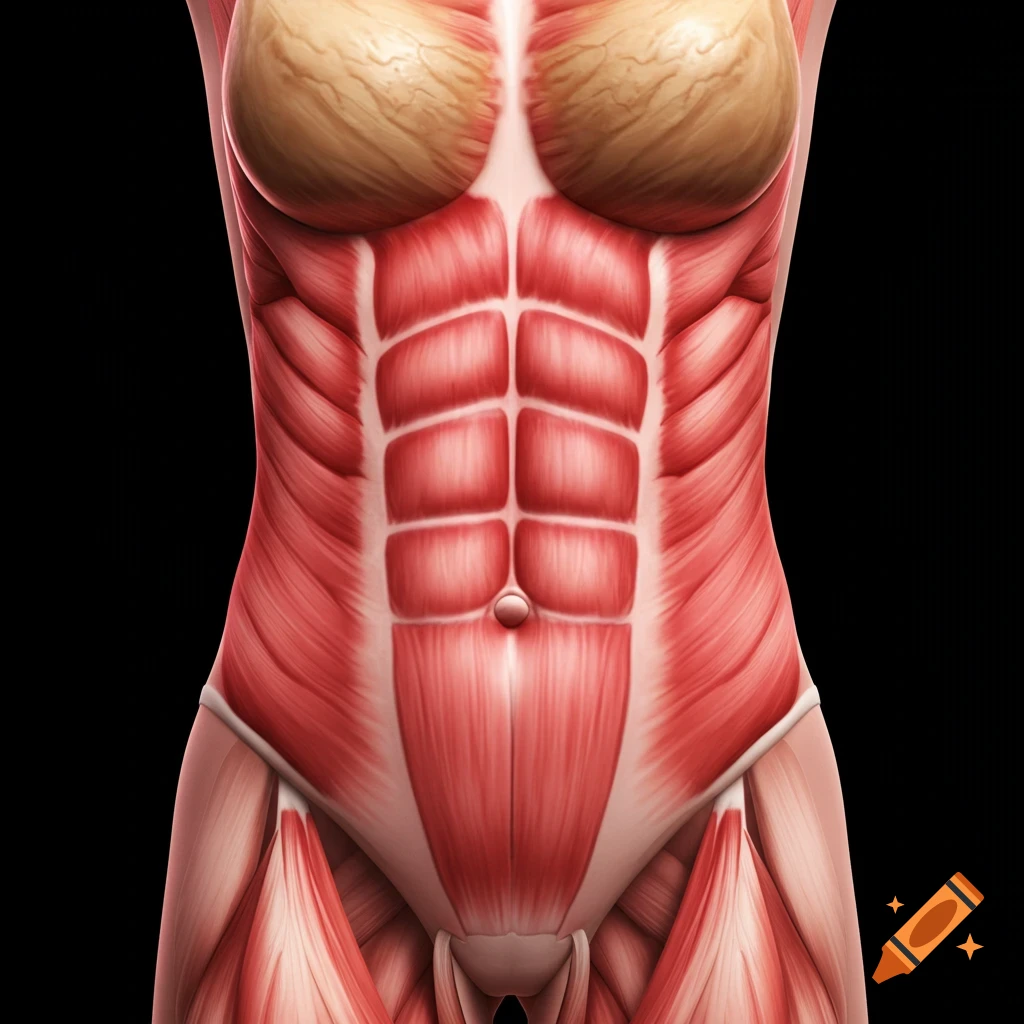
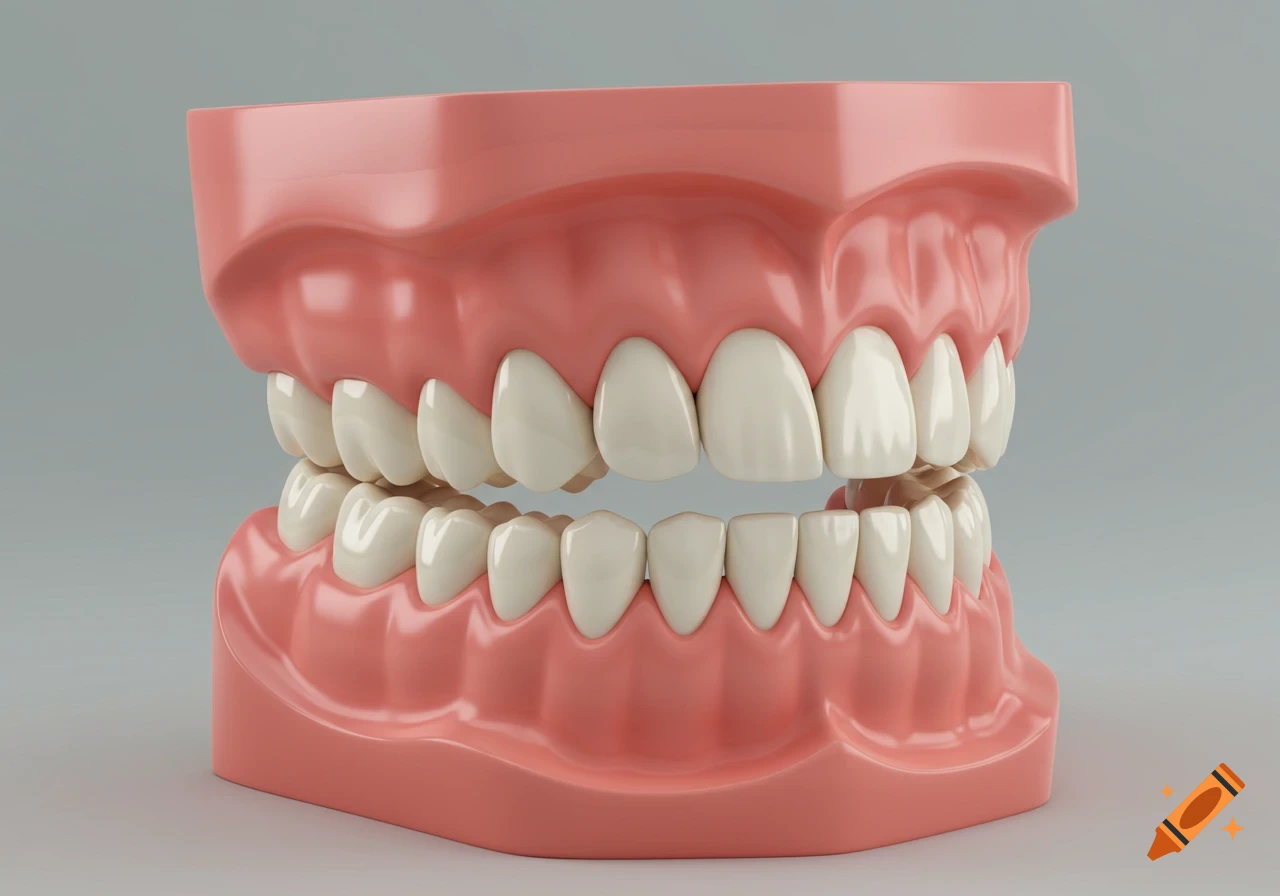
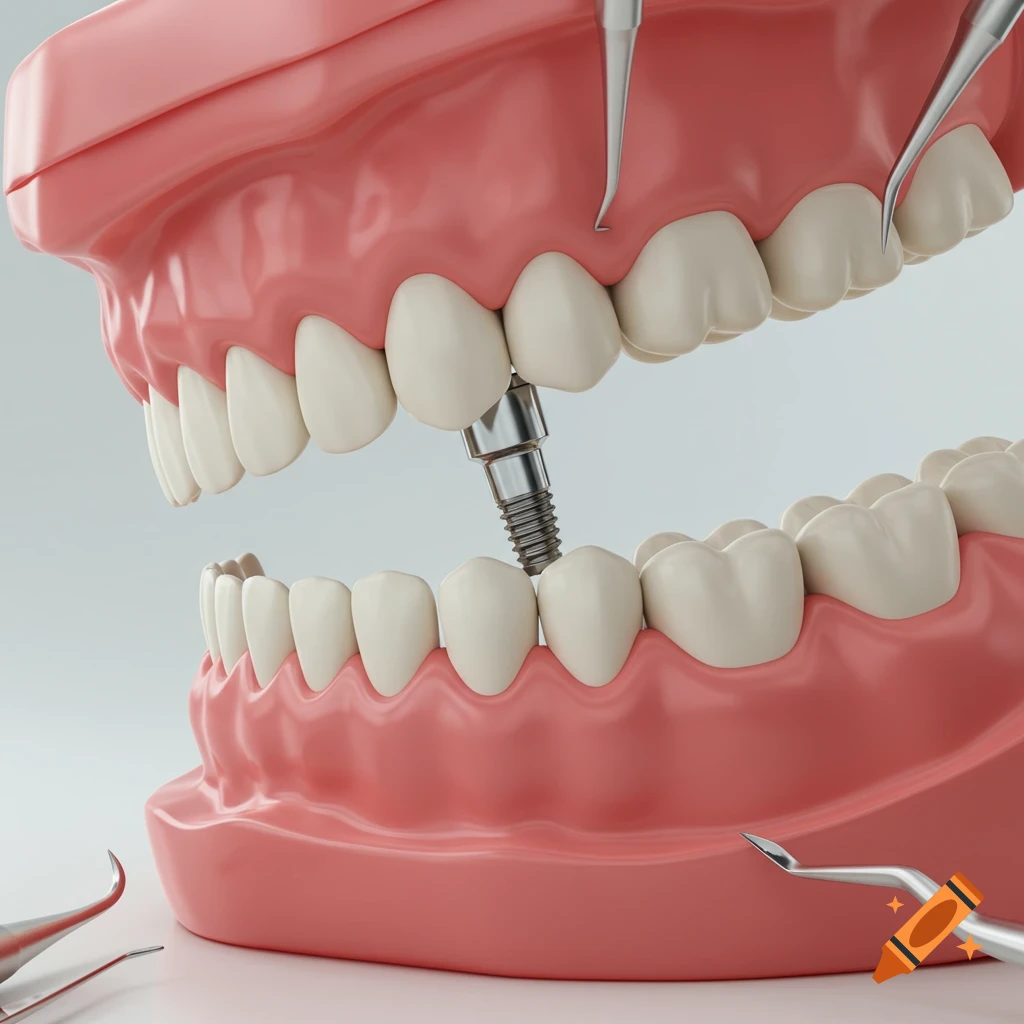
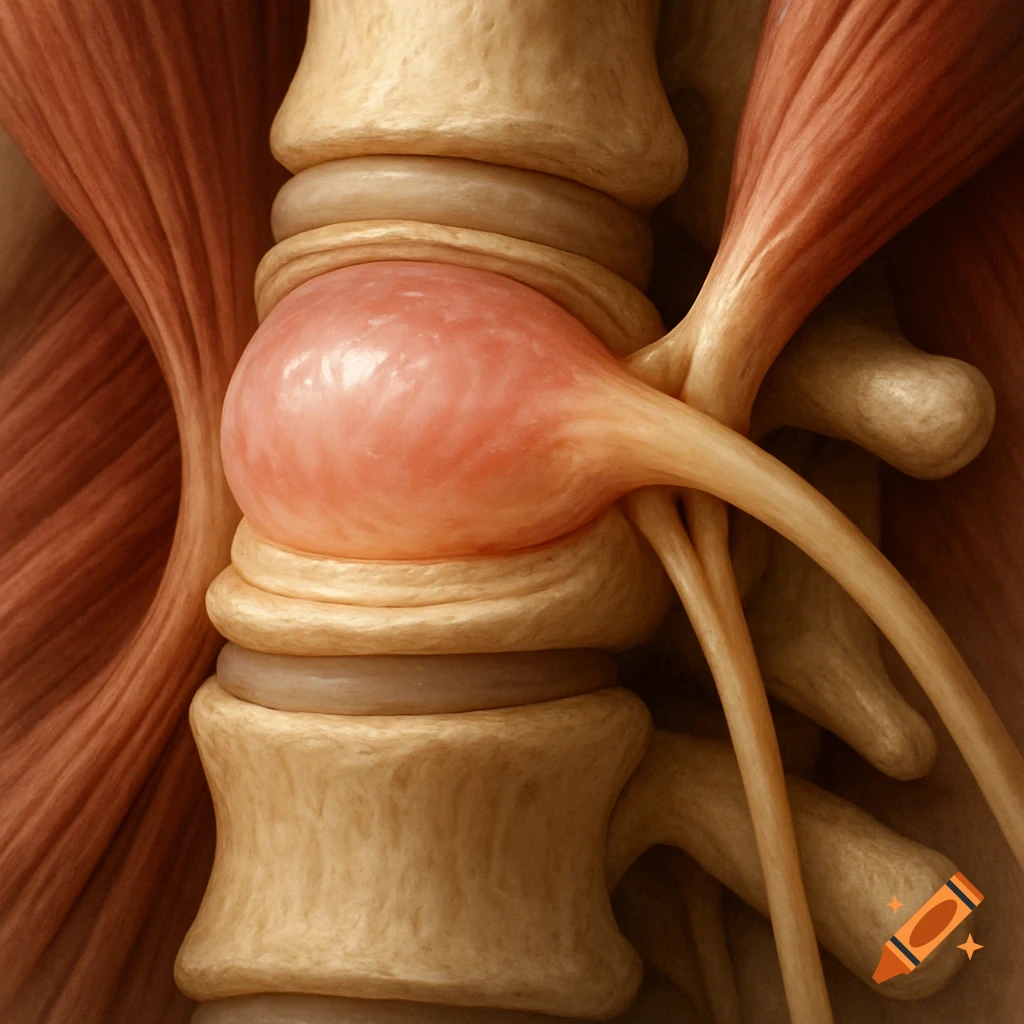
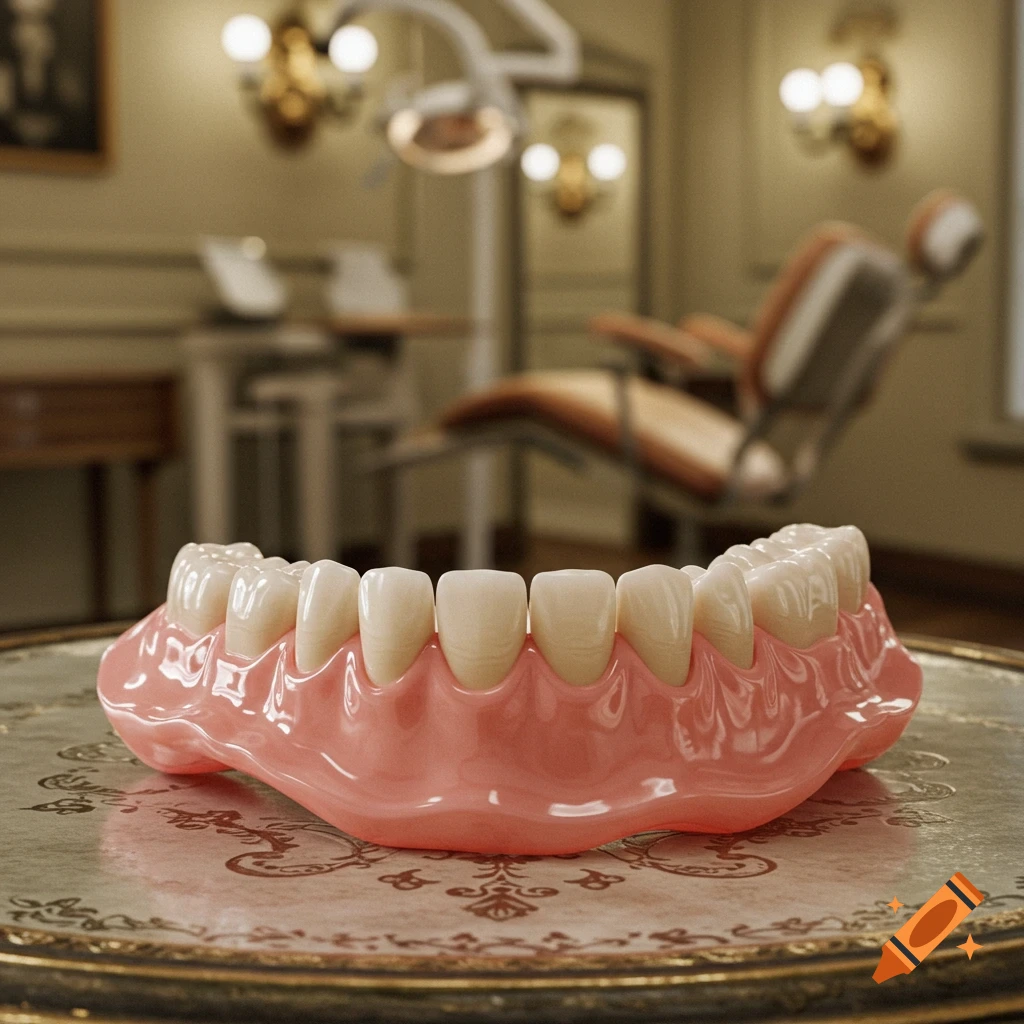
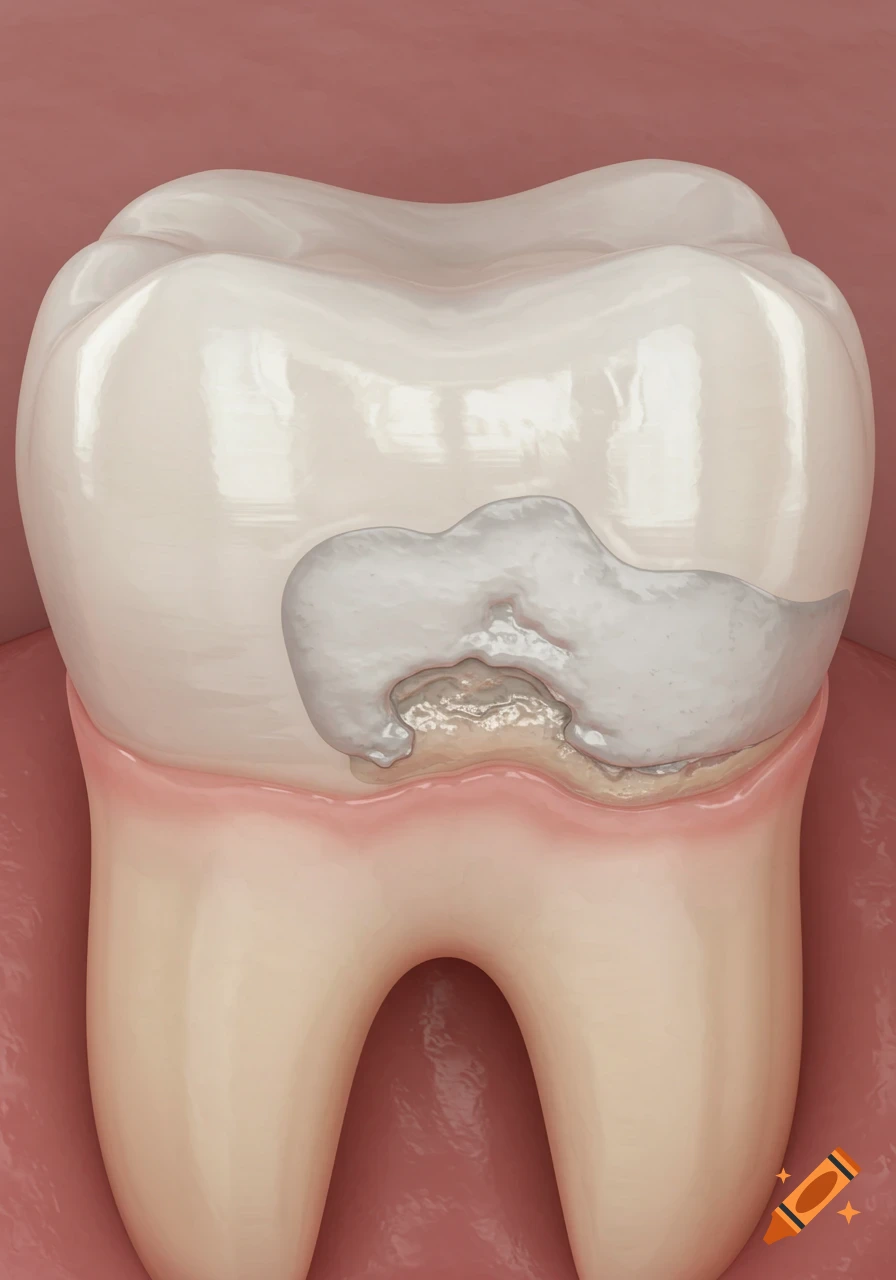
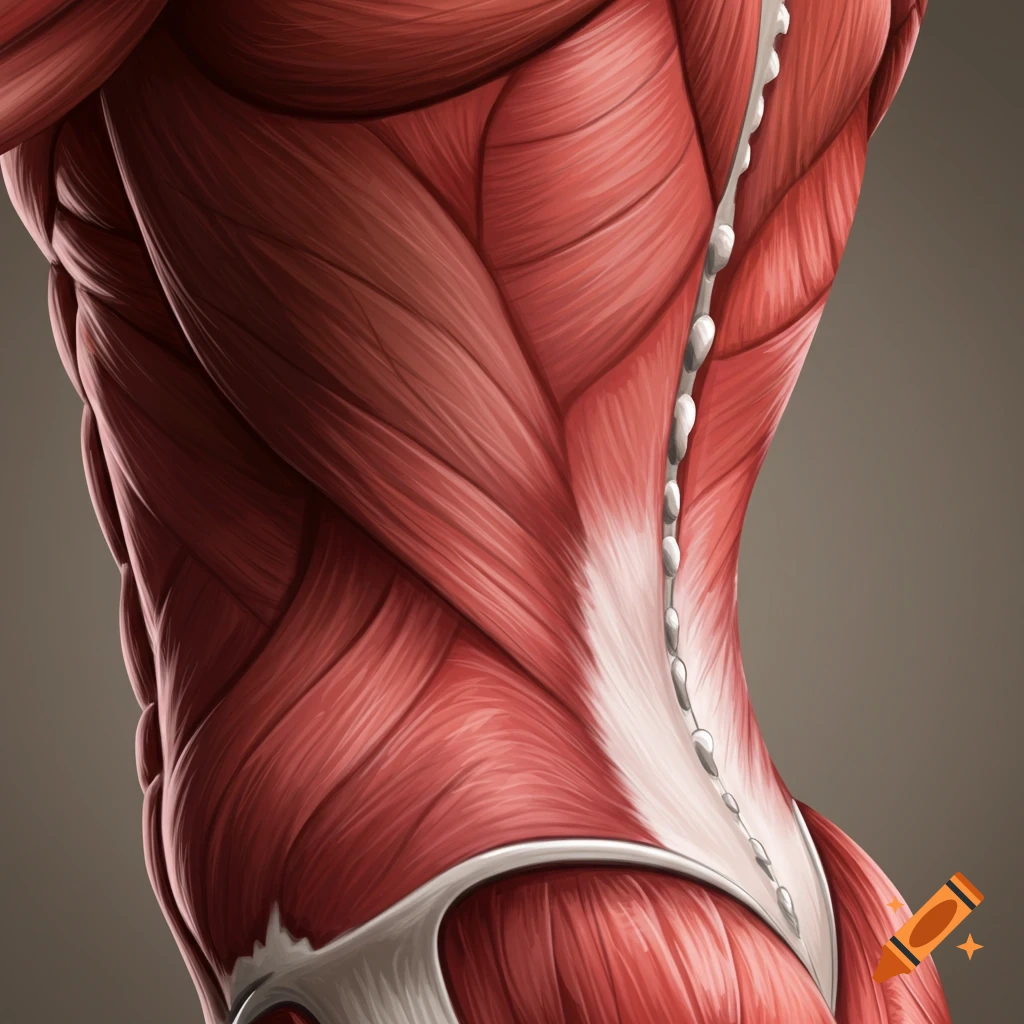
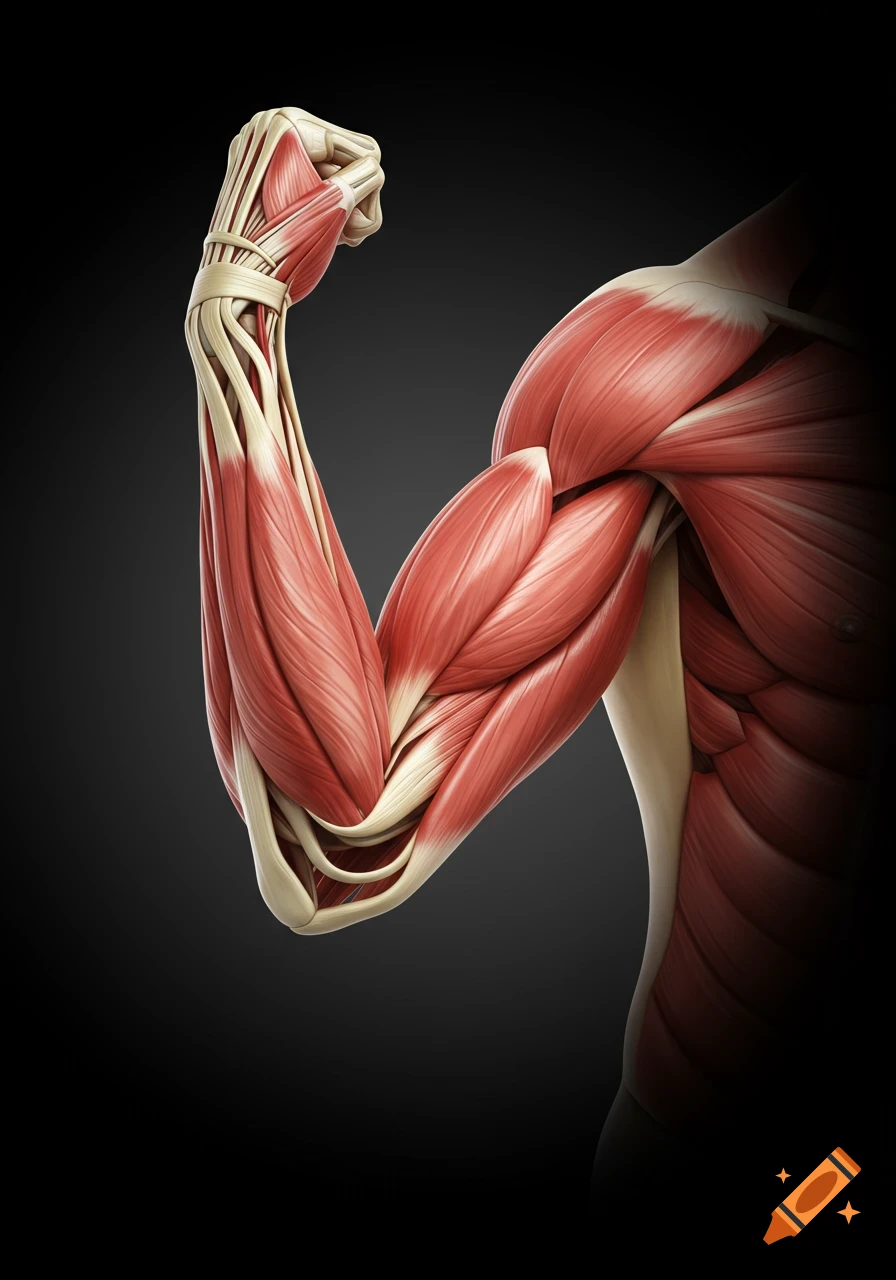
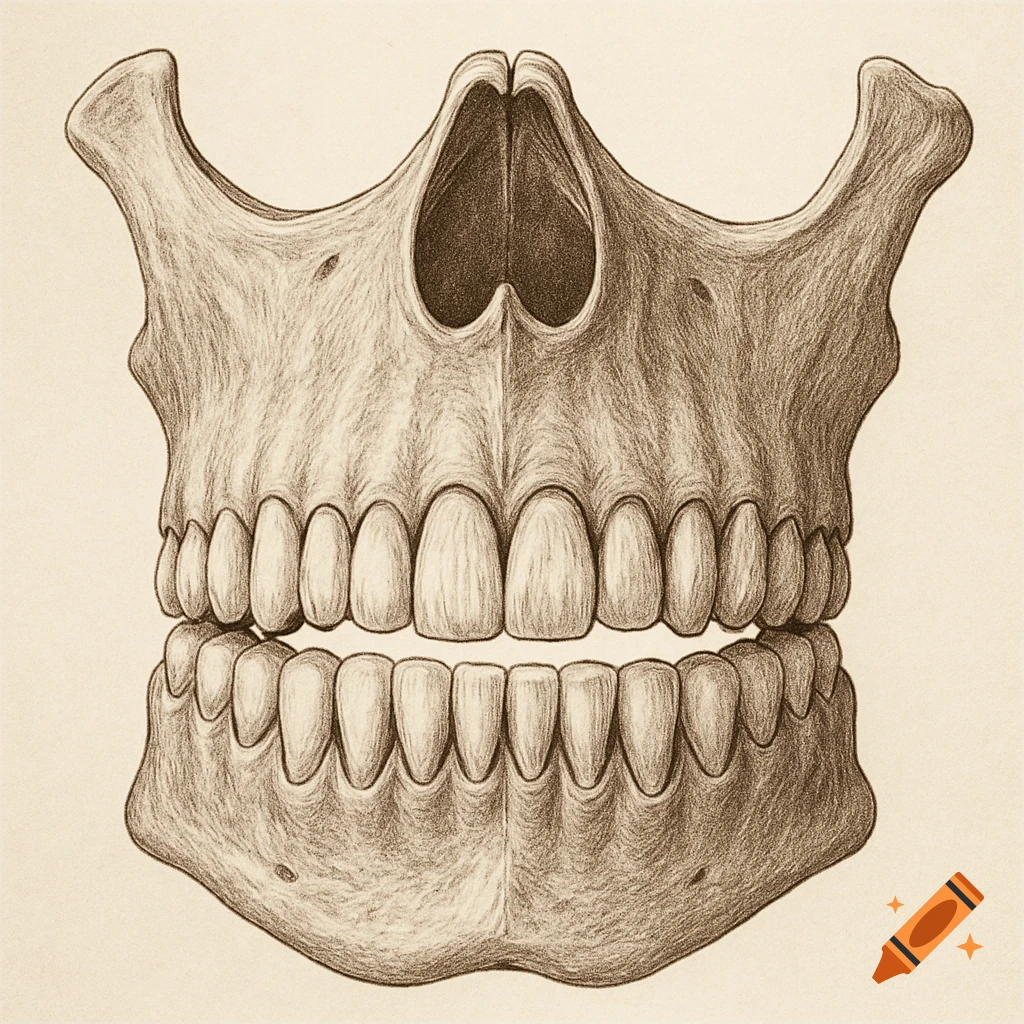
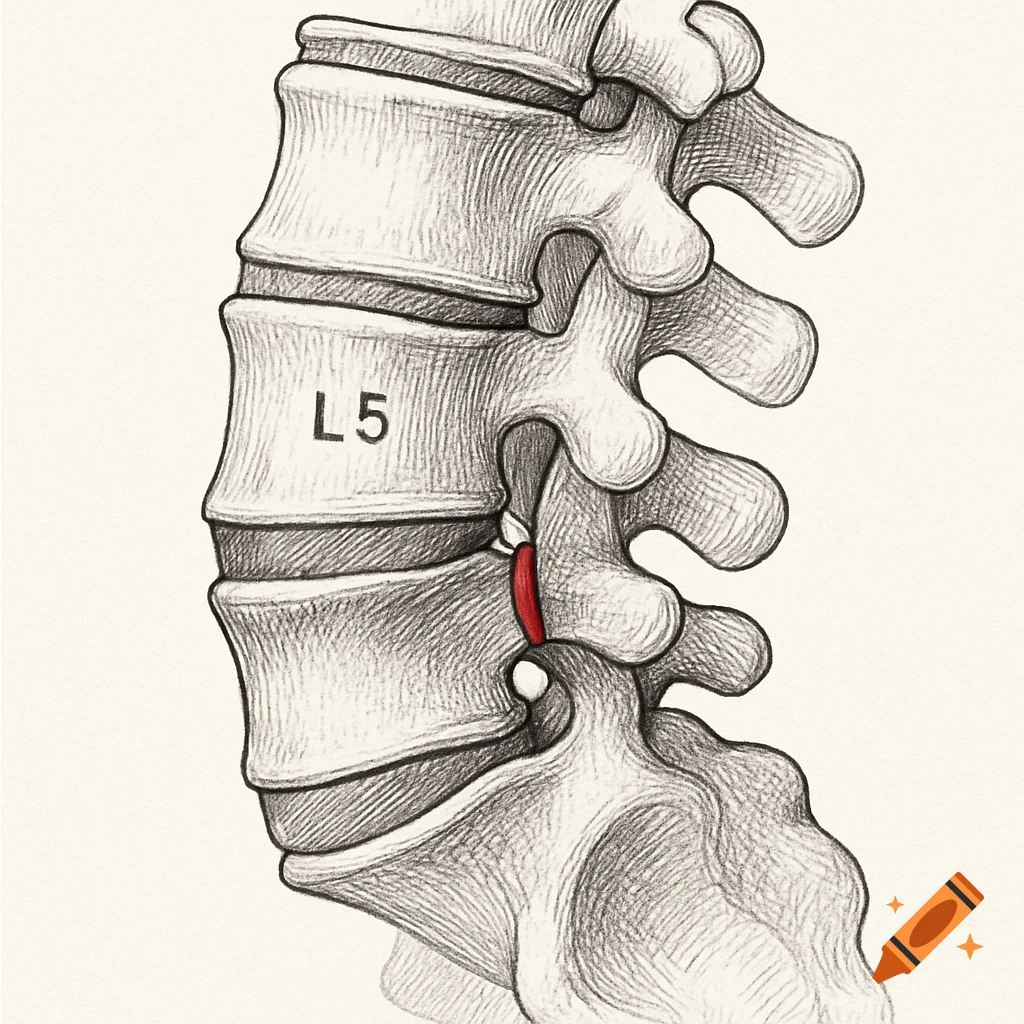
3D rendered scientific illustration of two human mandibles with associated muscles, showcasing a four-class system for edentulism.
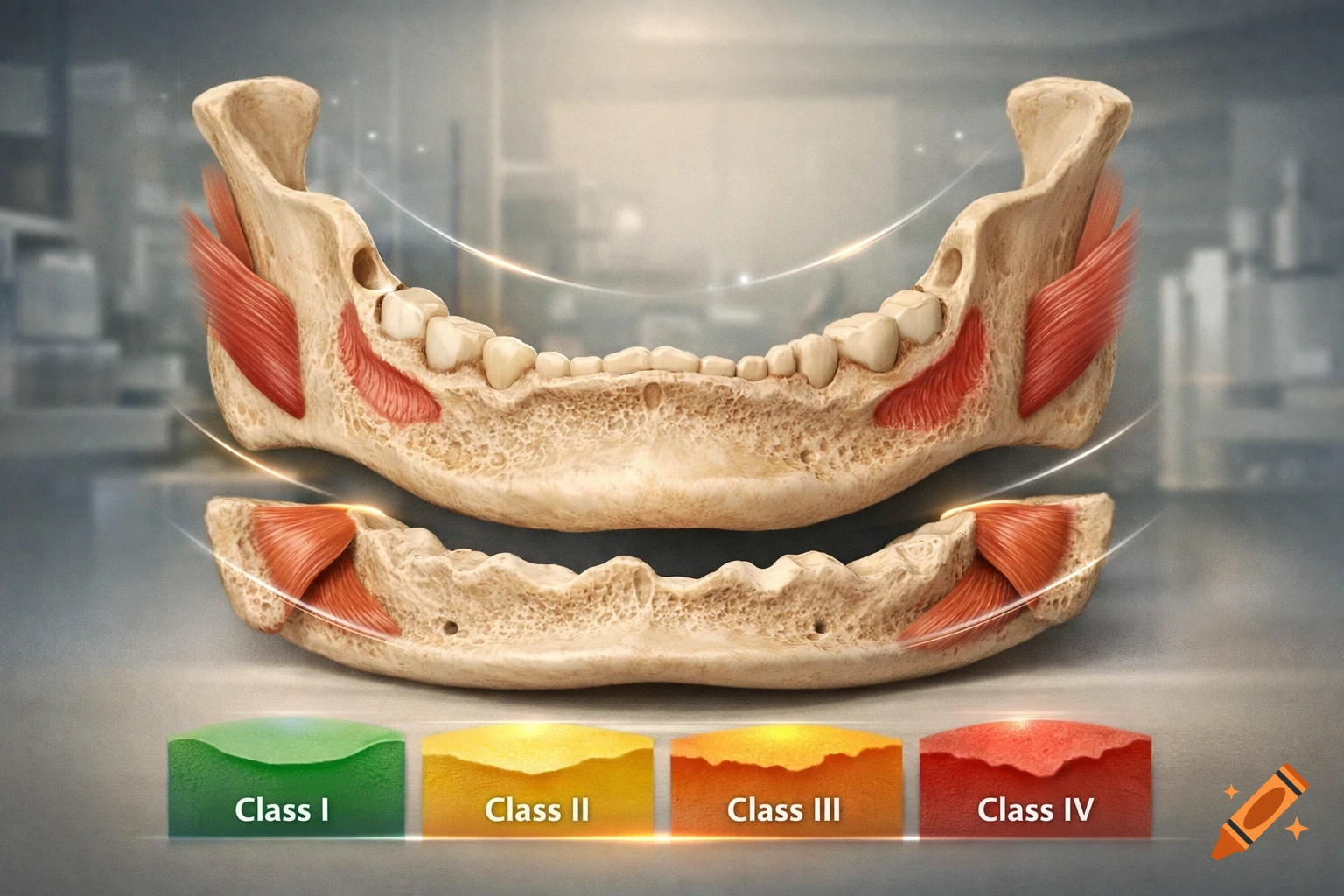
Article Summary: The ACP classification system for complete edentulism provides a structured approach to evaluate and categorize edentulous patients based on objective clinical criteria. By considering mandibular bone height, maxillary ridge morphology, mandibular muscle attachments, and maxillo mandibular relationships, the system establishes four diagnostic classes ranging from most favorable to most complex. This framework highlights how anatomical and functional variations influence denture stability, fit, and treatment complexity, emphasizing that not all edentulous patients can be treated with standard prosthodontic techniques. Additional factors, such as systemic disease, psychosocial considerations, and functional limitations, further refine classification and guide clinical decision-making. The system also serves broader clinical and professional purposes. It facilitates consistent communication among practitioners, supports justification of treatment complexity to third-party payers, and identifies cases that may require specialist referral or advanced interventions. By standardizing diagnostic evaluation, it allows systematic treatment planning, supports research comparisons, and improves patient outcomes. Overall, the classification emphasizes that complete edentulism exists on a spectrum, where careful assessment of objective criteria ensures more predictable, evidence-based prosthodontic care. See more