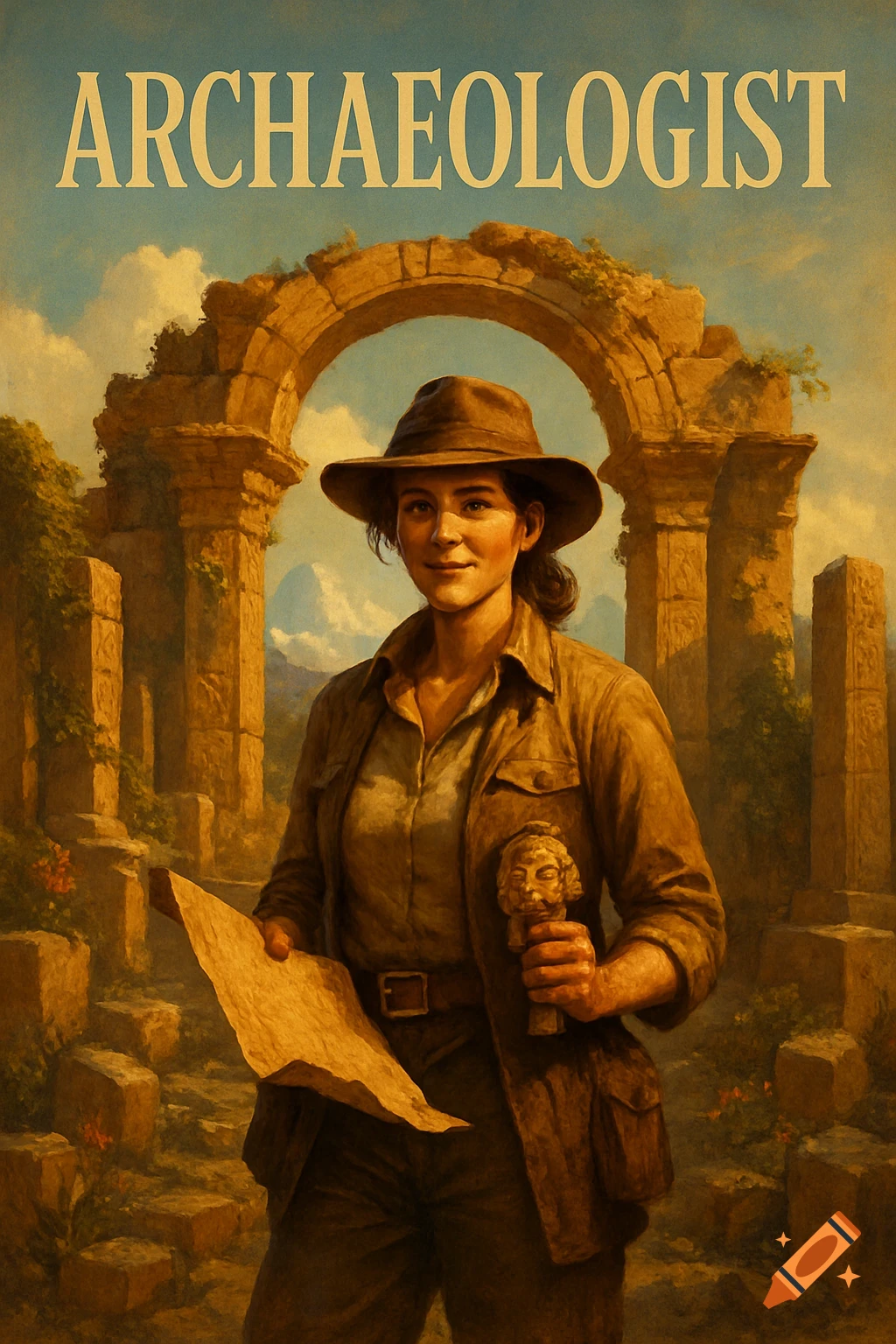
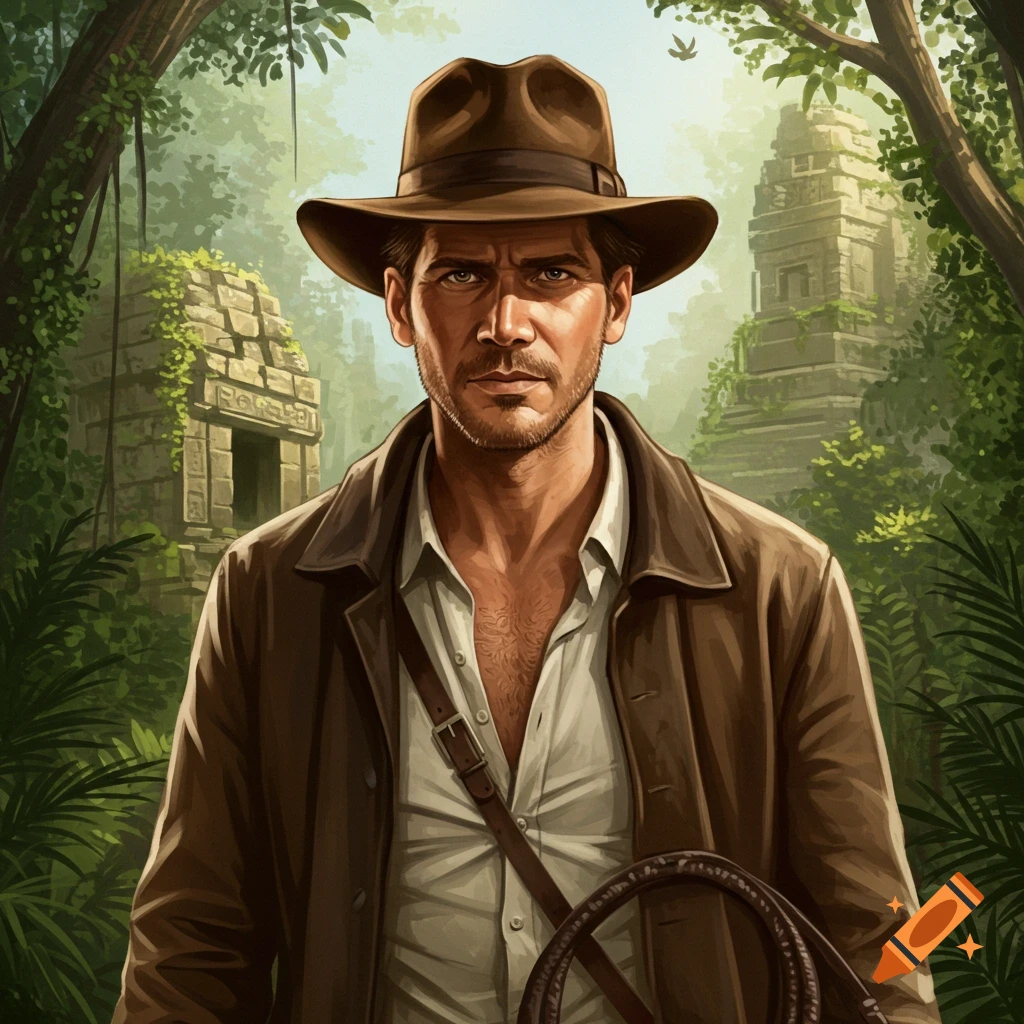
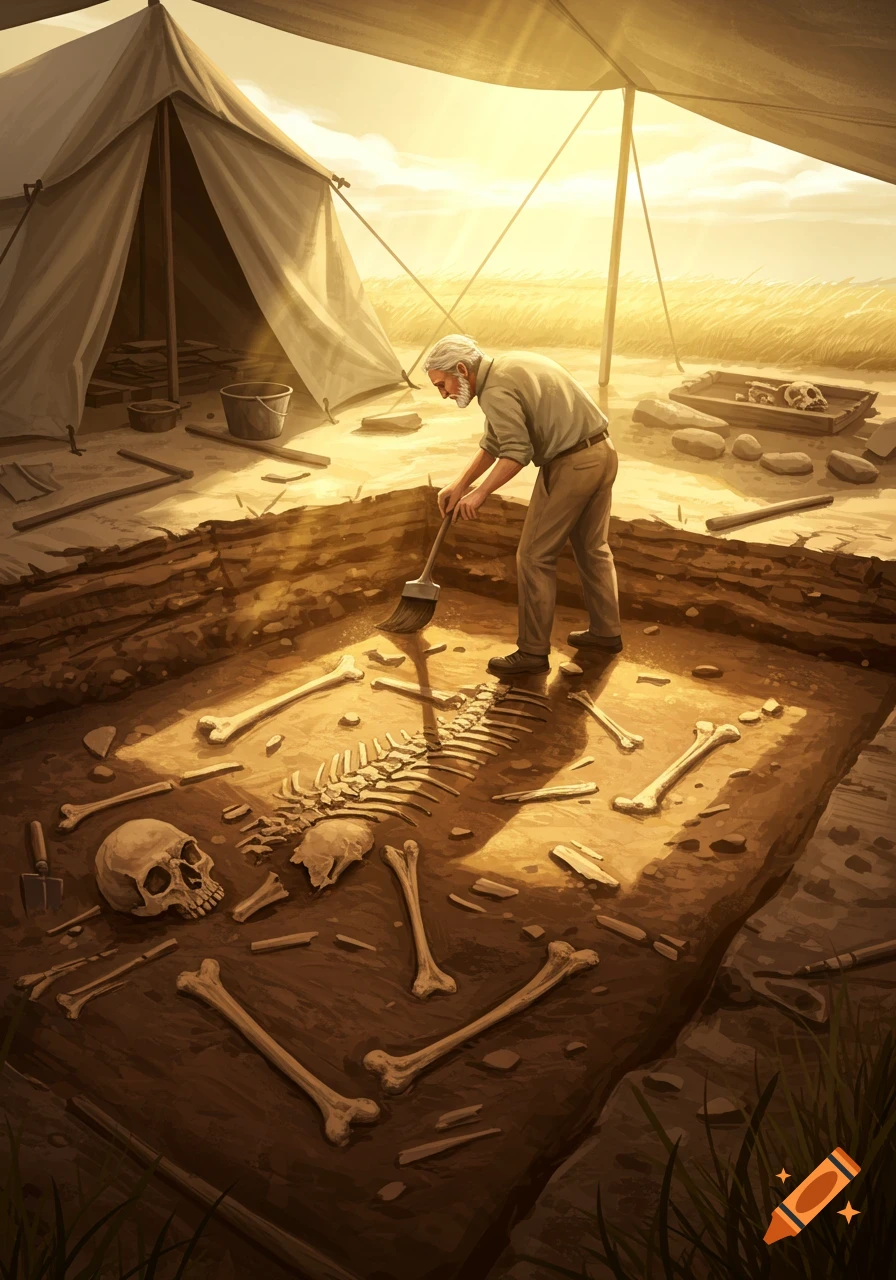
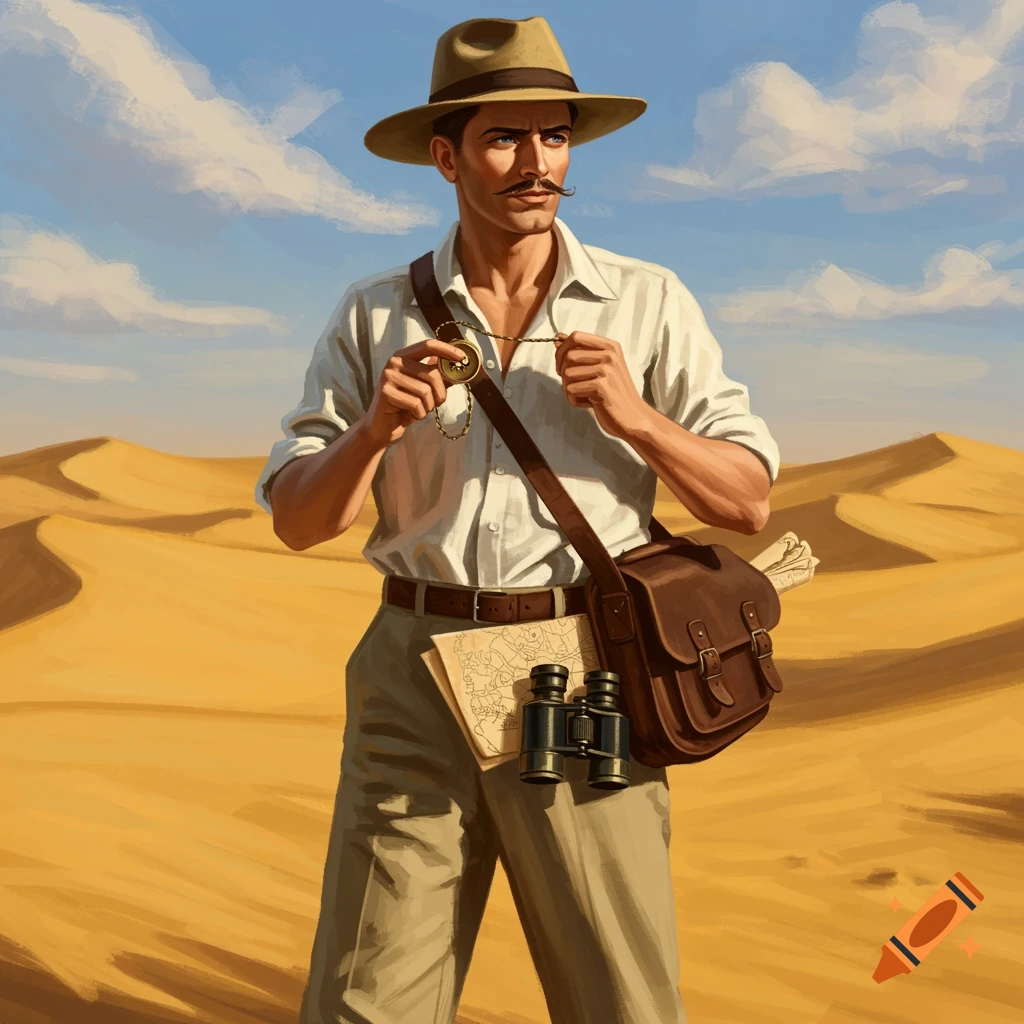
A male archaeologist in a hat reads a map next to a shovel in an excavation site, with text "How Do Archaeologists Know Where to Dig?".
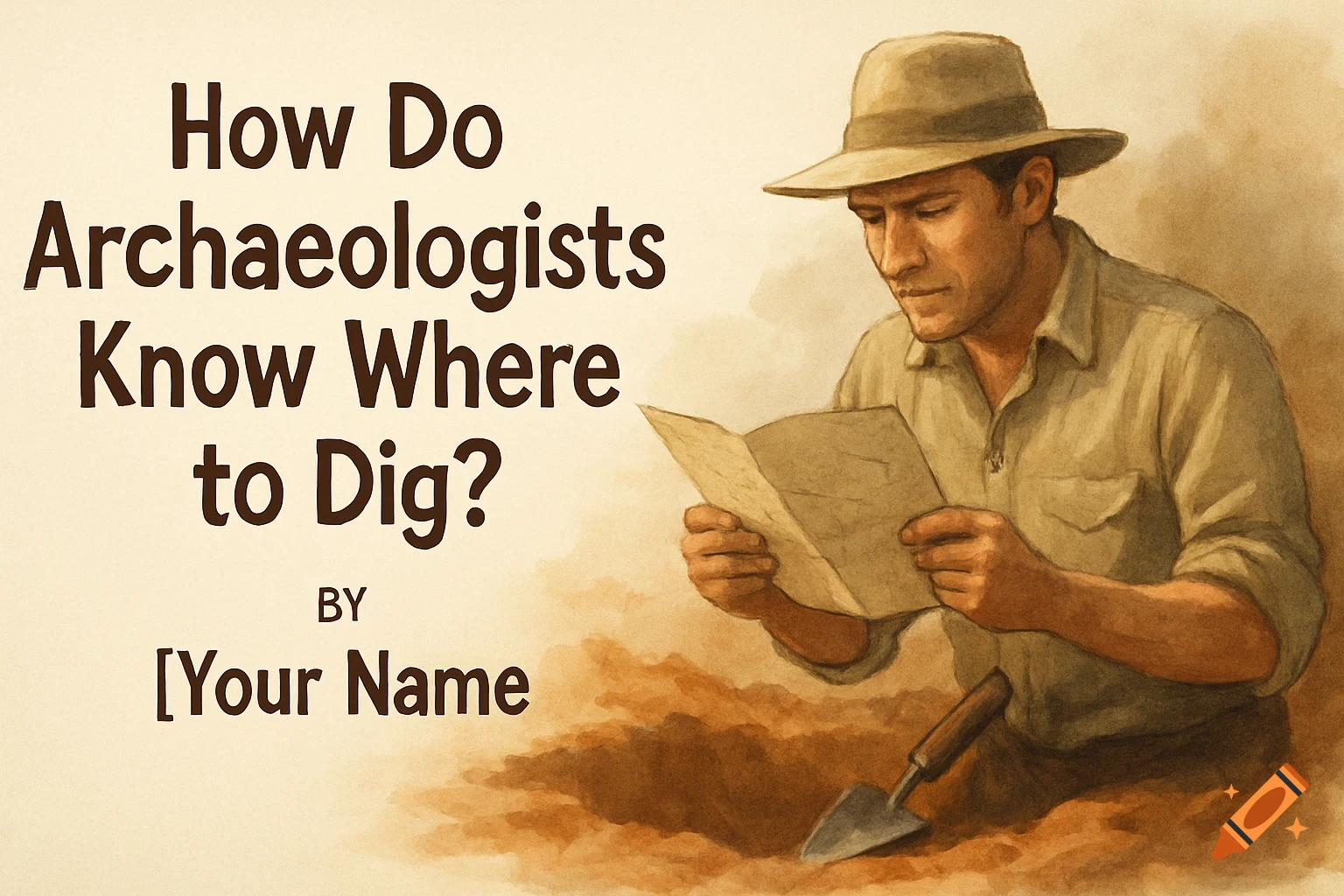
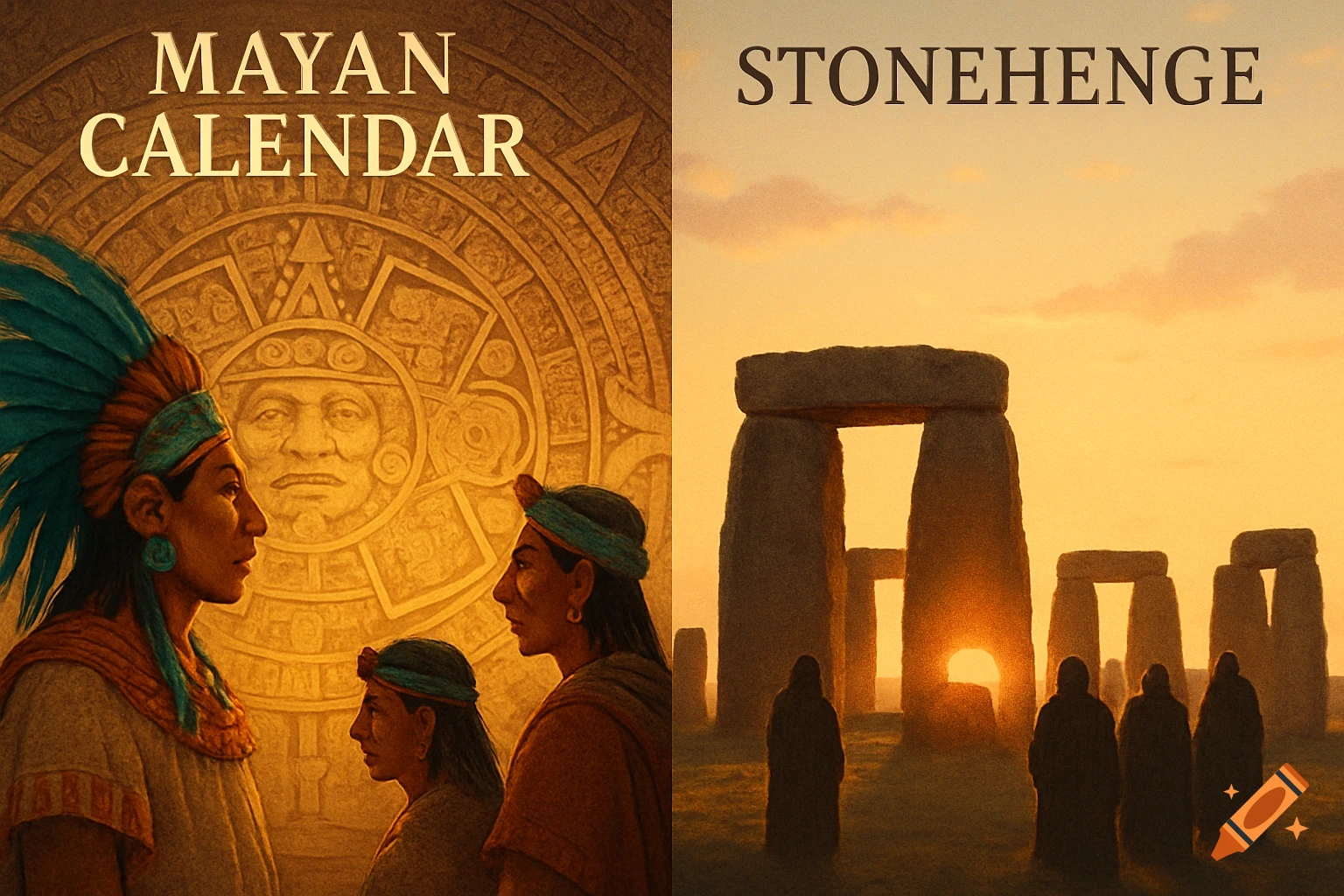
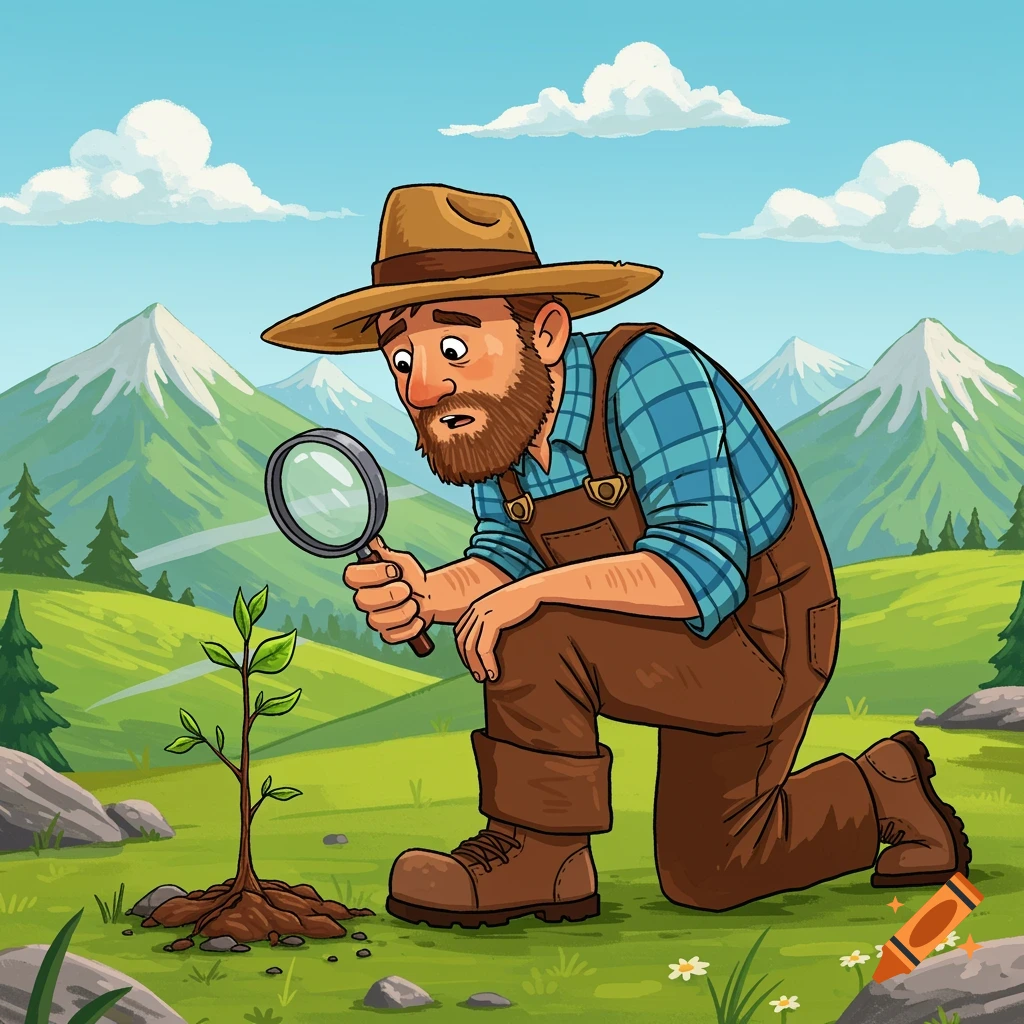
🎓 Slide 1: Title Slide How Do Archaeologists Know Where to Dig? By [Your Name] (With a picture of an archaeologist digging or looking at a map) ⸻ 🕵️♂️ Slide 2: Archaeologists = History Detectives! • Archaeologists study the past by digging up clues. • But they don’t just dig anywhere! • They use stories, maps, tools, and science to help. (Put a detective hat or magnifying glass image here!) ⸻ 🗺️ Slide 3: Step 1 – Clues from the Past • They read old books and maps. • Ancient stories can lead to real places. • Example: The lost city of Troy was found by reading old stories! (Add a map or scroll image) ⸻ 📡 Slide 4: Step 2 – Ground Penetrating Radar (GPR) • GPR is like x-ray vision for the ground. • It shows what’s buried without digging. • Example: GPR found secret tunnels near the pyramids in Egypt! (Show a radar or science tool image) ⸻ ✈️ Slide 5: Step 3 – Looking from the Sky • Archaeologists use drones or airplanes. • Pictures from above show weird shapes on the ground. • Example: In England, they found hidden parts of Stonehenge like this! (Add a drone or aerial view picture) ⸻ 💬 Slide 6: Step 4 – Talking to Locals • People sometimes find clues in their yards or farms. • Example: In Italy, a man digging a well found a Roman statue! • These tips help archaeologists know where to dig next. (Image idea: a farmer with a shovel and a coin) ⸻ 🧱 Slide 7: Finally… Time to Dig! • After using all the clues, they pick the best spot. • They dig carefully so they don’t break See more