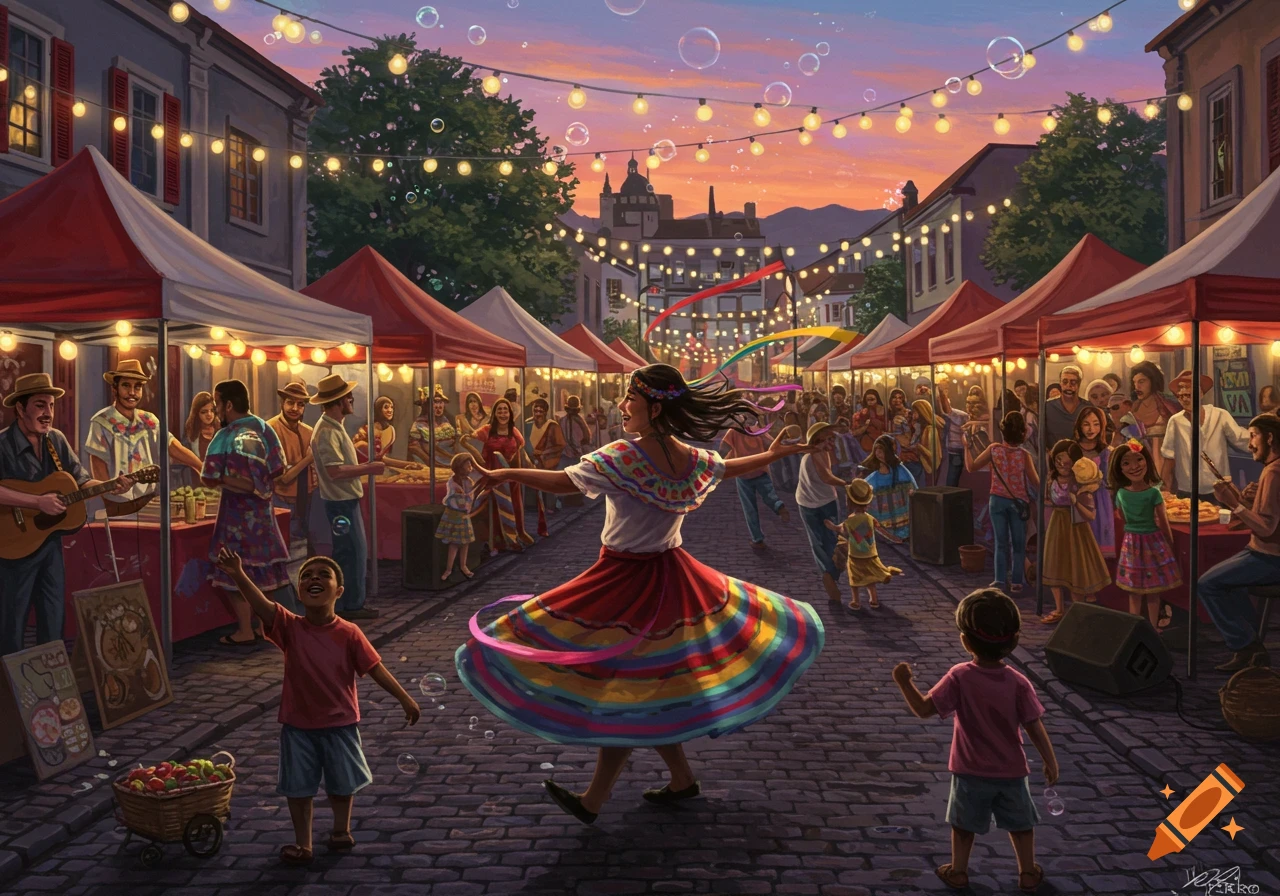
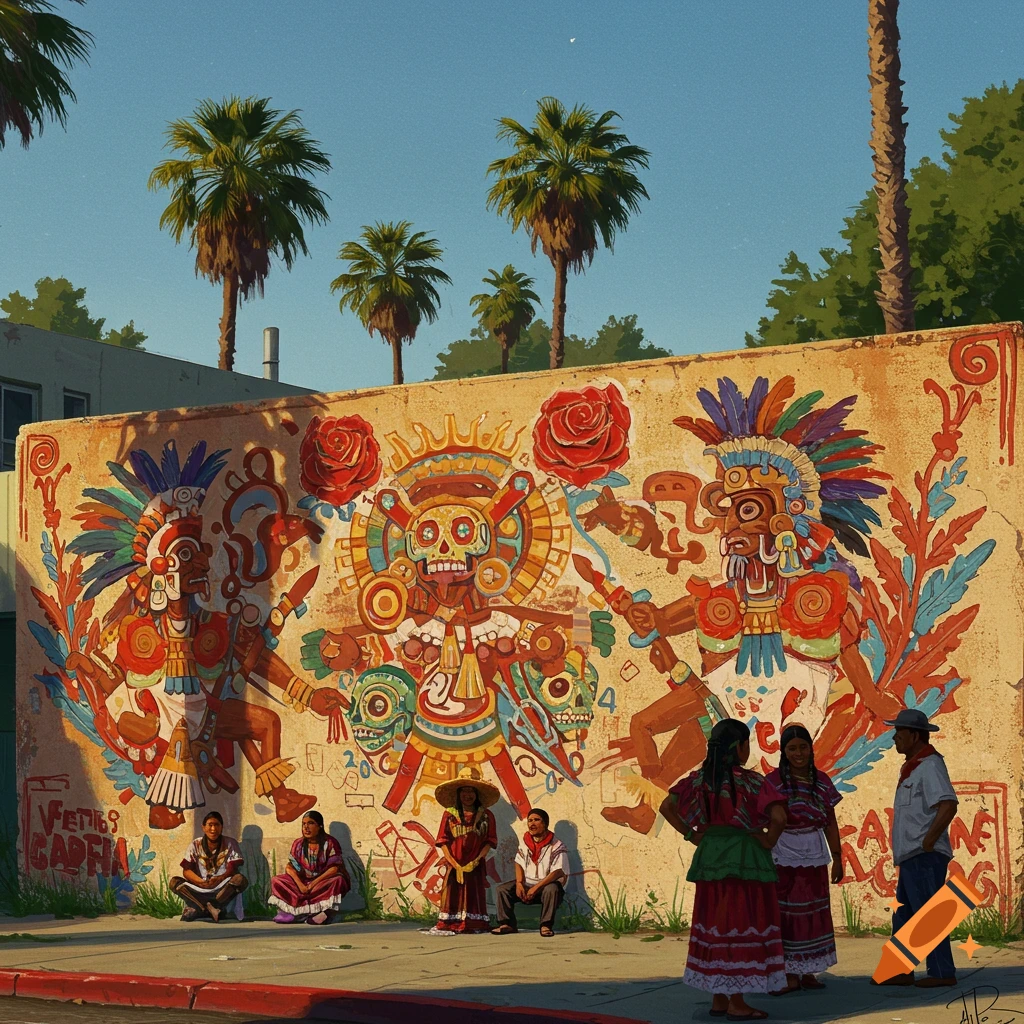
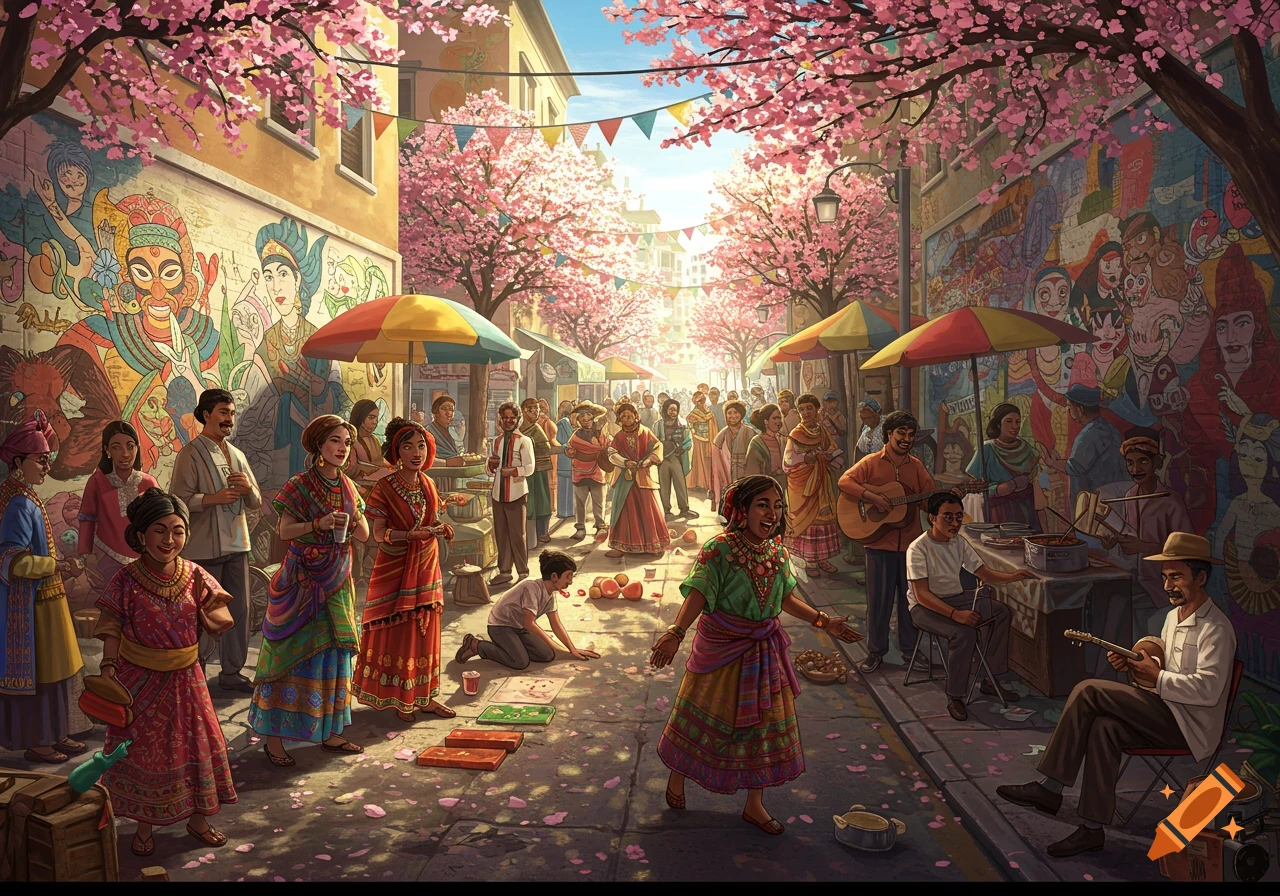
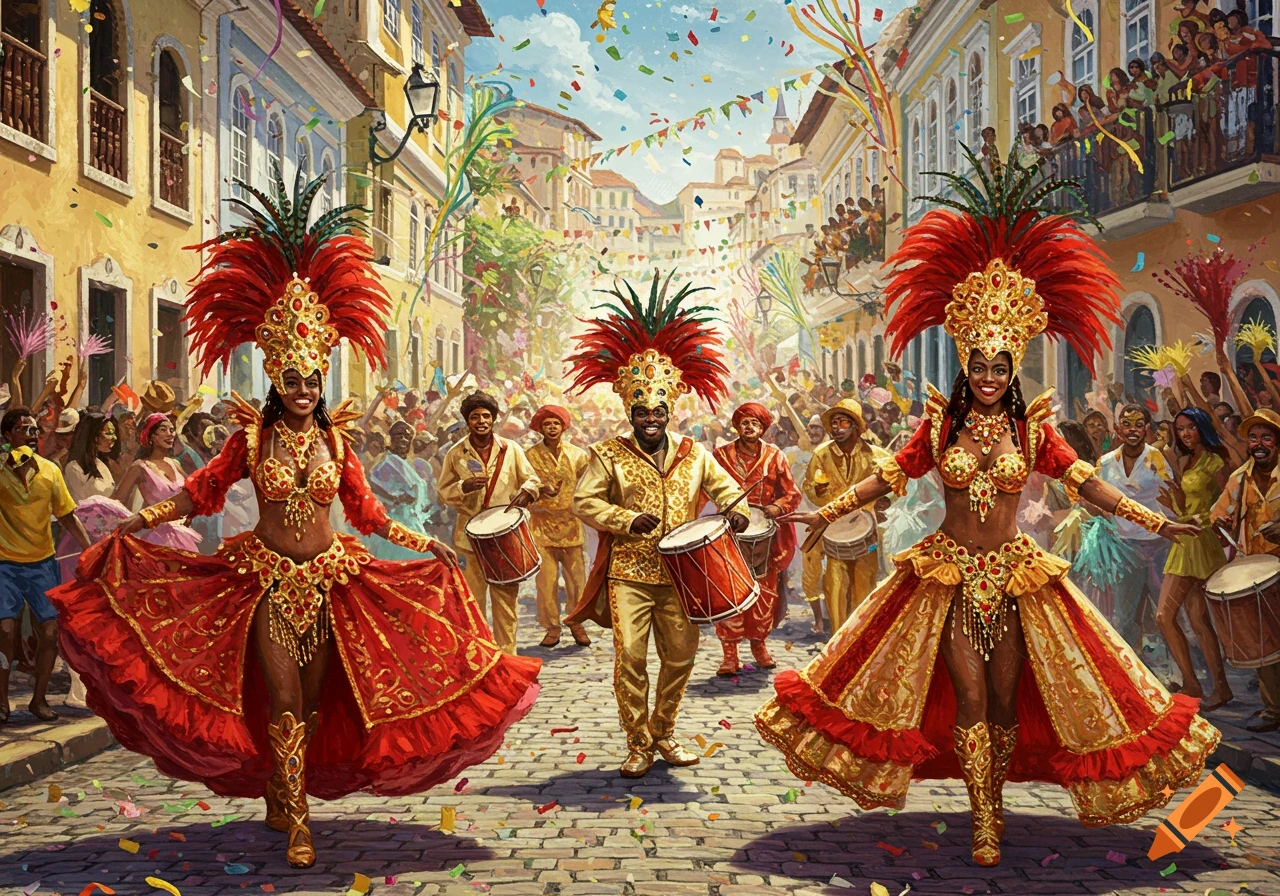
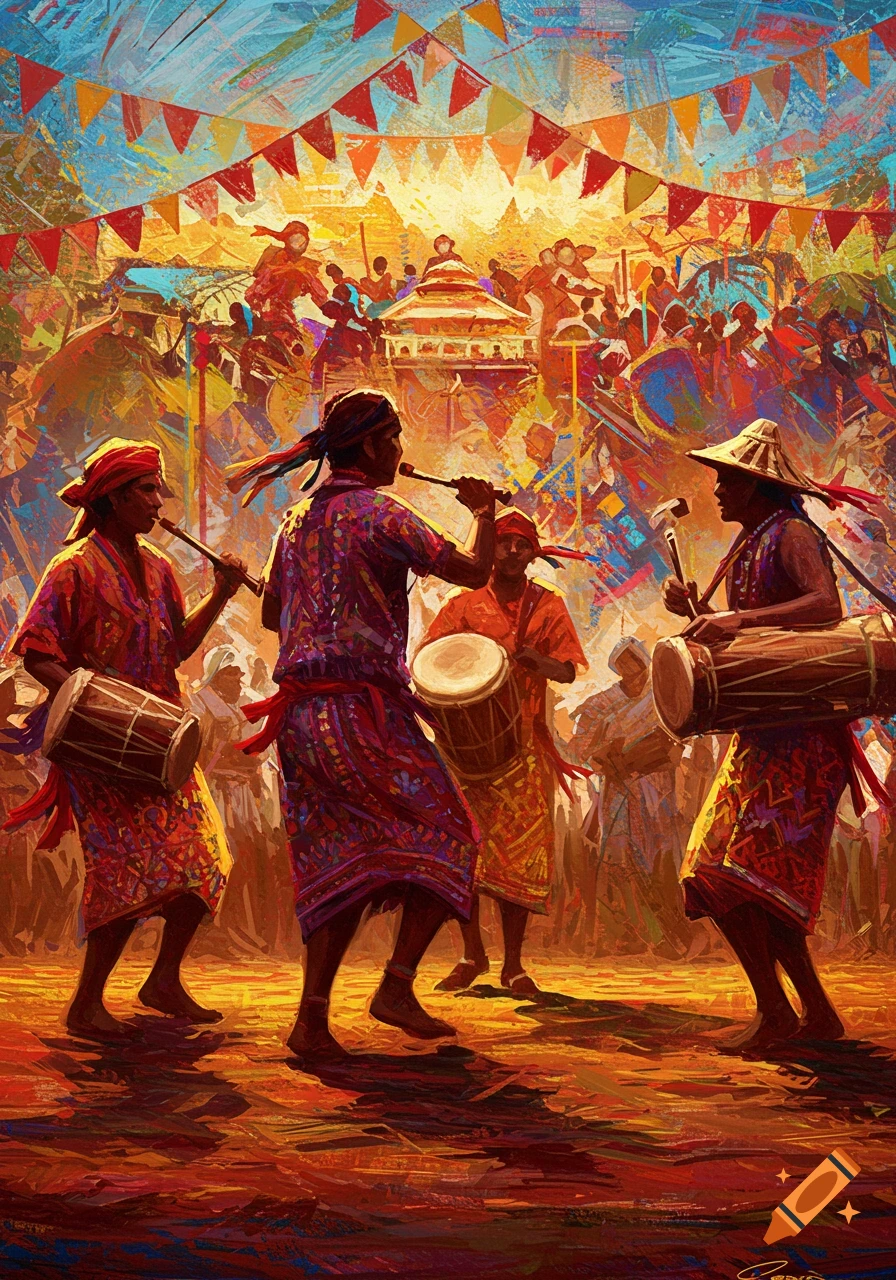
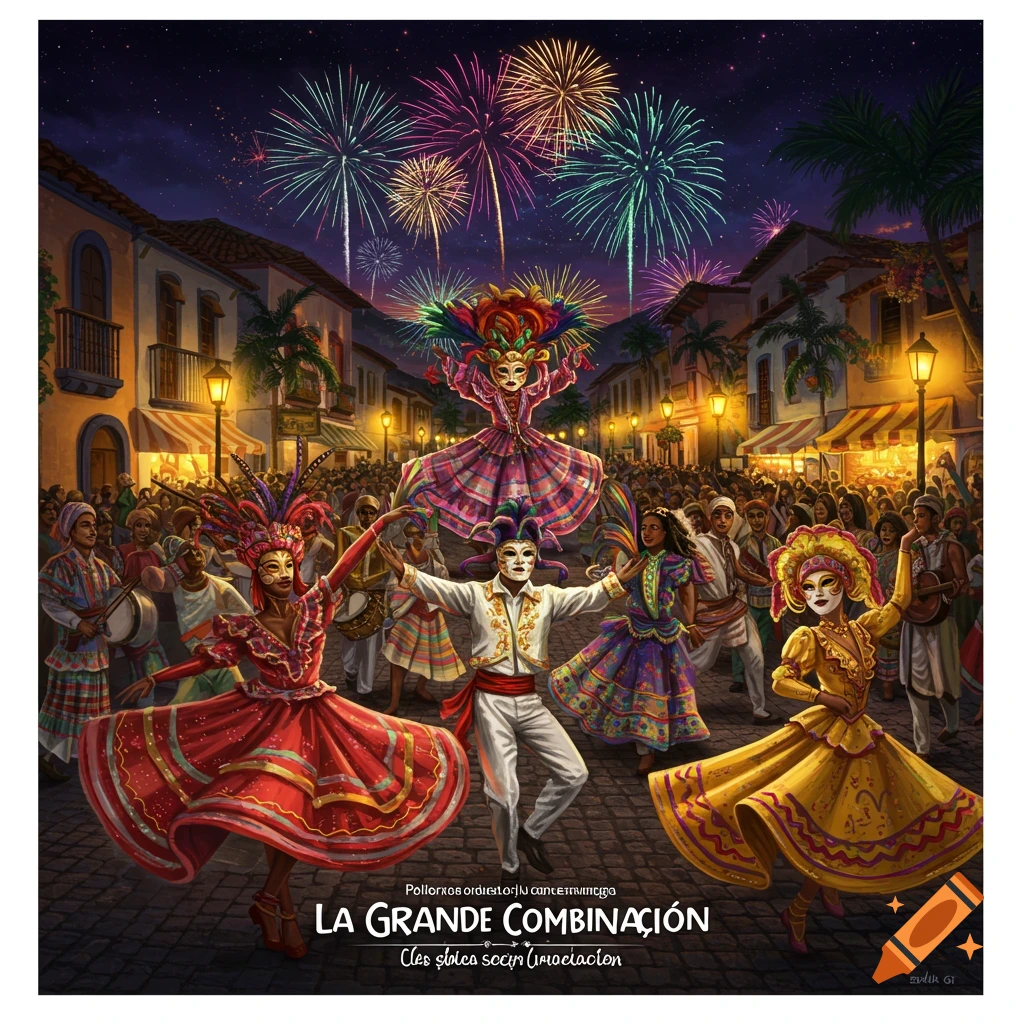
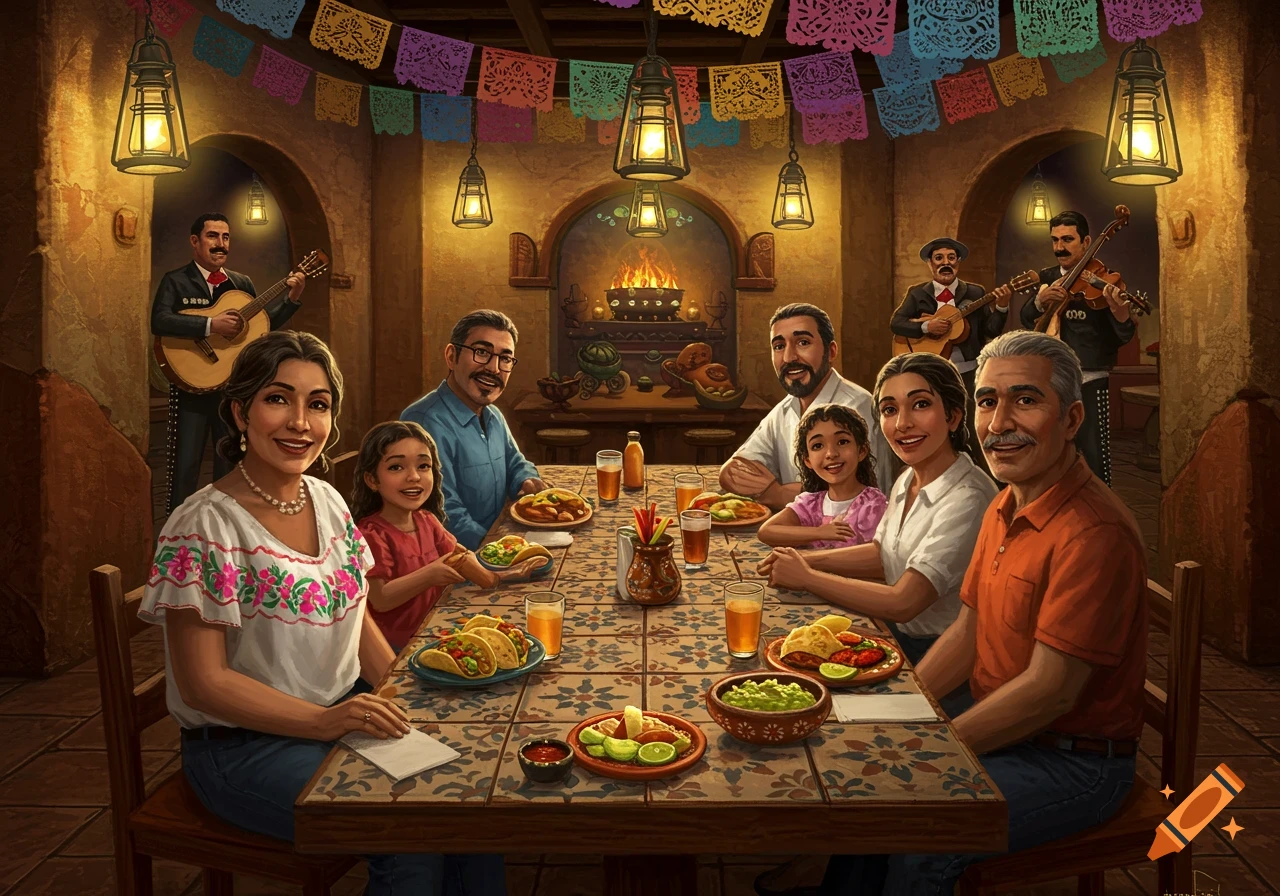
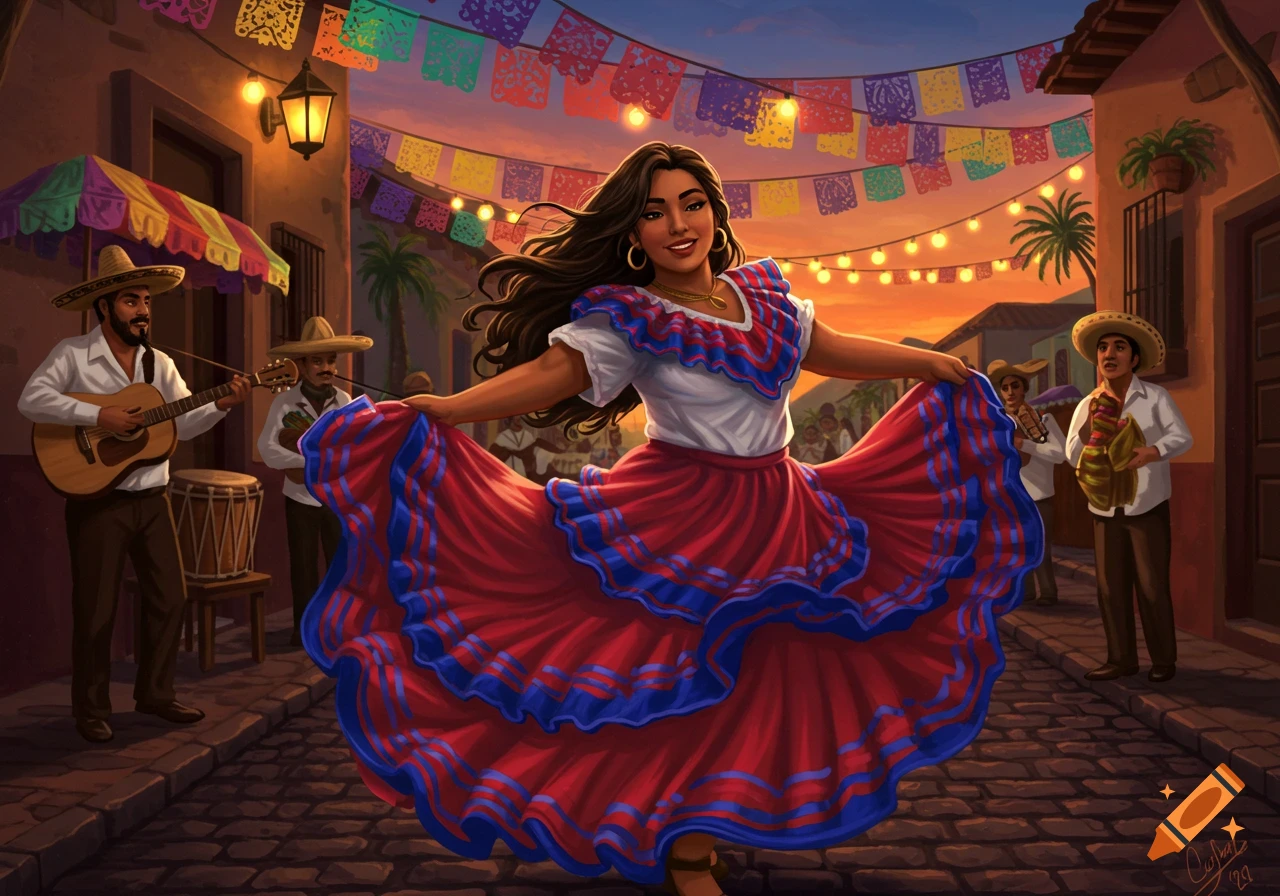
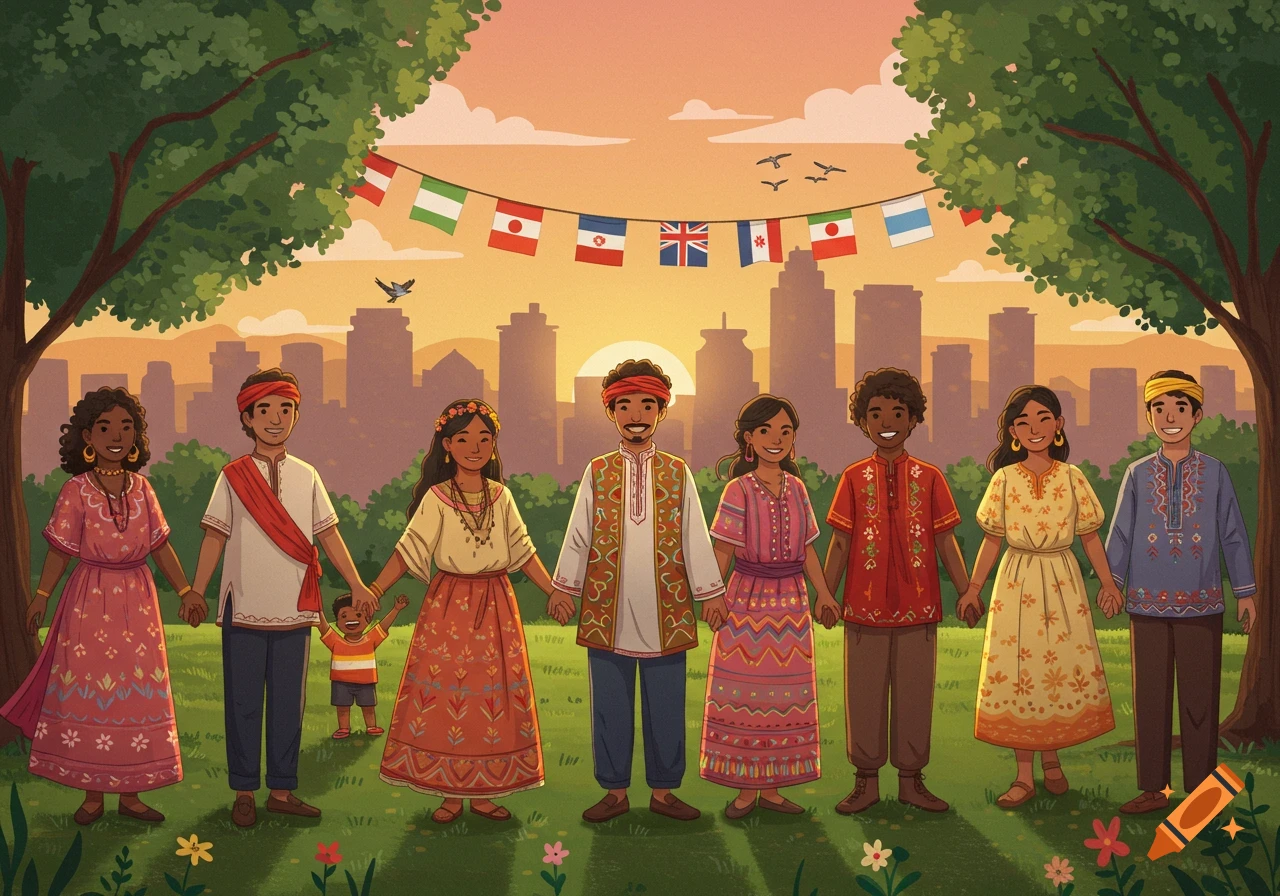
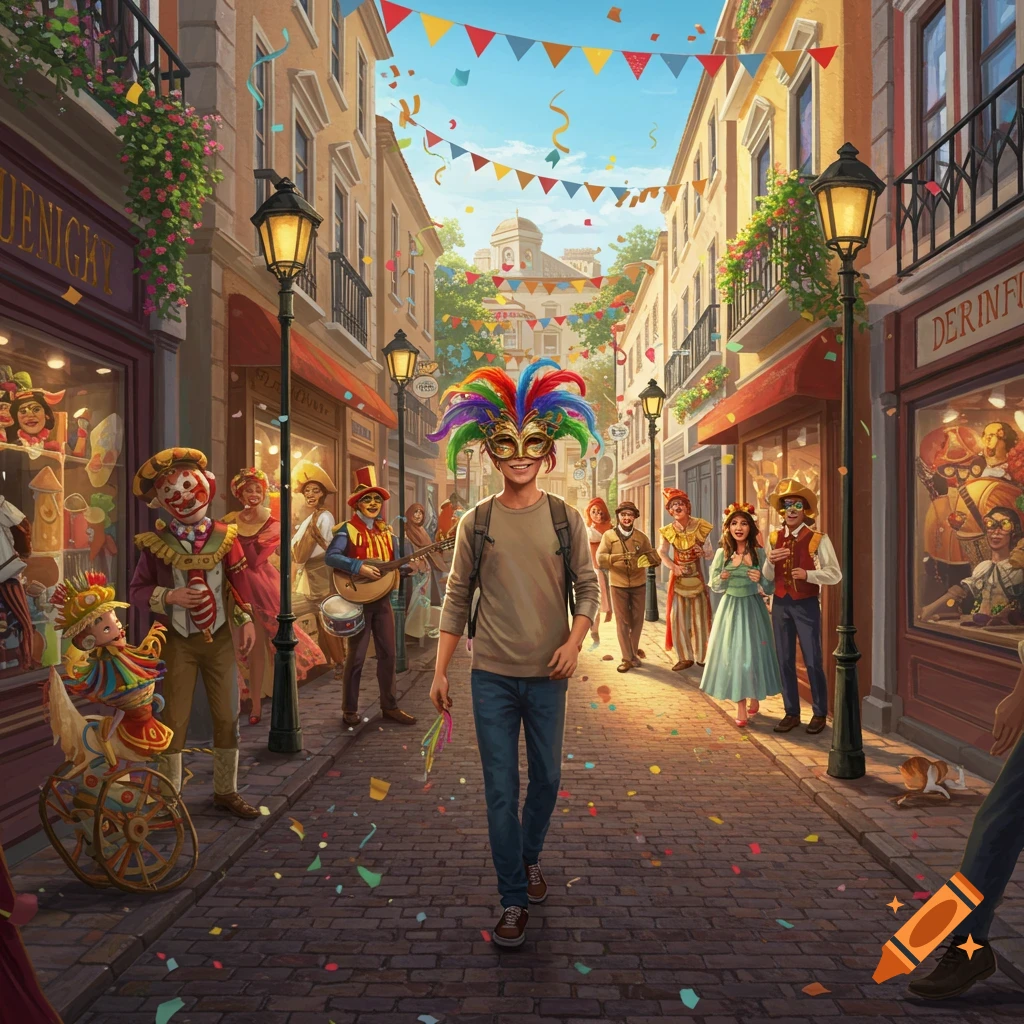
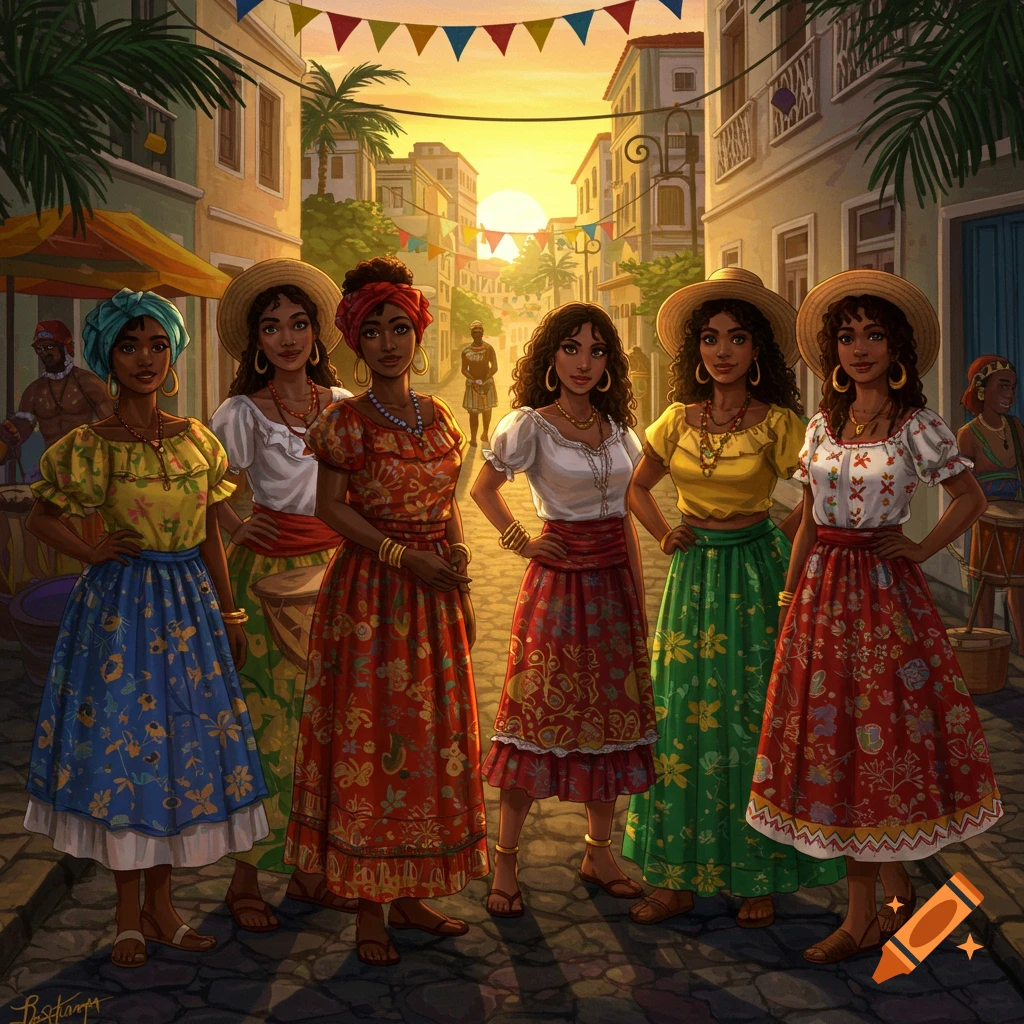
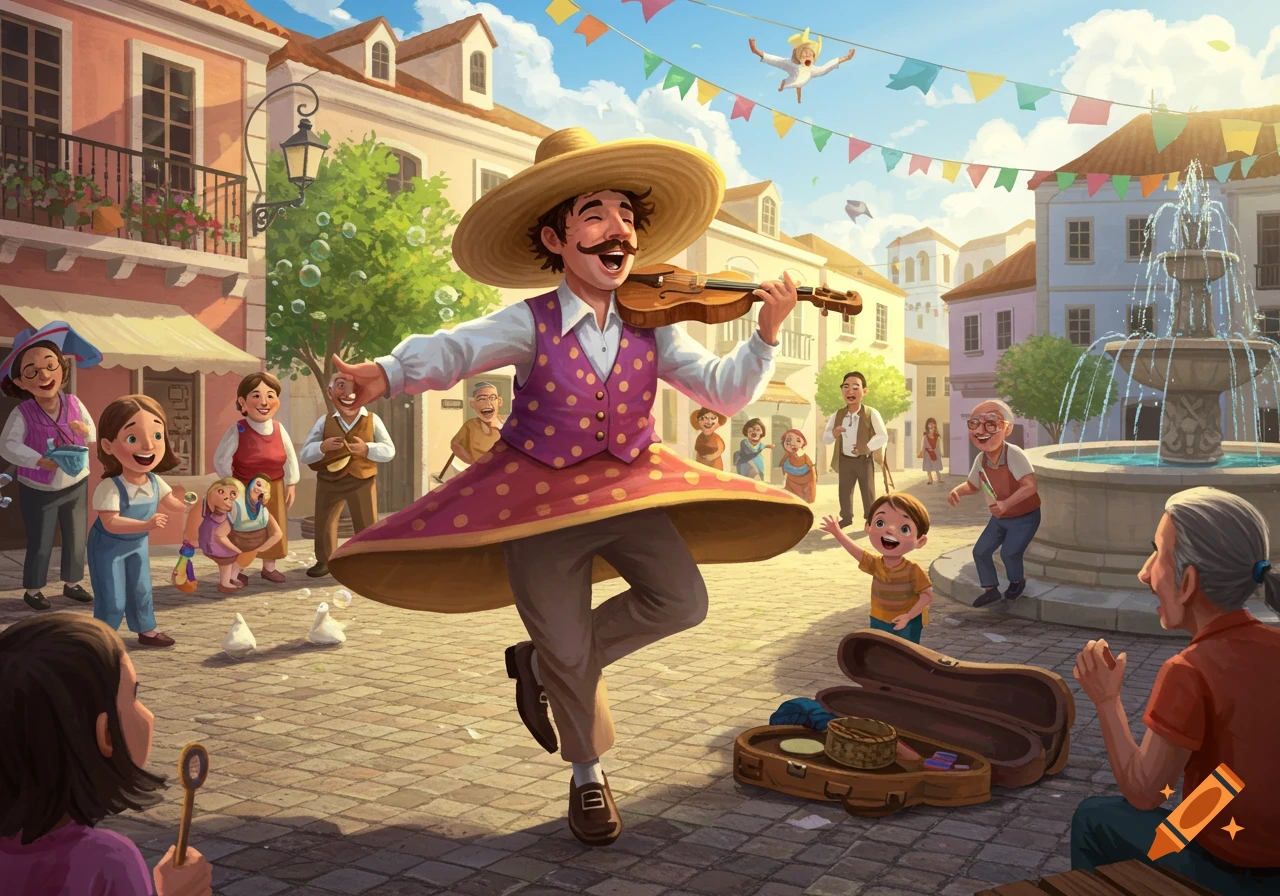
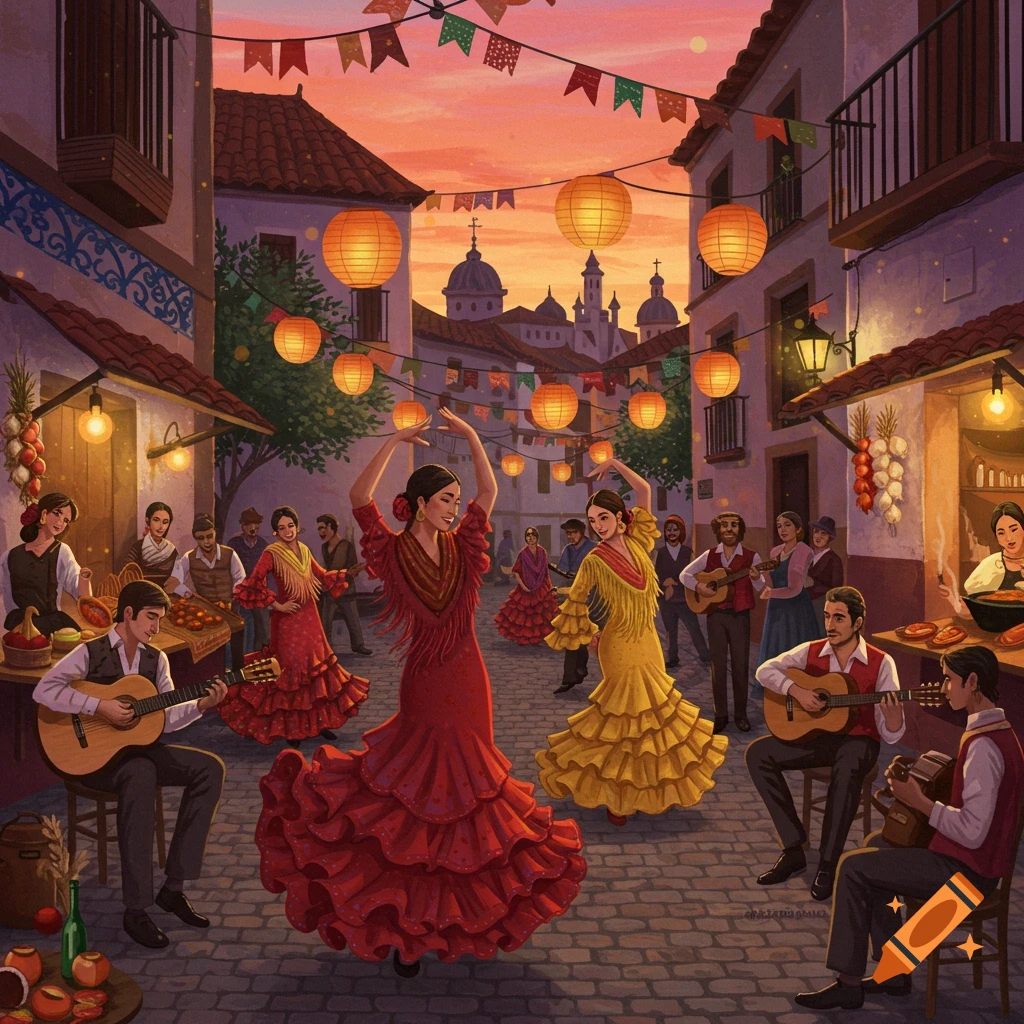
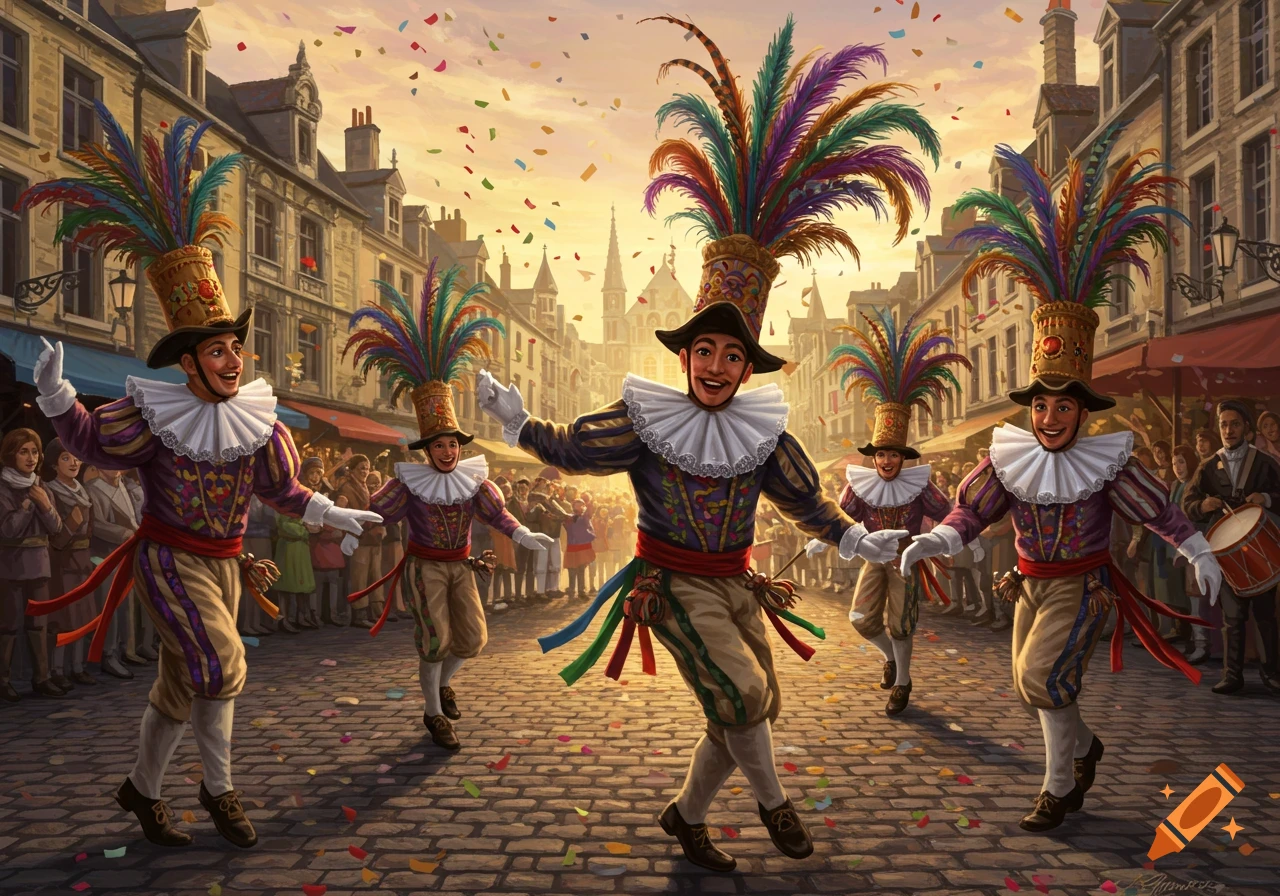
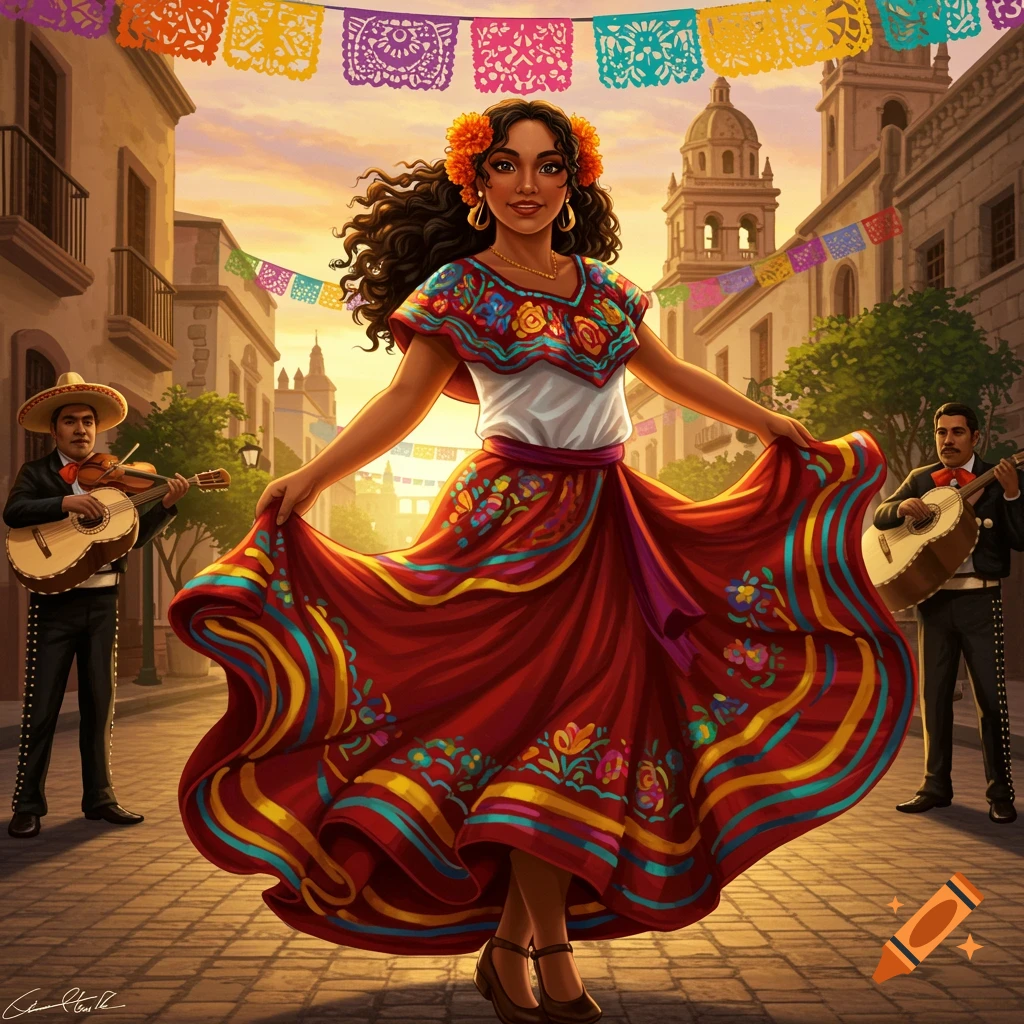
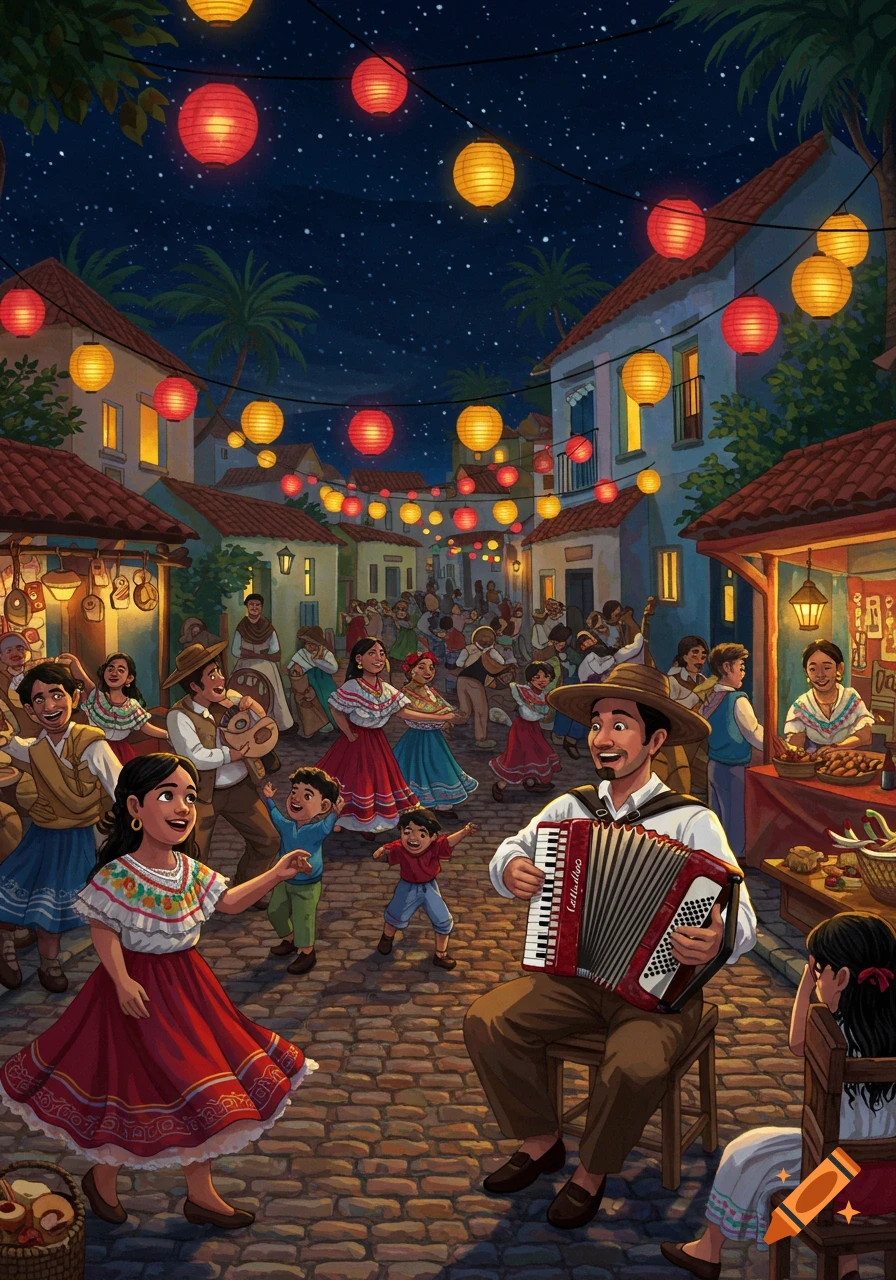
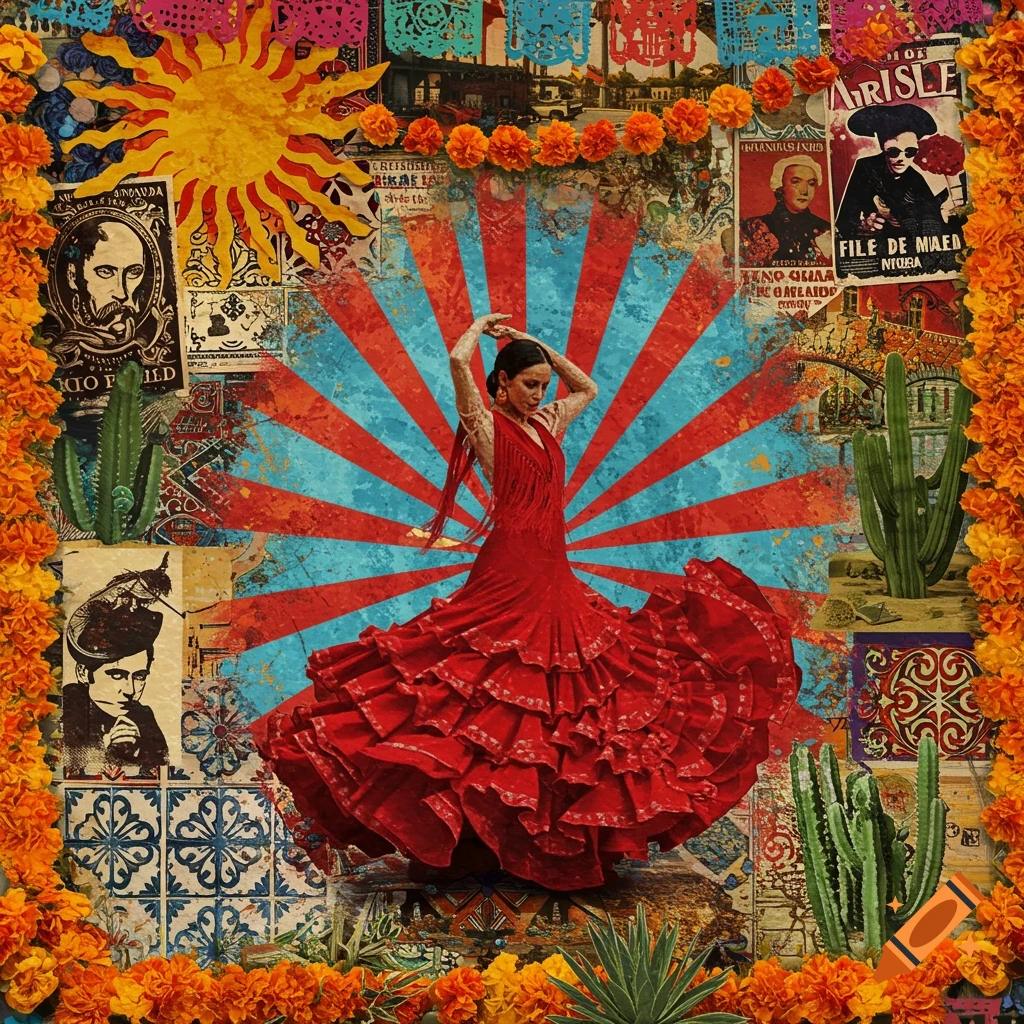
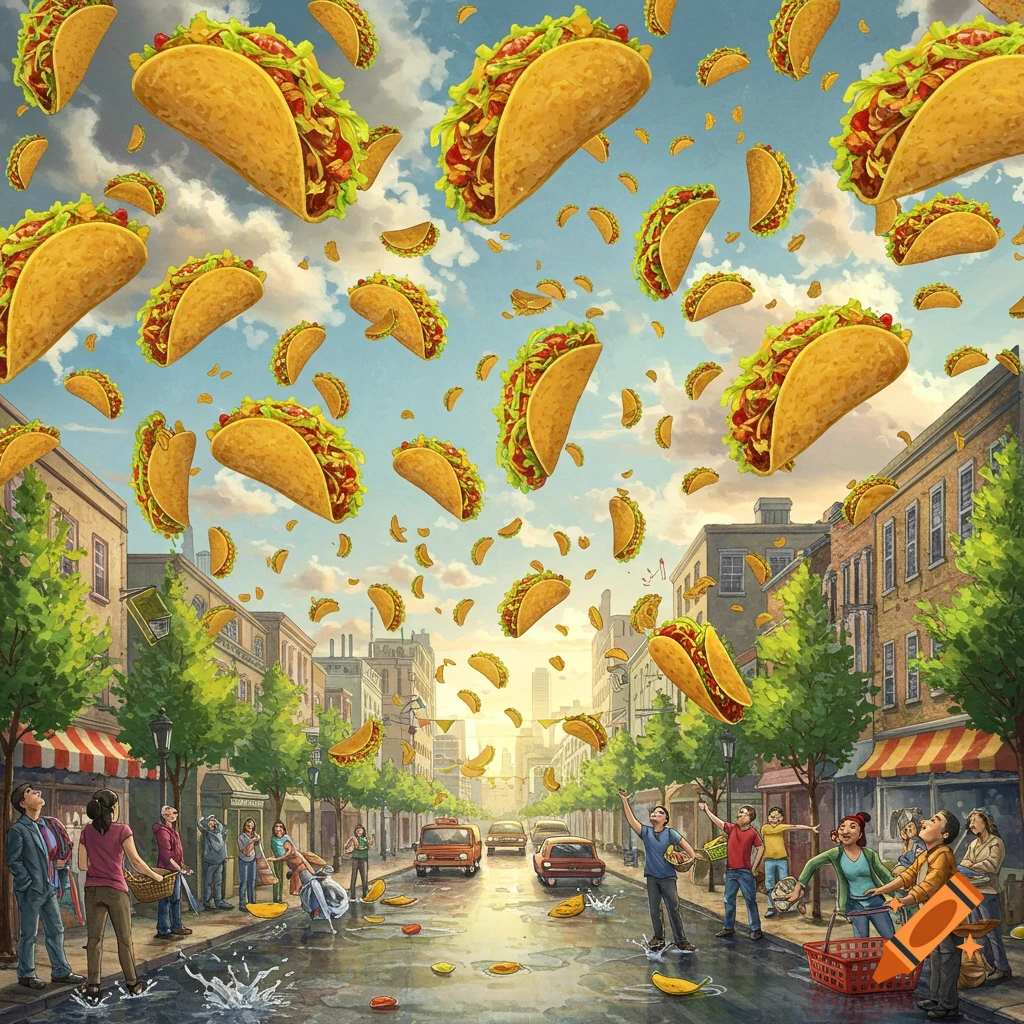
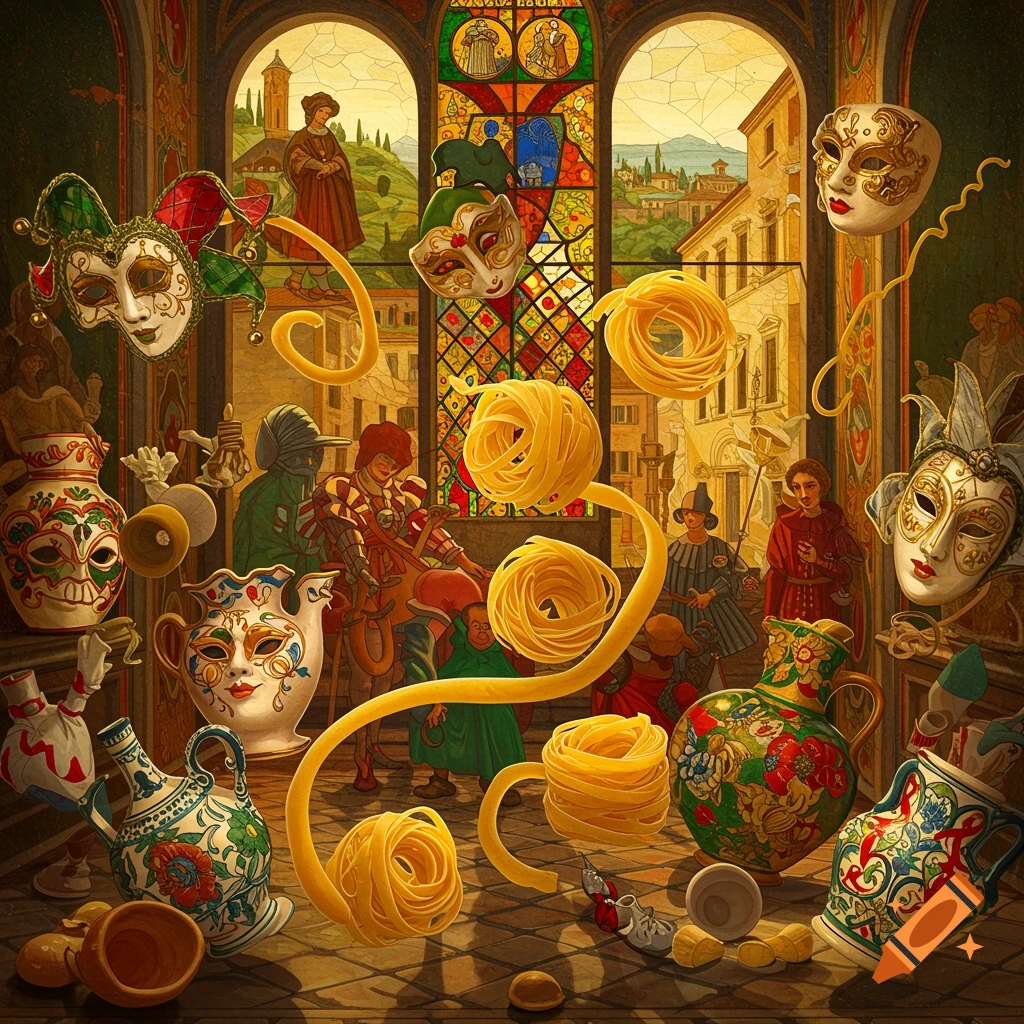
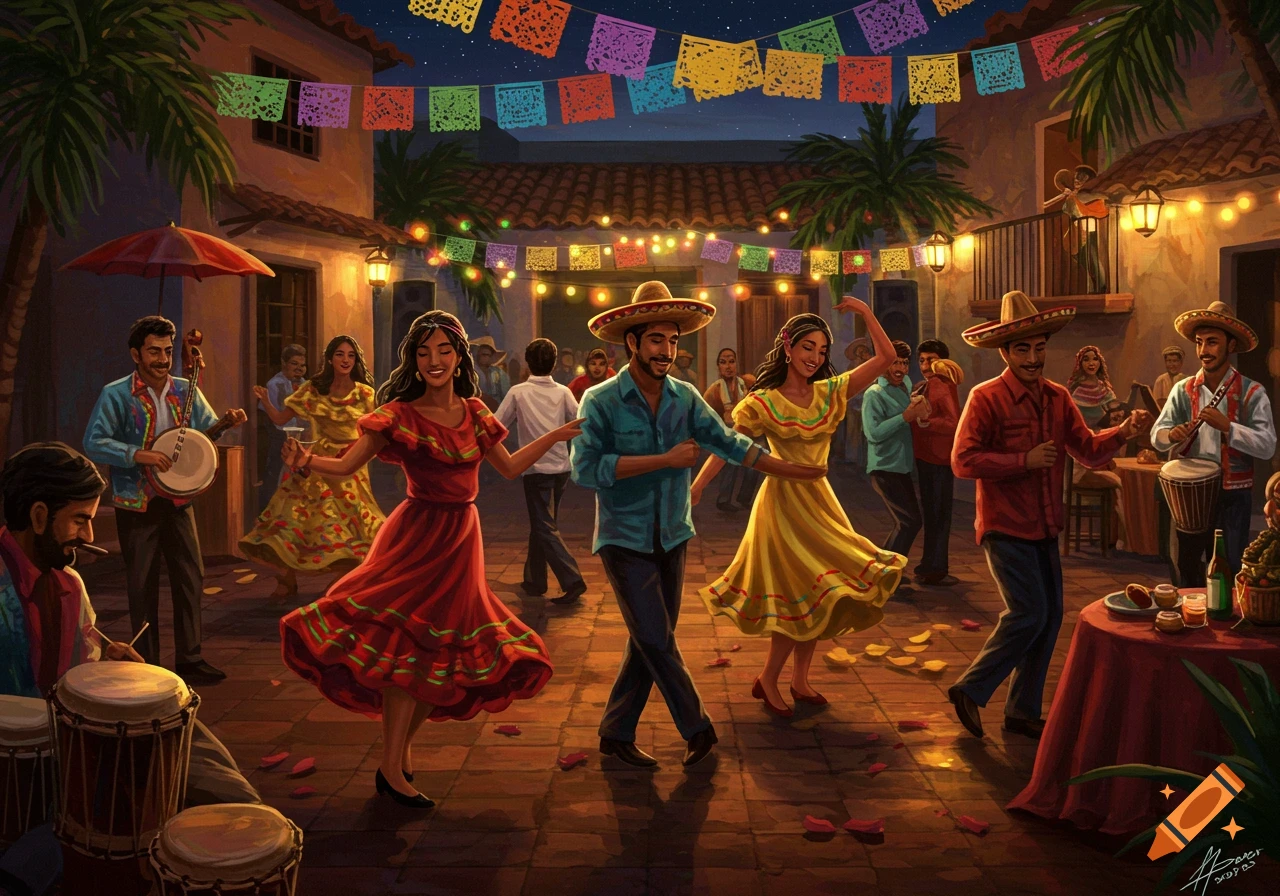
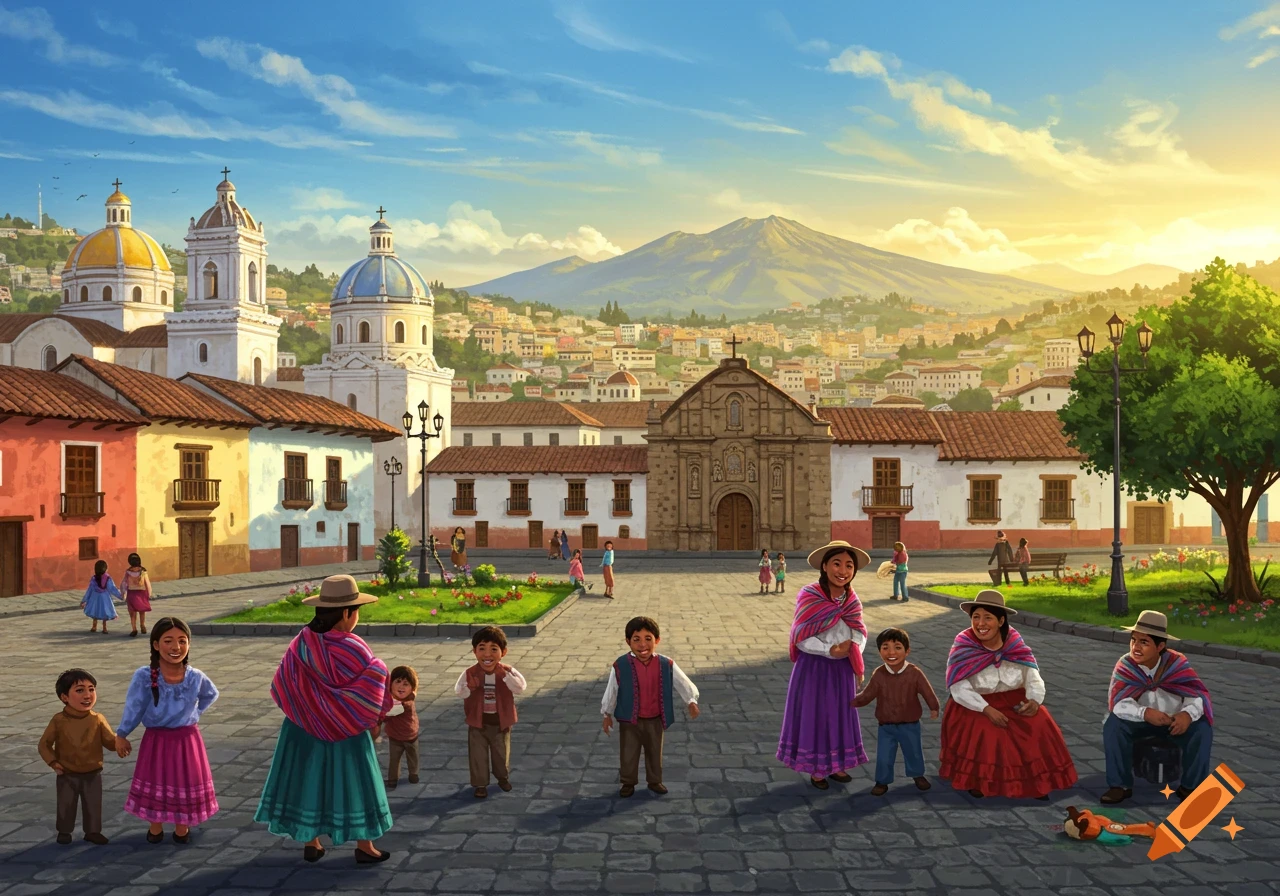
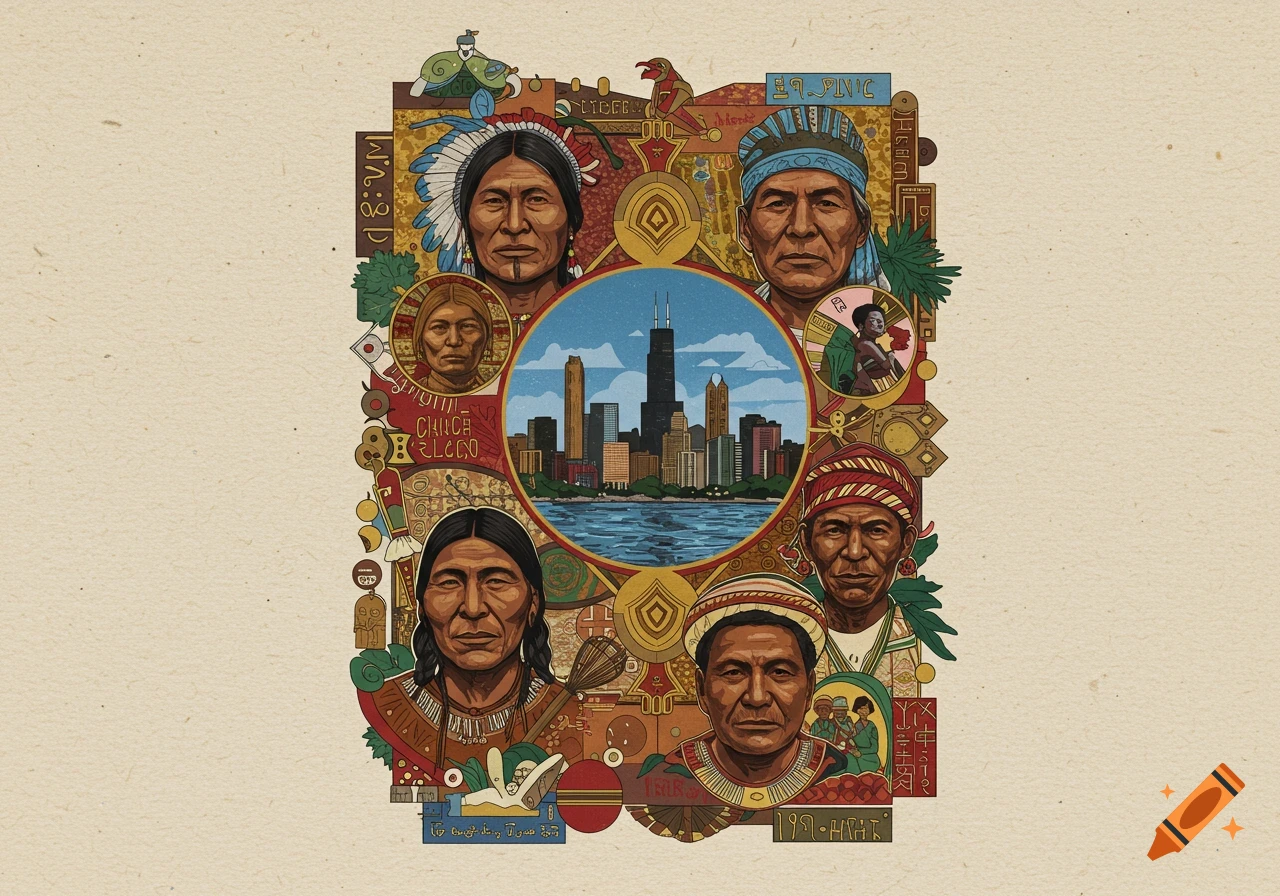
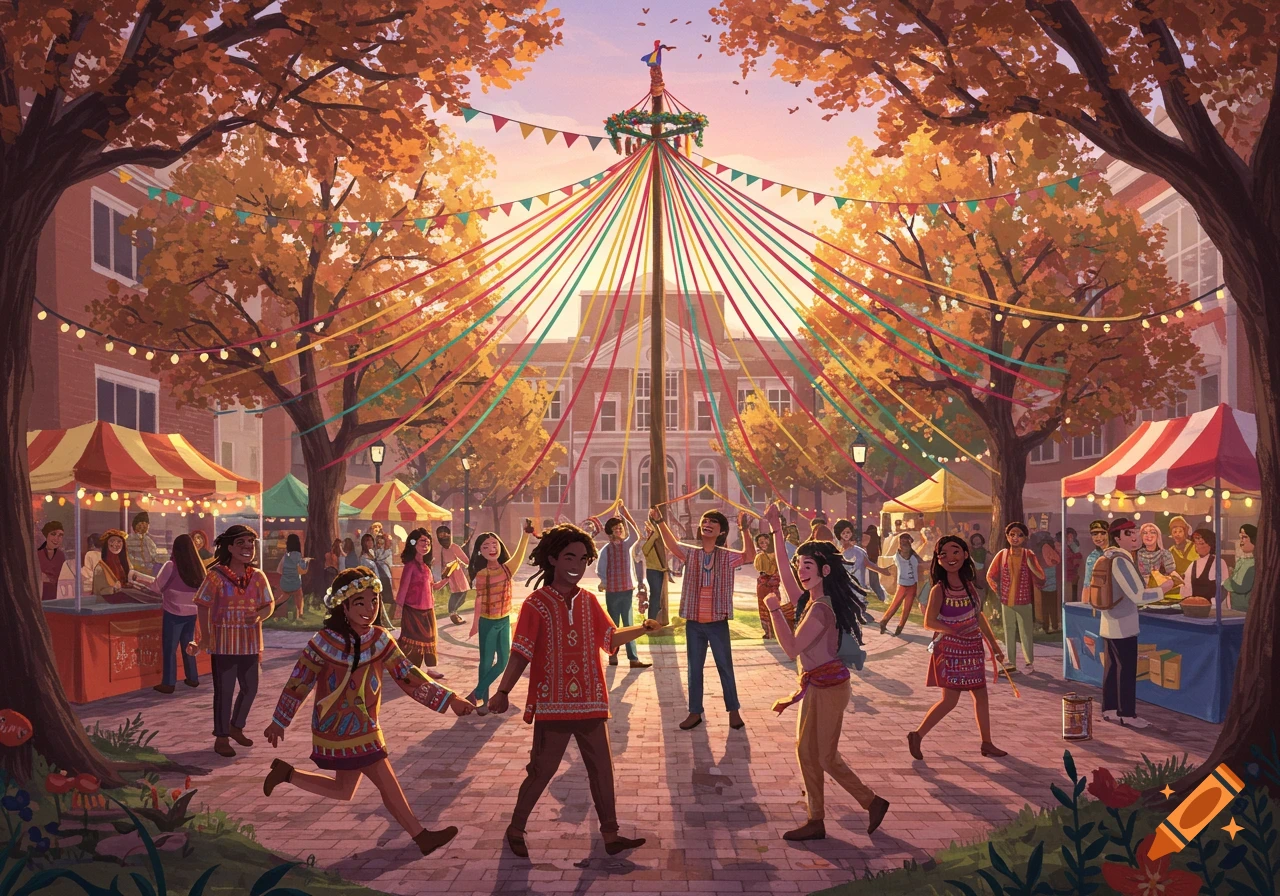
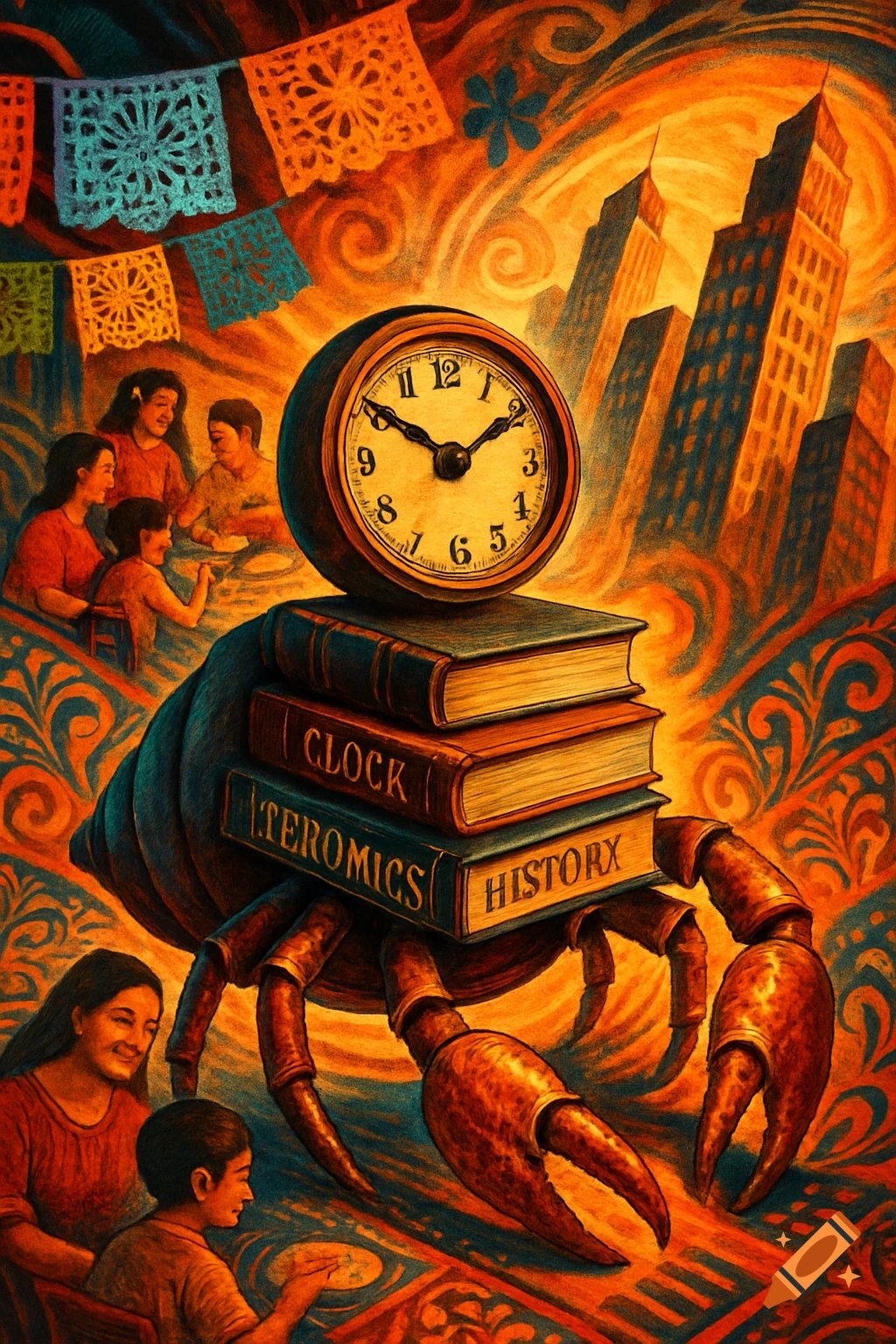
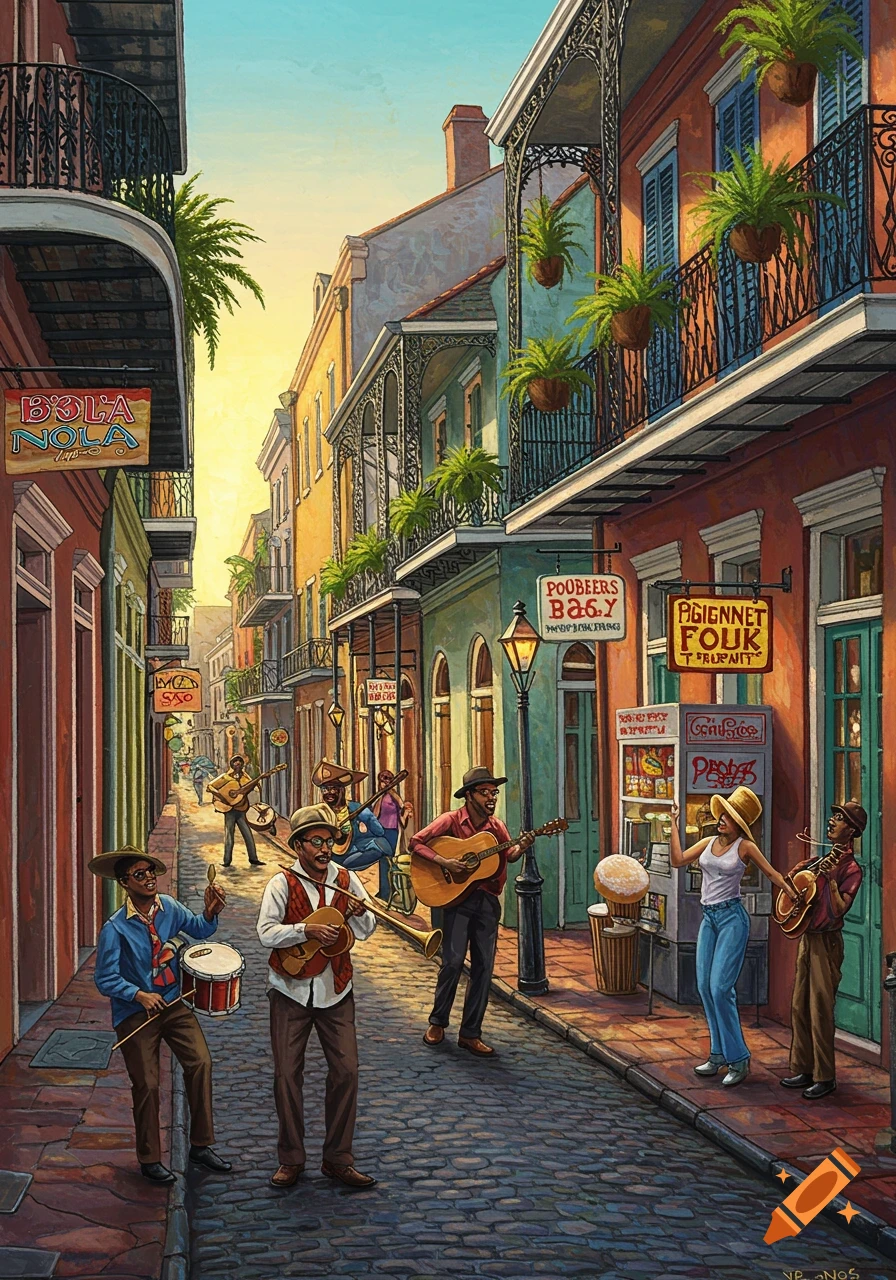
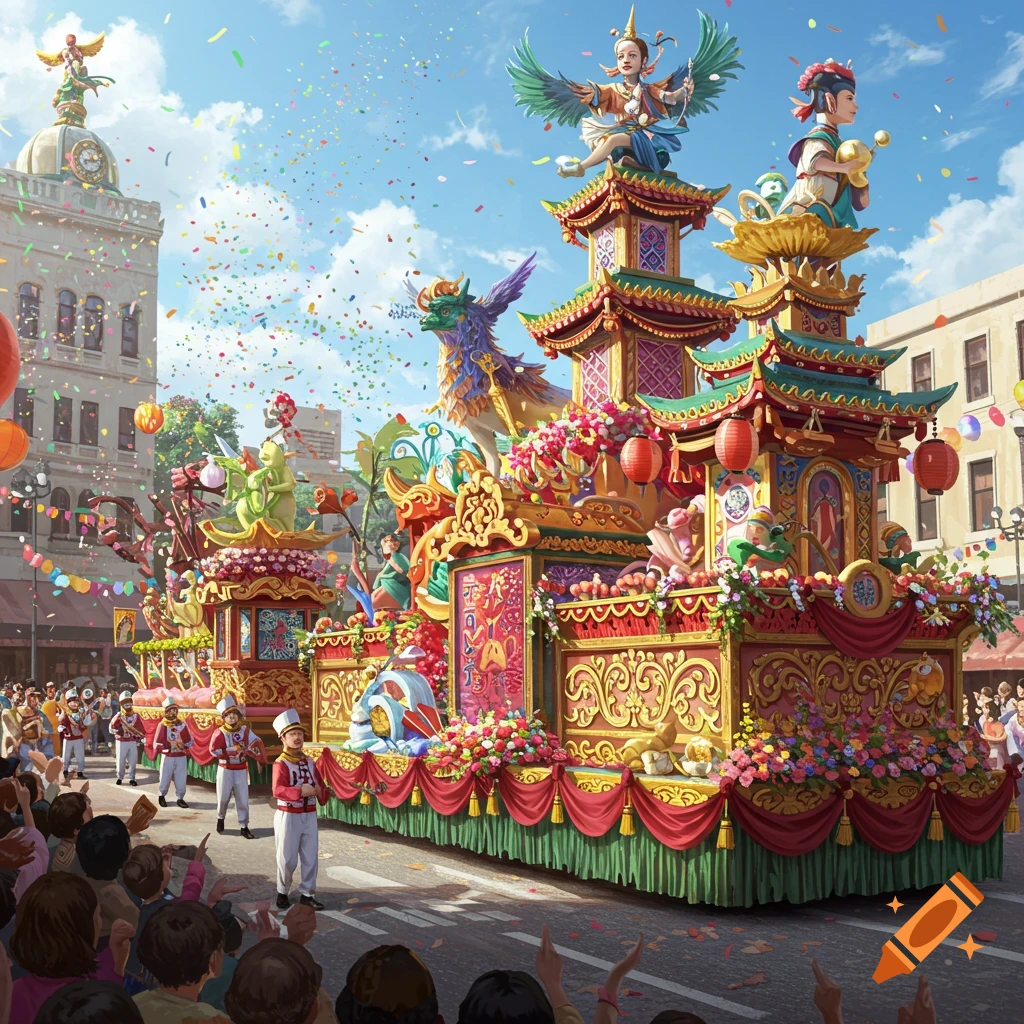
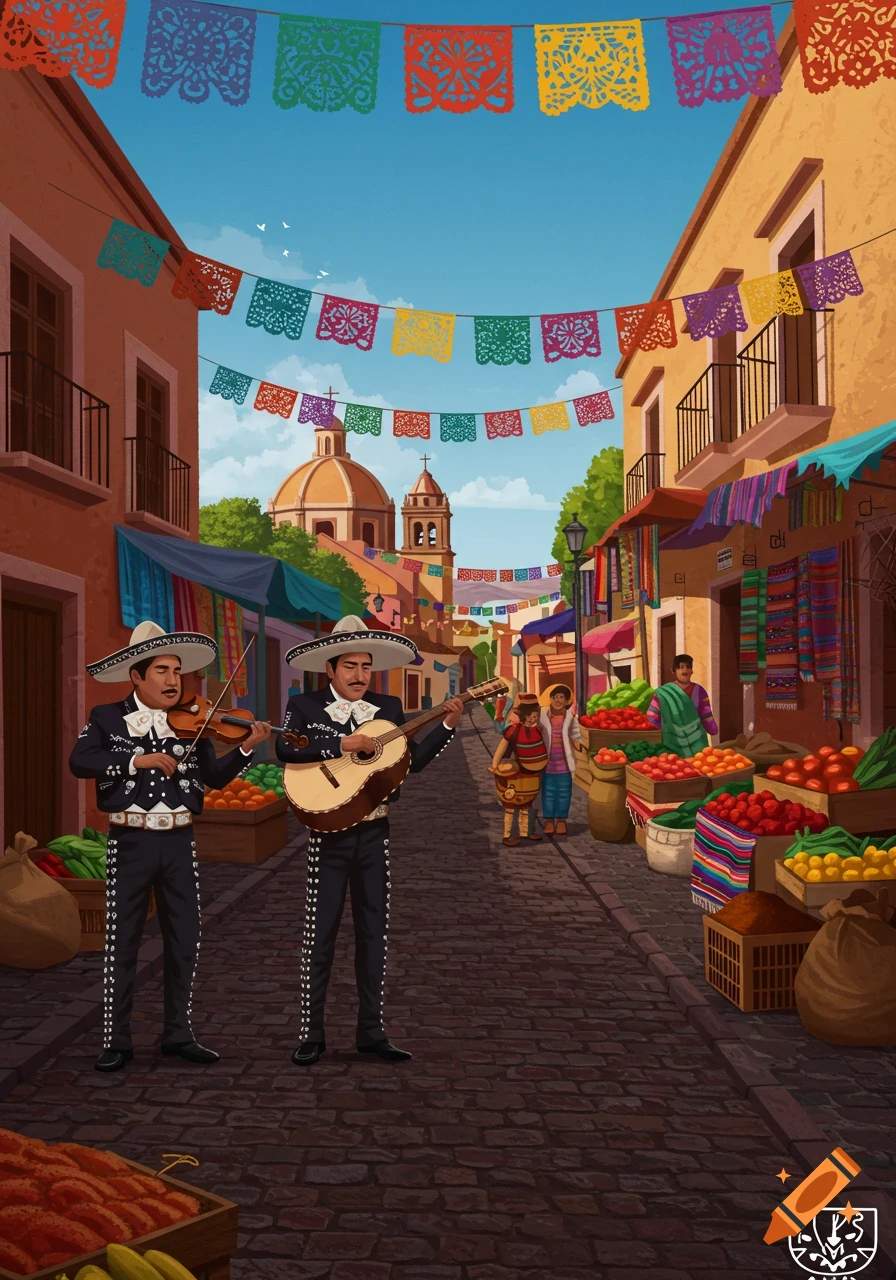
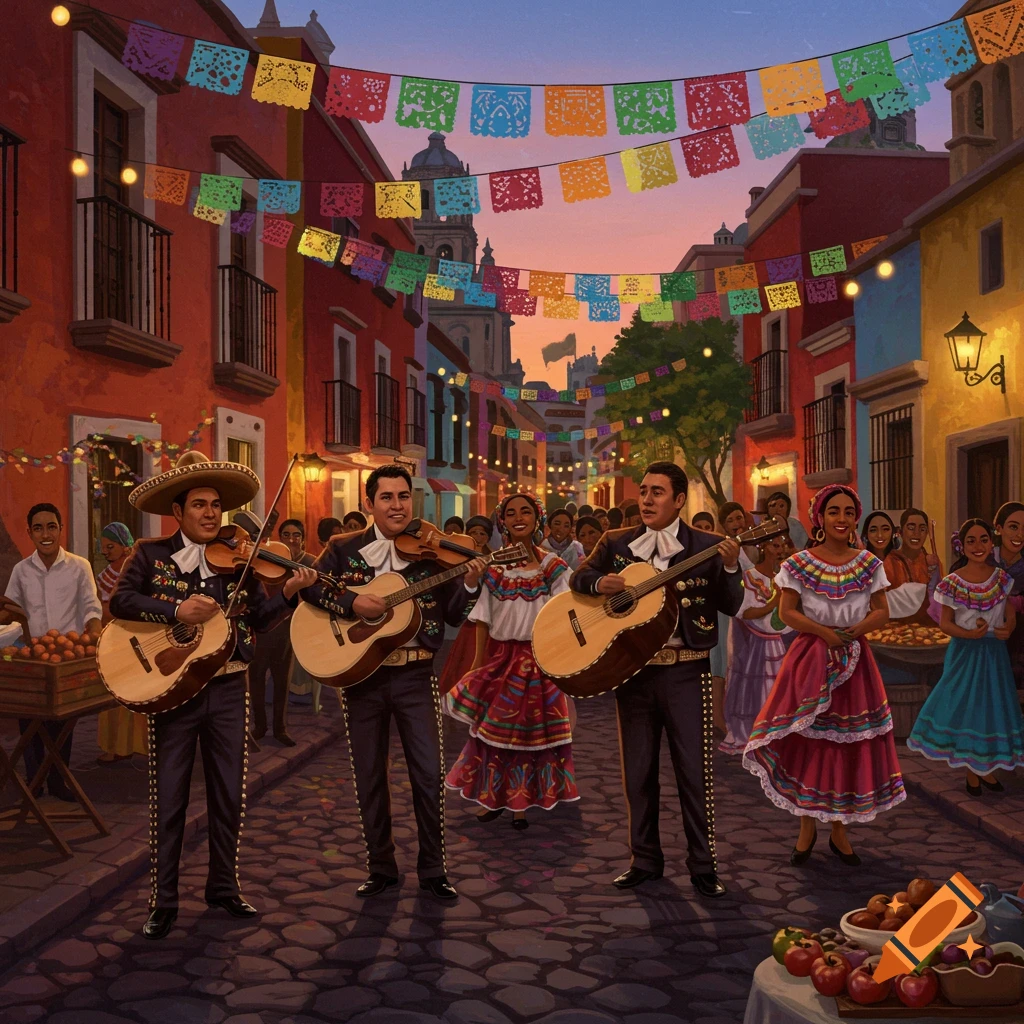
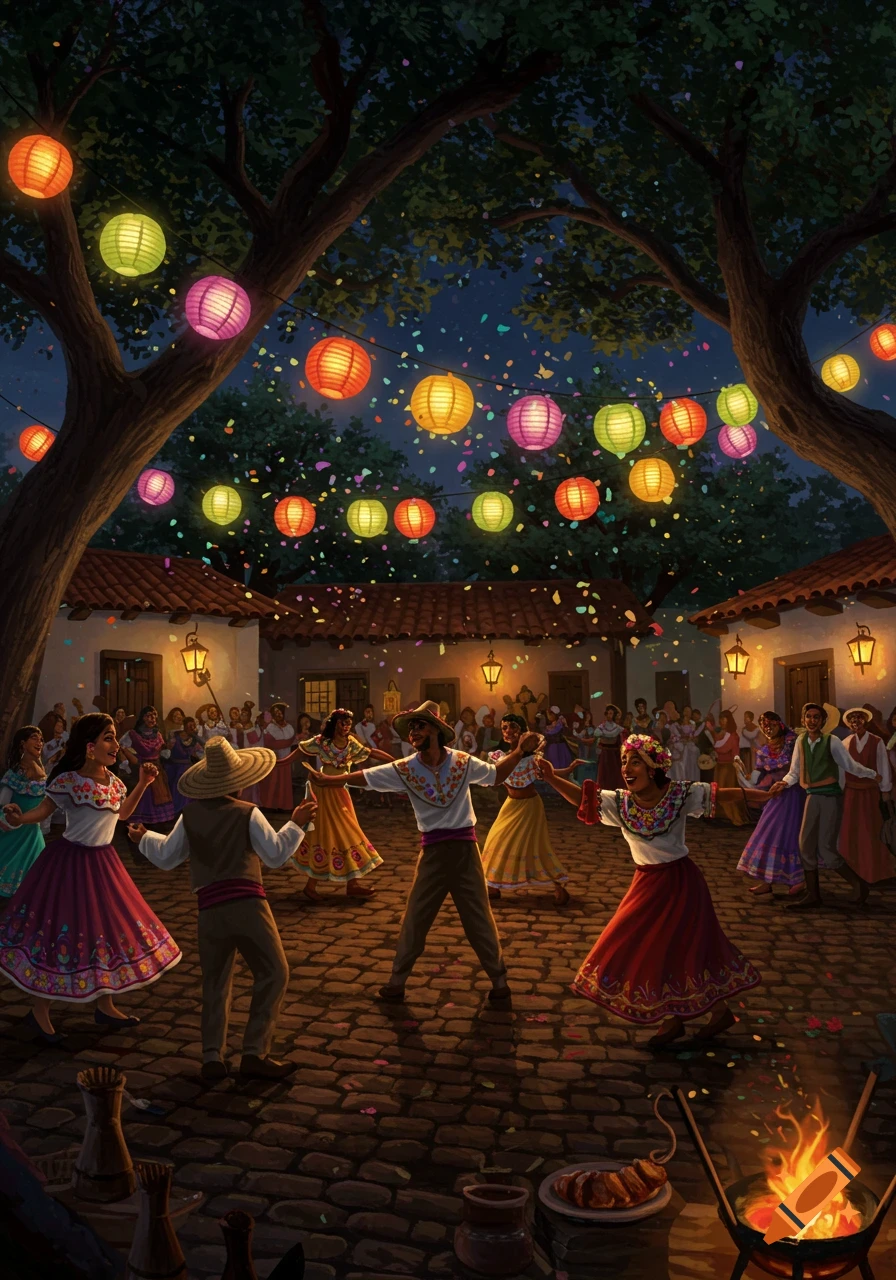
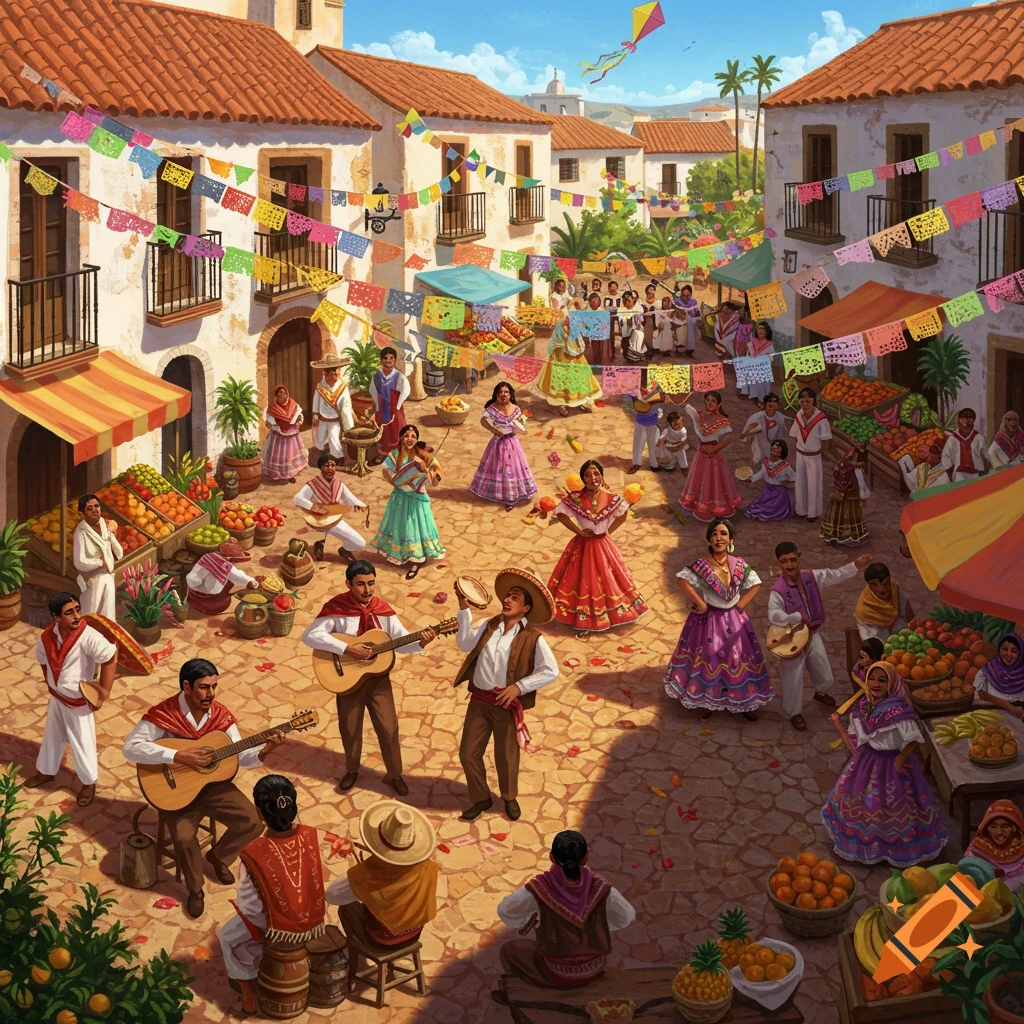
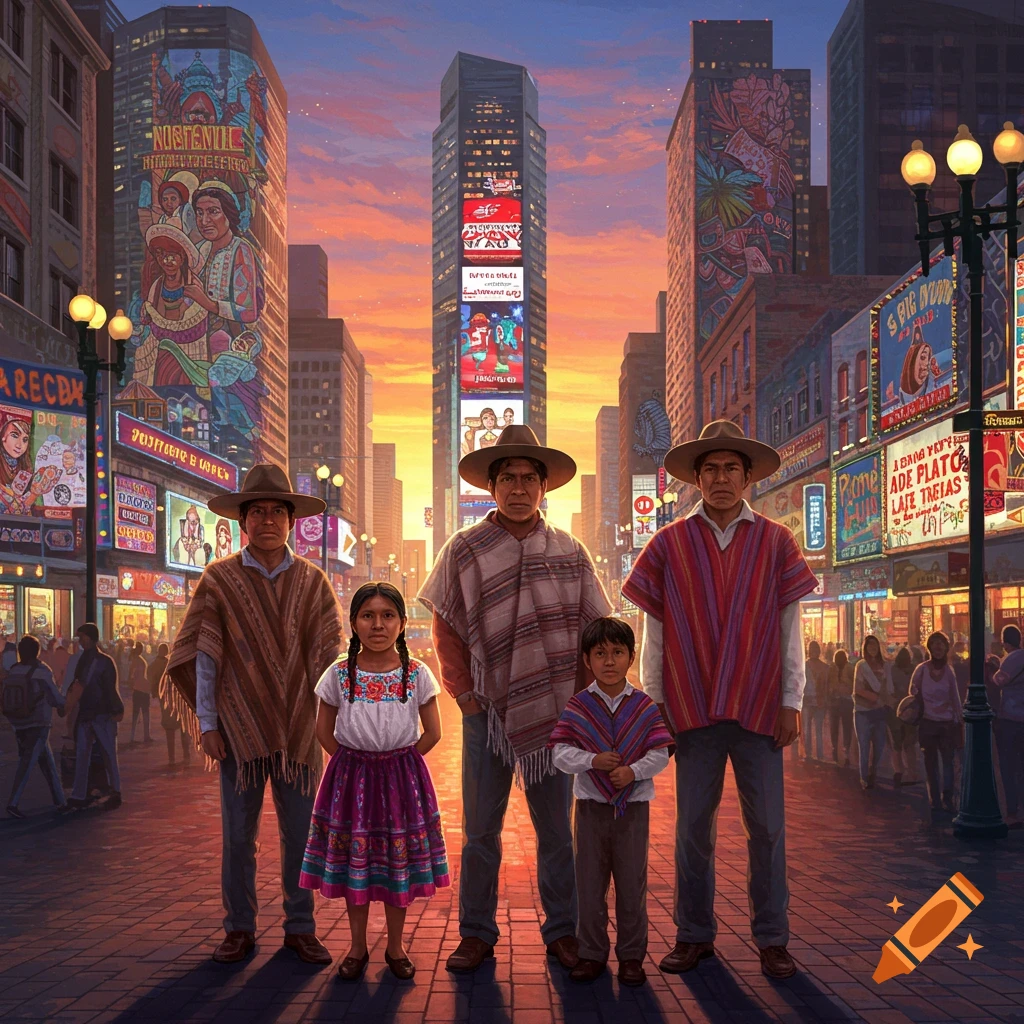
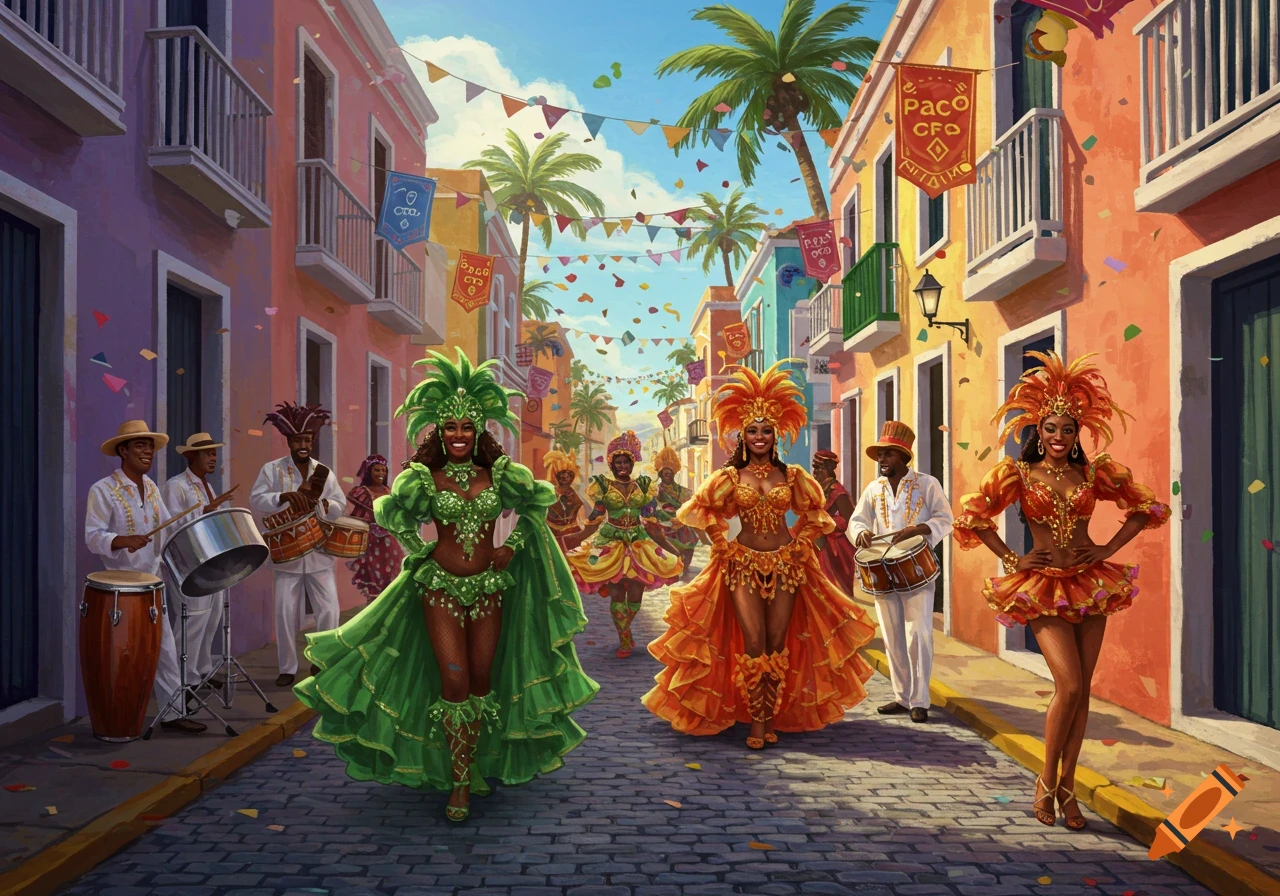
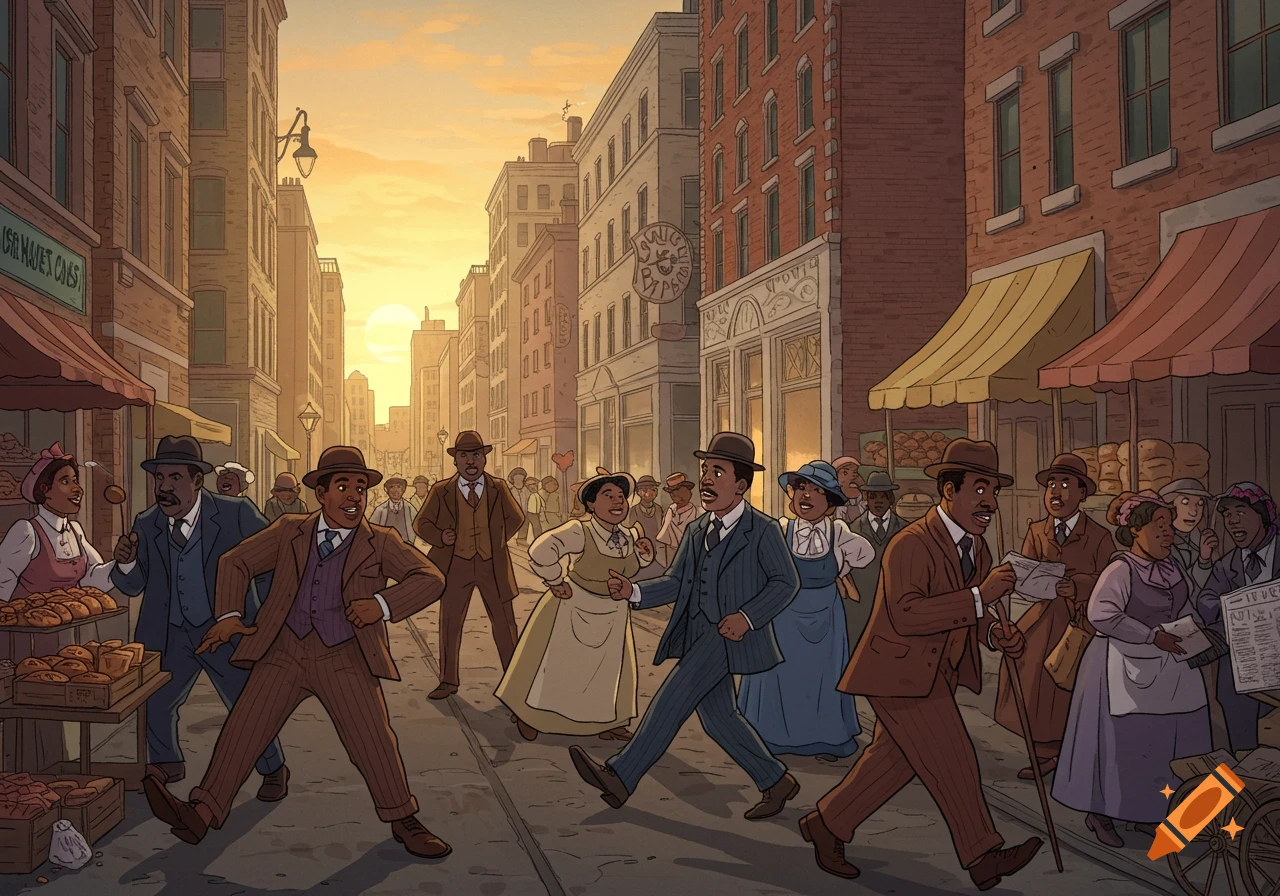
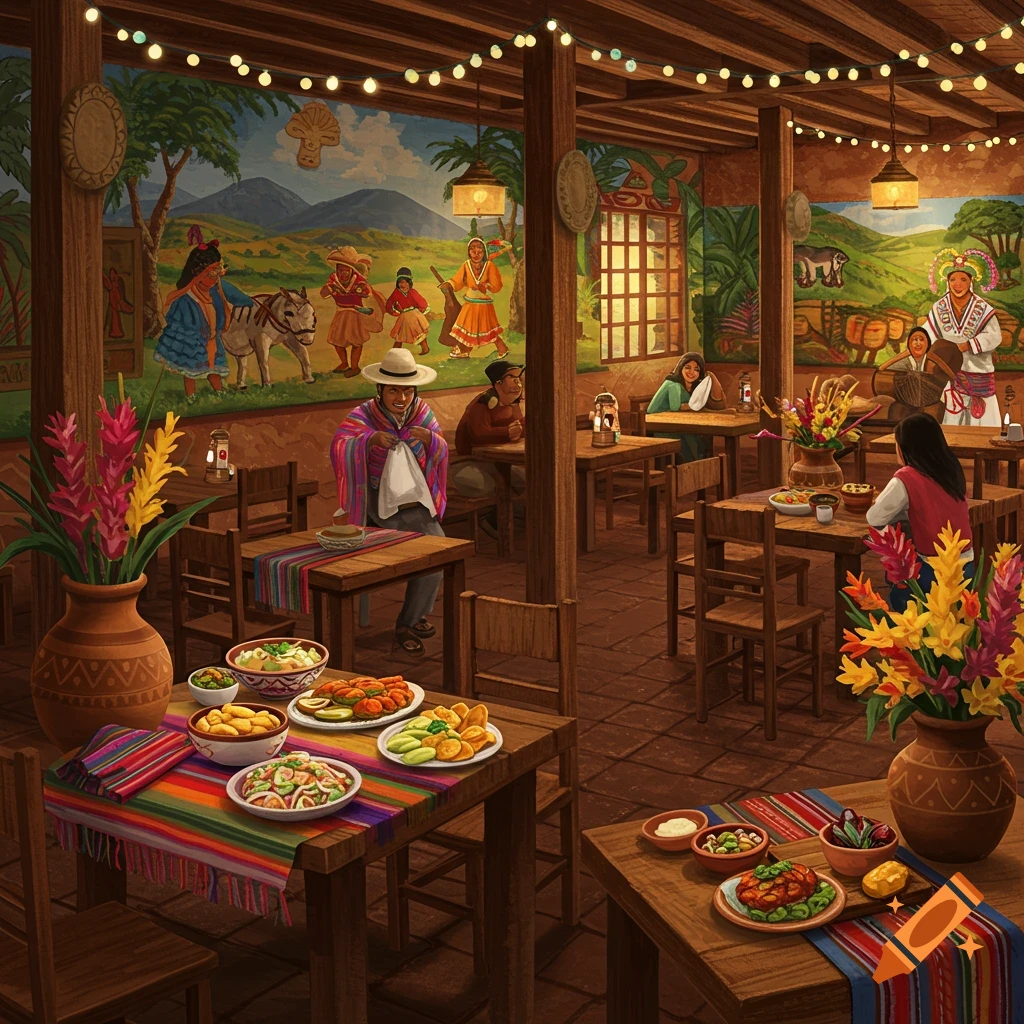
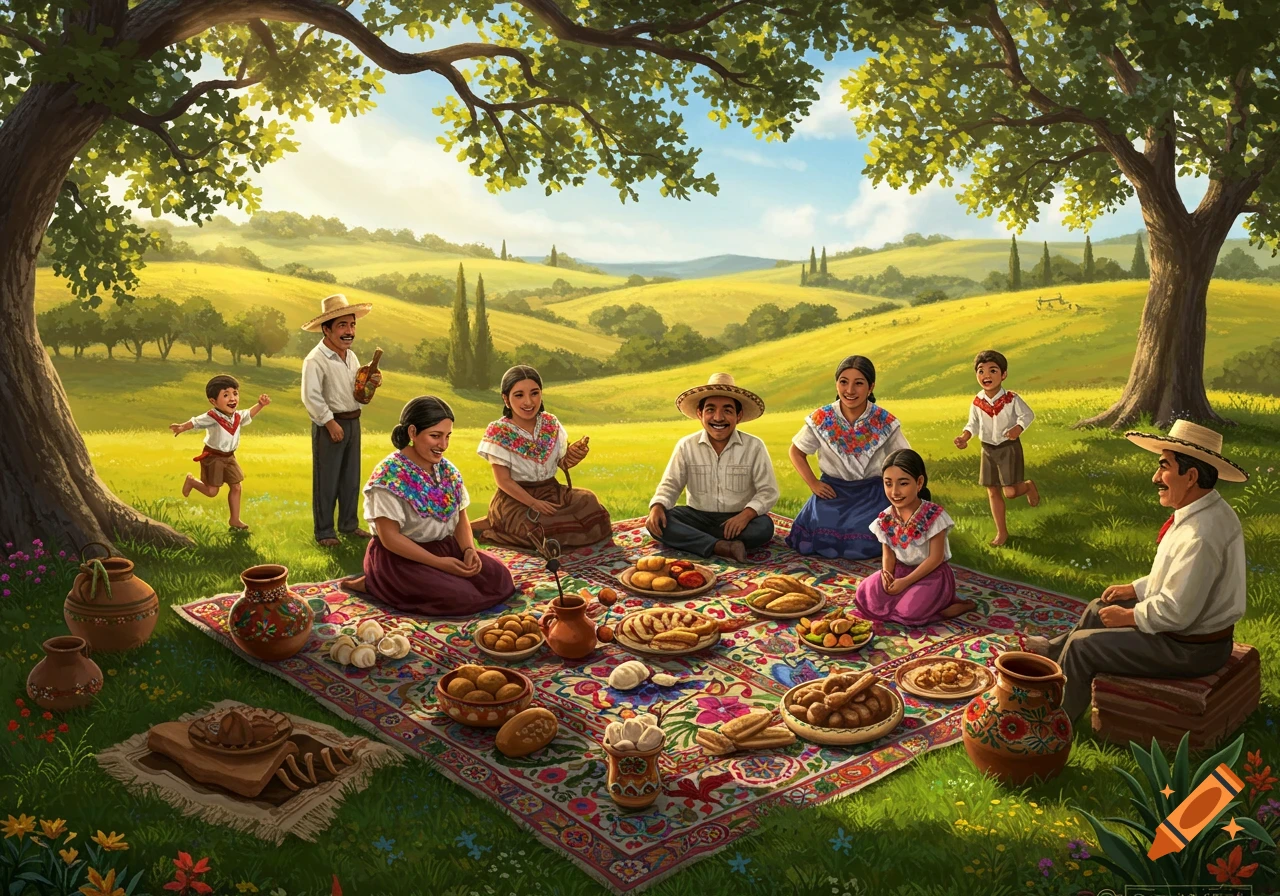
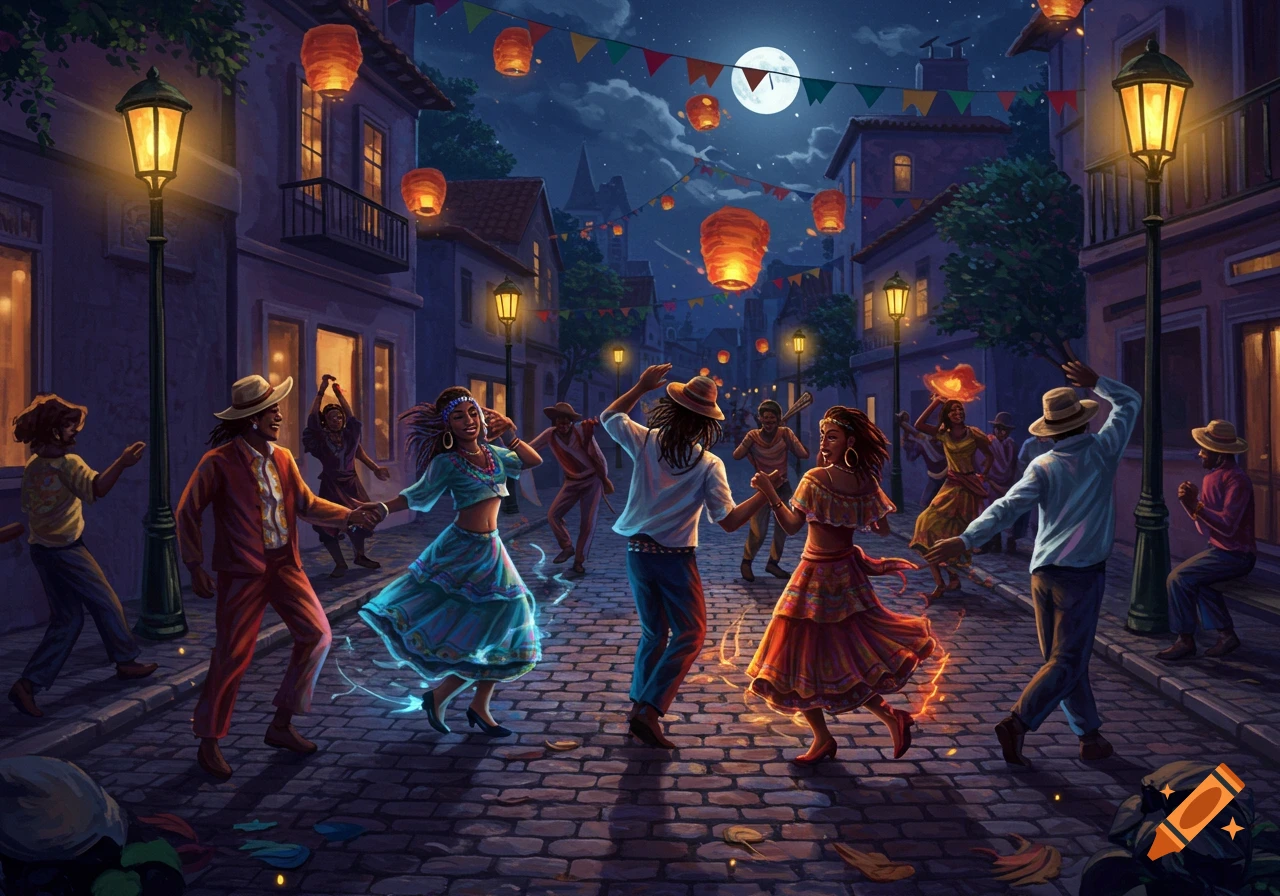
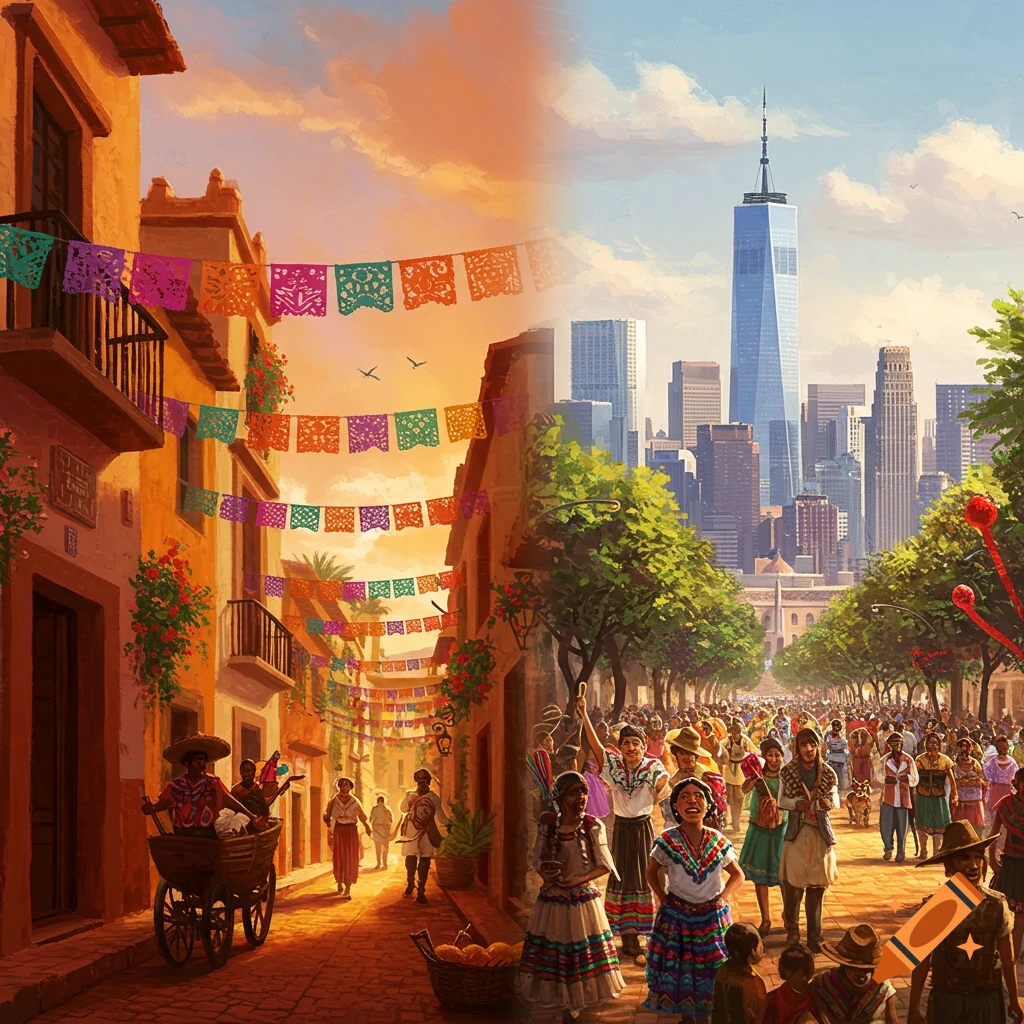
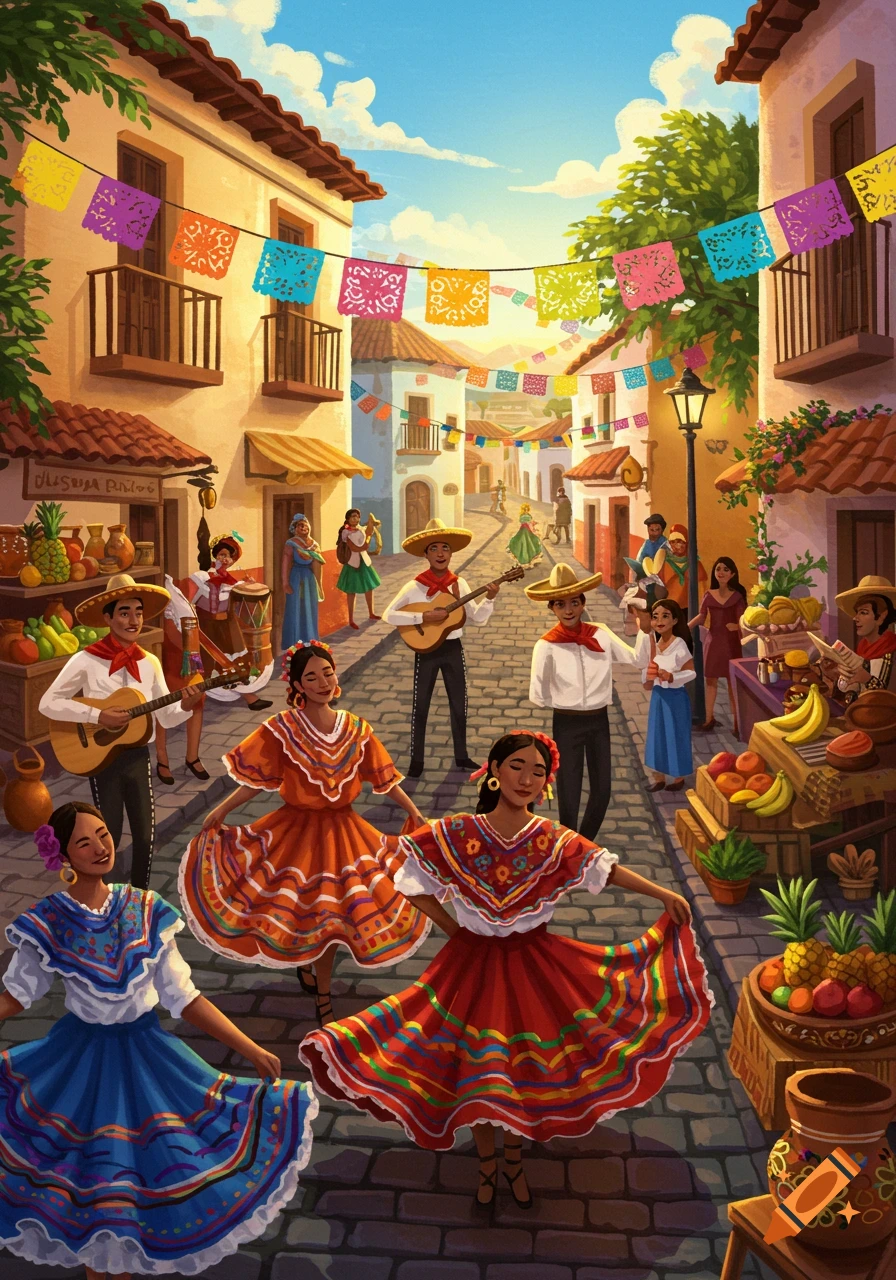
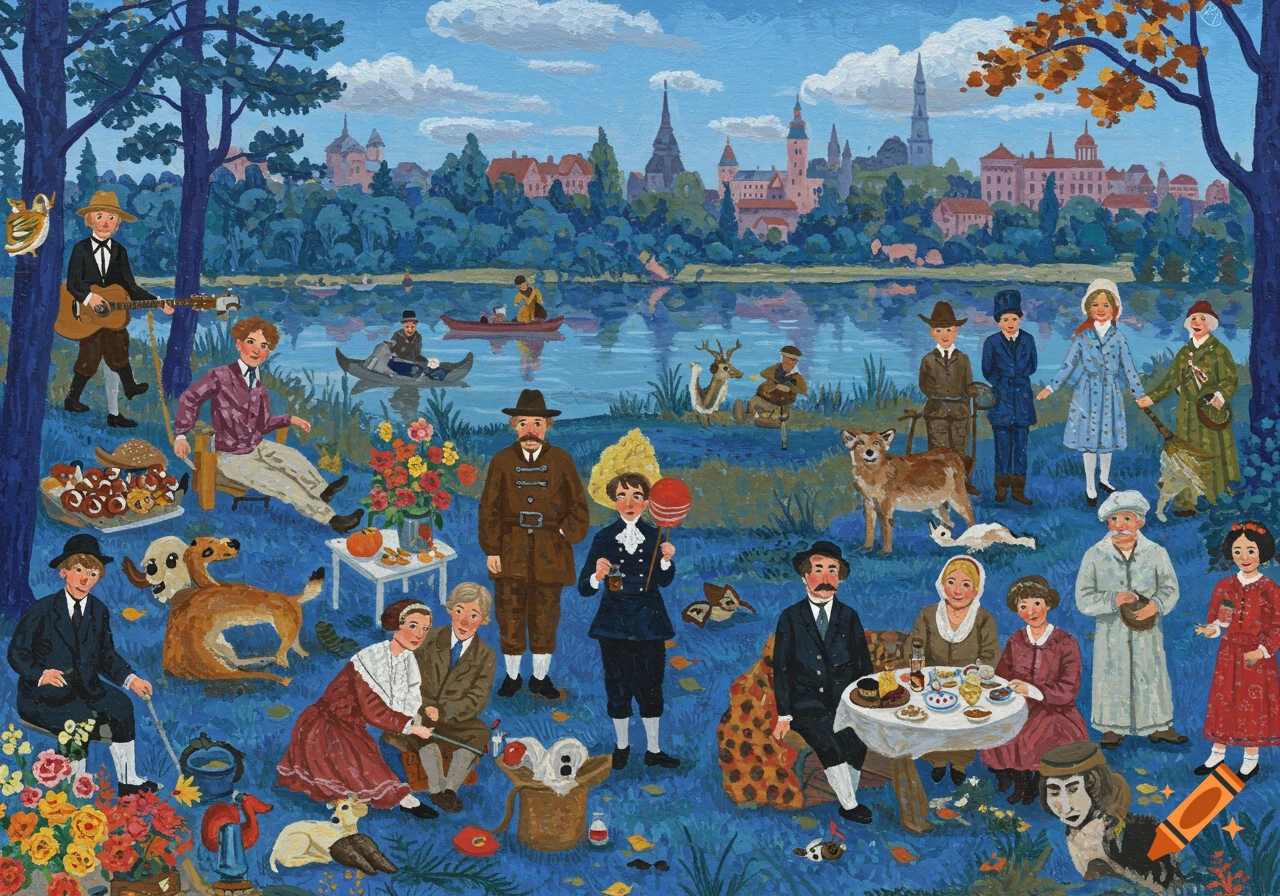
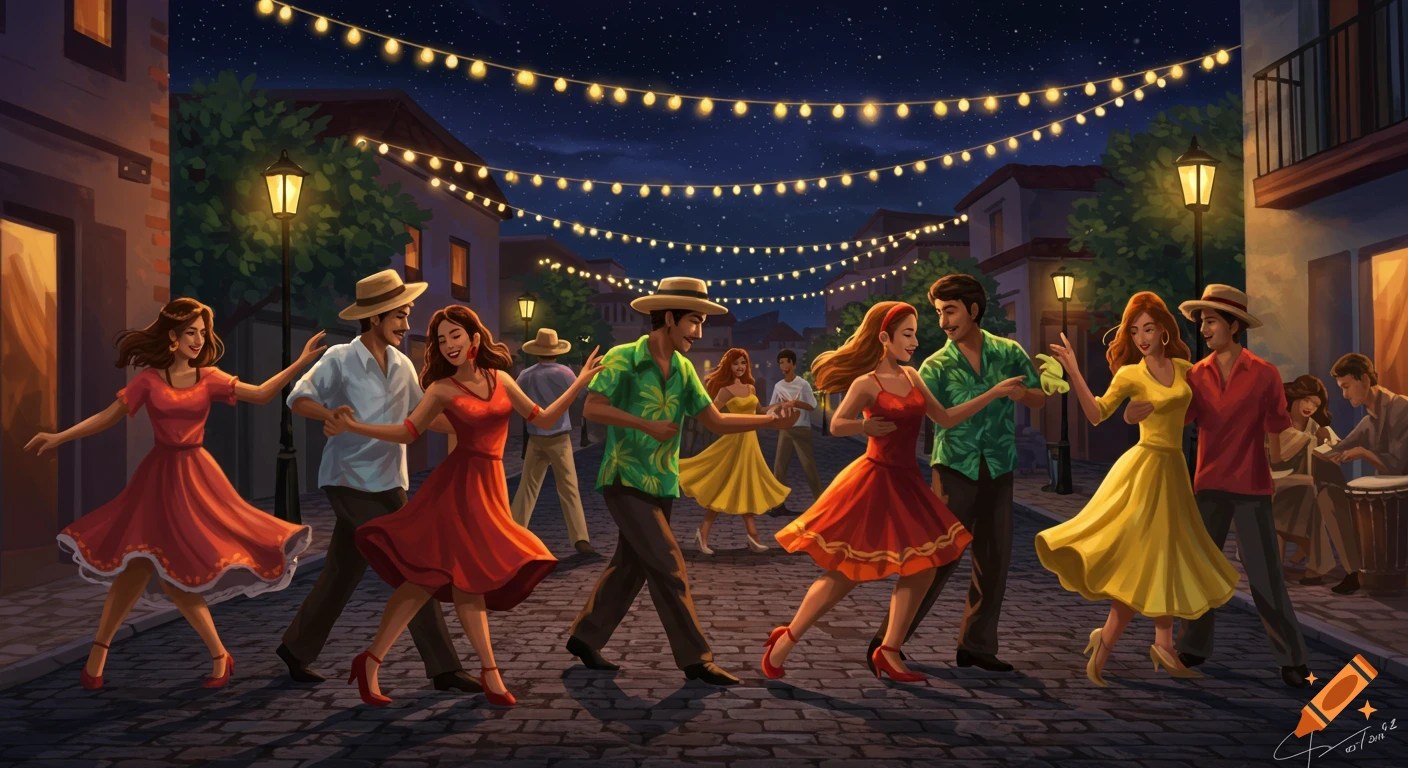
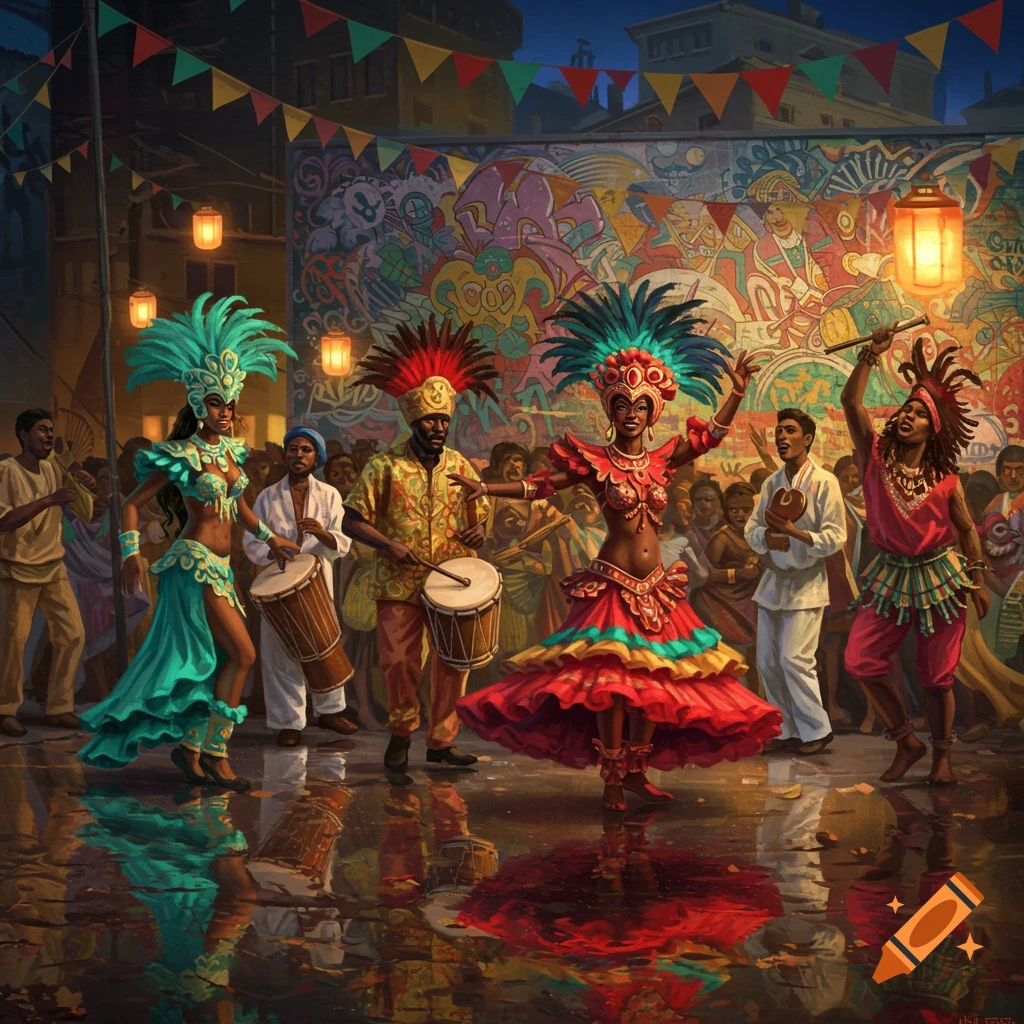
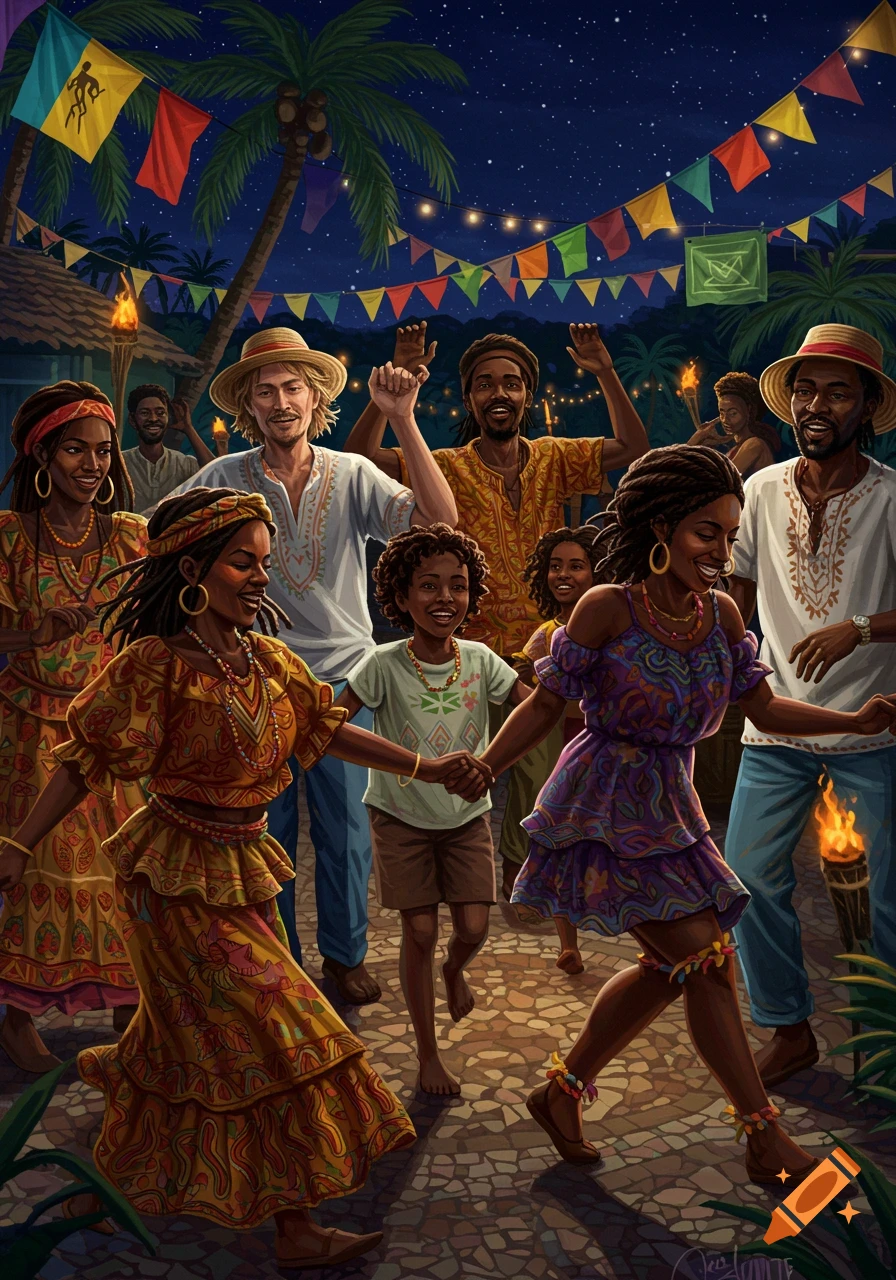
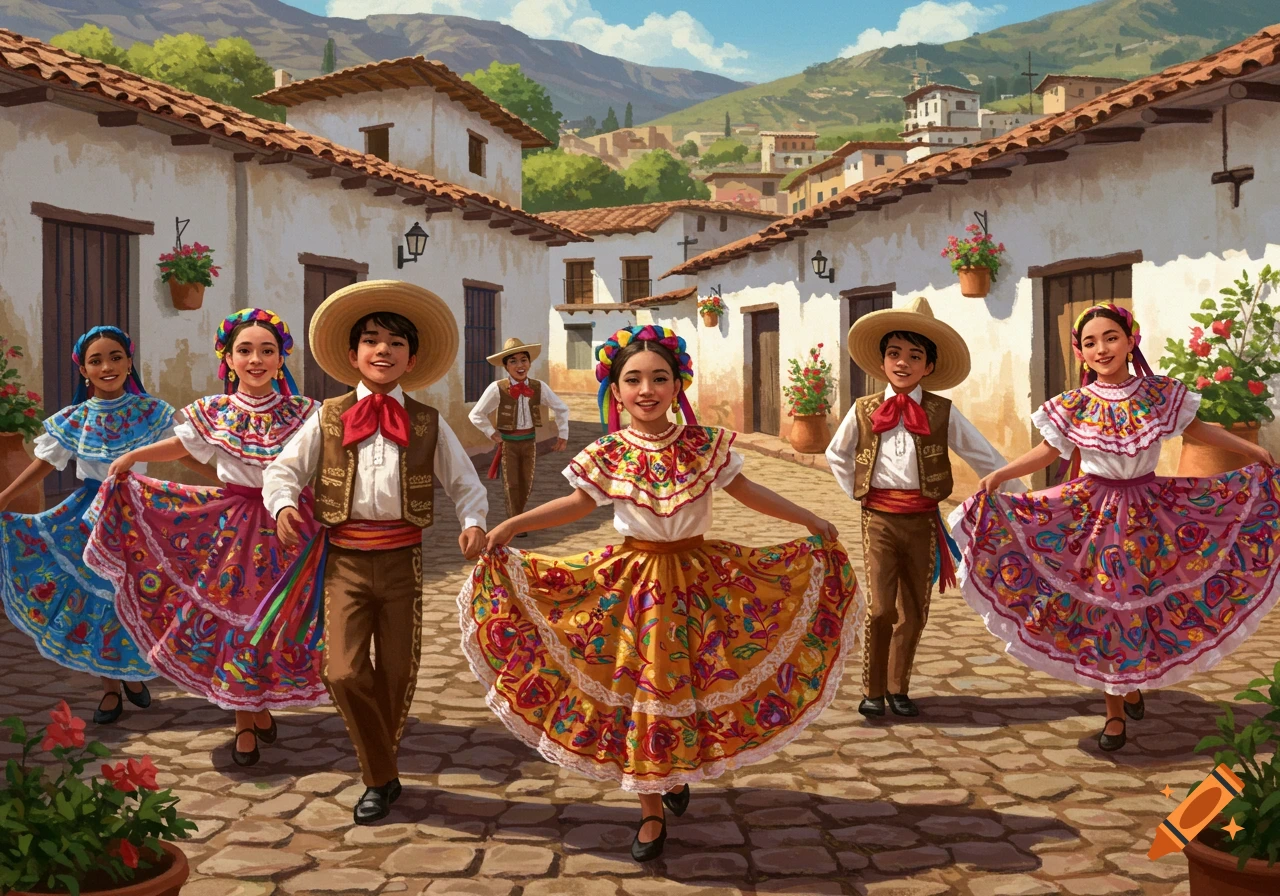
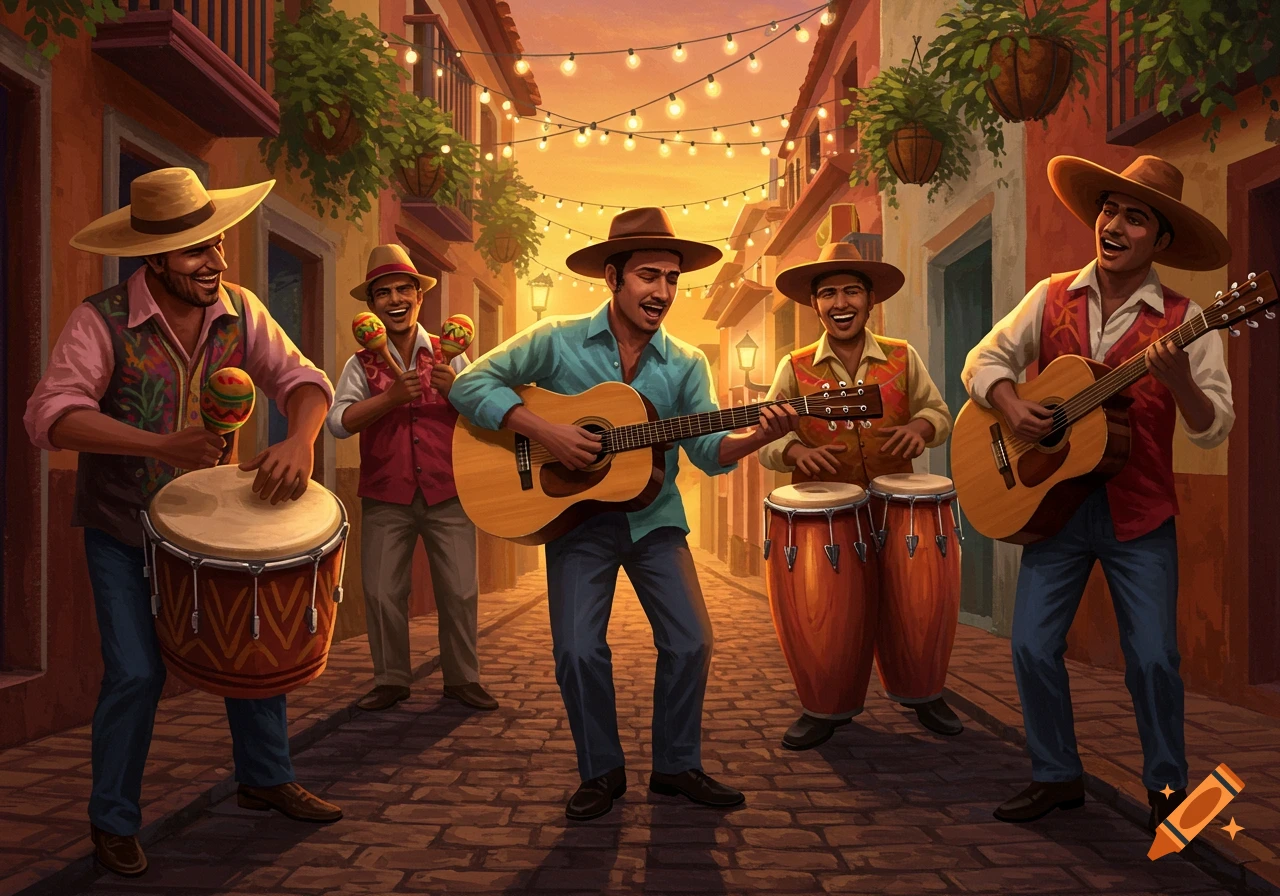
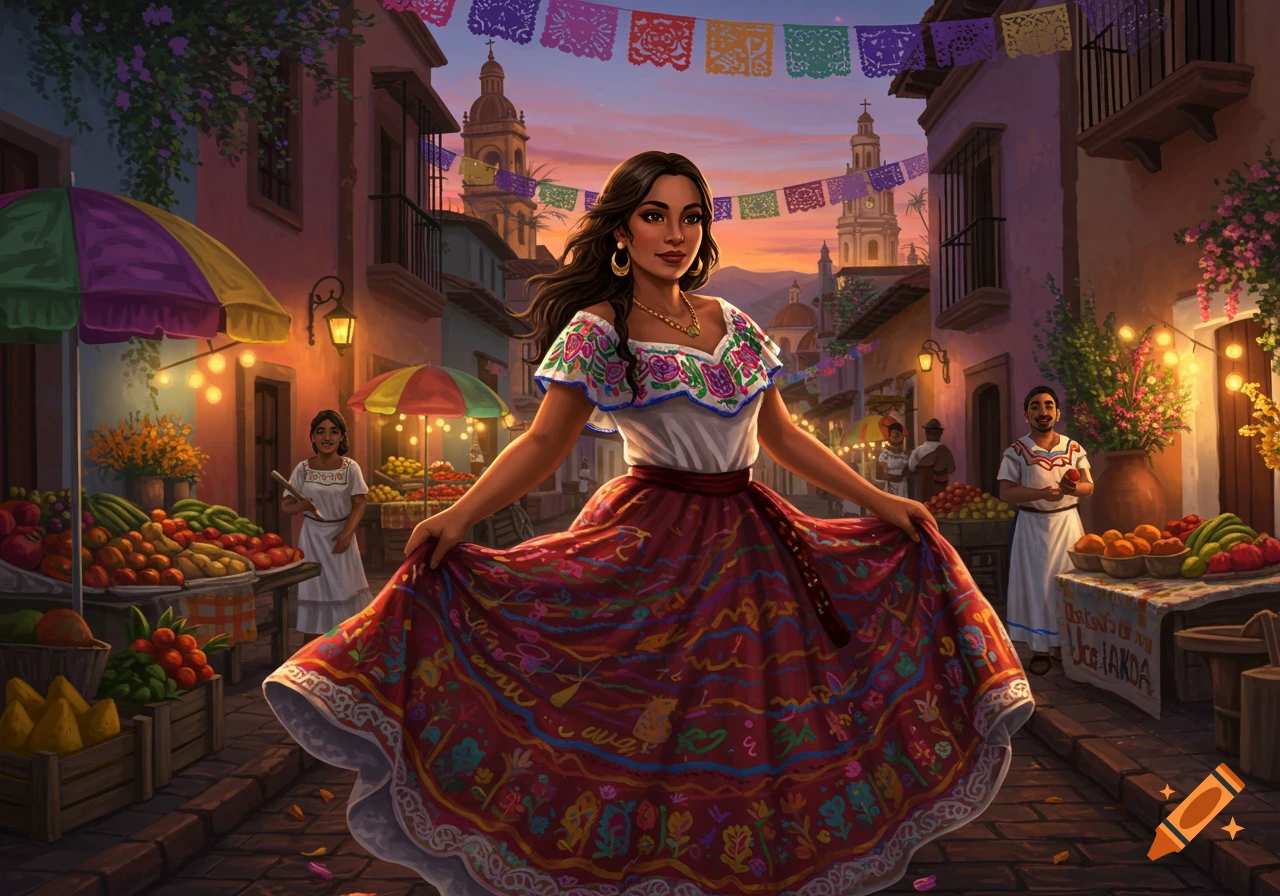
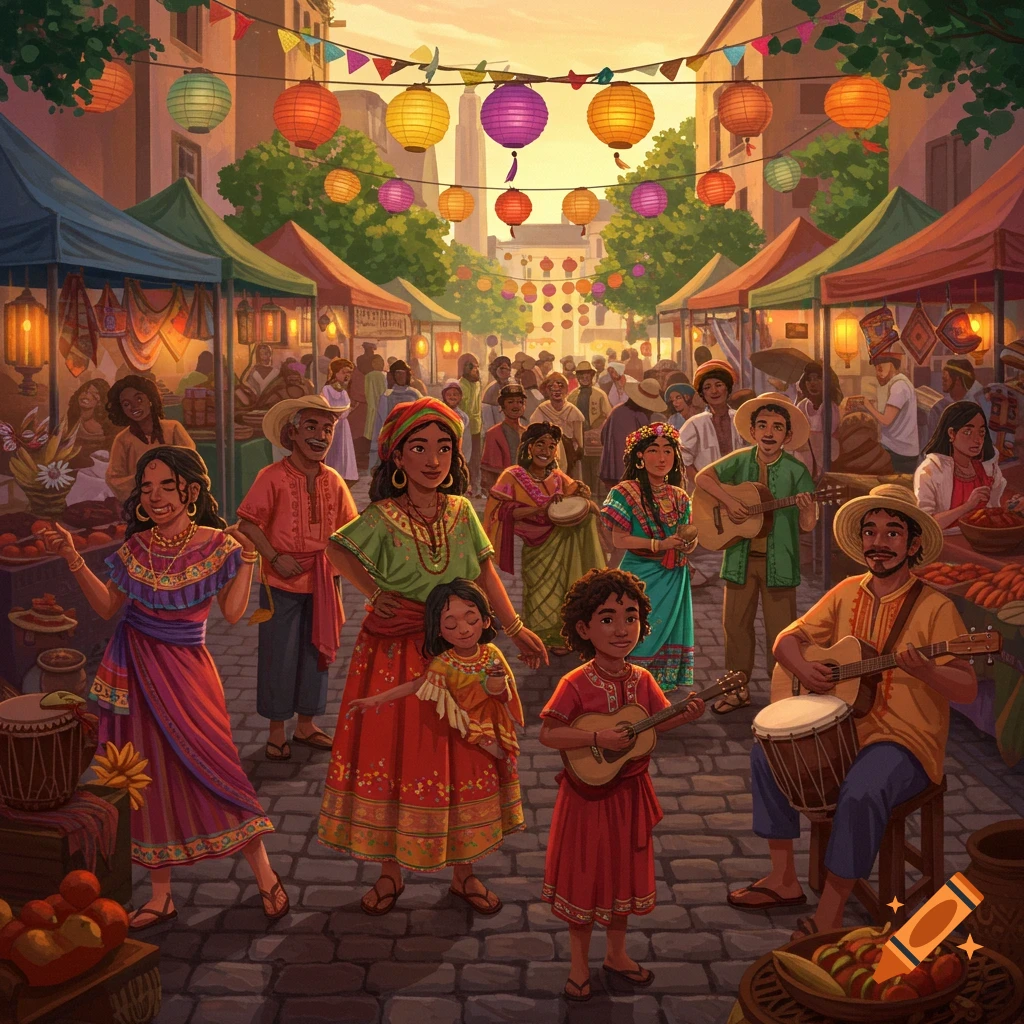
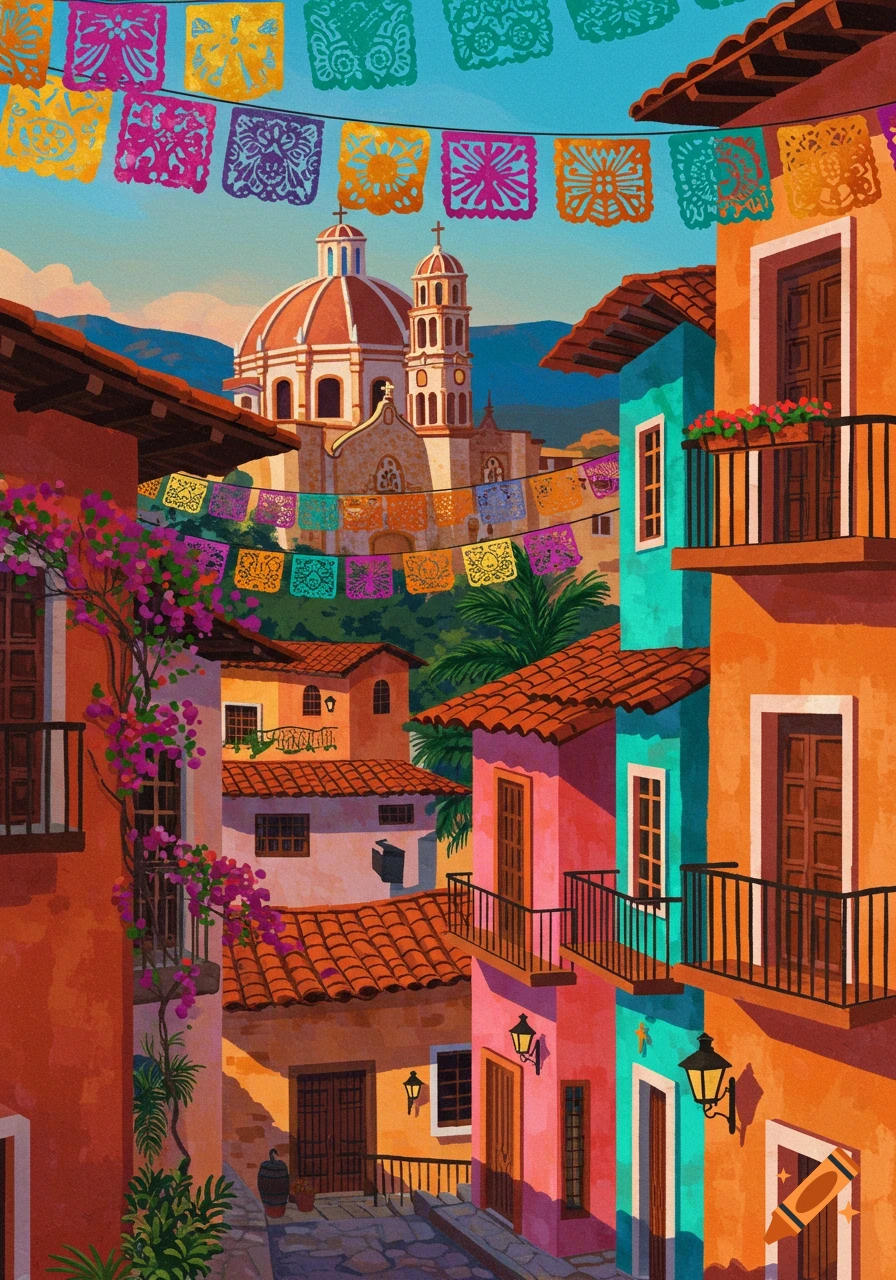
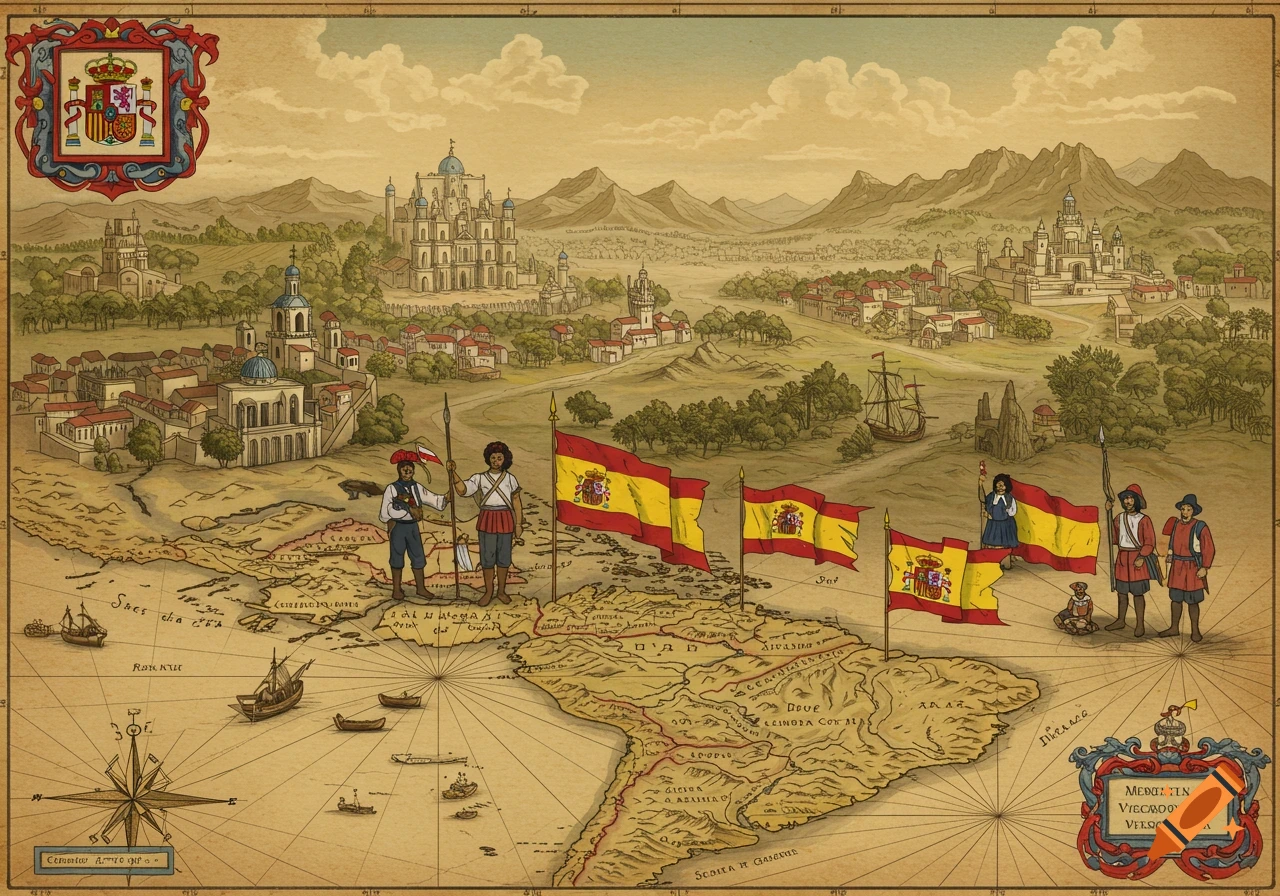
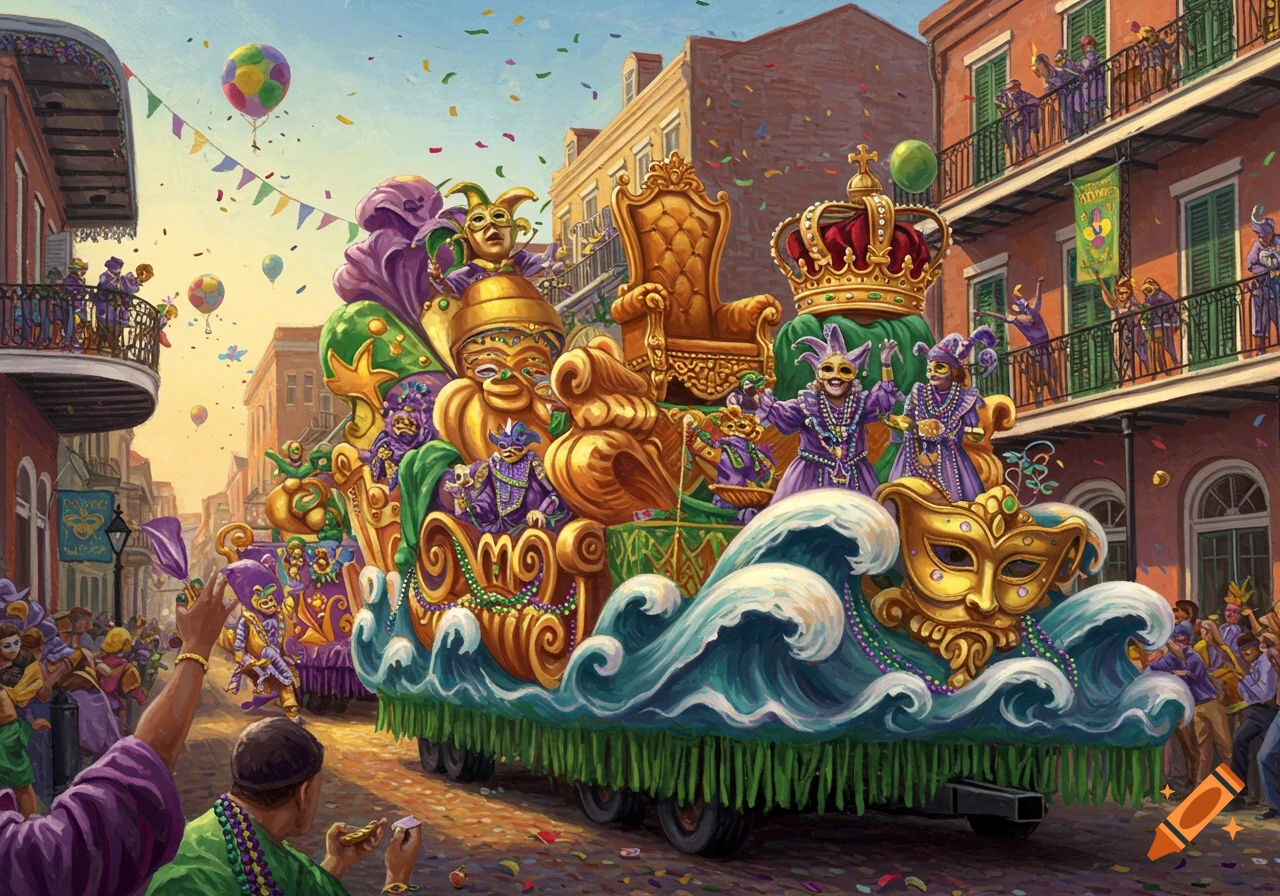
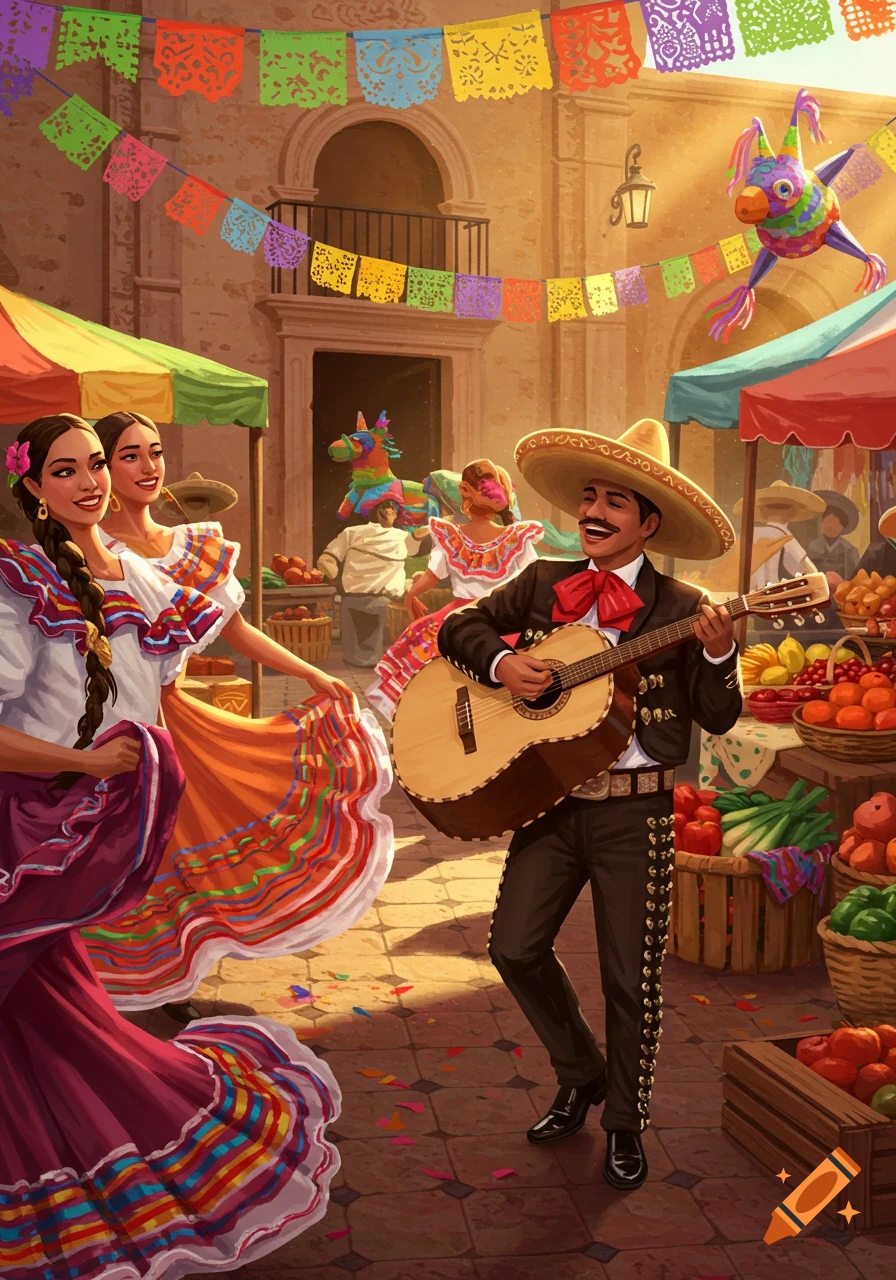
Vibrant, detailed illustration of a diverse cultural celebration in Chicago, with people in traditional attire, music, and city landmarks.
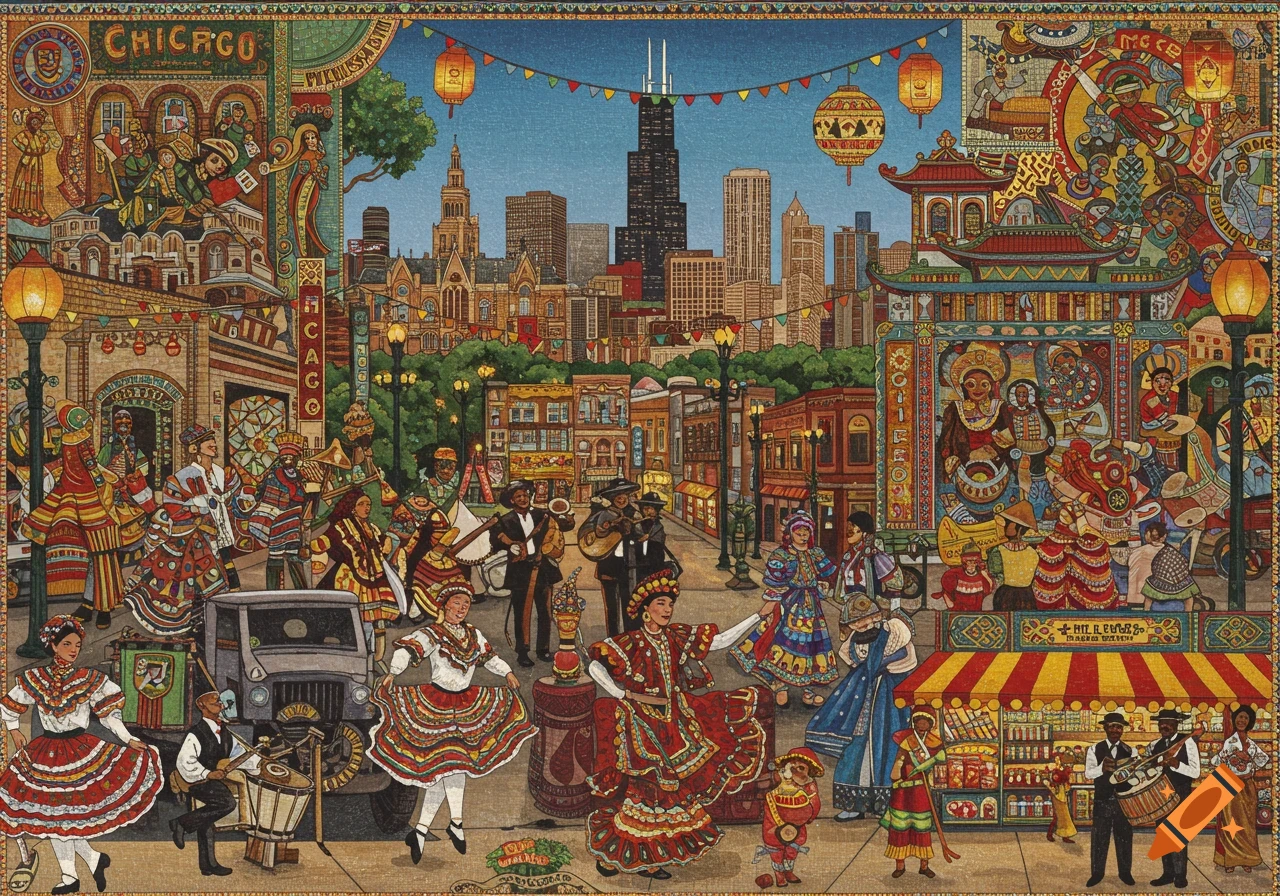
Chicago’s diverse cultural roots are foundational to both the city’s identity and the broader story of the United States. The area's legacy began with numerous Indigenous peoples, including the Potawatomi, Sauk, Fox, Ho-Chunk, Ojibwe, and many others—whose presence shaped Chicago's earliest history. The city’s first permanent non-Indigenous resident, Jean-Baptiste Point du Sable, was of French African heritage, signaling Chicago’s diversity from its very origins. Key waves of immigration have shaped Chicago into one of the most multicultural cities in the U.S.: 19th Century European Immigration: Irish, German, Scandinavian, Polish, Italian, Russian, Ukrainian, Greek, Lithuanian, Czech, and Jewish communities established vibrant neighborhoods, churches, and cultural institutions throughout the city. African American Migration: Major influxes, especially during the Great Migration, made Chicago a central hub of Black culture, innovation, and political progress in the U.S.. Latino and Asian Communities: Neighborhoods like Pilsen became centers of Mexican heritage, while the city is also home to significant Puerto Rican, Chinese, Indian, Filipino, Vietnamese, and other Asian and Latin American populations. Modern Global Diversity: Today, over ten major cultural and racial groups are prominent, reflected in the city’s festivals, music, arts, restaurants, and parades. Ethnic neighborhoods—such as Pilsen, Chinatown, Little Italy, and Greektown—continue to celebrate and sustain See more