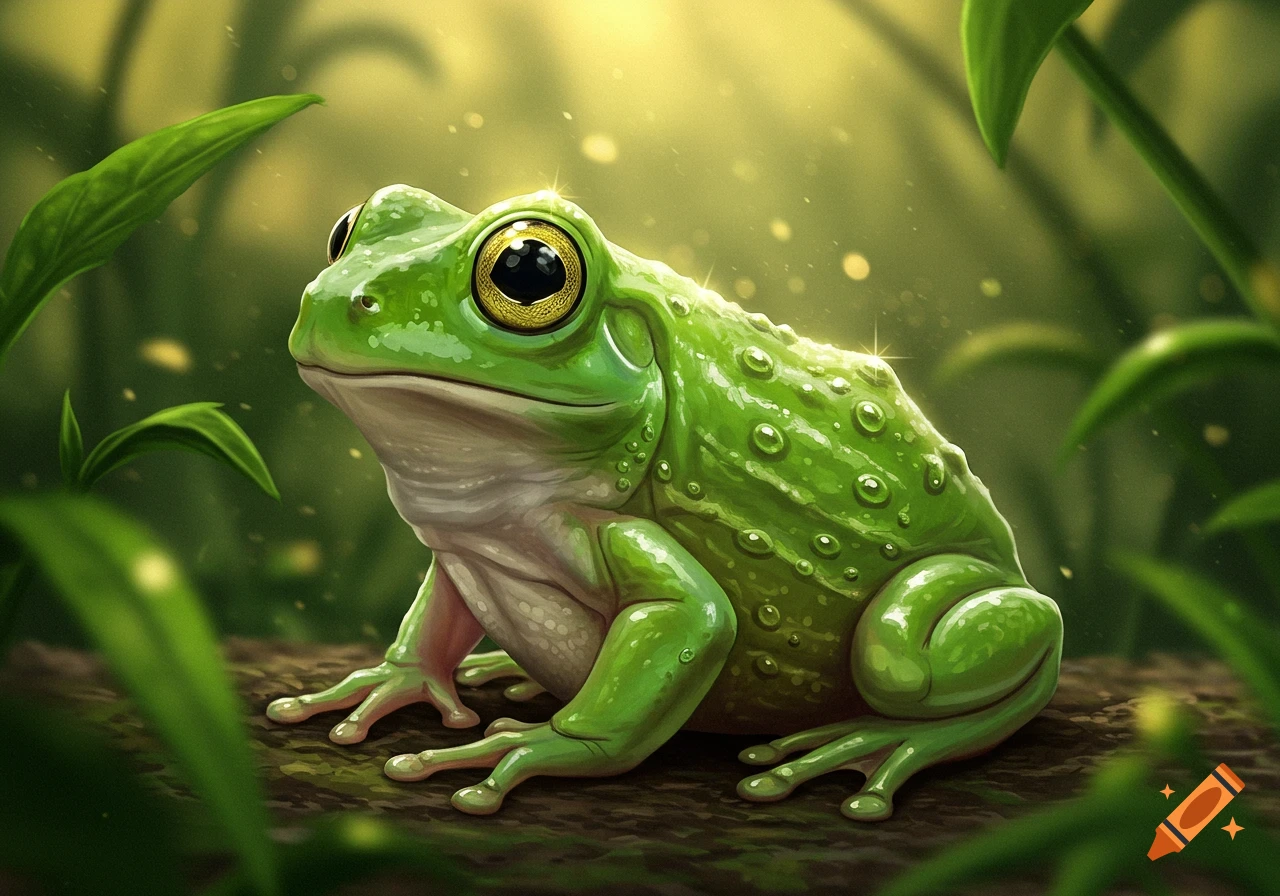
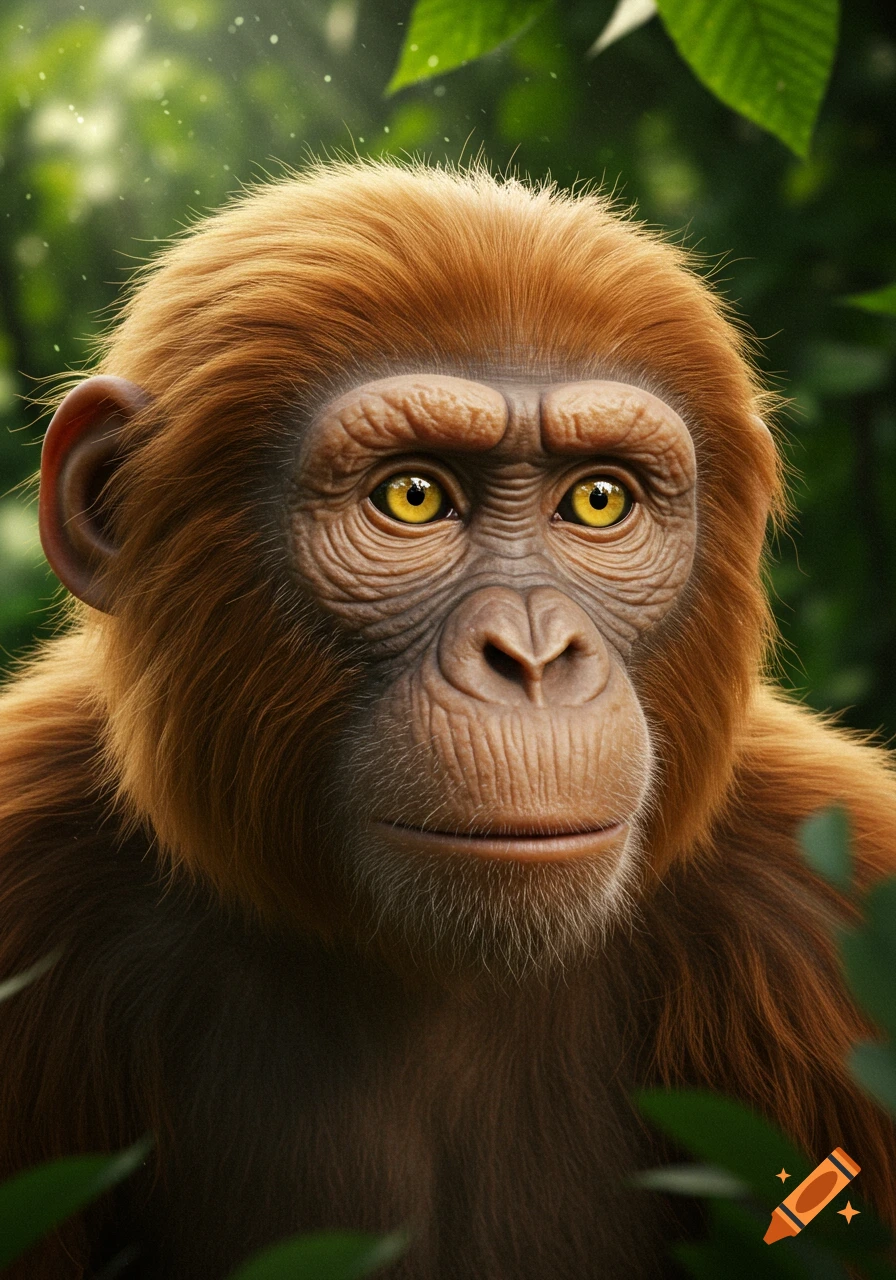
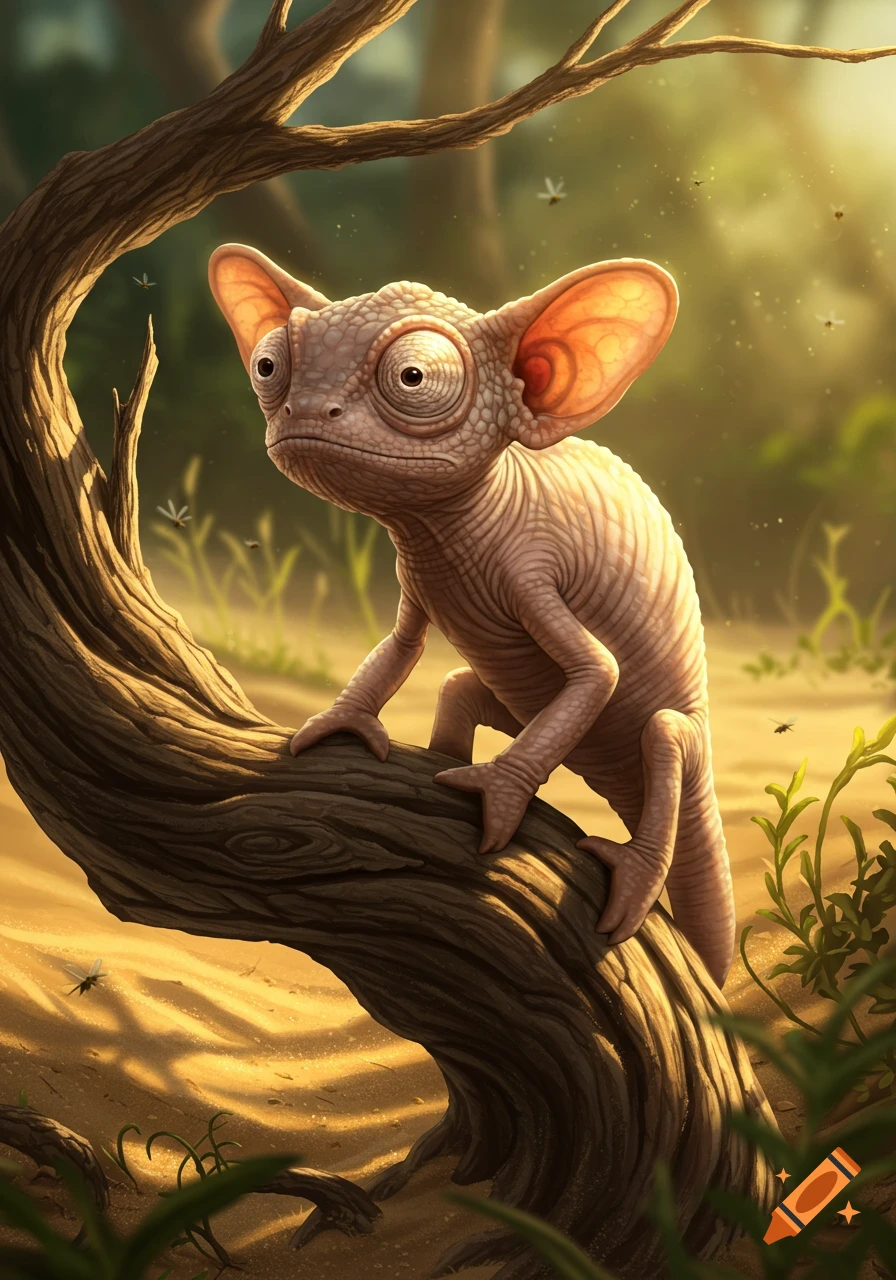
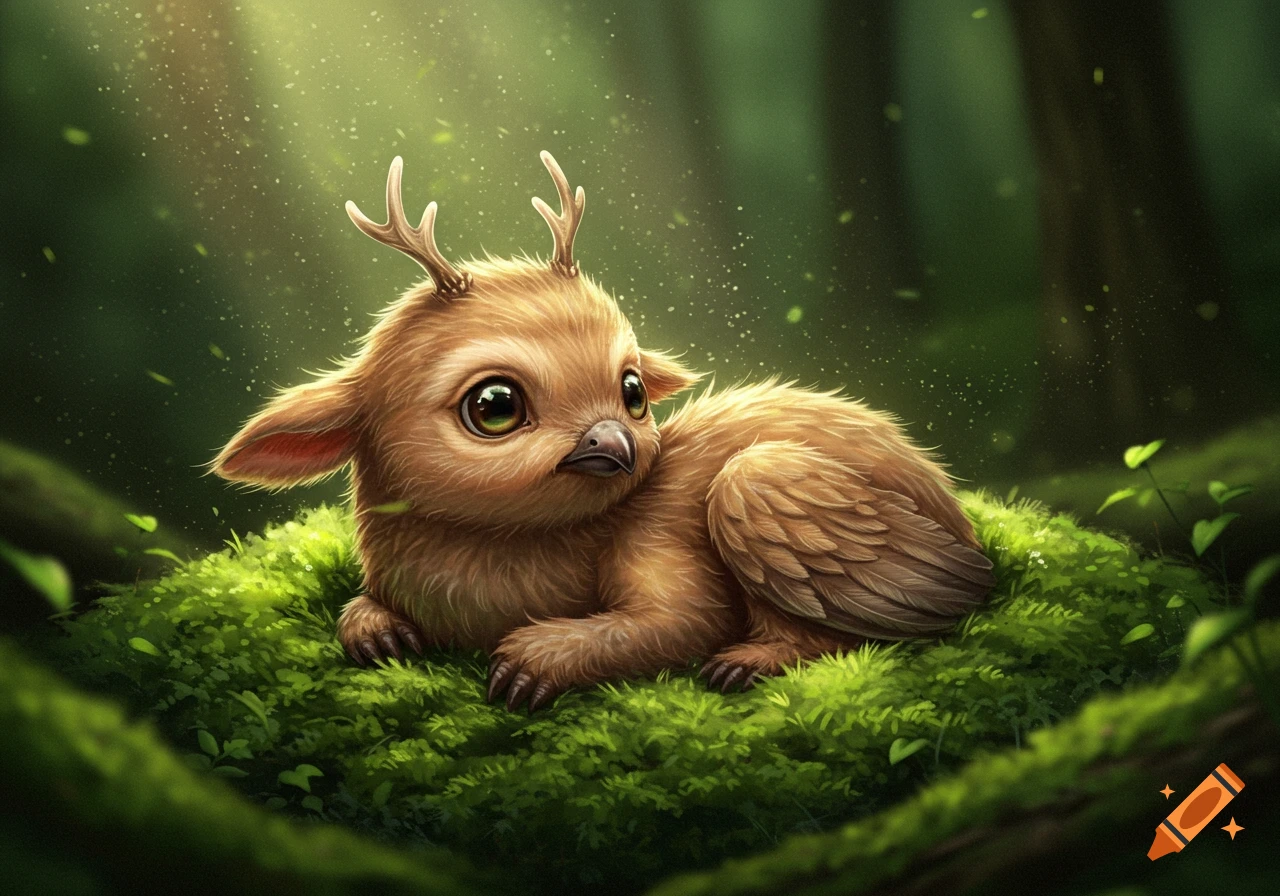
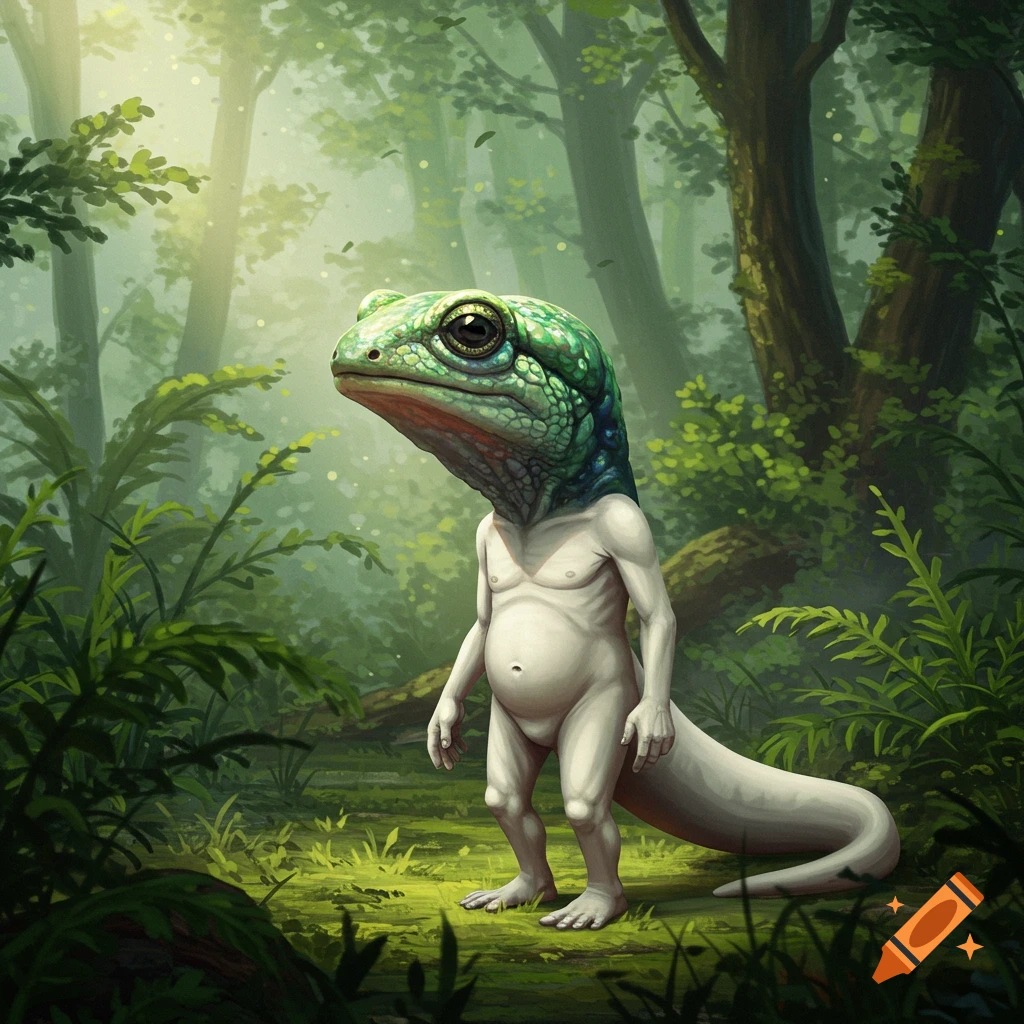
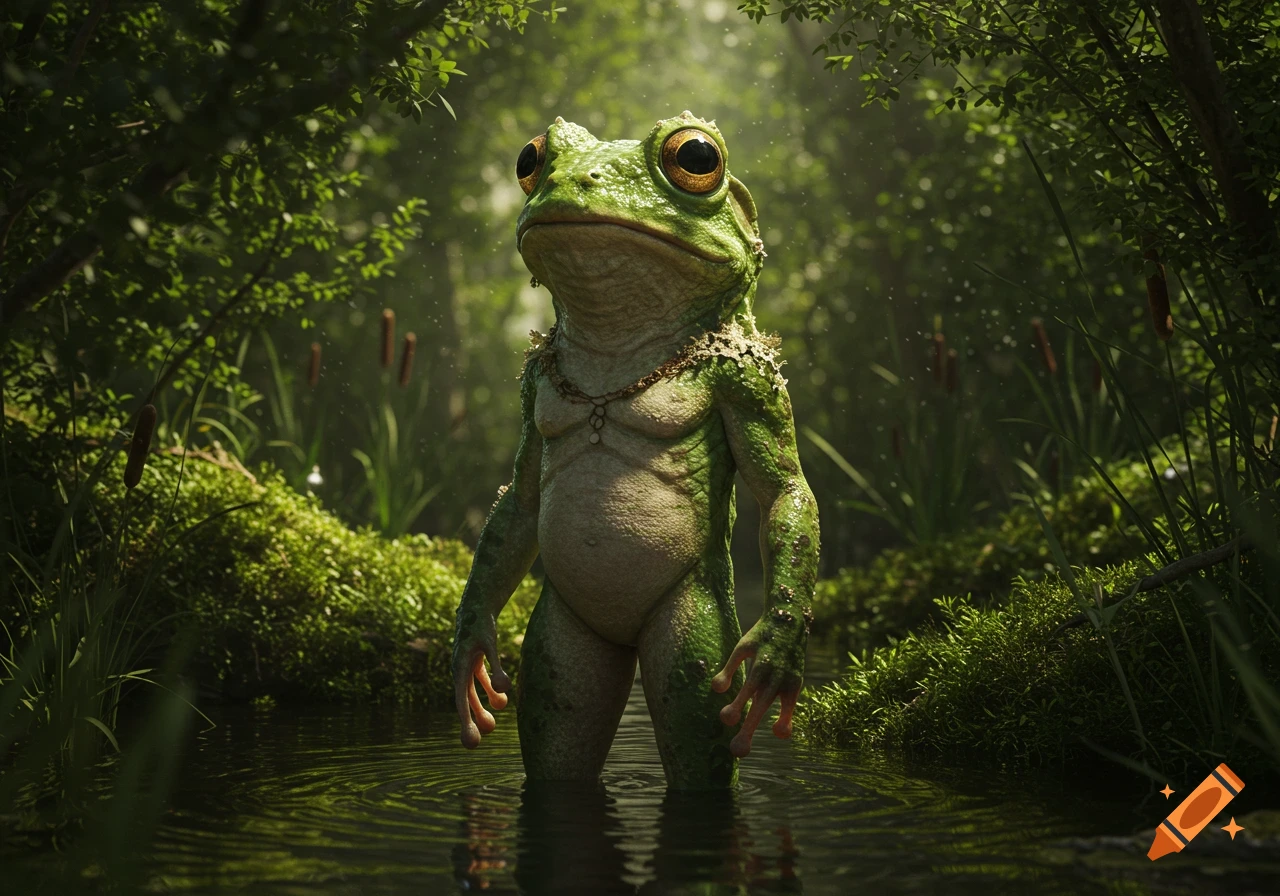
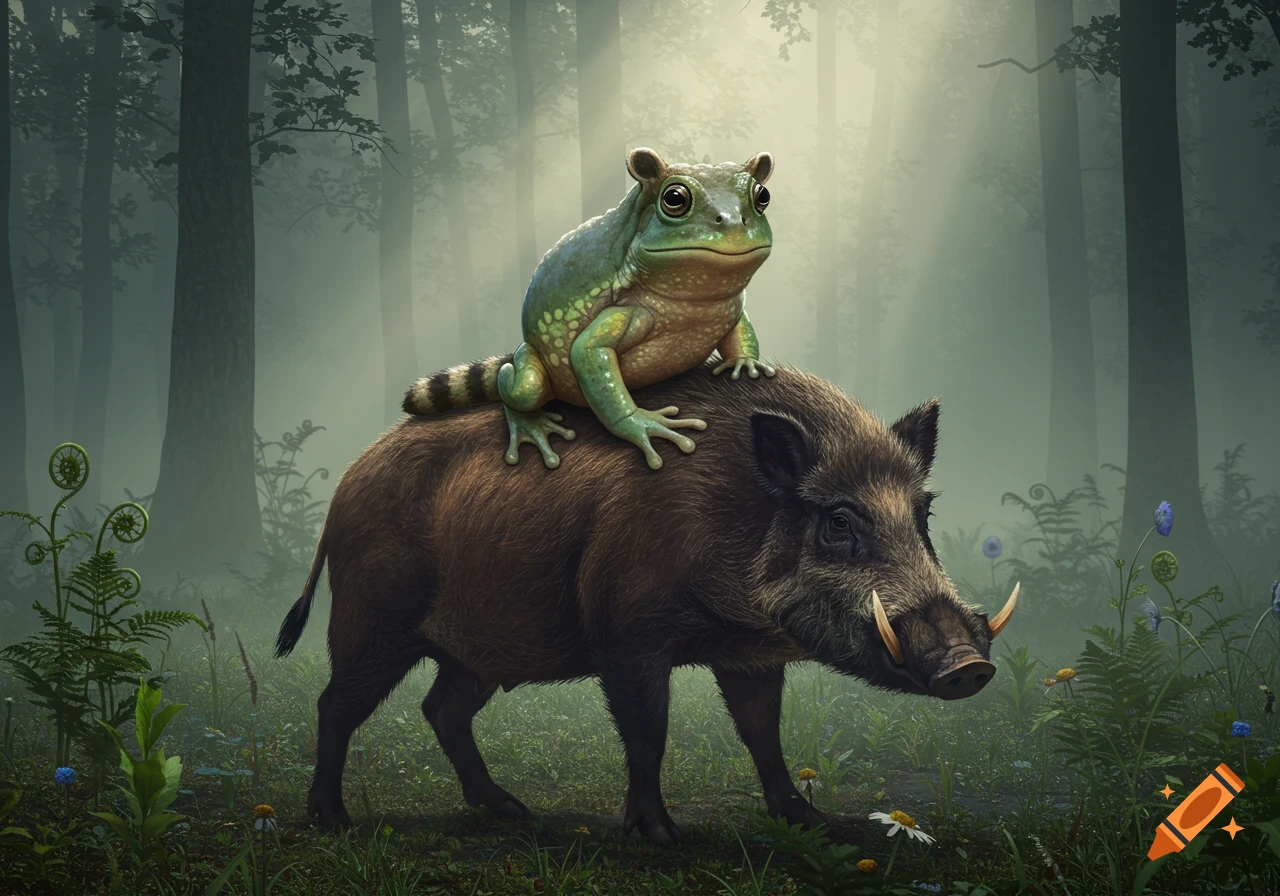
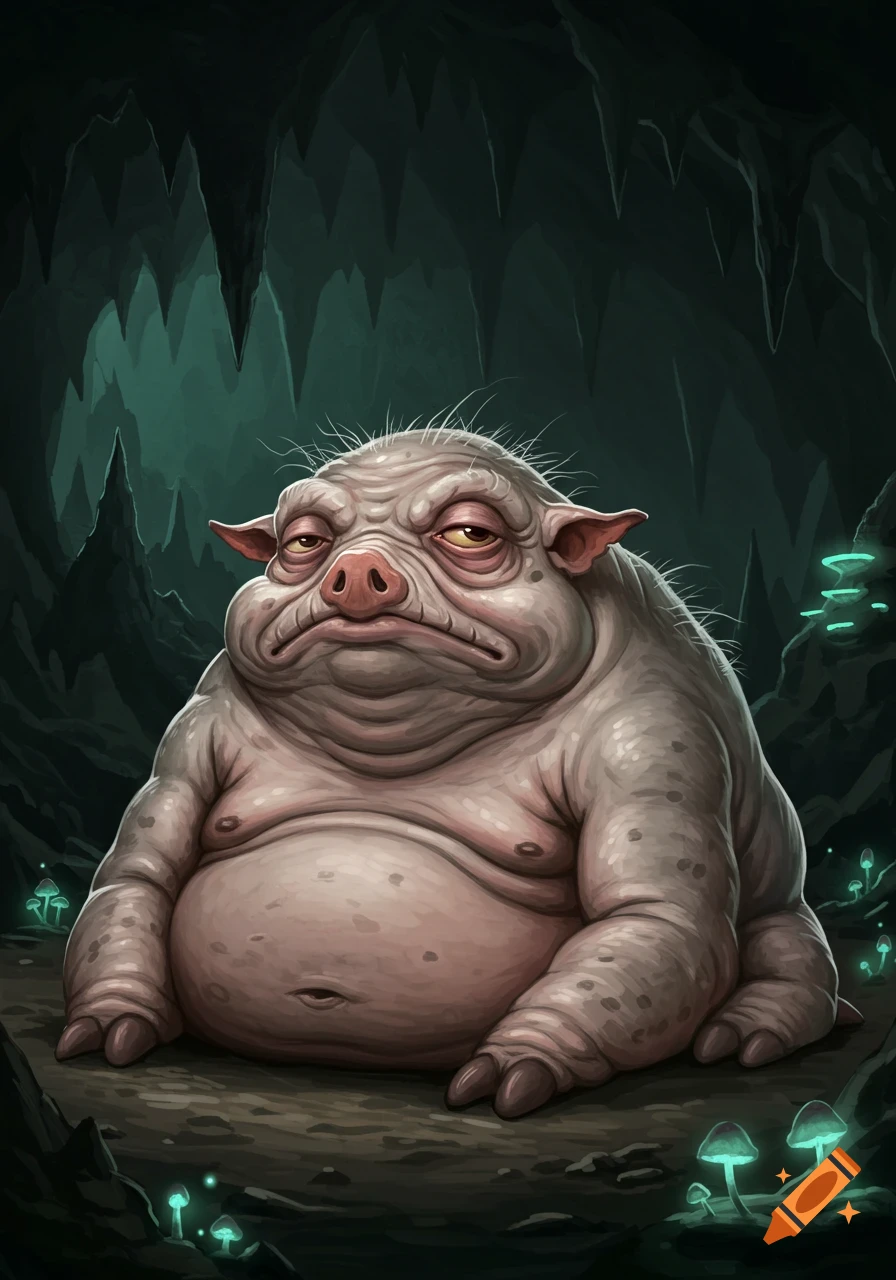
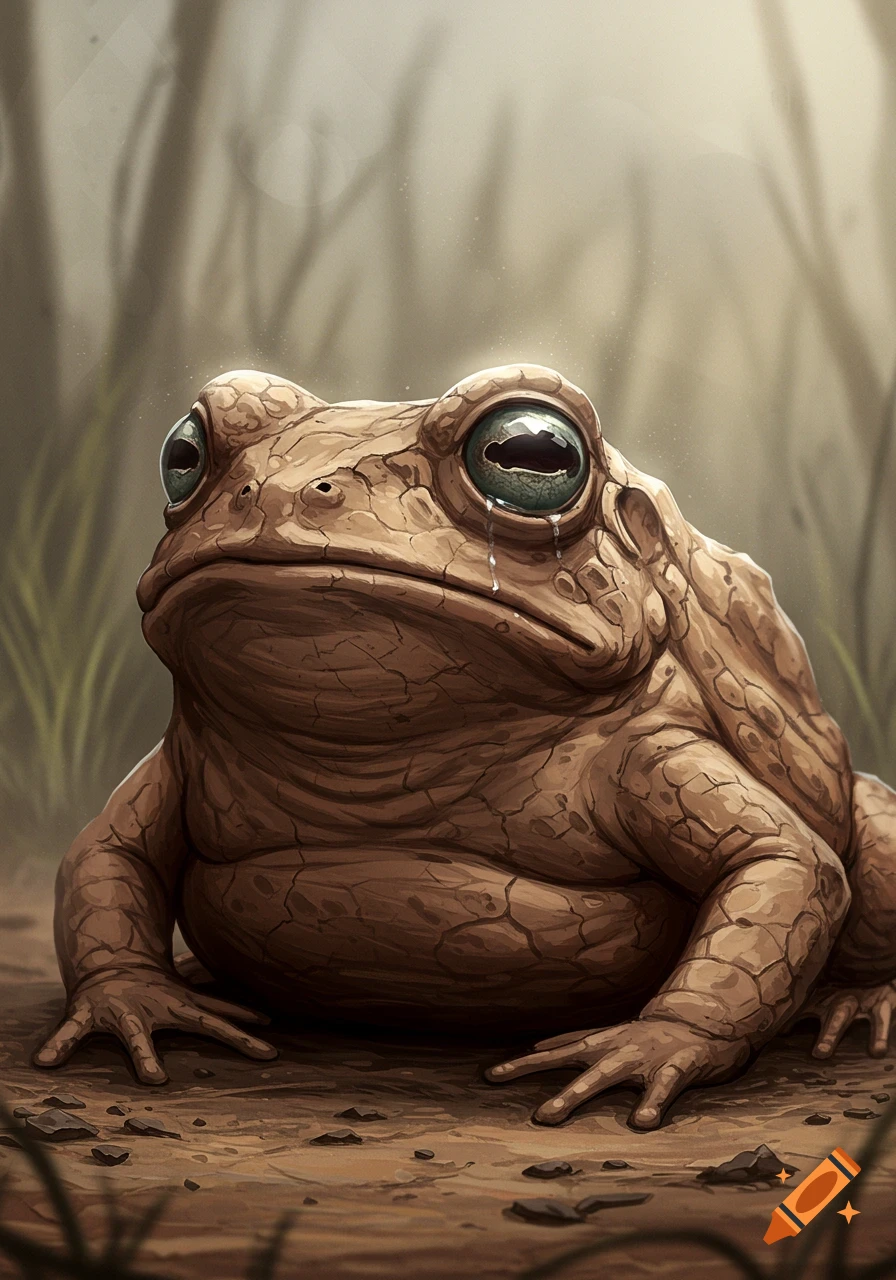
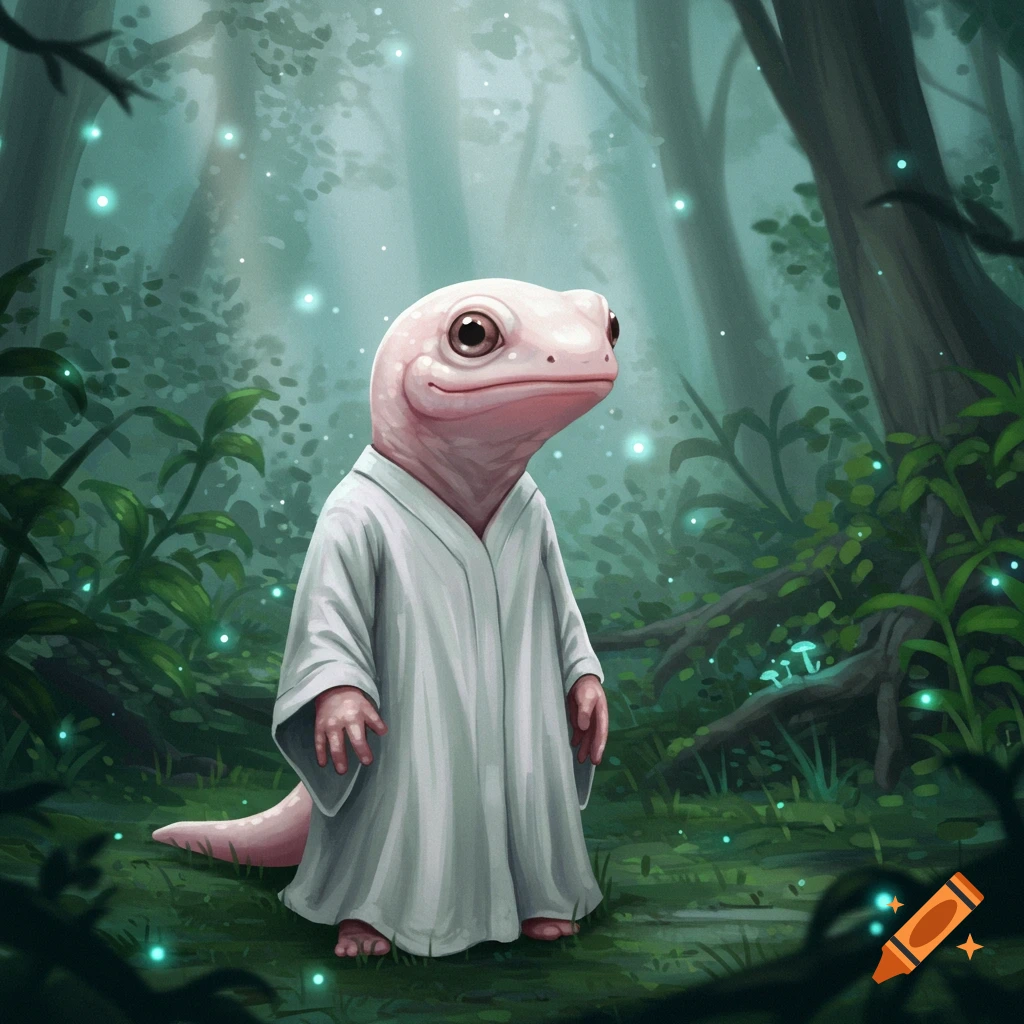
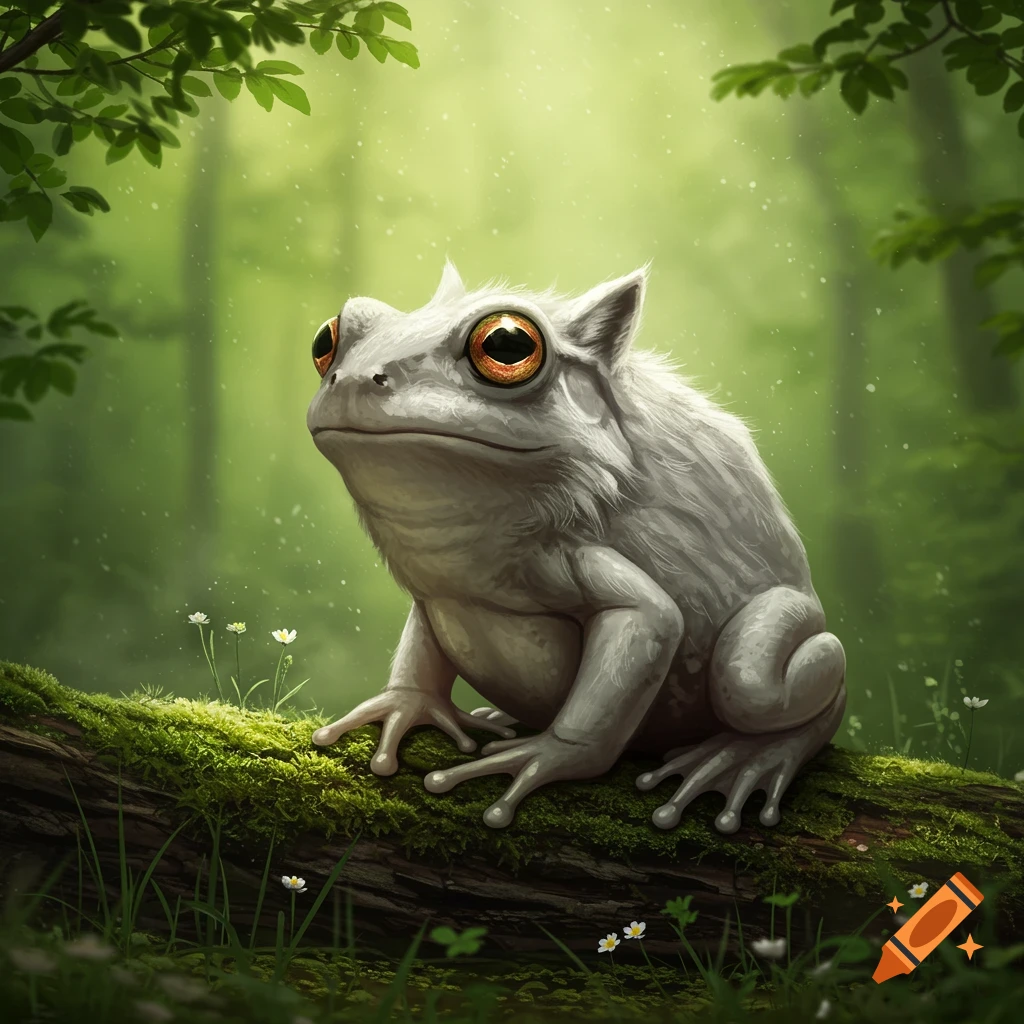
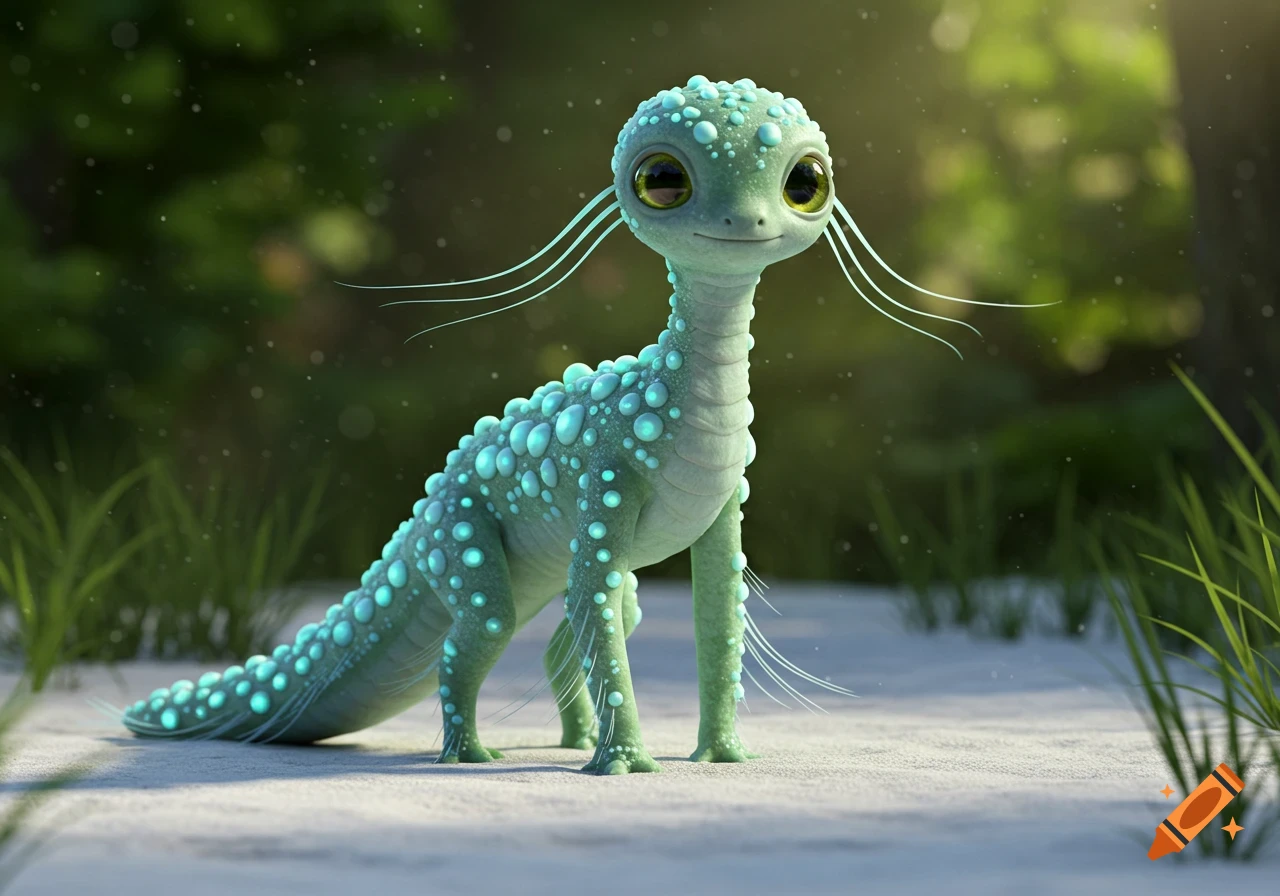
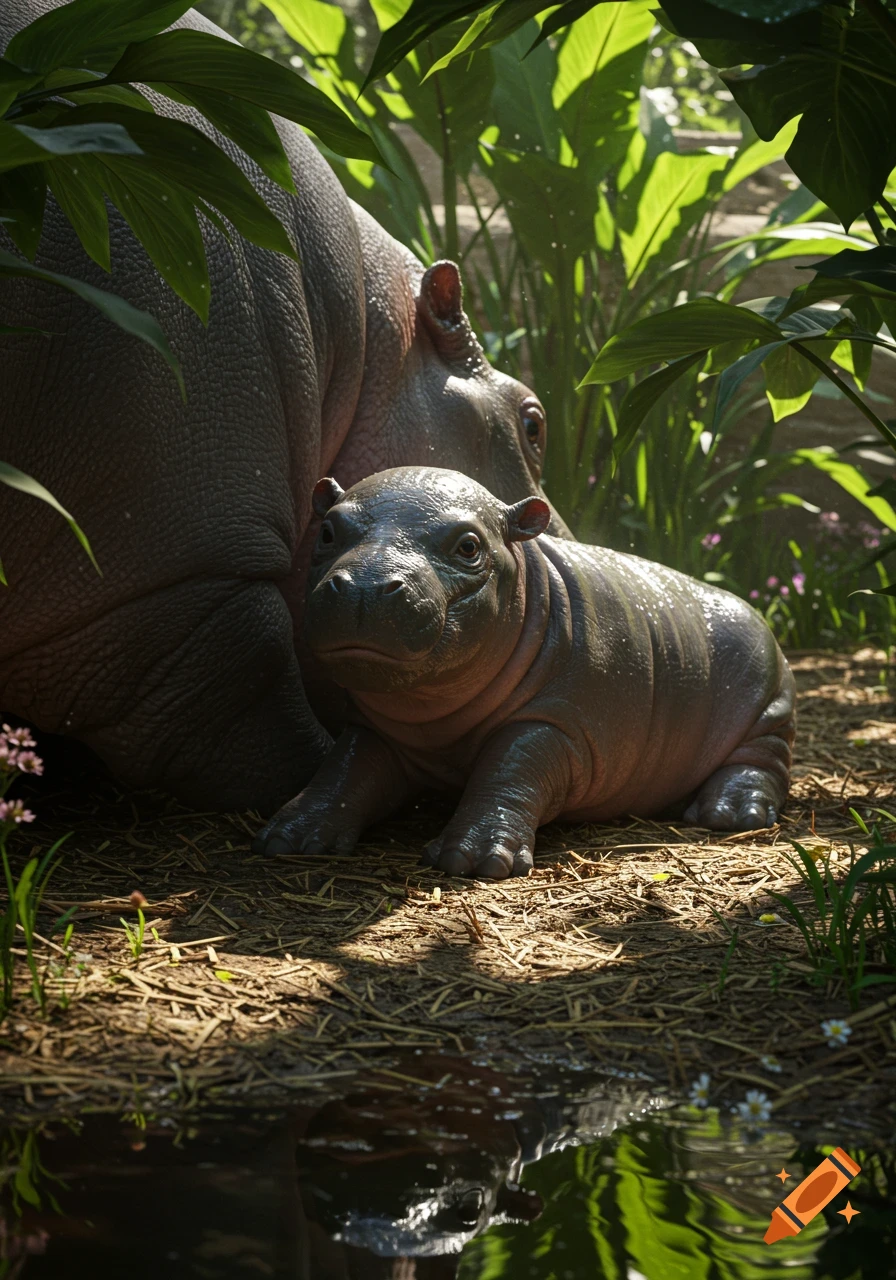
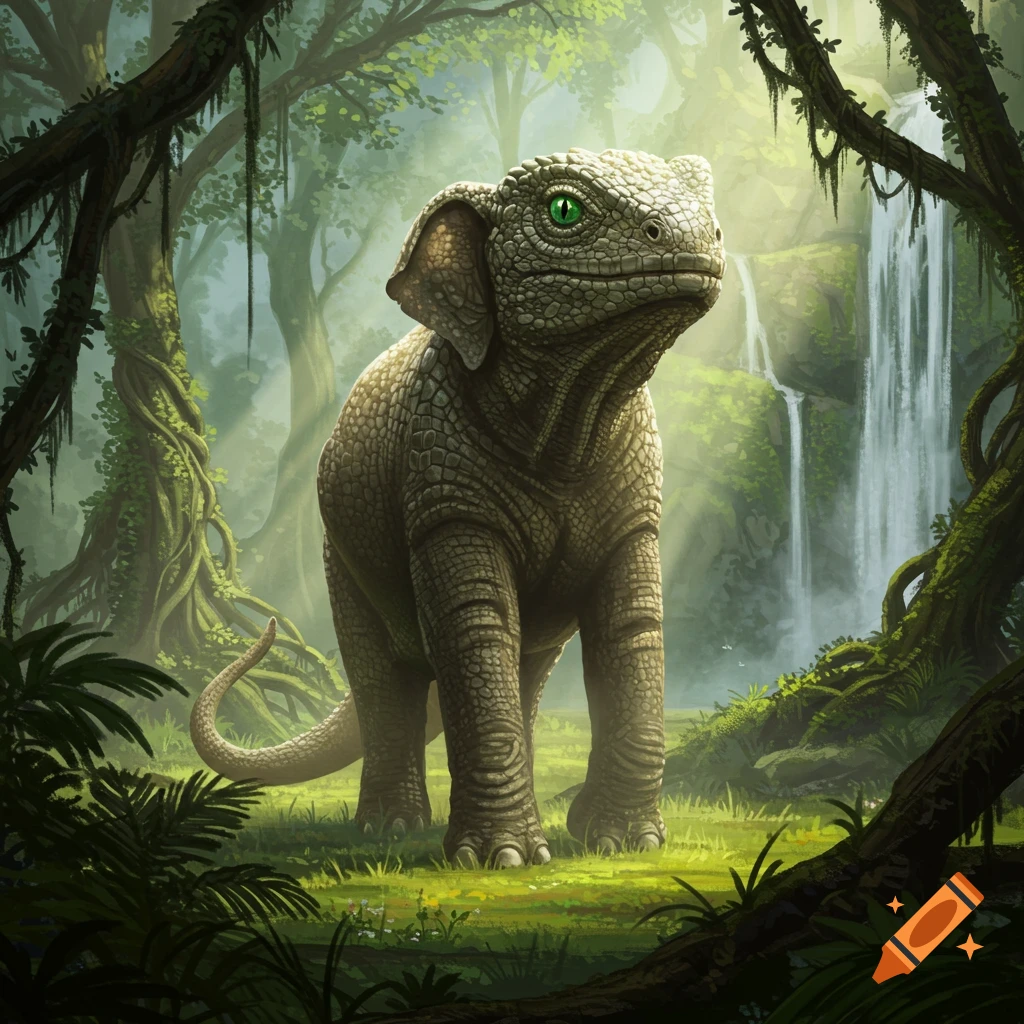
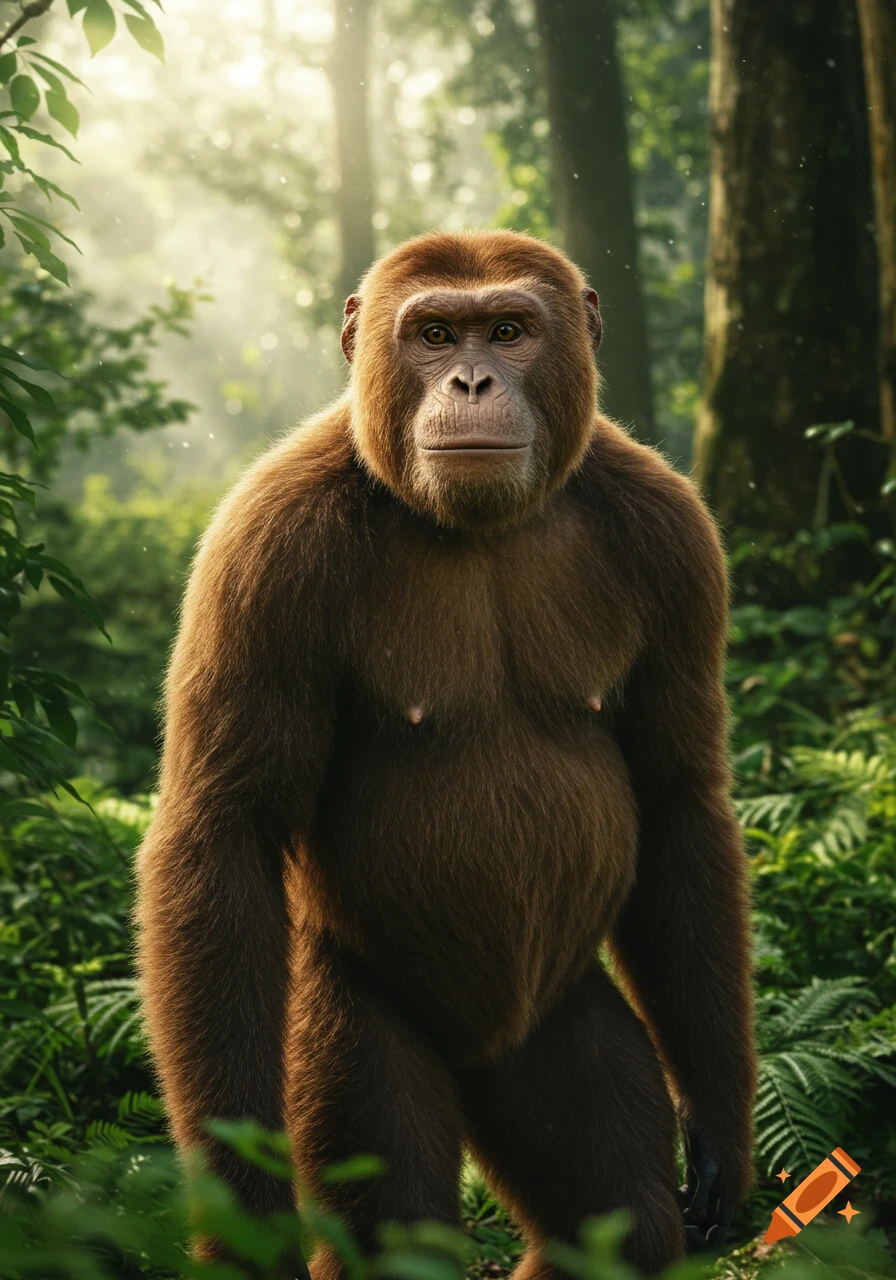
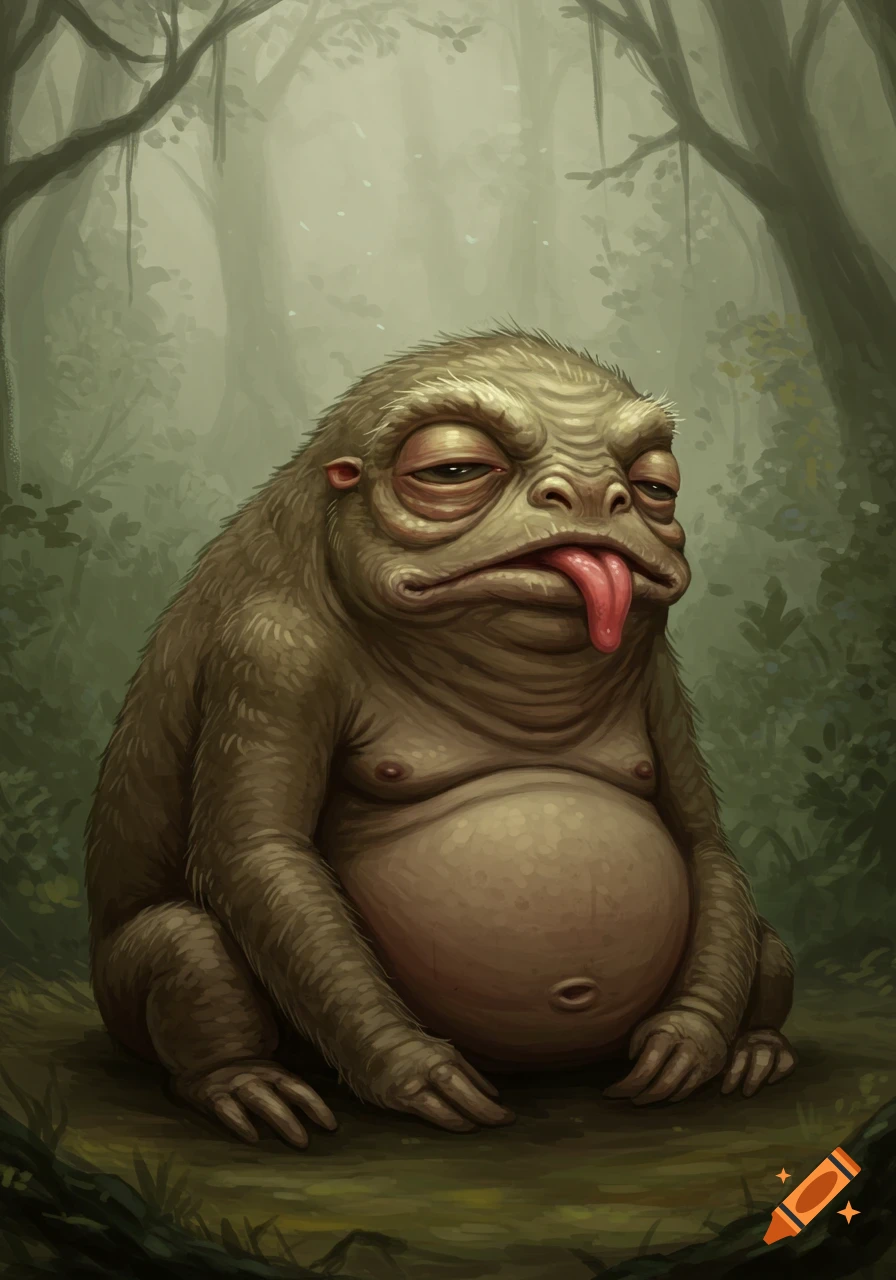
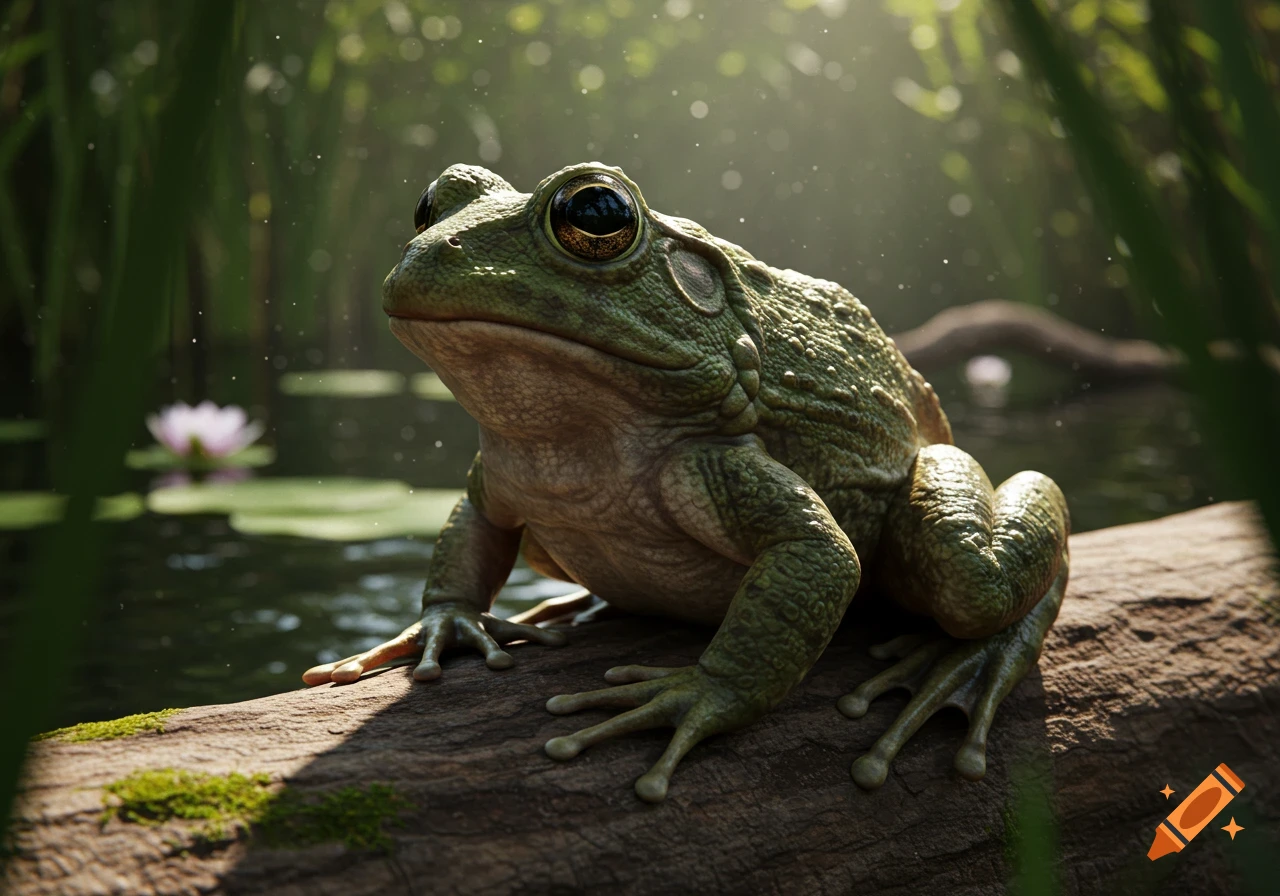
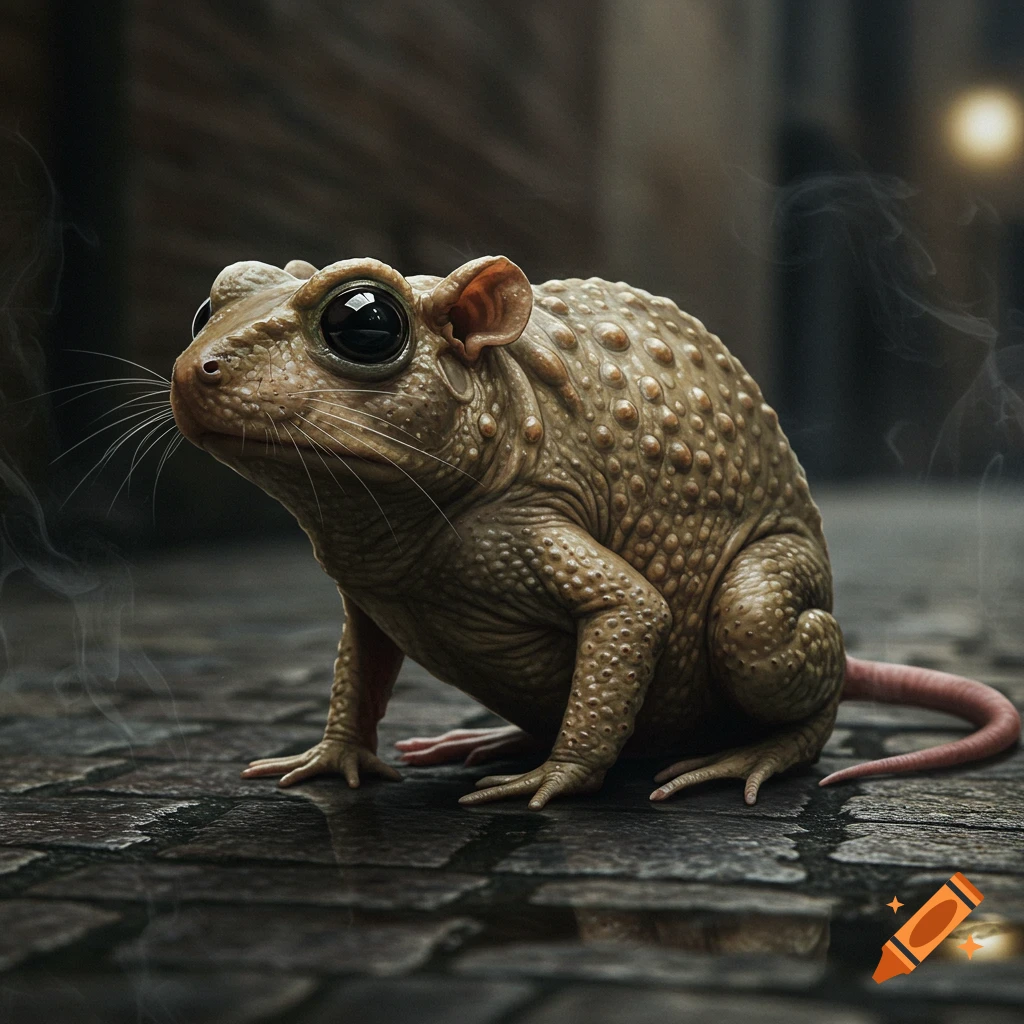
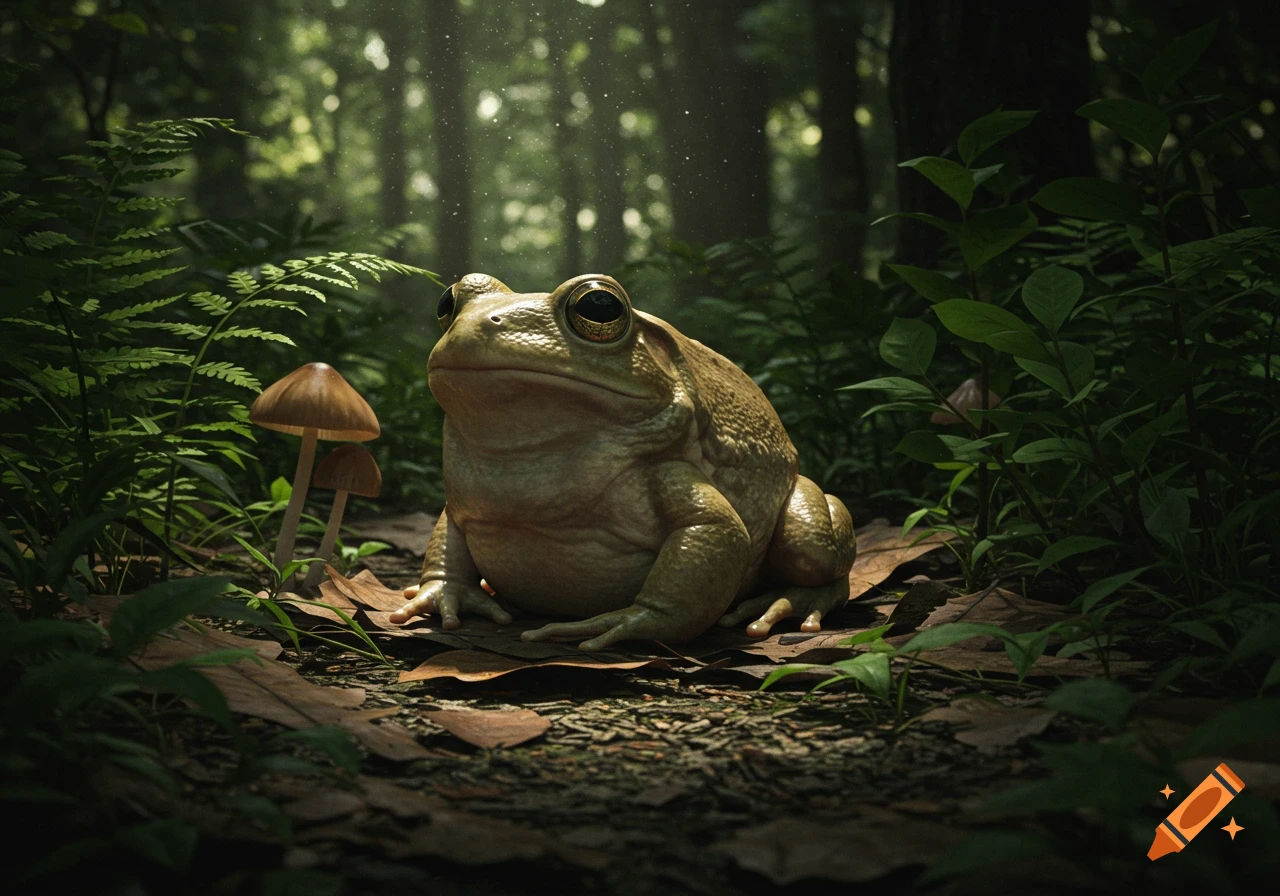
Close-up photorealistic portrait of a strange, hairless mammal with large, bulging eyes and small ear flaps, set against a blurred forest background.
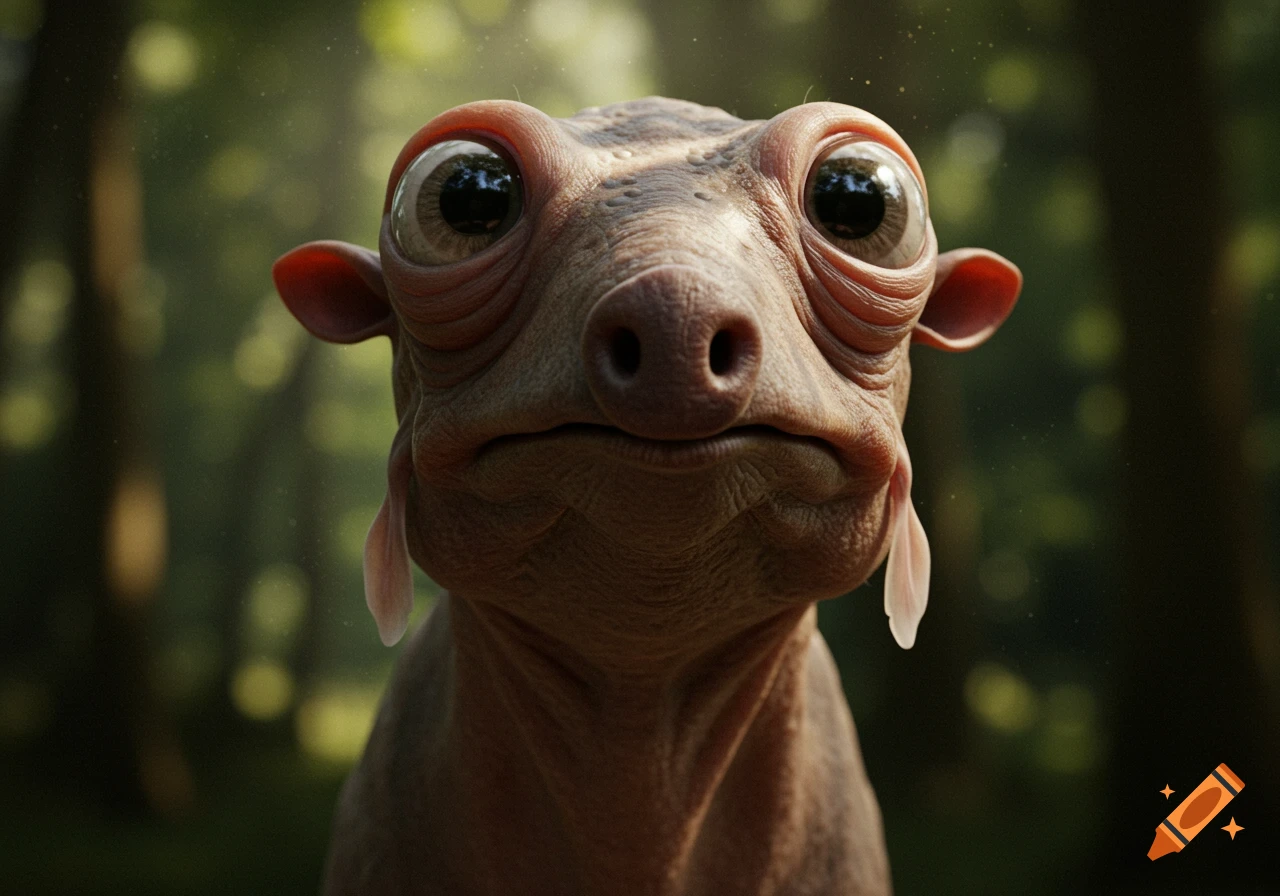
Imagine a mammal with a broad, flat snout, similar to a pig's or a tapir's. It would have two large, upward-facing eyes where the nostrils would typically be. The eyes are large and rounded with dark irises. They offer a broad, almost 180-degree field of vision for scanning the skies or detecting prey from above. Instead of traditional eyelids, a thin, translucent membrane might protect and moisten the eyes, retracting rapidly when the animal searches its surroundings. Below the eyes, two small, slit-like openings, possibly shielded by tiny flaps of skin, would likely serve as the nostrils, allowing for olfactory function. The skin surrounding the eyes and nostrils might be slightly thicker or textured to provide additional protection, possibly with some bony ridges or a harder, plate-like area around the eyes. The overall impression would be one of heightened vigilance and a specialized adaptation for a specific ecological niche, perhaps to detect aerial predators or locate food sources in high places. See more