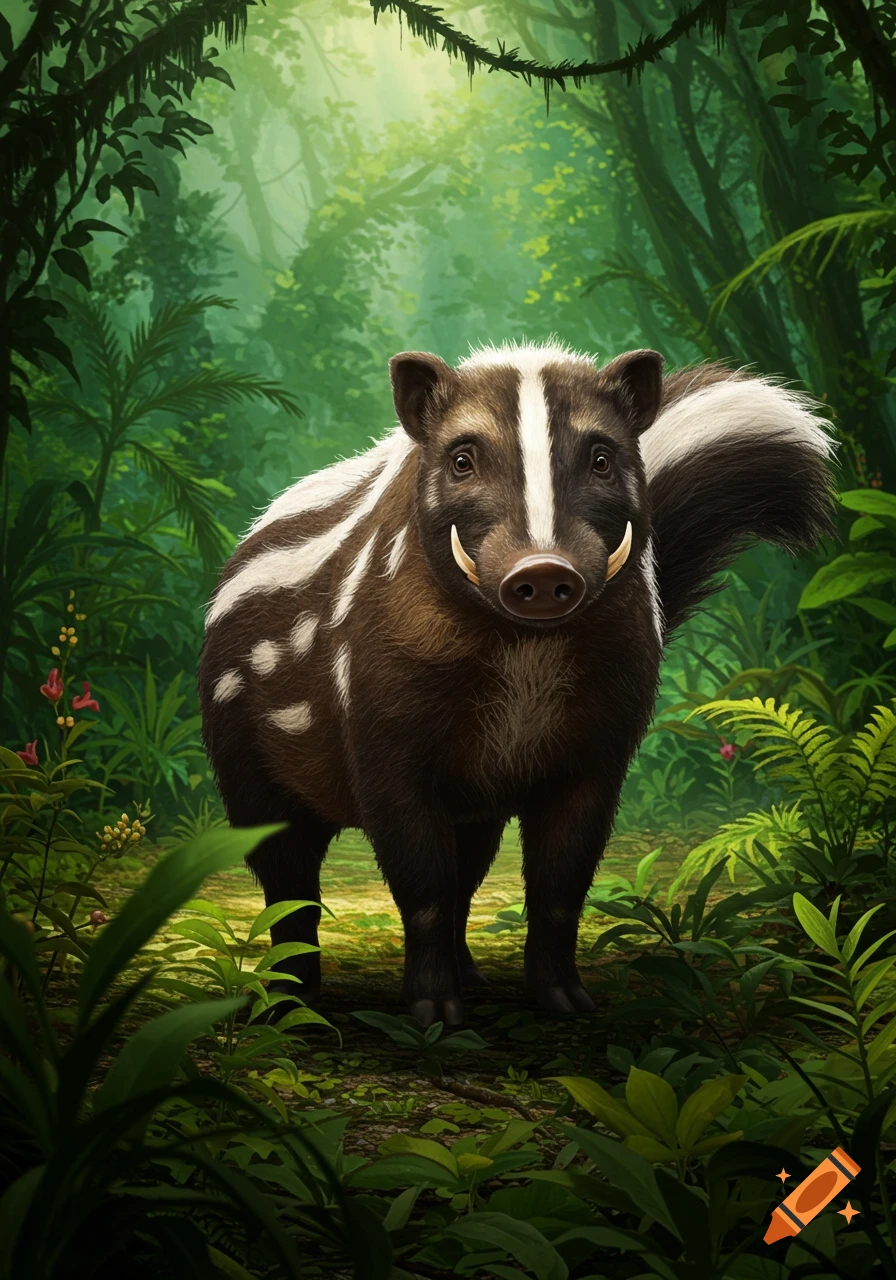
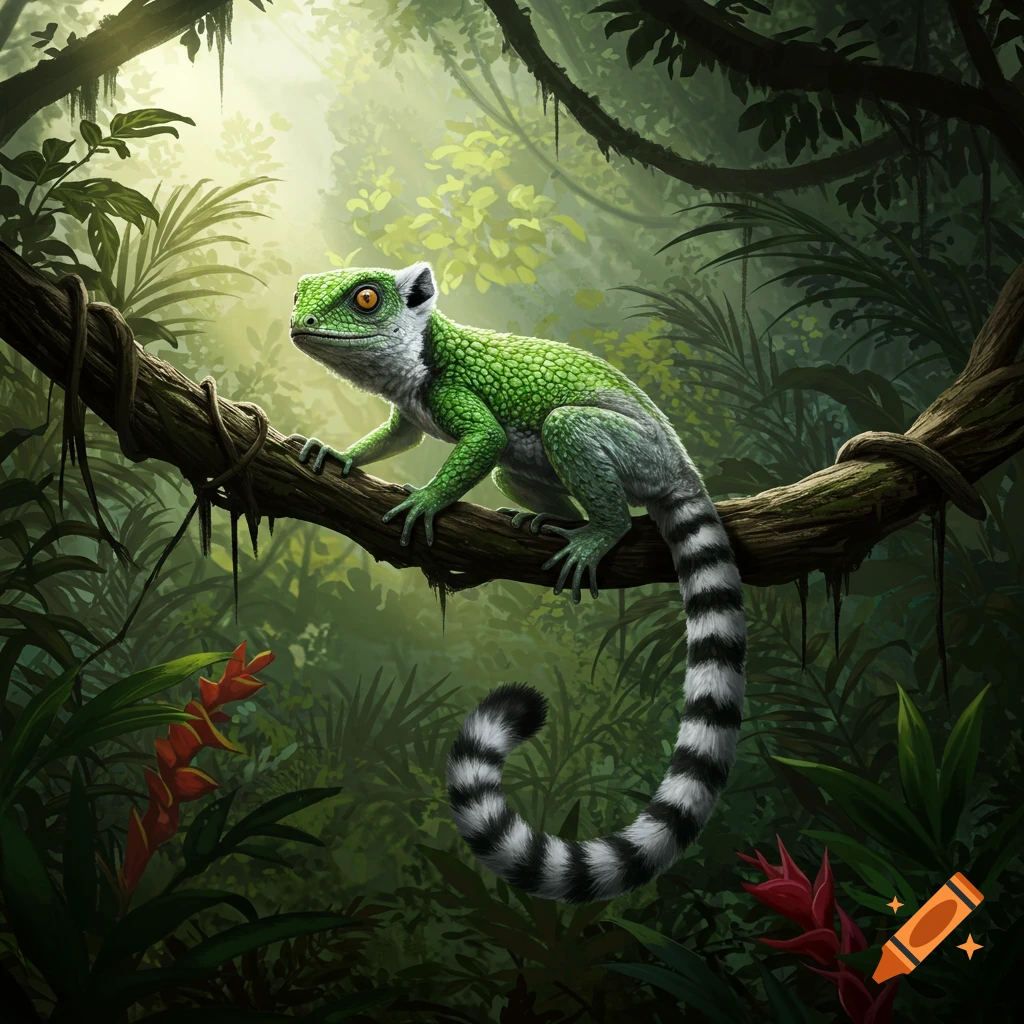
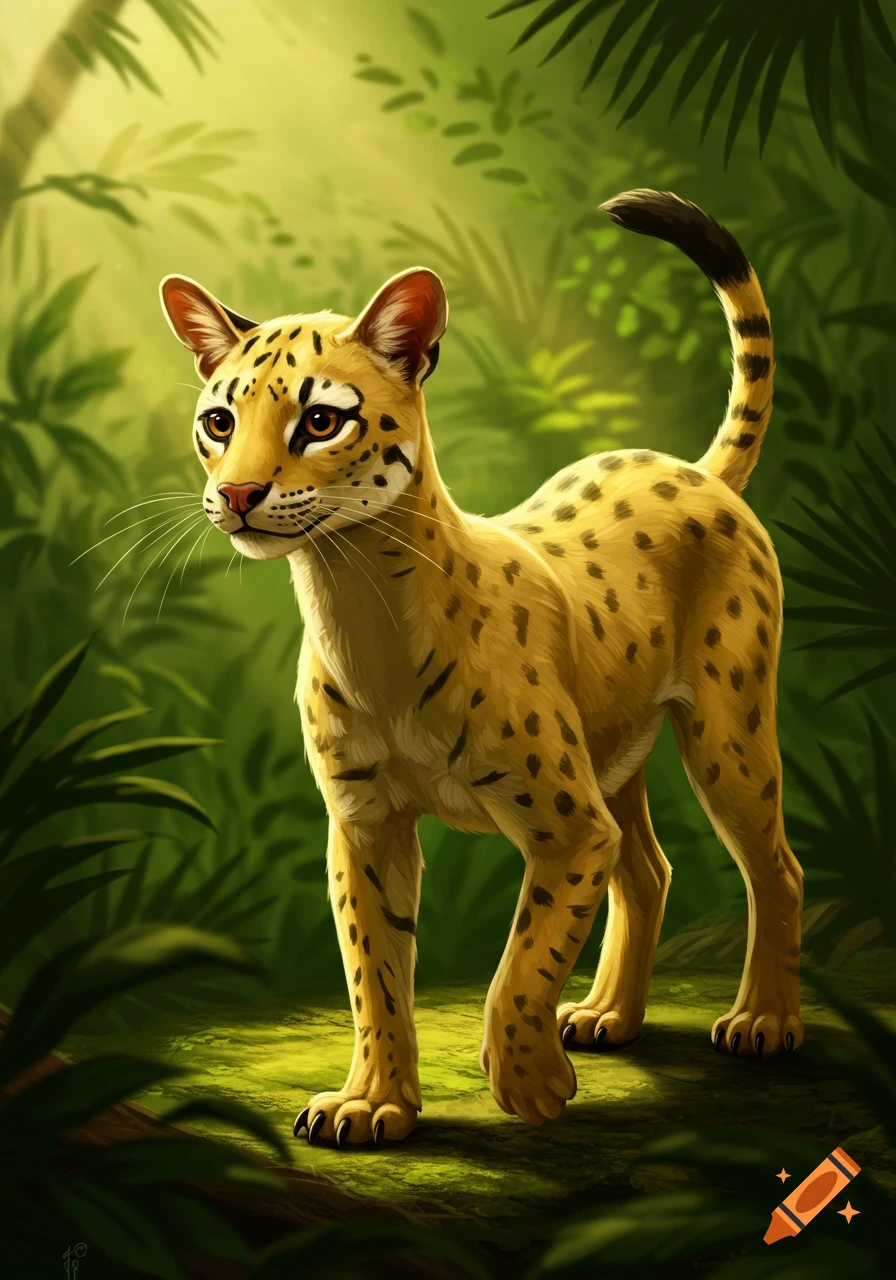
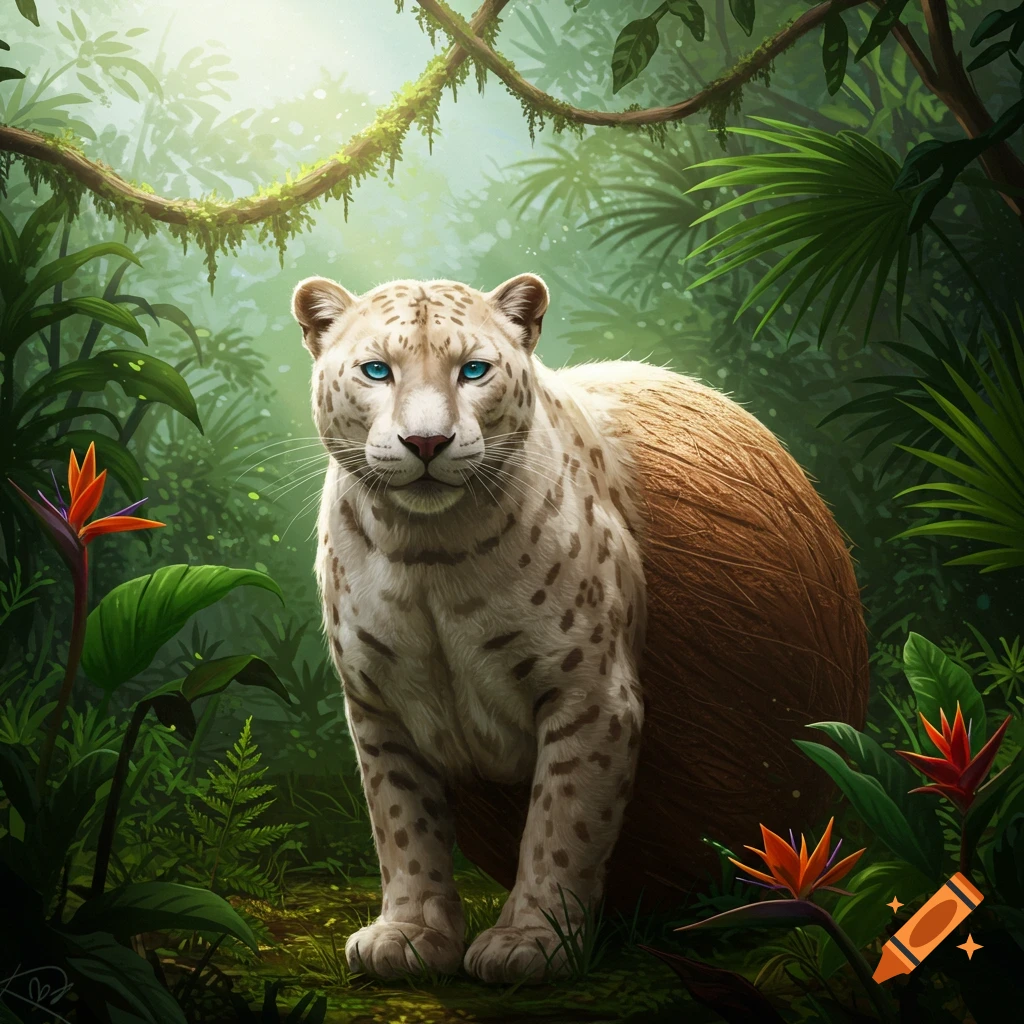
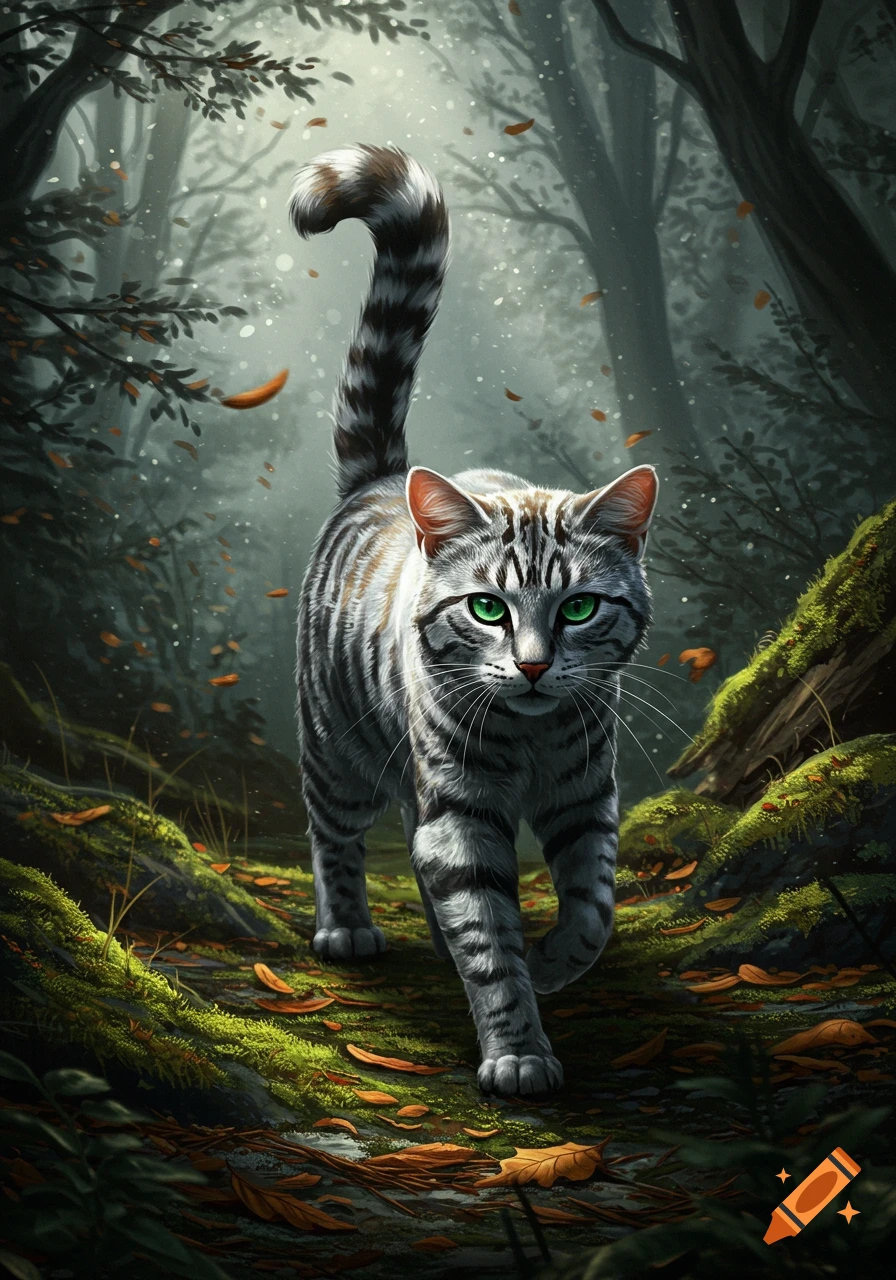
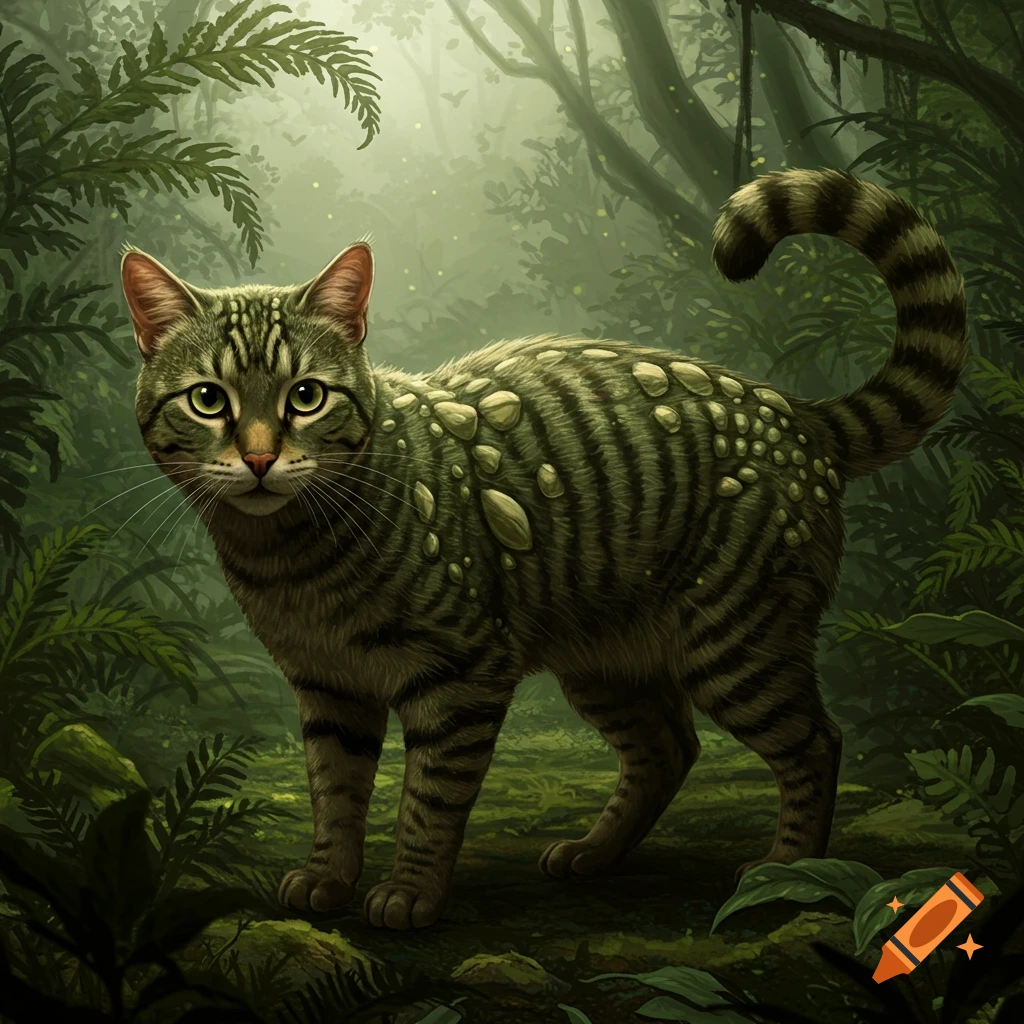
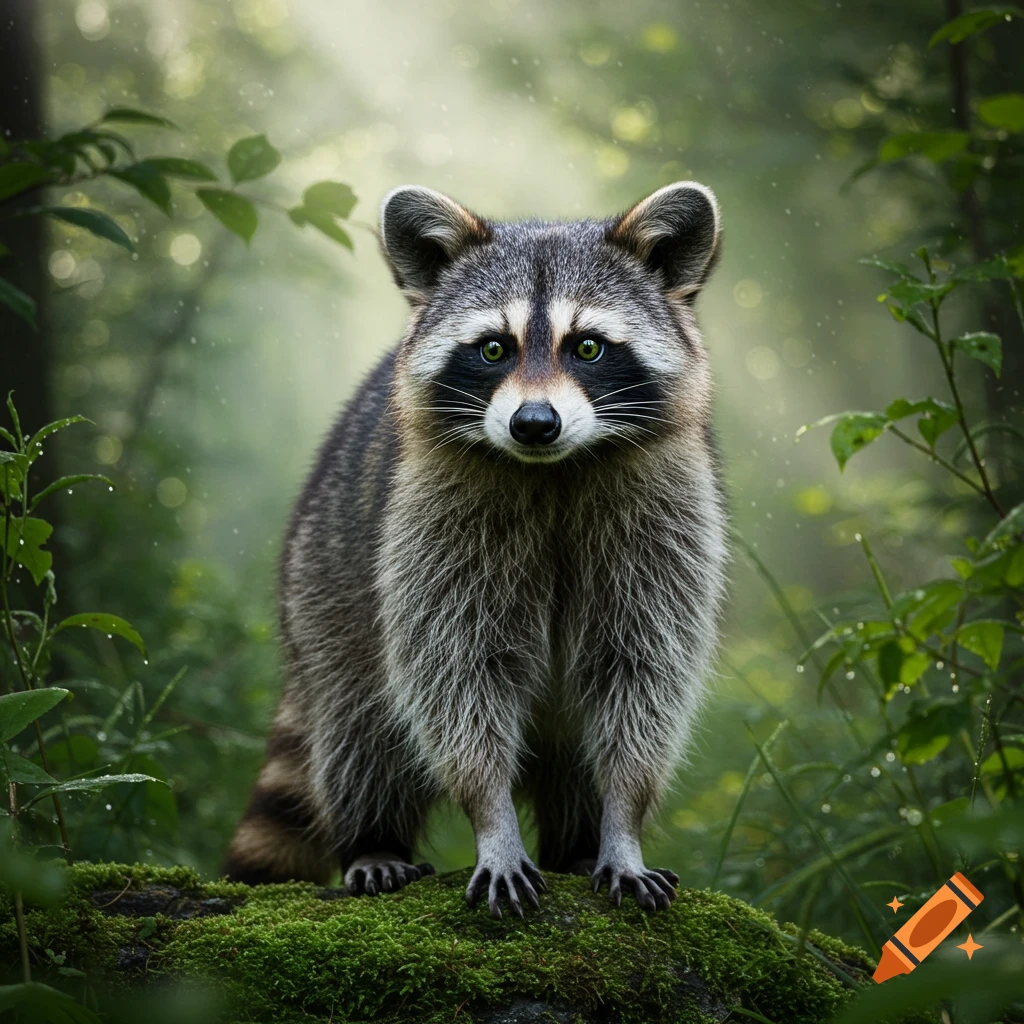
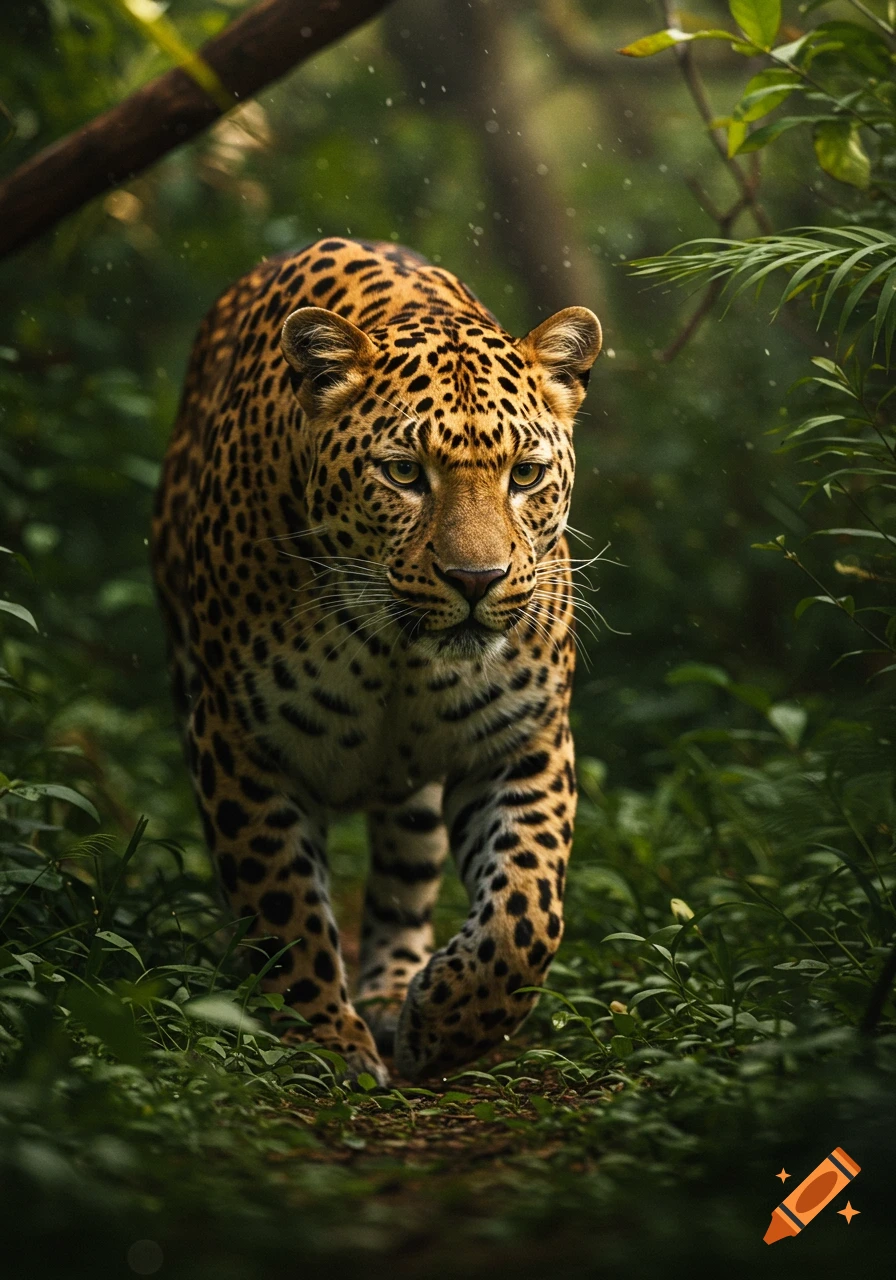
An Owston's palm civet with black spots and stripes on white fur walks through a lush green jungle.
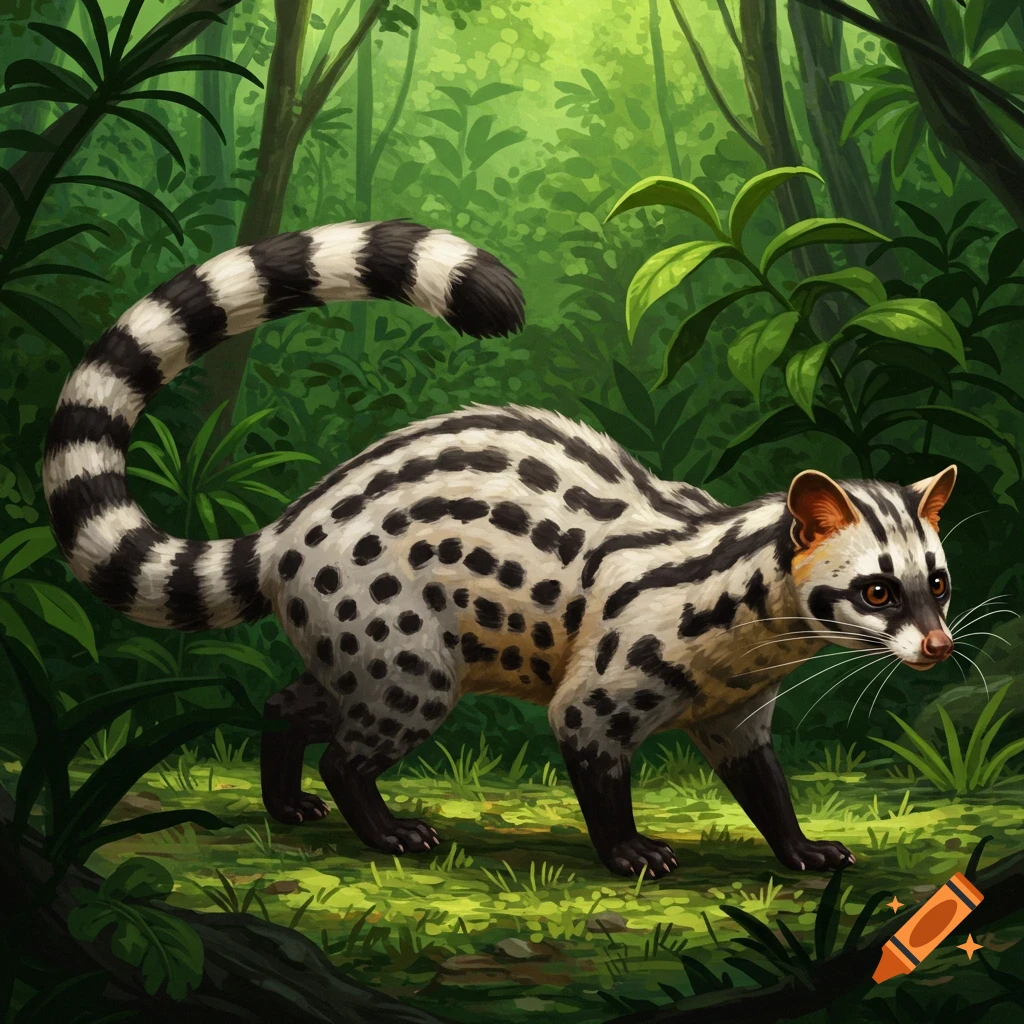
The Owston's palm civet (Chrotogale owstoni) is a unique viverrid species facing significant threats to its survival. It is characterized by its distinctive appearance, specific habitat requirements, and largely unknown wild behaviors. Conservation efforts are underway to protect this endangered animal. Taxonomy and Description The Owston's palm civet, scientifically known as Chrotogale owstoni, was first described by Oldfield Thomas in 1912 based on a zoological specimen collected by Alan Owston in Tonkin [2]. It is the sole species within the monospecific genus Chrotogale [3]. This civet is a mid-sized viverrid, typically measuring around 57 cm (22 in) in body length with a tail of approximately 43 cm (17 in), and weighing between 1.8–2.7 kg (4–6 lb) [6]. Its physical characteristics include a tawny buff-grey body adorned with highly contrasted black markings on its back and tail [4]. Four distinct bands run across its back, extending from around the eyes to the first third of its tail [5]. The latter two-thirds of the tail are entirely black, and black spots are present on its legs [6]. Owston's palm civets possess large rounded ears and black eyes [6]. Both males and females are notably slender and share similar markings, making sex differentiation primarily reliant on examining their genitalia and pelage. Females exhibit an orange pelage exclusively on their lower bellies, while males have an orange patch on their chest that differs in hue from that of females [5]. The See more