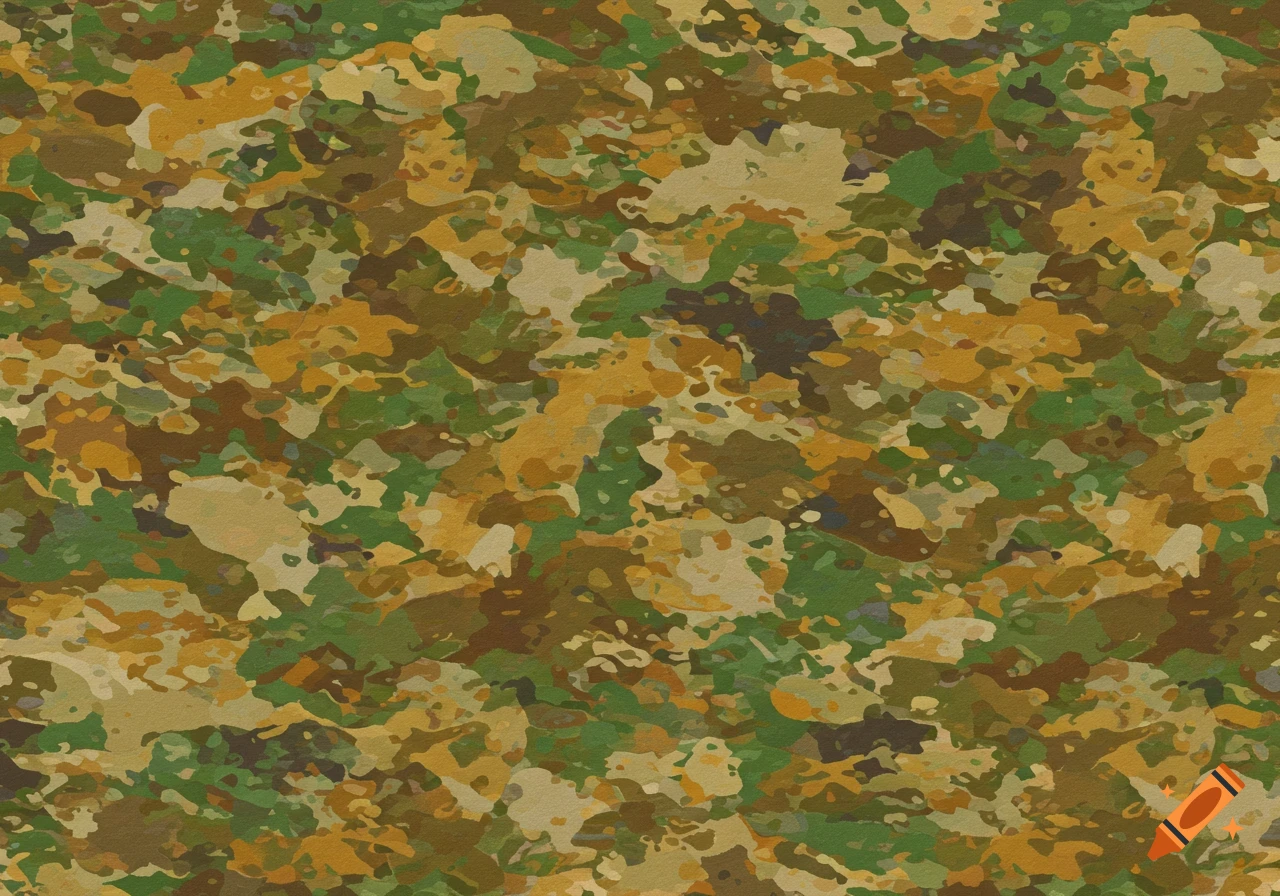
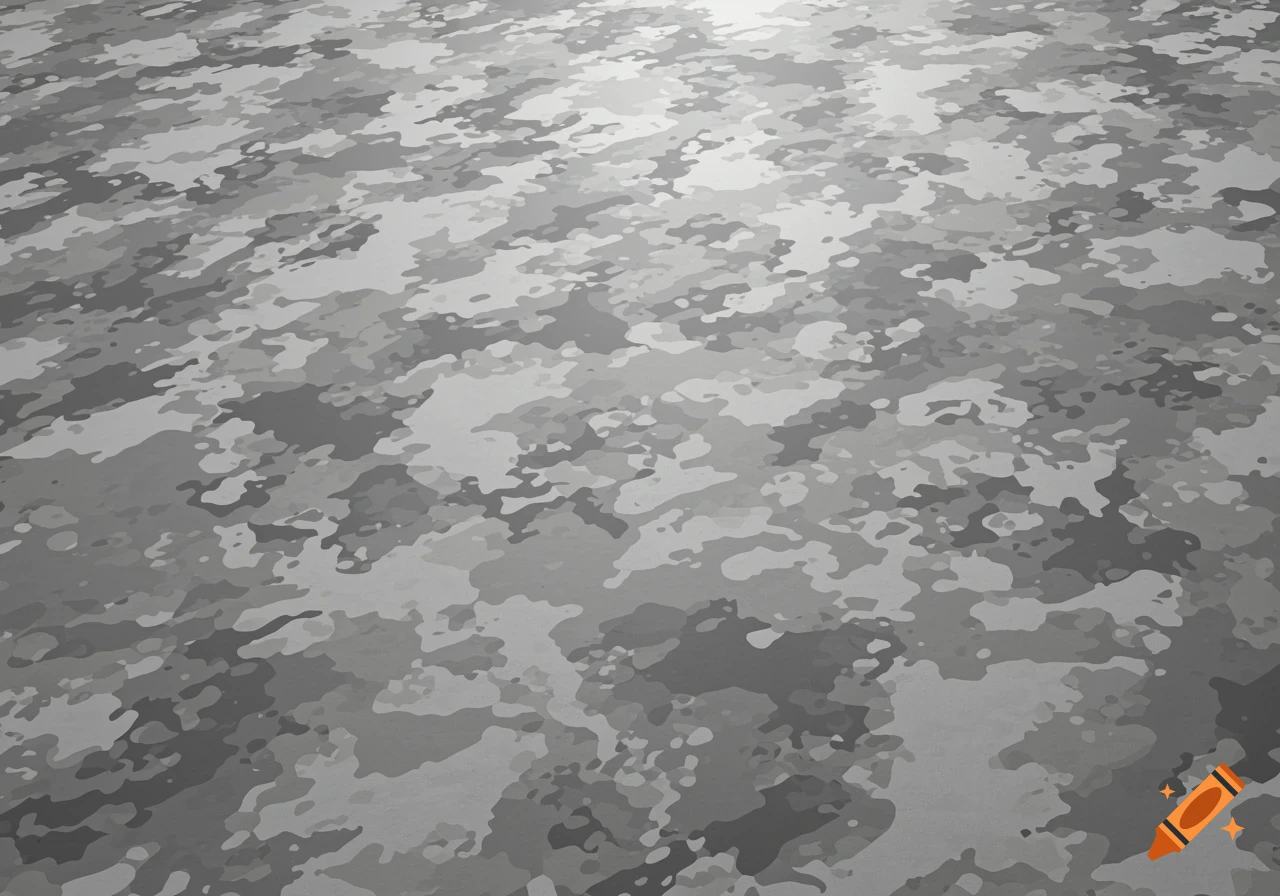
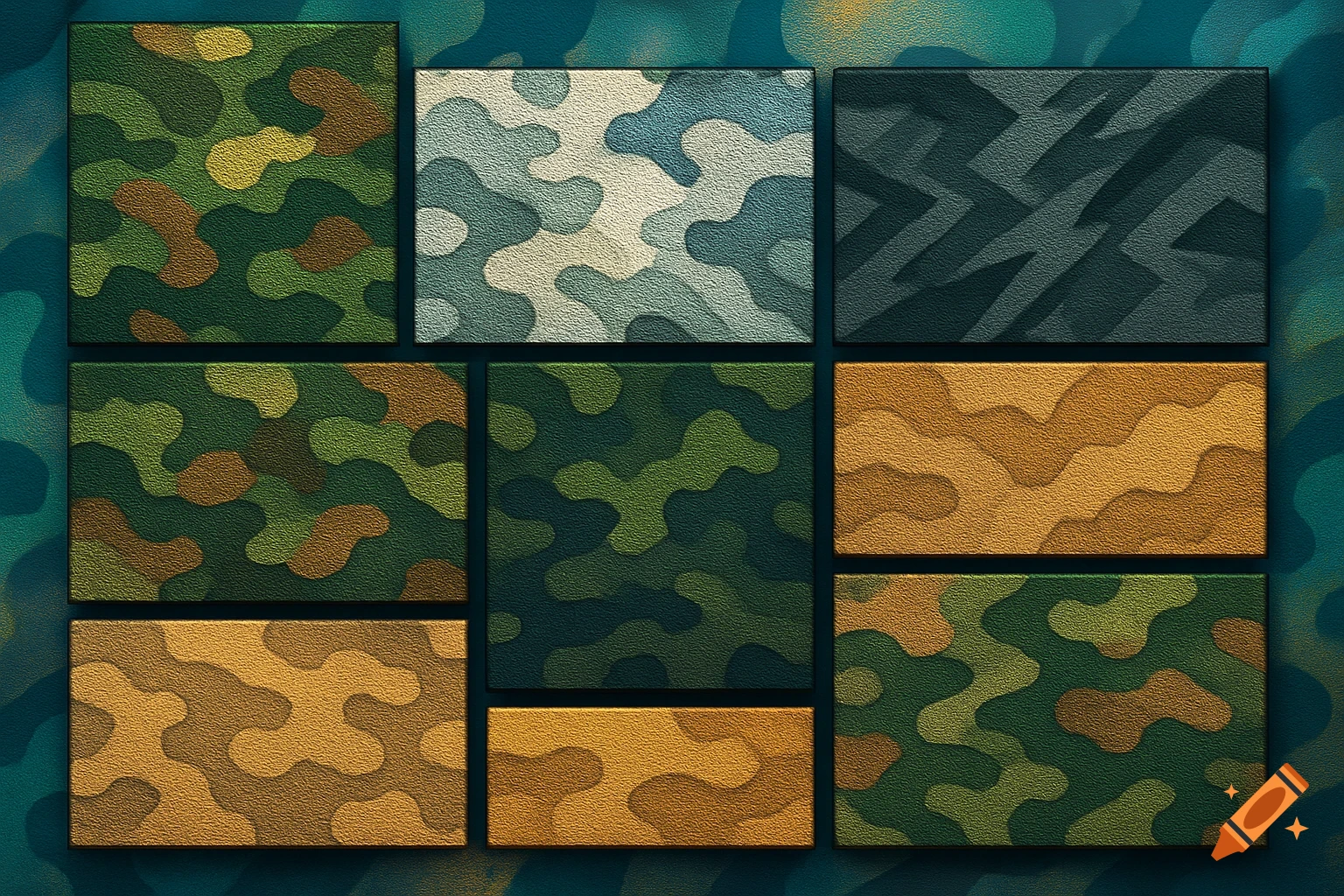
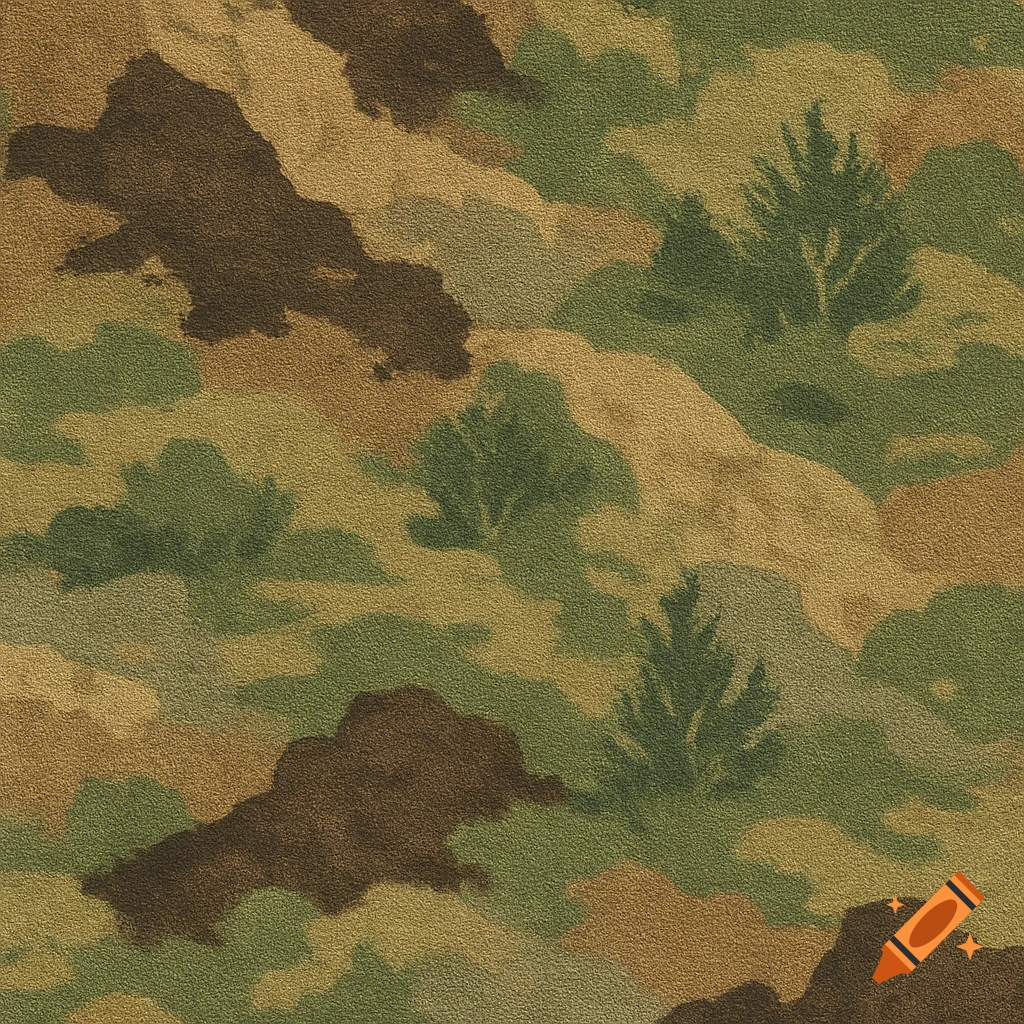
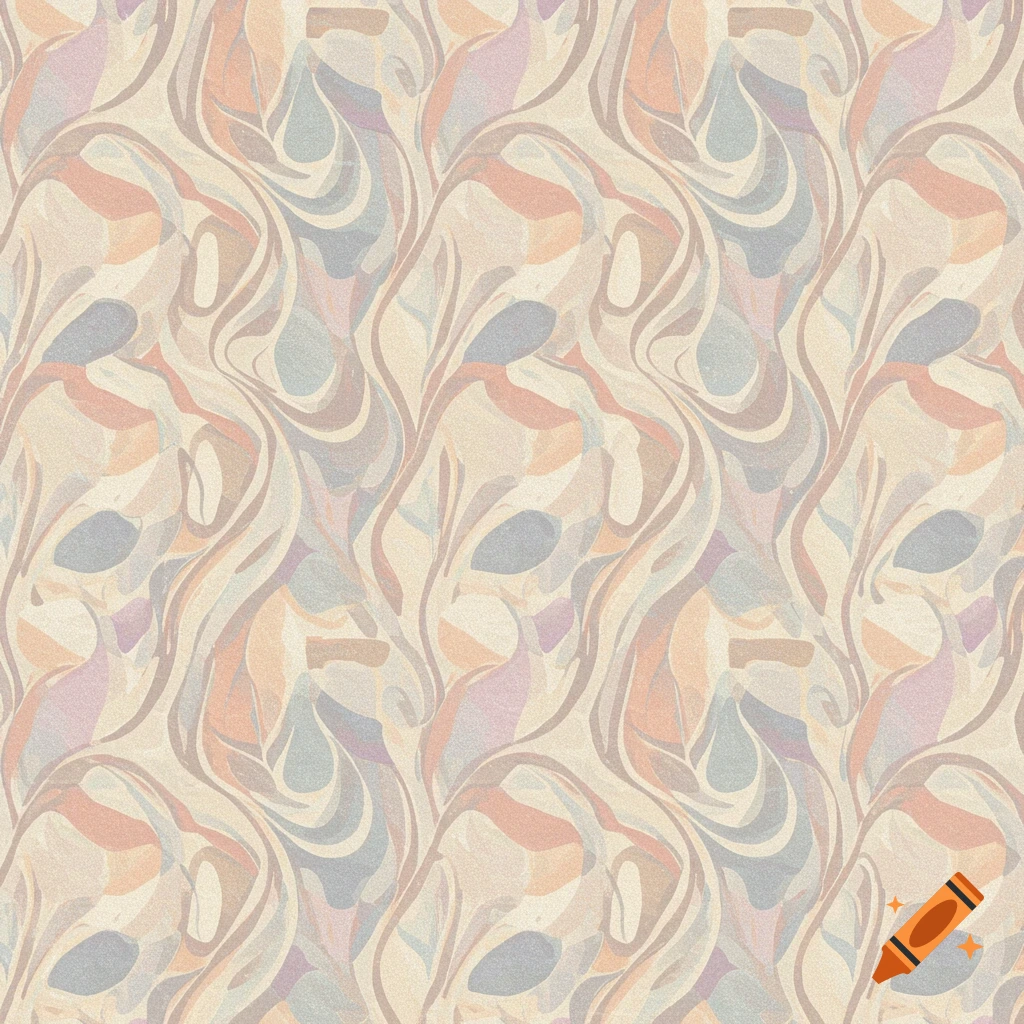
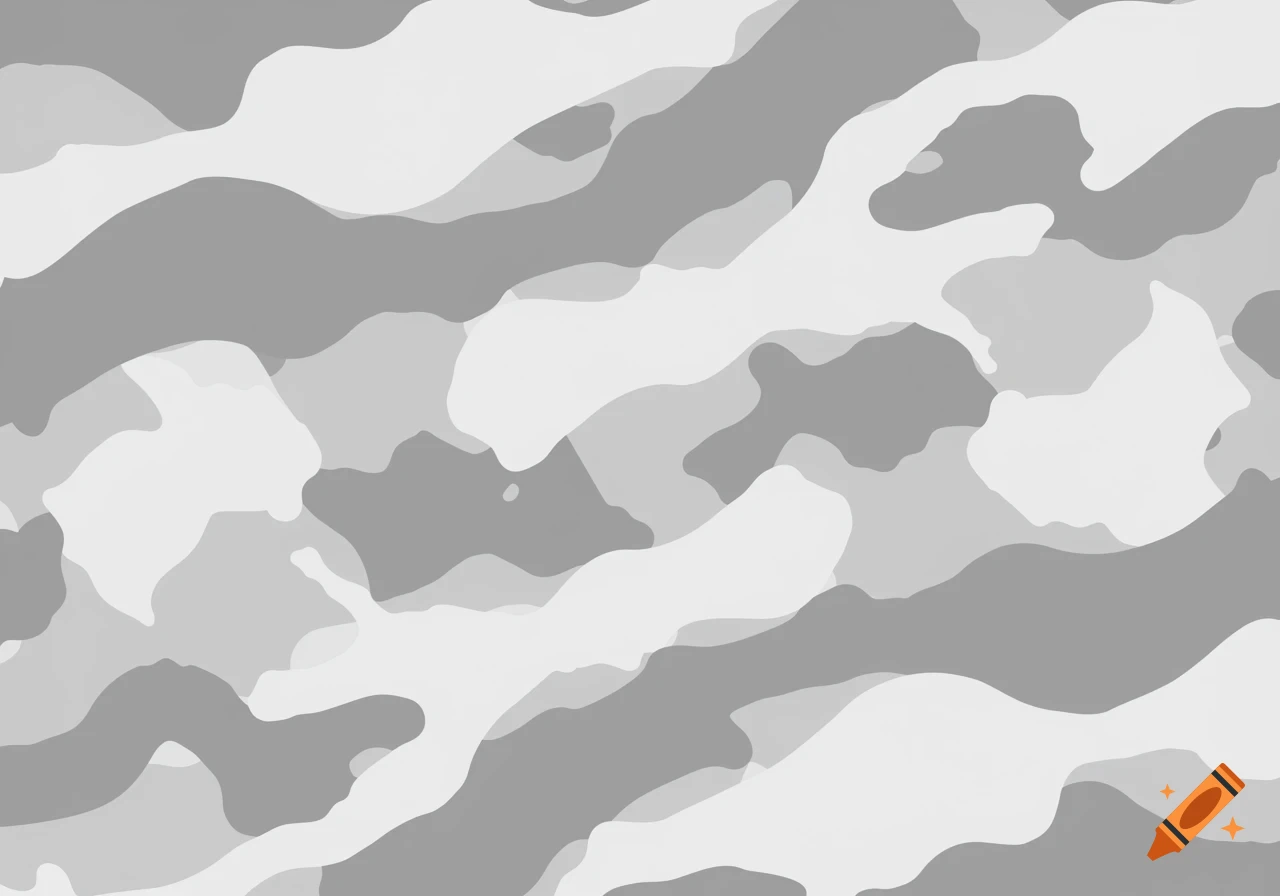
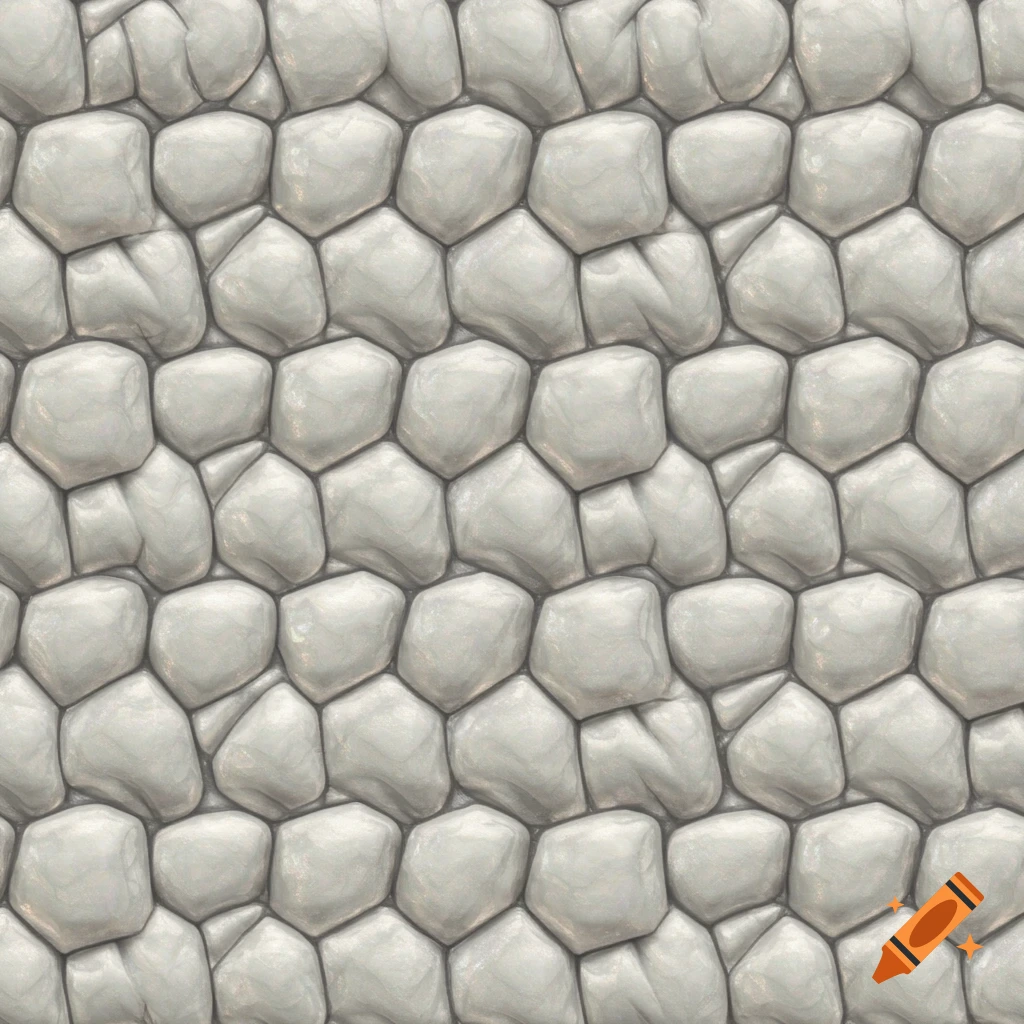
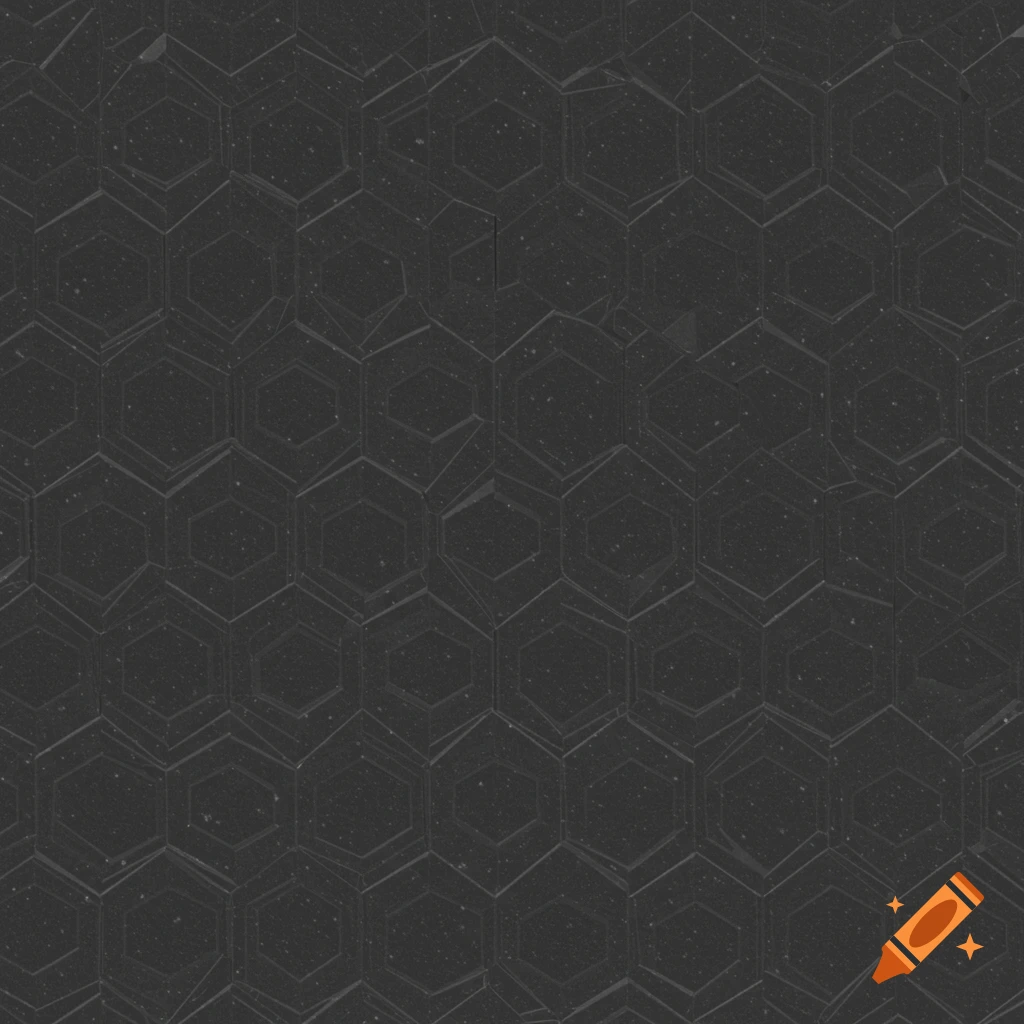
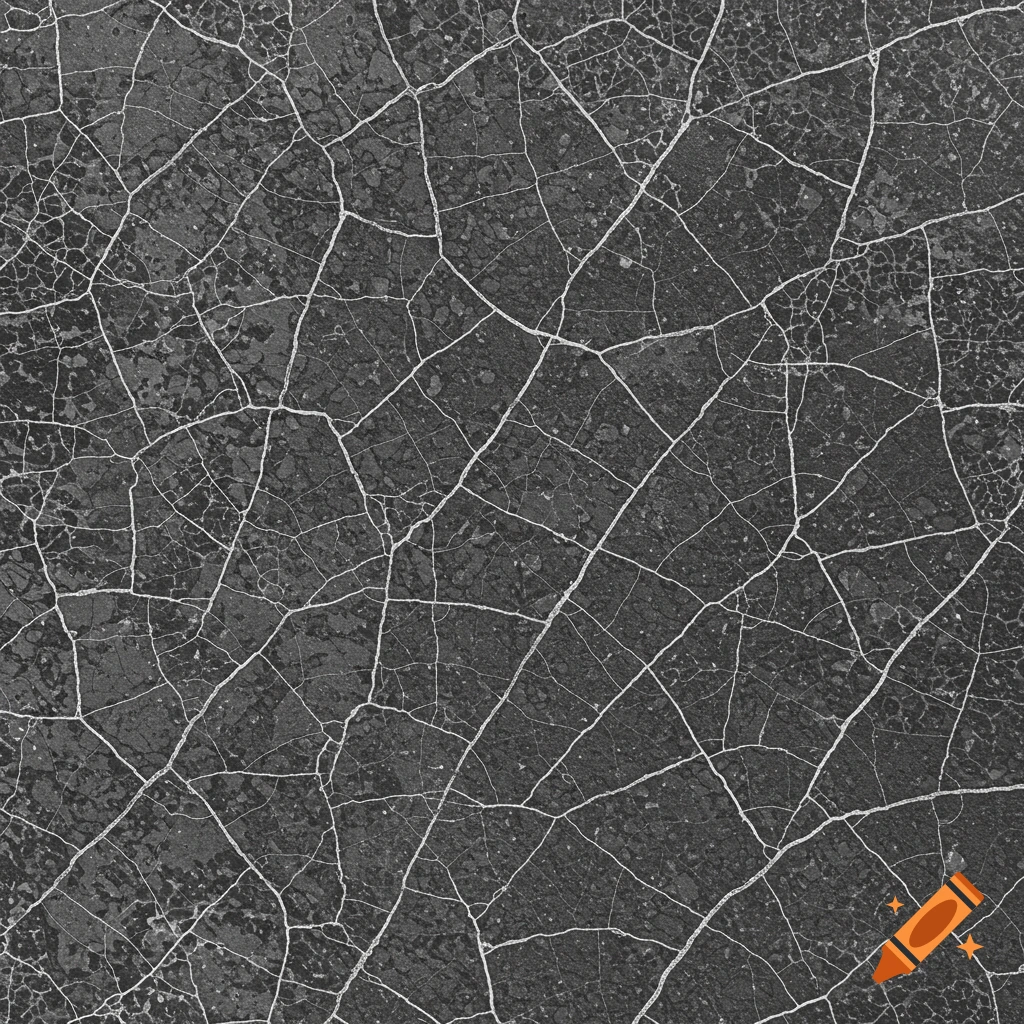
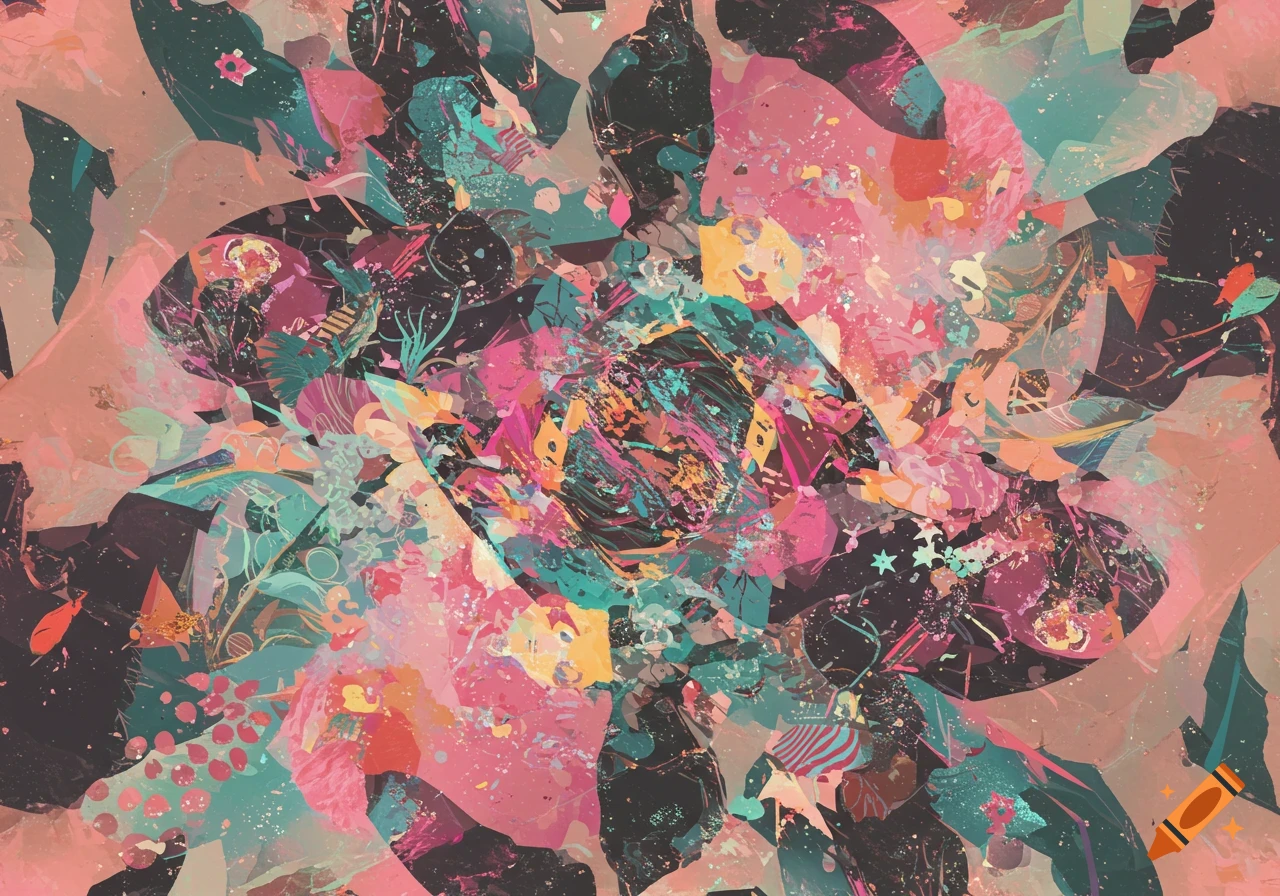
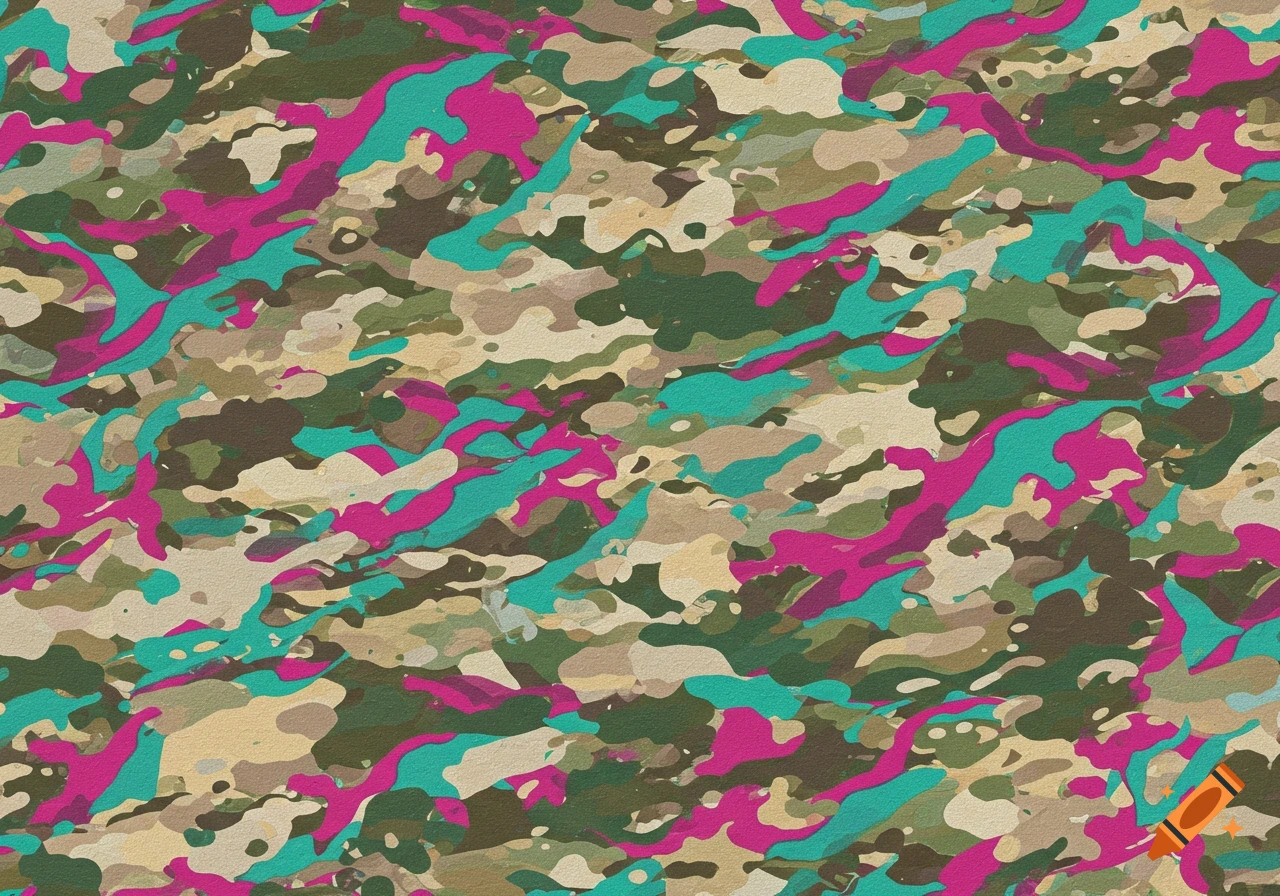
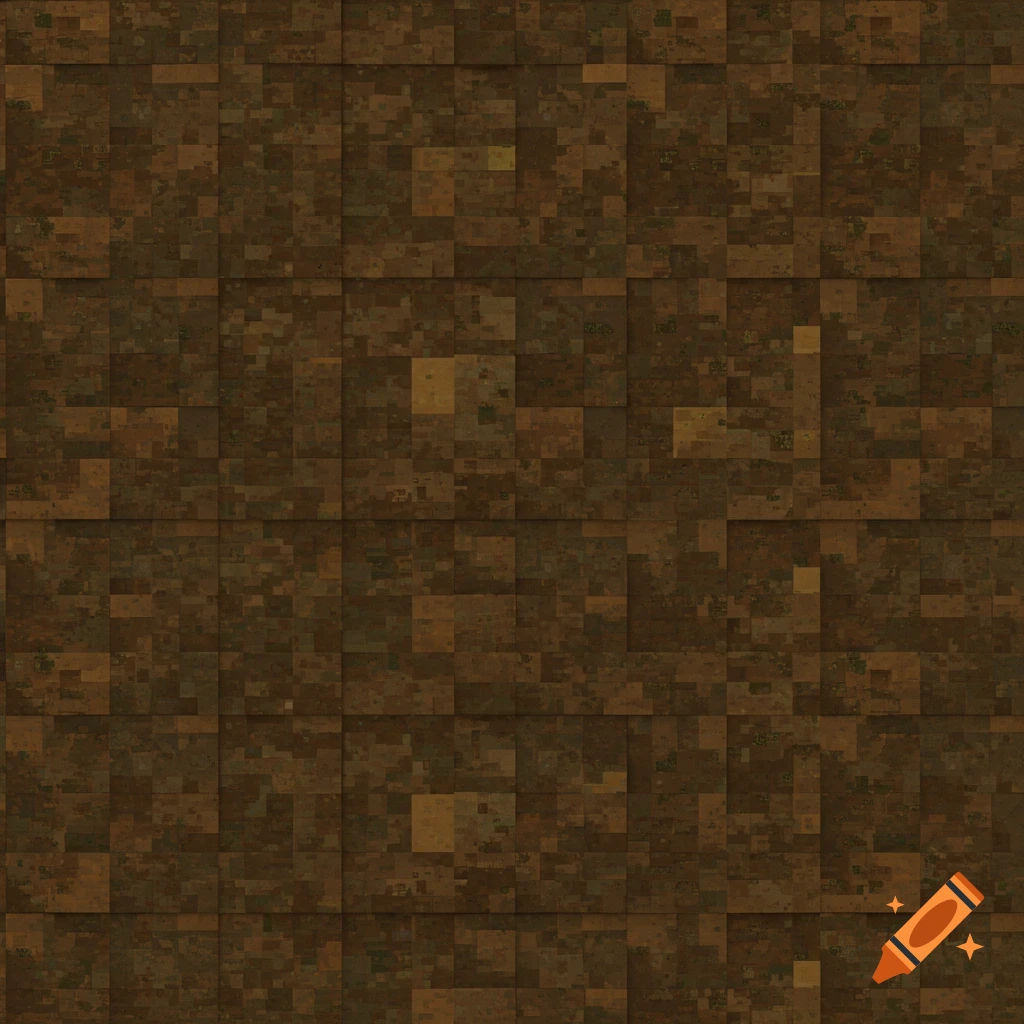
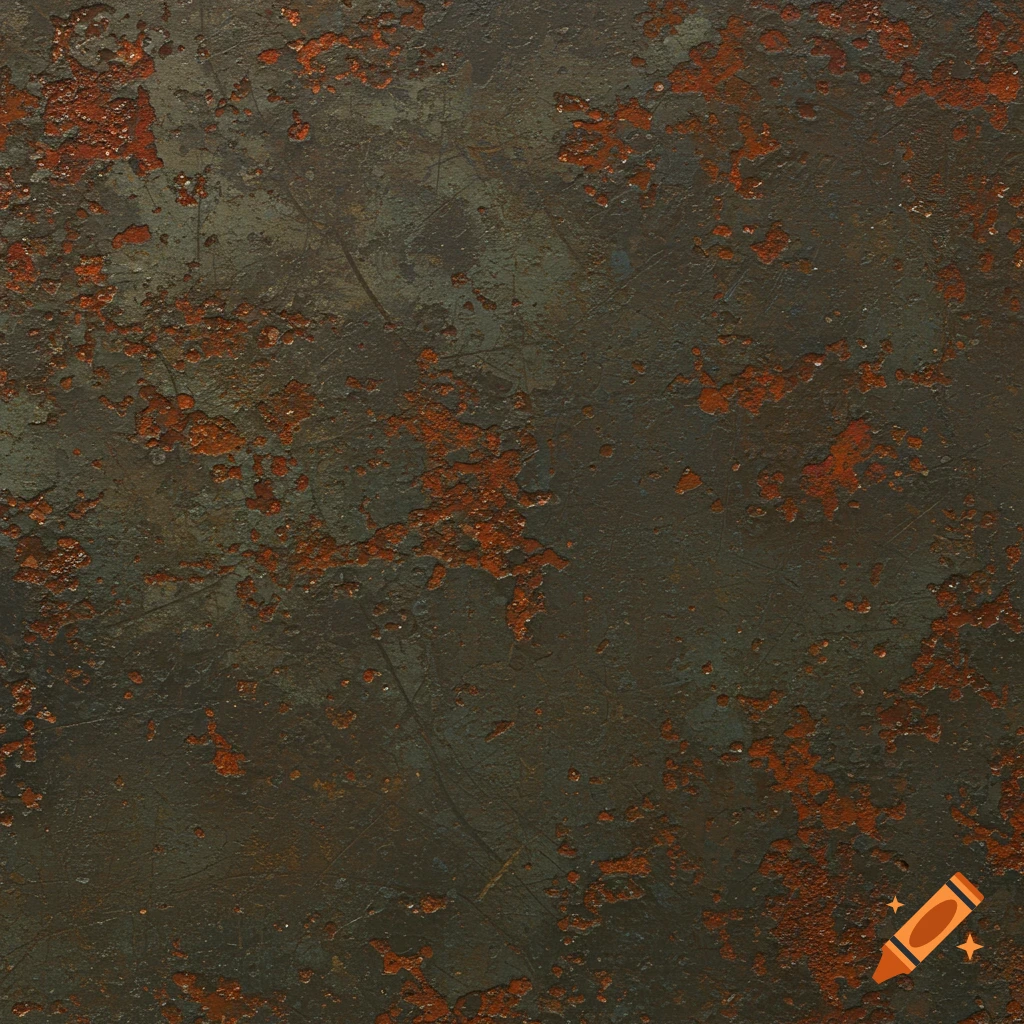
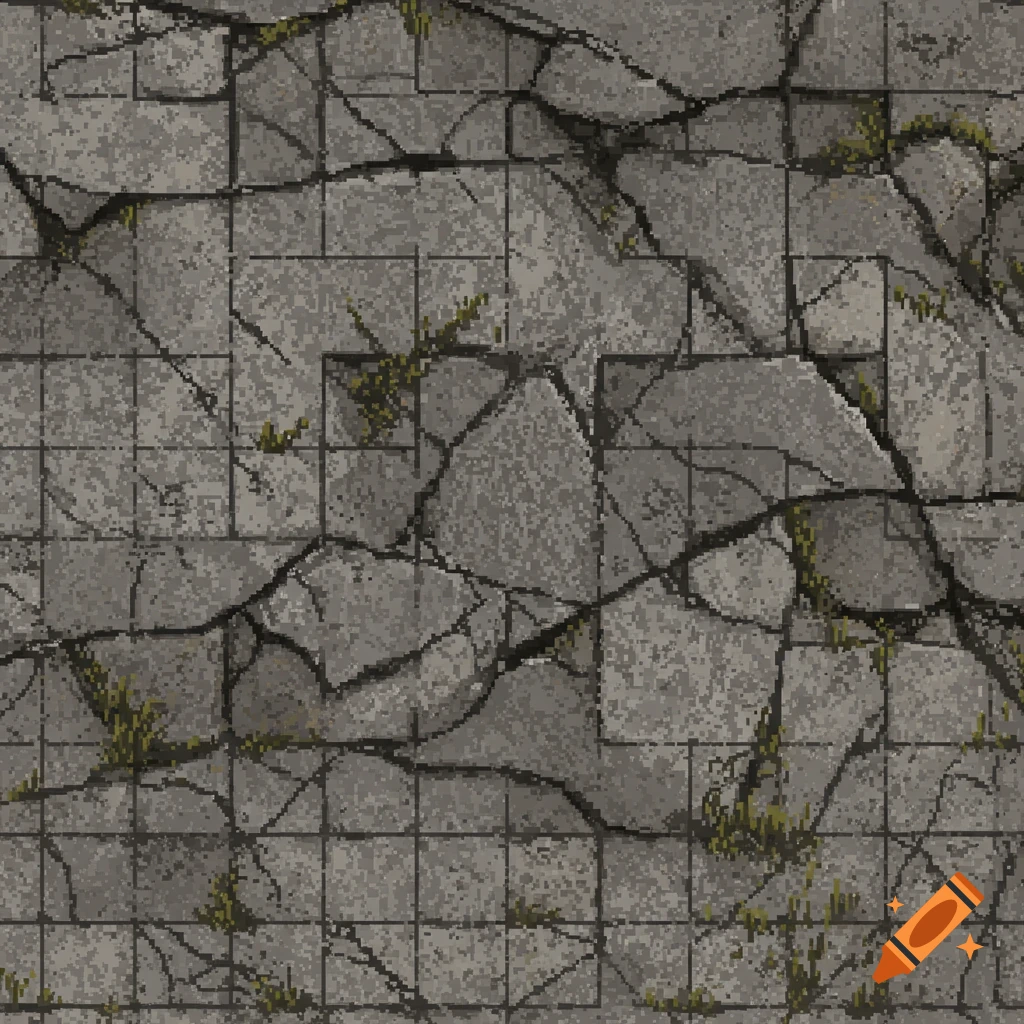
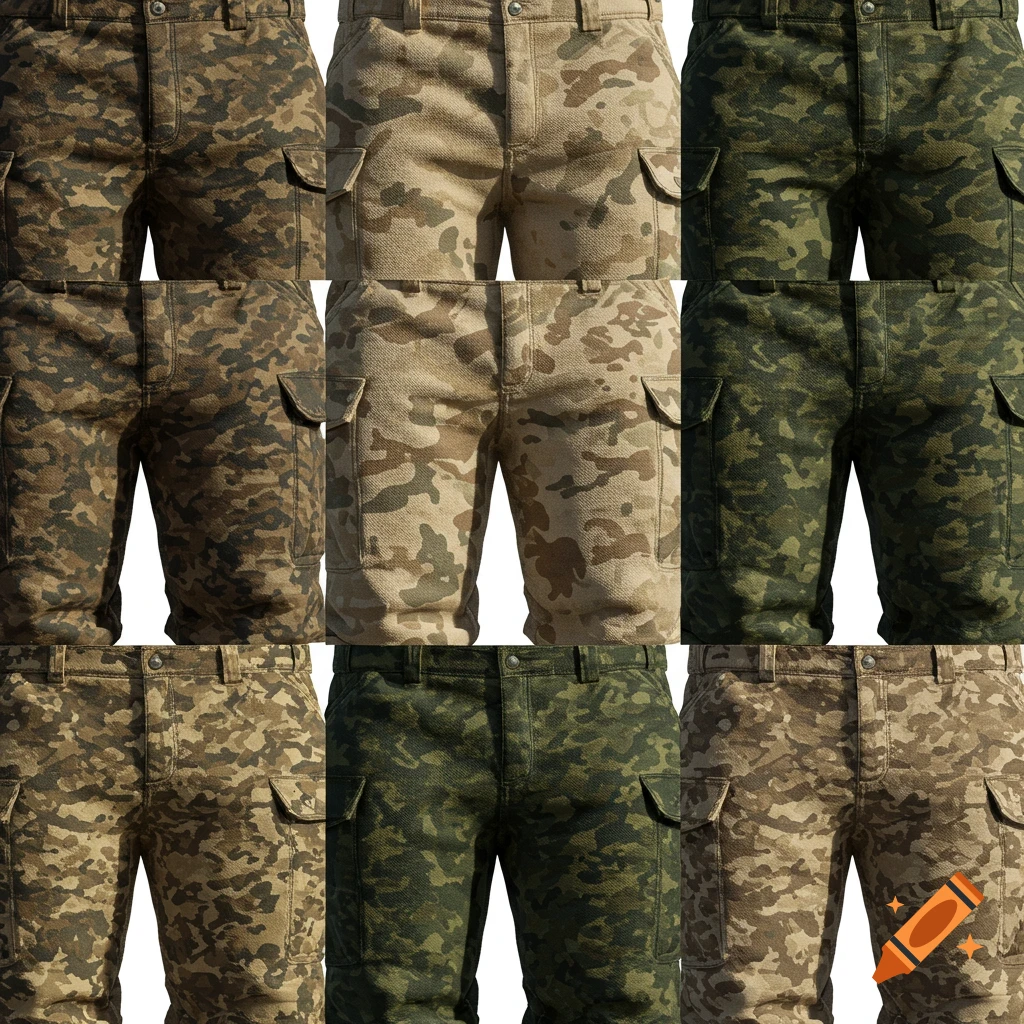
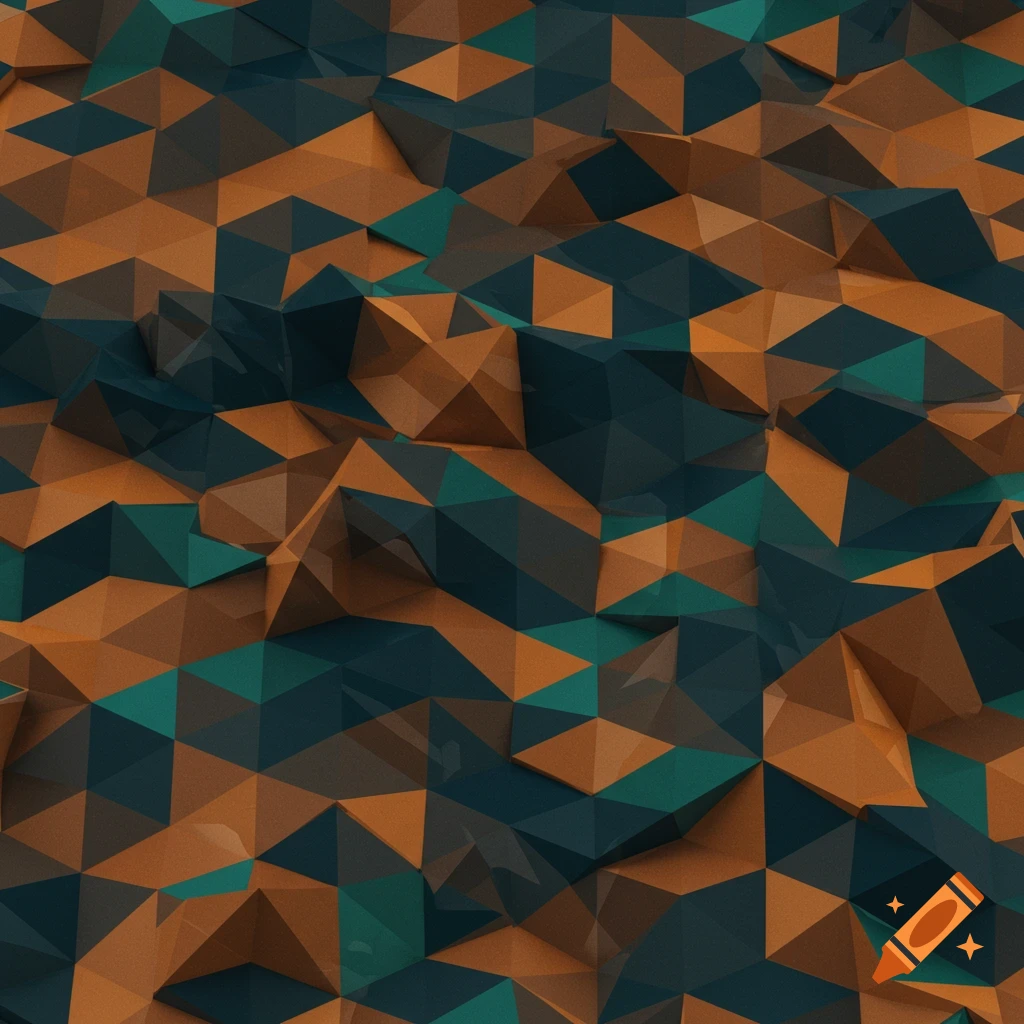
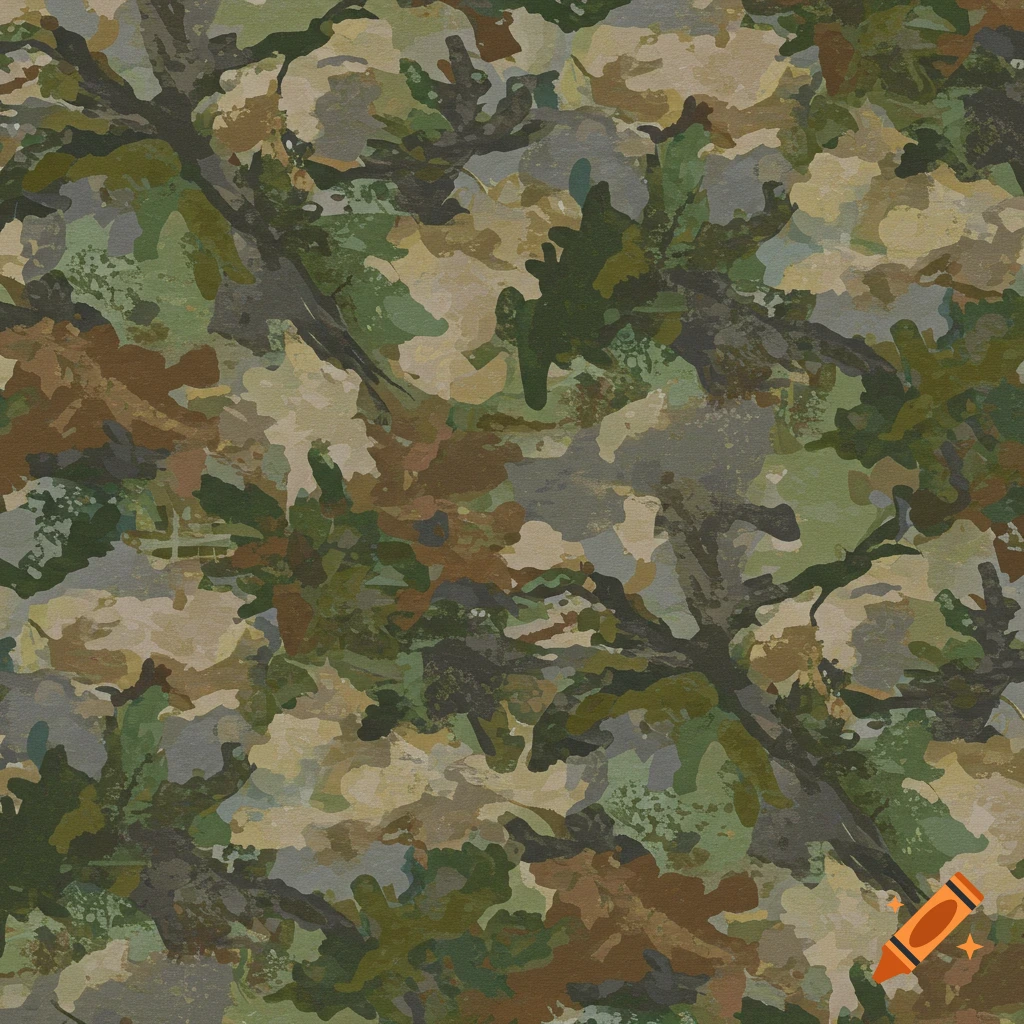
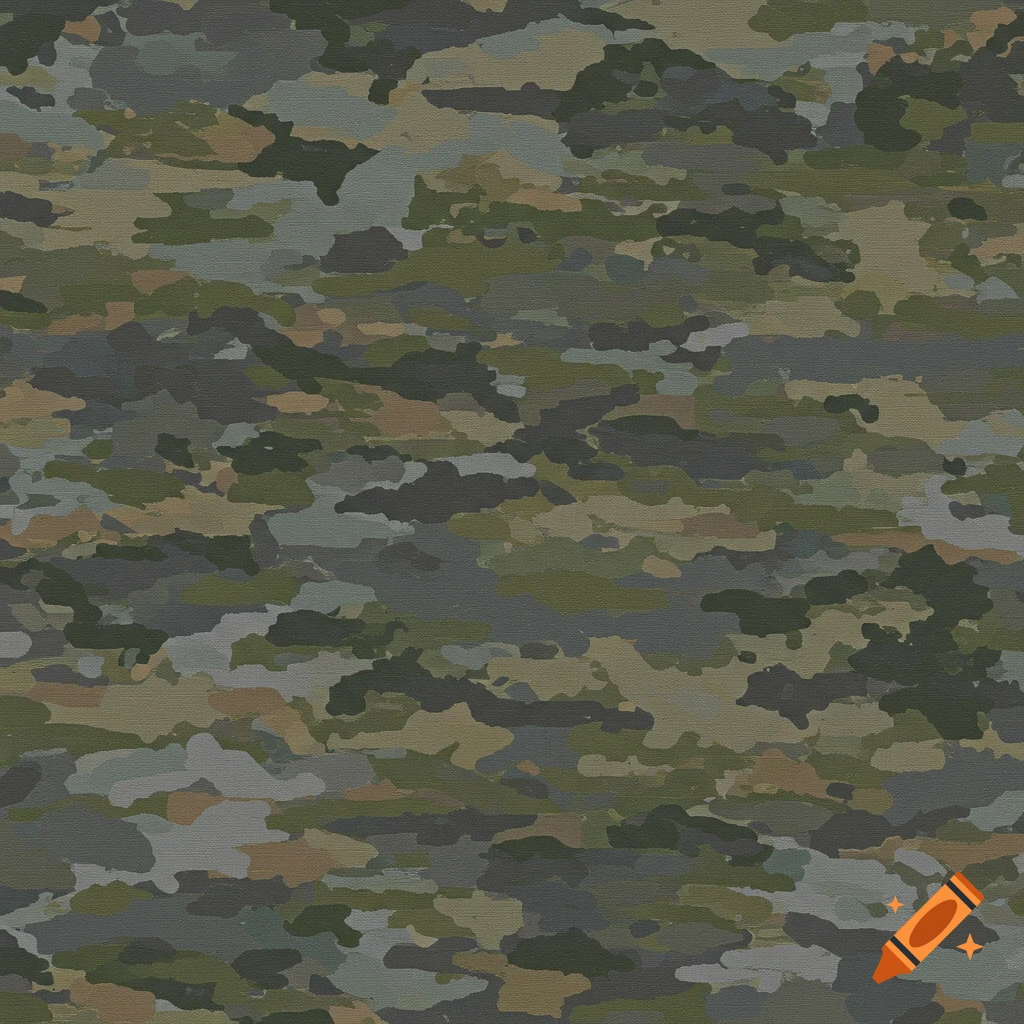
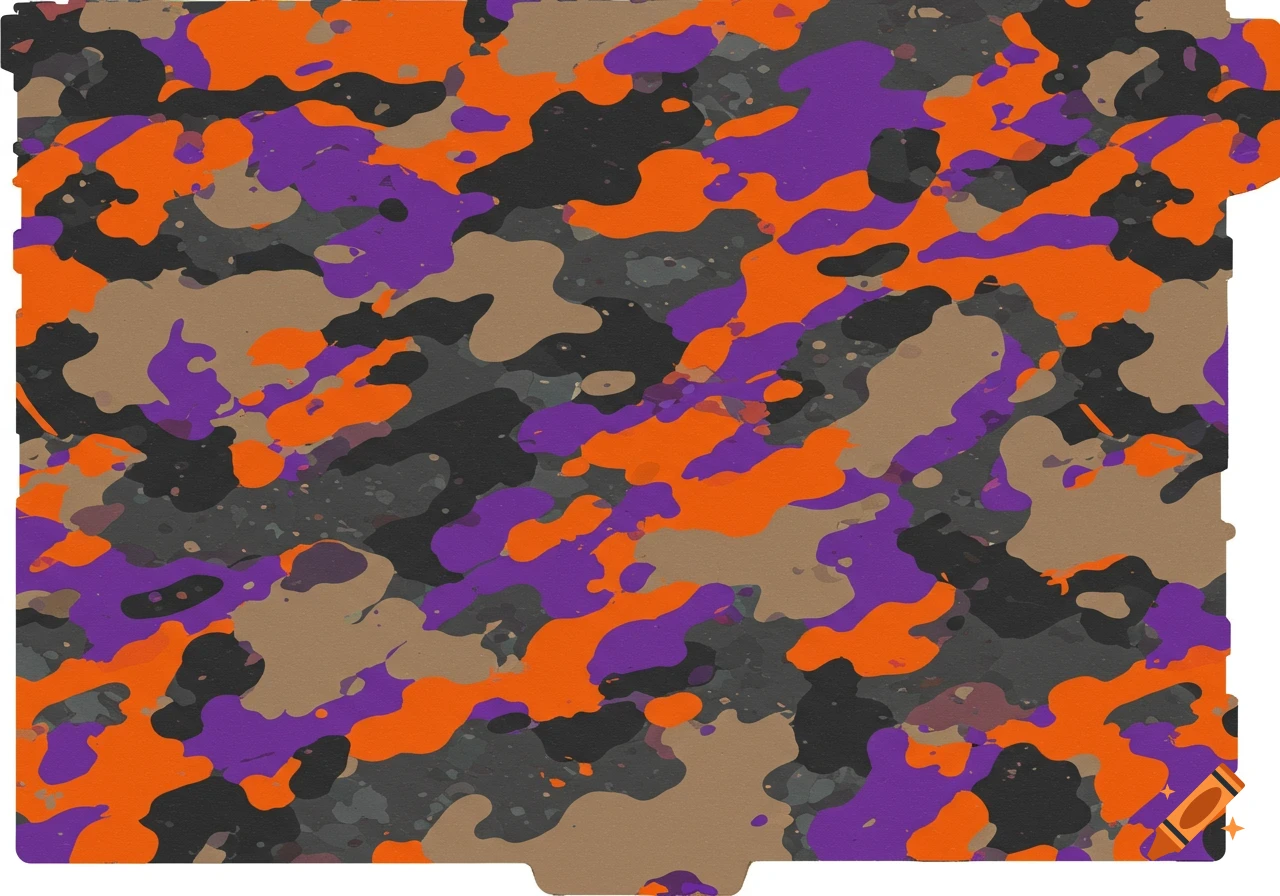
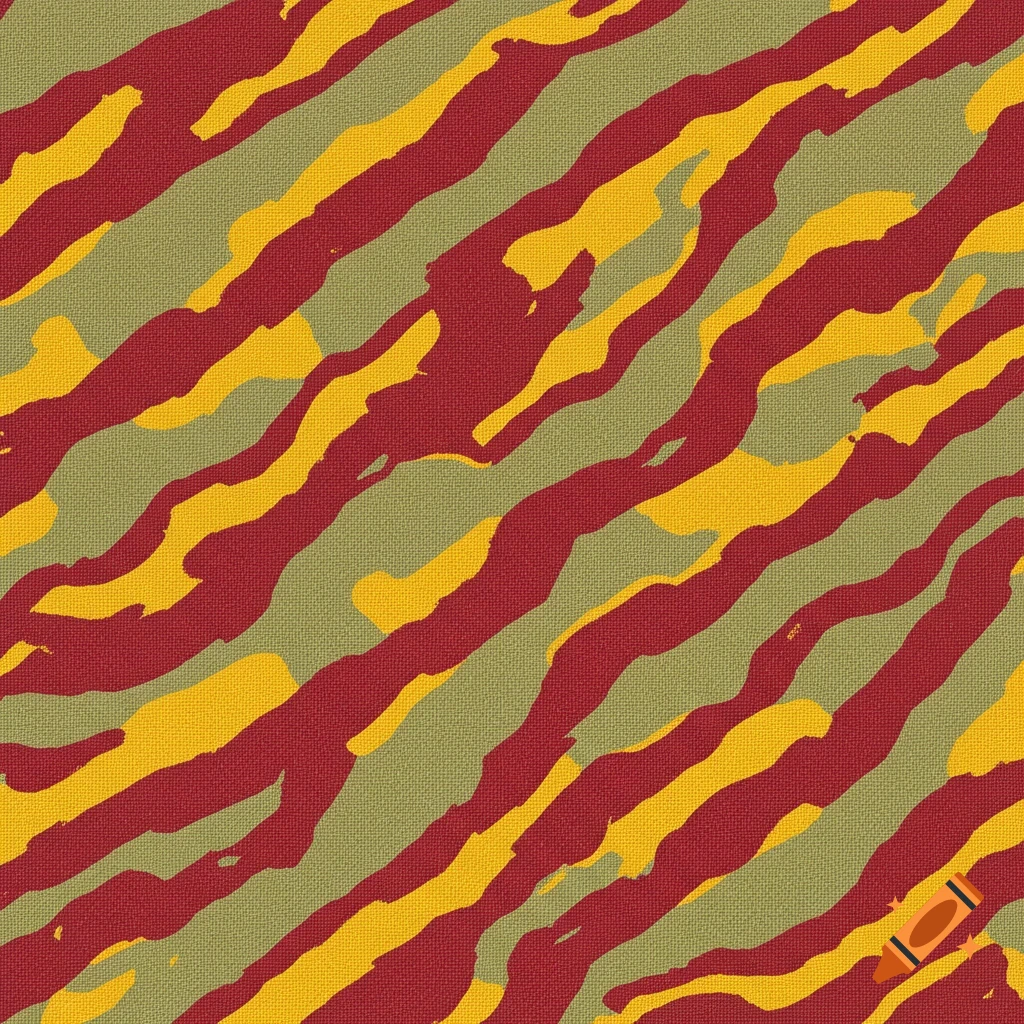
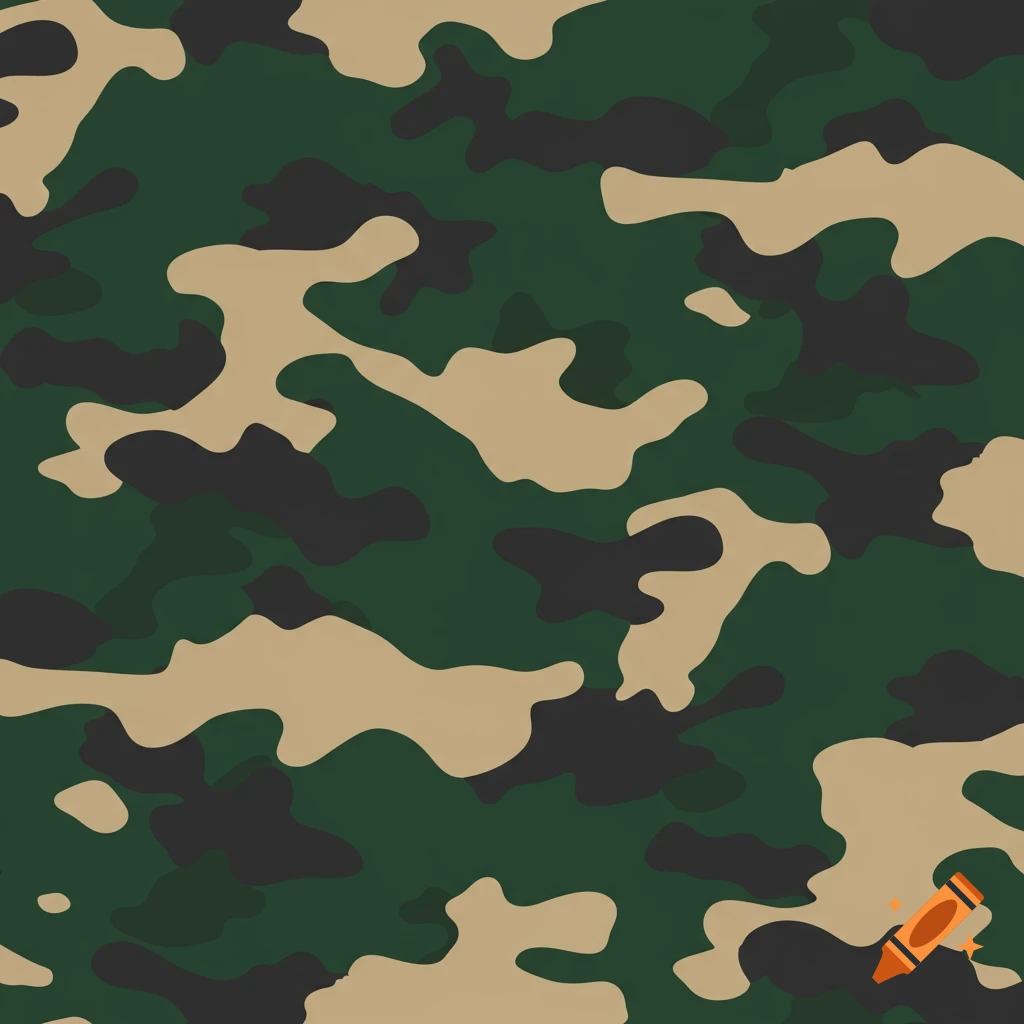
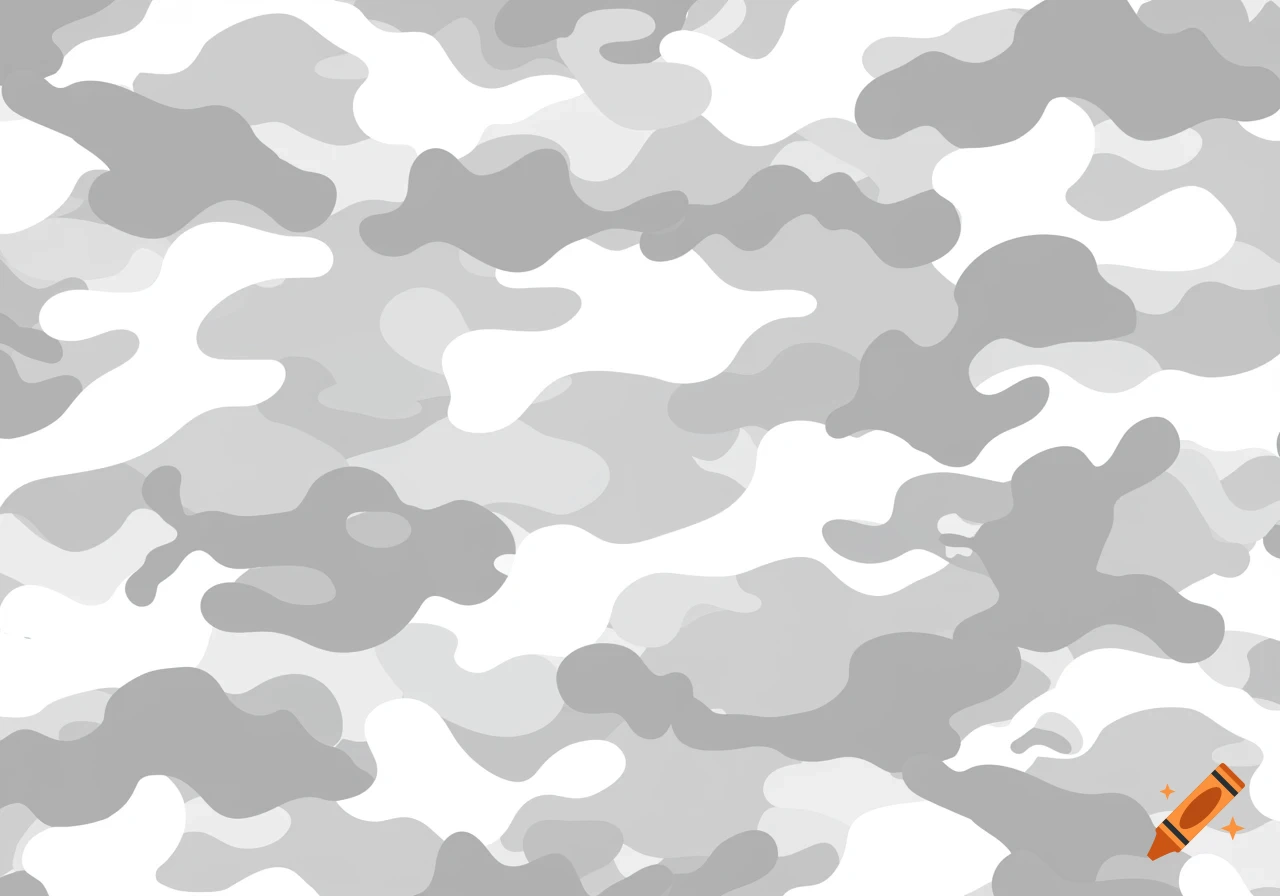
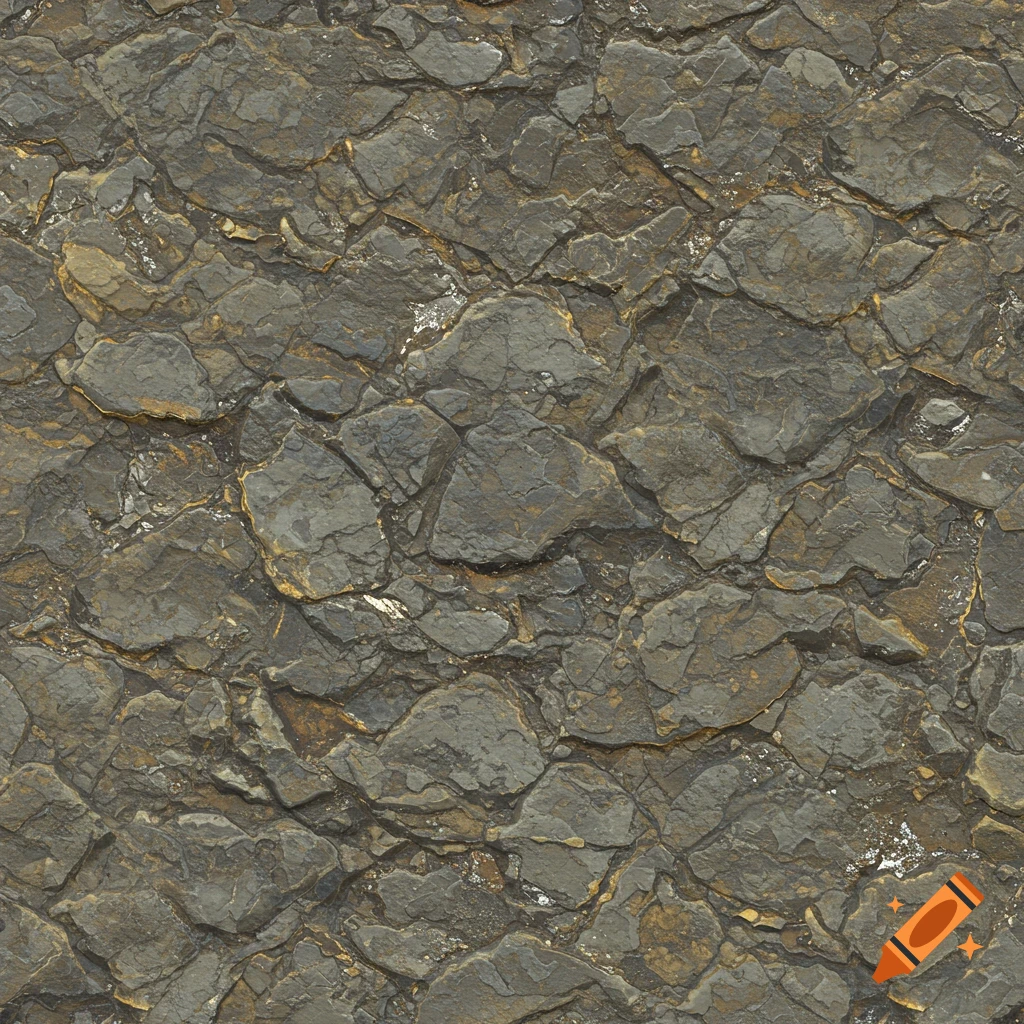
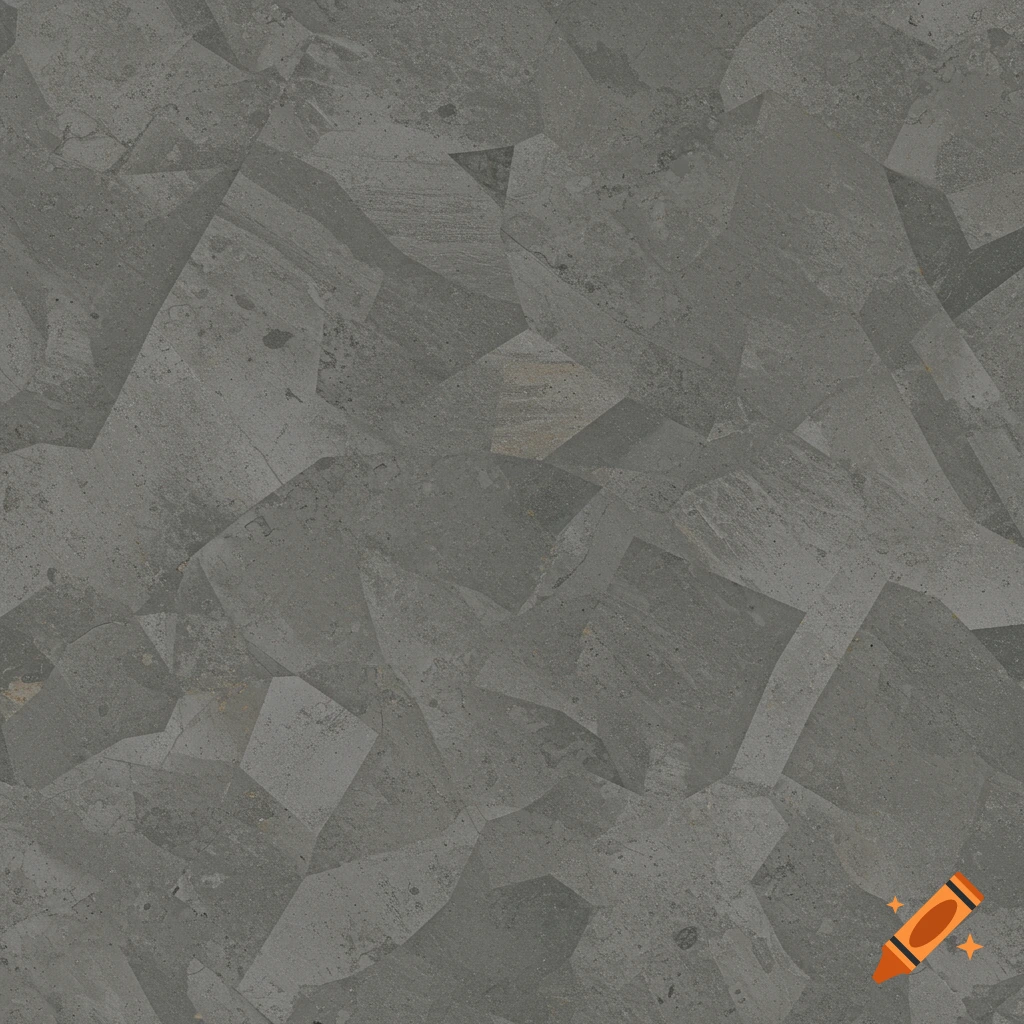
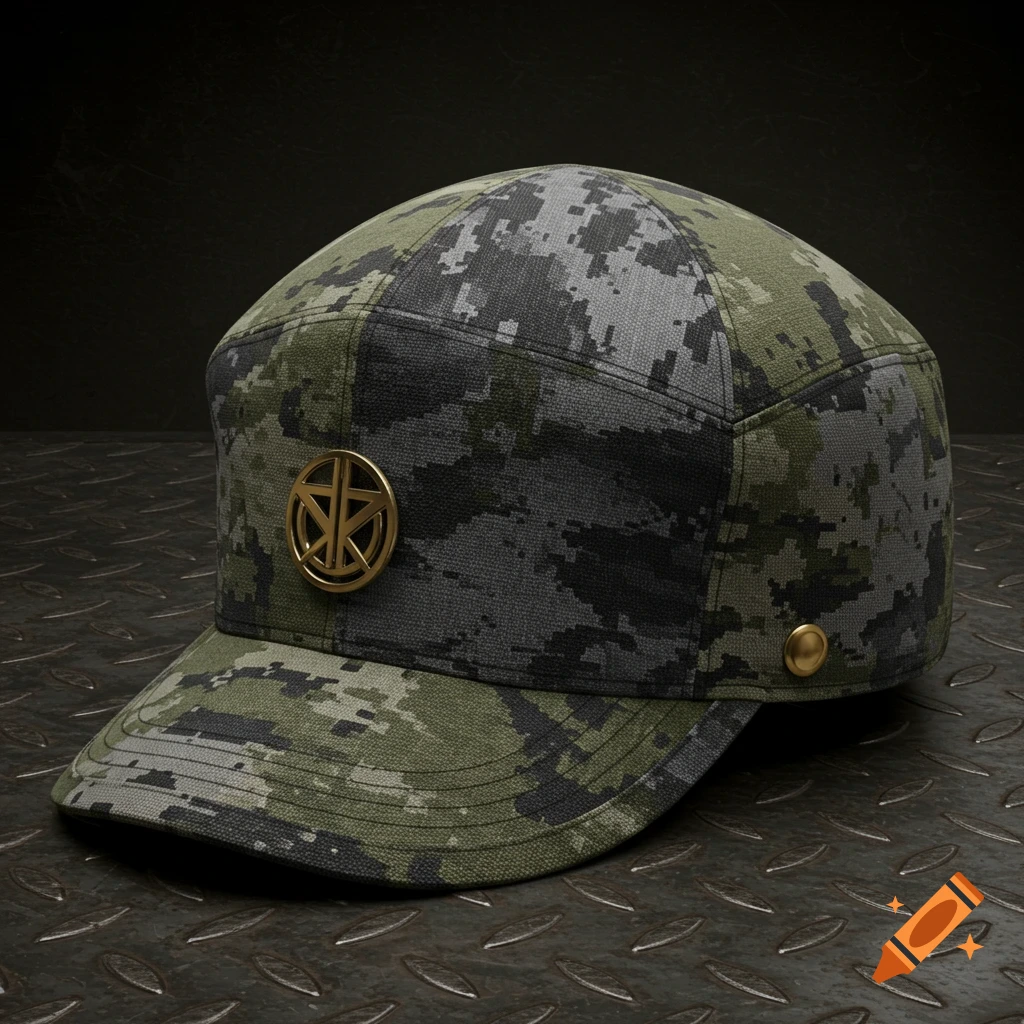
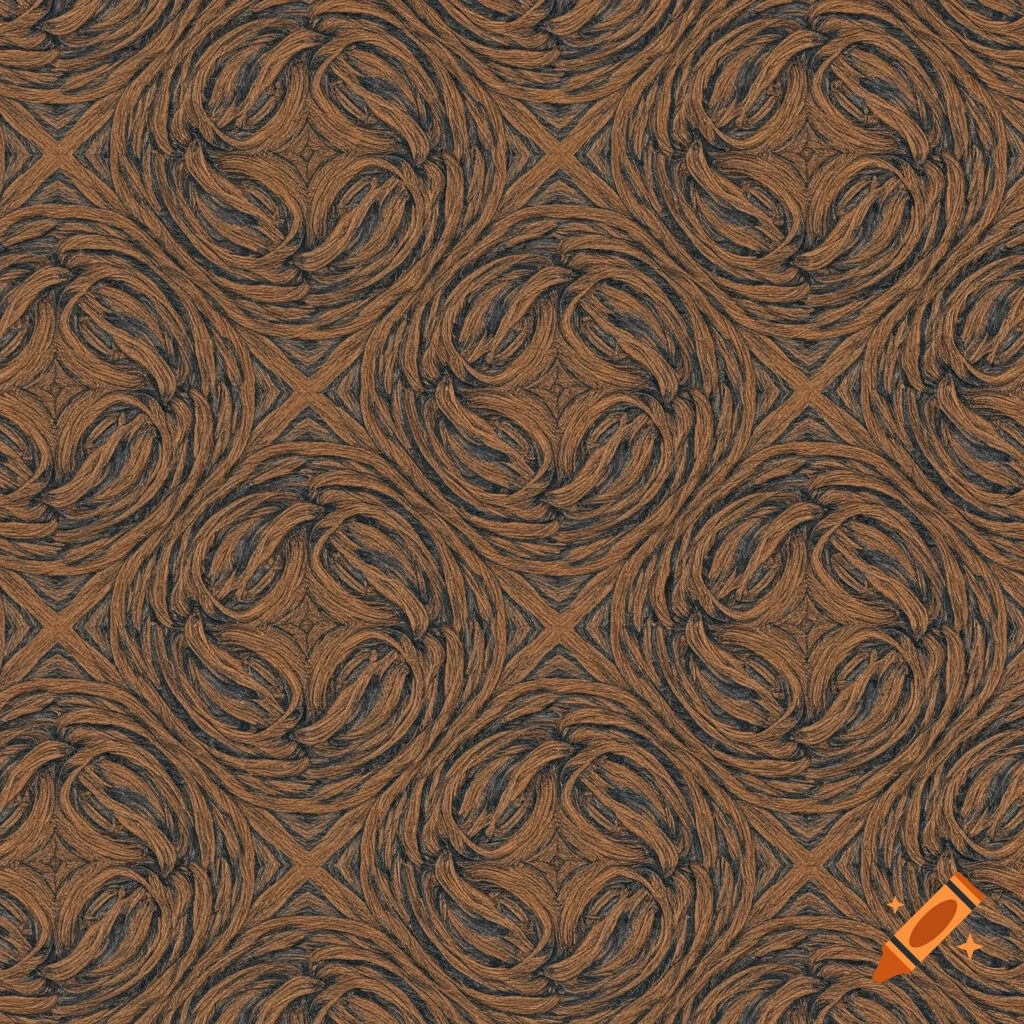
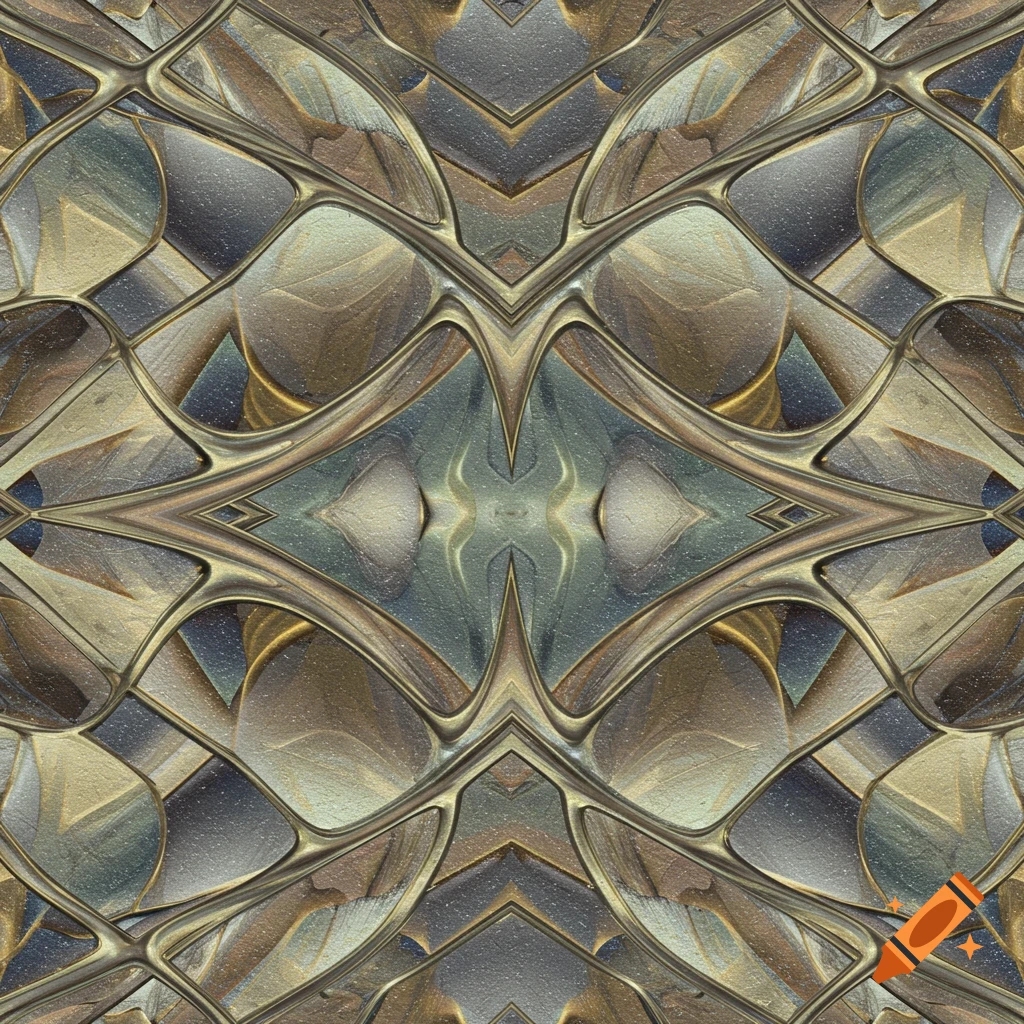
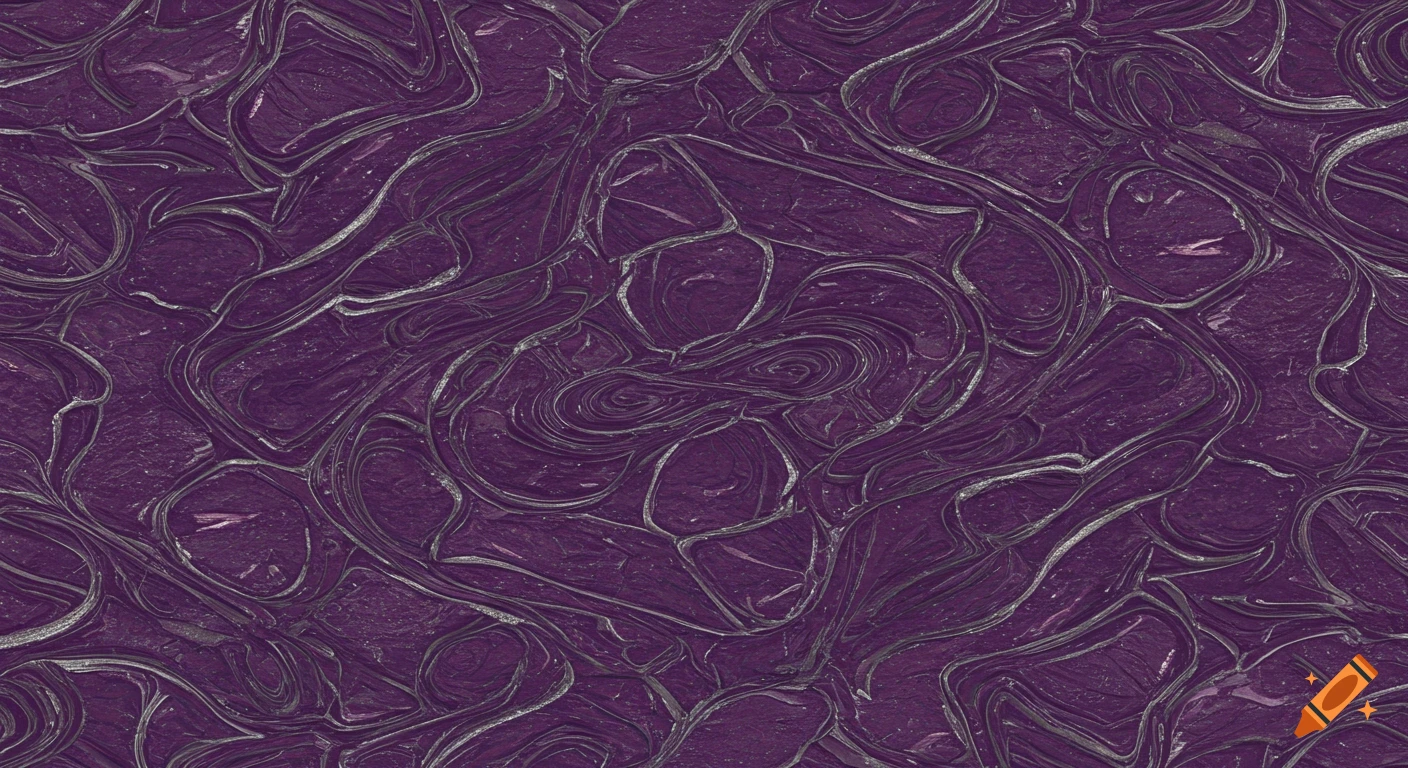
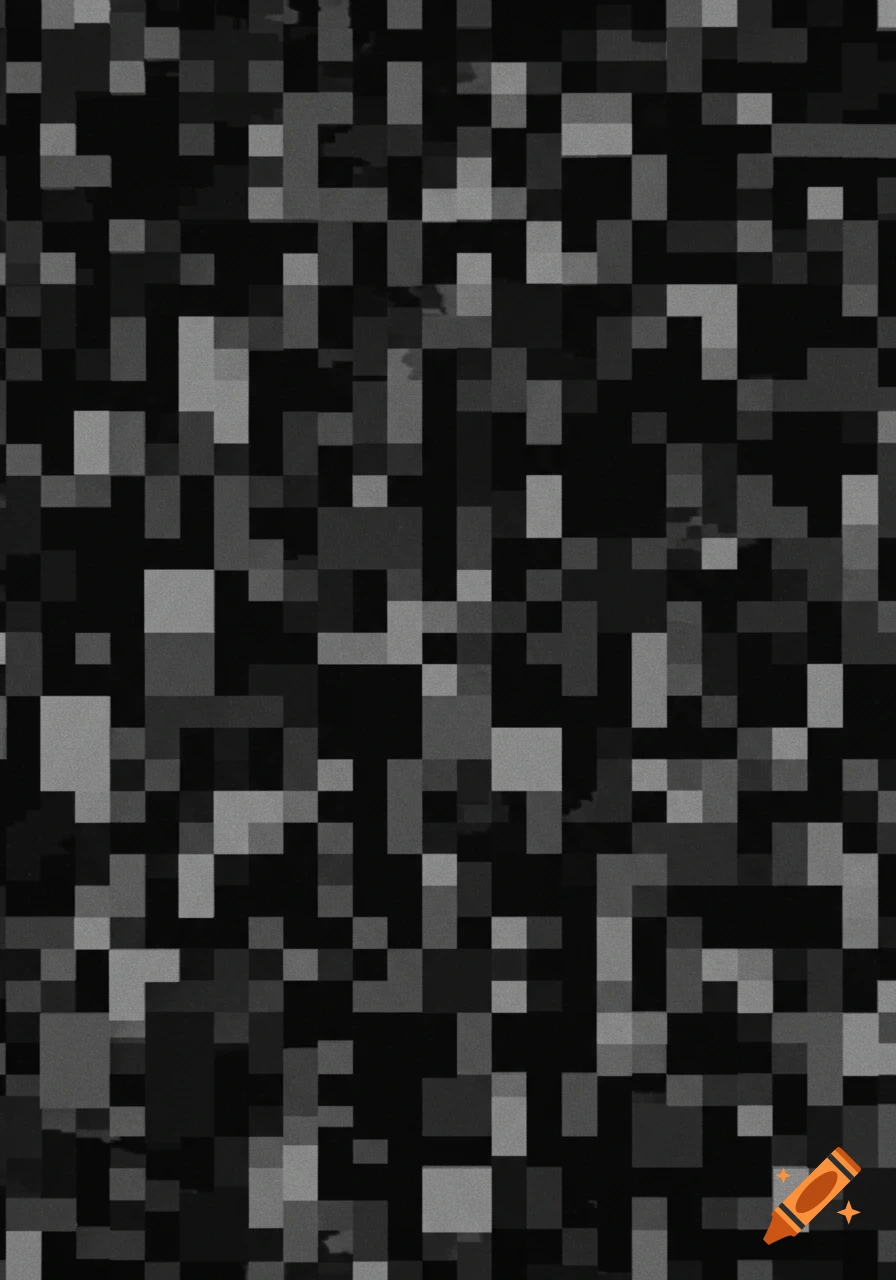
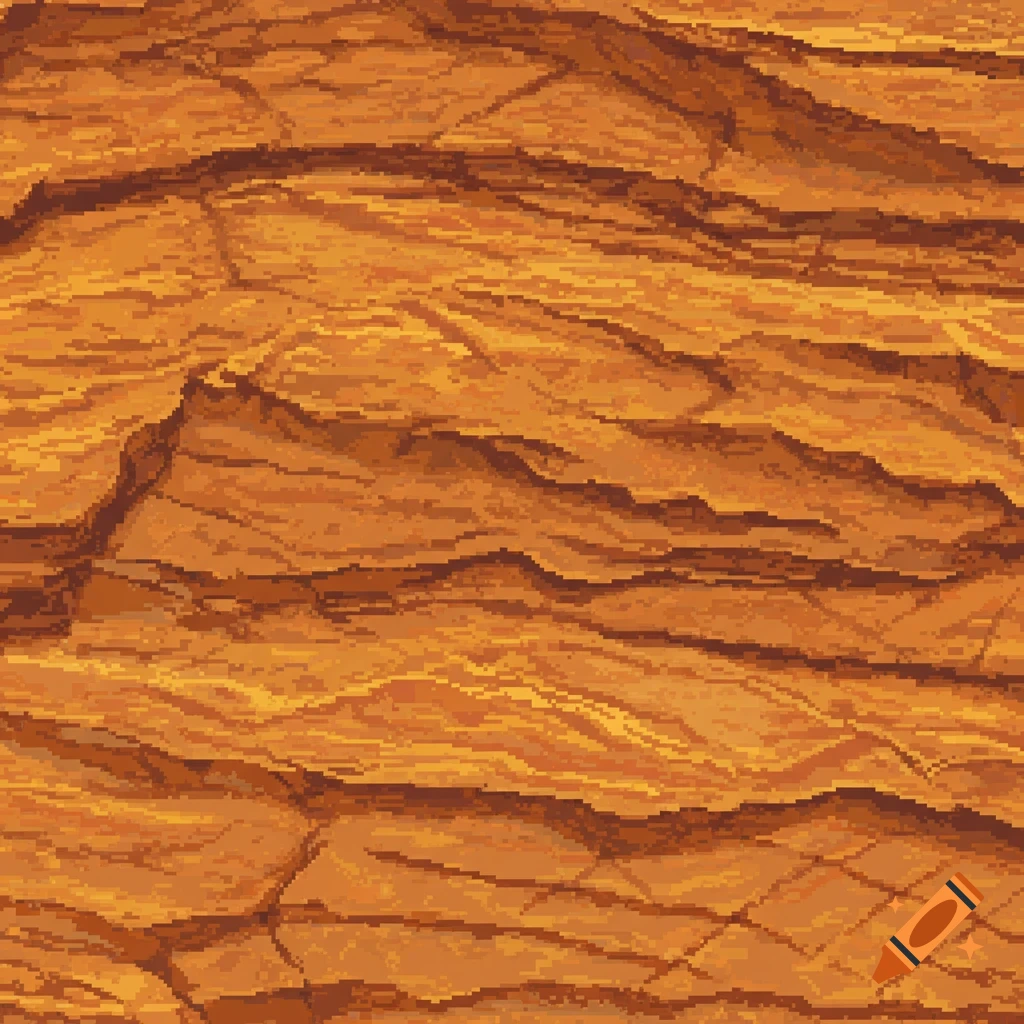
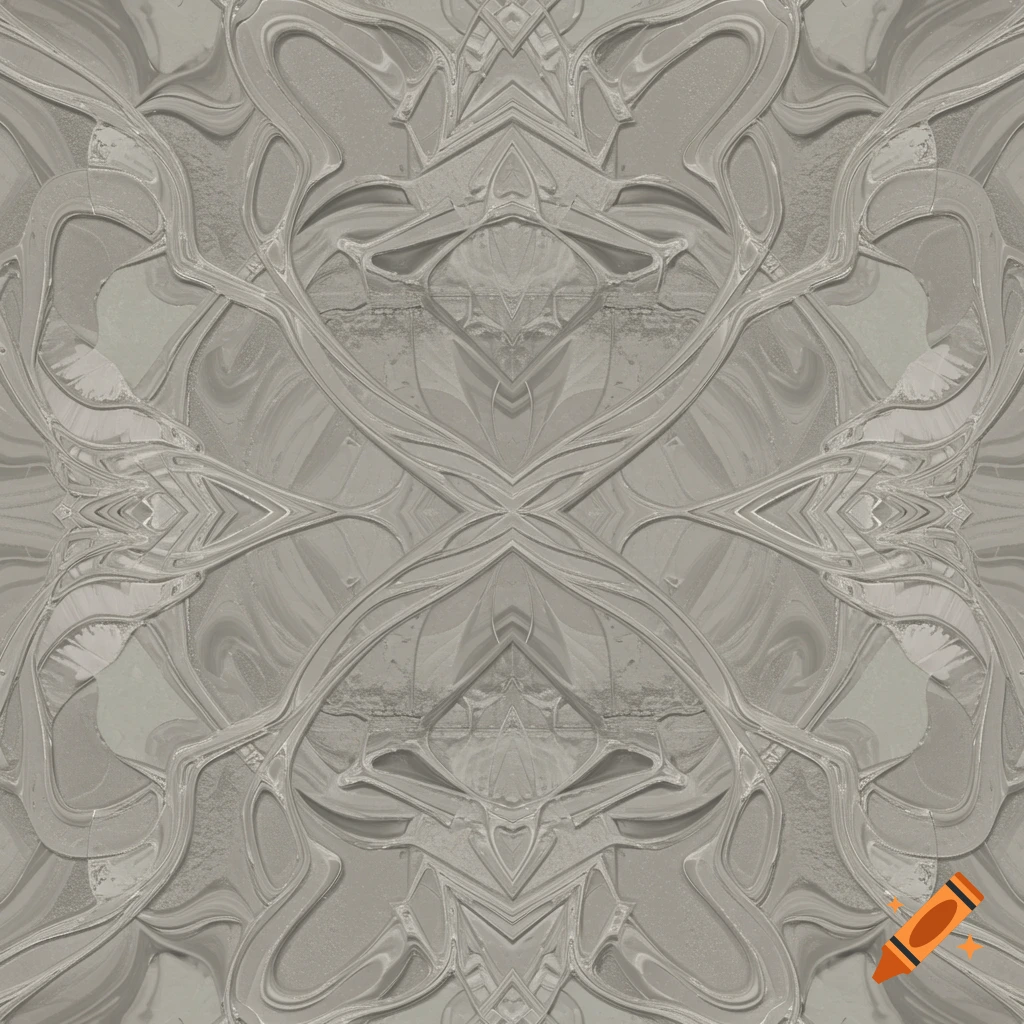
A seamless camouflage pattern with snakeskin texture in various shades of grey, brown, light black, and light red.
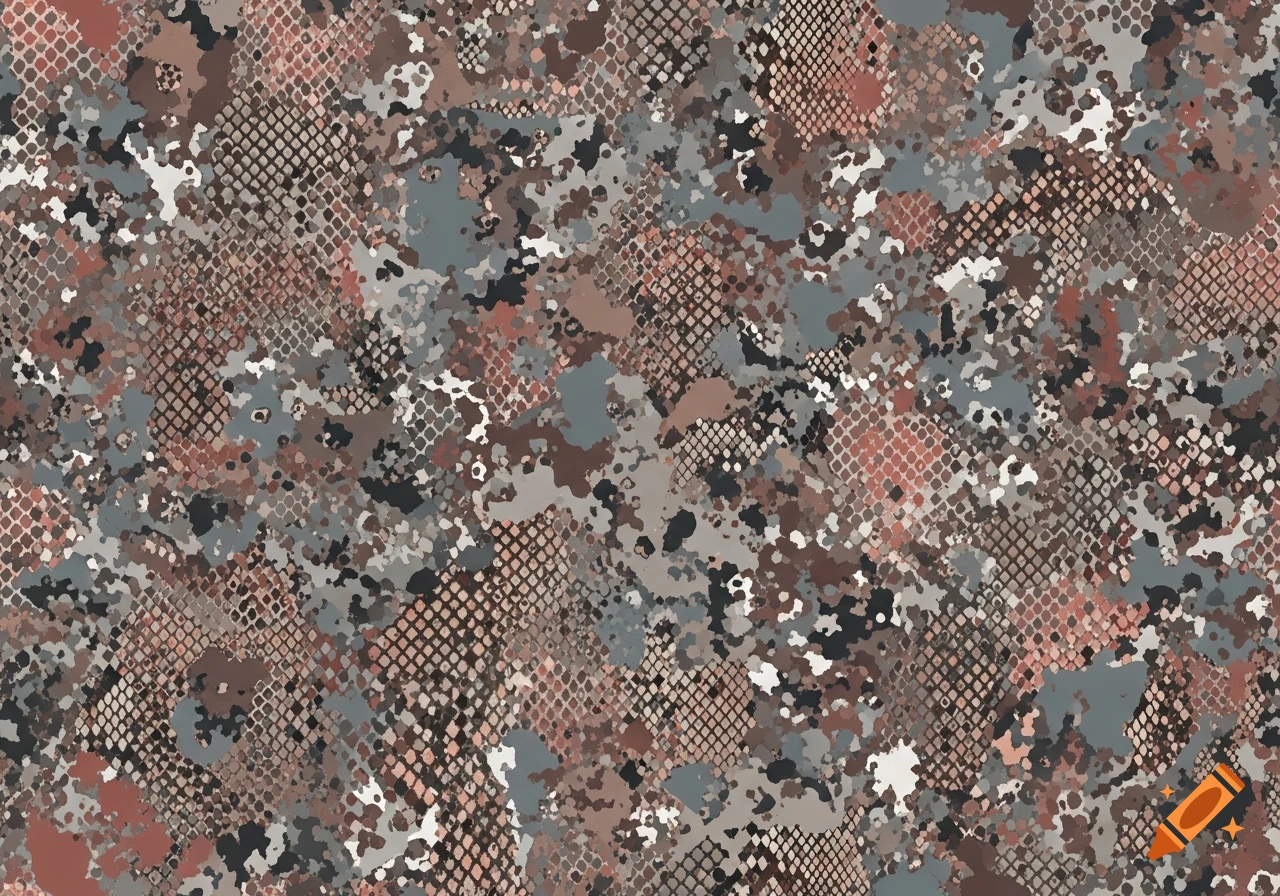
1. Color Palette: The colors you’ve asked for — greys, browns, light black, and light reds — would help create a muted yet effective camouflage for urban environments like city streets, parks, and woodlots. The shades of each color would vary, providing depth and irregularity, which helps break up the human outline. Greys: Used as the base tone, this would work well to represent concrete, weathered buildings, and asphalt. Varying greys would allow for shadows and light reflections to be captured. Browns: These would provide a natural earth tone, blending with areas where dirt, dead leaves, and rust appear in urban environments. Light Black: For high-contrast areas that might resemble areas of shadow or deep texture, this would serve as a defining dark color that won’t overwhelm the pattern. Light Reds: Subtle accents of light reds or rust tones would resemble faded brick, aged urban structures, and can be used sparingly for pop texture without being too harsh. 2. Snakeskin Pattern Influence: The snakeskin texture would break up solid color blocks by introducing irregular, organic shapes that vary in size. Snakeskin has a natural repetitive scale pattern, but to avoid repetition in the camouflage, I would blend those shapes into more abstract forms, using blending and distortion to prevent a recognizable sequence. Scale-like details: Use irregular, overlapping, and fragmented scale patterns. Instead of consistent rows or columns, the shapes would blend into the rest of the See more