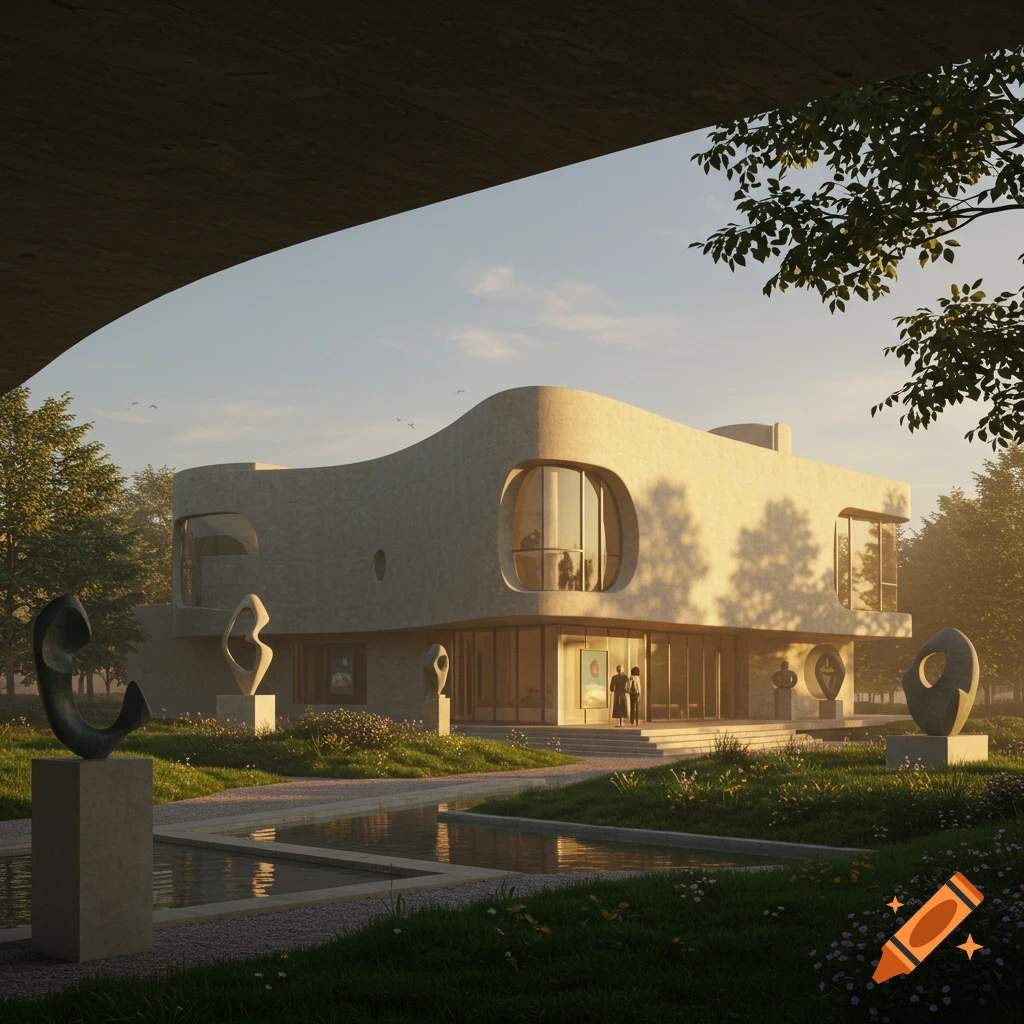
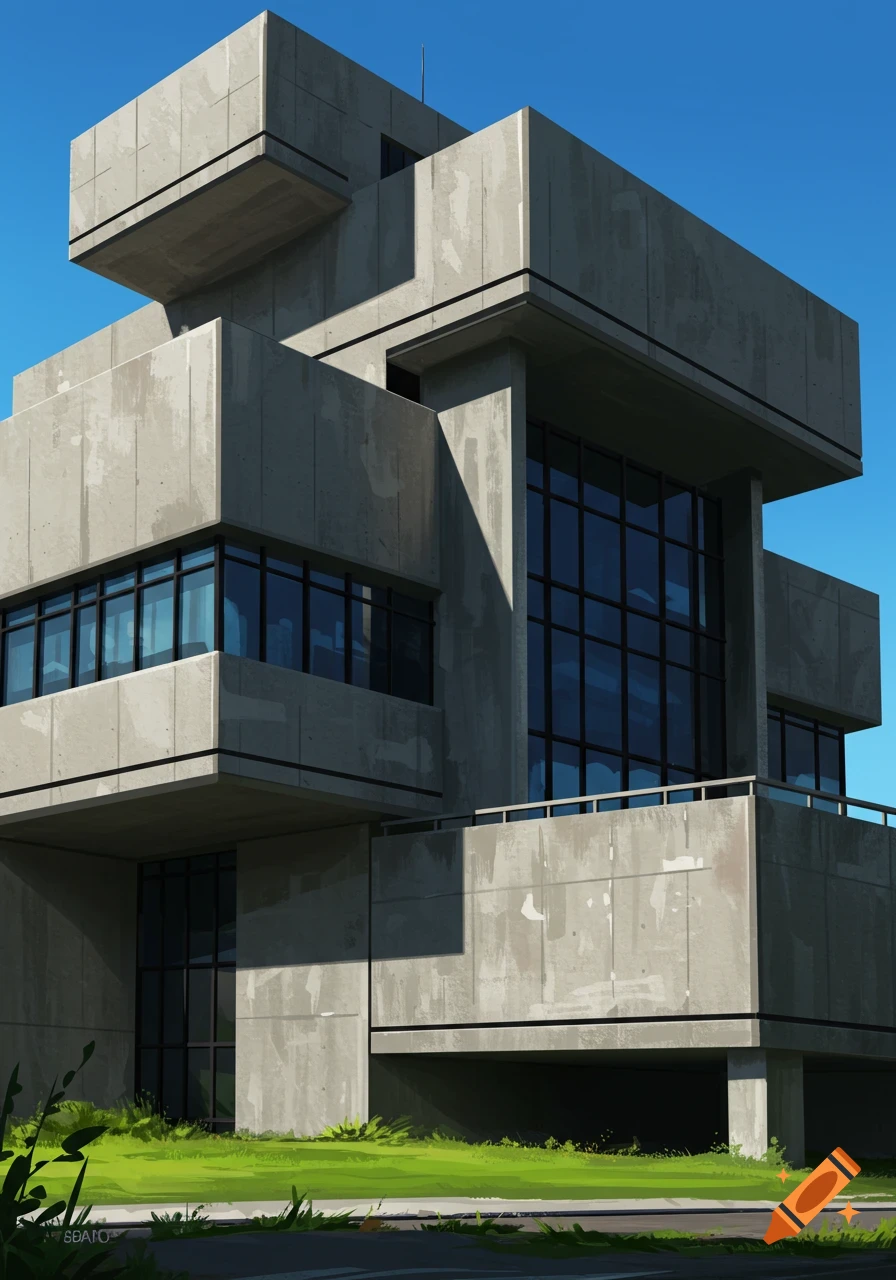
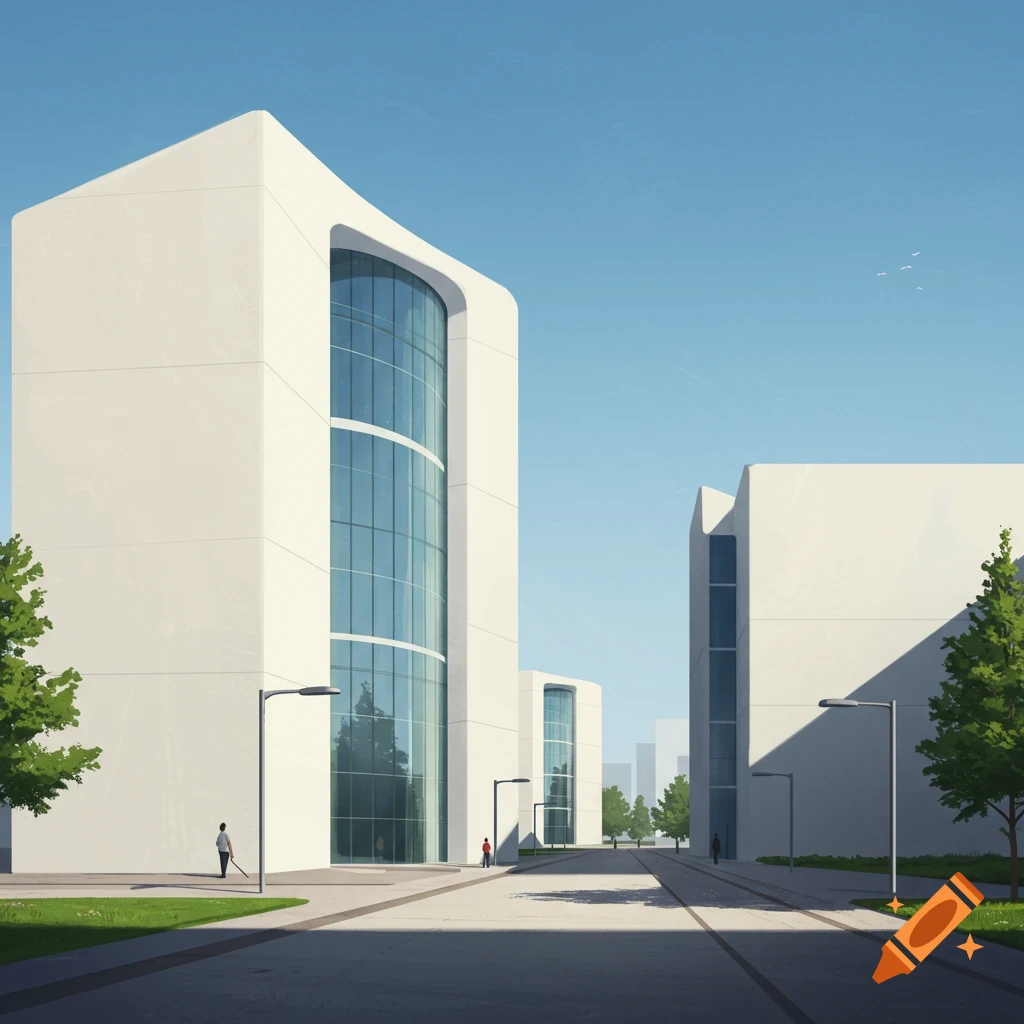
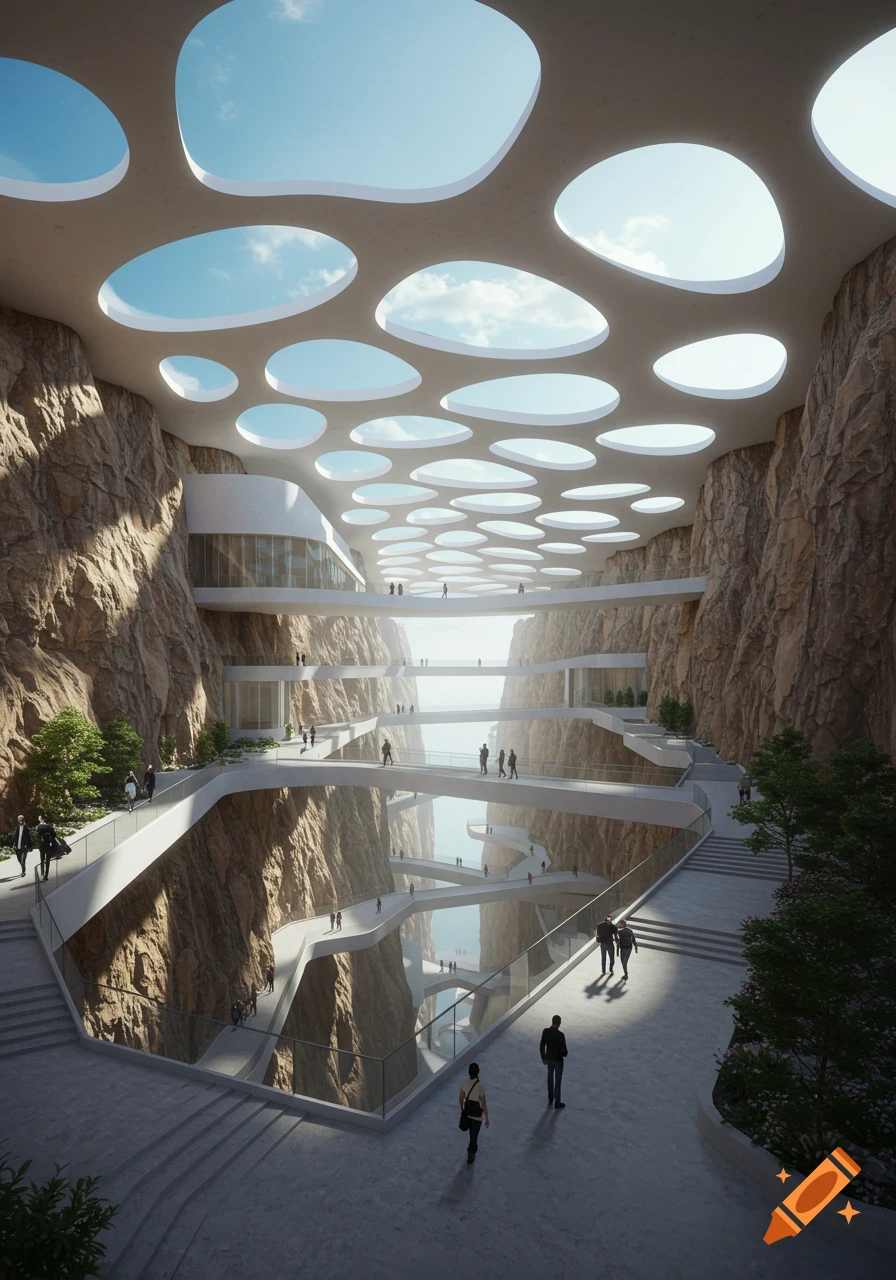
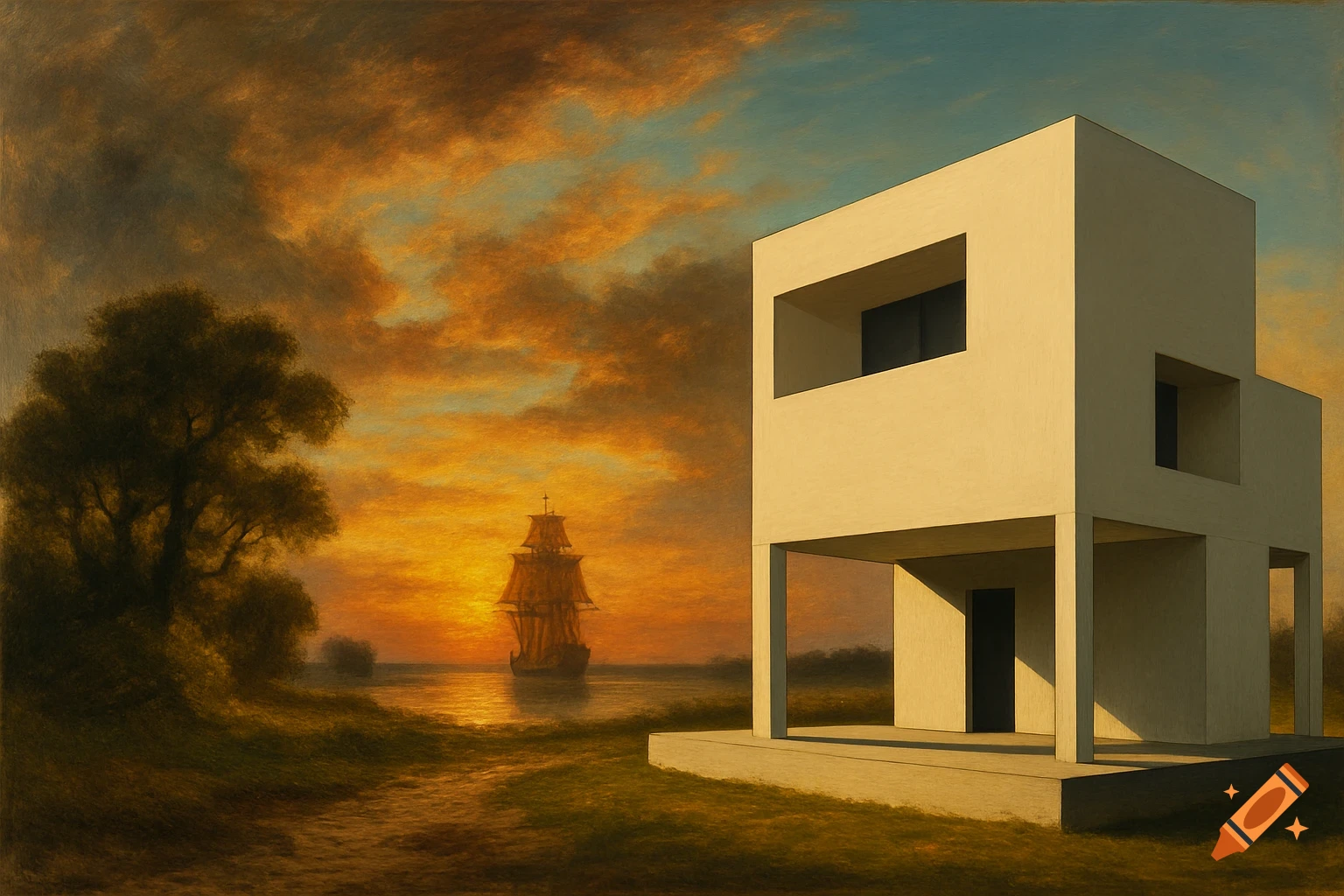
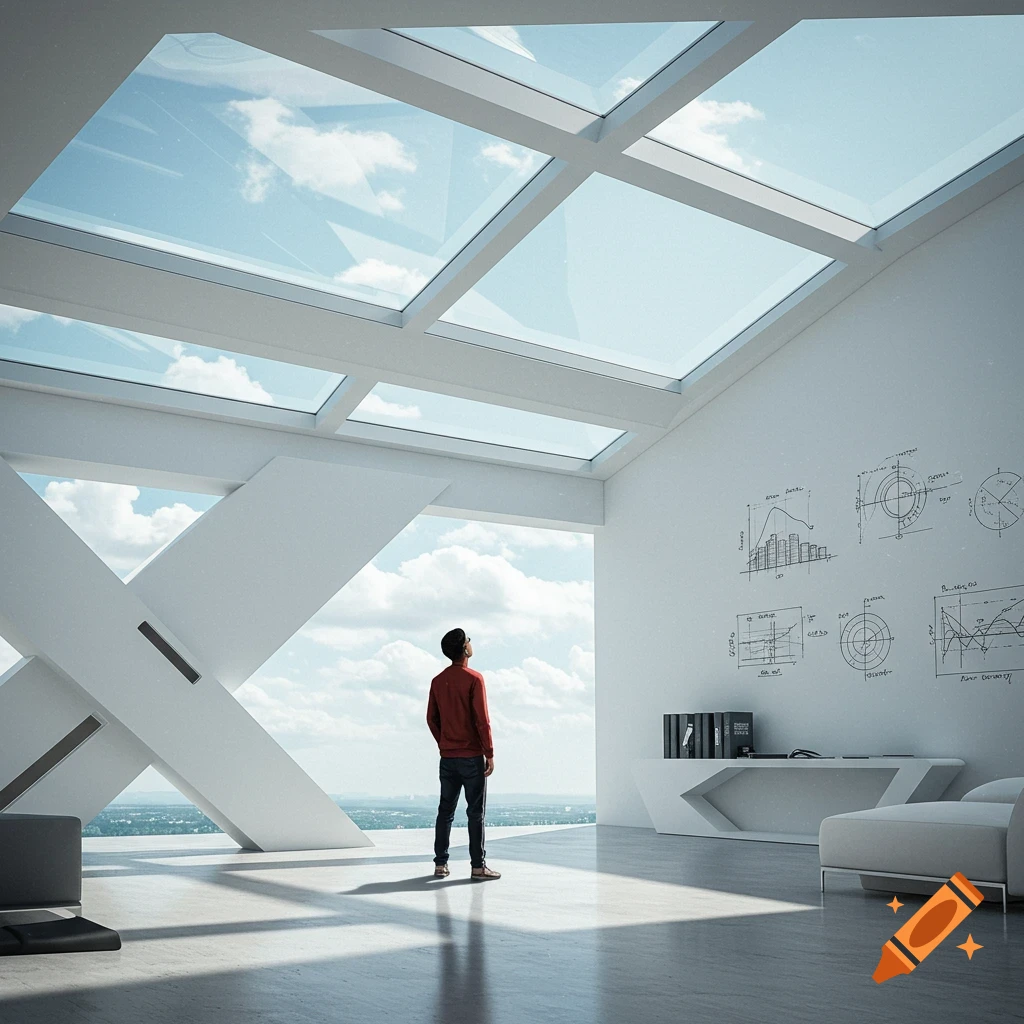
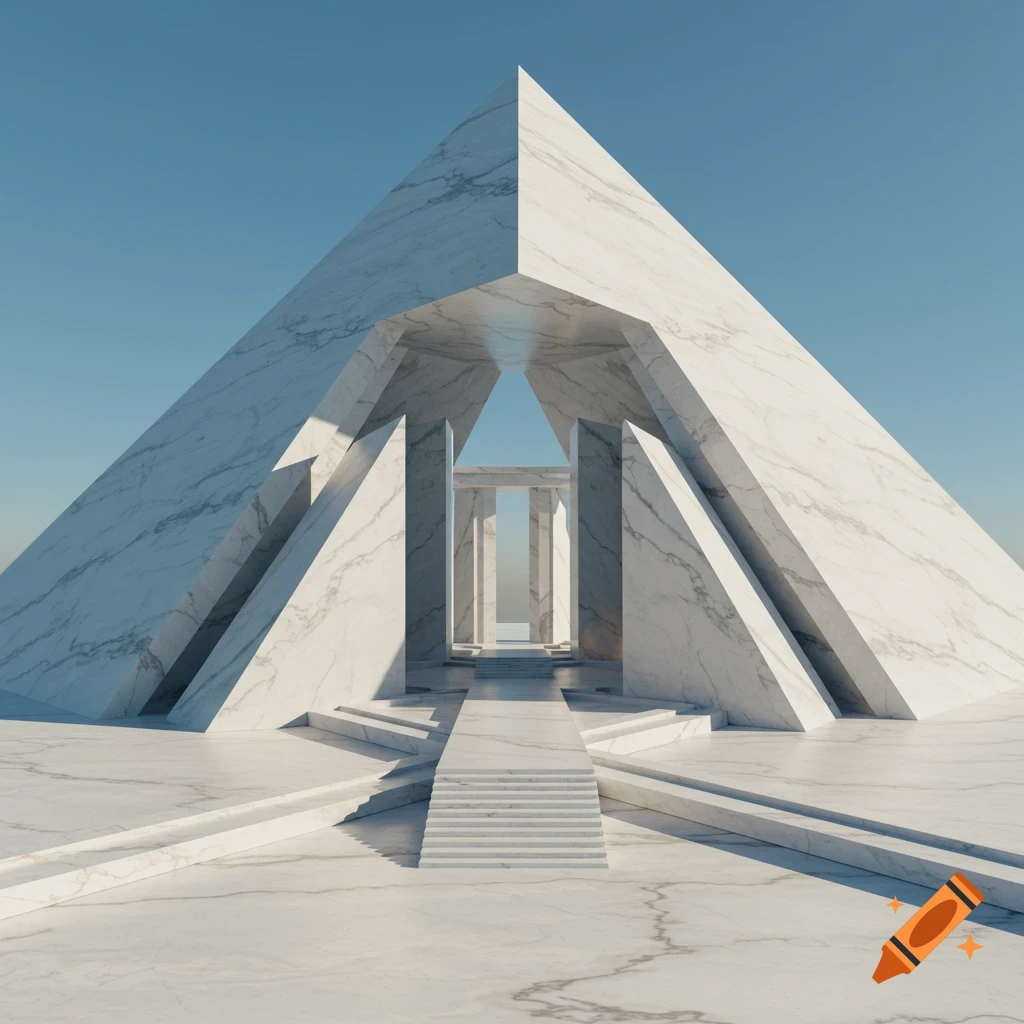
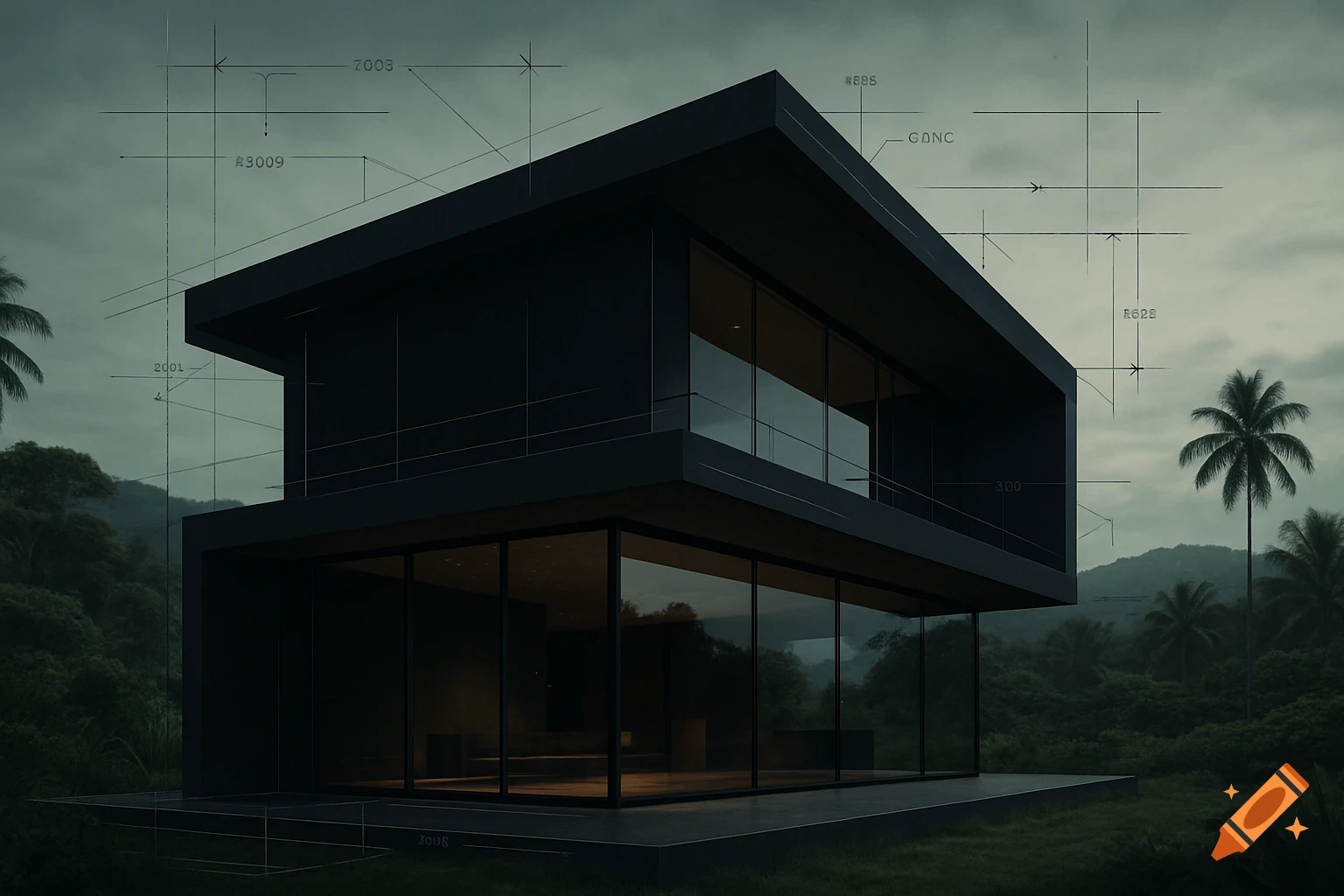
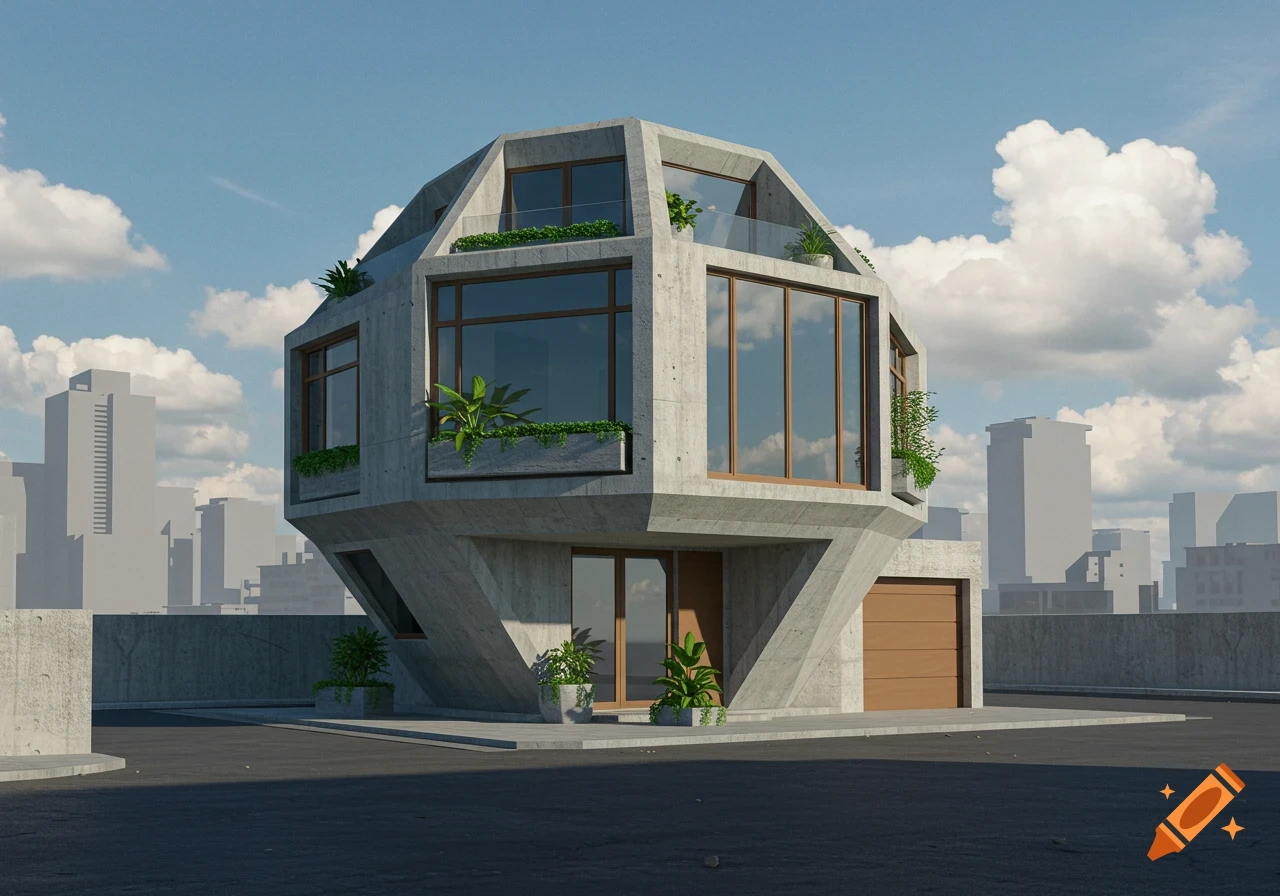
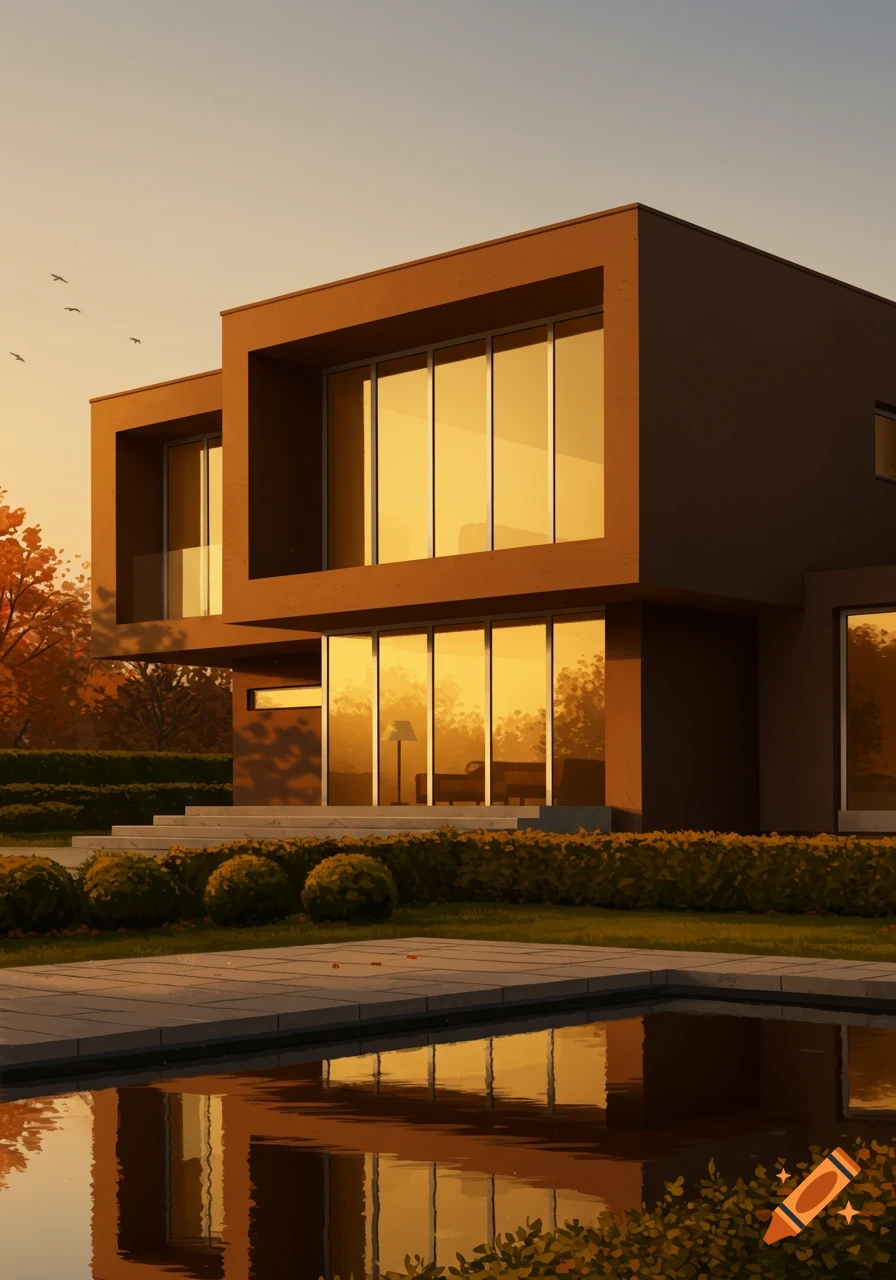
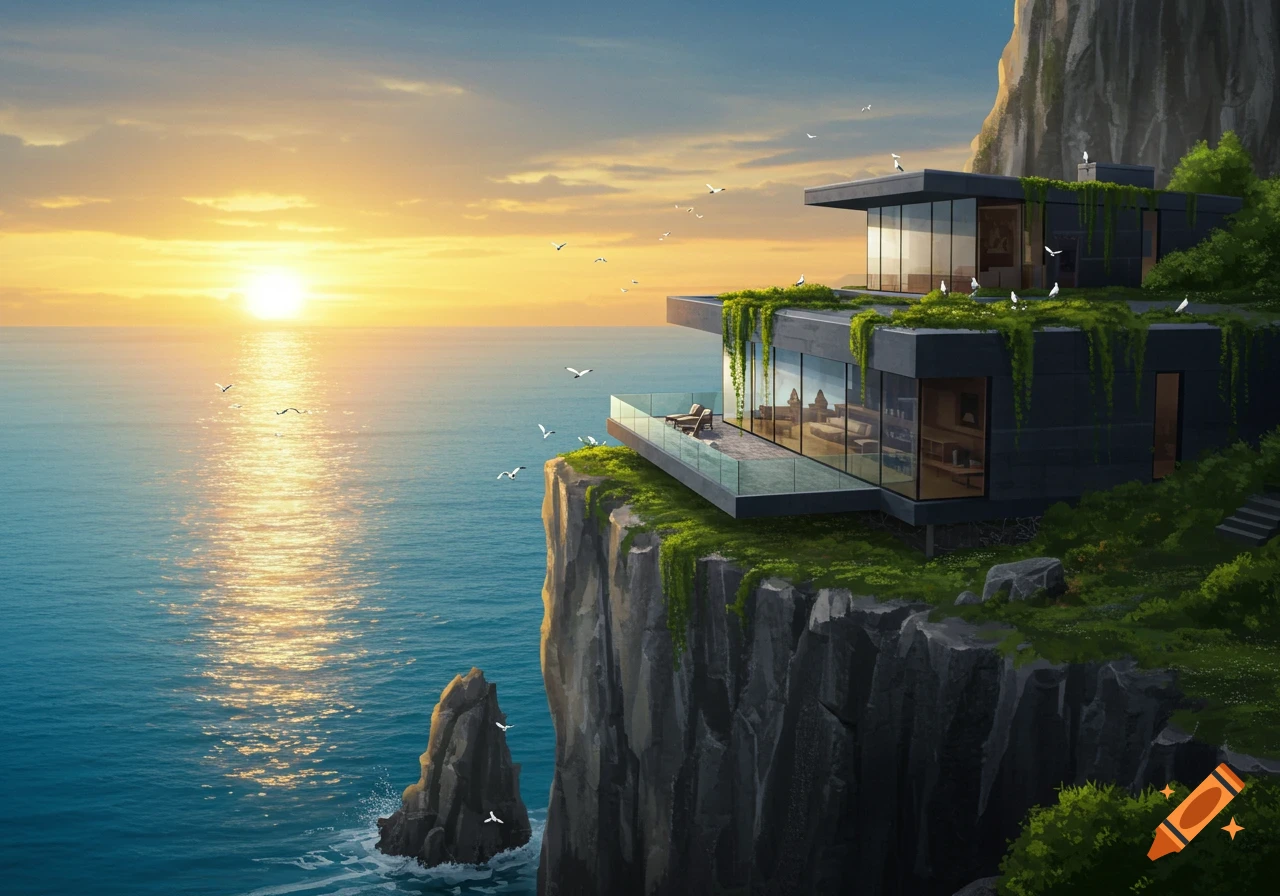
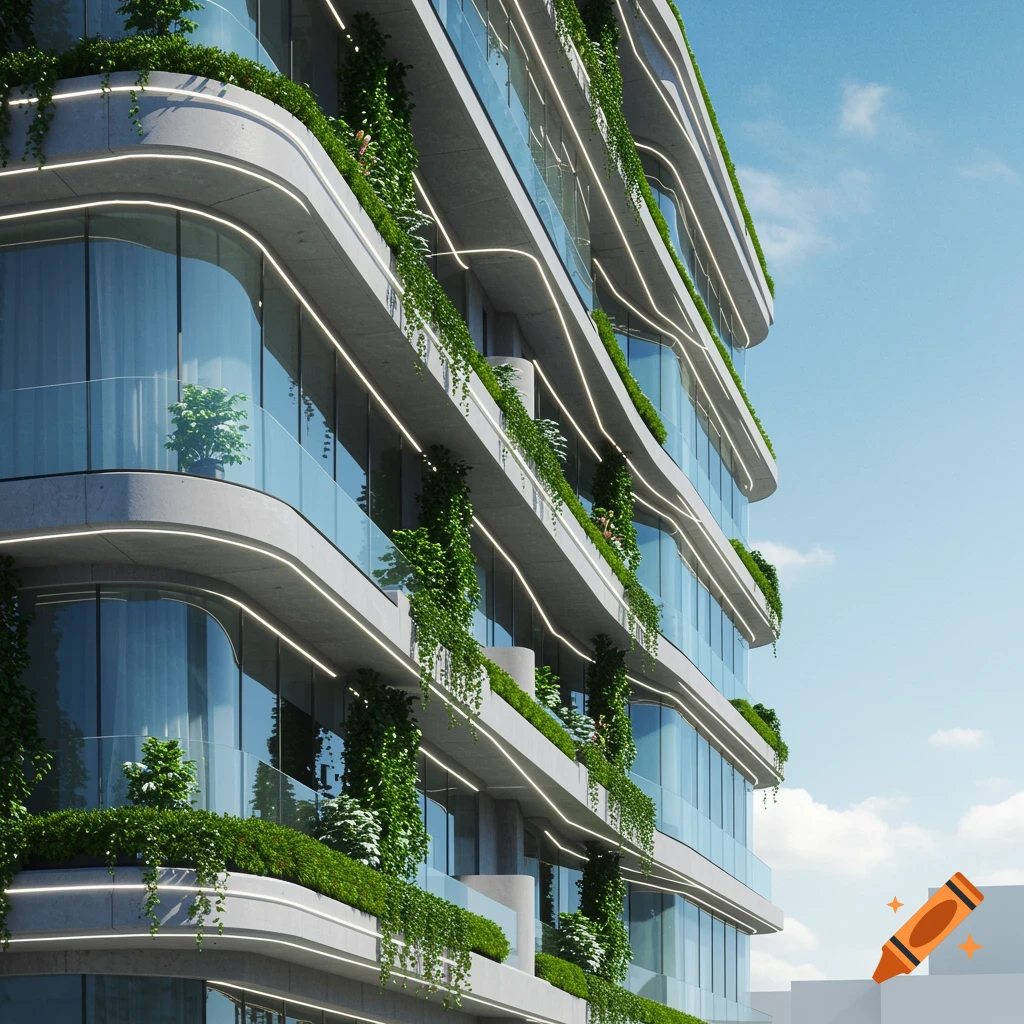
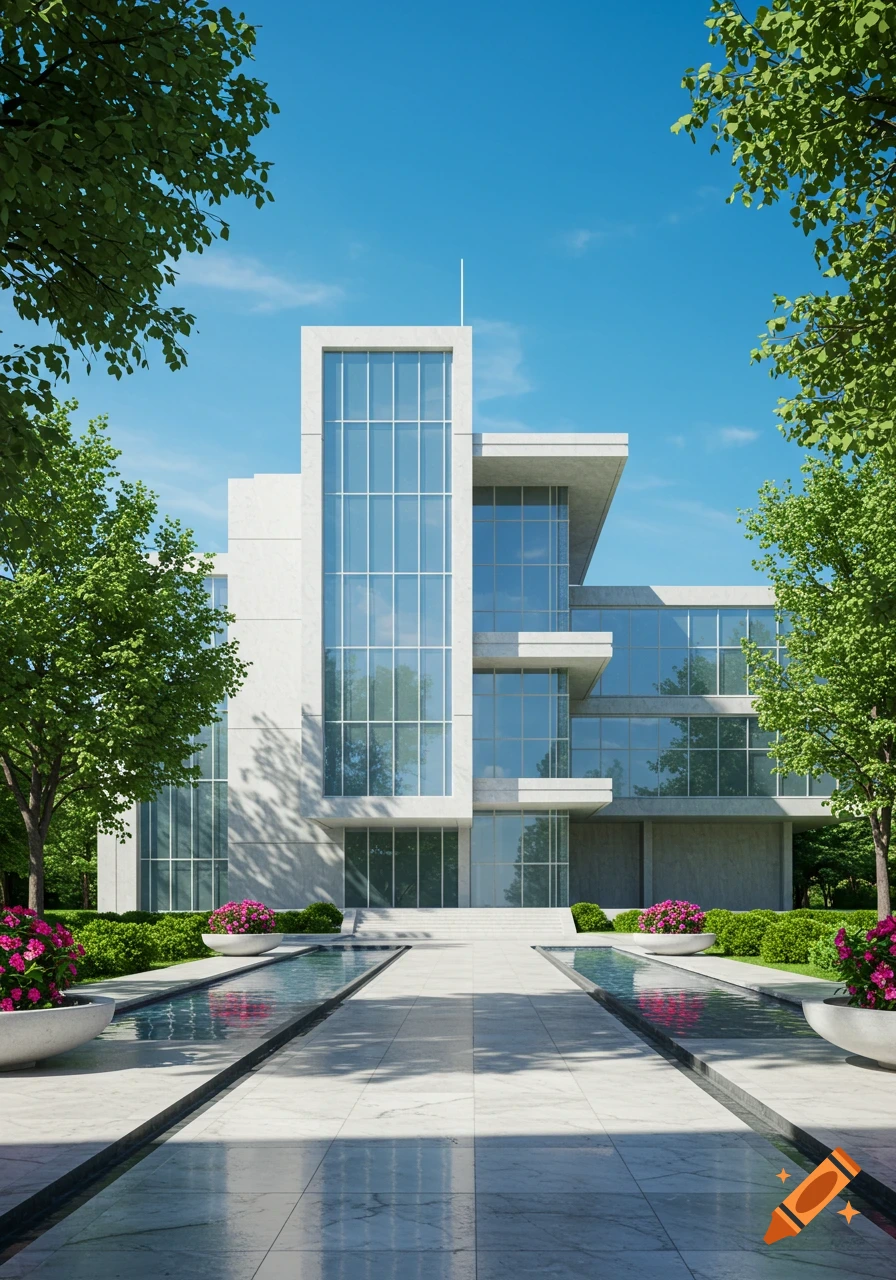
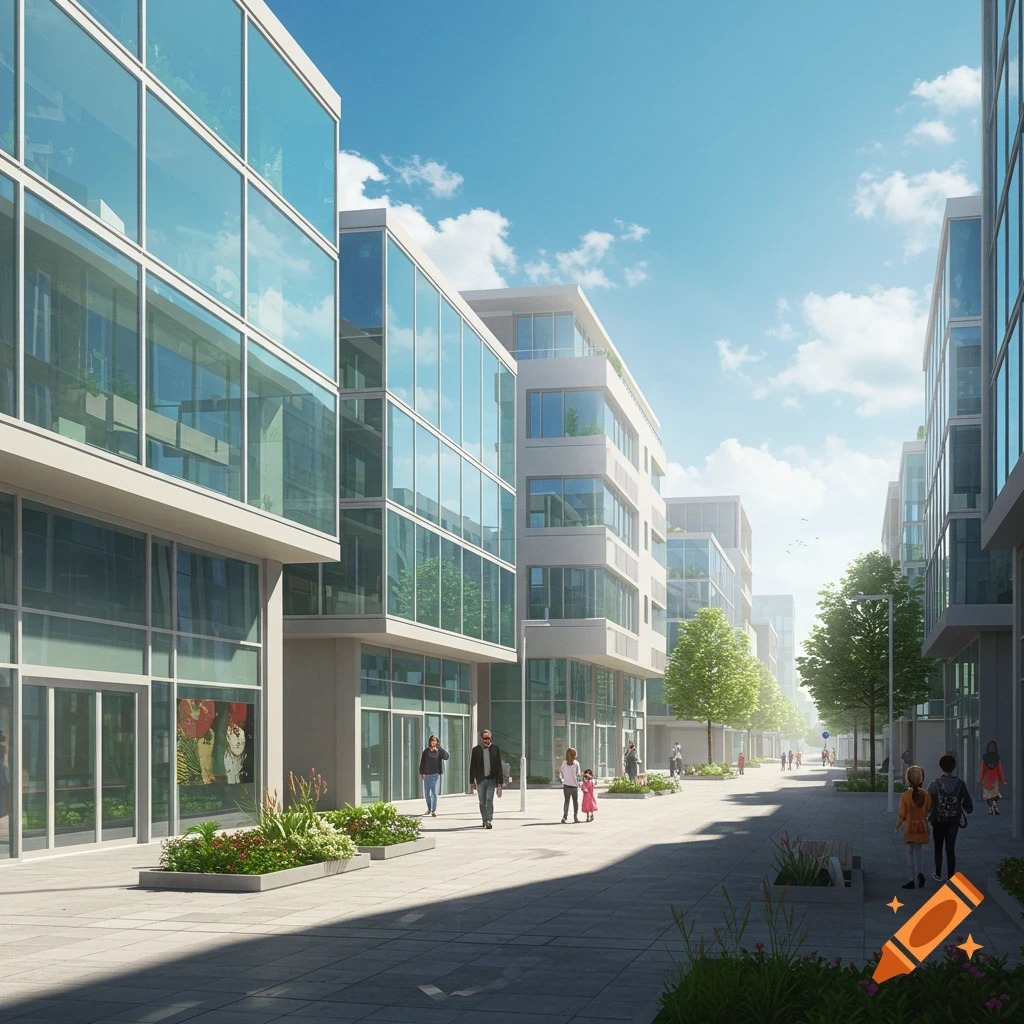
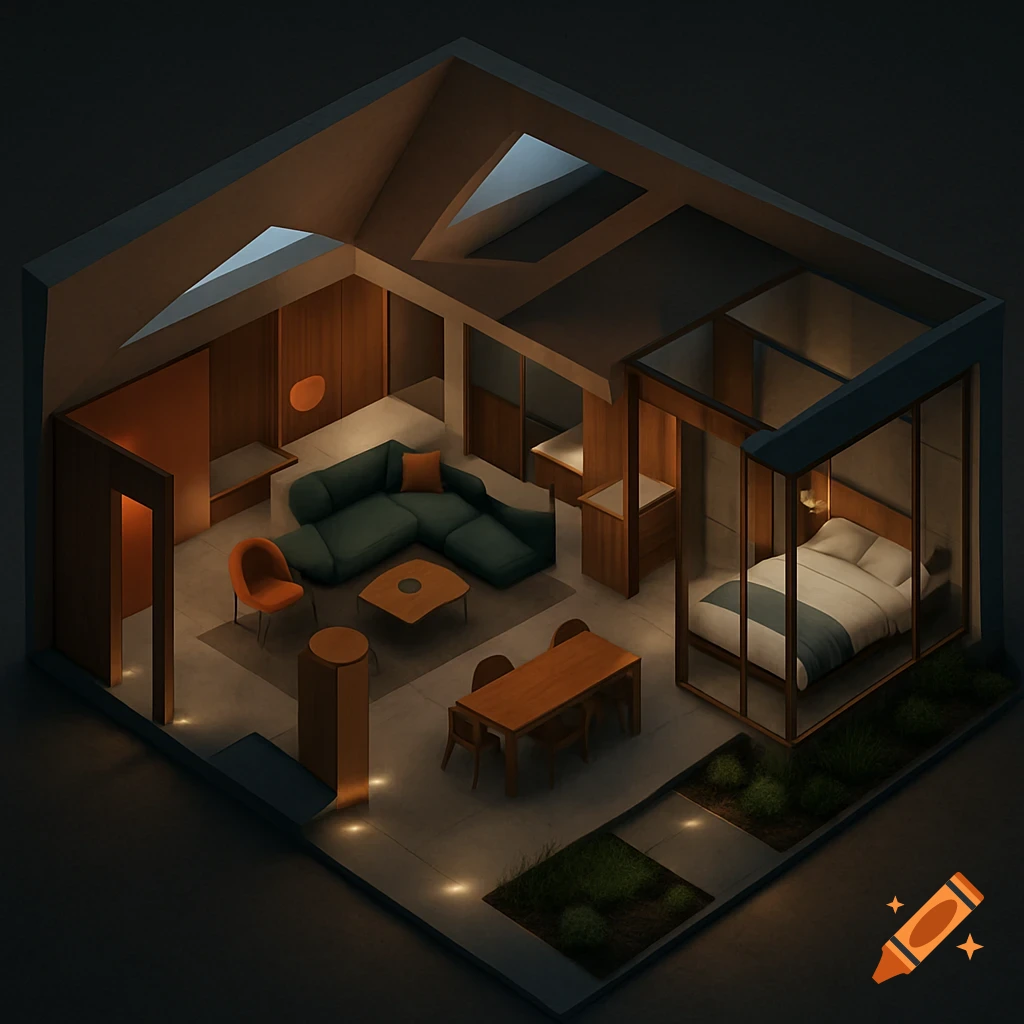
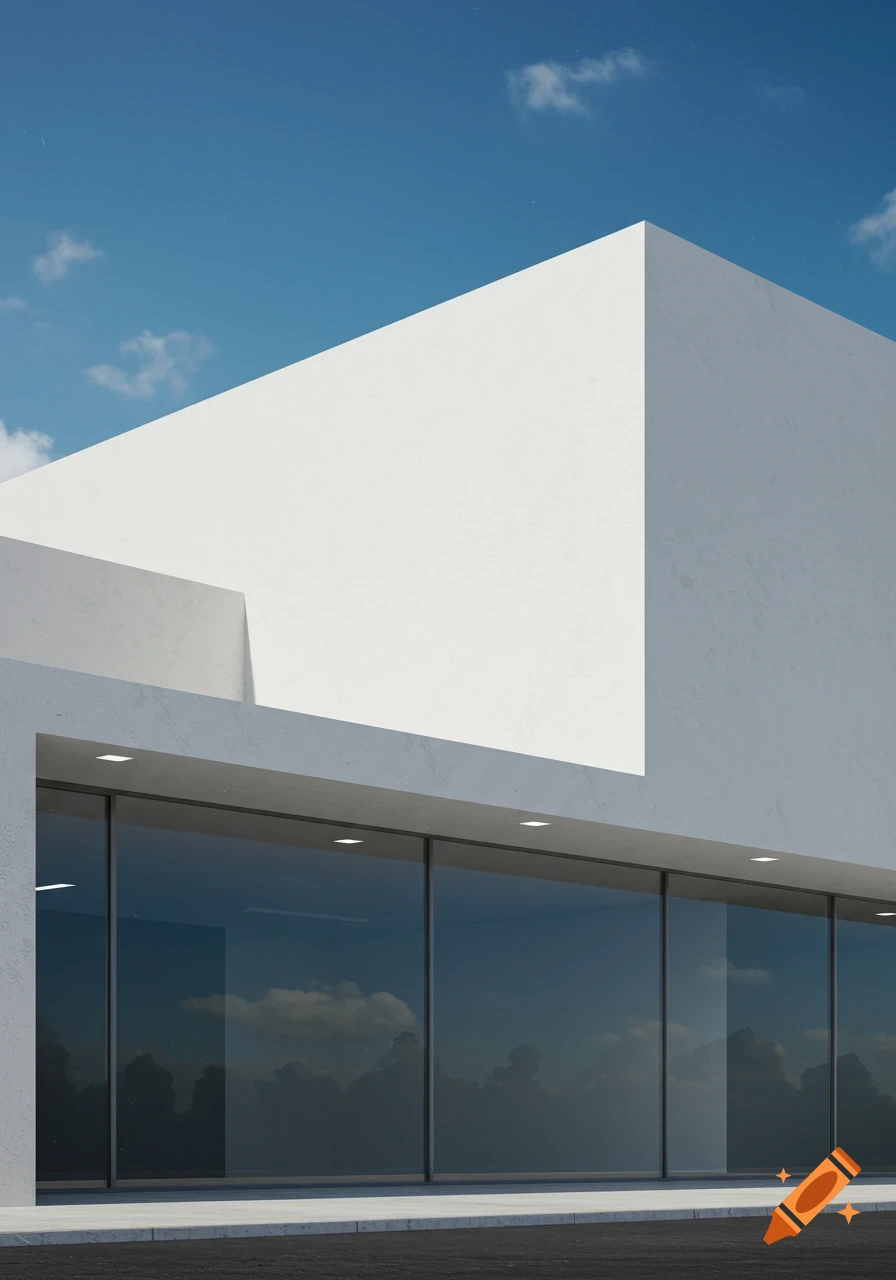
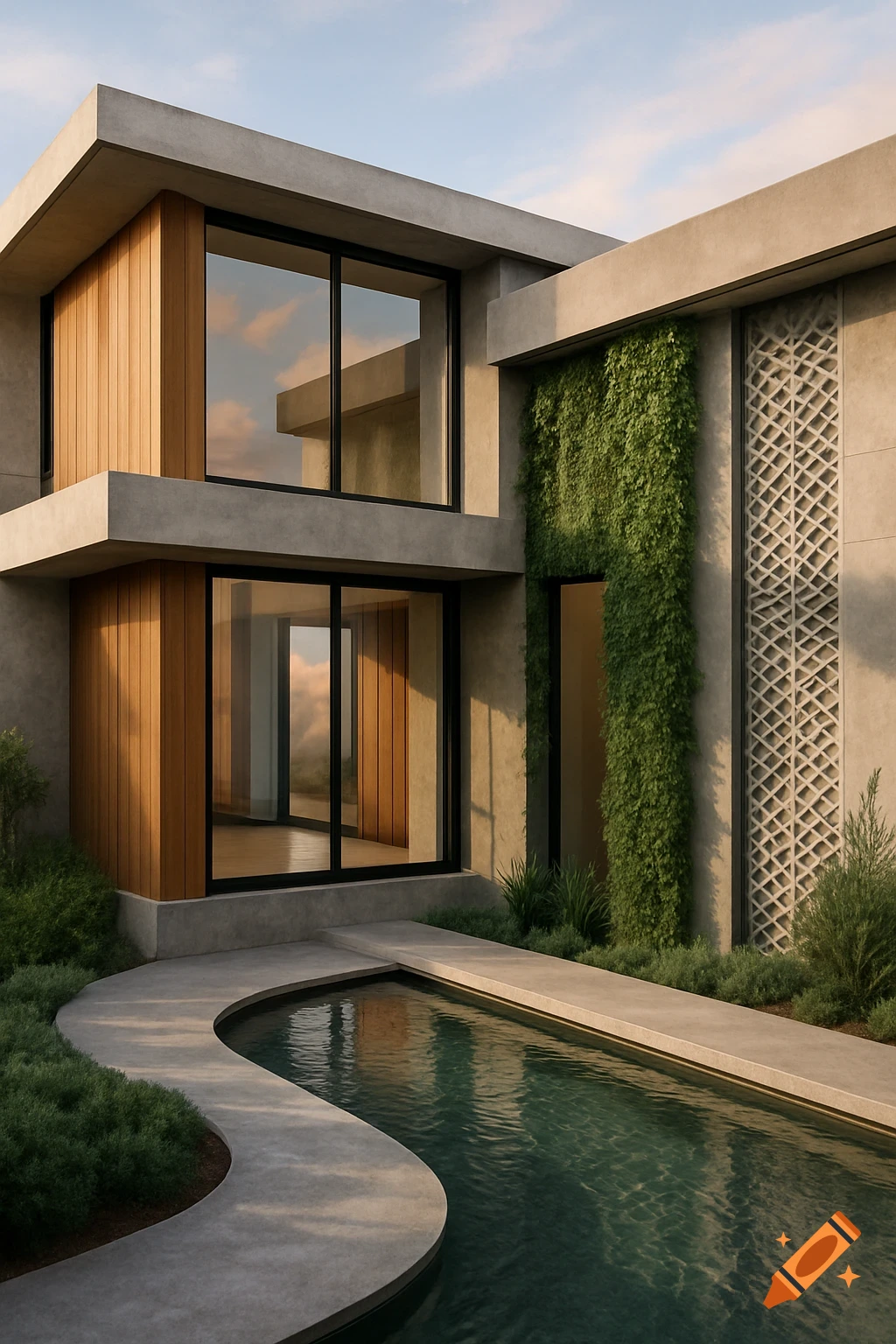
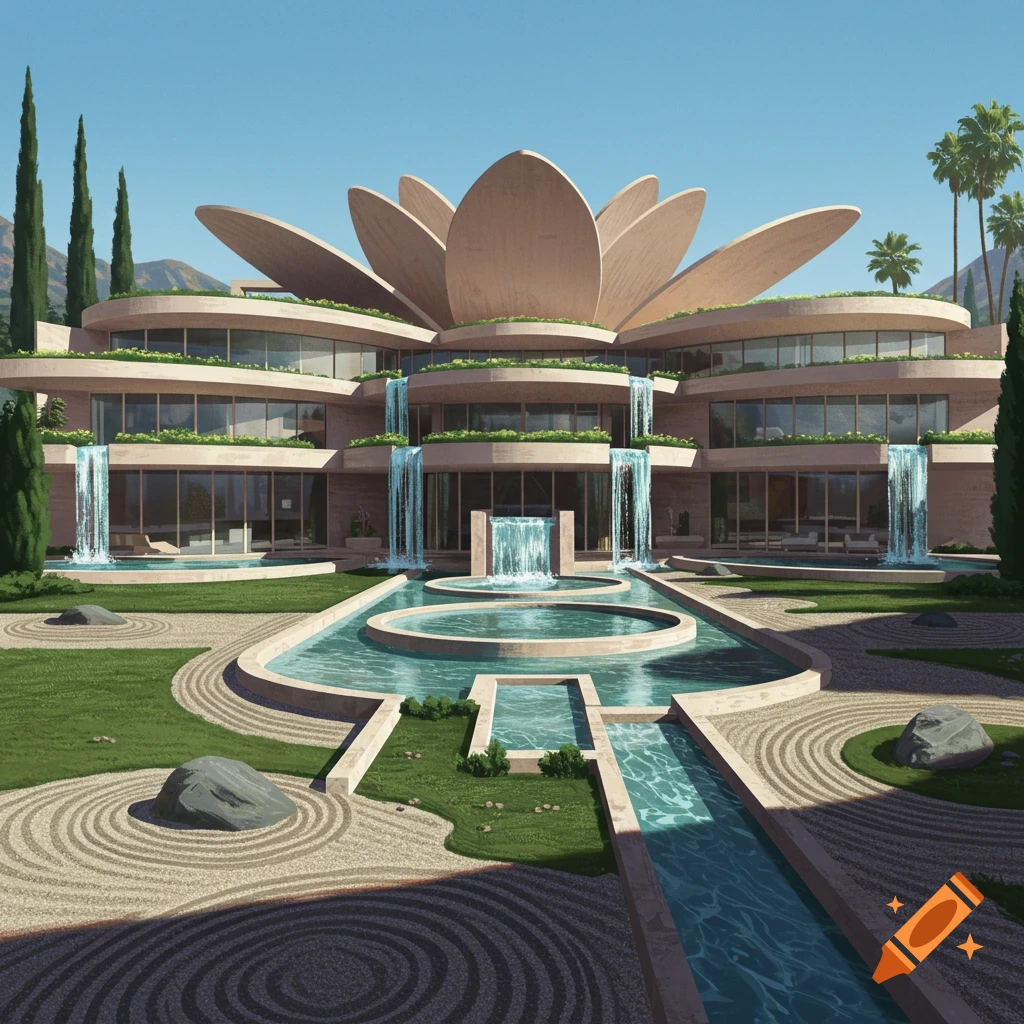
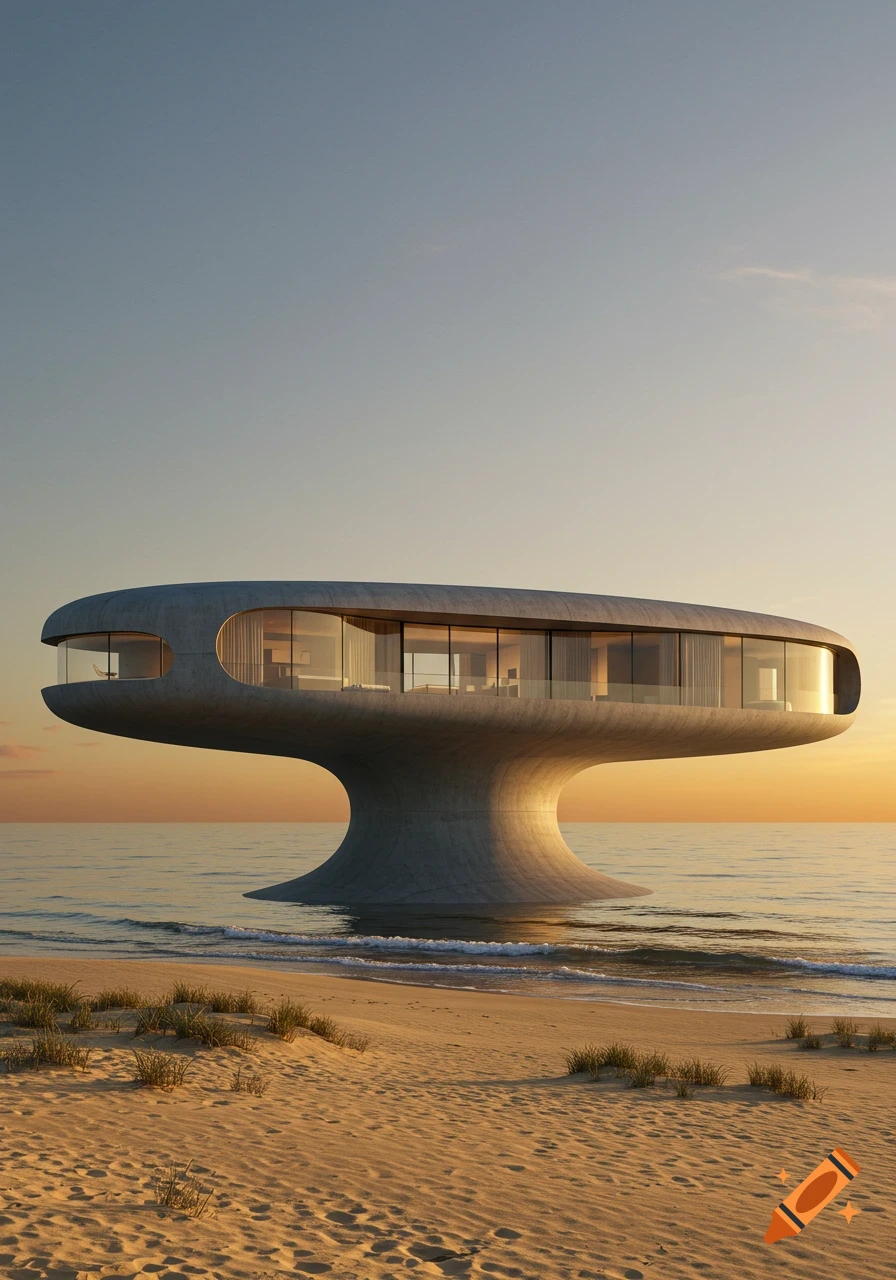
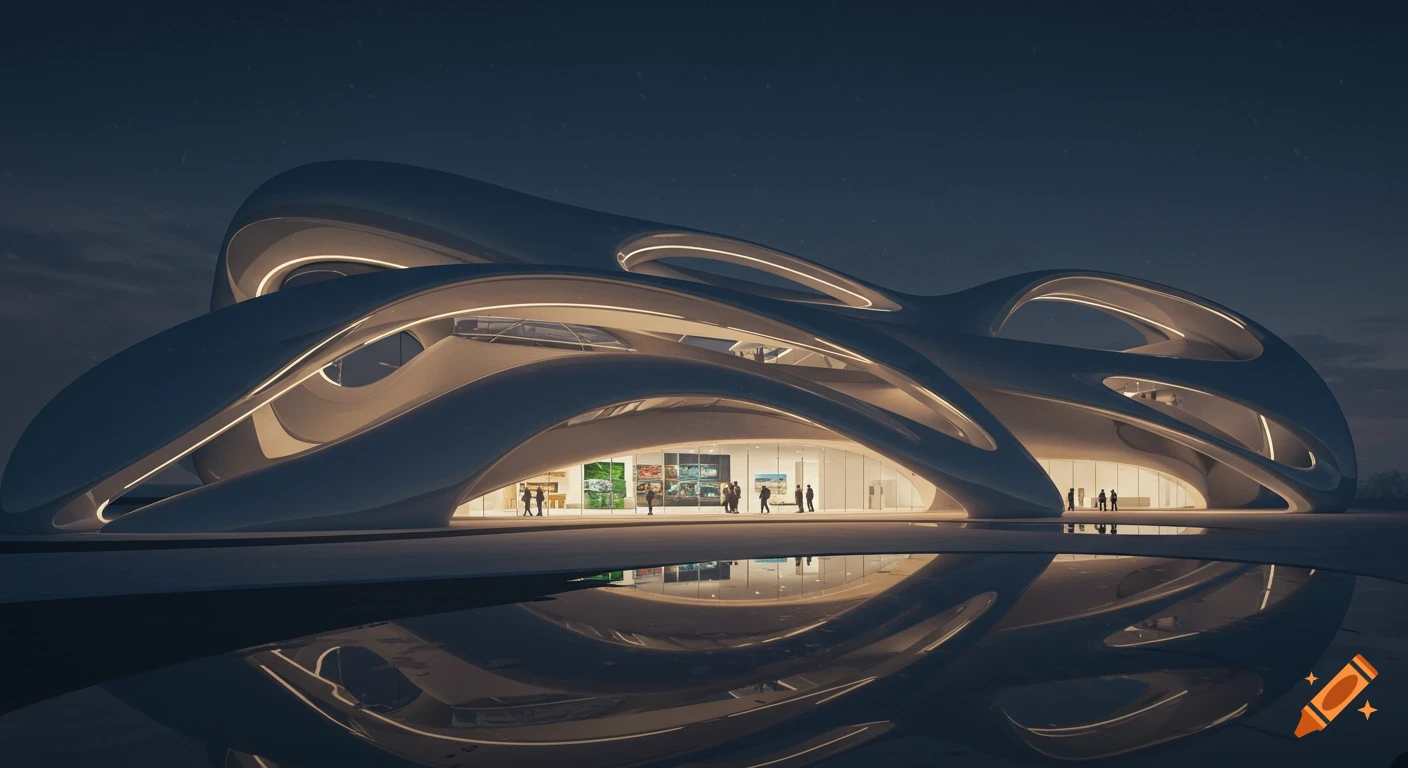
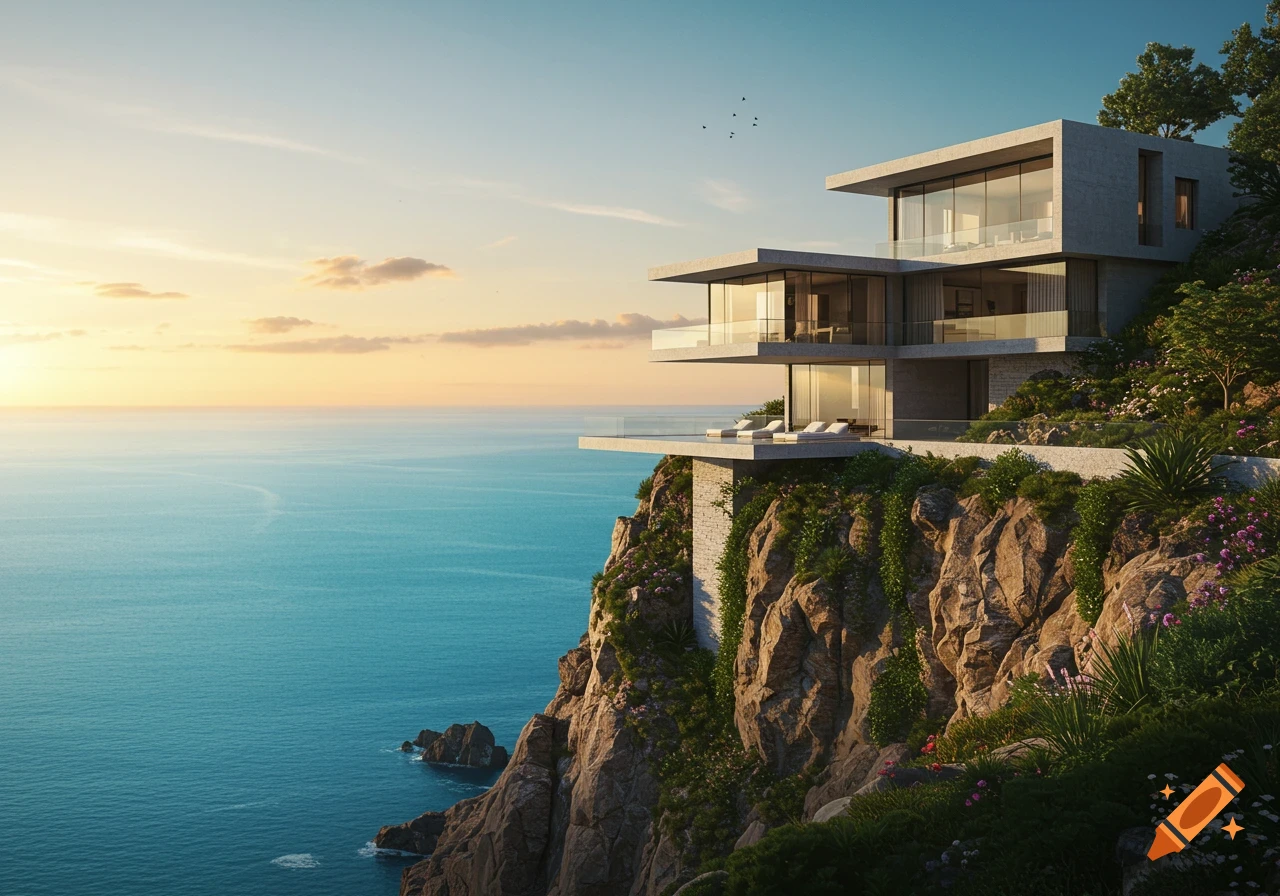
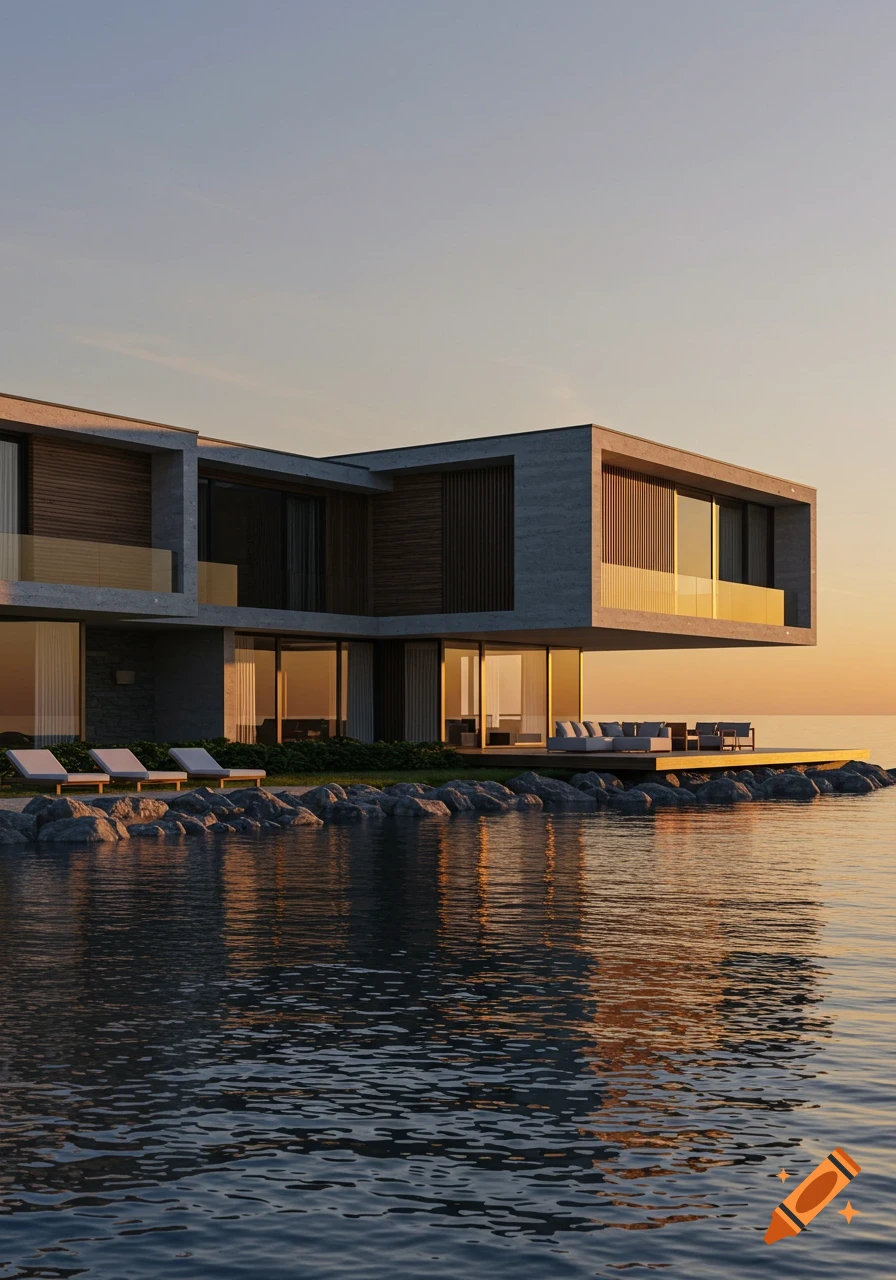
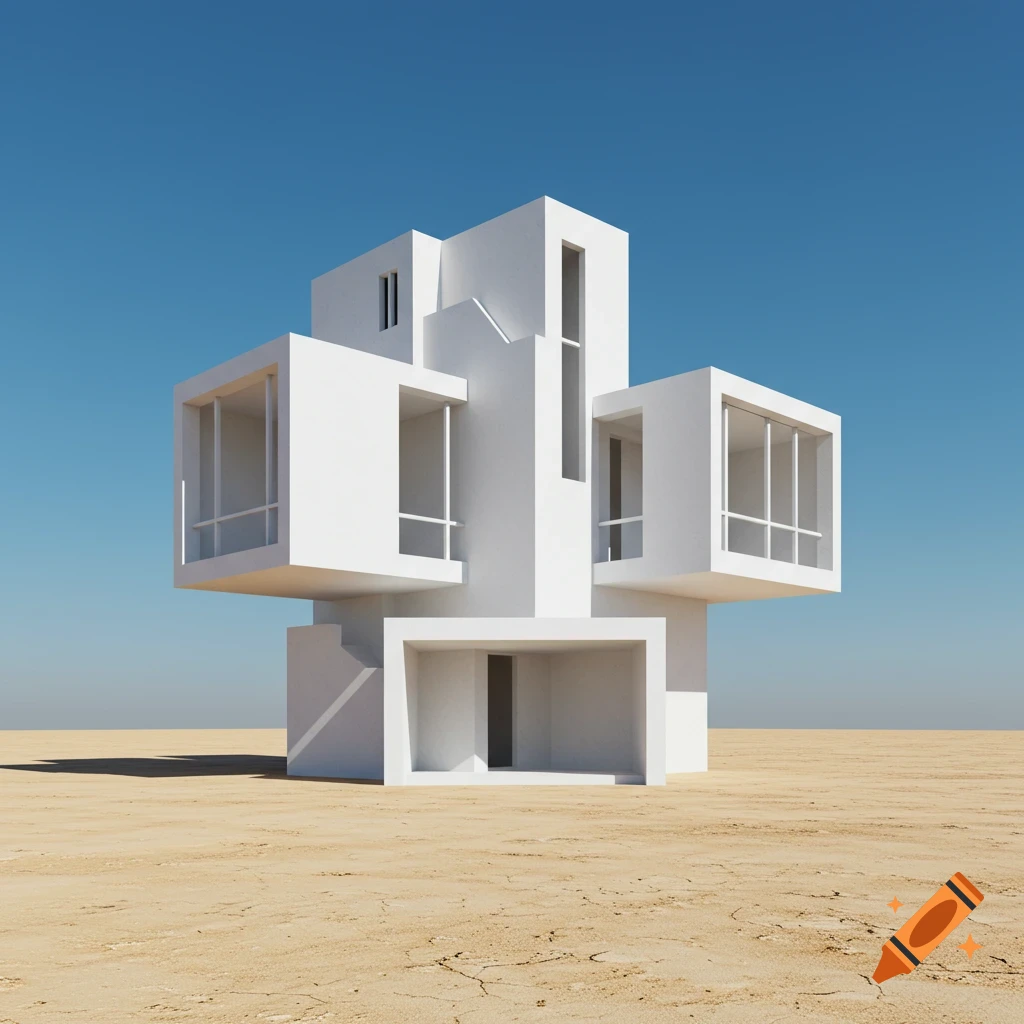
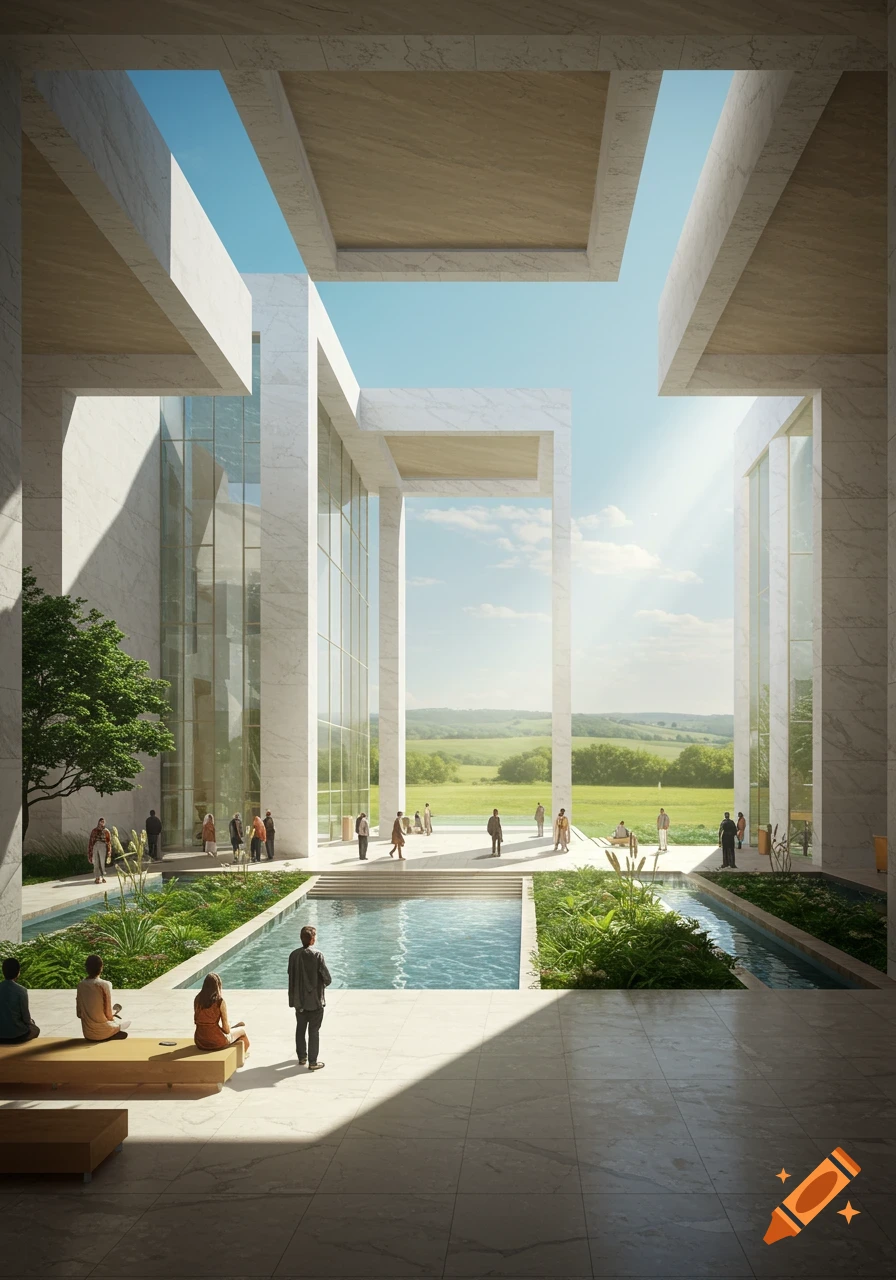
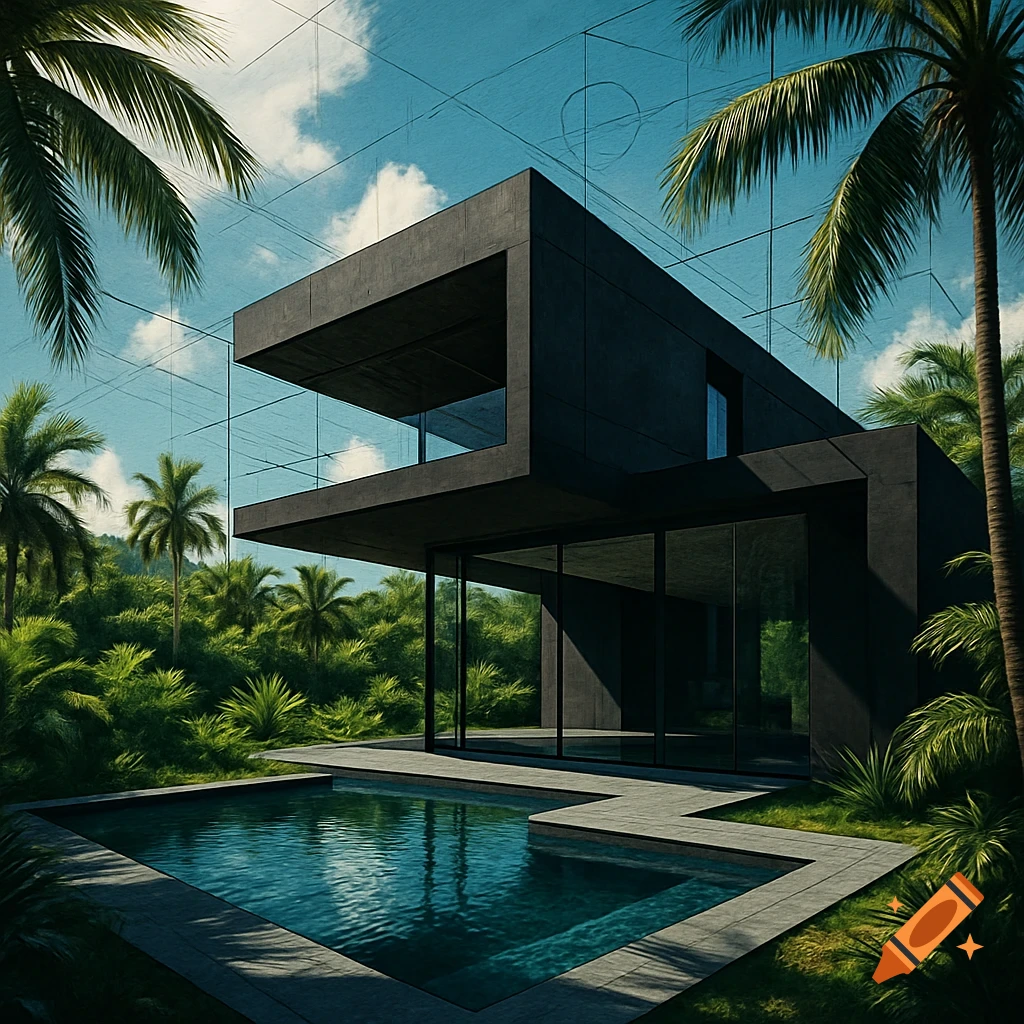
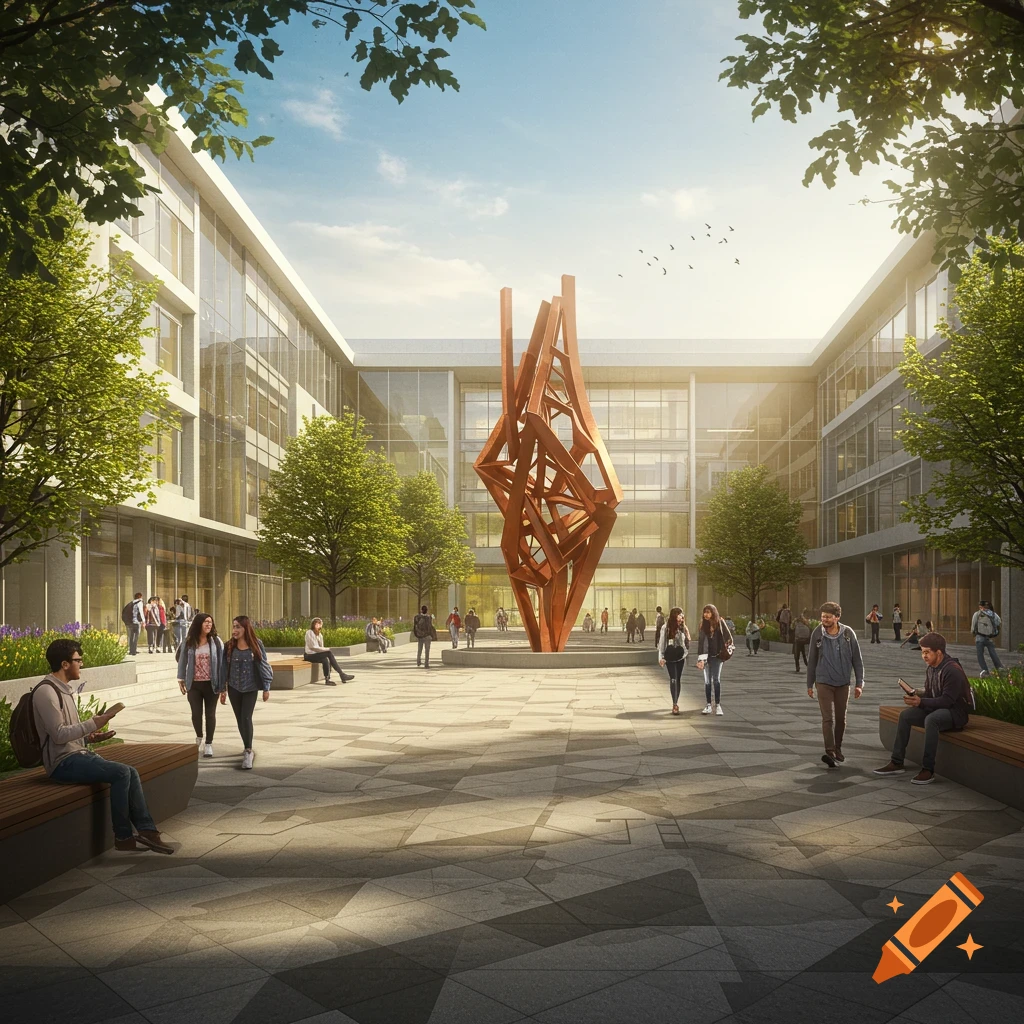
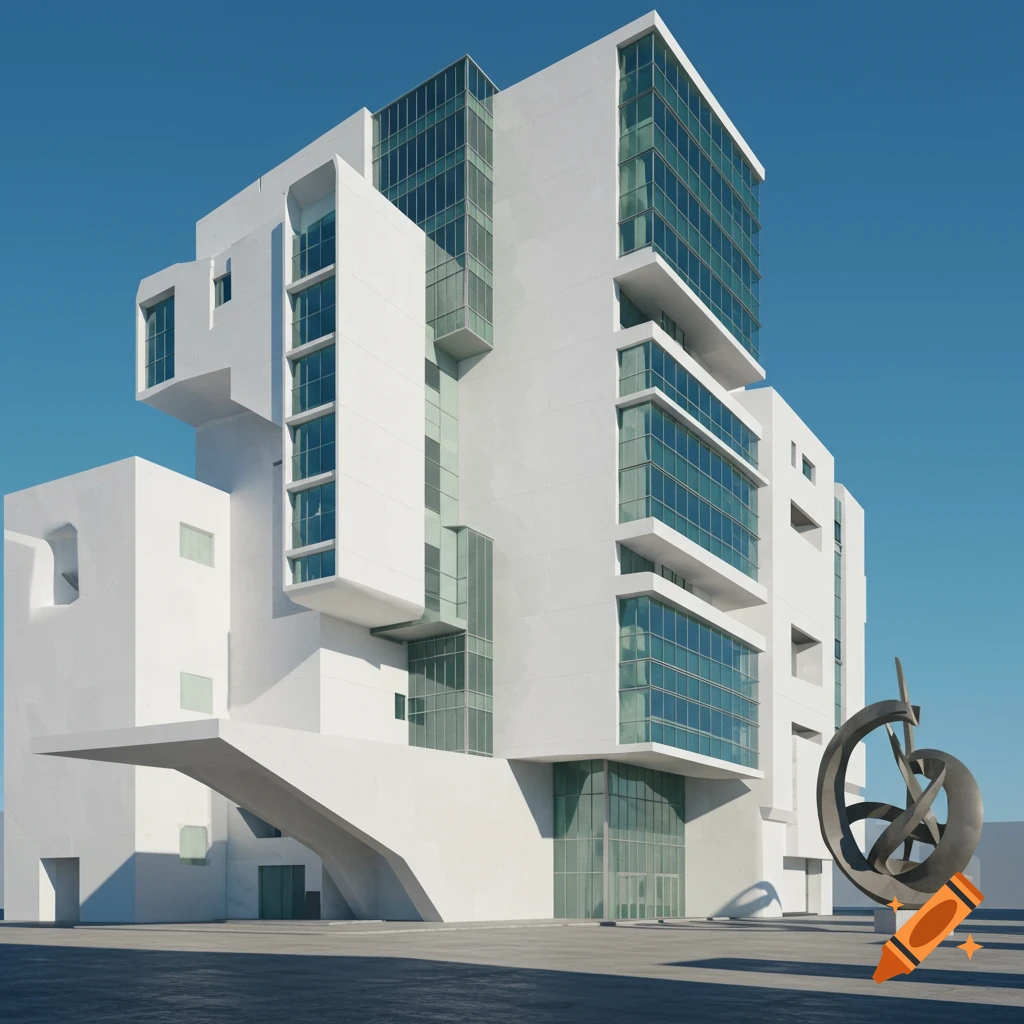
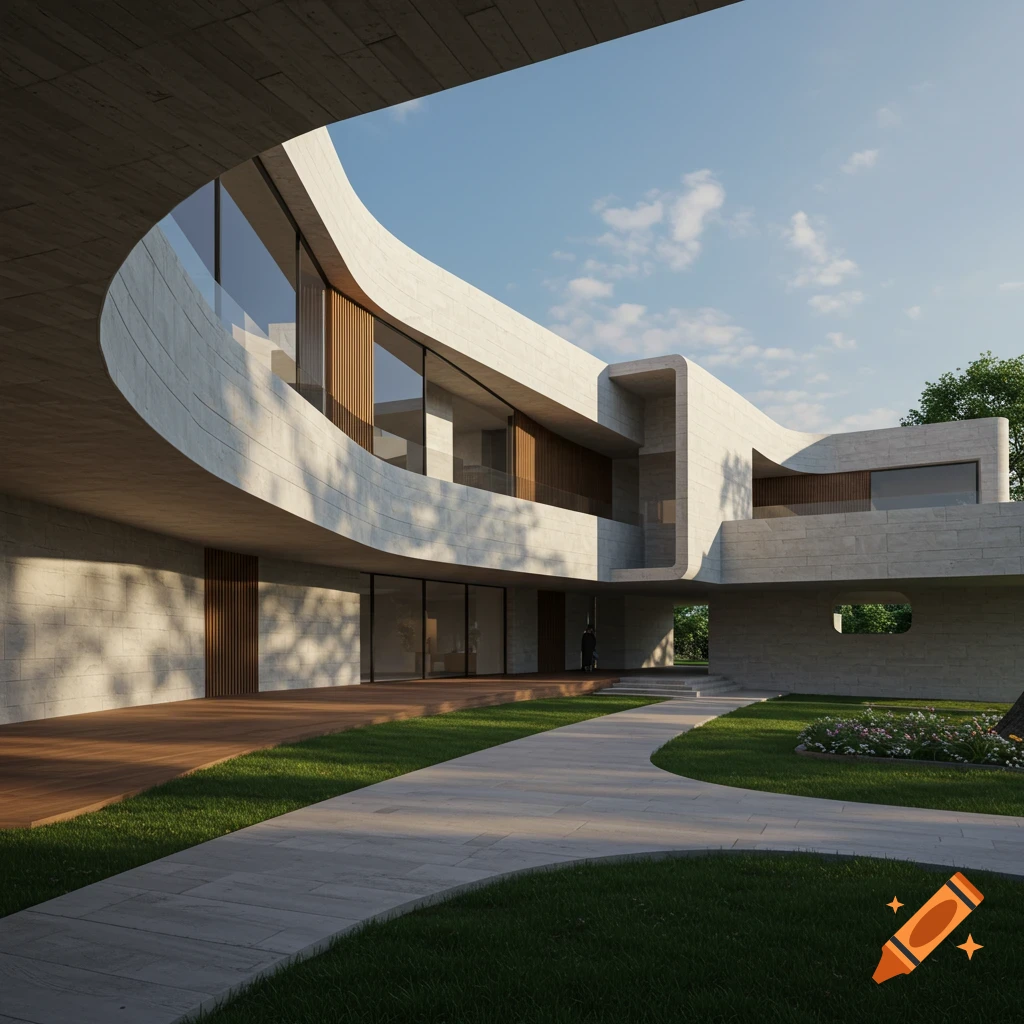
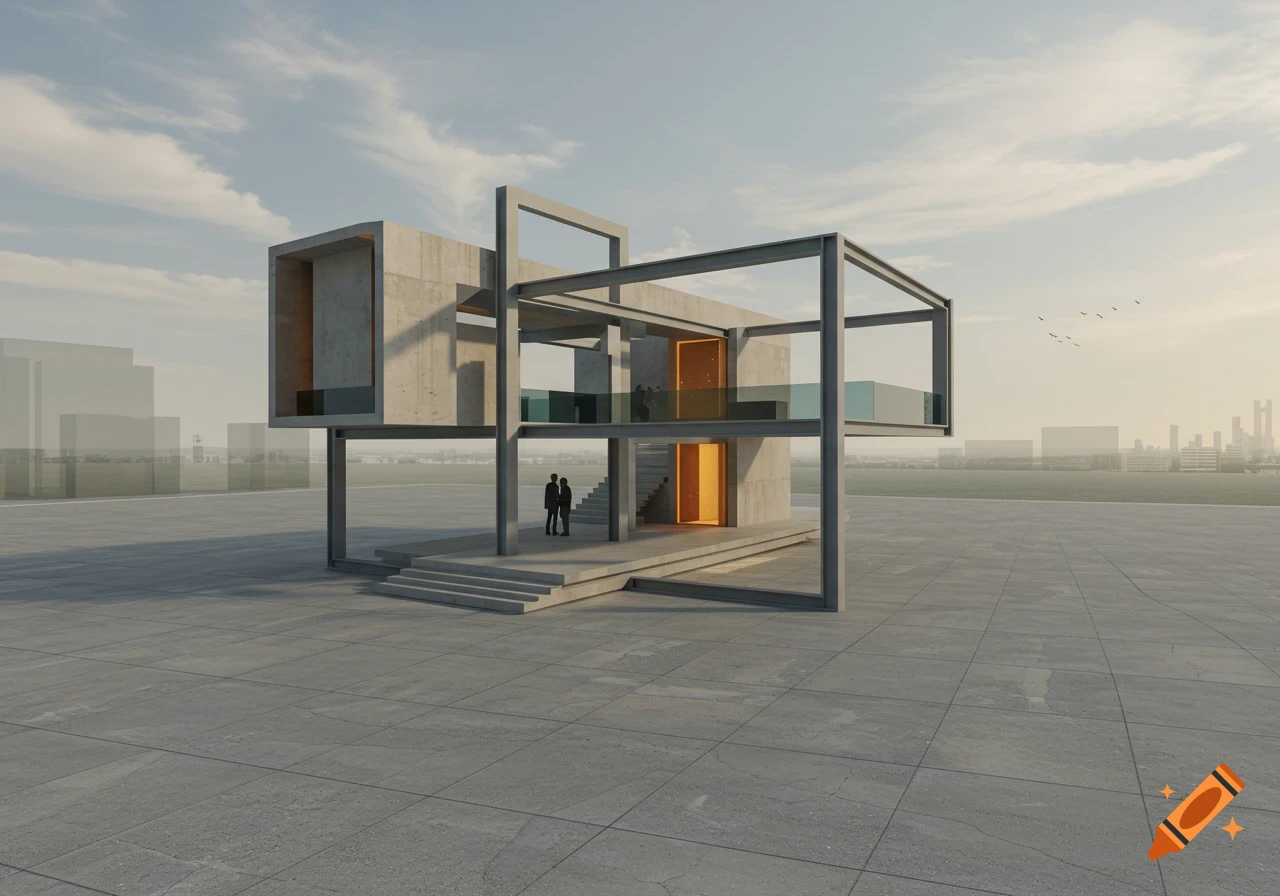
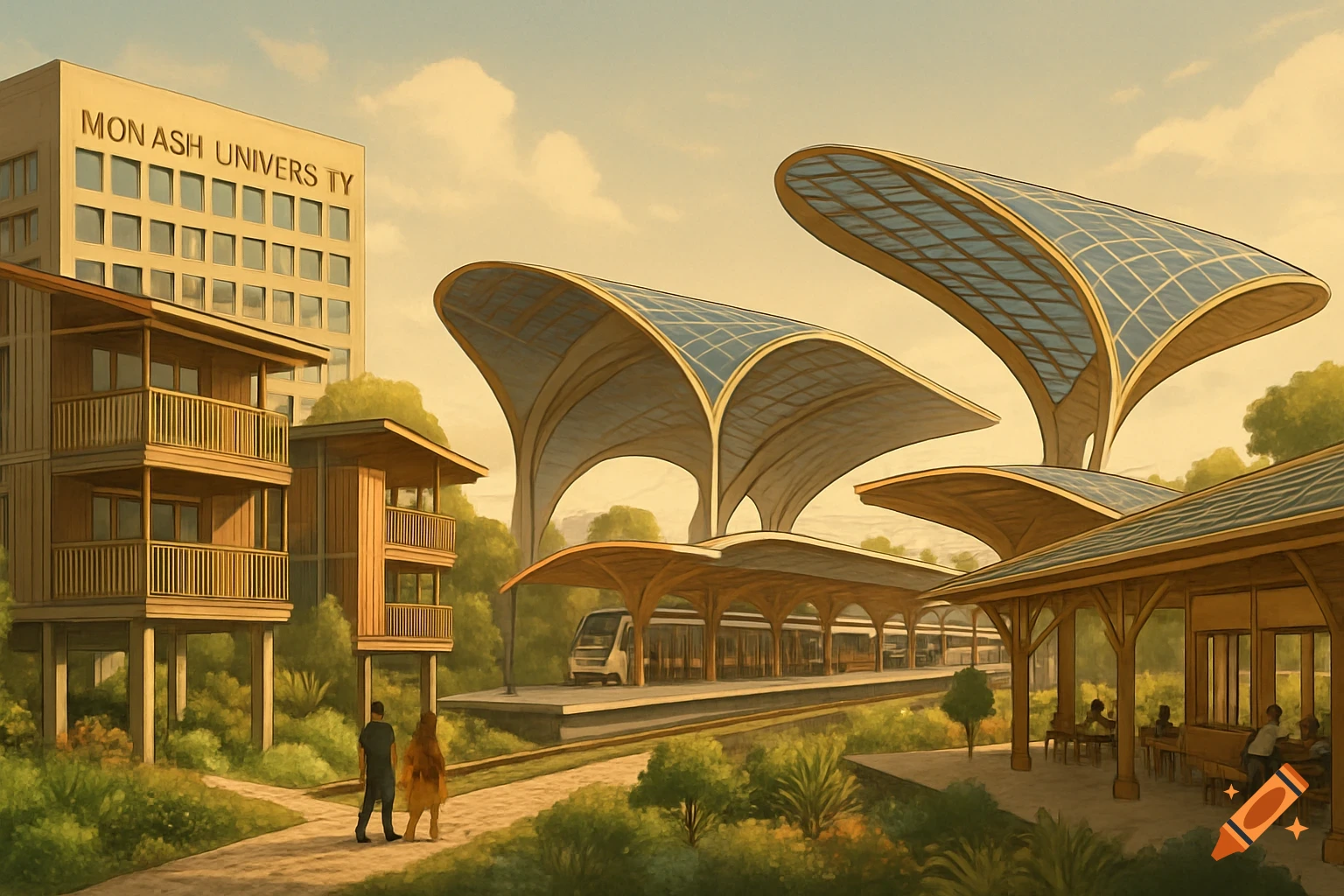
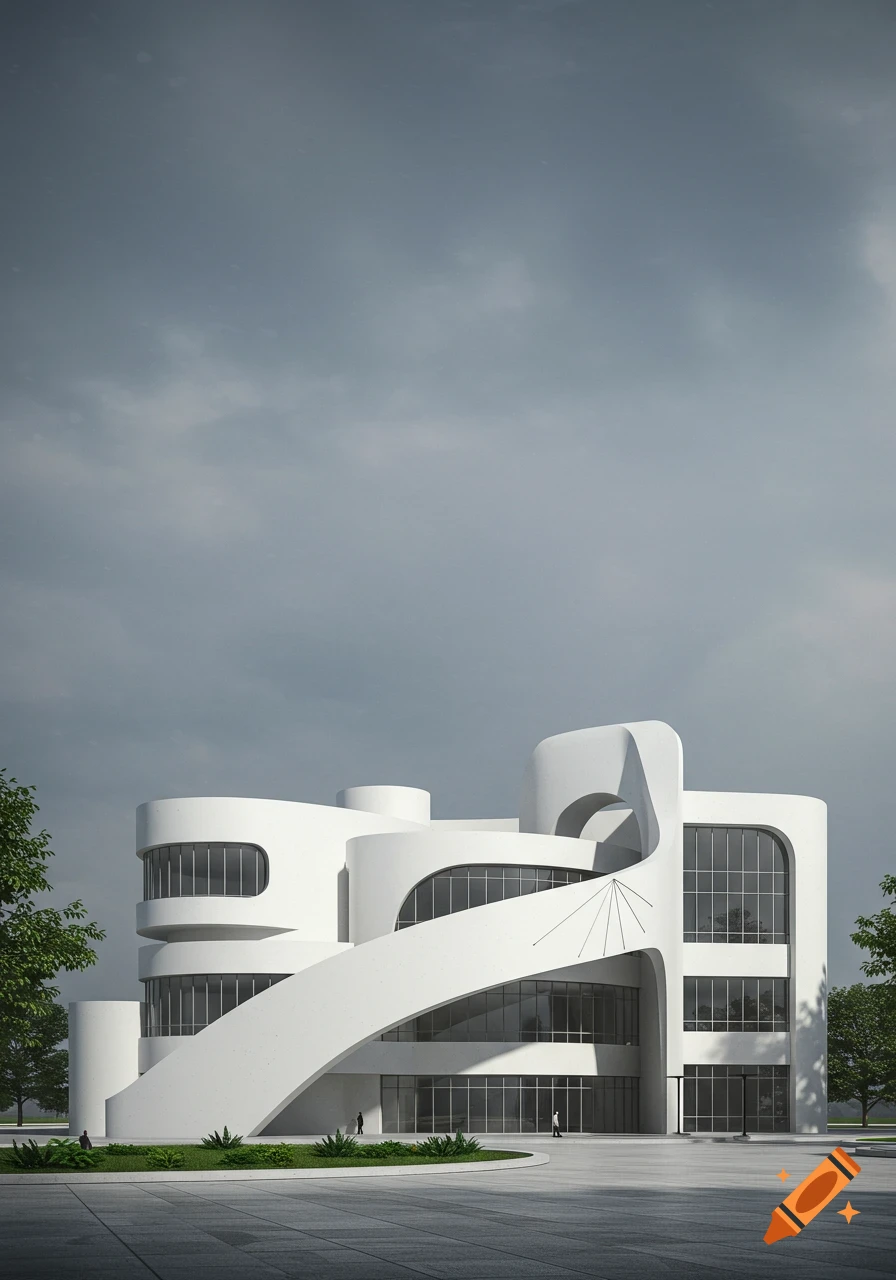
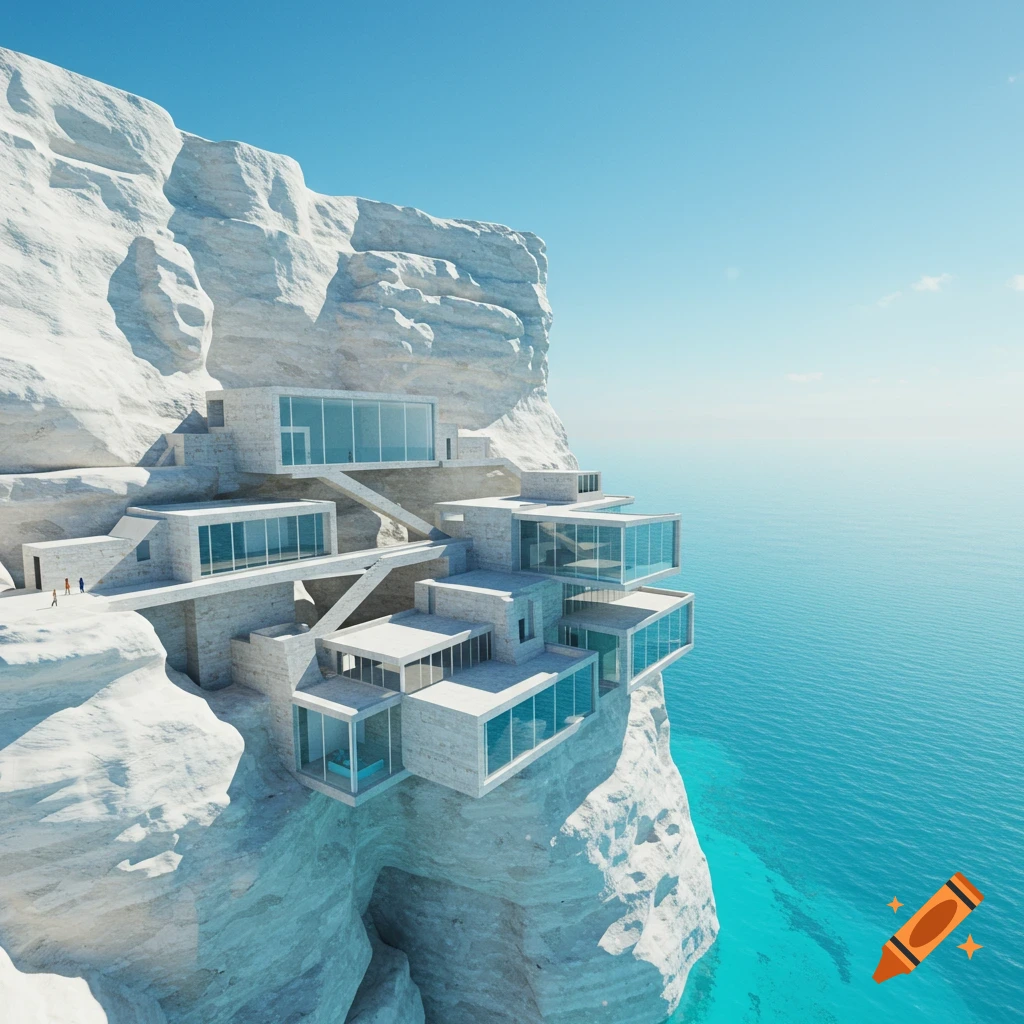
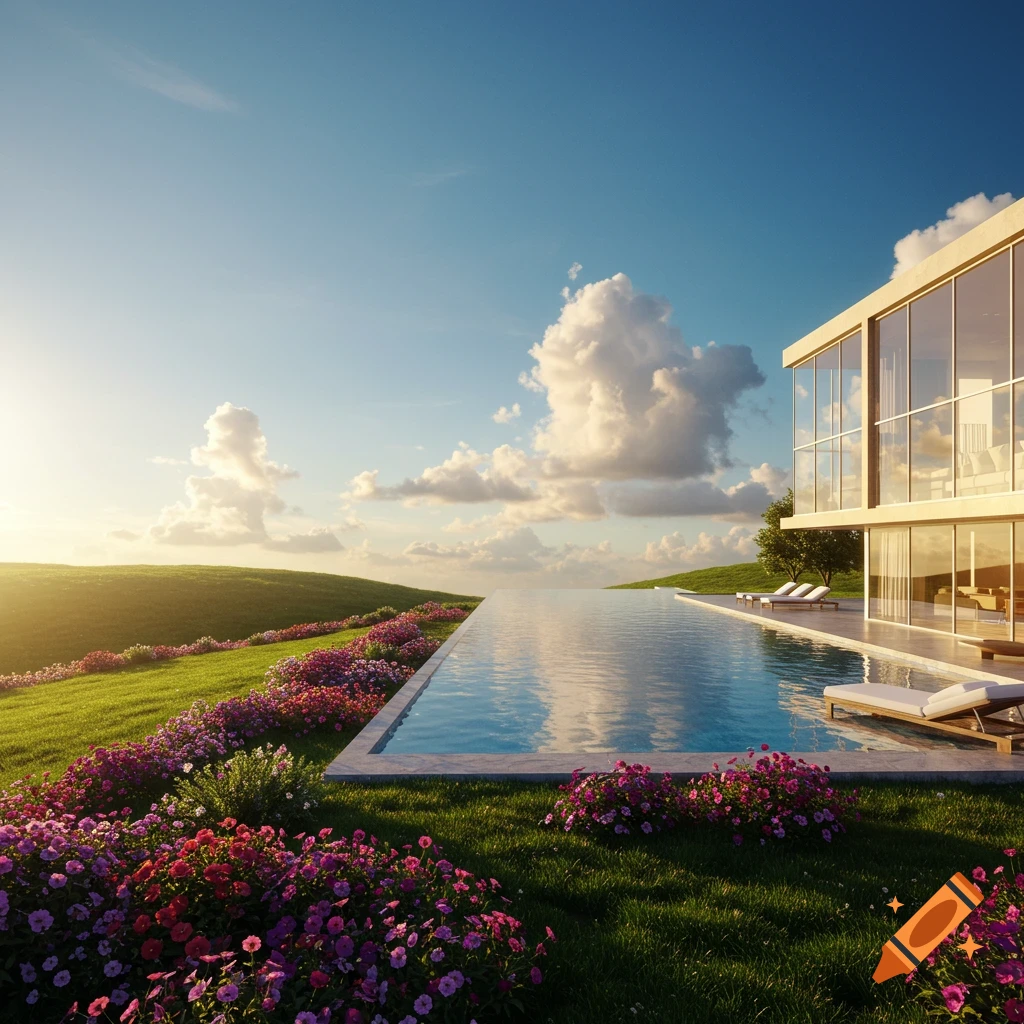
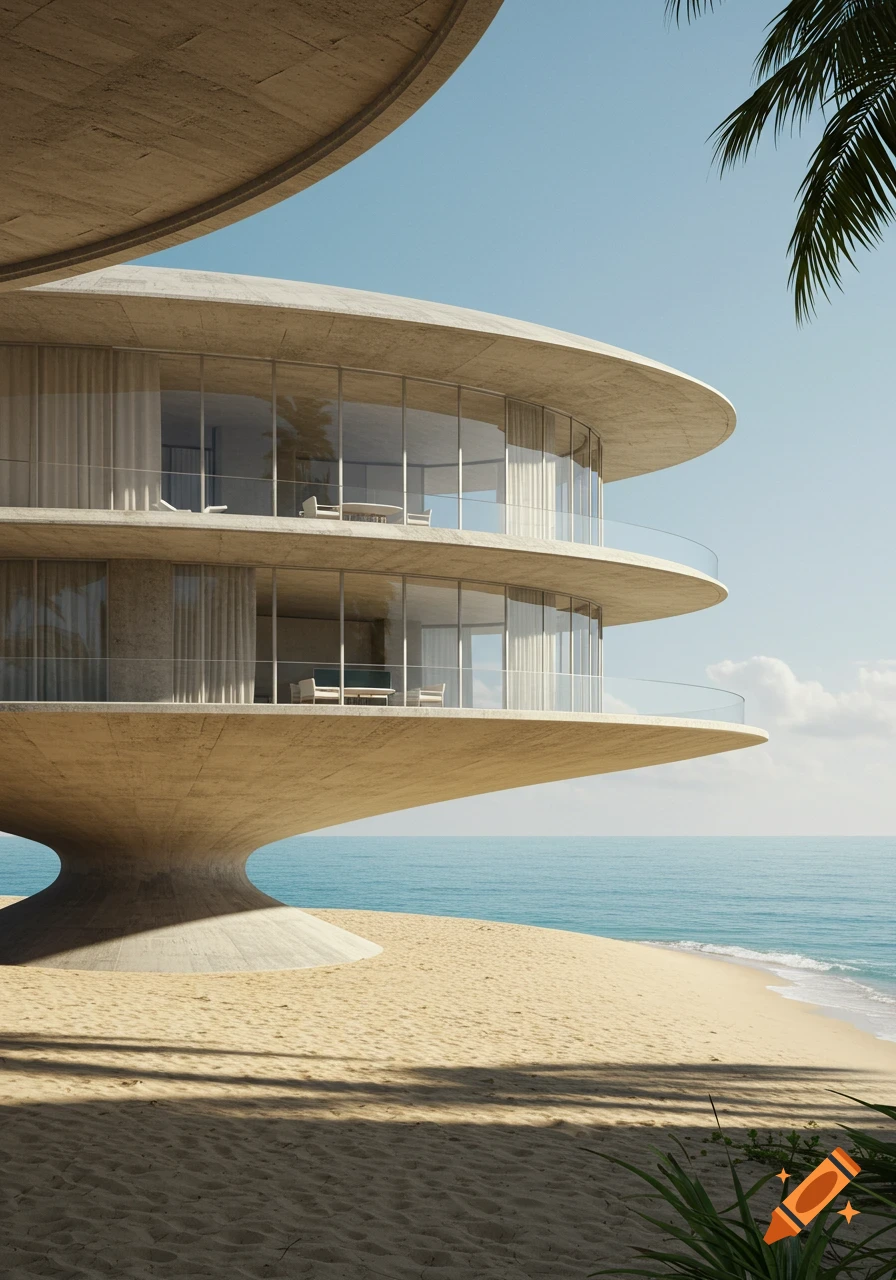
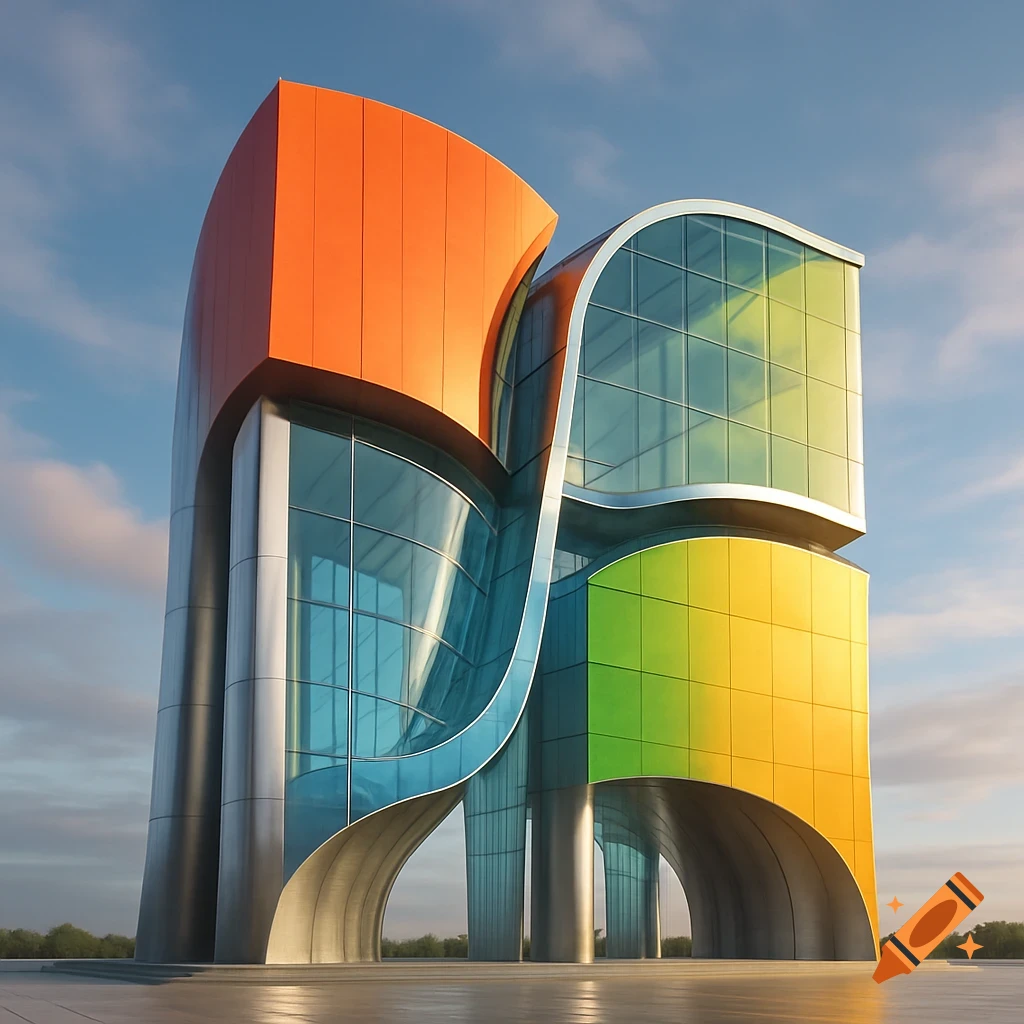
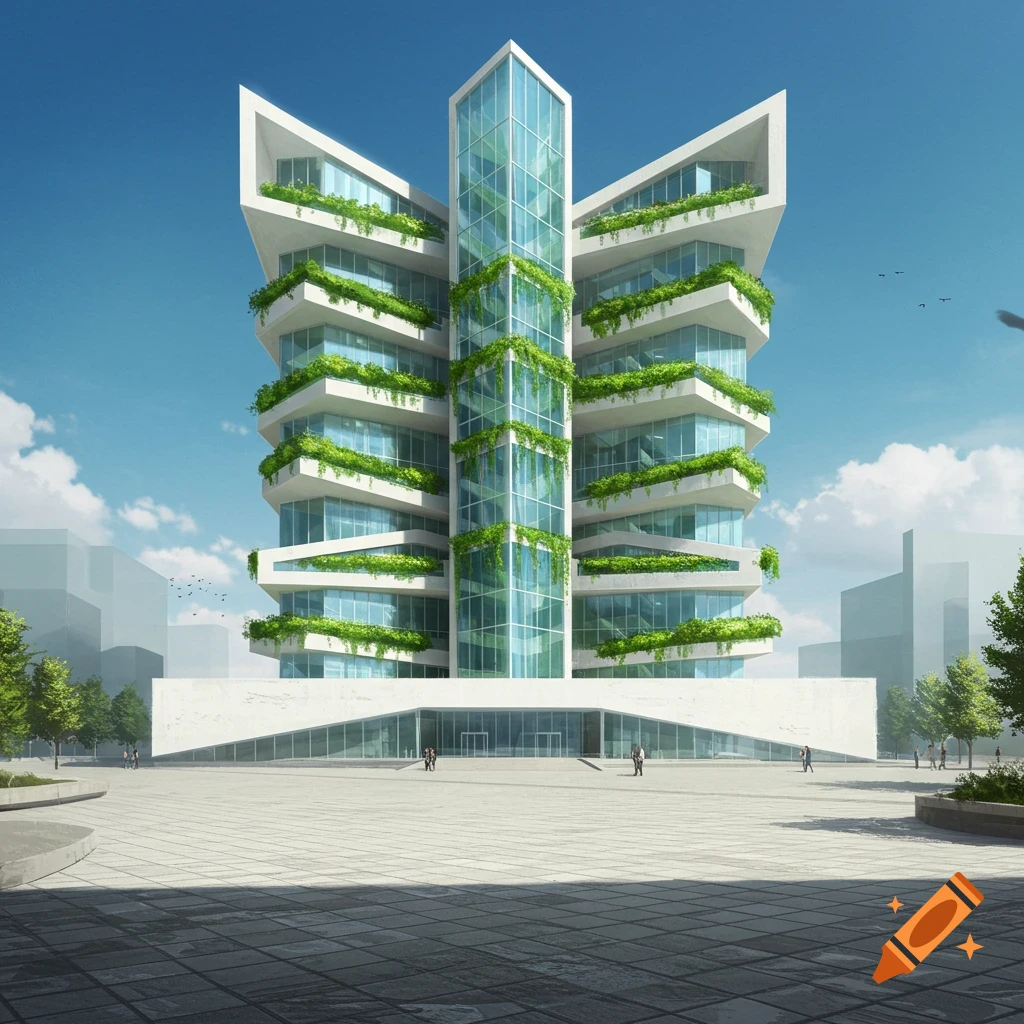
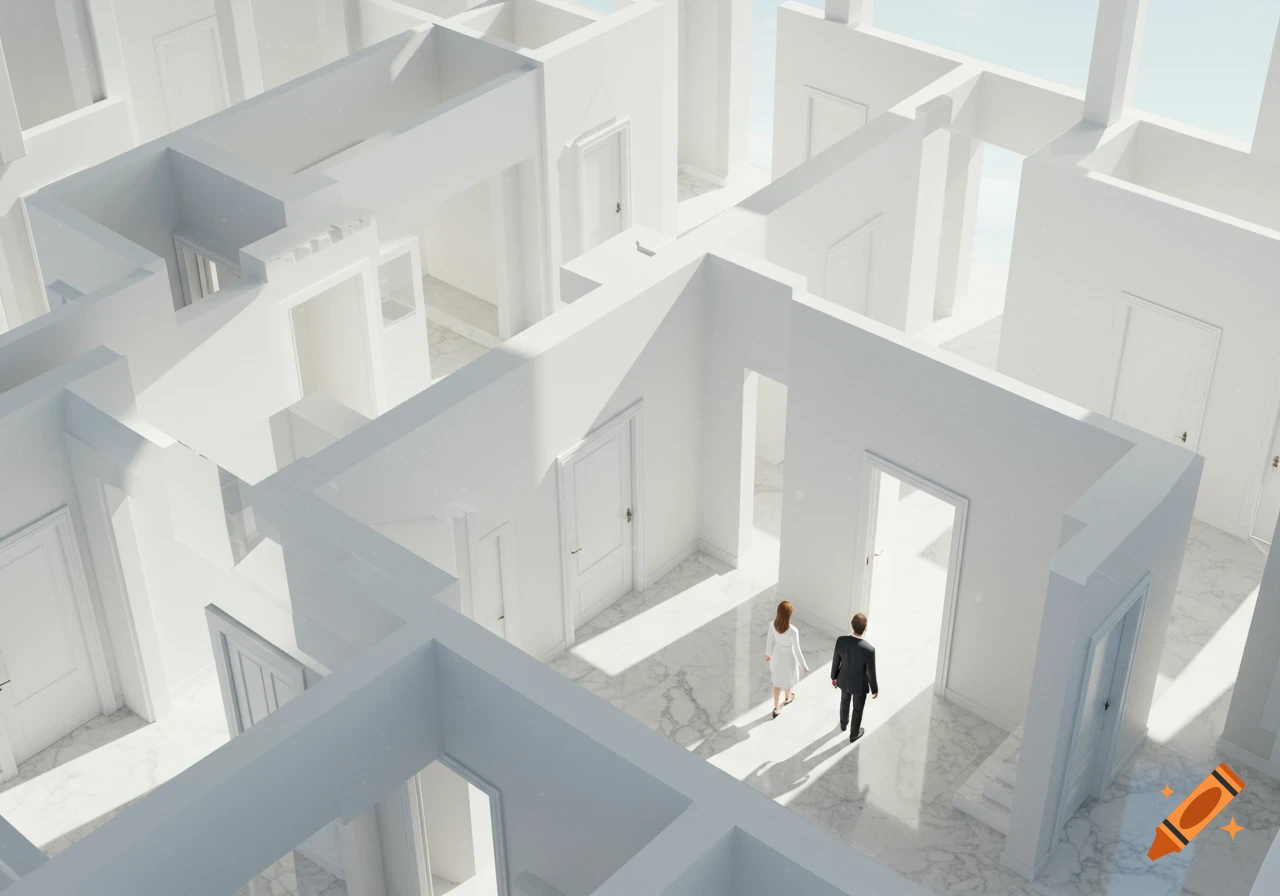
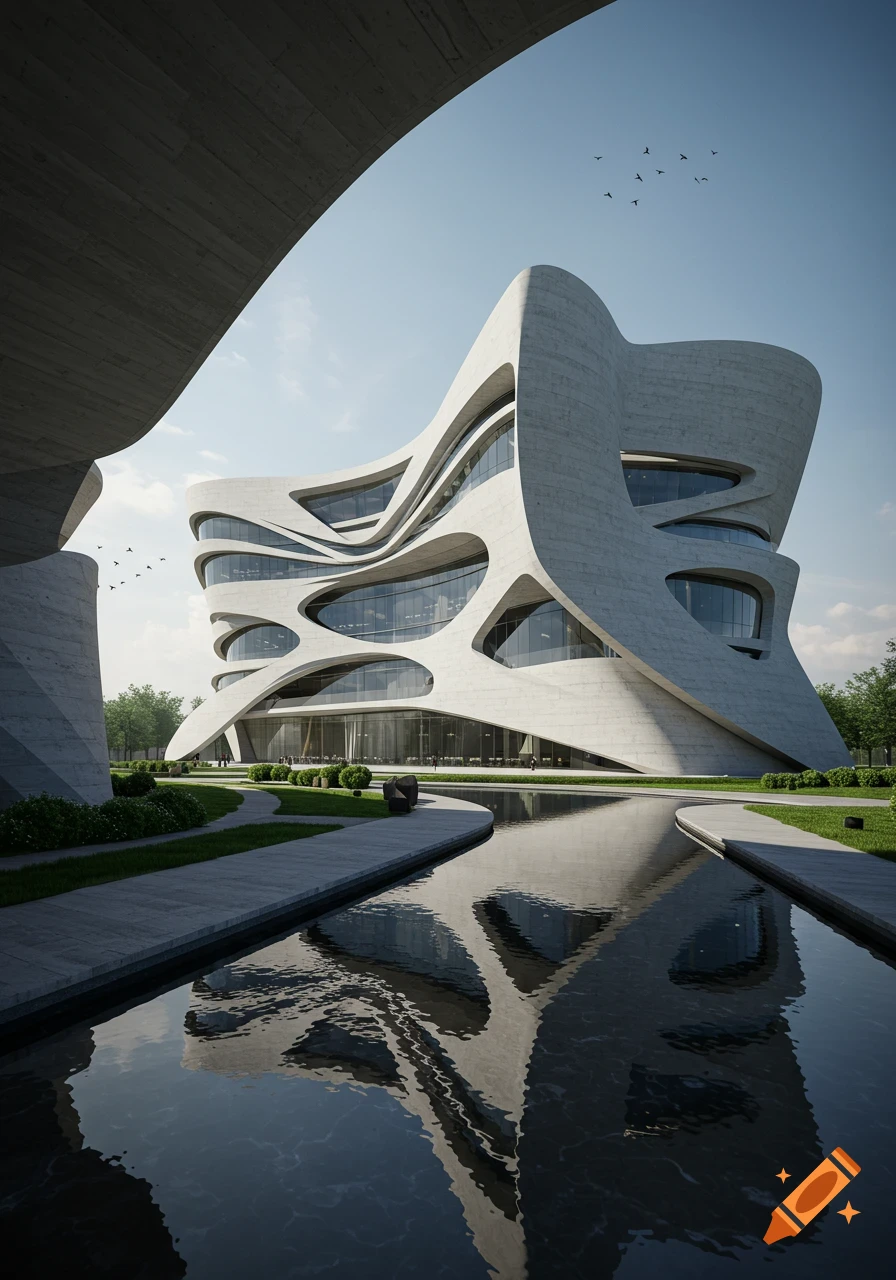
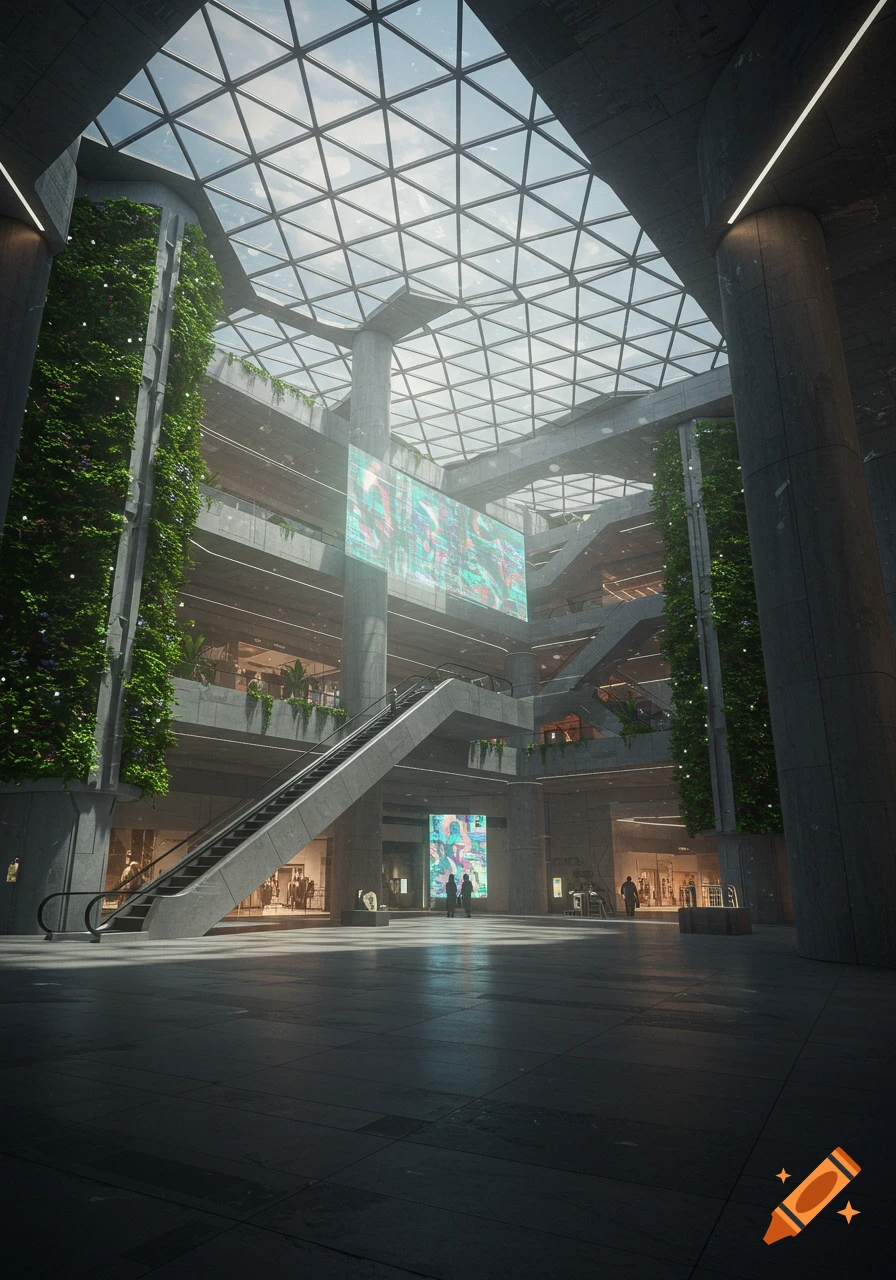
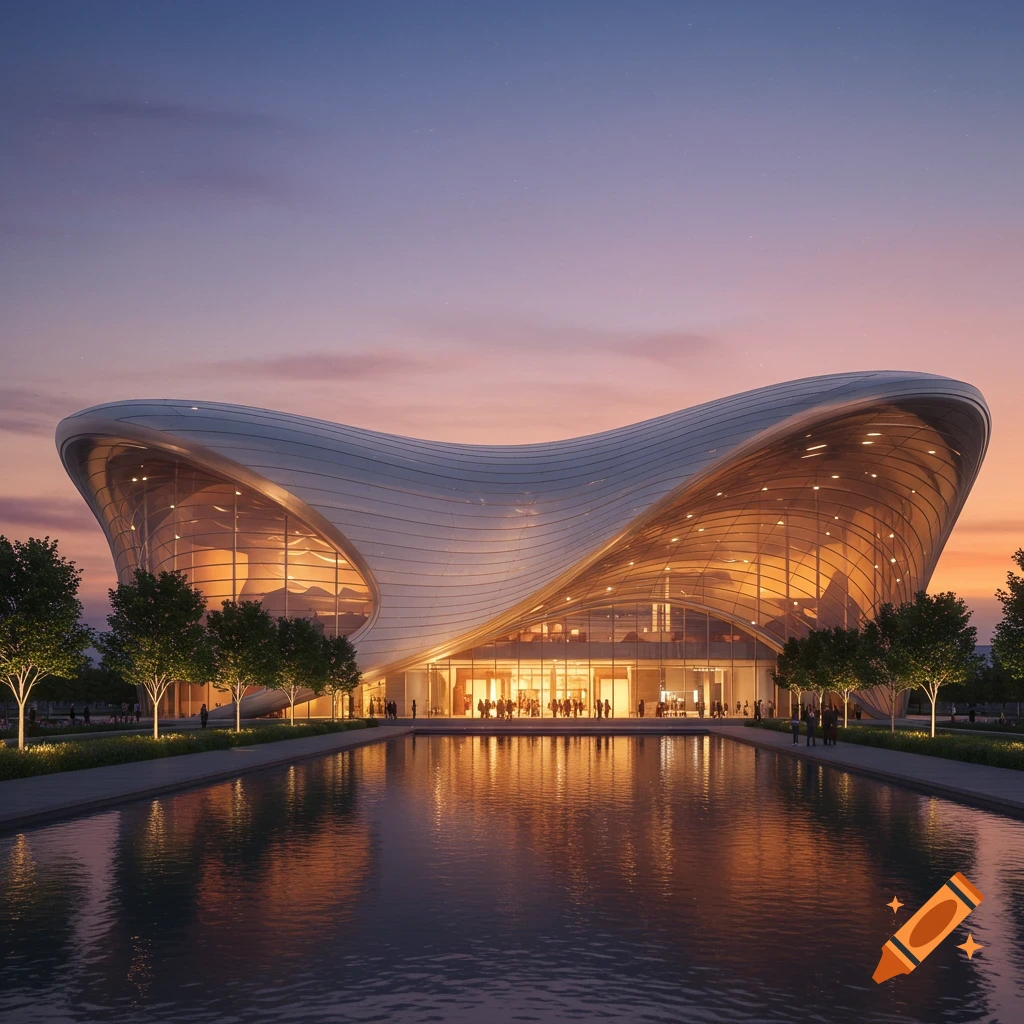
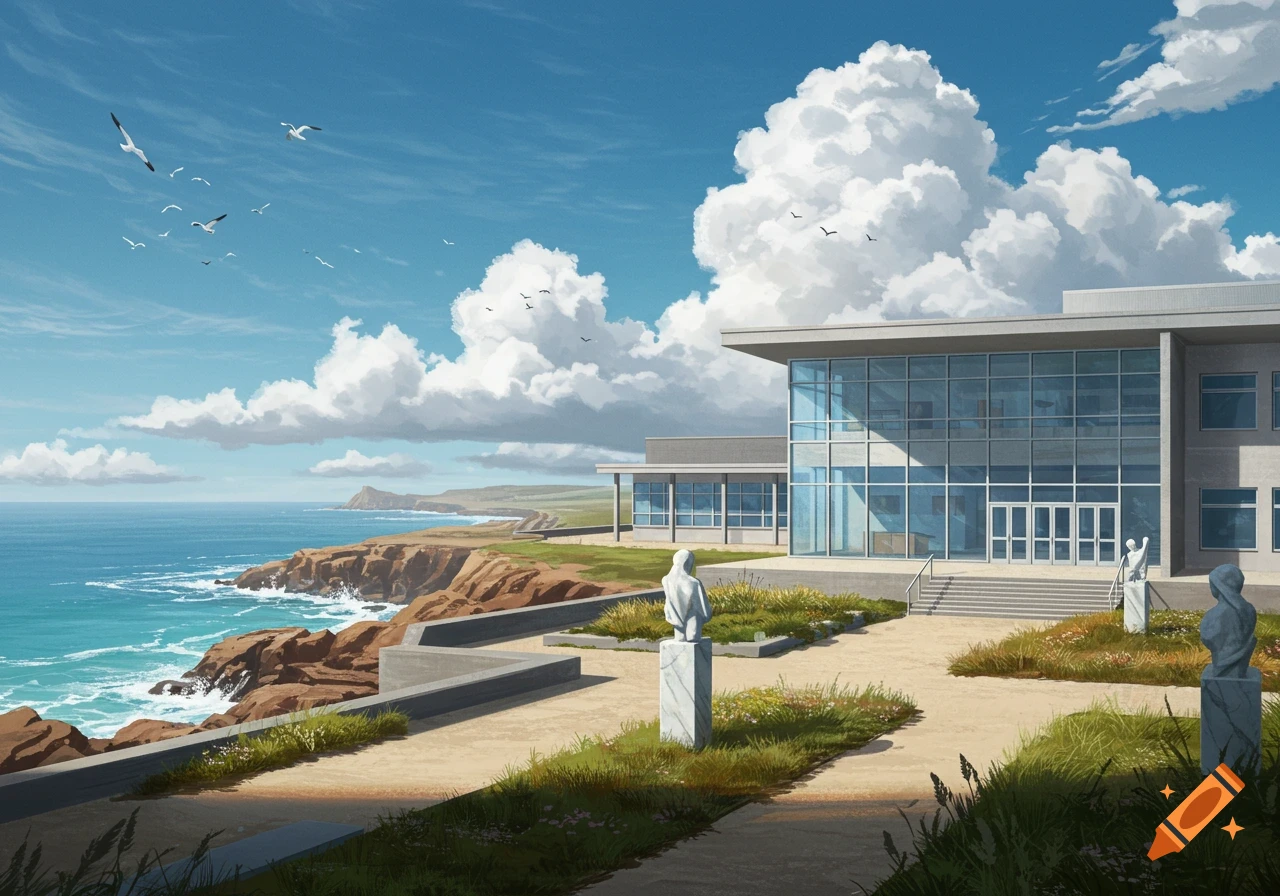
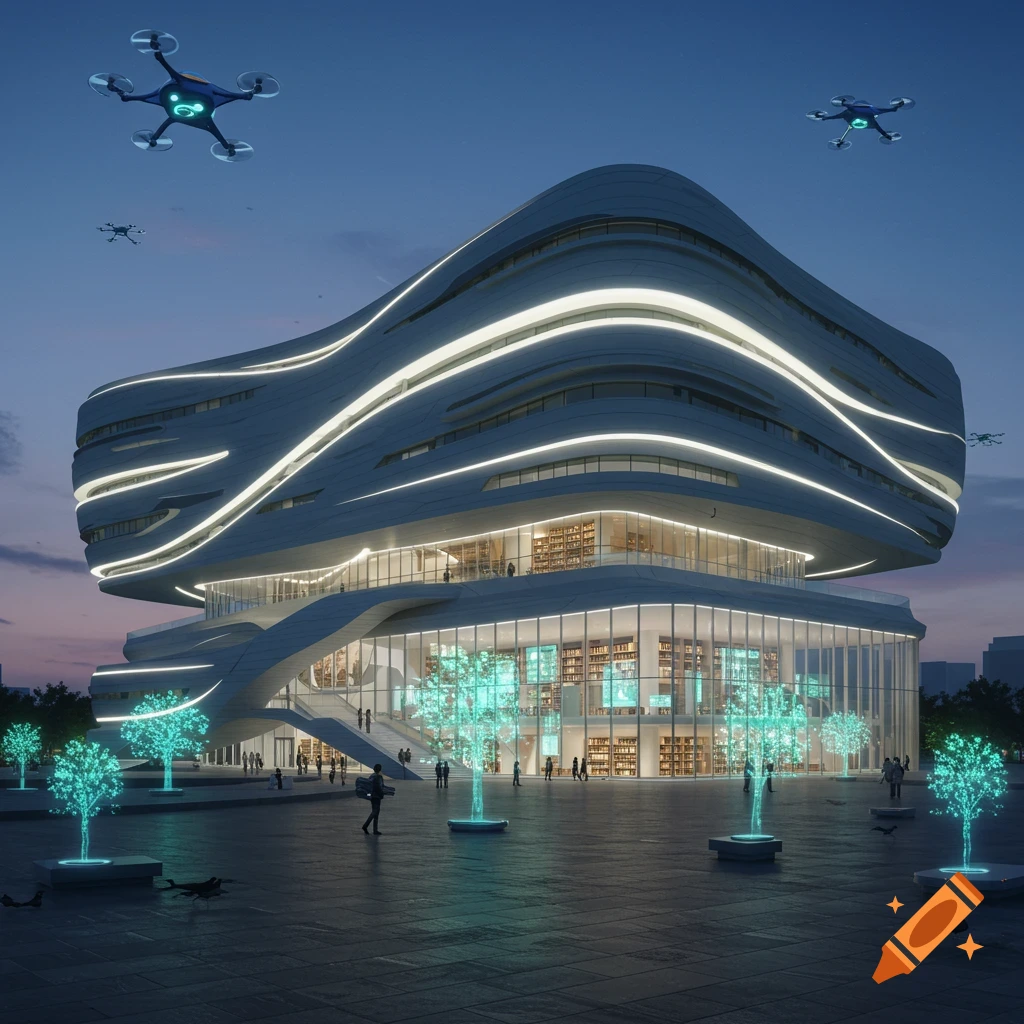
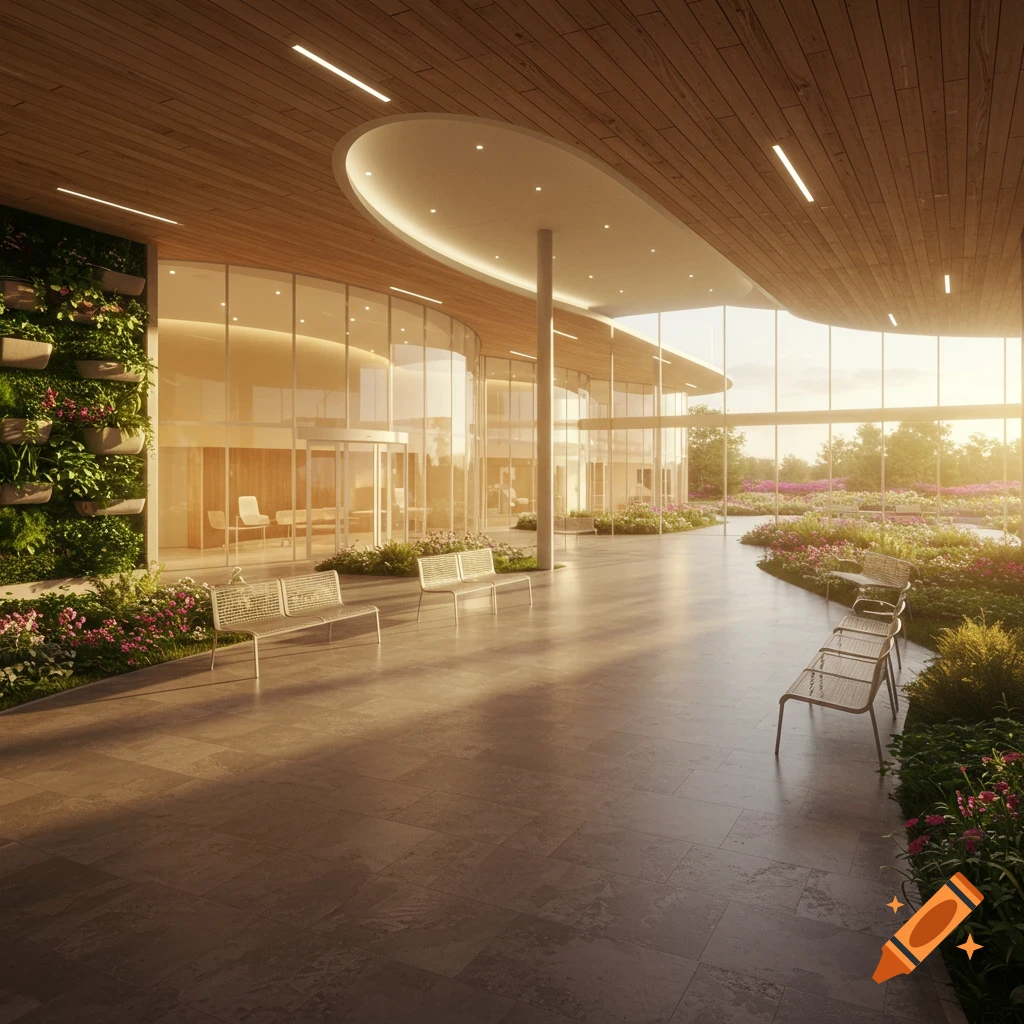
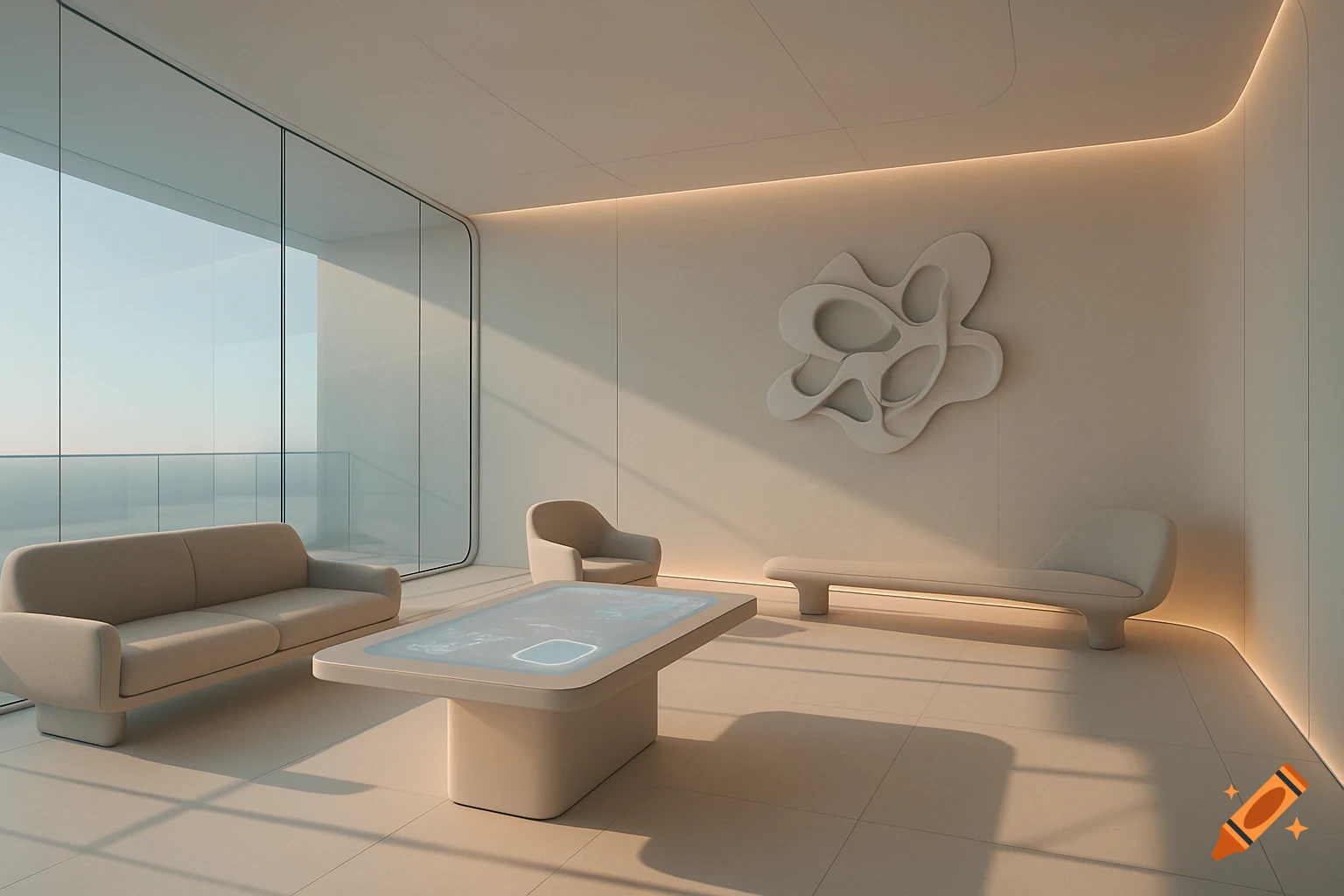
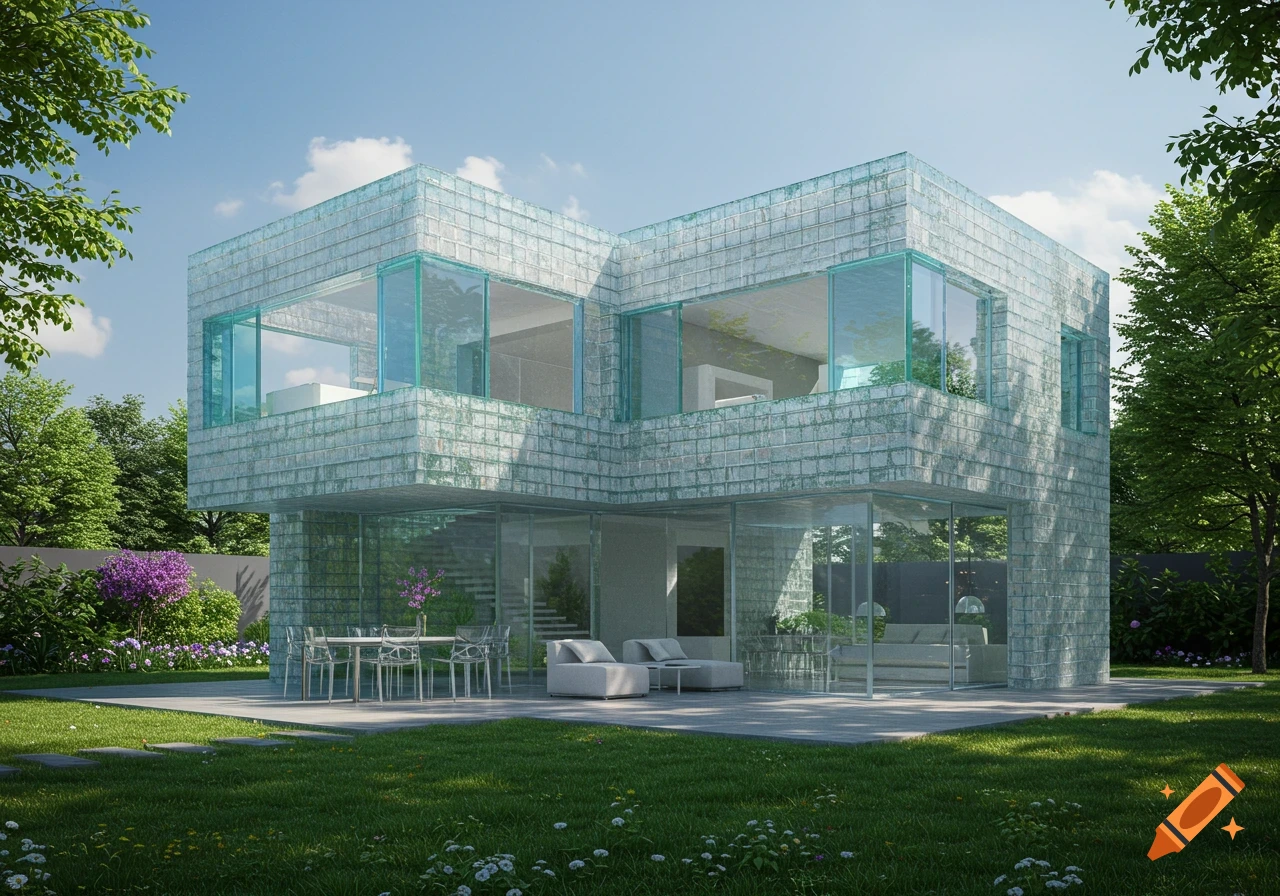
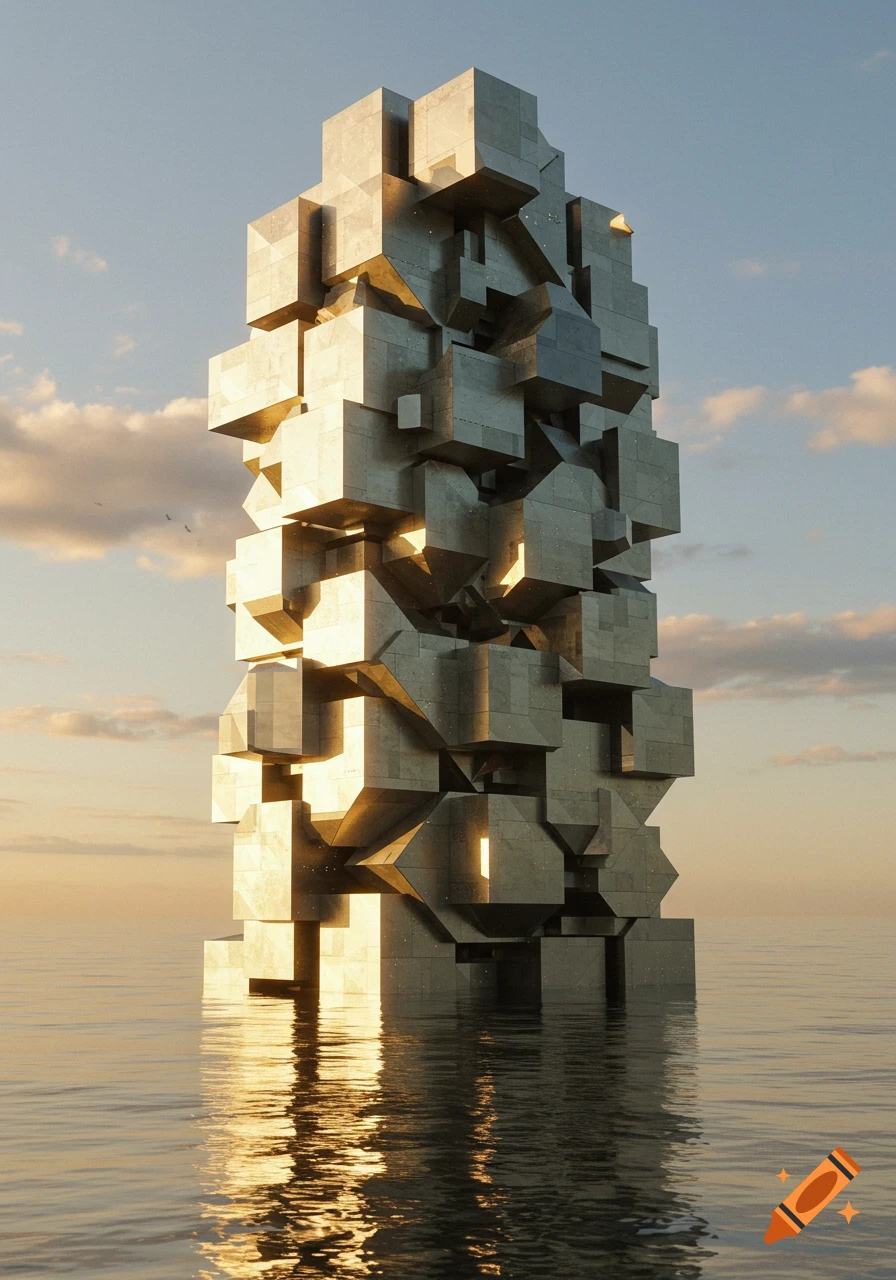
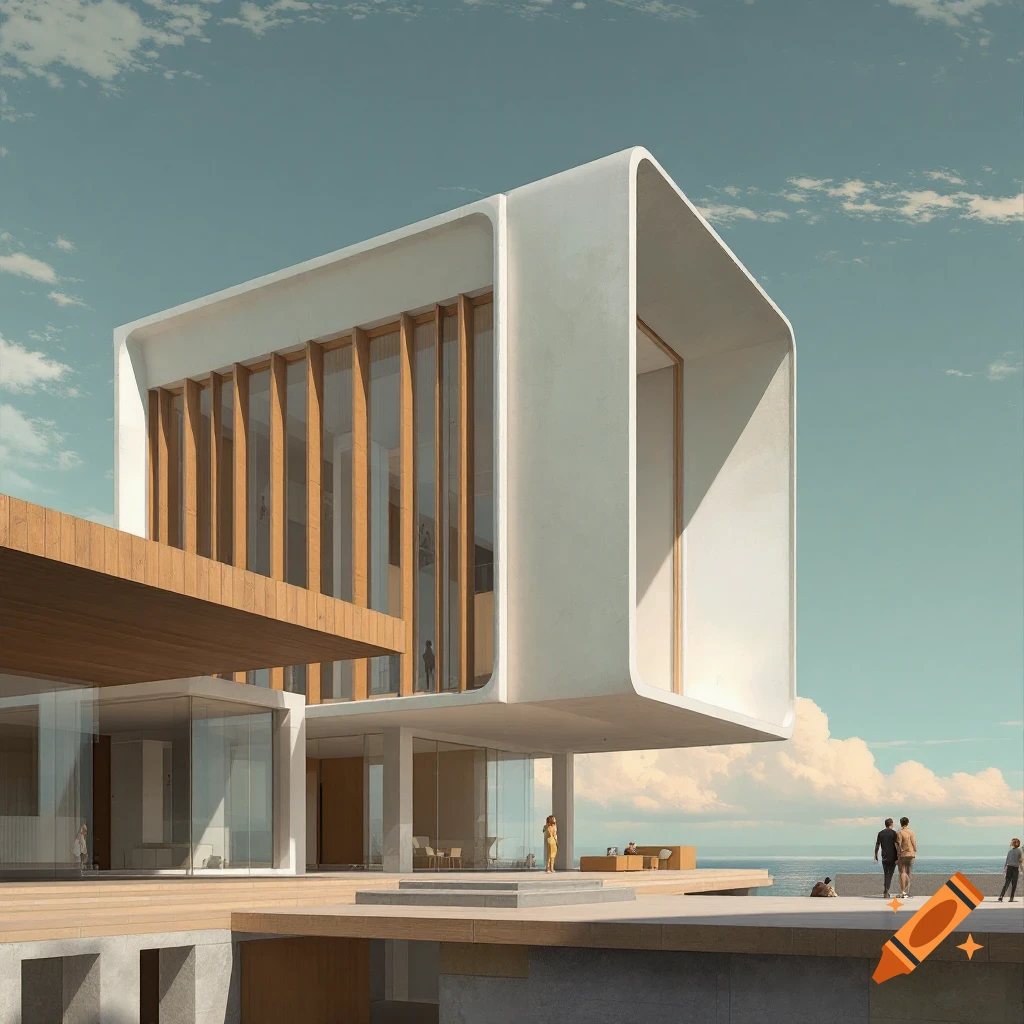
A photorealistic render of a minimalist modern building with white curved walls, glass, and wood accents overlooking the ocean under a blue sky.
What is delight in architecture? Functionalist dogmas and the puritan attitudes of the modern movement have often come under attack. Yet the ancient idea of pleasure still seems sacrilegious to contemporary architectural theory. For many generations any architect who aimed for or attempted to experience pleasure in architecture was considered decadent. (Bernhard Tschumi, The Pleasure of Architecture, 1996) Can architecture express something beyond the materials from which it is constructed? Beyond the firmness of its concrete, cross-laminated timber and cantilevers? Can it express something beyond its utility, its function? Can it express delight? Vitruvius, Roman architect and engineer, famously coined the triad of “firmness, commodity, and delight” (Latin: firmitas, utilitas et venustas). Assuming a building is structurally sound and fulfils its functional requirements, how can it instil something much harder to grasp, like pleasure, beauty or delight? And what is delight? Is it a purely subjective experience? Or can it be something objective and measured? Does it only involve the senses, or can it be intellectual as well? Can it be a collective experience, or even a civic right? A symbol or reminder of something? Can delight emerge between fulfilling a need and disrupting, or subverting, society’s expectations? Most importantly, what are the architectural means and techniques available to us, as designers, to evoke delight in a public space? We will seek to expand See more