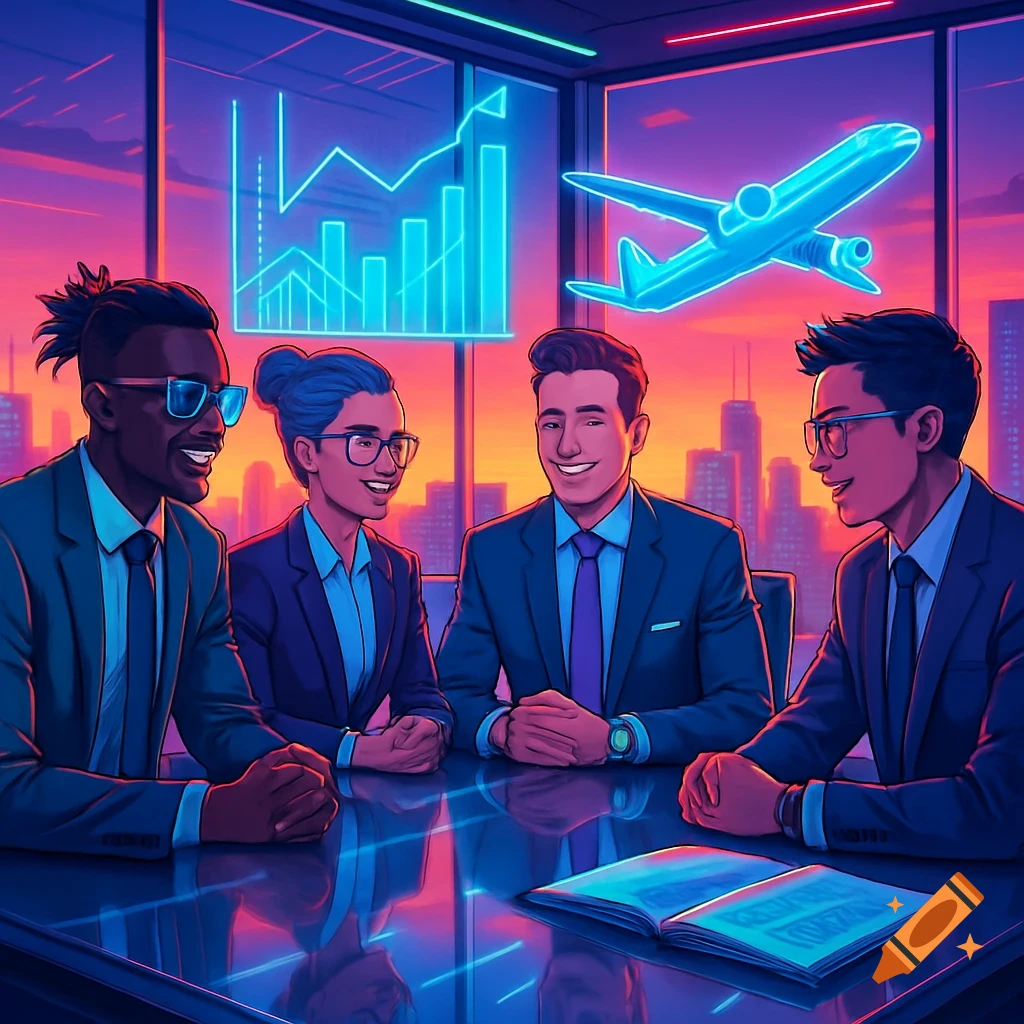
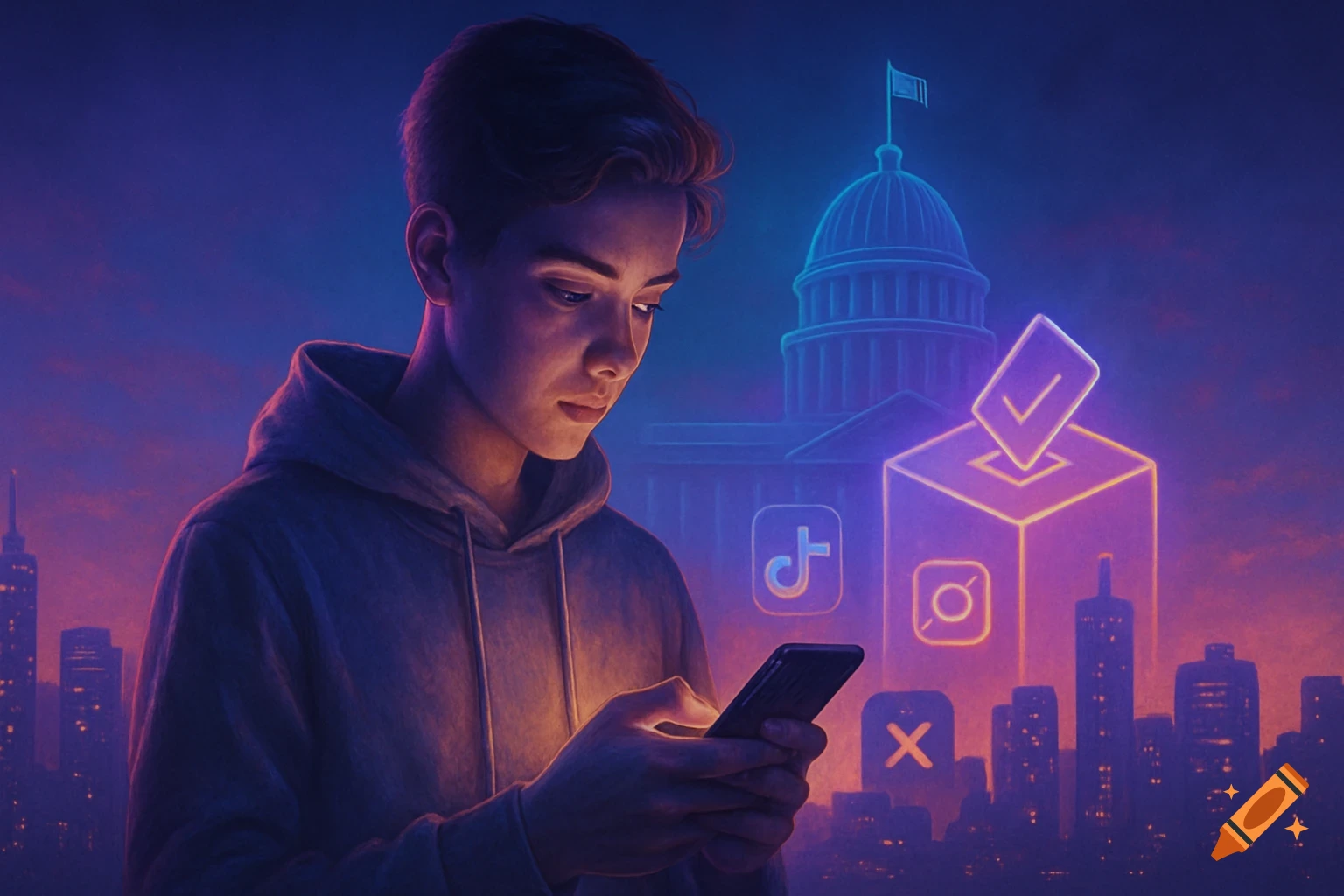
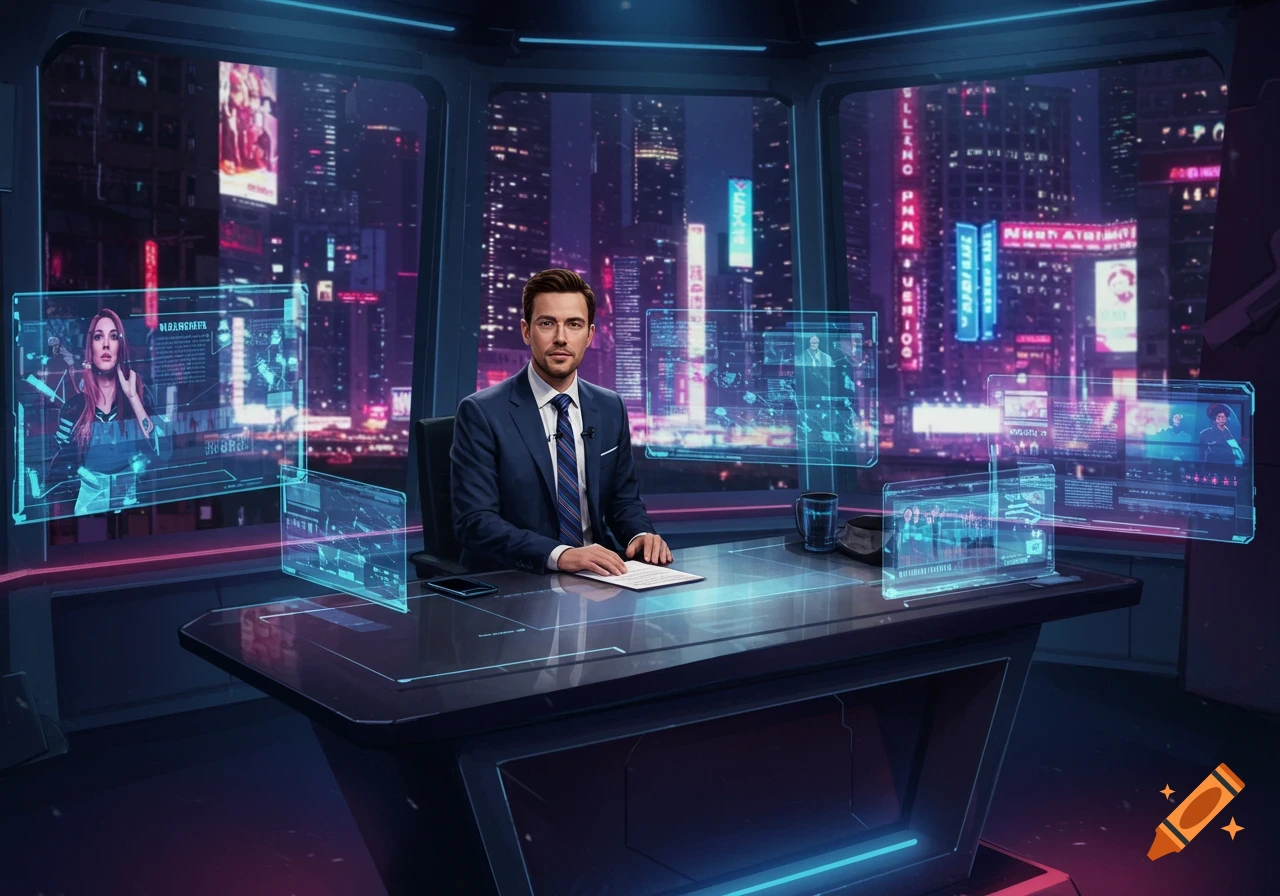
A man in a suit presents in a glowing blue digital setting surrounded by social media logos for TikTok, YouTube, and engagement metrics.

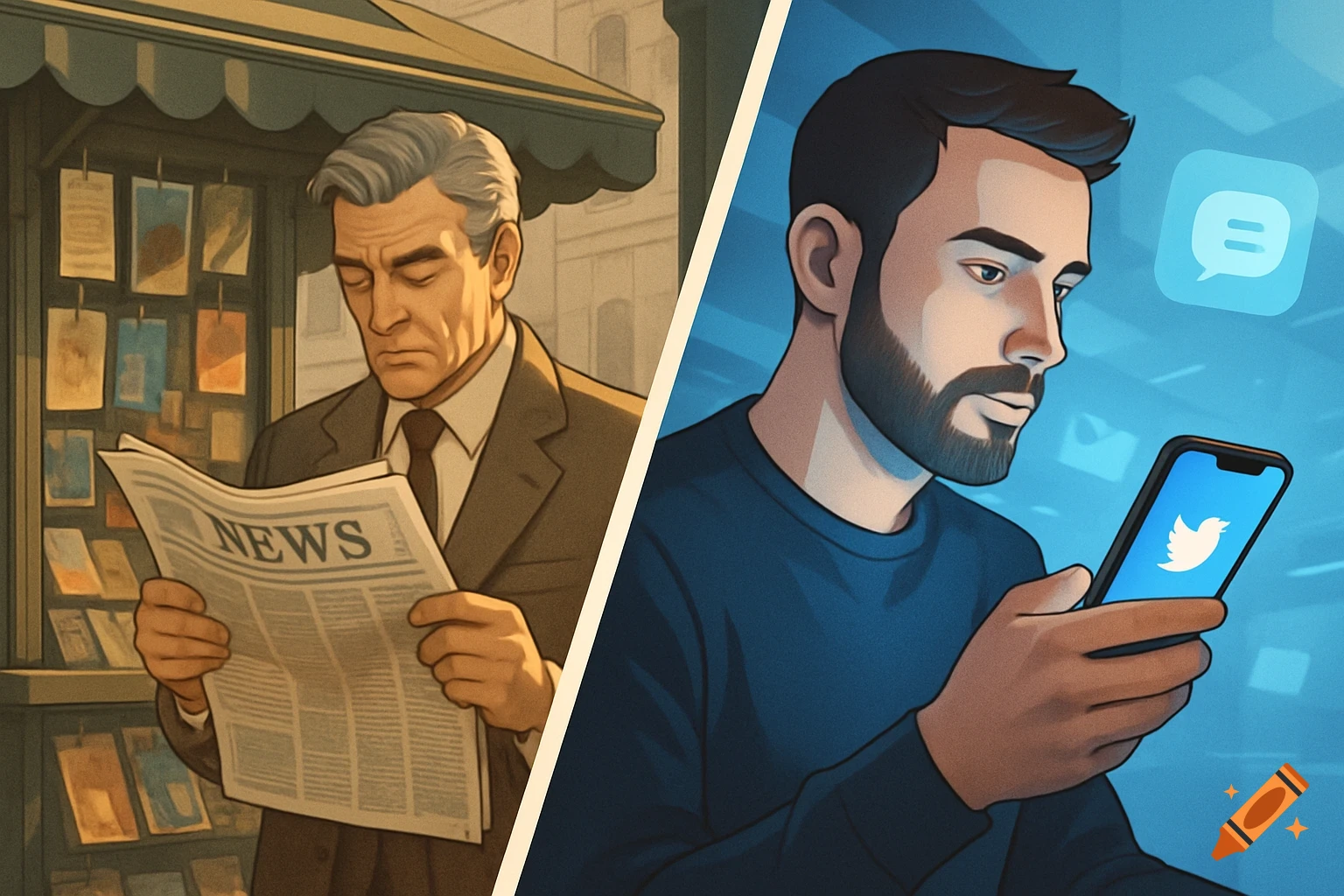
The future of late-night TV involves a significant shift from traditional linear broadcasts to digital, on-demand content, driven by declining viewership, shrinking ad revenue, and the rise of social media platforms (TikTok, YouTube) offering instant commentary and satire, leading networks to cut costs (like removing bands) or even cancel shows (like Colbert's), with hosts adapting by creating new formats (Fallon's brand show) or extending online presence, but the traditional 11:30 p.m. slot faces potential disappearance as the ecosystem struggles to sustain itself. Key Challenges & Trends: Audience Fragmentation: Younger viewers prefer on-demand clips, podcasts, and social media for news/comedy, bypassing late-night shows. Financial Strain: Shows are losing money (Colbert's reportedly $40M/year), leading to drastic cost-cutting measures. Content Competition: Platforms like TikTok and YouTube offer immediate, diverse content, making traditional, scheduled late-night feel slow. Show Reductions: NBC cut The Tonight Show to four nights; Late Night with Seth Meyers lost its band. Adaptations & Future Possibilities: Digital-First Models: Hosts leverage YouTube and podcasts for clips and extended content (e.g., John Oliver's strong YouTube presence). New Formats: Jimmy Fallon launched On Brand, a sponsored reality show, exploring new revenue streams. Focus on Niche & Live Events: Some shows might become more specialized or focus on live cultural moments. Potential for See more