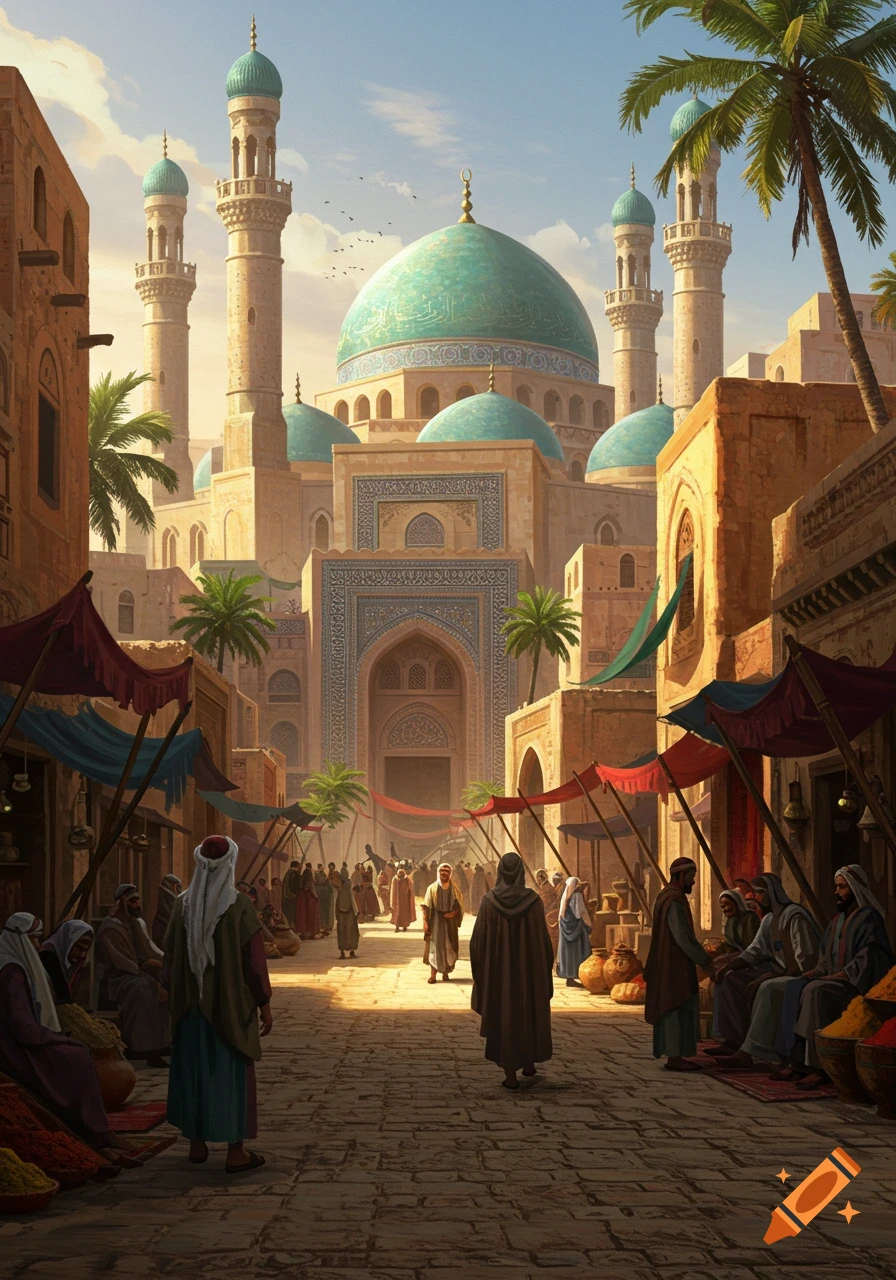
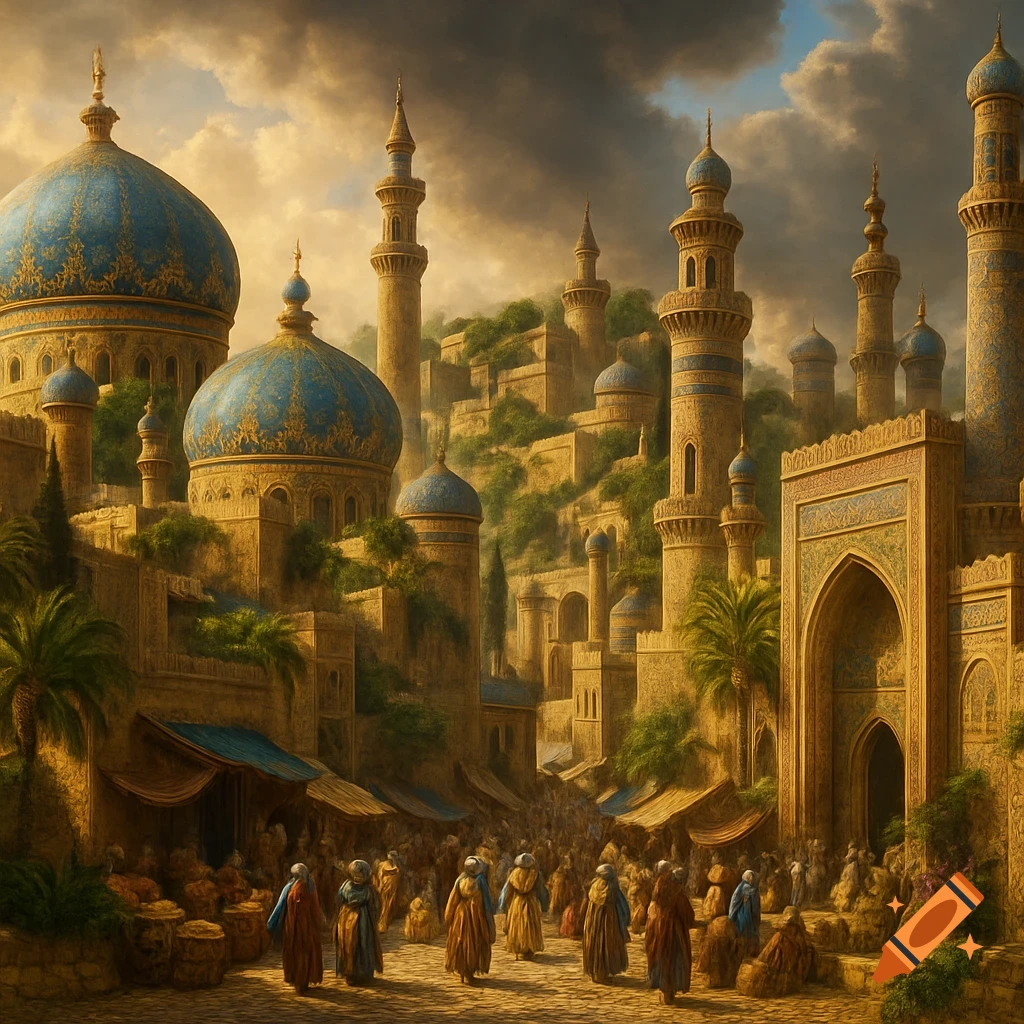
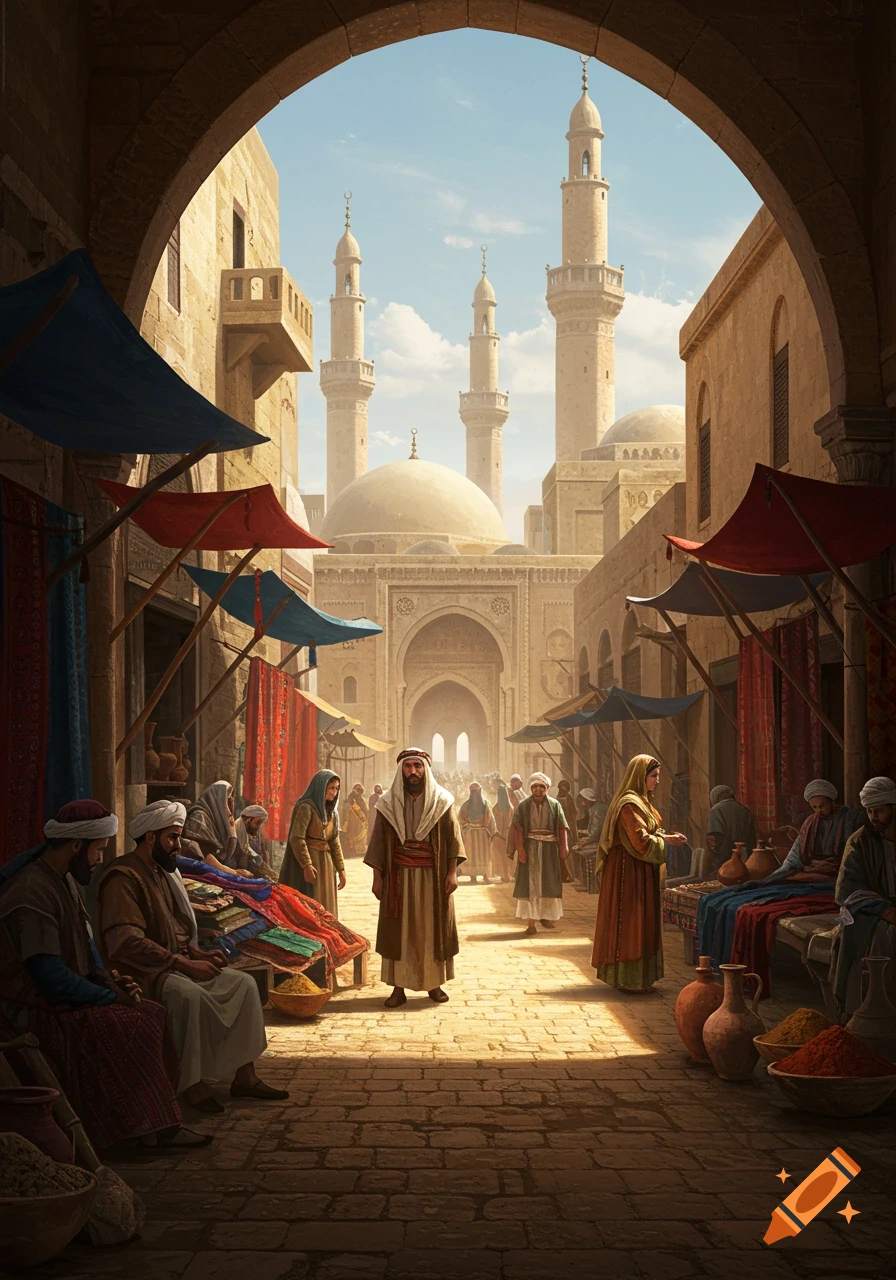
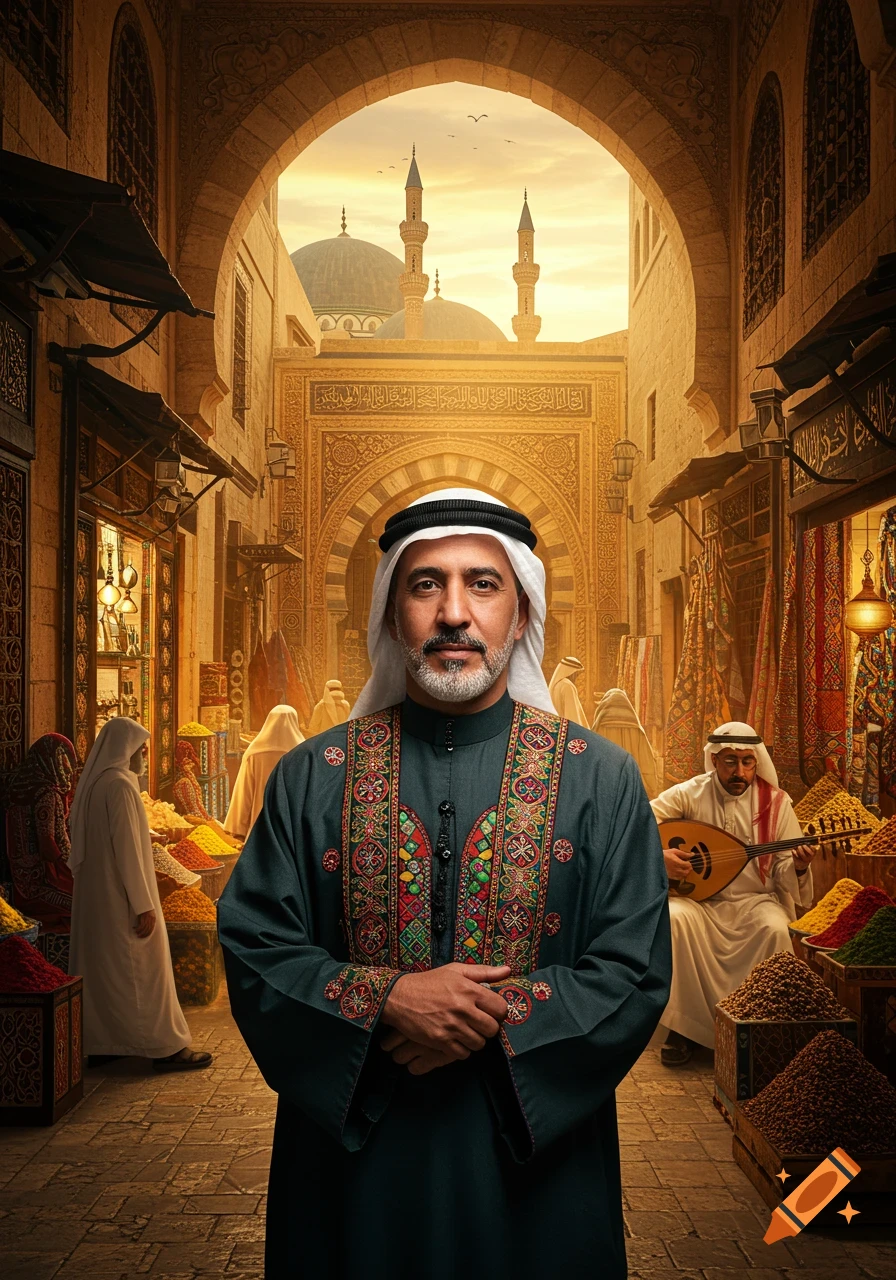
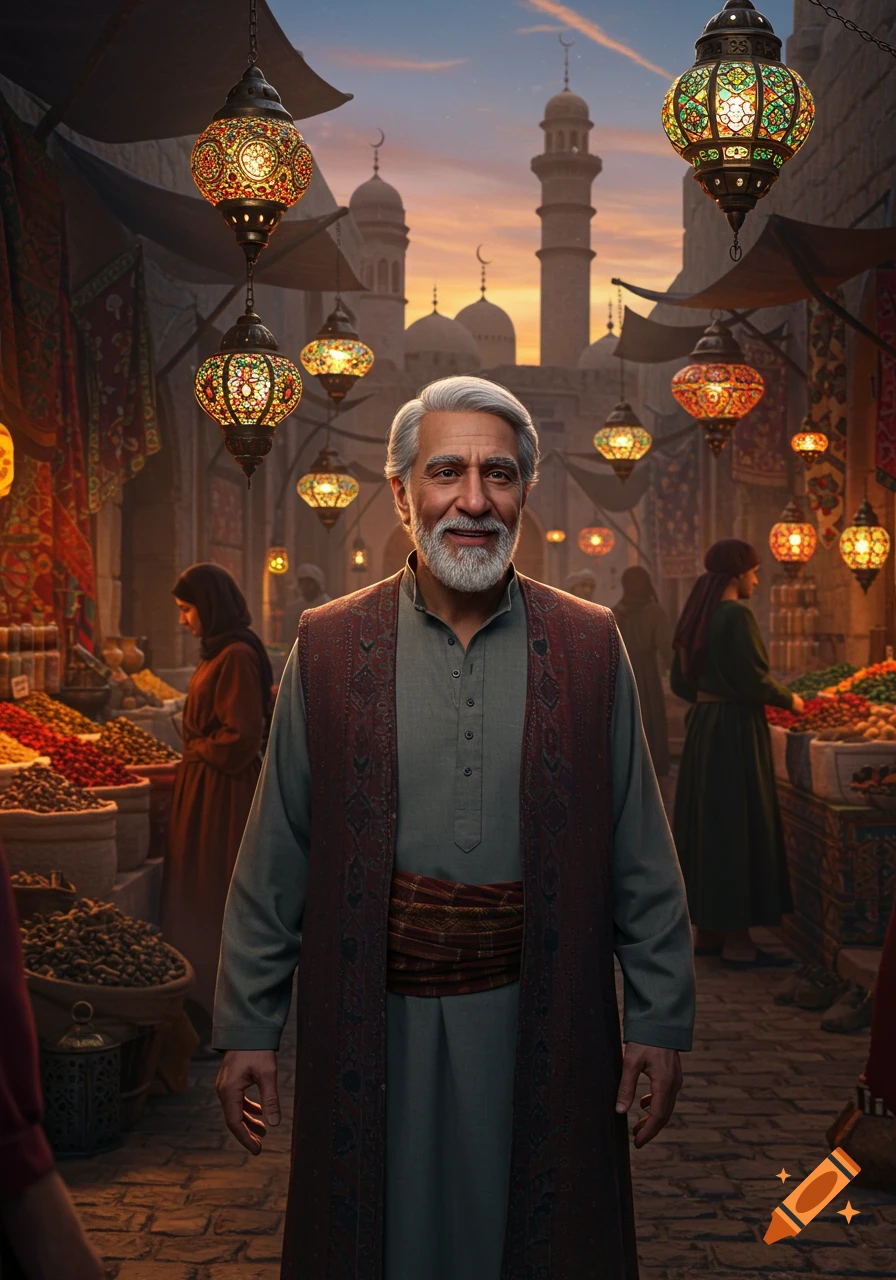
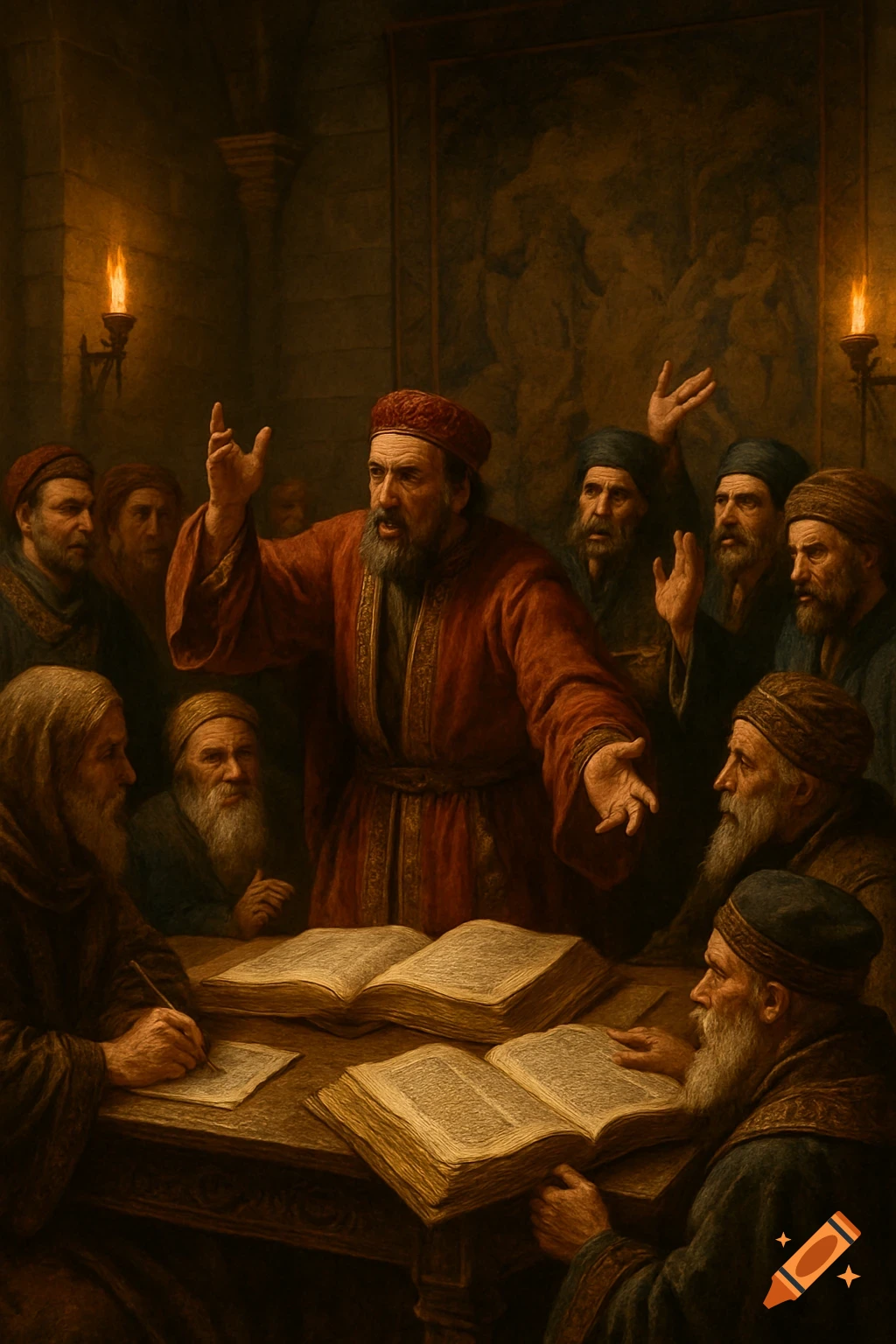
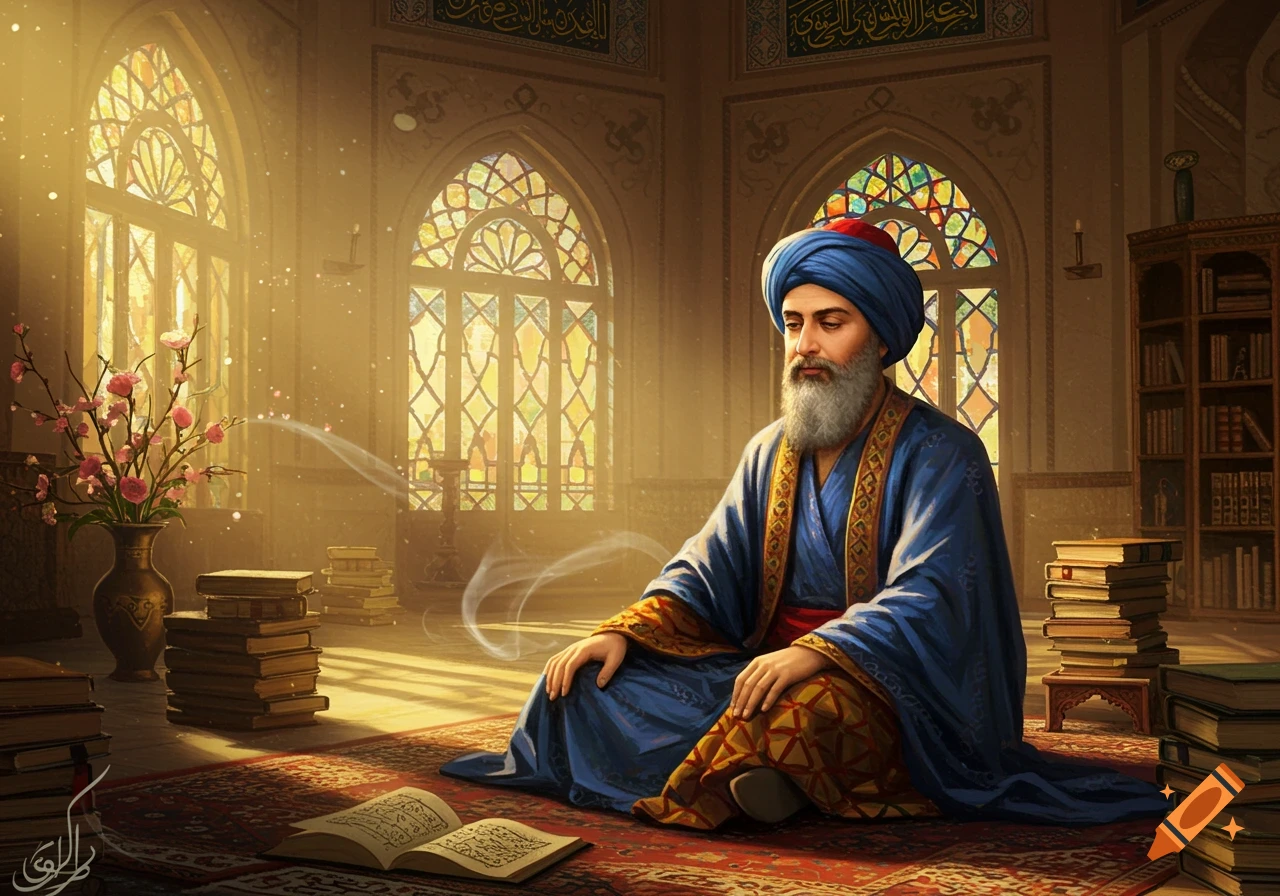
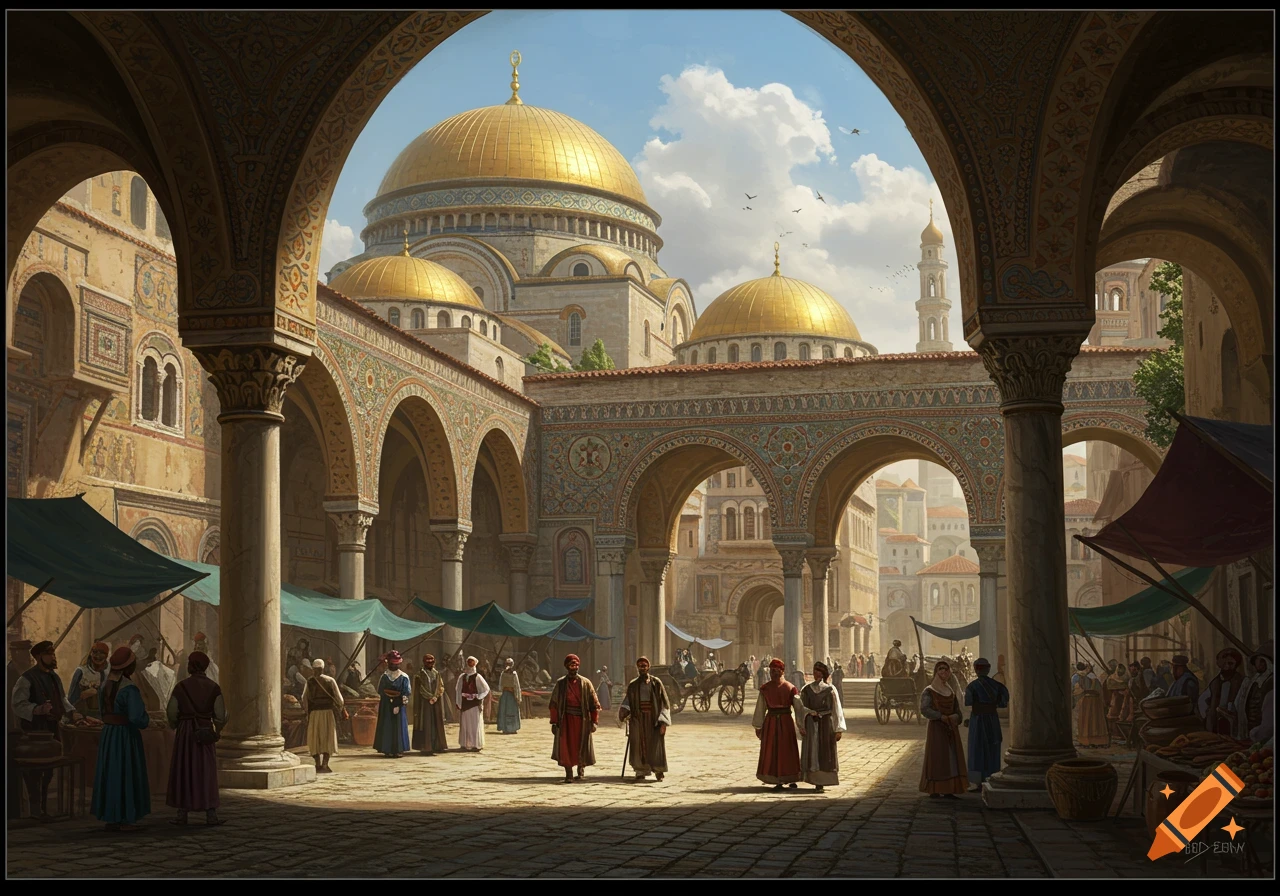
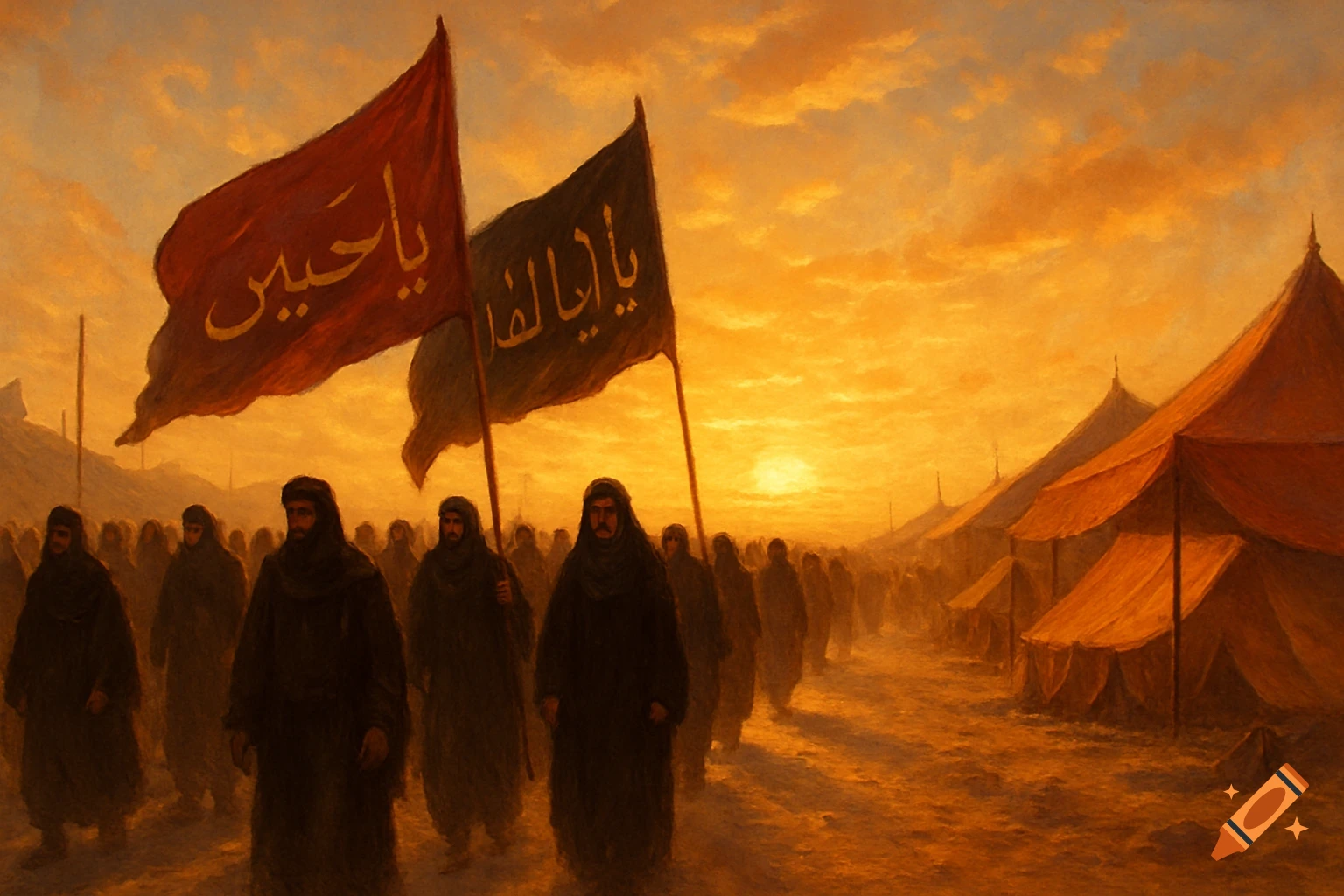
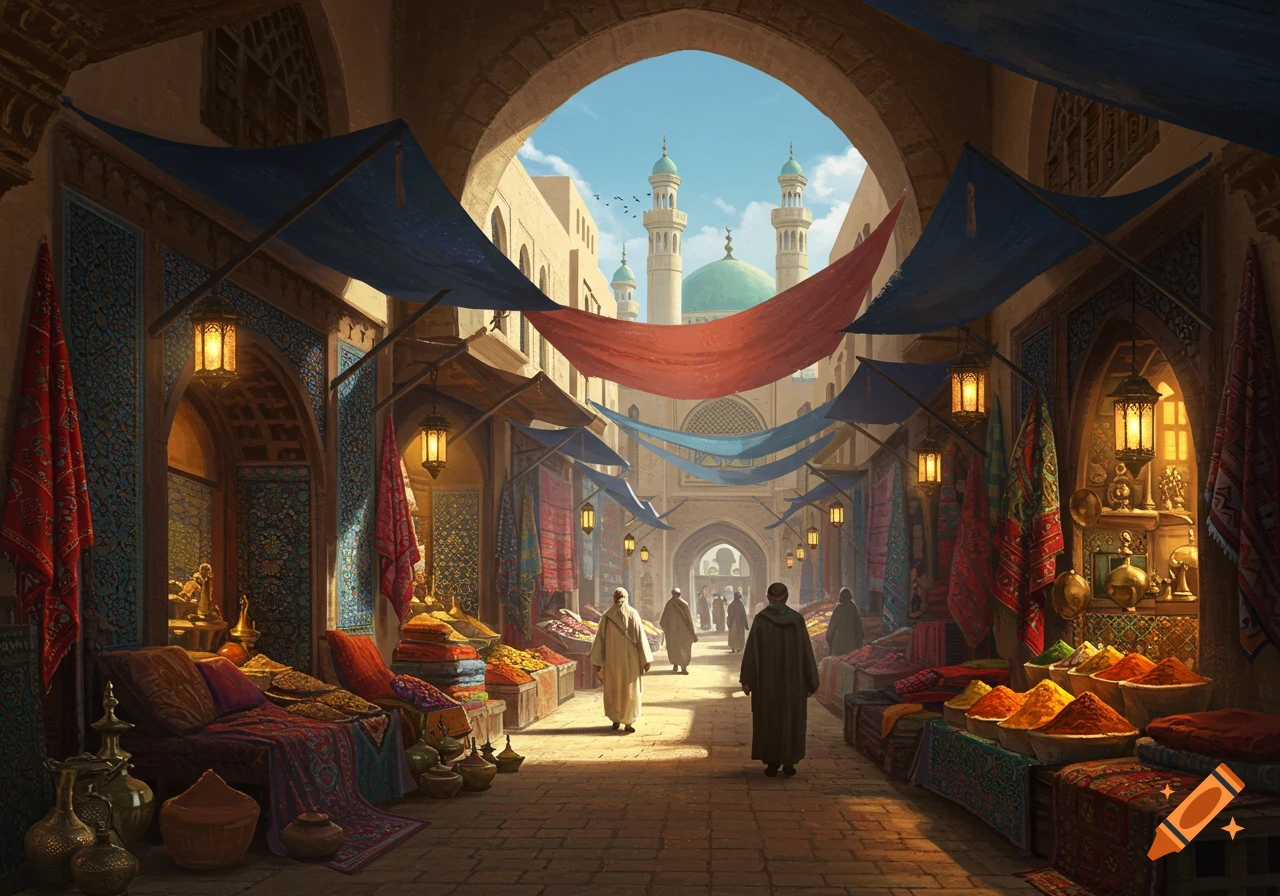
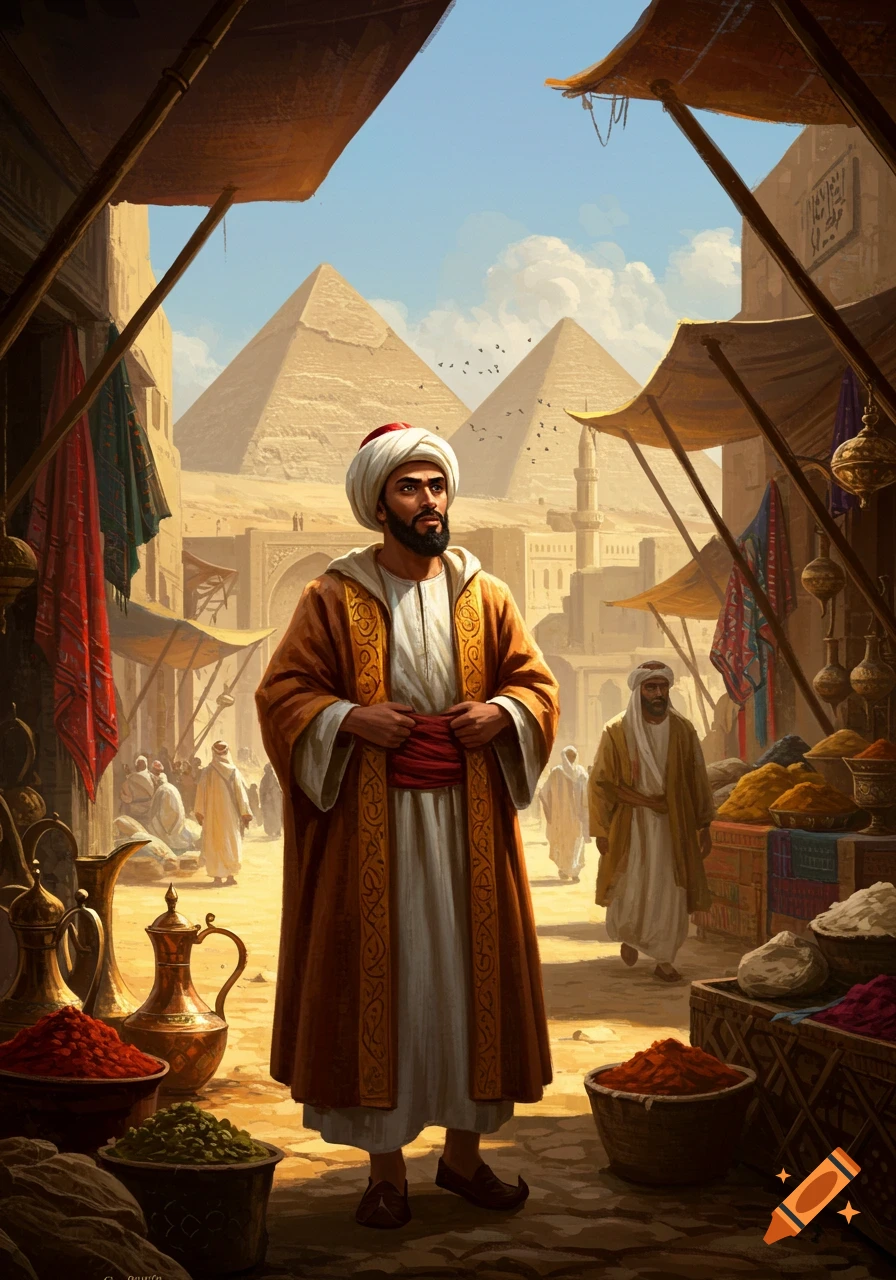
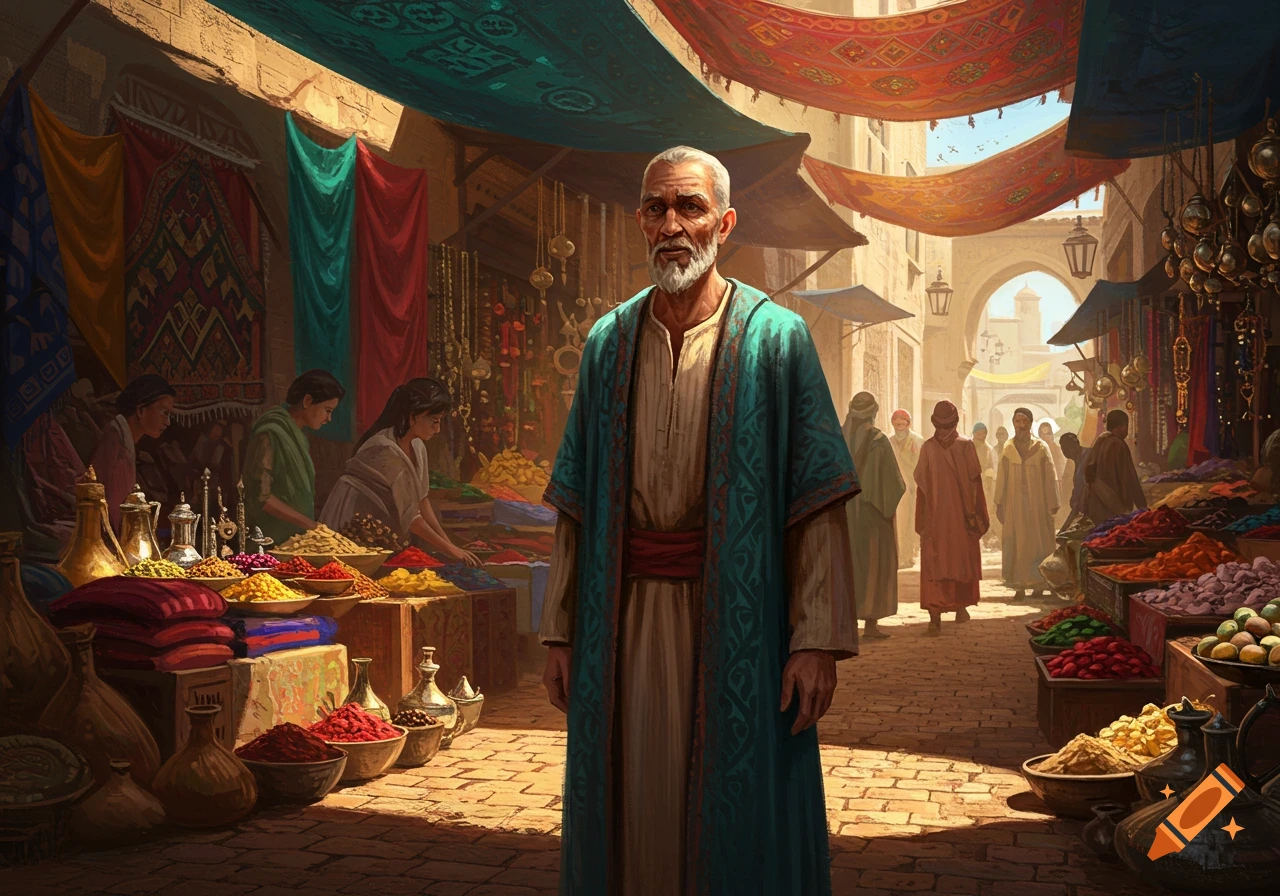
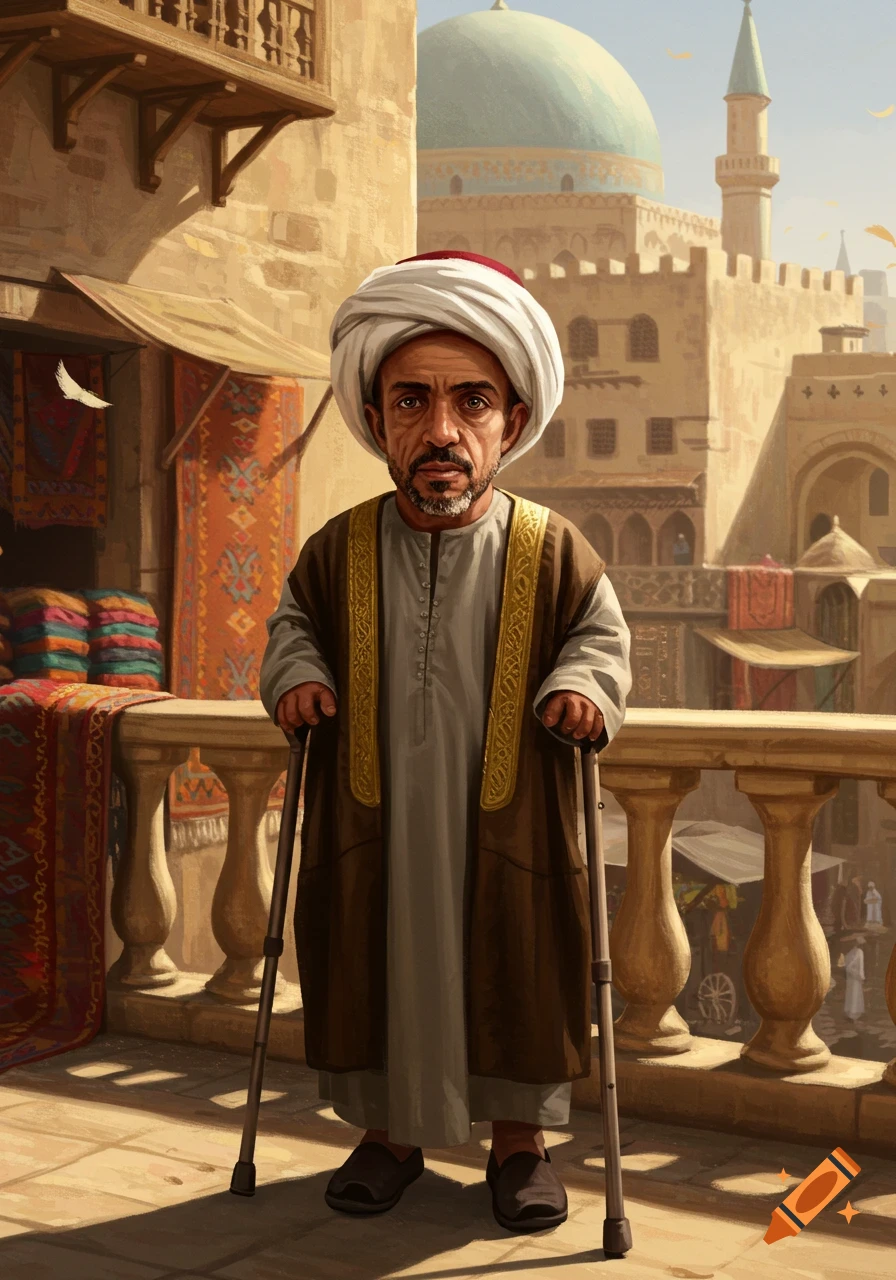
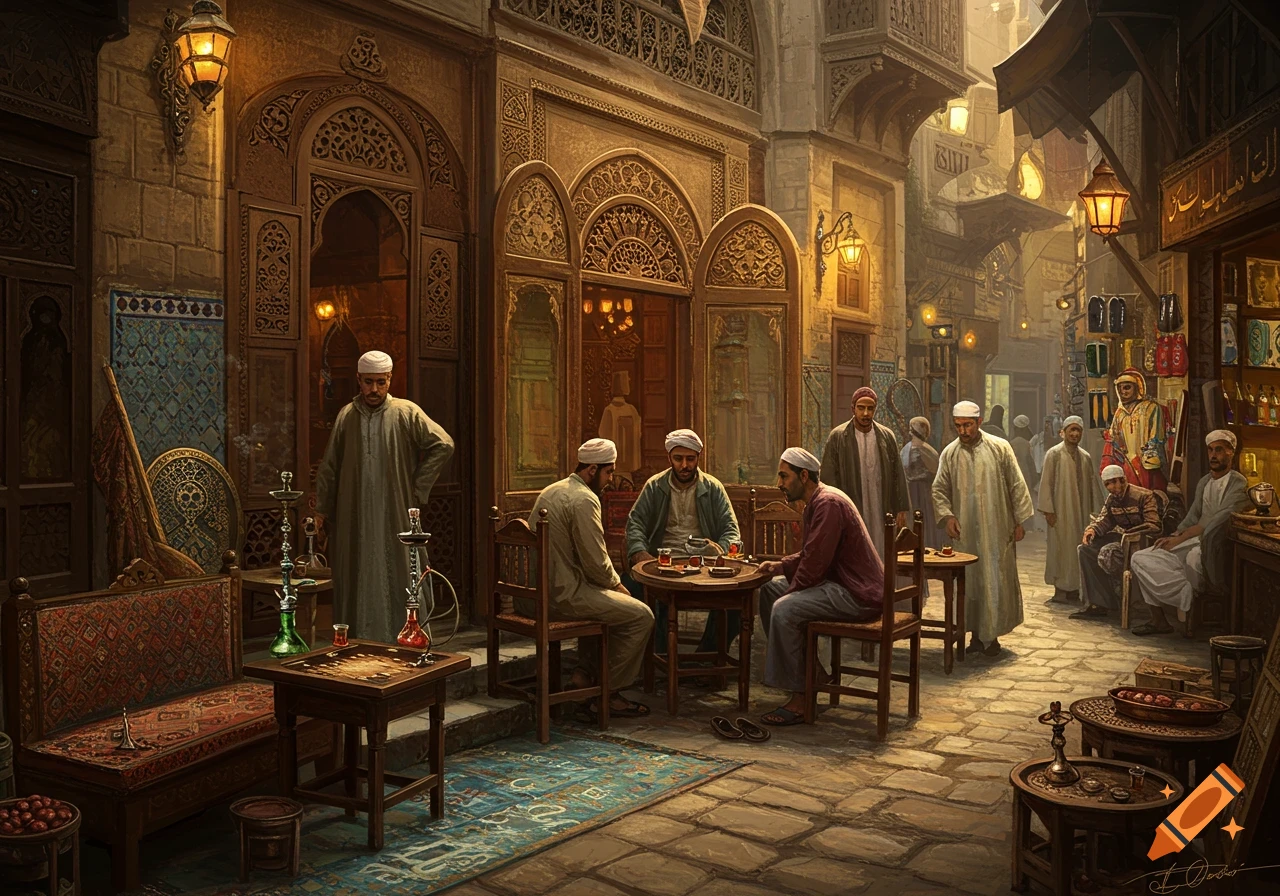
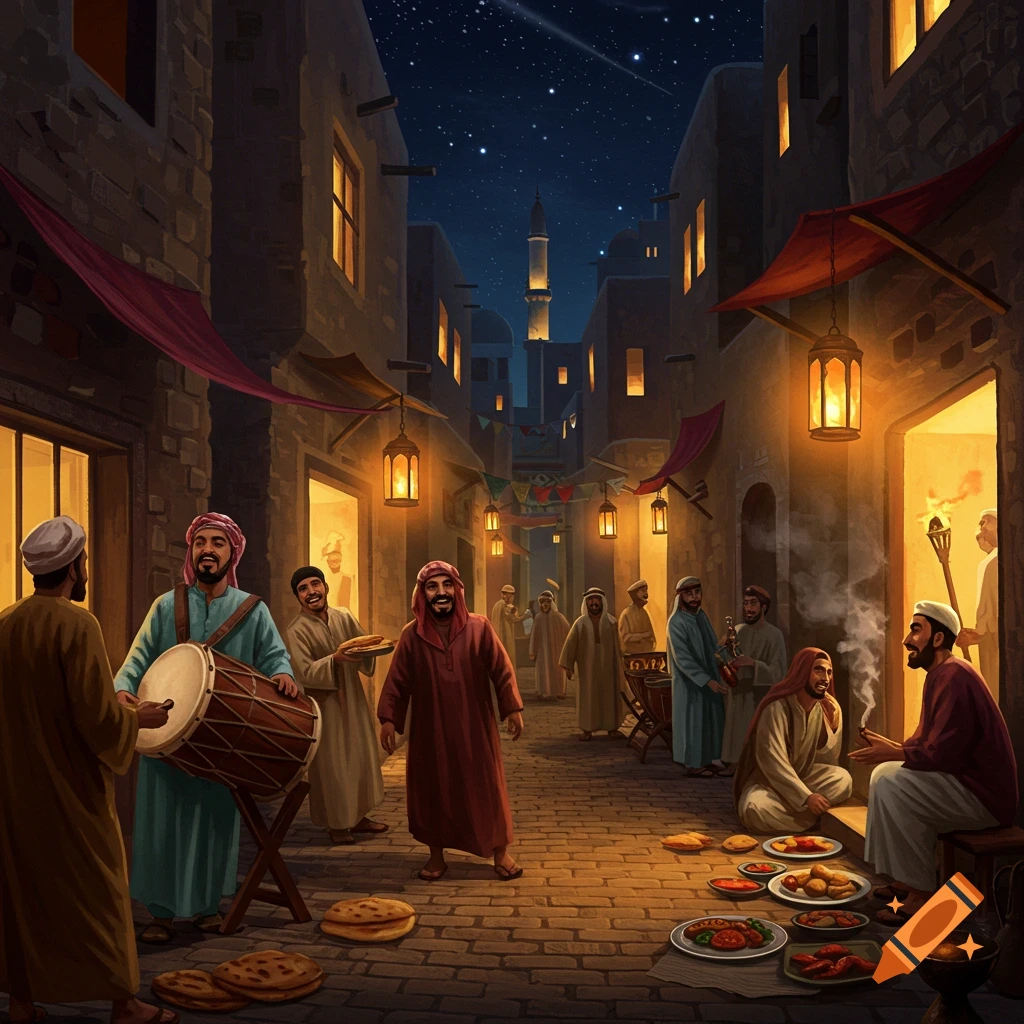
A group of men in traditional Middle Eastern attire walk through a snowy old city street with domed buildings and minarets in the background.
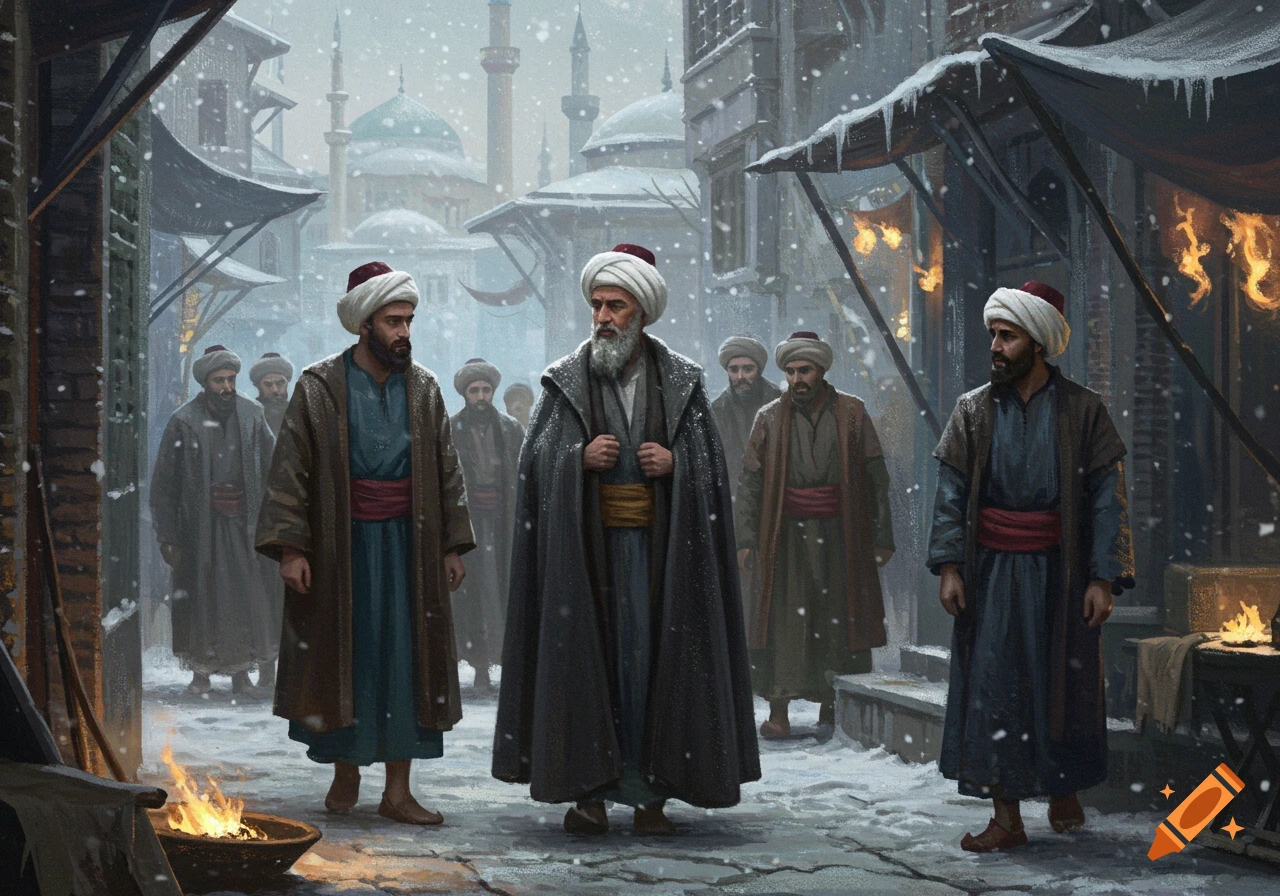
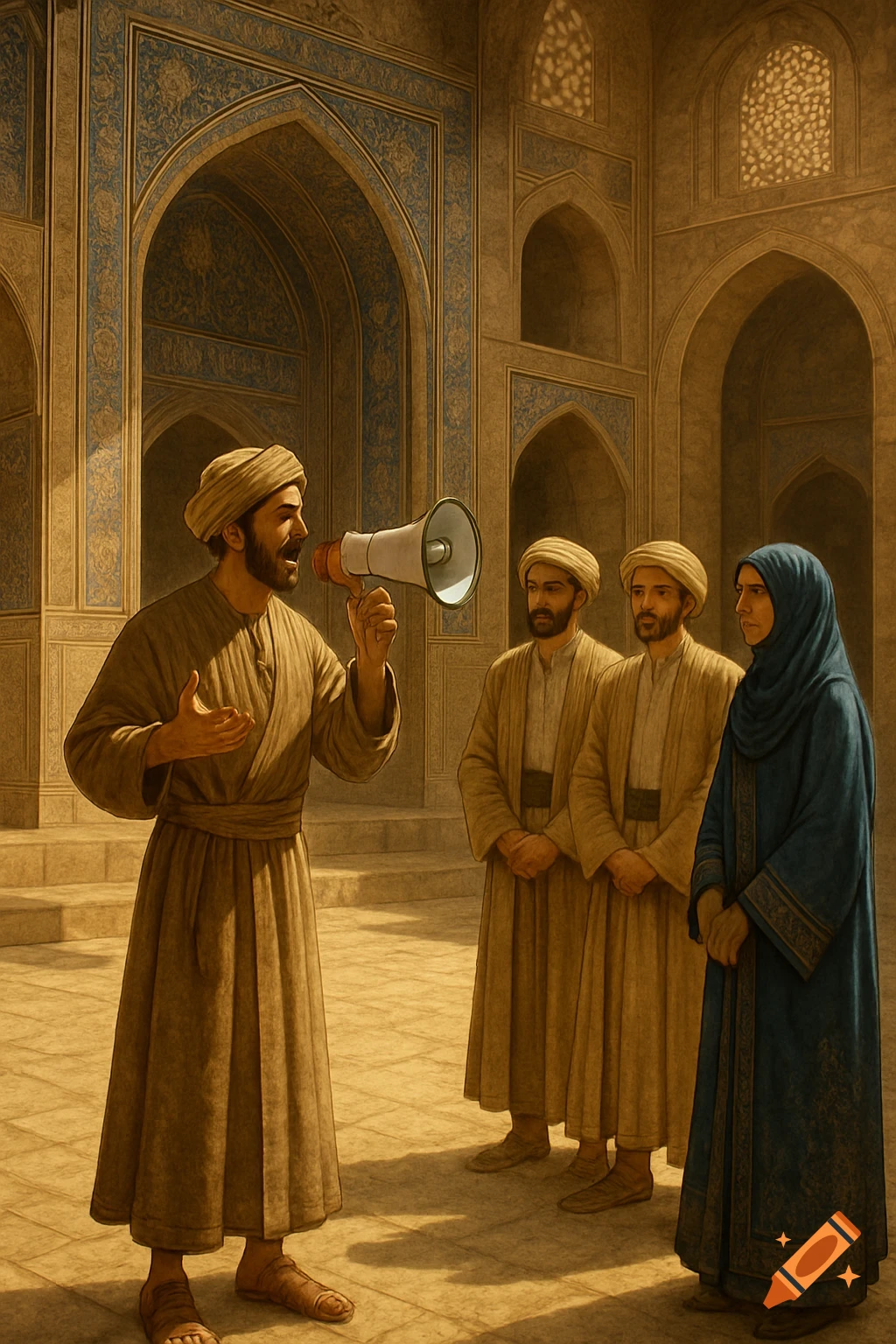
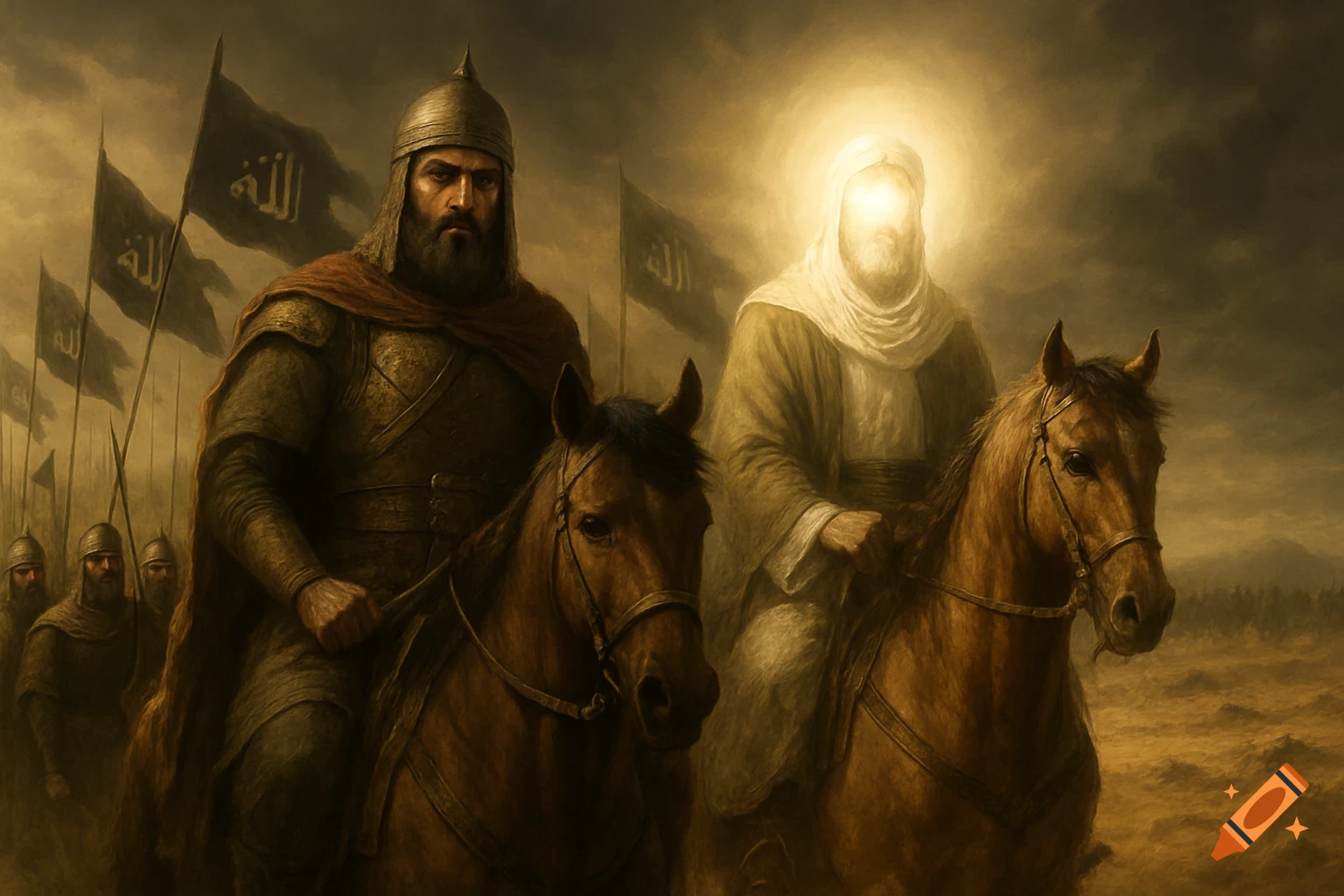
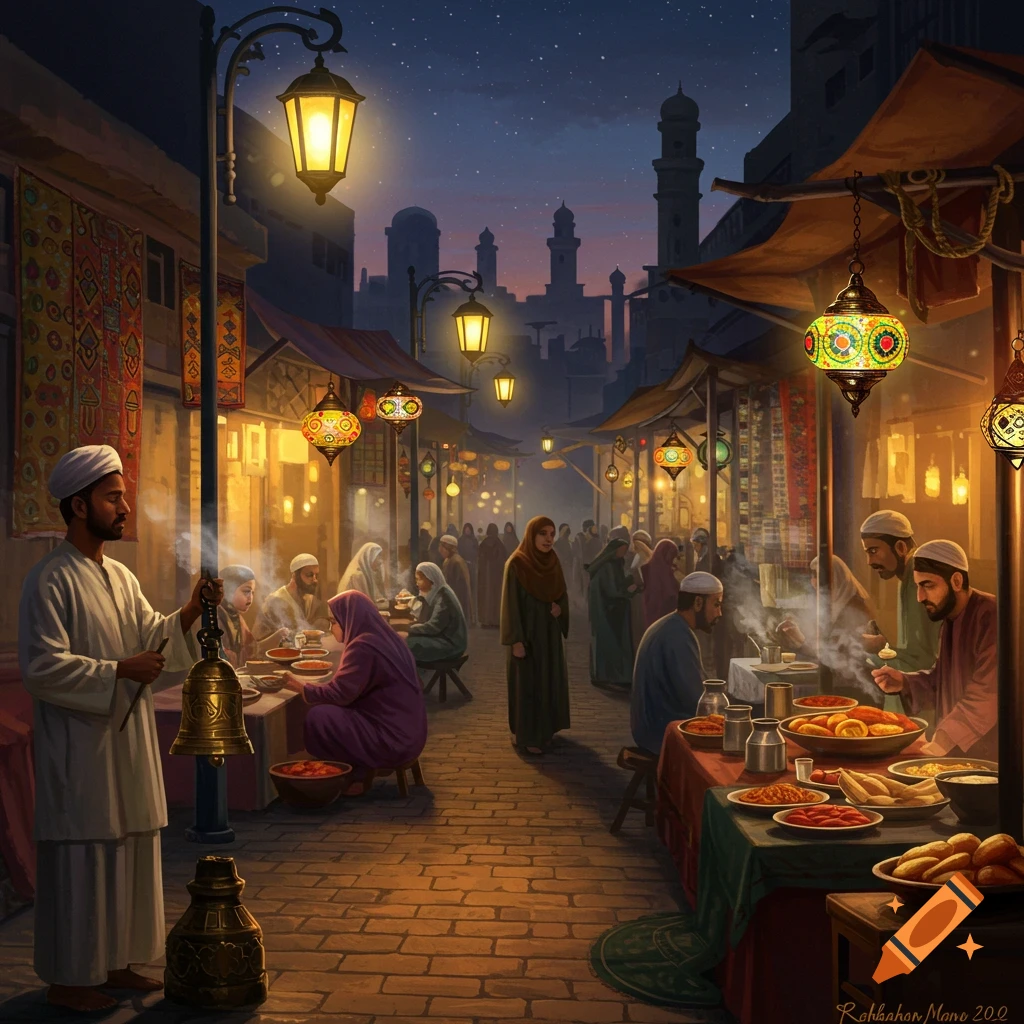
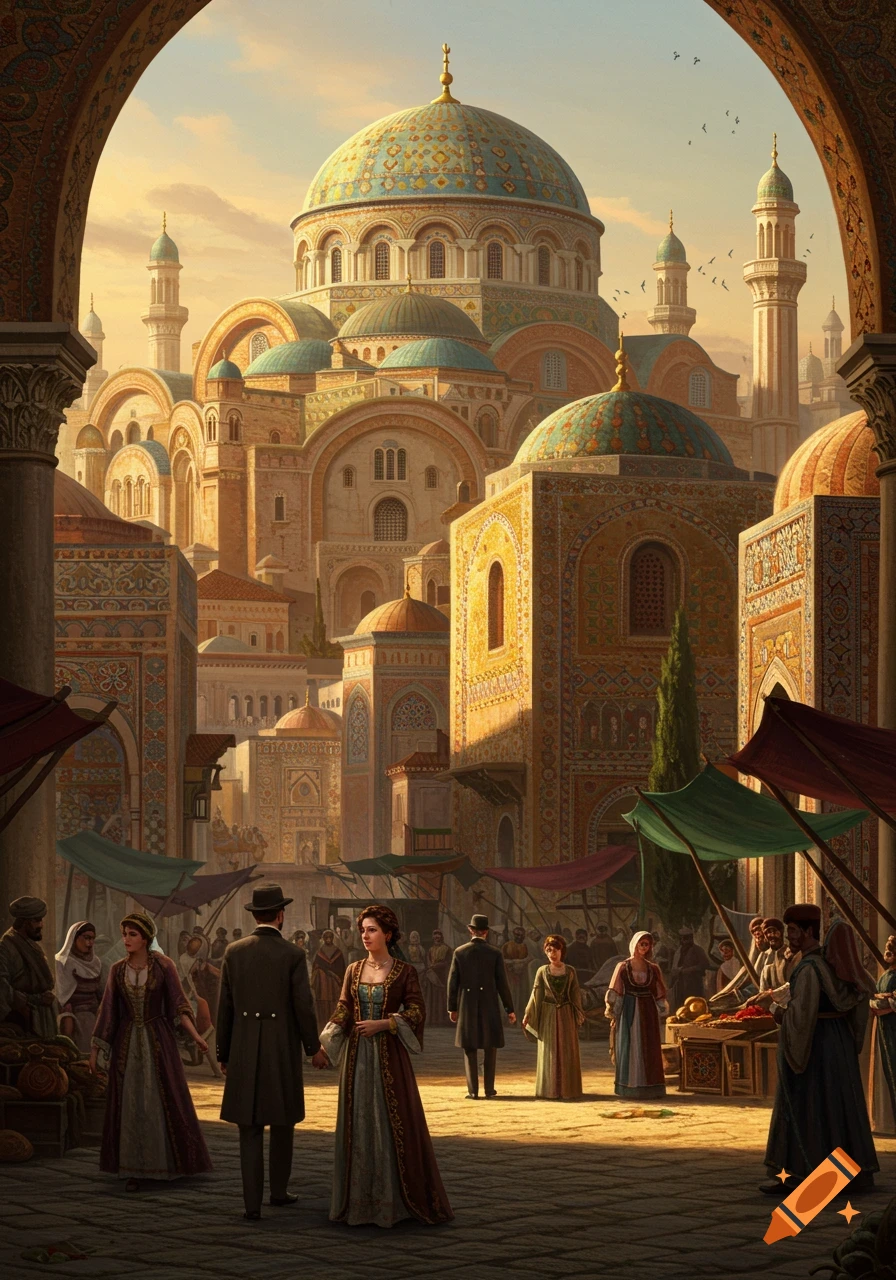
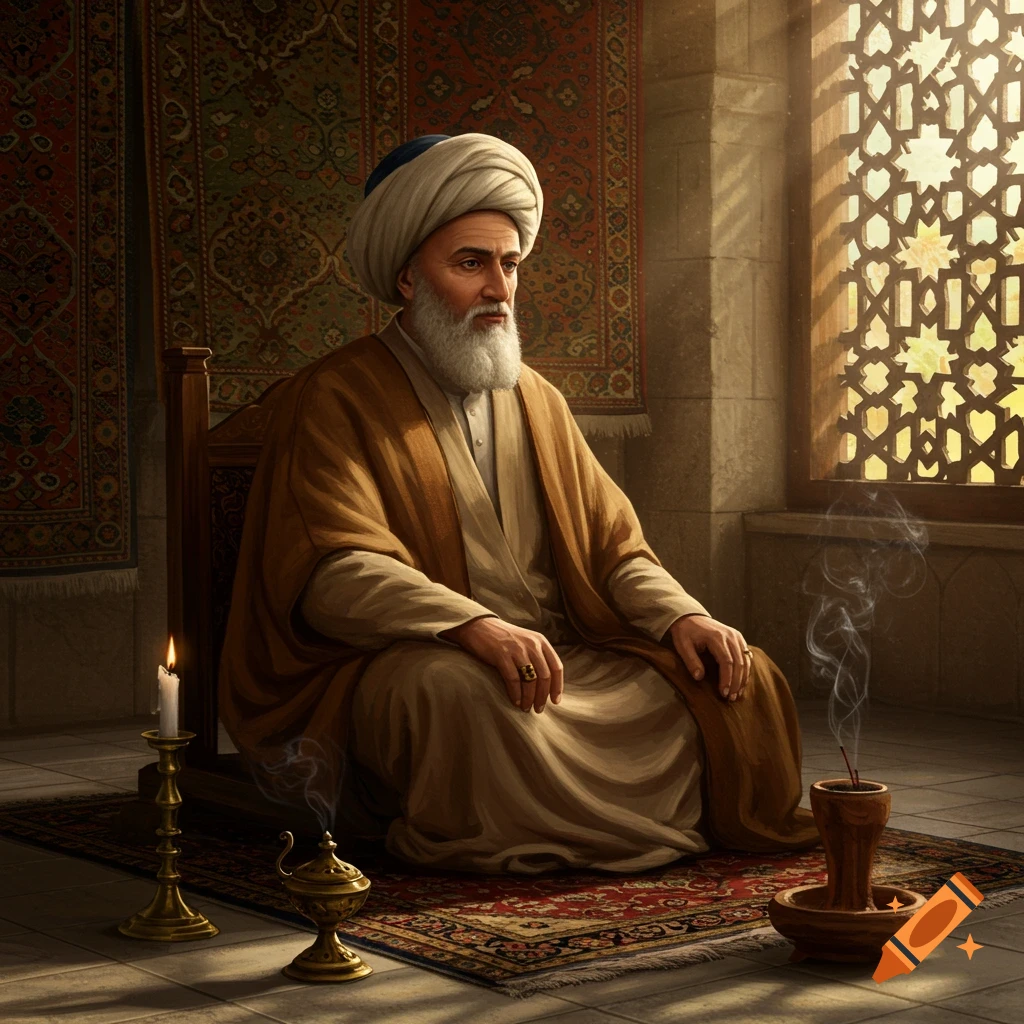
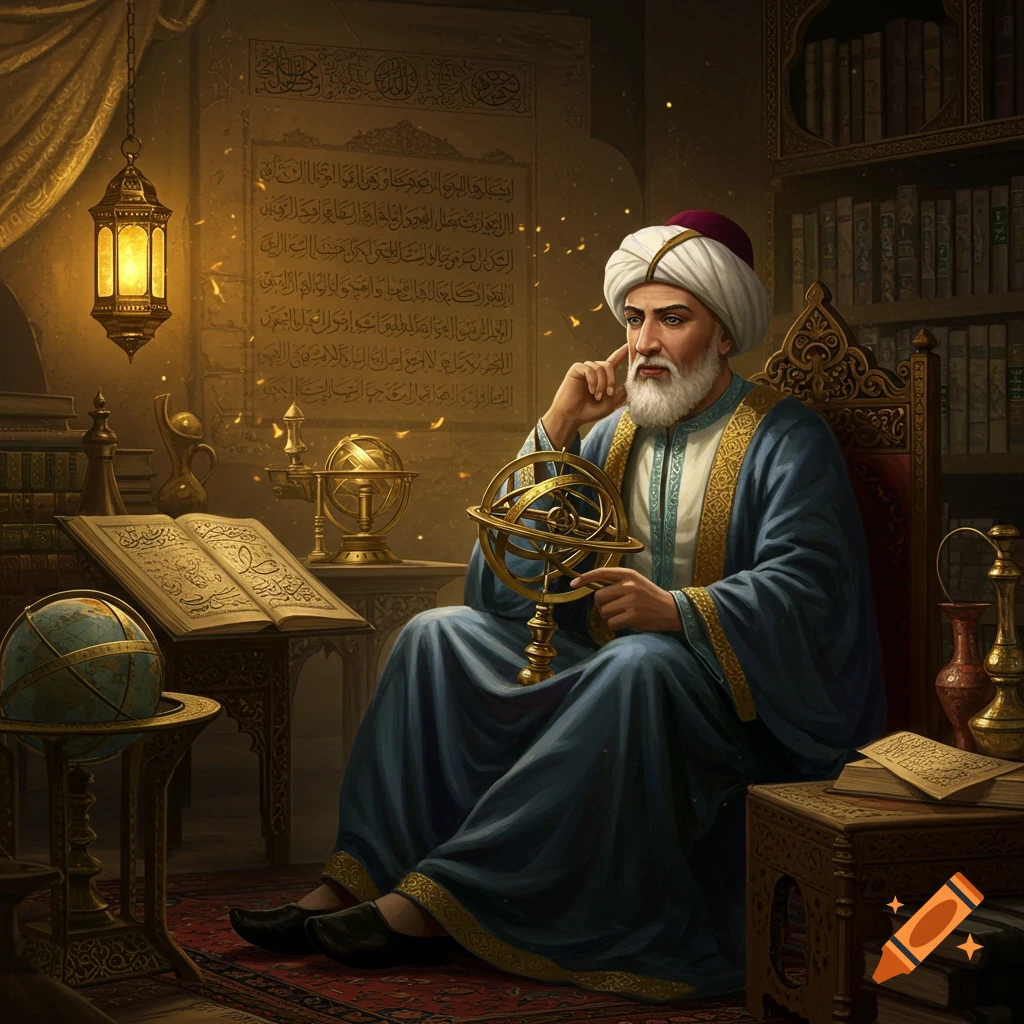
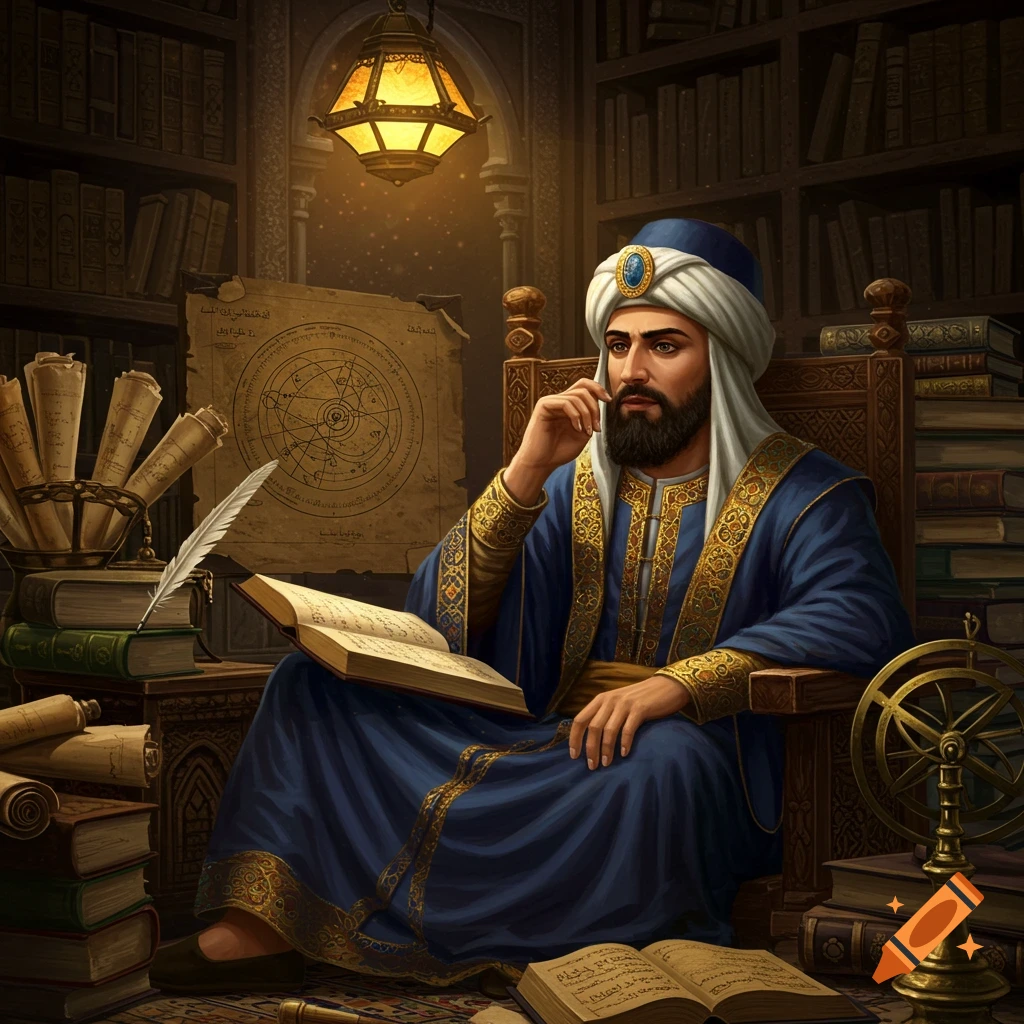
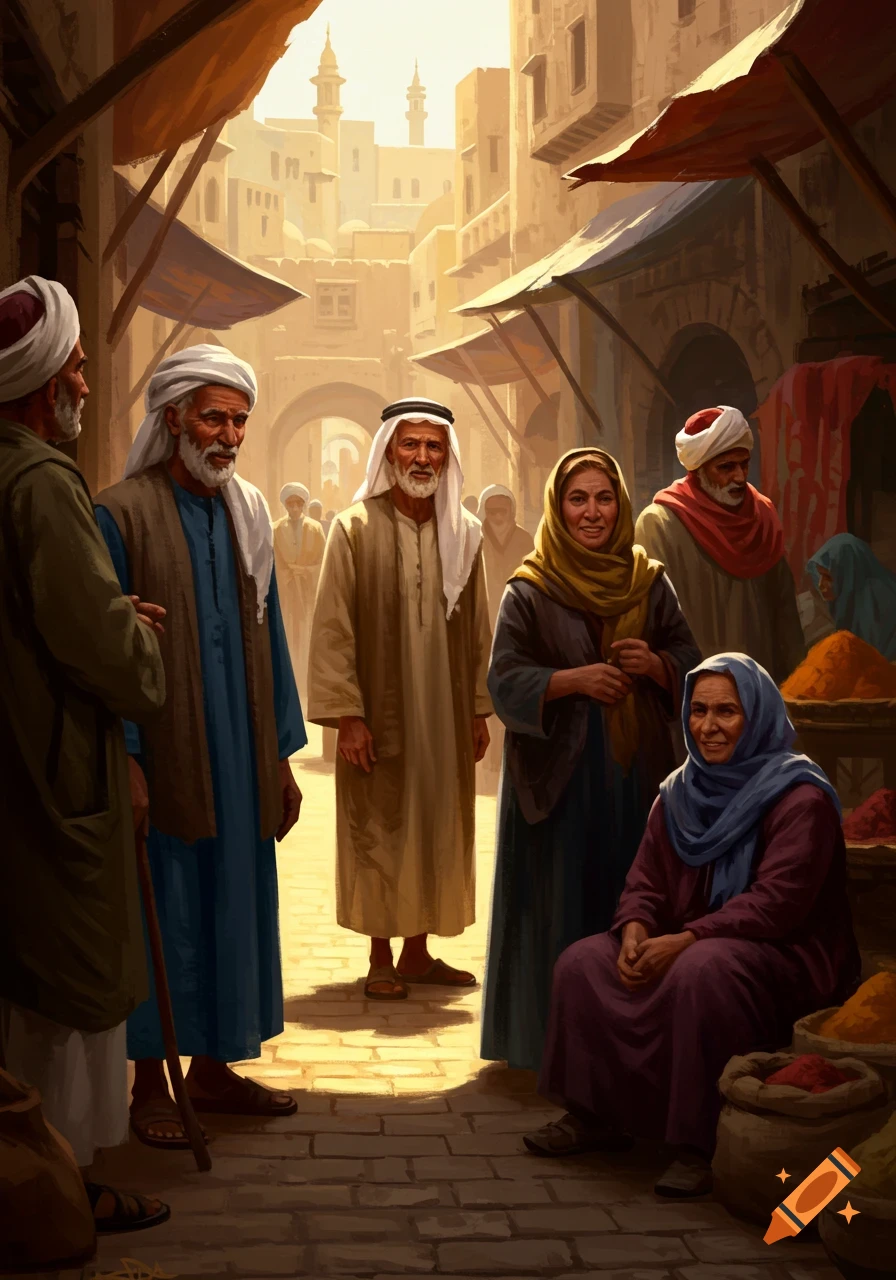
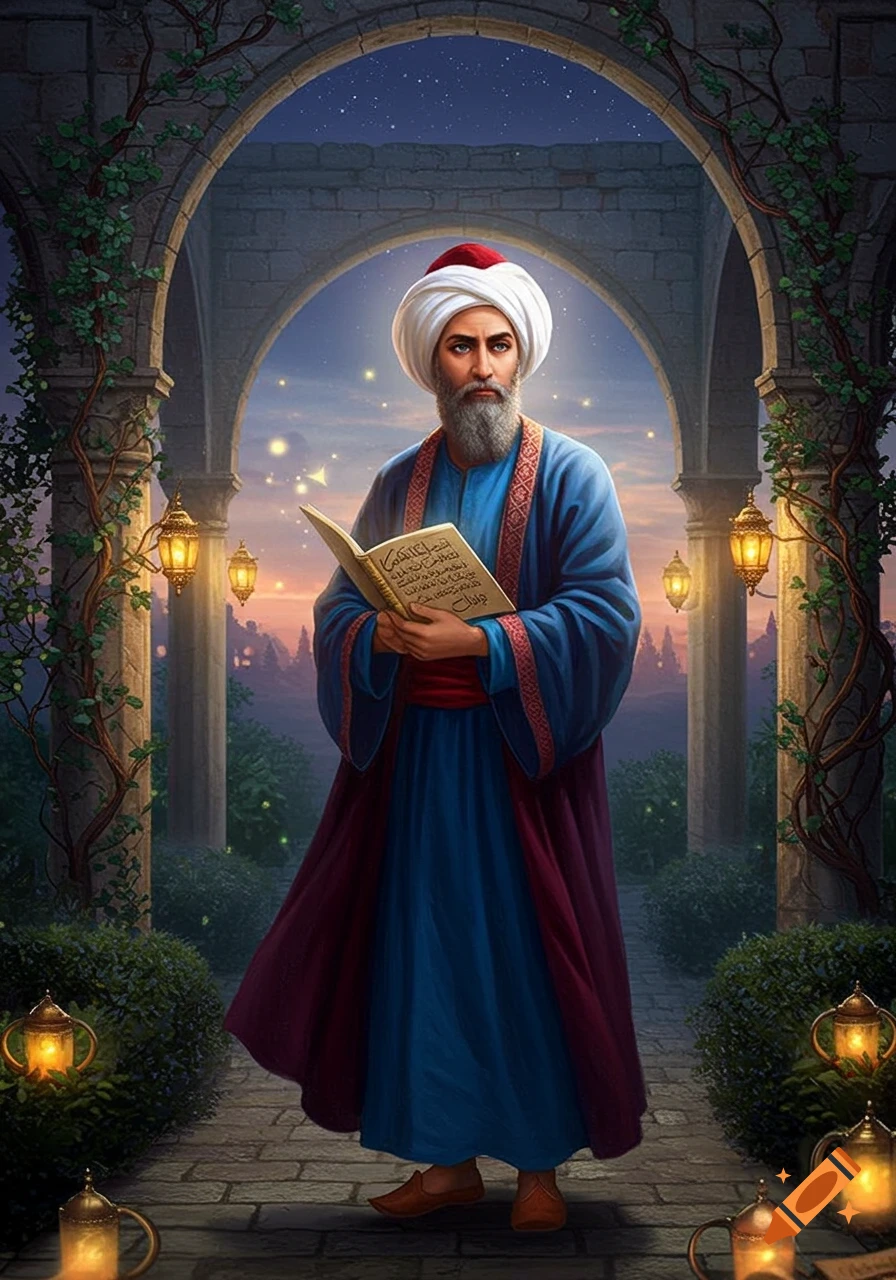
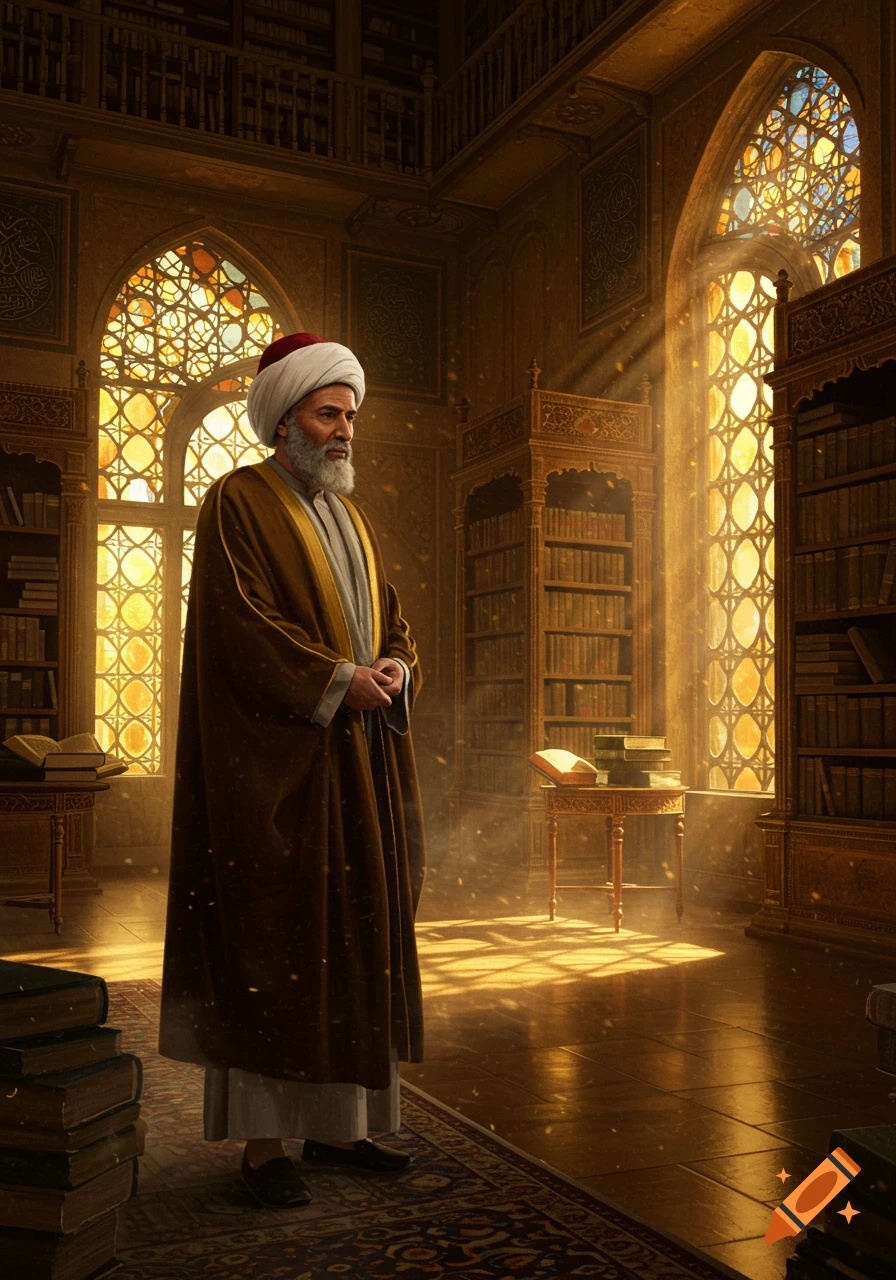
Konya, a cold and quiet day. The streets were empty, and the distant sound of a caravan bell echoed softly. Snow fell steadily, and the smell of burning wood lingered in the air. Rumi, the city’s well-known scholar, was stepping out of the madrasa. He wrapped his thick cloak tightly around himself, followed respectfully by his students. His mind was full of lessons and legal opinions—no thought for the snow, the sounds, or the people around him. At that moment, a stranger appeared from the direction of the market. His clothes were simple, worn, and dusty. His eyes were striking, as if he carried within them something no one else could see. He walked straight up and, without any introduction, asked: “Rumi, tell me… who was greater, Muhammad or Bayazid?” The students were startled. A few moved forward, as if to intervene, but Rumi raised his hand. He just looked at him. A silence hung between them. Then he said: “What kind of question is this? The Prophet is above all.” The man replied: “Then why did Muhammad say, ‘O God, I have not known You as I should,’ and Bayazid say, ‘I have transcended myself; there is nothing in me but God’?” Rumi didn’t answer. He just stared—and in that gaze, something inside him trembled. It was as if all the years he had spent teaching, all his knowledge, silently crumbled in his mind. Shams of Tabriz, the unknown stranger, said quietly: “Rumi, it’s time to see yourself a little too, not just God in books.” A cold wind blew. The students were See more