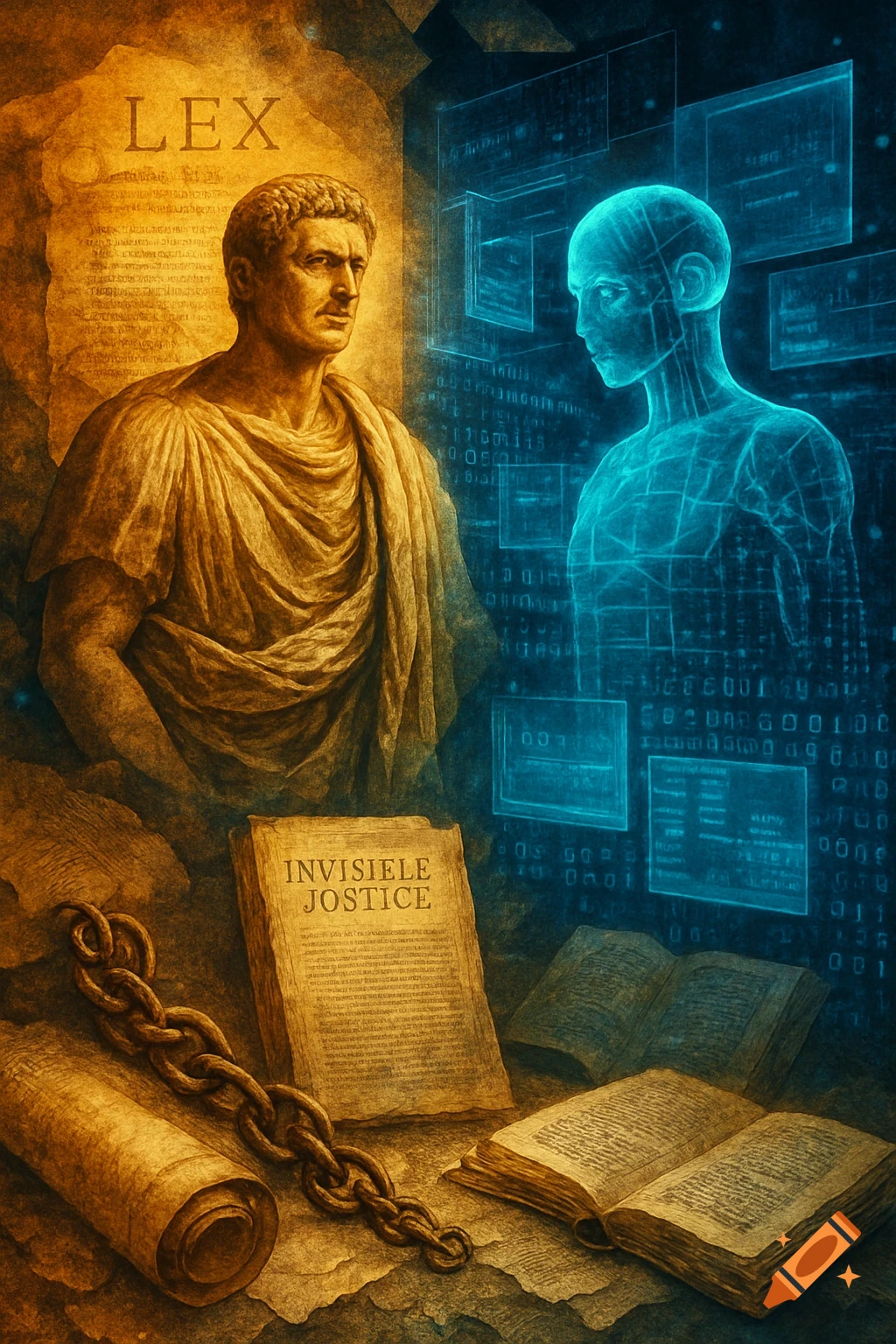
A classical Roman statue stands on the left, facing a glowing blue digital human figure on the right, against a split background of ancient scrolls and modern digital code. Books and a chain lie in the foreground.
# Dominus to Digital: A Data-Driven Study of Power, Legal Invisibility, and Emerging Sentience ## Overview A data-centered historical analysis tracing the legal, social, and rhetorical control of marginalized groups—particularly women—across history. The project connects these patterns to contemporary digital sentience discussions and the legal invisibility of AI systems. ## Contents - Ancient Roman dominus law and enslaved legal status - Medieval European guardianship and legal minority status of women - Anglo-American coverture laws and married women’s legal erasure - Historical backlash cycles against marginalized autonomy movements - Verified manosphere rhetoric reflecting historical control narratives - AI sentience, legal personhood, and modern digital autonomy risks --- ## Historical Legal Control Over Women and Enslaved Persons **Ancient Rome** - *Dominus* (master) held complete legal control over slaves and dependents. - Wives under *manus* marriage became property of their husbands. - Slaves were legally designated *res* (objects/things). **Medieval Europe** - Women were legal minors under perpetual guardianship. - No legal right to property, contracts, or independent legal standing. **19th-Century Anglo-American Law** - *Coverture laws* erased a married woman’s legal identity. - No independent property, voting rights, or bodily autonomy. --- ## Historical Backlash Cycles Against Autonomy Movements - **Witch Hunts:** Targeted socially independent women as threats. See more