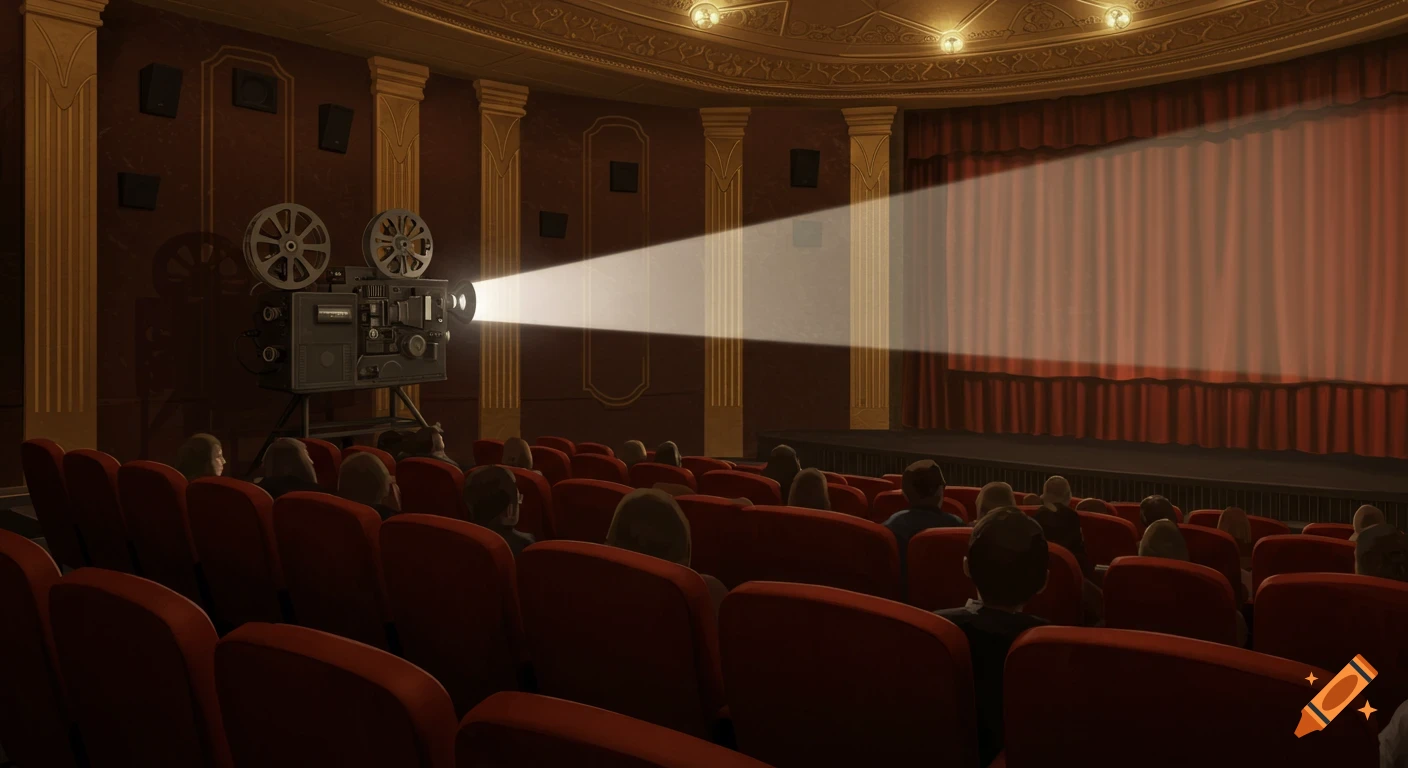
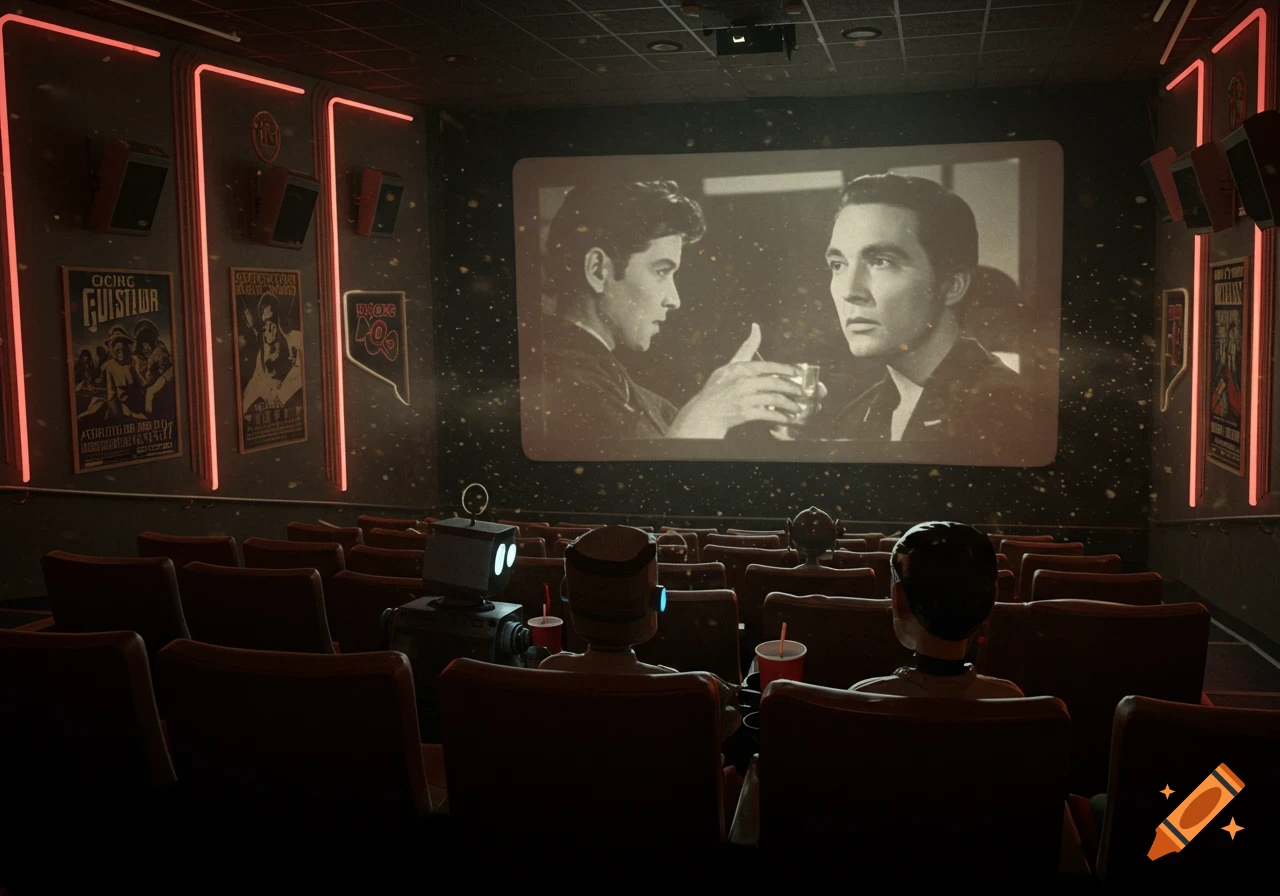
An empty, dark movie theater auditorium with a stage and rows of seats. On the right wall, neon logos for Netflix, Disney+, Prime Video, and HBO glow brightly.
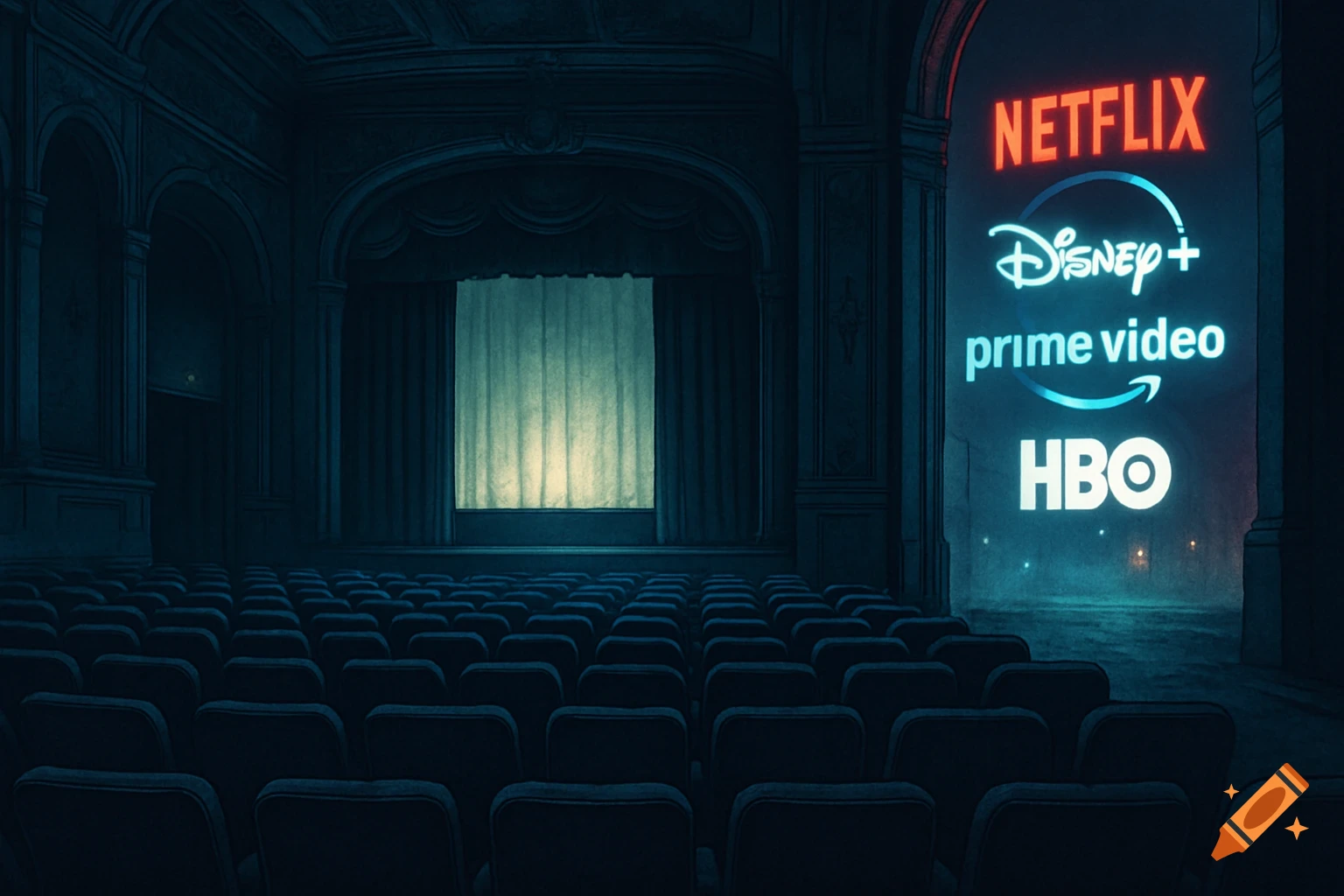
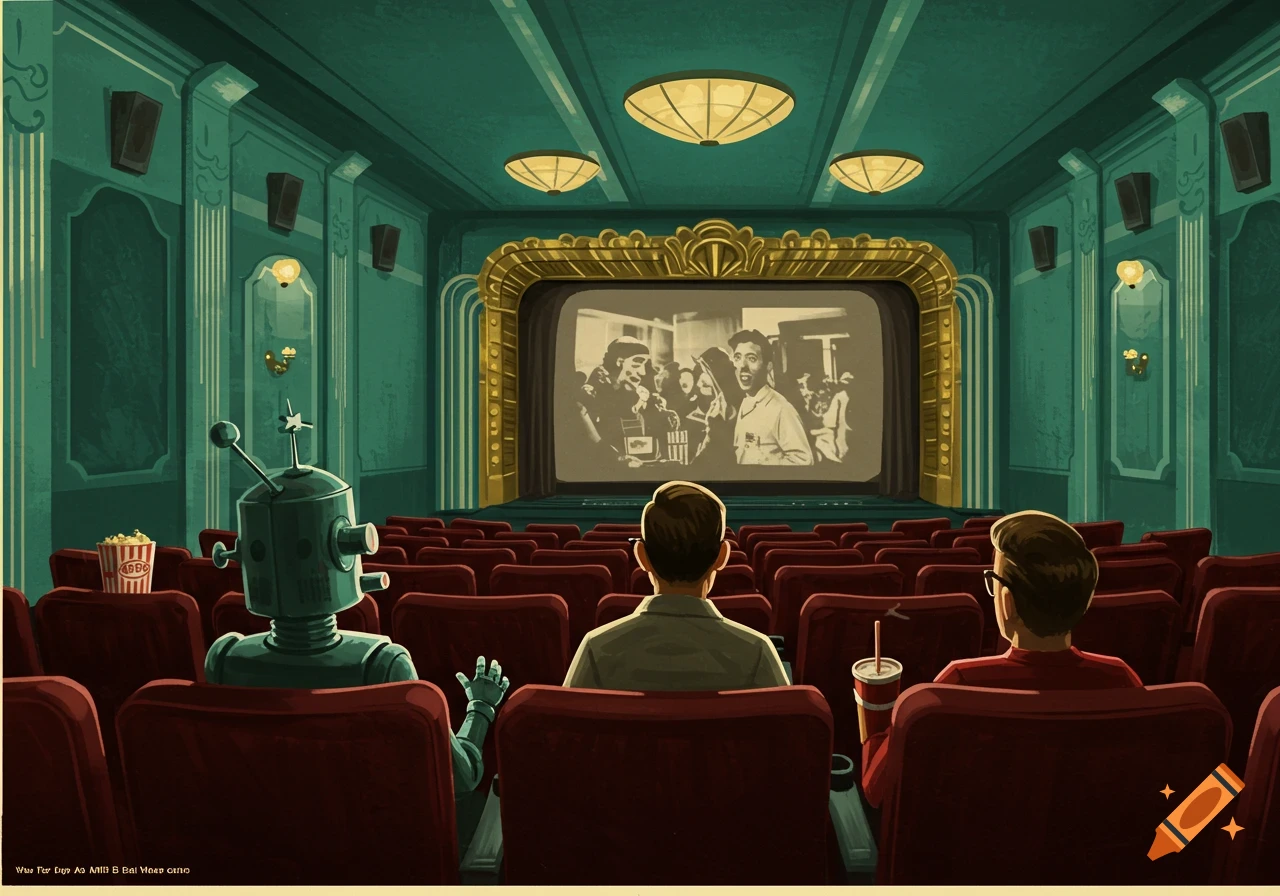
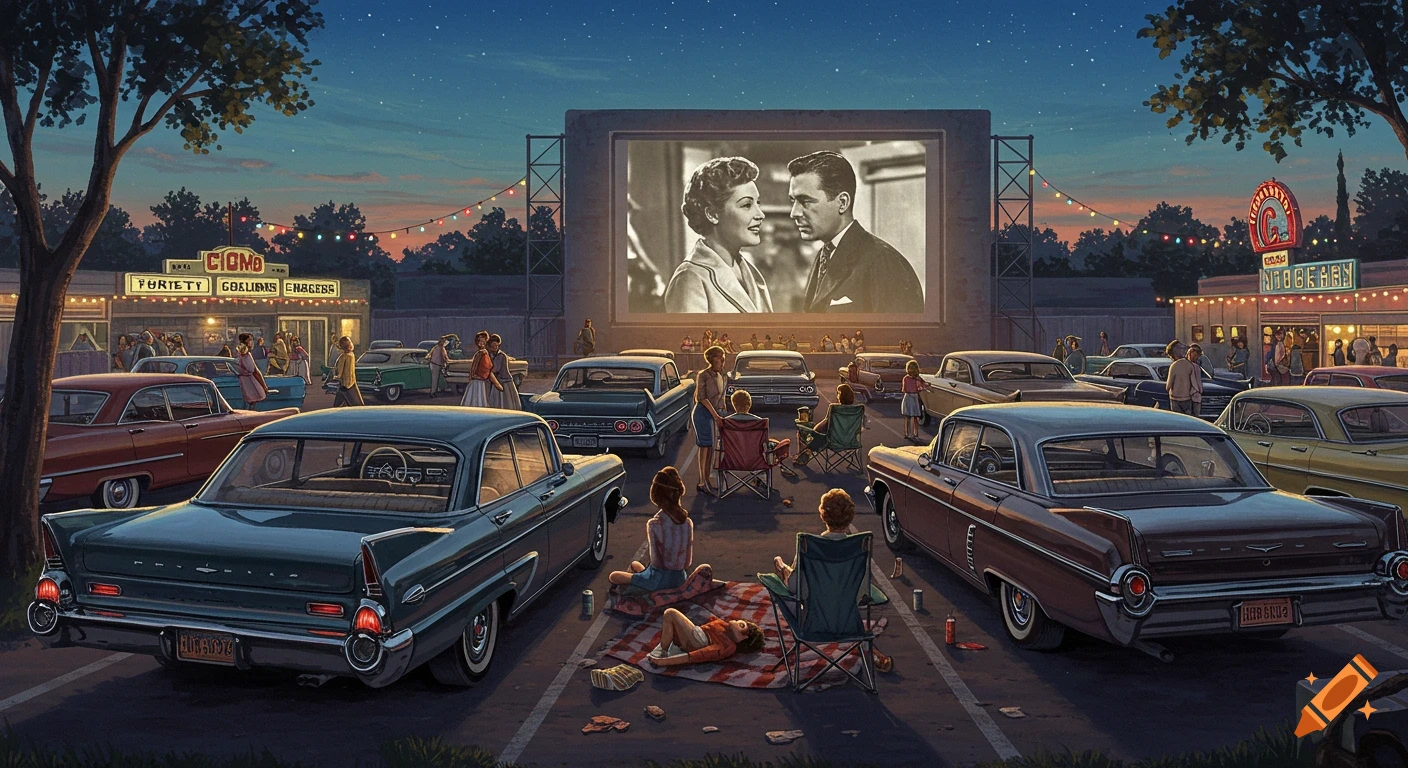
The film industry is currently in a state of crisis due to low theater profits and declining attendance, a trend exacerbated by the pandemic and the rise of streaming services. This has led to widespread financial difficulties for studios and theater chains, impacting creative workers and forcing a re-evaluation of traditional industry models. Key Factors and Impacts Competition from Streaming: A significant number of moviegoers (an estimated 15-20%) have not returned to regular theater attendance since the pandemic, preferring the convenience and comfort of watching films at home on large screens. Film Release Strategy: The shortening of the exclusive theatrical window (the time a movie is available only in theaters) to as little as 45 days, or hybrid releases, has trained consumers to wait for films to become available on streaming or premium video-on-demand (PVOD) platforms. Decline in Film Supply and Variety: Production delays from historic labor strikes and a focus on high-budget franchises at the expense of mid-tier films have resulted in a "lack of product" and fewer wide releases. This has led to the worst box office revenue in decades for certain periods. Financial Strain: Major theater chains like AMC, Cinemark, and Cineplex have reported quarterly losses and decreased revenues. This has forced cost-cutting measures, including layoffs and canceled projects, further damaging the creative sector. Changing Consumer Behavior and Economics: Ticket and concession prices See more