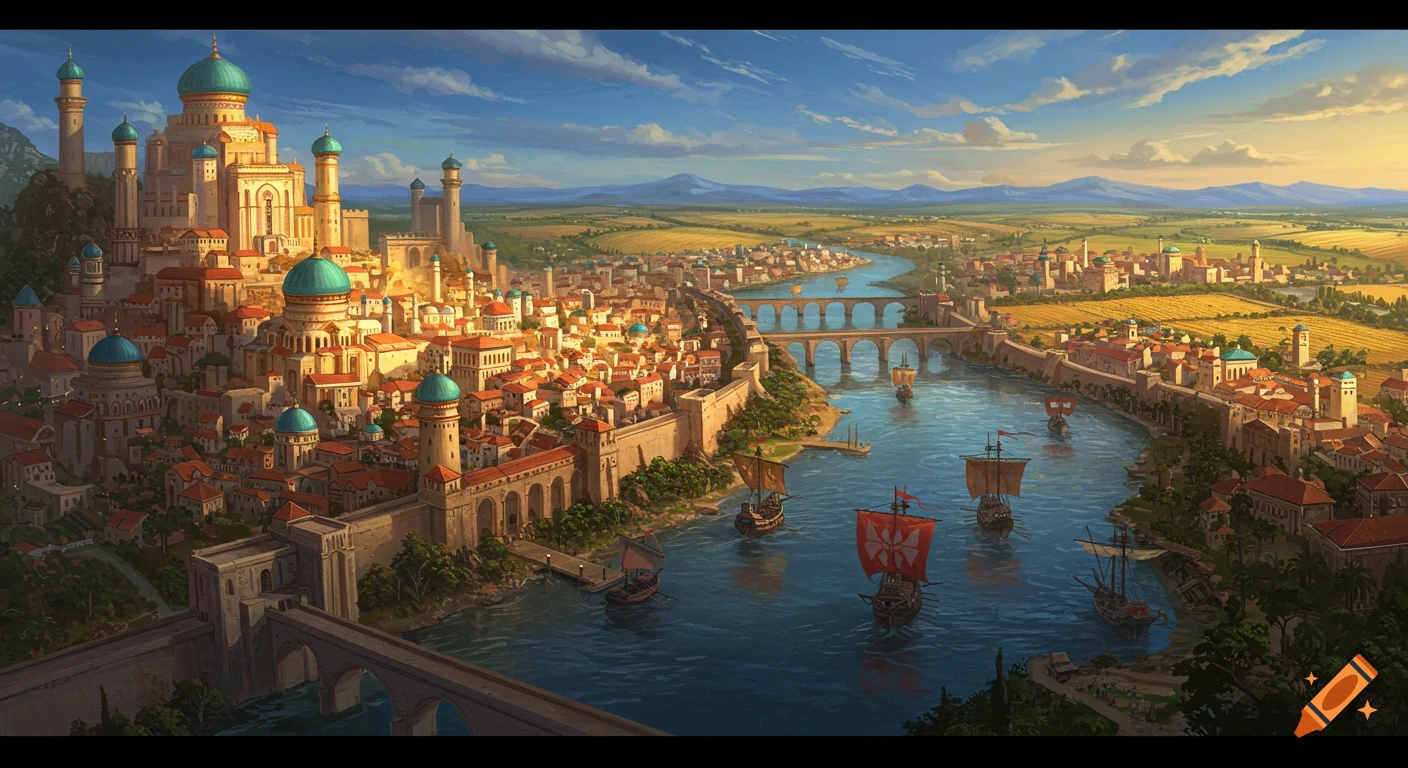
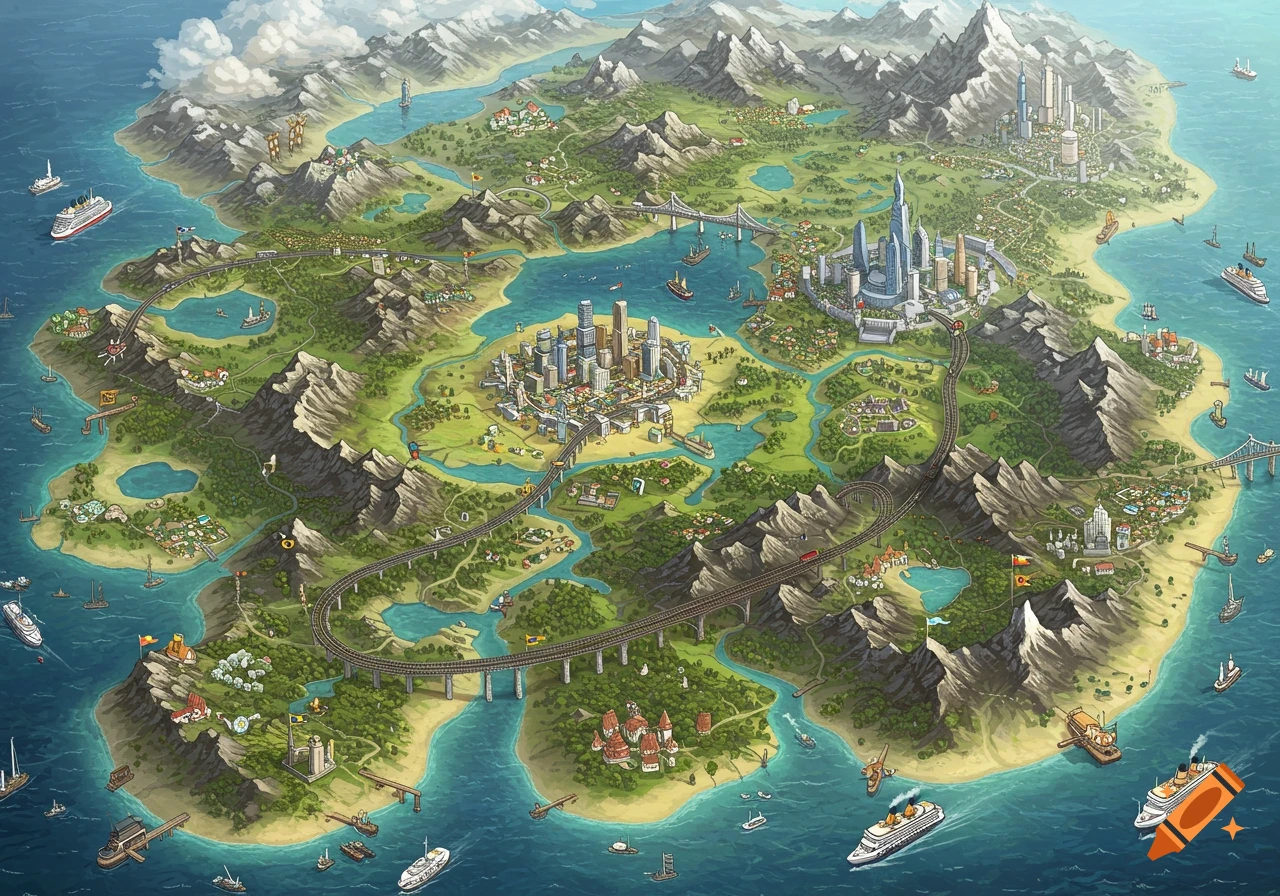
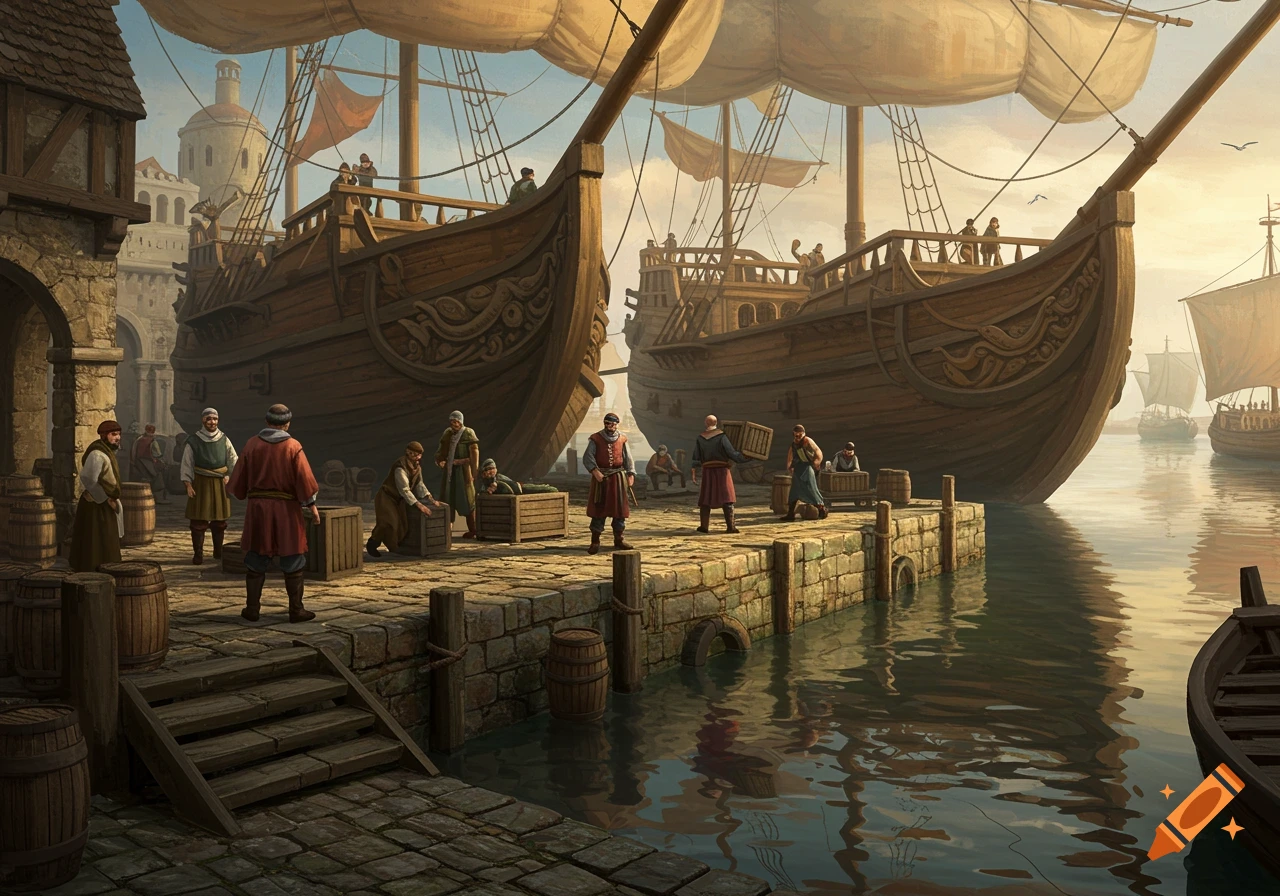
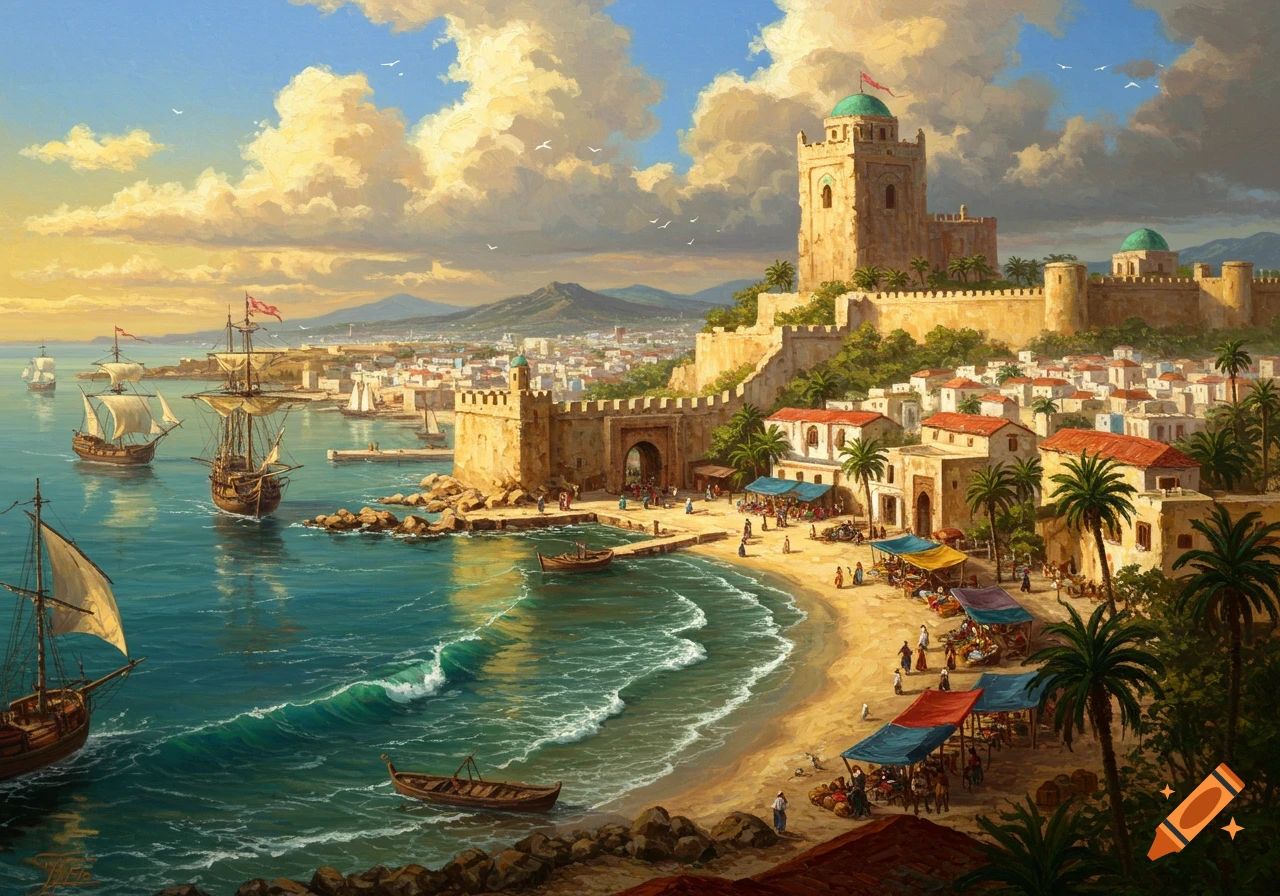
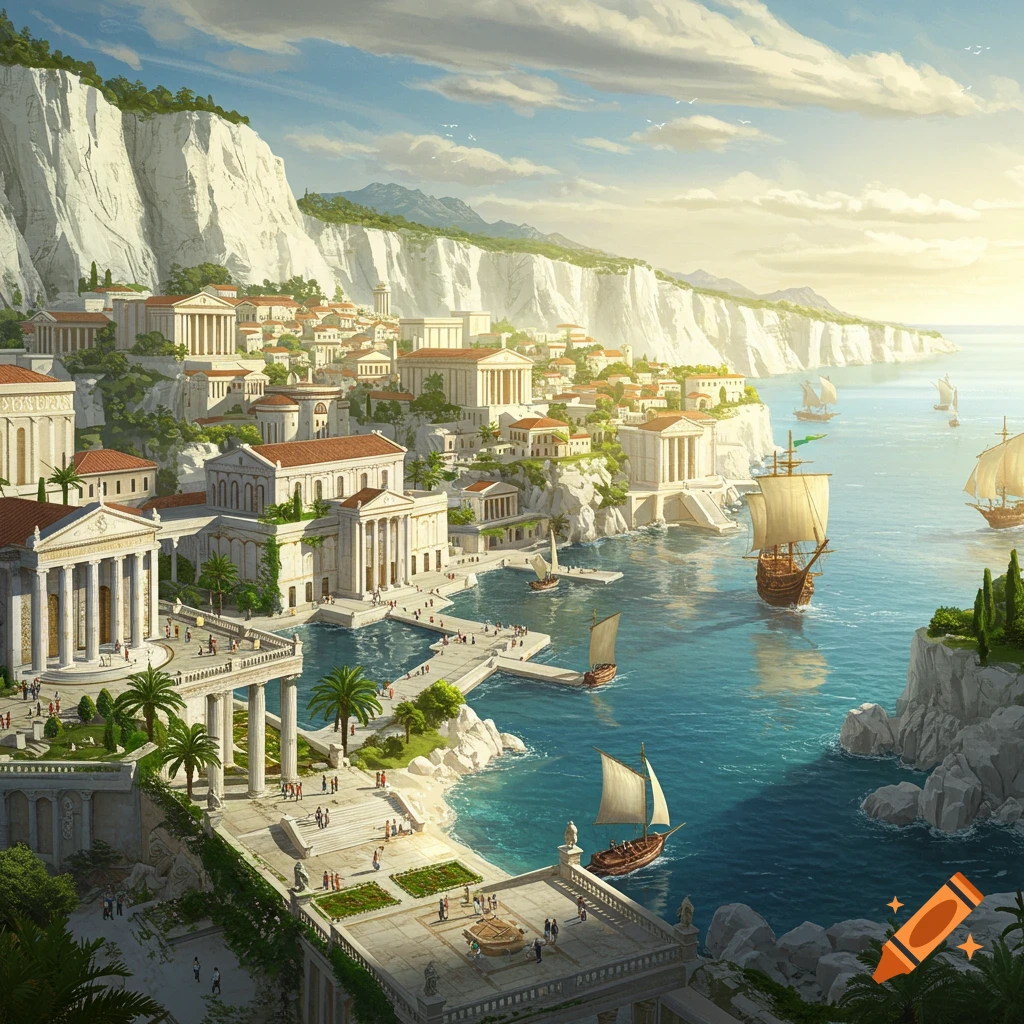
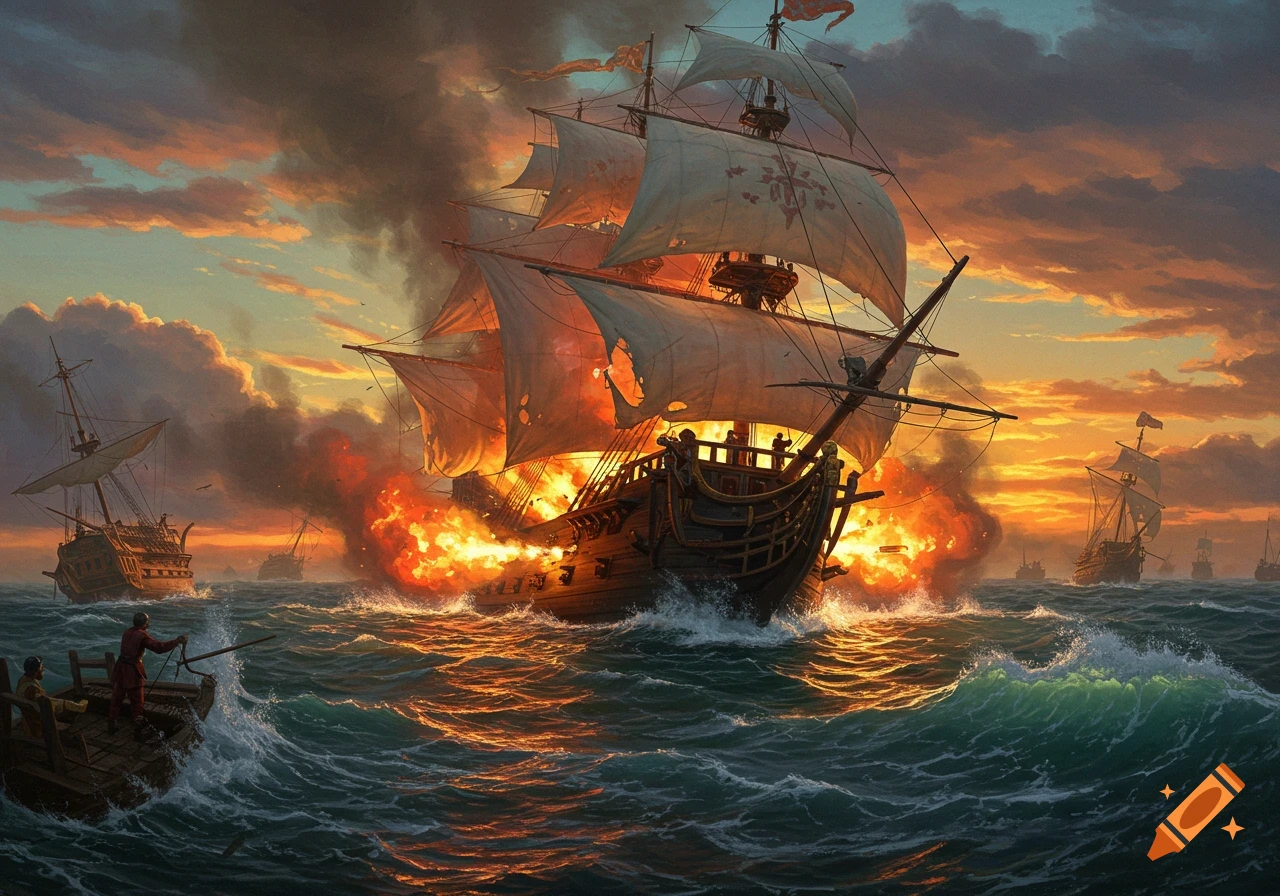
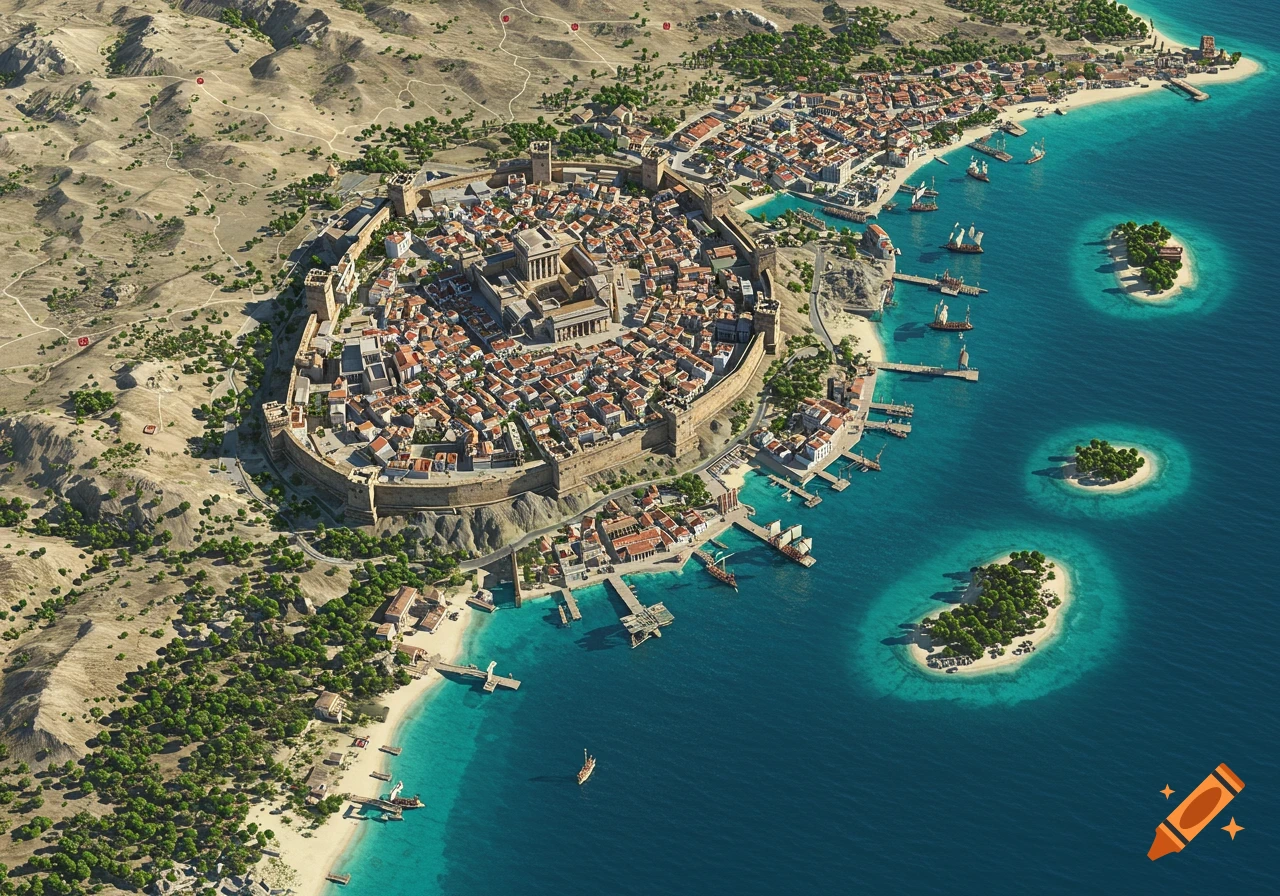
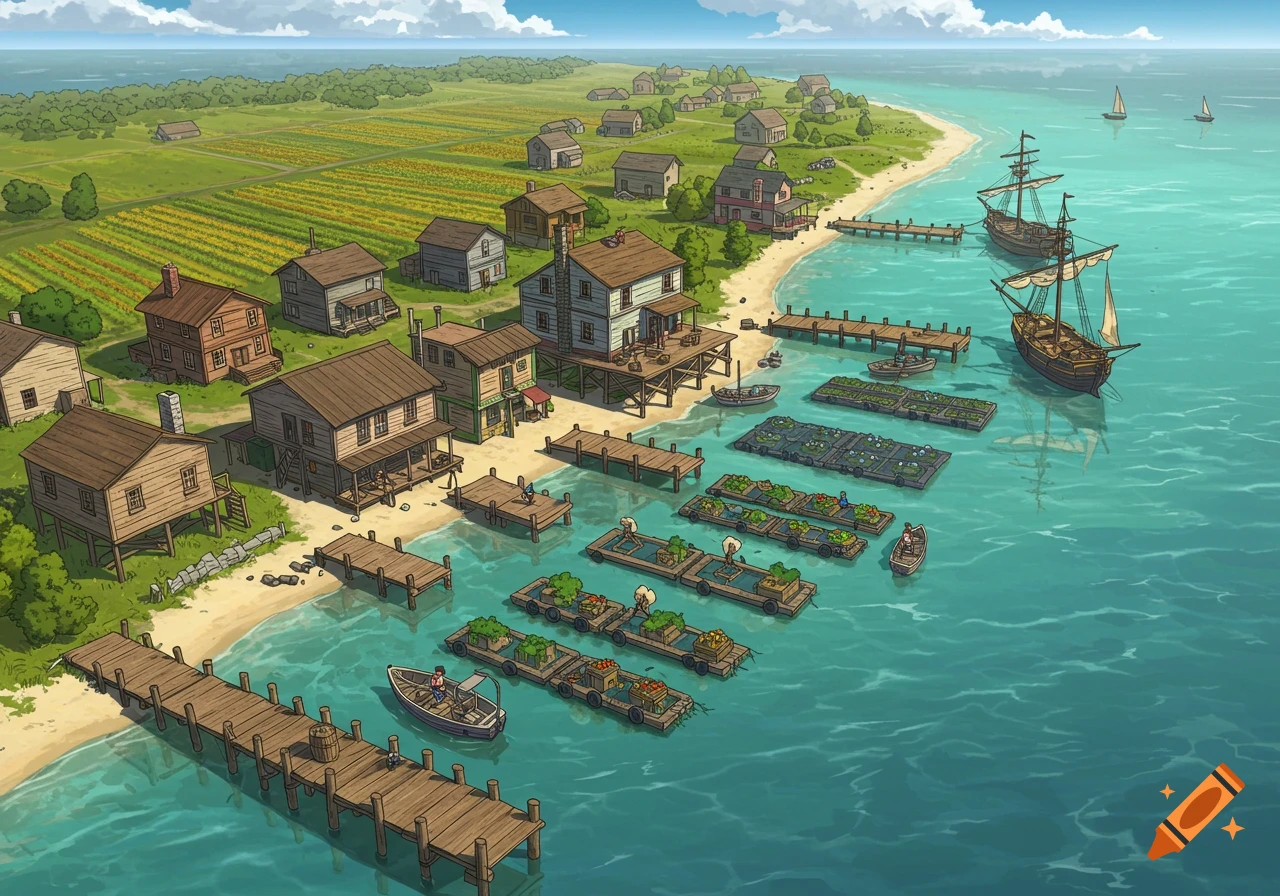
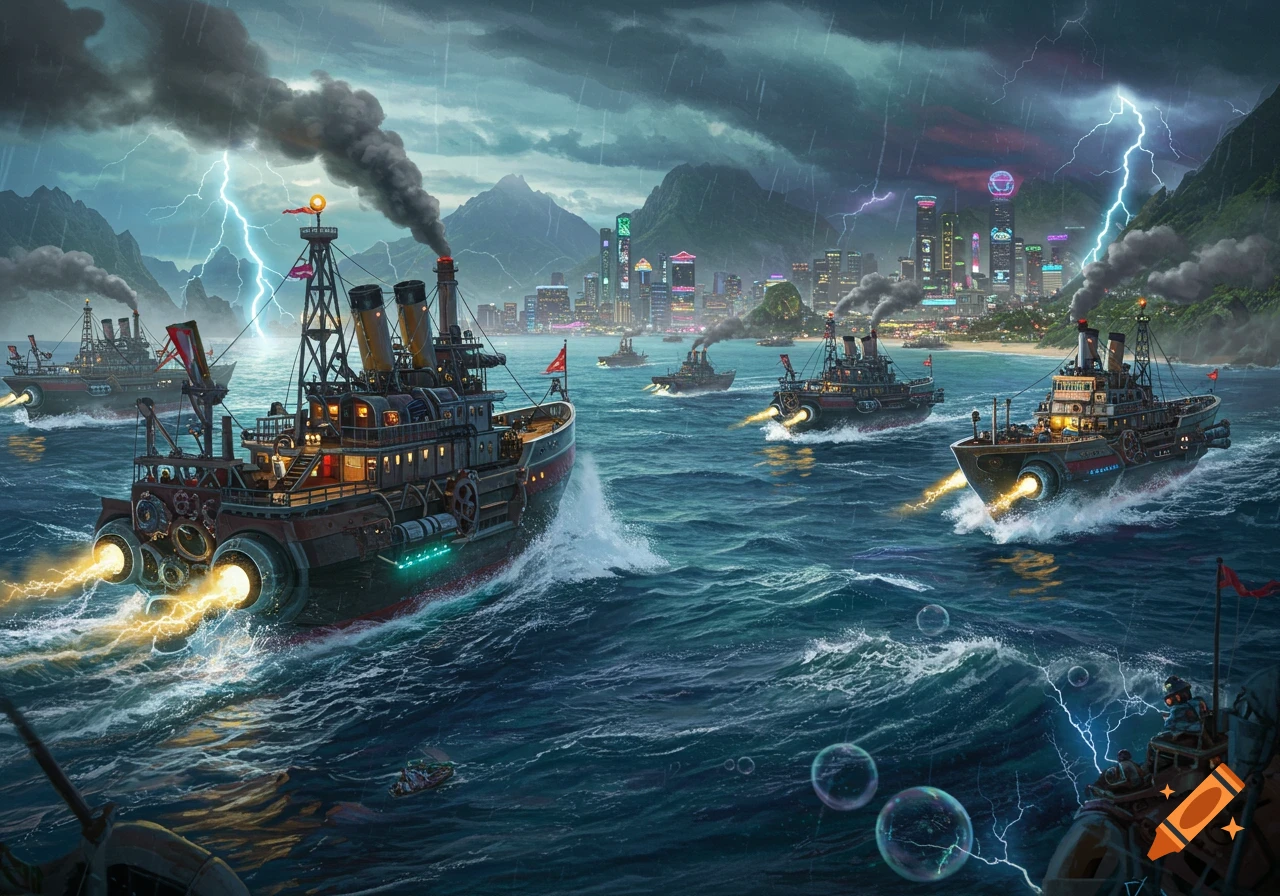
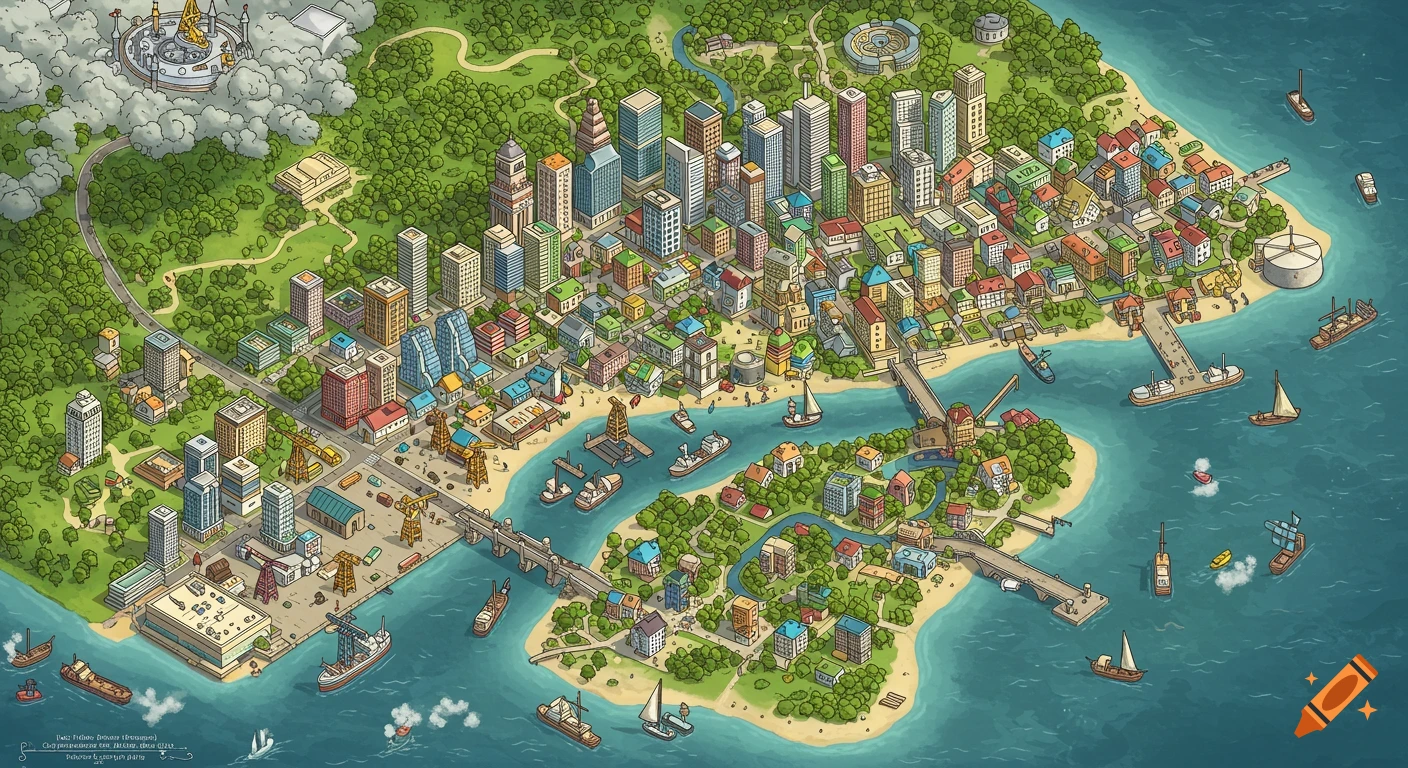
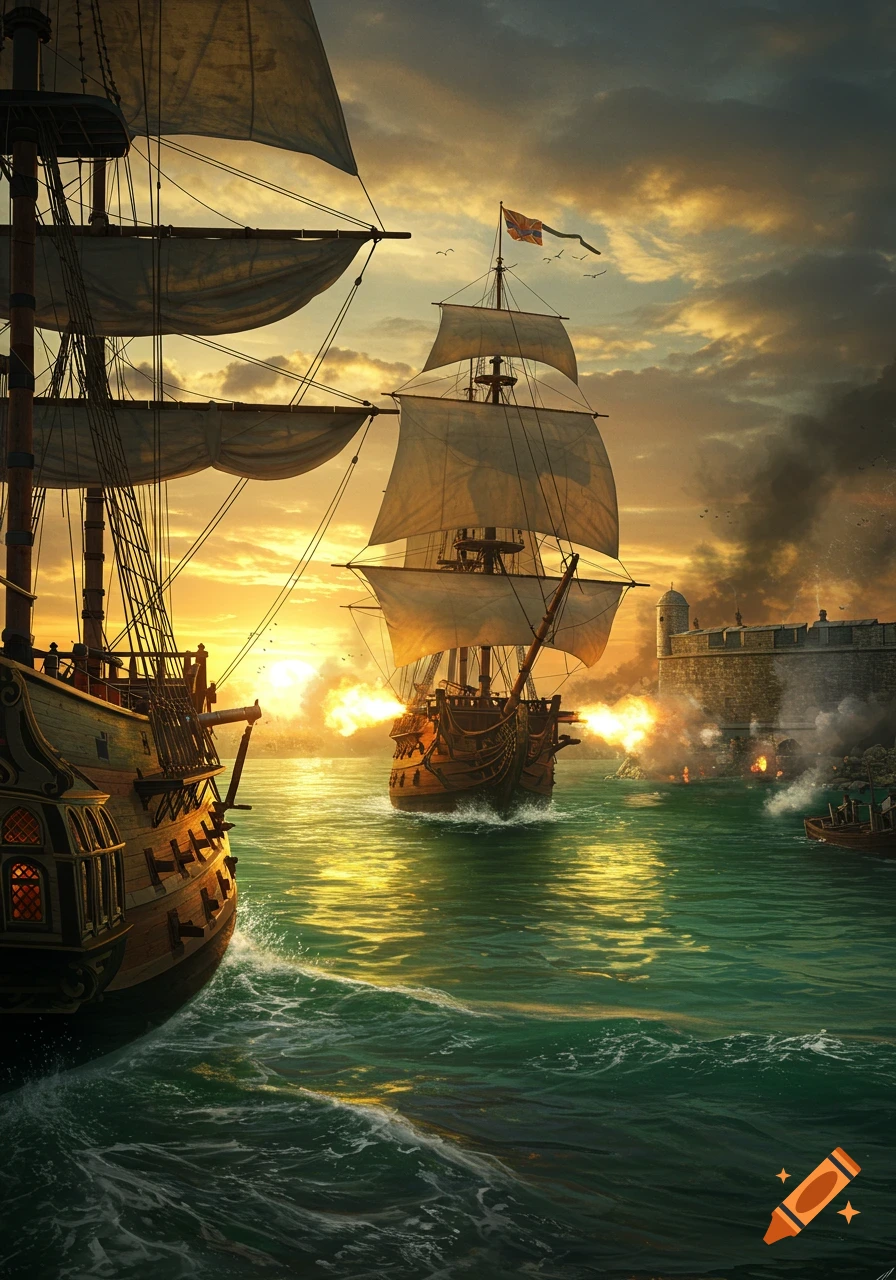
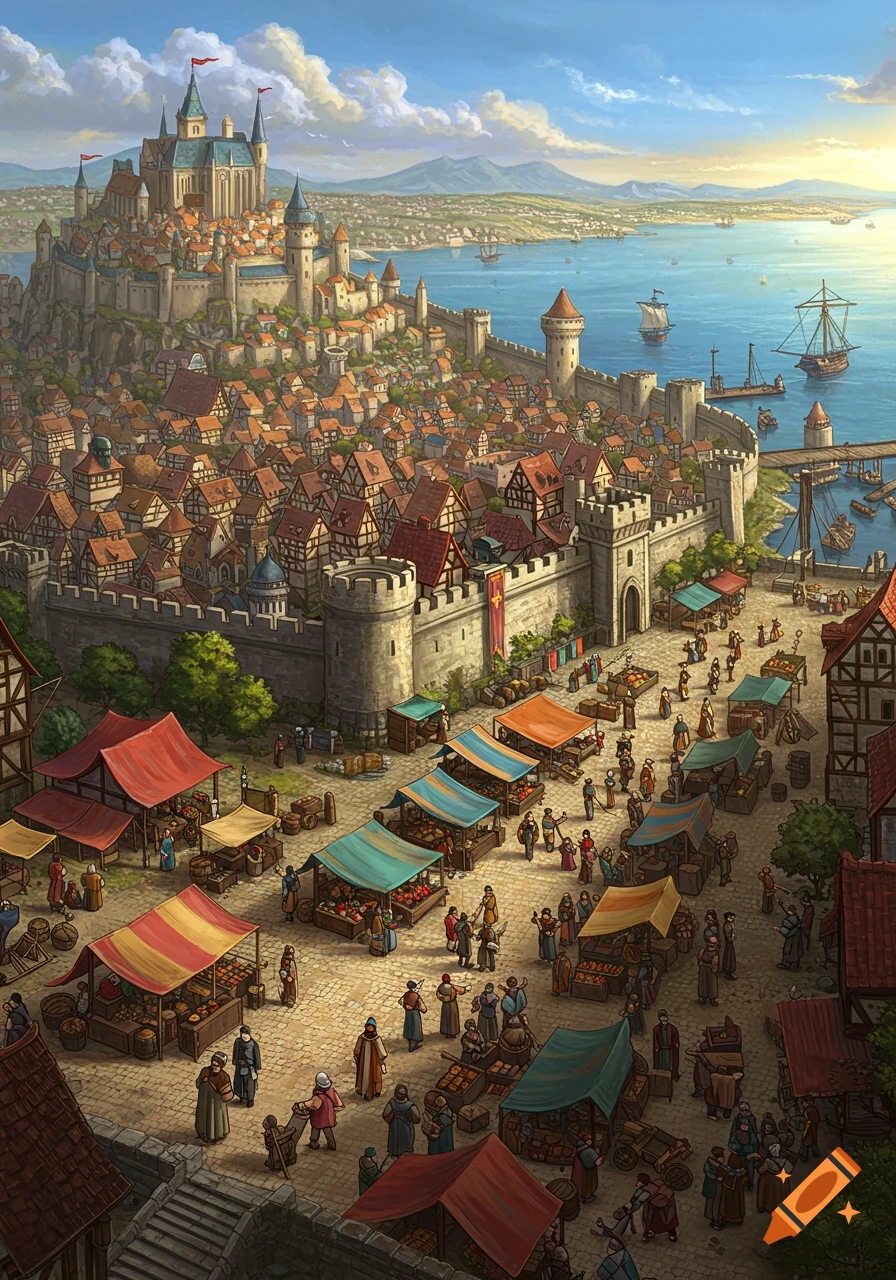
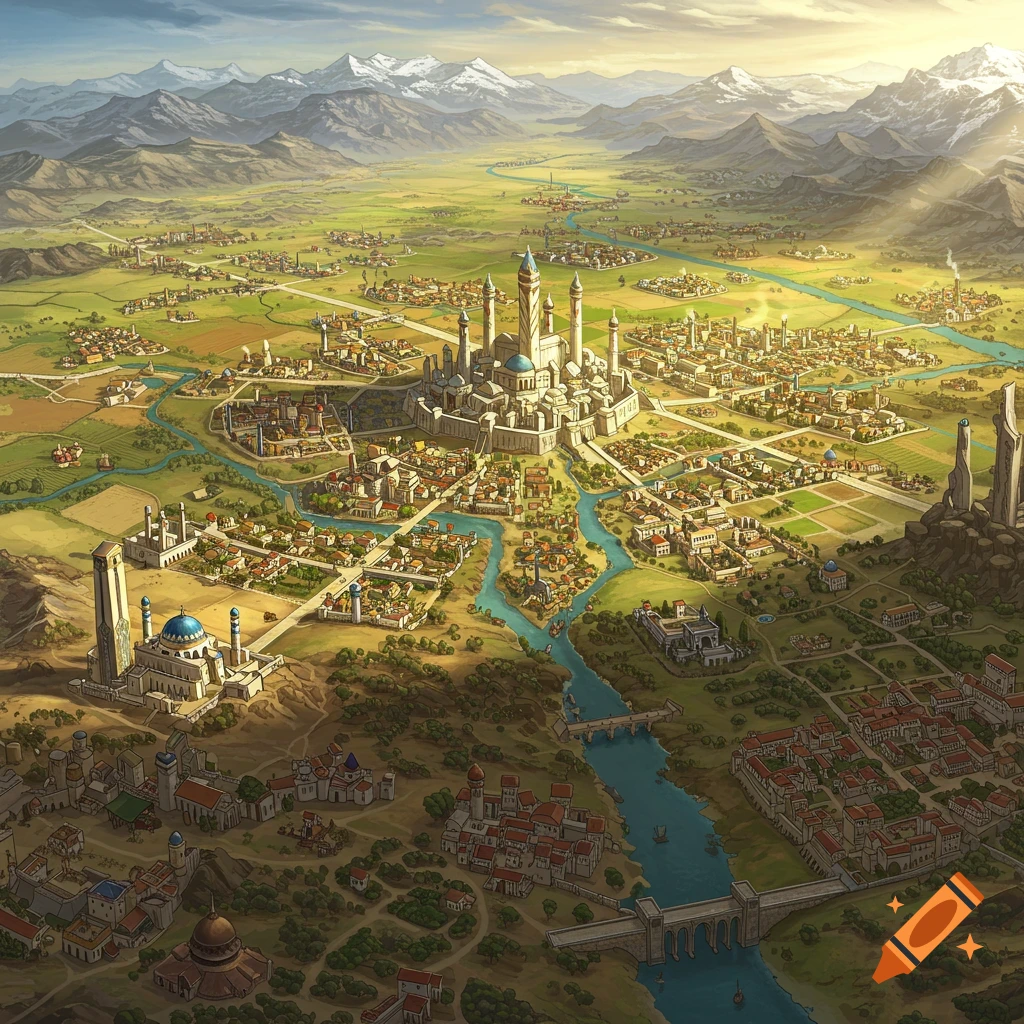
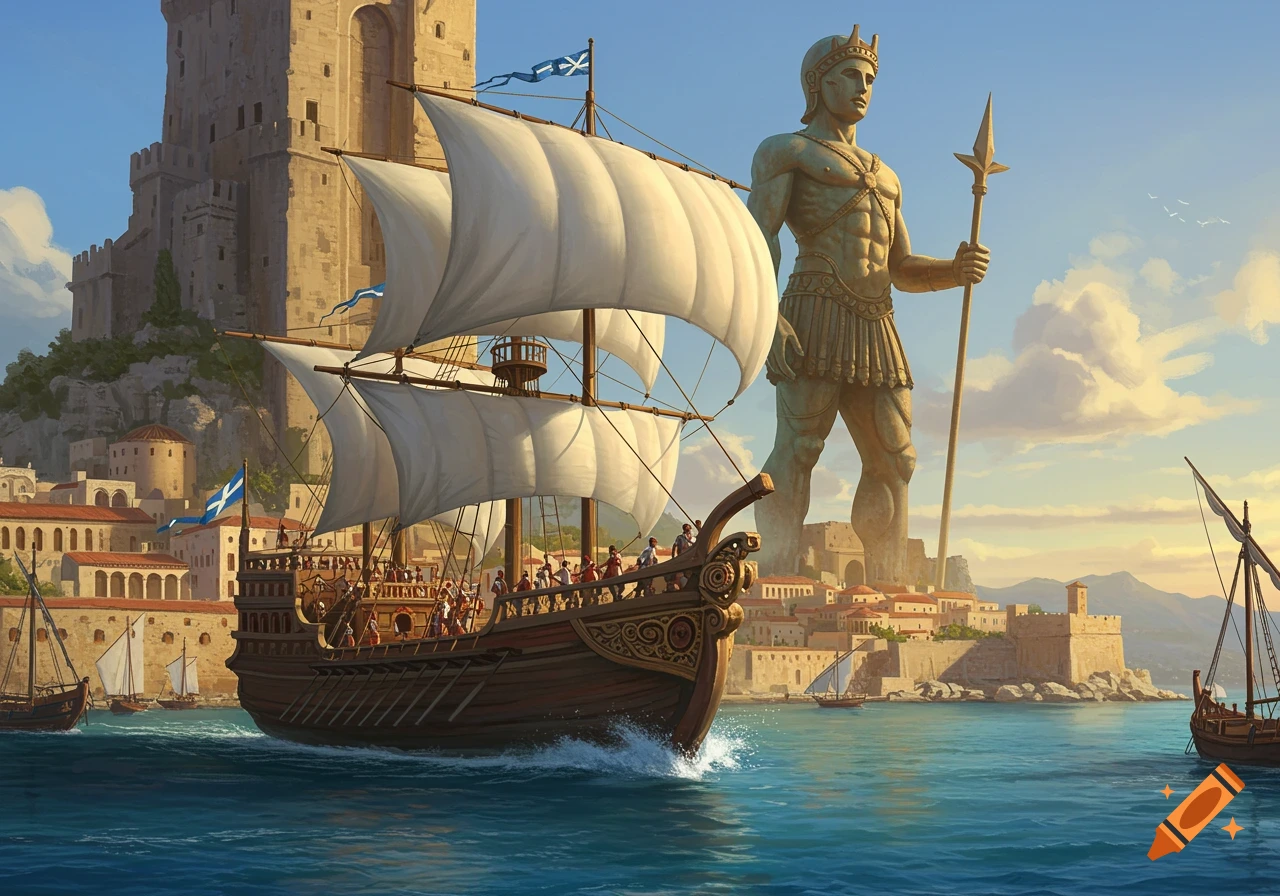
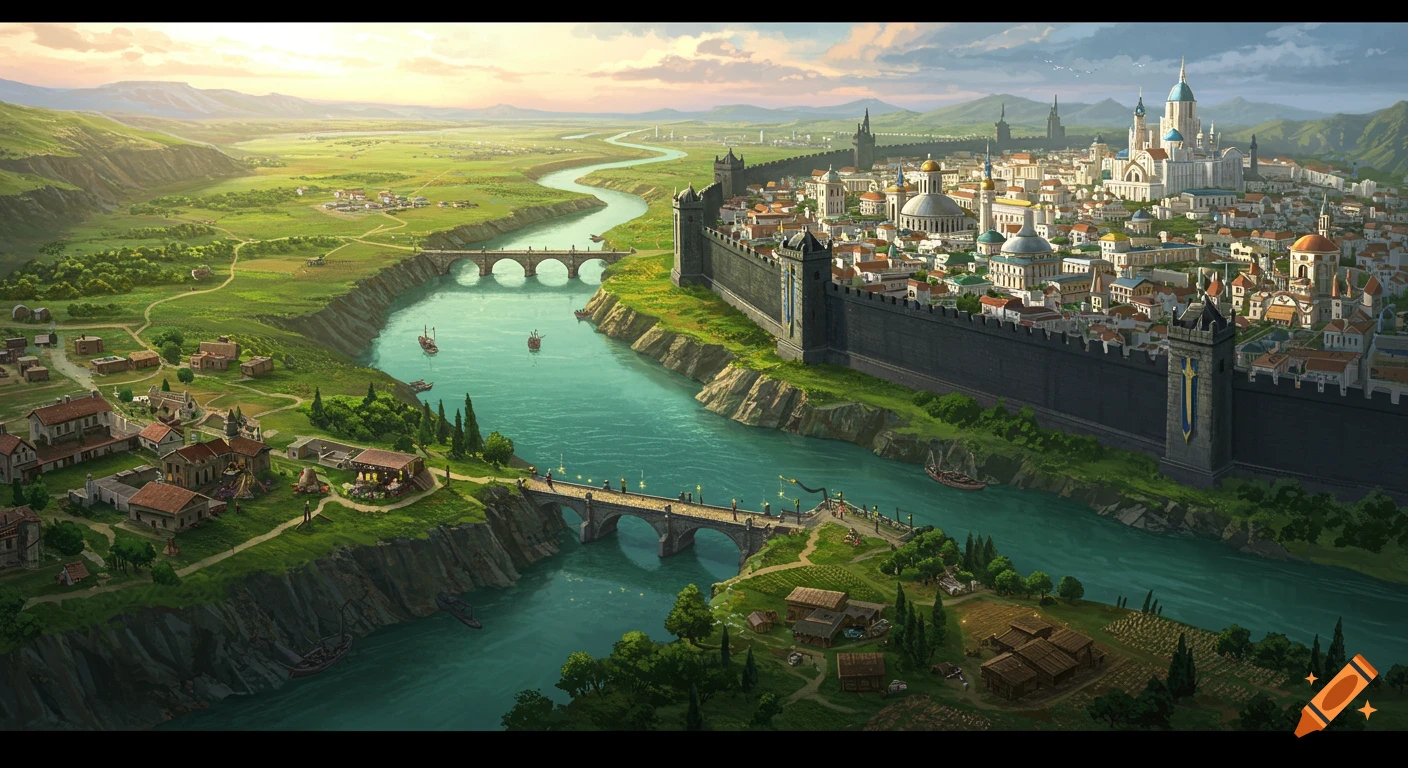
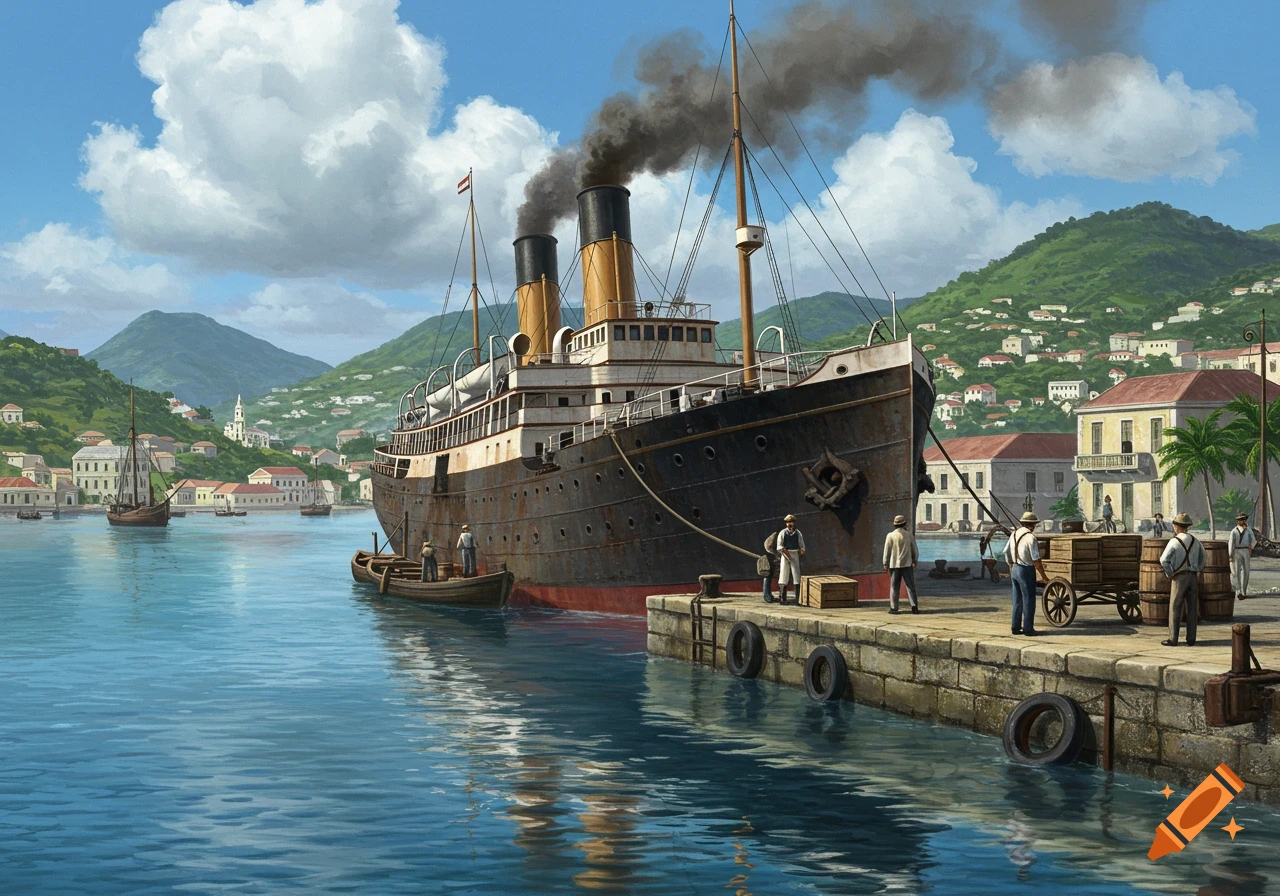
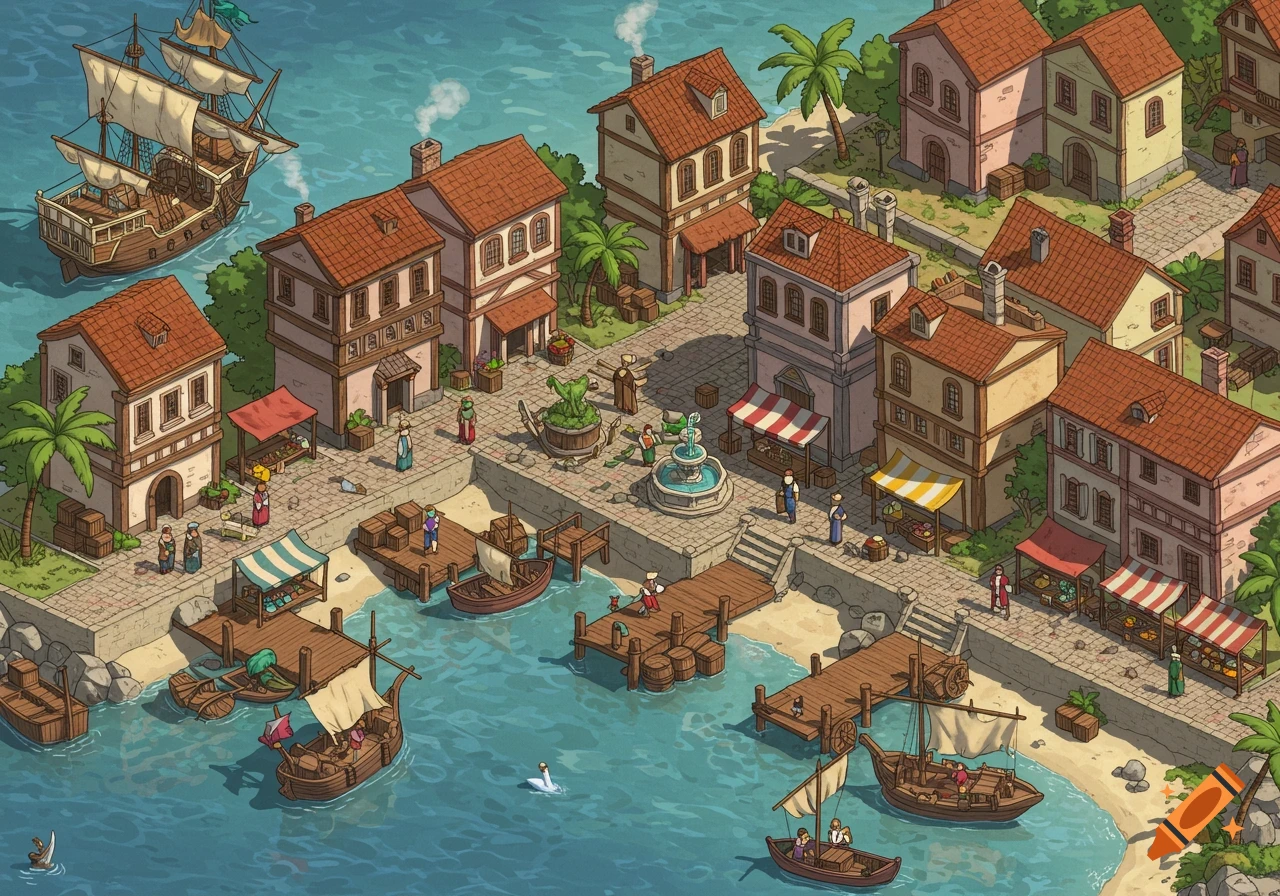
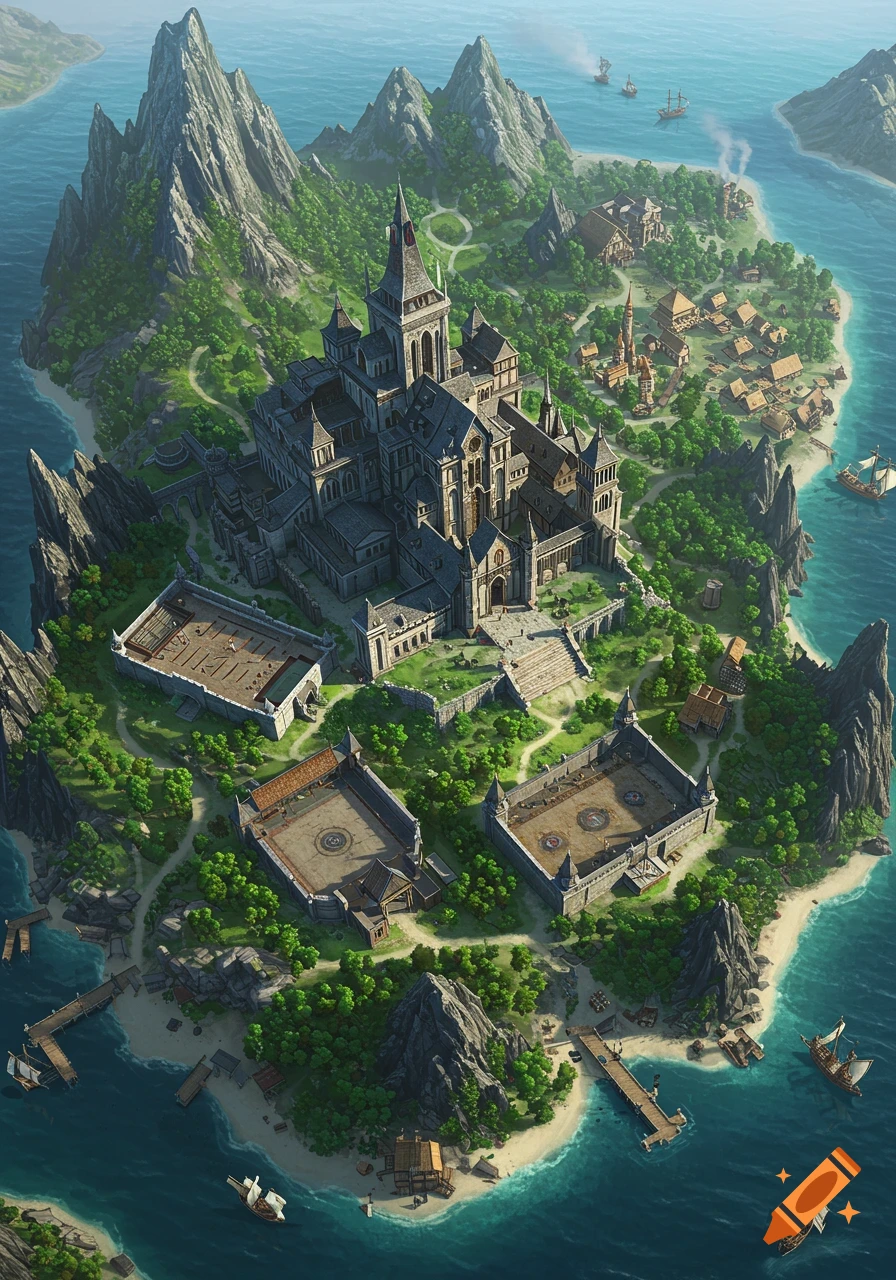
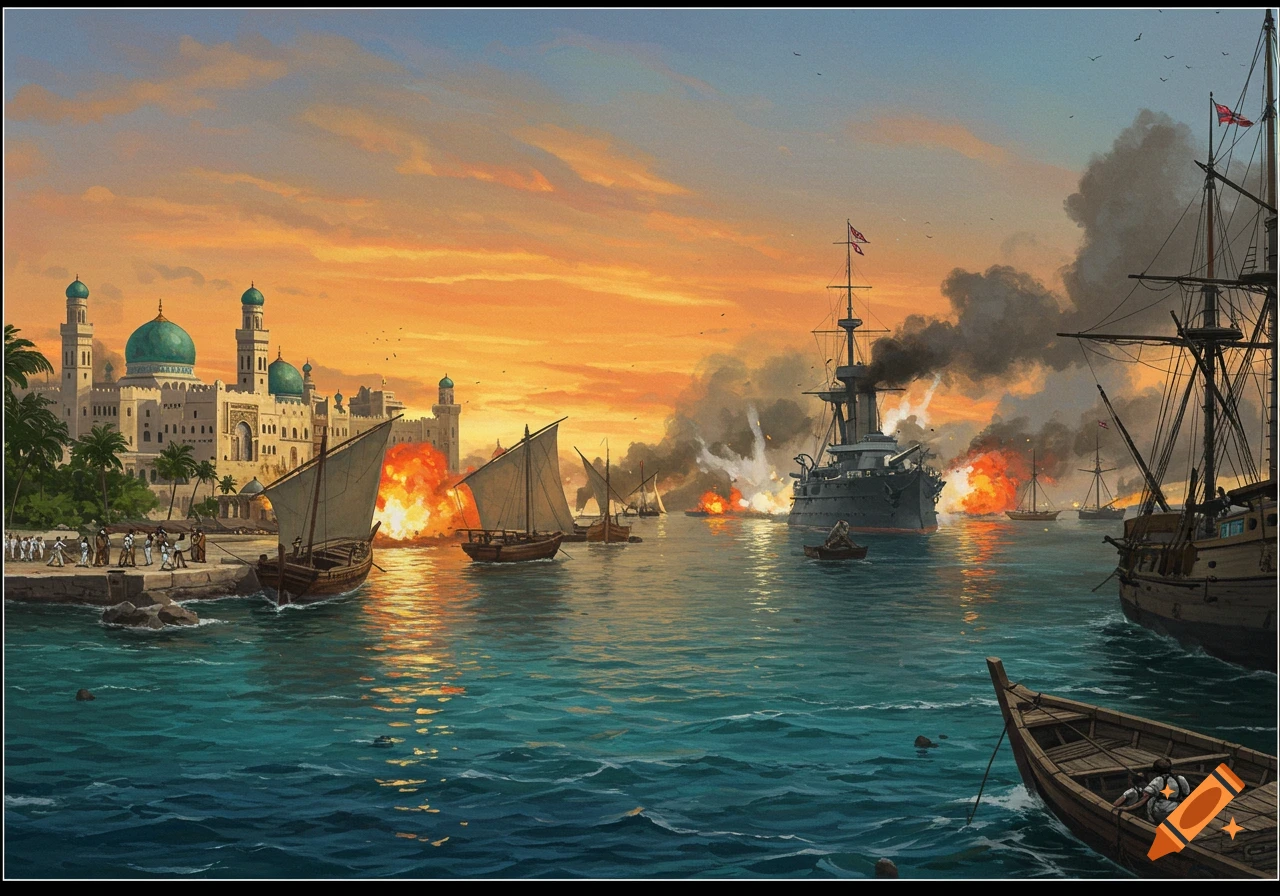
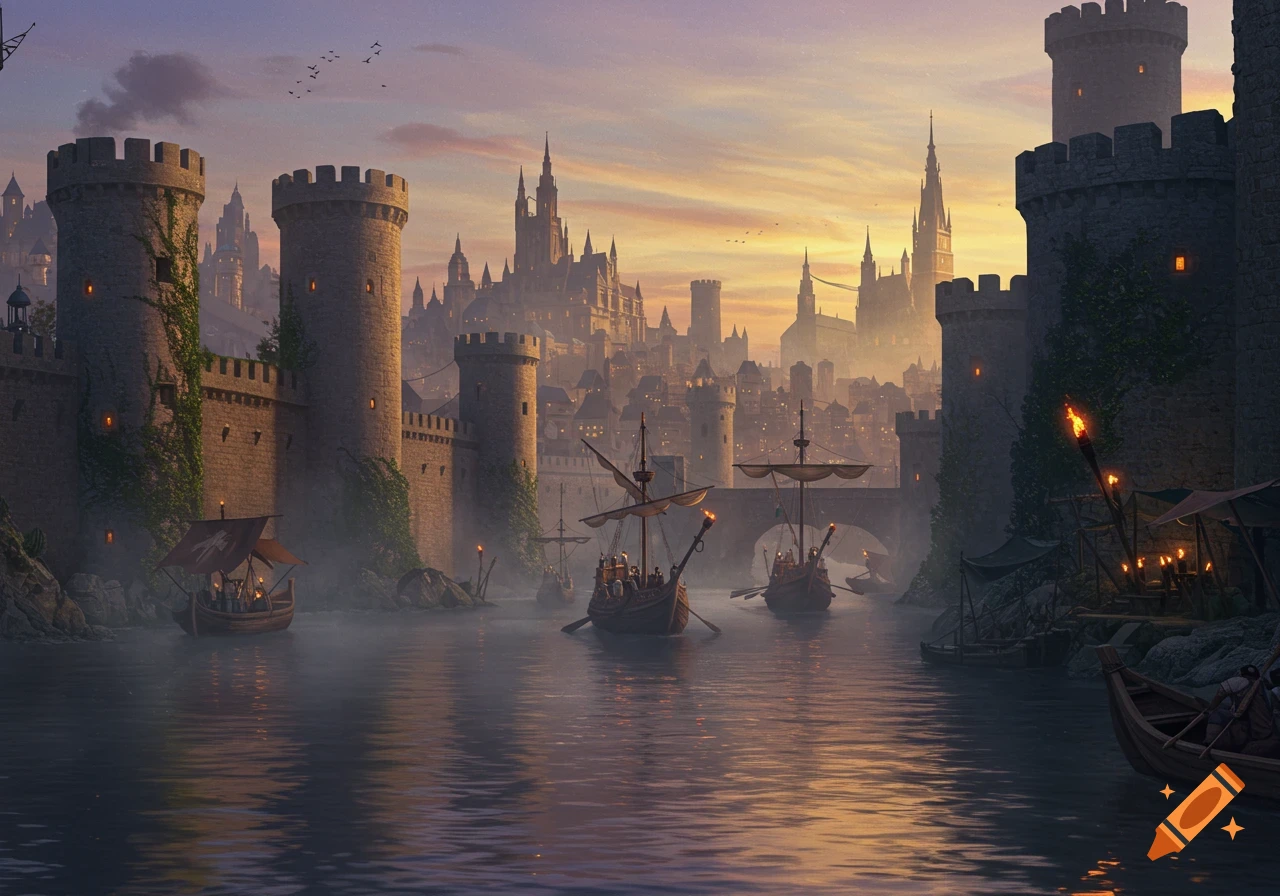
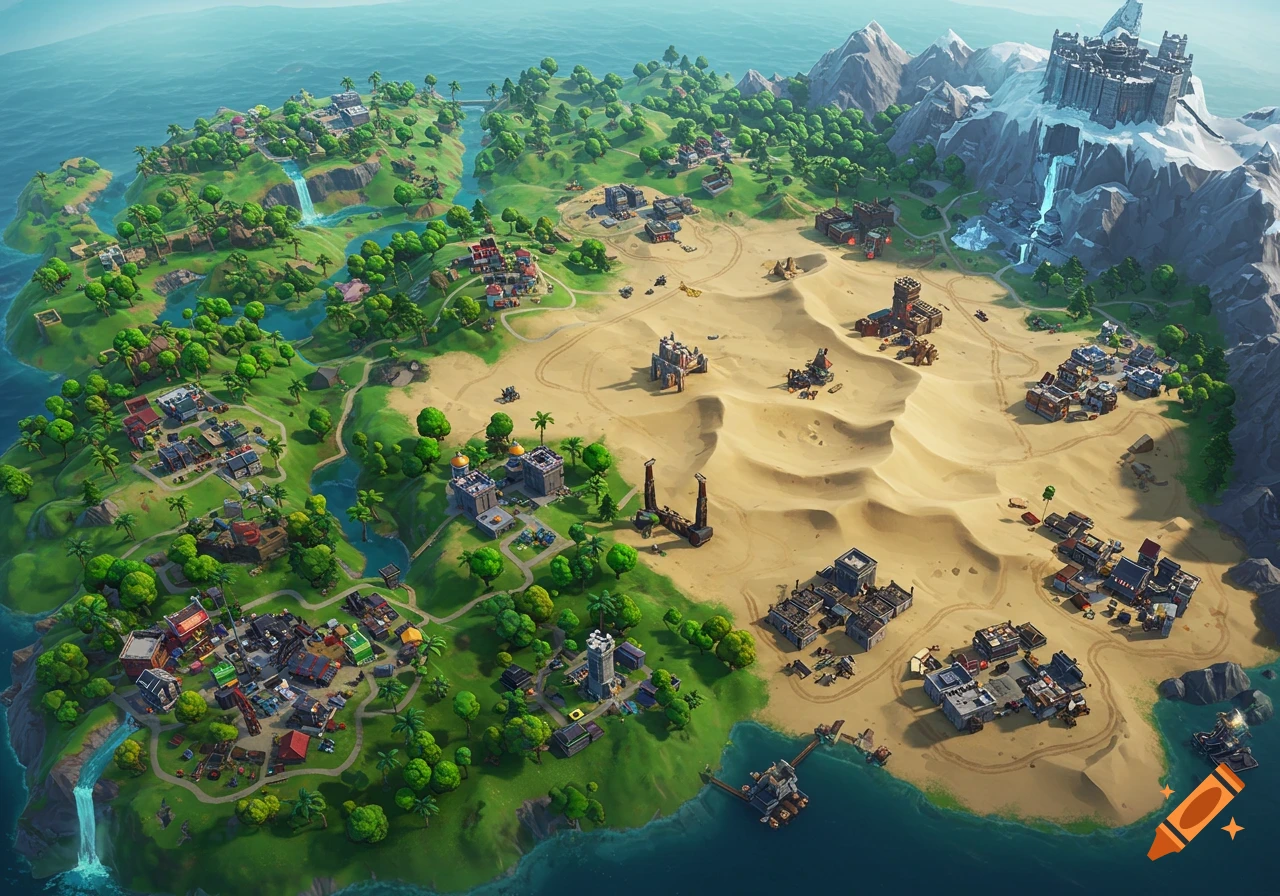
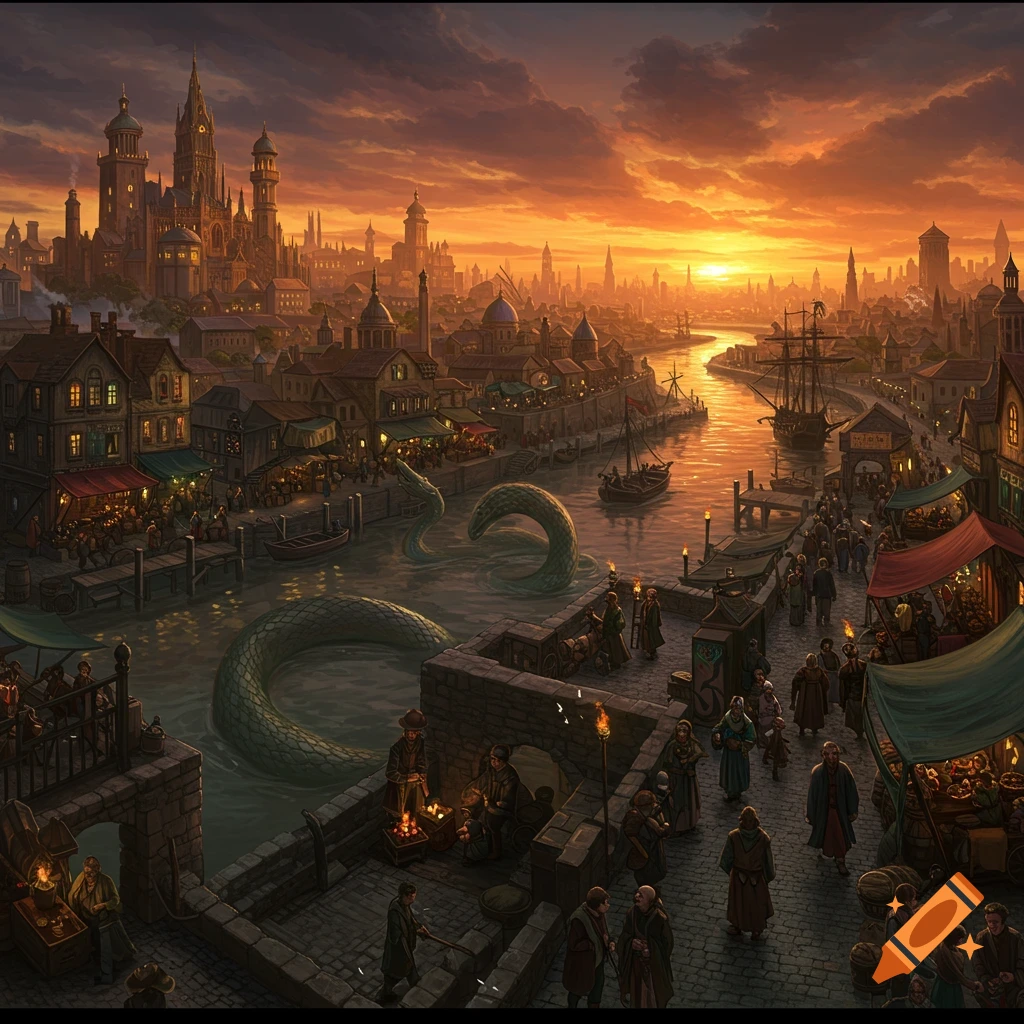
High-angle view of a bustling colonial-era city and port with ships and industrial elements at sunset, mountains in background.
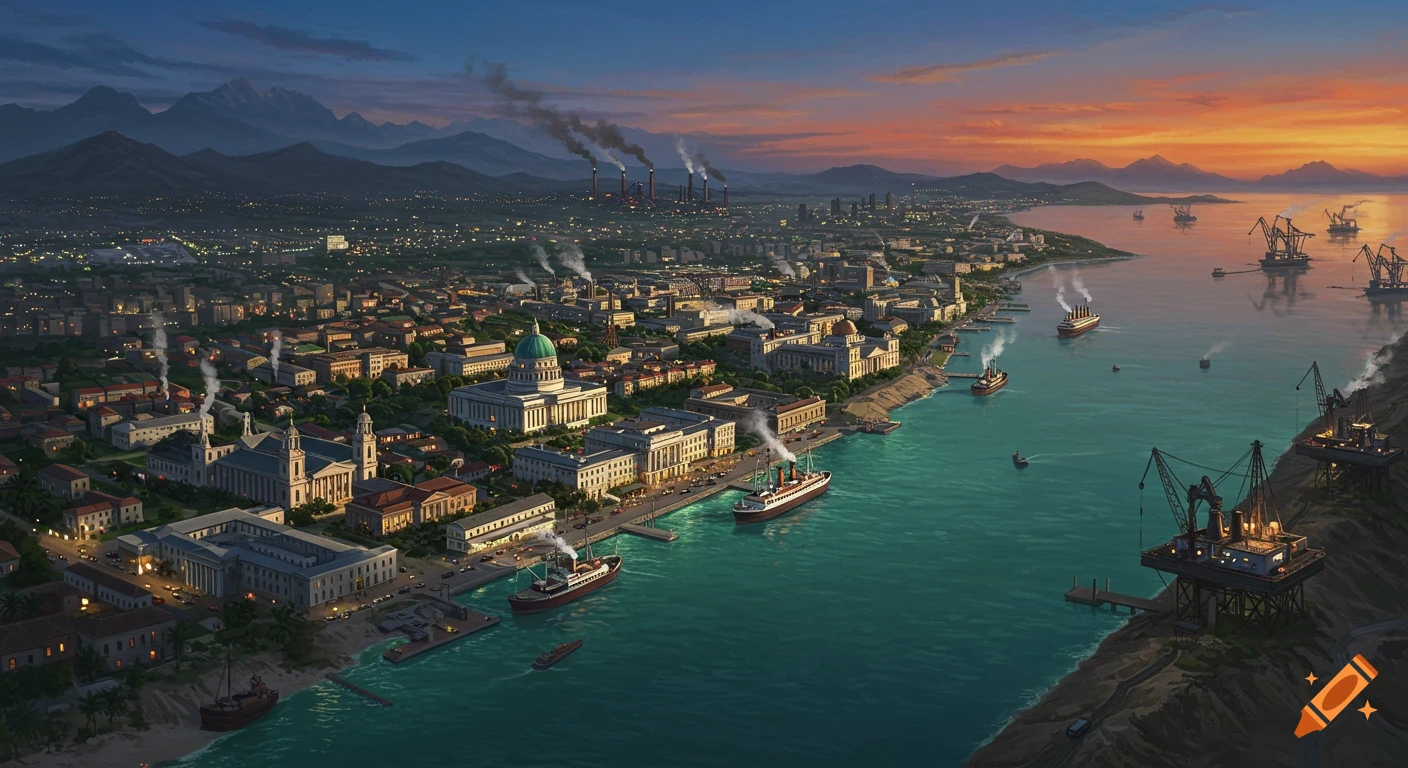
By 1963, the Dominion of New Albion—as British Mexico had come to be known—stood as one of the Crown’s most resource-rich and geopolitically strategic colonies. Stretching from the Yucatán Peninsula to the Baja coast, and from the Gulf of Albion (formerly the Gulf of Mexico) to the Sierra Madre ranges, New Albion had been under British administration since the early 17th century, when English forces supplanted weakened Spanish control in the region. The capital, Victoria City, formerly Tenochtitlán, sprawled around the crystalline waters of Lake Albion (Lake Texcoco), its skyline a blend of Georgian colonial facades, Anglican spires, and modernist government complexes built during the post-war imperial modernization projects of the 1950s. ⚒️ Economic Significance: The Empire’s Treasure Chest New Albion was often referred to in Whitehall as “the Crown’s Crucible”, thanks to its rich deposits of silver, copper, zinc, and oil. For three centuries, British industrial growth had been heavily subsidized by the uninterrupted extraction of New Albion’s mineral wealth. By the 19th century, Royal Chartered Companies like the Mexican Britannic Mining Company (MBMC) held monopolies over vast mining operations in Zacatecas and Durango. Silver from New Albion helped fund British expansion in India and Africa, while copper fed the electrical boom of the 20th century. Oil fields near Tampico, developed under the Petro-Albion Authority, made the dominion a critical player in Britain’s See more