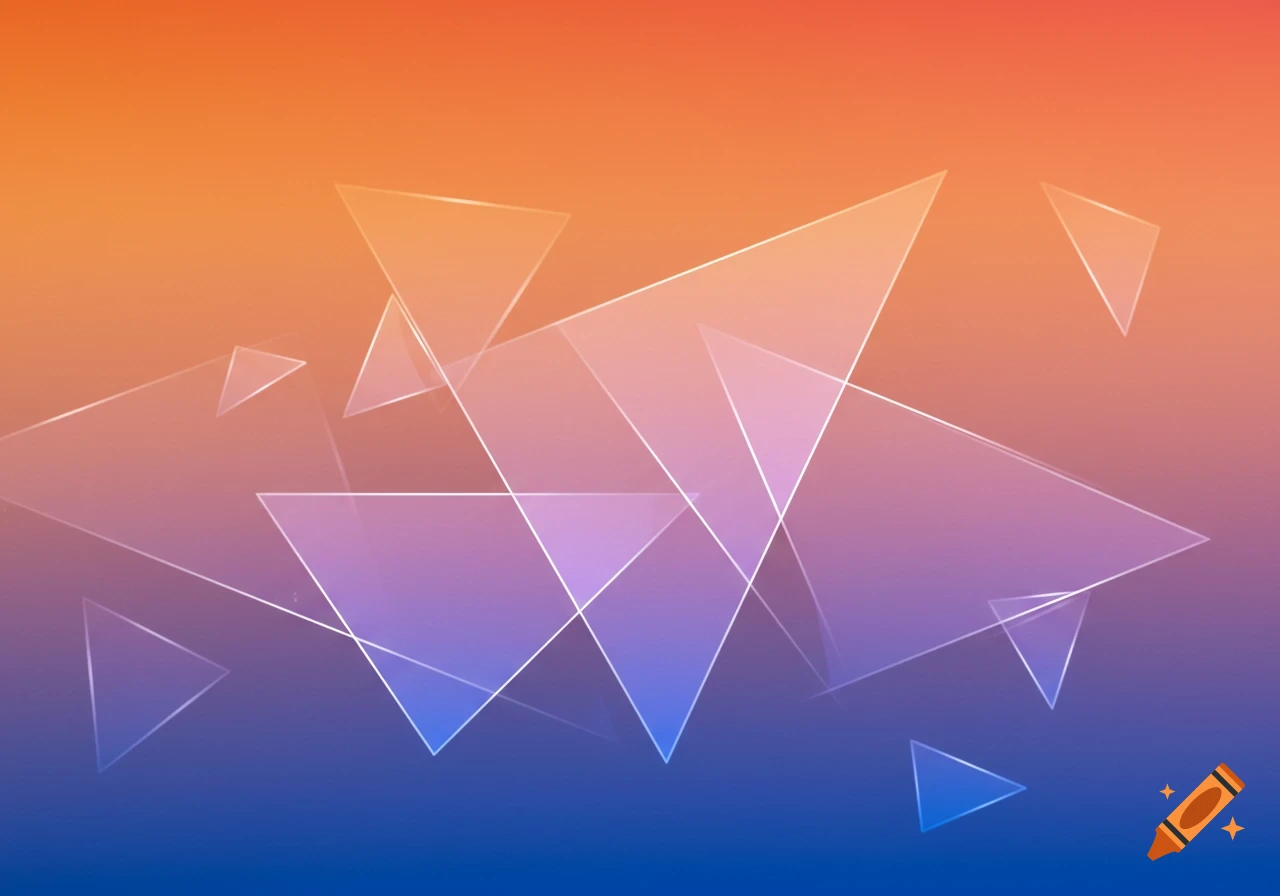
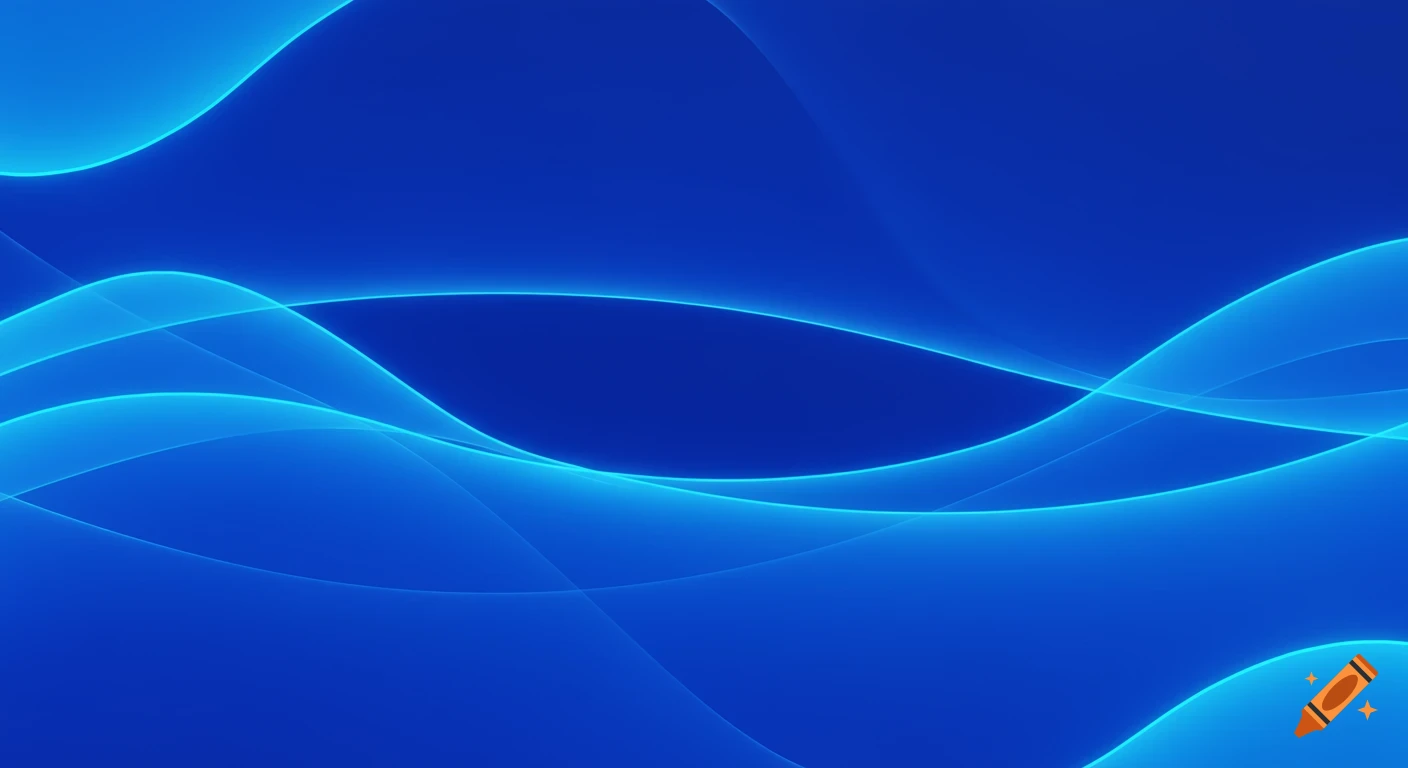
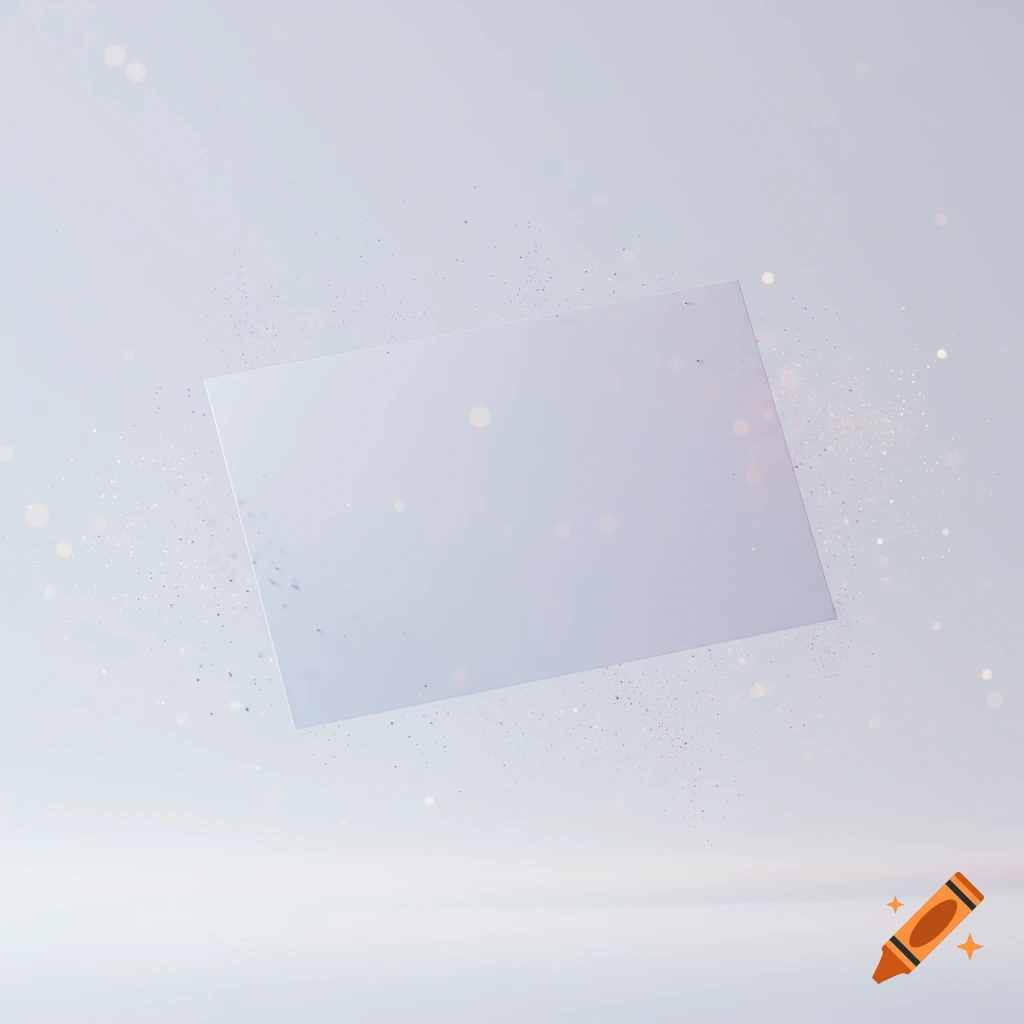
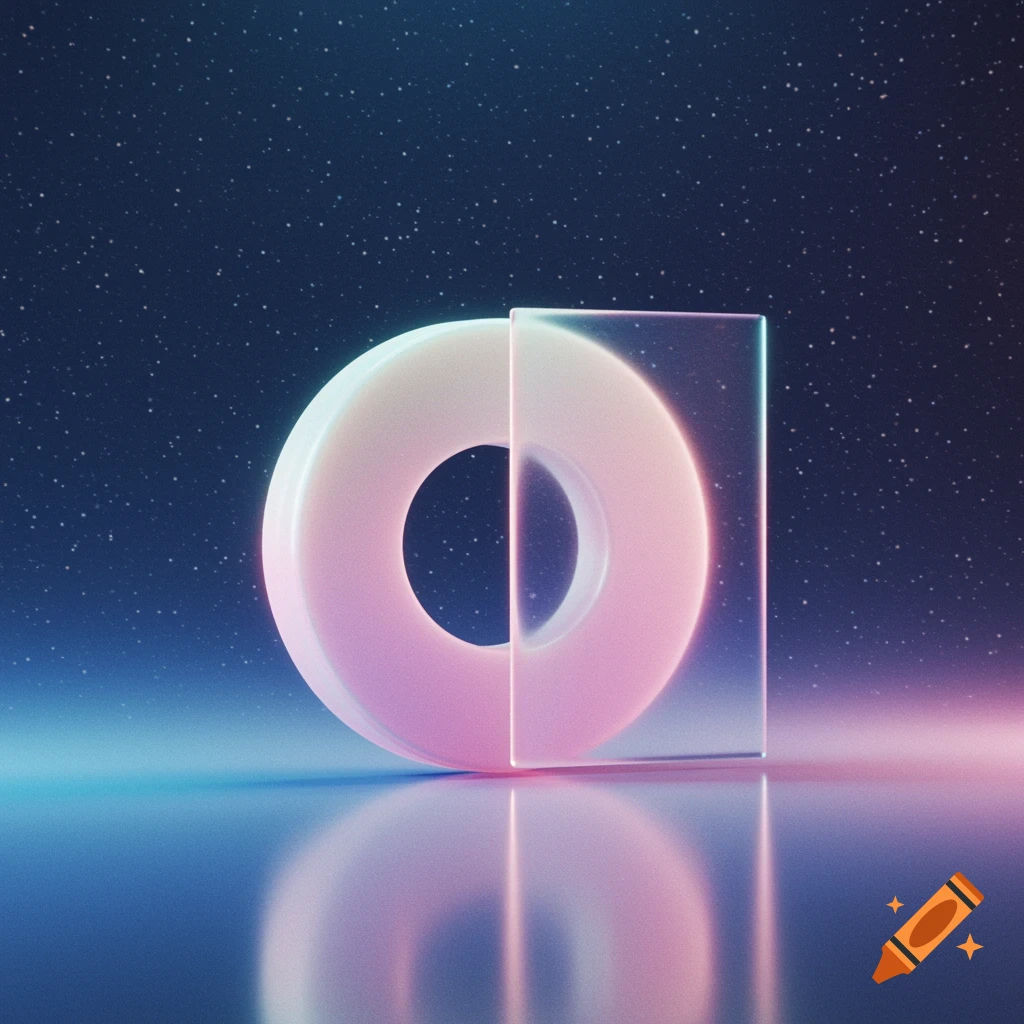
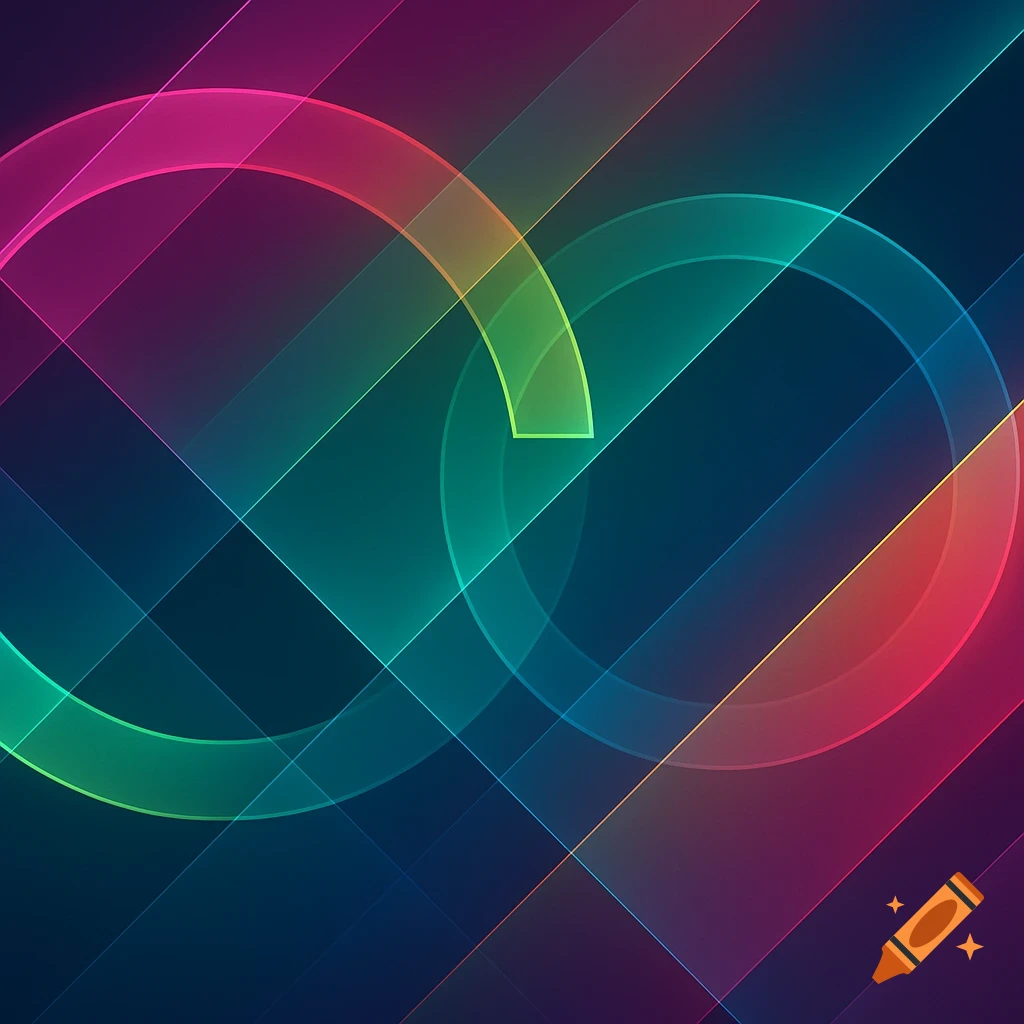
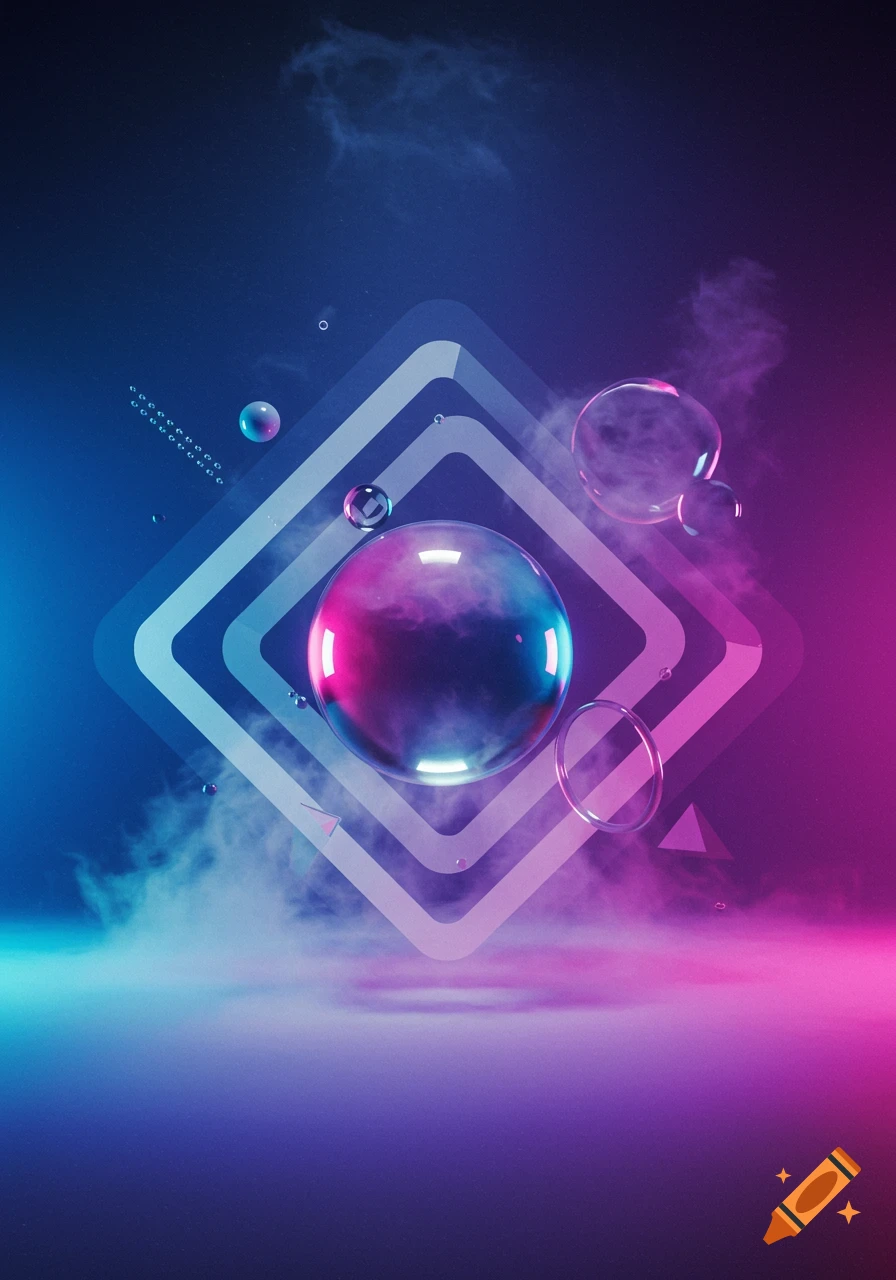
Layered, transparent glass-like rectangles with rounded corners over a vibrant gradient background of yellow, pink, purple, and blue.
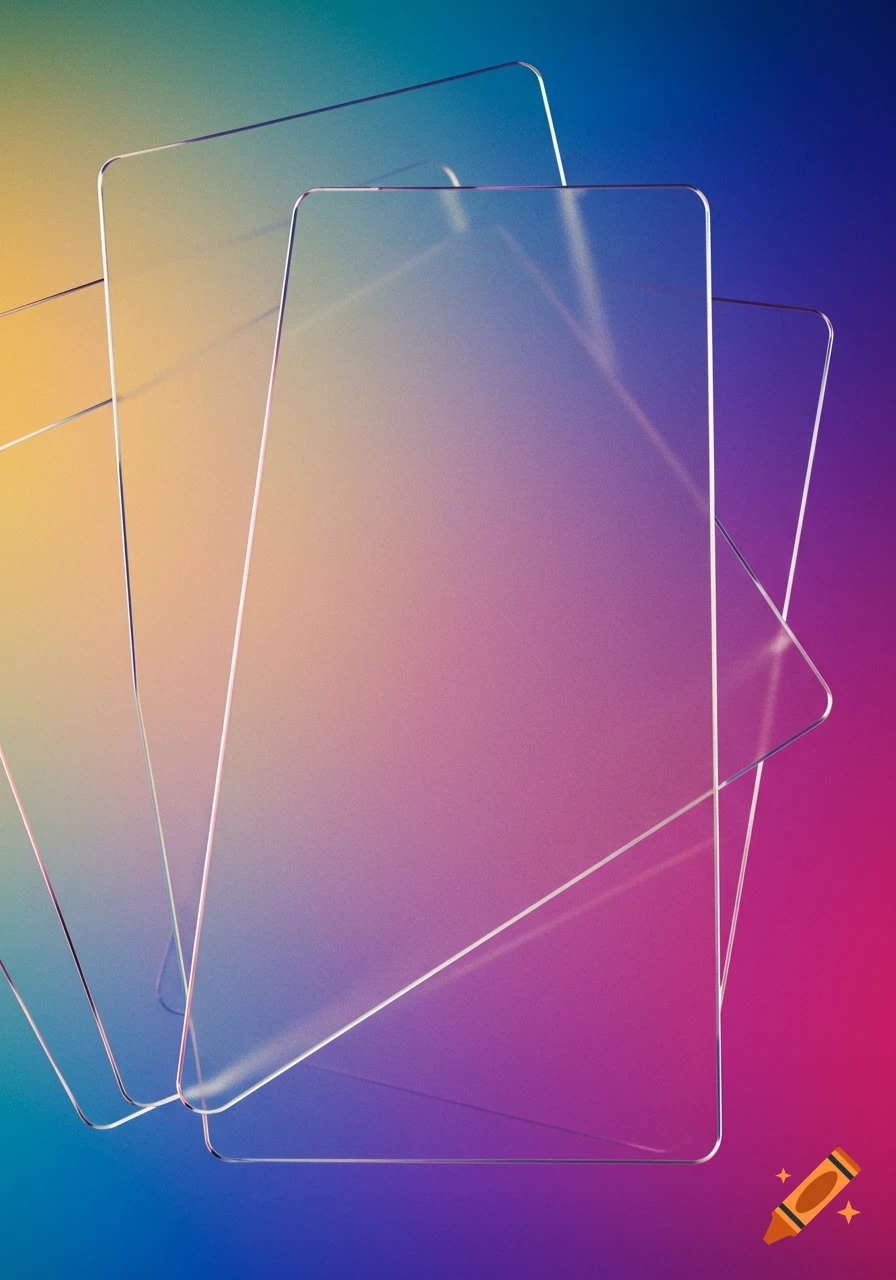
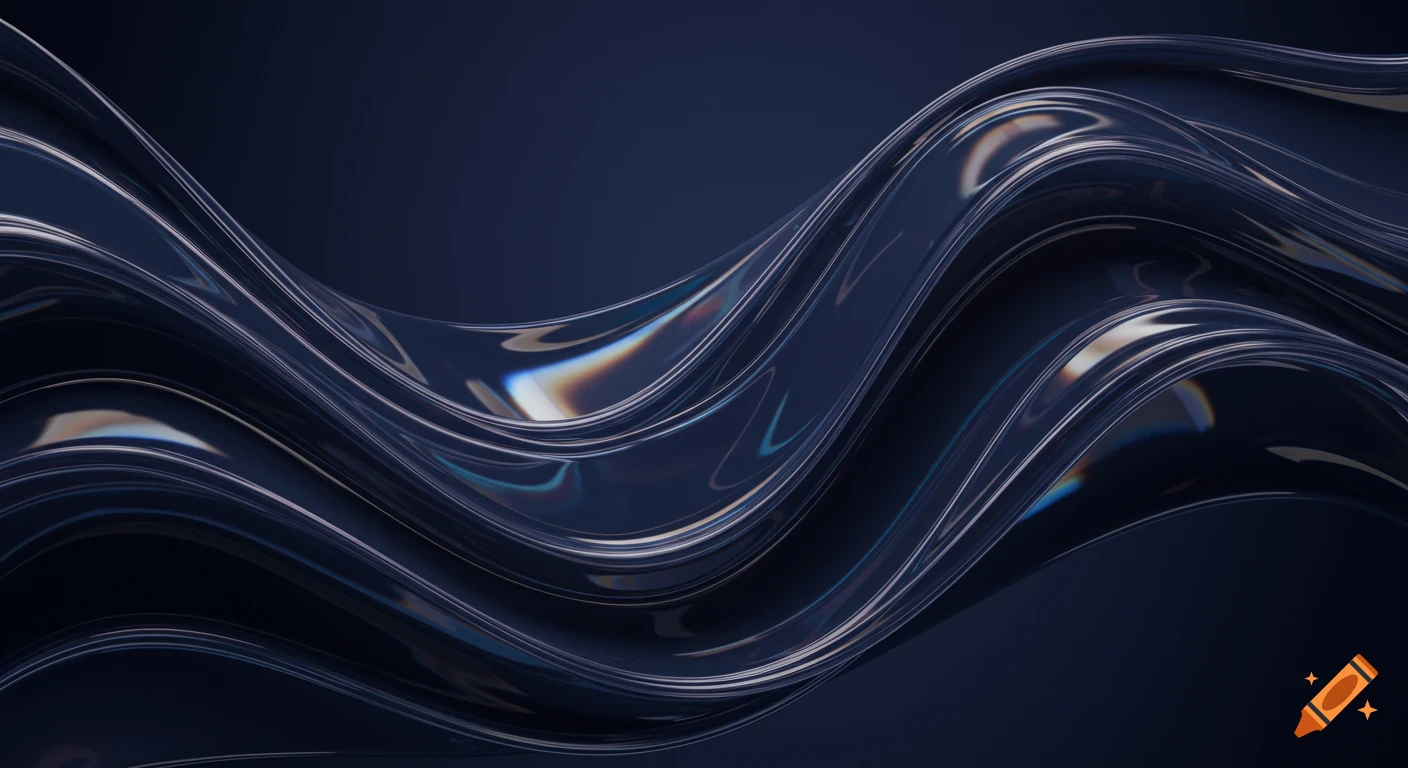
glassmorphic characteristics [Transparency and Background Blur: This is the most defining feature. Elements designed in this style are semi-transparent, allowing the background to show through, but with a blur applied to create that "frosted glass" effect. This blurring helps to create a sense of depth and separation from the content behind it. Subtle Borders/Highlights: Often, glassmorphic elements have a thin, light-colored border or highlight. This helps to define the edges of the "glass" and makes it appear as if light is reflecting off its surface, further enhancing the glassy illusion. Layered, Multi-Dimensional Look: The transparency and subtle shadows give the impression that elements are floating or stacked on top of each other, creating a sense of depth and hierarchy in the interface. Vibrant or Colorful Backgrounds: For the glass effect to truly "pop," it's often placed over a rich, vibrant, or gradient background. The varied colors and shapes in the background become visible through the translucent elements, making the blurring effect more noticeable and visually appealing. Soft Shadows: While not always as pronounced as in other styles, subtle drop shadows can be used to further enhance the sense of depth and make the "glass" panels appear to lift off the background. Modern and Elegant Aesthetic: Glassmorphism often conveys a clean, sleek, and sophisticated feel, making it popular for modern applications and websites. Accessibility Considerations: One important See more