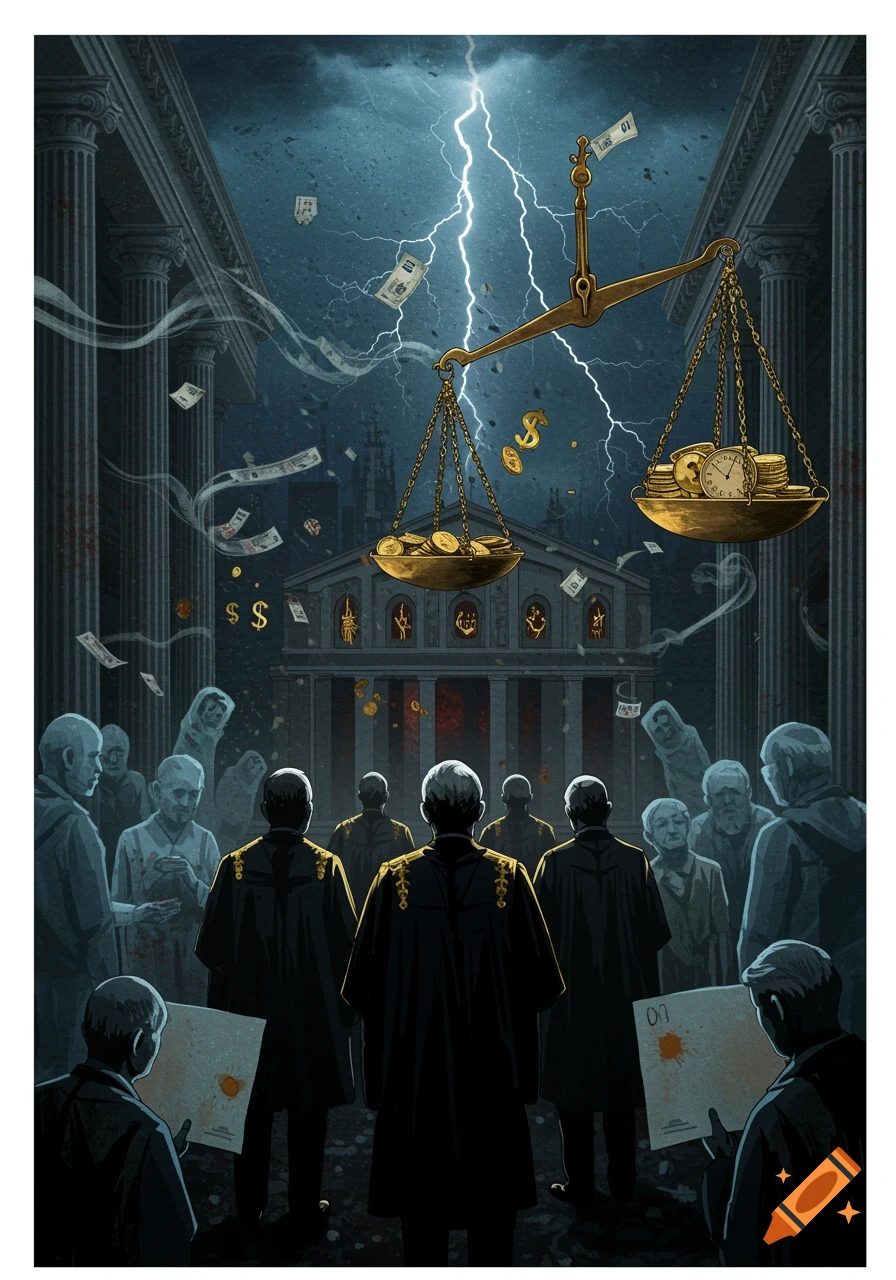
Illustrated portrait of a man with scales representing justice overlaid.
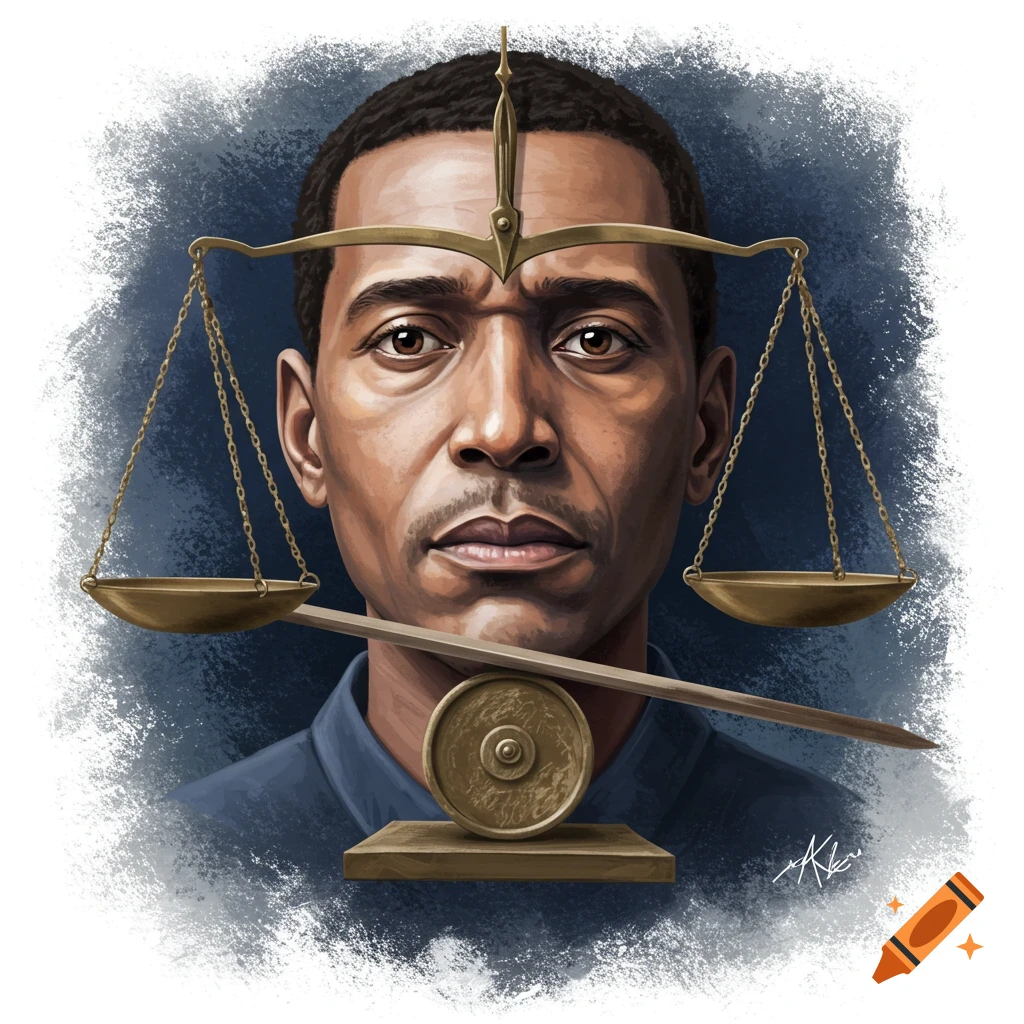
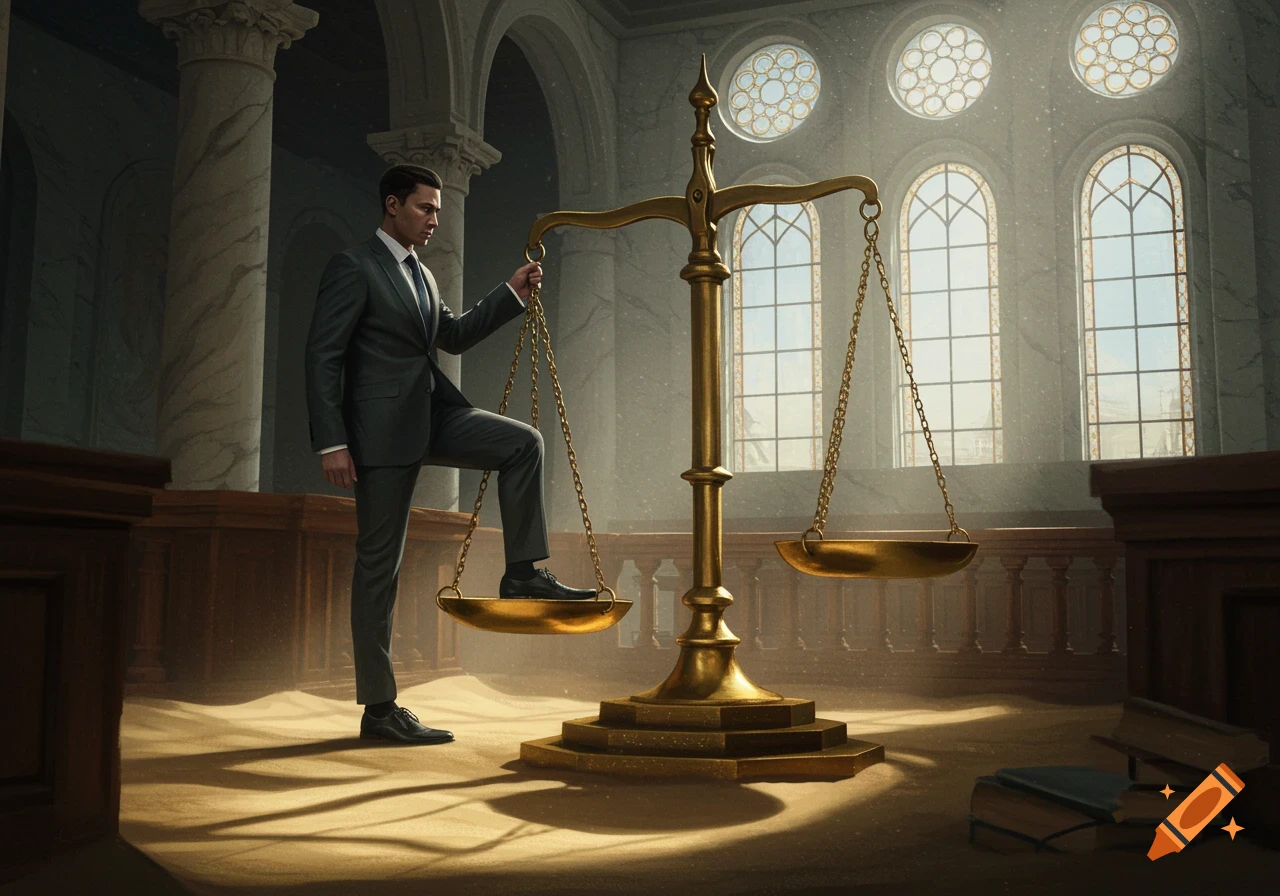
Nicholas B. Allen and Paul B. T. Badcock hypothesize that depressed states evolved to minimize risk in social interactions in which individuals perceive that the ratio of their social value to others, and their social burden on others, is at a critically low level. When this ratio reaches a point where social value and social burden are approaching equivalence, the individual is in danger of exclusion from social contexts that, over the course of evolution, have been critical to fitness. Many features of depressed states can be understood in relation to mechanisms that reduce social risk in such circumstances, including (a) hypersensitivity to signals of social threat from others, (b) sending signals to others that reduce social risks, and (c) inhibiting risk-seeking (e.g., confident, acquisitive) behaviors. These features are discussed in terms of psychosocial and neurobiological research on depressive phenomena. Can you create for me a graphic of a set of scales or teeter totter to represent social value with the value and burden in balance, or some similar image that visually displays this concept? See more