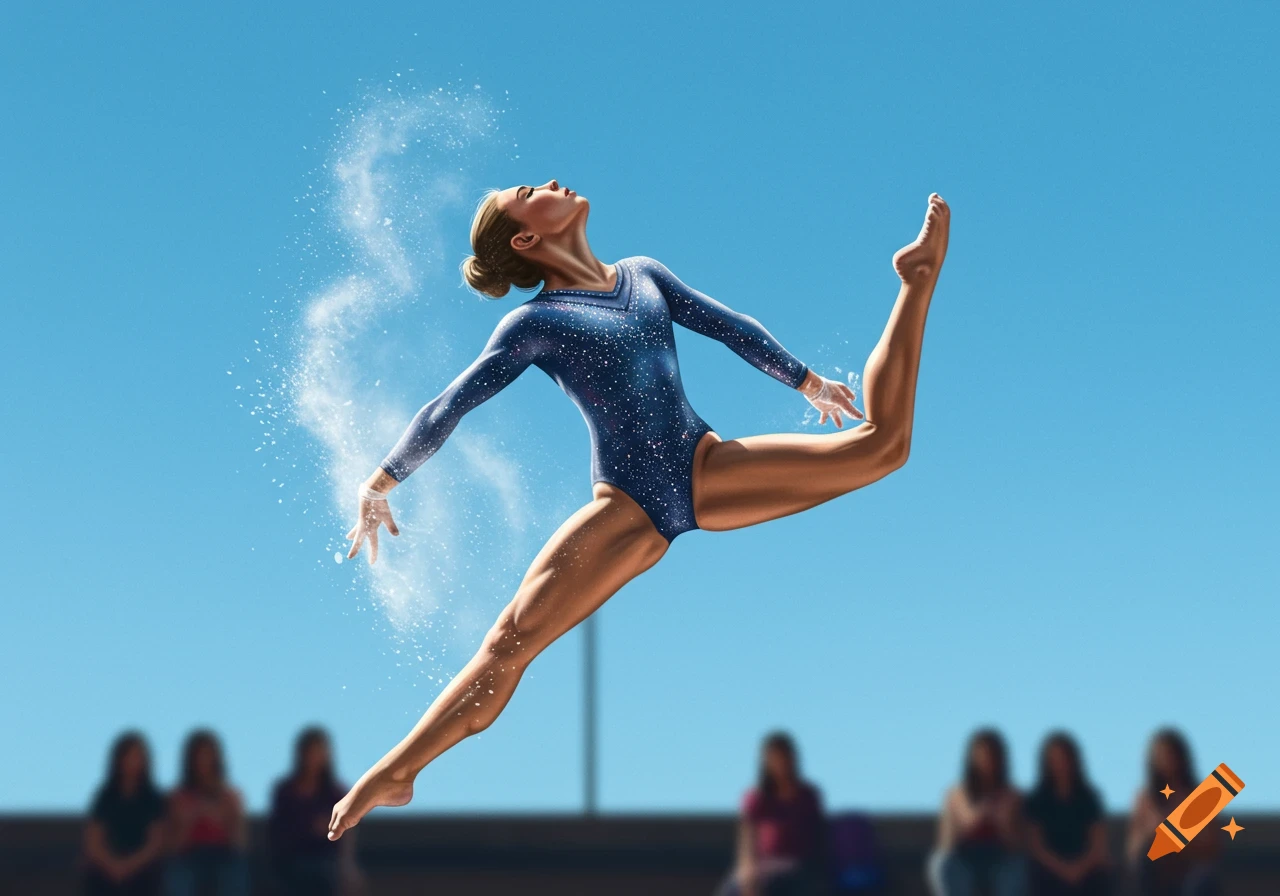
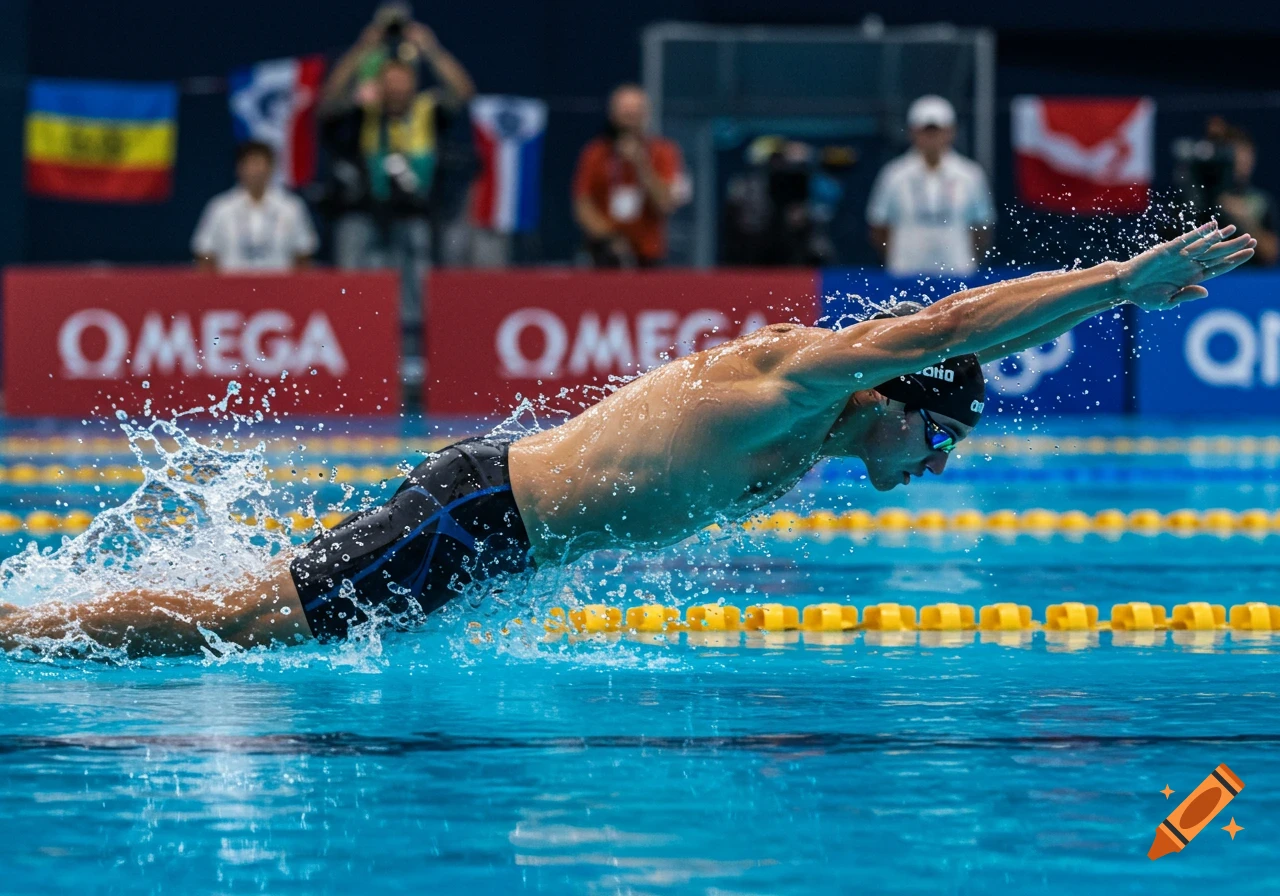
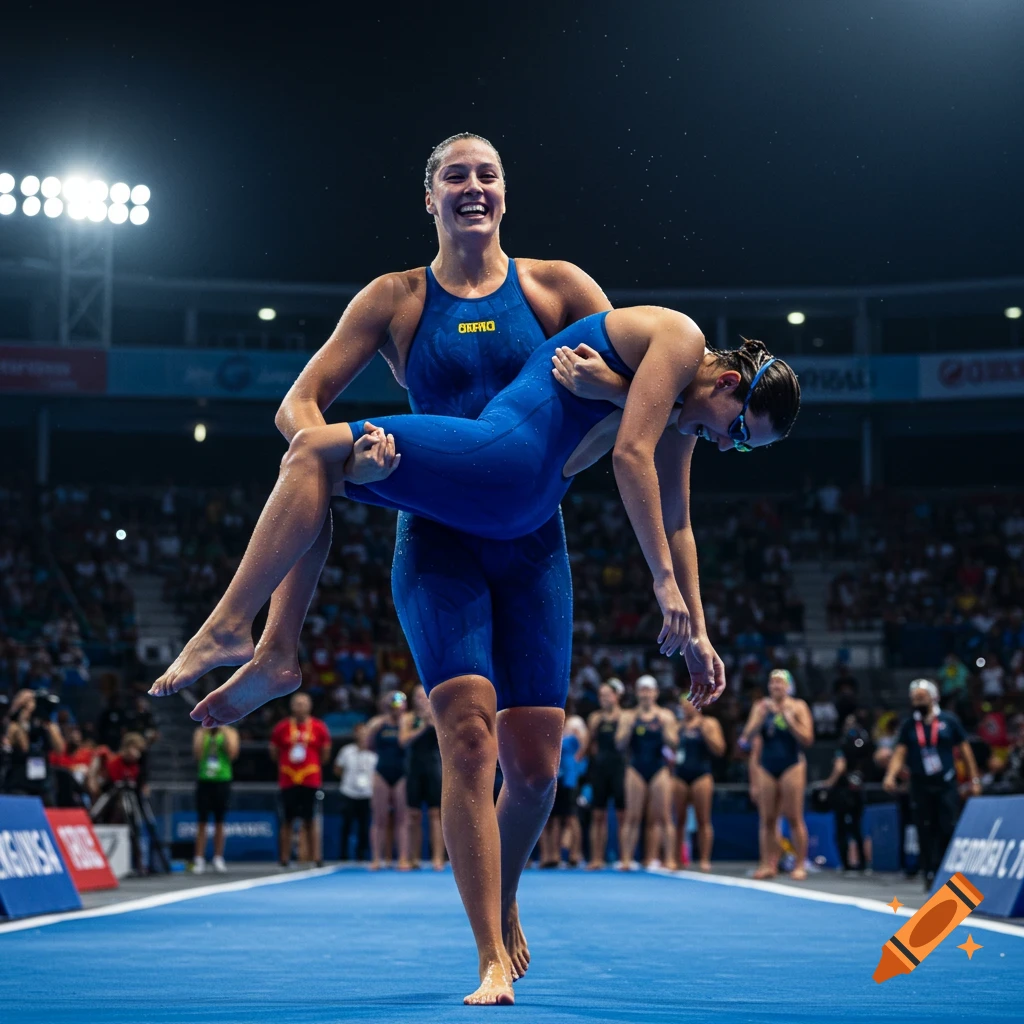
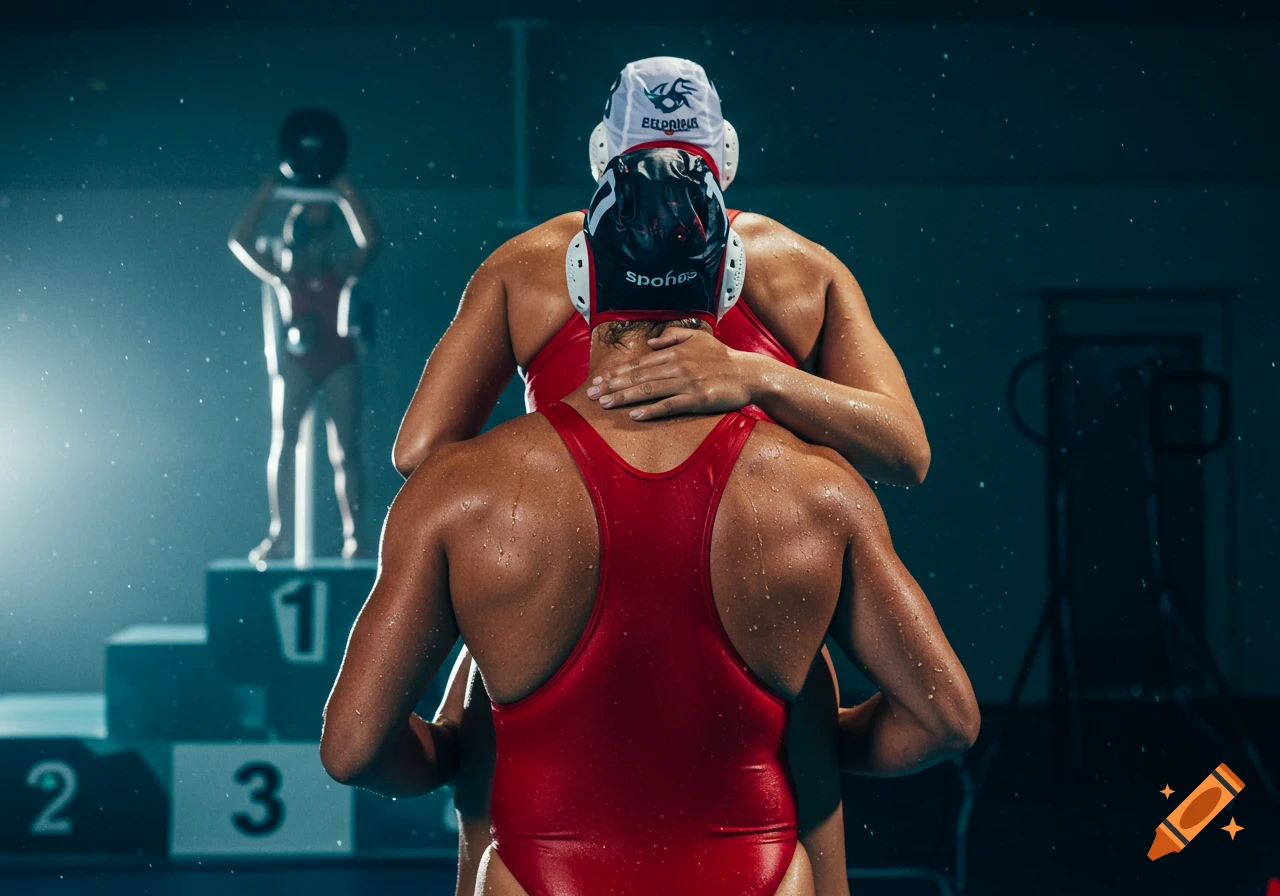
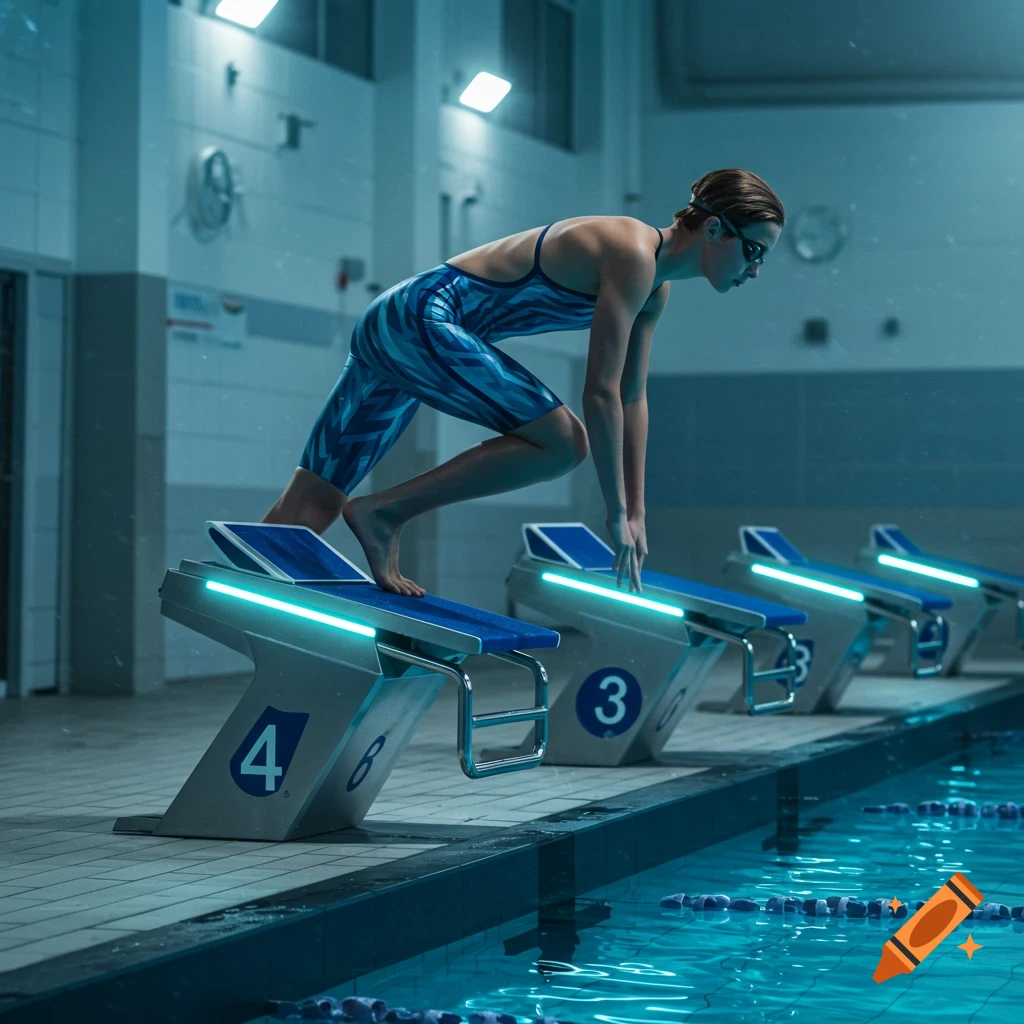
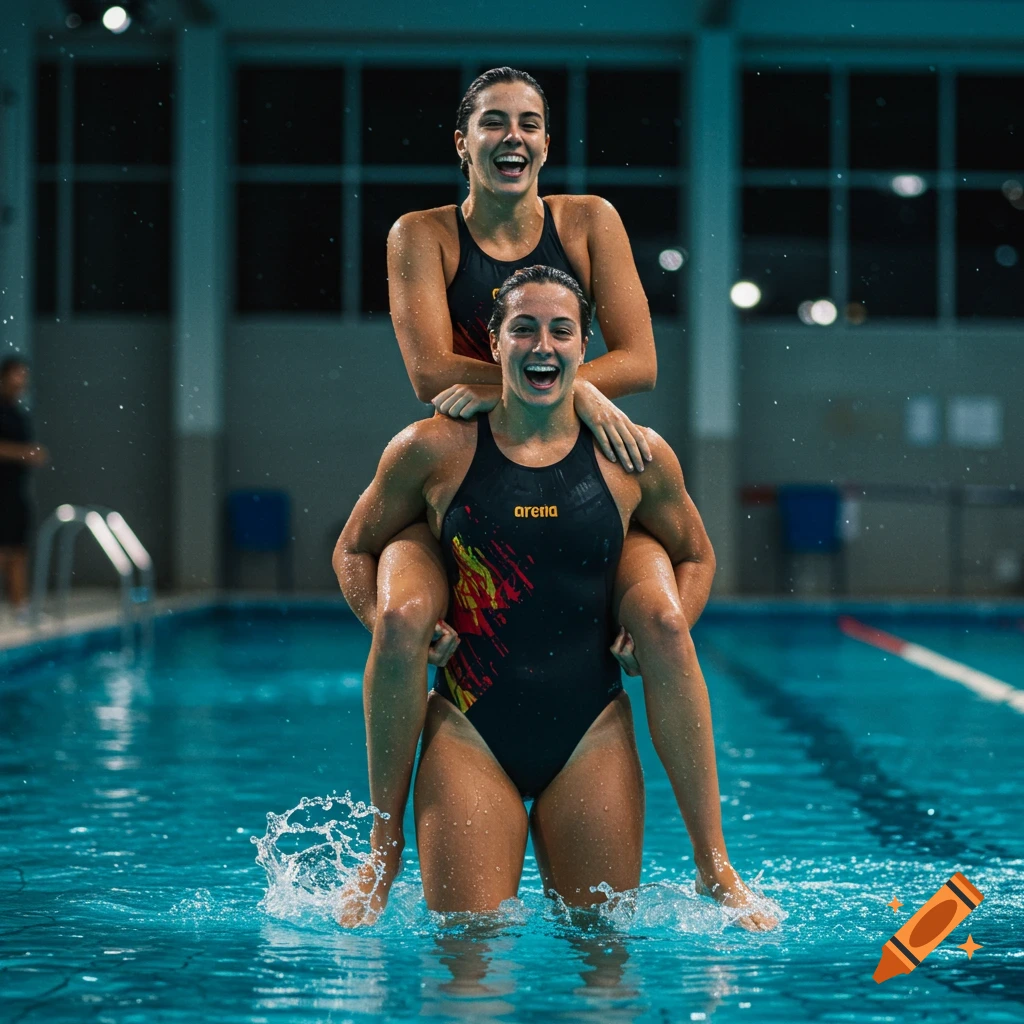
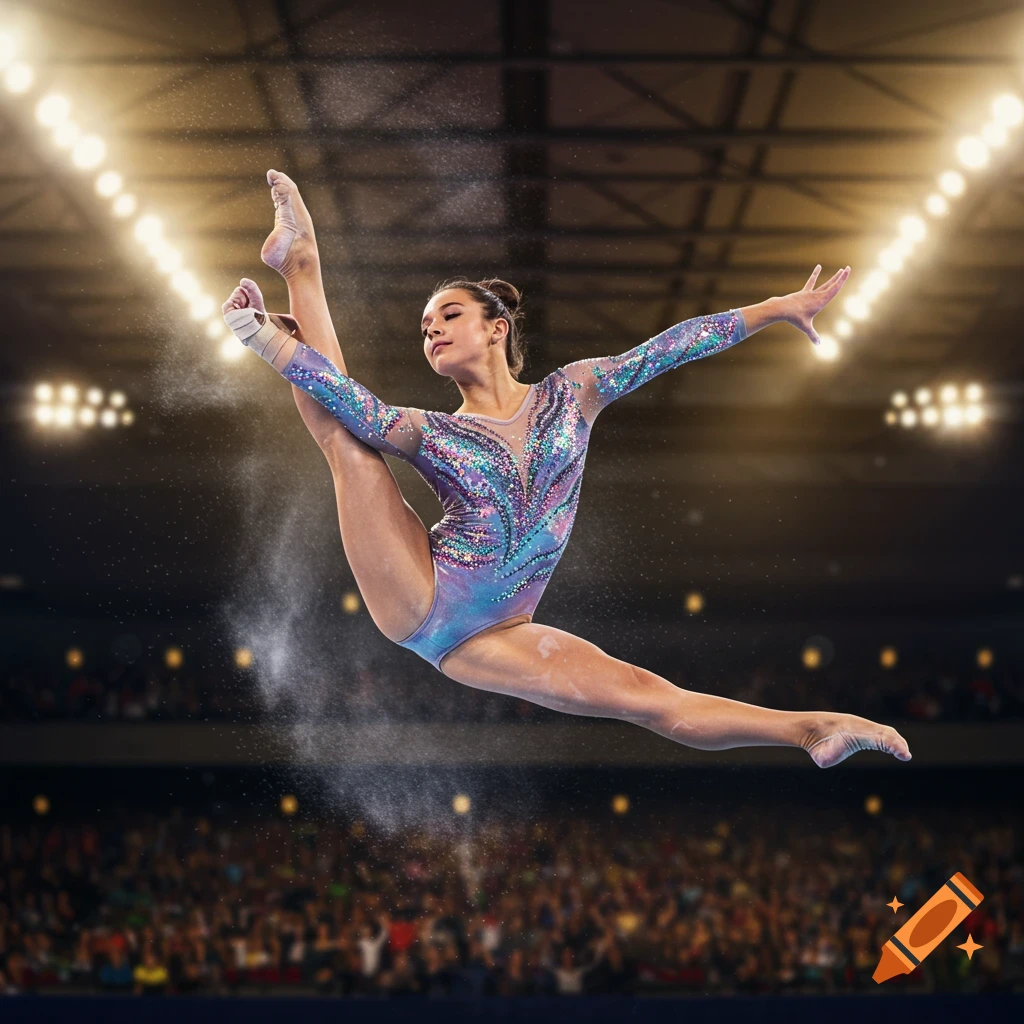
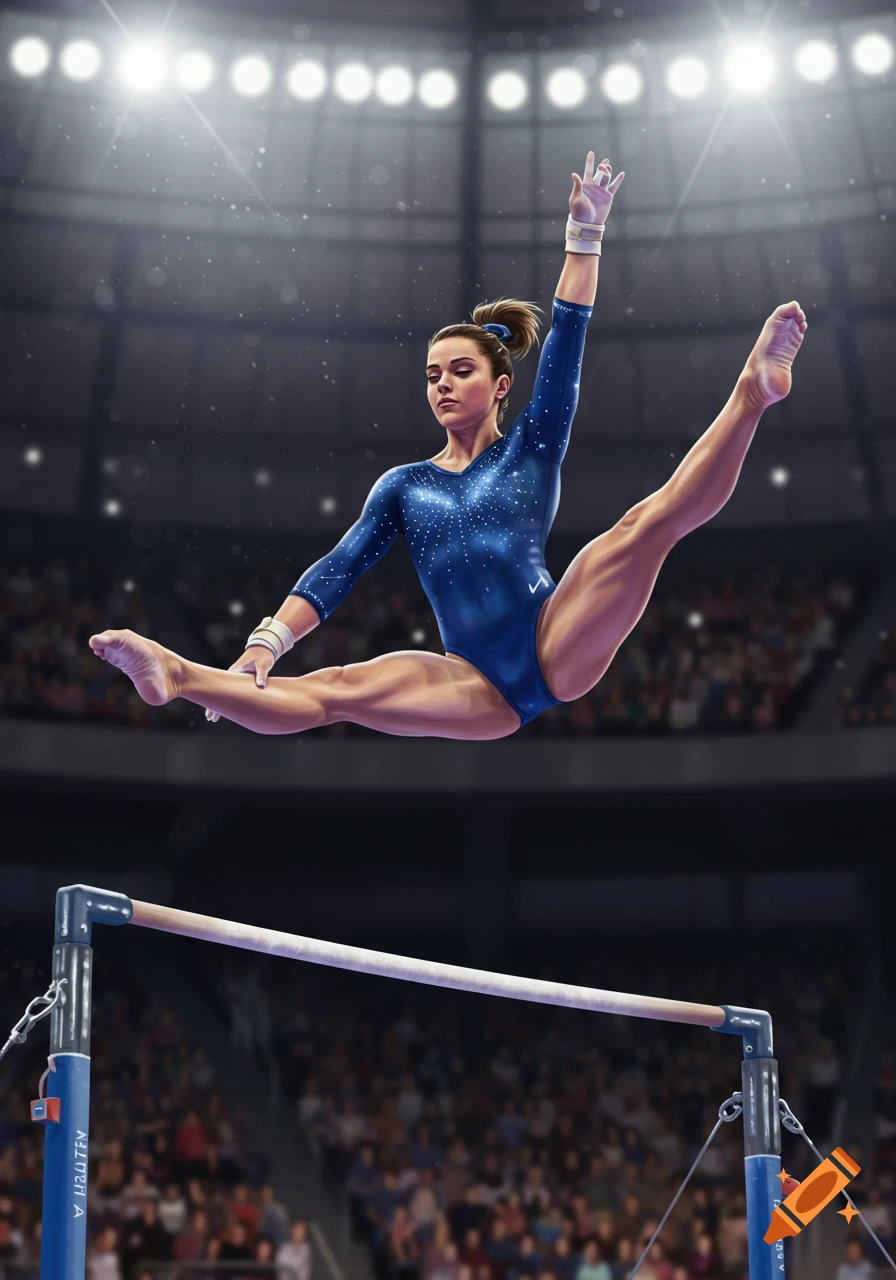
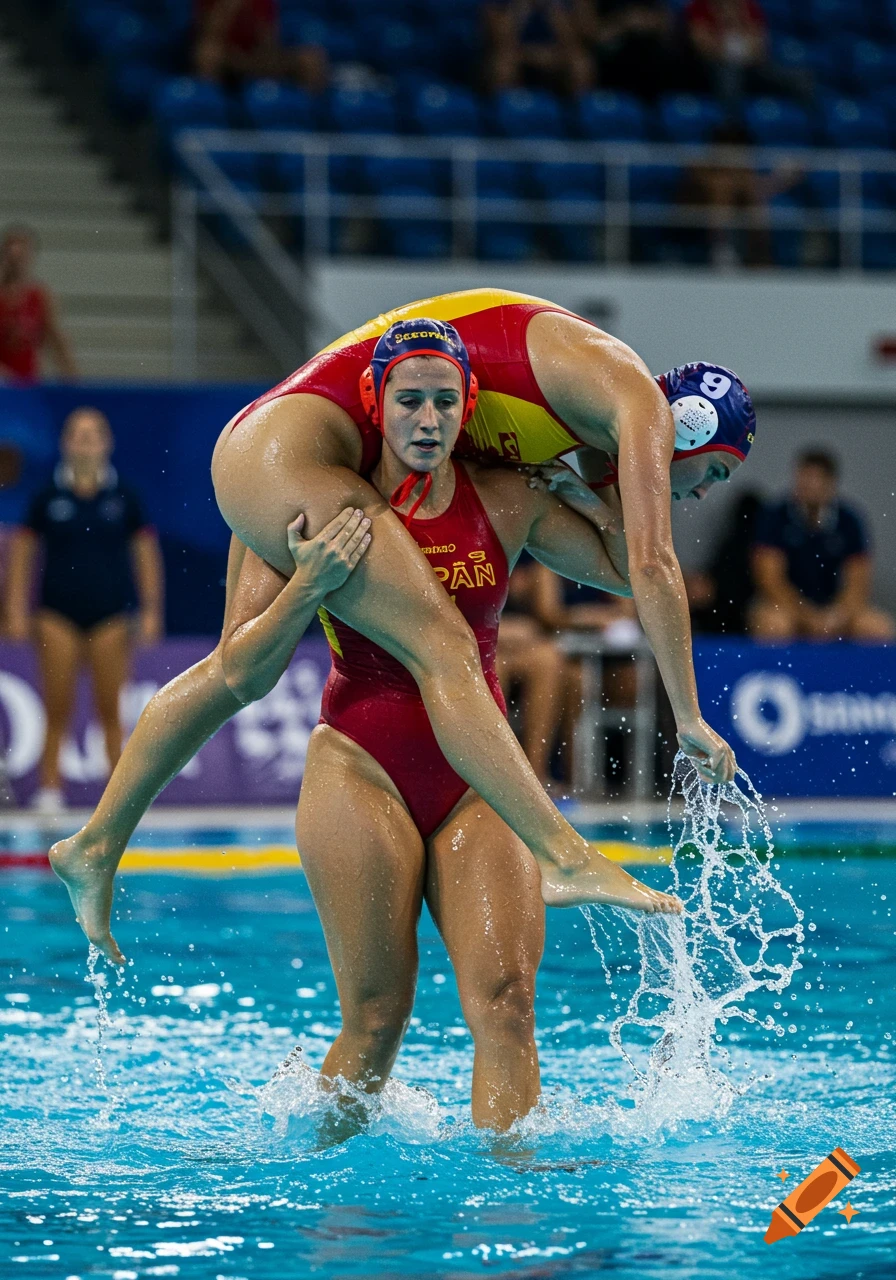
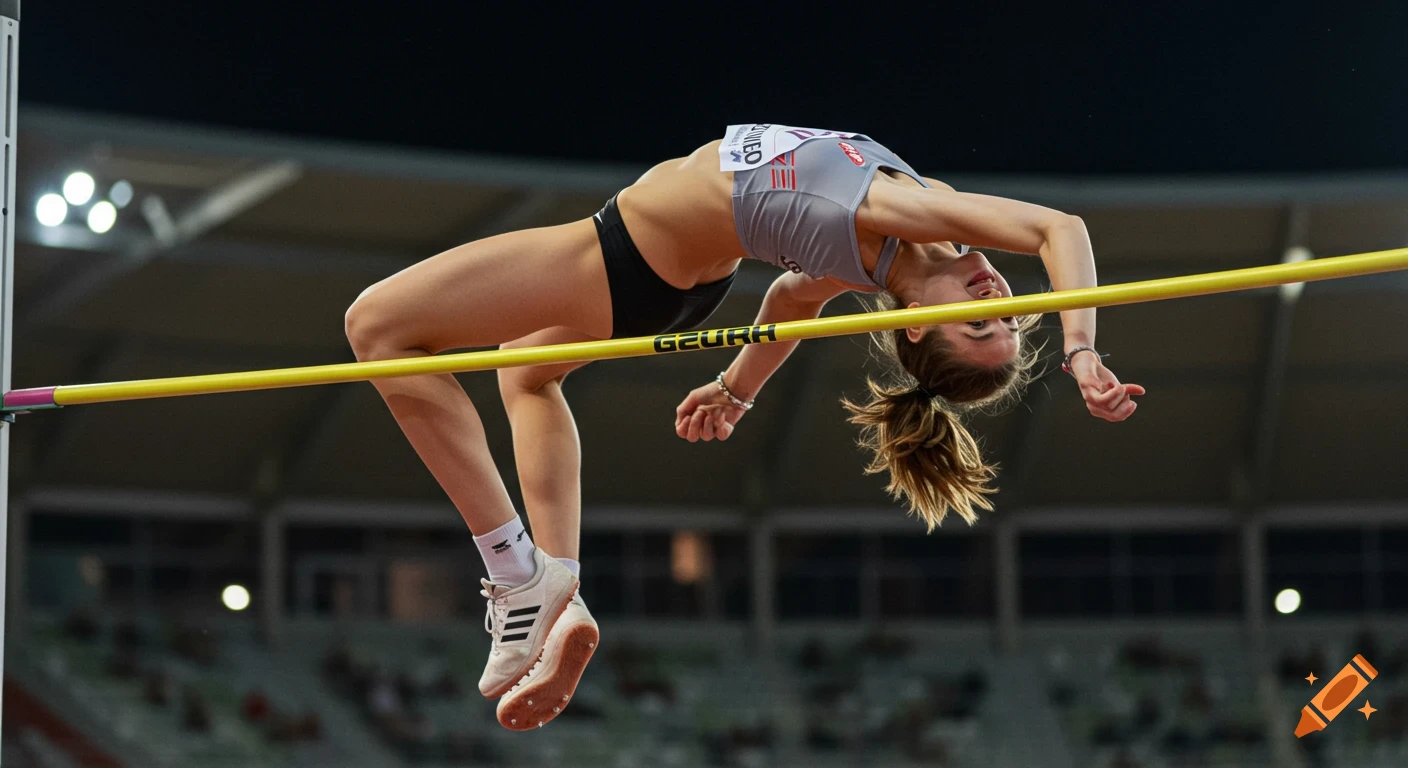
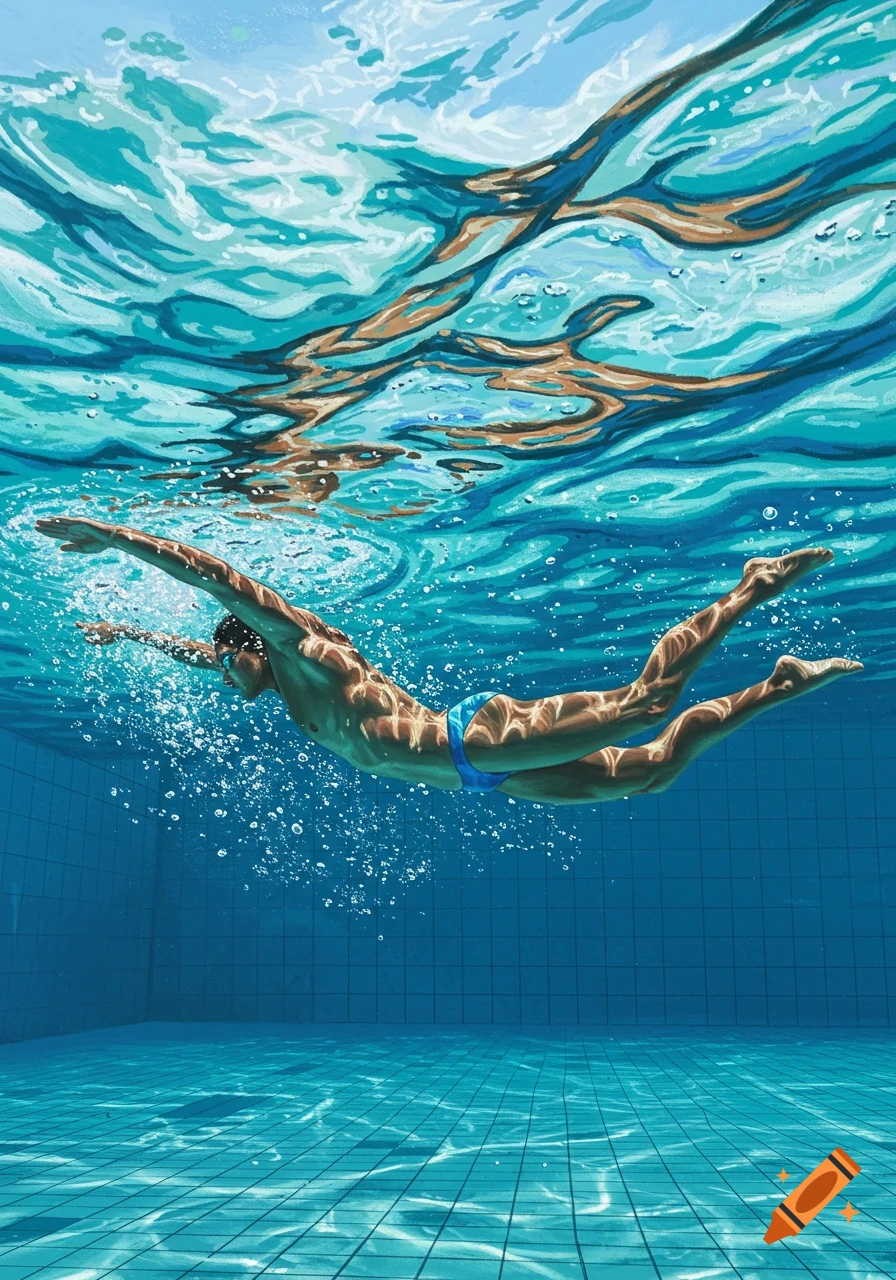
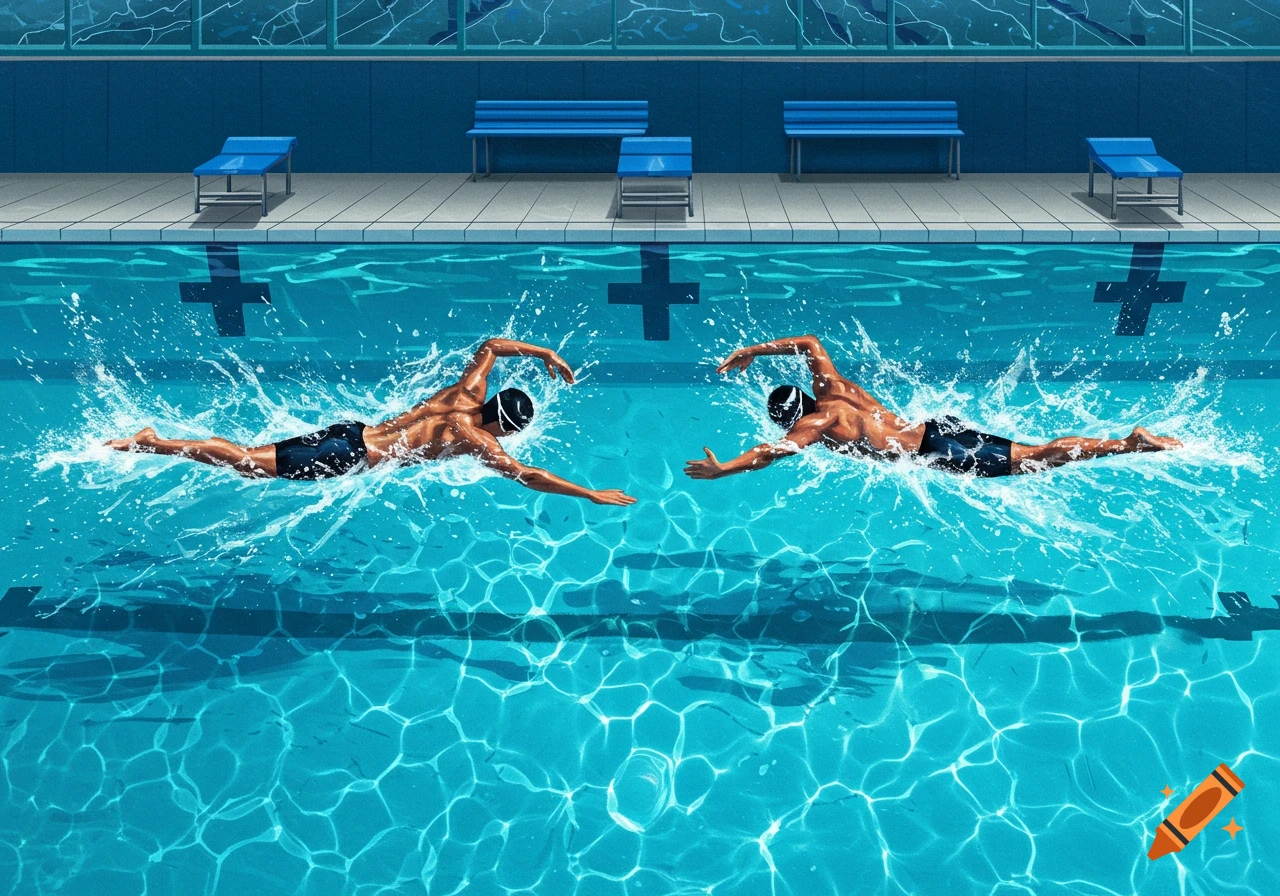
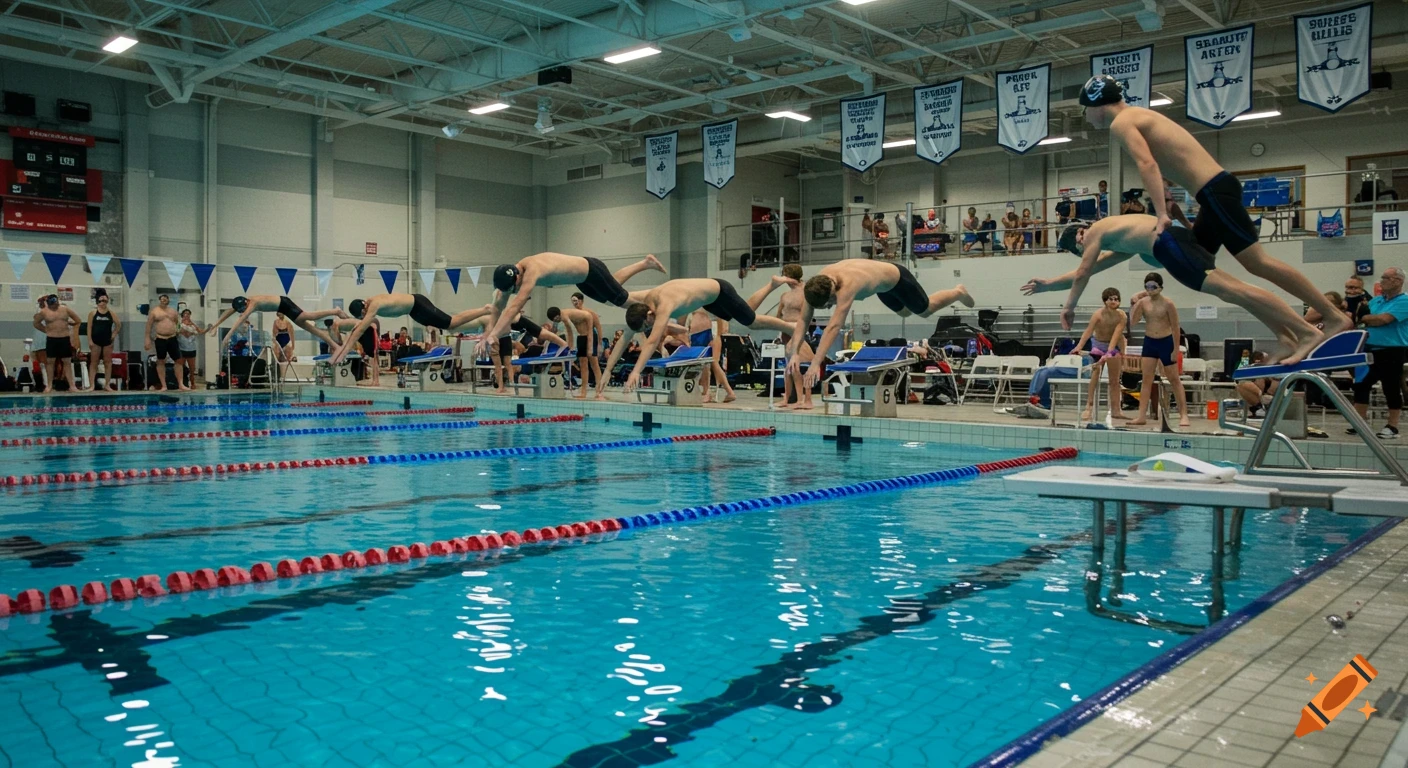
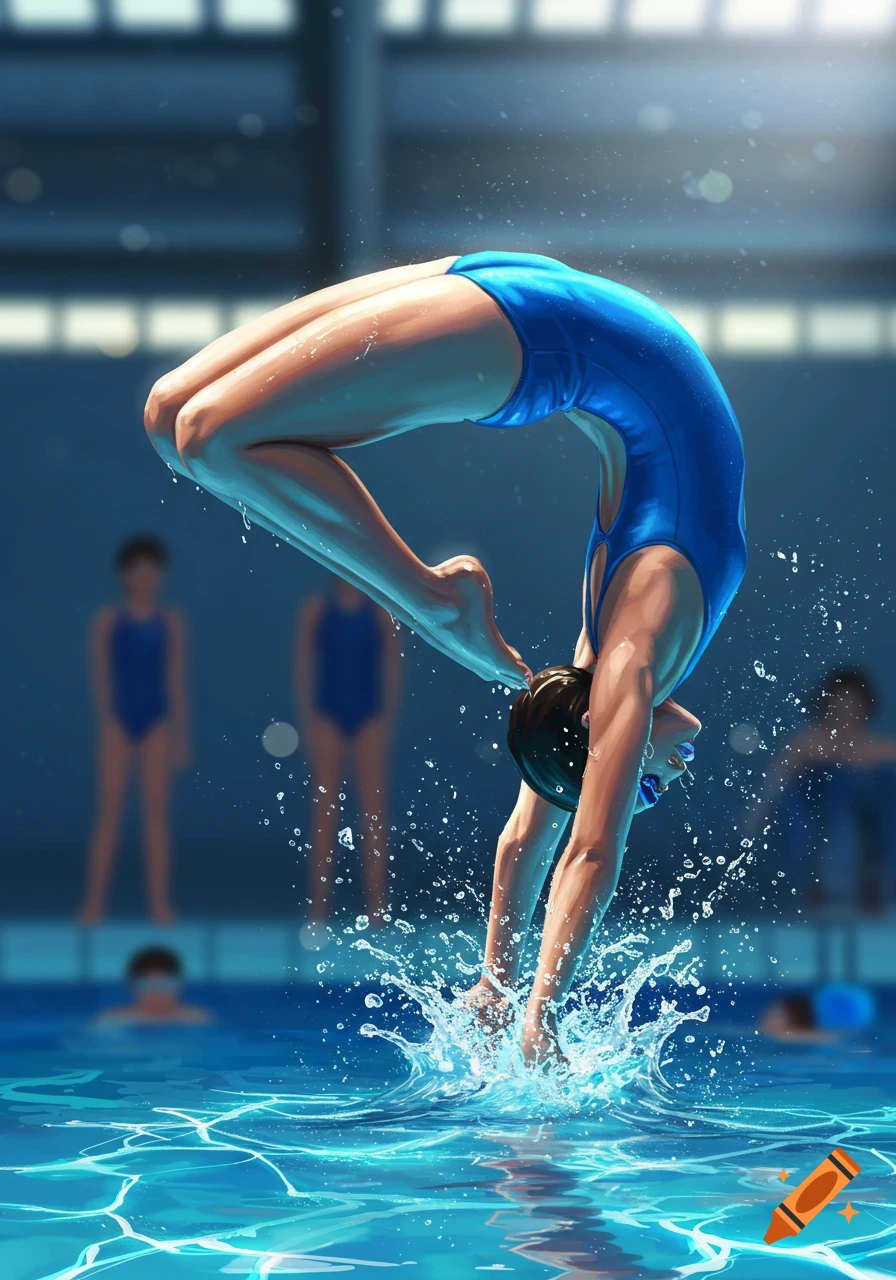
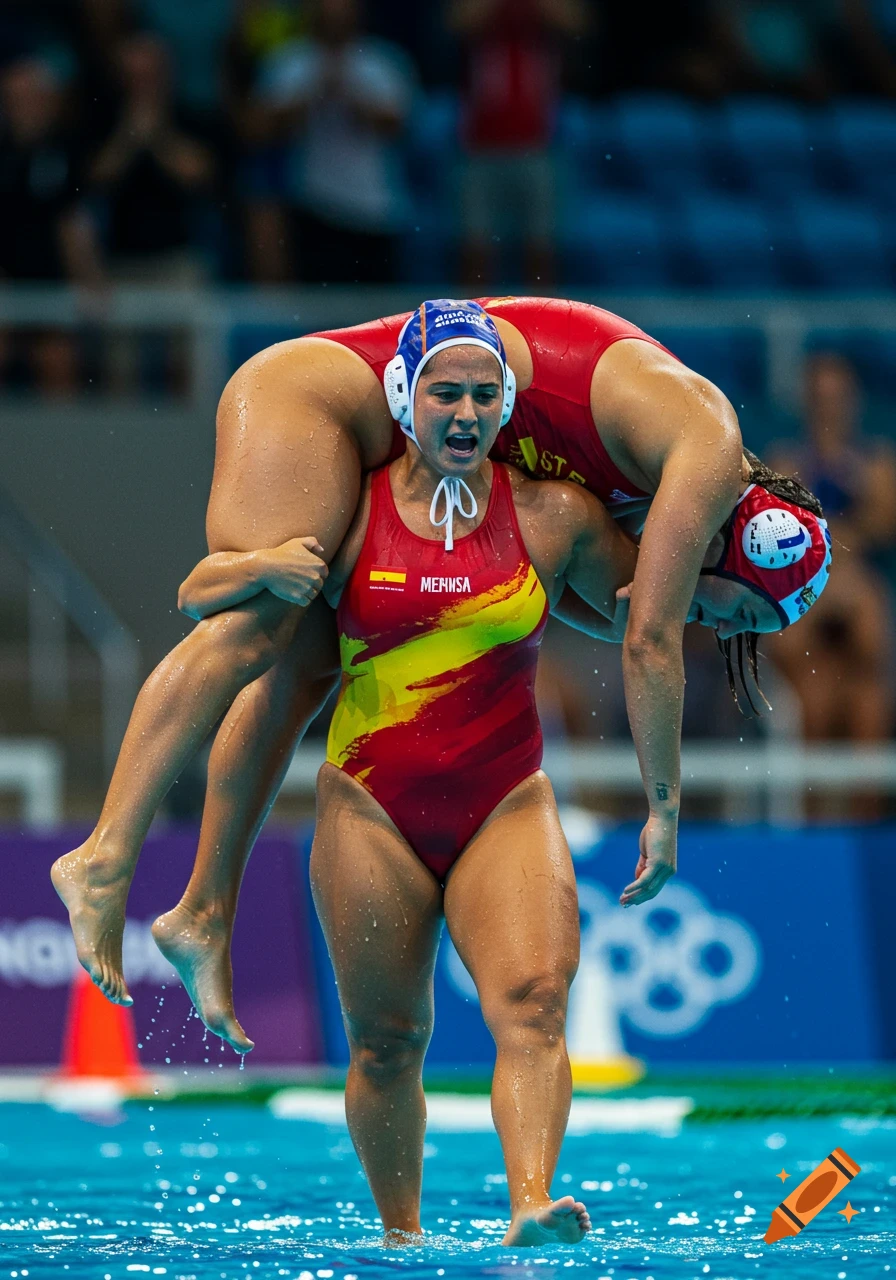
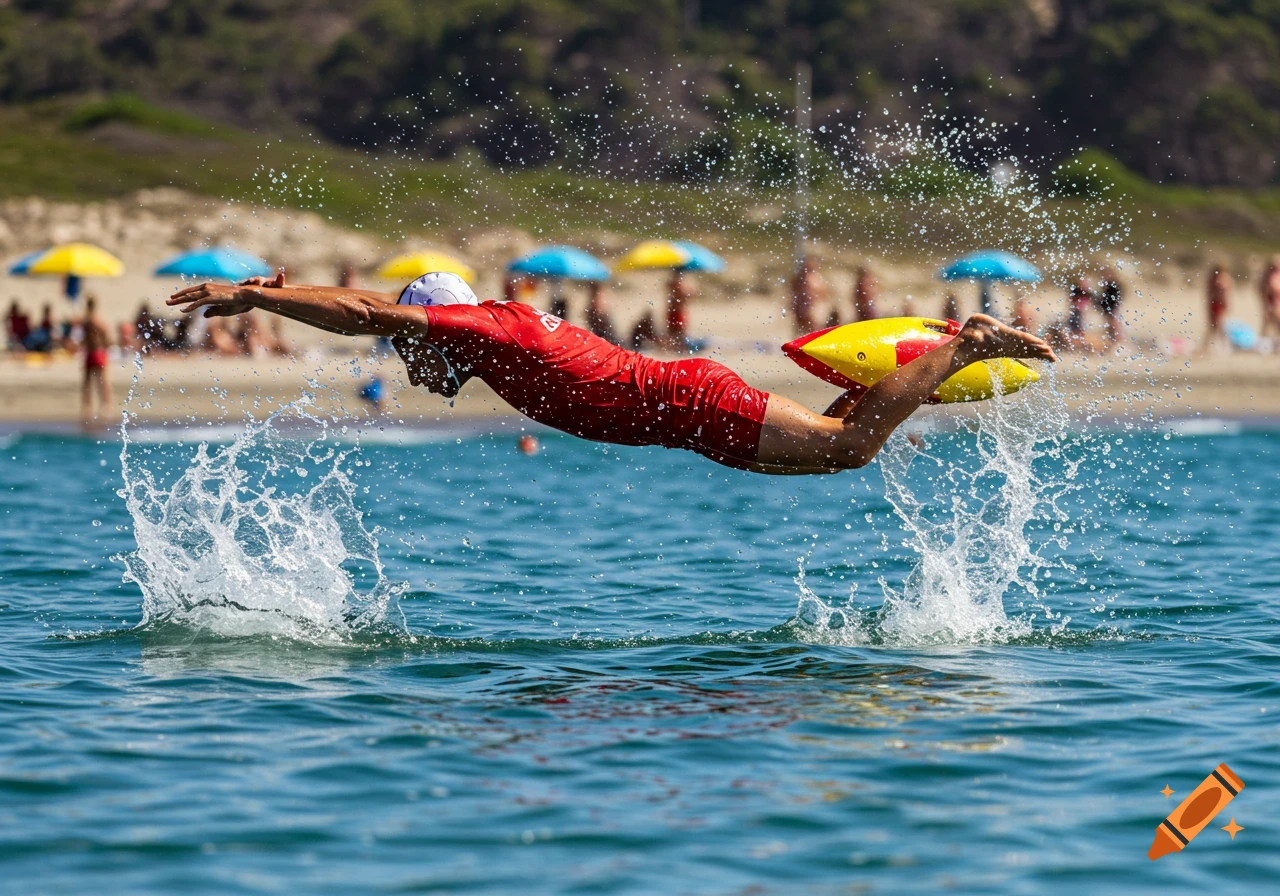
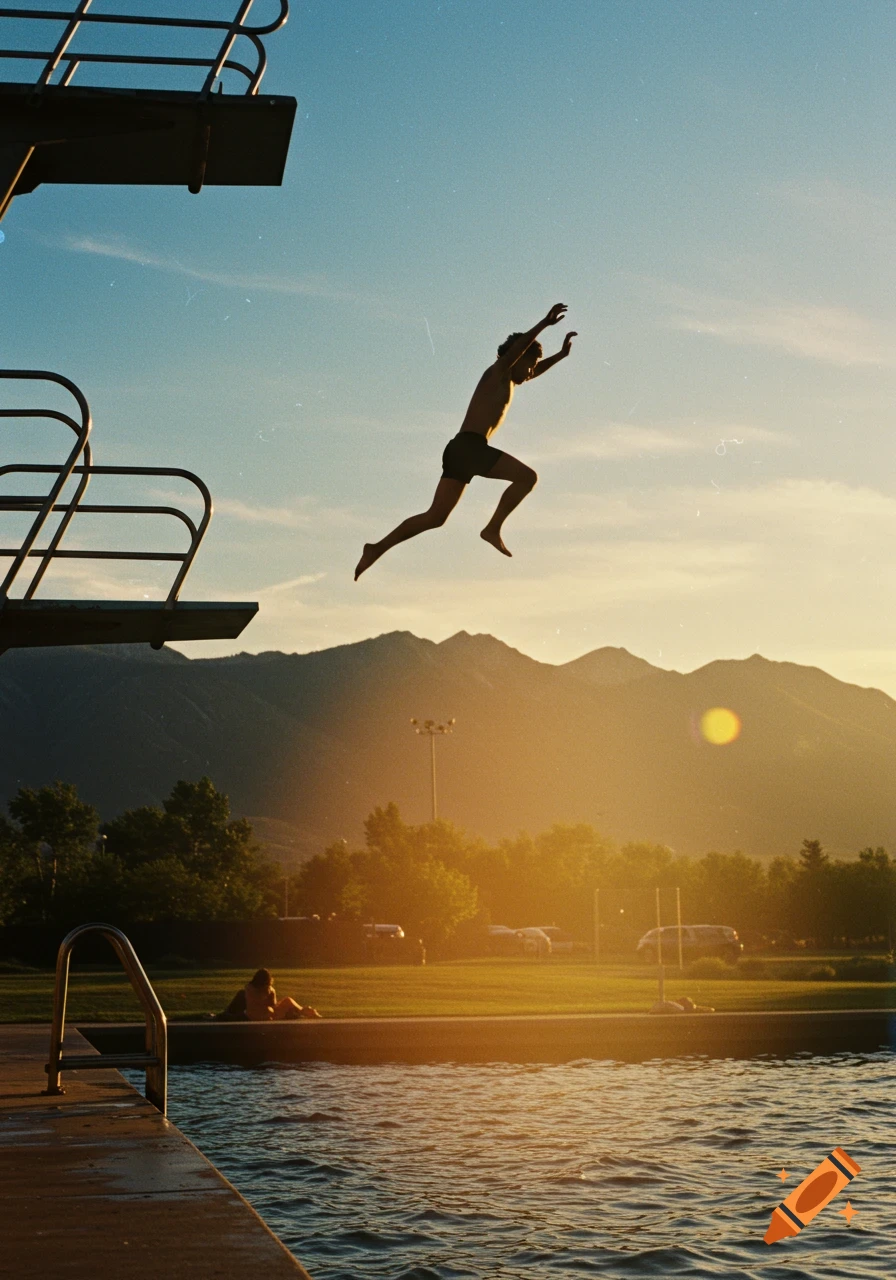
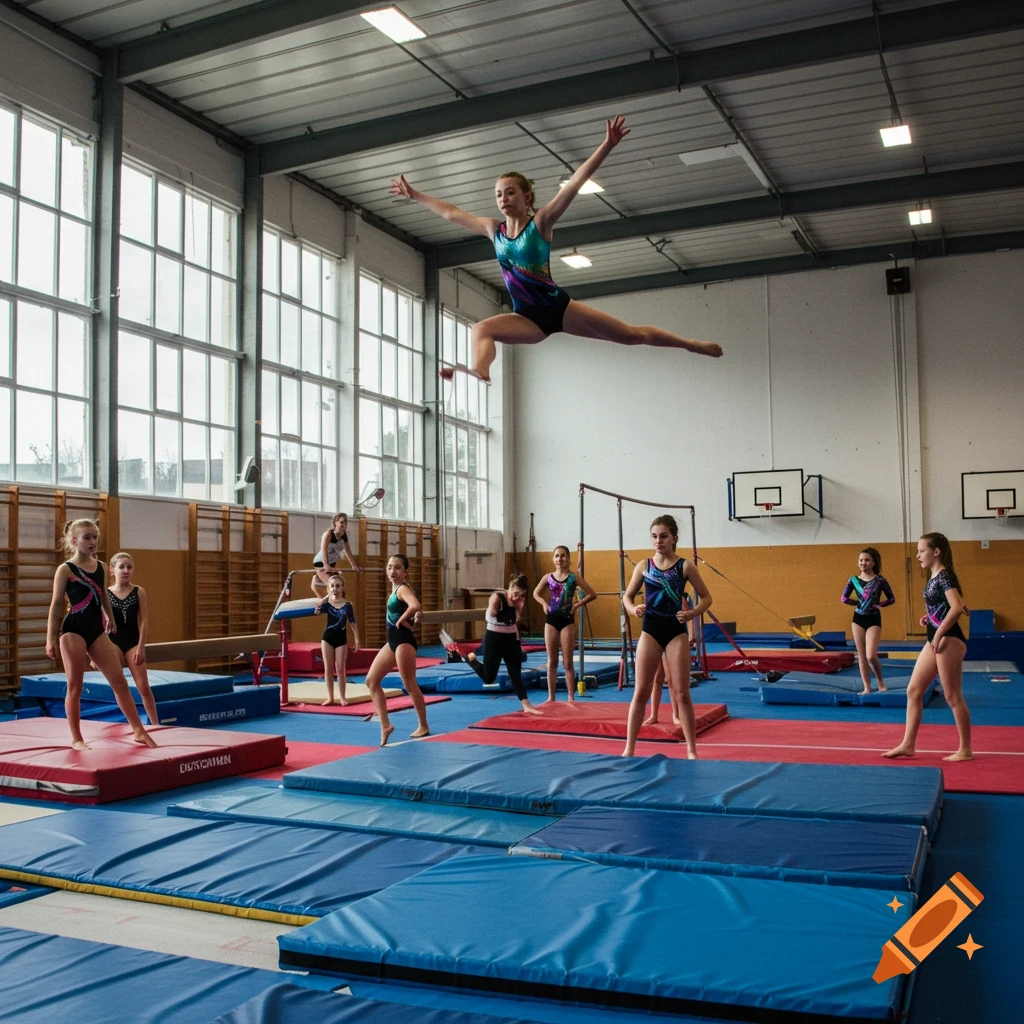
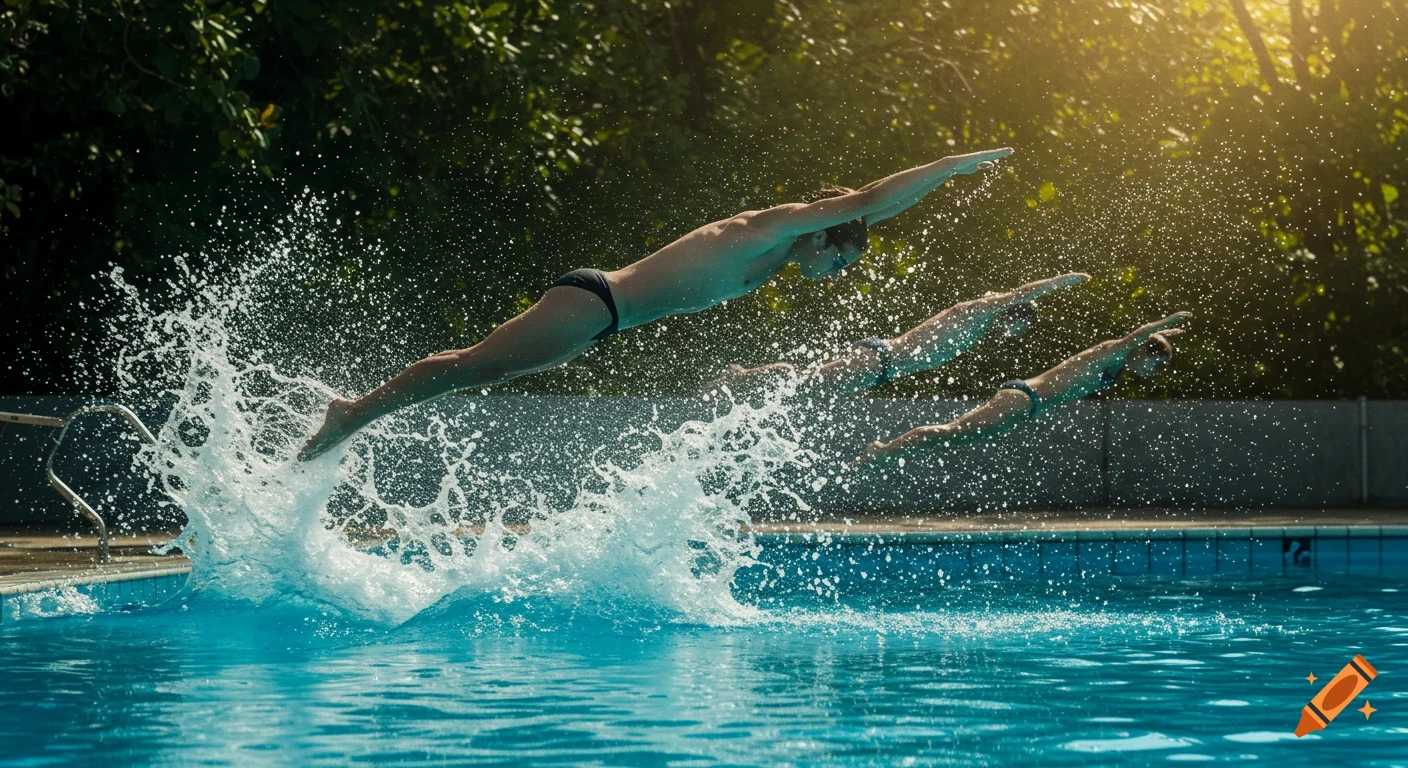
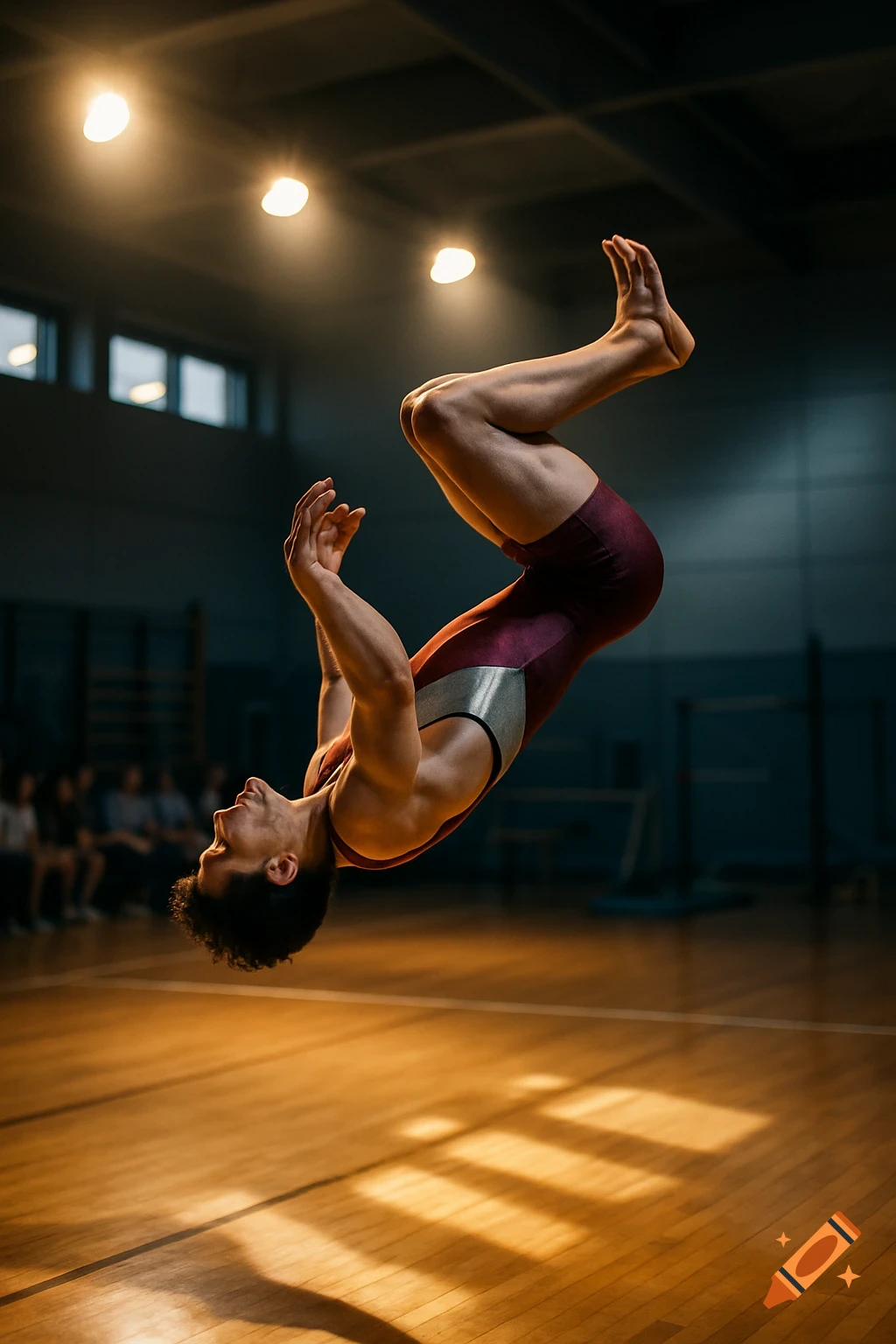
Two divers in mid-air over a pool. One is in a tuck position, the other extending towards the board.
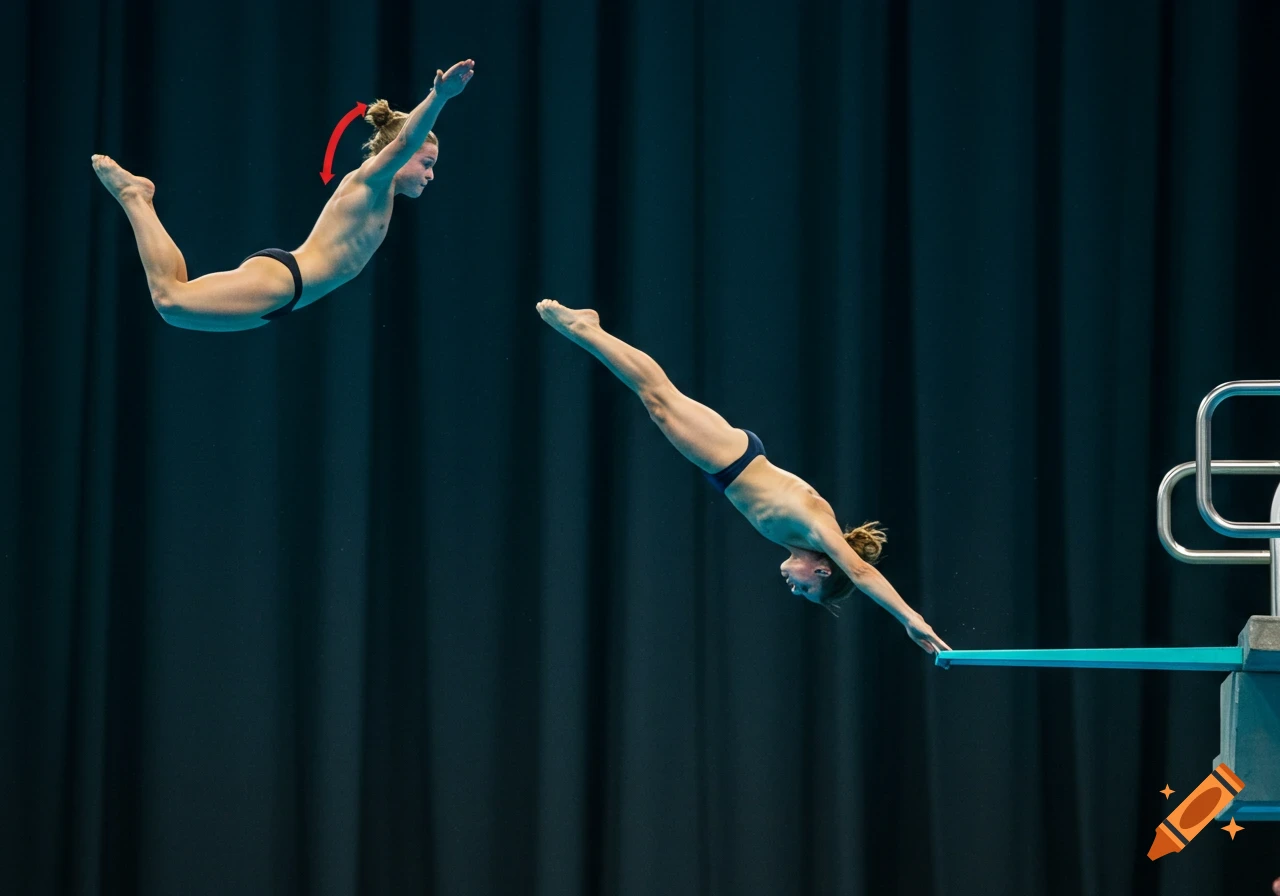
Photo 1: First-Class Lever (Head Nod for Spotting) What to Look For: A diver in mid-air, ideally in a tuck or pike position (where the body is bent at the hips/knees). This posture makes the head's movement more distinct. The diver's head should be slightly angled (e.g., looking up/down or subtly twisting) rather than perfectly straight, indicating an active adjustment. The image should clearly show the neck region as the pivot point for the head's movement. Why this works for the criteria: This photo directly illustrates how the head, balanced on the neck (fulcrum), can be moved by neck muscles (effort) to look for the water (load), which is a classic first-class lever action crucial for precision in diving. Photo 2: Second-Class Lever (Take-off from the Board) What to Look For: A diver at the very peak of their push-off from the springboard or platform, just before their feet lose contact. Their heels should be clearly lifted, and they should be pushing off from the balls of their feet or toes. The diver's body should be relatively upright or extending upwards, showing the force being generated. Why this works for the criteria: This moment perfectly captures the mechanical advantage of a second-class lever. The diver's entire body weight (load) is between the pivot point (toes/balls of feet on the board, acting as fulcrum) and the powerful push from their calf muscles (effort). This setup demonstrates how maximum force is generated for height. Photo 3: Third-Class Lever See more