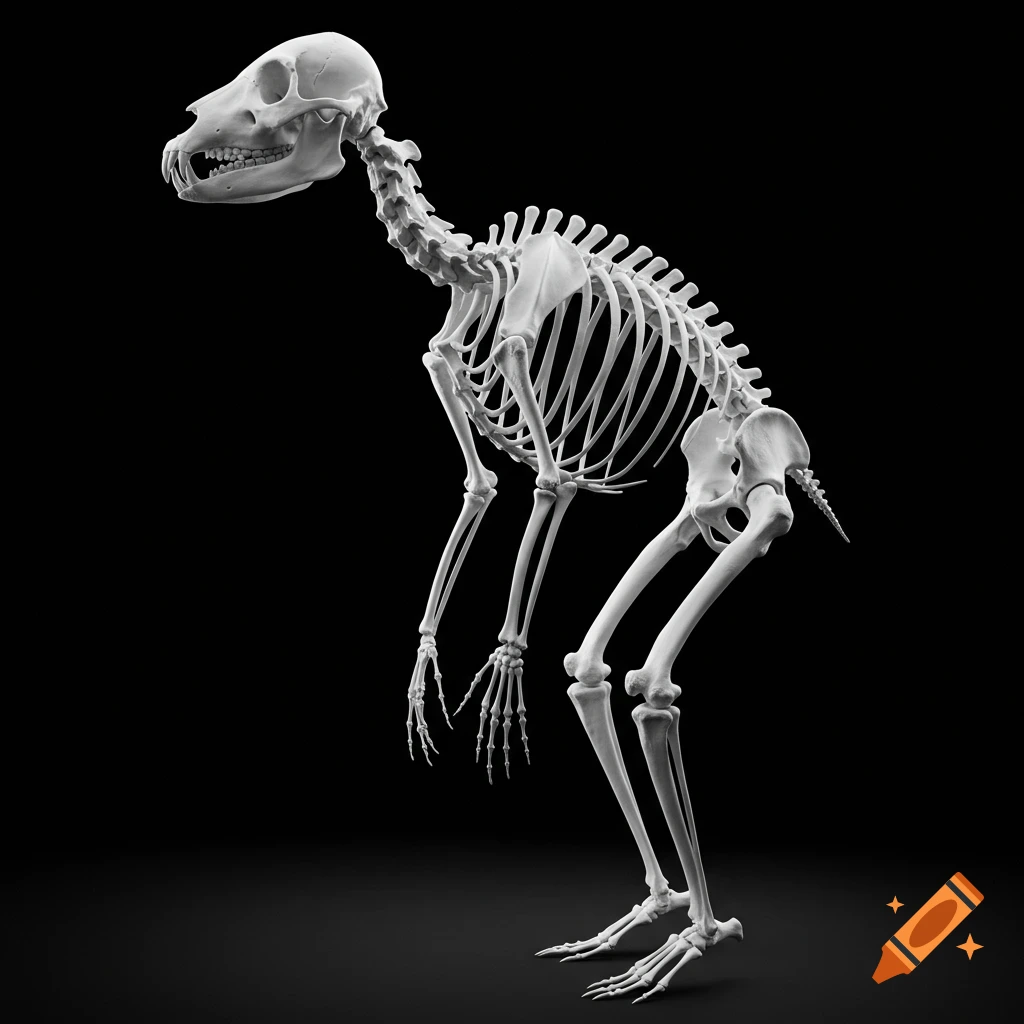
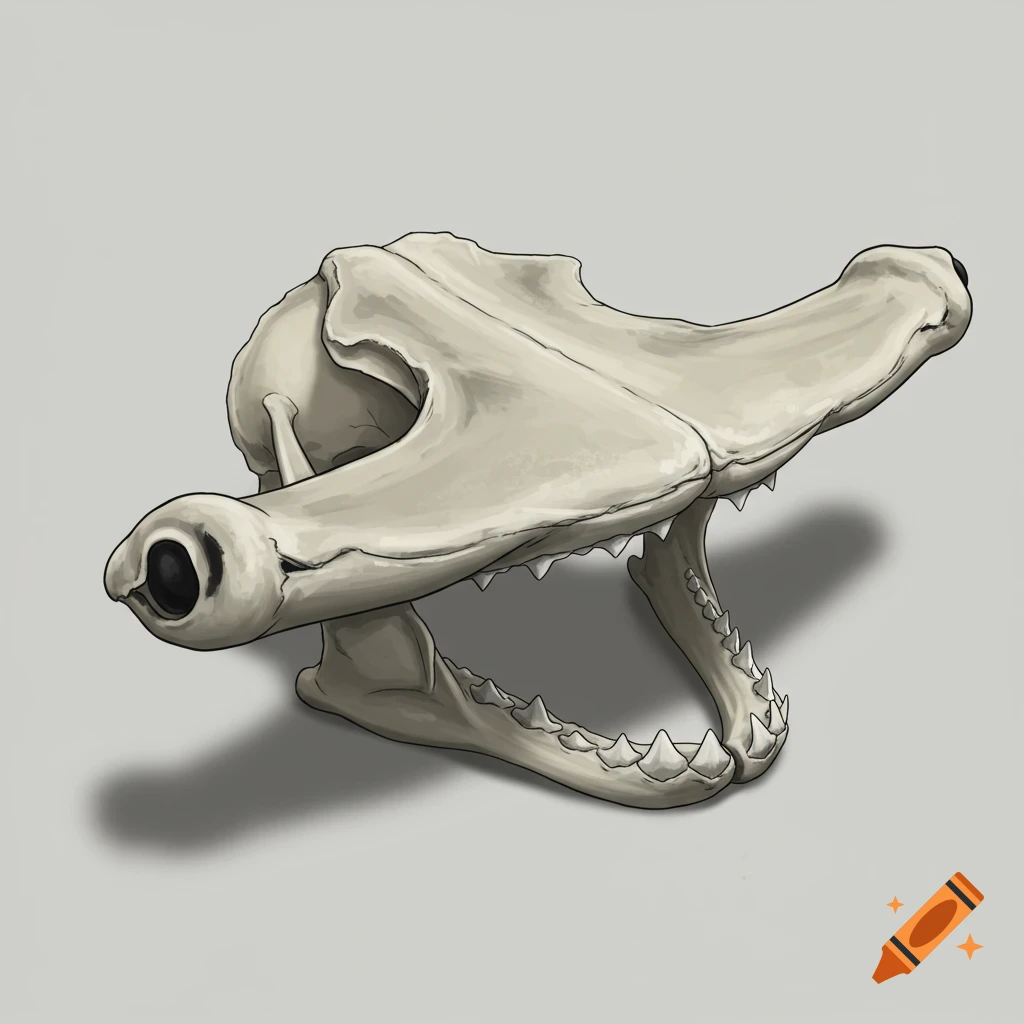
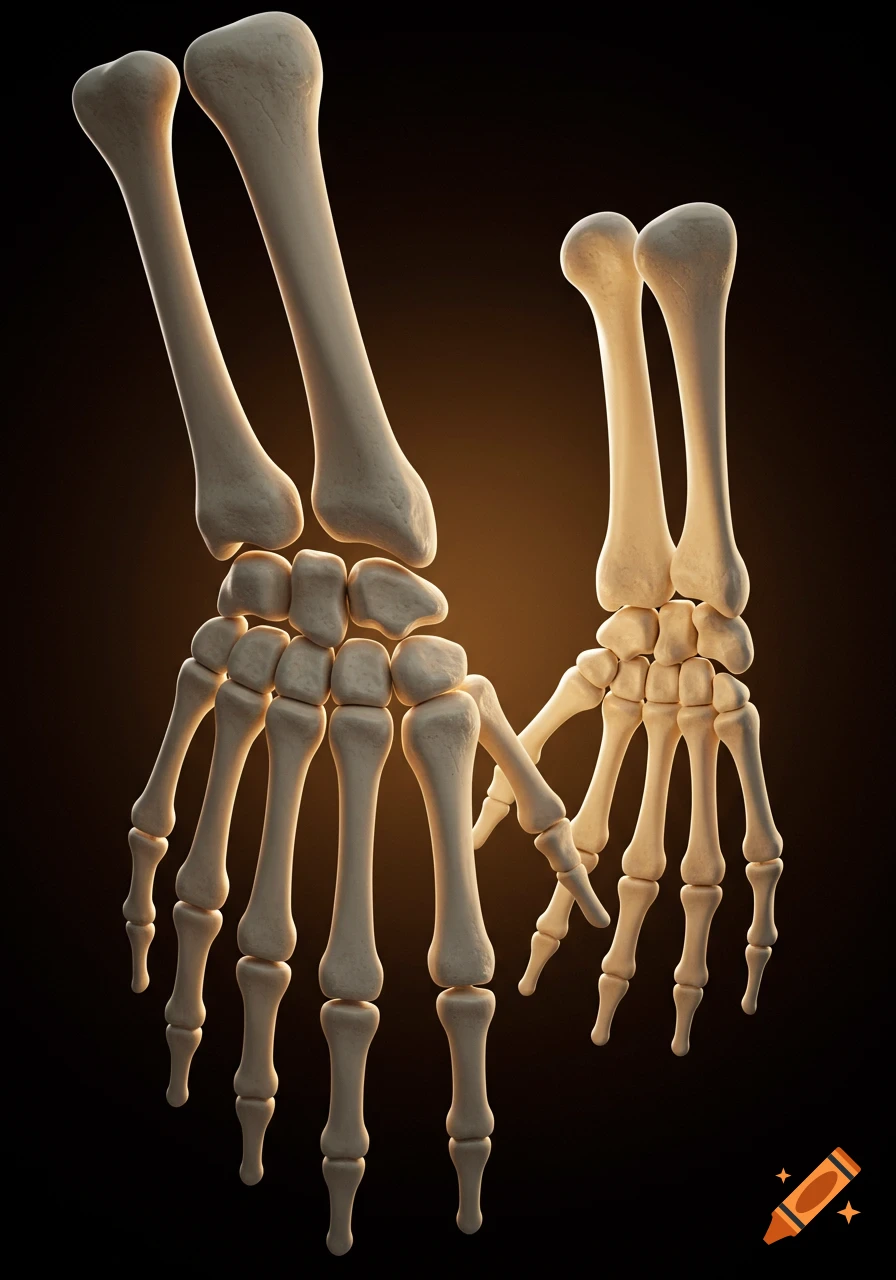
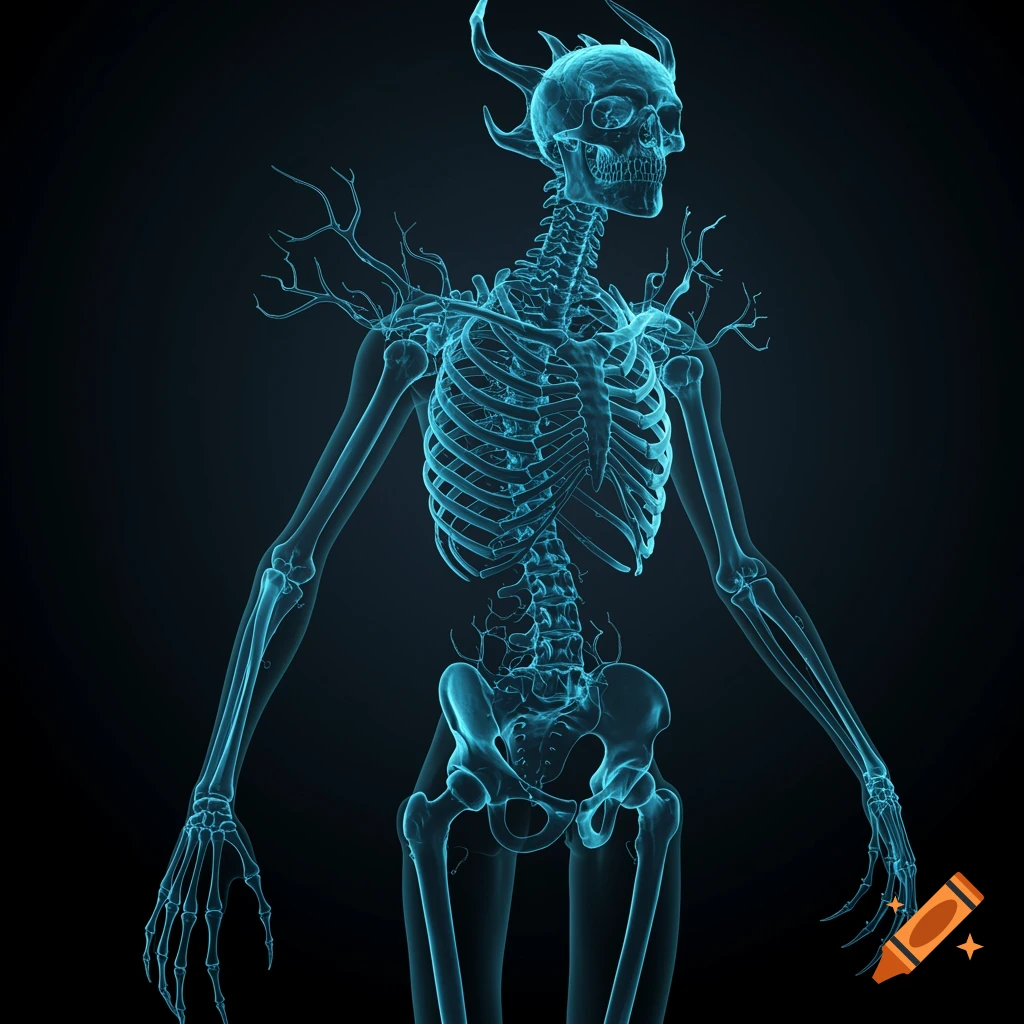
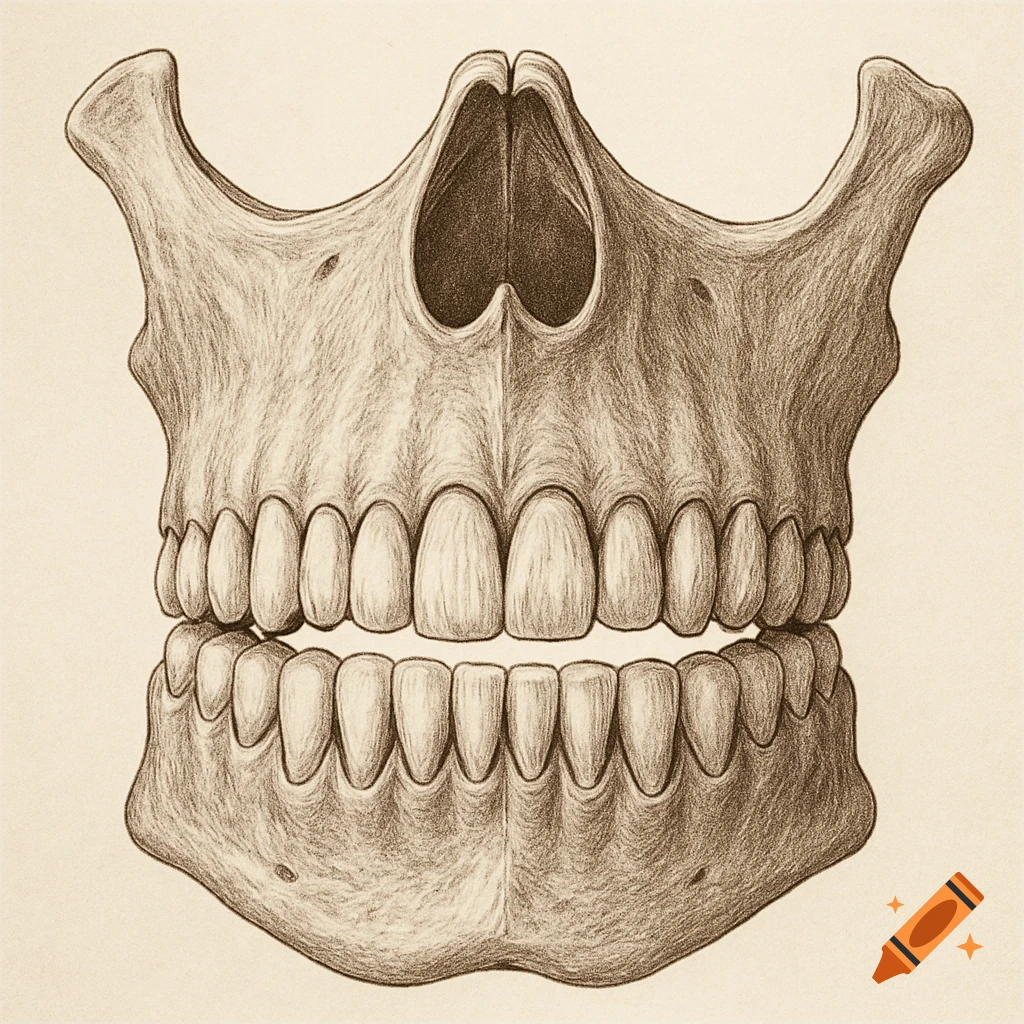
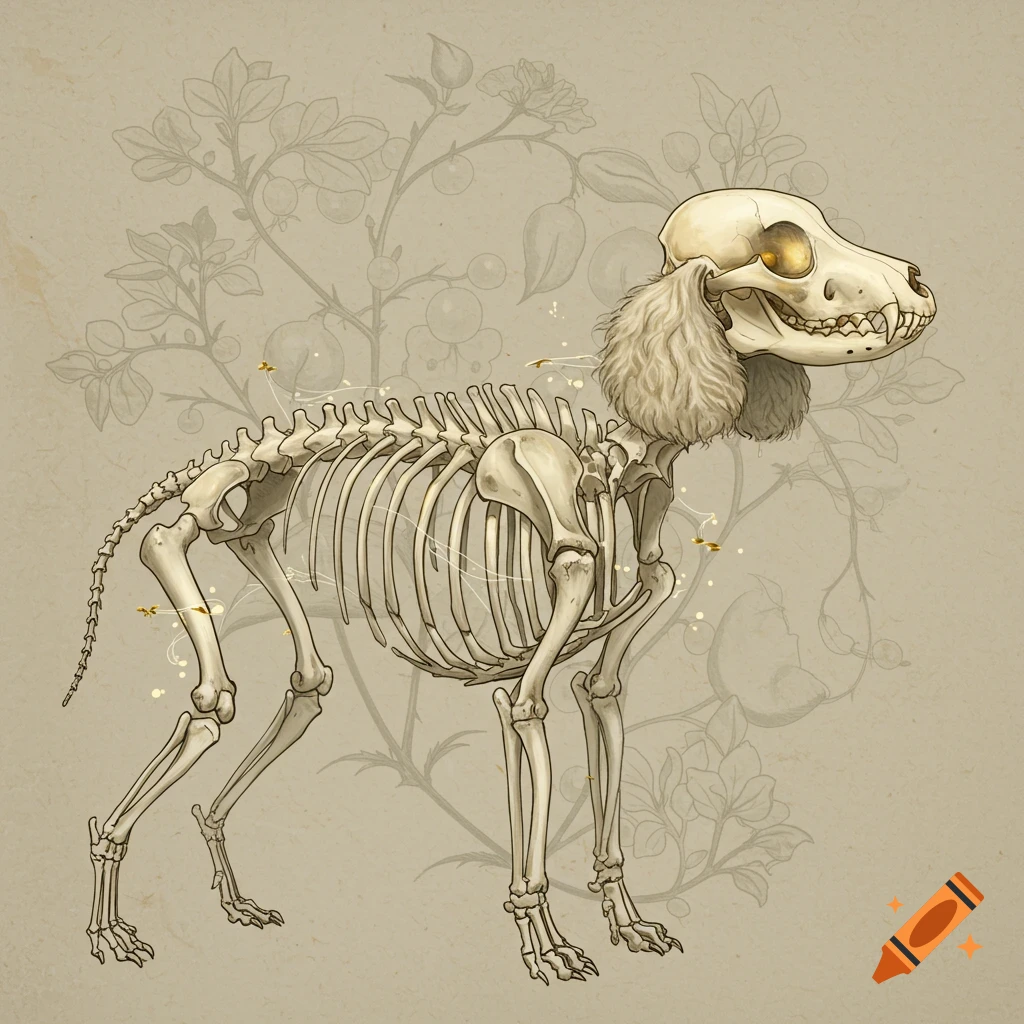
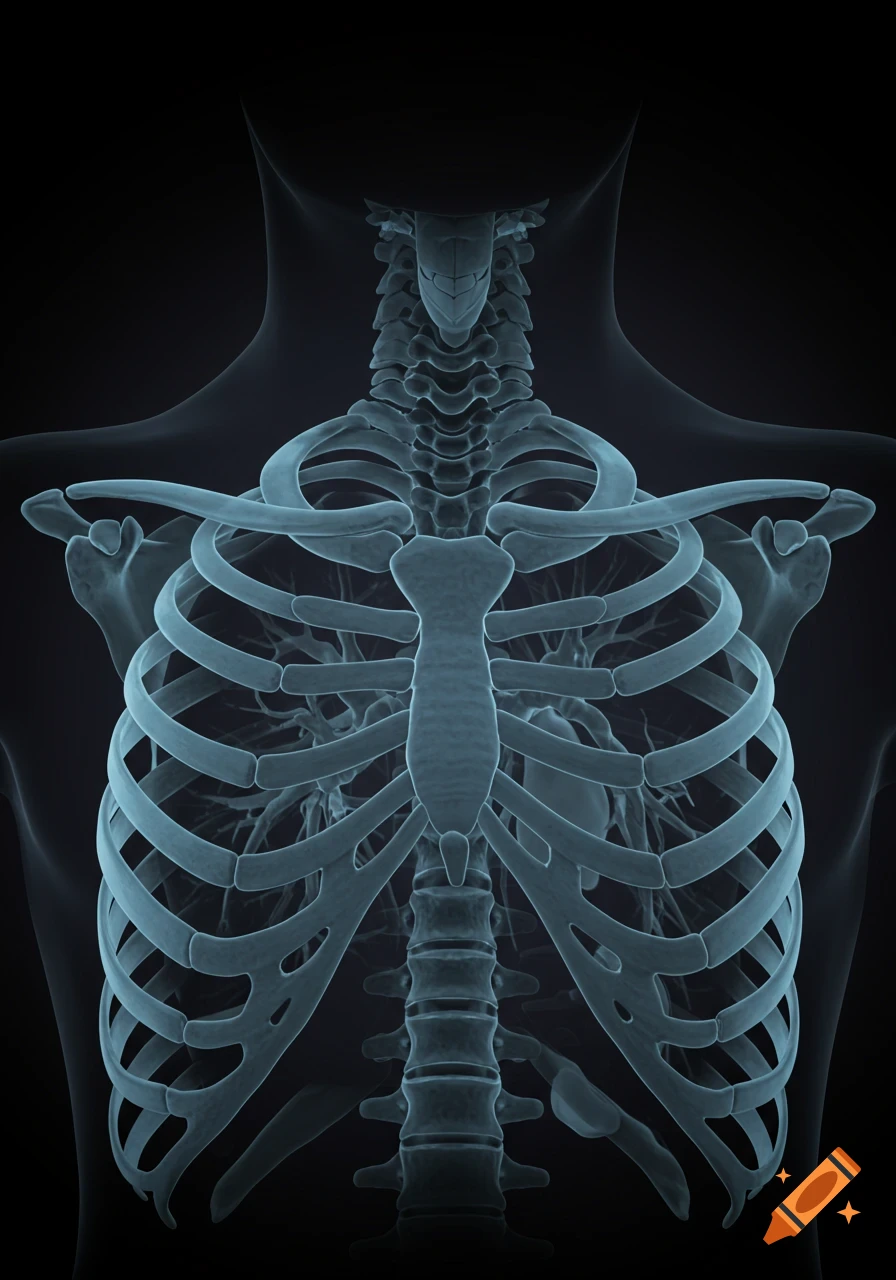
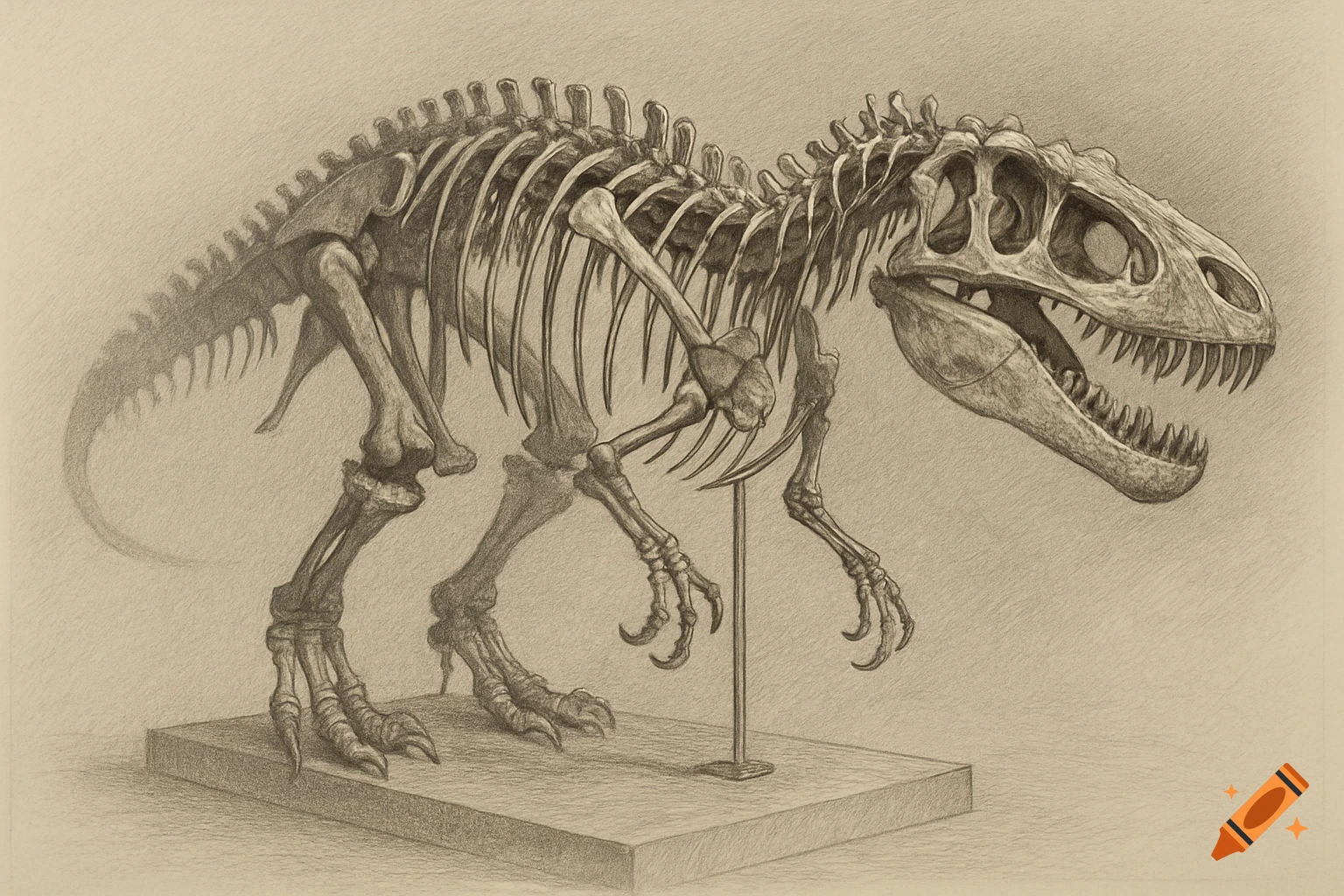
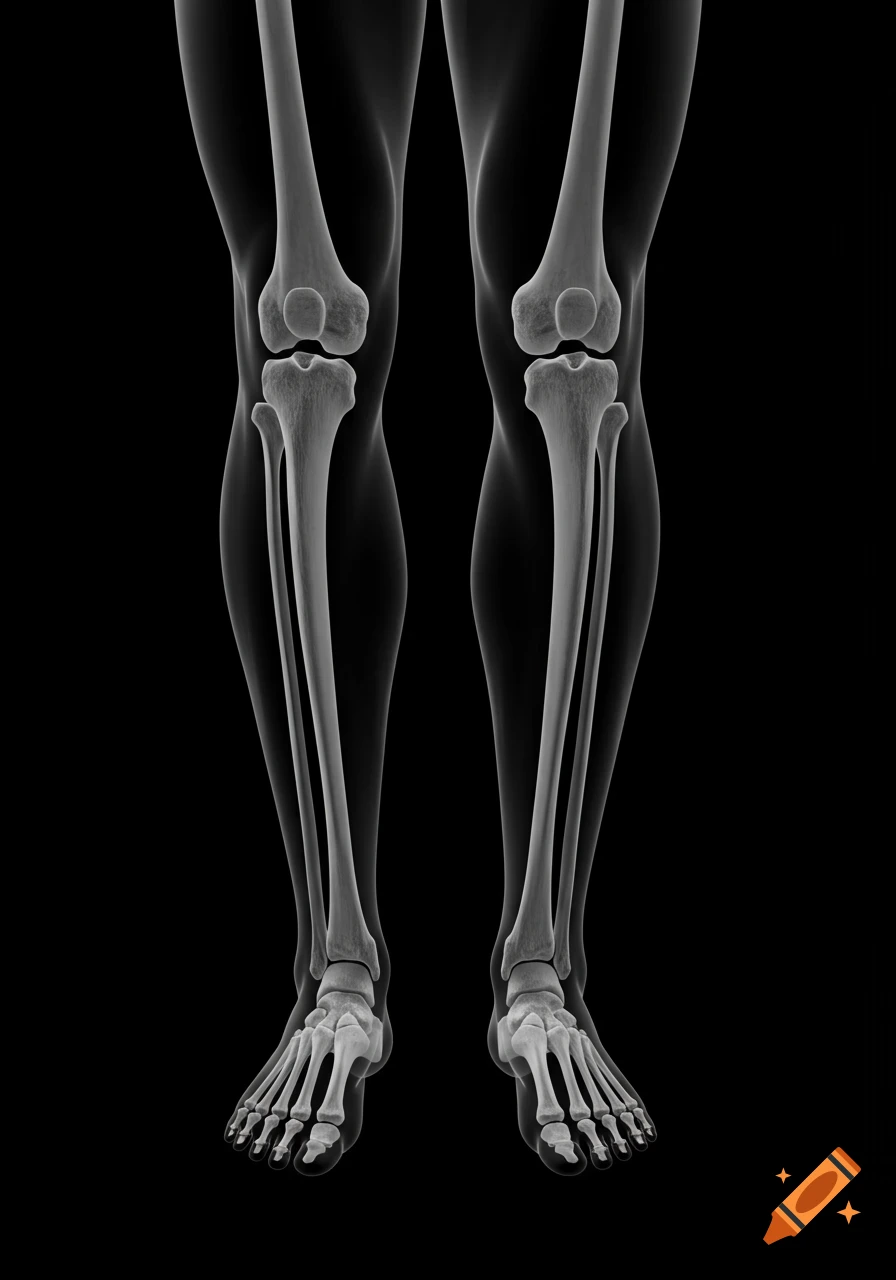
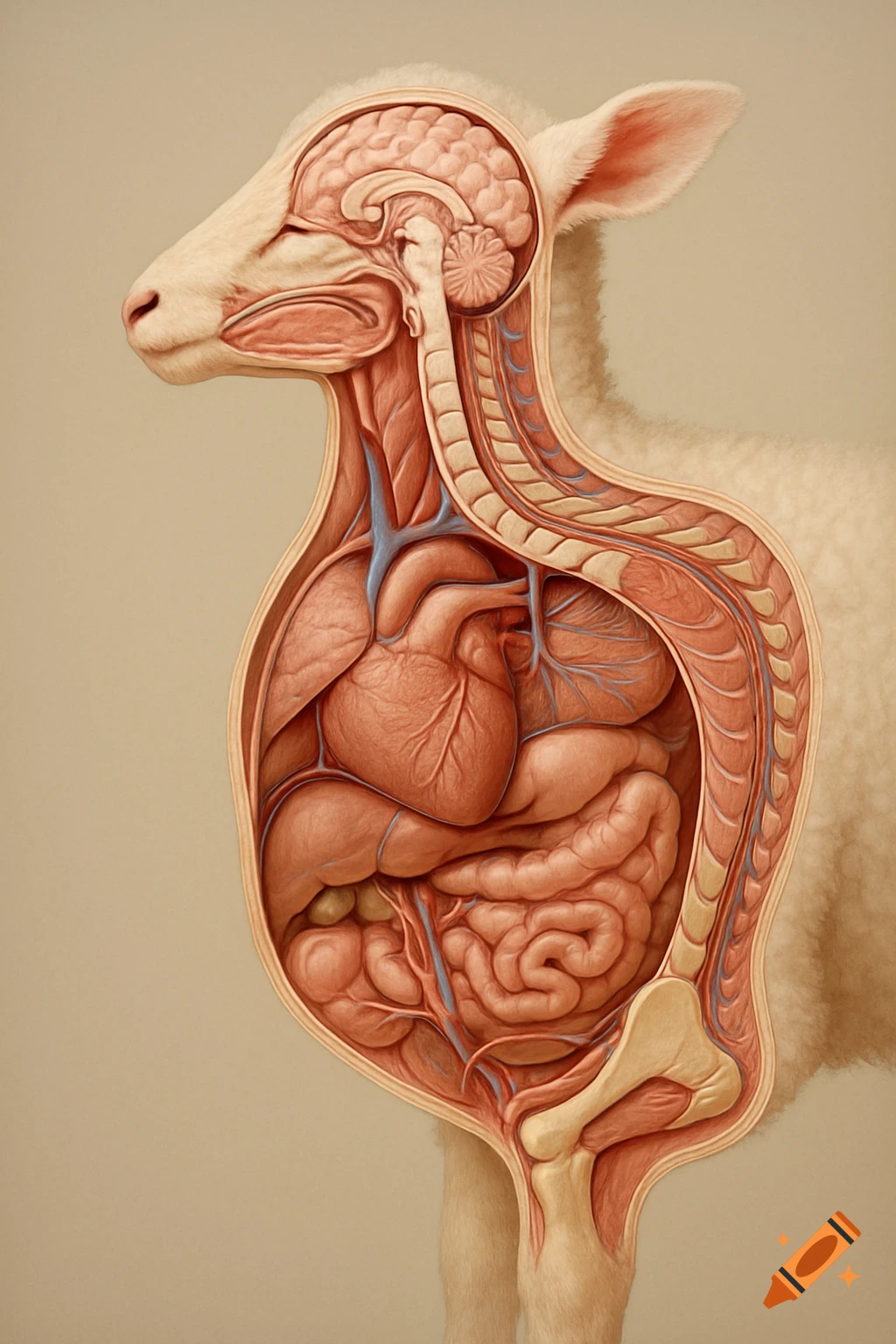
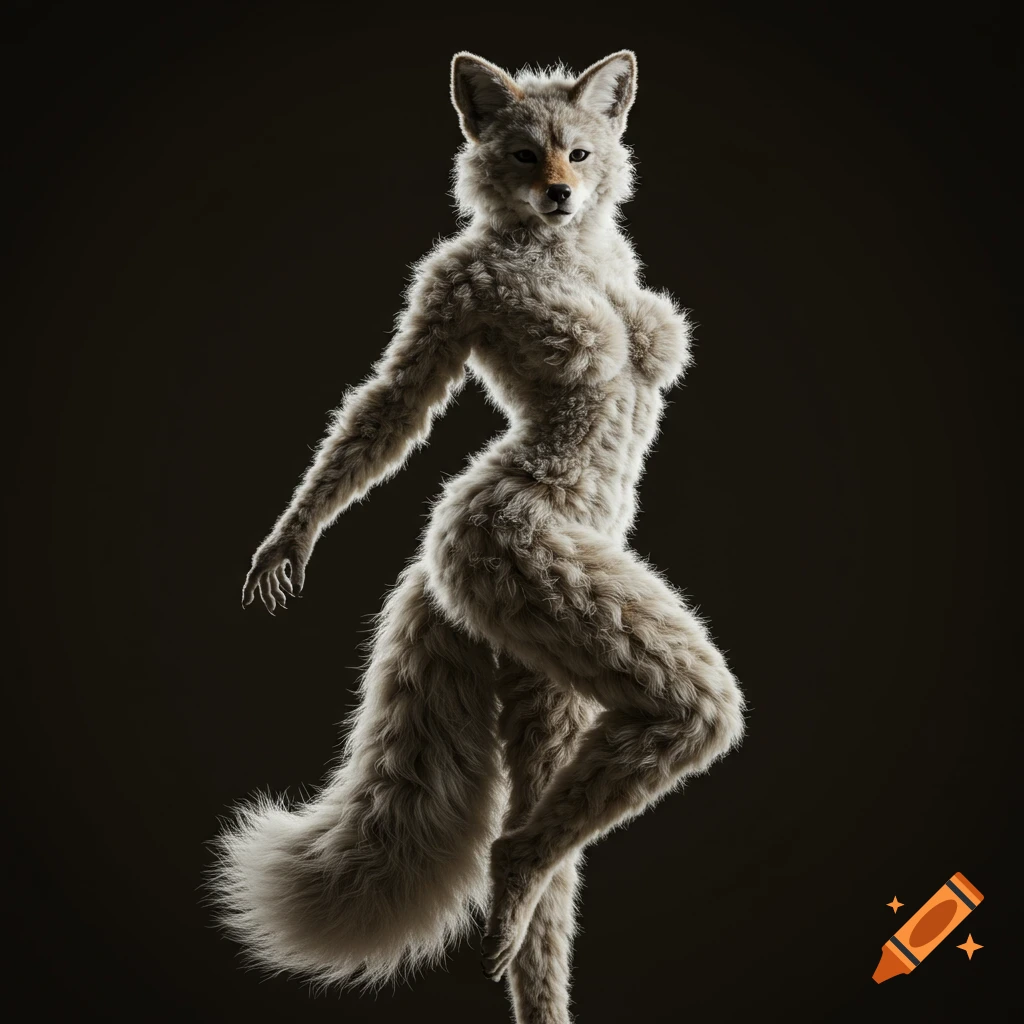
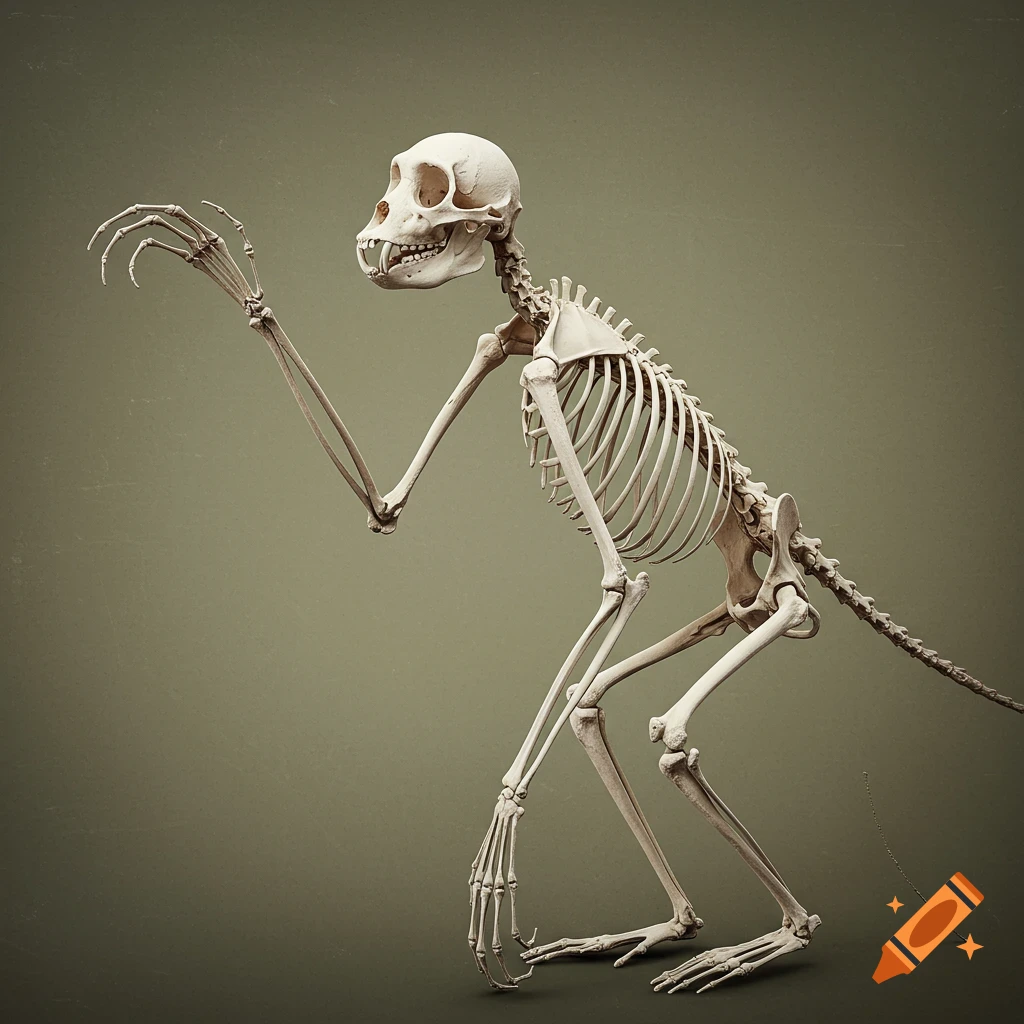
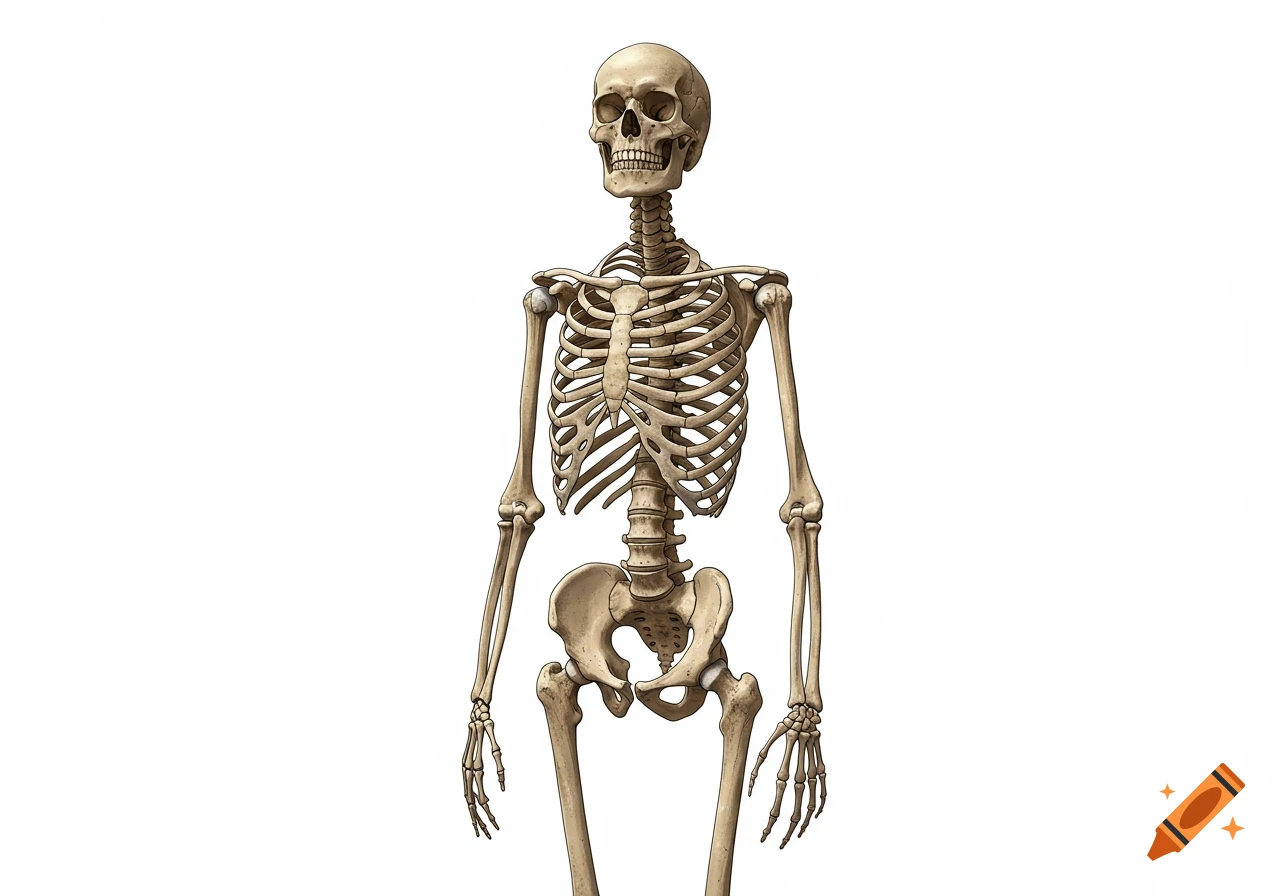
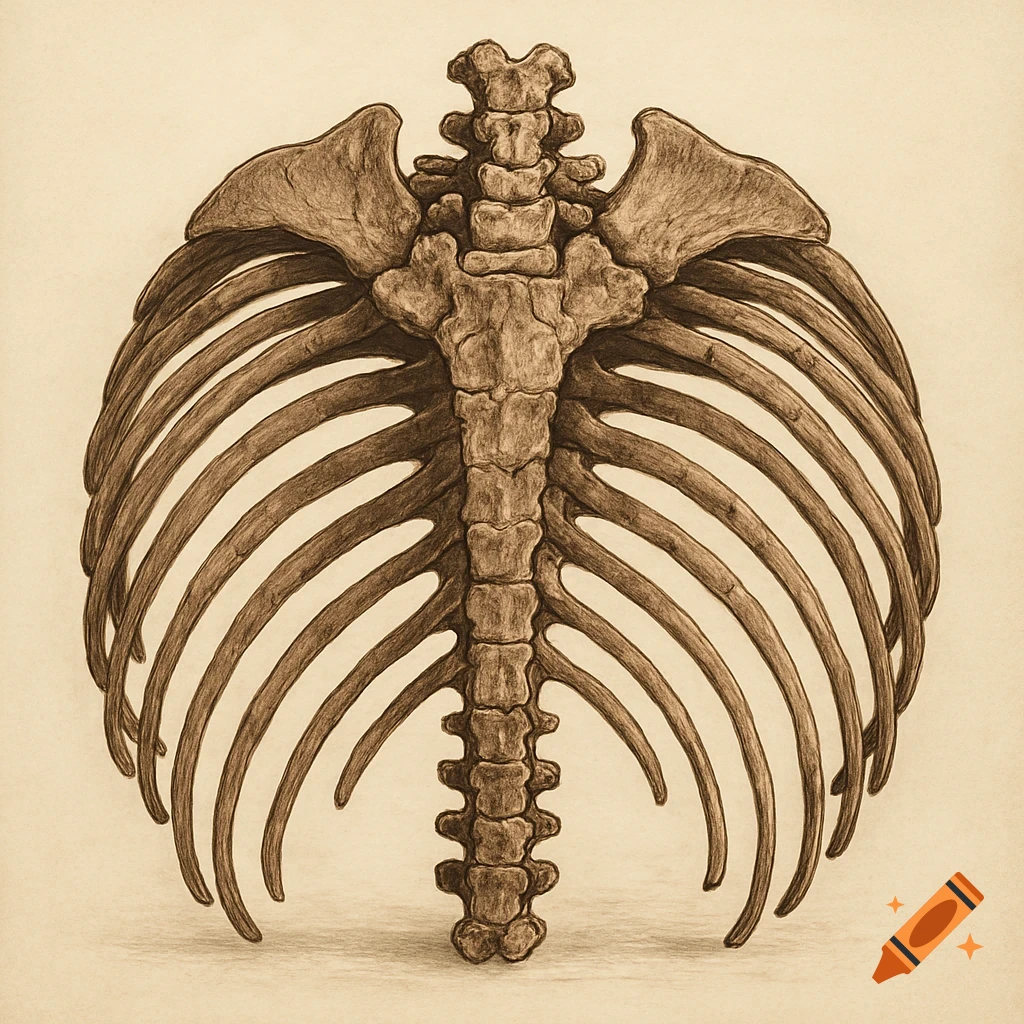
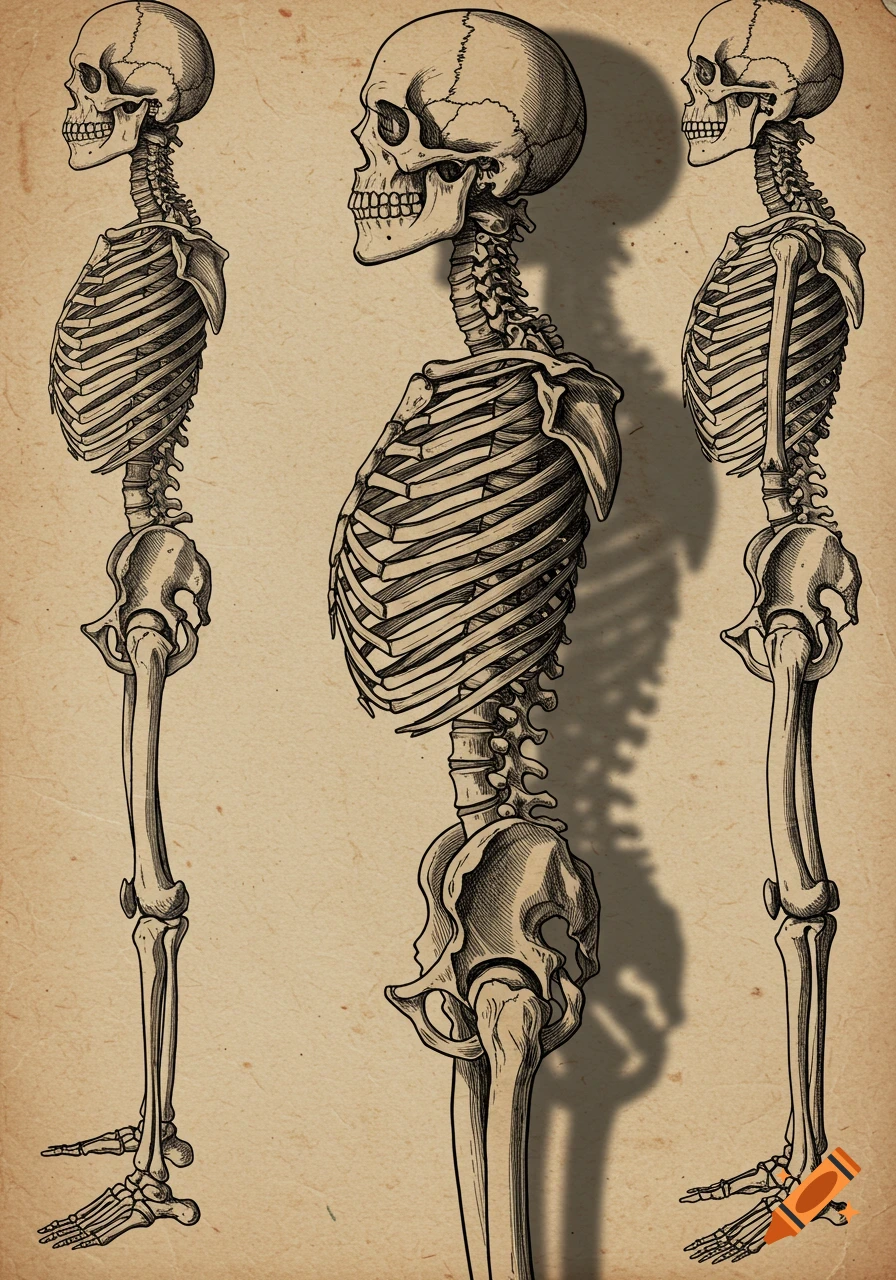
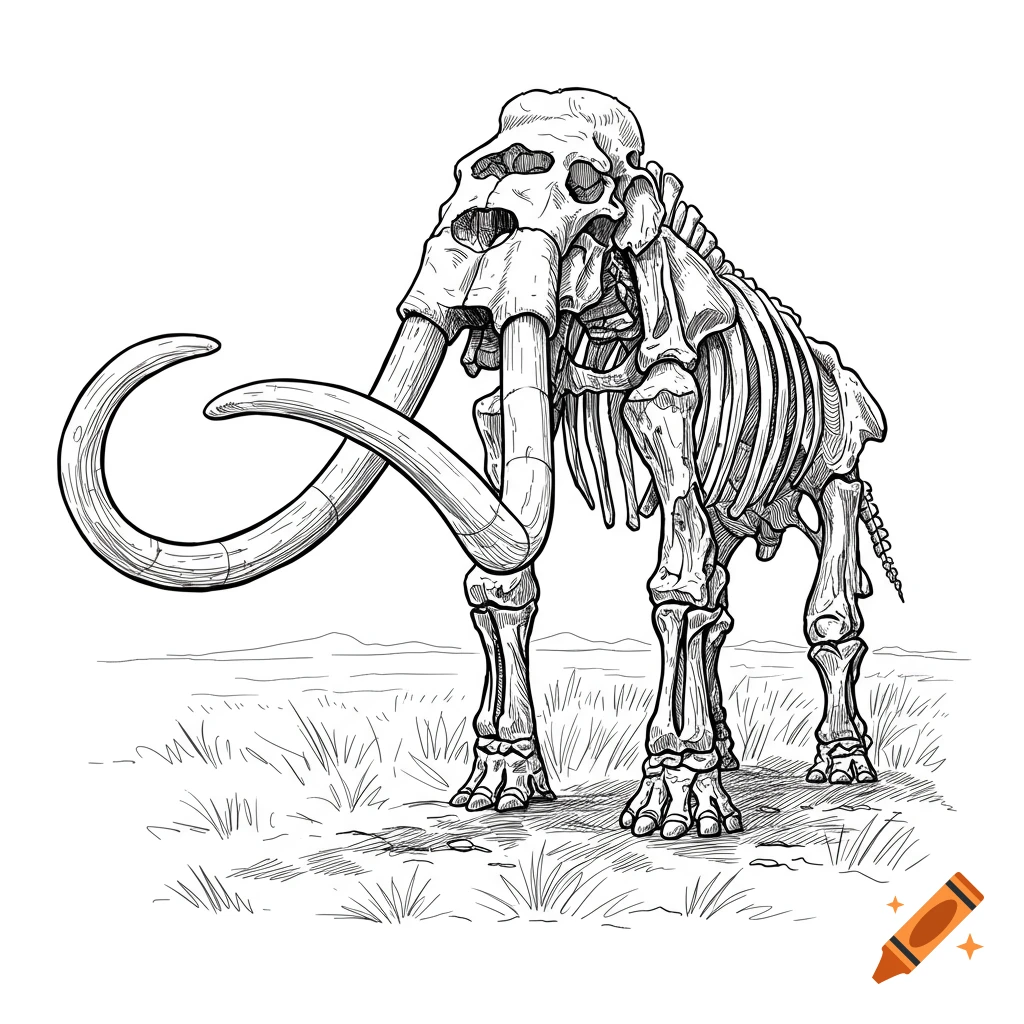
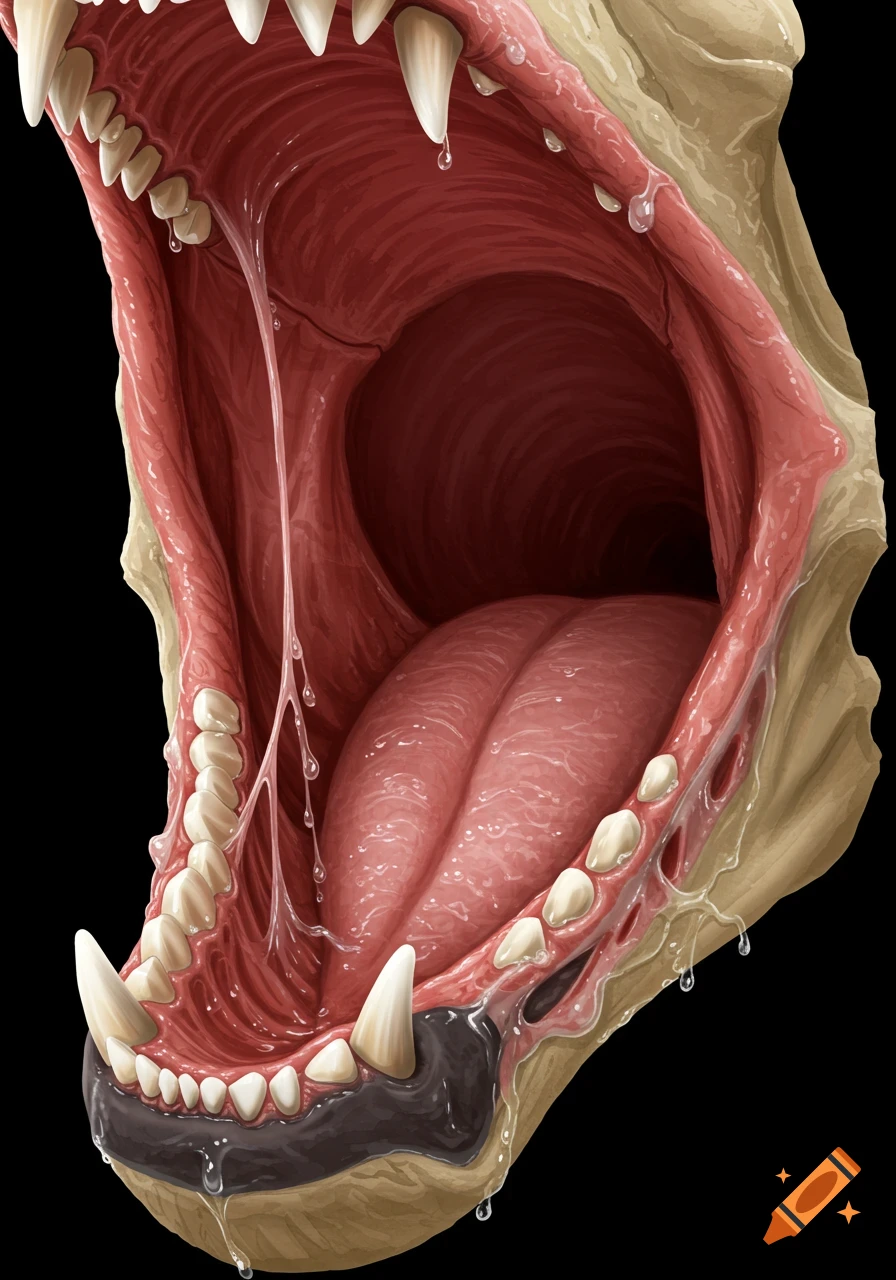
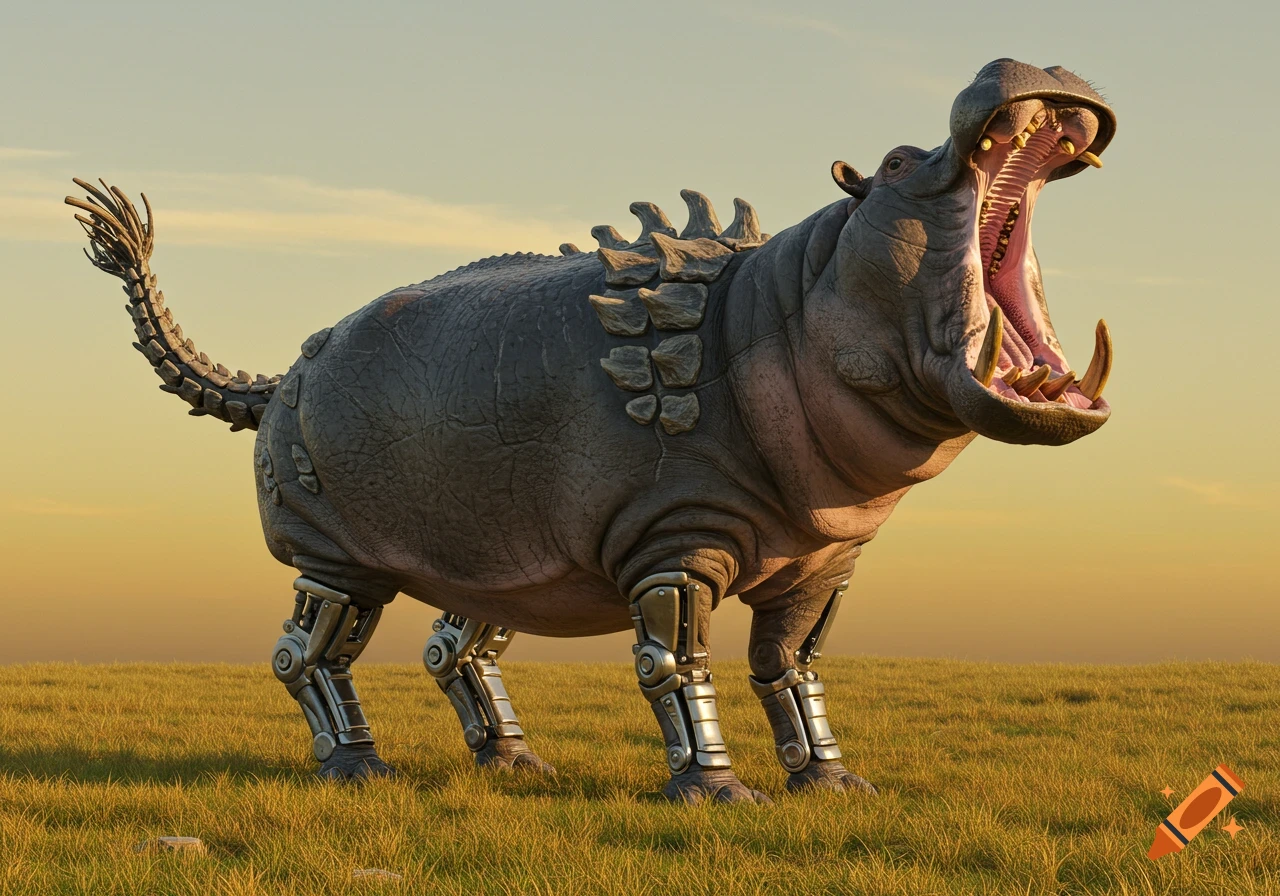
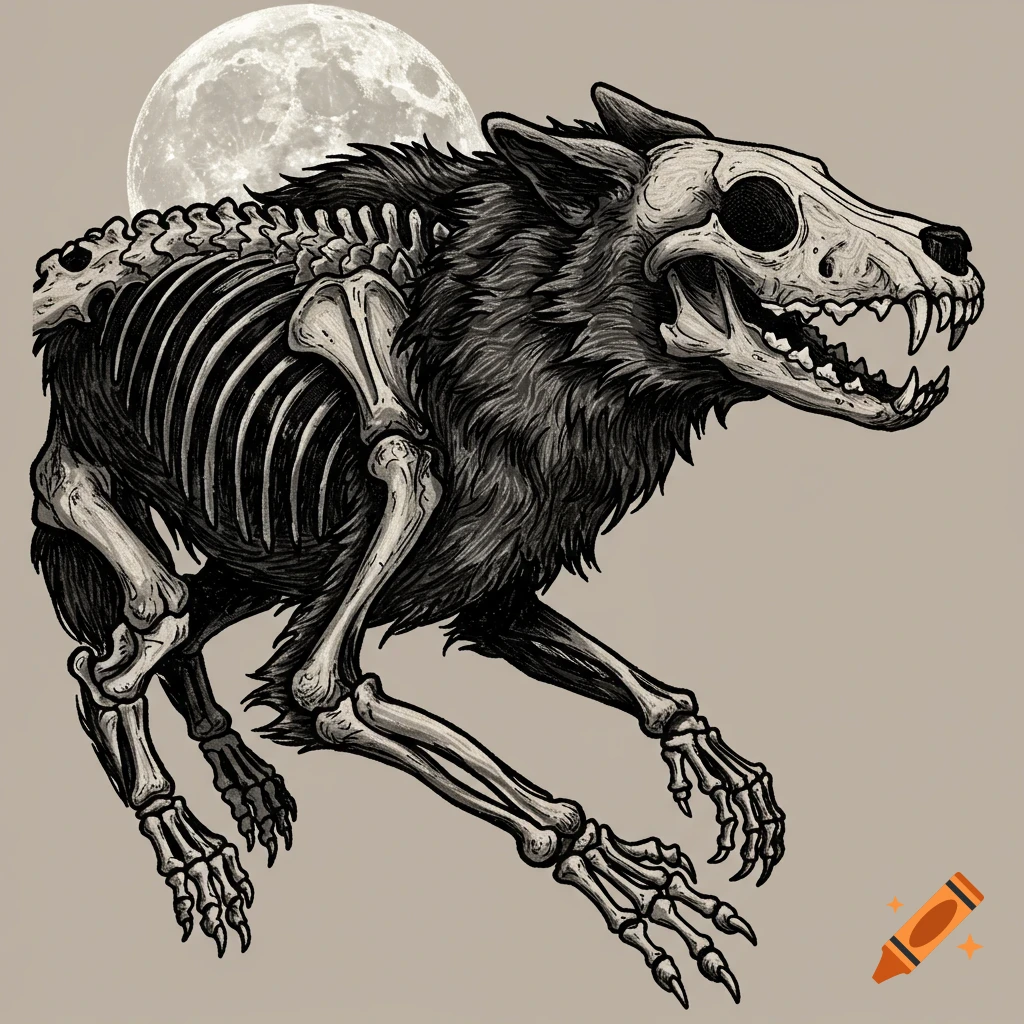
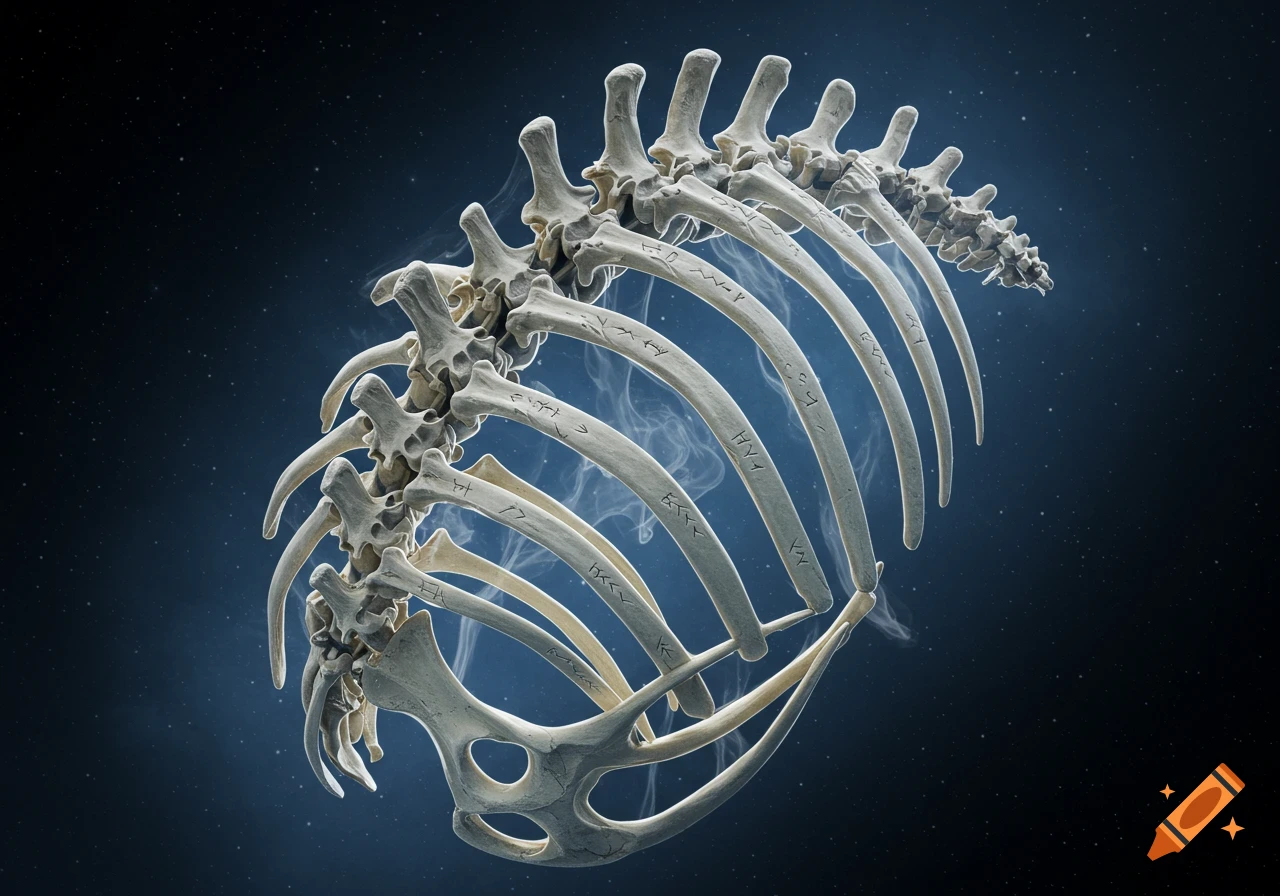
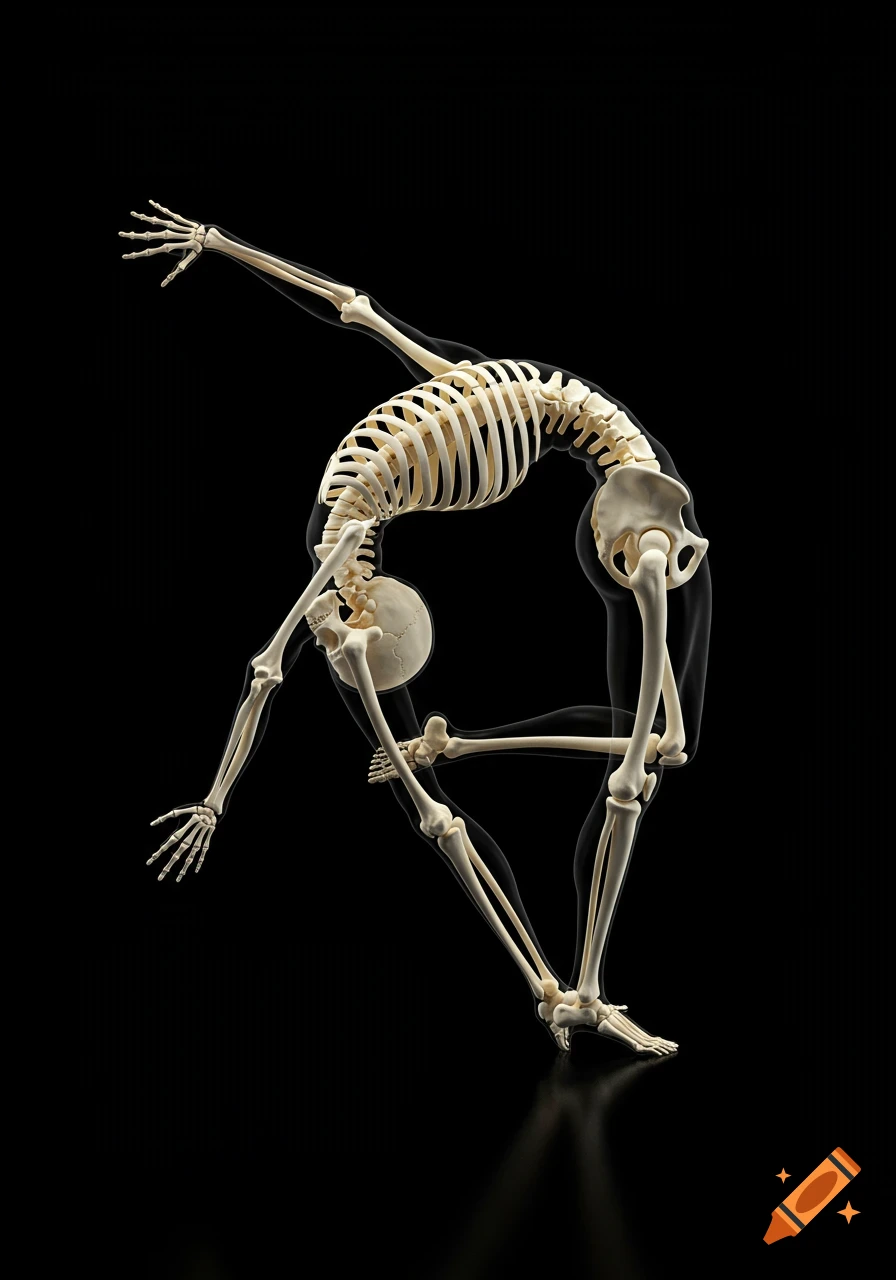
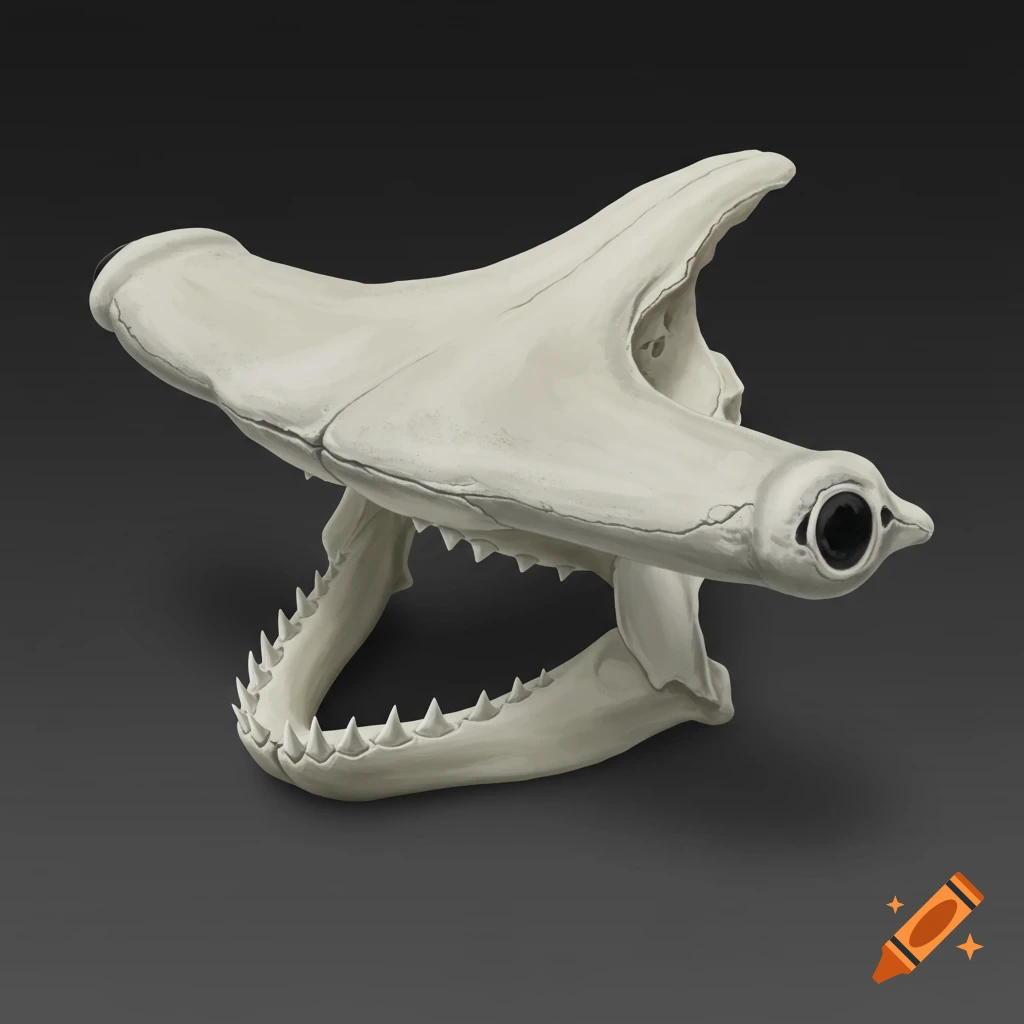
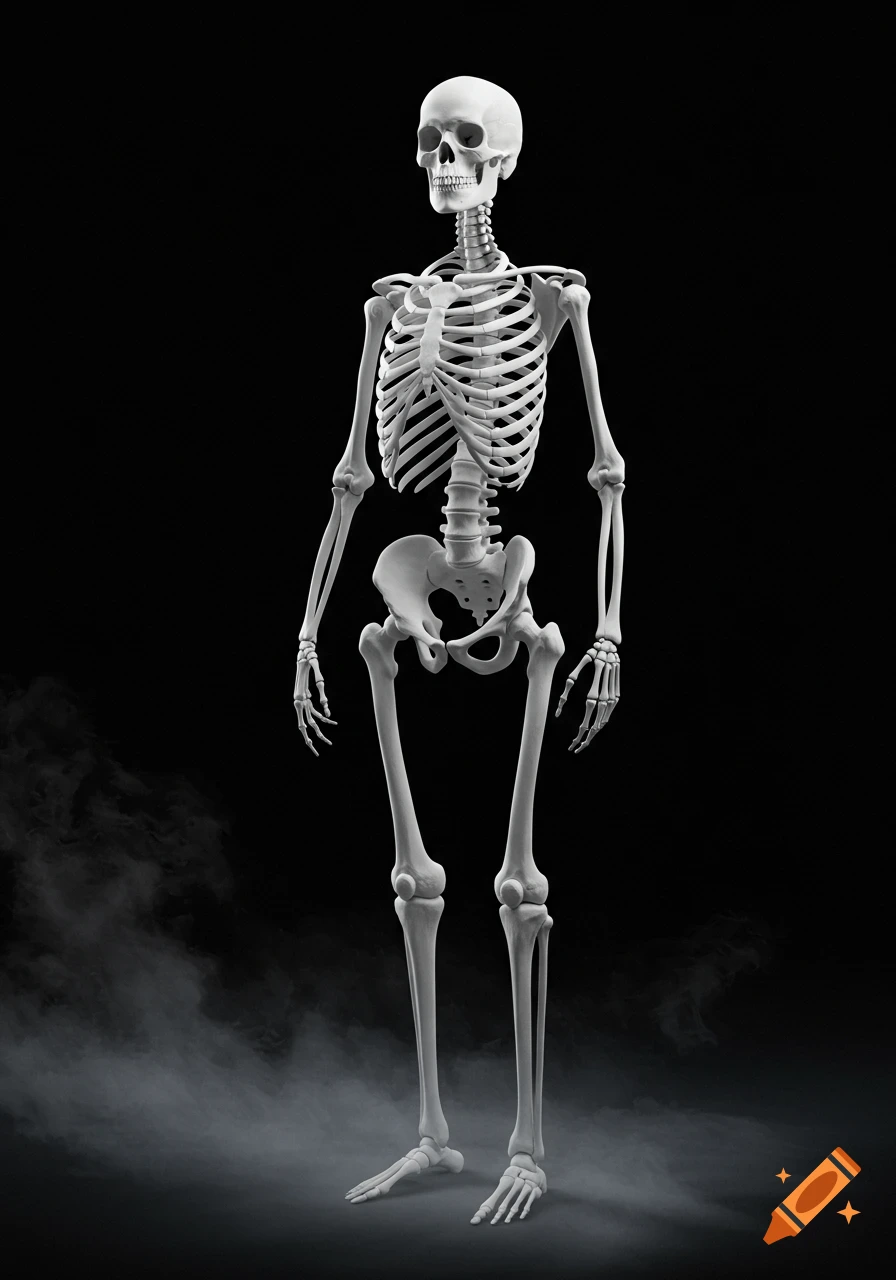
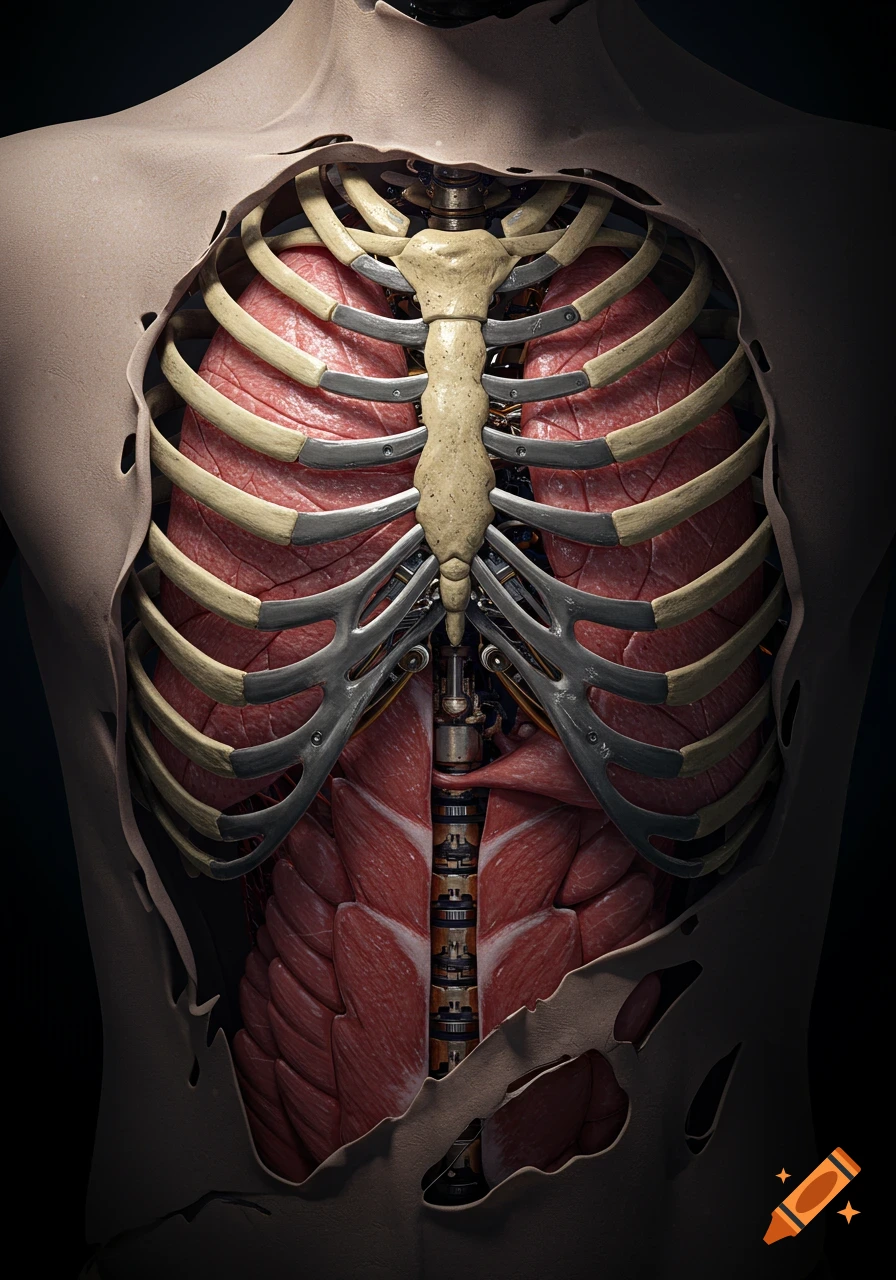
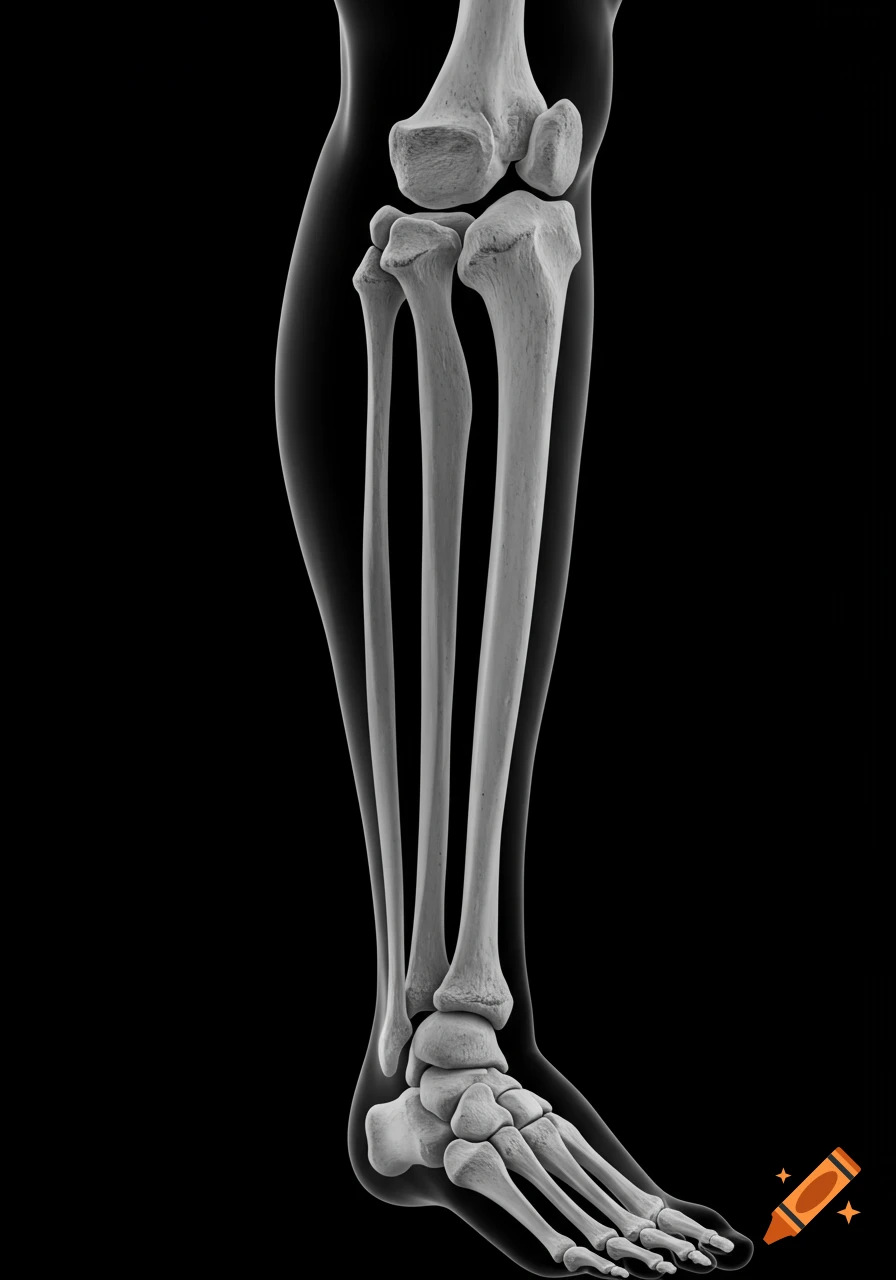
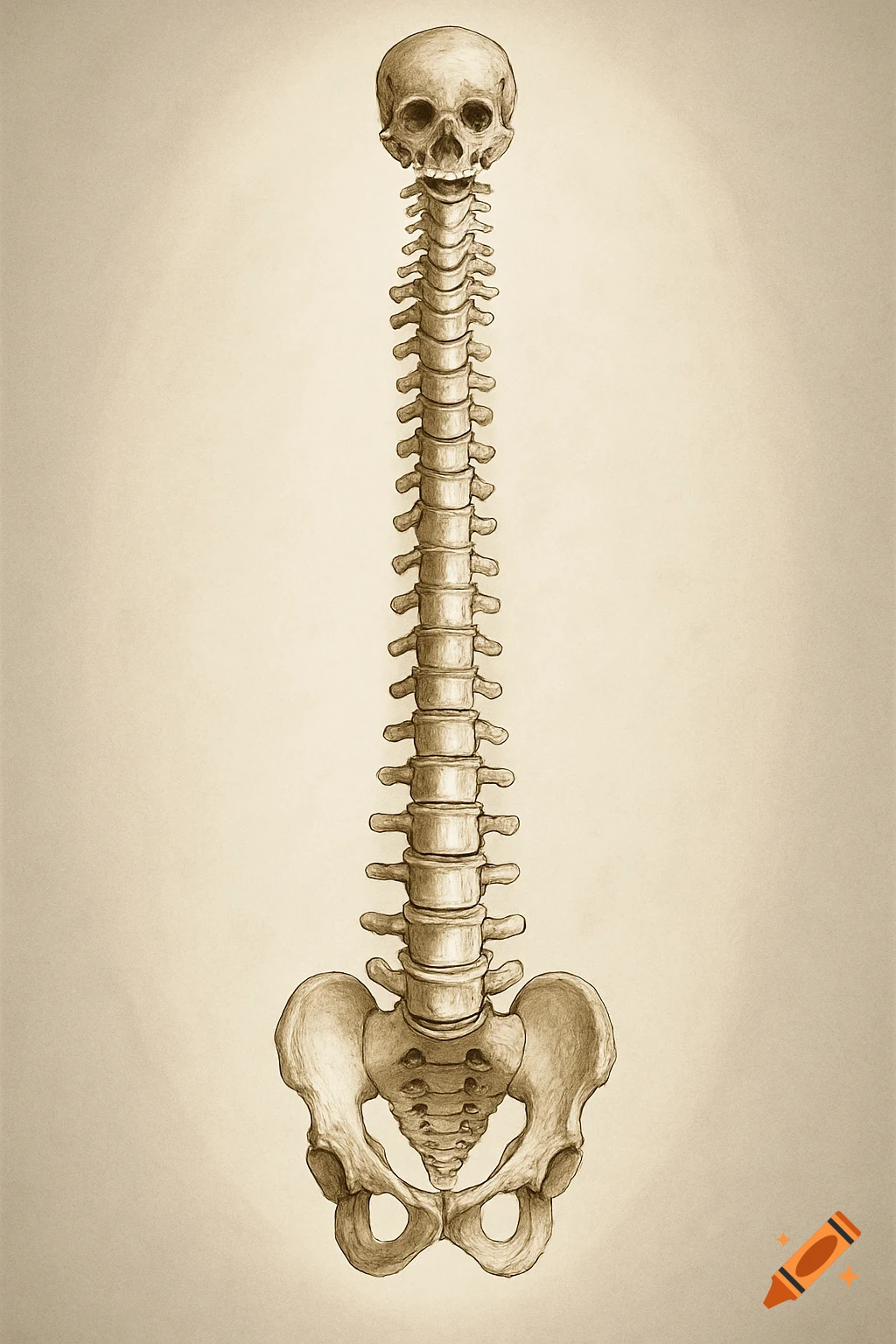
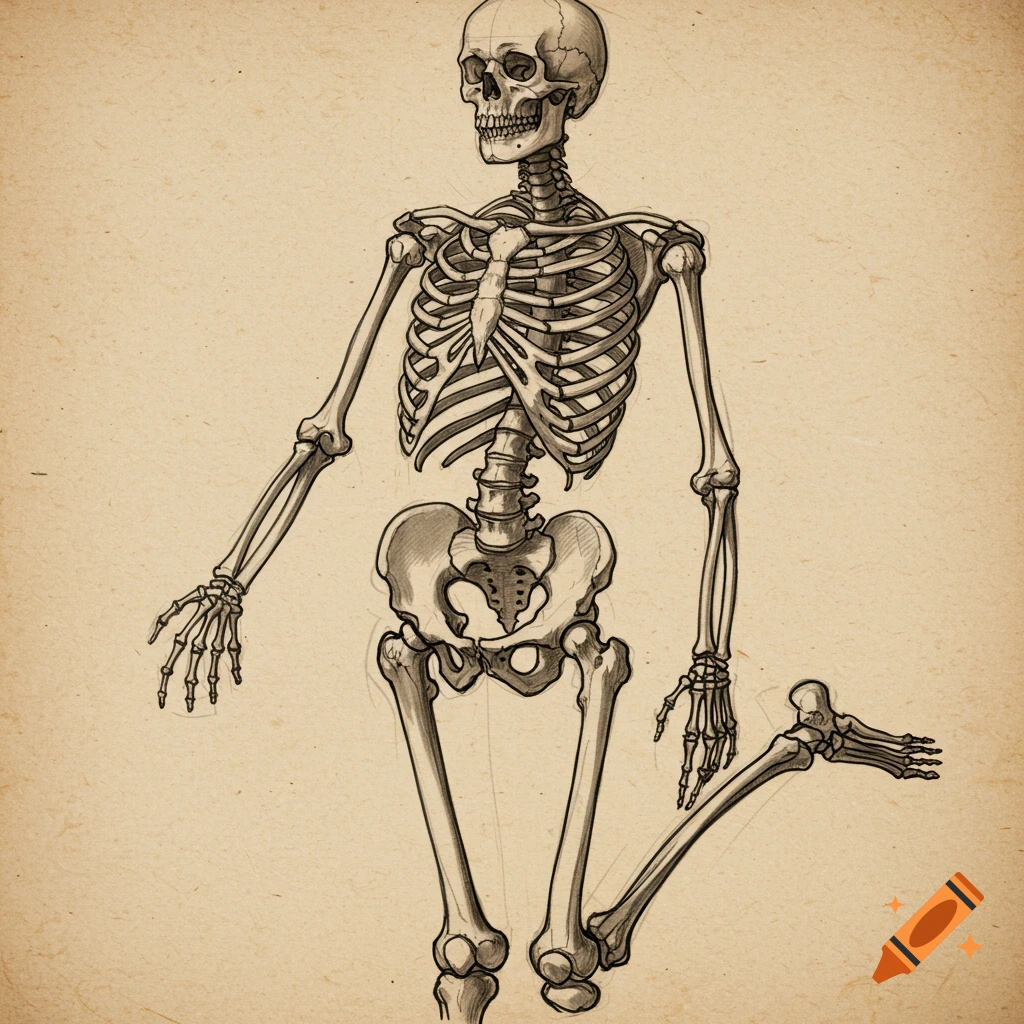
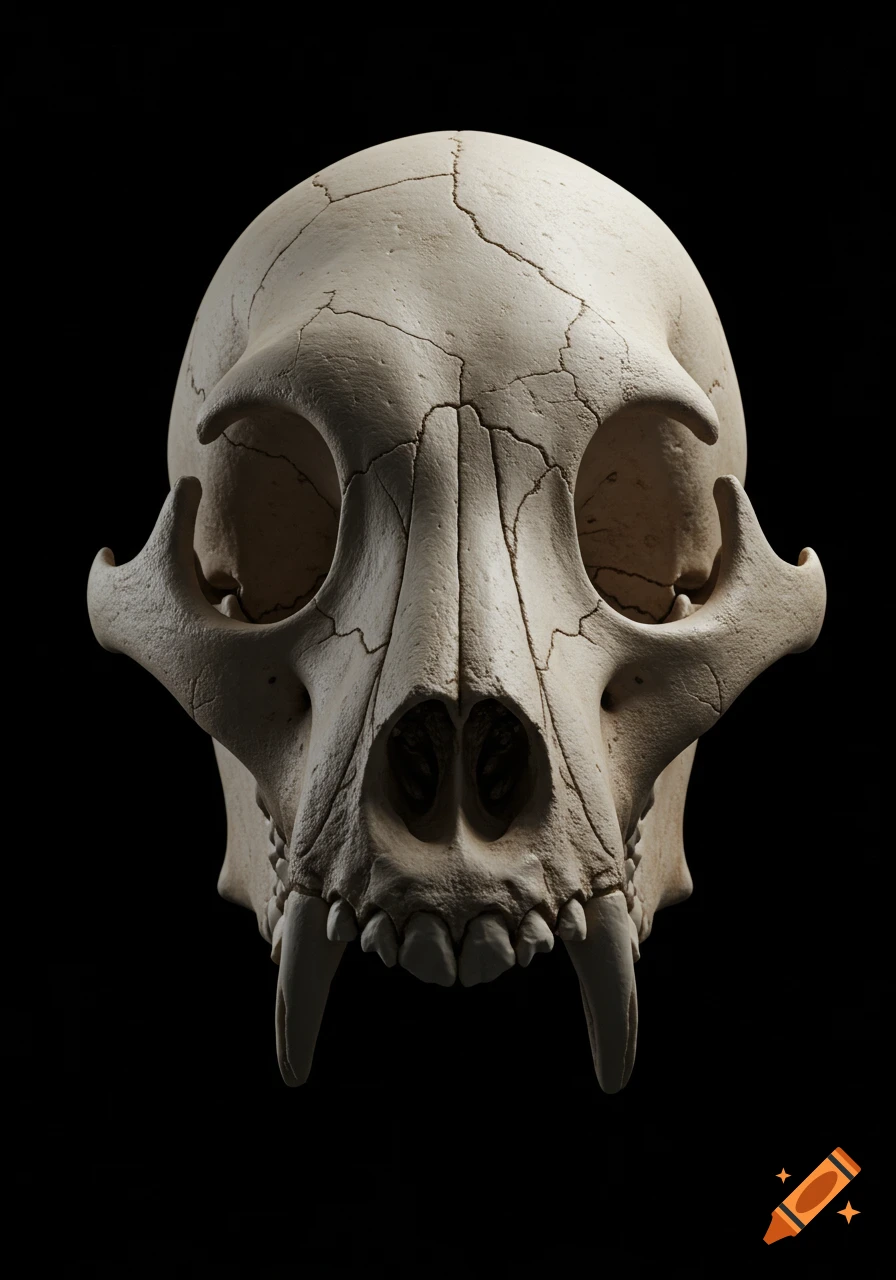
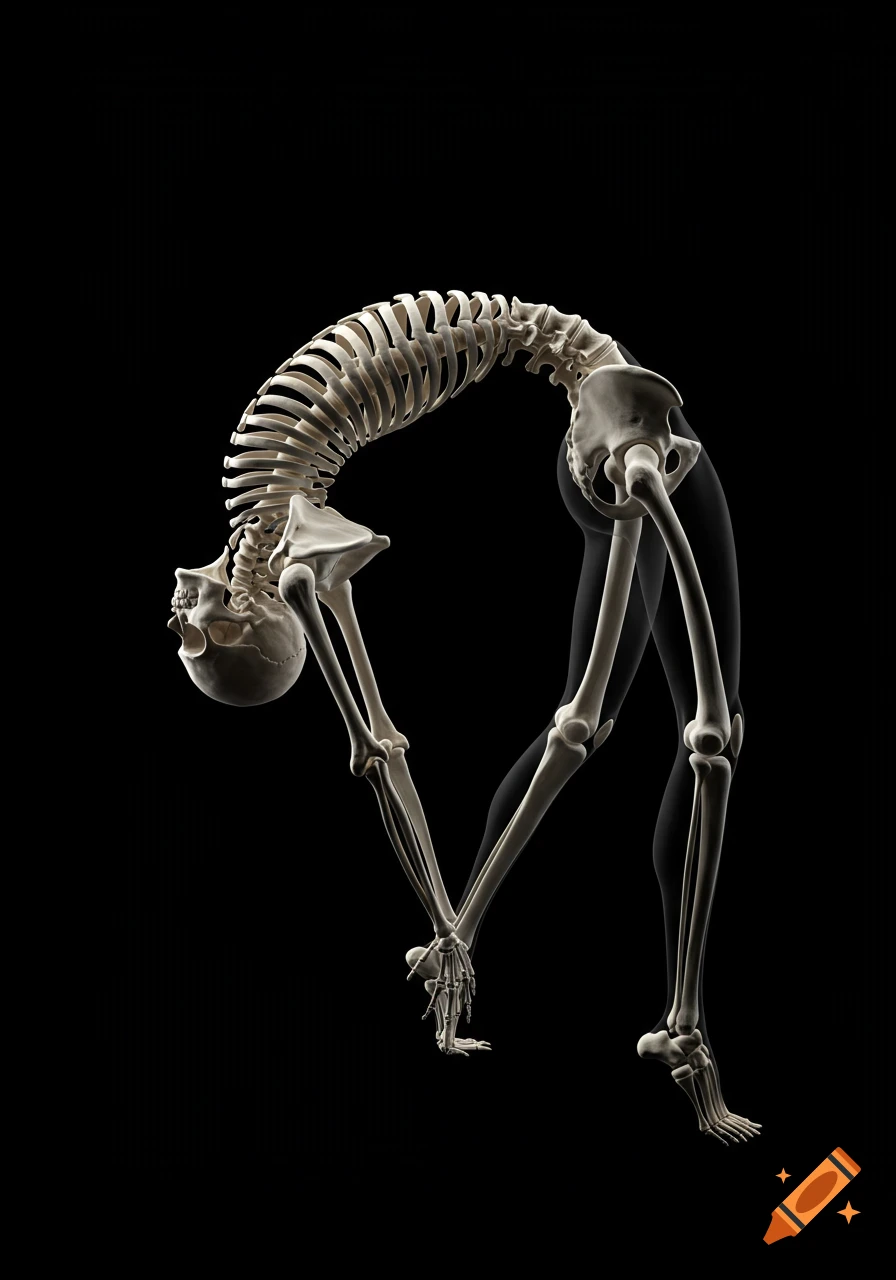
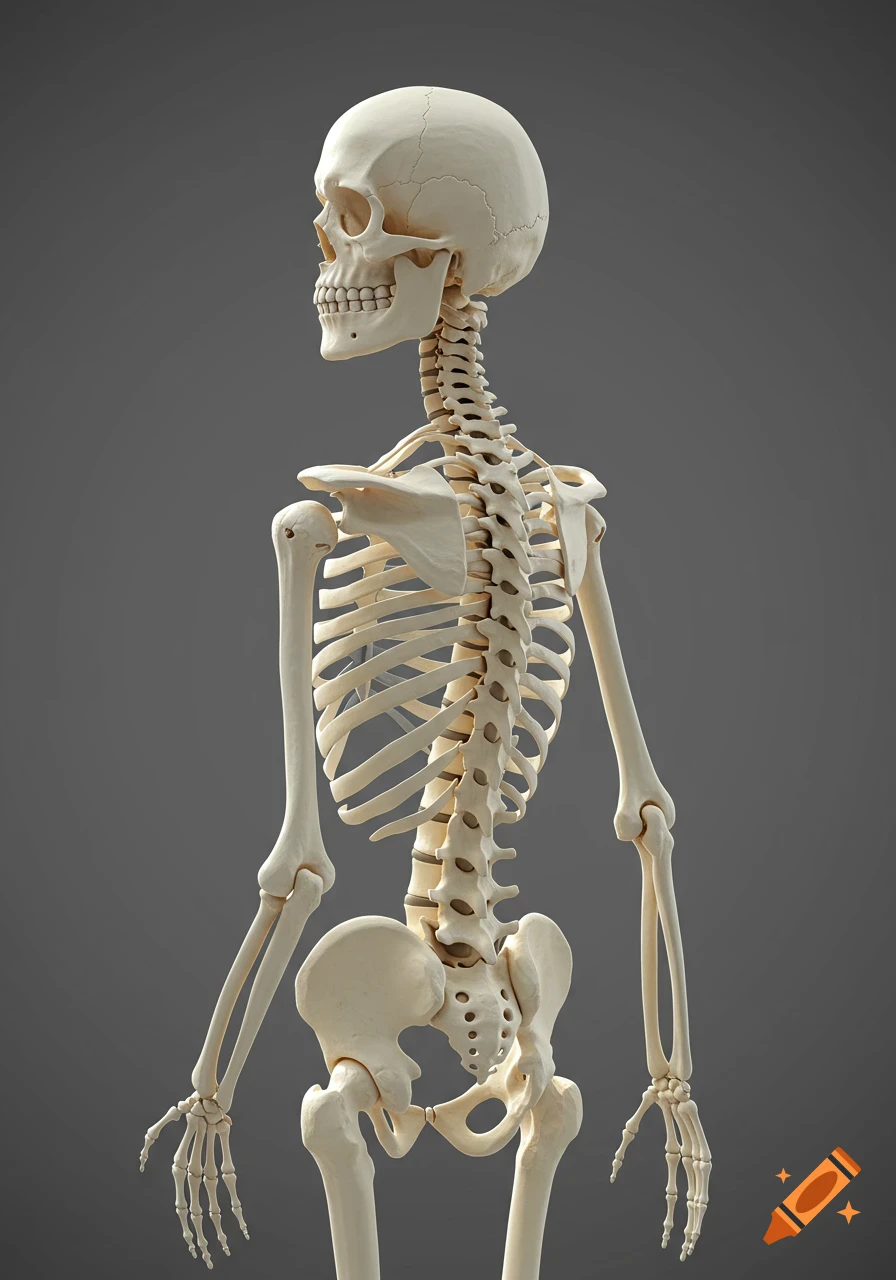
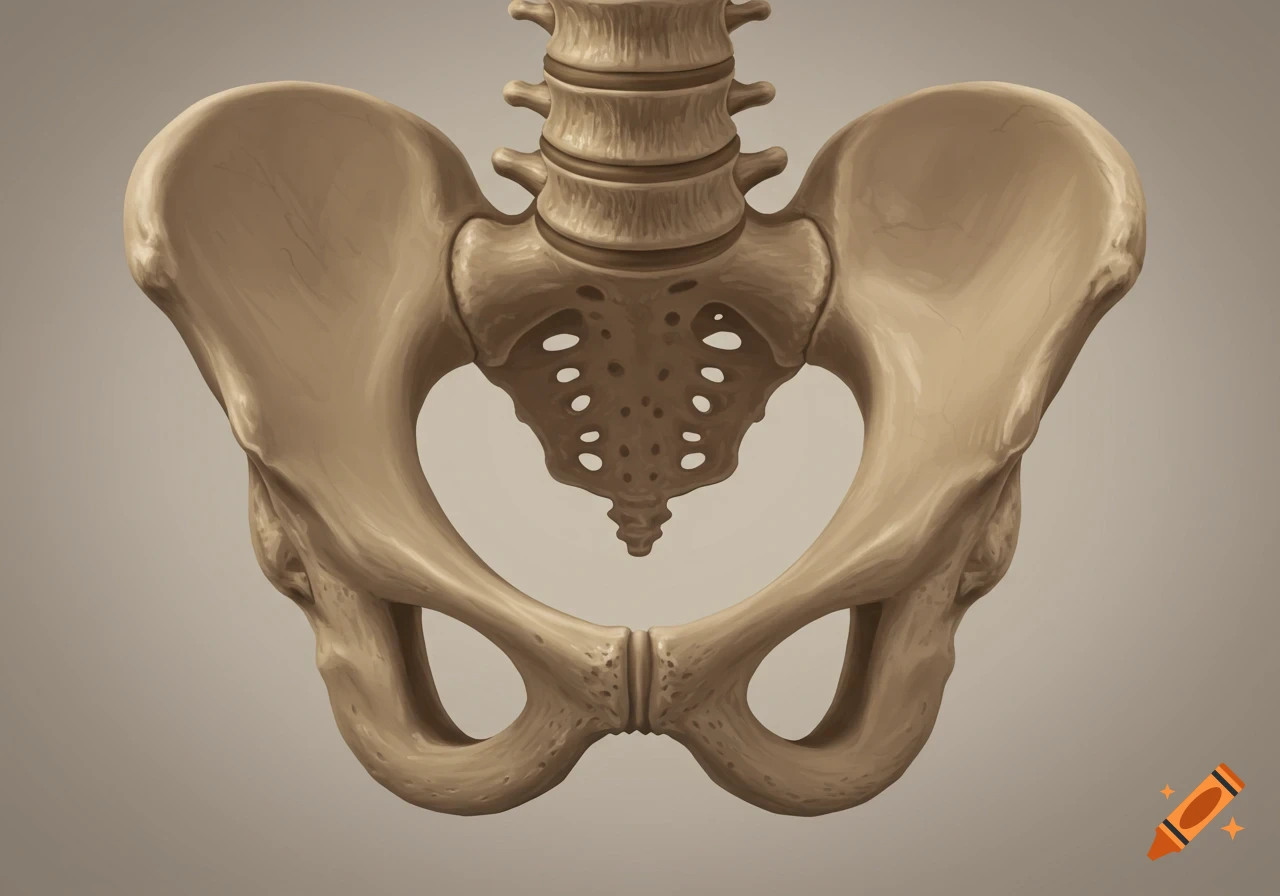
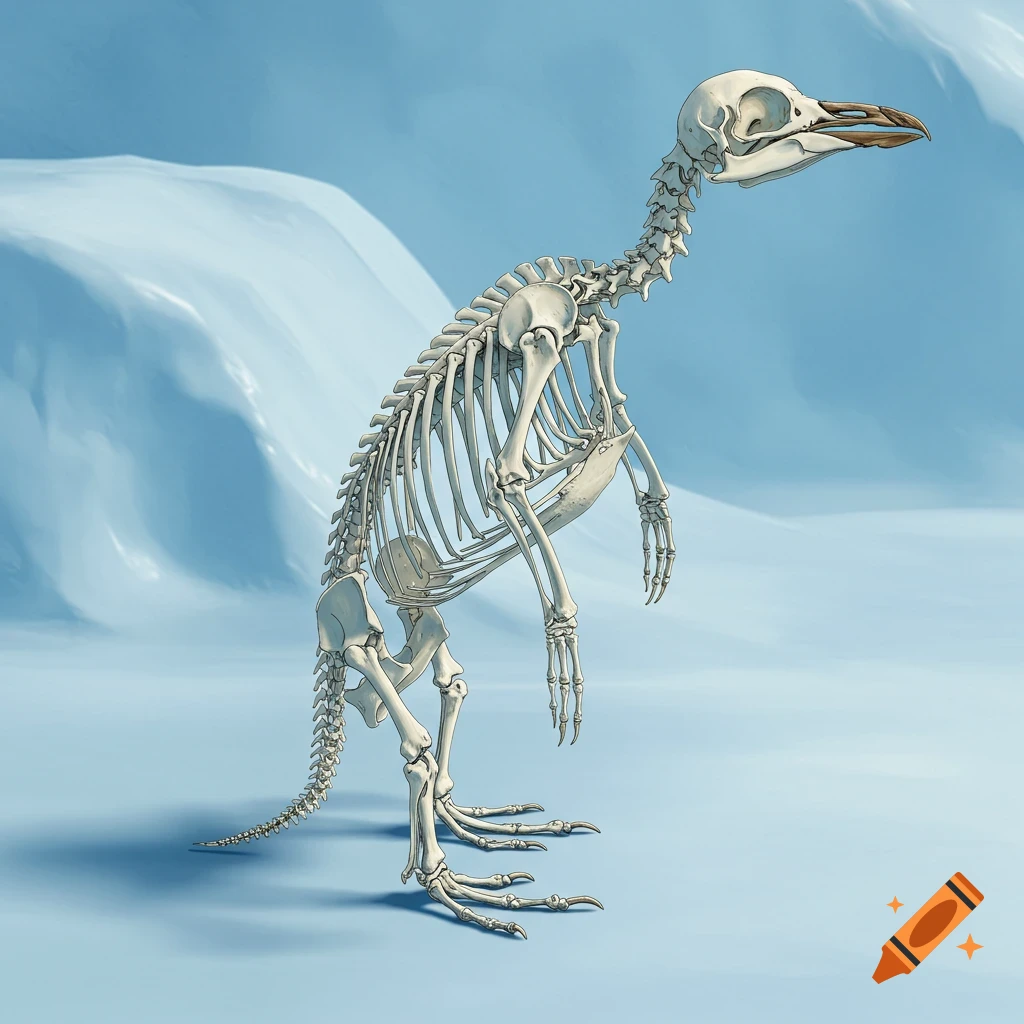
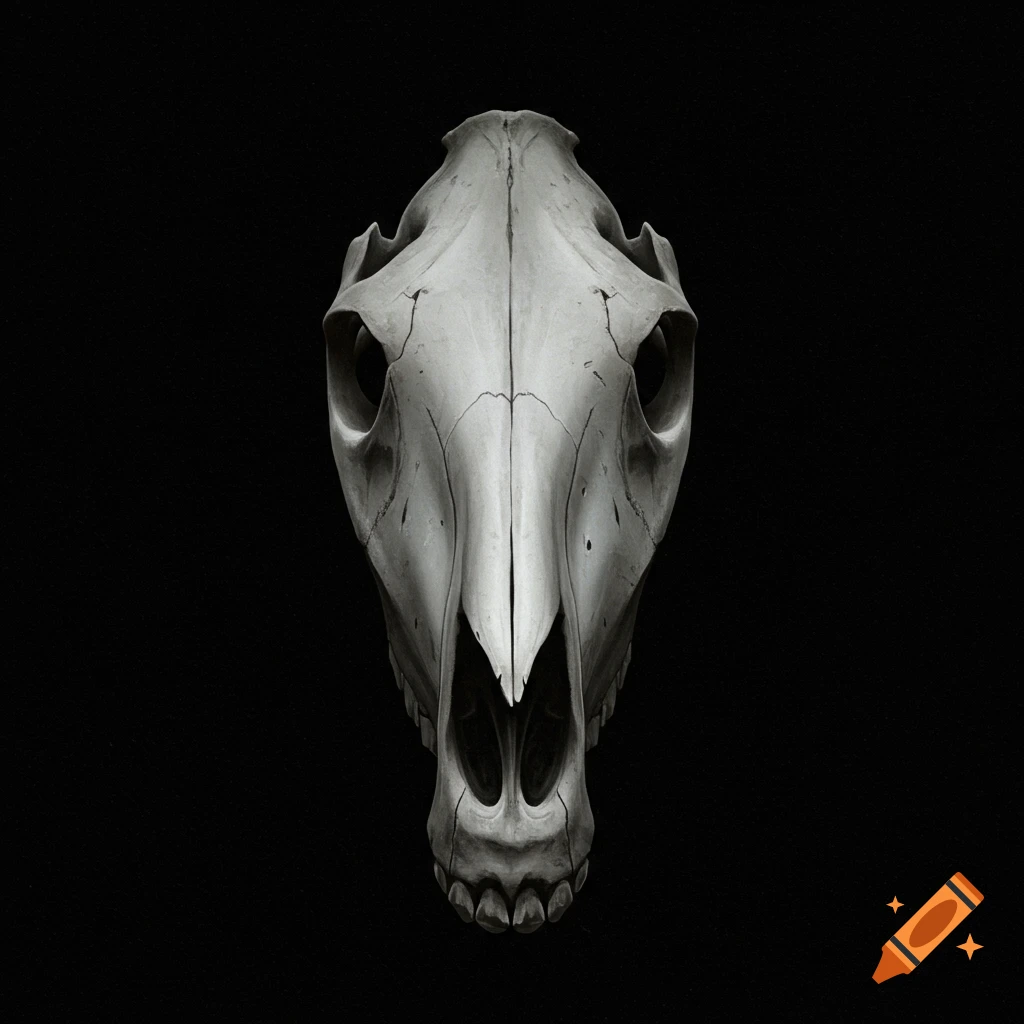
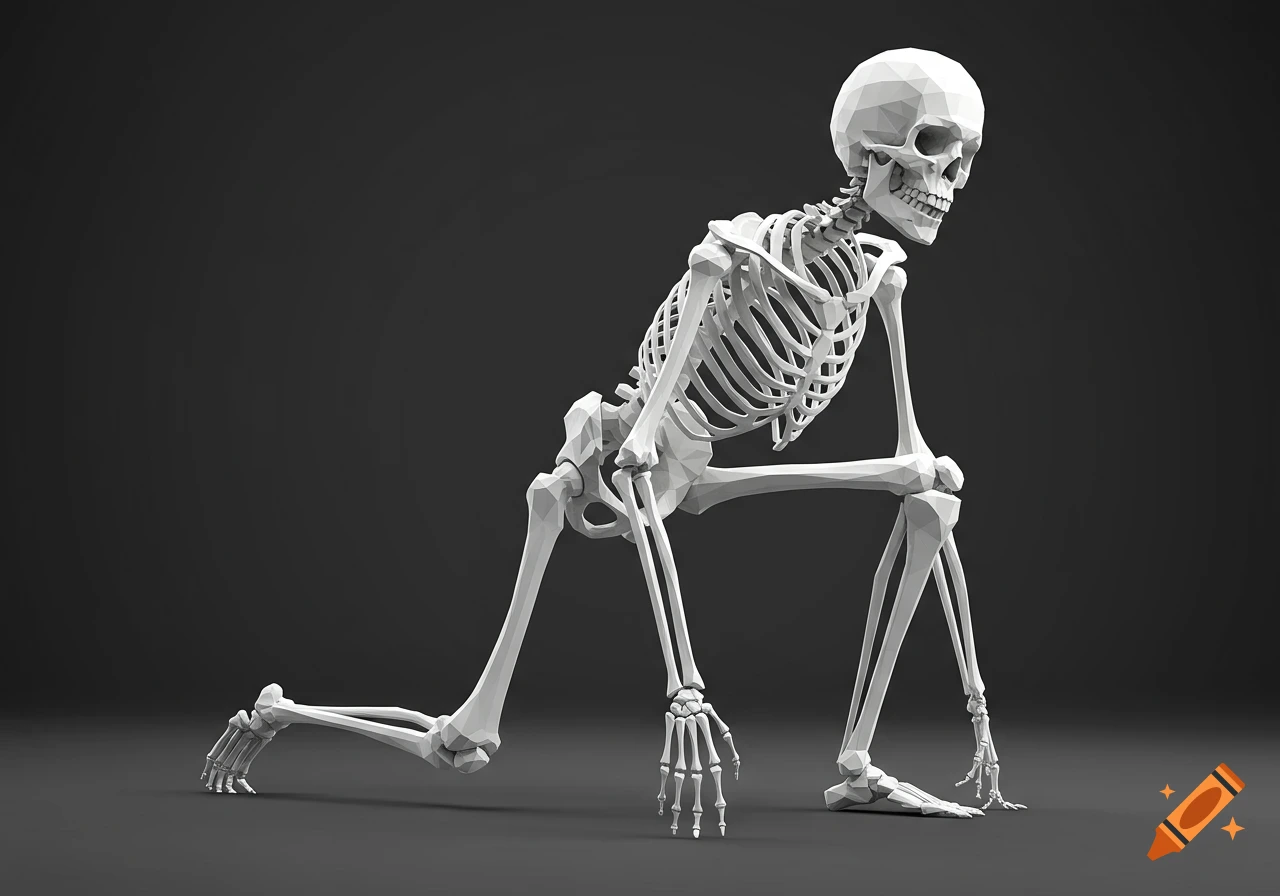
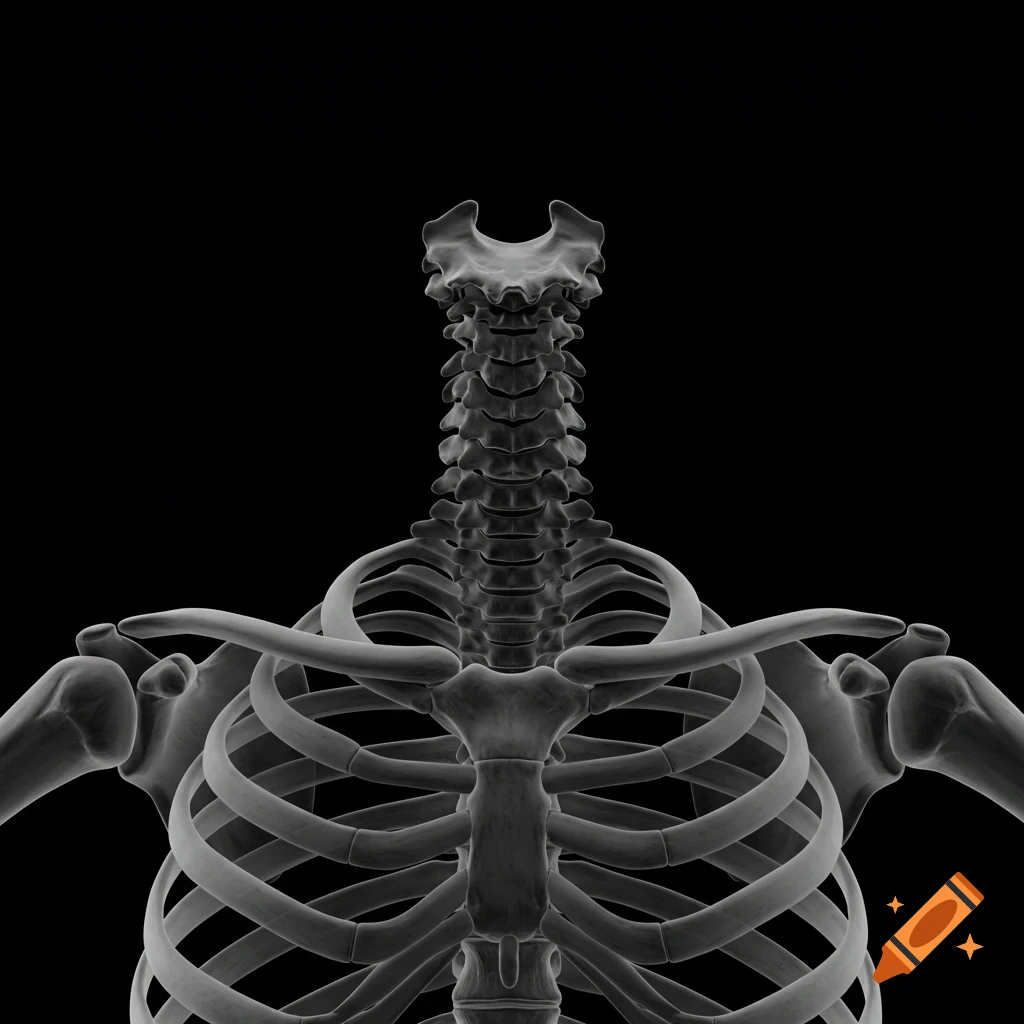
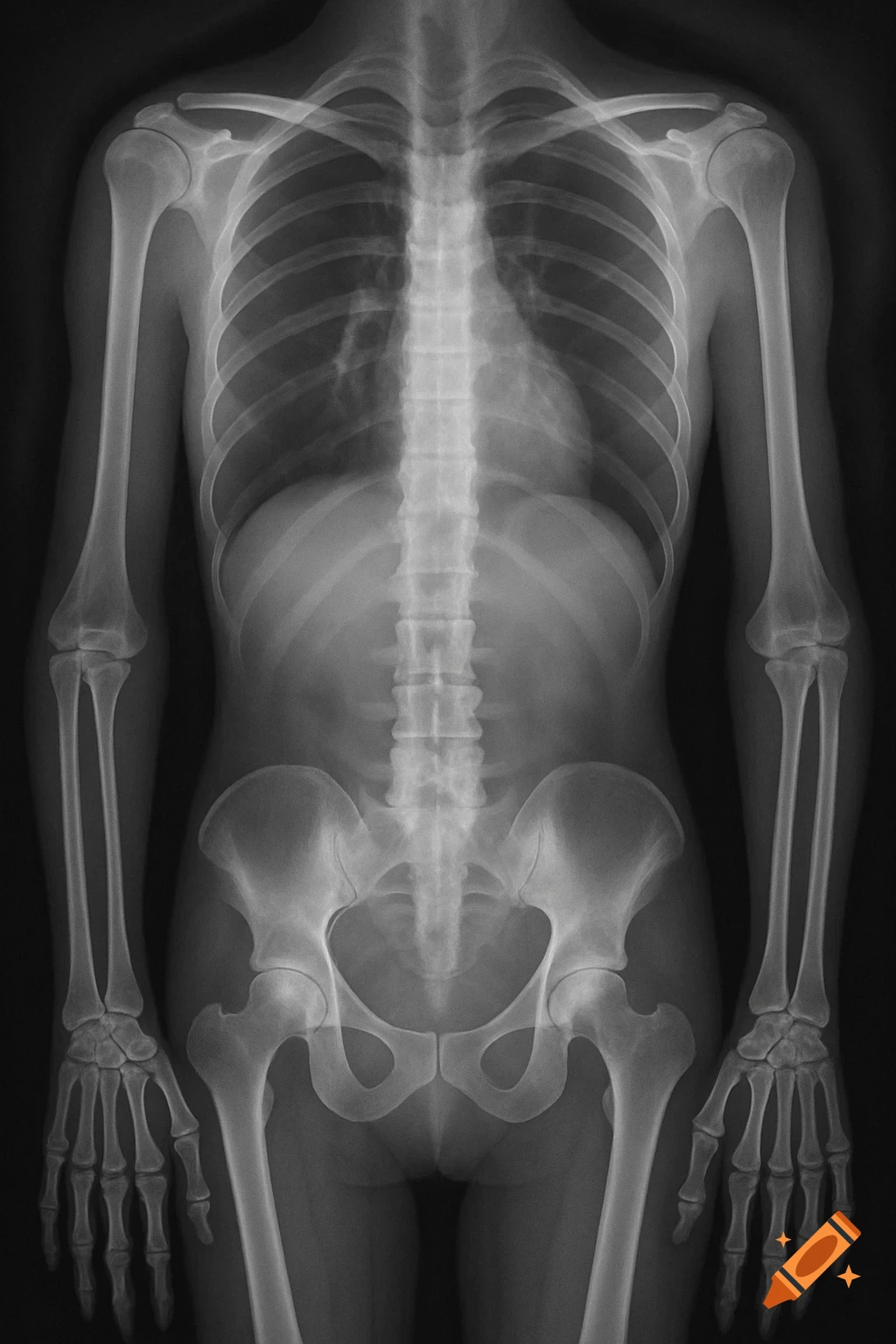
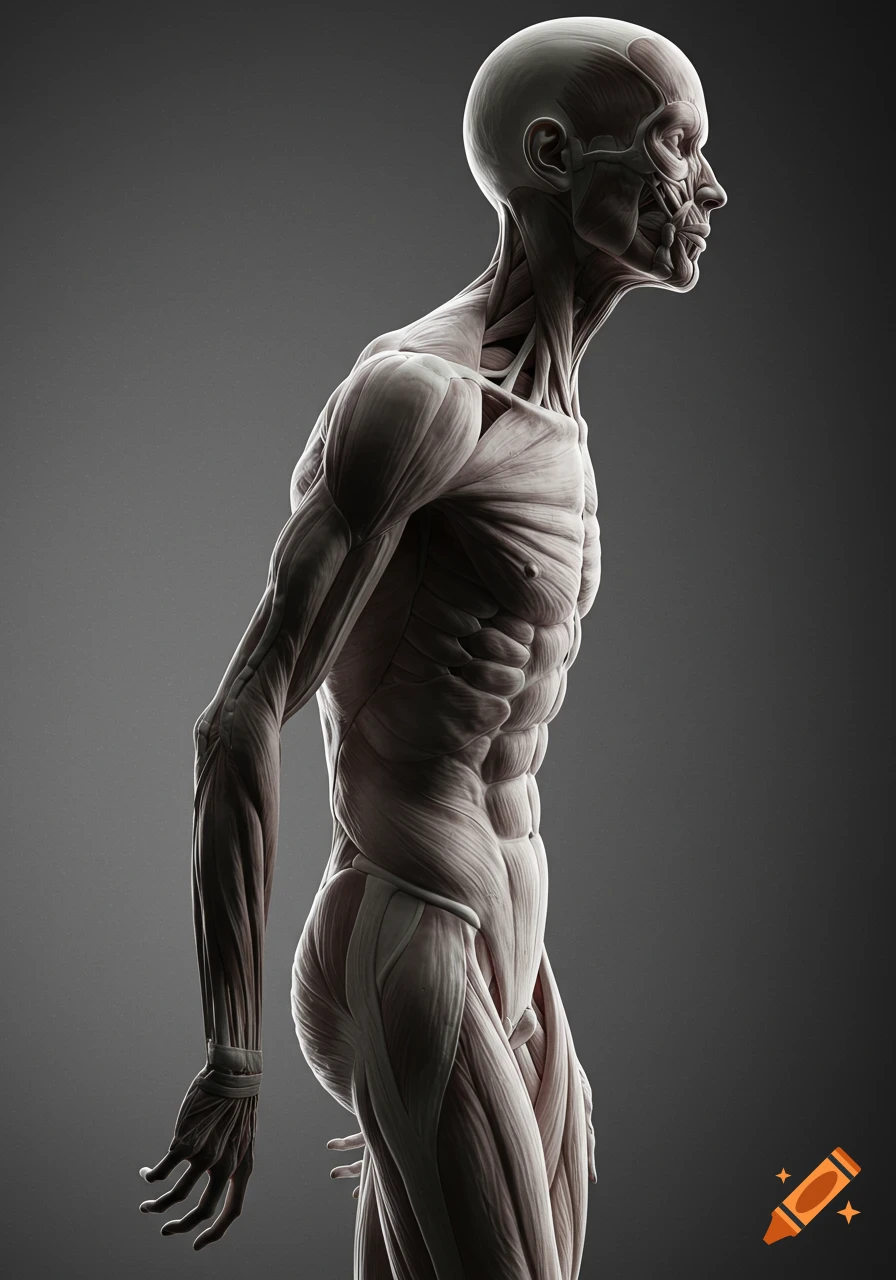
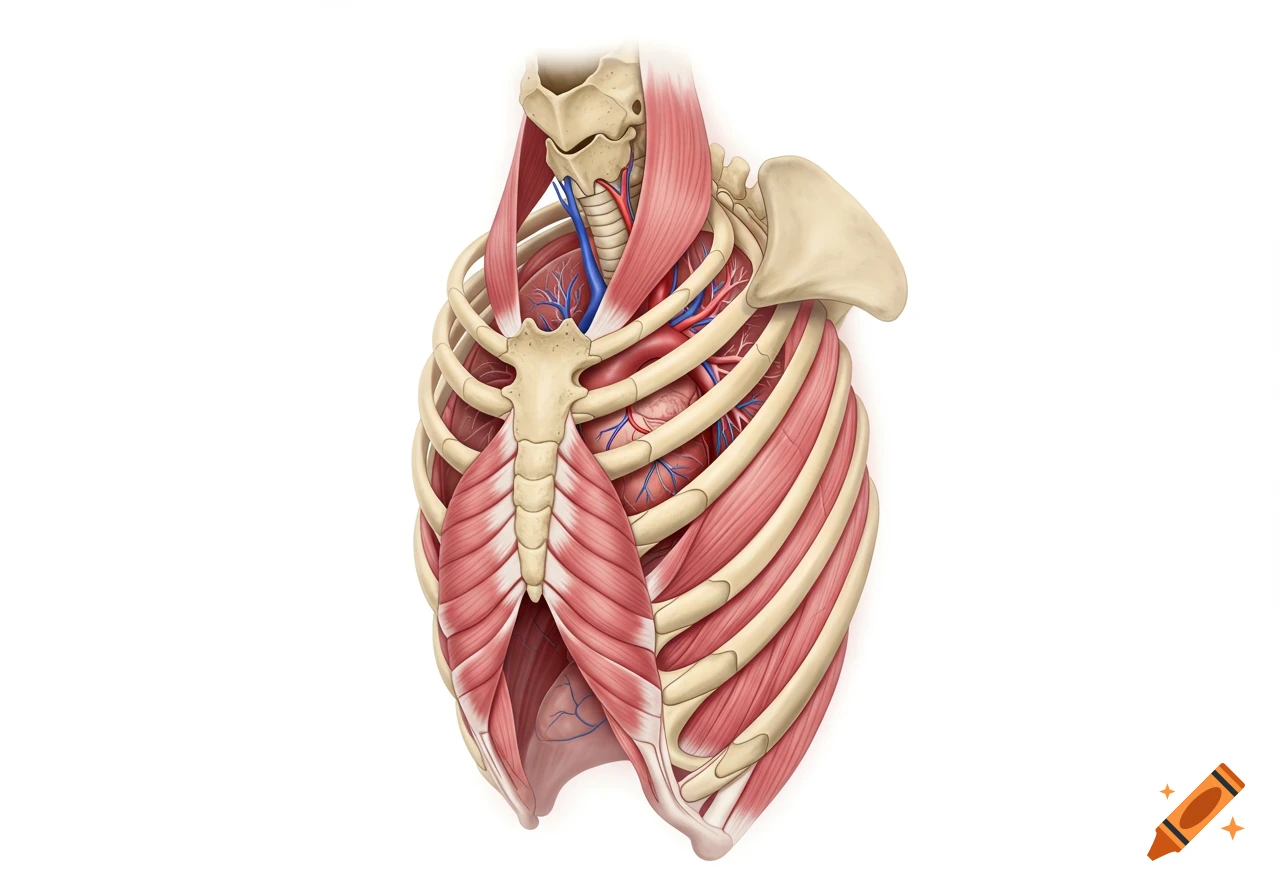
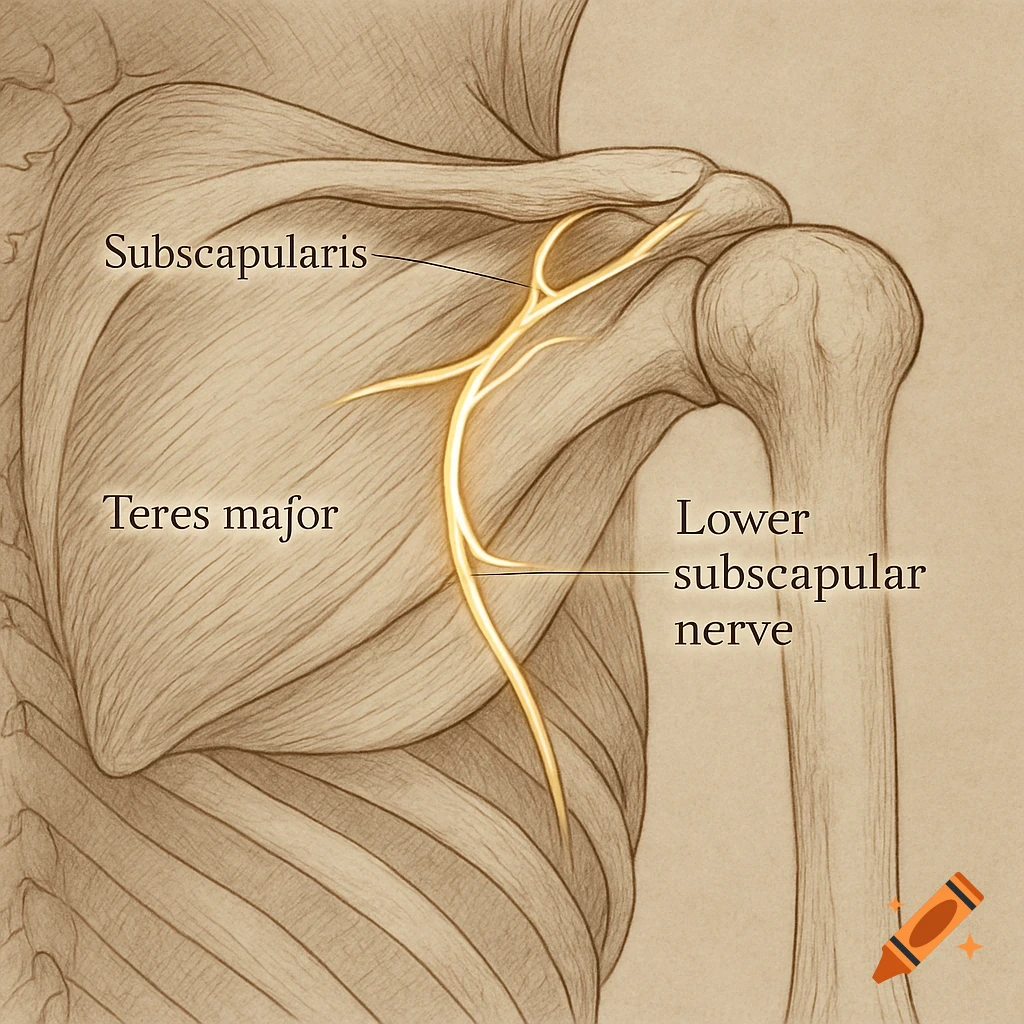
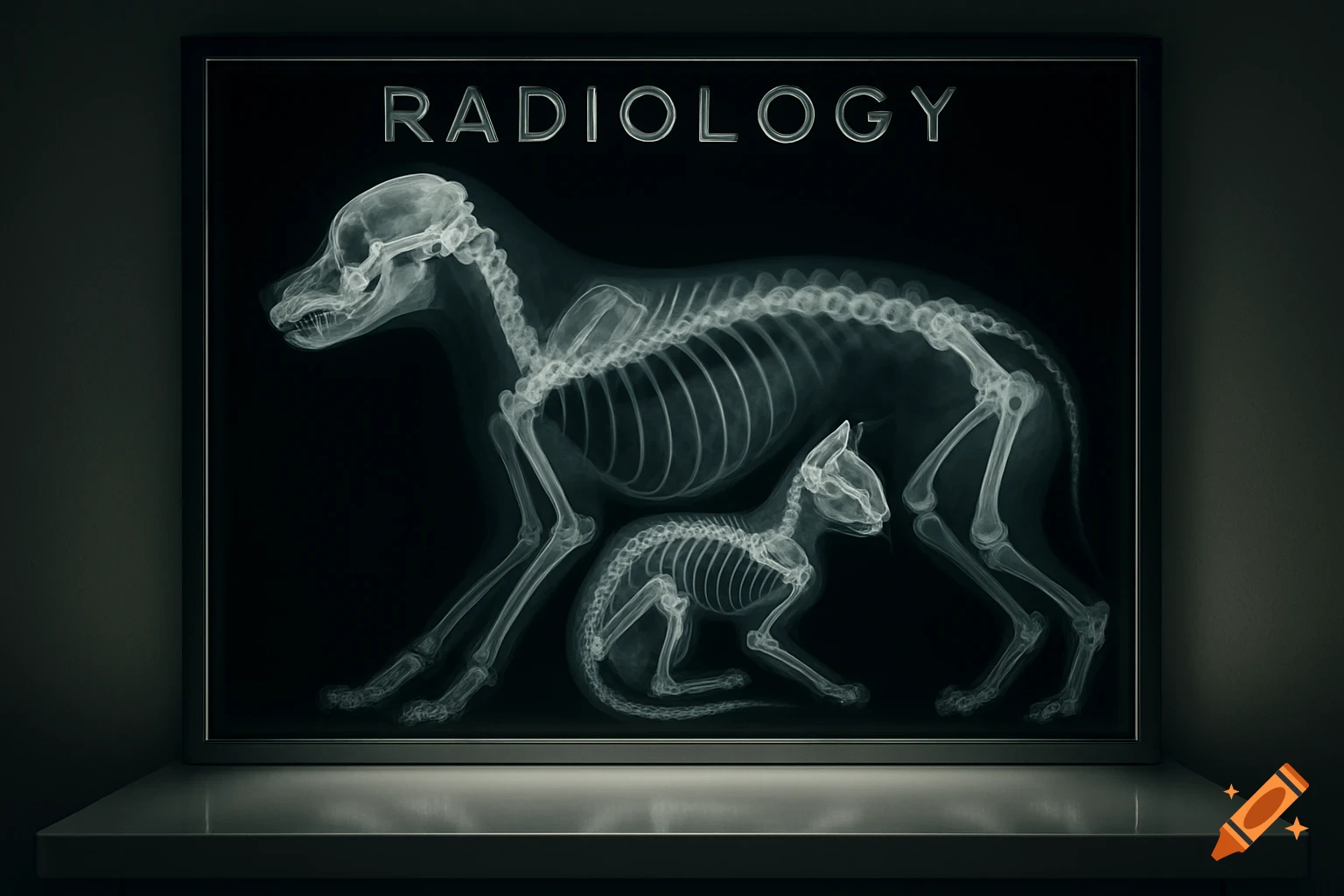
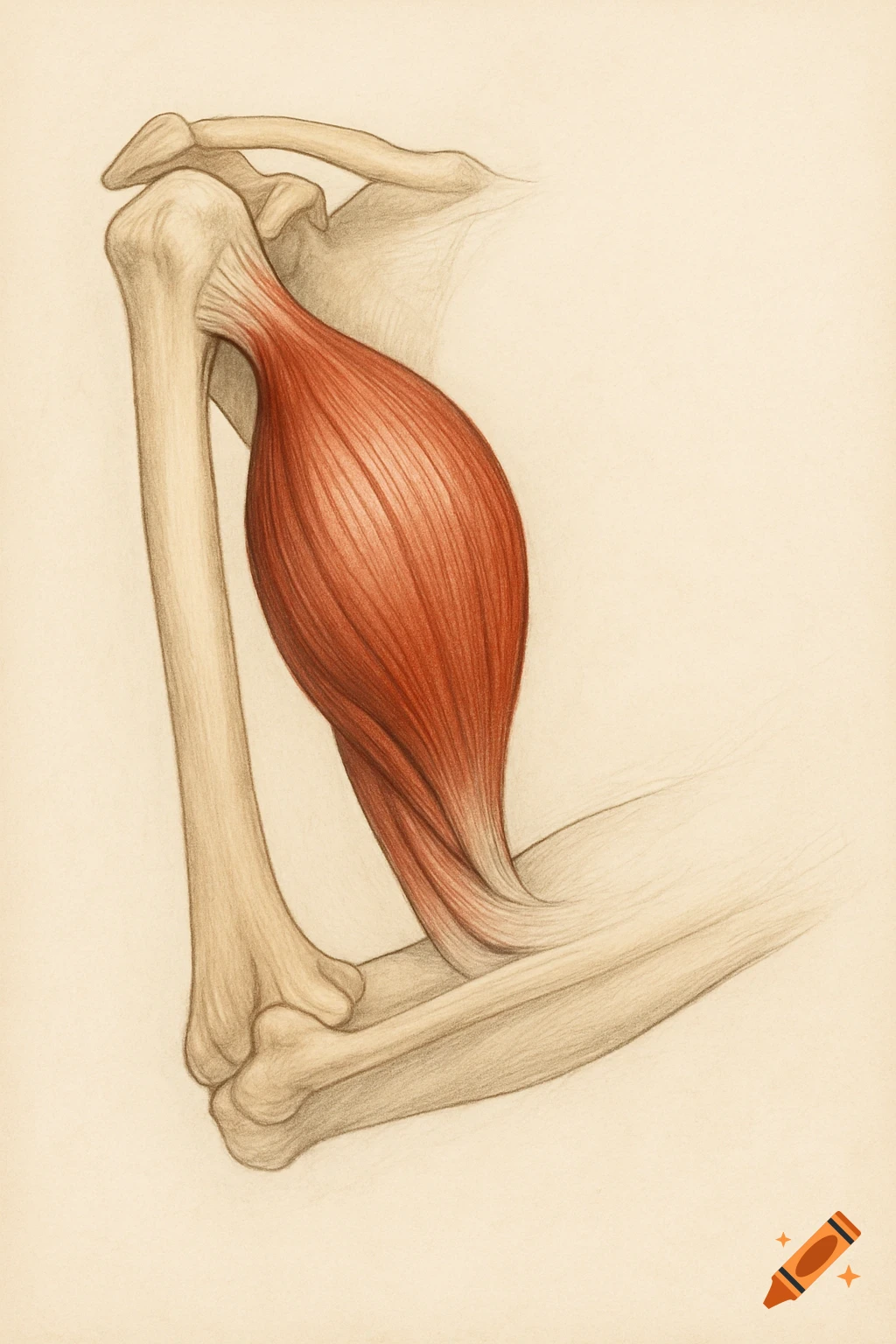
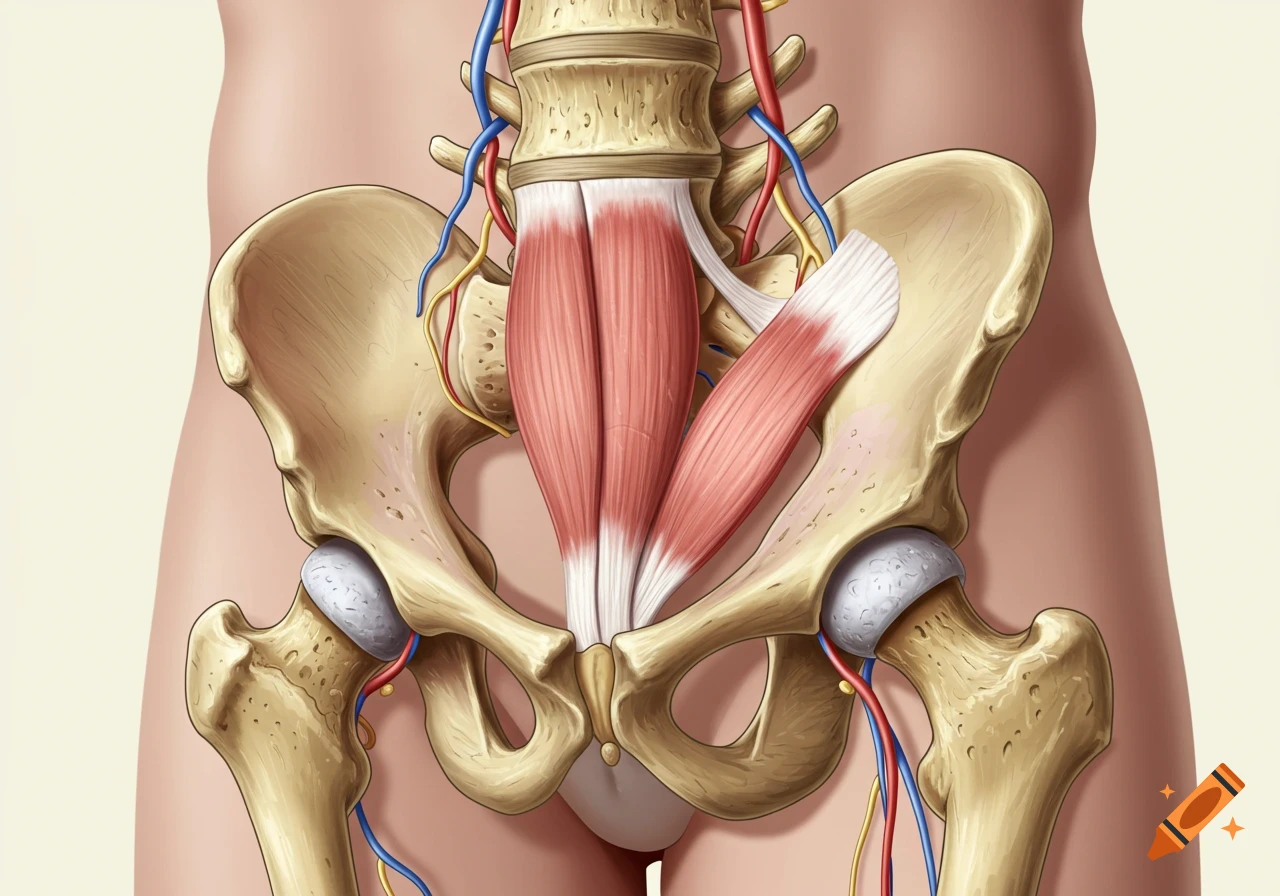
A detailed, realistic rendering of a theoretical werewolf skeleton, combining a lupine skull with a bipedal human-like torso.
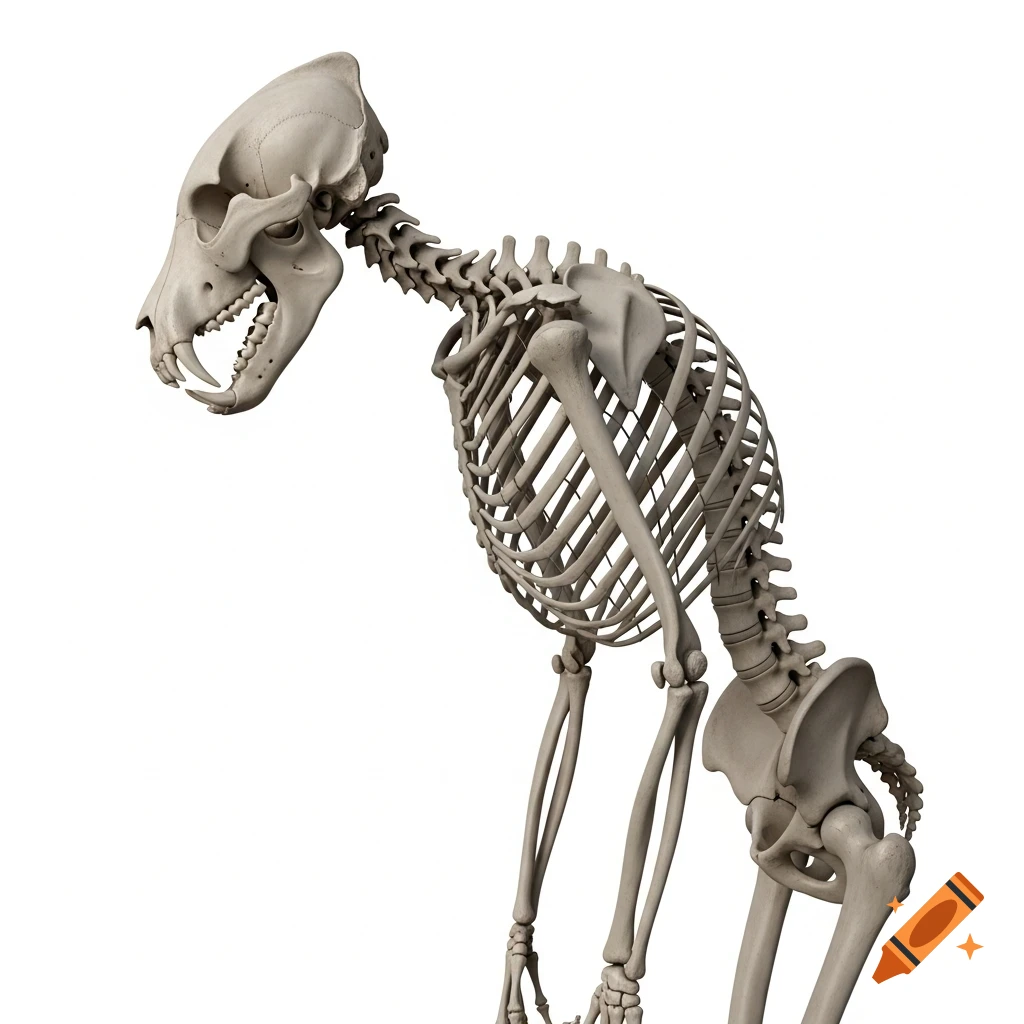
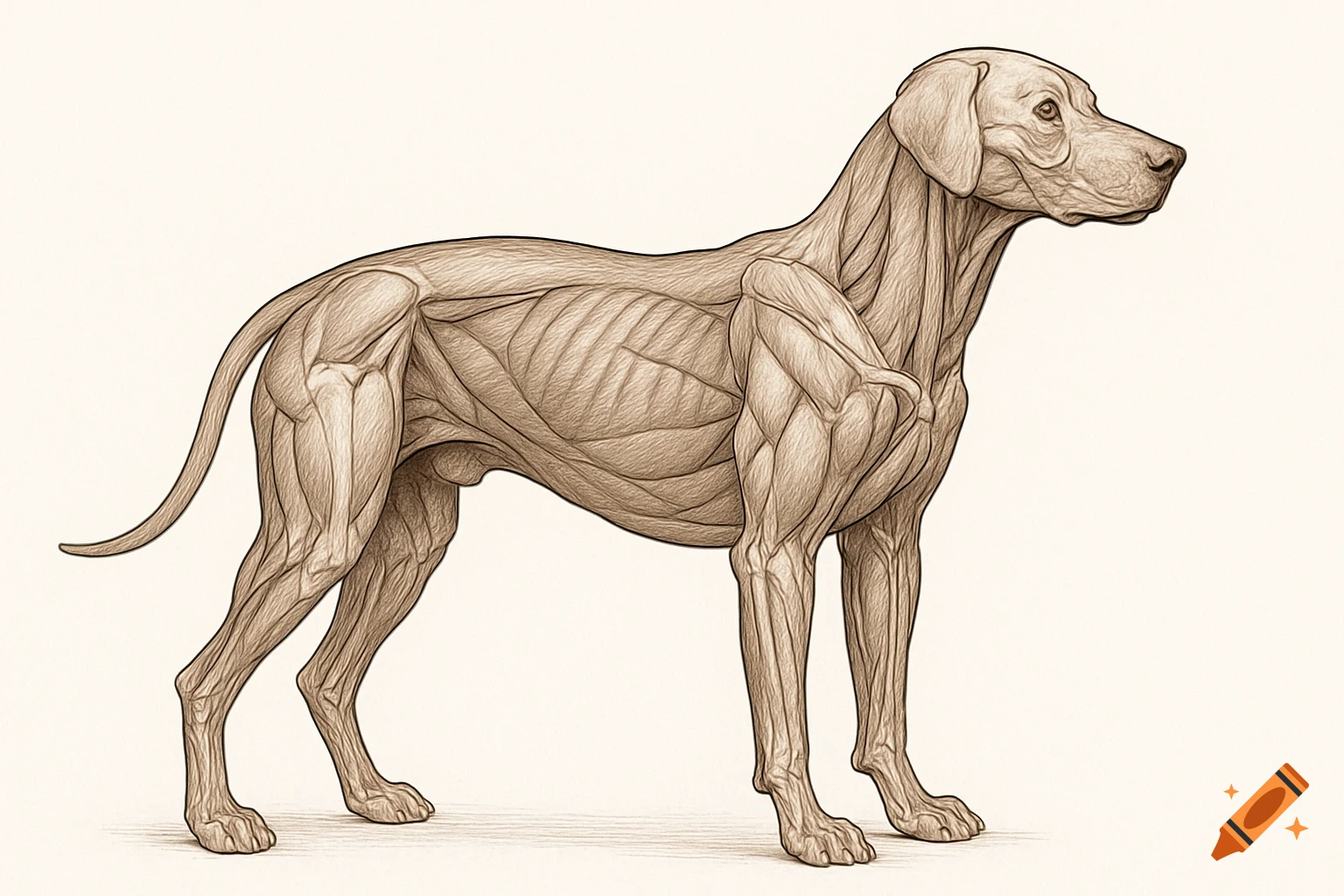
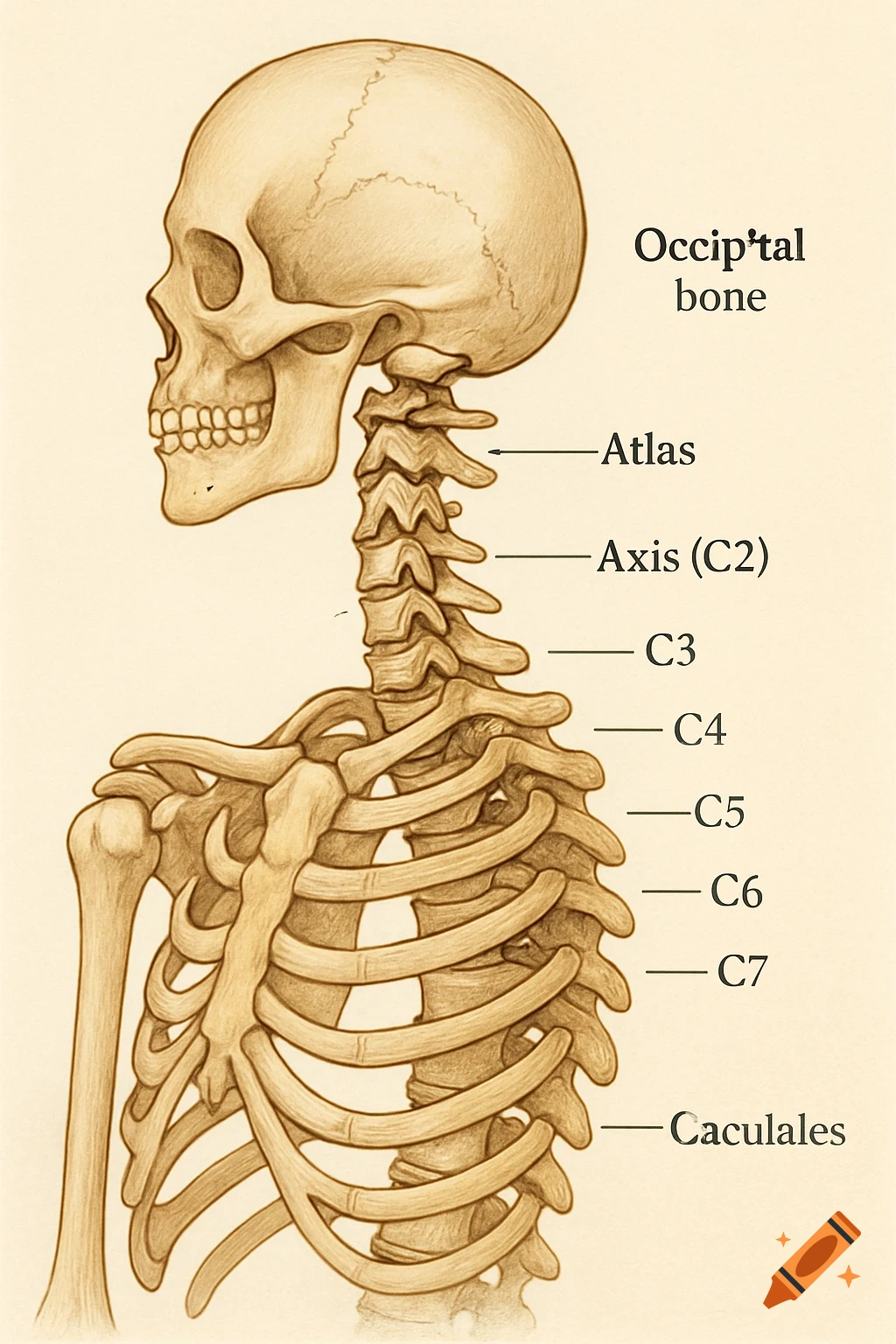
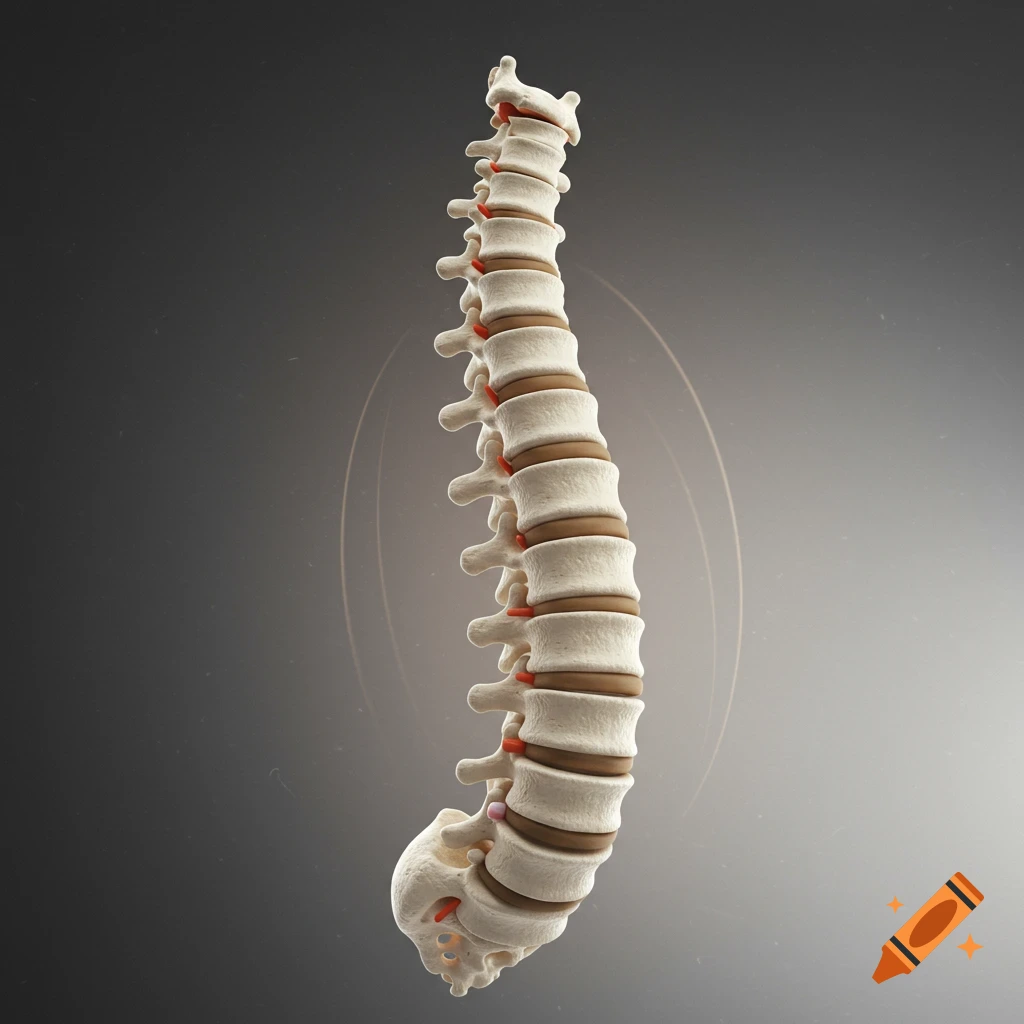
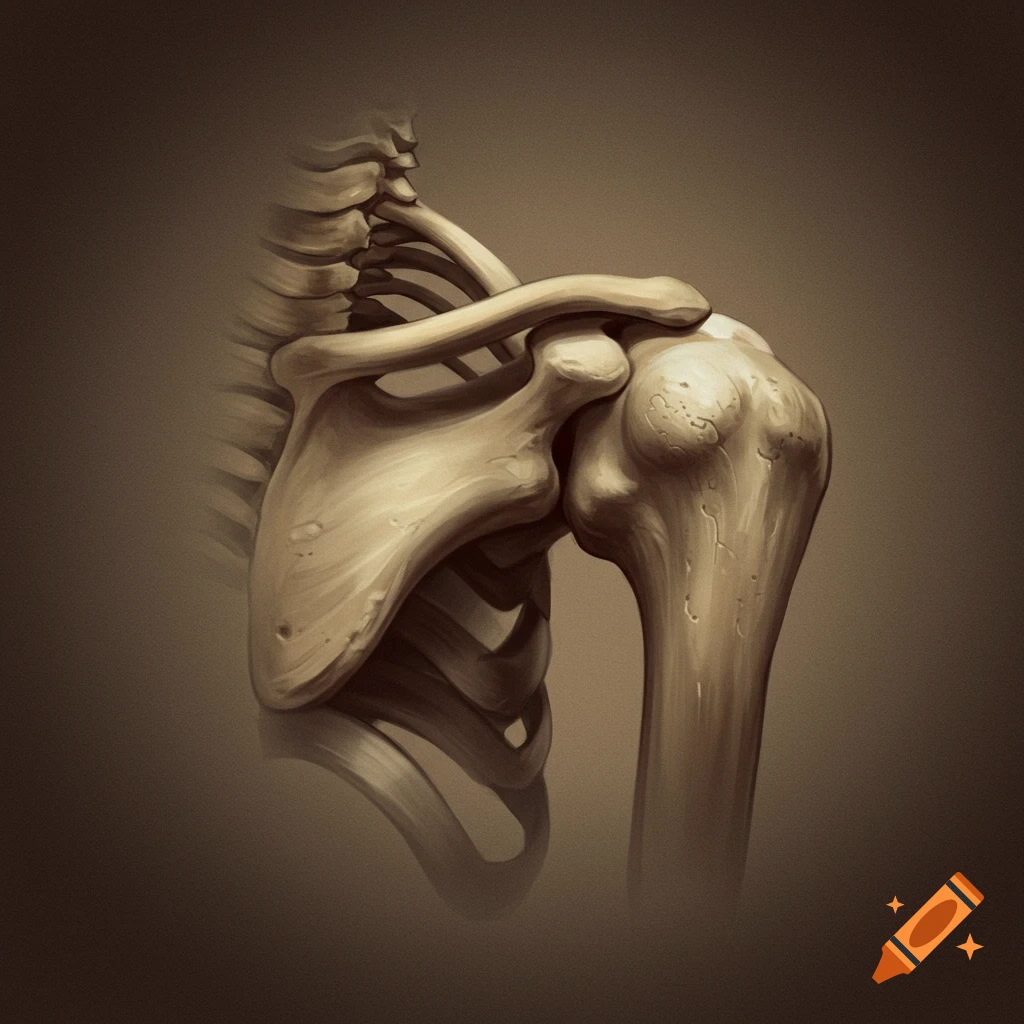
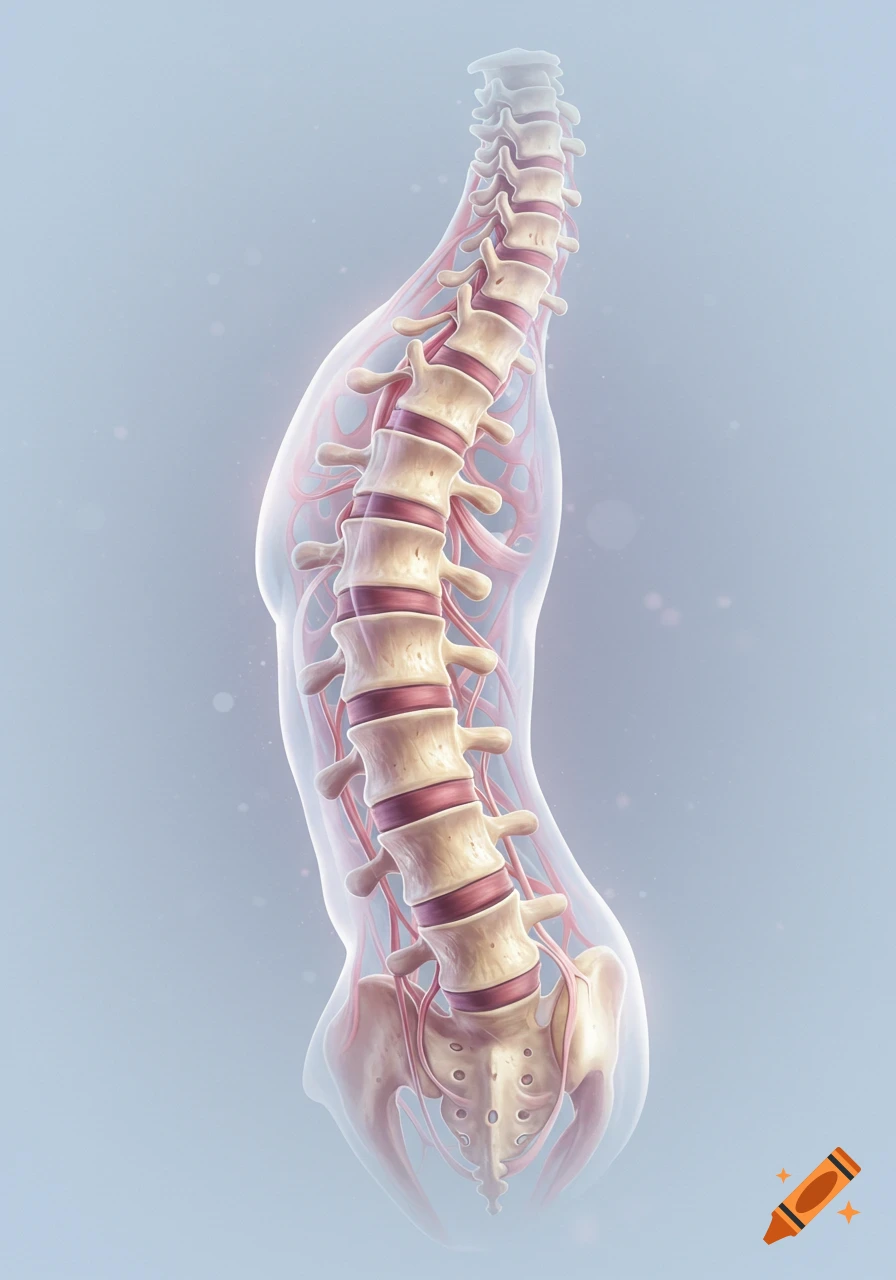
A theoretically realistic werewolf skeleton merges human bipedalism with lupine predatory features through intense structural adaptation. The elongated wolf skull, characterized by a prominent sagittal crest for massive jaw muscle attachment, is anchored to the human torso by a thickened cervical spine and a relocated foramen magnum (spinal entry point) positioned further back to balance the protruding snout. To support this heavy, forward-leaning head, the neck features a dense network of hyper-extended nuchal ligaments and reinforced C1-C2 vertebrae, while the human clavicles are partially recessed or flexible to accommodate the increased muscular bulk. This hybrid framework necessitates a deep lordotic curve in the spine to maintain a center of gravity over the bipedal pelvis, creating a powerful, hunched posture capable of supporting a fully functional canine head on an upright body. See more