An anime illustration shows a red-haired girl with an angry expression on a basketball court, surrounded by seven other girls with concerned or serious faces during sunset.

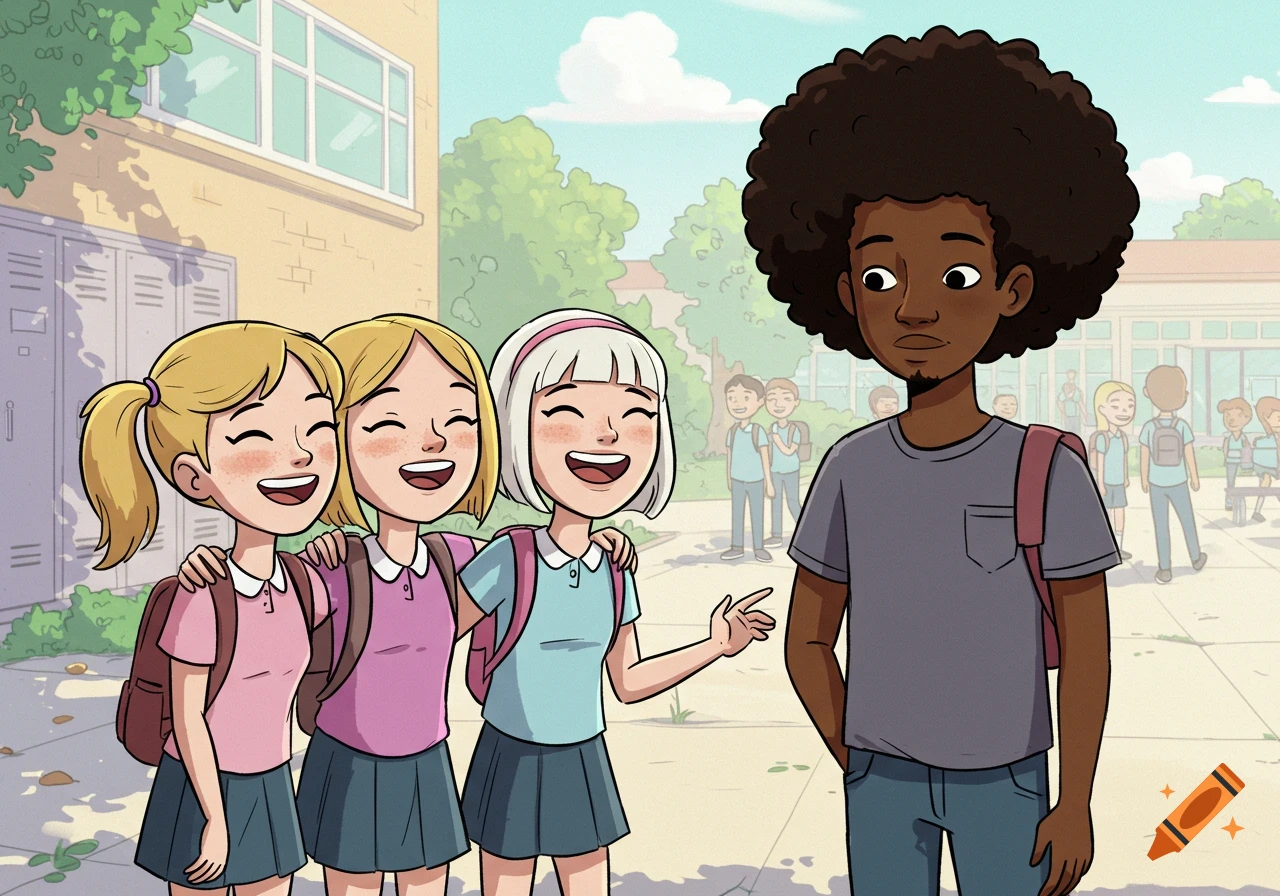
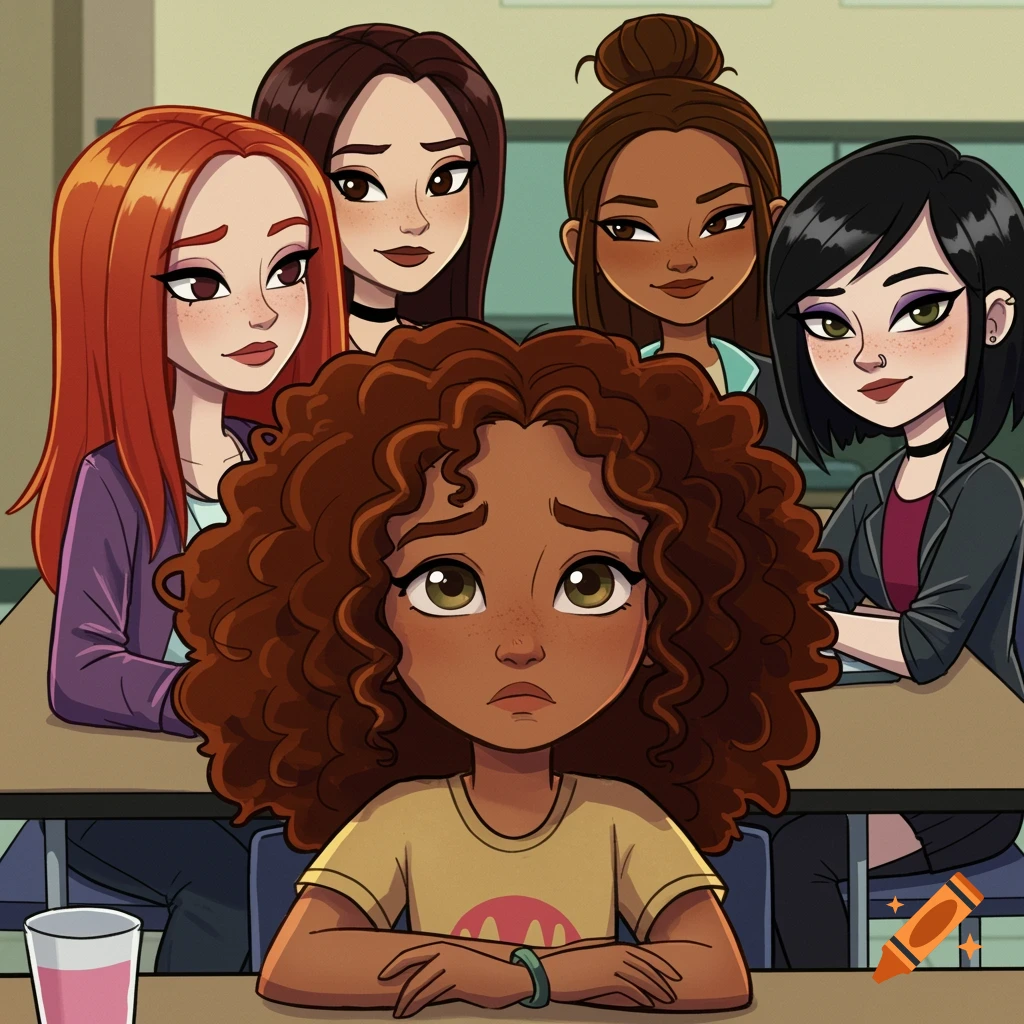
A few years ago, I was part of a large friend group of about ten girls. For the most part, we were close, but one person consistently brought negative energy. She often had an attitude, even at choir rehearsals, said rude things, and caused unnecessary drama. For example, at a basketball game, a boy approached his friends, and she commented, “look at his sassy ass,” which his female friend overheard and got upset about. It almost led to a fight, and instead of taking responsibility, she expected us to back her up. Another time, on the way to a function, she yelled at a cyclist from the back seat, “Move out the way, b***h!”—completely unnecessary and embarrassing, showing her tendency to focus on the negative. Eventually, the group held a meeting to address the issue. Everyone shared how her attitude affected them, but she perceived it as an attack rather than an opportunity to improve. This experience taught me how challenging communication can be when emotions are high and how easily intentions can be misunderstood. If faced with a similar situation again, I would focus on facilitating a calm conversation, allowing everyone to speak without interruptions, and ensuring that everyone feels heard to prevent escalation. See more