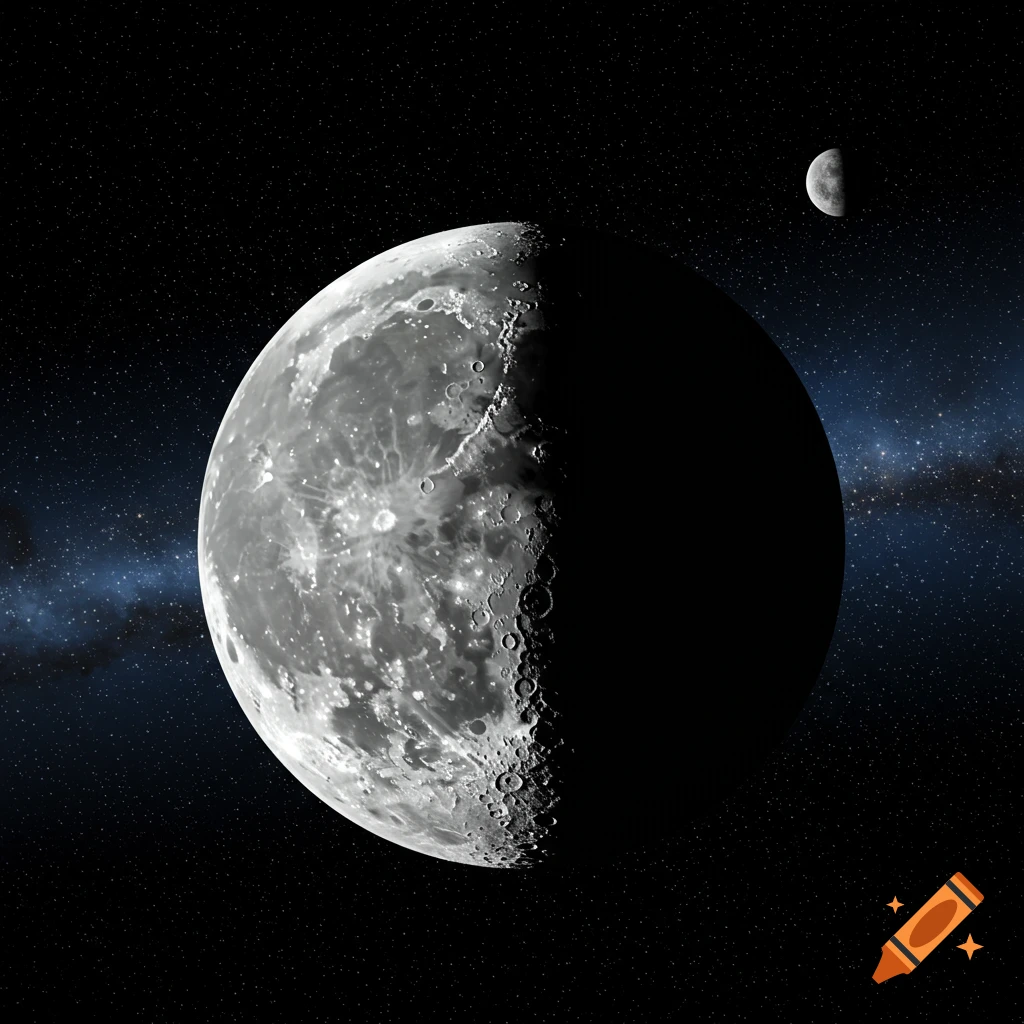
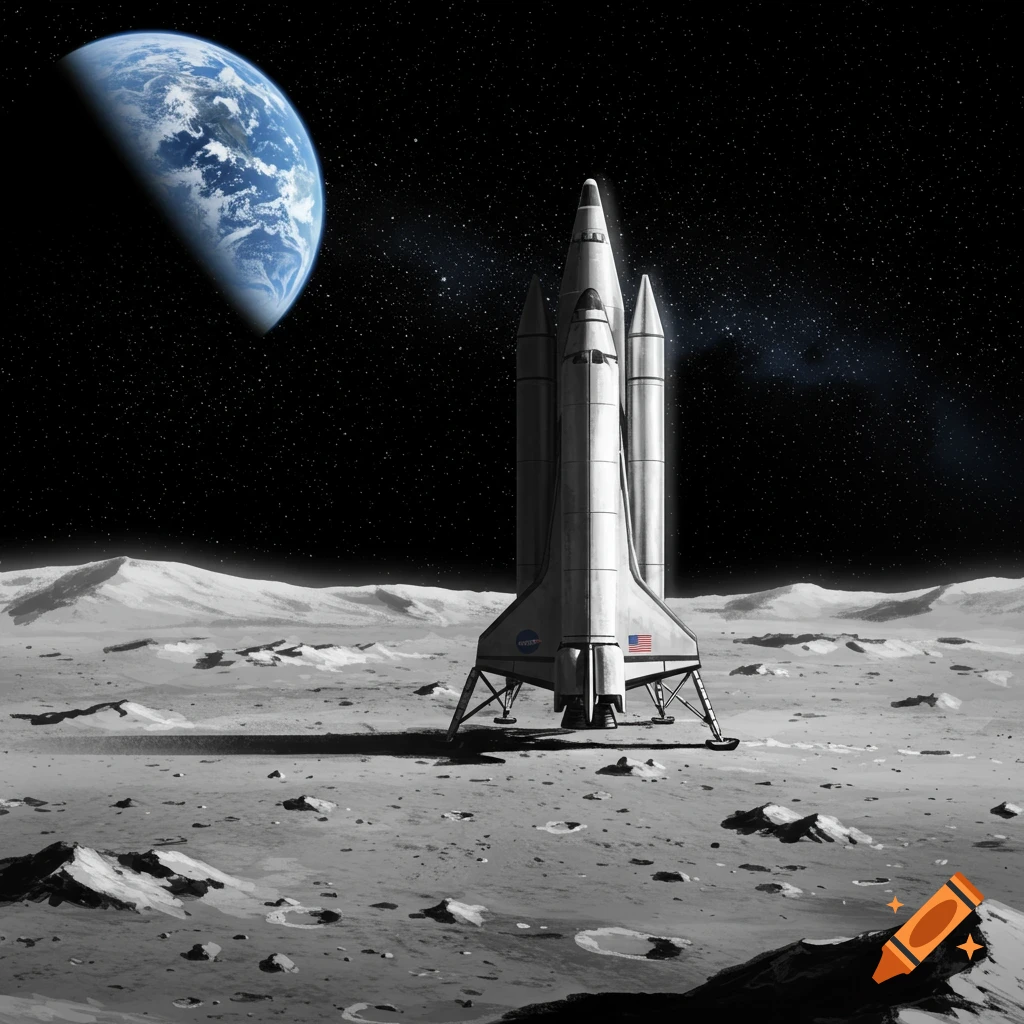
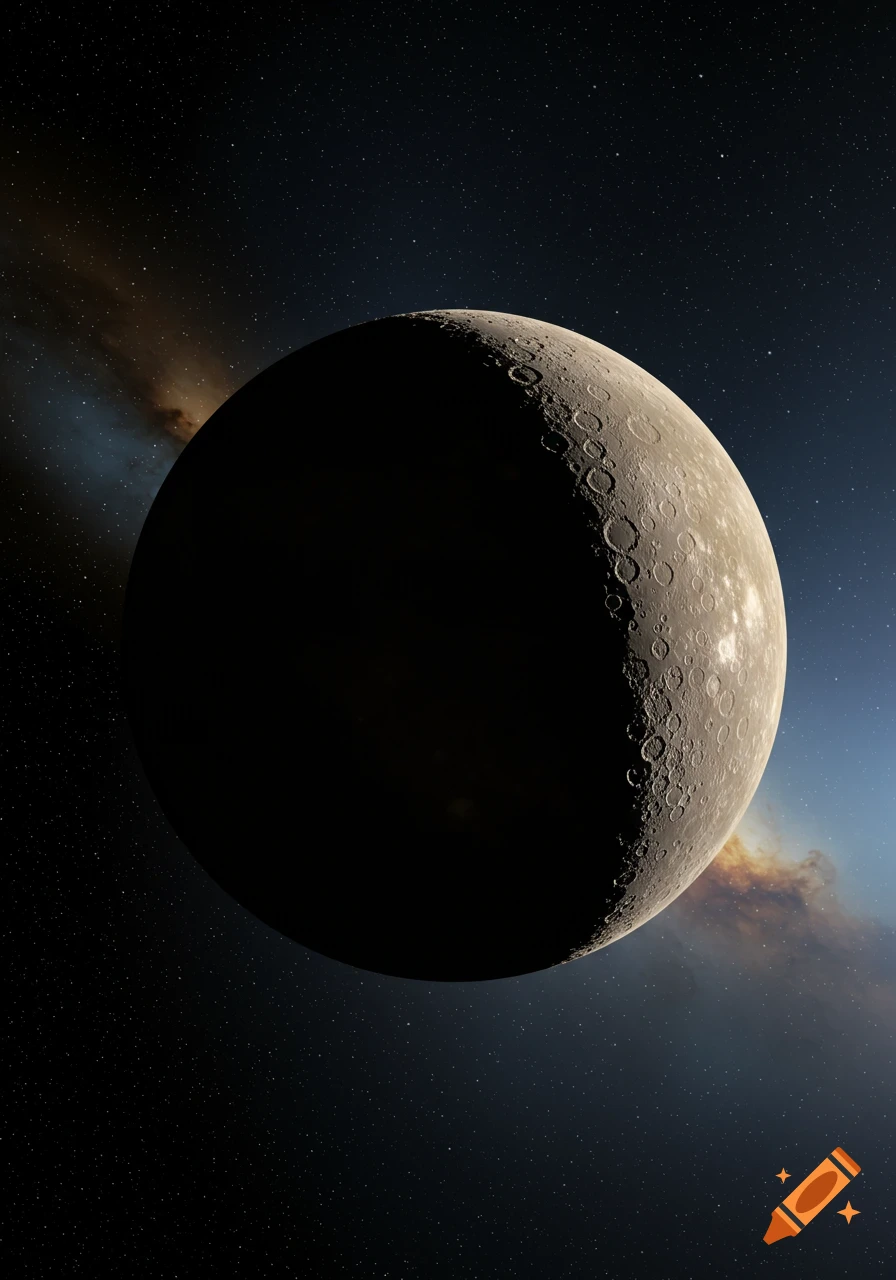
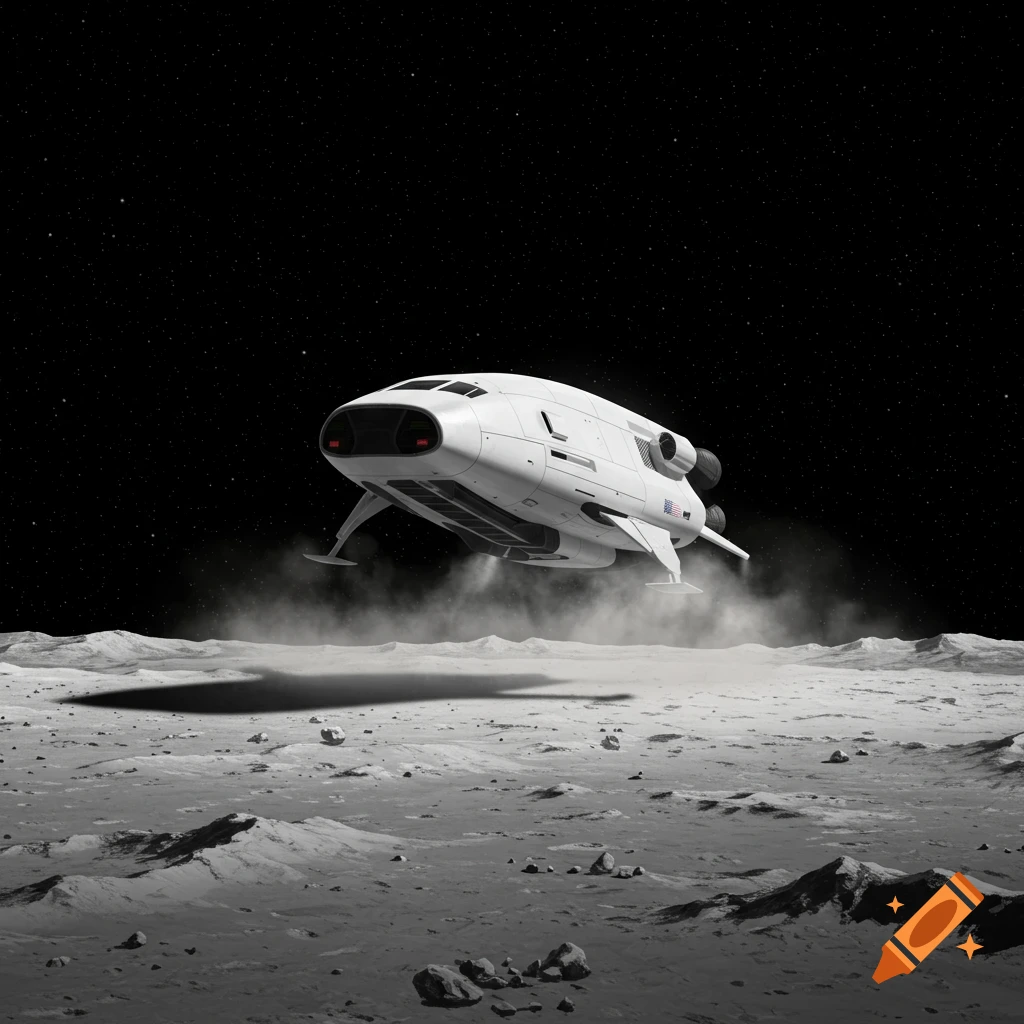
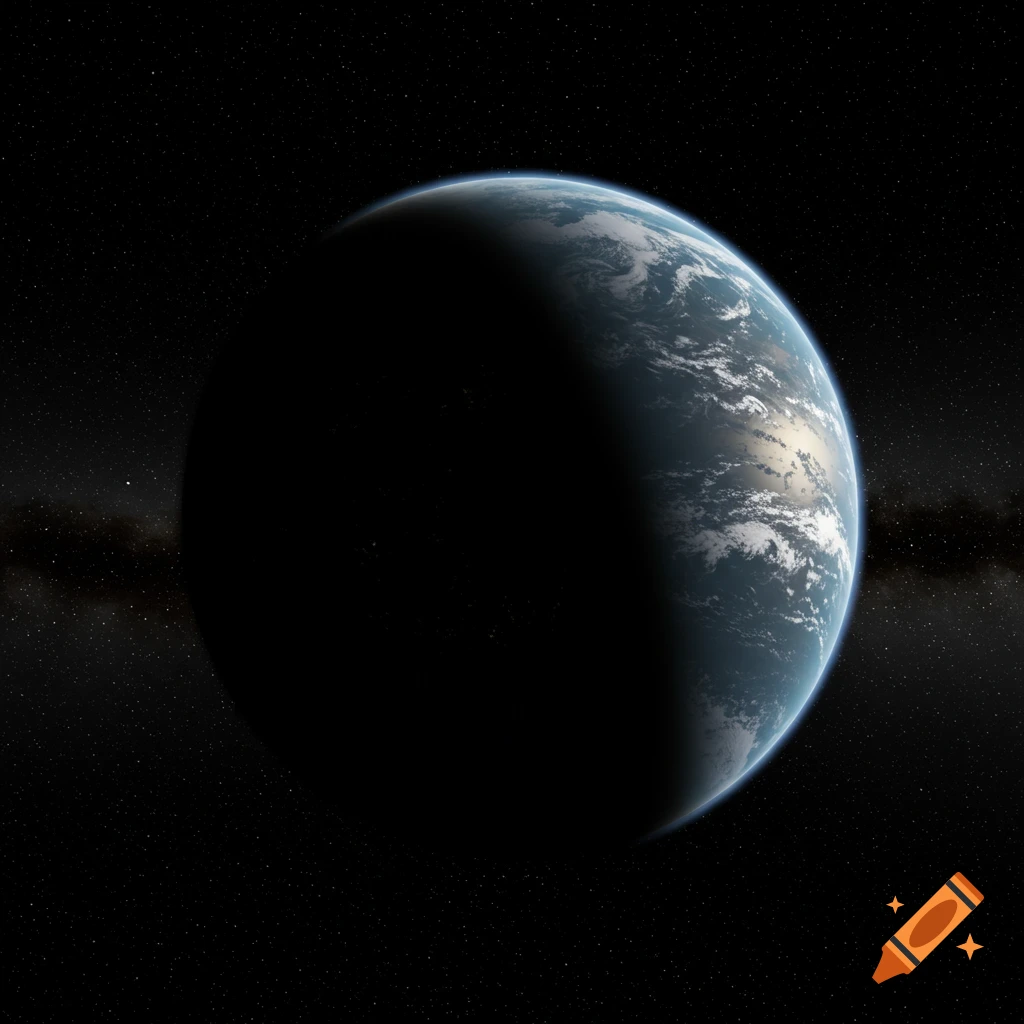
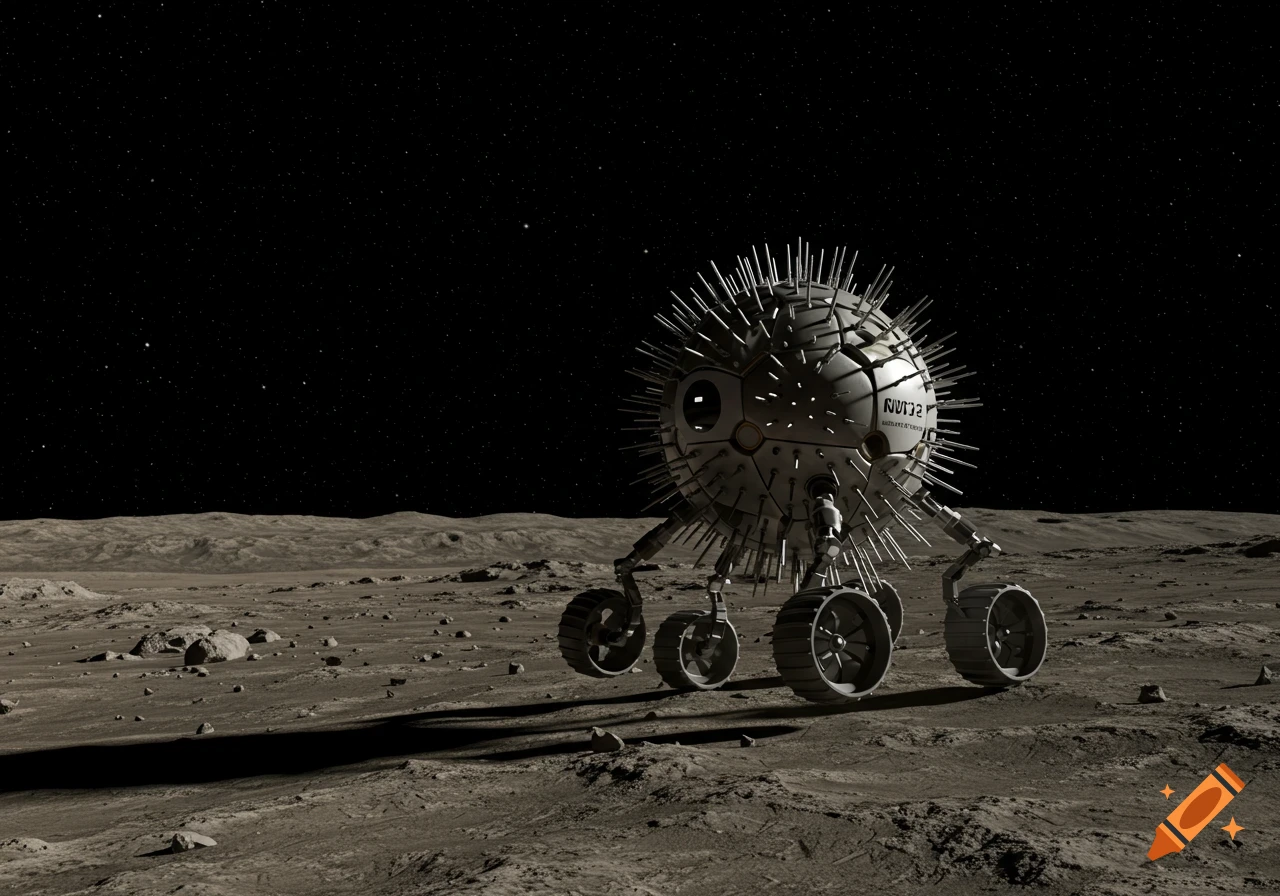
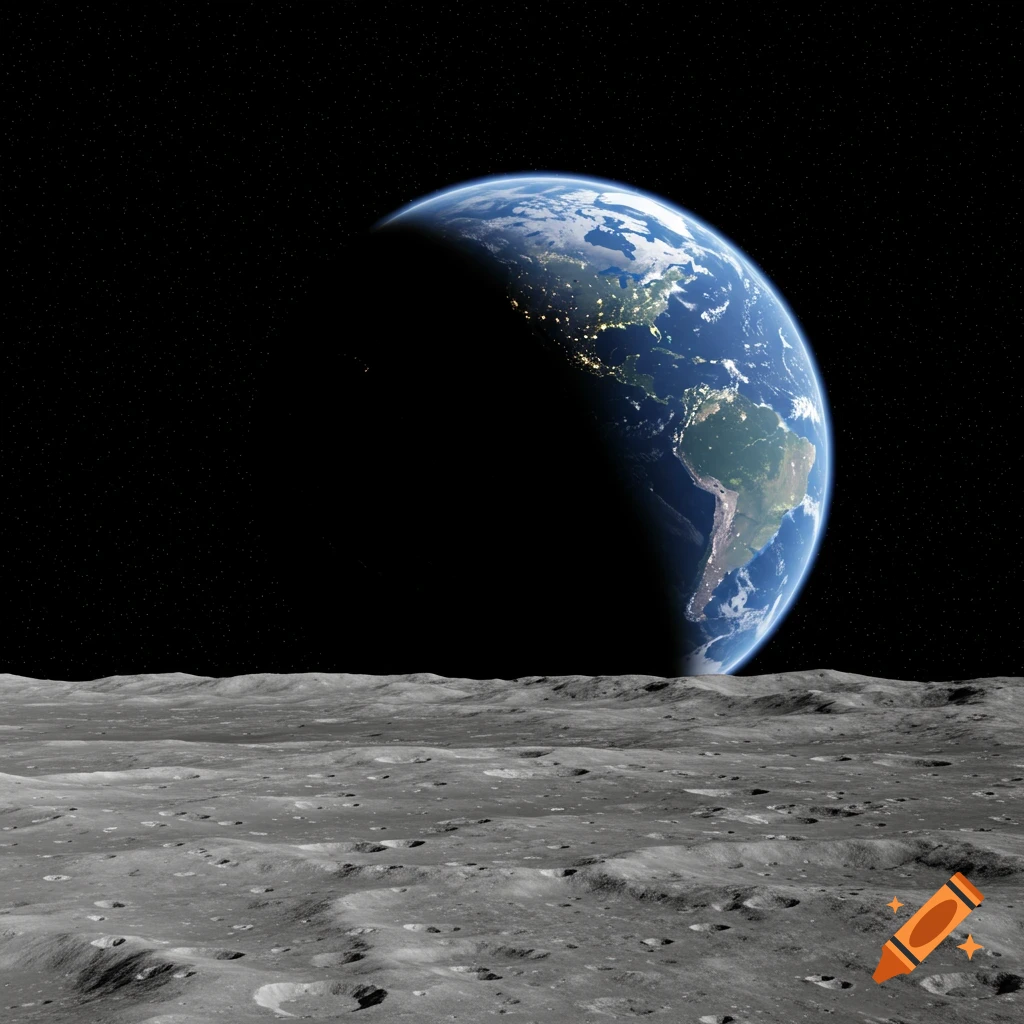
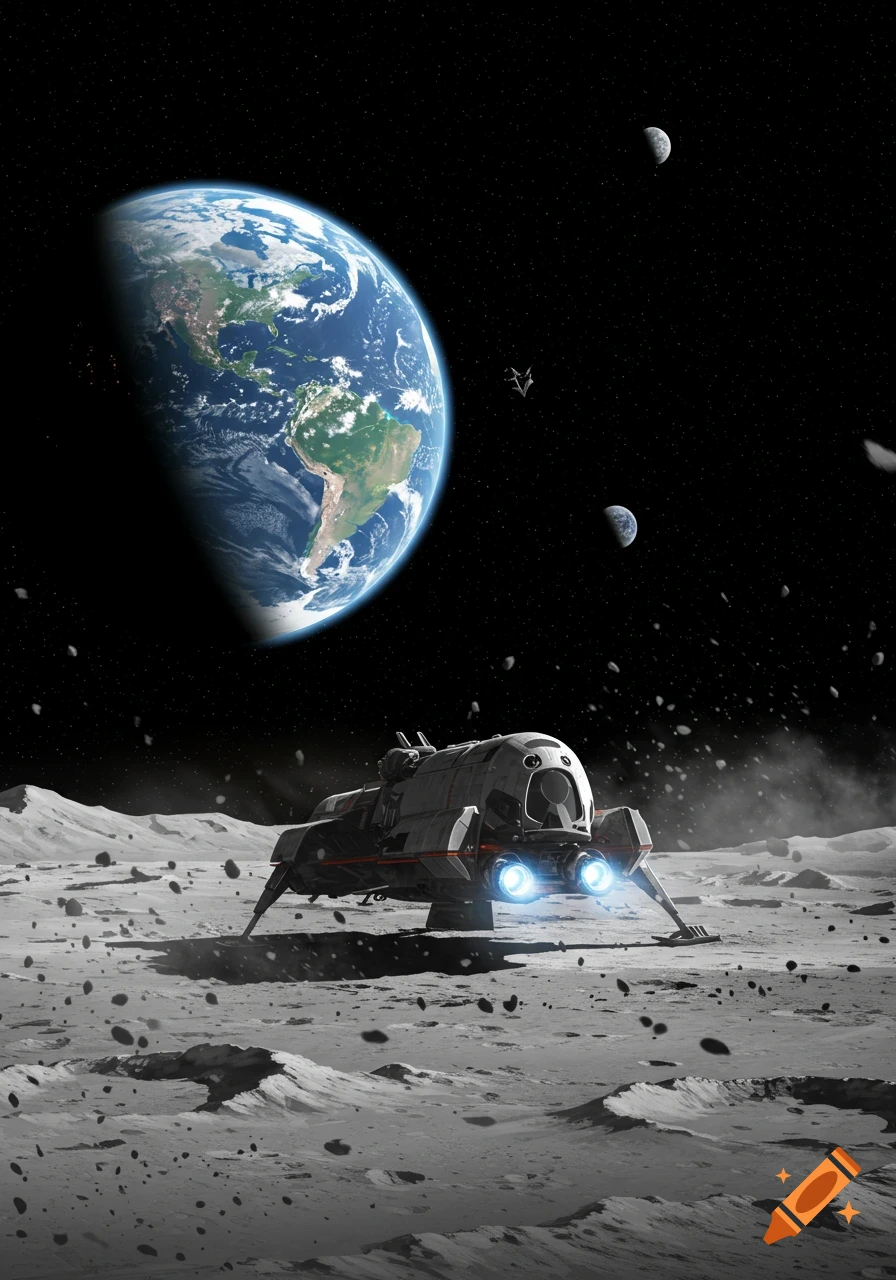
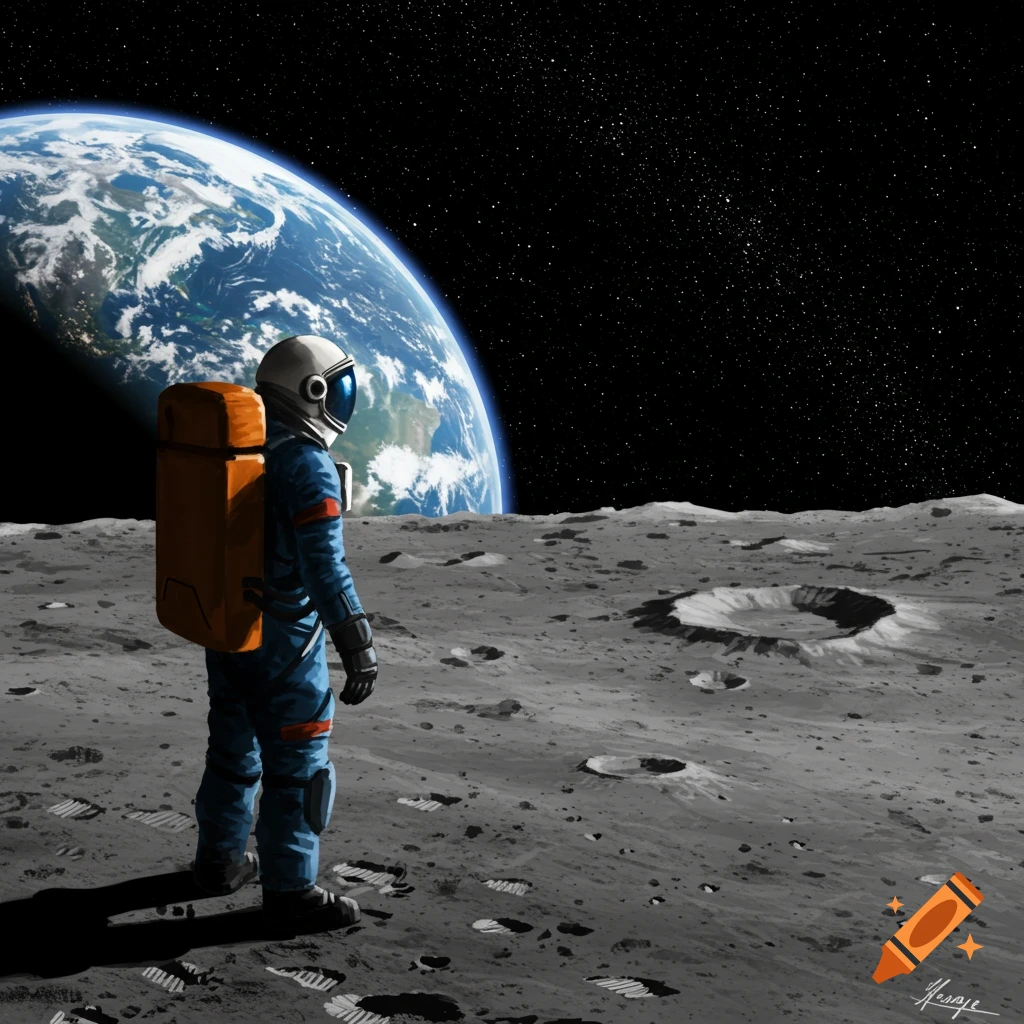
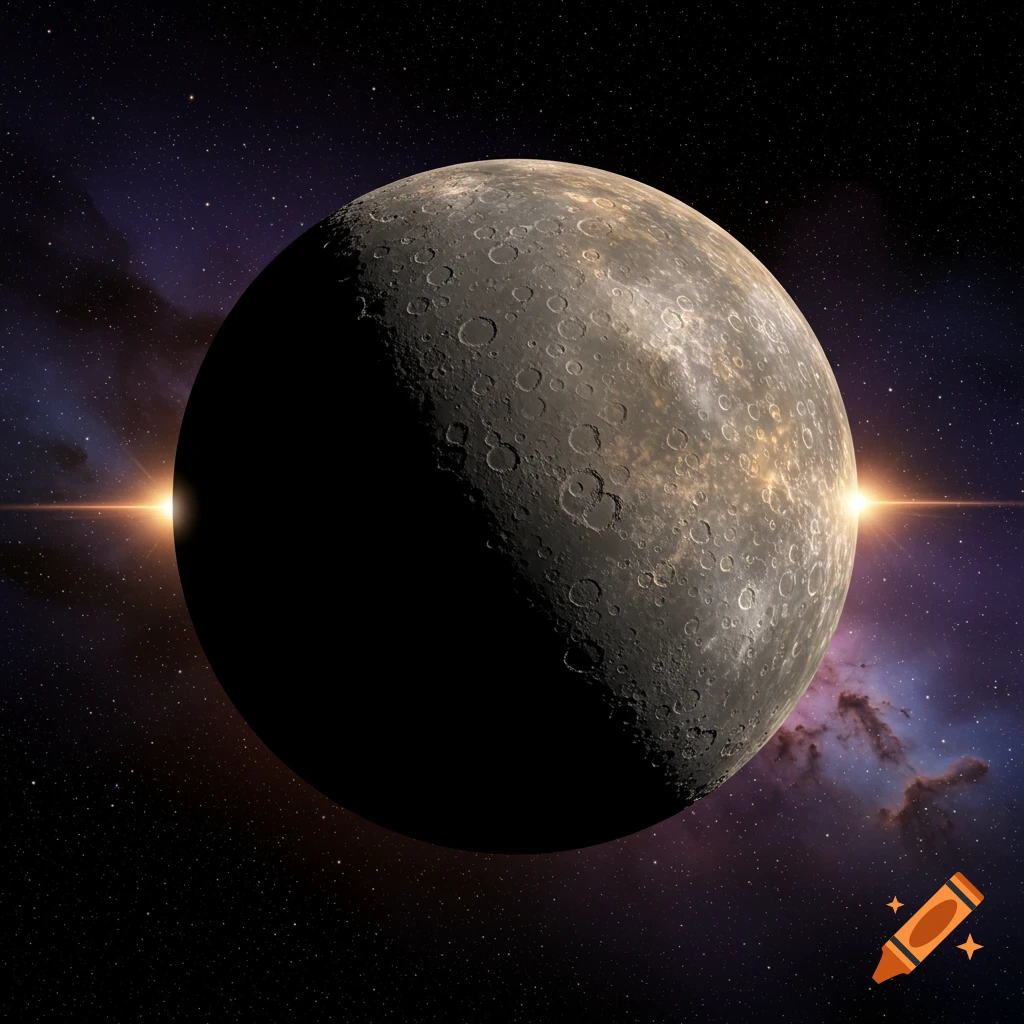
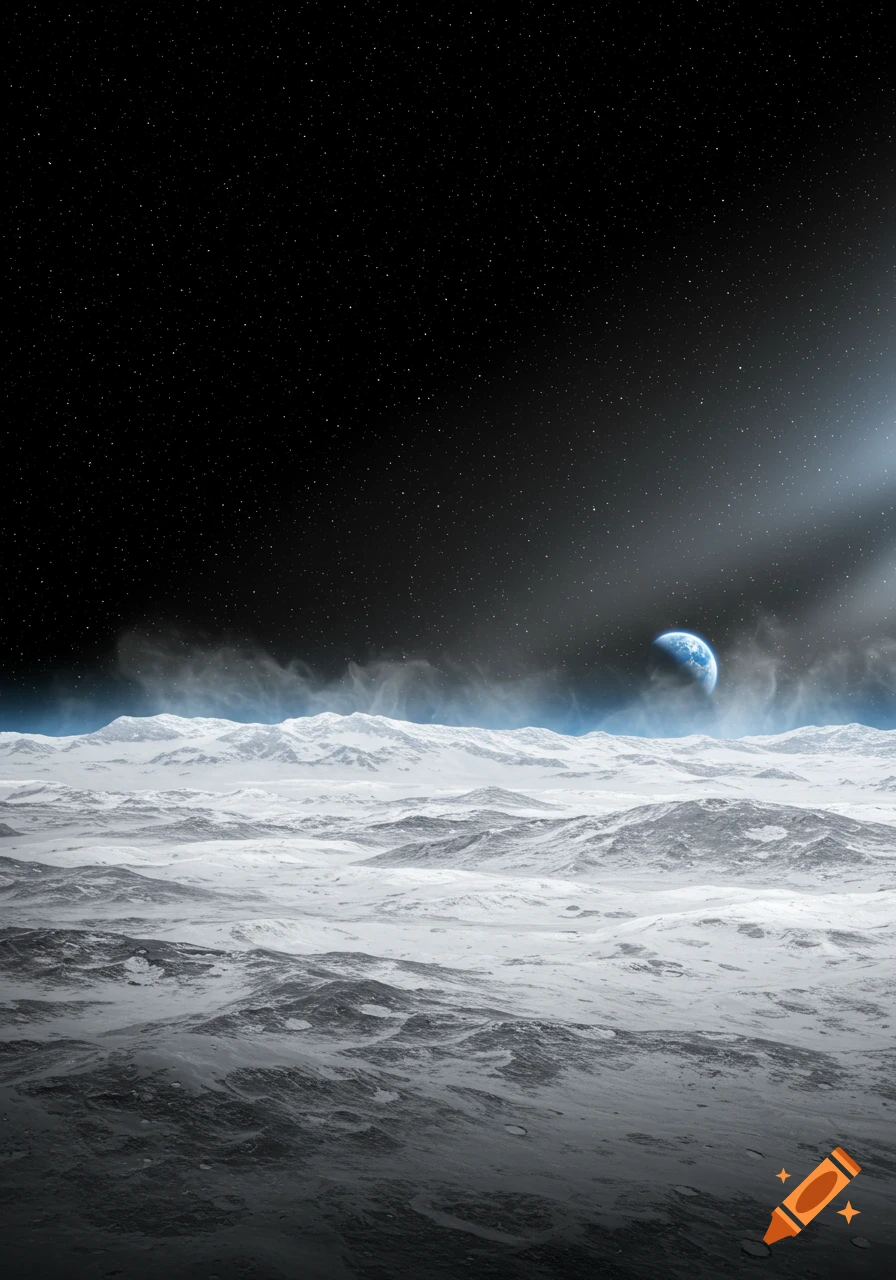
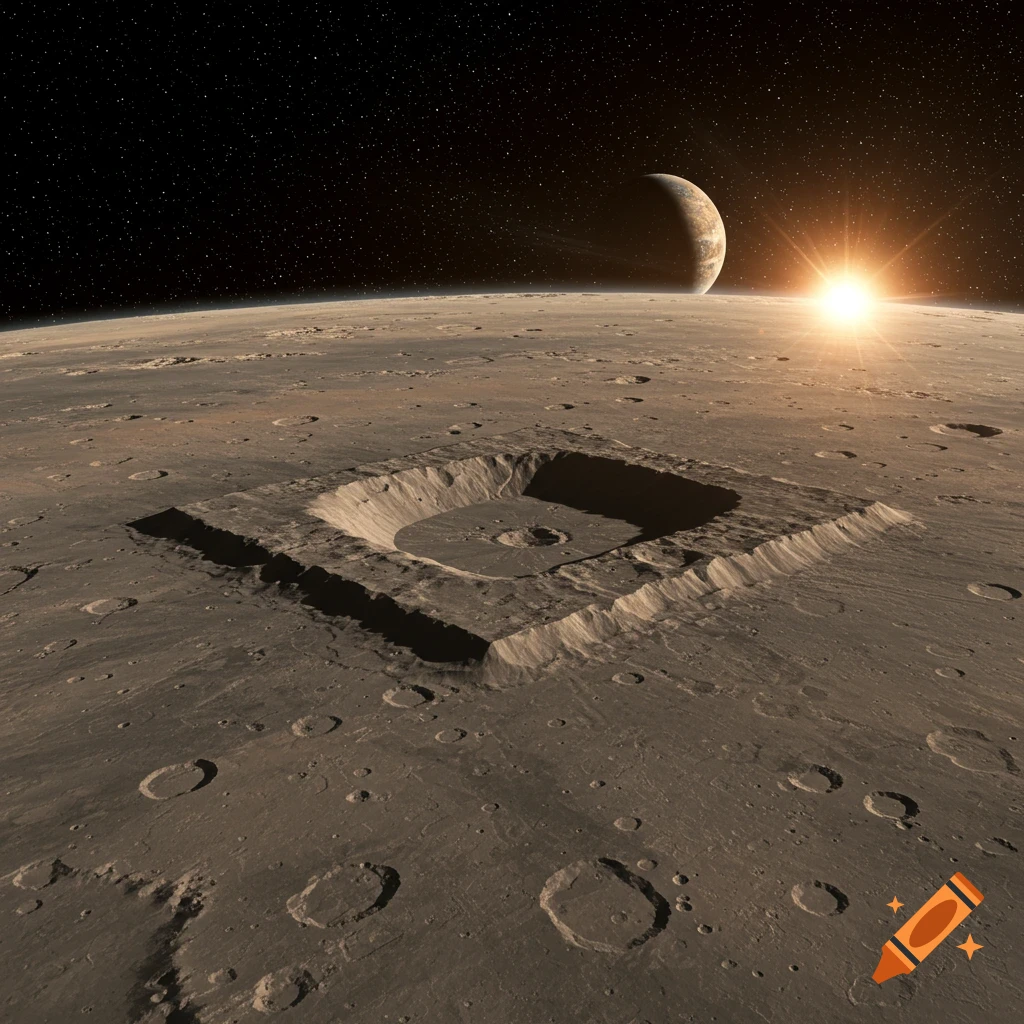
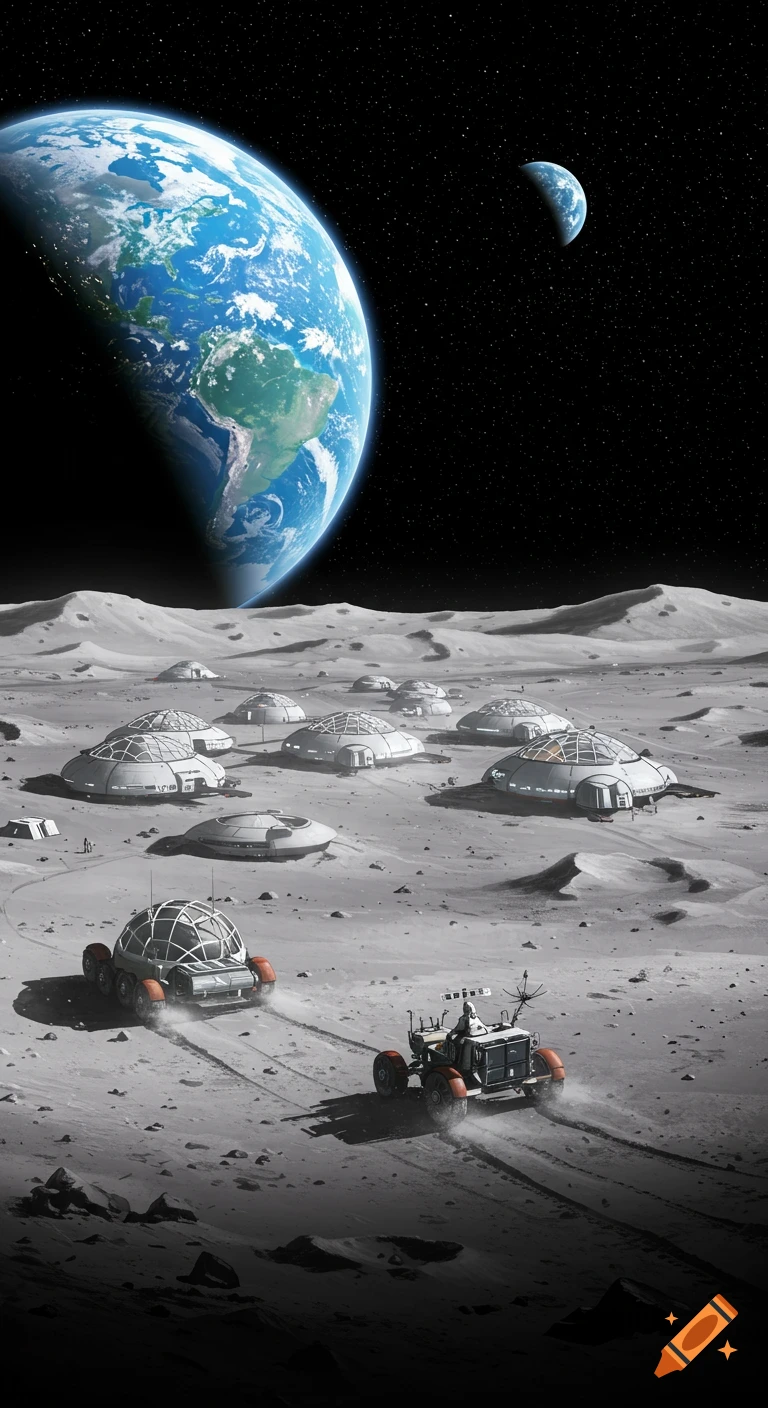
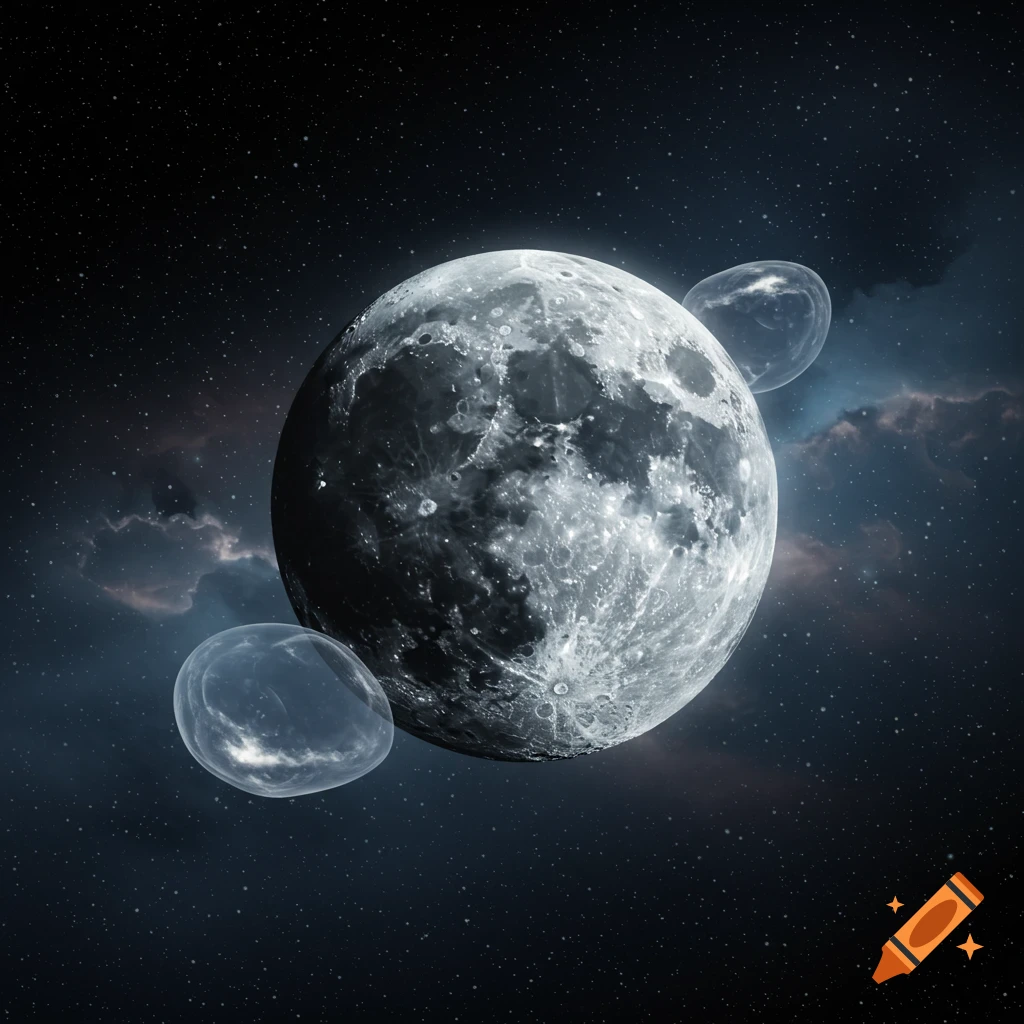
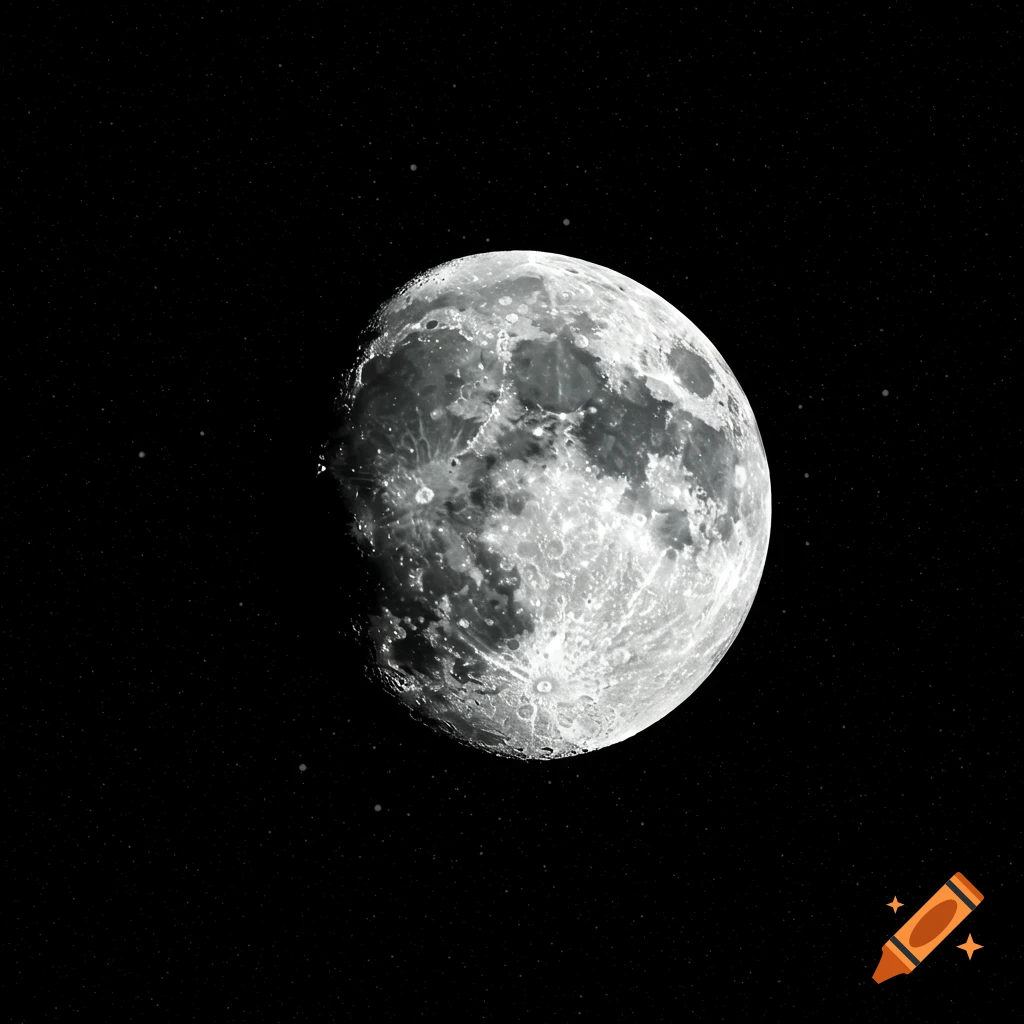
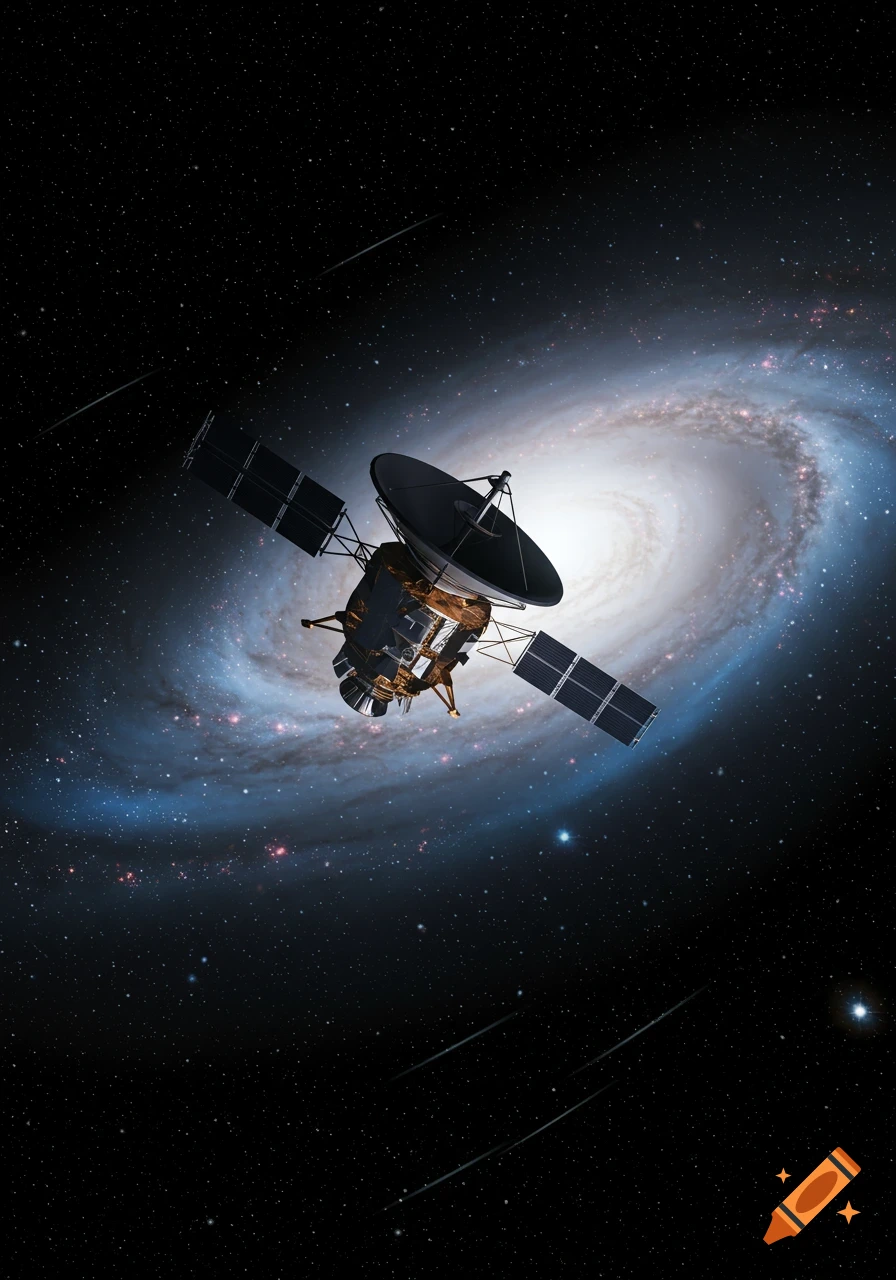
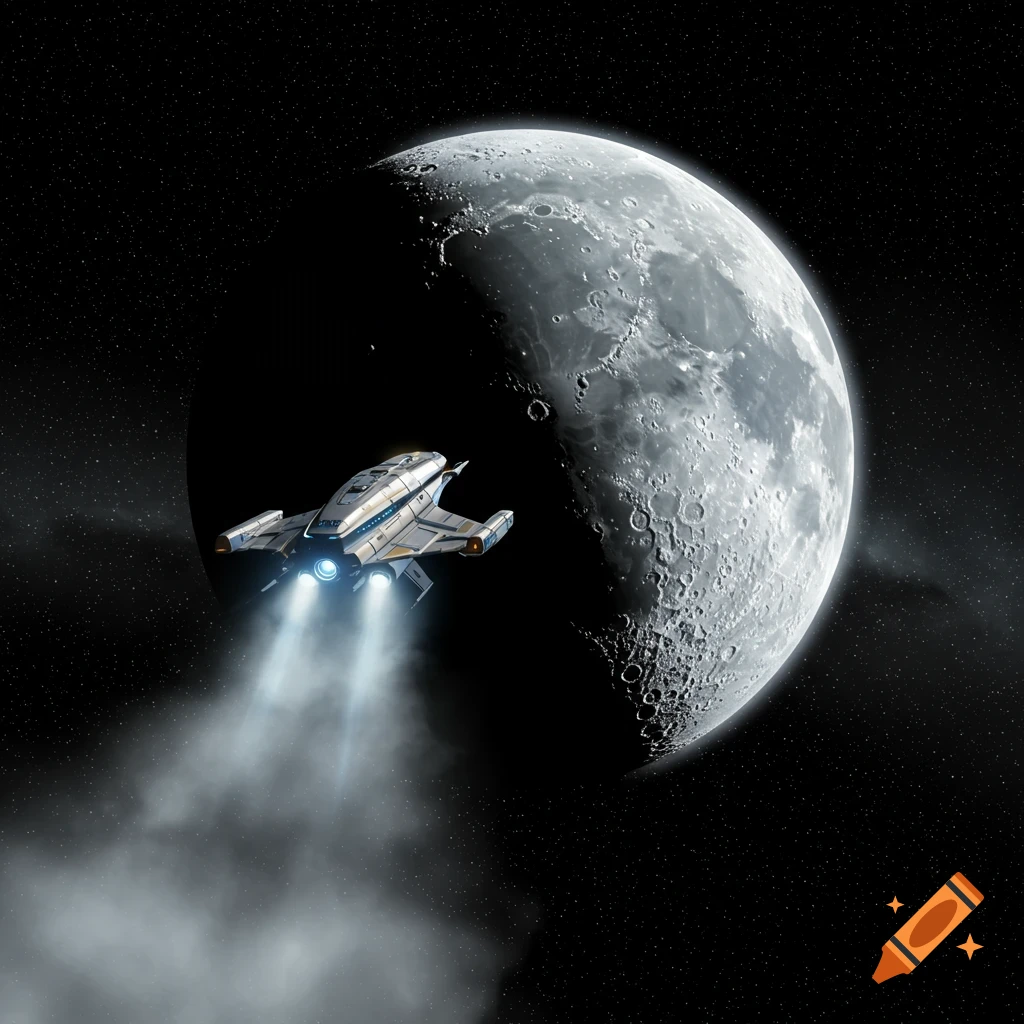
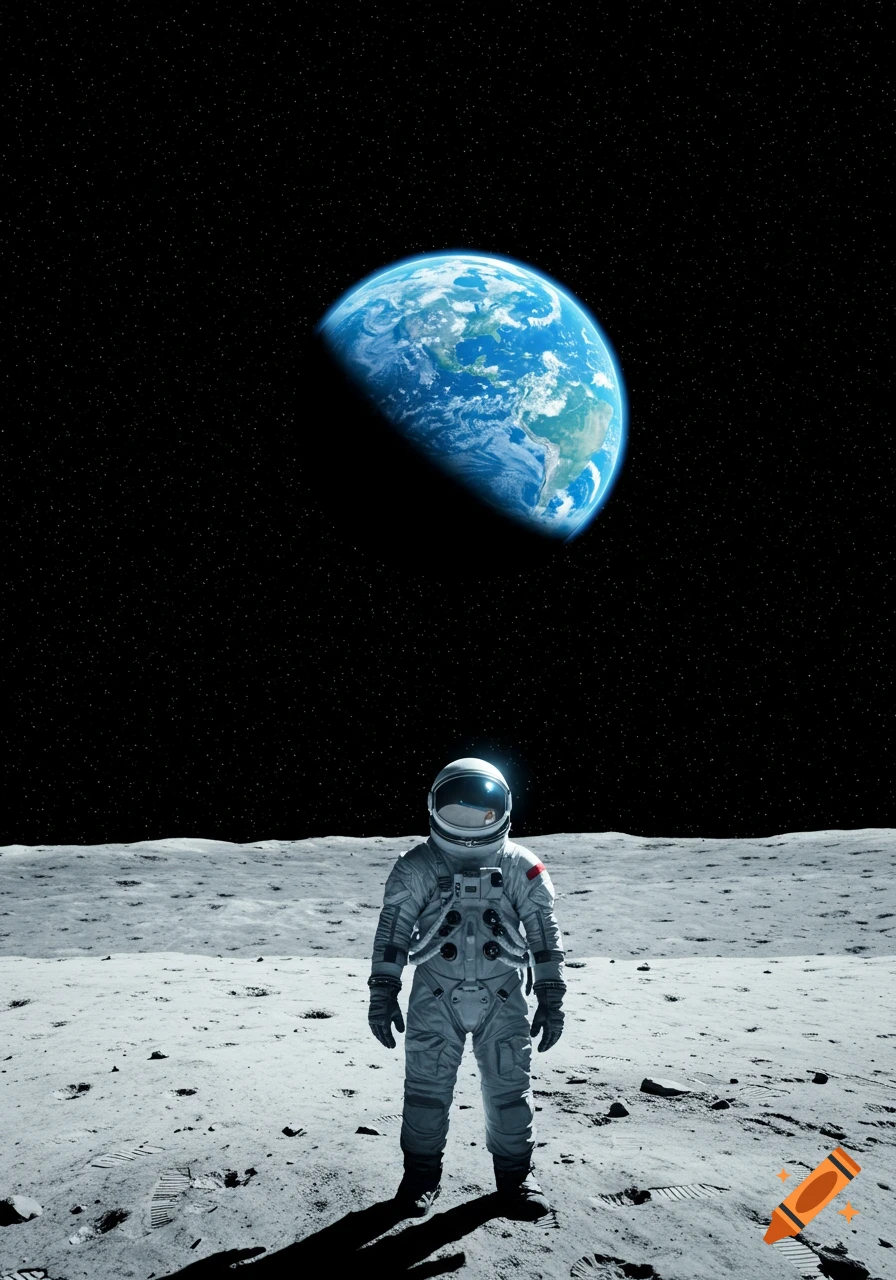
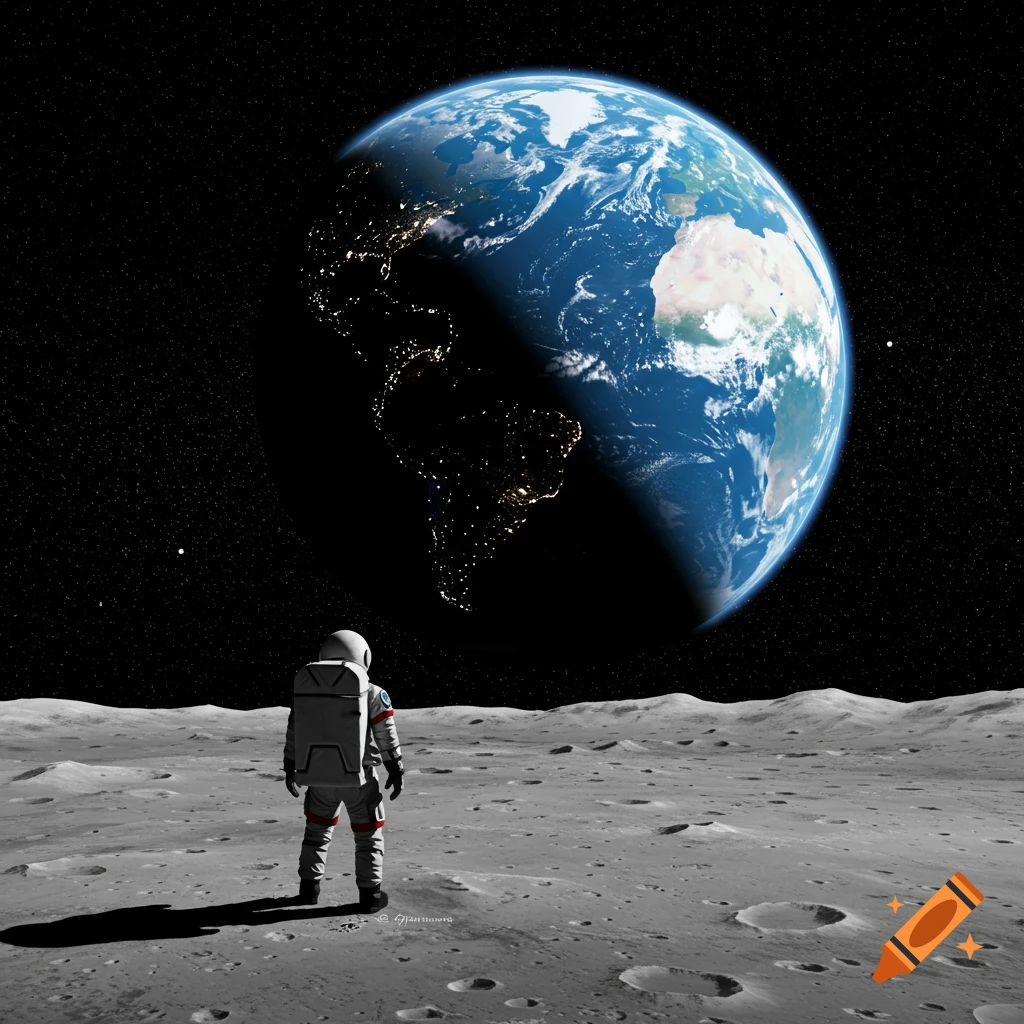
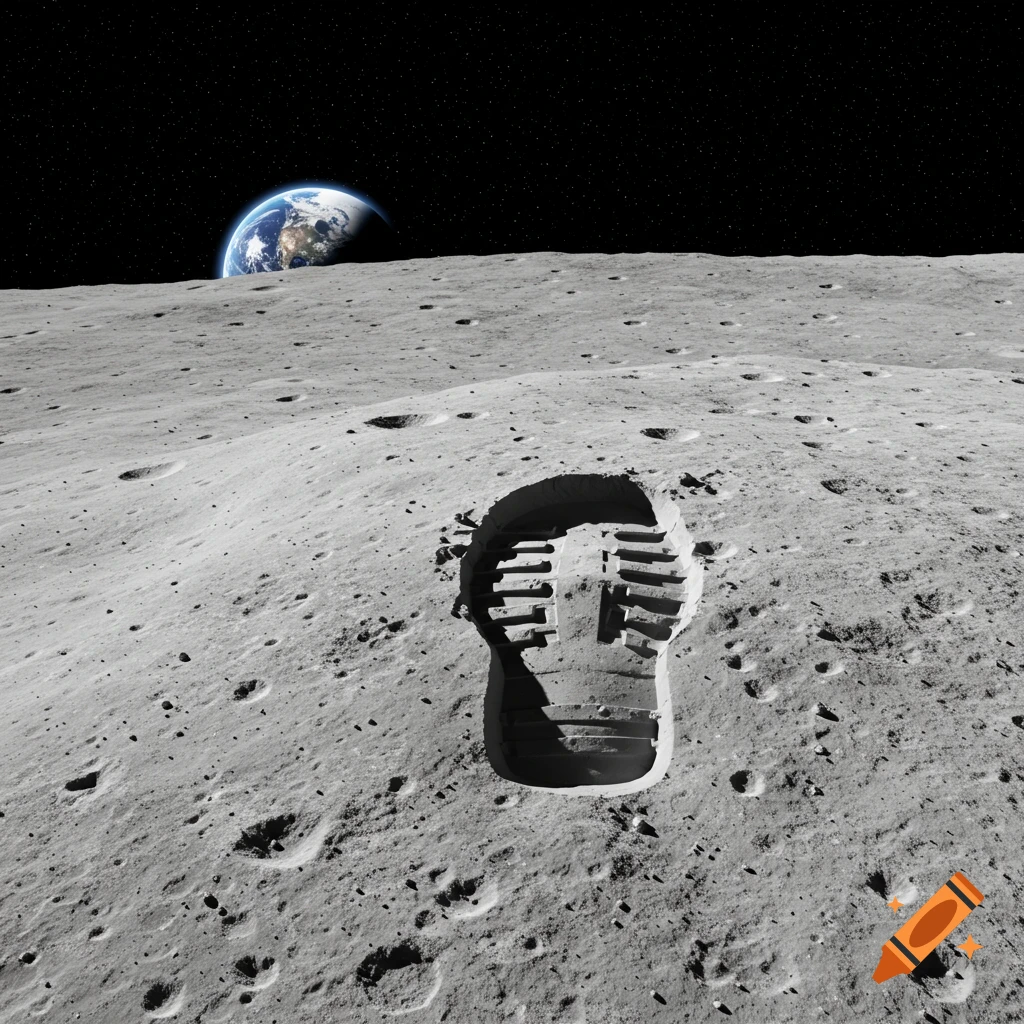
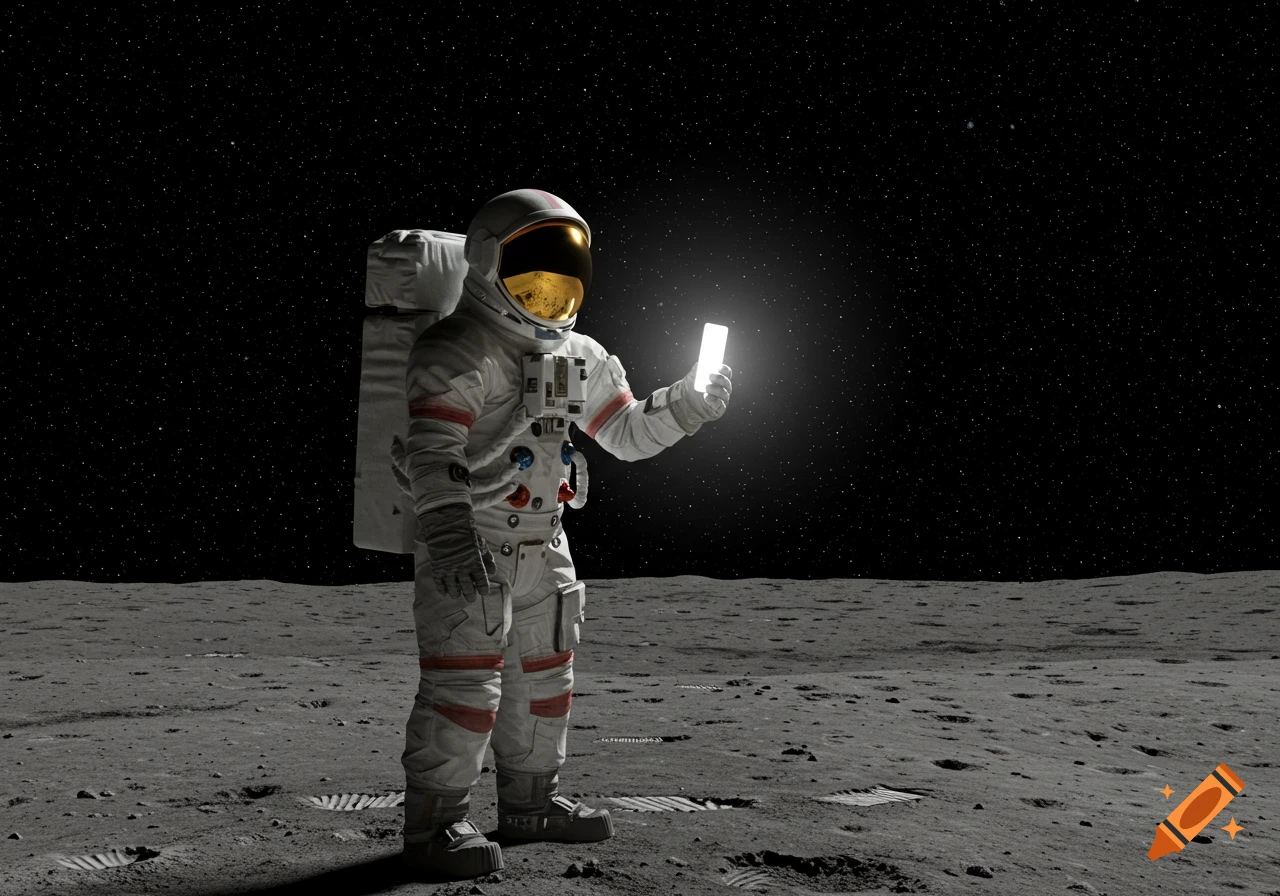
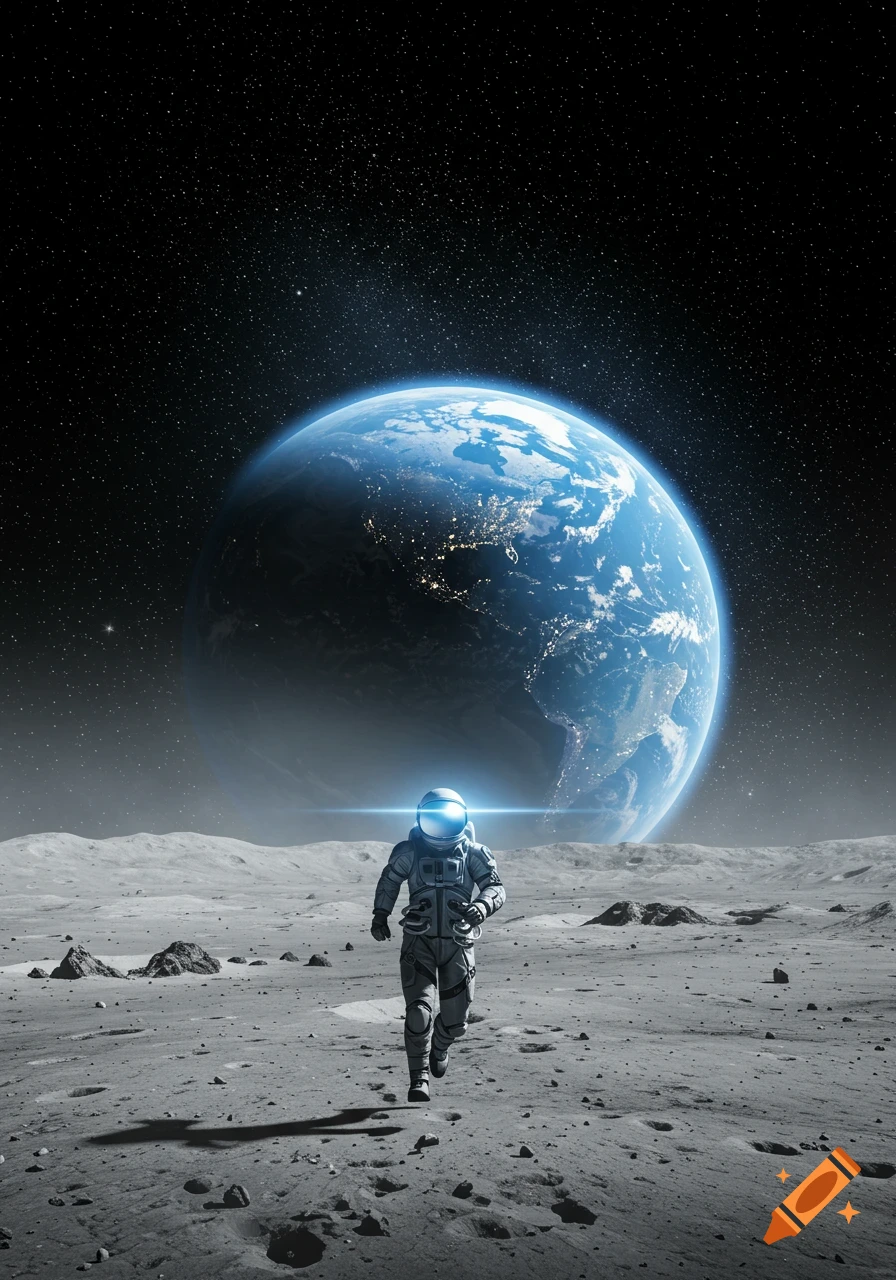
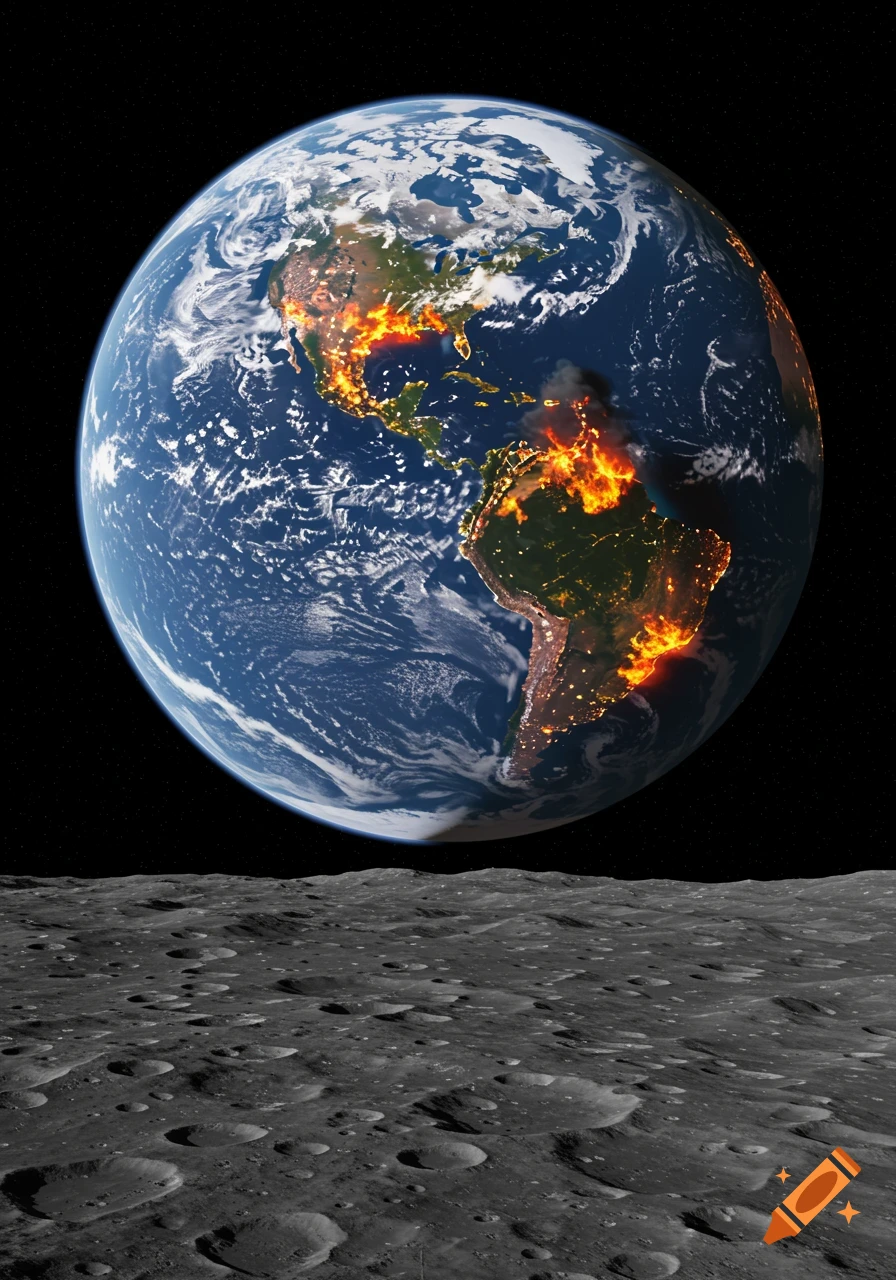
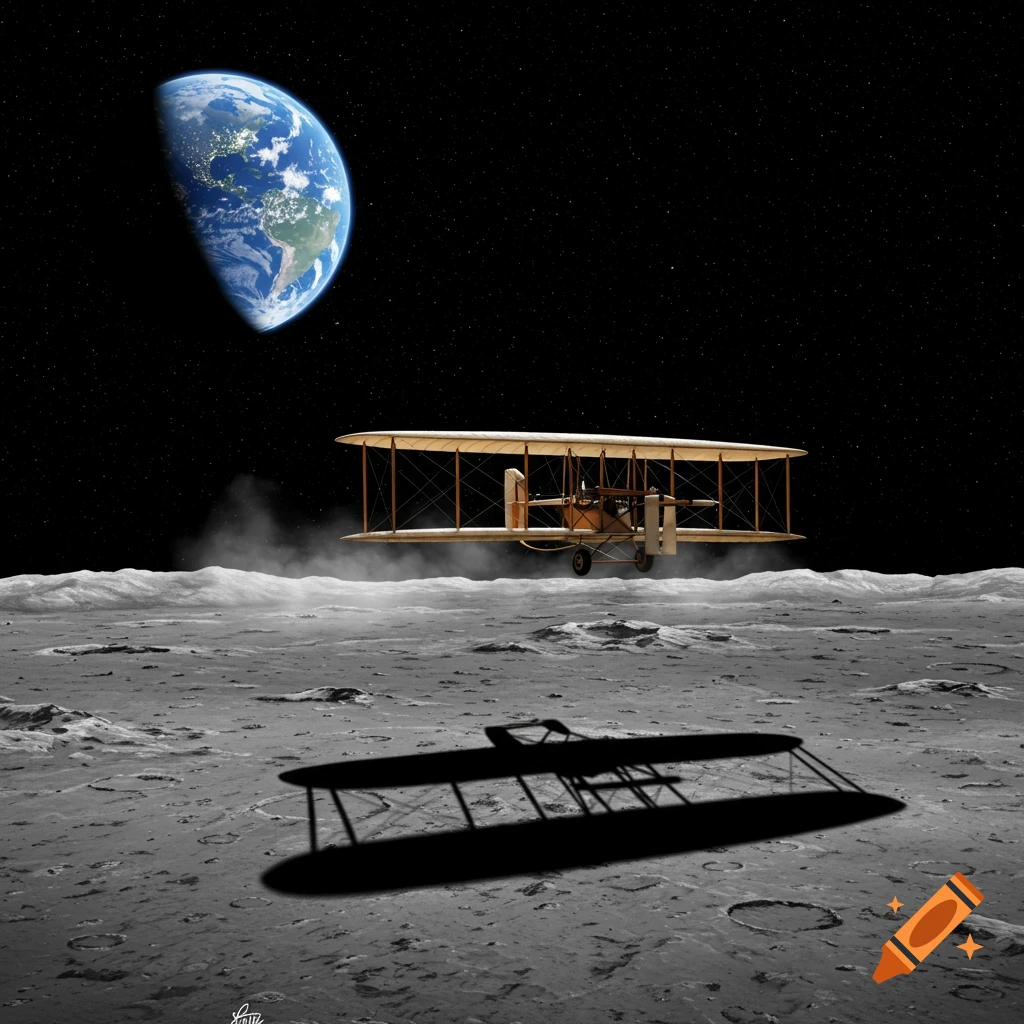
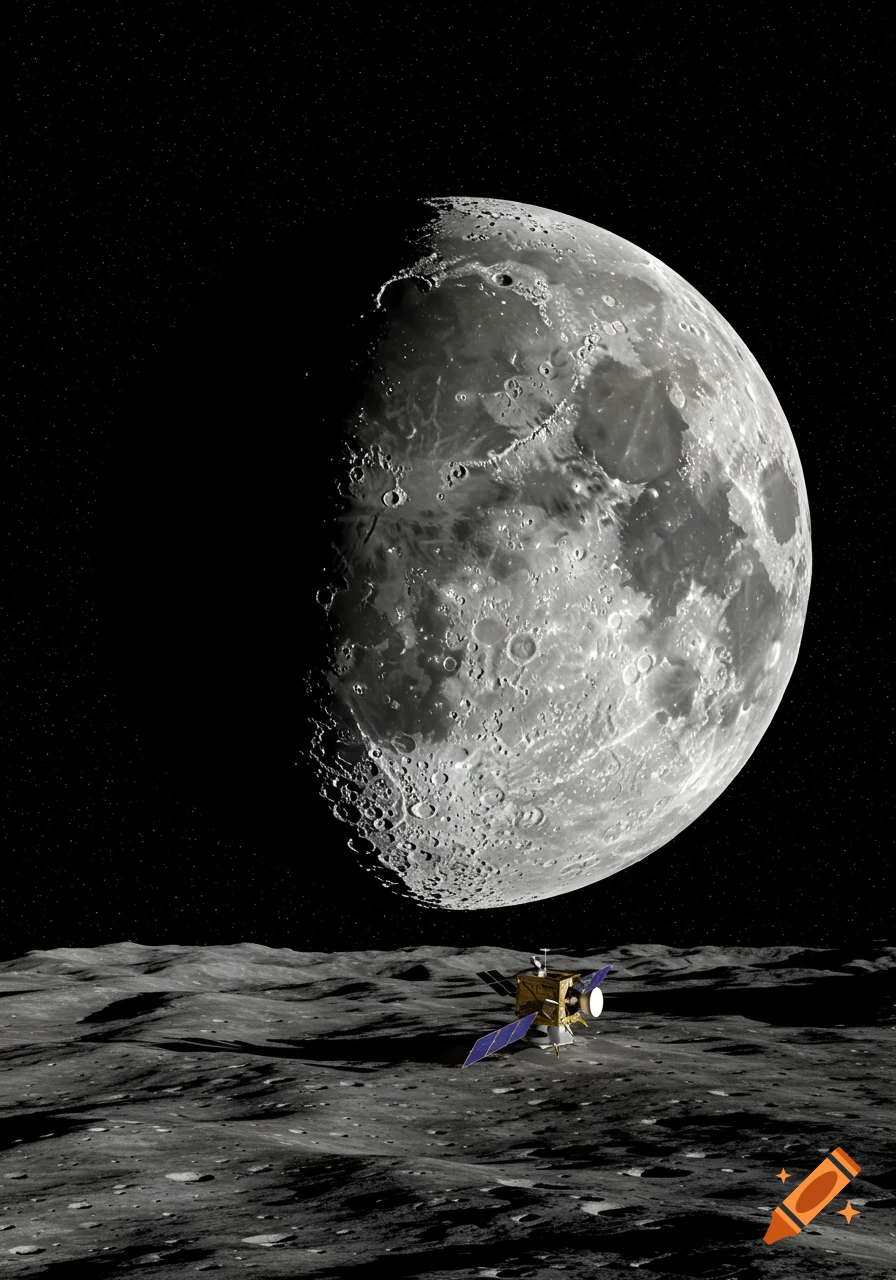
A spacecraft lands on the cratered surface of the moon under a crescent moon and stars.
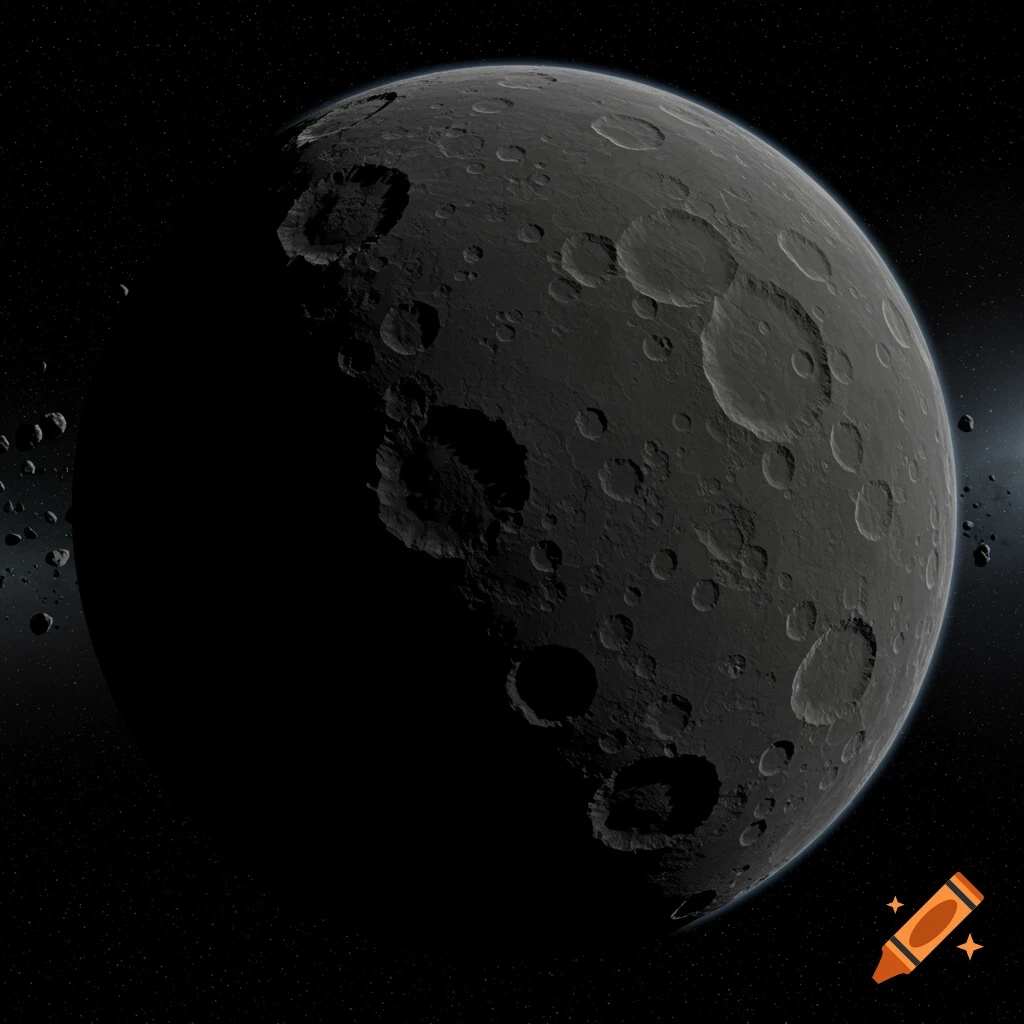
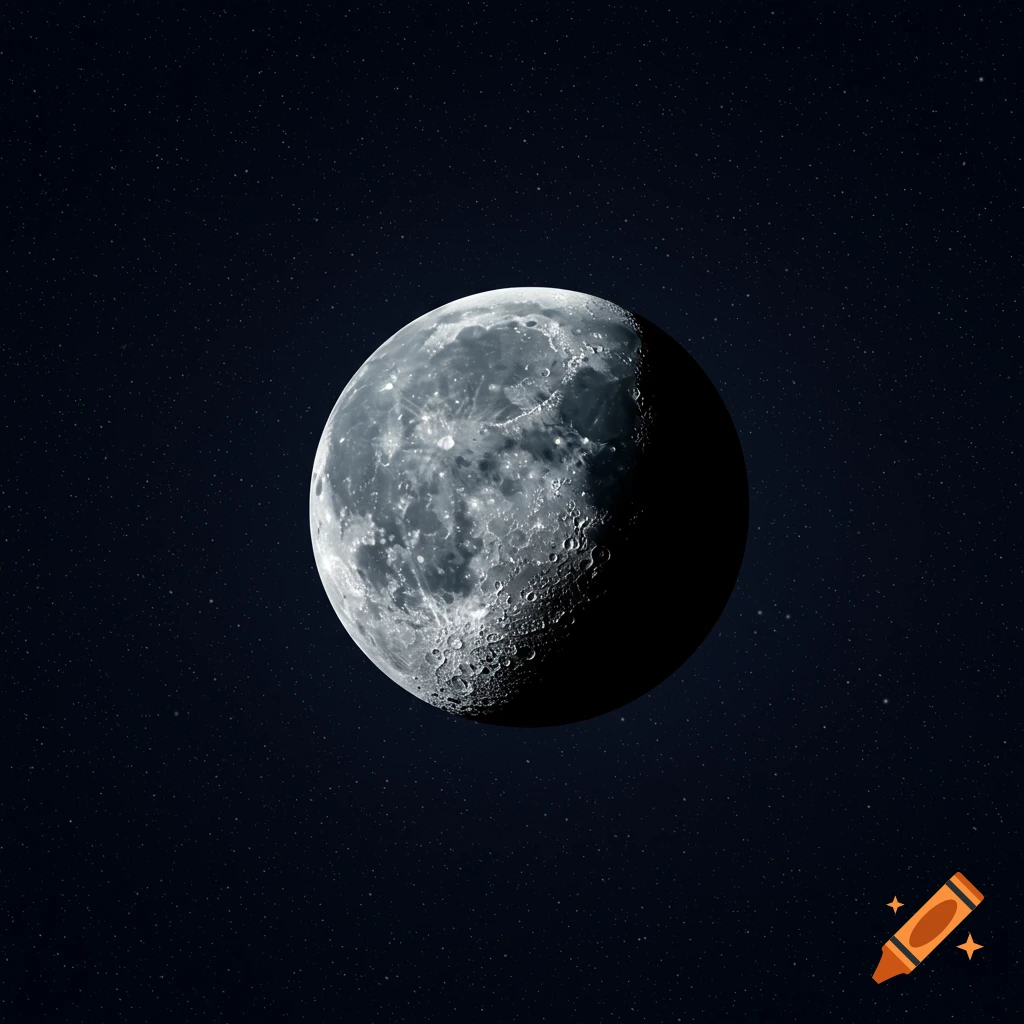
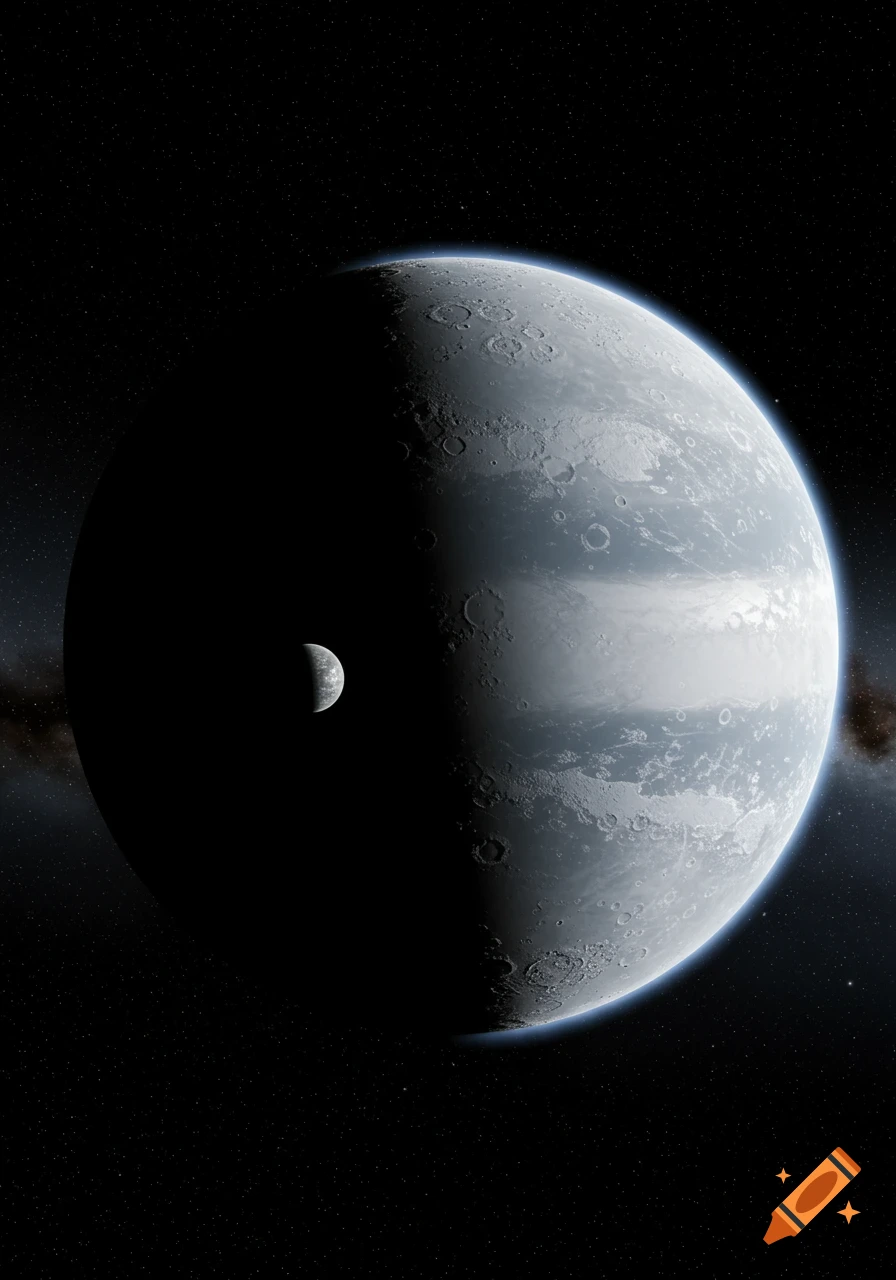
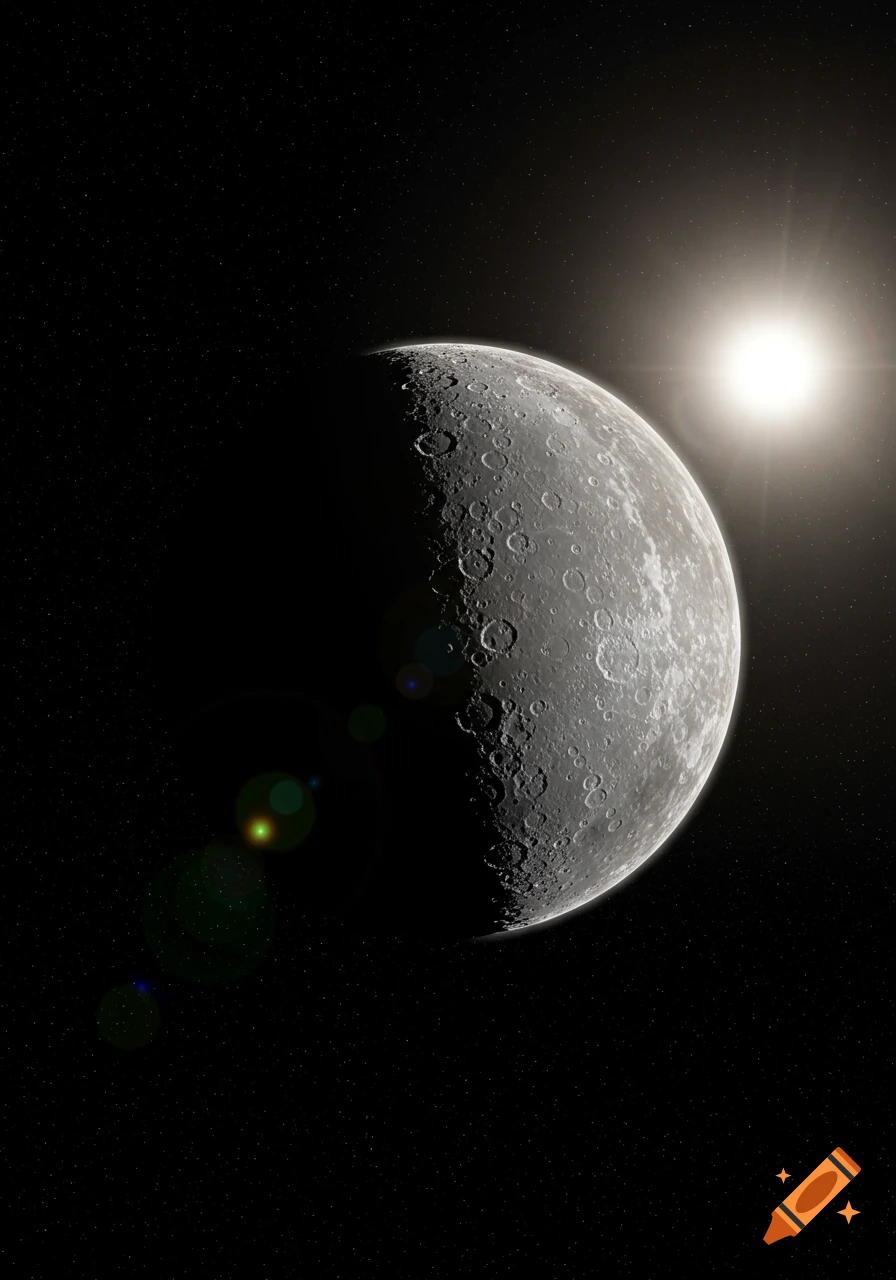
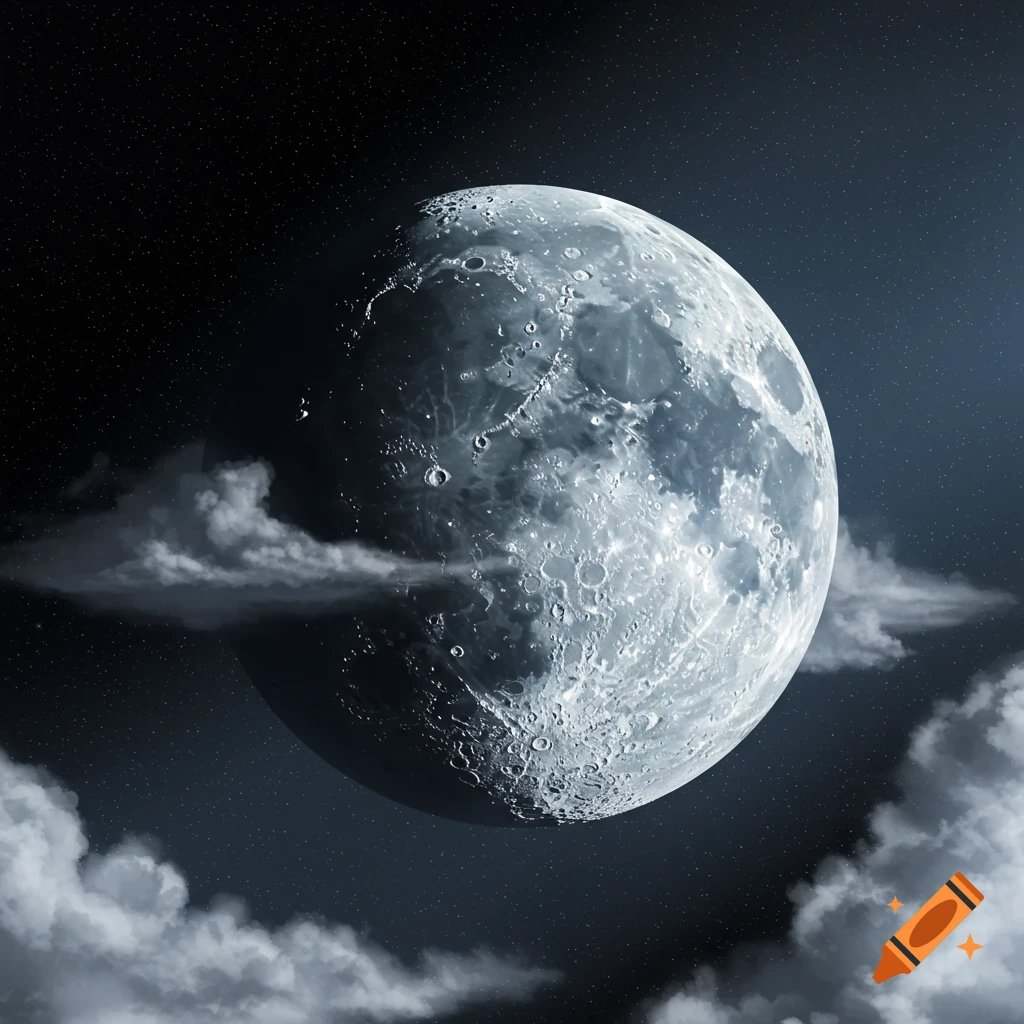
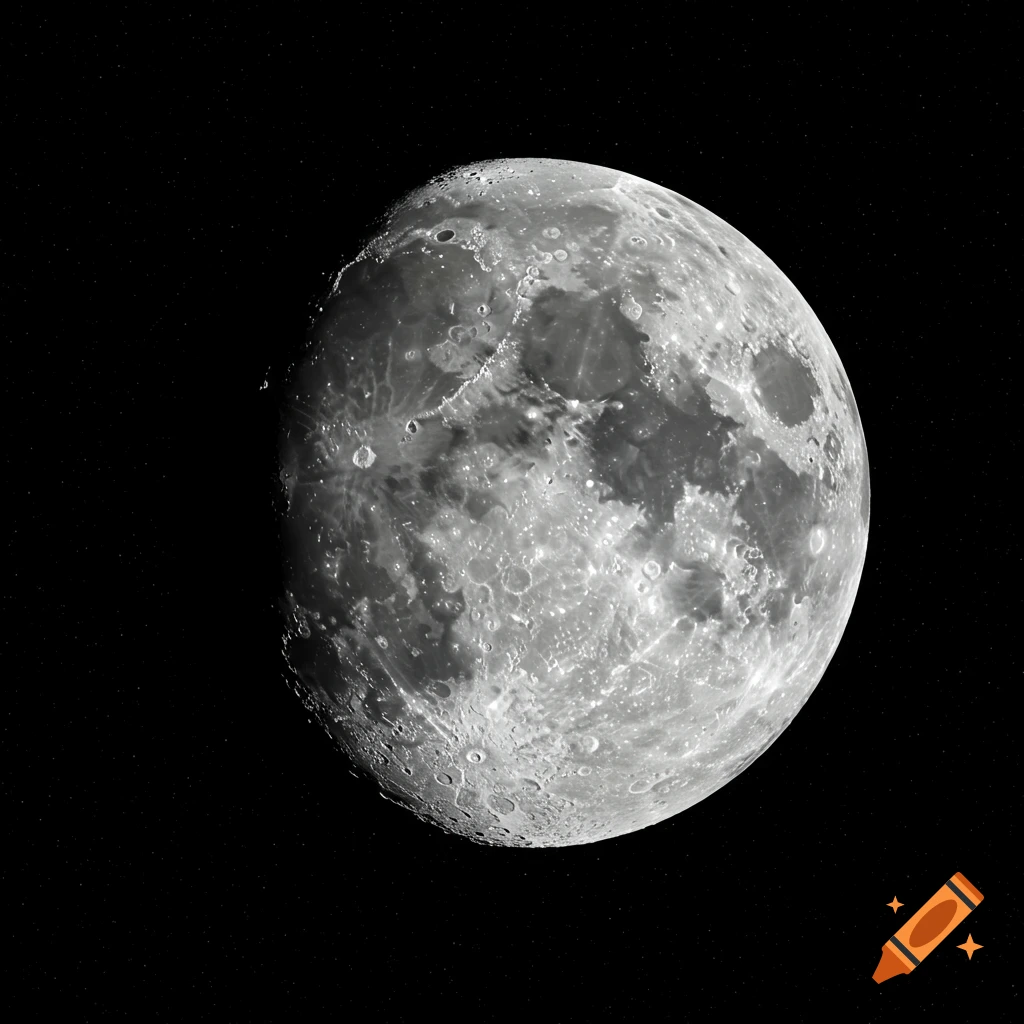
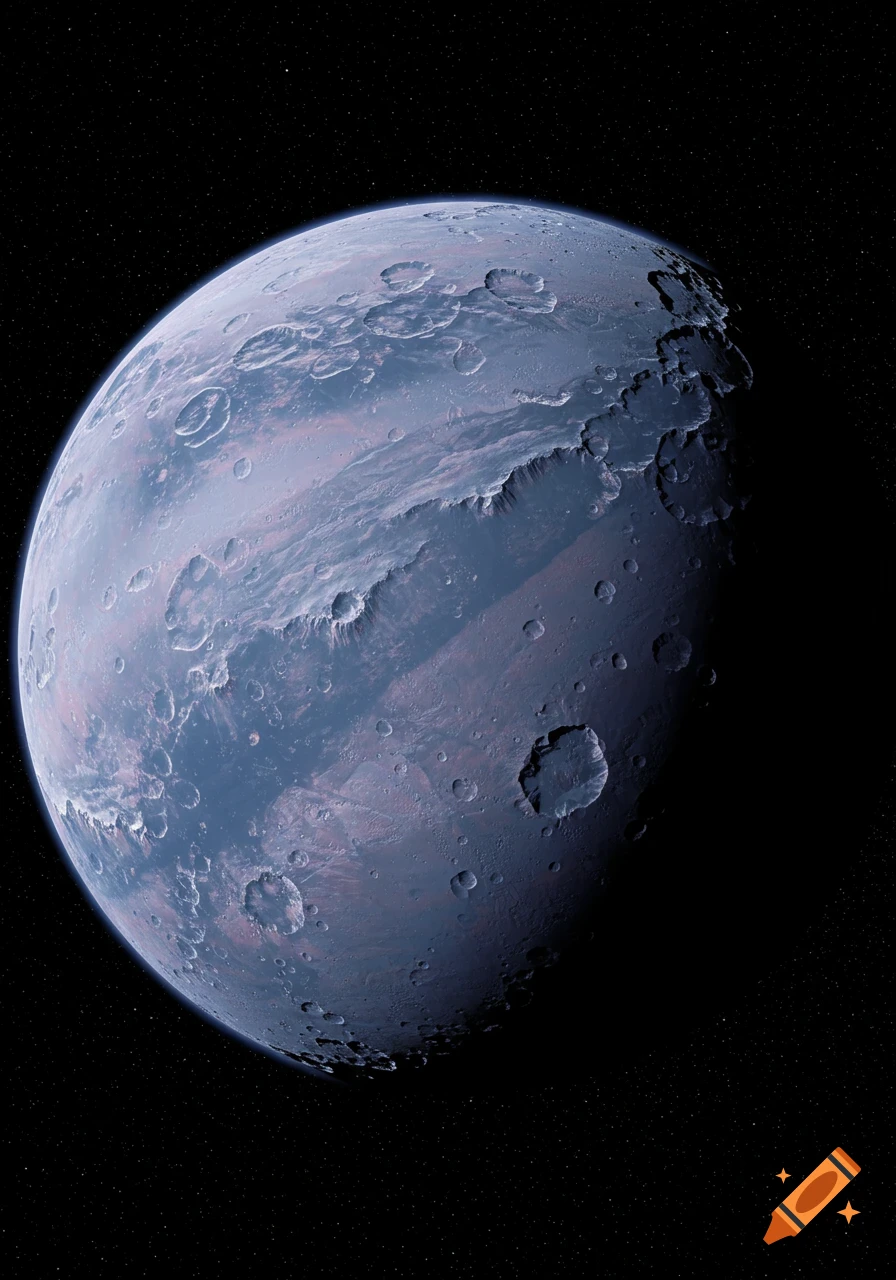
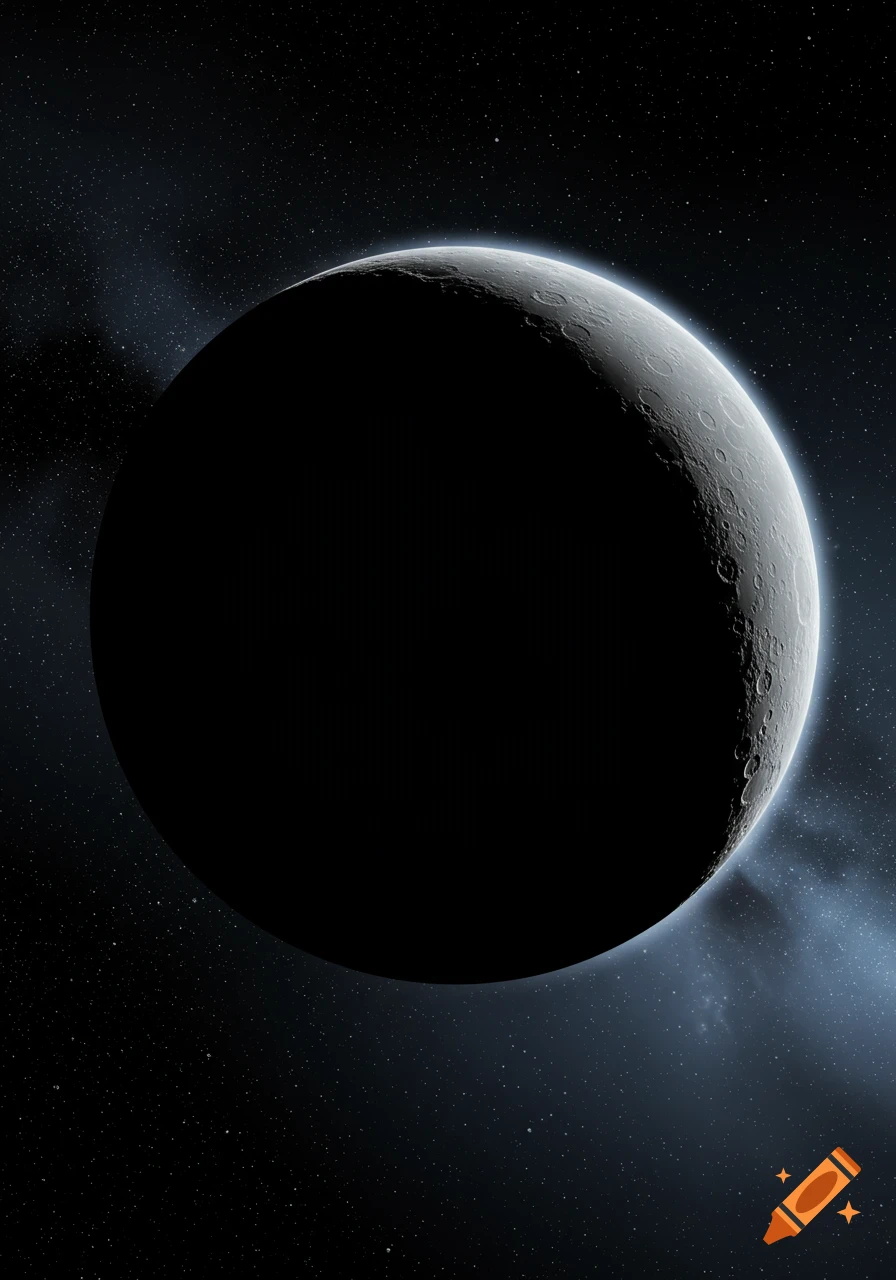
The "other side of the Moon" is more accurately called the far side of the Moon. It's not truly a "dark side" because it receives just as much sunlight over the course of a lunar month as the near side does. The reason we don't see it from Earth is due to tidal locking. The Moon rotates on its axis at roughly the same rate that it orbits the Earth, meaning the same side (the near side) always faces us. The far side is quite different from the near side: Heavily cratered: It has a much higher density of impact craters, especially large ones. Fewer maria (seas): Unlike the near side which has large, dark plains formed by ancient volcanic eruptions (known as maria or "seas"), the far side has very few and much smaller ones. This is thought to be due to differences in the Moon's crustal thickness and heat flow early in its history. Thicker crust: The crust on the far side is generally thicker than on the near side. We only saw the far side for the first time in 1959, when the Soviet Union's Luna 3 probe took the first pictures. Since then, many other missions have studied it, including China's Chang'e 4, which made the first-ever soft landing on the far side in 2019. See more